The cathedral recently held a Tudor banquet as part of a festival celebrating Henry VIII’s first wife
Henry VIII is one of the most famous kings that England has seen, due to his many marriages. The Tudor king married six times, and with this came a well-known poem of “divorced, beheaded, died, divorced, beheaded, survived”, to help people remember what happened to his wives.
Advertisement
His first wife Katherine of Aragon was buried at Peterborough Cathedral. Born in 1485 in Spain, Katherine was born to King Ferdinand II and Queen Isabella. She was sent to England in 1501 to marry Prince Arthur, however he died after only five months of them being married.
In 1509, she then married Henry VIII, and thus began the king’s long line of marriages. Whilst married to Henry, she gave birth to six children.
Sadly, five died and the only surviving child was Mary I, later known as Mary Tudor. With the hopes of a son and heir, Henry and Katherine’s marriage deteriorated and he sought to marry Anne Boleyn.
Advertisement
Henry hoped to divorce Katherine, however after refusal from the Pope, Henry then declared himself head of the Church of England. By doing this, he could grant his divorce.
After their divorce, Katherine was sent into exile to live at Kimbolton Castle, also in Cambridgeshire. This is where she spent her final days.
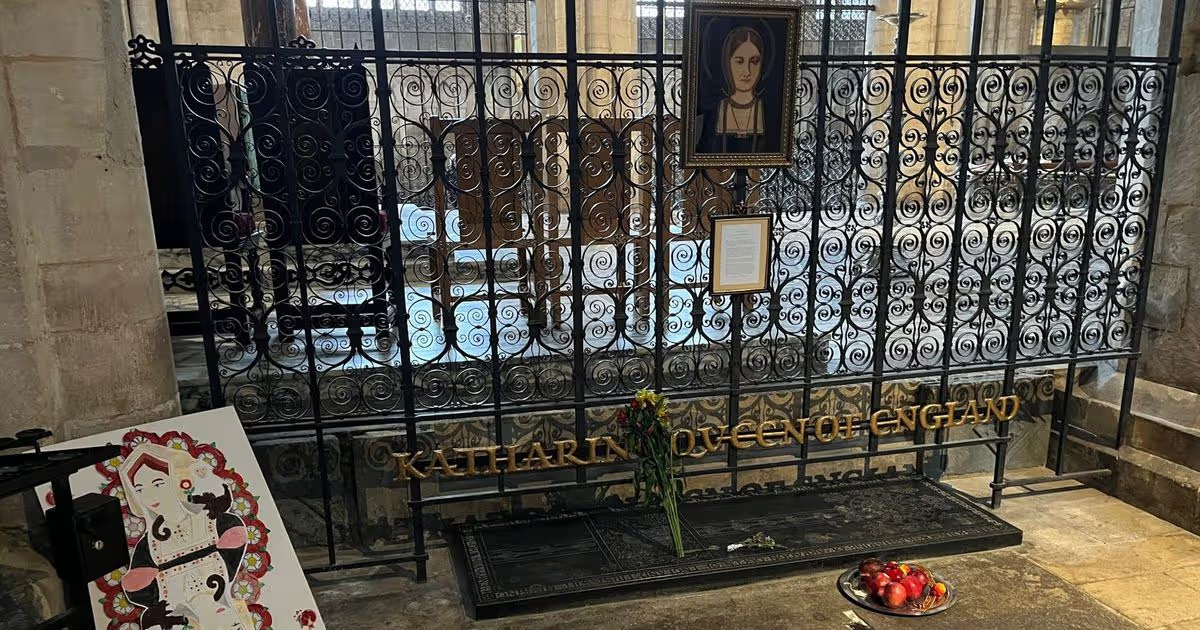
Katherine died in 1536. Her funeral was held at Peterborough Abbey and she was buried there. Unfortunately, her tomb was damaged by Cromwell’s troops. Today, Katherine is commemorated in the cathedral with a memorial to her.
To remember the former Queen, the cathedral has been holding a Katherine of Aragon festival. The festival launched on Saturday (January 24) and is running until February 1.
Across the festival, the cathedral is hosting several tours and talks about Katherine and the Tudors. On Saturday, the event kicked off with a Tudor banquet.
On the night, there was a traditional Tudor meal served, as well as history, music and merriment. Those who attended also dressed up in Tudor wear.
Advertisement
A cathedral spokesperson described it as a “splendid” night. They added: “Saturday evening’s Tudor Banquet was truly fit for a Queen, with food, music and revelry enjoyed throughout the night. The standard of costume was exceptional and worthy of any royal court.”
“He has left such a big hole in all of our lives.”
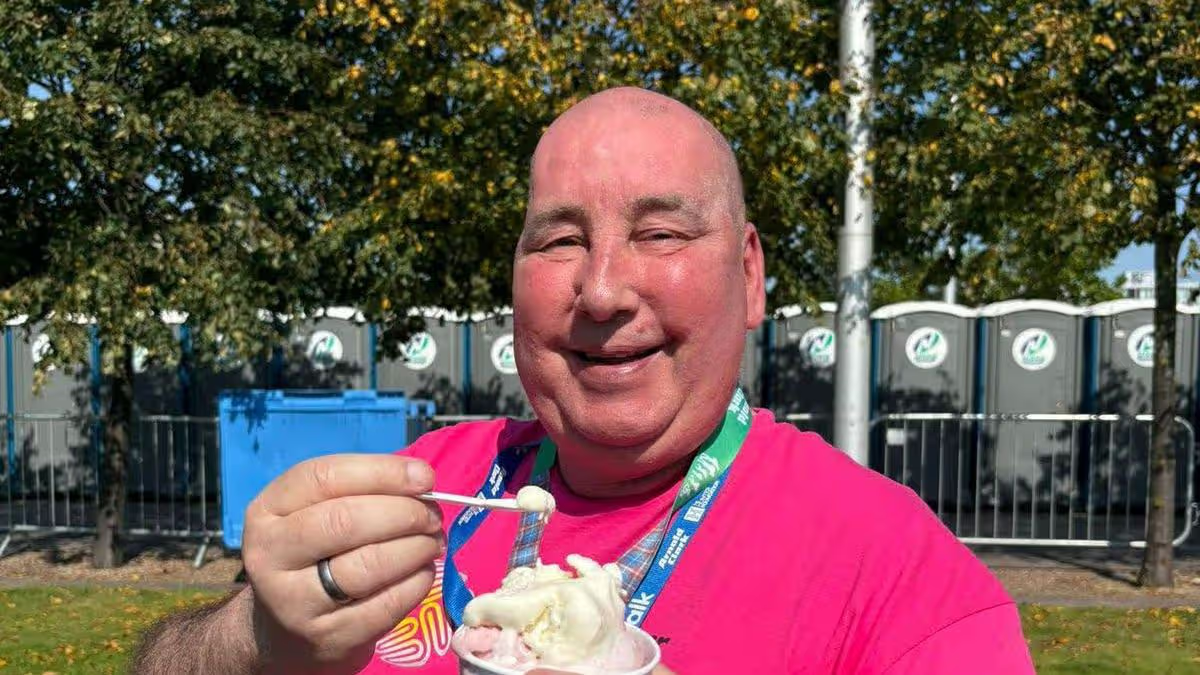
A massive Hibs fan who was diagnosed with incurable brain cancer after smelling candy floss has sadly died as his family pay heartfelt tributes. Steve Turnbull was diagnosed with a glioblastoma in 2024 after he experienced months of sickness, the smell of candy floss and issues with his vision and balance.
Advertisement
The 64-year-old passed away on January 27, leaving behind his loving family and friends. Speaking to Edinburgh Live, his brother Alan said Steve “remained positive” throughout his battle.
He was passionate about raising awareness for brain tumours and even took on the Dundee Kilt Walk to raise money for charity Brain Tumour Research. Steve had extensive radiotherapy and chemotherapy to manage the tumour’s size which extended his life to around 18 months.
Alan said Steve has “left a big hole” and was a man of many talents. He added: “By the time he was diagnosed, he was already stage four. It was just a case of managing it.
Advertisement
“He decided to go on a course of chemo and radiotherapy which extended his life to around 18 months. He always seemed so positive.
“He never really shared much with us. He would tell us the treatment he was going through but he would never really tell us the full story.
“I think he was trying to protect us and he never moaned about any of it.”
While working as an IT project manager in Letham, Steve also had many interests including music, magic and football. He was a dedicated Hibs supporter and would regularly attend matches with his brother.
Advertisement
Alan added: “Football was his main thing. We would always be on the Hibs supporter bus. He also played football at a decent level too. He was also trying to get around all the grounds in Scotland which I don’t think he managed but it was definitely one of his main passions.
“Steve absolutely loved magic too – he would always have a pack of cards with him. My sister-in-law tells a story about when they were in Turkey and their bus broke down. They were at the side of the road and he just got his cards out and started doing magic tricks.
“He was a drummer too and he would always carry a pair of drumsticks in the car. If he was stuck in traffic he would start playing on the steering wheel and tapping along to the music.
“I could go on forever talking about some of the things he loved. He would meet so much people and made a lot of different friends through different things.”
Advertisement
Steve was always telling jokes and was a big “family man”. His brother added: “If he came to birthdays or family events, you would always hear him before you saw him.
“He was always telling jokes and always had a story to tell. He has left such a big hole in all of our lives.”
The dad first started to become unwell just after New Year’s Day in 2024, when he vomited out of the blue after tasting gravy. He would regularly be hit with bizarre smells including candy floss.
Advertisement
His brother first noticed something was wrong at his niece’s wedding. Alan added: “He was kind of slurring his words.
“He doesn’t drink so I knew it wasn’t alcohol. His face was drooping and we thought he was maybe having a stroke.
“It was only a matter of weeks later we found out he had an aggressive brain tumour. He started having these weird smelling sensations and smelled of candy floss.
“He hadn’t been well for a matter of time and it got to the point where he had to go and get tests done.”
Advertisement
Steve’s niece and nephew, Erin and Rhys, are preparing to take on the Edinburgh Marathon in honour of their uncle. Erin, 23, said they are fundraising for Brain Tumour Research.
Advertisement
She added: “We just decided to go big or go home. As the weeks get closer it becomes a bit more daunting but it’s all for a good cause. The aim is just to cross the finish line and know that we’ve raised money for such a good cause in memory of my uncle.”
A US-based X account reshared footage from Bolton in 2024, falsely presenting it as a current incident of Muslim violence in London in January 2026.
A UK-based X account shared a video claiming to show “Somalis” filming an execution in London (January 2026), omitting to say that the footage was staged by a TikTok streamer as shock content.
Three monetised X accounts repeated the same false claim about London New Year’s Eve celebrations within four hours on 1 January 2026, generating more than 155,000 views.
Advertisement
A network of 32 Facebook pages (one per London borough) was repurposed on 17 May 2024 from Ulez-focused pages to appear as local activist groups.
A Vietnam-based Facebook network, with a combined following of around 1.25 million, targeted London and the mayor, framing the city as a site of governance failure and housing injustices.
A Sri Lanka-based content farm produced monetised AI-generated posts.
A Nigeria-based cluster impersonated UK media outlets.
Woks in our home kitchens never get as hot as they do in restaurants, where they have a lot of power under them – so dishes like this won’t be as perfect as they could be. Unless you’ve grown up stir-frying, it’s hard to get it right too.
All those different elements cooked in one pan? You have to think about how much time each one needs. Nevertheless, I have, over the years, managed to do chicken and egg fried rice in a way that works, at least for the family on a weeknight. I cook the dish in stages and do the eggs in a separate pan, otherwise I end up with rice and scrambled eggs.
I don’t even think about making this with freshly cooked rice (it will just get sticky). I use Chinese chilli bean paste in other dishes too, so don’t feel buying it is a waste of money. The alcohol is my own thing (goodness knows what Ken Hom would think) but I love its flavour with ginger. You can leave it out if you don’t fancy it.
Jockey Paul Townend had to attend a stewards inquiry into his riding of Gold Dancer, who had to be euthanised after the William Hill Mildmay Novices’ Chase on welfare grounds
17:11, 10 Apr 2026Updated 17:11, 10 Apr 2026
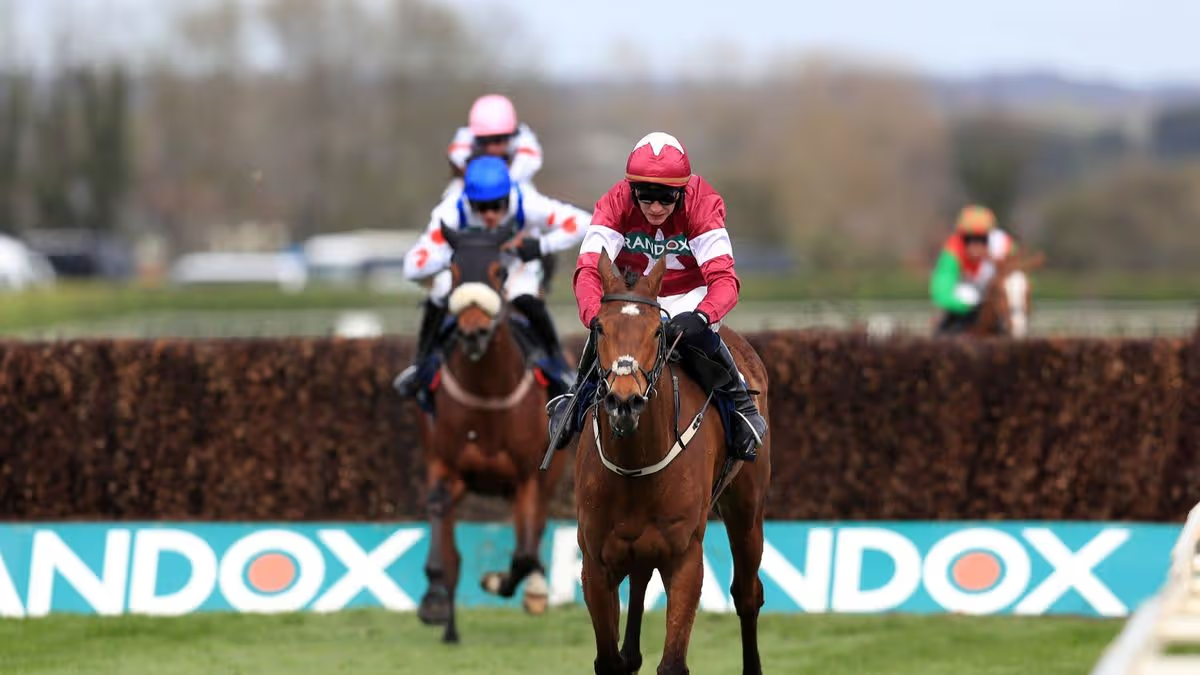
Top jockey Paul Townend has explained what happened to Gold Dancer when he suffered a fatal injury at Aintree’s Grand National Festival on Friday. The Willie Mullins-trained horse ran an almost perfect race and was on course for a wide-margin win in the William Hill Mildmay Novices’ Chase.
But he made a serious error at the last fence, dragging his back legs through the obstacle, losing momentum before he was ridden to the line, still managing to record a near five-length win. Realising something was wrong, Townend immediately pulled up Gold Dancer shortly after the finish and dismounted the horse quickly.
He was attended immediately by Aintree’s veterinary team and green screens erected around the horse for privacy, yet despite their best efforts Gold Dancer could not be saved.
“He’s been put down. He broke his back,” said Eddie O’Leary, racing manager for the Gigginstown owned by his brother, the Ryanair boss Michael O’Leary. “It’s terribly sad for the horse. What could Paul Townend do? He felt fine, it was just when he pulled up that something was wrong.”
Miami Magic and Jordans Cross fell during the race but both horses had walked back to the stables afterwards.
Aintree Racecourse issued a statement confirming the news. They said: “The winner of our second race of the day, Gold Dancer, was pulled up after the line and dismounted.
Advertisement
“He was immediately attended to by our expert veterinary team but sadly he could not be saved. Our heartfelt condolences are with his connections.”
The stewards held an inquiry into the riding of Gold Dancer “from jumping the final fence up until rounding the bend towards the pull up area after which the gelding was immediately assessed by Veterinary Surgeons and subsequently euthanised on welfare grounds”, their report said.
It continued: “Townend and the Director of Equine Regulation, Safety, and Welfare were both interviewed and shown recordings of the incident. Townend explained that Gold Dancer had made a bad mistake at the last fence after which it had taken a stride or two for the gelding to gather himself before, in his opinion, running on in a straight line to the winning line where Gold Dancer felt sound.
Advertisement
“Townend added that it was only until rounding the bend towards the pull up area that the gelding’s action changed when Gold Dancer went from a canter to a trot after which he immediately dismounted from the gelding.
“After reviewing the footage, The Director of Equine, Safety, and Welfare explained that Gold Dancer’s action was typical of a 3-mile chaser in the final stages of a race and supported the evidence of Townend. After hearing all of their evidence, the Stewards noted Townend’s explanation.”
Willie Mullins, speaking to RacingTV, said: “It’s a big loss out of the yard because he was improving all the time and today, to give such an exhibition of jumping, to give his owner, give me, give Paul, all the people who backed him such a thrill and then for that to happen after the line was unbelievable.
Advertisement
“Paul said to me the horse galloped through the line fine, went down to his slow pace at a canter and then just as he turned he went into a trot and that was the first he felt. He took a pull of the reins and that’s when he lost his action.
“I would say he didn’t feel that the horse had any damage and he galloped all the way to the line and that’s what you do. It’s like a forward going for goal. He’s going to keep going and if something happens he’s going to keep going and kick the ball into the back of the net if he can.
“Same with the jockey. Unless they feel that the horse’s action really wrong, he’s not going to stop, because if he stops he’ll lose his licence. The other punters will drag him off the horse and say what did you pull him up for.
Advertisement
“He didn’t feel anything was wrong until after the line. Horses make mistakes and people out running trip and get up and run another ten miles and they only find out later on that night that they’ve pulled a muscle somewhere. It’s just life. We can’t legislate for everything.
“If Paul thought there was something wrong he’d be the first one to pull him up.”
A statement from the BHA said: “The veterinary assessment was that the appropriate course of action was to humanely euthanise the horse.
“Having reviewed the footage of the incident, James Given, the BHA’s Director of Equine Regulation, Safety and Welfare, agreed that Gold Dancer’s action was typical of a horse in the closing stages of such a race, that he appeared sound until rounding the bend, at which point he was immediately dismounted.
Advertisement
“As is the case with any fatal injury, the incident will now be looked at in detail through our fatality review process, which is part of the sport’s commitment to ongoing improvements in racehorse safety.”
Keir Starmer has spent most of the past week in his happy place, being a global statesman and rubbing shoulders with fellow leaders.
The prime minister flew to the Middle East just hours after America and Iran agreed what has so far proven to be an uneasy ceasefire.
With Labour expected to suffer major losses in the elections on May 7, Starmer might have been tempted to remain in the world’s most dangerous hotspot until it’s all over.
The elections for the Scottish Parliament, Welsh Senedd and a host of councils across England will uppermost in MPs’ minds as they return to Westminster on Monday after the Easter recess.
Advertisement
They will only be back for two weeks, however, before parliament is prorogued until the King’s Speech on May 13, by which time the full extent of Labour’s nightmare will be apparent.
“It’s going to be a fucking bloodbath,” one gloomy MP told HuffPost UK. ”I don’t see a world where you can broadcast those results before the watershed.”
“The focus is on rallying the troops over the next few weeks, there’s not a lot of thought about parliamentary business,” another backbencher said.
“Loads of colleagues in Scotland, Wales and across England just want to get through to May 8.”
Advertisement
The opinion polls are consistent and clear. Labour – and, to a lesser extent, the Tories – are going to have a horrific night.
The SNP will win again in Scotland, while Plaid Cymru are set to be the government in Wales for the first time since devolution.
In England, Labour are expected to lose between 1,500 and 2,000 seats as previously-solid councils fall to both Reform UK and the Greens.
One MP with elections in his patch said “it feels terminal on the doorstep”, with voters making clear their unhappiness with Labour’s performance in government so far.
Advertisement
In particular, the MP said, the party leadership have failed to appreciate the scale of the challenge posed to Labour by Zack Polanski’s Green Party.
“The trouble with Keir and his goons is they are analogue minded in a digital world,” they said. “It’s like we’ve ordered Tony Blair’s 1997 operation on Temu.
“If you’re in the middle of the road you get run over, and the Greens have forced us into the middle of the road by playing our favourite tunes, but better.
“Our attack lines about them wanting to legalise drugs and pull us out of Nato just don’t work, not least because Trump wants to leave Nato as well.
Advertisement
“That type of attack might have worked in the 90s, but it doesn’t work now.”
Nigel Farage unveiled his party’s local election slogan on Thursday: “Vote Reform. Get Starmer Out.”
He’s likely to be disappointed, however, with the PM’s position more secure than it has been in months. There is little indication that he faces an imminent leadership challenge, no matter how bad May 7 is for his party.
This is largely down to the war in Iran, with the PM widely seen to have got the big calls right.
Advertisement
Unlike Kemi Badenoch and Nigel Farage, he did not rush to support the US and Israel’s decision to start bombing, even though it has shattered the previously-good relationship he had with Trump.
The president rarely misses an opportunity now to have a pop at the prime minister, who responded on Thursday by comparing the president to Vladimir Putin – an unthinkable situation just a few short weeks ago.
One Starmer ally said: “He’s in a good place, I think. Events in Iran and Trump’s outrageous social media posts have shown that he’s the statesman we need at this time and that cool heads need to prevail.
“He made the right call at the beginning of the war, and that is feeding into the domestic political debate. Voters are proactively mentioning Farage’s closeness to Trump on the doorsteps.”
Advertisement
Nigel Farage says a vote for Reform is a vote to remove Starmer as PM.
The MP added: “I think Keir’s secure to the end of the year. How can you challenge the PM in the middle of an energy crisis, a war in the Middle East and a US administration coming out with bonkers statement on a daily basis?”
That analysis is not only confined to Starmer’s supporters. Even those who have long since made up their minds that the PM cannot lead Labour into the next election acknowledge that now is not the time for him to be removed.
“We’re all keen that nothing rocks the boat over the next three weeks,” an MP said. “We’re all just retreating into our own little foxholes and fighting our local battles.”
One MP said leadership hopefuls like Angela Rayner and Wes Streeting should keep their heads down until the full extent of Labour’s losses are known.
Advertisement
He said: “Doing something unhelpful now decreases your chances of becoming PM. There is nothing to be gained from causing trouble now ahead of the locals.
“Whatever your view on a change of leadership, if a contender starts surfacing and causes you to lose votes in your area, then you’re not going to back that contender in a ballot.”
One backbencher said Labour was currently in “the calm before the storm”.
May 7 will lead to “recriminations and backbiting”, the MP said, if not a challenge to Starmer’s position.
Advertisement
He said: “A lot of people will be asking why are Reform doing so well, why are we only polling at 18%, and what is the ceiling for Green support nationally.
“MPs who lose councillors in their patch will also be very worried about their own election chances. But the message needs to be that now is the time for cool heads.”
Subscribe to Commons People, the podcast that makes politics easy. Every week, Kevin Schofield and Kate Nicholson unpack the week’s biggest stories to keep you informed. Join us for straightforward analysis of what’s going on at Westminster.
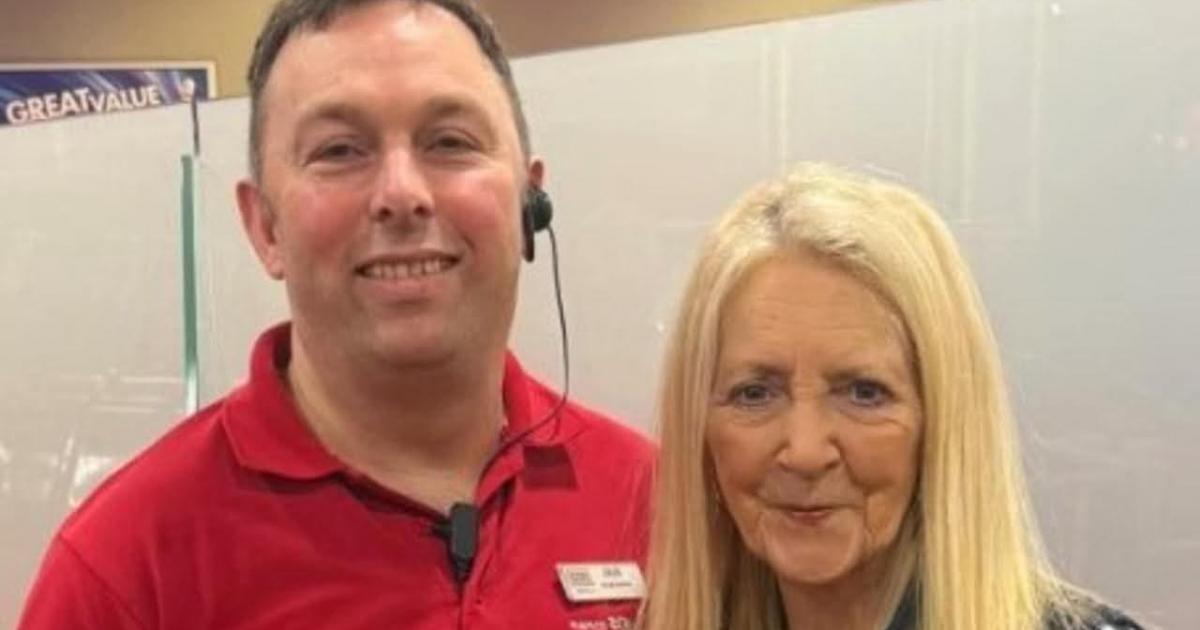
Alma Laing, 71, was visiting the Namco Funscape in Gateshead with her husband Rob, 73, and 21-month-old grandson Edward in February when a chip became lodged in her throat.
She said she was unable to talk, cough or breathe as she began to choke.
The chip had come from her grandson’s meal, and she bit into it while tidying up after him.
Advertisement
Mrs Laing said: “He’d had a burger and chips and as I stood up to put the rubbish in the bin I bit the end off one of the fries that he’d left.
“It immediately got stuck and I signalled to my husband that I was struggling to breathe or talk.”
Staff member Ian Syrett quickly realised what was happening and performed the Heimlich manoeuvre, and was able to clear the blockage, allowing Mrs Laing to breathe again.
She said: “I don’t even remember what was happening after that, I was passing out.
Advertisement
“I had never been so frightened and Edward was screaming his head off.
“I was so grateful, I can’t thank him enough.”
Mr Syrett stayed with the family and checked on Mrs Laing twice afterwards to make sure she was all right.
He is due to receive an award for his life-saving actions and has been praised by his colleagues.
Advertisement
A spokesman for Namco said: “Ian’s decisive response under pressure reflects the very best of Bandai Namco’s commitment to guest safety and care, even in the most challenging and unexpected moments.
“Stories like this remind us that behind every great guest experience are dedicated people ready to step forward when it matters most.”
Franck Queudrue spent nine years in English football, featuring for Middlesbrough, Fulham, Birmingham and Colchester, but it was months prior to leaving boyhood club Lens in 2001 that he produced one of the most iconic own goals of all time.
In a Ligue 1 match against Bastia, the left-back attempted a volleyed clearance 30 yards out from his own goal.
Queudrue connected with the ball superbly, but in completely the wrong direction to loop it high into the air and over his own goalkeeper.
For a defender who only scored only 28 league goals in his entire career, it is probably a contender for one of his best-ever strikes, albeit into the wrong net.
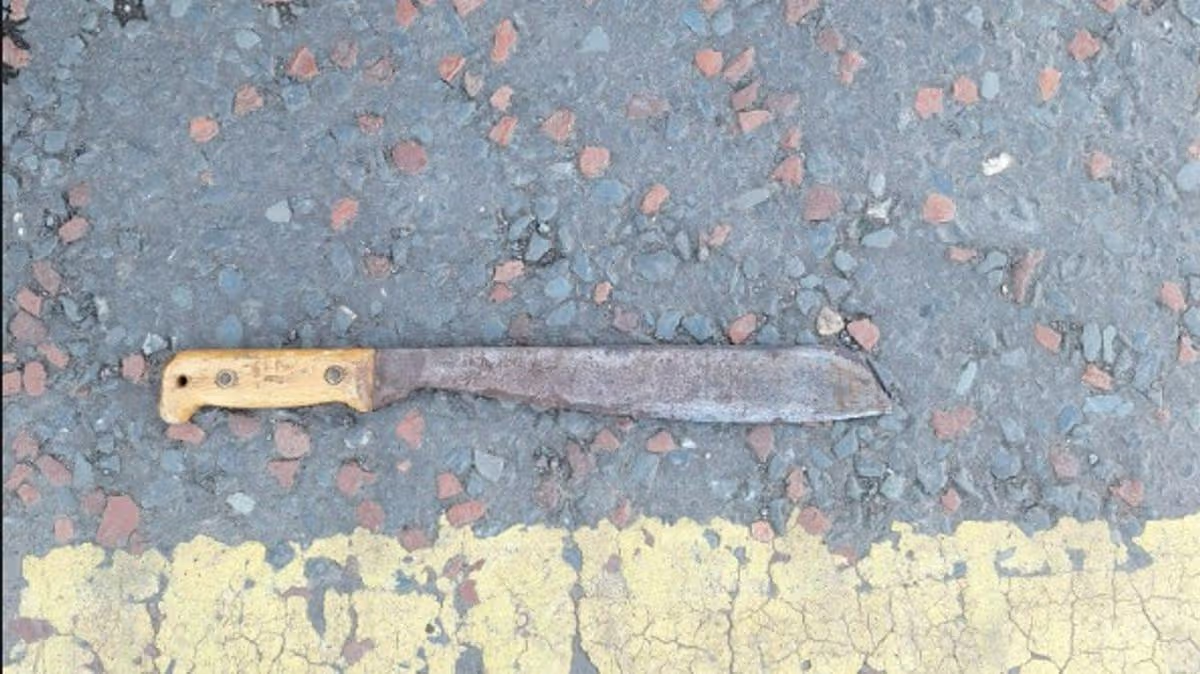
Police have charged a 40-year-old man following reports of a male with a machete close to Belfast City Centre.
Advertisement
Officers were called to the scene at Peter’s Hill, close to the Shankill Road on Thursday afternoon.
The man has been charged with a number of offences, including possessing a blade in a public place and a “simple drunk” charge.
A PSNI spokesperson said: “Police investigating a report of a man with a machete in the Peter’s Hill area of north Belfast yesterday afternoon, Thursday 9th April, have charged a man to court.
“The man, aged 40, has been charged with possessing an article with a blade or point in a public place, and simple drunk.
Advertisement
“He is expected to appear before Belfast Magistrates Court on May 8th, 2026.
“As is usual procedure, all charges will be reviewed by the Public Prosecution Service.”
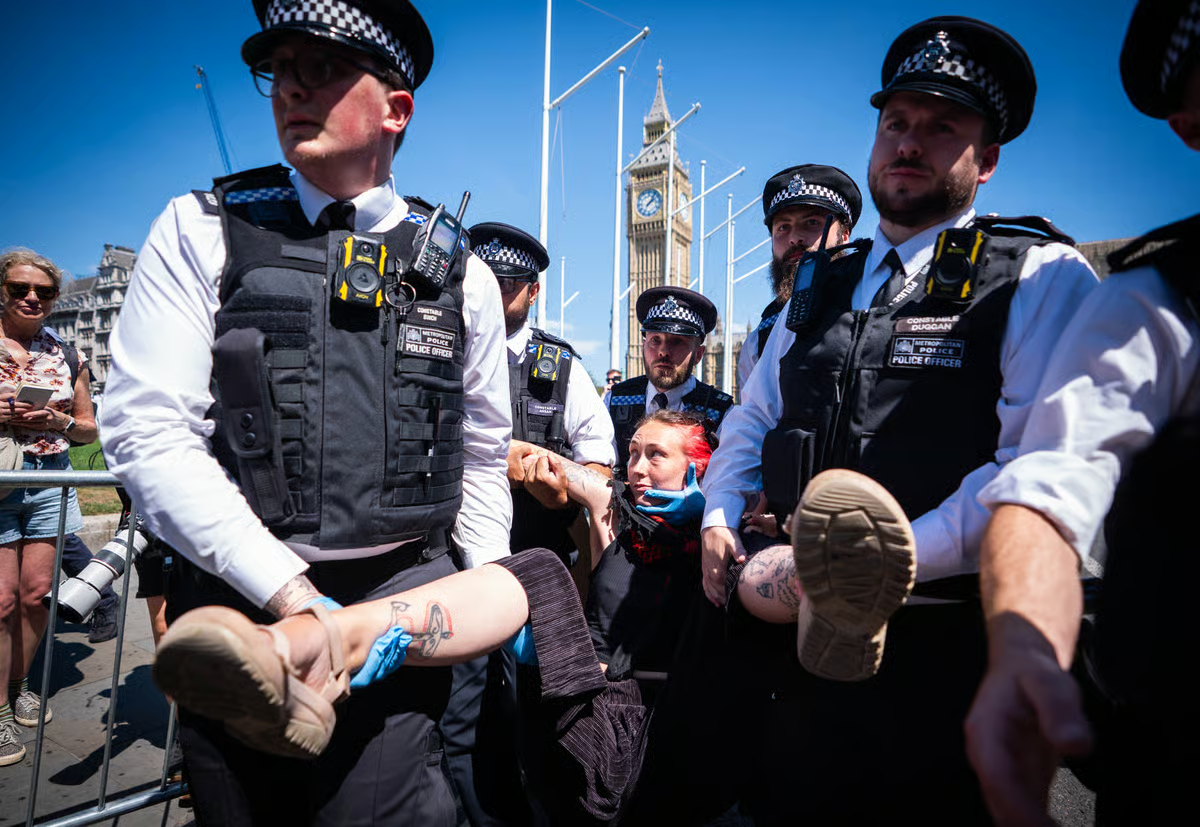
“At previous events linked to this group we have seen coordinated attempts to disrupt police activity, including obstructing officers and, at times, verbal or physical abuse. Our officers are trained to deal with these situations proportionately and effectively, and we are confident we have the plans and resources in place to respond appropriately, including making arrests where necessary.”
There’ll be some crafters as well and the house bar will be selling G&Ts and fizz!
Meanwhile, Scottish singing sensation Connor Fyfe will again rock the festival stage this summer.
Advertisement
The 19-year-old had the main stage rocking last year with a foot-stomping set that kept spirits up as the weather tried to dampen them.
A home gig for Connor, he packed out the large tent at George Allan Park and had hundreds of revellers chanting along to perfectly performed cover versions.
And the event will again be a perfect opportunity for him to showcase his new music.
Covers band Underdog are also returning, with the event again headlined by DJ, Let’s Get Eclectic, who can regularly be heard holding Glasgow pub audiences captive.
Advertisement
As well as unveiling the live music line-up for the event, organisers have announced some of the breweries pouring on the day, with beer lovers in for a treat.
That includes Strathaven’s very own, Up Front Brewing, who will be joined by a host of other top beer makers, such as Dookit, Outlandish, Simple Things Fermentation and Two Towns Down.
For non-beer lovers, Angels Dare Cocktails, The Dispensary Bar and Netherfield Whisky will be on hand to quench thirsts.
The fun-filled community event will have plenty for all the family, including specialist kids entertainment.















































You must be logged in to post a comment Login