

Connect with us

NewsBeat

The mobile library bringing books to rural Syria

Published

on

The mobile library bringing books to rural Syria

In camps and rural communities across Syria, a brightly painted bus is bringing books, puppets and art workshops to children who have grown up with war

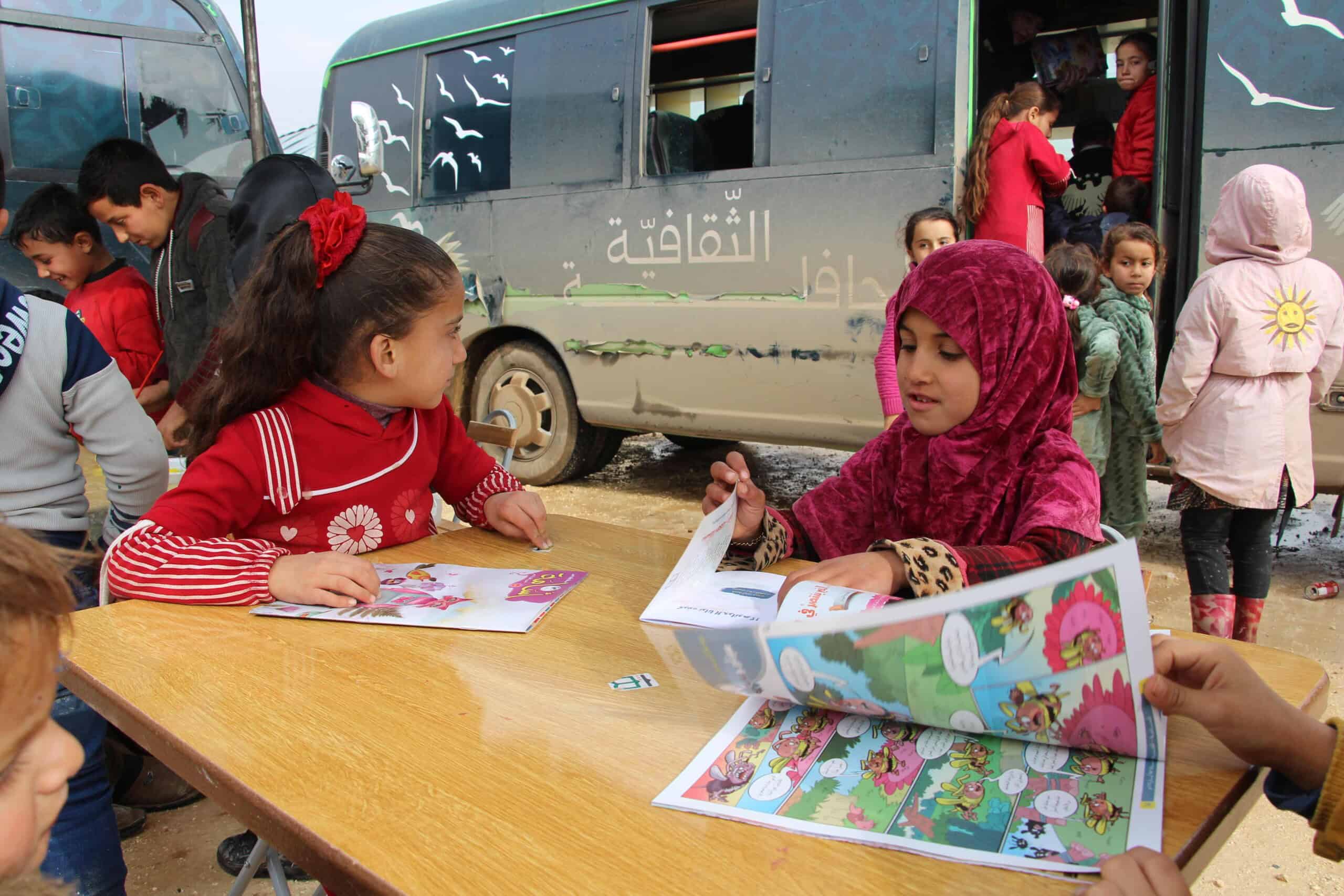
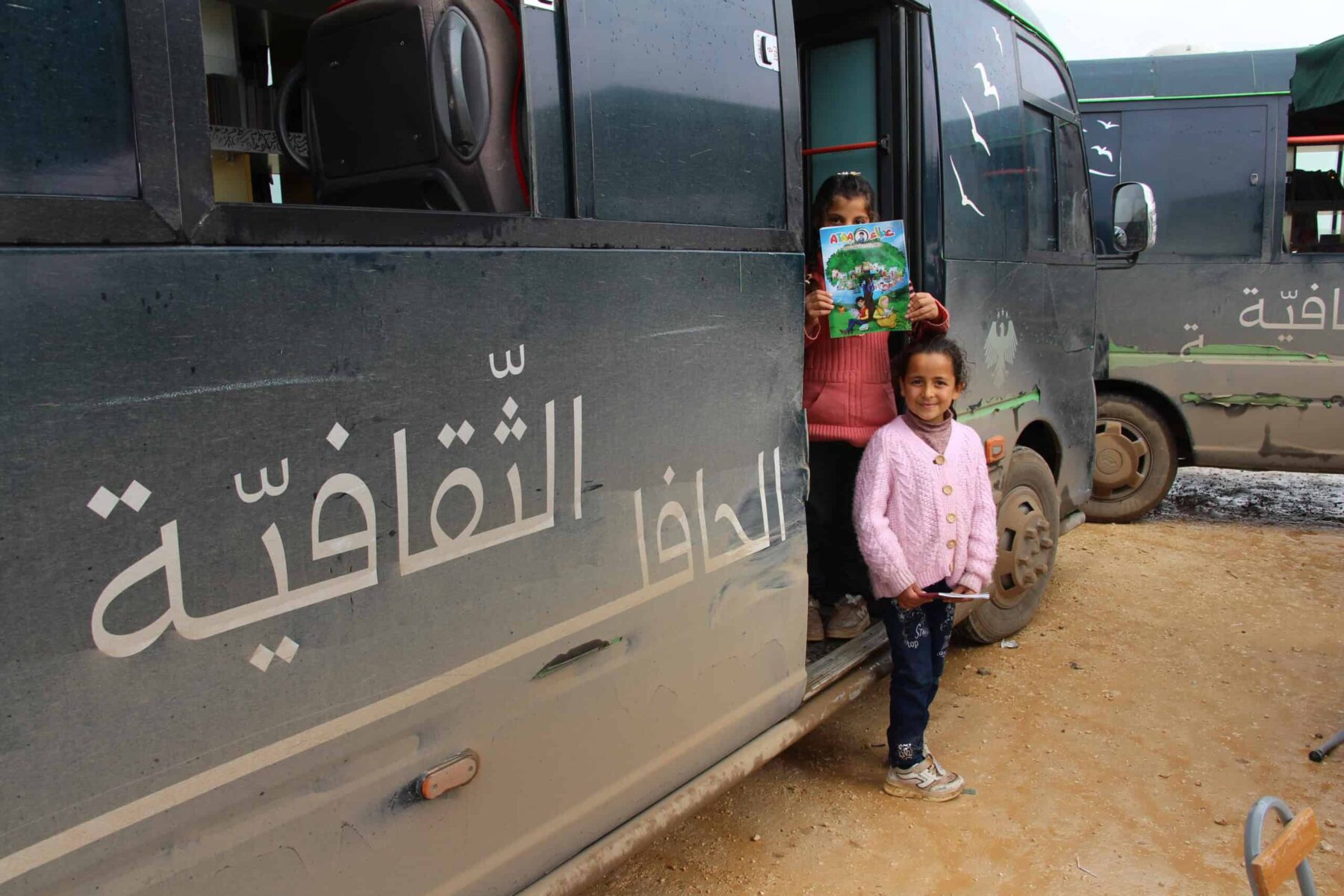
In a dusty clearing inside Kafr Lusin camp, in the rural reaches of northern Idlib in Syria, a brightly coloured bus pulls up with books and cartoon characters painted across its sides.

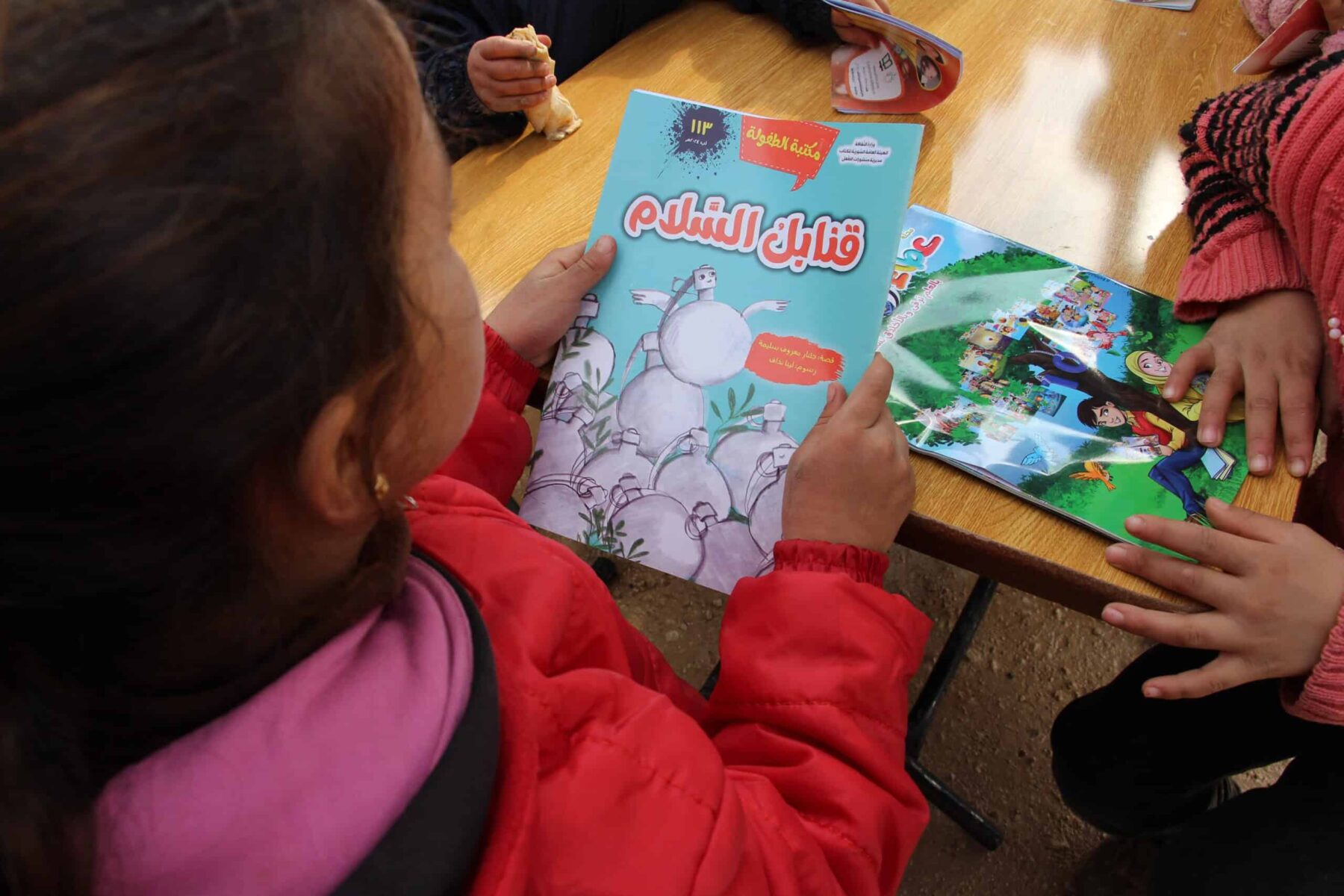
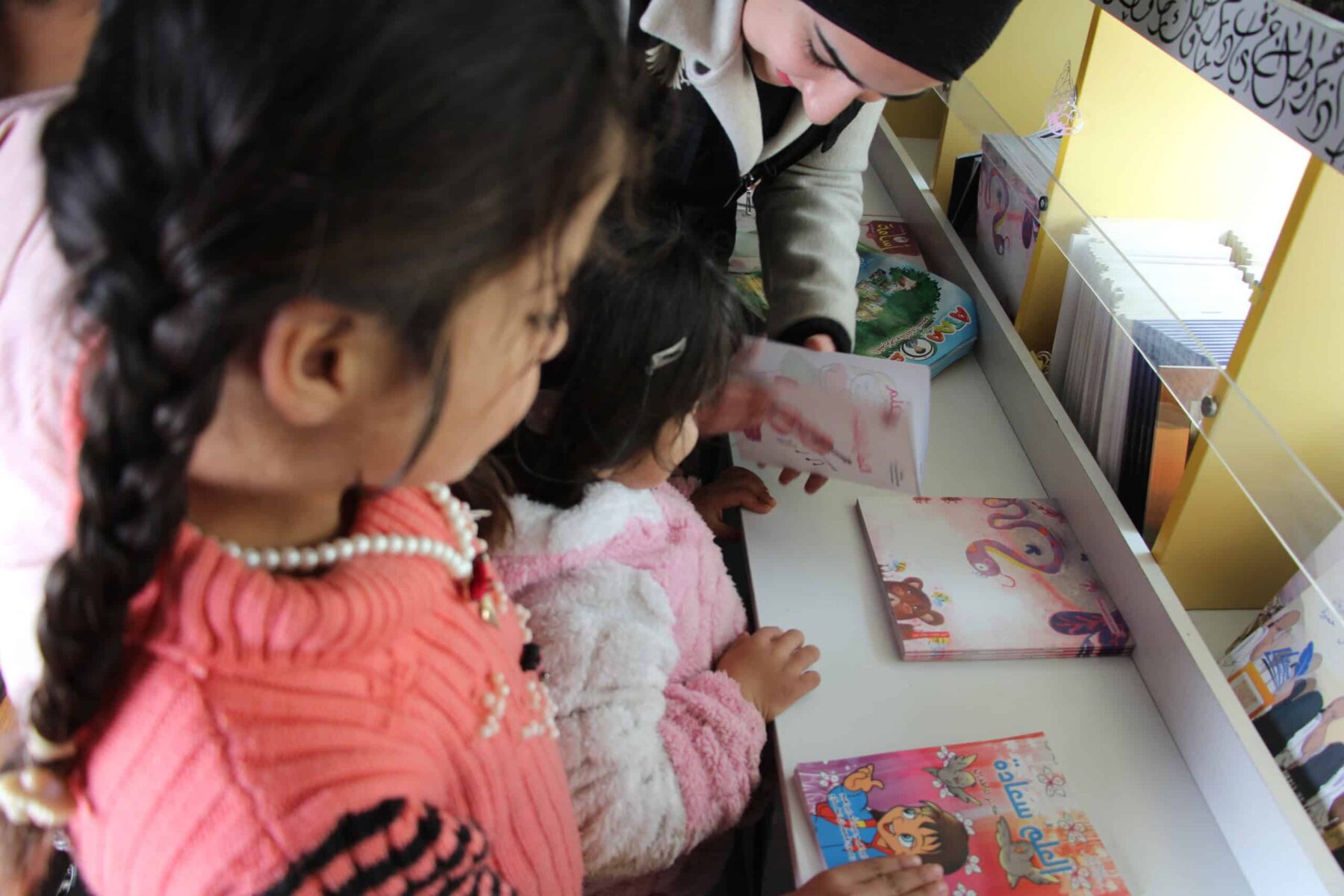
Within minutes, children begin moving towards it, curious at first, then excited, gathering around the doors as they open to reveal shelves of books, boxes of art supplies and a small puppet theatre.

Advertisement

Soon, a performance begins, and the space around the bus fills with the laughter of children who have had little chance to experience anything like this. For a few hours, there are stories to listen to, pictures to draw, games to play and characters to cheer. In a place where childhood has too often been shaped by displacement, fear and waiting, the arrival of a bus can feel like a small festival.

The project is known as the Mobile Cultural Bus, an initiative launched by Syria’s Ministry of Culture with support from a group of volunteers. Its aim is simple enough: to take books, art and cultural activities to children and families in areas that have little or no access to libraries, community centres or safe creative spaces.

Solutions every Saturday
Uplift your inbox with our weekly newsletter. Positive News editors select the week’s top stories of progress, bringing you the essential briefing about what’s going right.
Sign up

For the children who run to meet it, however, the bus is more than a travelling library. It is a break in the day, a doorway into stories and, for some, the first time they have been invited to make something, imagine something or hold a book of their own.

Advertisement

Syria’s long years of conflict have torn through the country’s education and cultural life. Schools have been damaged or destroyed, community centres have closed, and families have been uprooted again and again. In rural areas and camps, where daily life can be reduced to the search for safety, food, water and work, cultural activities are often treated as a luxury.

Mohammad Murad, the project director, says that is exactly why the bus was created. “We realised that many children had never stepped foot inside a library,” he says. “Our thinking was simple: if they cannot go to culture, we must bring culture to them.”

For a few hours, there are stories to listen to, pictures to draw, games to play and characters to cheer

The initiative began with an old bus donated by a supporter. Volunteers cleaned it, repaired it and repainted it in bright colours before turning it into a mobile educational space. Today, it carries novels and short stories for both children and adults, alongside learning materials, drawing equipment and craft supplies.

When the bus arrives in a village, town or camp, the team usually spends several hours with the children. A visit might begin with a group storytelling session, followed by drawing, handicrafts or reading, before ending with a puppet show or educational games. The format is deliberately simple, but the response can be immediate.

Advertisement

“For these children, the arrival of the bus is an extraordinary event,” says Sarah al-Khatib, a volunteer teacher with the project. “Many have spent years living in a state of tension and fear because of the war and the shelling of their towns by the former Syrian regime. But when we arrive, we see the atmosphere shift completely; laughter and joy reclaim the space.”

Al-Khatib says the volunteers are not pretending that a book or a puppet show can undo what the children have lived through. What they can do is offer attention, routine and a brief return to something that looks and feels like childhood.

“Seeing the happiness on their faces is what makes us forget our exhaustion,”she says. “We may not be able to offer a lot, but we can offer our time and expertise. Sometimes, a simple story or an activity can leave a profound impact.”

That impact is often felt most clearly by children who would otherwise have almost no access to books. Among them is 12-year-old Walid al-Samahi, from the town of Al-Qutayfah in rural Damascus, who loves science fiction but can’t afford books. For him, the mobile library’s visit is one of the few chances he has to enter a world beyond his daily life.

When we arrive, we see the atmosphere shift completely; laughter and joy reclaim the space

“I find so much joy in reading these stories, and I am always eager for a new book,” he tells Positive News. “This is the first time I’ve held a book filled with so many pictures and tales. When I grow up, I want to become a teacher so I can give children books like these, so they don’t have to feel as lonely as I did.” As he speaks, he hugs the small book and breaks into a wide smile, as if he has found somewhere to live for a while inside its pages.

Advertisement

So far, the Mobile Cultural Bus has visited dozens of villages and neighbourhoods, reaching thousands of children. According to the project team, its first phase covered 39 areas in Damascus and its surrounds before expanding to other provinces, with Homs among its more recent stops. The project currently operates with two buses, which means the volunteers still have far more requests than they can answer.

The need is enormous. Unicef’s 2026 humanitarian appeal for Syria says that more than 2.5 million children are out of school, while nearly 8,000 schools need urgent rehabilitation. Overcrowded classrooms, damaged buildings, a shortage of learning materials and the displacement of families continue to make education difficult for many children.

Against that backdrop, a bus filled with books cannot solve the education crisis. It cannot rebuild a school or replace the teachers Syria has lost. But it can reach children who are cut off from learning and culture, and it can remind them that they are allowed to ask questions, make things, laugh loudly and imagine a future that is not defined only by loss.

For Murad and the volunteers, the bus is not just delivering stories; it is treating culture as something children in camps and rural communities are entitled to, rather than something reserved for those living in city centres or more stable places.

In a country trying to recover from years of devastation, the sight of children gathering around a brightly painted bus may look modest. But for those waiting on the roadside, it brings a rare window of joy and learning, and perhaps the start of a new dream.

Images provided by Sonia al-Ali

Advertisement

Be part of the solution

At Positive News, we’re not chasing clicks or profits for media moguls – we’re here to serve you and have a positive social impact. We can’t do this unless enough people like you choose to support our journalism.

Give once from just £1, or join 1,800+ others who contribute an average of £3 or more per month. Together, we can build a healthier form of media – one that focuses on solutions, progress and possibilities, and empowers people to create positive change.

Support Positive News

Advertisement

Source link

Continue Reading
Click to comment

You must be logged in to post a comment Login

Leave a Reply

NewsBeat

GCSE results day: Grandmother passes maths exam on fifth attempt in bid to become teaching assistant

Published

on

GCSE results day: Grandmother passes maths exam on fifth attempt in bid to become teaching assistant

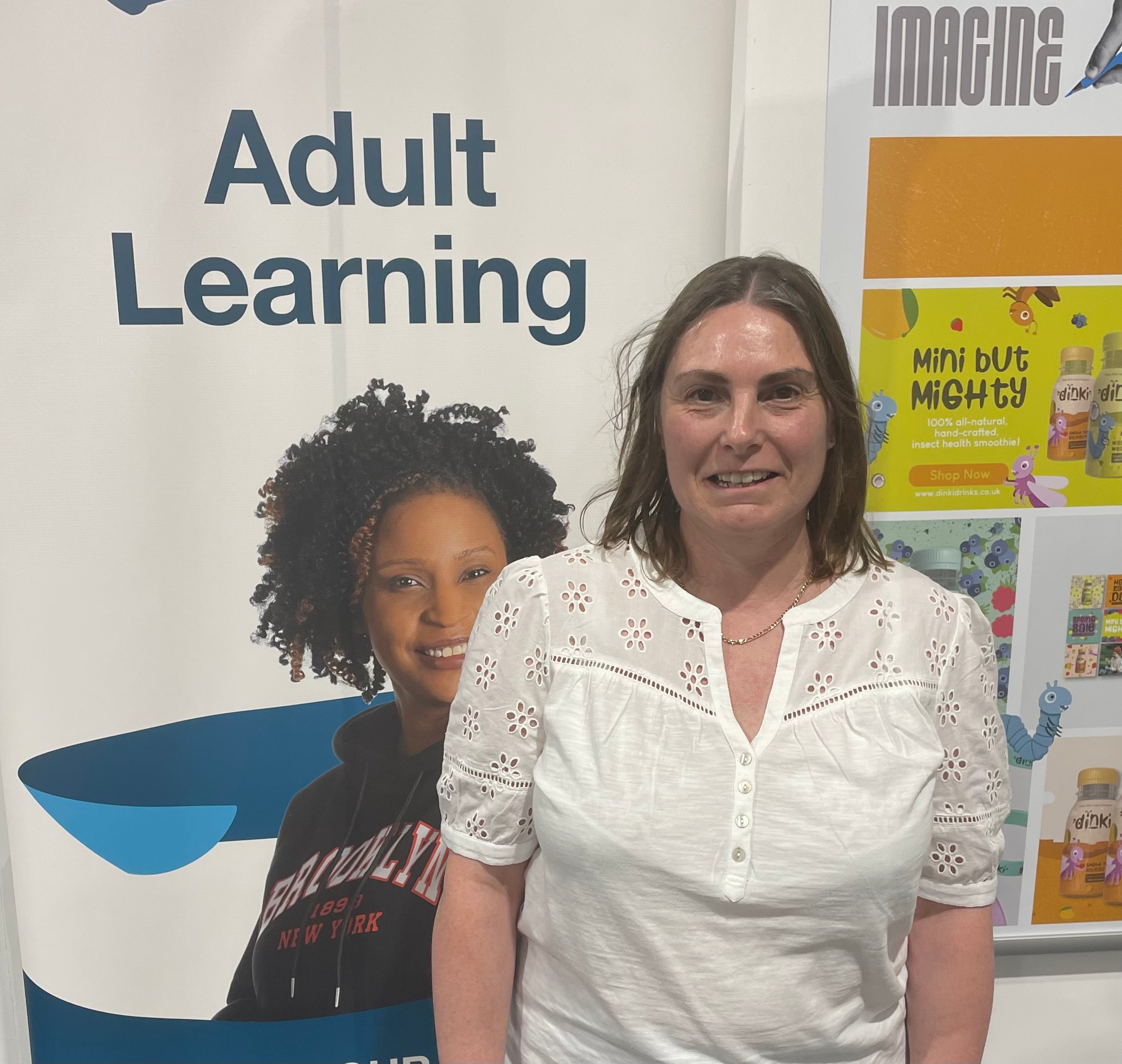
A grandmother who secured her GCSE maths qualification on her fifth attempt has urged other adult learners to “keep at it”.

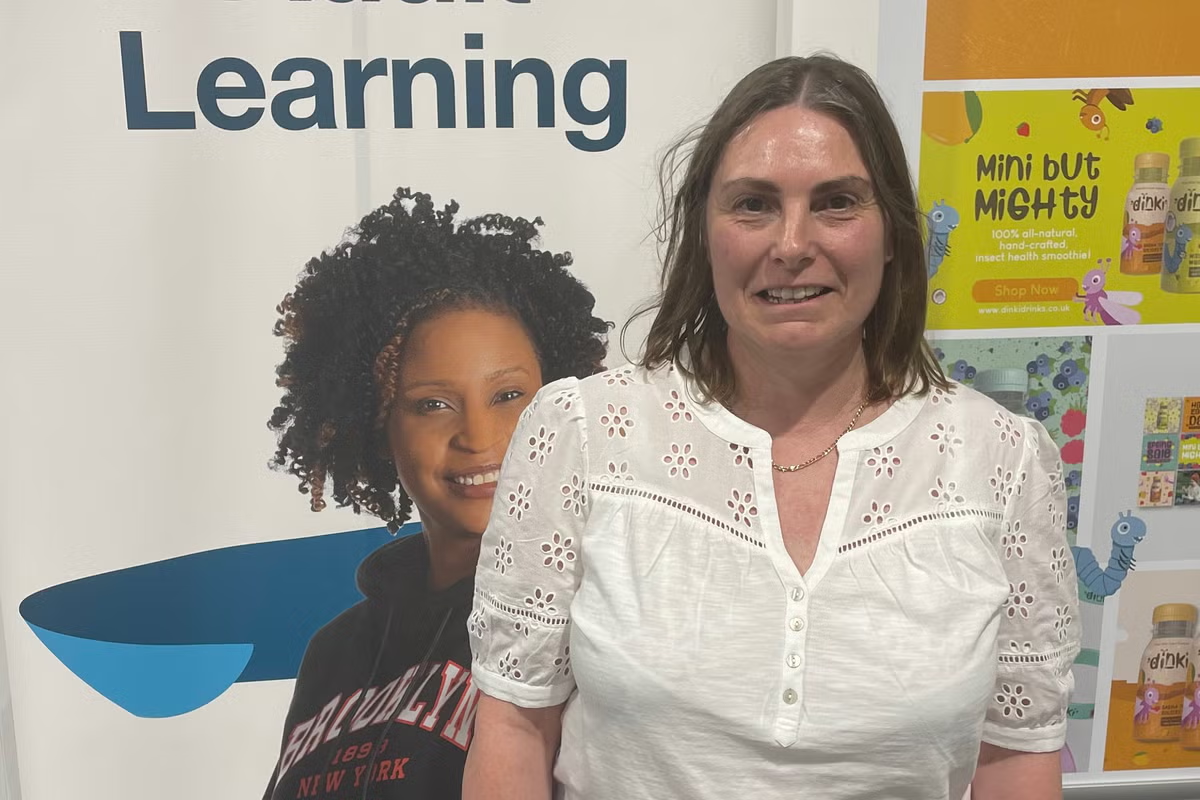
Wynne Hindle, 52, of Sudbury, Suffolk, achieved a grade four pass as the culmination of four years of trying.

The mother-of-three studied for the exam at the West Suffolk College adult learning centre in Bury St Edmunds, having first sat the paper during the 2022-23 academic year.

The former nanny and nursery nurse is now aiming to work in a school.

Advertisement

“I just wanted to achieve something and I’m a resilient person,” said Ms Hindle.

“I find it hard to quit so I just kept going.

“This is part of a journey to working at a primary school as a teaching assistant or a learning support officer.

“I was very happy and shocked to pass.”

Advertisement
Wynne Hindle, 52, of Sudbury, Suffolk, passed her GCSE Maths on the fifth attempt
Wynne Hindle, 52, of Sudbury, Suffolk, passed her GCSE Maths on the fifth attempt (PA)

West Suffolk College is part of Eastern Education Group.

Ms Hindle added: “I’d like to say a very big thank-you to the college and particularly to my tutor.

“My message to other (adult learners) is to keep at it.”

Source link

Advertisement
Continue Reading

NewsBeat

Property developer London Richmond enters administration

Published

on

Property developer London Richmond enters administration

London Richmond Limited announced that it had appointed administrators last week (August 12), according to an official notice in the public record.

On their now-deleted website, London Richmond describes itself as a “boutique” real estate developer “focusing on the finer areas of the UK’s capital city”.

The company boasted a portfolio of luxury properties in the capital’s most upmarket locations, including South Kensington and West Hampstead.

Advertisement


The official administration notice states that their registered office had been based in The Shard, London.

Andrew Hook, Julie Anne Palmer, and Paul Wood, all of BTG Begbies Traynor, have been appointed as joint administrators of the business.

Administration occurs when a business can no longer meet its debt obligations.

A licensed insolvency practitioner is appointed to either restructure the business and come to an arrangement with creditors or to sell off assets, pay off debts, and liquidate the business.

Advertisement

It gives the business breathing space to turn things around, rather than going straight into liquidation.

The administration news comes as Rightmove revealed that UK house prices have fallen at their fastest rate for August in eight years.

Rightmove says the average asking price for a newly listed home on its website dropped by 2% in August to £364,999.


Advertisement

The property experts also revealed that average asking prices are now 1% lower compared to this time last year – which is the largest annual drop since 2023.

The capital’s housing market is the worst affected, as the average house price in London fell by 3.1% compared to August 2025.


Recommended reading:


That means house prices in some of the capital’s richest areas have fallen by nearly £100,000 in just a month.

Advertisement

Despite the drop in prices, Rightmove revealed there was a mini bounce in buyer demand, which increased by 5% after Andy Burnham was appointed as Prime Minister on July 20.

Have any businesses falling into administration affected you recently? Tell us in the comments below.

Source link

Advertisement
Continue Reading

NewsBeat

Sue Gray admits it was ‘unbearable’ working in No10 for Keir Starmer as ex-top aide reveals she feared ‘someone was recording everything you say’

Published

on

Sue Gray has admitted it was 'unbearable' working in No10 for Keir Starmer as she broke her silence on the bitter briefing wars in Downing Street

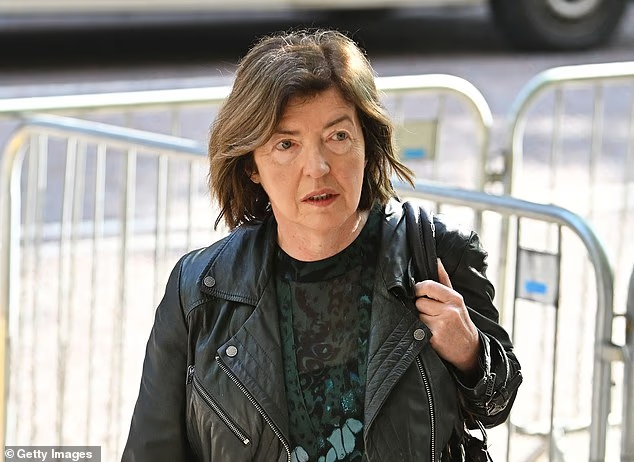
Sue Gray has admitted it was ‘unbearable’ working in No10 for Keir Starmer as she broke her silence on the bitter briefing wars in Downing Street.

Baroness Gray was Sir Keir’s chief of staff in Downing Street at the start of his time as prime minister but lasted only three months in the role.

She was forced out following a power struggle, with her time at the centre of government marked by regular reports of tensions with other No10 staff.

In her first interview since leaving Downing Street, Baroness Gray has spoken about the ‘very, very, very difficult period’ she endured.

Advertisement

She revealed how she feared someone was recording ‘everything you say’, also lashing out at Sir Keir for not doing more to stop briefings against her.

Baroness Gray said the negative briefings started while Labour was in opposition, where she would ‘read about things that I would have said or not said’, and continued on into government.

‘I had always taken a view as a civil servant and actually as a special adviser that you know you should be able to speak freely in rooms,’ she told the Political Currency podcast.

‘And I couldn’t recall those sort of discussions being briefed out.’

Advertisement

Sue Gray has admitted it was ‘unbearable’ working in No10 for Keir Starmer as she broke her silence on the bitter briefing wars in Downing Street

Baroness Gray was Sir Keir's chief of staff in No10 at the start of his time as prime minister but lasted just three months in the role

Baroness Gray was Sir Keir’s chief of staff in No10 at the start of his time as prime minister but lasted just three months in the role

In her first interview since leaving Downing Street, Baroness Gray told the Political Currency podcast about the 'very, very, very difficult period' she endured

In her first interview since leaving Downing Street, Baroness Gray told the Political Currency podcast about the ‘very, very, very difficult period’ she endured

Advertisement

Baroness Gray’s relationship with Morgan McSweeney, who went on to replace her as Sir Keir’s top aide, was the subject of a number of reports of tensions within No10.

She was also damaged when it was leaked that she was earning more than the PM’s salary of £166,786. 

Baroness Gray added: ‘Here I found myself, you know, stories about supposedly trying to move Morgan McSweeney to the back of the building.

‘Actually, that was a genuine, ‘I can’t believe so many of you are going to sit in this small room, let’s find a better room for you’.’

Advertisement

She continued: ‘It just got to the point where you know everything you say, you feel is somebody is recording it.’

Asked whether Sir Keir was willing to act on her concerns, she said: ‘I talked to him a couple of times about it, and I don’t really want to disclose individual conversations. 

‘But I was disappointed that not more was done because I think it could have been done.’

Sir Keir’s government faced criticism from Labour members, including the party’s deputy leader Lucy Powell, who described a ‘boys club’ culture in No10, with a pattern of ‘anonymous nasty briefings’ – particularly against women.

Advertisement

‘It was definitely unbearable, particularly for me,’ Baroness Gray said. ‘And I would say that none of that briefing came from me.

‘I think it was very difficult, and it was just affecting me and my life.

‘I was getting into the office very early in the morning. I was leaving late to avoid…. It was very, very, very difficult period.’

Baroness Gray's relationship with Morgan McSweeney, who went on to replace her as Sir Keir's top aide, was the subject of a number of reports of tensions within No10

Baroness Gray’s relationship with Morgan McSweeney, who went on to replace her as Sir Keir’s top aide, was the subject of a number of reports of tensions within No10 

Advertisement
Just four months after her exit from No10, Baroness Gray formally entered the House of Lords after she was among a slew of new Labour peers named by Sir Keir

Just four months after her exit from No10, Baroness Gray formally entered the House of Lords after she was among a slew of new Labour peers named by Sir Keir

Asked about the lack of positive vision in the early days of Sir Keir’s government and how much was her responsibility, she said: ‘I think ultimately, you have a leader of the party, you have a prime minister, leader of the opposition.

‘You have to set your vision, your agenda, and that is definitely what everybody is looking for.’

Prior to joining Sir Keir’s Labour team, Baroness Gray had been a long-serving civil servant and led the ‘Partygate’ investigation into Covid rule-breaking in Whitehall.

Advertisement

She went from an influential but little-known arbiter of conduct in government to a household name when she took on the ‘Partygate’ probe in 2021.

Baroness Gray stepped in to lead the investigation after then-cabinet secretary Simon Case, her boss, recused himself following claims his own office held a lockdown-busting event.

Civil service impartiality was later thrown into question following her shock move to quit the Cabinet Office to join Labour as Sir Keir’s chief of staff.

After weeks of negative briefings against her following Labour’s general election victory in July 2024, Baroness Gray announced her resignation in October that year.

Advertisement

She cited concerns that she was ‘becoming a distraction’ to the work of government.

Baroness Gray had initially been due to take up a newly-created role as ‘envoy to the nations and regions’ following a short break from government.

But Downing Street announced a month after her departure as Sir Keir’s chief of staff that she had decided not to take up the envoy job.

Just four months after her exit from No10, Baroness Gray formally entered the House of Lords after being among a slew of new Labour peers named by Sir Keir.

Advertisement

This was despite the then-PM having previously promised to abolish the unelected chamber.
Source link

Continue Reading

NewsBeat

GCSE results day 2026: All the results, reaction, grade boundaries from around Wales

Published

on

Wales Online

At Richard Gwyn Catholic School in Barry the results are coming thick and fast.

Head boy Samuel Shrubsole, 16, (pictured above) got an A in History and Biology and A*s in 10 other subjects.

Samuel shared how happy he was with his results, although there was some trepidation heading into the school today.

“I am feeling good,” he said. “I was feeling confident coming but Biology, Maths and RE – I was a little worried about. I am relieved seeing what I had now.

Advertisement

“In all honesty, I tried to forget about the exams and just enjoy the summer, but I am glad I know now. Looking forward to Sixth Form..”

He was joined by head girl Lauren Sidoli, also 16, who got results for 11 subjects – 6 A*, 4 A’s, 1 B

“I am feeling relieved,” she laughed. “I was so nervous coming but I am proud of myself.

“It was challenging with revision – especially in the half term when it was so sunny – but I think I managed to balance school and stuff at home at the same time well.

Advertisement

“I am planning to go out with my parents for food to celebrate.”

The next step for Lauren is A-Levels at St David’s College, which she is very excited for. “It genuinely feels like I am going to college now that I have had my results!”

Emily Harris, 16, has achieved the highest set of grades in her year group with an incredible 13 A*. She said: “There are no words, I was always going to be happy because I tried my best – but this is an amazing confirmation that my best was worth this. I am really proud.”

When asked how she is going to celebrate, she smiles: “I am going to get Wingstop!”

Advertisement

Next for Emily is St David’s College where she hopes to study English Literature, Sociology, Media Studies and History.

Next to her is her mother Kate Harris, who is also a governor at the school. She added:

“It is important to recognise that there are lots of children here that have extra pressures and responsibilities at home. We are really proud of Emily, she worked really hard for this. As a school governor, I would like to congratulate all the children on all their achievements at the end of year 11.”

Source link

Advertisement
Continue Reading

NewsBeat

Celtic fan dies after ‘taking unwell’ during Champions League match against LASK

Published

on

Daily Record

A man was rushed to hospital after taking unwell in the stadium but sadly passed away a while later.

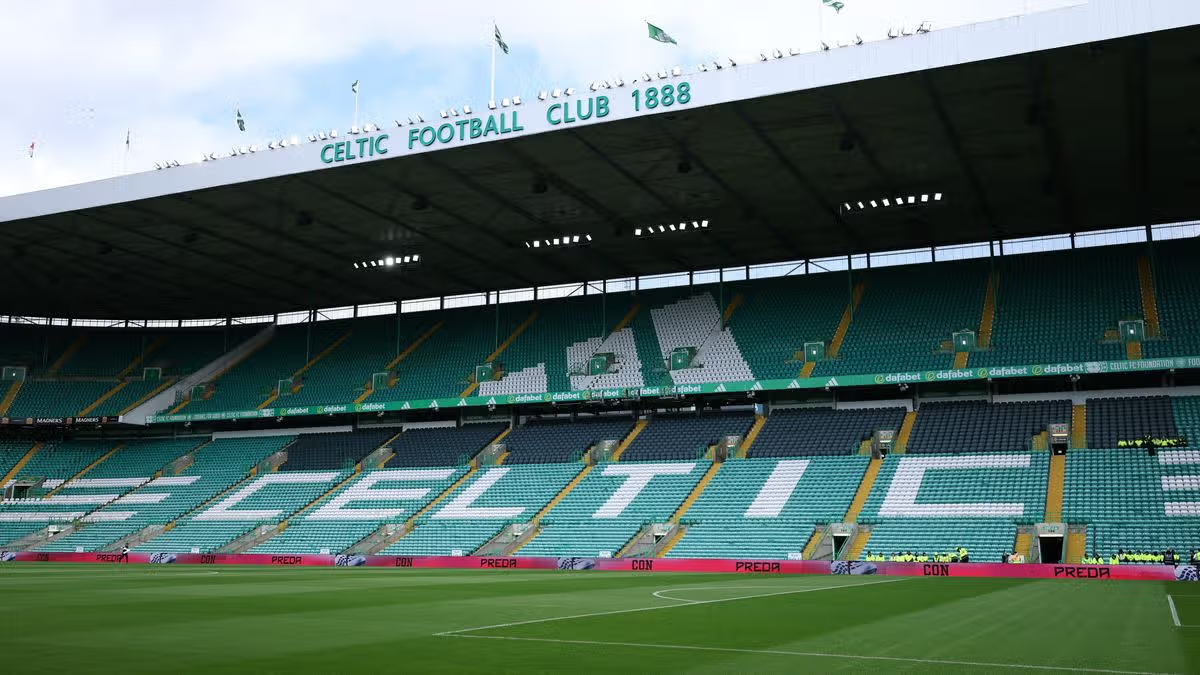
A Celtic fan has died after taking unwell during the Champions League clash against LASK at Parkhead last night. The alarm was raised around 9pm when police were alerted to a man having fallen ill within Celtic Park on Wednesday, August 19.

Emergency services raced to the stadium in Glasgow’s east end. A 65-year-old man was rushed to Glasgow Royal Infirmary where he later died. The death is not being treated as suspicious.

A Police Scotland spokesperson said: “Around 9.05pm on Wednesday, 19 August, 2026 police received a report of a man having taken unwell within Celtic Park, Glasgow.

Advertisement

“Emergency services attended and a 65-year-old man was conveyed to Glasgow Royal Infirmary, where he died a short time later.

“There are not believed to be any suspicious circumstances surrounding the death.”

Celtic FC has been contacted for comment.

We’ll be bringing you the very latest updates, pictures and video on this breaking news story.

Advertisement

For the latest news and breaking news visit dailyrecord.co.uk

Get all the big headlines, pictures, analysis, opinion and video on the stories that matter to you.

Follow us on Twitter @Daily_Record – the official Daily Record Twitter account – real news in real time.

We’re also on Facebook – your must-see news, features, videos and pictures throughout the day from the Daily Record, Sunday Mail and Record Online.

Advertisement

Get more Daily Record exclusives by signing up for free to Google’s preferred sources. Click HERE.

Source link

Continue Reading

NewsBeat

Woman rushed to Preston A&E after terrifying incident in Asda left lying in ‘excruciating’ pain on floor for 7 hours

Published

on

Manchester Evening News

Tammi Radcliffe says she was left lying on the floor of the A&E department after falling ill while shopping in ASDA

A woman claims she was left lying on a hospital floor for seven hours while experiencing ‘excruciating’ pain. Tammi Radcliffe, 31, almost fainted from sudden pain while shopping in ASDA.

Advertisement

She rang for an ambulance, received IV paracetamol and was transported to Royal Preston Hospital, Lancashire. She arrived at 4pm on August 15 and was initially assessed but was then left in the waiting room without seeing a doctor.

Tammi said she had no choice but to lie on the floor weeping in agony as no beds were available. She said her temperature soared to 39 degrees yet she wasn’t provided with stronger medication for her fever until 9pm.

Click here to get the biggest stories straight to your inbox in our Daily Newsletter

Seven hours after she arrived, she was seen by a doctor who couldn’t diagnose her but prescribed IV antibiotics. Tammi said she finally received the antibiotics at 2:30am which were delivered through her cannula while she lay on the hospital corridor floor.

Advertisement

Tammi, an administrator from South Lakes, Cumbria, said: “I’ve never felt pain like that in my life and I’m the kind of a person to downplay things, and I’m definitely one to mask my pain in public.

“But there was no hiding it, I was uncontrollable, just crying and doubled over in pain in the waiting room begging for pain relief.”

‘The pain just became so severe in Asda’

Tammi said she initially thought the pain was trapped wind and would go away on its own. She said: “I’d had cramps all morning but I just passed it off as trapped wind.

“I thought I’d go to ASDA to get myself some paracetamol and some Rennies or Windies or something, but as I was walking around, the pain just became so severe.

Advertisement

“I started to lose my vision, the light faded and I felt super lightheaded – like I was about to pass out. So I went to the pharmacy, and told them that I was on my own and didn’t know what else to do.

“They sat me down, and they ended up calling an ambulance for me and then sat with me and waited as the pain was just becoming more severe and I was crying.”

The ambulance took Tammi to the Royal Preston Hospital, where her worried husband Corey, 36, met her.

Corey, a tour manager from Cumbria, said: “I asked for more pain medication at least six times in the space of two hours and sometimes they didn’t even acknowledge us asking.

“I was asking for her to be reassessed and re-triaged but all we got in response was that she had already been triaged so go and sit down because she is where she needs to be.

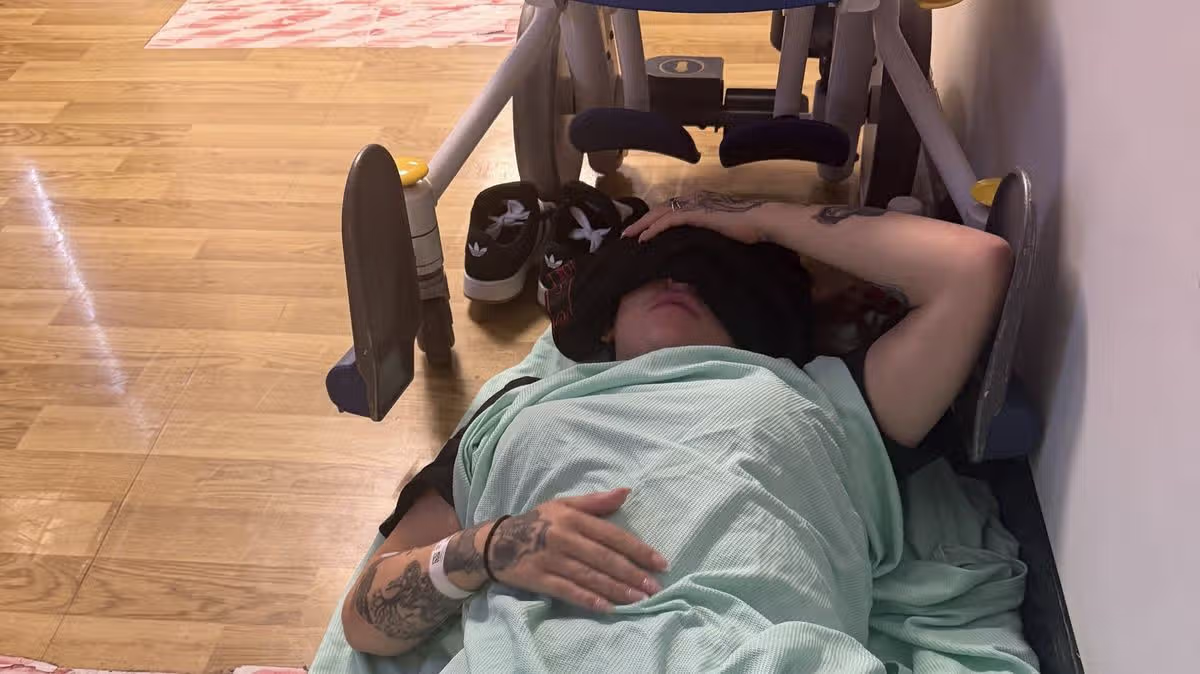
“Tammi was so exhausted and unwell that she ended up lying on the floor of the A&E department under a wheelchair to block out the bright hospital lights.

“We were there for hours before her temperature was actually checked. By then it had reached 39 degrees and she was shaking.

Advertisement

“It was then that more morphine did actually arrive, but hours later I had to ask them to check her temperature again as it could have gone higher and she could have ended up having a fit or anything like that, there was a complete lack of observations done.

“Blood tests that came back were showing really raised infection markers, but despite how unwell she was, it took about seven hours for her to see a doctor.”

At 11pm, Tammi finally saw a doctor and was prescribed antibiotics, but didn’t receive these until 2:30am the following morning. The IV antibiotics were administered via a cannula while Tammi was laying on the floor.

Advertisement

Corey said: “It wasn’t abnormally busy, there were definitely spare seats to sit on and it wasn’t a huge waiting room, so I don’t know why they took so long.”

Tammi was moved to the gynaecology ward at around 3am, but to a treatment room, and ended up leaving the hospital on August 16 with no diagnosis.

Tammi said: “Doctors weren’t 100% sure what was causing my pain because they have to do swabs and an ultrasound scan. We haven’t actually got any formal diagnosis currently, and we had to wait four days for the scan which is pretty hard considering it’s an emergency situation.”

Tammi is still suffering extreme abdominal and pelvic pain but managing it with pain relief.

Advertisement

What hospital bosses have said

A Lancashire Teaching Hospitals spokesperson said: “We would always encourage any patients or relatives who have concerns about their care to raise these with the clinical teams treating them at the time so, where possible, these can be resolved in real time.

“Where this is not possible, or where patients feel their concerns were not addressed, we would encourage them to get in touch with our Patient Experience and PALS team so that we can fully explore what happened and why and adopt any potential learning.

“In this instance, we are in direct contact with the family and are sorry that they have concerns about some aspects of the care received. We will fully investigate the issues the family have raised through our formal complaints process and respond directly back to them.”

Source link

Advertisement
Continue Reading

NewsBeat

Travelodge boss steps down after security issues in rooms

Published

on

A man in a blue T-shirt, arms crossed, looking serious, standing outside a Travelodge hotel.

The boss of hotel chain Travelodge, Jo Boydell, is stepping down as the group addresses safety issues after a sexual assault at one of its hotels.

A woman staying at a hotel in Maidenhead, Berkshire was sexually assaulted in December 2022 after a man lied to staff to get a key card to her room, triggering an independent review of security measures at the hotel giant.

Kyran Smith was jailed for seven years and six months for the attack.

Boydell had been criticised for the company’s handling of safety issues. In March, the then Prime Minister Sir Keir Starmer wrote to Boydell urging her to “seriously engage” with the government over security at Travelodge hotels.

Advertisement

Boydell, who had worked at the group for 13 years, stood down on 17 August and has been replaced on an interim basis by the company’s chief financial officer Ray Reidy.

In a statement, Reidy said: “We remain focused on the safety and well-being of our guests and will continue taking the actions necessary to strengthen the business.

“We will also continue to engage proactively and constructively with government and the wider hospitality industry on the issue of safety and security.”

Following the court case against Smith, the BBC was contacted by many people over concerns about security failures at the hotel.

Advertisement

Earlier this month, a domestic violence victim told the BBC how she was attacked in her hotel room after Travelodge reception staff gave a key to her abuser.

The woman said she was “failed” by the chain and described it as one of the “most traumatic nights of my life” after the man kicked the door off its hinges.

In another incident, a couple in Scotland woke to find a shirtless man in their hotel bedroom after he was mistakenly given a key card to their door.

In yet another case in April, a group of hotel guests said they were given keys to other people’s rooms twice in one week at a Travelodge branch in Newham, east London.

Advertisement

John Nowell, who was part of a corporate group staying at the hotel, told the BBC that his key card allowed him into a room where the occupant was in the middle of a shower.

An independent review into security at the hotel chain is under way and is being led by barrister Paul Greaney KC.

Travelodge said when the review was concluded it would “engage constructively, as we have done throughout this process”.

It added: “Our commitment to guest safety does not change with this announcement — it remains our absolute priority.”

Advertisement

In its statement released on Thursday, Travelodge also outlined several measures it was taking to address security issues.

Any additional or replacement room keys now require explicit permission from the guest staying in the room, the firm said.

It also has also carried out checks across all of its UK rooms to confirm that all key-card doors have a secondary deadbolt.

Source link

Advertisement
Continue Reading

NewsBeat

Vaccine breakthrough stops cancer returning in trial

Published

on

Meghan wearing black dress with golden buttons and holding hands with Harry who is wearing a white shirt and black suit

Prof Peter Johnson, National Clinical Director for Cancer at NHS England, told the BBC’s Today Programme it was an exciting development.

“Most of the cancer immune treatments we have been using up til now have been about cutting the immune system loose and hoping that it recognises the cancer. This [new treatment] is a way to direct it very specifically.

“It feels like it’s a very important advance for us.” He said the NHS was preparing to bring this type of treatment to patients.

Merck and Moderna are calling this a personalised vaccine, meaning it works by targeting an individual patient’s tumour.

Advertisement

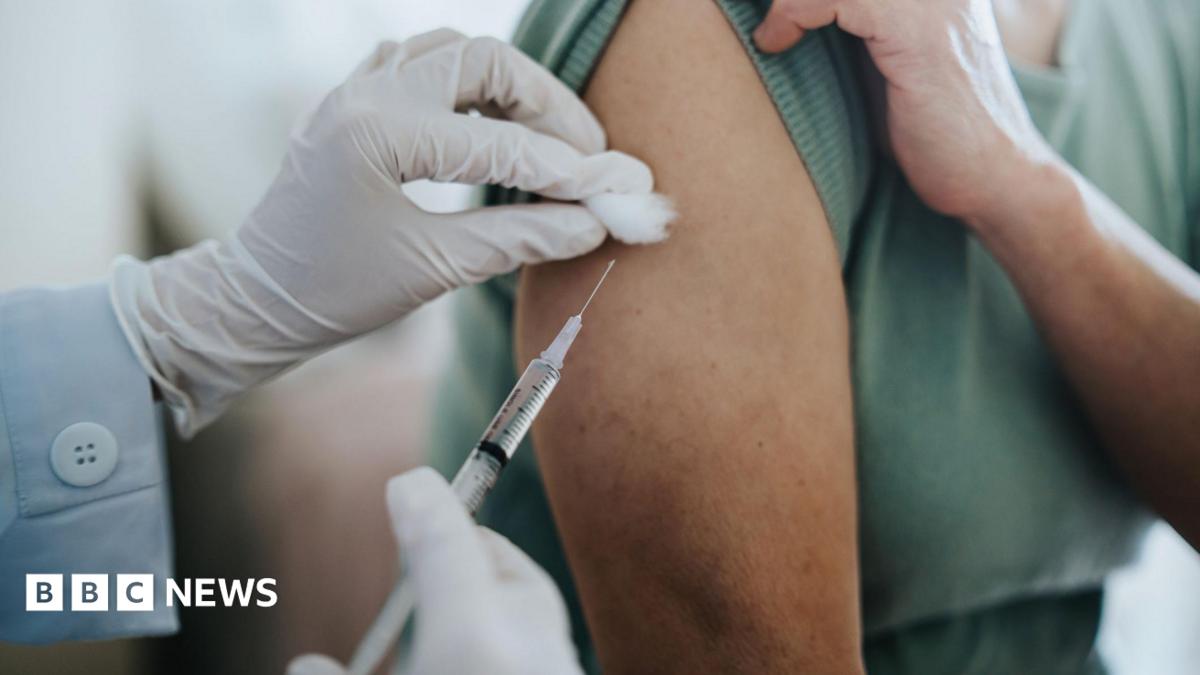
In order to create this new jab, scientists used mRNA technology – which was used for some Covid-19 vaccines – to target specific mutations within the cancer cells by surgically removing a small part of a patient’s tumour and then sequencing its DNA.

The result is a personalised anti-cancer jab which is specific to the patient’s tumour and instructs the immune system to recognise and attack any tumour cells that remain.

The two companies are testing other similar personalised vaccines for lung, bladder and kidney cancers.

Stephane Bancel, chief executive of Moderna, said the findings represent a “pivotal moment” in the field of cancer research.

Advertisement

Shares in both Moderna and Merck have surged since the announcement, external.

Cancer experts have also hailed the news as positive, but are keen to stress the findings are still early.

Dr Talisia Quallo, head of prevention and early detection at Cancer Research UK, said the research “shows promise” but said that the interim data still needs to be fully reviewed.

“It’s vital that research like this continues to be funded so that more people with cancer can have personalised treatment options to help them live longer, better lives”, she added.

Advertisement

Dr Lennard Lee, a consultant medical oncologist, and associate professor at the University of Oxford, said: “This is certainly good news for patients with melanoma, but the study has much wider implications. It provides proof of principle that personalised cancer vaccines work.”

More detailed findings from the study will be presented at a medical conference in October.

Source link

Advertisement
Continue Reading

NewsBeat

POLL: Are you happy to see Harry and Megan back in the UK? Couple announce return with William ‘apoplectic’

Published

on

Manchester Evening News

Harry and Meghan are set to return to the UK later this month

The Duke and Duchess of Sussex are planning to relocate back to Britain in a surprising turn of events more than six years after moving to America.

Harry and Megan will return to the UK later this month – making their new home in a non-royal property outside London – and have already enrolled Prince Archie and Princess Lilibet at British schools. It is understood there will be no change to the couple’s position and standing as private citizens and non-working royals.

The King, who continues to undergo cancer treatment, was made aware of the move on Sunday, just three days before the public announcement. But it is understood King Charles welcomes the chance to spend more time with the family in both a private and personal capacity.

Advertisement

Click here to get the biggest stories straight to your inbox in our Daily Newsletter

William has become estranged from his younger brother following Harry’s series of allegations against the prince, Kate, the King and Queen Camilla in the years following the Megxit crisis of 2020. The Prince of Wales is likely to be ‘apoplectic’ at the announcement, a royal expert has said.

But what do you think – are you happy to hear the Duke and Duchess of Sussex are returning to the UK with their children? Let us know in our poll.

Source link

Advertisement
Continue Reading

NewsBeat

How to appeal results or resit exams after GCSE results day

Published

on

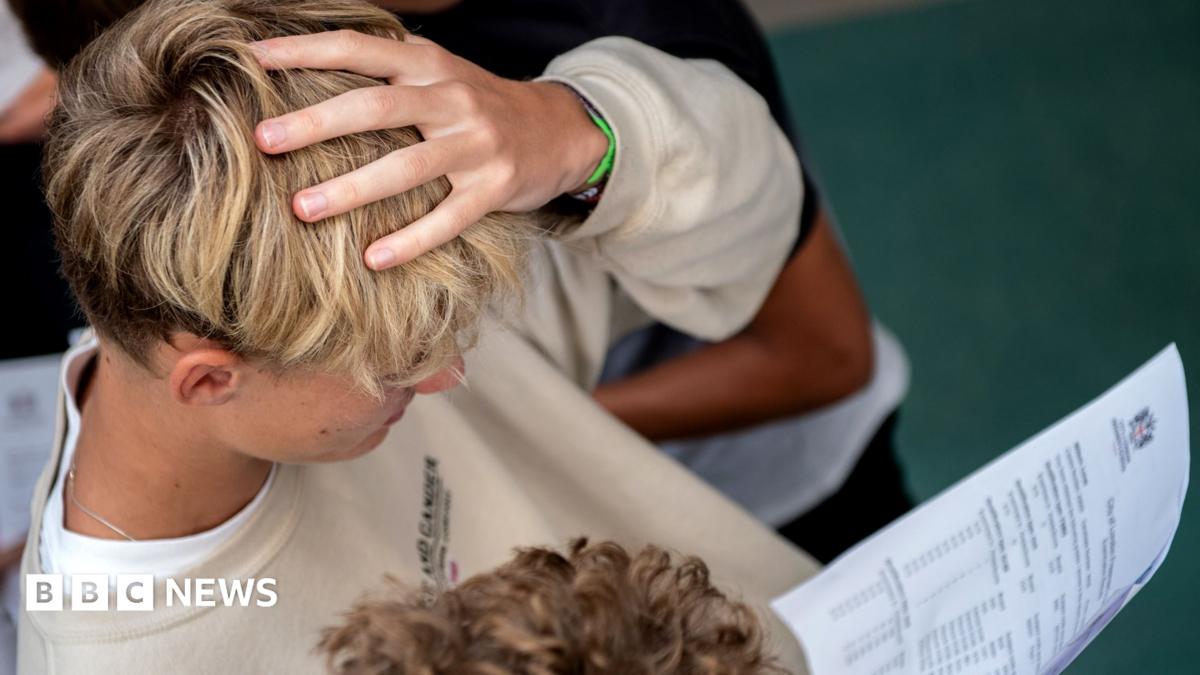
A student with blonde hair holds their hand to their head as they look at their GCSE results at the City of London Freemen's School

You can resit any GCSE exam the following academic year.

In England, students need maths and English GCSEs at grade 4 or above to qualify for further study – although you can prepare for resits alongside your new subjects.

The next set of resits for English and maths are expected to take place in November 2026.

If you want to explore resitting a subject, you should speak to your school or college about the best course of action.

Advertisement

Source link

Continue Reading

Trending

Copyright © 2025