Connect with us

NewsBeat

The real reason Britons are more medicated than Danes

Published

on

The real reason Britons are more medicated than Danes

It is tempting to tell a tidy story in which people in Britain take too many pills because they exercise too little and eat too poorly, while Danes stay slim by cycling everywhere. The assumption is that Britain relies on medication to fix lifestyle failures, whereas Denmark relies on prevention.

But are Britons actually more medicine-dependent than the Danes? The honest answer is yes and no.

When it comes to the more routine maintenance of getting older – managing the physical wear and tear of the body – the two countries prescribe in remarkably similar volumes.

But where pills are sought to compensate for what society has failed to provide, Britain reaches for the prescription pad far more readily. And, crucially, the heaviest of that prescribing is concentrated in the UK’s most deprived communities.

Advertisement

Health Gap / Sundhedskløften is a collaborative series from The Conversation UK and Denmark’s Videnskab.dk exploring what the two countries can learn from each other when it comes to health and wellbeing.

From cycling and alcohol to inequality, healthcare and everyday habits, the series looks beyond hospitals and medical treatment to explore how culture, politics and society shape the way people live – and how healthy they are.


If you look purely at drugs prescribed to prevent disease, the stereotype of the overmedicated Briton falls apart.

Advertisement

Take heart disease. Around 13% of the Danish population are prescribed statins to lower cardiovascular risk. In the UK, the figure is nearly identical: the British Heart Foundation estimates 14 to 15% of adults take them.

This pattern holds for polypharmacy (taking multiple drugs regularly), too. Around half of all Danes aged 75 and over take five or more medicines a week; in England, the figure for the same age group is 51%.

So, a retired Dane and a retired Brit are taking roughly the same number of pills for chronic health conditions. Does this undermine the idea that Denmark prevents disease through lifestyle while Britain over-medicates? Not entirely.

Zoom out and the picture changes. In England alone, 1.26 billion prescription items were dispensed in 2024-25 – roughly 22 items per person, a 4% rise on the previous year. The equivalent Danish figure works out at around 13 items per person.

Advertisement

The UK government’s own reviews suggest around 10% of items dispensed in English primary care are overprescribed – meaning a medicine that isn’t needed, is no longer needed, whose harms outweigh its benefits, or that the patient would prefer to swap for a non-drug alternative.

So, if the two countries prescribe heart and blood pressure medications at similar rates, what’s driving Britain’s excess in volume? The answer lies in the drugs most directly tied to pain, anxiety and distress.

Prescribing for despair

The UK prescribes antidepressants at a rate well above the average across OECD countries, a club of mostly high-income nations. In England last year, over 92 million antidepressants were dispensed to nearly 9 million patients – roughly one in six adults.

In contrast, Denmark is the only country in Europe to have successfully reduced its antidepressant consumption in recent years, with a 4% decline between 2010 and 2020.

Advertisement

The story is similar for painkillers. In 2019, the UK had the highest overall opioid prescribing rate in the world. Danish opioid use has fallen by more than a third since 2010.

These are the medicines whose volume responds most directly to the conditions of people’s lives – used to treat chronic pain, mental distress and social isolation. Researchers and the UK Health Security Agency have linked rising prescribing of this kind to widening social and economic disadvantage. It is in these drug classes, rather than in cardiovascular disease or diabetes medicines, that the gap between Britain and Denmark opens up.

A pharmacist in front of shelves of medications.
A 2019 study found that the UK had the highest consumption rate of prescription opioids for pain management per capita in the world.
Yau Ming Low/Shutterstock.com

This national divergence is mirrored within the UK itself. Conditions like heart disease are more common in deprived areas, driven by higher rates of smoking, obesity, diet and polluted air, so it makes sense that more heart medicines are prescribed there too.

But the bigger gap – one that heart disease alone can’t explain – is in medications for pain, mood, anxiety and sleep.

Antipsychotics are dispensed nearly three times as often in the most deprived parts of England, compared with the least deprived. Opioid prescribing is roughly twice as high in the poorest areas, with nine of the ten highest-prescribing regions in the north of England.

Advertisement

Sleeping pills, anti-anxiety medications and nerve pain drugs are similarly concentrated in deprived populations. Public health officials explicitly link this dependence on prescription medicines to poverty.

Some researchers call this prescribing for “diseases of despair”. The trend aligns with a spike in suicides and alcohol- and drug-related deaths concentrated in these same communities over the last decade.

The illusion of autonomy

The cultural difference extends beyond the doctor’s office and on to supermarket shelves. In Britain, painkillers like paracetamol and ibuprofen are ubiquitous in corner shops and petrol stations. Co-codamol, a codeine and paracetamol combination, is the country’s second most dispensed painkiller, with millions of packs sold over the counter every year.

In Denmark, supermarket sales of basic painkillers are sharply restricted, and only a single weak codeine combination is available, kept behind pharmacy counters.

Advertisement

In the UK, this easy access is often framed as “patient autonomy” or “self-care culture”. But this framing obscures who bears the harm. When Britain restricted paracetamol pack sizes in 1998, overdose deaths fell by 43% and liver transplants caused by paracetamol poisoning dropped by 61%.

A box of co-codamol.
The UK’s second-most dispensed medicine.
Eddie Jordan Photos/Shutterstock.com

Treating the symptoms of inequality

Britain’s higher prescription rates aren’t just about medicine – they’re rooted in how society is structured. Denmark’s lower use of drugs for pain and psychological distress can’t easily be explained by clinical guidelines alone – it points to the protective effect of stronger social foundations.

With less inequality, a stronger safety net and an environment built to support people’s wellbeing, Denmark simply has fewer of the conditions that hardship and poor surroundings tend to cause.

In the UK, the opposite is true. Over a decade of austerity, widening wealth inequality and fraying public health infrastructure have had profound consequences. Poverty, insecure housing and precarious work don’t just make life harder; they are reliable predictors of chronic distress and long-term illness.

The gap in healthy life expectancy between the richest and poorest in England has widened to 19 years. Extreme inequality manufactures disease, creating populations that inherently need more medication.

Advertisement

This is the practical dilemma of UK general practice. In deprived areas, depression, chronic pain and anxiety are often driven by adverse living conditions. Without the tools to directly alter a patient’s housing or income, reaching for an antidepressant or a painkiller is a rational response to help patients cope. Medical interventions are increasingly deployed to manage structural problems.

The concentration of the UK’s prescription volume in medications for pain and mood disorders suggests this is not a purely clinical issue, but the predictable consequence of widening health inequalities.

Denmark’s lower reliance on medication is not simply a lifestyle choice, but the outcome of deliberate investment in equality, housing and social protection. The comparison with Britain suggests that where these foundations weaken, prescribing rises to fill the gap – a reminder of what such systems help prevent.


This series was commissioned as part of a partnership between Videnskab.dk and The Conversation, where articles are published in English and Danish.

Advertisement

Source link

Continue Reading
Click to comment

You must be logged in to post a comment Login

Leave a Reply

NewsBeat

‘How exercise has changed my life and helped me recover from injury’

Published

on

Belfast Live

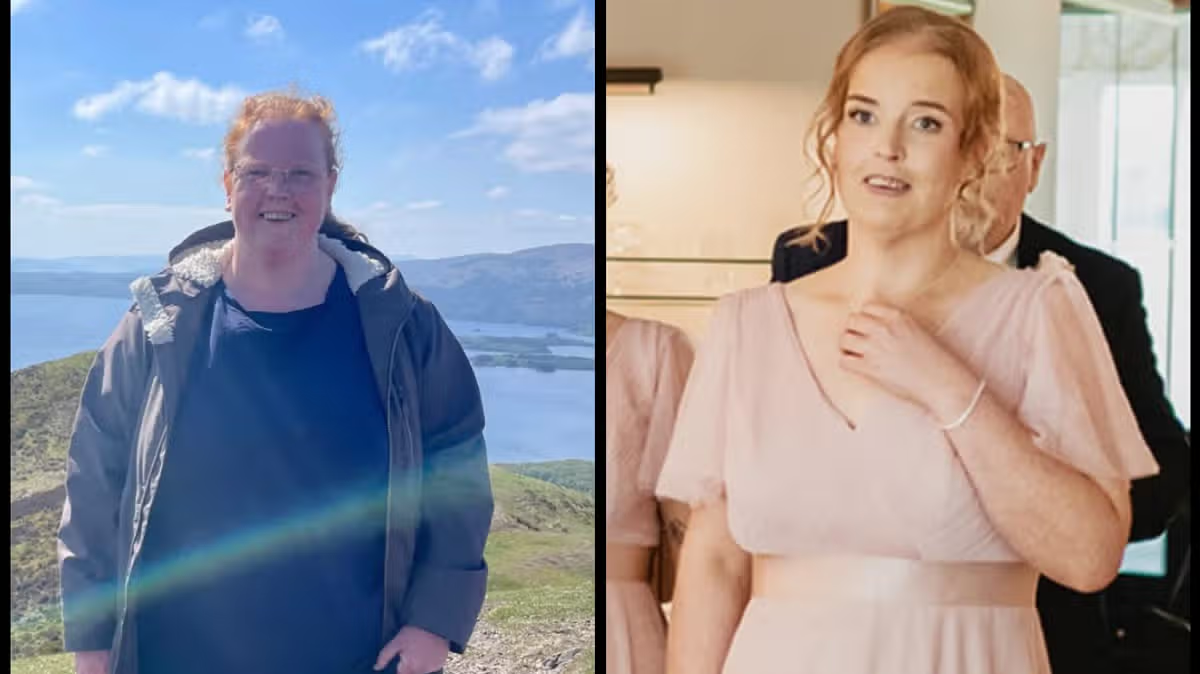
Sinead has recovered from a back injury, lost weight and completely changed her relationship with physical activity.

Two years ago Belfast woman Sinead McElmeel was a very different person. Exercise wasn’t on her radar but now it’s part of her daily life.

Advertisement

For Sinead, supported exercise has helped her recover from a back injury, lose weight and completely change her relationship with physical activity.

Sinead, 35 and a nurse, joined Better Gyms in Belfast’s leisure centres in 2024 through the Physical Activity Referral Scheme (PARS) following her back injury.

The scheme supports people living with chronic or health-related conditions to become more physically active with guidance from qualified exercise professionals.

Since joining in October 2024, Sinead, from North Belfast, has made exercise a regular part of her week and now attends Pilates, core fitness, and aqua aerobics classes with her instructor Andrea Adams.

Advertisement

As a result she has now lost an incredible 45kg and also seen a significant improvement in her back.

What began as a way to safely return to physical activity following an injury has become a routine that Sinead now looks forward to every week.

She told Belfast Live: “Previously I had no fitness at all. I was not a very active person. I was a size 24 and weighed 109 kilogrammes. I had a back injury and my GP referred me to Better Gyms where I attended a back clinic and was advised to go to the gym and do things like pilates and yoga.

“I’m not very good at going to the gym, but I love the classes. I fell in love with the classes and thought I’d try some more and now I’m doing 15 classes a week Better has 16 gyms in Belfast, and I go to several of them. I really enjoy the fitness classes, and whenever I can’t go to a class or I miss one, I really miss it.”

The right support really helped Sinead, who previously felt exercise was out of reach particularly following her injury. Leisure centres also played a key role in helping her become more active at her own pace, with professional guidance.

Sinead’s love of fitness has also led to her wanting to eventually become an instructor in Pilates and aqua aerobics in the future. And she says her family have also embraced fitness too: “My sister is also doing quite a few of the classes with me so I’ve had a good impact on her.

“My parents have started increasing their fitness levels too so I’ve motivated a few of them to look at their fitness and try the classes.”

Advertisement

Sinead added: “When I look back on the person that I was two years ago, I don’t really recognise her. A lot of people would feel intimidated walking into a gym – I definitely did. Fitness doesn’t have to be gym bods, big muscles and skinny diets and all that sort of thing.

“It can be having fun in a class and you don’t actually feel like you’re exercising. There’s so many different types of exercise and classes so find a class that you don’t feel like you’re exercising in.

“Don’t start off trying to go to the gym 15 times a day. Try going once a week and try different classes every time until you find an instructor and a class that you like. Try all the random stuff out there and you’ll find something that you like.”

Advertisement

Sinead is also full of praise for her instructor: “Andrea’s absolutely brilliant. She’s been very helpful. Every time I have questions in the class, she’s always there to help me. She’s supported me in my goals to become a fitness instructor like her.”

“I do weightlifting now and I never thought I’d be a weightlifter or do anything like that. Try things that you never thought you would be interested in, and you might find something that you love.”

Leisure trust GLL took over Belfast City Council ’s 10 leisure centres in January 2015, running them under its ‘Better’ brand.

Gareth Kirk, Senior Regional Director, GLL, says Sinead’s journey shows the life-changing impact that physical activity can have.

He added: “Losing 45kg is an incredible achievement, but the real success story is the transformation in her health, confidence and wellbeing.

“At Better, we’re passionate about helping people take that first step, regardless of their starting point. Through programmes like the Physical Activity Referral Scheme, we’re supporting people across Belfast to become more active and improve their quality of life.

“National Fitness Day is a great opportunity to remind people that there is no one-size-fits-all approach to being active. Whether it is swimming, Pilates, a group exercise class, walking, or simply finding a way to move more during the day, physical activity can have a significant impact on both physical and mental wellbeing.

Advertisement

“We want people to feel that our leisure centres are welcoming spaces where they can start at their own pace and get the support they need.”

For all the latest news, visit the Belfast Live homepage here and sign up to our daily newsletter here.

Source link

Advertisement
Continue Reading

NewsBeat

Search under way for boy missing from Suffolk playground

Published

on

Jack Clark, a man with short brown hair, dressed in a blue coat

Emergency services and members of the public are searching for a three-year-old boy who went missing at a playground.

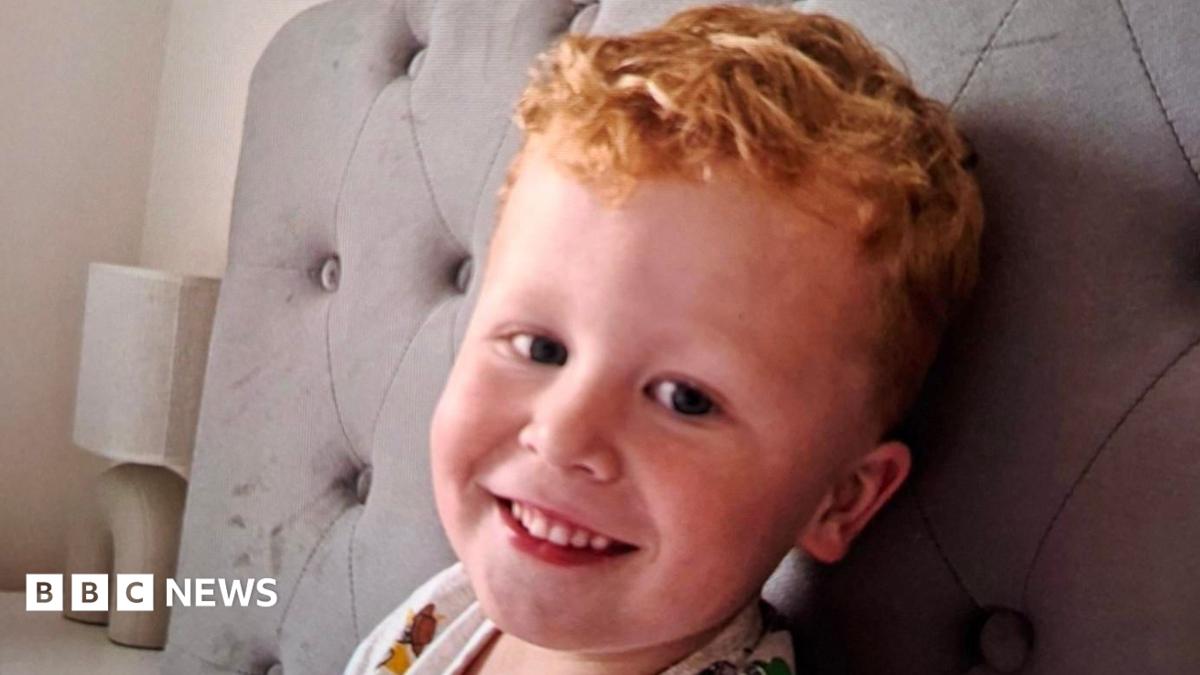
Noah Woods was with a relative at the small park at Merriam Close in Brantham, but “became separated” from them as they left at about 15:00 BST, Suffolk Police said.

The toddler, who is partially deaf, autistic and non-verbal, was reported to have run down a nearby alleyway towards a newbuild housing estate.

“We ask local residents to please check their outbuildings, gardens and sheds, and report any sightings to police on 999,” Supt Pete Partridge said.

Advertisement

A helicopter has been pictured flying over the scene, which is near the estuary of the River Stour and close to the Essex border.

Police described Noah as white, with curly ginger hair, and said he would not respond to his name being called.

In a statements released overnight, police said efforts to find him were still ongoing.

“We are grateful for the support from the public, however ask people not to undertake independent searches overnight. It’s important that any public searches are coordinated with police.”

Advertisement

Source link

Continue Reading

NewsBeat

Scarborough pair arrested for ‘outraging public decency’

Published

on

Scarborough pair arrested for 'outraging public decency'

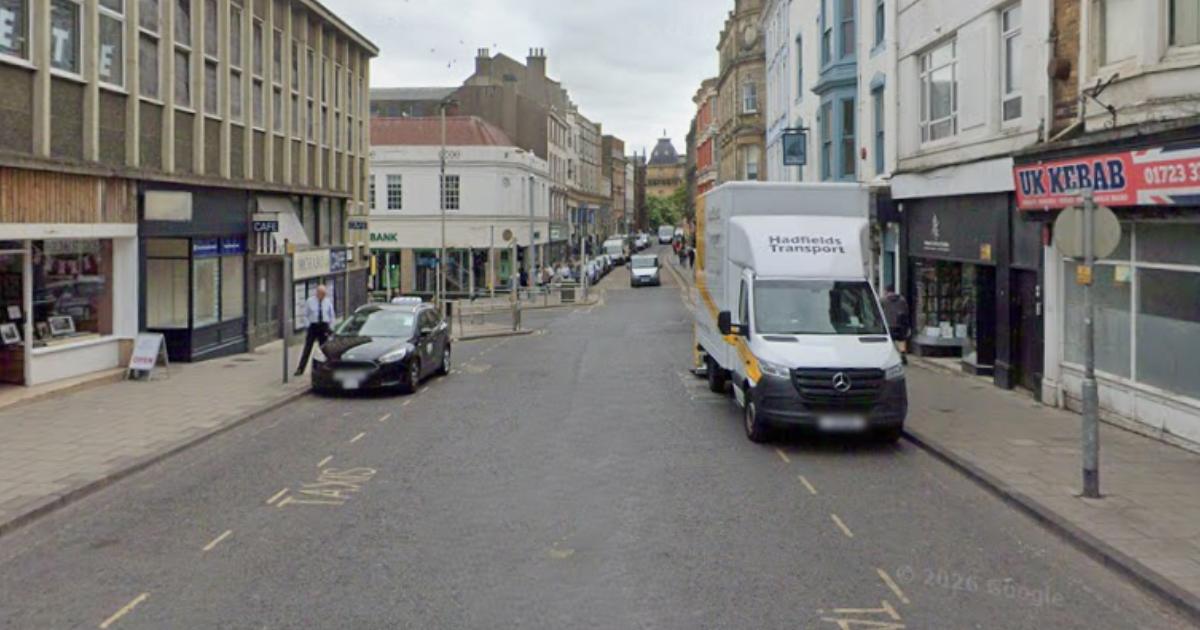
A 38-year-old woman and a 31-year-old man, both from Scarborough, have been arrested in connection with the act in Scarborough Town Centre on Monday (September 14) shortly after 7pm. 

The pair remain in custody, North Yorkshire Police said. 


RECOMMENDED READING:

Advertisement

A force spokesperson said: “We are aware of images circulating on social media and we would like to speak to anyone who has witnessed the act, in particular, the person who took the original image. 

“CCTV enquiries have been ongoing throughout the day.

“We are asking for assistance from our community.” 

If you have any information about this, please contact police on 101, quoting reference number 12260180837. 

Advertisement

Anonymous information can also be given to Crimestoppers on 0800 555 111.

Source link

Advertisement
Continue Reading

NewsBeat

Greyhound racing just turned 100, and says its dogs are fine. But are they?

Published

on

Greyhound racing just turned 100, and says its dogs are fine. But are they?

This year, greyhound racing in Britain turns 100 years old. The first race ran on July 24 1926 in Manchester, where six dogs chased a mechanical hare around a track.

Recently, the Greyhound Board of Great Britain (GBGB) published its 2025 welfare figures, under a reassuring headline: licensed racing “maintains high welfare standards”.

Look closely, and those same welfare figures show that a dog in 2025 was 77% more likely to die at the racetrack (from fatal injury or being put down following an injury) than when the industry’s welfare strategy was introduced in 2022, even accounting for the fact there have been fewer races and fewer racetracks operating.

In terms of a percentage of race starts, that increase in likelihood of death seems small – from 0.03% to 0.05%. But behind that percentage are 161 dogs who died at the track in 2025: more than three dogs a week.

Advertisement

The GBGB is responsible for both promoting and running greyhound racing, and for regulating it. This means the same entity that works to keep the sport thriving is also the one that reports on how its dogs cope.

The numbers that guide approval

Most of the public seem to believe that people have a moral responsibility to prevent, or at least minimise, poor welfare in animals that they use for any purpose. If an industry using animals loses public approval, the activity is probably operating on borrowed time. The case for greyhound racing continuing rests largely on the industry’s own records.


À lire aussi :
Ringling Bros circus closure shows our changing attitudes to animals in captivity


The UK government said in October 2025 that it has no plans to ban greyhound racing in England, pointing to improvements made by the GBGB, such as its 2022 welfare strategy, and the laws already in place, which require a vet at every race meeting and set standards for record keeping.

Advertisement

UK law recognises dogs as sentient beings – that they have feelings like joy or frustration. Once you accept that (as animal welfare scientists do), our responsibility when caring for animals doesn’t stop at minimising suffering. It extends to enabling the good experiences a life worth living requires.

What the industry figures leave out

The GBGB publishes annual figures on injuries, deaths and where dogs go when they leave racing, and presents them to the Department for Environment, Food and Rural Affairs. Few animal-reliant industries are this forthcoming.

A combined total can be accurate in reporting the national injuries dogs sustained while racing, but not tell the whole story. When we built a more complete picture using AI agents (under human supervision) and public websites, more details became visible.

Our research used five public-facing websites that together contained information about 31,028 dogs and 1.27 million races between 01 January 2022 and March 31 2026.

Advertisement

It is a new use for this technology, one that makes the data fully visible.

The data from these websites gave us a fuller picture of the greyhounds that race. Our findings showed us that equal numbers of male and female dogs race, most dogs are black, and they typically start racing before turning two years old. We can also pull out the story of individual dogs, to better understand their experiences.

For example, the 12,999th dog (selected at random and anonymised) in our dataset was a black male, bred in Ireland. He raced at Kinsley stadium (West Yorkshire) 15 times from March 2023, winning four times in early races. The records then show he experienced a succession of rough races from May, jostled by the pack and constantly checking his stride to avoid crashing into the dogs around him. This resulted in him finishing at or near the back of the pack, until his final race in August 2023, when his racing and public record stop, just five months after starting.

A greyhound’s silhouette is visible as it walks up a hill in the mist.
David Merrett/flickr, CC BY

This dataset found that some racetracks recorded serious incidents while racing (such as a dog striking a rail or being knocked over by another dog) up to five times as often as others. This is something the annual, nationally aggregated data release does not illuminate, although government committees have been asking for it.

Advertisement

Of individual dogs racing, 85% were bred and reared in the Republic of Ireland, beyond the reach of the GBGB, which regulates racing but has no oversight of their breeding and early lives. Most dogs only race for around one year, and the rate at which they leave racing has not changed since 2022 when the GBGB’s A Good Life for Every Greyhound welfare strategy was introduced. Welfare charities have raised concerns about oversupply and “wastage” (dogs bred in large numbers and then discarded), with animal shelters often shouldering the role of rehoming.

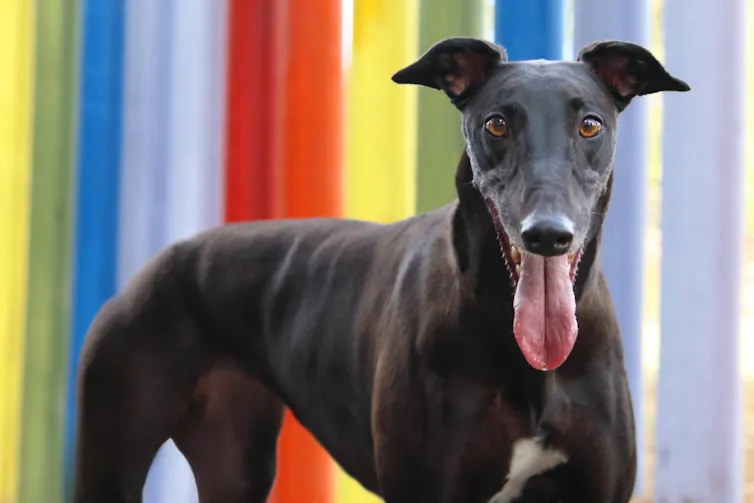
An adult black greyhound stands in front of a rainbow striped wall in the background. Her mouth is open with tongue hanging relaxed. Her ears are erect.
Former racing greyhound, Faline.
Waggles Photography, CC BY

Once dogs exit racing, most vanish from public view. Over 95% of dogs that have left racing cannot be checked, as they are no longer subject to public reporting requirements.

What are the most likely causes of poor welfare?

A report released in July 2026 from Blue Cross, Dogs Trust, Hope Rescue and the RSPCA outlines the systemic welfare challenges they believe that greyhounds in the UK face.

The report suggests that poor welfare can arise at every life stage. The charities say they are concerned about breeding practices that are harmful such as surgical artificial insemination (banned in Britain but still used in the Republic of Ireland where most racing dogs are bred) and inbreeding; estimates some dogs spend 95% of their time in kennels; and health issues (such as teeth and limb problems) that follow dogs once they exit racing.

Advertisement
Meet Perseus, a greyhound that stopped racing and was cared for by Dog’s Trust Cardiff.

Britain isn’t deciding the future of animal-reliant industries like greyhound racing in isolation. In the past year, New Zealand, Wales, Scotland, and a second state in Australia have all decided to end greyhound racing on animal welfare grounds.

Public acceptance and government policy should not rest on figures provided by the industry, but on independent data assemblies which are available for deeper interrogation.

Before trusting any welfare claim, consider these three things:

  • Can you see the data behind it?
  • Who collected it, and do they profit?
  • Does it really show you the animals’ lives?

A hundred years of industry record keeping has not answered whether the welfare of these dogs is acceptable in 2026. Independent scrutiny might.

Editor’s note: A spokesperson for the Greyhound Board of Great Britain (GBGB) said:
“As the sport’s regulator, GBGB is the only organisation with access to the full, verified dataset relating to injuries and fatalities across licensed greyhound racing in Great Britain. GBGB publishes an independently verified summary of this dataset annually, providing a level of transparency and detail that exceeds the reporting requirements set by Defra.”

Advertisement

Source link

Continue Reading

NewsBeat

Mother appeals for missing Bolton girl to come home

Published

on

Mother appeals for missing Bolton girl to come home

Police are continuing to appeal for information as the search for a missing 13-year-old girl reaches its fourth night.

Lillia, from Bolton, has been missing since Friday, September 11. 

She was last seen at Piccadilly bus station shortly before 11pm on Friday.

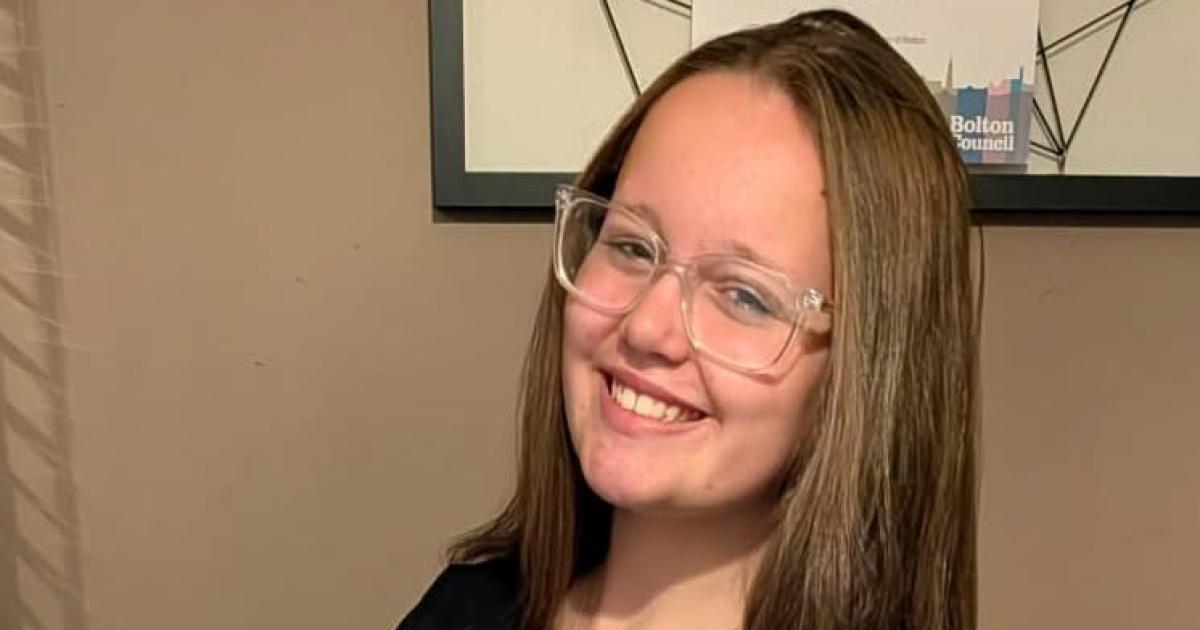
Lillia is described as being of slim build, around 5ft 5in tall, with brown hair and glasses.

Advertisement

When she was last seen, she was wearing a black zip-up hooded top, light blue baggy jeans and carrying a black Nike backpack.

Lilia has been missing since September 11 (Image: Bolton Police)

As efforts to find her continue, Lillia’s mother, Jessica, has this evening, issued an emotional appeal for her daughter to get in touch.

She said: “Lillia, you’re not in any trouble, I’m really, really worried.

“It’s been four nights now and you need to be safe.

Advertisement

“Please come home, we all love you very much.”

Police are urging members of the public to remain vigilant and report any potential sightings.

Anyone who has seen Lillia, knows where she may be, or was travelling on the bus she used on Friday evening, is asked to contact police in Bolton on 0161 856 5757, quoting reference MSP/06KK/0002168/26.

Anyone with information about her whereabouts is asked to contact officers as soon as possible.

Advertisement

Source link

Continue Reading

NewsBeat

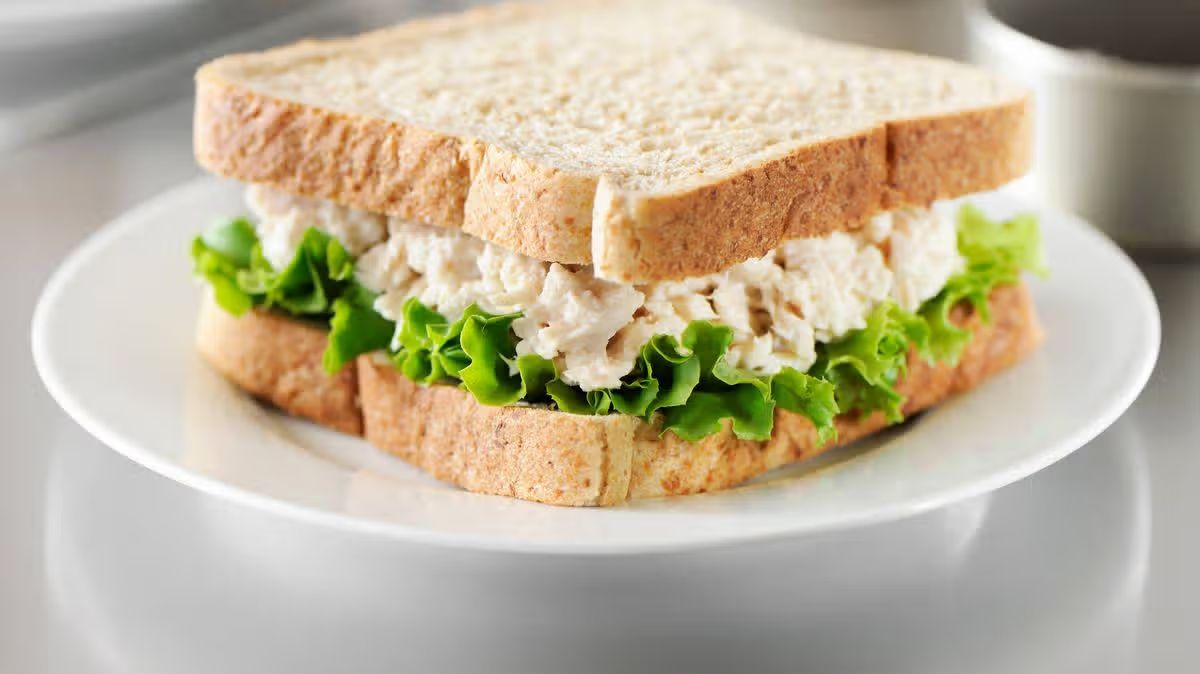
Tuna mayo sandwiches will be lighter and creamier if you add extra ingredient

Published

on

Wales Online

Adding an extra ingredient enhances the flavour and texture of the tuna filling

Tuna sandwiches are a classic favourite, loved for their simple ingredients and satisfying taste. Tuna, a creamy dressing and soft bread come together to make a comforting sandwich that works all year round.

Advertisement

They’re also quick and easy to put together, making them a great choice for a light lunch or a picnic.

Tuna works well with a wide range of ingredients, allowing for plenty of variety in flavour and texture. According to Princes, adding one extra ingredient to a tuna mayo sandwich makes all the difference.

That ingredient is crème fraîche, a thick, rich cultured cream that adds freshness, lightness and a gentle tang. The mayo provides a smooth base, while the crème fraîche loosens the texture and lifts the flavour. Together they create a filling that feels rich but not heavy.

Ingredients:

  • Your bread of choice
  • One tin of tuna chunks or steak
  • 65g mayonnaise
  • 25g crème fraîche
  • 15g spring onions, sliced
  • 15g diced gherkins
  • 10g diced capers
  • Half a lemon, juice only
  • 2g chopped dill
  • Salt and cracked black pepper to taste

Method:

Begin by weighing all your ingredients and finely chopping the spring onions, gherkins, capers and dill.

In a bowl, mix together the chopped ingredients with the mayonnaise, crème fraîche, lemon zest and tuna.

Season with salt and pepper, spread the mixture onto your bread of choice and squeeze the lemon juice over the top.

The crème fraîche adds a light, velvety texture and a gentle tang that cuts through the richness of the mayo, resulting in a fresher, more balanced filling. It works especially well with the spring onions, gherkins and capers.

Greek yoghurt can also work as a substitute for mayo in a tuna filling. It is lighter in texture, with a mild tang that brings out the tuna’s savoury flavour. It pairs particularly well with celery and red onion, and needs nothing more than a squeeze of lemon and a pinch of seasoning to finish.

Its considerably lighter texture and subtle tanginess enhance the savoury qualities of the tuna while simultaneously bringing out the flavours of any vegetables within the sandwich.

Source link

Advertisement
Continue Reading

NewsBeat

Amanda Owen shares life now at Yorkshire farm after Our Yorkshire Farm

Published

on

Amanda Owen shares life now at Yorkshire farm after Our Yorkshire Farm

The Yorkshire Shepherdess became a household name with former husband Clive Owen and their nine children on Channel 5’s Our Yorkshire Farm.

Although the programme ended in 2022, Amanda has continued sharing life in the Yorkshire Dales while farming and appearing on television with her family.

The 51-year-old revealed how she is spending her time as sheep are gathered from the moors for what she calls the “harvest of the Hills”.

(Image: CHANNEL4)

Posting photographs from the farm, Amanda said: “This is what we are on with at the moment.

Advertisement

“Gathering sheep in from the moors and picking up strays that other farmers have brought in.

“Trying to catch up with all the woolly wanderers and sorting out who is who. Who stays, who goes and where they go.”

The work will continue for months as the sheep are sorted for breeding, sale to other farms or the food chain.

Amanda added: “Over the next couple of months, there will be what is sometimes referred to as ‘The harvest of the Hills’.”

Advertisement

Breeding animals would be sold to farmers to replenish their flocks, while store animals would be reared for future sale.

Prime fatstock would go straight into the food chain. Amanda published the post on September 10.

Amanda Owen’s life now

Amanda remains closely associated with Ravenseat, the remote Swaledale farm where viewers first got to know the Owen family.

Amanda and Clive announced their separation in June 2022 after 22 years of marriage but have continued working together and raising their family.

Their nine children are Raven, Reuben, Miles, Edith, Violet, Sidney, Annas, Clementine and Nancy.

Advertisement

Amanda and Clive have also reunited on screen for More4’s Our Farm Next Door: Amanda, Clive and Kids.

The programme follows the family as they restore the derelict farmhouse known as Anty John’s while continuing their everyday farming lives in the Yorkshire Dales.

Channel 4 commissioned another two series in 2025, covering both series three and four, as work moved from the exterior of Anty John’s to the enormous job of transforming its interior.

The fourth series is now on its way.

Advertisement

Amanda is due to appear at a special Our Farm Next Door event at Everyman Northallerton on September 30, where fans will get an exclusive preview before the show returns to More4.

Source link

Advertisement
Continue Reading

NewsBeat

Homeless man broke anti-slavery law 3 times, court told

Published

on

Homeless man broke anti-slavery law 3 times, court told

Robert Chinchen, 37, climbed into a residential property in Queen Street, Scarborough, through a window at 3.20am, returned to the house at 7.30am four days later and seven days earlier he had been seen at a house in Elders Street, Scarborough, said Laura Peto, prosecuting.

York Crown Court heard he was forbidden to go to both properties under a slavery and trafficking risk order made by Scarborough magistrates in October last year after police convinced them he had been using violence and intimidation to get accommodation and vulnerable people needed protecting from him, the court heard.

Hours after police attended the Queen Street property, Chinchen was seen on the railway tracks at Scarborough Railway Station, claimed he had poured acetone over himself and threatened to set himself on fire.

Advertisement

Police persuaded him to leave the railway without carrying out his threat and arrested him, said Ms Peto.

Defence barrister Nick Peacock said: “He is homeless. He is attending properties where his friends live and trying to secure somewhere to live. Until this man gets somewhere to live these problems are going to persist.”

Chinchen, of no fixed address, pleaded guilty to three breaches of the order.

He has previous convictions for breaching the order, one committed on the day it was made, the court heard.

Advertisement

He was jailed for 32 months.

Mr Peacock said Chinchen had mental health problems, probably linked to his drug use.

“It is for this man to sort himself out,” he said.

“He has behaved himself while in custody. He has not taken drugs in prison.”

Advertisement

Chinchen was taking steps to improve himself while in custody.

Ms Peto said Chinchen was arrested on June 30 following a disturbance at the Elder Street house and released on bail.

On July 3, CCTV filmed him and another man outside the Queen Street house at 3.20am.

One man was on the shoulders of the other, opening a window and climbing in.

Advertisement

On July 7, CCTV caught Chinchen and two other men at the same house.

The slavery and trafficking risk order remains in force until the end of October 2030.

 Inspector Craig Regan, of the Scarborough neighbourhood policing team, said: “We welcome the prison sentence that has been handed to Robert Chinchen.

“It is the result of excellent police work and outstanding community partnership that we have built in Scarborough.

Advertisement

“This outcome sends a warning to others who target, manipulate, intimidate, and exploit vulnerable people. We will work with our partners and use every available power to rid you from our communities.”

Source link

Advertisement
Continue Reading

NewsBeat

Earl Spencer’s bombshell new book is stolen: Several copies of Earl’s explosive book about his sister Diana – and how King reacted to her death – are taken in raid on a Dutch lorry

Published

on

Earl Spencer's bombshell new book about his sister Princess Diana has been stolen (he is pictured in March)

Advertisement

Copies of Earl Spencer‘s sensational book about Princess Diana have been stolen from a lorry – just before its exclusive serialisation in the Daily Mail.

The memoir – Swan Song: Diana, My Sister – includes revelations about Diana’s deeply unhappy marriage with the then Prince of Wales.

It also describes the crisis that engulfed the Royal Family after her death in a car crash almost 30 years ago.

Last night a publishing insider said: ‘Earl Spencer has kept his silence for nearly 30 years and what he has to say about the King’s reaction when Diana died is utterly devastating.’ 

Advertisement

But, in an astonishing development, the Mail can reveal that a truck packed with thousands of copies of the book was broken into after it was parked overnight in a lay-by in the Netherlands earlier this week.

Just four copies, which had been wrapped in black plastic to hide their contents, were stolen in what publishing sources believe could have been an audacious plot to steal the highly anticipated book of the year before it hits the shelves.

Dutch police are investigating the mysterious break-in, with theories among industry insiders about who was responsible ranging from a gang of opportunistic thieves to a misguided, but highly informed, supporter of the Royal Family.

‘It’s extremely suspicious,’ one publishing source said last night. ‘Nothing like this has ever happened before. This is probably the biggest book of the year and the security surrounding it has been incredibly tight.

Advertisement

Earl Spencer’s bombshell new book about his sister Princess Diana has been stolen (he is pictured in March)

The front cover of the memoir, Swan Song: Diana, My Sister, is pictured. The book is set to be exclusively serialised in the Daily Mail

The front cover of the memoir, Swan Song: Diana, My Sister, is pictured. The book is set to be exclusively serialised in the Daily Mail 

The memoir includes revelations about Princess Diana's deeply unhappy marriage with the then Prince of Wales (Charles and Diana are pictured in 1985)

The memoir includes revelations about Princess Diana’s deeply unhappy marriage with the then Prince of Wales (Charles and Diana are pictured in 1985)

Advertisement

‘Every possible precaution has been taken to prevent it from being leaked ahead of its serialisation. Therefore this unprecedented incident is being taken extremely seriously.’ 

Swan Song is due to be published worldwide next Tuesday – in the UK by Penguin Michael Joseph, a division of Penguin Random House – with the Mail publishing an exclusive serialisation before the memoir is available in bookshops.

Described as ‘historic’ and ‘extraordinarily moving’, the memoir is a deeply personal account of Earl Spencer’s relationship with his older sibling and of her failed marriage. 

It also provides unprecedented insight into the seismic week following Diana’s death in August 1997, during which the House of Windsor was engulfed by a global wave of public grief and anger.

Advertisement

Buckingham Palace is understood to be braced for a string of shocking revelations that threaten to reopen the wounds of the former Prince and Princess of Wales’s highly acrimonious split and eventual divorce.

The Mail understands that a lorry with the books left a printing plant in central Europe on Monday on its way to a warehouse in the Netherlands before copies were distributed to Dutch bookshops.

At some point that evening the driver parked in a lay-by deep in the Dutch countryside to sleep. At around 8am he found the lorry had been broken into but, mysteriously, only a handful of wrapped copies of Swan Song were missing.

Shocked Penguin bosses in London were only told about the break-in at 3.30pm yesterday. 

Advertisement

It would not be the first time that a major book has been stolen just before publication. In 2003, a lorry with more than 7,000 copies of Harry Potter and the Order of the Phoenix, the fifth in the fantasy series, was stolen from a warehouse on Merseyside.

Ahead of the 30th anniversary of Diana’s death, Earl Spencer has vowed that his book, which will be published around the world and translated into 12 languages, will correct ‘untruths’ that have been told about his sister.

The Earl, 62, delivered a raw and defiant eulogy during Diana’s funeral at Westminster Abbey, which was broadcast to a worldwide audience of 2.5billion.

Advertisement

Source link

Advertisement
Continue Reading

NewsBeat

Heathrow expansion cannot go ahead without cutting flying emissions, say climate advisers

Published

on

Heathrow expansion cannot go ahead without cutting flying emissions, say climate advisers

Without the world reducing climate-warming emissions, most of which come from burning fossil fuels for power, homes, transport and industry, to net zero, global temperatures will continue to rise with worsening impacts including extreme heatwaves, floods, drought and rising seas.

Source link

Continue Reading

Trending

Copyright © 2025