An Air Canada plane collided with a vehicle on a taxiway at LaGuardia Airport on Sunday night
Kirstie McCrum Deputy Head of News, Live News Network, Michael D. Carroll, Peter Hennessy UK & World News Editor and Steve Frank
07:41, 23 Mar 2026
An Air Canada plane was involved in a tragic collision with a vehicle on a taxiway at LaGuardia Airport late on Sunday (March 22) night, resulting in two fatalities and several injuries, it’s been reported.
The incident led to the temporary closure of the airport. The New York Post reported that the vehicle involved was a fire engine which collided with the aircraft, leaving four firefighters critically injured.
NBC News reported that the pilot and co-pilot died of their injuries post-collision. A sergeant and an officer, who sustained broken limbs, are reportedly in a stable condition in hospital, based on initial information from sources.
Advertisement
The Express reported no other significant injuries. The incident is believed to have taken place on Runway 4 within Delta’s terminal area around 11:37pm, according to AeroCrewNews and NYCFireWire.
All FDNY units, except for the first-due engine company, were dispatched to the scene, reports the Daily Record.
Local news site Col Live identified the aircraft as Jazz Airlines Flight 646, operated by Air Canada’s regional carrier, Jazz Airlines. The plane, arriving from Montreal, Quebec, had just landed in New York when it collided with a Port Authority emergency vehicle whilst attempting to cross runway 04/22.
Advertisement
The US Federal Aviation Administration has implemented a ground stop, suspending all flights at the airport, citing an emergency. The regulator’s notice indicated a strong probability that the suspension would be extended, although no further details were provided.
Emergency services are understood to continue working at the site, attempting to secure the area. Passengers and airport staff have described the situation as chaotic, with flights facing delays or cancellations.
It’s reported that the airport will remain closed until 2pm on Monday, causing significant travel disruption at one of New York City’s busiest transport hubs. The cause of the incident remains under investigation.
Authorities have yet to confirm the identities or condition of those injured. Video footage shared on social media shows evacuation and rescue operations taking place at the airport following the collision, with one clip apparently showing the aircraft’s nose angled upwards as passengers disembarked.
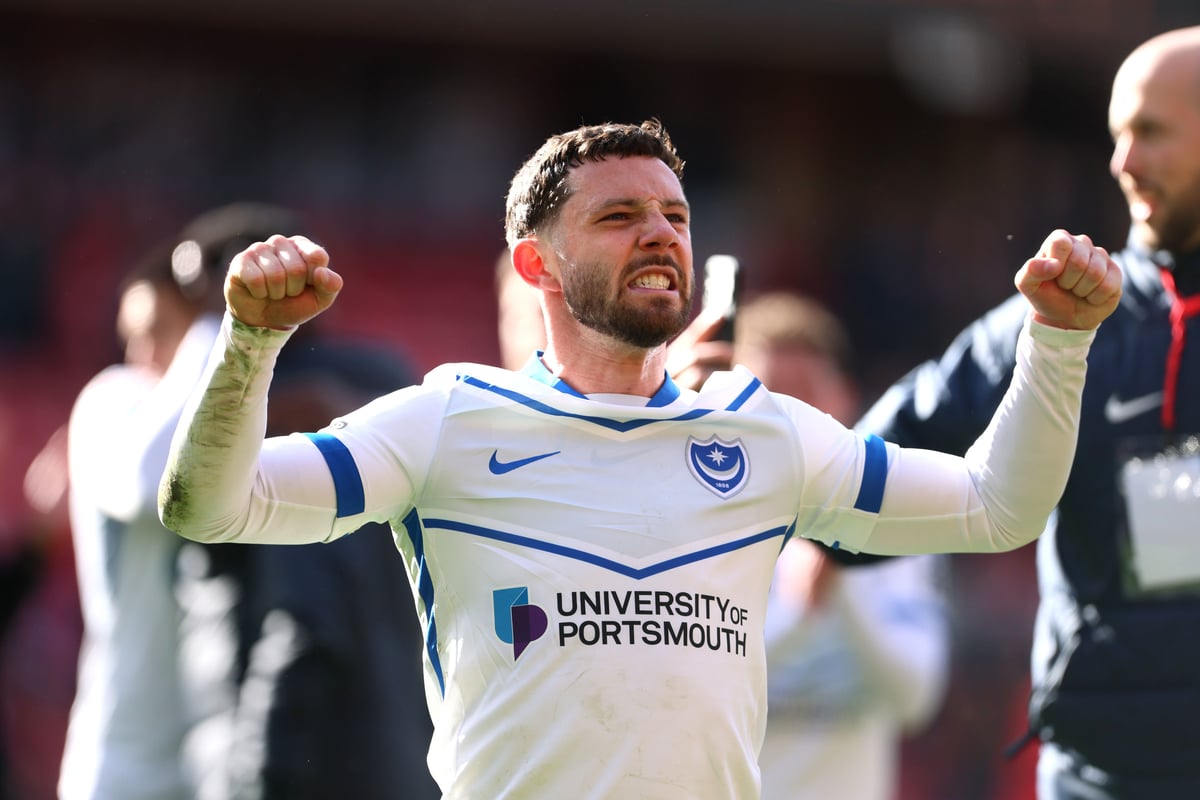
Conor Chaplin exclusively speaks to The News over the challenges he’s faced this season, after arriving from Ipswich Town. In an emotional insight, the big Fratton favourite discusses his internal conflict, growing through adversity and the impact of his young family in giving him strength.
Manchester United have been one of most in-form teams in Europe since Carrick took over, losing just one of their last ten games.
With the top-five Premier League teams qualifying for next season’s Champions League, United look set to return to Europe’s top club competition.
Advertisement
It has also been suggested that Manchester United could once again challenge for the Premier League title, a trophy they have not won since Sir Alex Ferguson’s retirement in 2013.
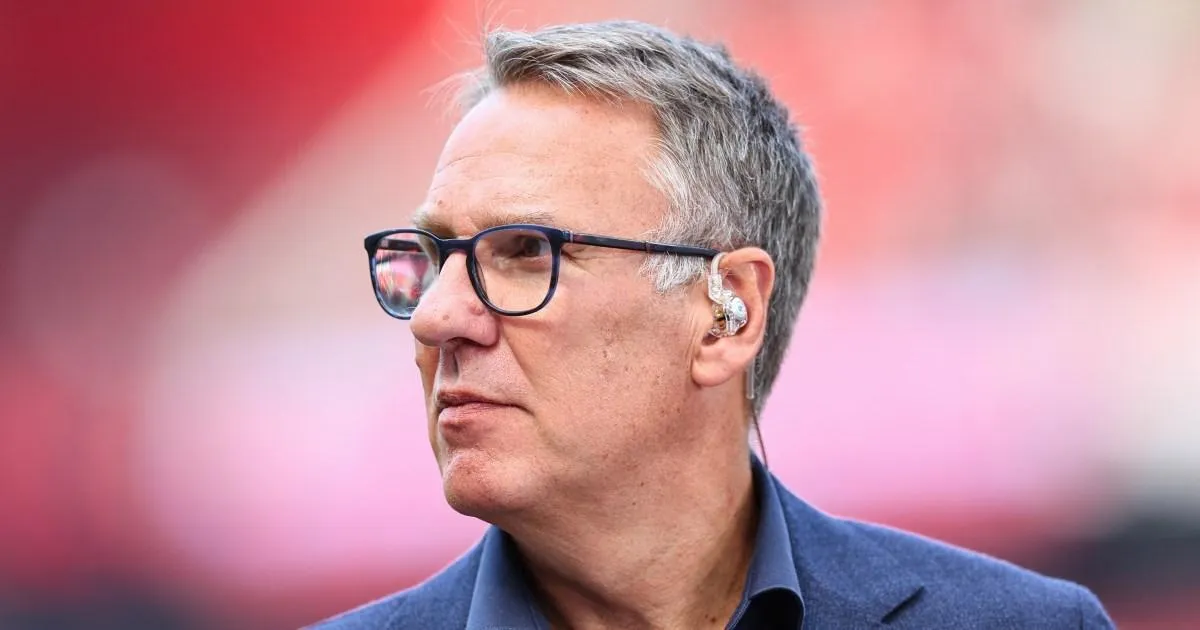
But Merson says United are still ‘not ready’ to ‘fight for the title’, insisting they need to bolster their squad this summer and prove they can be a more competitive force before being regarded as title contenders.
The ex-Arsenal and England winger does expect Manchester United to qualify for the Champions League but has predicted they will drop points against relegation-battlers Leeds United in their next outing on Monday night.
Man Utd caretaker manager Michael Carrick (Picture: Getty)
‘This is a big rivalry,’ Merson told Sportskeeda. ‘Leeds are playing well at the moment, but they can’t find a goal.
Advertisement
‘I thought they did well against Manchester City, couldn’t score. Same with the Sunderland game as well.
Advertisement
‘If you look at the fixtures, Manchester United should have enough to qualify for the Champions League next season. But this is still a difficult game.
‘If Chelsea beat Manchester City and United drew with Leeds, a win for the Blues in the match against them next weekend would mean they are just two points ahead of Rosenior’s team! That’s how tight it is.
‘I don’t think Manchester United are ready to fight for the title next season. They need a few more players to come in. I don’t see them being competitive over 38 games with the same team.
‘Manchester United’s focus should only be on getting back in the Champions League. If they can stay in that competition, it gives them good money to build their squad
Advertisement
‘Now we’re used to seeing them play just once a week, but that isn’t where this club belongs and they need to get back up there quick.
‘I have a feeling Leeds will get a point here, I’ll go with a 1-1 draw.’
Despite Manchester United’s impressive revival under Carrick, Old Trafford bosses are yet to decide on their next permanent manager.
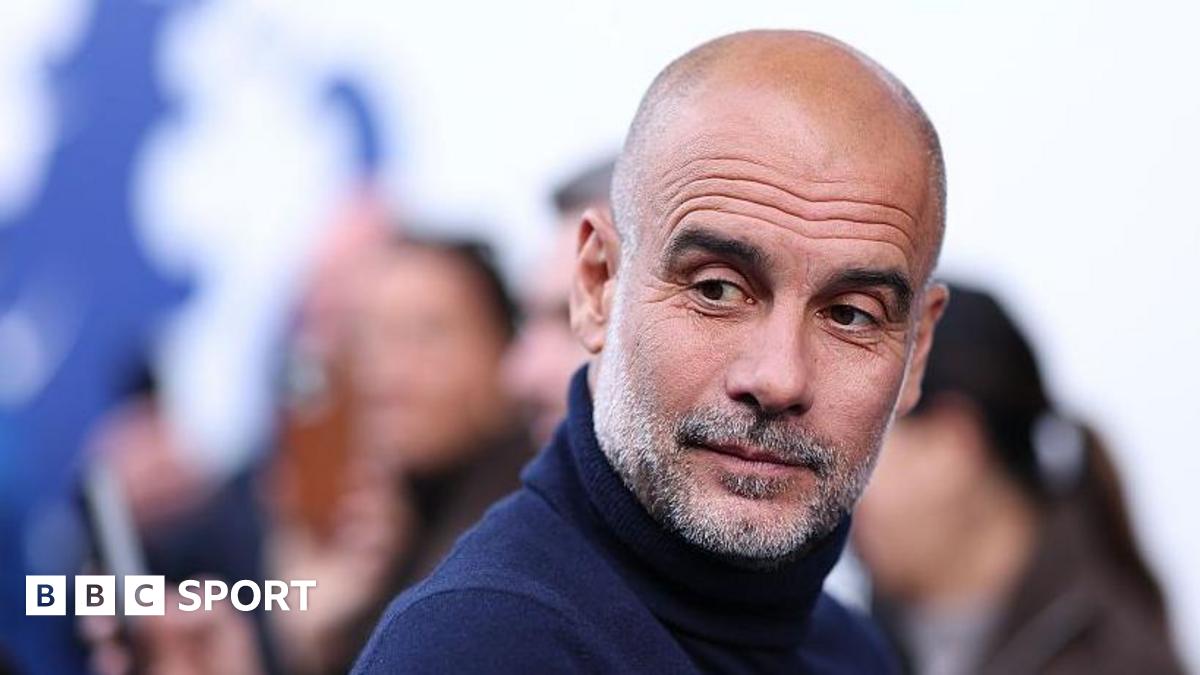
Former England captain Wayne Rooney says Manchester City “will have the edge” psychologically in the Premier League title race.
Leaders Arsenal, who are nine points clear having played two games more, travel to Etihad Stadium on Sunday (16:30 BST).
Speaking on The Wayne Rooney Show, he said City “know how to win the title” and “have a manger who knows how to do it”.
“I think City will have the edge on that, just purely the manager and players they’ve got. They will be able to stay a little calmer than the Arsenal players,” said Rooney.
Advertisement
“They will be worried because when you go on a run and lose a few games, you start thinking ‘where’s the next goal, the next win going to come from?’ That negative mindset really has an impact on your performance.”
Rooney said that whoever wins Saturday’s “title decider” in Manchester will be favourites to win the league.
He added that he thinks a draw will be a “good point” for Arsenal, who may need to “play dirty”.
Advertisement
Rooney added Mikel Arteta’s side must “be tough to break down, make sure there’s no gaps between the lines and try to hit them on the break”.
He added: “Whether the fans like that type of football or not, they have to do anything to stop City winning. They need to be resilient enough to stop City from scoring.”
90-year-old Edith Milington was said to have been a ‘fairly independent lady’
A 90-year-old woman tragically died after falling and hitting her head outside a shop in Urmston – and a coroner has expressed concerns that it might happen again.
Advertisement
Edith Milington was a ‘fairly independent’ lady who had ‘some mobility issues’ but was able to ‘get out and about’ with the aid of a mobility scooter and walking stick, according to a Prevention of Future Deaths report issued on Tuesday (April 7).
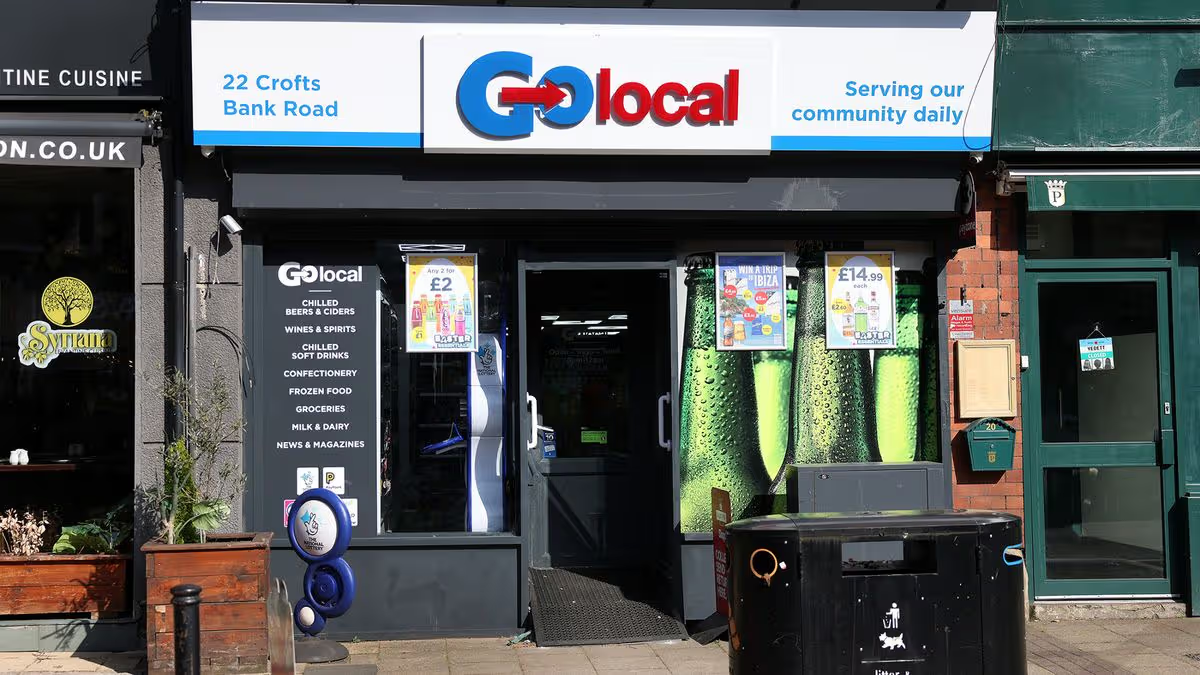
She visited the PK Convenience Store (now a branch of Go Local newsagents) on Crofts Bank Road on September 9, 2025, and could be seen on CCTV alighting her scooter and attempting to enter the shop with the aid of her stick.
Get MEN Premium now for just £1 HERE – or get involved in our WhatsApp group by clicking HERE. And don’t miss out on our brilliant selection of newsletters HERE.
In doing so, Ms Milington was seen to fall and strike her head. She was taken to Salford Royal Hospital but tragically died the same day of her injuries which included a bleed on the brain.
Advertisement
At the conclusion of the inquest into her death on March 24, assistant coroner for Manchester South, Andrew Bridgman, gave the conclusion of an accidental death. He has now written to the owners of the shop to urge them to make changes to prevent a similar accident happening again.
His report read that outside the shop is a metal ramp designed for wheelchair users. It was said to have ‘quite a slope’ – and not fixed to the ground as it is removed every night. It has a rubber mat on top which is not fixed either.
There are no handrails around the door frame but handrails ‘about six-nine inches inside the doorway’, it continued.
“The CCTV shows Ms Milington stepping on to the ramp one foot at a time,” the report read. “As she attempts to move off the ramp into the store, she holds on to the door frame, it seems that the handrails are too far away.
“As she does this she appears to lose her balance and then the rubber mat moves, although it may be that the mat moves first. At this point she is unable to steady herself holding on to the door frame with one hand and falls to the ground.”
Continuing to address the shop owners, SAI SKN Ltd, he continued: “The evidence of your store supervisor was that the ramp remains exactly as it was on the day of the fatal accident.
“It is my opinion that the structure/design of the ramp makes it unsafe. In particular that the ramp itself is not fixed or secured to the ground (not even semi-fixed so that it can be removed at the end of the day), that the rubber mat is not fixed and can easily move (as seen), there are no external easily accessible handrails, and the ramp is too short making the slope steeper.
“The issue of concern is that unless action is taken to render access to the store by way of a safer design of ramp then there is a high risk of a customer, particularly a customer with mobility issues, suffering a similar and fatal fall as Ms Milington.
“In my opinion action should be taken to prevent the risk of future deaths and I believe you have the power to take such action.”
Advertisement
Mr Bridgman gave the directors of SAI SKN 56 days to respond to the report, asking them to detail actions to be taken and a timetable for these; or an explanation as to why no action is proposed.
Copies of the report were also sent to Ms Milington’s family and Trafford Council. The M.E.N. has contacted the Go Local store for a comment.
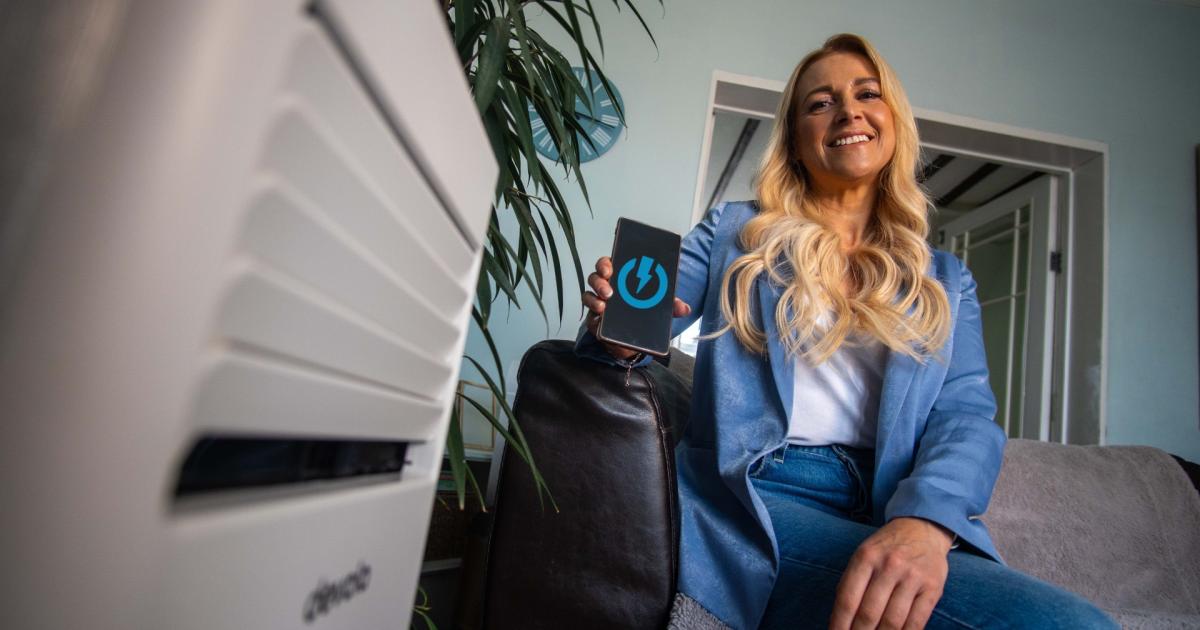
The Ofgem-funded CoolDown scheme is running a trial in Bolton over the summer, inviting residents with air conditioning or cooling heat pumps to take part.
Households will receive notifications through the Equiwatt mobile app to temporarily reduce their use of cooling systems during short peak demand periods on selected evenings.
Participants can earn more than £85 in incentives through a combination of sign-up rewards, participation payments, and short surveys.
Advertisement
Their energy savings will be measured using smart meter data, with rewards based on their actual reductions.
Joanne Edwards, chief of staff at Equiwatt, said: “Equiwatt is delighted to be part of the CoolDown project, which explores how Bolton households can play an active role in shaping the future UK energy system while being rewarded for taking part.
“As our summers become warmer and demand for cooling grows, initiatives like CoolDown are essential to understanding how flexible energy use can support the electricity network.
“Through the Equiwatt app, households in Bolton can easily get involved, reduce their energy use at key times, and earn rewards for doing so.”
Advertisement
The project is led by SP Electricity North West in partnership with Equiwatt.
Other partners include Oaktree Power, Guidehouse Europe, Ricardo-AEA, Impact Research, National Grid Electricity Distribution, and UCL Consultants.
CoolDown is part of Ofgem’s Strategic Innovation Fund, which supports efforts to accelerate the transition to a more flexible energy system.
The trial will explore how adjusting home cooling patterns could help ease pressure on the electricity network during peak periods, especially as climate change drives up cooling demand.
Advertisement
Richard Moulton, head of innovation for SP Electricity North West, said: “Electricity networks must anticipate how energy demand patterns will evolve, particularly as higher temperatures drive increased use of cooling technologies in homes.
“CoolDown provides valuable insight into how this emerging demand can be managed more efficiently.
“By exploring new ways to balance the network during periods of strain, the project will help ensure we can continue to deliver a reliable, low-carbon energy system while adapting to changing customer needs.”
To take part, households must have a working smart meter and use air conditioning or a cooling heat pump at home.
Advertisement
Registration is open until May 1.
Eligible residents can sign up by downloading the Equiwatt app from the Apple App Store or Google Play.
The Sidemen will host a charity football match against YouTube Allstars at Wembley Stadium on April 18 and fans can still book VIP and hospitality tickets.
This article contains affiliate links, we will receive a commission on any sales we generate from it. Learn more
Advertisement
The hugely popular Sidemen have taken the internet, terrestrial TV and social media by storm across the globe, and now they’ve turned their attention to a worthy cause. In keeping with their annual tradition, the group will be hosting a charity football match in a matter of days.
This year’s event will be held at London’s iconic Wembley Stadium, with proceeds going to BBC Children in Need and Bright Side. Kick-off is set for this Saturday, April 18, 2026 at around 3pm, and will feature all of the Sidemen regulars.
The Sidemen FC line-up will include KSI, Miniminter, Zerkaa, TBJZL, Behzinga and more. They’ll be facing YouTube Allstars in ‘a game that mixes sporting fun with unforgettable atmosphere’.
READ MORE:
Advertisement
Tickets for this landmark match went on sale a while back, but supporters needn’t despair just yet. While the initial batch of tickets were snapped up almost instantly – with roughly 90,000 seats sold in record time – VIP and hospitality packages are still available.
These premium tickets can still be purchased through Seat Unique and they all come with a range of added benefits on top of standard entry. Across various tiers of access, fans can secure seats within the first two rows of the ground, reports Wales Online.
The Sidemen are playing a football match on April 18 and tickets are out now from Seat Unique.
Furthermore, certain ticket categories include complimentary food and drinks, as well as entry to The Bobby Moore hospitality lounge. At the foot of this article, we’ve laid out every offer Seat Unique has available for the Sidemen Charity Match at London’s Wembley Stadium.
Alternatively, tickets may still be available directly from the official Wembley website, where fans can purchase standard tickets for the match without any additional extras they might not require.
Samantha Merrilees, from Falkirk, says her son Scott was left waiting for nearly a year for mental health treatment before he took his own life aged 16.
04:30, 13 Apr 2026
Advertisement
A mum has told how her teenage son was denied urgent mental health care in the months before he took his life- despite repeated suicide attempts.
Samantha Merrilees, 46, said her 16-year-old son Scott was failed by the system and left waiting nearly a year for specialist help while his condition deteriorated.
The grieving parent spoke to the Record about the state of Child and Adolescent Mental Health services in Scotland (CAMHS) after a recent report showed young people have been left waiting more than 4.5 million days for treatment since 2019.
Samantha hit out at the figures, branding them “a disgrace” as she gave her harrowing account of her fight to keep her son alive.
Advertisement
She told the Record: “Scott died five years ago in desperate need of help and the latest figures are disgusting.
“They show that drastic changes are needed and the system is not fit for purpose.
“It’s a disgrace that kids are still being turned away and that they aren’t being heard, taken seriously or supported.”
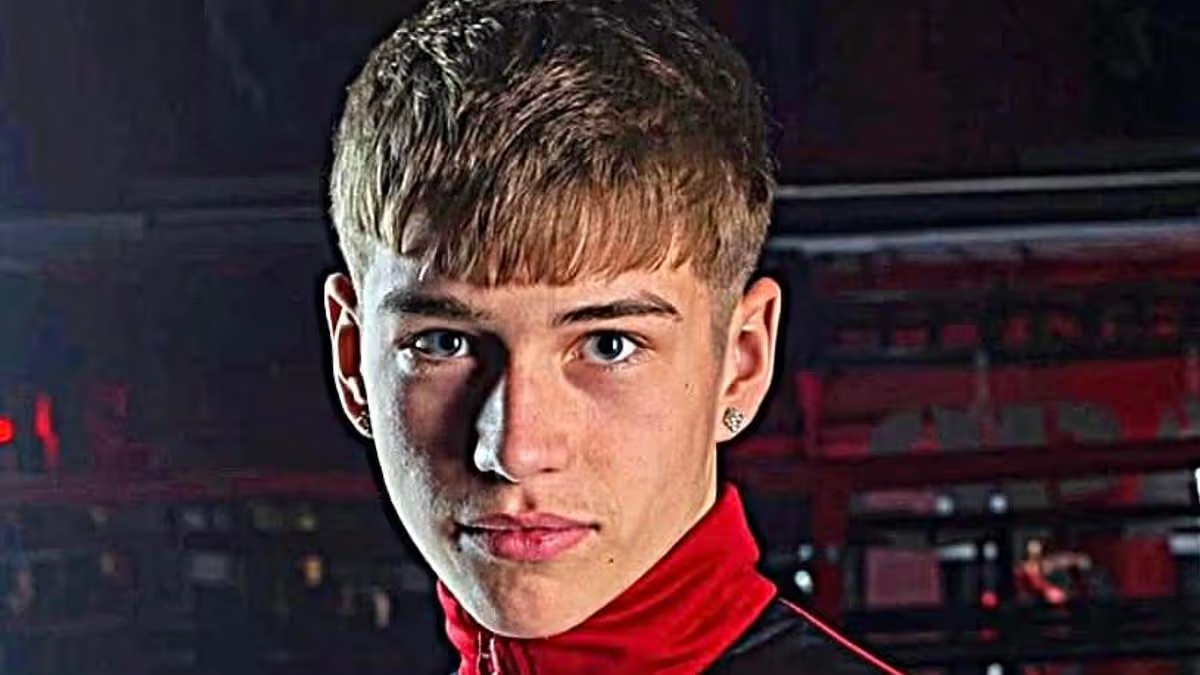
Scott, from Falkirk, died aged 16 on January 1, 2021 – just six days before his 17th birthday.
The talented sportsman played in youth squads for Falkirk FC, Hearts, Rangers and Partick Thistle, as well as local sides Syngenta Juveniles and LK Galaxy.
And after moving from football into boxing in 2018, he quickly excelled and became Scottish Amateur Boxing Champion within a year.
After leaving St Mungo’s High School in Falkirk in 2020, he started work as an apprentice joiner for his dad, David.
Advertisement
Samantha continued: “Scott was a popular boy and had loads of friends.
“He was doing well in sport and work.
“But he had a cancer scare at age 12 when a tumour was removed from his bladder and then he began struggling with his mental health.”
Scott developed paranoia when he was 15 but his symptoms were dismissed as “teenage hormones”.
Advertisement
She added: “I went to the GP and they told me he was hormonal.
“But he later confided in a family member that he had been self-harmig and walked out in front of a car.
“I phoned the NHS straight away and took Scott to hospital. I asked them to keep him in, to keep him safe.
“I didn’t know what else to do.”
Advertisement
But Scott was discharged and sent back to his GP surgery where he was given medication and a referral to Child and Adolescent Mental Health Services.
A few months later, Scott was found attempting to buy suicide materials in a shop. Staff refused the sale out of concern.
Samantha said: “He slept in my bed that night and the GP changed his medication and marked his referral as urgent, but we were warned it could still take up to 18 weeks just to receive a letter.”
Advertisement
Instead, Scott remained on a waiting list for 11 months, receiving only brief telephone calls every couple of weeks.
Advertisement
Samantha claims that during that time, CAMHS also attempted to discharge him twice.
She said: “They kept saying he wasn’t ill enough for immediate support, but he was getting worse and worse.”
Samantha believes that her son had developed psychosis.
She added: “He thought he was being filmed 24/7 and thought people could read his thoughts when he made eye contact.”
Advertisement
Scott finally received CAMHS appointment on December 21, 2020.
During the appointment, Scott told the clinician that he believed people could read his thoughts but his mum said a recording of the assessment reported that he appeared well, had “good eye contact”.
He was advised to return after four weeks.
Nine days later, Scott was dead.
Advertisement
Samantha said critical opportunities to save her son were missed.
She continued: “If Scott had been properly assessed, I honestly believe he would still be here today.
“We begged for help for so long and wasn’t heard.”
Advertisement
Samantha spoke out amidst the Record’s Save Young Lives campaign to back our demands that waiting times are cut for children’s mental health services and that suicide prevention to be taught in schools to help educate kids in a crisis.
Scottish Labour health spokesperson Jackie Baillie described Scott’s case as “scandalous”.
She said: “My thoughts are with Samantha and her family. They should not have had to go through this experience.
Advertisement
“Sadly, the reality is that far too many young people are facing painfully long waits for CAMHS treatment, with thousands being turned away.
“It is scandalous that they are being failed in this way.”
Scottish Liberal Democrat leader Alex Cole-Hamilton added that the details of Scott’s case are “barbaric”.
Advertisement
He said: “This is a tragedy that should never have happened, and my thoughts are with Scott’s friends and family, particularly his mother, Samantha, who has shown an incredible amount of bravery in speaking about this.
“Scott’s experience illustrates that we are dealing with a broken system in urgent need of repair.
“It is impossible to fathom how Scott could have been neglected like this. It is inhuman, barbaric and wrong.”
In response to Scott’s death, the family set up The Scott Martin Foundation to support young people struggling with their mental health.
The charity provides funded counselling and therapy sessions for children who need immediate help. The foundation has already supported more than 200 children in Falkirk, funded entirely through community donations.
“Parents or children can refer themselves and get help straight away,” she said. “If someone asks for help, they will get it.”
The Scottish Government declined to comment.
Advertisement
An NHS Forth Valley spokesperson said: “Significant investment has been made in developing and improving mental health services and support for children and young people across the area. This, along with other changes in the way services are designed and delivered, has resulted in NHS Forth Valley having some of the lowest waiting times in Scotland for CAMHS and it has met or exceeded the national waiting times target since February 2024.”
Get more Daily Record exclusives by signing up for free to Google’s preferred sources. Click HERE
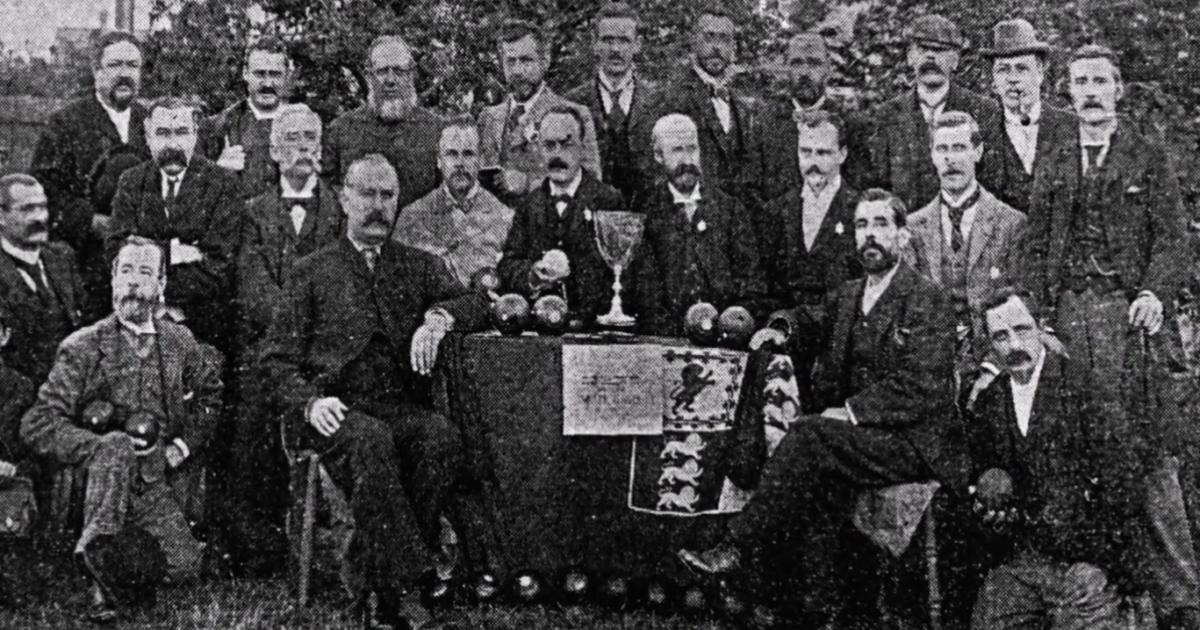
Malton Rackets Club is gearing up for 2026, with the club celebrating the building of the clubhouse a half-century ago.
With racketball, tennis, and bowls in full swing, with courts ready and various leagues in progress, the club says there is no “closed season”.
Although the squash competition season just ended, coaching options remain available.
Members of the club take a combined effort to actively maintain and upgrade the club’s facilities.
Advertisement
This includes squash and racketball courts, tennis courts (grass and hard), bowls green, licensed bar, changing facilities, and table pool areas.
The club fosters a sense of camaraderie among its members through in-club competitions, an enjoyable inter-sport challenge, participation in local leagues, and a common summer barbecue.
With 360 members across the sports, Malton Rackets Club also offers social sessions across the sports.
The clubhouse across the bowls green (Image: Malton Rackets Club)
These social sessions allow members and potential newcomers to check out the club’s environment.
Advertisement
The club also gives the opportunity to learn a new sport and reconnect with ones from the past.
With room for new members, the club invites all levels of play and provides coaching.
Details about the social sessions can be found on the club’s website: maltonracketsclub.com.
Malton Rackets Club has also planned a forthcoming Bingo Night, scheduled for Friday, April 17, 2026.
Advertisement
The bar will open at 6.30pm, with the main event starting at 7:30pm.
Attendees have the opportunity to win from the many prizes that will be on offer. The standout top prize is £50 in cash.
Tickets are priced at £10, which covers six games and snacks.
The Red Hands lost their captain and vice-captain to injuries in the first half of Sunday’s Ulster SFC clash against Armagh and went on to lose by one point after extra-time
The home side were odds-on favourites on the basis that they had a strong League campaign in Division One whereas the Red Hands picked up just five points in a disappointing Division Two campaign.
However, the League form went out the window as the two teams traded blows in a pulsating Ulster SFC dogfight that almost went all the way to a penalty shootout.
That was probably the least Tyrone deserved, but Niall Morgan couldn’t find the target with a last-gasp ’45.
O’Rourke said that he was pleased with the character displayed by his team in the wake of some stinging criticism.
Advertisement
“We knew that the performances during the year weren’t good enough and we weren’t happy with it, but there were different factors playing into that,” stated O’Rourke.
“We were determined to come here today and put on a big performance. We had a number of setbacks during the game, but we just showed great resilience to bounce back each time. I’m just glad that people showed, a lot of people outside who are critical of a lot of things in the camp, that there’s a bit of faith and a bit of spirit there and a bit of quality there as well.
He added: “It’s just annoying, I suppose, for the group and annoying for the lads involved who are putting serious commitment in.
“But look, that’s the way of the world and we just have to put up with it. But at the end of the day, it was up to us to try and answer that as best we could. At least with regards to the effort and application, I think we couldn’t have asked for any more.”
Advertisement
“I know the character of the lads is there, I know they’re working very hard. It wasn’t sitting well with them, some of the criticism we were getting, but look, we have to take it in the chin and go on. Just disappointed, obviously, we didn’t get the victory out of it.”
The Tyrone boss added that Darragh Canavan picked up a hip flexor injury while the full extent of Brian Kennedy’s injury isn’t known.
“I was just saying that I think some ligament injury. I’m not sure exactly what it is,” O’Rourke said of his captain.
“I think Darragh is possibly a hip flexor. It wasn’t a contact injury. It was more something that he made a pull.
Advertisement
“Again, we’ll just have to wait and see how long they’re out for. Kieran McGeary I think was more a dead leg. It should clear up that wee bit quicker.
“We’ve a mounting injury list. We’ve a couple of lads who weren’t able to talk out today. I suppose the break will do us good from that point of view.”
Kieran McGeeney, meanwhile, was relived to see his side progress, admitting it wasn’t Armagh’s “finest day” while he also questioned how Tyrone were completely written-off in the build-up.
“I’ve been watching football for almost 40 years now. I’ve yet to see Tyrone put out a bad team,” said McGeeney.
Advertisement
“A bit like Kerry last year, you always have to be careful who’s writing the stories.
I think when we were 7-1 up, we stopped playing well. We started getting sloppy. We just gave the ball away a lot.
“Didn’t test them at different times but you have to give credit to them. They were able to slow the game down, get vital scores at different times. A couple of two-pointers. It’s not our finest day but credit has to be given to Tyrone too. They came here, written off and fought and fought.”
Want to see more of the stories you love from Belfast Live?Making us your preferred source on Google means you’ll get more of our exclusives, top stories and must-read content straight away. To add Belfast Live as a preferred source, simplyclick here.
Scottish Labour will launch their manifesto on Monday but opinion polls show John Swinney is coasting to victory on May 7.
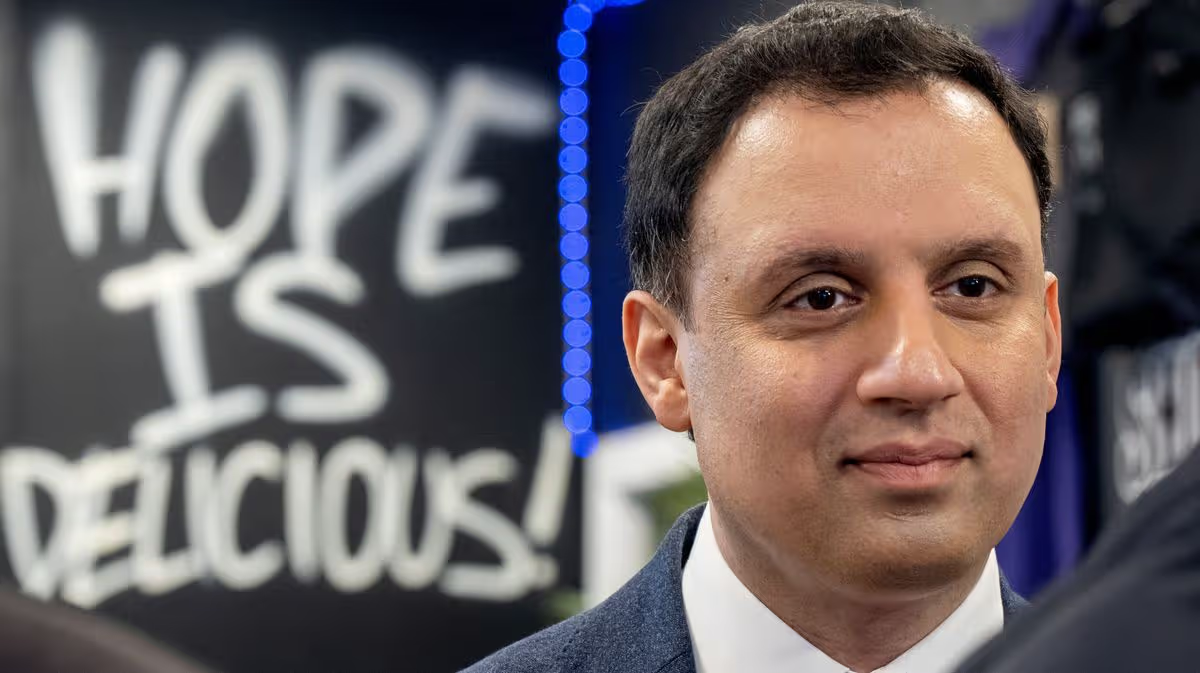
It’s a crucial day in the Holyrood election campaign for Scottish Labour. Anas Sarwar will this morning unveil his party’s manifesto at an event in Edinburgh.
Advertisement
It will include a welcome pledge to reduce inflation-busting water charges for households across Scotland. The cost-of-living crisis has not gone away and too many Scots are still struggling to make ends meet.
Scottish Water is publicly owned. It doesn’t need to line the pockets of shareholders. But it still announced a nine per cent hike in bills this year.
The Scottish Parliament does not control the levers of the UK economy but it does have enough powers already to make a positive impact on people’s lives.
The SNP has been in power since 2007 but opinion polls show John Swinney is coasting to victory on May 7.
Advertisement
Scottish Labour is trailing behind and Sarwar must find a way to convince voters he’s worth their ballot. The unpopularity of Keir Starmer has dragged the party in Scotland down.
Labour now faces a battle just to finish second in terms of MSP numbers, with the arrival of Reform UK on the scene and the increasingly vocal and confident Scottish Greens climbing in the polls.
Many younger Scots, fed-up with soaring property prices and stagnant wages, are equally fed-up with Labour at Westminster and the SNP at Holyrood.
Advertisement
Sarwar has just three weeks left to make his case to the public.
A bold policy offering on how to tackle the cost-of-living crisis would be a good place to start.
Harrowing figures
None of Scotland’s major political parties can plead ignorance when it comes to the state of children’s mental health services.
Waiting times for initial appointments are months long in too many cases, with young people and their families left distraught as a result.
Advertisement
It cannot be said too many times that suicide remains one of the largest causes of deaths among young Scots, a tragic state of affairs made worse by mental health services not being available when needed.
Samantha Merrilees today shares her heartbreak over losing her 16-year-old son Scott. He was denied urgent care in the months before he died – despite repeated attempts took take his own life.
The grieving mum said Scott was failed by the system and left waiting nearly a year for specialist help while his condition deteriorated.
Advertisement
Too many other families have faced similar harrowing experiences.
Mental health waiting times must come down. The next Scottish Government must ensure they do.
Get more Daily Record exclusives by signing up for free to Google’s preferred sources. Click HERE

















































You must be logged in to post a comment Login