Officials say injuries at Virginia State University are not life threatening
Tim Hanlon News Reporter and Husna Anjum Senior Reporter
17:45, 15 Aug 2026Updated 17:46, 15 Aug 2026
Several people have been shot at, forcing an American university into lockdown. The horrific incident is unfolding at Virginia State University, where there are understood to be several suspects following the shooting in the area of Boisseau Avenue and Third Street in Etrrick.
Virginia State University Police say that victims have been rushed to hospital and an investigation is underway. The Mirror reports it does not appear at this stage that any of the injuries are life threatening.
The university campus remains in lockdown and people are being urged to avoid the area, while anyone with information on what happened should contact the police.
Advertisement
A statement from the police read: “A shooting occurred in the area of the Quad Annexes involving multiple victims, who were transported to area hospitals.
“Police are on scene and request that you avoid the area. Campus remains on lockdown, Updates to follow, VSU Police.”
A post on the Virginia State University Facebook page reads: “Virginia State University remains on lockdown following a shooting involving multiple suspects near the Quad Annexes in the area of Boisseau Street and Third Avenue.
Advertisement
“Multiple people were shot. At this time, none of the injuries appear to be life threatening. VSU Police and the Chesterfield County Police Department are actively investigating.
“The campus community should continue to avoid the area and follow all law enforcement instructions. Anyone with information is asked to contact VSU Police on 8045245411.”
One person wrote on Facebook: “I called my youngest and he answered his phone and said that he and his brother are in their rooms, they are roommates, and they are safe. Hallelujah! God keep our children safe and please stop all this violence.”
Others offered prayers with a comment reading: “God protect our children! Continue to clean up the community for all who live, work and go to school there.”
Advertisement
The United States has seen multiple university shootings in recent months. In April five people were wounded at a shooting just off campus at the University of Iowa.
And in March a gunman opened fire inside a university building in Norfolk, Virginia, targeting a Reserve Officers’ Training Corps (ROTC) group. One ROTC instructor was killed, and two cadets were injured before the shooter was subdued and killed.
Ensure our latest stories always appear at the top of your Google Search by making us a Preferred Source. Click here to activate or add us as your Preferred Source in your Google search settings.
The applicant said the project is ‘exceptionally important from a drinking water resources perspective’
Plans to construct a new building at a “critical facility” aimed at meeting “ever increasing demands” for water supply has been lodged. Cambridge Water Company (CWC) has sought permission from South Cambridgeshire District Council to construct a new water treatment building at Kingston Pumping Station in Great Eversden.
Advertisement
If permission is sought, CWC will construct a new water treatment building alongside modifications to access onto Kingston Road – where the building is proposed to be built.
A planning document reads: “Kingston Pumping Station is a critical facility owned by CWC. This proposal is exceptionally important from a drinking water resources perspective.
“The proposed new treatment plant will enable a disused borehole to be brought back into use in order to add much needed water to the network to meet ever increasing demands on supply.”
A borehole is a narrow shaft drilled into the ground for many purposes, including the extraction of water. This project is one of four locations where CWC are re-introducing environmentally sustainable water sources that have been unused for a period to provide “additional reliable and consistent supply of water to their customers”, a planning document says.
Advertisement
The building will house the treatment plant required to treat the water extracted from the borehole to bring it to drinking water standards for customers. It has been designed with a total capacity of about 1283 cubic metres.
Planning documents say the projects form a core element of CWC’s Water Resources Management Plan (WRMP) which sets out how it will deliver “high-quality, secure and reliable water supply over the next 25 years”.
The document adds: “This is particularly important within the Cambridge Water area, where supporting flows in sensitive chalk streams is a key priority. It is essential to upgrade Kingston Pumping Station to ensure a secure and reliable water supply for customers, whilst supporting long-term growth aspirations within the region. There is a clear need to reopen and modernise Kingston water pumping station. The site is long established and the existing borehole is required to come back into service.”
Looking to enjoy the last of the summer with some fish and chips on the beach? This East Anglian location was named one of the UK’s best harbour towns, and you can pick up the catch of the day right on its shores
Natalie King Travel Journalist
03:04, 15 Aug 2026
A list of the UK’s best harbour towns has seen a surprising winner for East Anglia, and it has even beat destinations such as Cromer and Wells-next-the-Sea for its freshly caught seafood.
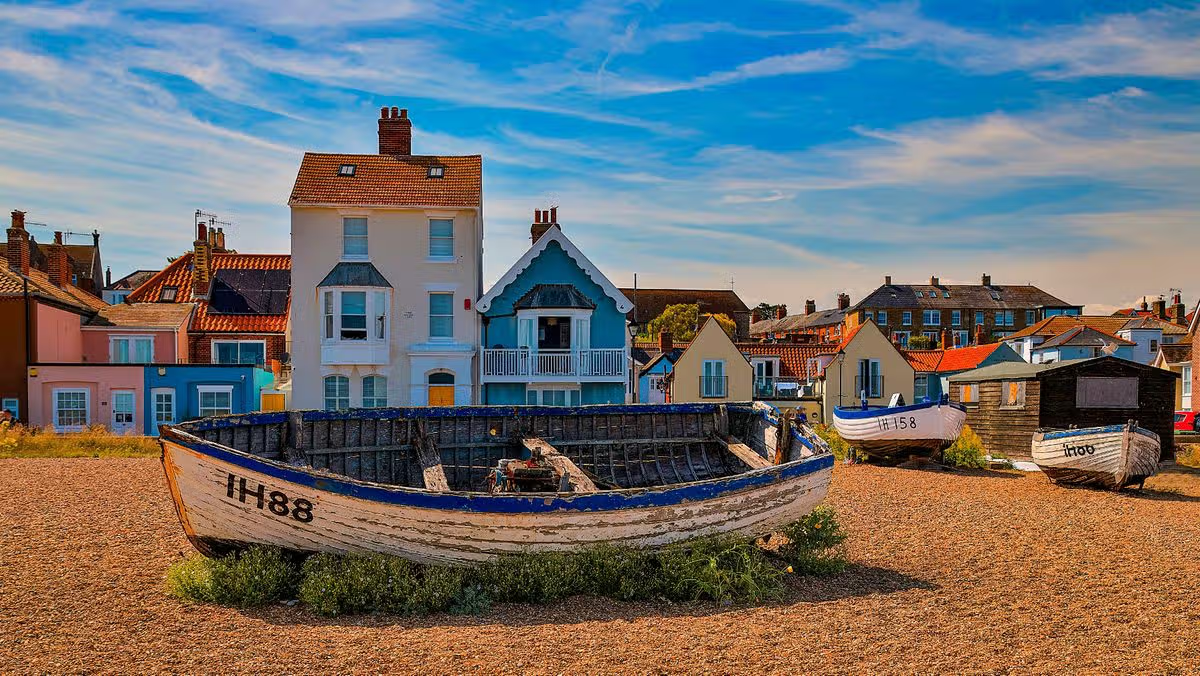
The top ten harbour towns were named by the Telegraph, and coming in at number three is a Suffolk location that historically had a harbour, although it doesn’t anymore. However, it’s still considered a harbour town thanks to the fishermen who sell their catch of the day right on the shingle beach.
Advertisement
Aldeburgh has a long maritime history, two of Sir Francis Drake’s most-famous ships were thought to have been built here, and along the Crag Path you’ll find wooden shacks with signs advertising fresh fish and shellfish. You can pick up some seafood to take home, or enjoy pots of smoked, ready to eat fish for your beach picnic.
And when you’re spending the day on the coast, fish and chips are the best way to round off the day, and the nearly 50-year old Aldeburgh Fish & Chip Shop is just steps from the beach so you can get a takeaway to eat by the sea. The iconic chippy has been reviewed across many media outlets and is often named one of the best in the area.
Walk along the shingle beach along the rows of colourful beach huts that give the town a traditional seaside vibe. At one end, you’ll find the sculpture of a giant scallop, a tribute to composer Benjamin Britten who once enjoyed daily strolls along this stretch of beach.
Advertisement
You can learn more about this charming small town at Moot Hall, a centuries old building now turned into a local museum, and there are exhibits from Anglo-Saxon burial rites to traditional fishing methods.
The hall also served as a jail for women undergoing witch trials in the 17th-century before they were hanged.
Inland, you can explore The Red House, the former home of Benjamin Britten, which is open seasonally for tours. This farmhouse dates back centuries, and is full of objects from the composer’s life, showing where he was inspired to create many of his works.
Aldeburgh also has a charming high street, full of independent shops, art galleries, cafés, and ice cream parlours, adding to the traditional vibe of the town.
Advertisement
Another East Anglian destination also made the top ten. Wells-next-the-Sea in Norfolk came in at number eight on the Telegraph’s list and was named best for crabbing. It said: “The maritime history of Wells-next-the-Sea dates back to the ninth century, and much of its seafaring heritage remains – from the Old Lifeboat House to various maltings, ropewalks, jetties and slipways. Now, it’s a happy-go-lucky seaside town, appealing but not overly polished, with access to epic beaches.”
Have a story you want to share? Email us at webtravel@reachplc.com
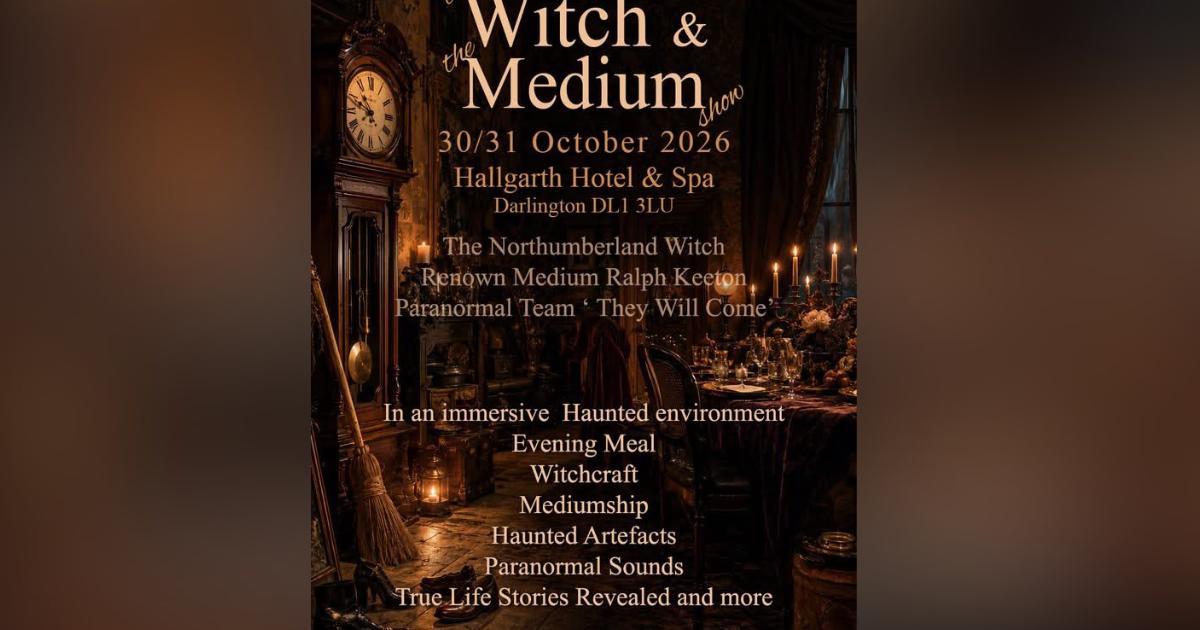
Hosted at Hallgarth Hotel in Coatham Mundeville, the events promise to bring a mix of witchcraft, mediumship, and haunted objects to the region.
They are scheduled for October 30 and October 31.
The first event, Dine with the Devil, will take place on October 30 and offers an evening of mediumship, witchcraft, and haunted objects.
w (Image: Supplied)
Guests will be able to get up close to objects believed to be haunted while enjoying spiritual stories and connections.
Advertisement
The following night will host a Halloween special focused on the darker side of the paranormal.
Attendees can expect talks on witchcraft and mediumship, real-life paranormal experiences, and more cursed objects.
A paranormal investigation will also be offered as an optional extra.
A spokesman for the organisers said: “We are bringing two of the biggest weekends in spirituality witchcraft and paranormal to hit the north east! “If you love the darker side of the paranormal, this is the one for you.”
Advertisement
Looking ahead, a much larger event is planned for 2027.
The Paranormal and Spiritual Festival will take place from September 10 to 12 and is described as one of the biggest of its kind.
Across three days, guests will experience mediumship, witchcraft, spiritual readers and healers, and paranormal investigations, as well as talks from guest speakers.
The festival will also feature a hypnotist, sound therapy, animal psychics, a haunted museum, and UFO specialists.
Advertisement
Workshops, past life regression, and real animal healing are also planned.
VIP tickets are available and include an evening meal each night.
A payment plan is also being offered to make the event more accessible.
The spokesman said: “Whether you’re a seasoned paranormal investigator, interested in spirituality, or simply fascinated by the unexplained, there’s something here for everyone. “Follow the links our my website to book your tickets and find out more.”
Advertisement
More information and ticket booking is available at espweekends.co.uk.
Retro is booming. Nintendo keeps bringing back old games. Hollywood can’t stop making sequels and remakes. Netflix fills our screens with shows inspired by the 1980s. Spotify recommends songs we loved as teenagers. Even Facebook reminds us what we were doing “On This Day” ten years ago.
For businesses, the past has become big. The market for retro entertainment has never been stronger. Companies know that looking backwards can help sell products today. A familiar logo, an old game or a favourite song can create an instant emotional connection with customers.
For years, researchers have explained this success through nostalgia. Looking back on happy memories can make us feel connected to who we are, remind us of people we care about and even help us cope with difficult times. Marketers have learned to tap into these feelings by bringing back old brands, old designs and old experiences.
But what if businesses become too good at selling nostalgia? Research I carried out with colleagues suggests that digital technology is changing nostalgia itself. Ironically, by making the past permanently available, companies may be weakening the very notion they are trying to sell.
Advertisement
Shows like Stranger Things take viewers back to the 1980s. Achim Wagner
Video games show this better than almost any other industry. Not long ago, if you missed an old game, that was it. Consoles became obsolete, cartridges stopped working and arcade machines disappeared. Part of what made those games special was that they belonged to another time.
Today, the opposite is true. Nintendo lets players revisit classic games through online subscriptions. PlayStation regularly releases remastered versions of older titles. Publishers such as Nightdive Studios restore forgotten games for modern computers. Fans can play hundreds of classics through online archives. Old games rarely stay old for long.
Three connected practices
In our research, we argue that companies increasingly rely on three connected practices.
The first is preservation. Digital archives, cloud storage and online libraries keep games, films, music and photographs available for decades instead of allowing them to disappear.
Advertisement
The second is restoration. Old products are cleaned up for modern audiences. Games receive better graphics and sound. AI improves old photographs and recordings. The past returns looking newer than ever.
The third is “foreverisation”. This goes beyond preserving or restoring the past. Companies continually remake, reboot and recycle successful ideas so they never really leave the market. Instead of revisiting the past once in a while, consumers encounter endless new versions of it.
Gaming makes these changes especially easy to see. But the same pattern now shapes television, music, film, fashion and even our personal memories stored on digital platforms.
Nostalgia is bittersweet
This is where philosopher Grafton Tanner offers an interesting twist. He argues that today’s culture is less nostalgic than we think. That sounds strange at first. After all, we seem surrounded by nostalgia. But nostalgia has traditionally depended on something being gone. You missed the TV show because it was no longer broadcast. Your favourite toy broke. The record went out of print. The band split up. The past mattered because you couldn’t go back to it, but now you can – easily.
Advertisement
Psychologists have long argued that nostalgia is bittersweet. It combines warm memories with the knowledge that those moments can’t be relived exactly as they were. That feeling of loss gives nostalgia much of its emotional power.
Digital technology changes this relationship with the past. Almost nothing truly disappears anymore. Old films stream on demand. Games are endlessly remastered. Social media reminds us of what happened years ago without us even asking. Instead of remembering the past, we increasingly live alongside it. The more the past stays present, the less distant it feels. And without distance, nostalgia may become something different.
Selling familiarity
This creates an interesting challenge for businesses. Retro products clearly remain successful. But perhaps companies are no longer selling nostalgia itself. Instead, they may be selling something close to it: familiarity, comfort and recognition.
Those feelings are valuable. Consumers often enjoy revisiting favourite characters, songs and brands. Familiar products also feel safer in uncertain times, which helps explain why companies continue investing in them. Yet our research suggests there is a potential limit to this strategy.
Advertisement
If nostalgia depends on time, distance and the feeling that something has been lost, then endlessly reproducing the past may slowly erode the conditions that make nostalgia powerful in the first place. Consumers may stop longing for the past because the past never actually goes away.
That doesn’t mean retro marketing will suddenly stop working. Familiarity will always have commercial value. But familiarity and nostalgia are not quite the same thing. The irony is hard to miss. The companies that have become most successful at preserving, restoring and “foreverising” the past may eventually exhaust the emotional resource they depend on.
Gaming shows this most clearly today. But as streaming platforms, AI, social media and heritage brands increasingly keep the past permanently within reach, every industry may face the same question: the future of nostalgia may depend on whether we’re still allowed to let go of the past.
Emergency phone alert causes 999 chaos: Fire services beg people NOT to report neighbours having barbecues as they are inundated with calls by scared residents – while some say they got alert twice
Fire services were inundated with calls from panic-stricken people yesterday after the ‘needless’ emergency wildfire alert was sent to millions of phones.
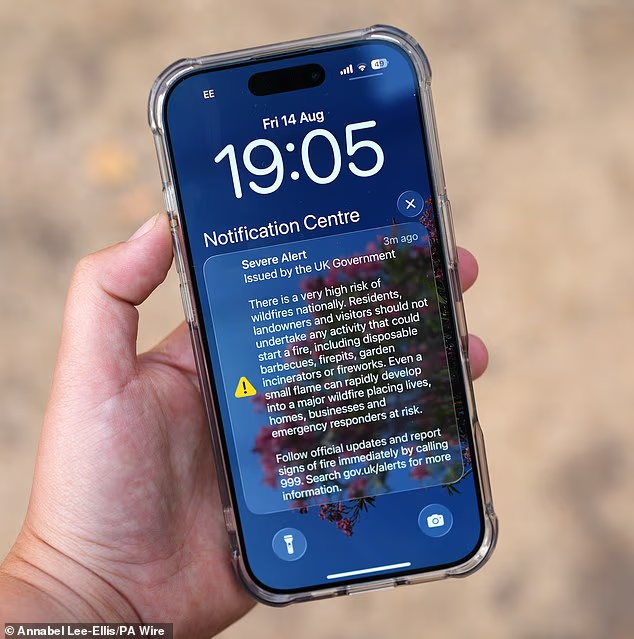
Sirens alarmed on mobile phones across the country warning people against lighting anything that could spark a wildfire, including barbecues, campfires and fireworks.
Prime Minister Andy Burnham told the public to take the warning ‘seriously’ and that it was triggered at the request of firefighters.
But many received the notification, which needlessly scared people, hours apart, while others said the alarm blared on their phone multiple times.
Advertisement
Now, fire services in the UK have urged worried residents not to call 999 to report people having barbecues unless there is a real emergency.
Surrey Fire and Rescue was among the services experiencing a ‘high volume’ of 999 calls, some of which were unnecessary.
In a statement on X, the service said: ‘Please only call 999 if there is an emergency or a fire producing significant smoke. We have had a high volume of calls to our 999 control room this evening.
‘We understand residents may be concerned, but we are unable to respond to reports of neighbours having BBQs, bonfires or campfires in their gardens unless there is an emergency.’
Advertisement
A wildfire alert issued by the UK Government seen on a mobile phone screen yesterday
Millions of people received this alert last night as people were warned not to light anything that could spark a fire
An aerial view of the remains of a home on Brunswick Gate in Stourbridge on August 14
Advertisement
Smoke rises from burning moorland near a residential area, south of Ebbw Vale in south Wales on August 15, 2026
Meanwhile, Gloucestershire Fire and Rescue Service said it appreciated the public’s ‘vigilance’ but asked people on Facebook to only call 999 if there is a ‘genuine emergency or an immediate risk to life, property or the environment’.
South Wales Fire and Rescue Service echoed their message, asking for 999 calls to be made to report ‘a new emergency’.
Eastbourne Airshow has cancelled its firework display after last night’s wildfire emergency alert.
Advertisement
One of Europe’s biggest free air shows, the four-day event usually includes a large display. But not this year.
This comes as four 14-year-old boys were bailed yesterday after being arrested on suspicion of arson following a fire on a mountain near Pleasant Heights in Porth, South Wales Police said.
There was panic throughout Wales on Friday after the alarm was sent out to the public in Welsh, despite just one quarter of the country speaking the language.
It was then minutes later an English version of the notification was distributed. But pandemonium had already ensued.
Advertisement
Panic erupted in a Wetherspoons pub in Wales after English drinkers received the alert in Welsh and couldn’t read it.
Richard Williams, 77, was enjoying a pint with his wife in The Picture House in Colwyn Bay, North Wales, where just 18 per cent of the country’s population speak Welsh.
A minuscule 0.2 per cent of the Welsh population speak no English at all.
The blaze in Stourbridge forced some people to flee after it started tearing through homes
Advertisement
Charred land and burnt houses this morning following the huge wildfire in Stourbridge
Prime Minister Andy Burnham (centre) walks with West Midlands Mayor Richard Parker (right) as he talks to Chief Fire Officer Simon Tuhill during a visit to Stourbridge
English drinkers in the pub couldn’t read the announcement and pandemonium ensued as drinkers desperately attempted to find Welsh speakers to translate it for them.
Richard, a retired photographer, said: ‘People were relaxing on a Friday night in Wetherspoons when all of a sudden all hell broke loose.
Advertisement
‘Every phone in the pub emitted an almighty beep as the Government alert landed – but no one in the pub had a clue what it meant as it was in Welsh.
‘We all knew it was a serious warning, but about what? A natural disaster? A terrorist attack?
‘People started running around in panic, in a desperate bid to find a Welsh speaker to translate the message.’
After the notification, which was the largest use of the alarm since the emergency system was introduced in 2023, Andy Burnham explained the reasons for its use.
Advertisement
He wrote on X: ‘This evening, an Emergency Alert has been sent to people across England and Wales as the wildfire risk remains very high. The request came directly from Fire and Rescue Services.
‘I was in Stourbridge today and saw first-hand the devastating impact these fires have had on people’s homes and lives. Our priority now is to keep everyone safe and prevent more fires from starting.
Eastbourne fireworks display has been cancelled due to the wildfire alert
Smoke continues to rise from Stourbridge after the devastating wildfires torched parts of the town
Advertisement
‘Our firefighters and emergency responders are working around the clock in incredibly difficult conditions. We can all help them. Please take the Emergency Alert seriously and follow the guidance in place.’
Advertisement
Mr Burnham has since called in the military to battle wildfires after the visit to Stourbridge which saw 19 homes and 500 acres of land torched.
The PM also banned disposable barbecues in ‘tinderbox Britain’ amid fears that school-leavers celebrating their A-level results may have accidentally sparked a number of blazes.
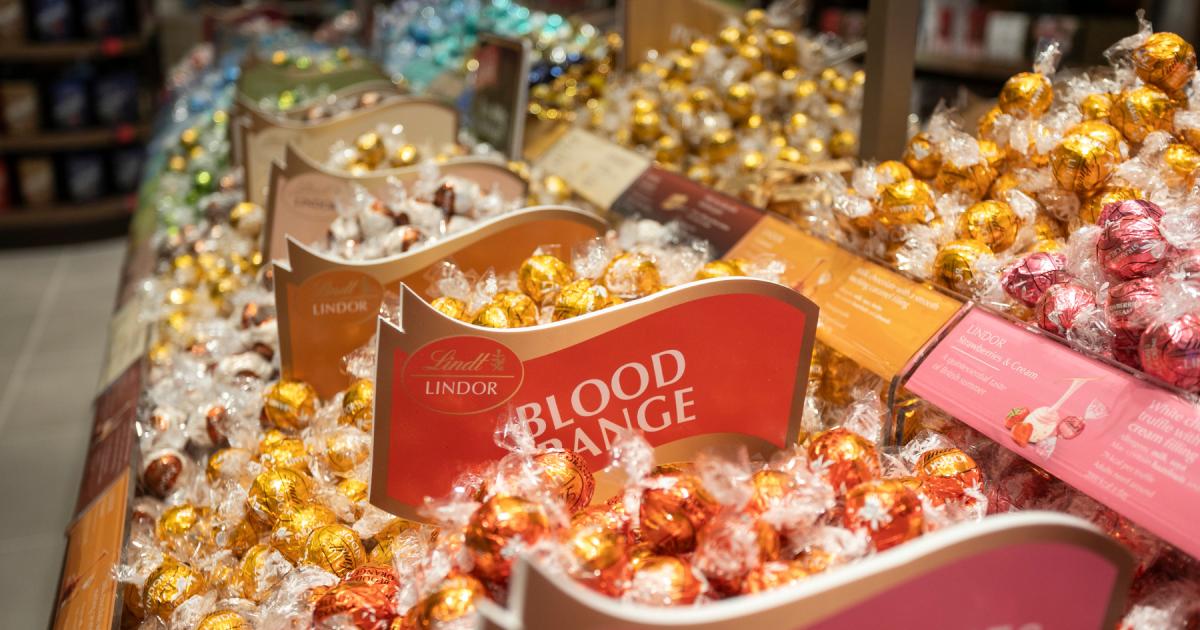
Lindt has looked into what different regions of the UK prefer from its LINDOR Pick & Mix selection, with results varying.
To mark the findings, Lindt is offering complimentary tastings in stores during August, featuring a different regional favourite each week, while stocks last.
Miquetta de Castro, master chocolatier at Lindt & Sprüngli UK, said: “Every region has its own favourites, which is exactly what makes our Pick & Mix so special.
Lindt’s analysis of its Pick and Mix selection saw different regional favourites (Image: Lindt)
“With more than 30 Pick & Mix chocolates crafted by our Master Chocolatiers, it’s an opportunity to discover everything from our iconic LINDOR recipes to exclusive creations and curate a selection that’s uniquely yours.
Advertisement
“Whether you’re rediscovering a favourite or trying something completely new, there’s always another recipe waiting to be enjoyed.”
What is the favourite LINDOR chocolate of different UK regions?
The analysis confirmed that LINDOR Classic Milk remains the UK’s favourite chocolate overall, but preferences differ widely elsewhere.
LINDOR Strawberries & Cream is the top pick in Scotland, Wales and the south west, while pistachio is preferred in both the north and south east.
Advertisement
The Midlands stands out as the only region to favour LINDOR Milk & White.
Nationally, the most popular flavours after Classic Milk are LINDOR Pistachio, Strawberries & Cream, White, Salted Caramel, and Lindt Giandujotto Classic, an Italian-inspired hazelnut praline.
Lindt’s research also shows growing excitement for new varieties.
A quarter of shoppers are most looking forward to trying LINDOR Golden Caramel Hazelnut, rising to 35% in Liverpool.
Advertisement
Recommended reading:
Other top choices include LINDOR Pistachio (18%), LINDOR Cherry Blossom (16%) and Lindt Pistachio Praline (14%).
When it comes to future flavours, coffee, espresso and cappuccino top the wish list, followed by fruity options like cherry, mango and pineapple.
Some fans have even suggested more inventive ideas such as English Cream Tea.
Advertisement
What’s your favourite flavour of LINDOR chocolate? Let us know in the comments.
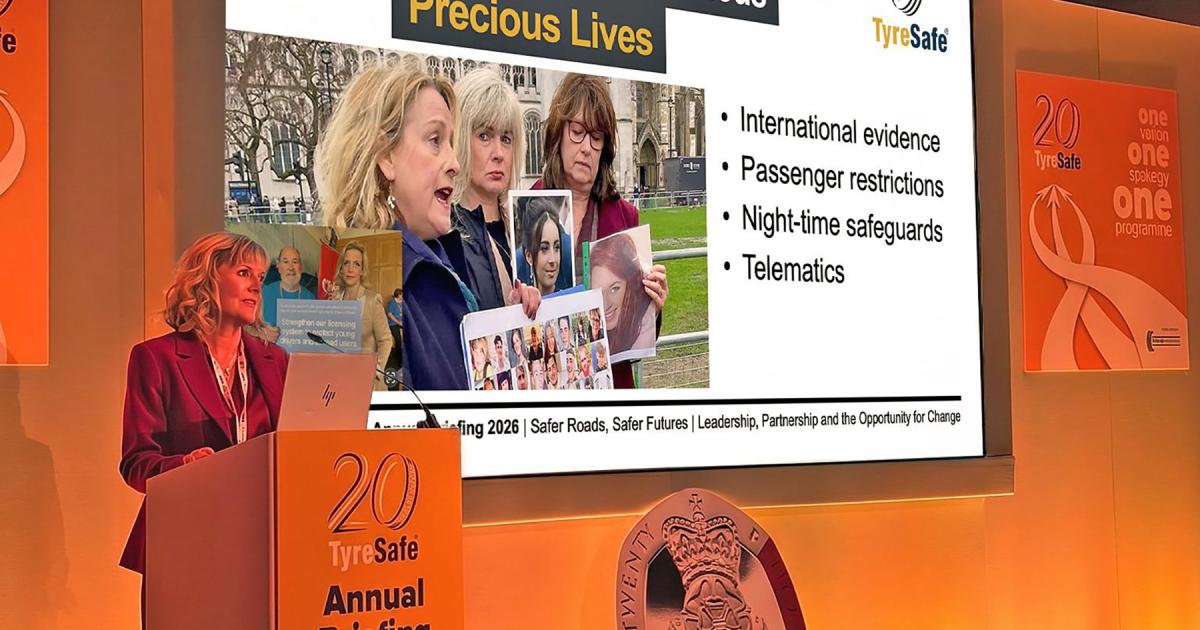
PCC Joy Allen, who is also the national joint lead for road safety for the Association of Police and Crime Commissioners (APCC), said urgent action is needed to tackle dangerous driving behaviours that continue to claim lives on UK roads.
Government figures show that 21 per cent of all road fatalities involve drink or drug driving.
A quarter of those killed or seriously injured were driving for work or commuting.
Advertisement
Ms Allen said: “These statistics are a stark reminder that dangerous driving behaviours continue to devastate families and communities across the country.
“Saving lives must be our absolute priority.
“That means taking a comprehensive approach which combines stronger legislation, better education and robust enforcement.
“Drug and drink driving remains one of the most significant threats on our roads with those who continue to flaunt the law putting the lives of innocent road users at risk.”
Advertisement
She has called for the wider use of random workplace drug and alcohol testing.
This is already in place at the Office of the Police and Crime Commissioner and within Durham Constabulary.
Ms Allen said: “We need to look seriously at expanding random workplace drug and alcohol testing, particularly in roles where driving is essential, to help identify problems early, support intervention and ultimately prevent tragedies before they happen.”
She has also called for a lower drink-drive limit, an even lower limit for novice drivers, mandatory regular eyesight testing for those who wear glasses or lenses, and tougher action against dangerous behaviours such as not wearing seatbelts, mobile phone use, and illegal number plates.
Advertisement
However, she believes the Government’s current approach does not go far enough, especially for young and inexperienced drivers.
She said: “For too long we have delayed introducing measures that we know work.
“While proposals for a minimum learning period are welcome, they stop short of fully embracing graduated driver licensing (GDL), a proven, evidence-based approach that saves lives.”
GDL introduces restrictions for newly qualified drivers during the highest-risk period after they pass their test.
Advertisement
Countries that have implemented GDL have seen significant reductions in collisions involving young drivers, and Northern Ireland has already taken the decision to move forward with the approach.
Ms Allen said: “The evidence is overwhelming and the cost of delay is measured not in reports, but in funerals, life-changing injuries and devastated families.”
She has been lobbying nationally for the introduction of GDL in England and Wales.
International data shows the approach can reduce young driver collisions by between 20 and 40 per cent.
Advertisement
Ms Allen said: “Too many young people are being killed on our roads and I am determined to do everything I can to save precious lives.”
Road safety remains a top concern for residents in County Durham and Darlington.
Earlier this year, a public survey found it was one of the top three issues for communities, with around 80 per cent of respondents saying they were worried about drink and drug driving.
Road safety is a key focus in the commissioner’s Police, Crime and Justice Plan, which supports the long-term Vision Zero aim of eliminating deaths and serious injuries on the roads.
Advertisement
The plan calls for a lower drink-drive limit, mandatory driver retraining for dangerous driving convictions, licence suspension for those charged with drink or drug driving until court proceedings conclude, improved roadside testing technology, and expanded workplace drug and alcohol testing.
Ms Allen said: “Targets without funding will not deliver change, and we must address that.
“Stronger enforcement against drink and drug driving, uninsured vehicles, ghost plates and persistent speeding requires sustained investment in roads policing, forensic testing capability, technology and prevention work.
“If we are serious about reducing deaths and serious injuries, then we must match ambition with resources.
Advertisement
“Every road death is one too many.
“Through stronger laws, better education and properly funded enforcement, we can save lives and prevent more families experiencing the kind of heartbreak that follows a knock at the door.”
Those who drive on a sloped road will notice something very mysterious
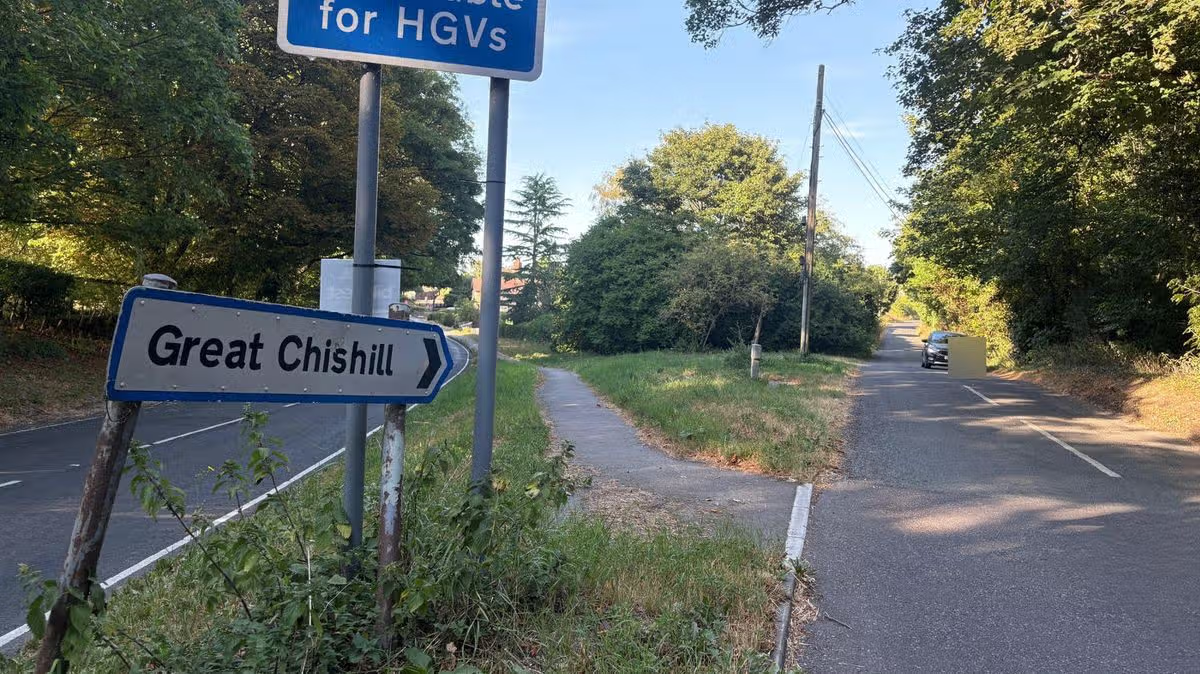
I tested a hyper-local secret about an eerie road on the Cambridgeshire border that appears to defy gravity. Nestled between Royston and Great Chishill is Bogmoor Road – a road that has remained mysterious among locals for a long time.
Advertisement
We all know that to drive our cars towards a specific location, we need a power source. However, passed around by word of mouth, is a long-lived theory that Mother Nature plays its part in flouting physical limits by dragging vehicles up the hill.
I decided to test the theory on the bizarre road that has left motorists puzzled and has been glitching out of reality by breaking the rules for years.
Setting myself in a position on the road, I put the car into neutral. Not believing the locals’ tales, I didn’t expect my car to move an inch. Yet, within seconds my car was picking up speed and rolling ‘uphill’, as if it was directing me straight towards Great Chishill.
The eerie questions of spirits and real-world magic rushed through my brain as I convinced myself that me and my car had done the impossible. It completely tricked my human brain.
Advertisement
I remained sceptical as I said to myself ‘once is an anomaly but twice is suspicious’. However, the stubborn road quietly laughed at me as it dragged me upwards the second time. My brain was tricked once again.
I left the experiment feeling as though I had certified the local-legend that having no power does not necessarily mean your car will remain stationary in a neutral position.
Bringing myself back to reality, I know that spirits and magic may not be the scientific answer – although it’s interesting to ponder about. Bogmoor Road is possibly what is known as a gravity hill, which can also be known as a magnetic or mystery hill.
This is a place where the layout of the surrounding land produces an illusion, making a slight downhill slope appear to be an uphill slope. Therefore, a car left out of gear will appear to be rolling uphill against gravity in a somewhat magical experience.
Treating natural spaces like theme parks is ruining the outdoors
It feels like only yesterday I was writing about hikers booing a man at the top of Yr Wyddfa (Snowdon) for breaching absurd queuing rules, and little did I know another such incident would present itself so soon.
Advertisement
In May this year, a TikTok video of hospitality manager Richard Thiedeman being booed for failing to queue to touch the summit marker on Yr Wyddfa went viral.
Richard had hiked to the summit of Yr Wyddfa (3,560ft) on May 24th 2026, but was booed by those in line when he didn’t respect the unwritten ‘rules’ of waiting for your turn to approach the summit marker to get a photo.
The caption on the 34-year-old’s TikTok video reads: ‘Climbed Snowdon via Y Lliwedd – Watkins Path to raise money for a friend’s funeral… and instead of being cheered, I was booed for not queuing up.’
Richard, who was raising money for a “send-off” for his friend with Motor Neurone Disease (MND), even wore a T-shirt that read “I am hiking to raise money for a funeral!”, but this did not stop crowds from booing and jeering as he reached the summit and swerved past the long queue as he didn’t want a photo.
Advertisement
The incident sparked much debate online, with many siding with Richard (including me) and describing queuing on mountains as “ridiculous”.
So imagine my surprise to see the queuing discourse kicking off again this week, with another hiker facing dirty looks and comments when he committed the outrageous crime of skipping the self-appointed queue for the summit of Yr Wyddfa.
A video shared by WalesOnline showed Marc Screeton being criticised by queue-abiding hikers for walking past a huge queue on the mountain to reach the top. Having just completed the five-hour trek, the 27-year-old decided he had no chance of waiting any longer to see the peak.
Despite only wanting to touch the top and head back down, Marc was slammed by a group who glared at him from the queue. In the clip, you can hear them shouting ‘there’s a queue, you know’ and ‘it’s out of order’.
One woman even shouted at someone to ‘chuck his phone off’ the mountain. What a time to be alive.
As a horrified observer, I’ve written and posted on my TikTok several times that I’ve been hiking for many years and have watched the way we hike and connect with nature shift dramatically, and it’s not always for the better.
Since the pandemic and the meteoric rise of social media platforms like Instagram and TikTok, interest in UK beauty spots has soared.
Advertisement
In recent years, there have been increasing reports of national parks, beaches, and popular hiking trails being overrun by crowds, litter, and queues as people descend on the great outdoors, often armed with drones and tripods, hoping for the perfect snap for social media.
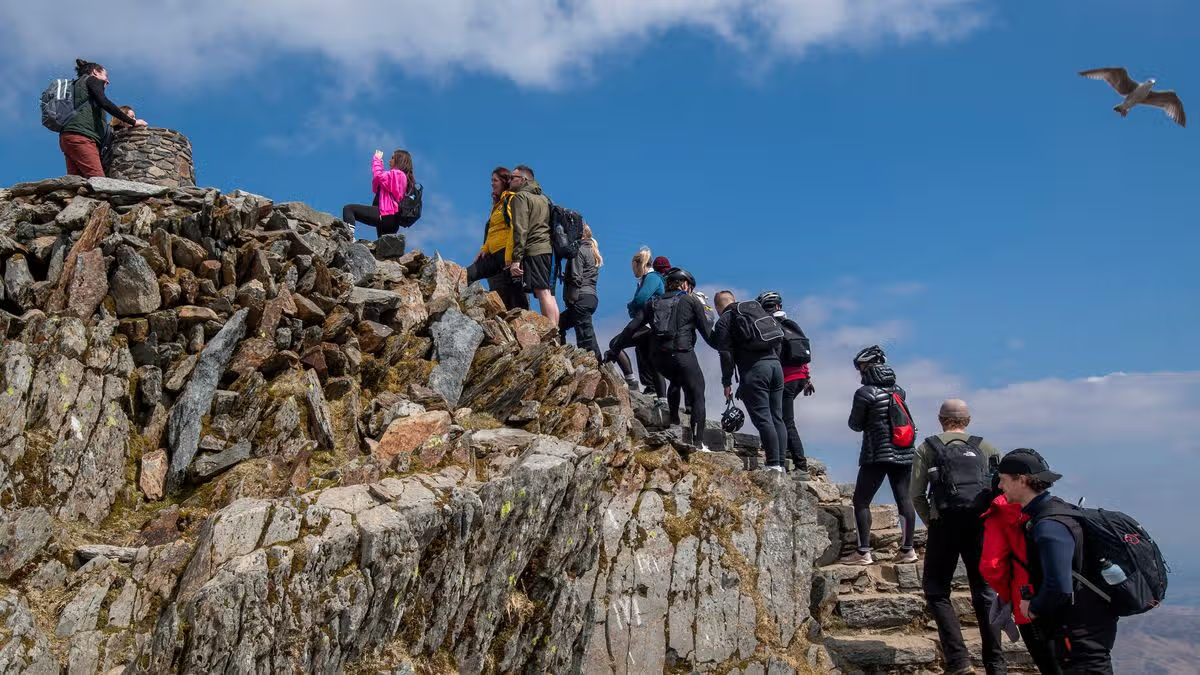
Images this week show scores of hikers lined up on the slopes of Yr Wyddfa waiting for their photo at the trig point. Many wait for over an hour just to get a selfie at the peak – which sits at 3,560ft above sea level.
It’s a depressing sight, even if you love outdoor photography as I do. There’s zero chance you’ll catch me joining a queue anywhere to get a photo. I simply don’t have the patience, and I think treating natural spaces like theme parks is ruining the outdoors.
As I settle into middle age, I can’t help but feel that a mountain summit, traditionally associated with achievement, community, and endurance, has become akin to a tourist attraction, subject to queuing rules and hostile public policing.
Somewhere along the way, parts of outdoor culture seem to have lost sight of why we venture out at all. Mountains, lakes, beaches, and waterfalls, once cherished for their beauty, are now too often reduced to mere backdrops for online content.
At first glance, it seems harmless enough. If people want to queue for summit selfies or film TikTok dances at the top, isn’t that their choice?
“The problem is scale”, says Julia Hartley, founder of Guided Outdoor Adventures. “Social media has turned summits into bucket list checkboxes, and the footfall is now causing real environmental damage. The litter is the most visible sign of it.”
Advertisement
Julia says that their mountain leaders handle summit photos “practically” and “find the shot somewhere else.”
“There are viewpoints on almost every route that are more dramatic than a crowded summit cairn, and a good guide knows where they are.”
“A qualified mountain leader knows those quieter routes. They can take you to summits and landscapes that most people walking the famous peaks will never find, and the experience is richer for it.”
The desire for ‘bucketlist’ summit photos appears to be the main cause of the lines on mountaintops like Yr Wyddfa, where there shouldn’t be a need for queues, leading to unnecessary bottlenecks.
Mountain leader Gemma Smith points out in a TikTok video that many people may see videos of climbers queuing to reach the top of Mount Everest in Nepal and assume it is a regular occurrence, but it isn’t.
The expert mountain leader and hiking guide shared her honest thoughts on whether people should queue to reach the summit of Yr Wyddfa after seeing people booed for not queuing.
She said: “This might be controversial, but as a mountain leader I do not think you should be queuing to get to the summit of a mountain unless it is for safety reasons.
Advertisement
Gemma explains that on mountains like Everest, queuing is for safety; you’re following a fixed line to the summit.
“You’re one behind the other on this line, and if you are overtaking, that can be an exceptionally dangerous situation if you slip.
On Snowdon, that queue is purely there because people want to take a photo, that’s it.”
As many other outdoor leaders have told me, the summit of Yr Wyddfa is vast. Unlike narrow scrambling sections on other mountains where queues form naturally for safety reasons, the summit queue here exists almost entirely for photographs.
Nobody has appointed summit marshals on Yr Wyddfa. The queues are entirely self-imposed, not rules set by the National Park.
And increasingly, there appears to be social pressure to participate. As booed hiker Richard says, “These people believe that a queue is the right thing to do. But since when has it been okay to boo people because they don’t believe in what you believe in?”
While jeering is undoubtedly unpleasant, these summit queues can also create genuine safety concerns, says Julia Hartley.
Advertisement
“The queuing at Yr Wyddfa poses a specific danger that is not talked about enough. When people have waited a long time to reach a summit, they become reluctant to turn back even when conditions change.
That sunk cost thinking on a mountain is genuinely dangerous. Weather moves fast in Eryri (Snowdonia), and a queue creates pressure to stay when the right decision is to descend.”
In extremely hot weather like we’re currently experiencing in Wales, hikers standing still for long periods can also suffer sunstroke and other heat-related illnesses, prompting callouts to already overstretched Mountain Rescue Teams.
Advertisement
Llanberis Mountain Rescue recently posted on their Instagram account: “Over the Bank Holiday Weekend, our team responded to 14 incidents on Yr Wyddfa, with the majority believed to be linked to the exceptionally warm weather conditions.”
Elfyn Jones, Llanberis Mountain Rescue Team Volunteer and Coordinator, said: “People often underestimate how quickly warm weather can become dangerous in the mountains.”
“We’ve seen several incidents this weekend where the heat appears to have played a significant role, including serious cases of suspected sunstroke requiring helicopter evacuation.”
Even several heatwaves haven’t reminded us that mountains are wild and unpredictable, not amusement parks with photo ops and lines where the prize is a perfect hashtagged post.
Advertisement
The real achievement is simply reaching the summit. There’s no need to queue for a staged photo or a tap of the trig point; the climb itself is reward enough.
Frankly, these bizarre summit queue incidents have made me even more resolute that I will not join an unnecessary queue on a mountain.
I won’t wait an hour to touch a trig point, and I certainly won’t be booing strangers and calling for their heads if they swerve a line. Instead, I’ll try to find a quiet spot where I can appreciate the view away from a turf war over selfie rights.
If you want to wait in a long line, may I suggest Alton Towers instead of our wild and precious mountains and stop ruining them for the rest of us.
The event will take place from August 22 to 31 and will include free open days at racehorse training yards, studs, and retraining centres across the country, including several in the North East.
Visitors will be able to meet the horses, see family-friendly demonstrations, and learn more about the sport in a hands-on setting.
Olly Murphy, a racehorse trainer based in Warwickshire, said: “National Racehorse Week is a brilliant initiative that I am proud to have been a part of across the last four years.
Advertisement
“It is an incredibly important event for our sport, and it is great to welcome newcomers, curious minds and sport lovers to learn more year in year out.
“With 2025 seeing around 700 people visiting us at Warren Chase, I hope to see even more faces joining us this year.”
The week is designed to offer the public a rare glimpse into the daily lives of racehorses and the people who care for them.
Visitors can watch horses in training, meet retired equine stars, and even chat with some of Britain’s best-known jockeys.
Advertisement
Every event is free to attend, and organisers hope to inspire a new generation of racing fans, especially as 2026 is the Chinese Year of the Horse.
To mark the occasion, Great British Racing has pledged to give 8,000 young people the chance to meet a Thoroughbred in person this year.
Seventeen events are scheduled across the North East, with more than 17,000 spaces available nationwide at over 100 open days.
One of the first events in the region will be held at Girsonfield Race Yard near Otterburn in Northumberland on August 22.
Advertisement
National Racehorse Week aims to highlight the care and training that goes into preparing these athletes for the track, while also celebrating their role in British culture and sport.
It also offers a broader understanding of how the industry supports the well-being of racehorses throughout their lives, including their careers after racing.
To check for events near you or book a space, visit nationalracehorseweek.uk using the postcode search tool.










































You must be logged in to post a comment Login