Living under the threat of bombardment is terrifying. Barely an hour passes in Tehran without the sound of an explosion. Nowhere feels safe.
We moved quickly and didn’t stay in one place long. Police stations and checkpoints were being targeted, it seemed. We passed through those as quickly as we could. At night we watched explosions light up the sky, air defence fire opening up in reply.
That is what Iranians are coping with day by day, night by night.
We were only the second international news team allowed into Iran since the start of the war, for a week joining a few others already based there.
Advertisement
It was difficult to get into the country and to reach Tehran, and once there, it was hard to operate and dangerous.
Image: People at a funeral for security chief Larijani and the crew of a sunken navy ship
We took the risk so we could ask two questions that can’t be answered outside the country: How is Israel and America’s air war on Iran affecting its people? And what does its government, battered but not beaten, plan to do next?
At the sites of one airstrike after another, the answer to the first question was tragically clear.
Advertisement
Innocent civilians are bearing the brunt of the Israeli-American campaign, and increasingly so.
Like the pensioner whose daughter was at home in their block of flats when it was hit by missiles. They blew the block apart, and the one opposite, as well as whatever their attackers were targeting. Her body was found in the rubble three days later, he told us through furious tears.
The term precision targeting loses much of its meaning up close. In this case, a centre belonging to the Basij paramilitary volunteer force seemed to have been destroyed – but a lot else besides, an entire city block to be precise.
Advertisement
Advertisement
Inside Iran’s children’s wards
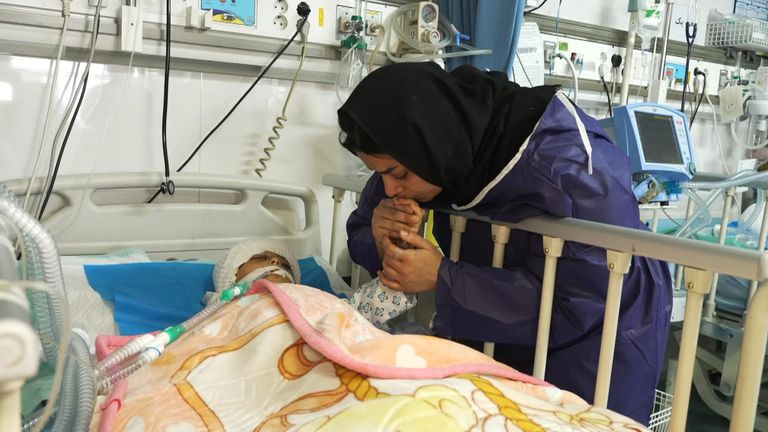
In a hospital, we were confronted with heart-wrenching tragedy. Four-year-old Anita lay dying in intensive care. She has severe head injuries after her home was caught in an airstrike. Her mother Zeebar cried over her comatose child, telling her: “We are waiting for you, we are waiting for you.” Doctors say Anita is not likely to wake up.
Downstairs, Fatima stood over her grown son, who had received a chunk of shrapnel in his arm, sent flying three blocks, he said, from another airstrike as he had left for work.
“This war must stop,” she told us. “It is innocent civilians being hurt.”
Advertisement
Image: Iranian mother Zeebar holds the hand of four-year-old Anita, in a coma after US-Israeli strikes
Regardless of what is being targeted, and however precise, the bombs being dropped on a densely populated city will cause civilian casualties.
In January, in Tehran and across the country, people were being shot at by their own security forces when weeks of protests were suppressed.
Thousands were killed, shot dead by the security forces, say activists and human rights groups.
Whenever I mentioned this to government supporters or officials, they blamed foreign agents for stoking the unrest.
Thousands attend Iran funerals
Advertisement
The tension we felt in the city goes back to that crackdown too. We were able to operate freely in the places where we were given permission to film, but few people were prepared to go on camera. Off-camera though, people were more open.
One man talked with contempt for the “extreme” nature of the authorities and hoped it would change after the war.
Which brings us to the second question we had come here to ask. What of the government and what it does next? We were not there long, and only in one city, but for now at least, Iran’s leadership appears confidently in control.
Dominic Waghorn’s final thoughts after a week reporting in Iran
Advertisement
Suppressing unrest is, of course, easier in a time of war.
But the air campaign may be helping the government too. Many Iranians see it as an attack on them and their country as much as the state. When you are living in mortal fear of your family and home being obliterated from the skies, it is hard not to take it personally.
Israel’s attack on Iran’s major South Pars gas field, for instance, was condemned by one Iranian we spoke to. Why attack that, he asked. For many, an attack on the gas field is an attack on everyone in Iran, regardless of their political affiliation.
The government has fervent supporters too, lots of them. They were out in force in the street for the funeral of Ali Larijani, a top government figure buried with others. Tens of thousands attended.
Advertisement
As we stood among them, the limitations of Israel and America’s ambitions became more glaring.
If you assassinate the leaders of people whose religion embraces martyrdom, this is what to expect.
Advertisement
Iran has a long tradition of honouring the virtues of resistance and no surrender. Iranians are reared on stories of foreign treachery. Their government is drawing on all that to reinforce its support.
Iran seems to have been waiting for this war for years. Its leadership is hydra-headed, programmed to replace itself. It has so far proven surprisingly capable of responding to attacks with speed and strategy despite its enemies’ claims it has been decapitated.
We left with a sense they are bracing themselves now for a long war. For the ordinary people, that means weeks, if not months, more terrifying uncertainty and the risk of death and injury. For their leaders, it means projecting defiance, digging in and outlasting the enemy.
The man was stabbed in the middle of the afternoon and police are investigating
Police are looking to speak to a man following a stabbing outside a Cardiff kebab shop. Crimewatch and South Wales Police have issued appeals to find Hakeem Sarvasst from Newport after a man was stabbed outside the shop in the Adamsdown area of Cardiff earlier this year.
Advertisement
Officers would like to speak with Sarvasst following the incident outside Kebab Sleman on Broadway on Saturday, January 10.
Police previously said a 30-year-old man suffered stab wounds following an altercation that took place between 3.30pm and 4pm that day.
An appeal from South Wales Police said that 26-year-old Sarvasst is wanted for alleged grievous bodily harm with intent following the incident. Never miss a Cardiff story by signing up to our daily newsletter here
A new Crimewatch appeal reads: “Police want to speak to him about a stabbing in Cardiff in January this year.”
Anyone with information about his whereabouts is urged to contact South Wales Police using reference number 2600009500. Call 101 or provide information online here.
Alternatively information can be given anonymously to Crimestoppers on 0800 555 111.
Get daily breaking news updates on your phone by joining our WhatsApp community here. We occasionally treat members to special offers, promotions and ads from us and our partners. See our Privacy Notice
The youngsters had to be removed from the 4G football pitch in Westhoughton on Wednesday March 18 by police and staff from the nearby Westhoughton High School.
According to a Facebook post from Westhoughton High, some of the people were their pupils, though many came from other schools in the area.
Cllr David Wilkinson said: “It can be intimidating when you have a group of boisterous, testosterone-fuelled young lads.
“But it is just boisterousness – they weren’t doing anything criminal.”
Advertisement
Cllr David Wilkinson at Westhoughton Town Hall (Image: Public)
Cllr Wilkinson was in Westhoughton Town Centre around the same time as the incident on the 4G field – the hottest day of the year so far, according to the Met Office.
He said there was also a large number of youths where he was, some of whom were ‘pushing and shoving’, but again stated it was nothing serious.
The Westhoughton High School Post said staff supported police in moving a large group of children from the 4G pitch who were involved in anti-social behaviour / water fights in the community.
It added: “Some of these were our own learners, though a significant number were from other schools. Parents please support us by ensuring you know where your children are and what they are doing as the lighter nights come. The police and school staff should not have to endure verbal abuse and refusal to follow reasonable instructions from younger members of our school community.”
From bad weather to a busy schedule, there are many reasons why you might not be able to get outdoors, but that doesn’t mean your step count should suffer.
Enter, walking pads. Aiming to keep you on the move even when spending the day at home, they are easy to move and fit underneath desks.
Gaining popularity during Covid, when many of us were working from home, walking pads continue to be popular as hybrid working becomes commonplace. Without the movement of a regular commute, people have increasingly turned to novel solutions to keep agile, including standing desks.
Advertisement
If you’re considering buying one, to help you out I’ve asked fitness experts to suggest the best walking pads, listed below. At the bottom of the page we have our walking pad FAQs to answer any questions you might have. If you’re in a hurry, here’s a quick look at the top five:
The best walking pads? At a glance:
What is a walking pad?
“A walking pad is a compact, motorised treadmill designed for walking, usually at a slower pace,” says Michael Betts, personal trainer of 30 years and director at fitness education company Trainfitness. “It’s ideal for those who want to stay active while working, as it can fit under a desk or be placed in small spaces. Unlike traditional treadmills, walking pads are lightweight, easy to store and sometimes foldable. Regular use can improve your fitness, boost energy levels and even enhance concentration. Plus, they’re generally quieter than standard treadmills, making them suitable for office environments.”
How I choose walking pads
I’ve reviewed some of the most popular walking pads on the market with a variety of differing functions and features, comparing maximum speed, whether they were foldable, weight, motor-size, whether they had hand rails and considering if each was worth its price tag. Jordan Dehara, physiotherapy lead at Benenden Hospital, advised me on the pros and cons of each one.
I also considered ease of setup out of the box, how easy it was to control and see my metrics, noise levels, how well I could walk on that belt size and how well built and durable the unit was. I used the pads over several days for an hour each day to see if they functioned as well as they did at the start. When it comes to the dimensions below, depth is the height of the belt from the floor.
Advertisement
Visit our Who We Are page to learn more about the testing process.
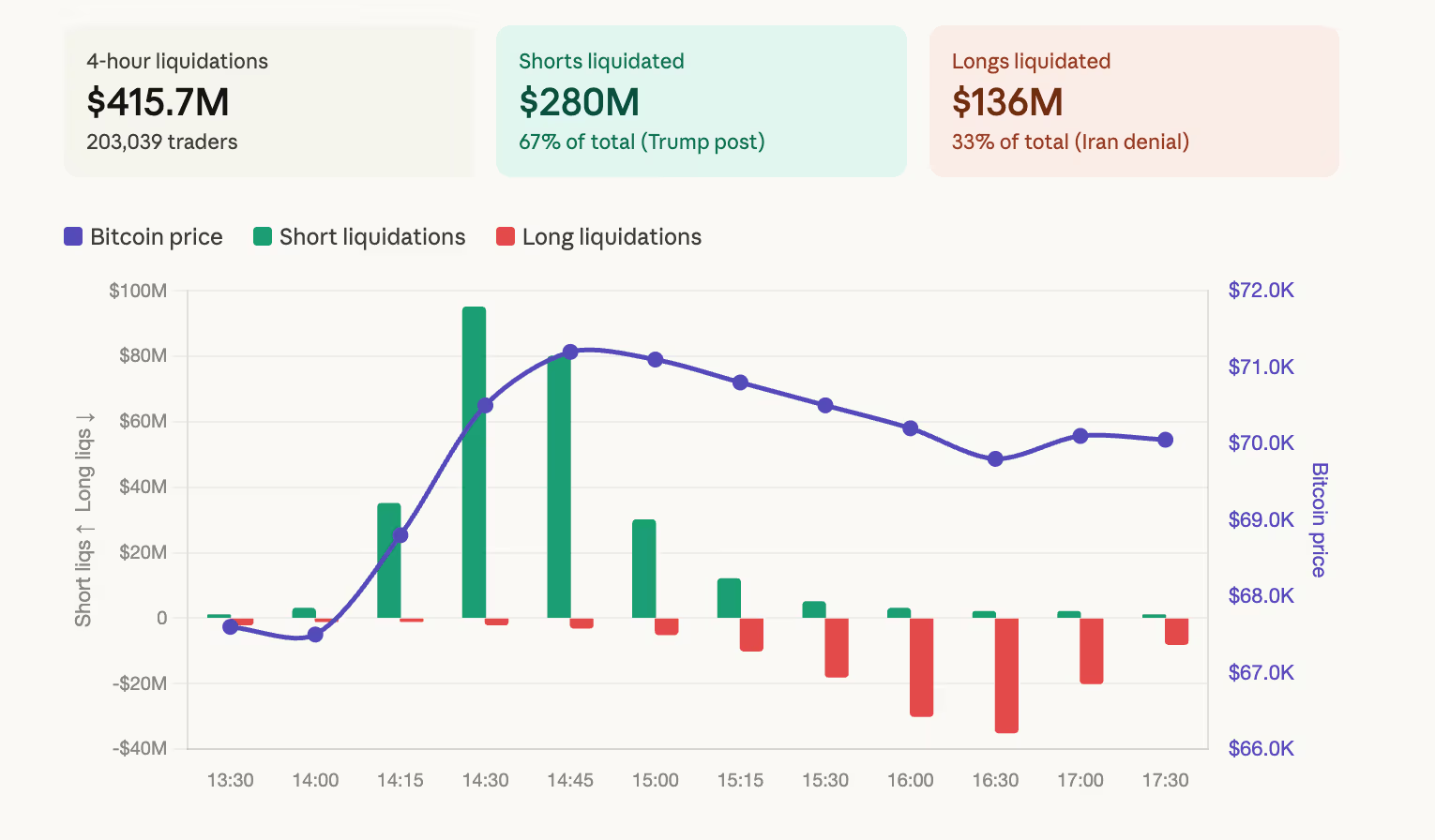
Over the weekend, the US president appeared to escalate the war by threatening to “obliterate” Iranian energy sites on Sunday – unless Tehran opened the major oil shipping lane, the Strait of Hormuz, within 48 hours.
But the president suddenly U-turned on his claim on Monday, after supposedly having “very good and productive” conversations with Iran.
In a Truth Social post, Trump said: “I have instructed the Department of War to postpone any and all military strikes against Iranian power plants and energy infrastructure for a five-day period.”
Advertisement
But former British ambassador to Iran, Nicholas Hopton, said this does not mean the war is over.
He told Times Radio: “The war has become clearly ill-conceived from its inception, the possible existence of an off-ramp now and the president’s willingness to retain the idea of negotiations with Iran must be seen as a positive.
“I’m afraid we could see this situation flip around just as quickly again by the end of the week.
“The president could be threatening again or even carrying out attacks on the oil infrastructure which, of course, the Iranians have said they will retaliate to by attacking the Gulf countries’ infrastructure by attacking oil production facilities and other infrastructure if the US carries out that.
Advertisement
“The Gulf countries have been pushing the White House very hard because that would be very difficult, almost existential in some ways, for their normal existence.”
Asked if Tehran will consider Trump’s U-turn a victory, Hopton said: “I think so. They are unlikely to say as much, the regime’s main objective is to survive.
“Of course, for the time being, it is surviving.”
“I’m afraid we can see this situation flip around just as quickly again.”
Trump’s five-day pause on Iran strikes suggests the US may be seeking an “off ramp”, but the conflict could quickly escalate again, says former British ambassador to Iran @NicholasHopton. pic.twitter.com/3AsvVdaR2h
In response to the president’s post, Iranian IRGC-affiliated news agency, Fars News Agency, quoted an unnamed Iranian source who said there had been “no direct or indirect contact with Trump”.
They claimed that upon “hearing our targets would include all power stations in West Asia, he backed down”.
But the president told reporters he was speaking to the “top person” in Iran – though that was not the supreme leader.
Advertisement
He told CNN: “A top person. Don’t forget: We’ve wiped out the leadership phase one, phase two, and largely phase three.
“But we’re dealing with a man who I believe is the most respected and the leader, you know it’s a little tough, they’ve wiped out – we’ve wiped out everybody.”
He added that he is not talking to the Supreme Leader, Mojtaba Khamenei.
Trump insisted that ending Iran’s nuclear programme is essential for any future agreement.
Advertisement
“We are very willing to make a deal. it’s got to be good deal and it’s got to be no more wars, no more nuclear weapons,” Trump told reporters.
“They’re not going to have nuclear weapons anymore. They’re agreeing to that. Any of that stuff, there is no deal.”
If there was no deal, he claimed “we will just keep bombing our little hearts out”.
An inquest has found the 30-year-old died by suicide
15:08, 23 Mar 2026
Advertisement
A 30-year-old nurse took her own life after ingesting cocaine. Emily Williams was found hanged in November 2024 at her home in Penydarren, Merthyr Tydfil.
Pontypridd coroners’ court heard Ms Williams had a history of anxiety, depression and self-harm. Coroner Patricia Morgan said: “She had suffered a difficult period following the breakdown of a turbulent relationship.”
Ms Williams’ body was discovered on November 21, 2024, at her home in Greenfield Terrace. Tests showed she had used the Class A drug shortly before her suicide.
Recording a conclusion of suicide, Ms Morgan found it was “likely” Ms Williams intended to end her own life.
The inquest heard Ms Williams was born in Merthyr Tydfil and worked as a nurse.
Get daily breaking news updates on your phone by joining our WhatsApp community here. We occasionally treat members to special offers, promotions and ads from us and our partners. See our Privacy Notice.
In a statement on Monday afternoon, a police spokesperson said: “Amy was found, badly injured, at around 10.20am on Saturday. She was taken to hospital by colleagues from the Ambulance Service but, sadly, passed away a short time later.
Advertisement
“At 28 years old, Amy was just a young woman. And my thoughts are, first and foremost, with her family and friends at this unimaginably distressing time.”
They added: “A 30-year-old man was arrested on suspicion of murder, and remains in custody at this time. Our enquiries are continuing, and the local community will continue to see a police presence in the Summer Meadows area over the coming days.
“I am appealing to anyone with information to contact us on 101, quoting reference 469 of 21/03/2026.”
Alternatively information can be provided, with total anonymity, to the independent charity Crimestoppers on 0800 555 111 or online at www.crimestoppers-uk.org.
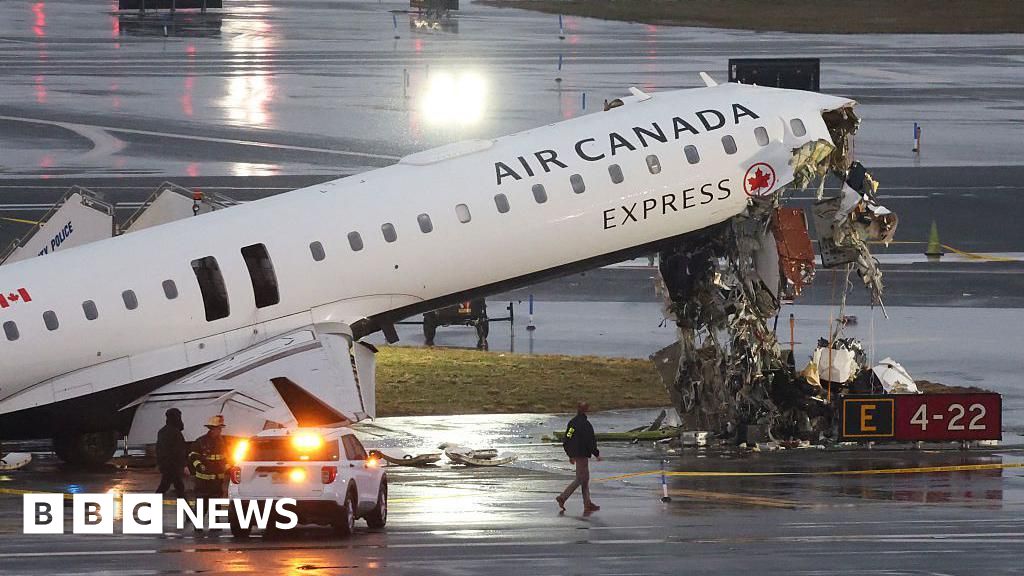
An investigation is now underway to determine what happened. Investigators from the National Transportation Safety Board (NTSB) will be looking at the speed the plane was moving, the staffing of the air traffic control tower at the time, and if anybody was ejected from the aircraft, according to Garcia.
The assault took place on a bus on February 11, 2026
A teenage girl was allegedly assaulted while travelling on a bus in Cambridge. The assault took place at around 2.40pm on February 11, when the victim boarded a bus in Puddicombe Way, Cambridge.
Advertisement
The girl sat down on the bus, and a man who boarded at the same time as her. He then sat behind her and assaulted her. Cambridgeshire Police would like to speak to a man pictured on CCTV in connection with the incident.
A police spokesperson said: “Police have released CCTV images of a man they would like to speak to in connection with an assault on a teenage girl in Cambridge. At about 2.40pm on February 11, the victim boarded a bus in Puddicombe Way and sat down.
“A man, who boarded at the same time, sat behind her before assaulting her.” Anyone with information should call police on 101 or contact them online and quote reference 35/11620/26.
Brits have experienced three ‘holidays of a lifetime’ with the Maldives, Tokyo and Great Barrier Reef topping the list, using loyalty points to make them more affordable
The typical Brit has experienced three ‘holidays of a lifetime’ – with destinations like the Maldives, Tokyo and the Great Barrier Reef featuring amongst the most sought-after locations. Previously considered something taken once in everyone’s life, Brits are finding new ways to make dream trips a priority with 46% believing it’s more achievable than 10 years ago.
Advertisement
Research involving 2,000 adults found that stunning natural scenery (50%) and high-end accommodation (45%) rank as the primary factors when defining a once-in-a-lifetime holiday. Remarkably, 71% of savvy travellers are now leveraging loyalty points to fund trips that would otherwise stretch their finances.
The findings coincide with Virgin Red’s fourth annual report, The Points Index, titled ‘Living the Dream Holiday’, which highlights how Britons are increasingly valuing loyalty schemes to access extraordinary travel experiences.
Company data revealed that throughout 2025, consumers redeemed 31.2 billion points towards travel experiences, representing a 13% rise compared to the previous year.
Advertisement
Across the UK, point-spending surges occur in May and July and reach their peak in September, potentially aligning with back-to-school tiredness. The research also discovered that 21% who might reserve a major trip would do so to mark a significant birthday.
A third (34%) are currently in the midst of planning a big holiday, with 39% prioritising beach and relaxation holidays abroad – and only 19% opting for shorter getaways. Other key elements of a once in a lifetime trip include exceptional food and drink (40%) and experiences unique to the region’s culture (38%).
Amongst those surveyed by OnePoll.com, nearly three-quarters (74%) have paid for part or all of their flights using loyalty points, whilst 29% have used points to upgrade their flying experience.
Andrea Burchett, chief loyalty officer at Virgin Red, said: “Loyalty is fundamentally reshaping how consumers think about travel. Trips once seen as ‘once in a lifetime’ are becoming achievable, as consumers increasingly treat points as a strategic currency.
Advertisement
“Even amid economic uncertainty, points are helping consumers prioritise meaningful travel, loyalty is helping make it possible.”
TOP 10 ‘HOLIDAY OF A LIFETIME’ DESTINATIONS – ACCORDING TO BRITS:
When living with a partner, you might be sharing more than just the same home, lifestyle and interests. You might also share various microscopic organisms residing on and in you.
This community of microorganisms, which consists of mainly bacteria, viruses and fungi, is known collectively as the human microbiome. The various microbiomes found throughout the body all play an important role in health.
But it isn’t just the microbes in your gut that may be similar to your partner. The microbes in many other parts of the body may also be shared with your loved one – and this could potentially affect your health.
Gut microbiome
Diet and lifestyle are thought to have the greatest influence on the gut microbiome’s make-up. But studies on couples have found that living with your partner can also influence the microbiome.
Couples living together may share 13% to 30% of their gut bacteria. This was true even when diet (which many couples share) was factored out.
Research also shows that couples who live together have greater microbial diversity compared to people who live alone.
But it might not all be good news. Research shows that some of the bacterial species couples share can have varying effects on health.
Take the bacteria from the Ruminococcus family. While some species of Ruminoccocus benefit health, others have been linked to negative health outcomes, including diabetes and irritable bowel syndrome.
So these bacteria may not always offer the same benefits in different demographics. This highlights the complexity of resident gut bacteria and their health impacts.
Oral microbiome
Sharing an oral microbiome with our partners might seem obvious considering we regularly exchange saliva when we kiss. A ten-second kiss alone can exchange up to 80 million bacteria. The more kisses a couple shares, the more shared salivary bacteria they will have.
Advertisement
Although most of these bacteria will quickly pass through our mouth and into our gut when we swallow saliva, research show that couples actually share many of the same longer-term tongue microbes that form the foundation of the oral microbiome. Research even suggests that 38% of the oral microbiome is shared in couples living together – compared to only 3% in couples who don’t live together.
Sharing this proportion of your oral microbiome could have many potential health effects.
A healthy oral microbiome is important for protecting against tooth decay and it has anti-inflammatory properties. Some researchers also suggest the oral microbiome’s health effects may extend as far as the gut and nervous system.
But some of the bacteria that couples tend to share may also have potentially harmful health effects.
Advertisement
Couples are more likely to have similar numbers of the bacteria Neisseria in their gut compared to single people. Neisseria can reside in the mouth for long periods of without causing disease.
Some types of Neisseria can be harmful, while others are helpful. Tatiana Shepeleva/ Shutterstock
Some Neisseria bacteria can be harmful and may cause meningitis. Yet some Neisseria bacteria actually fight against these meningitis-causing species, stopping them from overgrowing and causing harm.
So while you may want to avoid kissing someone when they’re poorly for obvious reasons, it turns out that a kiss even when you’re healthy can transfer all sorts of bacteria between the two of you.
More research is needed to really understand what overall effect sharing these bacteria with your partner has on health.
Advertisement
Skin microbiome
The skin microbiome is the most unique and personalised microbiome, tailored to each person. It’s even sometimes referred to as our microbial fingerprint.
Being the most exposed microbiome, the skin microbiome has evolved to be adaptable to external factors such as the climate and cosmetic products. No matter what, these bacteria work hard to remain at an equilibrium.
Close contact with our partners – and even pets – has a huge influence on what bacteria live on our skin. After comparing the gut and oral microbiome, researchers found the skin microbiome to be the most similar among couples.
It isn’t just the bacteria on your arms or hands that are shared, either. Research shows that couples shared 35% of the bacteria living on their feet, and around 17.5% of the bacteria on their eyelids.
Advertisement
You may not even need to touch your partner to have the same skin bacteria as them. Factors such as sleeping in the same bed and walking on similar surfaces are thought to explain why such a large proportion of our skin microbiome is similar.
This is because humans naturally shed bacteria in a similar way as dogs shed fur. We leave traces of our bacteria on everything we touch – and we also easily pick up bacteria from our environments.
The shared effect of living together on the skin microbiome is so great that researchers were able to use computer models to accurately predict 86% of cohabiting couples based off of their individual bacterial samples alone.
But while it’s clear that couples share much of the same skin microbiome, the health effect that this has is not currently known.
Advertisement
While sharing bacteria with your partner may sound alarming, there’s often no cause for concern. Bacteria teach our bodies how to fight infections, they help us digest foods and even produce key nutrients. The bacteria we share with our partners are often harmless and sometimes benefit our health rather than hindering it.

















![The Real Risk In Tomorrow’s FOMC! [Critical]](https://wordupnews.com/wp-content/uploads/2026/03/1774280076_maxresdefault-80x80.jpg)



































You must be logged in to post a comment Login