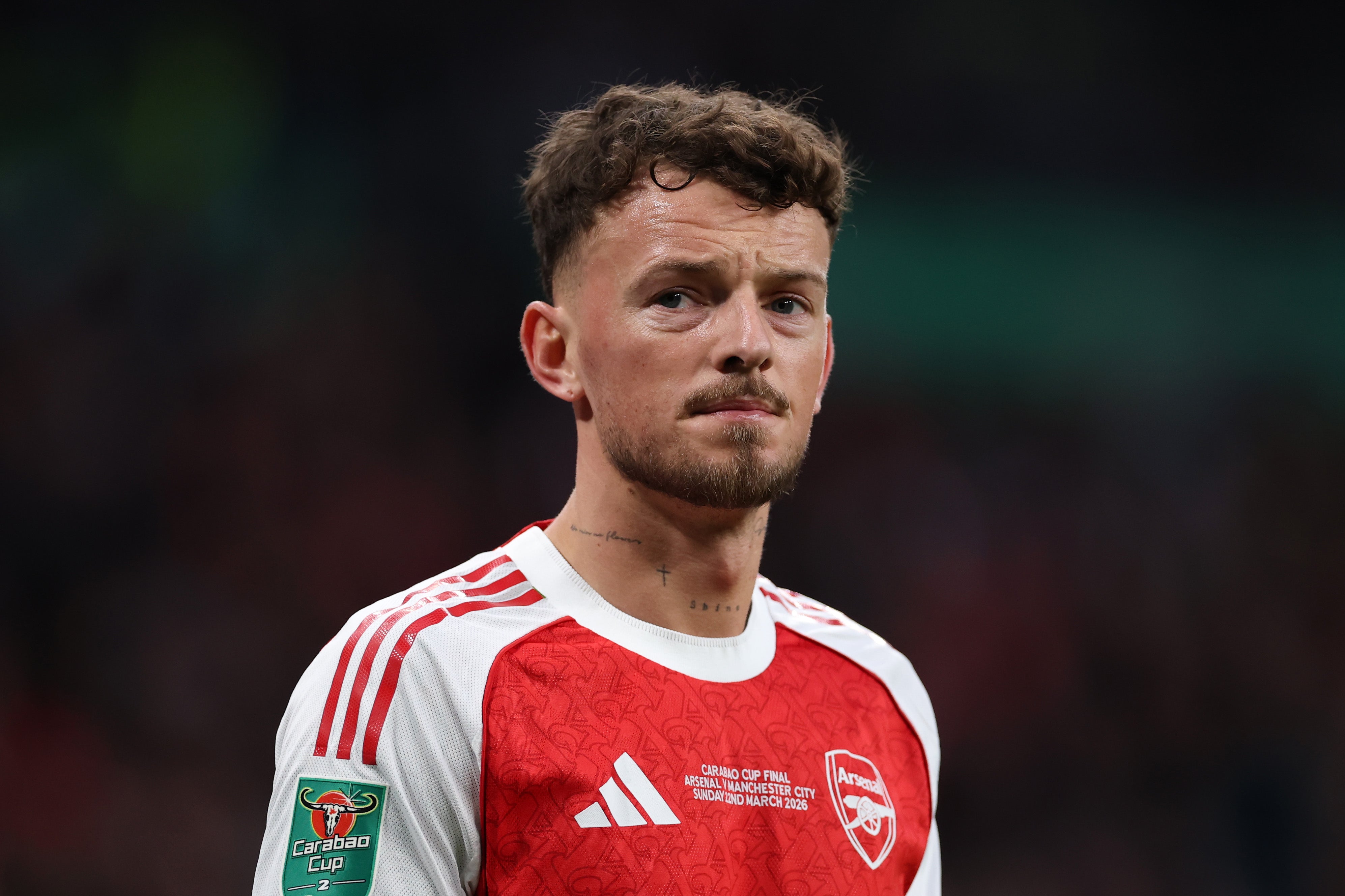
The Arsenal defender has not featured in a Three Lions camp since leaving the squad under dramatic circumstances during the 2022 World Cup in Qatar, with White subsequently asking not to be considered for selection by then-manager Gareth Southgate.
The rift stemmed from a reported falling out with former England assistant Steve Holland, who allegedly claimed that White was not sufficiently interested in football.
White has since been on a self-imposed England exile, one that was not resolved during the interim reign of Lee Carsley following Southgate’s departure in the summer of 2024, but has now been lured back into the fold by Tuchel.
Ben White is back in the England squad (Getty Images)
He replaces Jarell Quansah in the squad for March’s internationals against Uruguay on 27 March and Japan on 31 March, with the Bayer Leverkusen defender dealing with a thigh injury, while Gunners teammate Eberechi Eze has also been ruled out due to a calf problem.
Newcastle winger Harvey Barnes has been chosen to fill the void left by Eze, whose only appearance for the senior team came in October 2020.
Advertisement
Tuchel had spoken positively about a return for White, saying in August of last year that he was “delighted” to see him back in training after recurring knee problems.
“We were monitoring the process and huge compliments to the medical and performance department of the FA. And thanks to everyone at Arsenal to let us monitor closely so we are on it, speaking to Ben that we are delighted that he is back on the bench,” Tuchel said. “He wants to be back, he’s glad to be back.”
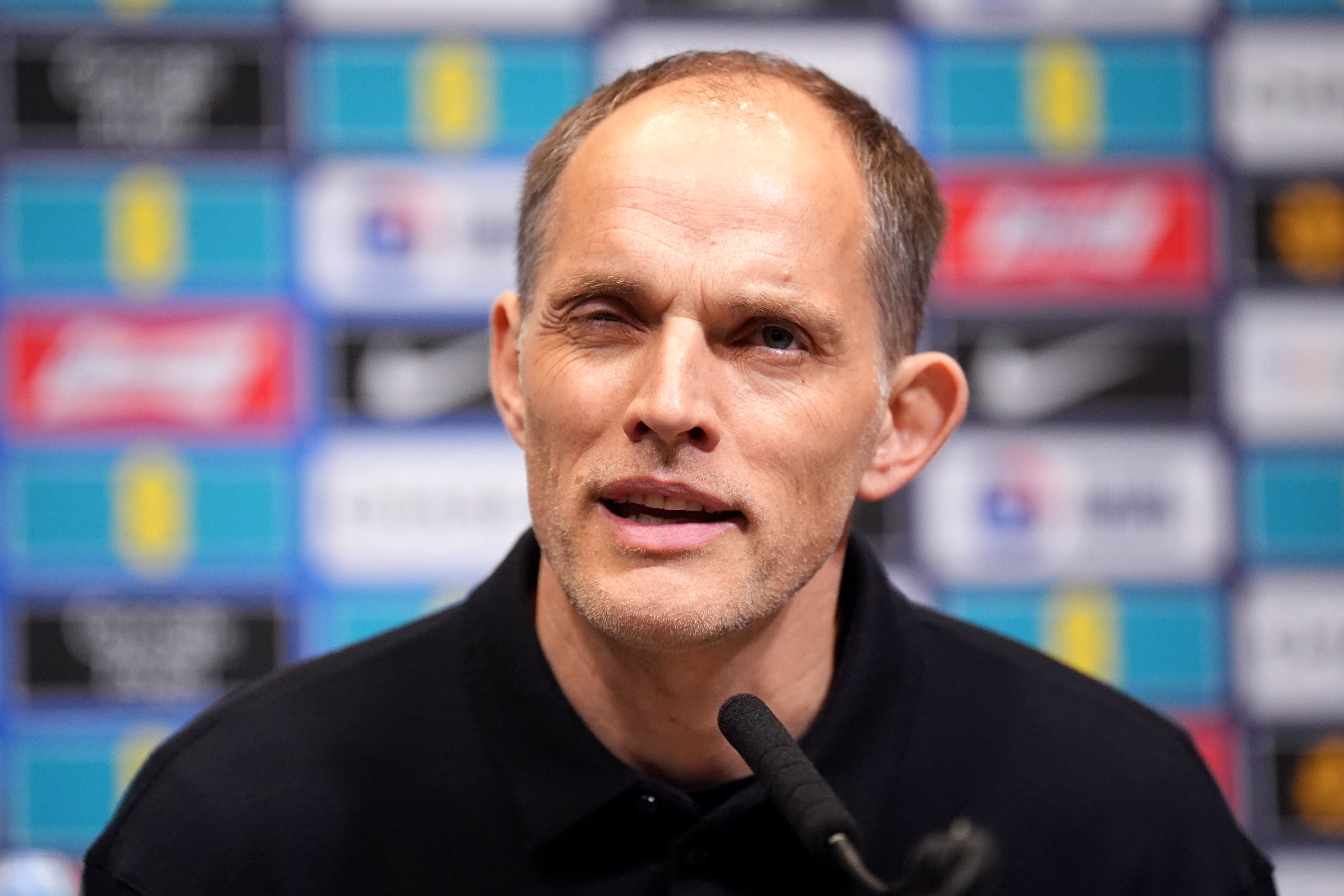
Thomas Tuchel has lured White back into the England fold (PA Wire)
White only has four England caps to his name and has not played for the Three Lions since a 3-0 friendly win against the Ivory Coast in March 2022.
He did not feature at the Qatar World Cup that year and ruled himself out of contention for Euro 2024.
But speaking on his selection for the March internationals, Tuchel insisted a player’s absence from a previous tournament will not be a factor in deciding who goes to this summer’s World Cup.
Advertisement
“No, it’s not interesting to me if someone was at a tournament, or is now at their first tournament,” Tuchel said.
“It’s interesting how we’re trying to build the group, and I want to arrive with a strong group, and I want to be absolutely certain that we have a group that can enjoy weeks and weeks and weeks together. That we have the energy right, and we have the chemistry right.”
White has made just seven Premier League appearances this season for leaders Arsenal but has played in eight of their 10 Champions League games, with the club staring down the barrel of a quarter-final tie against Sporting CP.
He started Sunday’s Carabao Cup final against Manchester City, which saw Arsenal lose 2-0 as their hopes of an unprecedented quadruple went up in smoke.
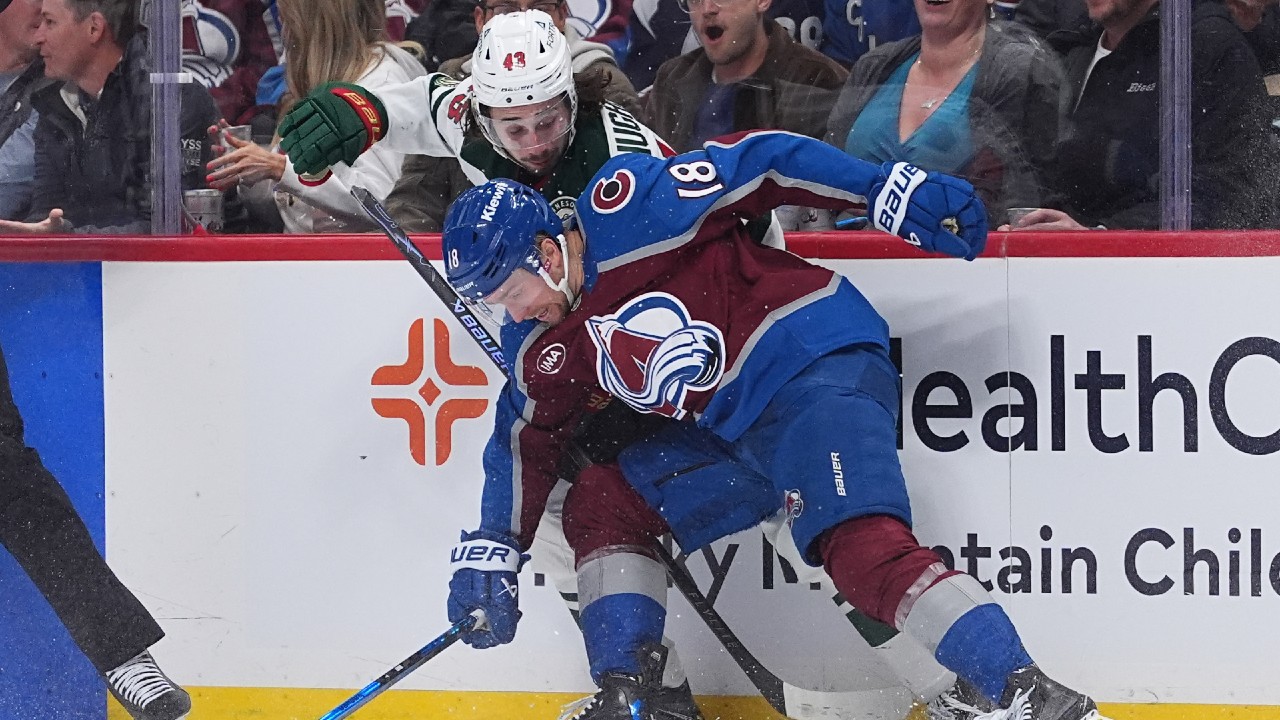
DENVER — When Nathan MacKinnon tracked Quinn Hughes in the third period Tuesday, then bowled him over when Hughes tried to cut back on him with the puck, the hit perfectly encapsulated the Colorado Avalanche’s playoff dominance.
It was one of the best forwards in the world burying one of the game’s best defencemen. MacKinnon was having none of Hughes’ shifty edgework. MacKinnon later crunched Matt Boldy, another Minnesota Wild star, into the boards. That hit, at least, proved that Boldy was playing because he has been largely invisible through two games.
MacKinnon’s teammate and co-leader, Colorado captain Gabriel Landeskog, said it’s not like the superstar goes home at night and counts his points. (He would need a calculator the way this second-round National Hockey League playoff series is going). But if MacKinnon counts his hits, he should remember those two.
The Wild should remember them, too.
Advertisement
Through two games, the Avalanche have pumped 12 pucks past two Wild goalies, plus shot a couple into empty nets. Colorado’s 5-2 win on Tuesday pushed the Avalanche to 6-0 in this Stanley Cup tournament and two wins away from the Western Conference Final.
Some teams don’t score 12 goals in a series. The Los Angeles Kings scored only five while being swept by the Avalanche in four games in Round 1. But 12 different Colorado skaters have already scored against Minnesota. MacKinnon has six points in two games.
“He was unbelievable tonight on both sides of the puck,” Avalanche coach Jared Bednar said. “The physicality, the defending details, the hunger to check pucks back in all three zones, and the speed and pace that he played with early in the game, it was like he was shot out of a cannon, right?
“I thought that’s one of his best games in the playoffs, for sure. And you know, it’s not about production. He’s going to produce… but he’s just doing whatever it takes for our team to win because that’s what he wants the most. He’s committed in all the other areas right now, and that game was off the charts in my opinion.”
Advertisement
MacKinnon downplayed his hit on Hughes and said the Norris Trophy-winning defenceman simply turned into him.
“It wasn’t that big of a hit,” he said. “But, yeah, you know, he’s one of the best players in the world and he’s so hard to contain, and you’re just trying to do the best that you can. I think everyone’s being more physical. The whole team has ramped that up.”
Landeskog didn’t downplay MacKinnon’s impact.
“He just wants to impact the game every time he steps on the ice,” Landeskog said. “I think that’s what it comes down to. Do we get numb to it? No, there’s still a lot of plays where it kind of takes you back. At the same time, he’s awesome, so you do come to expect it after a while and I’m just happy he’s on our side.”
Advertisement
With Game 3 not until Saturday in Minnesota, the Wild have three days to come up with some answers. They’re supposed to be the heavier, more physical team but so far haven’t been.
Boldy has only one secondary assist through two games, and winger Kirill Kaprizov, who scored on a breakaway Tuesday, has been only slightly more effective.
The Wild are badly missing injured centre Joel Eriksson Ek and shutdown defenceman Jonas Brodin.
They’re also missing some saves.
Advertisement
After starting goalie Jesper Wallstedt surrendered eight goals in Sunday’s 9-6 shootout, Wild coach John Hynes turned to Filip Gustavsson for Game 2.
The former starter was beaten three times on the first eight shots he faced, looked poor on Martin Necas’ backhand 2:51 into the game and leaden on Nicolas Roy’s quick flip from the slot that made it 3-1 for the Avalanche 1:24 into the second period.
“I thought he was just going to cut in more and he quickly released it,” Gustavsson explained. “I was just a little slow.”
He also seemed to lose the centre of his net a little.
Advertisement
How did Gustavsson feel in his first start of the playoffs, after allowing four goals on 22 shots?
“Just fine, nothing special,” he said. “Not bad, not good. Mentally, I felt fine.”
Right now, the Avalanche are a lot better than fine.
Even their power play, which inexplicably struggled for much of the season and scored just once in the series against L.A., is 3-for-8 against the Wild and generated goals Tuesday for MacKinnon and Landeskog.
Advertisement
Colorado goalie Scott Wedgewood stopped 29 of 31 Minnesota shots to bounce back from his own sub-par performance in the Game 1 track meet.
Asked what he liked about the power play, Bednar said: “Everything. It’s just showing that those top guys are, like, really dialled in. They’re moving it quick, they’re seeing their options, they’re making plays, they’re taking what the opposition gives us, and we’re shooting the puck to score. It’s a little bit of everything.”
So far, so are the Avalanche.
“I don’t know about setting the tone, but it’s what the game requires this time of the year,” Bednar said of the physicality. “Like, they’re a big, physical team. Yep, I get it. But we’re not small. You look at our top six, it’s not small. We’ve got a lot of big guys in there, strong guys that aren’t afraid of physicality and… we have the ability with the sort of makeup of our team and the players that we have that we can play many different styles and have success.
Advertisement
“But it all kind of leads back to our identity and the game. In order to win games this time of the year, it requires an extra level of physicality and commitment to play that way, and I thought our guys did a great job here tonight.”
The first Grand Tour of 2026, the Giro d’Italia gets underway on Friday 8 May with its Grande Partenza taking place in Bulgaria for the first time.
The 109th edition of the Giro will be fought out over 3,459km of road and 49,150m of climbing en route to the now-traditional processional final stage in Rome, where a successor to last year’s winner Simon Yates will be crowned.
Yates’ surprise retirement on the eve of the 2026 season means he will not defend his title, but there are two former winners and two further podium finishers on the provisional start list, with Jonas Vingegaard of Visma-Lease a Bike the hot favourite to seal the one Grand Tour winner’s jersey he has yet to claim, after two maillots jaunes and one maillot rojo.
Pure climbers will be pleased to see just one individual time trial on the menu, while there’s something for everyone on a varied route: seven summit finishes, eight flat stages for the sprinters, and seven so-called ‘medium mountain’ days earmarked for breakaway artists.
As in most Giros the GC battle will really ignite in the final week, starting with a detour through Switzerland on stage 15 before the queen stage on stage 19, featuring six classified climbs in the Dolomites including the race’s Cima Coppi – the highest point. One more mountainous day on stage 20 will sort out the standings before a jaunt all the way from Italy’s northeast to Rome for the final day’s sprint.
A fast, flat opening stage along the Bulgarian coast, including two laps of a 22km circuit which contain the extent of the day’s very minimal climbing. The riders pass the finish line once before the two laps, giving lead-out trains time to get organised, and then it’s into the city centre for a very slight uphill sprint. It’ll be a fast man wearing pink at the end of day one.
A long second stage in Bulgaria offers the first minor test for the big names, with three classified climbs to surmount, the last just 8km from the finish and likely to be earmarked as the place to either monitor or go on late attacks. While some of the general classification contenders may opt to steal a march and gain some bonus seconds, this early in the race it’s equally likely to be a breakaway artist taking victory as the GC favourites keep their powder dry.
Stage 3 (Sunday 10 May): Plovdiv – Sofia (175km, flat)
Advertisement
Another outing for the sprinters and another chance to wear pink into the first rest day, which allows the race to travel from Bulgaria into Italy. There’s a category 2 climb to crest on the way there, though, coming right in the middle of the stage – early enough for the sprinters to regroup afterwards on the gentle descent towards the capital, Sofia, but also ripe ground for a breakaway to jump clear.
Officially another ‘flat’ stage, like stage three, this first outing on Italian soil – along the Tyrrhenian coast – features a category two climb, this time in the second half of the stage. While it’s a long ascent at nearly 15km the sprinters should be shepherded over it in one piece, with a long descent and then uphill drag to the finish to follow. The urban finale features more rises, with the 3.7 per cent gradients of the final drag favouring a punchier sprinter.
Stage 5 (Wednesday 13 May): Praia a Mare – Potenza (203km, hilly)
Stage five provides rolling hills all day in Calabria and the quiet Basilicata region, with the general classification contenders needing to be on high alert throughout the entire 203km slog. Enterprising breakaway riders will also be on the look-out for a stage win so the pace should be high all day. After 4,100m of altitude gain – including the Montagna Grande di Viggiano with its maximum 15 per cent slopes – there’s a descent into the finish town of Potenza before another uphill drag to the line.
Advertisement
Stage 6 (Thursday 14 May): Paestum – Napoli (142km, flat)
Another early outing for the sprinters, with only one minor climb to get out the way, very early on. It’s one for the history buffs: the stage begins near the ancient Greek temples of Paestum before a long ride up the Tyrrhenian coast, passing through the plain around Mount Vesuvius, before getting into 70km of urban sprawl, with plenty of road furniture to navigate before the finish line on the wide roads of central Naples.
The longest stage of the entire Giro and with the second-most altitude gain, stage seven is the toughest so far and the first proper GC test as the race enters the Apennines. There’s 4,600m of climbing to overcome, with the most notable climb the formidable Blockhaus – approached from the tougher Roccamorice road – and a summit finish atop its infamous slopes: it’s just shy of 14km, with nearly 10km of that at a bruising nine per cent gradient and highs of 14. The Red Bull Kilometre – with its bonus seconds – comes in its lower slopes and could be the springboard for a GC contender to launch to victory.
Stage eight sees more climbing but on shorter, punchier hills than stage seven, and at nearly 100km shorter in theory is an easier day in the saddle – but there are plenty of pitfalls as the riders travel up the Adriatic coast. With each climb followed by a sharp descent and straight into the next uphill, stage eight will require full concentration from the GC riders and their lieutenants. The toughest is the Reputolo, with gradients maxing out at 22 per cent, with another 10 per cent ramp up to the finish line in Fermo.
The final stage of the first week proper is another summit finish, with 2,400m to climb on the way there – all of that crammed into the final 30km. There’s a deceptively easy start, with a flat run to Bologna, before rising into the central Apennines with a category three climb, a very brief descent, and then the category one ascent to Corno alle Scale. It’s a similar route parcours to those often used in the Vuelta, with all the drama coming on the very last climb. Again the Red Bull Kilometre is on the lower slopes of the 10.8km last ascent, with more bonus seconds on offer.
Advertisement
Monday 16 May – rest day
Stage 10 (Tuesday 19 May): Viareggio – Massa (42km, individual time trial)
After a rest day we’re straight back into GC action with the one and only time trial on this year’s route. It’s a pan-flat, fast, almost entirely straight run out and back from Viareggio, with only two sharp U-turns as it wends one way along the Tuscan coastline and then back up the other. The approach to the finish is also nice and simple: there’s a right-hander on the seafront with 1km to go, then another turn at 150m onto the finishing straight. It’s a TT for the specialists so expect the bigger engines to shine and the pure climbers to try to limit their losses.
Back into the hills on stage 11, with a chance to catch out the odd GC rider who hasn’t quite got back into the swing of things after the first rest day. It’s another run along the Tuscan coast, with a flat but technical first section before criss-crossing the hills – including three categorised climbs – before entering Chiavari. The riders will need to be on high alert for the final 5km as a short climb is followed by a technical descent.
Stage 12 takes the race back into sprinters’ territory with a start on the Liguarian coast. It’s by no means an easy day in the saddle, with two short, sharp category three climbs at Colle Giovo and Bric Berton to get over, but from there the sprinters’ teams have around 50km of descending and flat road to get themselves shipshape and claw back any aspiring breakaway on the flat road towards Milan.
Another stage in theory designed for the fast men, but this one has got a real sting in the tail in the form of two categorised climbs inside the final 20km, in the vicinity of Lake Maggiore. It’s almost entirely flat until then, setting up a real nervy finish – almost Milan-San Remo-esque in its design – as the race inches towards the foothills of the Alps and the Swiss border. The climb up Bieno is the hors-d’oeuvre, with the following category-three to Ungiasca a nasty one, with several kilometres at double-digit gradients. Then there’s a descent along the lakeside to the finish in Verbania, which could be contested either by punchier sprinters who have survived the climbs, or breakaway riders who excel going downhill.
The weekend kicks off with a short but fearsome mountain stage: only 133km but with just shy of 4,400m of elevation gain packed in, with little real recovery time, as the route alternates from descents into the valley to soaring high up in the Val d’Aosta. There is one category two climb and three category ones including the summit finish, the 16.5km ascent to Pila up the Gressan side, which returns to the Giro 30 years after it last featured, on a stage won by Robert Millar. All four climbs have double-digit gradients at their worst, and the climbing starts right from the gun as the riders head out of Aosta to Saint-Berthelemy. The final kilometres range from nine per cent to 11, and it’s all uphill to the line.
Advertisement
Stage 15 (Sunday 24 May): Voghera – Milano (157km, flat)
The sprinters are rewarded for their Alpine slog on stage 14 with one last run out to end the second week. There’s only 200m of elevation gain on a very straightforward flat stage, with wide roads taking the peloton to Pavia before a jaunt along some sections of the traditional Milan-San Remo route. The finale is four laps of a simple 16.3km circuit on the flat boulevards of central Milan, with few technical corners to deal with, so it should be a classic bunch sprint.
Monday 25 May – rest day
Stage 16 (Tuesday 26 May): Bellinzona – Cari (113km, mountainous)
Racing resumes with the shortest road stage of the entire Giro, with 3,000m of climbing crammed into this outing entirely within Swiss borders. There are three individual climbs on the menu but two are covered twice over, in two laps of a punchy 22km circuit; the notable one is the category-two Leontica, with ranges from 8.5 to 14 per cent over its 3km length. From there it’s down into the Gotthard valley before the summit finish at Faido in the Cari ski resort: a category one, 12km climb with a nasty 13 per cent wall in its final kilometre. This stage looks perfectly designed to catch out the GC rider who took the rest day a bit too easy.
The GC battle gets a slight reprieve on a rolling stage well suited to the stage hunter. Heading north of Milan and bypassing Bergamo, near the stunning Lake Garda, there are three category three climbs, the last to Andalo-Lever just 9km from the finish, with a brief descent followed by another uphill to the line in Andalo. It’s a classic transitional stage before the weekend’s double-header of brutal days in the mountains which will decide the GC, so expect the major names to keep their powder dry and maybe give their lieutenants a run-about.
Stage 18 (Thursday 28 May): Fai della Paganella – Pieve di Soligo (171km, flat)
Advertisement
Another bumpy outing with two categorised climbs but plenty of small rises, stage 18 is another transitional stage and the penultimate outing for the sprinters, who have a hefty two days in the mountains to surmount before the traditional run-out in Rome. It undulates through the valley roads between Trento and Treviso, heading southeast into the Veneto with the Dolomites looming ominously overhead. The final ‘muro’ climb 9km from the finish line will test the legs – it maxes out at 19 per cent – before a slightly tricky finale: mostly downhill with a couple of corners before an uphill drag to the line.
Stage 19 is the queen stage and likely where the winning move will be made, an epic outing in the Dolomites with 5,000m of climbing packed into the final 100km. A rolling first 46km leads into the first of six categorised climbs, with each of those coming essentially back-to-back with no respite.
Advertisement
They are: the Passo Duran (max 14 per cent), Coi (max 19 per cent), Forcella Staulanza (max 10 per cent), Passo Giau (the Cima Coppi, the highest point of the whole race at 2,233m above sea level, max 14 per cent), the Passo Falzarego (max 10 per cent), and the 5km climb to to the finish at Piani di Pezze (max 15 per cent). It’s not just the climbing that matters: there’s a long descent of over 20km off the Falzarego to test the GC riders’ mettle too. Expect fireworks.
The climbing continues on stage 20, with room for another twist in the tale after yesterday’s gruelling effort. Another undulating start leads to a category three climb at Clauzetto, before a rolling approach to the 14.5km, category-one Piancavallo. It’s so good organisers RCS opted to include it twice, with a long descent including the Red Bull Kilometre – with more bonus seconds on offer – before it’s tackled a second time, ending with a summit finish. It’s a steep climb, averaging 9 per cent before a slight flat section and another 8 per cent section leading into a technical final kilometre.
Advertisement
Stage 21 (Sunday 31 May): Roma – Roma (131km, flat)
After a flight down to Rome and with the destiny of the maglia rosa determined, the riders embark on the now-traditional final stage in the Italian capital. It’s pan-flat and relatively short, with the first section taken at a Sunday-jog pace as the winner and his team sip fizz and pose for photos on the flat, wide roads out to the coast at Ostia. From there it’s a turn back along the same roads into the centre of Rome itself, where the pace will steadily ramp up over eight laps of a 9.5km city-road circuit swinging past the Colosseum and other landmarks. It includes some technical corners and a few cobbled sections – known as sanpietrini – for extra jeopardy, with a minor tilt uphill on the finishing straight.
Taiwo Awoniyi has spoken about patience, teamwork and staying positive after helping Nottingham Forest secure a 3-1 victory over Chelsea at Stamford Bridge.
The Super Eagles striker scored twice during his 100th appearance for Forest and played a major role in the important Premier League victory.
Speaking after the match, Awoniyi said the result meant a lot to the players and coaching staff.
Advertisement
“For us, it was an important win. Kudos to the team and the staff. We came here to get three points and I’m very pleased,” he said.
The Nigerian forward also opened up on his limited playing time this season, admitting that staying on the bench has not been easy.
“That’s what football is about. Sometimes when things are going well, it’s about the team, not just the first eleven. It’s also very difficult being on the bench, but you just have to keep going,” Awoniyi explained.
Advertisement
Awoniyi praised the team’s fast start and revealed that the early pressure on Chelsea was part of manager Vitor Pereira’s plan.
“We had an amazing start. We had control of the game in the first five minutes and that’s what the coach wanted,” he added.
The striker also spoke about his opening goal, thanking teammate Dilane Bakwa for the cross that led to the goal.
“It was a nice delivery from Dilane Bakwa, and I was just in the right place at the right time. It’s all about the team,” Awoniyi said.
Advertisement
The former Union Berlin striker also praised goalkeeper Matz Sels for keeping Forest in the game with an important save.
“We also have a good goalkeeper in Mats. If the ball had gone in, it might have been a different game entirely, but he kept us in it,” he stated.
Awoniyi further encouraged his teammates to continue believing as Forest push for a strong finish to the season.
“We have a few games left and those are important. We’ll take each game as it comes,” he said.
Advertisement
The Nigerian striker also reserved special praise for Morgan Gibbs-White and Elliot Anderson, describing them as “amazing players.”
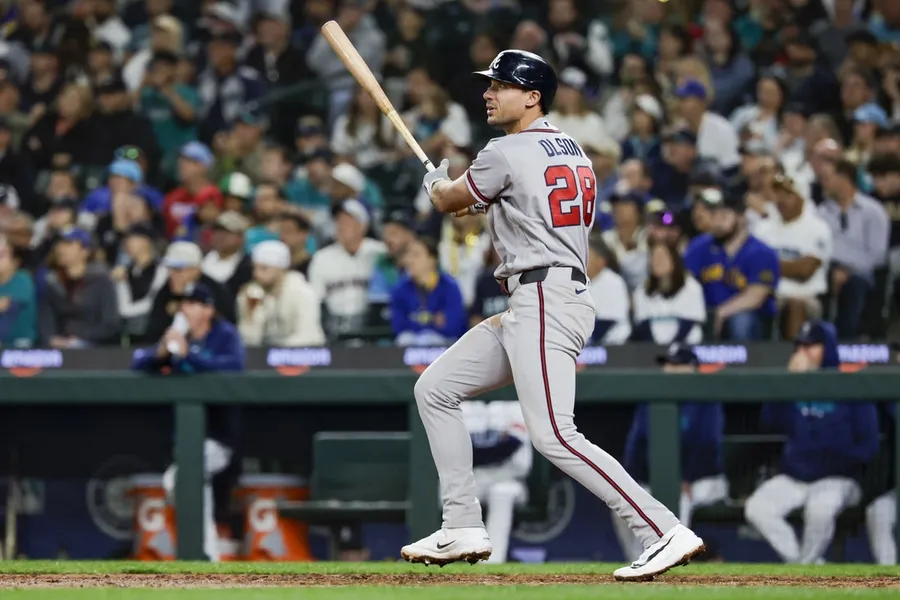
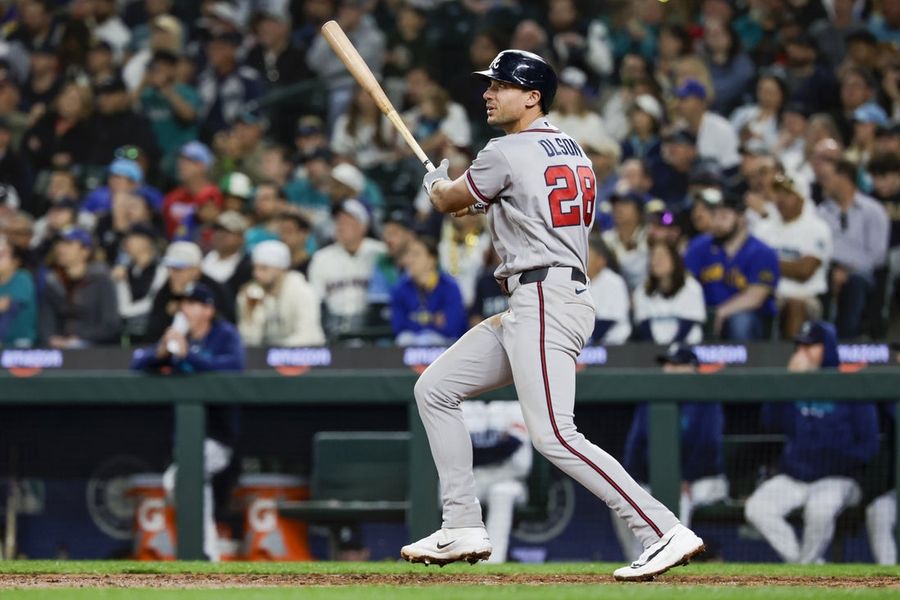
May 5, 2026; Seattle, Washington, USA; Atlanta Braves first baseman Matt Olson (28) hits a solo-home run against the Seattle Mariners during the ninth inning at T-Mobile Park. Mandatory Credit: Joe Nicholson-Imagn Images
Matt Olson hit a tiebreaking home run leading off the ninth inning as the Atlanta Braves rallied to defeat the host Seattle Mariners 3-2 on Tuesday night.
The Braves, who haven’t lost a series all season, will have a chance to continue that streak Wednesday afternoon when three-game interleague set wraps up.
Olson hammered a 2-1 slider from Mariners closer Andres Munoz (3-3) 412 feet to left-center field. It was Olson’s second homer in as many nights and his National League-leading 13th of the season.
Braves reliever Robert Suarez (3-0) pitched a 1-2-3 eighth and closer Raisel Iglesias, activated from the injured list (right shoulder inflammation) earlier in the day, worked the ninth for his sixth save.
The Mariners took the lead in the third. Mitch Garver drew a leadoff walk and an out later Crawford went deep to right field, his second consecutive game with a homer after hitting a go-ahead shot in a 5-4 victory Monday.
Advertisement
The Braves responded in the fourth. Ozzie Albies grounded a one-out single to center and took third on Olson’s single to right. Olson advanced to second on the play as Luke Raley’s throw sailed over the cutoff man in an unlikely attempt to nab Albies.
That proved pivotal as Mauricio Dubon grounded a two-out double just inside the first base bag, with both runners scoring to tie it at 2-2.
Braves right-handed starter Bryce Elder, pitched six innings and allowed two runs on as many hits, with three walks and a season-high nine strikeouts.
Advertisement
Mariners starter George Kirby went seven innings and gave up two runs on five hits. The right-hander walked one and fanned five.
Seattle’s Cal Raleigh served as the designated hitter after missing the previous three games with discomfort in his right side. He went 0-for-4 with three strikeouts.
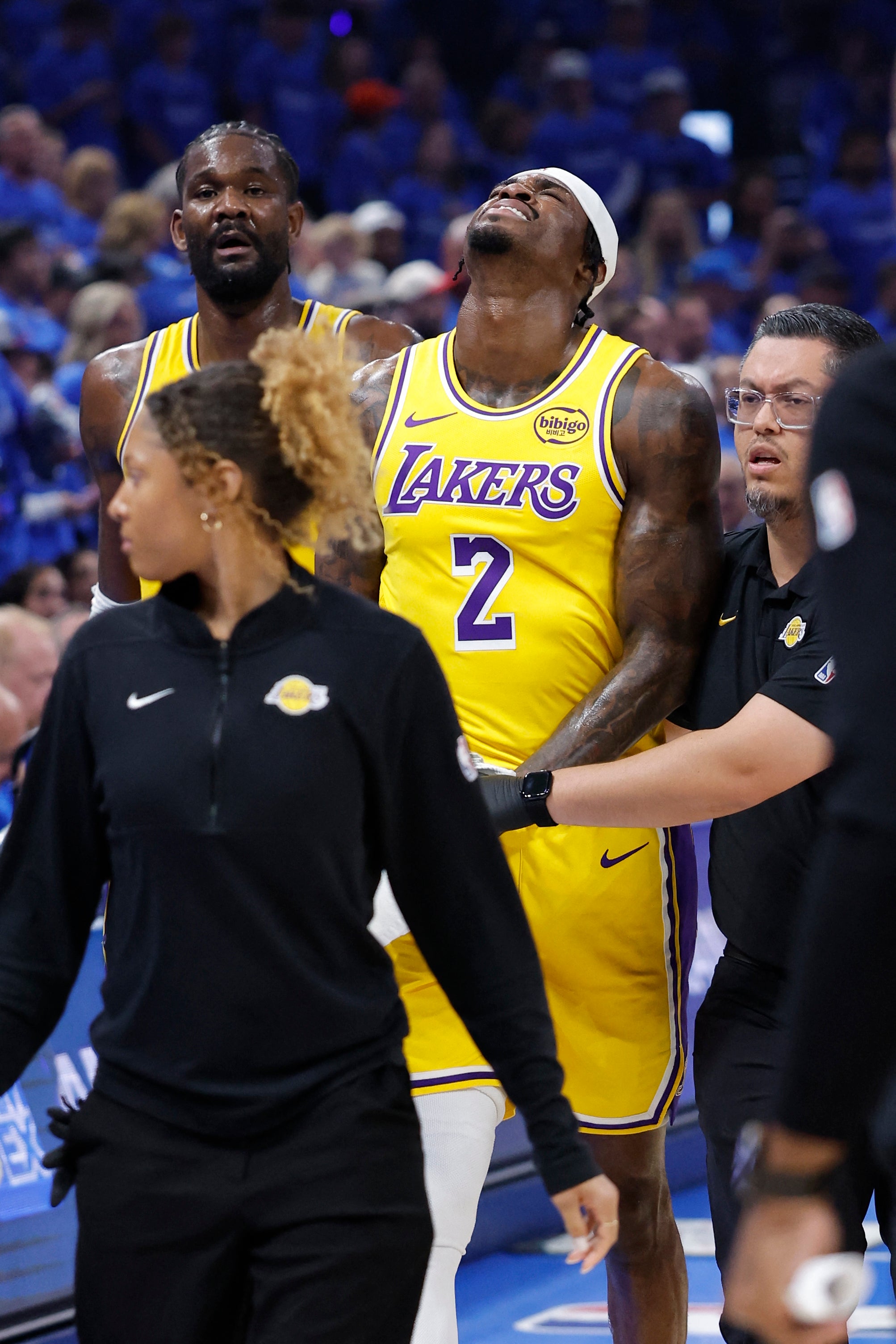
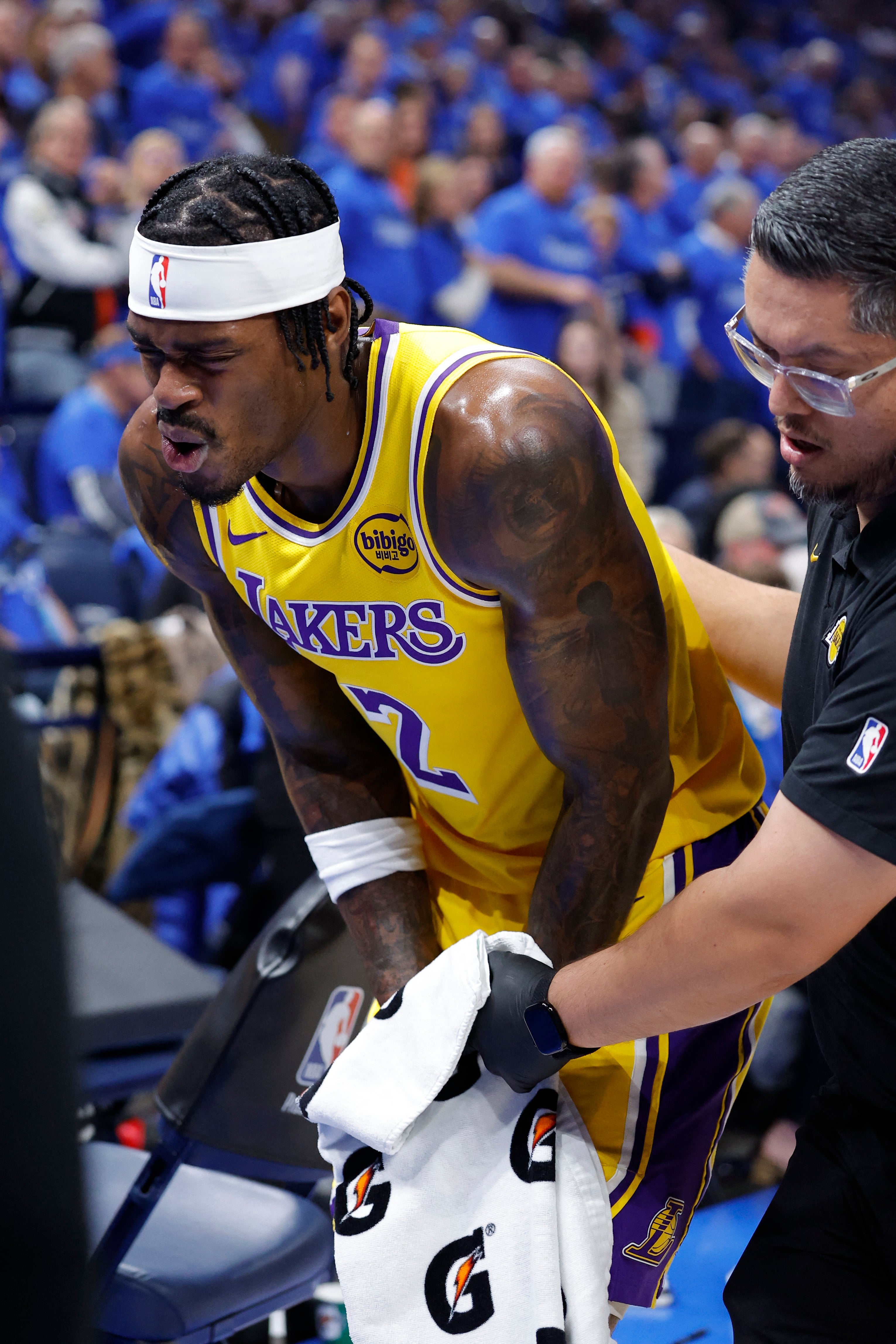
Los Angeles Lakers forward Jarred Vanderbilt sustained a severe right pinkie injury during Tuesday night’s Western Conference semifinal Game 1 against the Oklahoma City Thunder, an incident that visibly disturbed players on the opposing bench.
The injury occurred when Vanderbilt attempted to block a dunk by Thunder center Chet Holmgren. His finger struck the backboard, causing an immediate, painful reaction.
Thunder guard Jared McCain described the scene, stating, “I mean, it just — it looked pretty gruesome in my opinion. I don’t even know, to be honest, what I was looking at. It looked pretty bad, though. So, prayers for him. Sending him love.”
Jarred Vanderbilt (2) walks off the court and to the locker room in pain after a play against the Oklahoma City Thunder (Reuters)
The injury occurred when Vanderbilt attempted to block a dunk by Thunder center Chet Holmgren. His finger struck the backboard, causing an immediate, painful reaction (Reuters)
Vanderbilt was seen bending over in pain before exiting the game.
Lakers coach JJ Redick confirmed the severity, adding, “I went to go check on him because it just looked bad. He was audibly screaming. Knew he had done something. We’re obviously disappointed. But that happened, and it’s just a freak injury.”
The former Jazz player suffered a full dislocation of his right pinkie finger, reports ESPN. The injury required stitches as the bone broke through the skin. During the live coverage of the game, NBC’s announcers called the injury “gruesome.”
Advertisement
It’s not known how much game time Vanderbilt will miss; the Houston native is a left-handed shooter. The Lakers are already without star Luka Doncic, who is battling a hamstring strain.
The loss of Vanderbilt, who had played six minutes and scored two points, reduced the Lakers’ nine-man rotation to eight. At the time of the injury, Holmgren’s dunk had put the Thunder up 48-39 in the second quarter.
Oklahoma City went on to win the game 108-90, leading 61-53 at halftime.
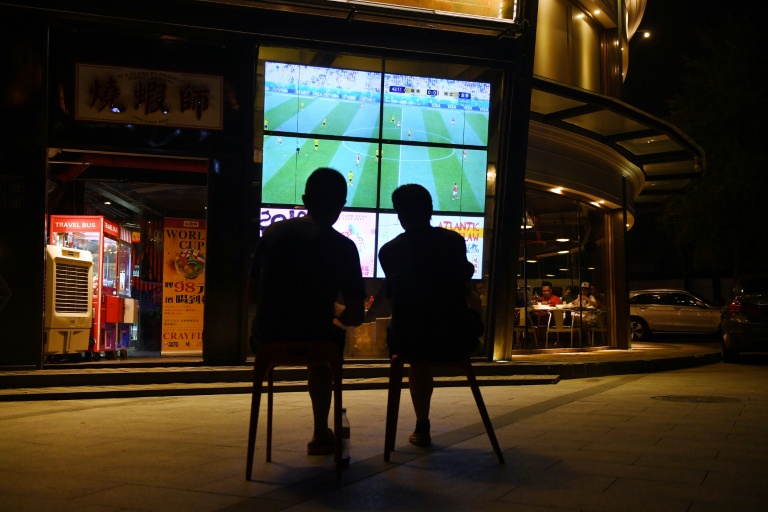
Swathes of football-mad Asia from China to India and Thailand are yet to confirm broadcast rights for the biggest-ever World Cup with kick-off barely one month away.
Unsociable match times in the region is one reason why hundreds of millions of fans have been left sweating about whether they can watch from their sofas.
Advertisement
Football’s showpiece is being co-hosted by the United States, Canada and Mexico and begins on June 11 when the Mexicans face South Africa.
Advertisement
For fans in Beijing and Shanghai the opening match will start at 3:00 am, as will the final.
In New Delhi that is 12:30 am, although some games will be better timing in Asia.
Sandeep Goyal, chairman at advertising agency Rediffusion, told AFP that he was “privy to some discussions” between football’s governing body FIFA and Indian broadcasters.
“The first problem is of match timings,” said Goyal.
Advertisement
“The bigger, better matches are at 12:30 am or 3:30 am. A few at 6:30 am. Except die-hard soccer fans, match viewership is likely to be low in India.
Advertisement
“Therefore monetisation opportunities for the channels come down massively.”
Goyal said that JioStar, India’s largest media conglomerate, had offered $20 million for the rights. Sony did not make an offer, he said.
Advertisement
FIFA originally wanted $100 million for the 2026 and 2030 World Cup rights, Indian media has said.
“The final deal is likely to close at much lower than what FIFA is looking for,” Goyal added.
– PM gets involved –
Like India, China has also not announced a deal for a tournament that has a most-ever 48 teams and 104 matches.
Advertisement
Neither country — which combined have a population of nearly three billion — is playing at the World Cup but interest is intense, particularly in China.
Advertisement
The country accounted for 49.8 percent of all hours of viewing on digital and social platforms globally during the Qatar 2022 World Cup, according to FIFA.
State media weighed in this week, with the Global Times citing a 2015 regulatory notice saying that national broadcasting behemoth CCTV has the exclusive right to negotiate and buy World Cup broadcasting rights in China.
Advertisement
“Historically, CCTV has secured World Cup rights well in advance,” the Global Times said.
“For previous editions, agreements were typically concluded early enough to allow for extensive promotion and advertising campaigns.”
Advertisement
Thailand have never reached the World Cup but football is wildly popular there — and there is no confirmed deal.
Advertisement
Thailand’s National Broadcasting and Telecommunications Commission (NBTC) removed the World Cup from a “must-have” list last June, meaning the tournament no longer has to be shown on free-to-air television.
Thailand’s prime minister was moved to assure fans on Tuesday that they would not miss out.
“Previous governments ensured free access to the World Cup, and my administration should not be an exception,” Anutin Charnvirakul told reporters.
Thailand struggled to secure live rights for the previous tournament in 2022, before the Sports Authority of Thailand finalised a last-minute reported $33 million deal with FIFA, funded by the NBTC and private partners including telecom giant True Corp.
Advertisement
Advertisement
Malaysia’s communications ministry announced Wednesday that the national broadcaster Radio Televisyen Malaysia and Unifi TV will show the tournament there, after reports in local media said there was haggling behind the scenes.
– ‘Deals will be reached’ –
James Walton, sports business leader at Deloitte Asia Pacific, said that headlines screaming of millions of fans missing out in Asia were wide of the mark.
Advertisement
“This happens every cycle in some countries,” he told AFP via email.
“The country broadcasters want the best deal as they have to balance this cost against potential revenues from advertising (for commercial broadcasters) or social benefit (for public/government-owned broadcasters).
Advertisement
“Meanwhile, the rights holders know that this is a one-off opportunity to sell a time-sensitive rights package.
Advertisement
“The reality is that it’s almost unthinkable for most countries to not show the World Cup,” he said.
“So one way or another, a deal will be reached.”
“Realistically, fans in all these countries will definitely get to watch as their governments will realise the potential for unrest,” Walton added.
“And FIFA will want to ensure their flagship event gets maximum coverage to fulfil sponsor commitments, raise the profile of the sport and to avoid encouraging piracy.”
Advertisement
Advertisement
Asked by AFP if it was worried about the rights issue with the World Cup coming up fast, FIFA said that it had sealed agreements with broadcasters in more than 175 countries.
“Discussions in a few remaining markets regarding the sale of media rights for the FIFA World Cup 2026 are ongoing and must remain confidential at this stage,” it said.
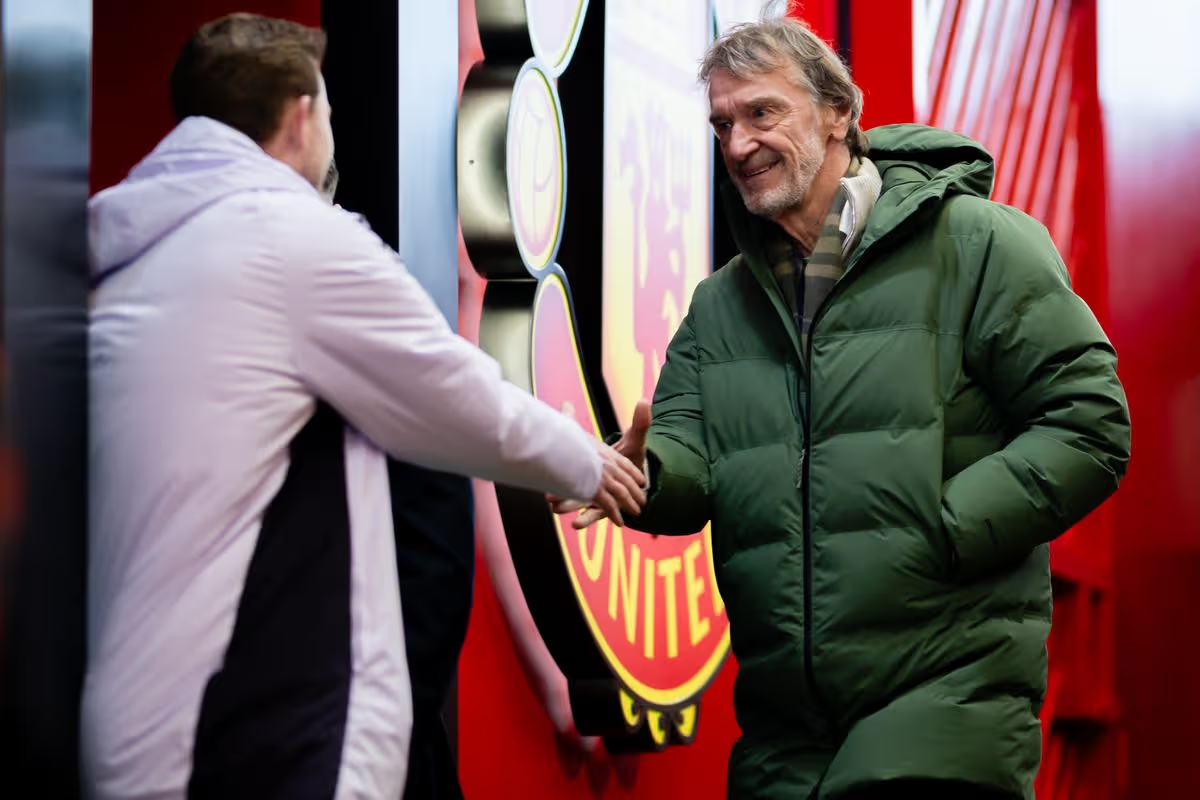
Manchester United will compete in the Champions League next season and their transfer budget for the summer window has been boosted as a result
Manchester United have bolstered their summer spending power after qualifying for the Champions League. That means the transfer gurus at Old Trafford can start planning immediately for next season.
The Englishman took over from Amorim in January and has won 10 of his 14 matches in charge. United are now third in the league and have already sealed a spot in the Champions League with three games to go.
Get MEN Premium now for just £1 HERE – or get involved in our United WhatsApp group by clicking HERE. You can also join our United Facebook page by clicking HERE and don’t miss out on our brilliant selection of newsletters HERE.
Mateus Fernandes
The Daily Mail reports that United could spend £150m on three new midfielders this summer, with one of them perhaps being West Ham’s Mateus Fernandes. The Portuguese star has been linked with a move to Old Trafford in recent weeks.
Advertisement
West Ham signed Fernandes for £38m from relegated Southampton last summer and he was reportedly on United’s radar before this move. With the Hammers now threatened by the drop too, interest in the 21-year-old could be ramped up.
Fernandes would likely leave the London Stadium if West Ham do go down and United could lay the groundwork for a potential summer deal beforehand.
Morgan Rogers
One of the Premier League’s hottest prospects is Aston Villa star Morgan Rogers. The England forward arrived at Villa Park in 2024 for £8m and has been nothing short of a sensation.
La Gazzetta dello Sport reports that United view Rogers as a potential successor to Bruno Fernandes and he is the club’s top target this summer. They could be in contact sooner rather than later for a star whose valuation sits at a reported £86m.
Sandro Tonali
Enabled by the £150m reported midfield warchest, Newcastle’s Sandro Tonali could also be pursued. The Italian was linked with a shock move away from St James’ Park in January.
Advertisement
Reports suggest he is keen to stay in England if he moves on this summer, which is on the cards as The Manchester Evening News understands the 25-year-old is admired by the Reds and has emerged as a potential replacement for Casemiro, who is set to leave at the end of the season.
But with Spanish outlet Diario AS reporting that Real Madrid have shown an interest in Tonali, Ratcliffe and Co. could act hastily and gets the wheels in motion sooner rather than later.
Carlos Baleba
Brighton ace Carlos Baleba was the subject of intense transfer speculation last summer. Still, with cash splashed elsewhere on the likes of Bryan Mbeumo, Matheus Cunha and Benjamin Sesko, this was put on ice.
Advertisement
The Cameroonian has not enjoyed the best of seasons for the Seagulls, but with Casemiro departing and Manuel Ugarte another who could bid farewell, United’s desire could be reignited.
According to The Athletic, United may start negotiating for Baleba and begin their assault with a £50m bid. Personal terms are not thought to be an issue.
Maxi Araujo
Another player United may have to start pursuing with some urgency is Sporting CP’s Maxi Araujo. The left-back has starred for the Portuguese side this season.
Advertisement
On the back of some stellar outings in the Champions League for Sporting, Araujo has found himself linked with a host of top clubs. These reportedly include Arsenal, Manchester City and Chelsea, as well as other European sides.
United are also on said list and if they want to pull off a deal for the 26-year-old, valued at a reported £43m, they should get a move on and begin their inquiries.
Sky Sports, HBO Max, Netflix and Disney+ with Ultimate TV package
Advertisement
This article contains affiliate links, we will receive a commission on any sales we generate from it. Learn more
Sky has upgraded its Ultimate TV and Sky Sports bundle to now include HBO Max, Netflix, Disney+, discovery+ and Hayu, as well as 135 channels and full Sky coverage of the Premier League and EFL.
Sky broadcasts more than 1,400 live matches across the Premier League, EFL and more with at least 215 live from the top flight alongside Formula 1, darts and golf.
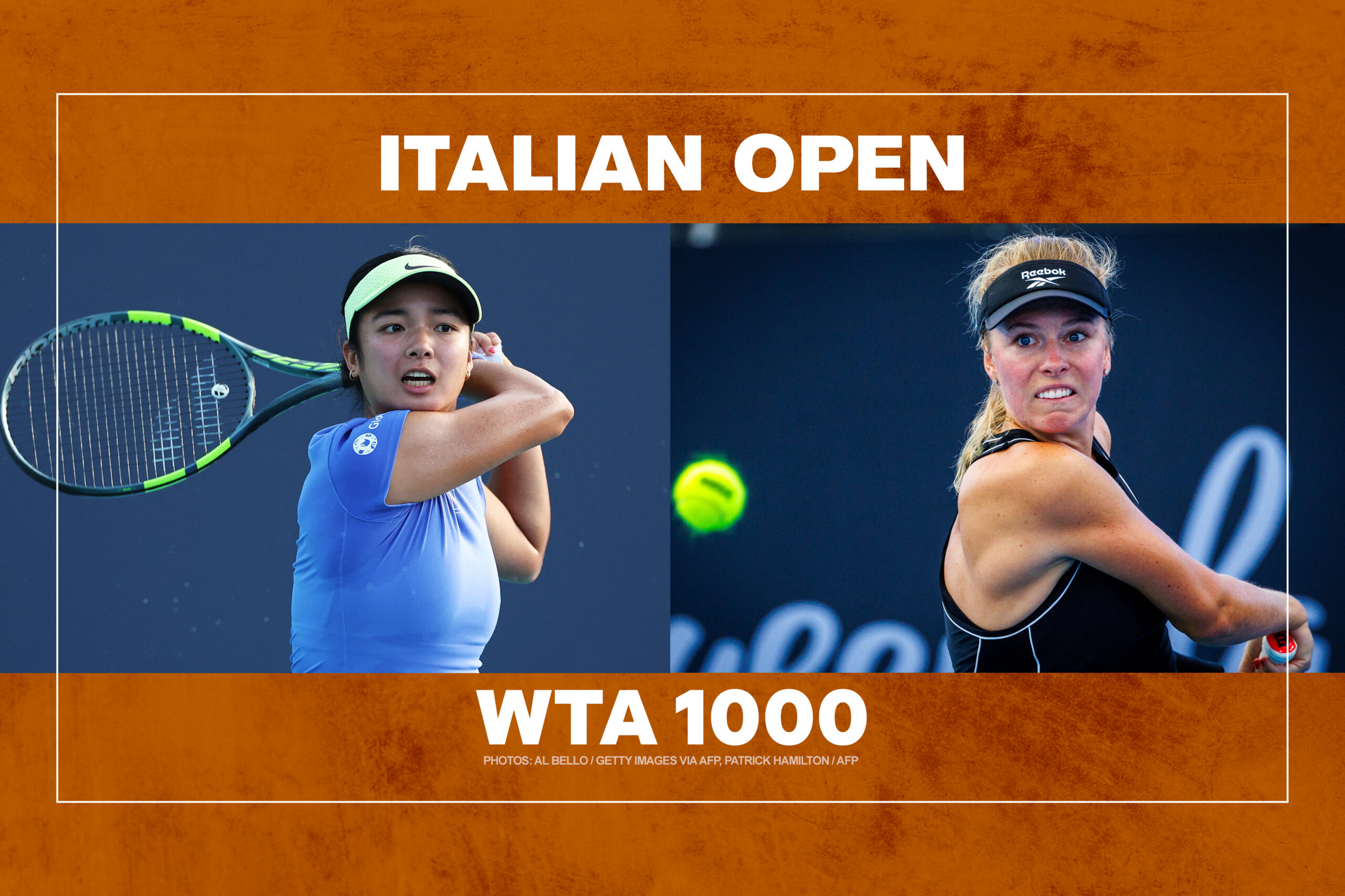
Alex Eala begins her bid in the 2026 Italian Open against world No. 45 Magdalena Frech from Poland.
SCHEDULE: Italian Open
5pm** – Alex Eala vs Magdalena Frech
Filipino tennis player Alex Eala in action at the Mutua Madrid Open 2026. –INSTAGRAM
MANILA, Philippines–Alex Eala faces an early tough test in the 2026 Italian Open round of 128 against Poland’s Magdalena Frech on Wednesday (Manila time).
Eala is expected to have an uphill climb in Rome, where she could meet World No. 2 Elena Rybakina as early as the round of 32.
But that’s assuming she gets past Frech first and Chinese World No. 33 Wang Xinyu, who drew a bye into the second round. Wang outlasted Eala in the ASB Classic semifinal in Auckland, New Zealand last January.
Advertisement
Frech, No. 45 in the WTA, reached a career-high ranking of 22nd in October of last year.
Your subscription could not be saved. Please try again.
Your subscription has been successful.
Advertisement
Advertisement
Read Next
Advertisement
Don’t miss out on the latest news and information.
Subscribe to INQUIRER PLUS to get access to The Philippine Daily Inquirer & other 70+ titles, share up to 5 gadgets, listen to the news, download as early as 4am & share articles on social media. Call 896 6000.
Advertisement
For feedback, complaints, or inquiries, contact us.
Mikel Arteta’s side booked their place in the showpiece in Budapest on 30 May with a 2-1 aggregate victory over Atletico Madrid.
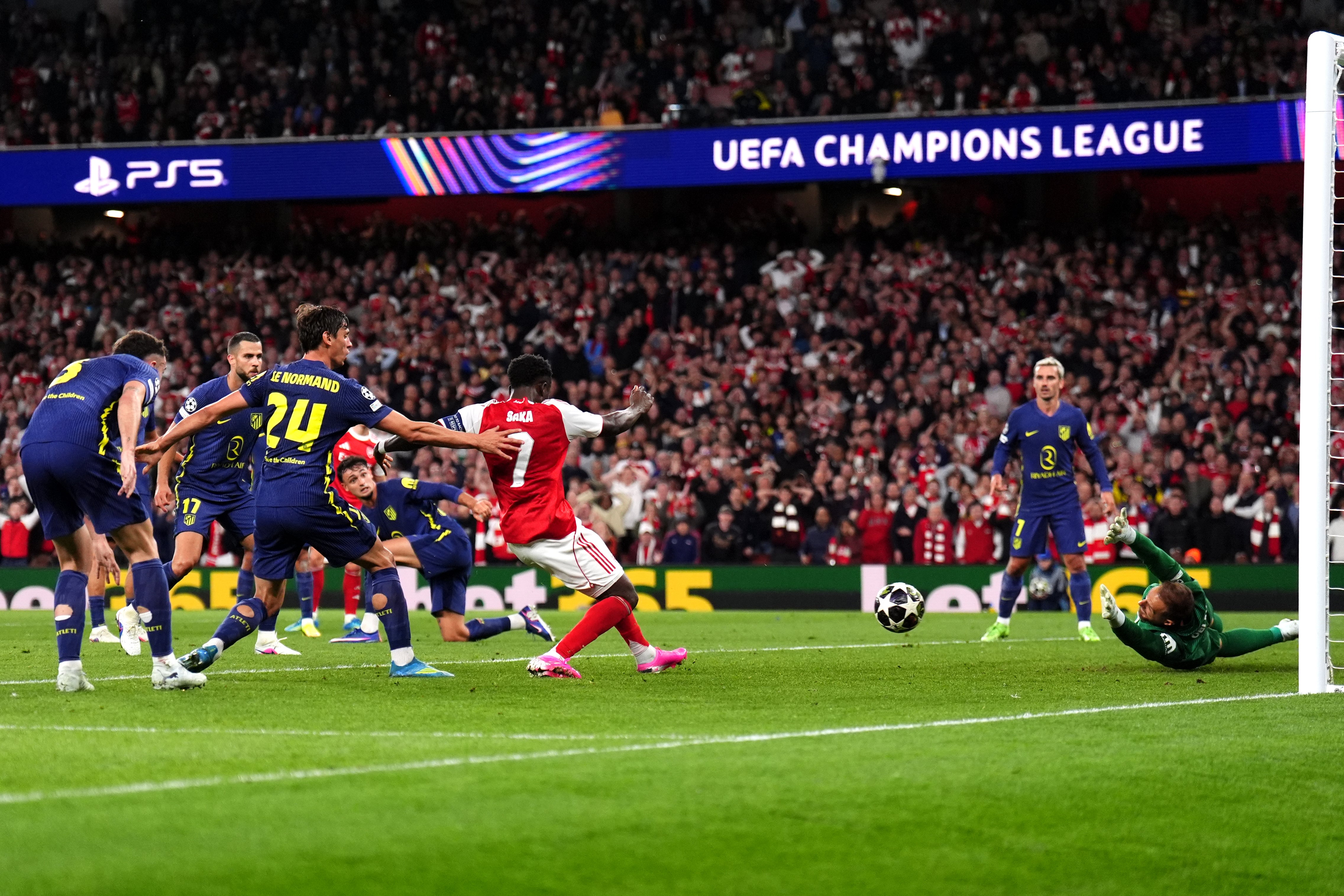
Bukayo Saka’s first-half tap-in in Tuesday’s semi-final second leg was enough to propel the Gunners to the final after a 1-1 stalemate in the first leg, putting them a step closer to a first Champions League title – as well as in the driving seat in the Premier League title race.
Saka’s goal at the Emirates Stadium sparked wild celebrations and fans flooded the pitch at full-time to celebrate with the players, leading to criticism from Rooney.
He said on Amazon Prime: “They deserve to be in this position but they haven’t won it yet. I think the celebrations are a little bit too much. Celebrate when you win.”
Advertisement
Former Arsenal star Wright was quick to respond, posting a video to social media in which he said: “Arsenal fans, let me tell you something: enjoy this. The celebration police will be out in force, do not get nicked!
“Enjoy yourselves, football’s about moments and this is a big moment. Enjoy it and let’s hope that in the final and after the final we have another massive moment. It’s a great day!”
Midfielder Declan Rice was also quick to encourage celebrations, telling Amazon Prime after the win: “I don’t think you can underestimate what we have done in this competition up to this point.
“We have every right to celebrate that moment. The most prestigious competition in club football. We are just trying to soak it all in.
Advertisement
“We knew coming into the game what was at stake. If you can’t get up for that, then you can’t get up for any game of football.
“When we went 1-0 up, I knew we were going to win. I could feel something special building.”
Bukayo Saka’s goal made the difference (PA Wire)
The atmosphere at the Emirates has occasionally come under criticism in recent seasons for failing to replicate the kind of vocal support enjoyed at other team’s home grounds.
But a superb atmosphere was created from before kick-off on Tuesday night as supporters greeted the team bus with flares and chants, the first time that has happened, and Arteta paid tribute to that warm reception afterwards.
He said: “It was an incredible night. We made history again together and I cannot be happier and prouder for everybody that’s involved in this football club.
Advertisement
“The manner that we [were] received outside the stadium was special and unique. The atmosphere, our support has created the energy, the way they managed every ball with us… I never felt that in the stadium [before].
“We knew how much it meant to everybody… the boys did an incredible job and after 20 years and a second time in our history, we are back in the Champions League final.”
Abdullah Mason‘s highly-anticipated return to the ring has been officially announced, as he takes on Welshman Joe Cordina in Cleveland.
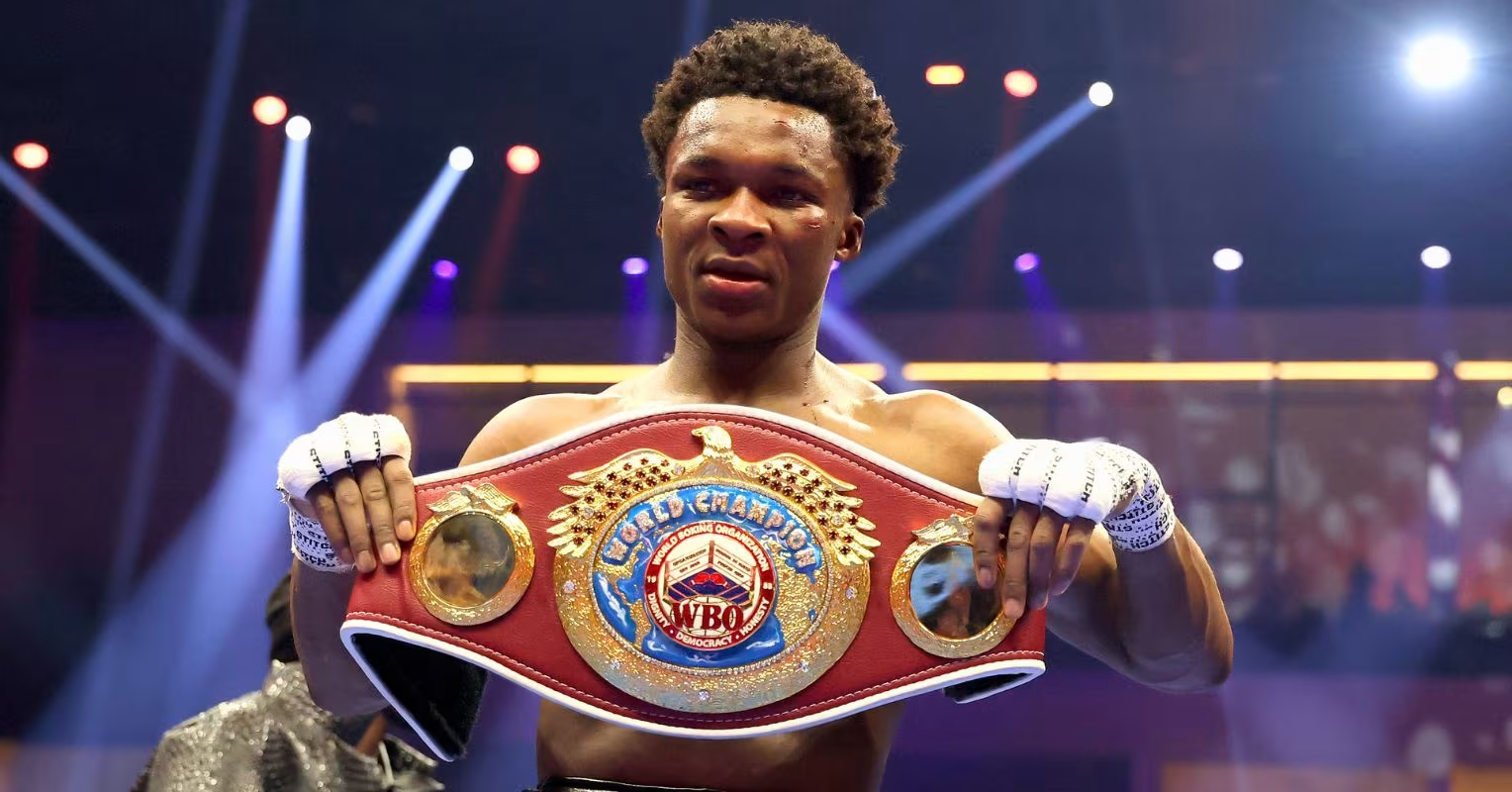
Mason is widely-regarded as one of the most exciting young fighters in the entire sport, with the 22-year-old having become world champion when he competed in Riyadh, Saudi Arabia back in November.
The first defence of that newly-won title has now been confirmed, and after overcoming one Brit in Noakes, Mason will now turn his attention to another, as he prepares to face Joe Cordina on July 4 at the Wolstein Center in Cleveland, Ohio.
“July 4th is the homecoming that my brothers and I have been anticipating since before we turned pro. I’m ready to experience all of my city’s support in one building, and I have an appetite for smoke. So if you love boxing and you’re ready for some smoke, then the Wolstein on July 4th is the place to be. It’s a cookout at the Wolstein, and the clock is ticking. You’re all invited to your world champion’s first homecoming, and you don’t want to miss it.”
The Welshman lost his title to Anthony Cacace back in May 2024, but has won both of his fights since moving up to lightweight, and now attempts to become a two-division champion by pulling off the upset and dethroning Mason.
Mason isn’t the only world champion that will be defending his world title on the card, as in the co-main event, Bruce Carrington puts his WBC featherweight title on the line against Rene Palacios.
Advertisement
Carrington won the vacant WBC strap with a ninth round stoppage win over Carlos Castro in January, and now meets Mexico’s Palacios, who holds a record of 19 wins and 1 draw from his 20 bouts.
The event is the first in a new monthly live boxing series, The Fight, to be shown onTNT and DAZN in the US and DAZN Worldwide.







































You must be logged in to post a comment Login