Connect with us
DAPA Banner
DAPA Coin
DAPA
COIN PAYMENT ASSET
PRIVACY · BLOCKDAG · HOMOMORPHIC ENCRYPTION · RUST
ElGamal Encrypted MINE DAPA
🚫 GENESIS SOLD OUT
DAPAPAY COMING

NewsBeat

What the government’s plan for social cohesion gets wrong about community division

Published

on

What the government’s plan for social cohesion gets wrong about community division

The government’s new social cohesion action plan, Protecting What Matters, is frank about its urgency: “Social cohesion is … not just a good in and of itself. It is also a vital front in the resilience of our national security.”

The 2024 Southport attacks and subsequent disorder, rising religious hate crime, unrest over migration policy and domestic extremism have all forced the issue of community division. Yet the government’s answer, built around integration, interfaith dialogue and civic ceremonies, mistakes the symptom for the disease.

“Cohesion” is vague, unmeasurable and elastic enough to mean whatever the government of the day needs it to mean. People describe the places they love as close-knit and safe, not “cohesive”.

A better framework would be community resilience: the measurable capacity of neighbourhoods to absorb shocks, resist divisive narratives and recover from crises. You cannot integrate people who are isolated, impoverished and without the infrastructure to bring them together. COVID laid bare what the evidence already showed: communities with stronger social infrastructure and higher levels of social capital demonstrated greater resilience to the pandemic’s social and economic shocks.

Advertisement

The government strategy does contain a chapter on “resilient communities”. However, it frames resilience narrowly, as emergency management of religious and political extremism, rather than as the everyday and routine fabric that makes any form of solidarity possible at all.

The missing piece

There is an extraordinary gap in Protecting What Matters. While there is acknowledgement of the effects of “visible deterioration of public services”, the word “poverty” does not appear once. The plan frames division through religion, identity and Islamophobia, which are outcomes and proxies, not root causes.

A study of over 15,000 residents across 839 English and Welsh neighbourhoods, validated by a 2024 analysis of the Understanding Society dataset, shows that deprivation, not diversity, erodes trust, participation and neighbourliness. Once you control for poverty, diversity is associated with higher volunteering and charitable giving. The crisis of solidarity is a crisis of resources, not cultural difference.

There is an undertone of nostalgia in the government’s plea for communities to “integrate”, a wistfulness for tight-knit mining towns where everyone knew their neighbour. But those communities were built on something material: secure jobs, union membership, working men’s clubs and shared economic fate.

Advertisement

More in Common’s 2025 polling finds that 44% of Britons sometimes feel like strangers in their own country – a figure that could be read as evidence of cultural division. But More in Common’s own analysis shows this alienation is concentrated in economically left-behind areas, not diverse ones. People do not feel like strangers because their neighbours look different. They feel like strangers because the institutions that once made them feel they belonged – clubs, pubs, unions and jobs – have gone.

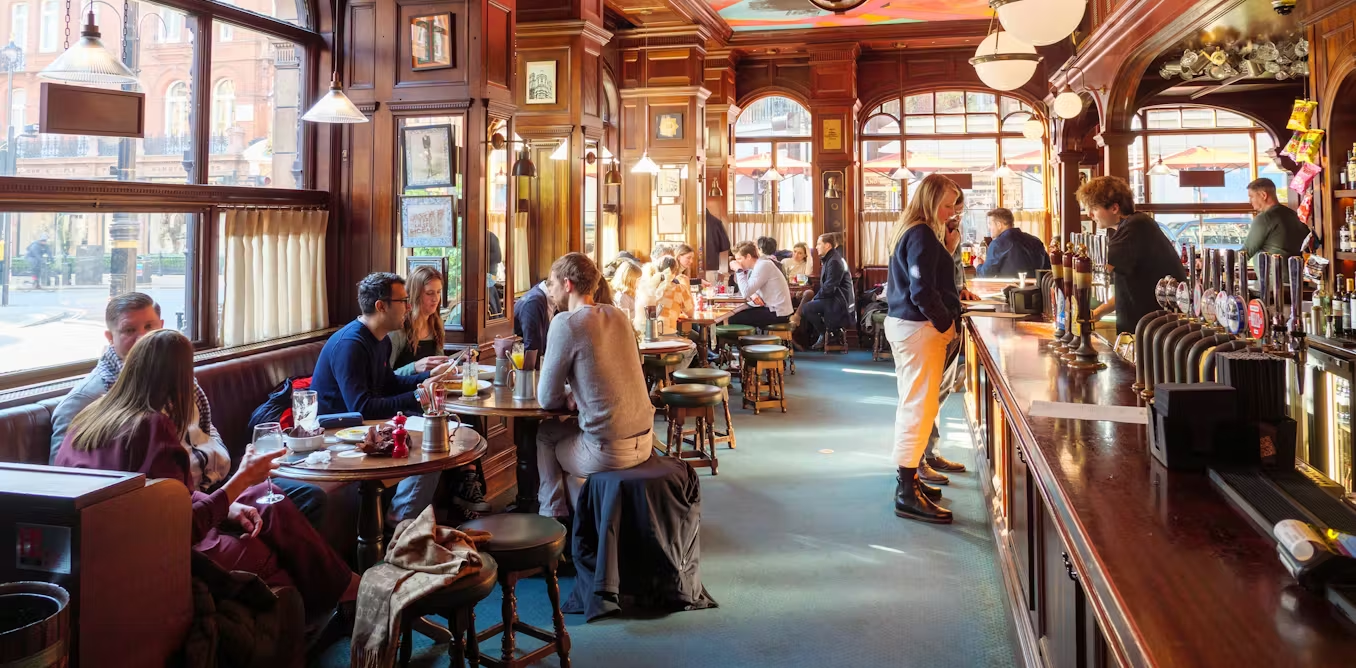
The loss of social infrastructure has been devastating to communities across Britain.
chrisdorney/Shutterstock

The argument that more homogenous communities are more cohesive is seductive, but weak. Britain’s most ethnically diverse neighbourhoods are not its least cohesive – they are, as Manchester researchers found, its healthiest. Mining towns were cohesive despite being male-dominated, often racially exclusive and economically coercive. The lesson is to replicate not their demographics, but the material conditions: jobs, institutions and shared infrastructure that give people a reason to show up.

Work provides far more than income: it furnishes identity, routine and daily social connection. Unemployment is not merely an economic condition; it is an isolating one.

A recent randomised controlled trial by the Department for Work and Pensions found that structured group job-search workshops improved both mental health and employment outcomes among benefit claimants, precisely because they restored the social support, routine and shared purpose that work normally provides. Community resilience cannot be separated from economic development. Departments such as DWP and Jobcentre Plus have a direct stake in the social capital agenda.

Advertisement

Building resilient communities

Research I have conducted at the Independent Commission on Neighbourhoods (ICON) and a recent Joseph Rowntree report show that social infrastructure is key to resilience, but that different communities have different needs.

New housing developments need parks and primary schools from day one: accessible spaces that create early encounters and establish trust between newcomers. Established but deprived communities need to restore what has been stripped away, whether the pub, the library or the community centre. Sports facilities build bridging connections across difference, faith buildings deepen bonds within communities and civic spaces create the linking ties between residents and institutions. The task is to match the infrastructure to the social capital gap, not apply a single template everywhere.

The real test, which my colleagues and I call the “Wet Wednesday Night Test”, is whether your investment in social infrastructure gets 14 people to turn up for football (or cub scouts, or a book group) on a wet Wednesday in February. Nobody comes to “build social capital”. They come because the pitch is free, the lights work and there are hot showers. The pint afterwards does more for integration and social capital than any strategy document ever will.

Photo focused on a football sitting on grass while players celebrate in the background
People don’t show up to the football pitch to ‘build social cohesion’.
Natee K Jindakum/Shutterstock

ICON’s research, drawing on over 100 peer-reviewed studies, shows that social infrastructure generates £3.50 for every £1 invested. Every £10,000 invested prevents an estimated £105,000 in riot damages.

During the 2011 riots, 71% of incidents occurred in areas ranked among the most deprived 10% of England – the same year in which 287 community centres had closed. The government described this as a “social cohesion” problem; it was a social infrastructure problem.

Advertisement

The government’s £5 billion Pride in Place programme makes a start at investing in communities. But more investment is needed to address the challenges in our most deprived neighbourhoods, where people face life expectancy four years below the national average.

A serious approach would use existing schools, job centres and childcare settings as social hubs, and make public transport free for under-18s so that young people can move around their own towns. And, it would tackle the poverty, insecure work and collapse of institutions that once gave people a reason and the means to show up for each other.

Build those foundations and what politicians call “cohesion” will follow. Nobody will use that word to describe what they feel when they step outside of their front door. They will just say it is a good place to live. That is enough.


Advertisement

Source link

Continue Reading
Click to comment

You must be logged in to post a comment Login

Leave a Reply

NewsBeat

Period drama based on ‘heartbreaking’ true story perfect for The Other Bennet Sister fans

Published

on

Wales Online

The Dig is a 2021 Netflix period drama starring Ralph Fiennes and Carey Mulligan, based on John Preston’s novel about the true story of the Sutton Hoo excavation

A gripping period drama starring some of Britain’s most celebrated actors is garnering extensive praise for its powerfully moving narrative, breathtaking visual style, and exceptional acting.

Advertisement

Directed by Simon Stone, with the screenplay crafted by Moira Buffini and John Preston, this 2021 film is based on Preston’s own novel bearing the identical title.

Upon its 2007 publication, The Dig received acclaim as “a brilliantly realized account of the most famous archaeological dig in Britain in modern times”. Preston, formerly a television critic, is the nephew of one of the actual participants in the excavation.

The Dig revisits the remarkable events surrounding the Sutton Hoo Excavation of 1939, which took place in Suffolk, England.

Headlined by Ralph Fiennes and Carey Mulligan in the lead parts, the pair are supported by a superb supporting cast including Lily James, Johnny Flynn, Ben Chaplin, Ken Stott, Archie Barnes, and Monica Dolan.

Advertisement

The Dig received a limited cinema release from 14 January 2021, before arriving on Netflix on 29 January that same year. During its debut weekend alone, this ‘engrossing’ period drama soared to become the third-most streamed title on the service, attracting rave reviews from viewers and critics alike.

It also secured five BAFTA nominations, including Outstanding British Film. The film’s official synopsis states: “An excavator and his team discover a wooden ship from the Dark Ages while digging up a burial ground on a woman’s estate.”

The Dig has earned an impressive 88% critics’ approval rating on the review aggregator site Rotten Tomatoes.

Advertisement

One reviewer said: “It’s really something when a film is not too concerned with the aesthetic but will find the beauty in discovery of one’s own. The Dig is a good picture, wonderfully acted (Ralph Fiennes is tremendous here), and an engrossing reimagining.”

Another added: “Don’t be fooled by the digging and the dirt, this Netflix feature is one of those rare hidden gems just waiting to be unearthed. Quintessentially English, full of charm and tenacity Ralph Fiennes and Carey Mulligan put in star performances.”

A third wrote: “A rich array of subdued performances and exceptional handheld cinematography grace a delicately woven British period piece. A finely observed film made up of small, touching moments, The Dig is testament to the virtues of understated acting.”

Advertisement

While one critic said: “It’s remarkably moving. By Jupiter, I even cried by the end.”

Audiences were equally enthusiastic about the film, with one overwhelmed viewer writing: ” It is astonishing to me how much I enjoyed this movie. I typically dislike period pieces…especially British period pieces…but here we are. This exudes so much subtle emotion, atmosphere, and significance that I was pretty taken aback by how big this relatively small story feels.

“The juxtaposition between the marvel of their discovery and the horror of the inevitable war is very felt and the absolutely brilliant acting in The Dig breathes real life into every moment. I wouldn’t say this bowled me over with its story as it’s really quite simple, but it’s the pure humanity it was able to quietly pour over me that left me thoroughly impressed. Banger of a movie.”

Another thoroughly impressed viewer wrote: “I found the story moving and consequential. The acting was superb. Mulligen, Fiennes and James were outstanding. If you have visited the British Museum this movie/story will resonate and leave you searching for more details. It was an inspiring story.”

Advertisement

Meanwhile, a further fan said: “This isn’t my type of film usually, but I found it to be enchanting and captivating. Carey Mulligan and Ralph Fiennes are excellent, as is the young lad . A window on a dangerous time but also captures the charm of England back then , when everyone had manners and everything was done with TLC.”

The Dig is currently available to stream on Netflix.

Source link

Advertisement
Continue Reading

NewsBeat

Edinburgh among major UK airports facing flight disruptions to tourist hotspots – full list

Published

on

Daily Record

At least 19 departures have been affected at major UK airports including London Heathrow, London Gatwick, Manchester and Edinburgh

Major airports throughout the UK have been hit by flight disruptions and travellers heading to popular destinations should prepare for potential knock-on effects.

Services have been impacted at key hubs including London Heathrow, London Gatwick, Manchester and Edinburgh airports, with at least 19 departures affected across these hubs.

Advertisement

The disruption is not confined to one region or carrier – it stretches across multiple international networks covering Europe and North America, according to Travel and Tour World.

Services to Malaga, Barcelona, Geneva, Milan, Stockholm, New York and Washington are among those hit by the chaos.

London Heathrow Airport has borne the brunt of the disruptions, with both short-haul and long-haul services impacted, including:

  • American Airlines AAL731 to Charlotte/Douglas International
  • American Airlines AAL173 to Raleigh-Durham International
  • JetBlue JBU2220 to John F Kennedy International
  • Aer Lingus EIN177 to Dublin
  • British Airways BAW770 to Stockholm-Arlanda
  • British Airways BAW584 to Milan Malpensa
  • British Airways BAW574 to Milan Linate
  • British Airways BAW752 to Geneva
  • British Airways BAW480 to Barcelona
  • British Airways BAW426 to Malaga
  • British Airways BAW1318 to Aberdeen
  • British Airways BAW418 to Luxembourg

Gatwick and Manchester airports experienced less severe disruption:

  • Norse Atlantic Airways NSZ4452 to Stockholm-Arlanda (from Gatwick)
  • SAS SAS2548 to Stockholm-Arlanda (from Manchester)

Edinburgh Airport has seen problems primarily on its transatlantic routes to the US, though some European services have also been hit:

  • SAS SAS2546 to Stockholm-Arlanda
  • JetBlue JBU72 to John F Kennedy International
  • United Airlines UAL979 to Washington Dulles International
  • United Airlines UAL3906 to Washington Dulles International
  • British Airways BAW1463 to London Heathrow

The knock-on effect of one delayed or cancelled flight can ripple through the entire network, given how interconnected the aviation industry is.

Passengers are urged to monitor updates from both their departure and arrival airports, and stay informed through their airline’s official channels.

Advertisement

Source link

Continue Reading

NewsBeat

Champions League final: How Luis Enrique’s Paris St-Germain have been transformed

Published

on

Guillem Balague column byline

In 2011, PSG were a paradox: a major European capital with a vast talent pool, yet a club lacking structure, prestige and stability.

They had no stars, no sustainable model and no clear footballing philosophy.

Despite having had big names like Ronaldinho, Pauleta, Ludovic Giuly and Claude Makelele in the first decade of the 21st Century, PSG needed to be seen in the eyes of the football world as relevant and credible before they could even dream of competing with Europe’s elite.

The ultras were banned after violence ended in the death of a fan, leaving the Parc des Princes without its most passionate supporters for the first five years of the new era. They only came back in 2016 when Al-Khelaifi decided the majority could not be held responsible for the actions of a few.

Advertisement

The early years of QSI were defined by aggressive spending. Critics labelled it the ‘bling‑bling era’ but internally it was seen as the quickest way to get to the top.

As is the case with Newcastle and Manchester City, PSG have had to answer questions about the source of their funding and their owners have been accused of ‘sportswashing’, which is when nations invest in sports to help clean up their tarnished reputations.

Signing global superstars – Zlatan Ibrahimovic, Neymar, Kylian Mbappe, Lionel Messi – helped force PSG into the global conversation.

This phase brought domestic dominance and deep Champions League runs. But it also created internal tensions. Stars dictated dressing‑room dynamics, influenced tactical decisions and sometimes overshadowed the collective with inane disputes over things like training schedules or even who should take penalties.

Advertisement

The 18-year-old Mbappe and his family told club representatives he would join PSG instead of Real Madrid only if he was guaranteed to play every game – and Neymar had it written into his contract that he had the power to decide not to travel to some games.

When basketball legend Kobe Bryant visited the old training ground, Neymar and Mbappe wanted to break with the schedule prepared by then head coach Unai Emery.

He had them resting. They wanted to train with a sometimes-missing enthusiasm to impress Kobe. That battle was won by Emery – but those clashes left scars.

This era built PSG’s global brand but it also exposed the limitations of a star‑centric model.

Advertisement

Source link

Continue Reading

NewsBeat

Champions League final: Tactics Arsenal could use to beat Paris St-Germain

Published

on

Arsenal manager Mikel Arteta talks to defender Gabriel

It would be negligent to write about Arsenal beating a direct opponent without mentioning their most effective tool this season.

PSG have only conceded 29 goals in the league this season but six of them have come from non-penalty set-pieces. The size of their squad makes this an obvious area of weakness.

Thomas Frank’s Spurs lost to PSG in the Champions League earlier this season but managed to score three goals, one coming from a corner. They also lost on penalties against them in the Uefa Super Cup in August, scoring both goals in a 2-2 draw from crossed free kicks.

Under Frank, Spurs adopted various Arteta-isms including making set-plays one of their main methods of breaking teams down.

Advertisement

For all three set-piece goals, Spurs targeted the back post before heading the ball back across goal, either for a teammate or directly to goal.

PSG appear uncomfortable dealing with crosses that float over their heads as they track back and the header back in the other direction goes against the direction they are moving in, giving the attacking side, who know where the ball will go, an advantage.

Arsenal are even better placed for that, so if they are able to get up the pitch in the first place, forcing corner kicks or winning free-kicks will produce good looks at goal.

While there is little that can be done about potential moments of brilliance, there are at least signs of hope that Arsenal can hurt the defending champions.

Advertisement

Source link

Continue Reading

NewsBeat

Refurm Pride flag desicion in Sunderland sparks charity response

Published

on

Refurm Pride flag desicion in Sunderland sparks charity response

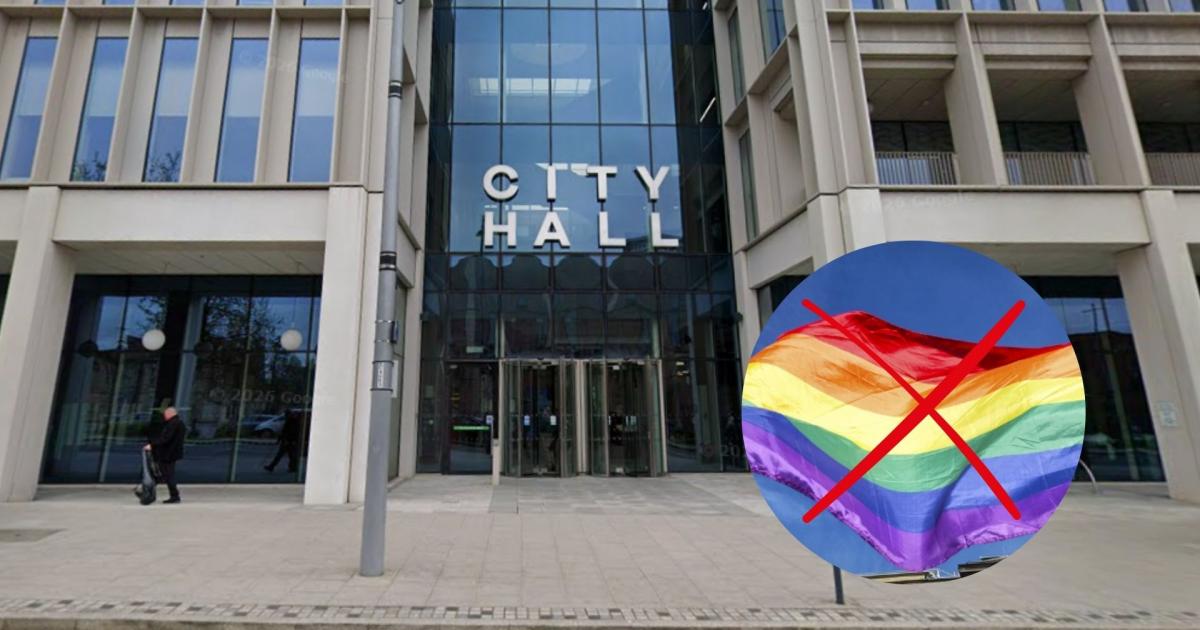
That’s the message from Peter Darrant, CEO of OUT North East, following Sunderland City Council’s decision to stop flying the Pride flag at City Hall.

The move was confirmed in a social media post from Reform UK Sunderland, which announced that the St George’s flag will now be flown outside City Hall 365 days a year.

(Image: Reform UK Sunderland)

Cllr Ciera Hudspith, portfolio holder for culture, tourism and heritage, said: “Any flag flown outside a governing body should represent our nation and our country as a whole, not a sectional interest.

“Time and time again on the doorstep, residents told us they were confused as to why England’s flag was not flying outside City Hall all year round.”

Advertisement

She added that only national and civic flags will be flown at City Hall, meaning the exclusion of the Pride flag.

Mr Darrant said: “We are very disappointed to have seen posts on social media from a Reform UK-run council in the North East that they are banning the Pride flag from council buildings.

“We believe this is the wrong decision.

Peter Darrant, CEO of OUT North East (Image: OUT North East)

“While Pride was born from protest and the fight for the right to exist openly and equally, the Pride flag today is also a symbol of community, inclusion and belonging.

Advertisement

“For many LGBTQ+ people, seeing it displayed publicly is a sign that they are welcome, valued and supported.

“Removing the Pride flag from public buildings risks sending the opposite message at a time when visibility and solidarity still matter deeply to many people.”

He also warned that the decision could harm the city’s reputation with external stakeholders.

He said: “Decisions like this also risk sending the wrong message to investors, partners, organisations and visitors who increasingly expect places to demonstrate that they are modern, inclusive and welcoming communities.”

Advertisement

Mr Darrant added: “It will leave potential investors wondering, ‘is this actually a modern city we want to invest in?’.

“We’ll still argue the case that it is.”

Source link

Advertisement
Continue Reading

NewsBeat

Hundreds attend town meeting on ‘Wetherby Urban Extension’

Published

on

Hundreds attend town meeting on 'Wetherby Urban Extension'

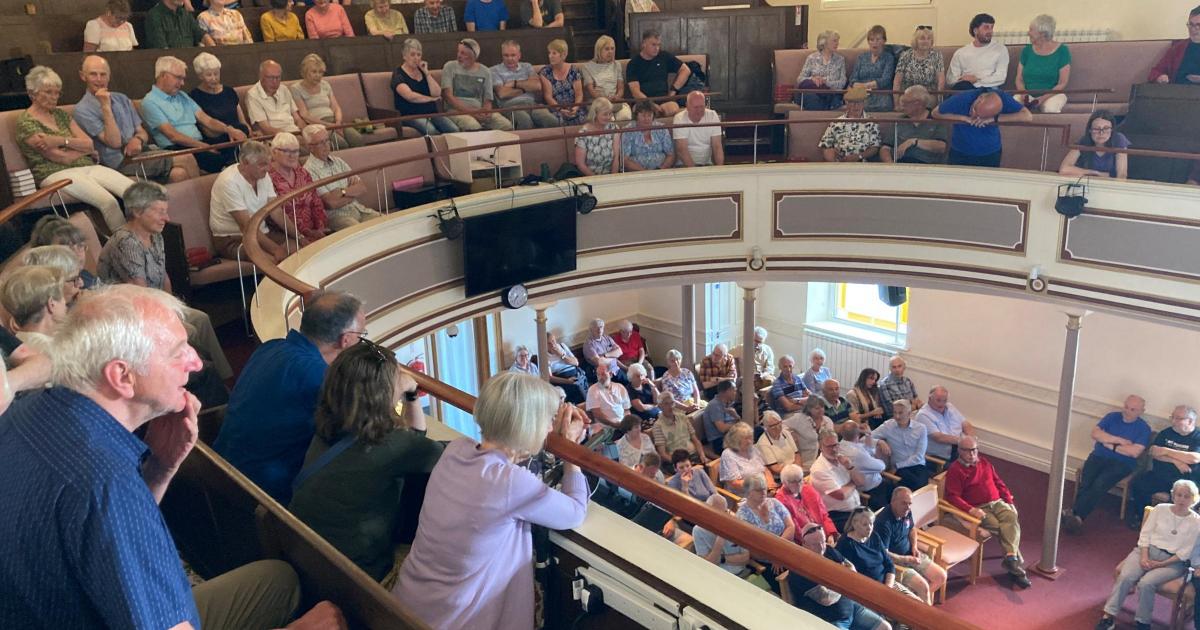
A panel of the three Wetherby Leeds City Councillors, the Mayor and a North Yorkshire councillor spoke at the meeting hosted by the community group Better Wetherby.

The meeting at Wetherby Methodist Church was attended by around 200 people, who heard that whilst Wetherby has confirmed housing needs met until 2042, the North Yorkshire side of town is vulnerable to massive development.

This is because the sections to the north of Wetherby are affected by North Yorkshire’s target of 4,300 homes a year and that county is not set to adopt a new Local Plan until 2029.

RECOMMENDED READING:
Gladman Developments consults over 593 homes Wetherby scheme

Advertisement

Green Party Councillor Penny Stables, one of three councillors who spoke at the event, said:“We are in a situation where Westminster is imposing huge housing targets, while at the same time there are already large numbers of approved developments being held as land banks by developers seeking to maximise profit.

A roundtable discussion on the issue (Image: Pic supplied)

“It was a really positive meeting convened by Better Wetherby, and encouraging to see different political parties working together on such an important issue for our area. Greens, Conservatives and Labour are all in agreement on this. We now need the support  of the Mayors of both the West and North Yorkshire Combined Authorities.”

Cllr Allan Lamb (Conservative), who organised the meeting, presented a developer map which he said suggested that up to 5,000 homes could potentially be built through a patchwork of smaller developments around the area in what they’re calling the “Wetherby Urban Expansion”. 

Cllr Lamb told the Press afterwards that the housing proposals stem from central government trebling North Yorkshire’s housing targets.

Advertisement

The Wetherby Urban Expansion (Image: Pic supplied)

North Yorkshire also hasn’t been given enough time by central government to develop and adopt its Local Plan.

Cllr Lamb continued: “They (developers) are using this as a way to get housing sites in places they would not otherwise get them. It won’t mean homes being built faster, they will just be built on more sites.

“Democracy is also being taken away as sites over 150 homes that are going to be refused will go to the Secretary of State for determination.”

Cllr Lamb added he was encouraging people to write to the Mayors of West and North Yorkshire and the leader of Leeds City Council on the issue.

Advertisement

He added: “Wetherby is doing it’s bit already.”

Thursday’s meeting also saw Wetherby Mayor Connor Mulhall highlight concerns that, if all proposed developments were approved, the area could face an additional 30,000–40,000 car journeys per day.

He warned that Wetherby’s historic infrastructure and narrow road network were not designed to cope with that level of traffic.

Better Wetherby also announced that it is commissioning a highways report to examine the transport infrastructure improvements needed to support both current and future demand in the area.

Advertisement

How do you feel about this and other housing plans in the area? Do we need this number of homes. Have your say and continue the conversation in the comments below.

Source link

Advertisement
Continue Reading

NewsBeat

Dabbawalas: The men who fed Mumbai

Published

on

Dabbawalas: The men who fed Mumbai

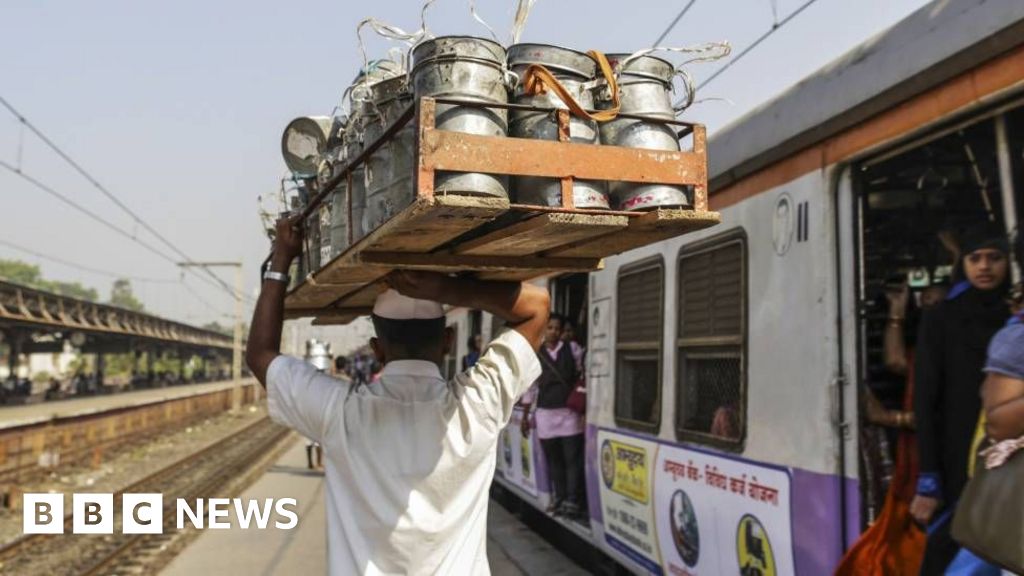
Early dabbawalas transported lunchboxes on bicycles and marked them with coloured threads so they could be sorted and returned accurately. Over time, those markings were replaced with a unique alphanumeric code system, while deliveries came to rely on bicycles, motorbikes and Mumbai’s suburban train network.

Source link

Continue Reading

NewsBeat

Ukraine using AI drones to strike vital Russian supply lines

Published

on

Ukraine using AI drones to strike vital Russian supply lines

Robert Tollast, land warfare expert at the Royal United Service Institute, told BBC Verify that some brigades were estimated to need up to 1,000 tonnes of fuel, food, ammunition and other key supplies every day. He said Ukraine had previously used a long-range strike campaign against Russian air defence units, but the new drone strike ranges “are something else”.

Source link

Continue Reading

NewsBeat

“Sturgeon and Murrell were tight – they made decisions round the breakfast table” says ex-SNP adviser

Published

on

Daily Record

EXCLUSIVE: A former SNP strategist has shed new light on the close working relationship between the couple that ran the party for more than a decade.

Advertisement

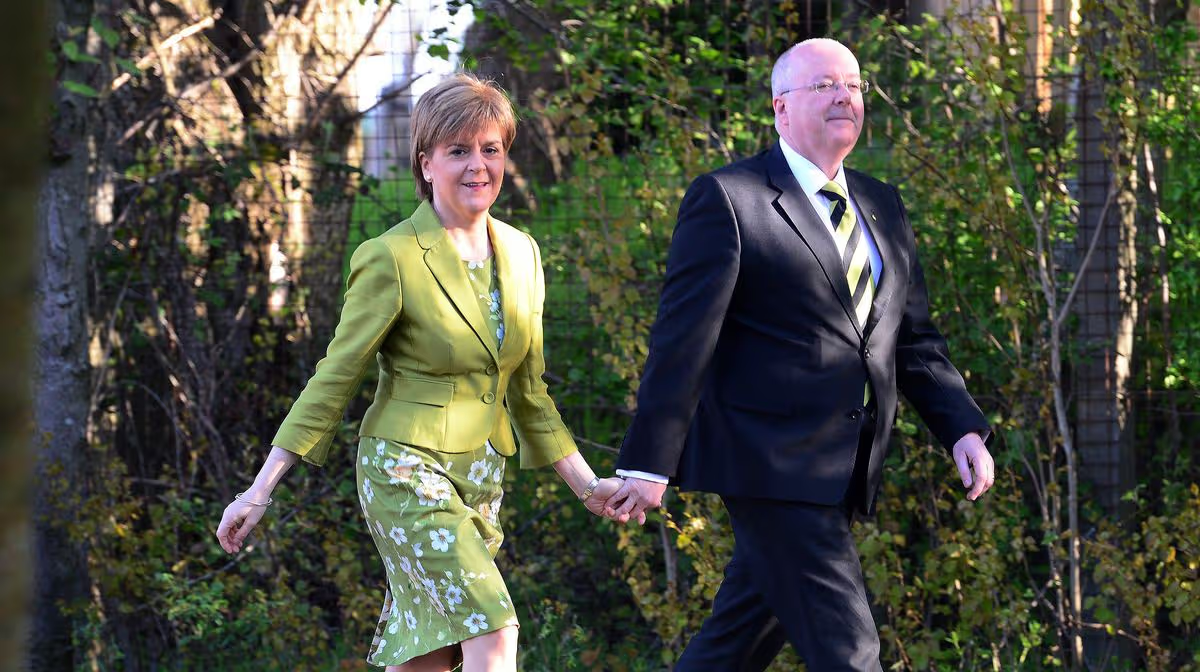
Nicola Sturgeon and Peter Murrell were “tight” and made decisions “around the breakfast table instead of the boardroom”, a former senior SNP adviser has said.

Kirk Torrance, who worked at the Nationalists’ HQ in Edinburgh for seven years, told the Record he did not find credible the former first minister’s repeated claims that she was unaware of her estranged husband’s 10-year spending spree.

“I mean, she takes every opportunity to wax lyrical about how much of a micro-manager she is,” he said.

The ex-SNP leader has faced ridicule after she used an appearance at a book festival in Ireland on Thursday to claim she wasn’t aware of the multiple expensive items of kitchenware Murrell had purchased with party cash “I didn’t spend any time in my kitchen”.

Advertisement

Murrell, 61, served as chief executive of the SNP for two decades and married Sturgeon in 2010. They shared a suburban home on the eastern edge of Glasgow before separating last year.

Murrell pled guilty at the High Court in Edinburgh this week to embezzling more than £400,000 from his employers during a decade-long spending spree.

Torrance worked for the SNP as a digital and political strategist from 2009-2016, an era which saw the party win a majority of MSPs at Holyrood in 2011 and secure a referendum on independence in 2014.

He told the Record: “Nicola’s not been charged with any offence, and that must be respected of course, but people are going to find it very difficult to believe, given how centralised the SNP was, that it could operate like that for so many years.”

Advertisement

Asked if he thought the ex-FM’s denials were credible, Torrance said: “No, absolutely not. I mean, she takes every opportunity to wax lyrical about how much of a micro-manager she is.

“Things had become so centralised, with decisions made around the breakfast table instead of the boardroom table. Nicola Sturgeon and Peter Murrell were tight.

“Alex would come into the HQ and say hello to everybody, ask after family members. Nicola would come into the HQ and not say hello to anybody.

“She would walk right up to Peter’s desk, she would tap him on the shoulder, he would look up, she would walk into the library and he would follow. They would spend a few hours in there. Then they would both come out, she would leave, and Peter would call a meeting to tell us what we were doing.”

Advertisement

Torrance quit his job with the SNP in 2016, two years after Sturgeon succeeded Alex Salmond as leader, and claimed by then “things were becoming politically and culturally unhealthy in the party”.

He added: “I thought power was becoming concentrated too much. Alex himself said that, that a leader shouldn’t have been married to the chief executive. And I think it’s one of the reasons why Nicola fell out with Alex.

“Meetings became tenser. It was noticeable that Peter became short-tempered and angry. I don’t know why, but you can only imagine.

Advertisement

“Nicola became increasingly controlling. It was a bad atmosphere. And I had other projects in mind so I took the opportunity to head off.

“Once organisations stop tolerating internal disagreement, they start making bad decisions.”

Torrance said he had no inkling that Murrell was embezzling party funds during their time working together.

“Peter Murrell gave me opportunities professionally during the SNP’s most succesfull years and I’ll always acknowledge that,” he added.

Advertisement

“But what’s happened here is deeply sad to me and deeply disappointing. It’s a terrible situation. We’re not dealing with online rumour anymore, he’s admitted to the fact.”

Sturgeon said on Thursday she had not questioned how her former husband was able to purchase some items as they were both on “high salaries”.

She said she had never seen some of the “stuff” reported this week, but added: “Things that I did recognise, none of it would have made me question.”

“We were two people on high salaries, no kids. I was doing a job – and this is another factor – I was doing a job that had me working around the clock, away from home a lot of the time.”

Advertisement

She added: “Maybe this doesn’t reflect well on me: I didn’t spend a lot of time in my kitchen – spend any time in my kitchen – but I would never question that some of these things he was buying that I was aware of he couldn’t have afforded, because on the basis of our incomes he could have afforded it.”

Speaking at Listowel Writers’ Week in Co Kerry, Sturgeon said: “This has been probably the worst week of my life and you know the last few years have had some tough ones for me, but this one, I think, surpasses all of them.

“You’re coming to terms with the fact that you spent many years – I spent many years – married to somebody that, as it turns out, I obviously didn’t know at all.

“It’s a really painful truth to process, and I think I’m only in the very early stages of processing it. And then to be in a position of such public turmoil myself makes that even harder.”

Advertisement

Sturgeon told the audience said she was “completely exonerated” following the Operation Branchform investigation and “totally cleared” after a “lengthy” and “very forensic” police investigation.

Source link

Continue Reading

NewsBeat

What Flavour Is Cola? This Is What Gives Soft Drink Its Distinct Flavour

Published

on

What Flavour Is Cola? This Is What Gives Soft Drink Its Distinct Flavour

If you had to guess what the secret behind that distinctively malty Biscoff flavour is, you probably wouldn’t say sugar ― but that’s likely what it is.

Similarly, red velvet cake’s earthy, tender flavour isn’t created by crimson berries or beetroot; traditionally, it’s the action of buttermilk and vinegar on Dutch-processed cocoa and baking soda that gives it its signature taste and hue.

It also contains vanilla.

So, it shouldn’t have shocked me that cola’s taste is partly down to an unexpected source; namely, the kola nut (yes, there is such a thing).

Advertisement

What’s a kola nut, and what other flavours are involved?

According to beverage company StrangeLove, “cola brands guard their own secret formulas with their lives, using generic terms such as ‘artificial and natural flavours.’”

Talk of Coca-Cola’s top-secret “7X” ingredient seems to confirm such theories.

Nonetheless, some ingredients stay constant, StrangeLove explains.

Advertisement

“Cola generally is a carbonated beverage which consists of these key ingredients; kola nut, citrus oils, vanilla and cinnamon,” they say.

This is usually mixed with a caramel base for that slightly sticky, moreish texture.

Kola nuts contain caffeine and are from tropical regions of Africa, Britannica says.

They look a little like the lovechild of chestnuts and cocoa beans.

Advertisement

They’re dried in the sun before being used in products like soft drinks and medicine, though Britannica says that “American and European soft-drink manufacturers, however, do not use the kola nut; instead, they manufacture synthetic chemicals that resemble the flavour of the kola nut.”

Nonetheless, “kola concentrate” is listed in Coca-Cola’s EU ingredients.

@sooziethefoodie

This is undoubtably the most interesting fruit I have ever been able to work with- the kola but. It is native to West Africa and is traditionally used for its high caffeine content. It grows in a pod similar to cacao. Now here’s where it gets interesting- it was used in the first recipe for Coca Cola and many say that it’s where the Cola part came from! Now every time I hear the word cola I’m going to think of this beautiful pink African fruit 🥹 It has a crunchy texture and a bitter flavor and I have been told that some tribes will eat it on its own with a little bit of salt and it also can be used to sooth a sore throat when mixed with honey. Once cooked with other ingredients the flavor is super pleasant. I boiled the Kola Nuts I had with fresh ginseng, ginger, yuzu peel, kumquats, clove, cinnamon, honey, and date syrup 🍵 #tiktoktaughtme #kolanut #cocacola

♬ original sound – Suzy

Anything else?

Advertisement

Given how secretive the biggest cola brand ― Coca-Cola ― has been about its 7x ingredient, many have speculated about what’s really in the world’s favourite fizzy drink.

A surprising amount of people use coriander seed in their attempted Coca-Cola remakes, alongside cassia (also known as Chinese cinnamon) and lavender.

Coca-Cola inventor John Pemberton is said to have written a recipe into his diary before he died that included lavender, coca leaves, alcohol, coca leaves, orange, cinnamon, lemon, coriander, nutmeg, neroli, and of course 7x.

Of course, the recipe has since changed ― it no longer contains alcohol and certainly uses no coca leaves, so it’s likely other elements have been switched as well.

Advertisement

Given that the brand won’t even let the two people who know how to mix 7x on the same plane at the same time in case it crashes, I don’t reckon we’ll be certain any time soon…

Source link

Advertisement
Continue Reading

Trending

Copyright © 2025