





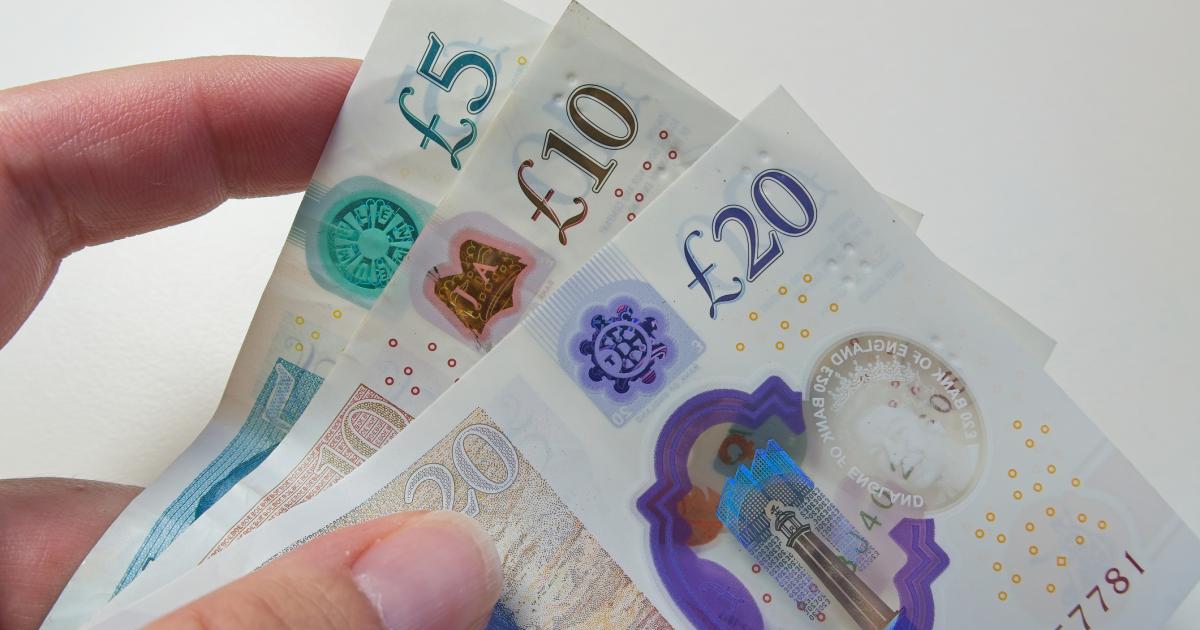

With household bills and petrol and diesel prices set to rise further, budgets are stretched. But there is some help on the way.
With household bills, petrol and diesel prices rising, we’re all feeling the pinch. Broadband payments, TV licences, council tax and water all look set to go up.
And with the ongoing war in the Middle East affecting petrol and diesel prices, budgets could be stretched even further. The ongoing conflict could lead to food inflation reaching at least 9 per cent by the end of the year, up from the 3.2pc that economists for the Food and Drink Federation forecast in September last year.
But there is some help on the way as we begin the new financial year. Millions of people across the UK are set to see the benefits and payments they receive change.
Get MEN Premium now for just £1 HERE – or get involved in our WhatsApp group by clicking HERE. And don’t miss out on our brilliant selection of newsletters HERE.
Prime Minister Sir Keir Starmer last week said he knew people were worried about how the war will impact them and their families. He said: “I want to reassure them that they have a Government on their side, working with allies on de-escalation and bearing down on the cost of living.
“Today, millions of people up and down the country will see energy bills go down by £117, wages go up for the lowest paid, and more support will be available for people who need it most – because of the decisions this Government has taken.
“But we must go further to bear down on costs, and that means pushing for de-escalation in the Middle East and a re-opening of the Strait of Hormuz. That is the best way we can bring down the cost of living for families and that is my focus.”
Here are all the financial, money and benefits changes from this month.
HMRC Child Benefit to increase
Every year rates go up in line with the rate of inflation from the previous September. In September 2025 this was confirmed as being 3.8%, according to the consumer price index. Child benefit payments are made to parents or anyone looking after a child. They are intended to help you with the costs of your children.
They are usually paid every four weeks on a Monday or Tuesday, but there are different payment dates if it’s due on a bank holiday. You can get Child Benefit paid weekly if you’re a single parent or if you or your partner are getting certain benefits, such as Income Support.
You can get Child Benefit if you’re responsible for bringing up a child who is under 16 years old or under 20 years old and still in approved education or training. Only one person can receive Child Benefit for a child. Here is how much it is going up by from April 6.
- Payments for the first or eldest child: increasing from £26.05 a week to £27.05 a week
- Payments for any additional child: increasing from £17.25 a week to £17.90 a week
State Pension payments to go up
State Pension payments are set to rise by up to £44 a month from April as the new financial year begins. Pensions will increase in line with the average earnings growth figure for May to July 2025.
They will be uprated by 4.8% from April 6. State Pensions increase each April and the amount they go up by is worked out by the triple lock – a mechanism used to ensure the payment rates rise each year in line with whichever is higher out of inflation, earnings or 2.5%. This is to prevent the value of pensions being reduced by cost of living pressures.
The planned rises for pensions for the 2026/27 financial year (from April 2026) are as follows:
Full New State Pension
- Weekly payment: £241.30 (from £230.25)
- Four-weekly payment: £965.20 (from £921)
Full Basic State Pension
- Weekly payment: £184.90 (from £176.45)
- Four-weekly payment: £739.60 (from £705.80)
Rise in DWP Universal Credit payments
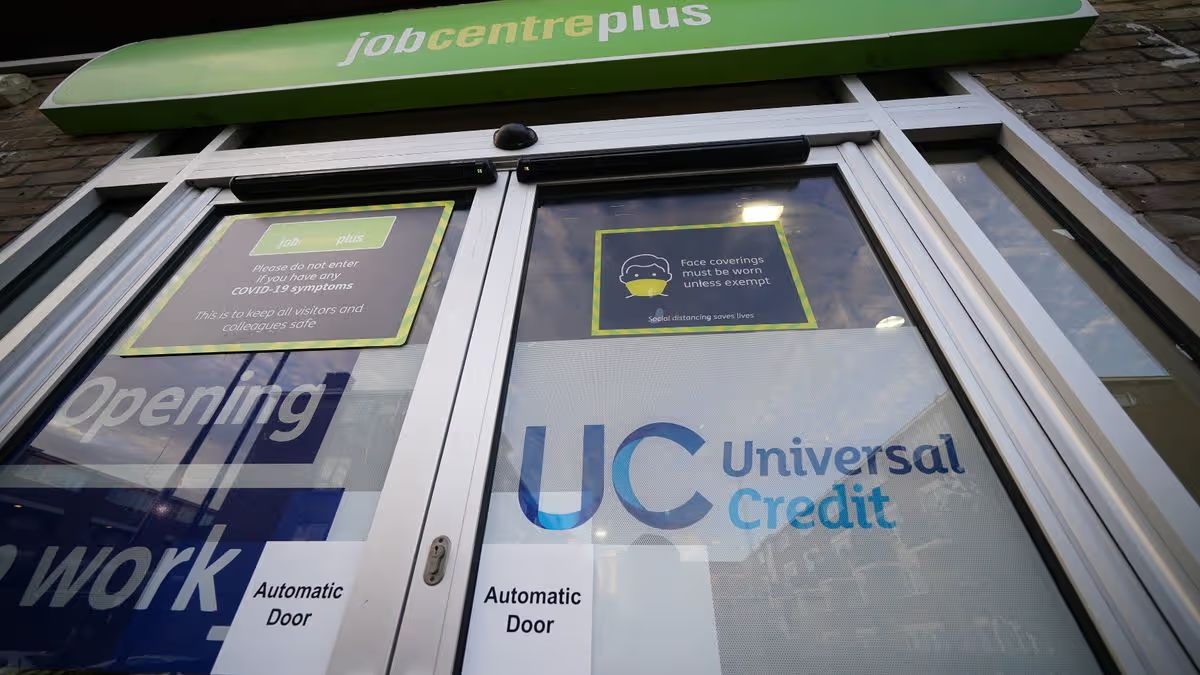
Rates of Universal Credit payments are set to go up along with many other DWP benefits. Every year rates go up in line with the rate of inflation from the previous September.
In September 2025 this was confirmed as being 3.8%, according to the consumer price index. Universal Credit is a means-tested benefit that was first introduced in the UK to replace the old benefits in 2013. By 2018, all new customers were required to apply for UC, while existing legacy benefit customers continued receiving their awards.
Below are the confirmed new monthly rates for Universal Credit due to come into place from April 2026.
Single
- Single under 25 from £316.98 to £338.58
- Single 25 or over from £400.14 to £424.90
Couple
- Joint claimants both under 25 from £497.55 to £528.34
- Joint claimants, one or both 25 or over from £628.10 to £666.97
Child amounts
- First child (born prior to April 6, 2017) from £339.00 to £351.88
- First child (born on or after April 6, 2017) or subsequent children from £292.81 to £303.94
Disabled child additions
- Lower rate addition from £158.76 to £164.79
- Higher rate addition from £495.87 to £514.71
Limited Capability for Work
- Limited Capability for Work amount from £158.76 to £158.76
- Limited Capability for Work and Work-Related Activity amount from £423.27 to £217.26
- Limited Capability for Work and Work-Related Activity amount (Pre-2026 claimant, severe conditions criteria claimant or claimant who is terminally ill) from £423.27 to £429.80
Carer amount
- Carer amount from £201.68 to £209.34
Childcare costs amount
- Maximum for one child from £1031.88 to £1071.09
- Maximum for two or more children from £1768.94 to £1836.16
Housing cost contributions
- Non-dependants’ housing cost contributions from £93.02 to £96.55
Work allowances
- Higher work allowance (no housing amount) – One or more dependent children or limited capability for work from £684.00 to £710.00
Lower work allowance
- One or more dependent children or limited capability for work from £411.00 to £427.00
New DWP Personal Independence Payment rates
Like Universal Credit payments, Personal Independence Payment (PIP), rates will increase by 3.8% in April. Below are the confirmed new monthly rates for Personal Independence Payment due to come into place from April 2026.
Personal Independence Payment (PIP) & DLA Care Component
- Enhanced/Highest Rate: Rising from £110.40 to £114.60 per week
- Standard/Middle Rate: Rising from £73.90 to £76.70 per week
- The lowest rate of DLA care will rise from £29.20 to £30.30 per week
PIP & DLA Mobility Component
- Enhanced/Higher Rate: Rising from £77.05 to £80.00 per week
- The standard/lower rate of mobility will rise from £29.20 to £30.30 per week
Pension Credit
Pension Credit is paid to people over the State Pension age who are on a low income and need extra money to help with living costs. The means-tested benefit can also help with housing costs, such as ground rent or service charges. Like other DWP benefits, this will rise by 3.8% in April.
Recipients might also get extra help if they’re a carer, severely disabled, or responsible for a child or young person. Pension Credit is separate from your State Pension, and you can get Pension Credit even if you have other income, savings or own your own home.
Pension Credit recipients can also access other things, such as council tax discounts and free TV licences for over-75s. There are also additional elements available if you’re a carer, you’re disabled, you look after children, or if you have savings and reached State Pension age before April 2016.
Standard minimum guarantee
- Single: increasing from £227.10 to £238.00
- Couple: increasing from £346.60 to £363.25
Additional amount for severe disability
- Single: increasing from £82.90 to £86.05
- Couple (one qualifies): increasing from £82.90 to £86.05
- Couple (both qualify): increasing from £165.80 to £172.10
Additional amount for carers
- Increasing from £46.40 to £48.15
Savings credit
- Threshold – single: increasing from £198.27 to £208.07
- Threshold – couple: increasing from £314.34 to £329.75
- Maximum – single: increasing from £17.30 to £17.96
- Maximum – couple: increasing from £19.36 to £20.10
Children
- First child born before 6 April 2017: increasing from £78.10 to £81.07
- Subsequent children: increasing from £67.42 to £69.98
Disabled child
- Lower rate: increasing from £36.54 to £37.93
- Higher rate: increasing from £114.12 to £118.46
Polygamous marriage
- Amount for claimant and first spouse: increasing from £346.60 to £363.25
- Additional amount for each additional spouse: increasing from £119.50 to £125.25
Non-State Pensions (for Pension Credit purposes)
- Statutory minimum increase to Non-State Pensions: increasing from 1.70% to 3.80%
DWP Attendance Allowance rates to rise
Like other DWP benefits, Attendance Allowance rates will increase by 3.8% in April 2026. More than 1.7 million people across the UK were receiving additional financial support through Attendance Allowance at the end of February this year.
Attendance Allowance is a benefit paid to people over the state pension age who need help or supervision with personal care due to illness or disability. Rates of Attendance Allowance payments depend on the level of help you need, broken down into a lower rate of payment and a higher rate of payment, both paid weekly.
Attendance Allowance rates from April 2026:
- Higher Rate: £114.60 per week (up from £110.40).
- Lower Rate: £76.70 per week (up from £73.90).
Minimum wage to rise
Minimum wage will rise again in April. The National Living Wage, the minimum wage rate for all workers aged 21 and over, will rise by 4.1 per cent to £12.71 per hour. The minimum wage for people aged between 18 and 20 will increase to £10.85 and the rate for 16 and 17 year olds will increase to £8.00.
The government said the rate rise will ensure “a real-terms pay rise for low-paid workers” and marks progress towards aligning the rate for 18 to 20 year olds with the National Living Wage.
The new rates from April 2026 will be:
- National Living Wage (21 and over): £12.71 per hour – up 50p
- Rate for age 18-20: £10.85 per hour – up 85p
- Rate for age 16-17: £8.00 per hour – up 45p
- Apprentice Rate: £8.00 per hour – up 45p
Millions to pay more in Council Tax
Across England, the average Band D council tax in 2026/27 will be £2,392 – an increase of £111 or 4.9% on 2025-26, according to the Ministry of Housing, Communities & Local Government.
The figures include all additional charges, including adult social care, parish precepts and costs levied by police, fire and regional authorities where appropriate.
It is the fourth year in a row that the England-wide increase has averaged around 5%.
Single-person households qualify for a 25% discount, full-time students can be fully exempt, and those on low incomes can apply for a reduction of up to 100%. Carers and people with disabilities may also qualify. Discounts are not applied automatically, so households need to contact their council to claim.
Households can also contact their local authority to review their bill or spread payments over more months to help manage costs.
Household water bills to increase
Household water bills across England and Wales are to rise by an average of 5.4%, equating to £33 a year for the average household.
There is significant regional variation in bill increases, with Severn Trent customers seeing a 10% increase, Sutton and East Surrey imposing an 11% increase, Bristol Water a 12% rise and Affinity Water (central region) customers warned they have a 13% jump coming.
Around 2.5 million households are eligible for social tariffs, with savings of around 40%.
Monthly broadband and mobile phone prices to rise
BT, EE, Plusnet and Virgin Media are all hiking broadband prices by £4 a month, Sky by £3, and Vodafone by £3.50 – adding nearly £50 more per year to bills.
Additionally, one in four broadband customers are out of contract, paying up to £9 per month more than those in contract.
Household energy prices will fall
The price most households pay for energy will fall by 7% from April 1. Ofgem’s price cap will drop from the current £1,758 to £1,641 – a reduction of £117 or around £10 a month for the average household using both electricity and gas.
However, the reduction is lower than the average £150 cut to bills pledged by the Chancellor in November, when she moved 75% of the cost of the renewables obligation from household bills onto general taxation and scrapped the energy company obligation (Eco) scheme.
There is also increasing concern that energy bills will rise by from July as a result of the Middle East conflict – with latest predictions suggesting this could be by £288 a year.
Car tax has increased
Vehicle Excise Duty (VED) is changing for motorists from this month. The new changes primarily focus on aligning electric vehicles (EVs) with the existing tax system and adjusting rates for inflation. The most notable shift is the end of the “tax-free” era for electric cars, alongside a higher “luxury tax” threshold specifically for zero-emission vehicles.
For most cars registered on or after 1 April 2017, the annual flat rate is also increasing. This rate applies to petrol, diesel, hybrid, and now fully electric vehicles.
The petrol and diesel rate has increased from £195 to £200, while the rate for hybrid vehicles has risen from £185 to £190. Fully electric vehicles have gone from an annual flat rate of £195 to £200.
Cars with a high “list price” (the price before discounts) will pay an additional supplement for 5 years (from years 2 to 6). For petrol, diesel and hybrid cars, the threshold remains at £40,000.
For EVs, the threshold increases to from £40,000 to £50,000. The supplement itself rises to £440 (up from £425).
If your car exceeds these price thresholds, you will pay the £200 standard rate, along with the £440 supplement. If you buy a brand-new car registered after 1 April 2026, the first year of tax is based on CO2 emissions.
See the full list of new rates here.
You will pay more for NHS dental treatment
Millions of patients face higher NHS dental costs from April 1. From Wednesday NHS dental charges in England have risen by around 1.7 per cent, with the cost of a routine check-up (Band 1) increasing from £27.40 to £27.90.
Band 2 treatments like fillings, root canal treatments and tooth extractions will now cost £76.60, while Band 3 treatments like dentures or crowns will cost £332.10.
From 1 April 2026 the dental charges are:
- Band 1 course of treatment and urgent treatments will rise by £0.50, from £27.40 to £27.90.
- Band 2 course of treatment, there will be an increase of £1.30 from £75.30 to £76.60
- Band 3 course of treatment will increase by £5.40 from £326.70 to £332.10
BBC TV licence costs more
The price of a TV licence went up on April 1. The annual cost of a TV licence is now £180 from £174.50. This will mean a monthly bill of £15, up from £14.54. The cost of an annual colour TV licence will rise by £5.50, or the equivalent of an extra 46p a month.
Every household which watches live TV programming or anything on BBC iPlayer must have a TV licence, but for those who don’t watch these – or don’t have a TV at all – you can declare to the TV licencing company that you do not require a licence.
Premium bond odds change
National Savings and Investments (NS&I) announced it is reducing its Premium Bonds prize fund from April 2026, bringing the interest rate down to 3.3%.
The odds of winning will reduce from 22,000 to one to 23,000 to one from the April draw, and the interest rate will drop from 3.6% to 3.3%. It comes after several reductions were made to the interest rate in 2025, which was 4% at the start of last year. It was reduced to 3.8% in April 2025, and slashed even further to 3.6% in August 2025.
Stamps going up in price again
Royal Mail said the price of a second-class stamp would go up by 4p to 91p and first-class stamps would increase by 10p to £1.80 from April 7
It means the cost of a first-class stamp has now more than doubled – up 137% – in the past six years after eight rises, while the cost of a second-class stamp has been hiked six times.
The price of a passport is rising
The cost of a British passport is to pass the £100 mark for the first time. From April 8, the cost of a standard adult online renewal set to rise to £102 – an 8% increase.
The adult online application will rise from £94.50 to £102, while the child online application will rise from £61.50 to £66.50.
The adult postal application is increasing from £107 to £115.50, while the one-day premium will go from £222 to £239.50
Overseas applications will also rise, with the adult online service rising from £108 to £116.50 and the adult postal going from £120.50 to £130.








































You must be logged in to post a comment Login