Connect with us
DAPA Banner
DAPA Coin
DAPA
COIN PAYMENT ASSET
PRIVACY · BLOCKDAG · HOMOMORPHIC ENCRYPTION · RUST
ElGamal Encrypted MINE DAPA
🚫 GENESIS SOLD OUT
DAPAPAY COMING

NewsBeat

Why early medieval Ireland had laws for bees

Published

on

Why early medieval Ireland had laws for bees

Who owns a swarm of bees? And what happens when they stray onto a neighbour’s land?

In early medieval Ireland, such questions were addressed by a remarkable set of laws known as the Bechbretha, which set out the rights and responsibilities associated with beekeeping. Also known as bee-judgments, these laws formed part of the wider medieval Irish legal system, Brehon law (known in Old Irish as fénechas or customary law).

Brehon law espoused restorative rather than criminal justice and was chiefly concerned with the type of compensation to be paid for crimes committed. Most of these laws were written down in the 7th and 8th centuries, but they probably preserve much older traditions that had previously been passed down orally.

Early medieval Irish society was hierarchical. In legal cases, the amount of compensation owed or received depended entirely on a person’s social rank, with payments varying according to their status.

Advertisement

The Bechbretha provided a legal guide for lawyers dealing with cases involving bee trespass (where a neighbour’s bees came onto another’s land and supposedly stole nectar from flowers and plants), injuries or death caused by bees, beehive theft and the compensation owed in each situation.

Legal cases could be brought against beekeepers whose bees stung passersby.
National Museum of Antiquities, CC BY-SA

In medieval Ireland, bees were given legal status because they were classified as domestic livestock. Like cattle, horses, pigs, poultry and sheep, they were legally protected because of their considerable value. Beekeeping produced a wide range of goods, including honey for food and sweetening, as well as mead and beer, beeswax for candles, sealants and writing tablets, and other products used in medicine, polishing, lubrication, skincare and waterproofing.

The Bechbretha also had another purpose – maintaining good relations within local communities. According to the Bechbretha and another legal text, the 8th-century Bretha Comhaithchesa, Judgements on Neighbourhood, a mutual agreement among the farming community ensured compensation would be paid if and when animal trespass, theft or injury occurred. A certain level of trust between neighbours was required for this process to work.

That said, it is one thing to show where a neighbour’s large domestic animal has trespassed or caused damage. It is something else to prove that neighbouring bees had rampaged through your flowers, stealing nectar before buzzing away with their ill-gotten gains.

Advertisement

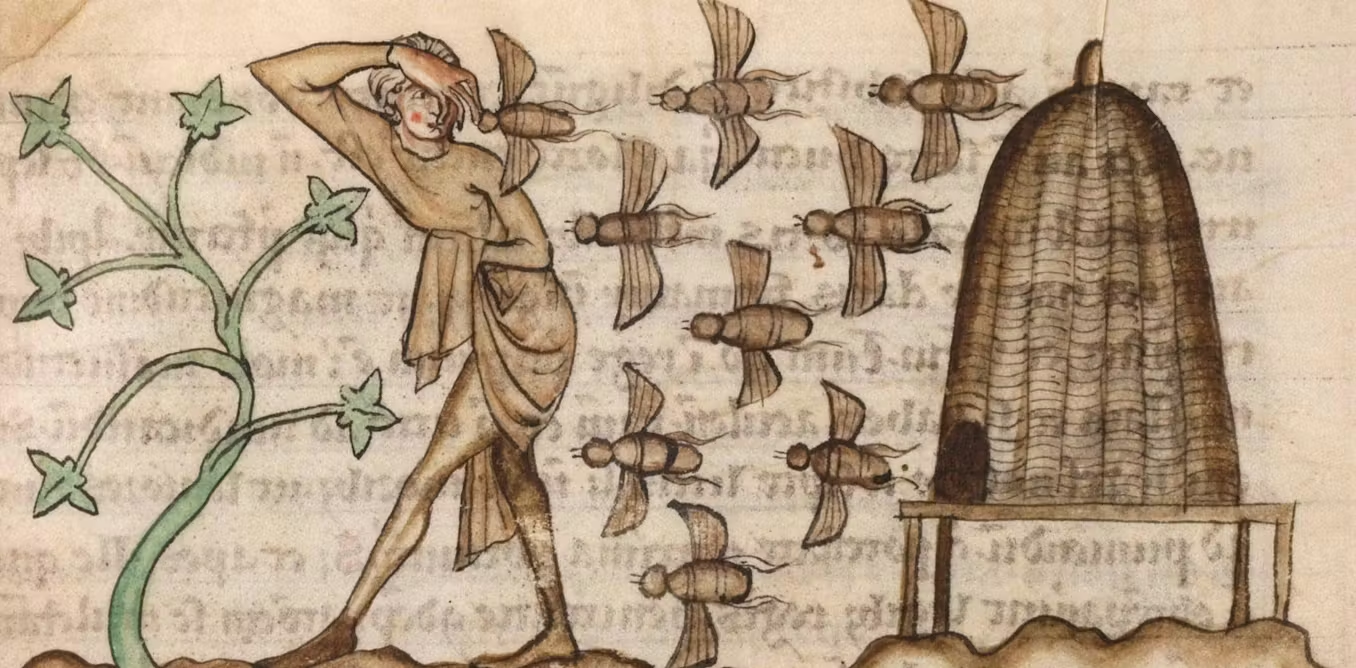
One suggestion the Bechbretha makes is to dust flour over bees, follow them to source and identify the culprits. Because honeybees tend to return repeatedly to the same nectar sources, tracking and marking them with white flour – which scatters onto the ground as they fly, leaving a visible flight path – can be effective. The laws also state that the owner of stray bees has three years to collect their honey, but by the fourth year must surrender the first swarm from that hive to the wronged party.

Gold-adorned illustration of bees flying into their hives
The illustration for bees in the Aberdeen Bestiary manuscript, written and illuminated in England around 1200.
Aberdeen University Library Online Collections, CC BY-SA

The Bechbretha also dealt with questions about ownership of swarms which settled and built new hives on either private or common land. The beekeeper who found the new hive was entitled to a third of the honey for three years but after that time elapsed, the landowner on which the swarm settled became its owner. Where a swarm was discovered in woodland, the finder was entitled to (almost) everything. The local church and patriarch of the finder’s kin-group were both entitled to a share.

Where hives were stolen or illegally moved and where perpetrators got stung or died from being stung, beekeepers were not held responsible. Where bees stung people without provocation, compensation was due, though if the victim killed the bee(s), their death was deemed recompense enough. Generally, for valid situations where someone was stung, killed or maimed, hives were given over in payment.

Theft of beehives carried hefty penalties, dependent on their location. The closer a hive was to a homestead, particularly a high-status one, the larger the compensation. This was usually in the form of cattle, the main currency used in pre-coinage Ireland. Theft of hives from monasteries also carried imposing fines.
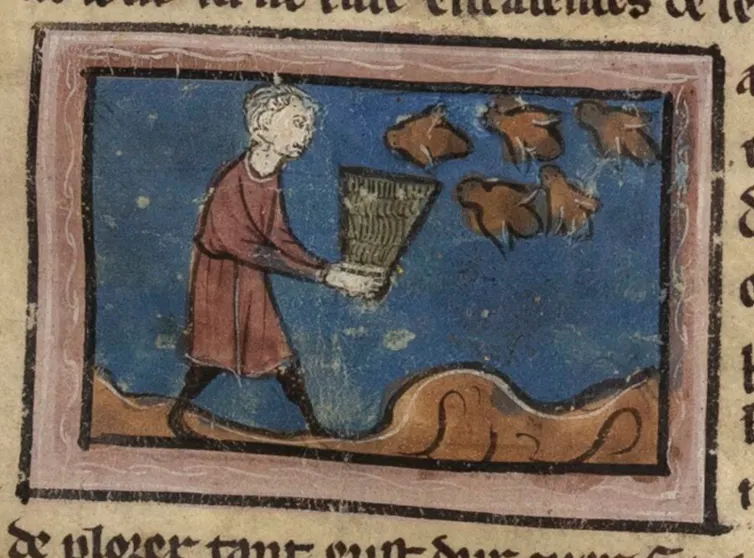
Illustration of a man trying to catch very large bees in a basket
A man tries to catch bees in a basket. Illustration from a medieval French manuscript.
National Library of France, CC BY-SA

That there were a set of early medieval Irish laws solely for bees reveals the high regard with which these little creatures were held. Restitution through beehives and bee produce helped the proliferation of beekeeping throughout the community. In pre-industrial, early medieval Ireland, where society’s survival depended so much upon the climate, bees were a pivotal part of the agricultural system, as they are today.

At the close of the tenth century, writers of Irish historical records documented two instances of bech-dibadbee mortality – which resulted in mass famine and death among the human population. The fact that these disasters were recorded is significant in that it suggests an awareness about what happens if the bees disappear.

Advertisement

Today, bee colonies around the world face multiple threats – from habitat loss, climate change, toxic chemicals and deadly invasive parasites. The Bechbretha shows that if the will is there and communities are involved and feel invested, protecting our bees is possible.

Source link

Advertisement
Continue Reading
Click to comment

You must be logged in to post a comment Login

Leave a Reply

NewsBeat

UK drivers given points on licence for easy-to-miss issue

Published

on

UK drivers given points on licence for easy-to-miss issue

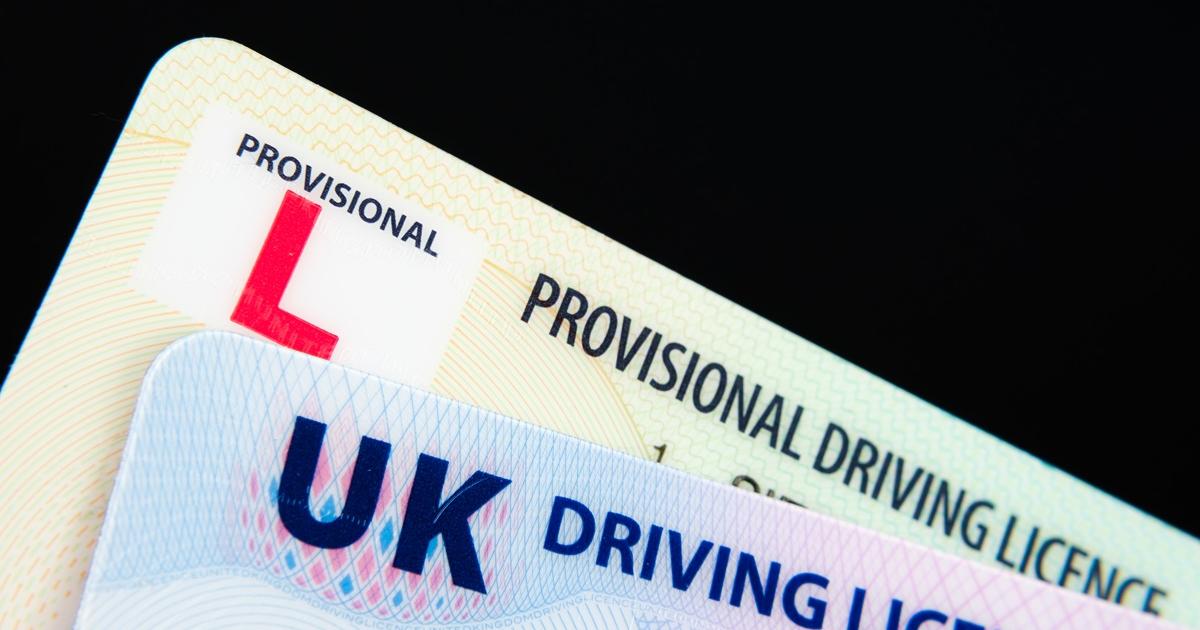
According to figures obtained by the RAC through a Freedom of Information request to the Vehicle Licensing Agency (DVLA), 10,054 motorists across the UK were penalised last year for driving with defective vehicles.

Of these cases, 6,670 related to tyre issues.

Jack Halstead, RAC’s Servicing and Repair Mechanic of the Year, said: “Far too many vehicles are unfit for the roads, posing a danger not only to the driver, but to other road users as well.

Advertisement

“Having bald tyres drastically reduces grip, greatly increases stopping distances, and raises the risk of blowouts.”

Defective steering or brakes were behind 3,384 of the incidents, with each offence carrying a penalty of three points on the driver’s licence.

Tyre-related offences can also result in fines of up to £2,500 per tyre.

Mr Halstead said: “But whether it’s tyres, brakes, steering or something else, every mechanical component in a vehicle plays a critical role.

Advertisement

“And this is likely to be just the tip of the iceberg because, with fewer police traffic units, it’s likely more offenders are evading officers and putting themselves and others at risk.”

The report suggests there may be ‘many more unroadworthy vehicles’ on UK roads, noting that around 10 million vehicles fail their MOTs each year.

The RAC highlighted a decline in the number of traffic police, with 1,088 more officers patrolling the roads in 2015 (5,237) than in 2025 (4,149).

Mr Halstead said: “No doubt there will be some who have accidentally let their car maintenance slip, but this can be easily avoided by using free apps like myRAC.

Advertisement

“They will send you reminders to check key components like tyres as well as flagging important dates like your MOT, service, tax and insurance renewal.”

The RAC advises that tyres are considered defective if they fail to meet the legal minimum tread depth of 1.6mm across the central three-quarters of the tyre and around the entire circumference.

Tyres must also be free from any forms of damage, such as cuts or bulges, that could ‘compromise their structural integrity’ and must be appropriate for the vehicle in terms of type, size, and speed and load rating.

Mr Halstead also encouraged drivers to take advantage of mobile services: “We know life gets busy so that’s why we’re helping drivers to keep on top of car admin with our team of nationwide mobile mechanics that come to you.

Advertisement

“They can carry out repairs and service your vehicle on your driveway or at work, saving you the slog of getting it to a garage.

“It’s the better way to look after your car.”

Source link

Advertisement
Continue Reading

NewsBeat

Bury man and teen arrested after drugs and cash seized

Published

on

Bury man and teen arrested after drugs and cash seized

Preston Task Force officers responded to reports of a suspicious vehicle driving erratically on the motorway.

The vehicle, a Lexus, was located on Harrington Road in Broadgate, Preston.

Officers searched the driver, passenger, and the vehicle and found approximately £28,000 in cash in a supermarket carrier bag and a quantity of suspected class A drugs.

Advertisement

A 39-year-old man from Bury and a 17-year-old passenger, also from Bury, were arrested on suspicion of money laundering and possession with intent to supply class A drugs.

A second vehicle believed to be connected to the incident was stopped on the motorway.

Three males, aged 17, 27, and 28, all from Bury, were also arrested.

All five have been interviewed and released on bail.

Advertisement

A police spokesperson said: “We weren’t just policing the football on Saturday, as five individuals found out after scoring an own goal.

“Preston Task Force attended reports of a suspicious vehicle driving erratically on the motorway after it had come into Preston. Officers located the vehicle, a Lexus, on Harrington Road in Broadgate.

“The driver, passenger and car were searched under section 23 of the misuse of drugs act.

“Officers found approximately £28,000 of cash in the car in a supermarket carrier bag.

Advertisement

“Also in the vehicle was a quantity of suspected Class A drugs and the driver also tested positive for cocaine.


“The driver, a 39-year-old man from Bury, Greater Manchester and a 17-year-old male, again from Bury was arrested on suspicion of money laundering and possession with Intent to supply class A drugs. The driver was also arrested on suspicion of drug driving.

“A further vehicle suspected to be linked to the incident was stopped on the motorway. The three males aged 17, 27 and 28, again all from Bury in Greater Manchester were arrested.

“All have been interviewed and properties searched before being released on bail whilst our investigation continues.

Advertisement

“Know something we don’t about drug dealing? Let us know PrestonTaskForce@lancashire.police.uk.”

Source link

Advertisement
Continue Reading

NewsBeat

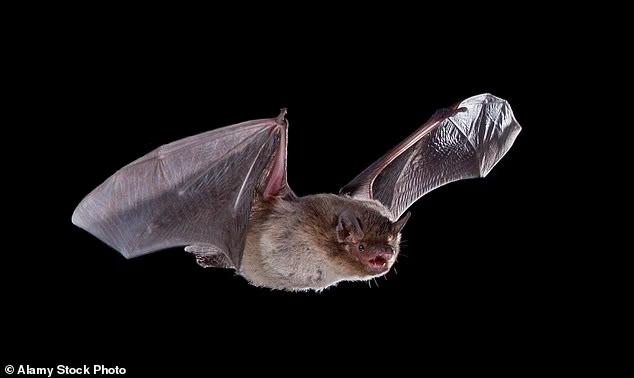
Boy, 11, dies from rabies after bat landed on his face while he slept but left no visible bite as doctors issue warning

Published

on

An 11-year-old boy has died after he was exposed through skin-to-skin contact to a bat carrying rabies in Canada (stock)

Advertisement

An 11-year-old has died after contracting rabies from a bat, as health experts warned about how exposure to the rare virus can be missed.

The fatal encounter happened in Northern Ontario, Canada, where the boy had been staying during the summer of 2024.

Advertisement

The child was peacefully sleeping before he suddenly awoke to find a bat perched directly on his face, covering his nose and mouth, according to the case report.

Without thinking, he swatted the animal away. His father captured it and released it back outside.

At the time, the family claimed they had no reason to believe there had been a bite, a scratch or any cause for concern.

The boy appeared completely normal, uninjured with no blood, no puncture marks and no visible trauma – so they did not seek urgent medical care. 

Advertisement

Roughly 19 days later, the child began to feel unwell, developing symptoms such as persistent vomiting. 

What started as vague discomfort rapidly escalated into serious neurological illness, including bouts of tingling and numbness on one side of his face. 

An 11-year-old boy has died after he was exposed through skin-to-skin contact to a bat carrying rabies in Canada (stock)

Advertisement

Due to the family’s insistence on no bite history, doctors initially explored more common causes but as his condition rapidly deteriorated, rabies was eventually diagnosed.

The delay in diagnosis meant the disease had already taken hold of his nervous system.

He was admitted to hospital and placed under intensive care but as with all symptomatic rabies cases, treatment could not halt the progression of the virus.

Despite more than two weeks of aggressive supportive care, his condition continued to worsen and life support was ultimately withdrawn.

Advertisement

The child died, surrounded by his family. It marked Ontario’s first locally acquired human rabies infection since 1967.

The boy’s relatives agreed to publicize the case in the hope that it prevents another tragedy. 

Experts involved in the case say the most alarming aspect is how easily exposure to the virus can be missed.

Bats can carry rabies and their bites are often so microscopic that they leave no visible trace.

Advertisement
The fatal incident happened in Northern Ontario. At the time, the child's family suspected nothing ominous and continued with everyday life (stock)

The fatal incident happened in Northern Ontario. At the time, the child’s family suspected nothing ominous and continued with everyday life (stock)

‘It was important to us and to the family to take the opportunity to find learning experiences and lessons that we could take from his case to try and help spread awareness and understanding of rabies infection and risks,’ said Dr Brian Hummel, a pediatric infectious disease specialist involved in the case. 

He stressed that the absence of a wound doesn’t mean there was no exposure and warned that even brief skin contact, particularly on the face, should trigger immediate medical assessment for post exposure rabies treatment.

The case, published in the Canadian Medical Association’s Journal, is only one of a handful of instances of human rabies ever recorded in Canada.

Advertisement

Bats are the leading cause of human rabies deaths in the United States despite under 1 percent of the wild species actually carrying the virus, according to the Centers for Disease Control.

Advertisement

Source link

Advertisement
Continue Reading

NewsBeat

Beloved woman, 31, identified as alligator attack victim killed after predator ripped off both her arms… as nightmarish new details of her final moments are revealed

Published

on

The 31-year-old woman who died during a horrific alligator attack in central Florida on Sunday has been identified as Orlando native Brittany Clark

A woman who died during a horrific alligator attack in central Florida on Sunday has been identified, with her terrifying final moments also detailed in a harrowing report.

Brittany Clark, 31, had been enjoying a hike in the picturesque Little Big Econ State Forest with her boyfriend and friend when they took a dip in a river just after 1.30pm. 

Chilling 911 audio from the scene previously revealed how an alligator stealthily approached the trio before viciously attacking Clark by tearing off both of her arms. 

Now, a medical examiner’s report obtained by the Daily Mail has given more details about Clark’s final moments, including how her boyfriend heroically fought the gator even as it dragged them both underwater into a ‘death roll’.  

Advertisement

A ‘death roll’ is a technique alligators use to subdue prey by violently twisting onto their backs before attempting to pull the victim underwater to drown them.  

The report describes how Chance Allison risked his life and eventually managed to pry his girlfriend from the gator’s jaws – but it was too late to save her. 

It also details how officials tracked down the 12-foot apex predator in the aftermath and ‘put it down’, before decapitating it and keeping its head as ‘evidence’.  

The horror unfolded when Clark, Allison, and an unnamed friend were swimming in ‘shoulder-deep water’ in the Econlockhatchee River close to a popular hiking trail. 

Advertisement

The 31-year-old woman who died during a horrific alligator attack in central Florida on Sunday has been identified as Orlando native Brittany Clark

Clark had been enjoying a hike in the picturesque Little Big Econ State Forest with her boyfriend and friend when they took a dip in a river just after 1.30pm

Clark had been enjoying a hike in the picturesque Little Big Econ State Forest with her boyfriend and friend when they took a dip in a river just after 1.30pm

‘While they were swimming an alligator grabbed (Clark) by her arm and began the “death roll”,’ the report reads. 

Advertisement

‘Her boyfriend Chance grabbed the alligator trying to get it to release her when it took them both underwater’. 

Allison managed to get the gator to release her arm ‘for a moment’ – but it seized its jaws on her other arm instead.

‘Chance attempted to bring them both to shore when the alligator finally let go and CPR was started on shore by her boyfriend, and 911 was called,’ the report states. 

The report did not state whether Allison grappled with the alligator before or after making the emergency call, but audio of the call suggests he dialed 911 while still fighting the predator.  

Advertisement

Screaming and crying could be heard in the harrowing recording, as Allison told call handlers he was ‘still trying to get her arms away from the alligator’s mouth’. 

Moments later, he told the operator that ‘both her arms, both her arms are off’, while her friend told them that one arm was ‘hanging by a thread.’ 

When the dispatcher asked where the other arm was, the woman replied: ‘Gone’. 

Clark's boyfriend, Chance Allison, heroically tried to fight off the alligator, the report reveals

Clark’s boyfriend, Chance Allison, heroically tried to fight off the alligator, the report reveals

Advertisement
The report describes how Allison risked his life and eventually managed to pry his girlfriend from the gator's jaws - but it was too late to save her

The report describes how Allison risked his life and eventually managed to pry his girlfriend from the gator’s jaws – but it was too late to save her

Allison described the situation as ‘bad, real bad’ while urging responders to ‘please hurry… she’s losing a lot of…’ before his voice trailed off. 

The gator eventually ‘went away,’ Allison told the operator, before describing his girlfriend’s injuries as ‘horrible’.  

Allison said he had stepped in to help, and he dragged Clark out of the water with the help of her friend. 

Advertisement

‘We’re far off the trail, we’re off of a little launch area by the river… We need help now!’ he told the operator. 

‘You may see a helicopter. If you see it, just try and flag it down if you can,’ the operator responded.

Barr Street Trailhead, the popular hiking route where the horror unfolded, is now closed until further notice.

The vicious attack unfolded as the trio took a dip in the shallows of the Econlockhatchee River (pictured above) in Little Big Econ State Forest, 20 miles north-east of Orlando

The vicious attack unfolded as the trio took a dip in the shallows of the Econlockhatchee River (pictured above) in Little Big Econ State Forest, 20 miles north-east of Orlando

Advertisement

Clark’s Facebook page shows she was a big fan of the outdoors – pictured frequently on hikes and swimming in nature.  

The horrific incident marks the third alligator attack in central Florida over the last week.

Seven days before, a gator attack was reported at Rainbow River in Merriam County, and a child was injured in another incident in the same county on Saturday. 

Attacks on humans are rare in the US, according to the Florida Wildlife Commission, but alligators are more territorial during mating season, which lasts from April until the end of June.

Advertisement

Source link

Continue Reading

NewsBeat

UK patient undergoing tests for Ebola as disease outbreak declared ‘public health emergency’

Published

on

Manchester Evening News

The patient is thought to have been admitted on Tuesday morning (June 30)

A UK patient is in hospital and undergoing testing for a suspected case of the Ebola virus. A person at the Queen Elizabeth University Hospital in Glasgow is currently being tested for the disease.

Advertisement

It comes after the World Health Organisation declared the disease outbreak a ‘public health emergency of international concern.’ If the case is confirmed, it’s understood to be the first in the UK since the recent outbreak in the Democratic Republic of Congo.

The BBC reported that the patient was thought to have been admitted to the hospital on Tuesday morning (June 30). Public Health Scotland (PHS) said it was working closely with the UK Health Security Agency (UKHSA) to assess routes by which travellers may enter the UK from affected countries.

Click here to get the biggest stories straight to your inbox in our Daily Newsletter

A statement read: “There are currently no confirmed cases of Ebola in Scotland and the risk to the general public remains low.

Advertisement

“Public Health Scotland is working closely with UKHSA, to assess routes by which travellers may enter the UK from affected countries. The risk from people arriving in the UK from affected areas is low and the NHS has safe procedures in place for detecting and managing any such cases.

“PHS and NHS boards across Scotland have well established protocols for assessing and testing travellers arriving in the UK from areas affected by Ebola where necessary. Where required, contact tracing will occur and contacts may undergo clinical assessment and precautionary testing.

“The UKHSA Returning Workers Scheme (RWS) which aims to protect and monitor the health of those who may travel from the UK to affected areas for their work, has been activated. Organisations deploying workers to affected areas where they may be exposed to Ebola through their work, should register those workers with the scheme.”

There have been almost 700 confirmed cases of bundibugyo Ebola virus, the majority of which are in the Democratic Republic of Congo

Advertisement

Some 138 people have died, including two in neighbouring Uganda.

If confirmed it would be the first case in the UK since the outbreak in the DRC was declared a public health emergency of international concern by the World Health Organisation (WHO).

The UK has committed up to £21 million to support the local response to Ebola in DRC, helping to protect frontline workers and vulnerable communities.

Source link

Advertisement
Continue Reading

NewsBeat

Martinelli scores late to help Brazil beat Japan 2-1 at World Cup

Published

on

Martinelli scores late to help Brazil beat Japan 2-1 at World Cup

HOUSTON (AP) — With Brazil trailing for much of the game and with extra time looming, Gabriel Martinelli came through in a big, big way at the World Cup.

Martinelli entered the game as a second-half substitute and put an end to Japan’s near-upset on Monday, scoring the winning goal late in injury time to give five-time champion Brazil a 2-1 victory and a spot in the round of 16.

The result was a showcase of Brazil’s Italian connections. Martinelli holds dual citizenship in Italy and Brazil, and the man who made the decision to change the team’s makeup was Carlo Ancelotti, an Italian who is the first European to coach the South American country’s national team.

“Above all else we wanted to freshen up the field because Martinelli has a lot of intensity as a player,” Ancelotti said through a translator. “When he goes in the match he’s always on his top game.”

Advertisement

Brazil will next face either the Ivory Coast or Norway on Sunday in East Rutherford, New Jersey, in the round of 16.

“We can never be content with what we’re doing,” Ancelotti said. “We’re doing a good job. We are performing. But you can never be content because we want to play better. We want to play at the highest level.”

Casemiro had earlier equalized for Brazil on a header in the 56th minute off an assist from Gabriel Magalhães after just missing another chance two minutes earlier. The shot sailed just out of the reach of the outstretched hand of Japan goalkeeper Zion Suzuki and into the net.

Kaishu Sano stole a misplaced pass at midfield and took it down the field before a right-footed shot from above the half circle put Japan ahead in the 29th minute.

Advertisement

“There is not not making mistakes because nobody is perfect,” Ancelotti said. “But you have to overcome it and you have to push it forward. The team did a good job of that in the second half.”

Vinícius Júnior, who has scored four goals so far in this year’s tournament, had a chance to put Brazil on top in the 58th minute but his shot from the left box was deflected by Suzuki and went off the far post.

Casemiro left in the first minute of second-half stoppage time with what appeared to be a leg injury.

Brazil had two chances to even the score early in the second half before breaking through. On the first one, Suzuki blocked a header from Bruno Guimarães in the 52nd minute. Soon after, Casemiro’s header bounced off a defender’s head and Suzuki’s face. Suzuki finished with four saves.

Advertisement

Brazil great Neymar didn’t play Monday after making his first appearance for the team since 2023 in the last game against Scotland. He played only 14 minutes in that 3-0 win after missing the first two group matches at the World Cup with a right calf injury.

“I was seriously considering putting him on the pitch,” Ancelotti said. “In the end, we did not need him.”

Japan has never won a knockout match at the World Cup, going 0-4 in the round of 16 — including also taking the lead the last two times in 2018 and 2022 before losing.

The win was Brazil’s 12th in 15 games against Japan. The teams have also played to two draws while Japan got its first win in the series in a friendly in Tokyo in October.

Advertisement

“The gap between us is closing now,” Japan coach Hajime Moriyasu said through a translator. “Brazil is a top-tier team and we’re definitely approaching that level.”

Then he mentioned the loss in Qatar four years ago before adding: “We have to up our game.”

This was a matchup between two countries with deep ties, with Brazil being home to about 2.7 million Japanese descendants, which is the largest Japanese population outside of Japan.

Those ties extend to soccer where Brazil superstar Zico moved to Japan in 1991 to play for Kashima Antlers and help build Japan’s professional soccer network. He coached the Japan national team from 2002-06, leading the team to the World Cup in 2006.

Advertisement

That team lost to Brazil 4-1 in the only previous meeting between the teams at the World Cup.

Brazil won Group C after a draw with Morocco and victories over Haiti and Scotland. Monday’s victory came on the anniversary of their first World Cup championship in Sweden in 1958, when a 17-year-old Pele scored two goals in the final against the host country.

Japan reached the round of 32 as runner-up in Group F after a draws with the Netherlands and Sweden and a win over Tunisia. The loss snaps a 10-game unbeaten streak dating back to a 2-0 loss to the United States in September.

___

Advertisement

See more of AP’s World Cup coverage here

Source link

Advertisement
Continue Reading

NewsBeat

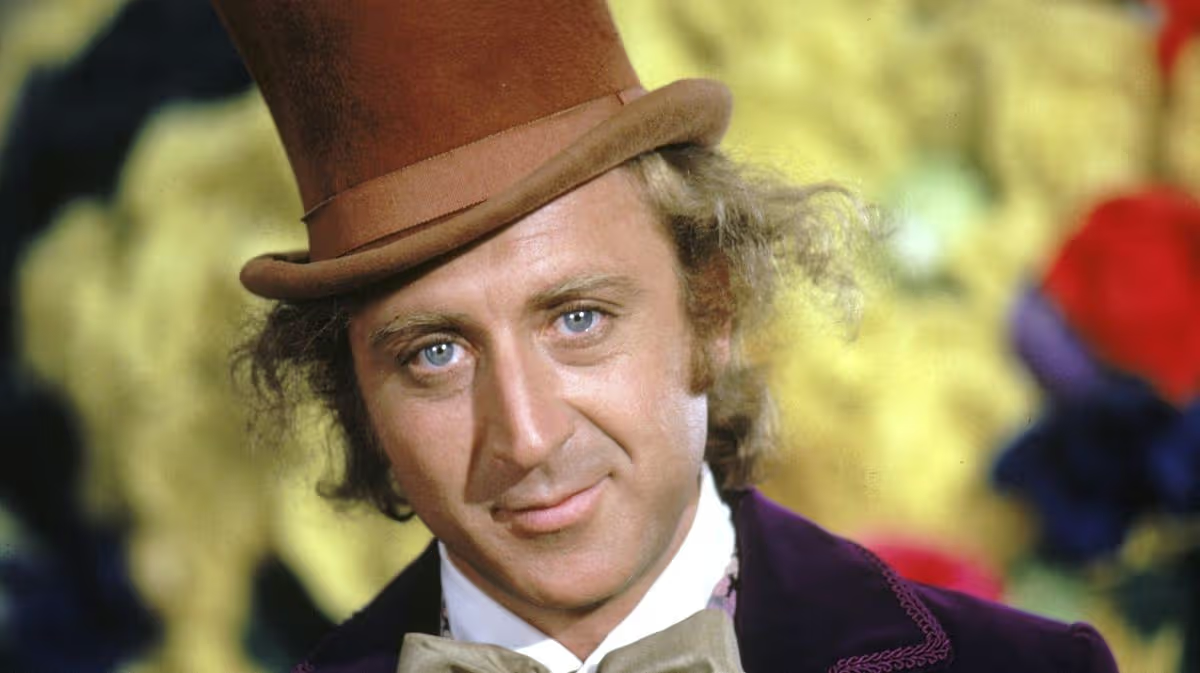
Netflix under fire for using AI to recreate Gene Wilder’s voice in Willy Wonka series

Published

on

Daily Mirror

Netflix has come under fire for apparently using artificial intelligence to recreate Gene Wilder’s voice in their new series based on Willy Wonka and the Chocolate Factory

Wonka’s The Golden Ticket teased in trailer from Netflix

Netflix has come under fire for apparently using artificial intelligence to recreate Gene Wilder’s voice in their new series based on Willy Wonka and the Chocolate Factory. The late actor, who died in 2016 at the age of 83, famously played the title character in the 1971 adaptation of the Roald Dahl classic.

Now, the streaming service is set to launch Wonka’s The Golden Ticket, a reality series that invites players to step inside the famous factory and complete challenges.

A voiceover, which sounds very much like that of Wilder, says: “A whole new generation of real-life golden ticketholder will compete for a life-changing prize, or say a most unfortunate goodbye.

Advertisement

“Marvel at the magic you remember, and delight in my newest wonders beyond imagination…The most extraordinary competition on earth is about to begin. There’s no turning back now.” A group of entrants were then seen locking shocked and the trailer confirmed that the series will be released on September 23.

Fans were left unimpressed as they instantly recognised what sounded almost the late actor’s voice, assuming that it had been generated by AI. One fan wrote on X: “It almost sounds like gene wilder, but not really and is a plastic substitute that people will eat up because the robots have made them stupid, This is an obscenity.”

Another said: “Ain’t no way they ruining one of my favourite movies of all time with a show and a AI Gene Wilder,” whilst a third wrote: “I’m sure Gene Wilder who died 10 years ago gave his permission to use his voice for AI slop.”

Advertisement

Charlie and the Chocolate Factory was first published in 1964 and followed an impoverished boy as he won the chance to visit Wonka’s chocolate factory and watched as four other spoiled children met their grisly end over the course of the day. The 1971 adaptation was filmed as a musical and featured songs like Pure Imagination, I Want It Now and The Candyman.

In 2005, Tim Burton released a remake with Johnny Depp as Wonka and Freddie Highmore as Charlie. The story was then adapted for the stage in 2013, and ran for a short period of time on both Broadway and the West End but closed amid mixed reviews.

In 2024, Timothée Chalamet stepped into the role of the factory owner in a prequel film, alongside an all-star cast made up of Rowan Atkinson, Olivia Colman, and Hugh Grant.

Advertisement

The celebrated children’s author was also behind other classics such as Matilda, The Twits, and James’ Giant Peach, and Netflix acquired The Roald Dahl Story Company in 2021.

Earlier this year, Netflix revealed that upcoming animation feature due was to release sometime in 2027. At the time, it was confirmed that Heartstopper star Kit Connor is set to lead the voice cast.

He will be joined by comedic actor and filmmaker Taika Waititi, known for directing and starring in Jojo Rabbit and Thor Ragnarok. They will both feature in Charlie vs. the Chocolate Factory.

The Netflix original is directed by experienced animated filmmakers Jared Stern and Elaine Bogan. Between them they have previously helmed The Lego Batman Movie, Spirit Untamed and Trollhunters.

Advertisement

According to the synopsis, Willy Wonka has spent the years since the Golden Ticket contest behind bars for the crime of turning a child into a blueberry. Having served his time, Wonka returns to his factory determined to add a little sweetness to a bitter world. But one thing stands in his way: teenager Charlie Paley and his friends.

Facing eviction, this next generation of “rotten” kids plot to break into the factory, nab a priceless Wonka Bar, and save their homes. But like many before them who enter the fantastical world of the factory, these kids are in for a bit more than they can chew.

The story is said to be set in modern day London, and the makers hope it retains the quintessential British charm synonymous with Roald Dahl’s original work while featuring a new adventure, original songs, brand new characters and some surprises. Netflix hopes this new chapter set in the world of Wonka will introduce a new generation to its universe and characters.

Kit Connor said: “I’m so excited to enter the wonderful world of Wonka. I was immediately caught by the early concept art, and the directors’ vision for the film – capturing the spirit and heart that made the original story so special, whilst imbuing it with something so fresh and unique. It’s such a fun representation of the London that I know. This new adventure is going to surprise audiences around the world, you’re in for a treat!”

Advertisement

The Mirror has reached out to Netflix for comment

Like this story? For more of the latest showbiz news and gossip, follow Mirror Celebs on TikTok, Snapchat, Instagram, Twitter, Facebook, YouTube and Threads.

Source link

Advertisement
Continue Reading

NewsBeat

Prison officer, 29, who was found to be in a relationship with a murderer after being saved as ‘partner’ in his contacts is jailed

Published

on

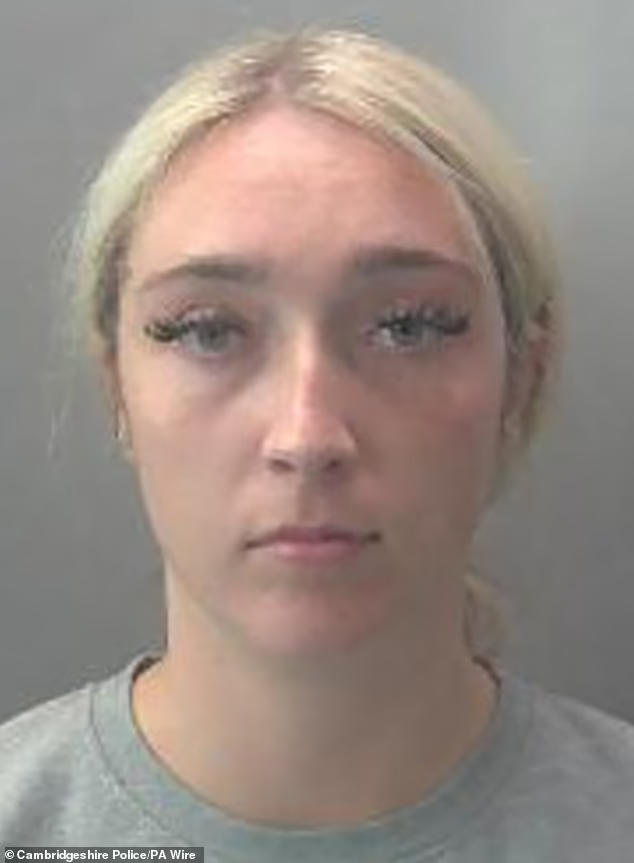
Prison officer Rebecca Green, 29, has been jailed for a year and four months after she was caught having a relationship with an inmate

Advertisement

A female prison officer caught having a relationship with a convicted murderer at a maximum security prison has been jailed.

Rebecca Green, 29, was working at HMP Whitemoor when she struck up a relationship with inmate John Otugade in October 2022.

Advertisement

Otugade, 33, is serving a life sentence with a minimum term of 25 years for shooting dead a nightclub bouncer in 2010 after being refused entry.

Cambridge Police said suspicions were raised about Green in the spring of 2023, and Otugade was moved to HMP Belmarsh in south-east London while an investigation took place.

Officers searched Green’s car and seized her mobile phone, which unearthed messages that gave away the relationship.

Otugade also had a number added to his approved contacts list inside the prison under the name ‘partner’.

Advertisement

This number was later found to match a phone belonging to Green.

Green, of Holbeach, Lincolnshire, pleaded guilty to misconduct in a public office at an earlier hearing.

Prison officer Rebecca Green, 29, has been jailed for a year and four months after she was caught having a relationship with an inmate 

Advertisement
She struck up a relationship with John Otugade, 33, who is serving a life sentence for shooting dead a London nightclub bouncer

She struck up a relationship with John Otugade, 33, who is serving a life sentence for shooting dead a London nightclub bouncer

She was sentenced at Cambridge Crown Court on June 24 to one year and four months in prison.

Detective Constable Tom Adams, who investigated, said: ‘As a prison officer, you have a responsibility to keep prisoners and your colleagues safe.

‘This was a serious breach of Green’s responsibilities, and she failed to consider the potential impact on the security and safety of the staff and prisoners and how her actions undermined the work of the prison.

Advertisement

‘This sentence shows how seriously the police and courts take such breaches.’

Green’s crime is an increasingly familiar story in the UK’s prison system.

The number of women prison officers fired for having ‘inappropriate’ relationships with male inmates has trebled in recent years. 

Figures show that 40 female wardens have been fired in the past four years after it was found that they were having behind-bar flings with imprisoned criminals.

Advertisement

Over the same period, there was just one case where a male officer was fired for having an affair with a woman inmate.

The Ministry of Justice also revealed there were a handful of cases where an officer was fired after illicit same sex relationships.

Another recent offender was Kyra Dancer, 23, also charged with misconduct in a public office amid accusations she had an ‘inappropriate relationship’ with an inmate.

Ms Dancer was employed by G4S and worked at their Wellingborough facility, which has been dubbed ‘Britain’s cushiest jail’.

Advertisement

Dancer, of Rushden, is accused of ‘wilfully and without reasonable excuse or justification misconducting’ herself.

Advertisement

Source link

Advertisement
Continue Reading

NewsBeat

Ringleader of Rochdale grooming gang ‘cannot be deported’

Published

on

A woman in a pink bikini lies on a deck chair covered in pink blankets, reads a magazine. there are pink towels, a tote bag and a radio next to her.

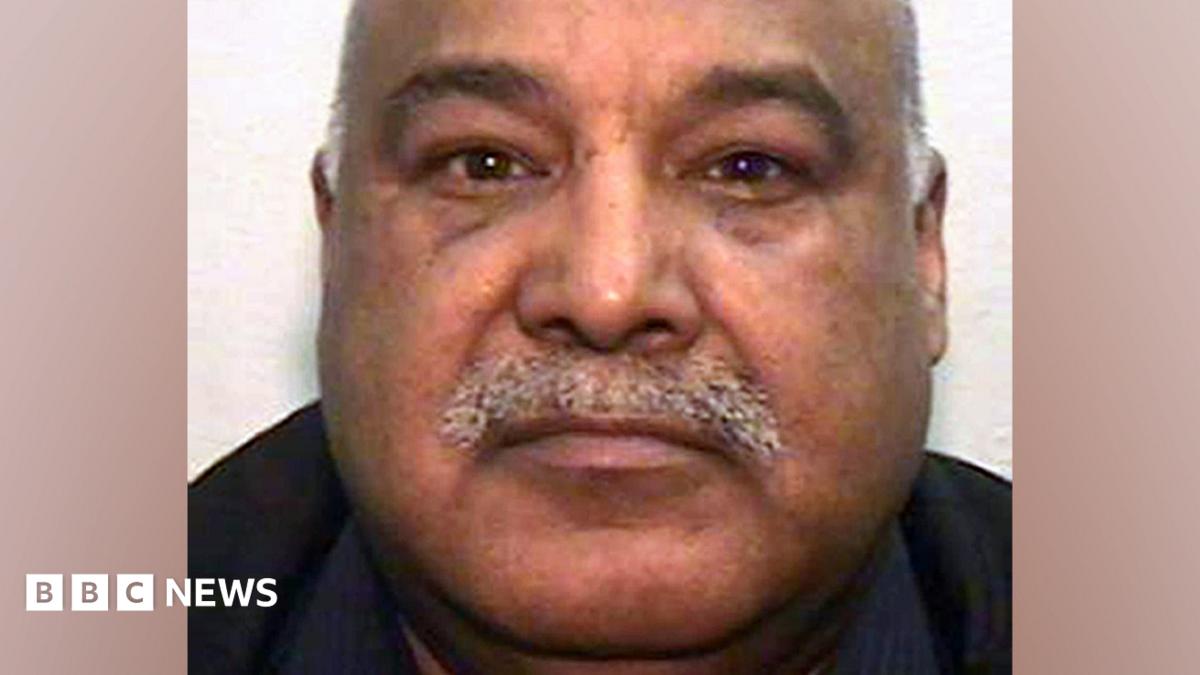
The ringleader of a notorious Rochdale grooming gang is set to be released from jail this week and cannot be deported, his victims have been told.

Shabir Ahmed, 73, known to his victims as “Daddy”, had dual British-Pakistani citizenship but was stripped of the former following his conviction in 2012 for multiple counts of rape and sexual offences against girls.

Documents shared online, reportedly from the Probation Service to one of his victims, state that he will be released on Thursday.

The Home Office said Ahmed’s crimes were “appalling” and that he would be subject to stringent licence conditions upon his release from prison.

Advertisement

Ahmed must initially live in supervised accommodation 24/7 and will be subject to an “exclusion zone” centred on Rochdale.

The papers published online said Ahmed cannot be deported back to Pakistan due to provisions under the Immigration Act 1971.

The act says because Ahmed arrived in the UK before 1973 and lived in the country for at least five years before his deportation was considered, his removal is barred.

Following the news, one of the Rochdale gang’s victims told how she has been left feeling “scared for my safety”.

Advertisement

The girl, who was sexually abused from the age of 12, told BBC Newsnight Ahmed was well-known in Rochdale, Oldham and Middleton.

“Even if he is not in those areas, he still knows people and could contact them, which makes me feel unsafe,” she said.

“At the end of the trial, we were told they would all be deported once released, but not one of them has been deported.

“There are always false promises.”

Advertisement

Source link

Continue Reading

NewsBeat

Primark issues recall over chemical risk on purses that can ‘damage reproductive system’ | News UK

Published

on

Primark issues recall over chemical risk on purses that can 'damage reproductive system' | News UK
Primark has recalled the colour block purse after a chemical hazard risk (Picture: Office for Product Safety and Standards)

A Primark purse has been recalled after a chemical health hazard fear.

A brown colour block coin purse sold by the fast fashion retailer for £6 has been recalled after a chemical risk from the textile.

The UK’s product safety watchdog issued an alert today to recall the product due to it ‘presenting a serious chemical risk.’

It has been found to contain excessive concentrations of phthalates, a chemical often used to make products more durable.

Advertisement

The chemical found on the purse are called Dibutyl phthalate (DBP), Bis(2-ethylhexyl) phthalate (DEHP), and Short Chain Chlorinated Paraffins (SCCPs).

Sign up for all of the latest stories

Start your day informed with Metro’s News Updates newsletter or get Breaking News alerts the moment it happens.

Advertisement

The Office for Product Safety and Standards said: ‘Phthalates are harmful to health and may cause damage to the reproductive system.’

The product does not meet UK chemical regulations designed to protect human health and the environment.

The purses were manufactured in China, the recall notice says.

What to do if you have bought the purse

Customers who bought the purse should stop using it immediately and keep the product out of reach of children, the watchdog says.

Advertisement

It can be returned to any Primark store for a full refund.

Customers can contact the retailer through its help centre and live chat function.

The affected purses’ model code is 3103002 and the barcode is 991169270

Get in touch with our news team by emailing us at webnews@metro.co.uk.

Advertisement

For more stories like this, check our news page.

Source link

Continue Reading

Trending

Copyright © 2025