To say that Malta has a rich history is an understatement.
Walk the streets and clifftops of this Mediterranean archipelago and you’ll discover layers of history that go back hundreds and even thousands of years.
Below, we peel back the centuries and unveil some of the islands’ most spellbinding historic treasures.
One is the capital city, the entirety of which has been declared a Unesco World Heritage Site. Within is one of the most opulently decorated cathedrals you’ll ever set eyes on, picture-postcard townhouses and the former headquarters of the order that built the city in the 16th century — the Knights of St John.
Advertisement
The island’s old capital, Mdina, is similarly hypnotic, but far more tranquil – a car-free, walled city infused with thousands of years of history.
For a sense of Malta’s military struggles there are epic forts to wander, vast displays of armour to gaze at, and a citadel to visit that was a place of refuge for locals against raiding parties for hundreds of years.
Delve even deeper into the past with a visit to Malta’s ancient subterranean cemetery and megalithic temples, Unesco-listed sites predating the Pyramids that reveal how the island was once home to a remarkably advanced prehistoric society.
Valletta — the Baroque capital built by the Knights
Advertisement
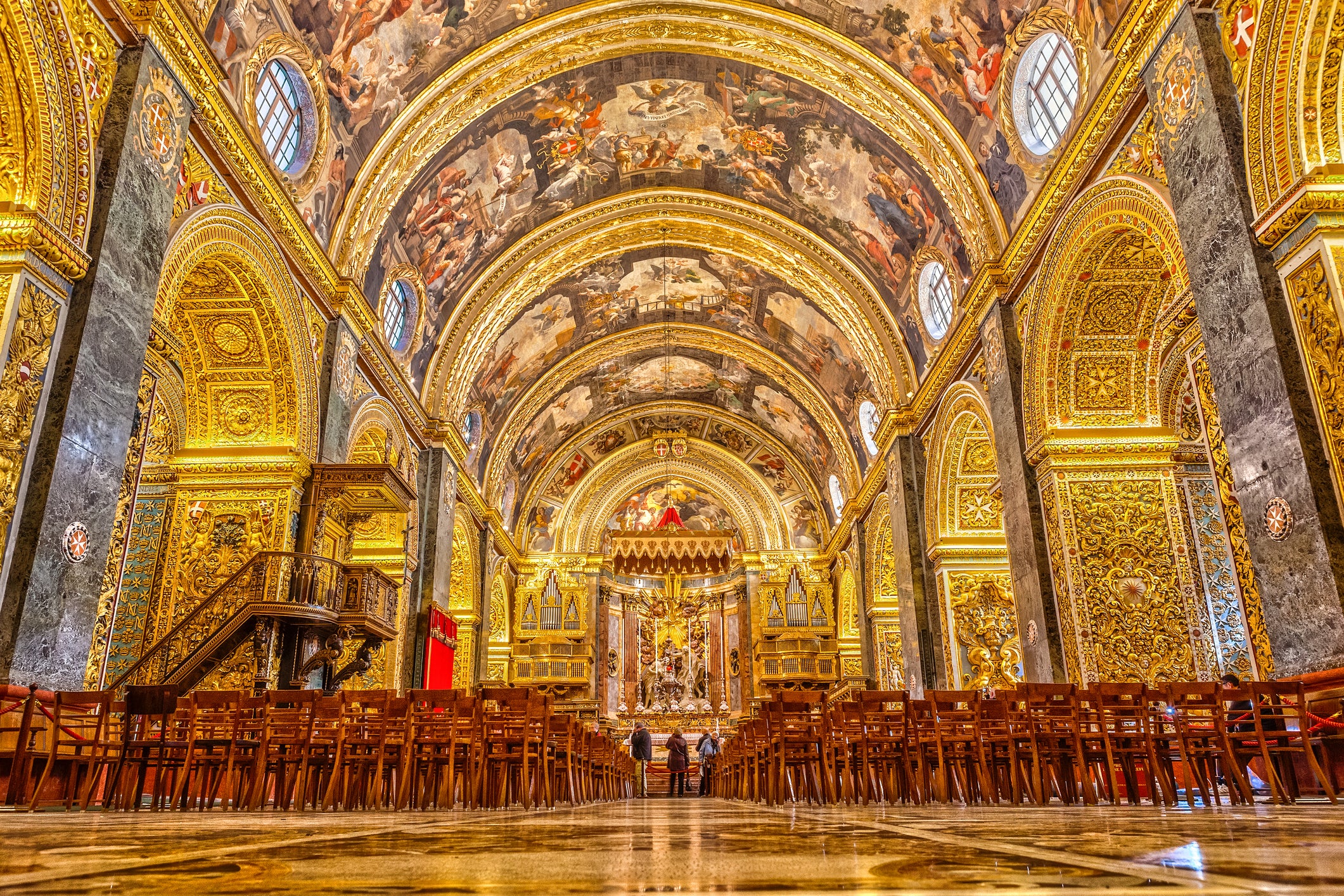
St John’s Co-Cathedral, which dates to the 1570s, is lavishly decorated. It’s one of several must-visit historical landmarks in Valletta (Getty Images)
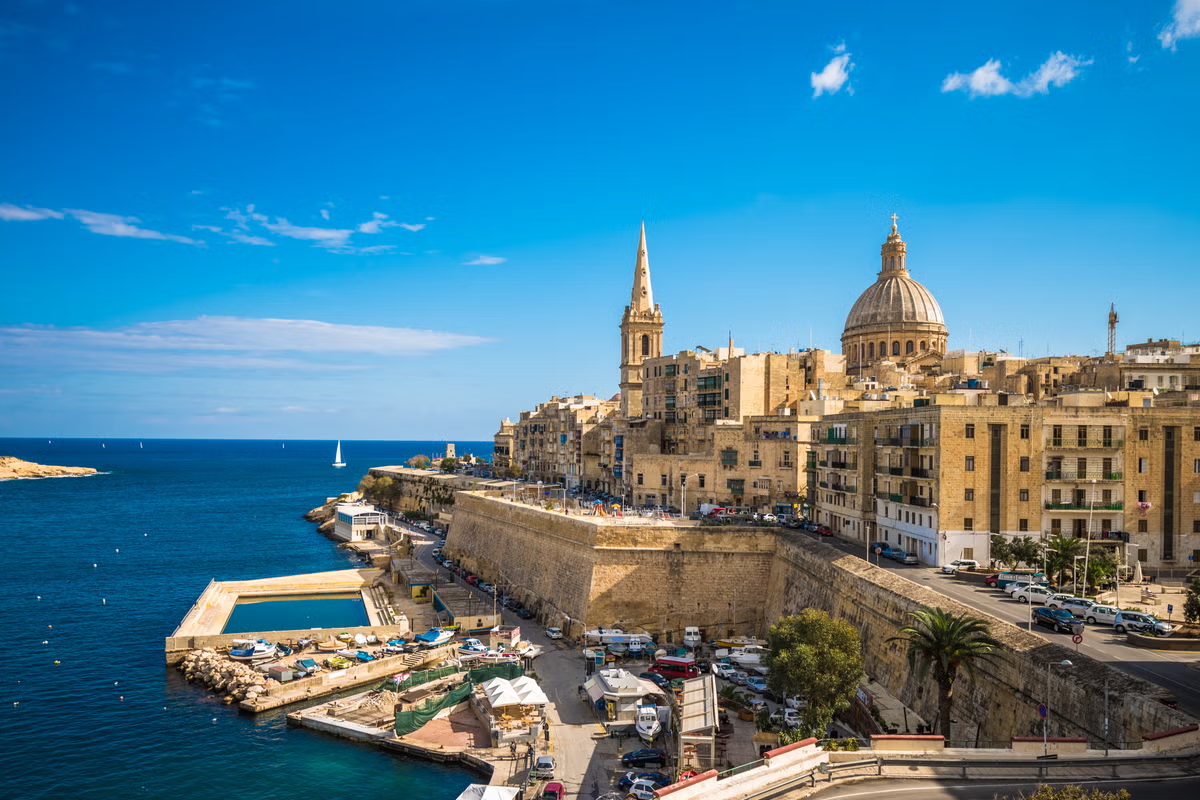
Perched on a rocky peninsula between two natural harbors, capital-city Valletta is tiny, covering just 60 hectares, or about one-fifth the size of Central Park.
But it packs a historical punch.
Built in 1566 by the Knights of St John — who came from noble families around Europe and ruled Malta from 1530 to 1798 — the honey-colored city is laced with stunning 16th and 17th-century townhouses, many of which now house atmospheric restaurants and bars, and jammed with around 320 monuments.
One of the most important landmarks to visit is St John’s Co-Cathedral, which was built by the Knights in the 1570s.
On the outside, it’s unprepossessing, but step inside and you’ll be greeted by a riot of lavish decorations that unambiguously signal power and wealth. There are carved stone walls, floors covered with marble tombs and a beautiful, painted vaulted ceiling. The eye will also be drawn to Caravaggio’s oil-painting masterpiece, The Beheading of Saint John the Baptist.
Advertisement
The Grand Master’s Palace, in the heart of Valletta, is another can’t-miss landmark. This former Knights nerve-center is home to one of the world’s greatest collections of arms and armor — underscoring the order’s military prowess — and rare French tapestries.
One of the best vantage points from which to drink in the city’s splendor is the 16th-century Upper Barrakka Gardens, originally a place of repose for the Italian Knights of St John.
Great place to stay:The Barrister (rooms from $245) sits right in Valletta’s historic core and features a bijou rooftop terrace with skyline views.
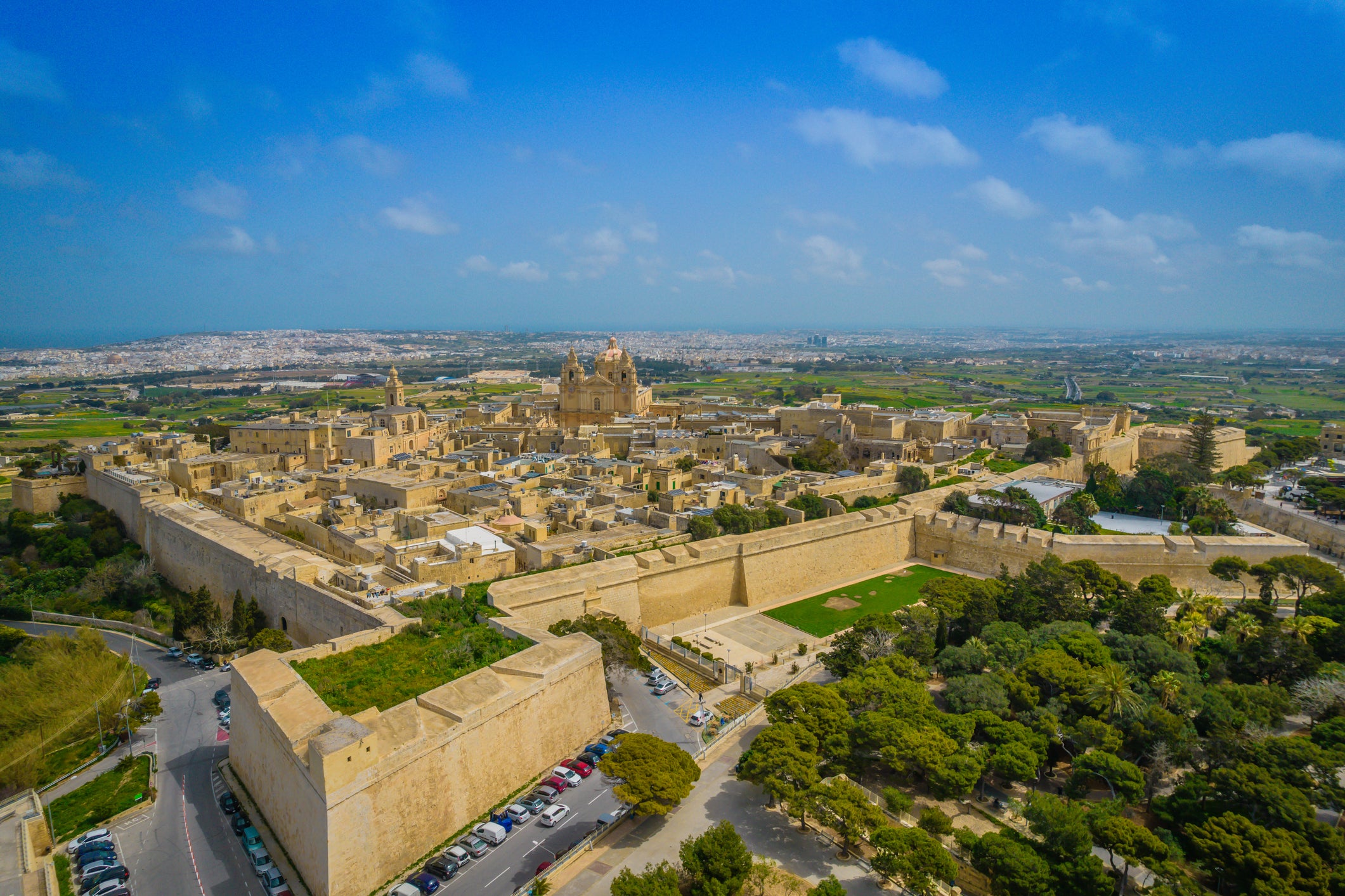
Car-free Mdina is famously quiet, and a time capsule of Maltese history (Getty Images/iStockphoto)
Mdina is a spellbinding journey through thousands of years of Maltese history, and a truly tranquil experience.
This incredible walled city — Malta’s old capital — dates back to the Bronze Age, after which it was ruled by the Phoenicians, Romans, Arabs, Normans, and eventually the Knights of St John.
Wander its labyrinthine streets and you’ll feel the depth of that history with every step — and you’ll hear every step. Mdina, car-free and with a population of just a few hundred people, is so quiet that it’s been dubbed Malta’s “Silent City.”
One of the key photo opportunities is the city gate, which you may recognize from Game of Thrones — it was used as the entrance to King’s Landing in the hit HBO series. The stone portal was built in 1724, and with its intricate carvings, makes for a suitably theatrical entrance to the city.
Advertisement
St Paul’s Cathedral also delivers drama, with an elegant dome that dominates the skyline and stunning painted ceilings inside.
Don’t leave without walking the perimeter walls, which offer impressive views of the maze-like city interior and out across the surrounding patchwork fields to the Mediterranean beyond.
Great place to stay: The Xara Palace Relais & Châteaux (rooms from $320) is one of the few hotels set inside Mdina’s walls, and the converted 17th-century palazzo delivers a lost-in-time-and-space atmosphere, with antique-festooned rooms.
Vittoriosa (Birgu) is bursting with history and its well-preserved streets are a joy to wander (Getty Images)
Vittoriosa — also known as Birgu — offers further, fascinating immersion into the world of the Knights of St John, for this Lilliputian city — which sits directly across the Grand Harbour from Valletta, forming part of the so-called “Three Cities” (Birgu, Senglea and Cospicua) — was the Knights’ headquarters before Valletta existed, and helped ensure victory in the Great Siege of 1565.
The part of the city that bore the brunt of the onslaught from Ottoman forces was the formidable Fort St Angelo, which served as the nucleus of the Knights’ defense.
The fort was opened to the public in 2015, and stepping inside is an eye-opening glimpse into Malta’s military past. Interactive exhibits tell the story of the siege, and you can explore the former residence of the fort commander and see the Guva, the 16th-century oubliette accessible only by a trapdoor in the ceiling where the artist Caravaggio was held in 1608.
Stroll the ramparts for mesmerizing harbor views.
Advertisement
Earmark time, too, for a look around the Inquisitor’s Palace, a complex that had a dual role from the 16th to the 18th centuries as both a grand residence for Holy Roman inquisitors enforcing religious orthodoxy and a prison for accused heretics.
The streets of the city will hold you spellbound — they’re beautifully preserved and intimate.
Great place to stay:Casa Birmula Boutique Hotel (rooms from $230) is set in a restored townhouse and offers superb skyline views from its rooftop terrace and pool.
Malta’s deepest history — structures that predate the pyramids
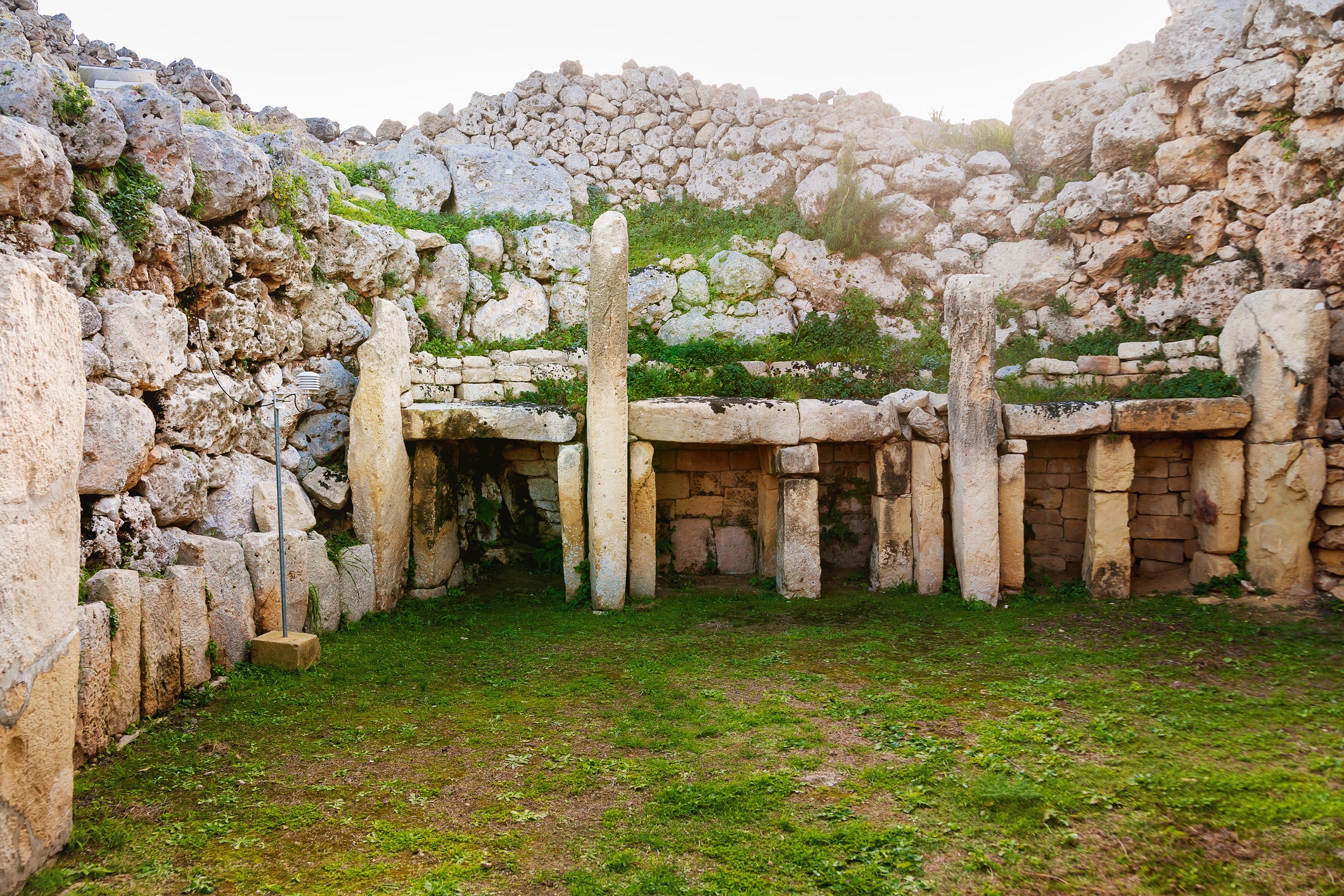
The megalith temple complex of Ggantija is evidence that an advanced prehistoric society flourished on Malta (Getty Images)
The archipelago’s history runs astonishingly deep. In fact, it’s home to seven Unesco-listed megalithic temples and an underground cemetery that are among the oldest surviving human-built structures on the planet, some of which predate the Pyramids and Stonehenge.
The society behind them was one that flourished, then suddenly collapsed. The reason why isn’t clear — some researchers believe farming and deforestation led to catastrophic soil degradation — but one thing is certain: these architectural masterpieces, built with extremely limited resources, indicate that Malta was home to an advanced prehistoric society capable of remarkable feats of engineering.
One of the most impressive monuments is Ggantija, a temple on the island of Gozo dating back to 3600-3200BC created from limestone blocks and built to a striking scale.
On Malta’s southern coast, around 1,600 feet apart on the crest of a ridge, are the similarly ancient and eye-opening temples of Hagar Qim and Mnajdra. Key areas of Mnajdra are illuminated by the sun during the equinoxes and solstices, indicating symbolic and astronomical understanding.
Advertisement
The subterranean Unesco-listed necropolis of Hal Saflieni Hypogeum — on a hill in the suburb of Paola, not far from the Grand Harbour — is an even more prized sight: because exhaled carbon dioxide damages the delicate limestone walls, only around 10 people at a time are allowed inside.
Book far in advance, up to two months if possible, to view halls, chambers and passages dug in three levels that were in use between 4000 and 1500BC.
Great place to stay:Kempinski Hotel San Lawrenz (rooms from $200) on Gozo has gardens and multiple pools, and is within easy reach of Ggantija.
Gozo Citadel — the island’s defensive heart for centuries
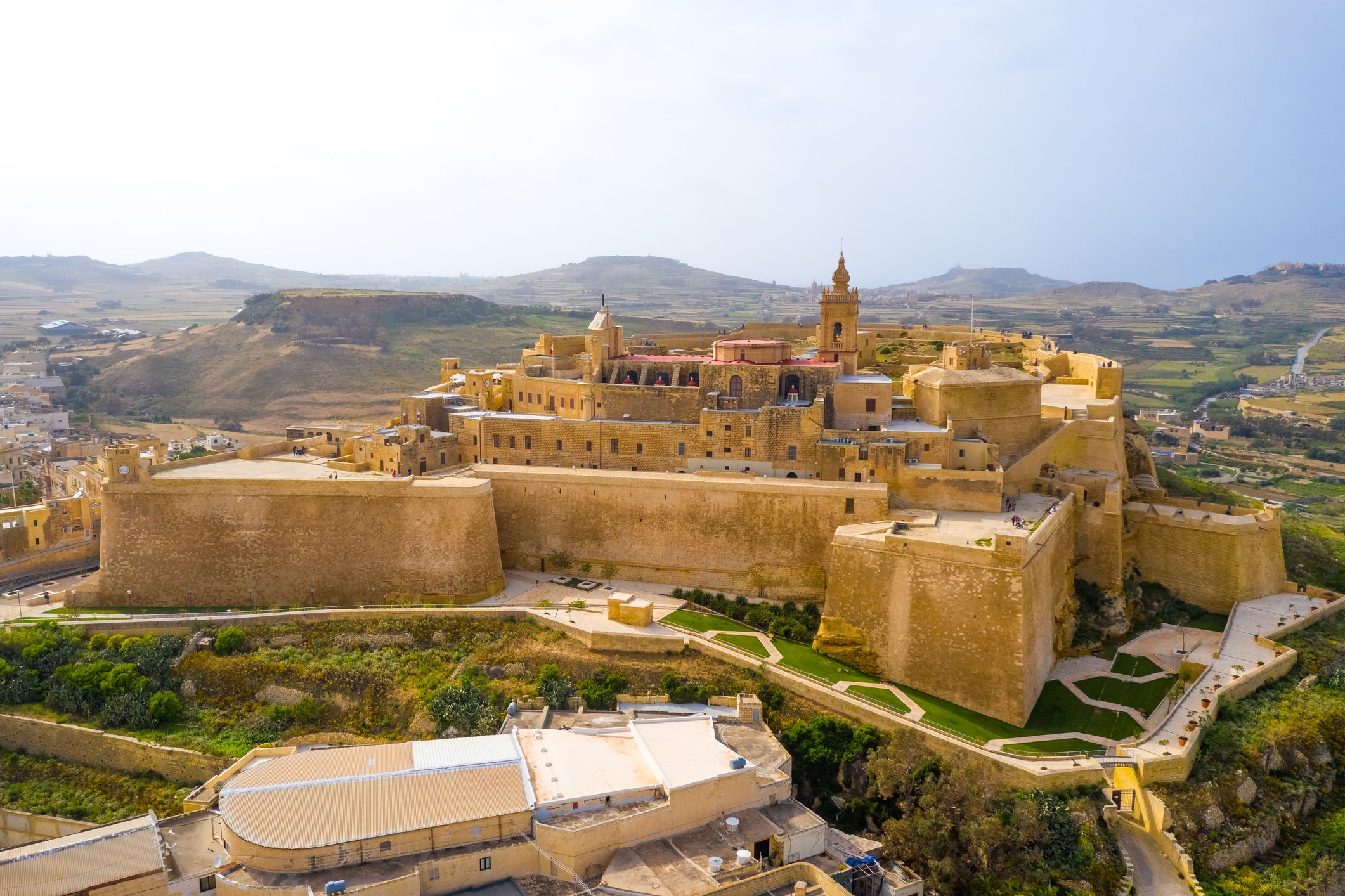
Gozo Citadel occupies a site that’s been fortified since the Bronze Age (Getty Images/iStockphoto)
Gozo’s fairytale walled Citadel (known locally as Il-Kastell) crowns the island’s main town, Victoria (also known as Rabat), and occupies a site that’s been fortified in some way since the Bronze Age.
While today it’s largely a historic attraction (though there are a handful of residents), in the past it was a vital refuge for locals.
In fact, from the late Middle Ages until the early 17th century rural families would shelter nightly in the citadel as protection against pirate and Ottoman raids.
Take to the ramparts and it becomes clear why the citadel was so vital for defense — you can see almost the entire island.
Advertisement
Ground-level explorations unveil a world within a world, a maze of hushed, narrow lanes, tranquil squares and small museums, including the Gozo Museum of Archaeology, Folklore Museum, and Nature Museum.
The early 18th-century Cathedral of the Assumption is the flagship attraction, featuring a hypnotic ceiling painting that creates the illusion of a dome.
Great place to stay: Hotel Ta’ Cenc & Spa, Gozo (rooms from $260), a short drive from the citadel, is an oasis: there are gardens, pools and countryside views. And noise pollution is non-existent.
PALU, Indonesia (AP) — Rescue teams raced Monday to find 27 people missing after a passenger boat sank in rough seas on its way to a remote village in eastern Indonesia.
The boat, the Nazila 05, was carrying 27 passengers and crew members when it departed Taliabu Island in North Maluku province just after dusk on Sunday. It was bound for Kema, a coastal village in the same province, said Muhammad Rizal, who heads the search and rescue office in Central Sulawesi’s Palu city, near where the boat sank.
He said the incident was first reported to authorities on Monday morning by the ship’s owner, Rifani Samatia, after the Nazila 05’s captain contacted him to report that the vessel’s bow had broken after it was hit by high waves during rough weather. About 30 minutes later, the captain reported that the vessel had sunk.
“All 27 people aboard managed to evacuate using a longboat before the ship went down,” Rizal said, “However, their current location remains unknown.”
Advertisement
A search-and-rescue team was dispatched using a rescue vessel, supported by navigational equipment and communication tools, a helicopter and assisted by local fishers, Rizal said.
He said the Nazila 05 was frequently used to transport tourists and was also known locally as a fishing or small passenger vessel.
Indonesia is an archipelago with more than 17,000 islands, where boats are a common form of transportation. With lax safety standards and problems with overcrowding, accidents occur frequently.
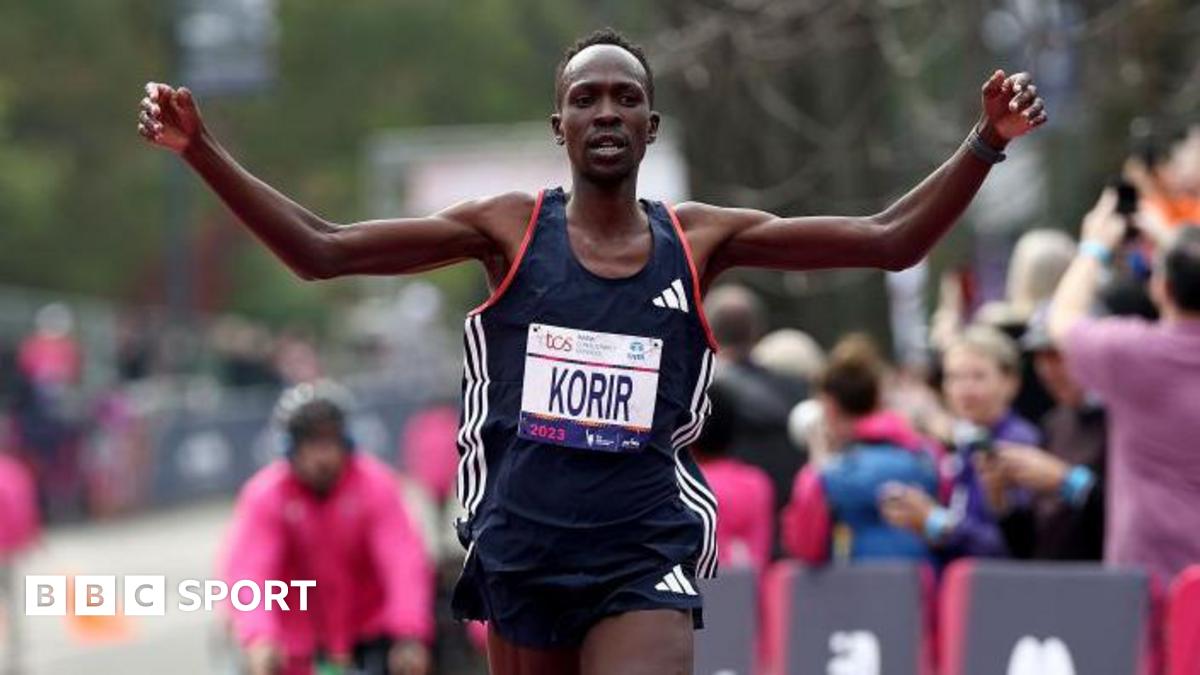
Former New York Marathon winner Albert Korir has been banned for five years after admitting to doping.
The 32-year-old Kenyan tested positive for CERA – a potent blood-boosting substance and modern variant of EPO – across three out-of-competition tests in October 2025.
All of Korir’s results since October will now be disqualified, including his third place in the New York marathon last November.
The Athletics Integrity Unit (AIU) stated that his ban will expire on 7 January 2031, with Korir benefiting from a one-year reduction by admitting to the violations.
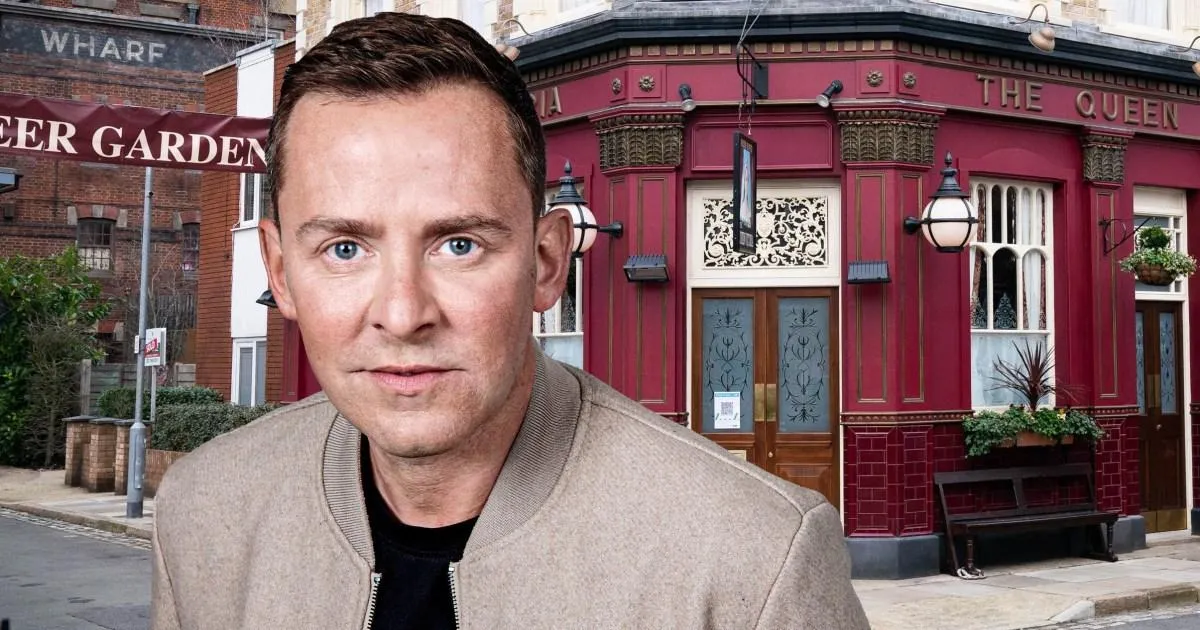
EastEnders’ viewers have been concerned over the ramifications Scott Mills’ sacking from his BBC Radio 2 show could have on 2027’s New Year’s episode after he featured in 2026’s New Year’s edition, which flashed forward a whole year.
‘Time for some messages: Max Branning, good luck on your wedding day. Wow! It says here, fifth time lucky. That is from Oscar, hotter than ever in 2027. I am guessing you wrote that yourself, Oscar! And that one is also from Lauren, too’ said Scott.
Following his appearance, Scott took to his Instagram to show the clip of his name appearing in the credits, while sharing a clip of him recording the message for the show.
Advertisement
He captioned the post: ‘I’ve been keeping more secrets than Santa this Christmas LOL’
Advertisement
While there has been concern from ‘Enders fans over what potential impact this could have, luckily, we at Metro can set the record straight.
We understand that the scene featuring Scott won’t be reused in this years New Year’s episode and will have no impact on what is to come.
‘We’ve got an amazing cast working on this, and knowing the plans as I do, and knowing how we’ve set stuff up in a way that gives us, you know, the latitude to tell the story the way we want to. I’m feeling good about it,’ ‘Enders boss Ben Wadey previously said of the special episode.
‘You have to speak to the actors early doors and say, ‘We’re gonna have to lock in your look for a year. Are you comfortable with that?’, but the big challenges come from a storytelling perspective.
Advertisement
‘The team and I will sit and have those massive tent poles over the year, to know where we’re going.’
Scott Mills’ BBC sacking
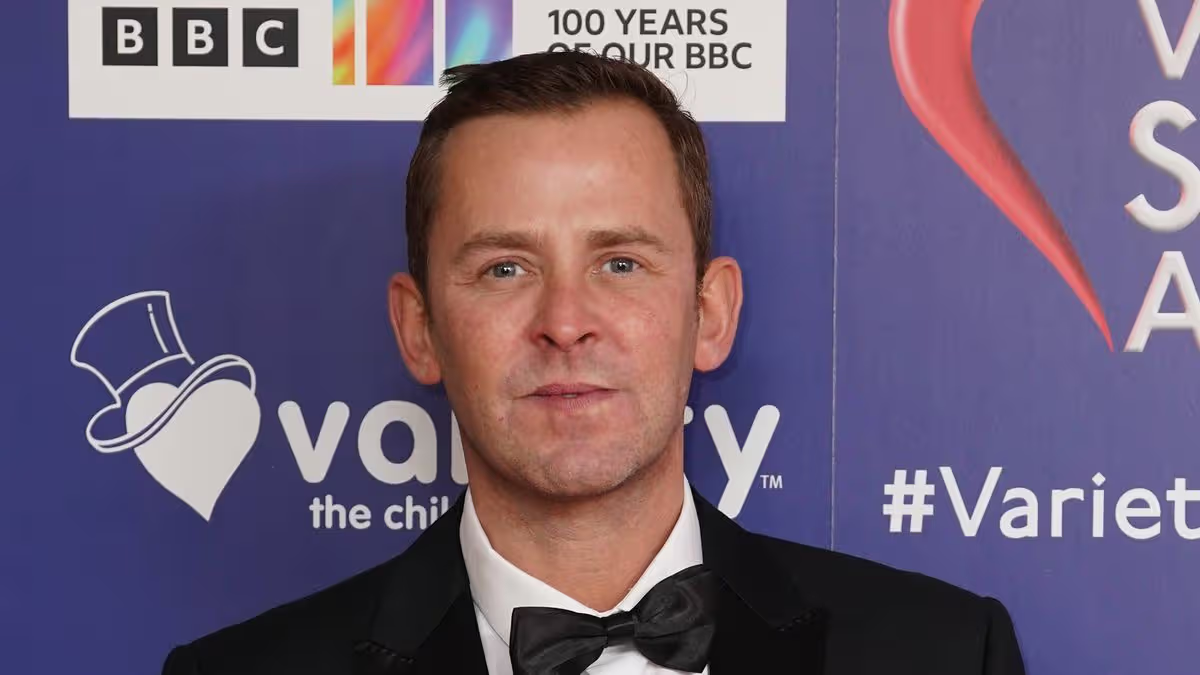
Scott Mills was sacked today (Picture: BBC/Owen Scurfield)
Mills was let go today due to his ‘personal conduct’ and will no longer host his popular Radio 2 show.
Don’t miss a Soaps scoop! Add us as a Preferred Source
As a loyal Metro Soaps reader, we want to make sure you never miss our articles when searching for stories. We have all the latest soaps news, spoilers, videos, and interviews, with a vibrant community of highly engaged readers.
Click the button below and tick Metro.co.uk to ensure you see stories from us first in Google Search.
Now you can ensure you never miss a story from the Soaps team
A statement from the BBC said: ‘While we do not comment on matters relating to individuals, we can confirm Scott Mills is no longer contracted to work with the BBC.’
The Mirror later shared a statement from Lorna Clarke, who serves as Director of Music, which had been circulated among staff ahead of the news breaking, reading: ‘I wanted to personally let you know that Scott Mills has left the Breakfast show, and the BBC.
‘I know that this news will be sudden and unexpected and therefore must come as a shock. Not least as so many of us have worked with Scott over a great many years, across a broad range of our programmes on R1, 5Live, R2 and TV.
Advertisement
‘I felt it was important to share this news with you at the earliest opportunity.’
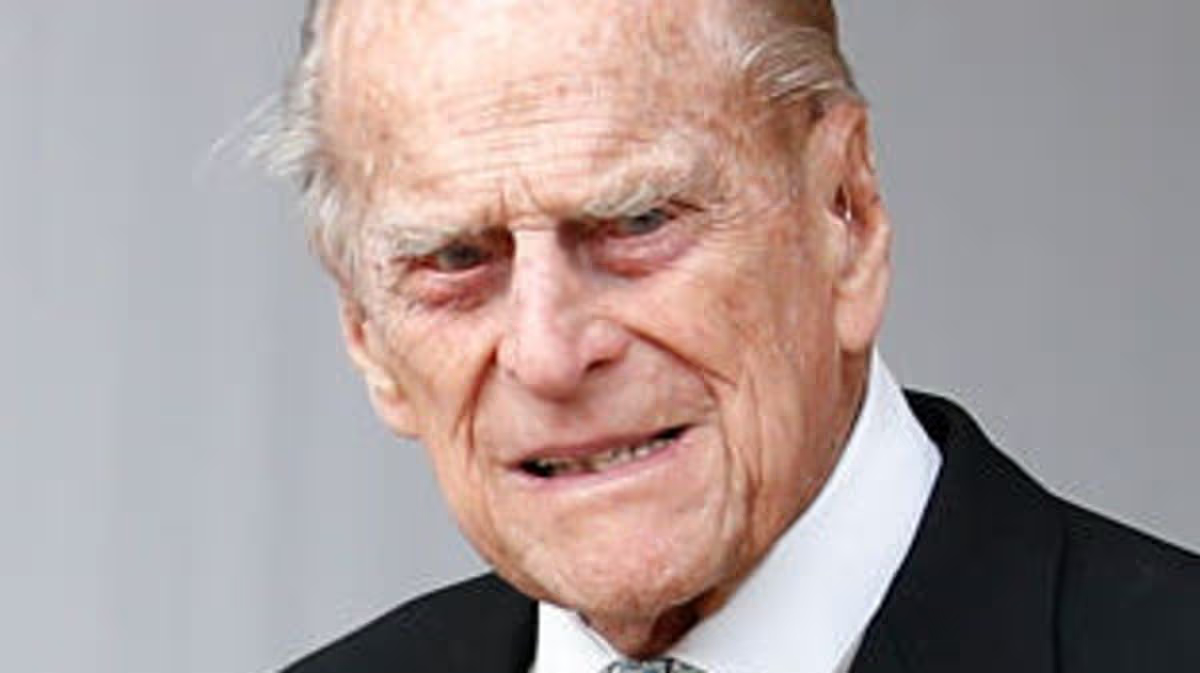
A royal expert has claimed that Prince Philip was privately battling pancreatic cancer for almost a decade before he died in 2021, and he even still showed up for royal duties for four years after being diagnosed
Prince Philip was reportedly battling pancreatic cancer for eight years before his death, according to a royal author.
Advertisement
Royal historian Hugo Vickers has revealed in his new book that the late Duke of Edinburgh was diagnosed with the disease in June 2013, when he was 91 years old. After his diagnosis, there were allegedly growing concerns that Philip would not be able to carry out royal duties.
Despite this, the late prince continued to show up for official engagements for another four years, before stepping back from his royal role in 2017. Four years later, Prince Philip died just two months before his 100th birthday.
In Vickers’ new book titled Queen Elizabeth II, which has been serialised by the Daily Mail ahead of its release, he details the final years of Philip’s life. The historian explains that Philip had an initial stay in hospital when he was diagnosed, before being discharged to recover at home.
“Doctors had detected a shadow on his pancreas, and had cut him right across his stomach,” the author wrote. “The verdict was inoperable pancreatic cancer.”
The royal author explained that after being diagnosed with the disease “there was a view that [Philip] might not be seen in public again”. However, Vickers went on to include that “the duke outwitted the pessimists” surviving with pancreatic cancer for much longer than initially expected.
Prince Philip saw out his final days at Windsor Castle, where Vickers said he enjoyed “elements of tranquillity”. He wrote: “On the last night of his life, he gave his nurses the slip, shuffled along the corridor on his Zimmer frame, helped himself to a beer and drank it in the Oak Room.”
Advertisement
The royal historian claims that at this point, the late Duke had been living with pancreatic cancer for eight years – far longer than the usual survival time after diagnosis. Vickers wrote of the morning of his passing: “He got up, had a bath, said he did not feel well, and quietly slipped away.”
The late Queen, who was understood to have not been there when Phillip died, was “absolutely furious that, as so often in life, he left without saying goodbye”, Vickers wrote. Prince Philip died on April 9 2021, with his official cause of death being listed as ‘old age’.
Only a limited number of people were allowed to attend Philip’s funeral, which was held during the height of the Covid pandemic. The late Queen was pictured sitting alone, wearing a mask, as she attended the service at St George’s Chapel in Windsor.
Advertisement
The couple were married for more than 73 years with Prince Phillip becoming the longest-serving Consort in British history, as the Queen once described her husband as her “strength and stay”.
According to Cancer Research UK, it is unusual for people to live long with pancreatic cancer, with only five per cent of people surviving the disease for five years or more.
The disease has the lowest survival rate of all common cancers with most people not diagnosed until the disease has spread, meaning surgery is not a viable option to combat the cancer. In the UK, there are around 10,200 deaths caused by pancreatic cancer each year.
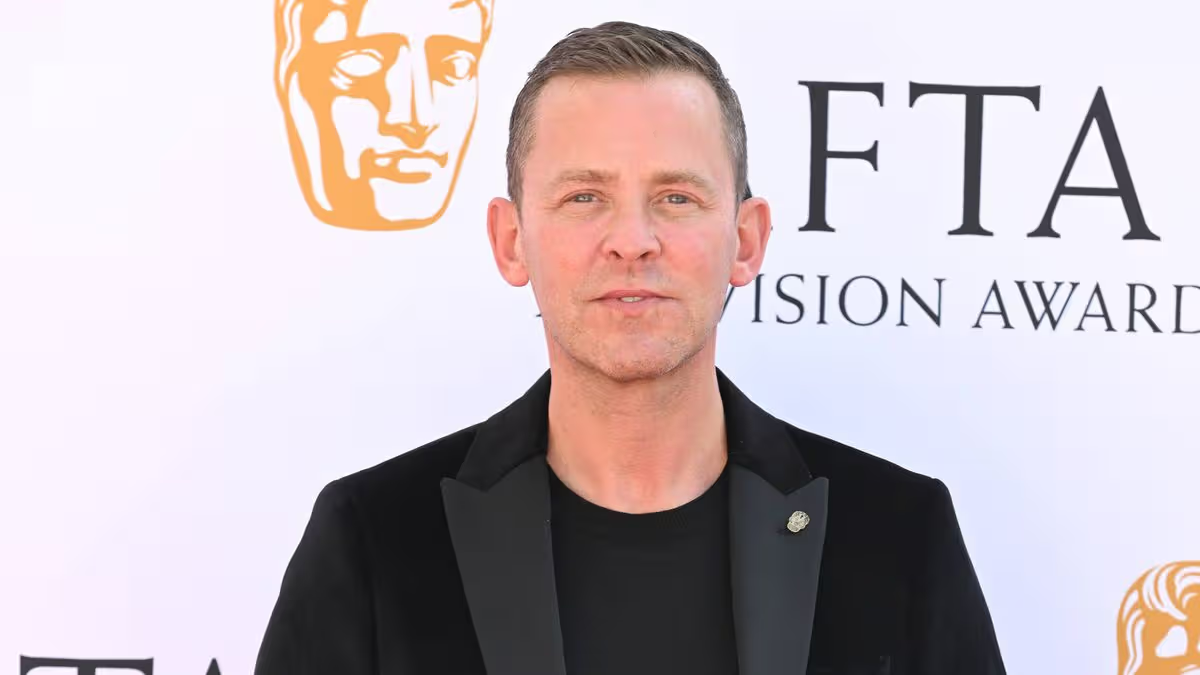
Scott Mills had been presenting his self-titled show on BBC Radio 2 since January 2025, taking over from Zoe Ball
Samantha Masters Content Editor
13:32, 30 Mar 2026Updated 13:55, 30 Mar 2026
Scott Mills delivered a devastating announcement during what has now turned out to be his final programme on BBC Radio 2. The 53-year-old broadcaster has reportedly been dismissed from the BBC following an allegation concerning his personal conduct, according to The Mirror. Scott has been absent from the airwaves since last Tuesday, with Gary Davies filling in while the BBC investigated the matter.
A BBC spokesperson stated: “While we do not comment on matters relating to individuals, we can confirm Scott Mills is no longer contracted to work with the BBC.”
Advertisement
On his last day broadcasting, Scott retained his typically upbeat manner, though he delivered a sombre announcement an hour into the programme. After playing a track by the Kaiser Chiefs, he said: “I just want to quickly mention someone who a lot of us worked with here at BBC Radio 2 over many years, who has sadly died.
“We only got the news yesterday, so we’re all feeling, a little bit, well, very sad and in shock. Our wonderful friend and colleague, Ian Deeley, who was an absolute legend round these parts… just sending love to all of Ian’s friends and family.”
After the tribute, he pressed on with his programme alongside his colleague Ellie Brennan. During the episode, he also asked listeners to help him decide whether he should get a perm to resemble Gary.
Advertisement
According to reports, BBC Radio 2 personnel were briefed about Scott’s exit by Lorna Clarke, Director of Music, who stated: “I wanted to personally let you know that Scott Mills has left the Breakfast show, and the BBC. I know that this news will be sudden and unexpected and therefore must come as a shock.
“Not least as so many of us have worked with Scott over a great many years, across a broad range of our programmes on R1, 5Live, R2 and TV. I felt it was important to share this news with you at the earliest opportunity.”
She continued: “It will also come as a shock to our audience and loyal breakfast show listeners. I will update everyone with more information on plans for the show when I’m able to. While I appreciate many of you will have questions, I hope you can understand that I am not going to be saying anything further now.”
Meanwhile, Vernon Kay, presenter of the mid-morning programme on BBC Radio 2, also offered a tribute to Ian Deeley during his show.
As part of the statement, he said last week: “The BBC family were devastated to hear that our brilliant studio manager, Ian Deeley, had died unexpectedly but peacefully at the age of 45. At his heart, Ian was a broadcaster – whether driving the desk, engineering an outside broadcast, producing or presenting, he loved radio with every fibre of his being.”
Vernon added: “Even though he was relatively young, Ian had a long and illustrious career, working on nearly every BBC radio station. He loved working here at Radio 2, and one of his career highlights was working with our friend Steve Wright. Steve always said, ‘Ian, keep it cranked,’ and he did.”
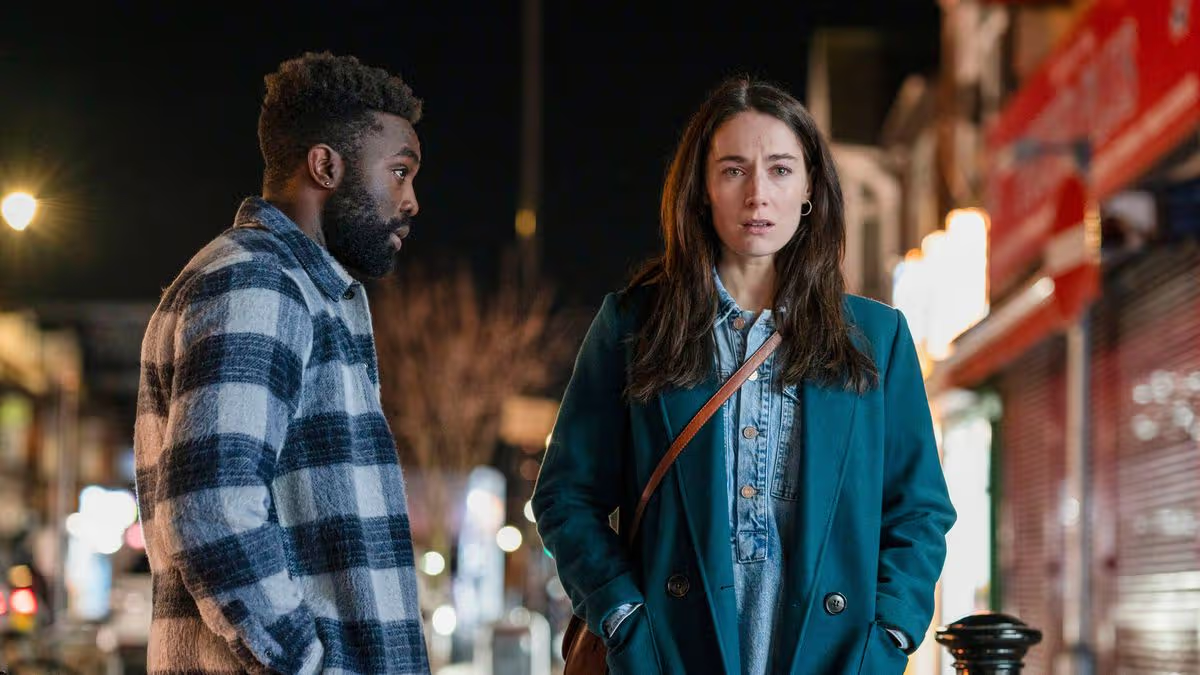
BBC One drama Babies tells the story of Lisa and Stephen, a couple in their 30s whose dream of starting a family is tested when they suffer multiple miscarriages
The eagerly awaited series, Babies, is set to make its debut on the BBC.
Advertisement
Described by the broadcaster as a “tender yet urgent love story exploring the emotional resilience of a couple navigating the heartbreak of pregnancy loss”, the series starts tonight on BBC One (March 30), reports the Mirror.
The six-part drama centres on Lisa and Stephen, a couple in their 30s whose aspirations of building a family together are put to the test following a series of miscarriages. Despite navigating grief through their pregnancy losses, their relationship “shines through with humour, warmth, and unwavering commitment”.
Meanwhile, fractures begin to appear in Stephen’s relationship with his friend Dave, who is contending with his own struggles.
Paapa Essiedu’s profile is soaring at present, and his lead role as Stephen in Babies looks set to cement his TV fame.
The actor has been a fixture on television for more than a decade, earning recognition for his portrayals of Alexander “Alex” Dumani in Gangs of London and George in The Lazarus Project.
More recently, he has appeared in Black Doves, Black Mirror and tech thriller The Capture, where he shares the screen with Holliday Grainger. Paapa has also been cast as Severus Snape in the forthcoming Harry Potter series.
Advertisement
The star, who is married to actress and comedian Rosa Robson, revealed to the BBC that, ahead of filming Babies, he consulted specialists in the field to deepen his understanding of the subject. “If it makes one person able to talk about pregnancy loss when they previously couldn’t, I think the show will have been a success,” he said.
Siobhan Cullen – Lisa
Irish actress Siobhan Cullen takes on the central role of Lisa in the drama.
The actress is widely recognised for her theatrical work but has also appeared on television in productions such as The Clinic, Bodkin, and The Long Call.
She may be best known to audiences as Caroline Sheridan in the comedy drama The Dry, which chronicled a woman’s recovery from alcoholism, and as Elvira Clancy in the dark comedy Obituary.
Advertisement
Following her casting as Lisa, Siobhan revealed she consulted women in her personal life about their own paths to parenthood. “Many of them have gone through something similar to Lisa, and they were very generous in sharing their experiences and the journey to becoming a parent,” she told the BBC.
Charlotte Riley – Amanda
Charlotte Riley portrays Amanda, who is in a new romance with Stephen’s friend Dave.
In recent years, the actress, who is married to Tom Hardy, has appeared in the US sci-fi series The Peripheral and the psychological thriller Malice.
Advertisement
She is also set to appear alongside Idris Elba and Jared Leto in the forthcoming Masters of the Universe film, taking on the role of Queen Marlena Glenn, a former astronaut from Earth.
Jack Bannon – Dave
Jack Bannon portrays Amanda’s boyfriend Dave in Babies. The actor has achieved success in cinema with productions including Kids in Love and The Imitation Game, and has featured in television programmes such as Ripper Street and The Loch.
His notable TV roles include Endeavour, where he portrayed Sam Thursday from 2013 to 2018, and Pennyworth, a crime drama that delved into the formative years of Batman’s family butler.
Babies starts at 9pm on BBC One on Monday (March 30) and all episodes are available on BBC iPlayer.
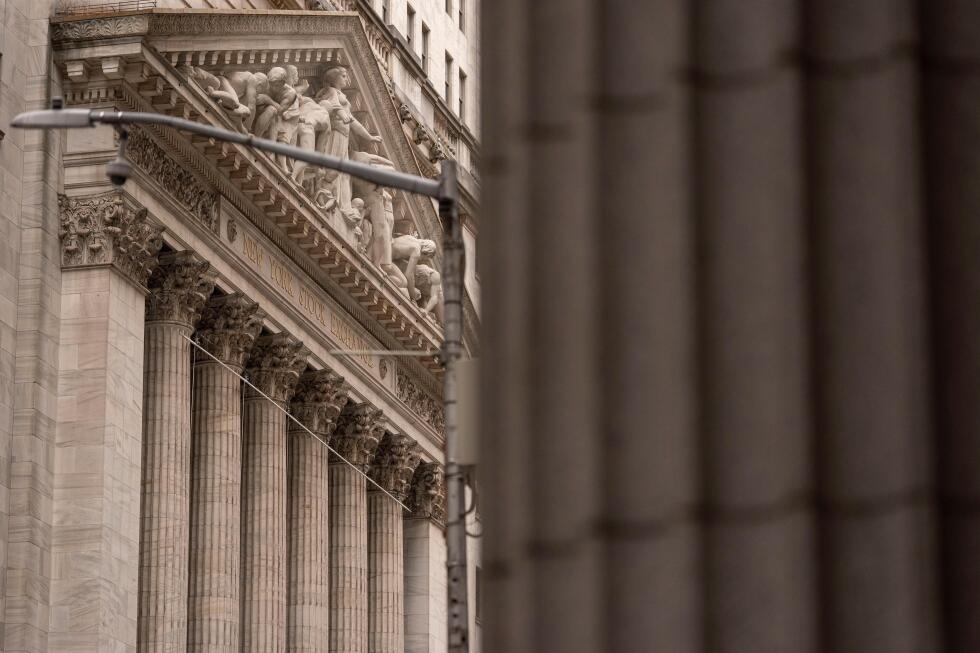
Wall Street was poised to open the week with gains on Monday as oil prices continued their climb and prospects for an end to the Iran war remained uncertain.
Futures for the S&P 500, Dow Jones Industrial Average and Nasdaq all climbed 0.6% before the opening bell. Wall Street closed on Friday with its fifth straight losing week, its longest such streak in nearly four years.
Benchmark U.S. crude jumped $1.20 to $100.84 a barrel. Futures for Brent crude, the international standard, climbed 2.1% to $107.54 a barrel. Before the war, Brent had been priced at about $70 a barrel.
U.S. President Donald Trump on Monday threatened widespread destruction of Iran’s energy resources and other vital infrastructure if a deal to end the war with Tehran is not reached soon.
Advertisement
In a social media post, Trump said “great progress is being made” in talks with Iran to end military operations but bristled that if a deal is not reached and if the strategic Hormuz Strait is not immediately reopened, the U.S. would broaden its offensive by “completely obliterating all of their Electric Generating Plants, Oil Wells and Kharg Island (and possibly all desalinization plants!).”
About one-fifth of the world’s oil passes through the Hormuz Strait.
On the ground, the war showed no sign of letting up: Tehran struck a key water and electrical plant in Kuwait, and an oil refinery in Israel came under attack. Israel and the U.S. launched a new wave of strikes on Iran.
The acquisition would create a closer link between Sysco and customers that rely on Restaurant Depot for supplies needed quickly in an industry segment known as “cash-and-carry wholesale.”
Restaurant Depot shareholders will receive $21.6 billion in cash and 91.5 million Sysco shares.
Markets in Asia closed broadly lower Monday as worries continued about soaring oil prices and the potential for further escalation in war with Iran, but shares rose moderately in Europe.
France’s CAC 40 rose 0.4% at midday, while Germany’s DAX added 0.3%. Britain’s FTSE 100 gained 0.9%.
Advertisement
Japan’s benchmark Nikkei 225 slipped 2.8% to finish at 51,885.85. Australia’s S&P/ASX 200 lost 0.7% to 8,461.00. South Korea’s Kospi dove 3.0% to 5,277.30. Hong Kong’s Hang Seng lost 0.8% to 24,750.79, while the Shanghai Composite reversed course in the afternoon and was up 0.2% at 3,923.29.
In Japan and the rest of Asia worries continue to grow about the effective lack of access to the Strait of Hormuz as the region relies greatly on such access for oil shipments.
Investors are now bracing for the war to last for some time, which would likely set off inflation in global markets, and eventually may stunt Asia’s economic growth.
“Although we do not expect the conflict to be protracted, we anticipate heightened volatility in the near term,” said Xavier Lee, senior equity analyst at Morningstar Research.
Advertisement
Alarm has been resounding in Japan about the declining value of the yen. In currency trading, the U.S. dollar inched down to 159.51 Japanese yen from 160.32 yen. The euro cost $1.1482, down from $1.1510.
“In addition to the crude oil futures market, speculative activity is also said to be increasing in the foreign exchange market,” Vice Finance Minister Atsushi Mimura said.
“As we have already stated, we will respond on all fronts, and our focus is spread in all directions,” he told reporters, without giving specifics on the possible action.
___
Advertisement
AP journalist Ayaka McGill contributed to this report.
BBC radio presenter Scott Mills has revealed how close he was to losing his job before he was named as Zoe Ball’s replacement on the BBC Radio 2 Breakfast Show
13:00, 06 Jan 2025Updated 13:38, 30 Mar 2026
Scott Mills admitted he very nearly didn’t land his dream role on the Radio 2 Breakfast Show after replacing Zoe Ball on her morning show on the airwaves. However, despite being with the organisation since 1998, he has confessed his time was almost cut short by furious bosses long before his axing this week.
Scott was talking to Dermot O’Leary when he revealed how his boozy antics almost cost him his job years before news of his sacking. He opened up on the altercation that had followed a night out after the Brit Awards. after Dermot played a clip of Scott slurring his words on his early morning Radio 1 show in 2001.
He confessed that was the moment he was almost removed from his role by bosses, admitting: “That’s called how to really nearly lose your job at BBC. I had got carried away so much at the Brit Awards, because I had never been there before, and time just fast-forwarded, and somebody went, what time are you on air?
Ensure our latest headlines always appear at the top of your Google Search by making us a Preferred Source. Click here to activate or add us as your Preferred Source in your Google search settings.
“And I said, ‘Four?’ and they went, ‘Well, it’s two now’. Oh no! It was horrendous.” Scott claimed his actions were “naive and stupid”, explaining how his bosses were “quite rightly” furious. “And also, there was a thing, at Radio 1 then, called the den,” he went on.
Advertisement
“This probably wasn’t allowed, but why go home when you can have a couple hours of sleep in the den? I mean, I was young, I’m in my 20s, right?”
Scott’s admission comes as it was revealed he is no longer contracted by the BBC. The BBC said today (Monday): “While we do not comment on matters relating to individuals, we can confirm Scott Mills is no longer contracted to work with the BBC.”
Lorna Clarke, Director of Music, released a statement to staff too, reading: “I wanted to personally let you know that Scott Mills has left the Breakfast show, and the BBC. I know that this news will be sudden and unexpected and therefore must come as a shock.”
Scott’s previous roles saw him presenting the 2-4pm slot on BBC Radio 2 as well as the early start on Radio 1. After the announcement he was replacing Zoe Ball, who had presented the breakfast slot for six years, Scott revealed how she had helped him 20 years ago.
Advertisement
He opened opened up on a small mistake Zoe made years ago, which, in an unexpected turn of events, helped propel his career forward. He explained to her: “I will never forget how you really took me under your wing and you really looked after me because I didn’t know one person there.”
He continued to tell how Zoe overslept into her early morning show leading to him filling in as her substitute. He described the mishap as the “biggest favour” of his career since it gave him the opportunity to hold down the fort for a day.
“Because of that I then covered that breakfast show,” he gushed. “Whether it was in for you or for Sara (Cox), or then for Grimmie (Nick Grimshaw) or Chris Moyles, I did it for well over 20 years, all because you overslept.”
The Southbank Centre’s 75th anniversary programme will also include You Are Here – a spectacular takeover of the site created, directed and designed by Danny Boyle, Paulette Randall, Gareth Pugh and Carson McColl (3 May)- as well as Harry Styles’ Meltdown (11 – 21 June), Goalhanger: The Rest Is Fest (4- 6 September) and Anish Kapoor returning to the Hayward Gallery (16 June – 18 October).


.jpeg)






































You must be logged in to post a comment Login