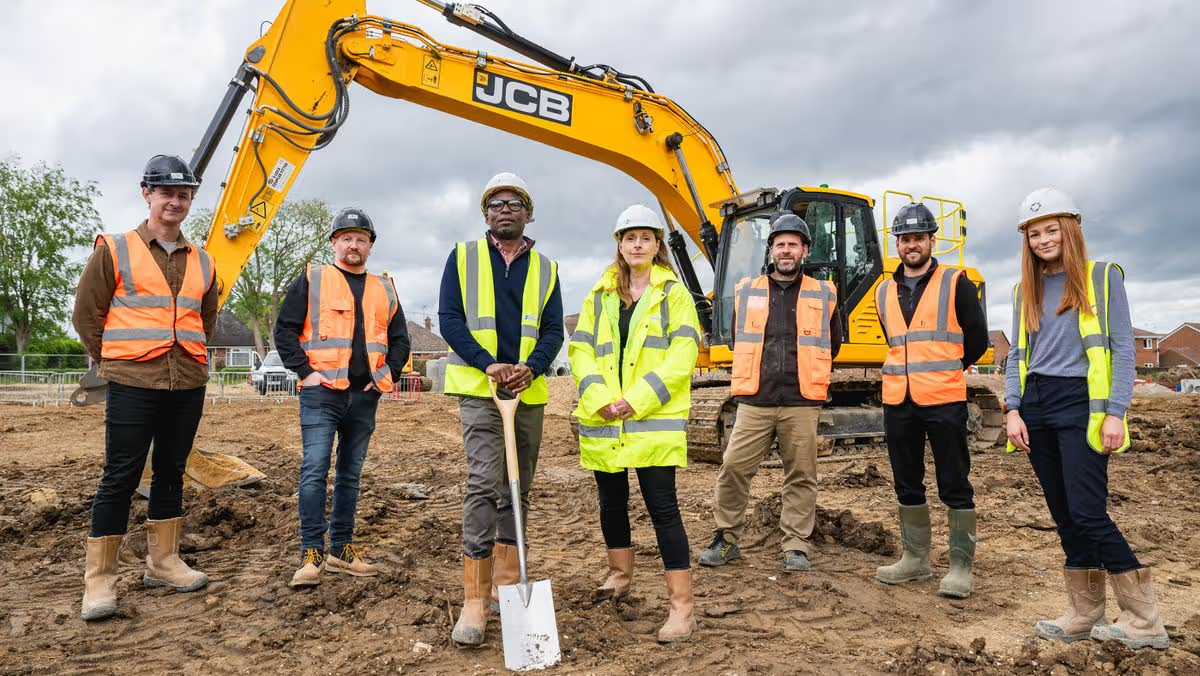
Alongside new homes, the development will feature a dedicated play area space for children
Work has begun on a new development to build 87 new homes in Cambridgeshire. The Tunkers Lane development in Bury will see a mix of homes built as affordable housing.
Advertisement
The homes will range from one and two-bedroom bungalows and one-bedroom maisonettes, to two, three, and four-bedroom houses. There will be 36 properties available for shared ownership, 32 allocated for affordable rent, 10 rent to buy homes, and nine available for social rent.
Housing provider Stonewater has implemented energy-saving measures to the homes. These include air source heat pumps, solar PV panels, and electric car charging stations for some plots.
The development will provide opportunities for apprentices to work on the site and develop their skills, helping to fill the skills shortage in the industry.
A piece of public art will be designed for the estate as well as a dedicated play area for children, and an edible garden. Fruit trees and bushes will be incorporated into the scheme for customers to enjoy, to promote sustainability and healthy eating, according to Stonewater.
Advertisement
An event to mark the beginning of construction took place towards the end of May. The scheme is expected to be completed in the 2027 to 2028 financial year.
Nicola Hillier, head of development (East) at Stonewater, said: “These homes will offer a range of options for local people to secure an affordable home in the village they have existing connections with, contributing to the local economy and broader society.”
The Tunkers Lane scheme is being built in partnership with Huntingdonshire District Council, Burmor Construction, Bury Parish Council, and Calfordseaden.
Advertisement
Patrick Burke, Director at Burmor Construction, said: “We look forward to working closely with Stonewater and our project partners as construction progresses and to seeing this new neighbourhood take shape over the months ahead.”
The environment usually takes a backseat in times of conflict. But in Ukraine a rewilding project is sowing seeds for a greener, more peaceful future
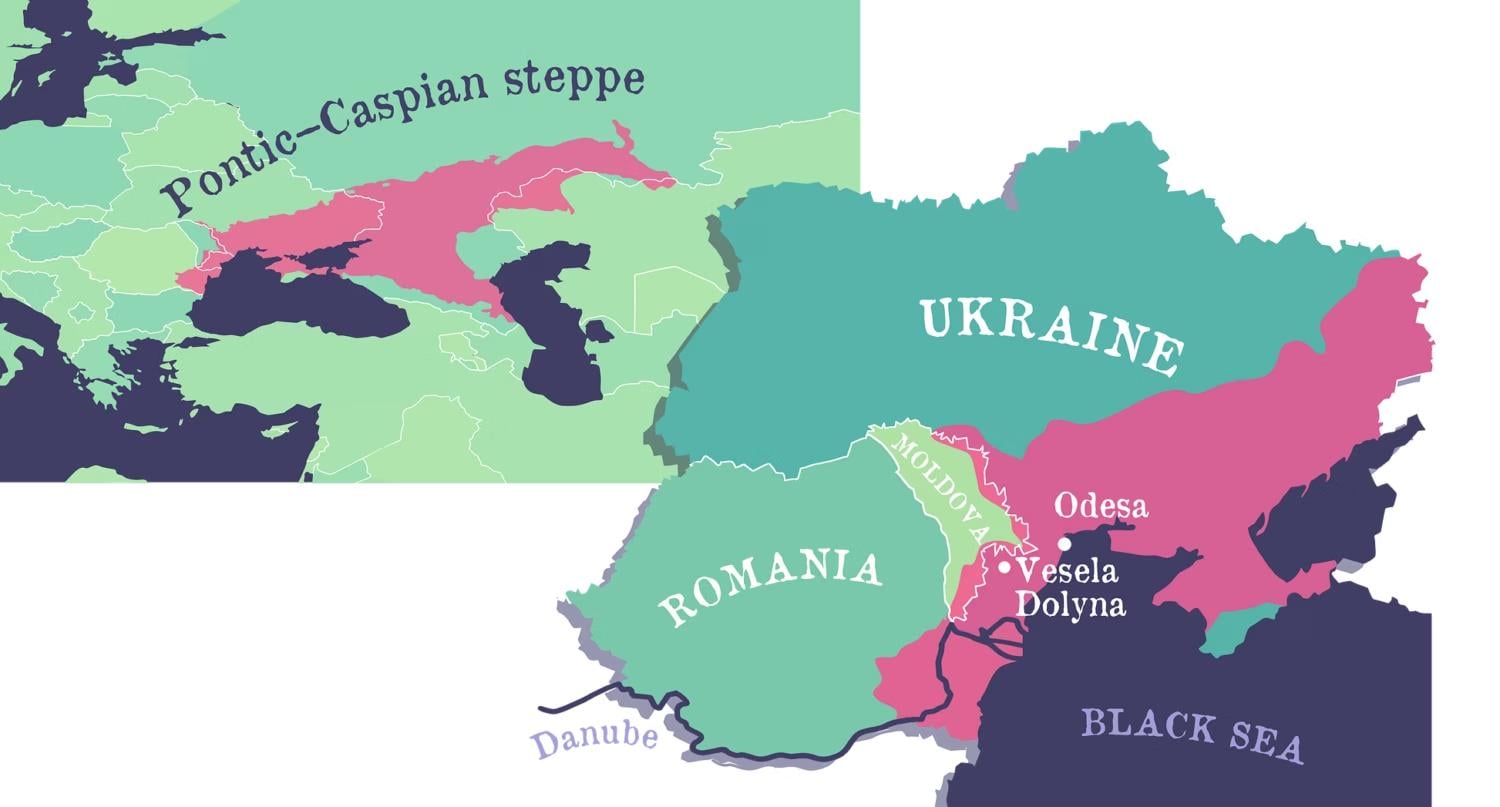
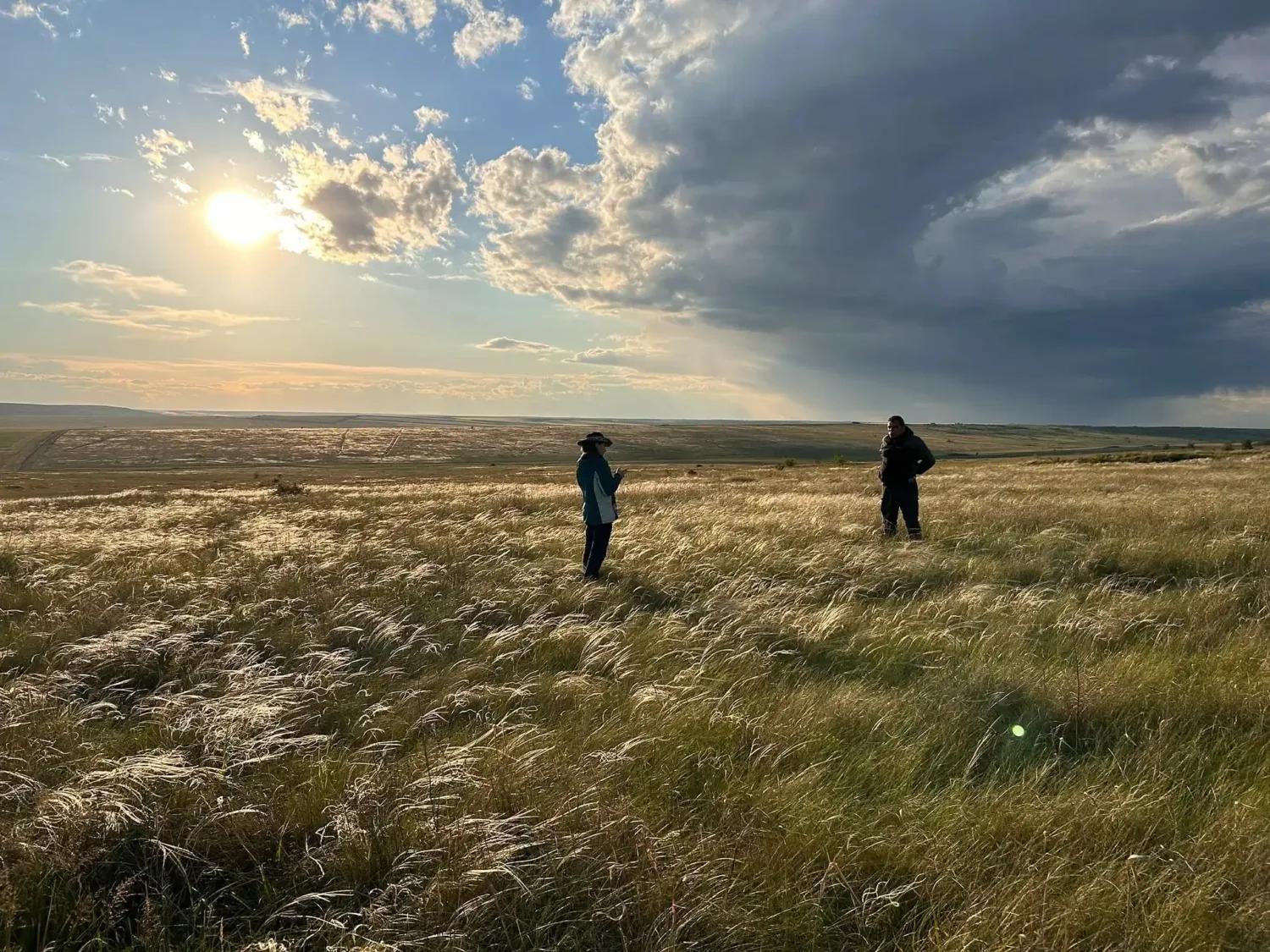
Vesela Dolyna translates from Ukrainian as ‘happy valley’. In the heart of the semi-arid Pontic-Caspian steppe system in southwestern Odesa Oblast, this village of 1,206 souls has, sadly, seen happier eras than today. Today, Vesela Dolyna’s residents are as likely to hear the violent cracks of exploding mines, or the high-pitched screams of the Russian missile strikes targeting the nearby Black Sea coast, as the bucolic rhythms of harvesting, or the craw of the native Eurasian magpie circling the village’s thatched, brightly painted homes.
Take a walk into the grasslands of the Tarutino Steppe with local resident Petro Hramatik, however, and you might yet hear another, strange and ancient, sound: a high, keening bray which, to locals like Hramatik, is a sign of hope amid the misery of war.
Advertisement
A former Vesela Dolyna village head, Hramatik is a local volunteer for Rewilding Ukraine, a conservation organization that is restoring 600 hectares of formerly ploughed grassland in the Tarutino Steppe through the reintroduction of native species.
Advertisement
Donkeys trampling fireproof landscapes
The project began in 2017 and has led to the release of 63 Konik horses; 20 red deer; 30 fallow deer; 20 water buffalo; and ten Hucul horses, the latter a native breed from the Carpathian mountains, back into the wild. Their star reintroduction however is a keystone species that Hramatik monitors on his frequent visits into the steppe: 35 characterful and voluble kulan, or wild donkeys. With their stout legs and high-pitched bray, these wild equines once ranged across a great swathe of central Europe from Ukraine and Russia in the west to Mongolia and China in the east.
“I genuinely love nature and I feel deeply connected to this landscape,” Hramatik told Perspective Daily. Hramatik took part in some of the animal releases to the steppe and now visits the territory to monitor plant and animal health, most frequently in the summer and spring when the Steppe is accessible due to better weather. “The natural grazing of kulan is having very positive effects on the steppe,” he said, “They reduce excessive dry vegetation, create more diverse plant structures and open up space for different species to return.”
Before human settlement, the Tarutino Steppe was an ecosystem of dry temperate grassland on fertile soils called ‘chernozem’ (black earth). These steppes supported diverse, drought tolerant grasses and flowering plants and were ranged over by large grazers such as the kulan and abundant small mammals and rodents. From the 19th century, with German Bessarabian settlement, and later Soviet factory-scale farming, the Steppe was converted to cereal and sunflower farming, sheep grazing and vineyards. Abandoned by the Soviet tractors after 1990, and with an ageing local population unable to tend the land, the Tarutino Steppe deteriorated into an unloved landscape that was dangerously prone to wildfires.
Advertisement
Image: Wikimedia Commons
With climate change and now the scourge of exploding mines (planted by both Ukrainian and Russian forces), wildfires can ignite daily in the heat of summer, Hramatik says. “That’s why the kulan are so important,” Hramatik adds, “they manage vegetation and reduce fire risk.” Kulan help to manage fire risk through natural grazing and movement, which reduces the amount and continuity of flammable vegetation. Their droppings also add organic matter to the soil, which improves soil structure over time: healthier soils hold water better, resist compaction, and absorb rainfall more efficiently rather than shedding it as run-off, also lowering fire risk.
Preparing for the tourism of tomorrow
The reintroduction of ancient grazers, as well as rodents such as marmots and the black-bellied European hamster, has also improved the Steppe’s soil fertility and, in turn, its carbon sequestration, says Mykhailo Nesterenko, who heads Rewilding Ukraine. Nesterenko and his family initially fled Ukraine for Romania on the outbreak of war, before moving to the Netherlands, though he returned to resume work on the projects in 2023.
Advertisement
“Nature restoration is important for communities too,” he adds. “Wetlands help communities adapt to climate and a healthy ecosystem also opens up the possibility of nature-based businesses, such as tourism.”
Rewilding Ukraine’s umbrella organization Rewilding Europe works on rewilding projects downstream at the Danube Delta, a connected habitat 50 km southeast at the mouth of the Black Sea that is partly in Ukraine and partly in Romania and is part of the Danube Delta Biosphere. Here it is restoring waterways from a ‘managed’ Soviet-style hydraulic system back into a self-sustaining, wild wetland, by removing 10 obsolete dams and re-establishing fish spawning grounds. Designated a UNESCO World Heritage Site (1991) and Biosphere Reserve, the 4000 km² Delta hosts over 5,500 plant and animal species, and is so dense and varied that locals and biologists call it ‘Europe’s Amazon’.
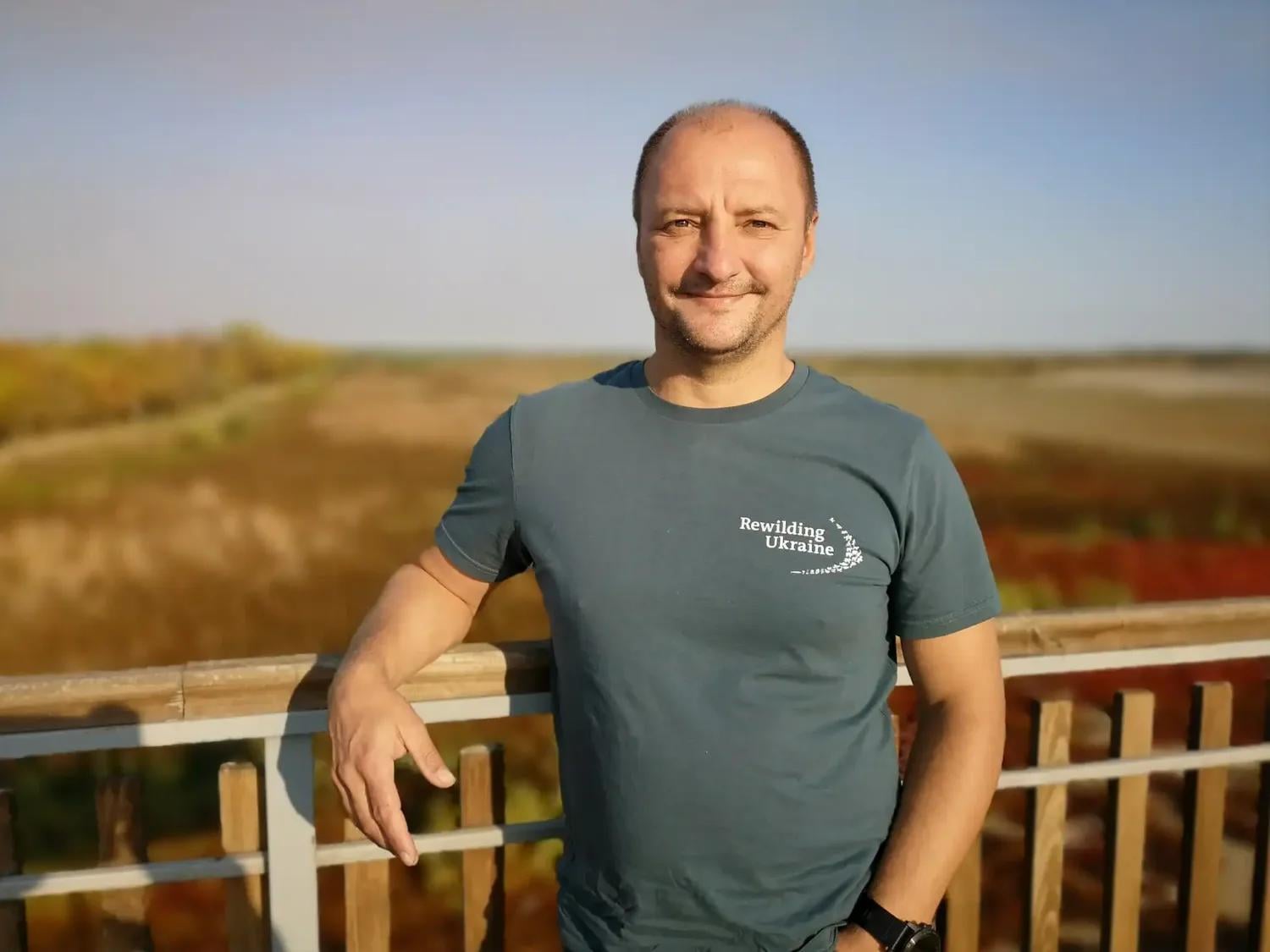
Mykhailo Nesterenko, head of Rewilding Ukraine. Credit: Privat
Advertisement
Loss of tourist income is one of the social and financial tolls on rural Ukrainian communities from Russia’s war. Average monthly wages in Bolhrad Raion, of which Vesela Dolyna is a part, are 7,000–9,000 UAH a month (€ 190–230) compared to the national average wage (2023): 15,000–16,000 UAH a month (€ 400–450). Regional ethno tourism attractions such as Vynohradivka (Kurçu), a traditional wine-growing village, were shuttered with the outbreak of hostilities and UNESCO and the World Bank estimate that Ukraine’s culture and tourism sectors have accumulated over $ 19.6 billion in lost revenue since February 2022.
Now Rewilding Ukraine is establishing the infrastructure to be able to »press go« when tourists return, Nesterenko explains. They include Eco-park Tarutino: a dedicated area featuring excursion routes and guided tours to see the reintroduced animals with wildlife watching towers and observation hides.
Ukraine’s nature is as resilient as the Ukrainian people
Rewilding Europe and Rewilding Ukraine are supported by the Endangered Landscapes & Seascapes Programme (ELSP) at the Cambridge Conservation Initiative, part of the University of Cambridge. Its Director, David Thomas, told Perspective Daily that although monitoring of impacts of the Delta projects is hampered by the war, ELSP is seeing ‘cascading effects’ from the reintroduction of large herbivores, such as increased fish populations and diverse bird communities.
Advertisement
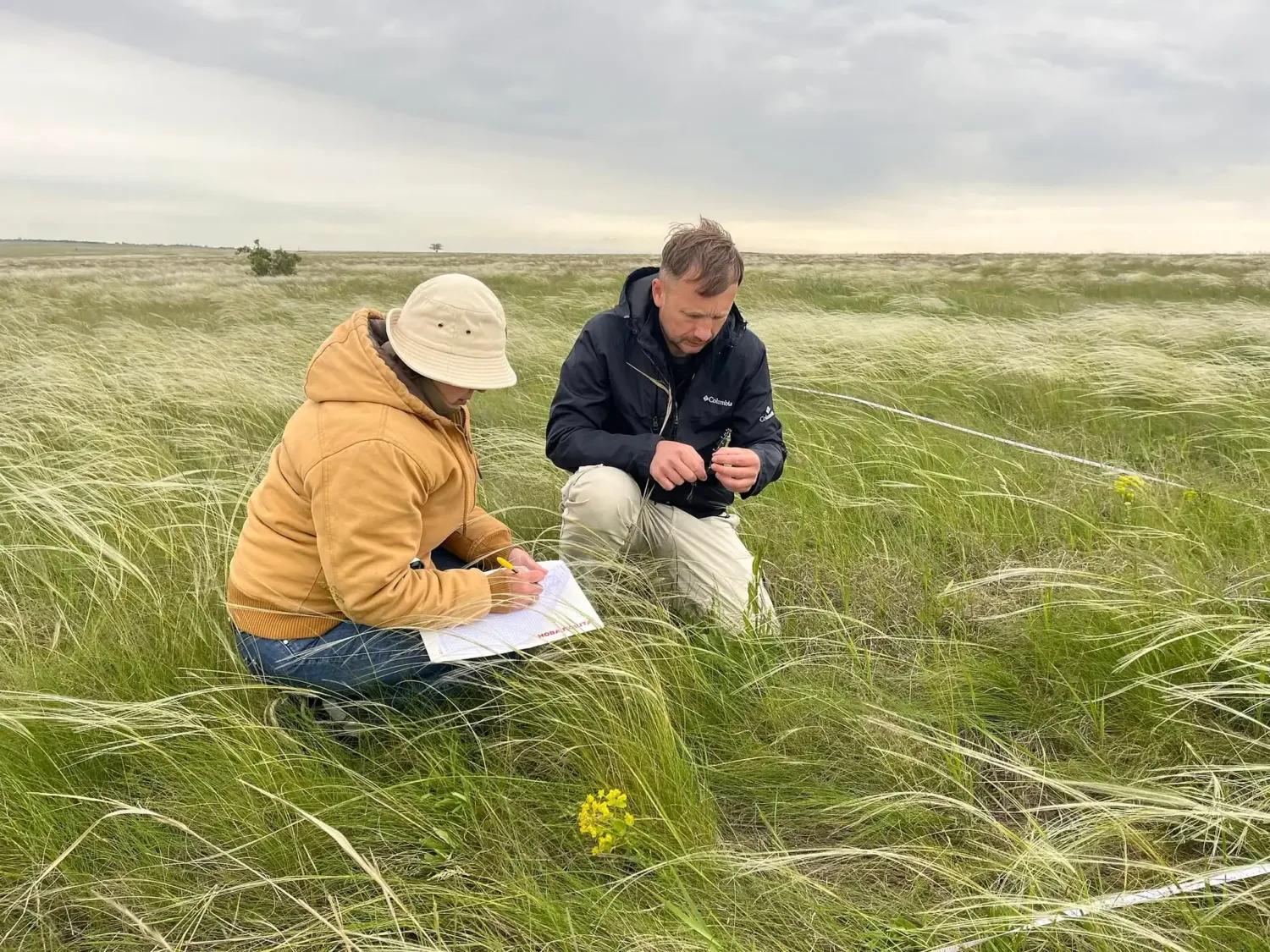
Researchers in the steppe. Image: Victor Shapoval
ELSP’s satellite images show that reintroducing water buffalo and Konik horses across the outer Delta has reduced dense vegetation as it has boosted plant diversity. They have also found that grasslands with large and diverse grazing species like donkeys, horses, and buffalo deposit twice as much carbon compared to areas where no large grazers are present.
Advertisement
“I think the hope and expectation is that [Rewilding Europe’s work] will provide a road map, a blueprint for restoration of the area and development of the local economy,” Thomas says of his hopes for Ukraine when peace comes. “There are great prospects for a nature-based economy around the Danube.”
Tourists aside, Rewilding Ukraine’s work is as much about the people who call the Delta habitats home. Rewilding Ukraine runs initiatives through which war veterans and their families are brought into rewilding landscapes as part of PTSD recovery; and in July 2025, a five day Junior Rewilders Camp brought together around 30 secondary school students from Ukraine and Romania to the Romanian Delta for birdwatching, teamwork sessions and creative activities designed to deepen children’s connection with the delta and rewilding concepts.
Our rewilding efforts in the Danube Delta show that Ukraine’s nature is as resilient as the Ukrainian people, and the two depend on each other. I am confident that both will recover when the war ends
Nature refuses to stand still
Outcomes in the long road to peace in Ukraine in 2026 depend on Russia’s willingness to negotiate with the frameworks toward ending the war that were established at Paris »Coalition of the Willing« summit on January 6. There are risks for the Delta and its peoples that the war will grind on, and the hoped-for tourism revenue will not come.
For all their efforts, Nesterenko admits that war hinders work on the rewilding projects. Some project sites are cut off, which means that the project’s rangers cannot monitor their rewilded herds or release more as planned, as civilian travel into the Delta is severely restricted. In the meantime, however, nature itself refuses to stand still.
Advertisement
In the spring of 2022, a tiny kulan foal was born on the Tarutino Steppe after a punishingly cold winter. With his gangly legs, large eyes and downy coat, he was the first kulan to be born in the wild in 200 years, making history as he stumbled to his feet. He’s a sign the Steppe, and the happy valley, will see happier days.
The steppe ecosystem is home to a variety of drought-resistant grasses and flowering plants. Image: Victor Shapoval
Advertisement
A blueprint: bringing back bison in Romania
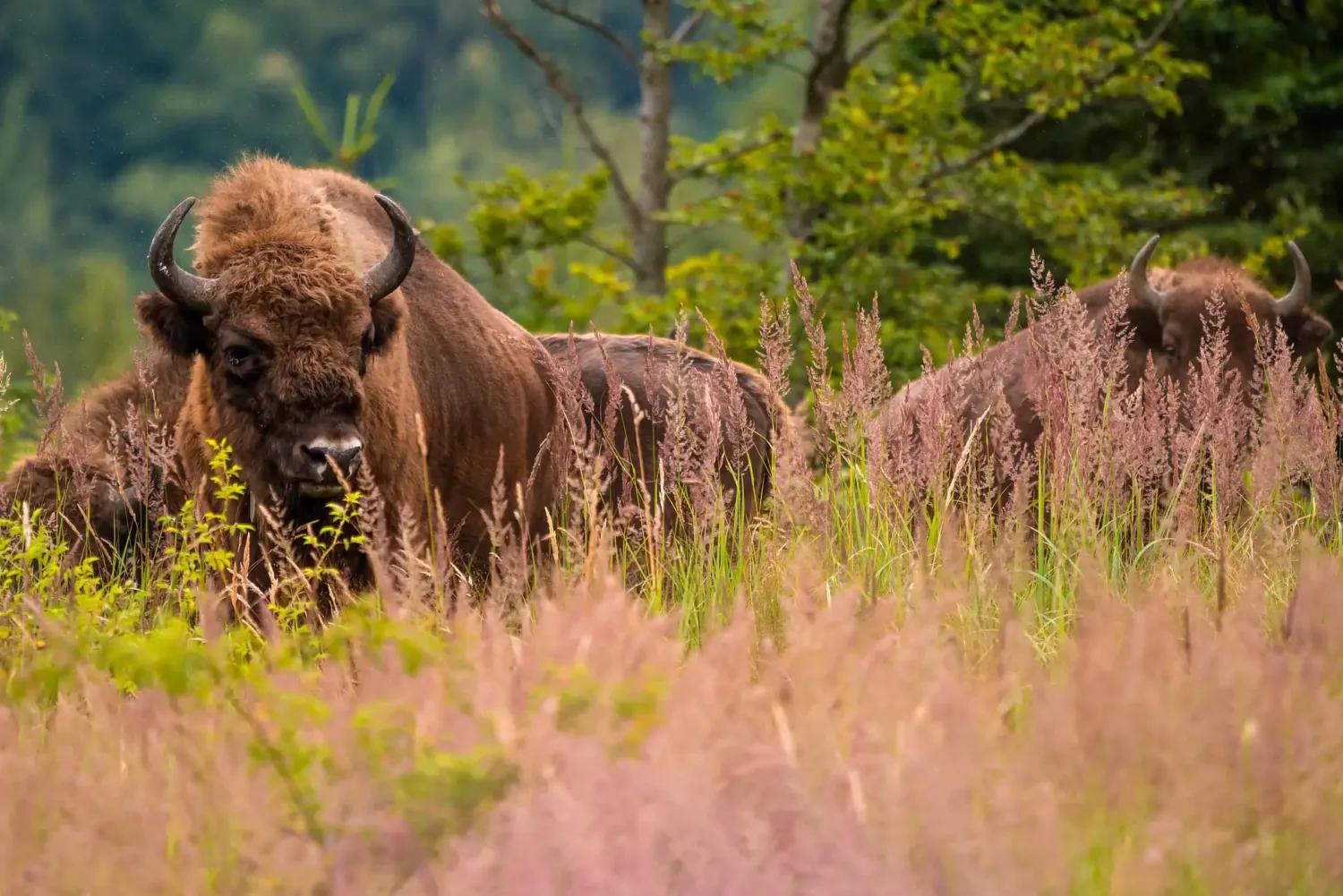
Across the border in Romania, successes with bison rewilding offer a blueprint for the future of nature-based livelihoods in Ukraine. Here, bison were not dropped into an empty wilderness but carefully reintroduced into a working landscape, with locals involved from day one: building enclosures, managing encounters, and learning how to live alongside a species that hadn’t roamed these mountains for centuries. The animals, in turn, are quietly doing what they do best: grazing young trees to keep meadows open, trampling fire corridors through forests, dispersing seeds and nutrients, and helping soils store more carbon.
Rewilding Romania supports conservation through ‘bison-smart’ communities of locals who actively accept and promote rewilding in their midst. Hotlines to report animal encounters, ranger patrols with trained dogs, and small economic incentives – from bison tracking experiences for tourists, to products made from ‘co-existence’ orchards – now support dozens of local businesses.
Mihai Miculescu, who owns the bustling Dospita bakery in Armenis, is one of them. In 2012, when the first herd of bison was reintroduced in the mountains behind his home, his son and he helped build the enclosure for the relocated animals. Today, the freshly baked malai, a Romanian cornbread made with his family’s secret recipe, seems to be selling faster than he can bake it, and he credits the success of his business to the increased business from the increase in tourist arrivals thanks to the bison rewilding project.
Advertisement
Bison have been successfully reintroduced into the wild in the Southern Carpathians in Romania. Image: Daniel Mirlea/Rewilding Europe
In 2025, Rewilding Romania trained 96 residents to run restaurants that offer homestyle food, and helped another resident to access loans to start a guesthouse in the Southern Carpathians. They have also trained several locals to offer services as wildlife guides and rangers (four of whom are employed full-time by the project).
Today, the local bison population stands at over 250, of which 105 were reintroduced and the remaining have been born in the wild. “We are living in times when it is no longer enough to protect what is left of nature; it is also necessary to help nature regain the power to heal,” says Marina Druga, Executive Director Rewilding Romania. And by surviving, thriving and reproducing after being rewilded in the Southern Carpathians, the bison are functioning as natural architects that will help improve the health of their ecosystem.
Advertisement
Main image: A herd of kulans in an enclosure where they are being prepared for being released into the wild. Credit: Oleksandr Gaidash
This article was originally published by Perspective Daily
Be part of the solution
At Positive News, we’re not chasing clicks or profits for media moguls – we’re here to serve you and have a positive social impact. We can’t do this unless enough people like you choose to support our journalism.
Advertisement
Give once from just £1, or join 1,800+ others who contribute an average of £3 or more per month. Together, we can build a healthier form of media – one that focuses on solutions, progress and possibilities, and empowers people to create positive change.
Former Love Island star Olivia Attwood has teamed up with jewellery brand Abbott Lyon for a new edit featuring personalised accessories and jewellery that are ideal for summer
This article contains affiliate links, we will receive a commission on any sales we generate from it. Learn more
Advertisement
When it comes to holiday fashion inspiration, few celebrities pull off effortless glamour quite as well as Olivia Attwood. The former Love Island star has now teamed up with jewellery brand Abbott Lyon for a brand new collection, featuring pieces she would genuinely throw into her suitcase for a summer escape.
Brimming with ‘simple, buildable’ holiday-ready accessories, the carefully curated ‘designer-inspired’ range showcases an array of bracelets, rings, earrings and necklaces that can be effortlessly mixed and matched. Yet it isn’t solely the jewellery that has caught our attention — the collection also boasts stylish accessories perfect for packing, from personalised raffia bags to chic cowboy hats.
Describing the range as her ultimate holiday must-haves, Olivia explained: “The only bad part of going on holiday is the packing. I’m back with a new edit with Abbott Lyon. These are your holiday essentials.”
READ MORE:
Advertisement
Olivia continued: “I’ve kept it super simple, buildable. Less stress, less digging through your case – more time for Aperols. This is going to sort your summer right out.”
Abbott Lyon has built its reputation on personalised jewellery, but this latest collection demonstrates it can give high street fashion retailers a serious run for their money. The beach bags, scarves and hats look considerably more luxurious than their price tags suggest, reports OK!.
Every jewellery collection needs a timeless gold hoop earring, and these Oval Hoop Earrings serve as the ideal everyday essential. Featuring a sleek, elongated shape, they’re crafted with 18ct gold plating and a concealed hinge for a flawless appearance.
Advertisement
They’re subtle enough for daytime wear yet refined enough to complement evening holiday ensembles. They look fantastic worn alone, but for those with multiple piercings, they’ll appear equally impressive layered with studs or huggies. The sole drawback is their availability only in gold, which may disappoint those who prefer silver jewellery.
Written In The Sand Charm Name Necklace – from £79
Personalised jewellery continues to be a significant trend, and this Written In The Sand Charm Name Necklace is arguably the standout jewellery item from Olivia’s selection. Available in silver or gold from £79, the bespoke necklace displays your name in a distinctive 3D typeface that resembles lines etched in the sand.
Advertisement
The item can be personalised with up to six ocean-themed charms, including pearls, birthstones and shell-inspired embellishments, although these do incur an extra charge. Perfectly capturing the coastal look, this would make a wonderful gift for a summer birthday. Do bear in mind, however, that it carries a substantial lead time of almost a month, so ensure you place your order well in advance.
Mini Beaded Blue Necklace – £39
Beaded necklaces are currently all over social media, and while chunkier designs have flooded my feed, this more delicate interpretation of the trend is one I anticipate will really gain traction. The Mini Beaded Blue Necklace provides an effortless way to introduce a hint of colour to any ensemble, evoking those island vibes with its beautiful blue shade.
It works wonderfully when layered with gold chains, and there’s also the opportunity to customise it with a charm to make it truly unique. For something bolder and more eye-catching, Oliver Bonas stocks this Gabriella Beaded Chunky Heart Pendant Necklace for £28. It features blue marble-effect beads interspersed with orange spacers, finished with an oversized heart charm for added drama.
Advertisement
Personalised Raffia Bag – £69
If there’s one standout accessory from the collection, it’s the Personalised Raffia Bag for £69. Raffia totes have emerged as a summer wardrobe essential, thanks to designer iterations from the likes of Loewe and Prada.
But Abbott Lyon’s offering provides the same adaptable aesthetic for a fraction of the cost. The generously-sized woven bag can be embroidered with your name, initials or a word of your choice. It’s roomy enough for beach towels, books and all your holiday essentials, complete with an easy over-the-shoulder fit, making it convenient to carry around all day.
One holidaymaker commented: “Bought this bag as a treat for my upcoming holidays. The bag arrived safely, packaged well. Lovely dust bag. Communication good throughout. The bag is a nice size. I even bought my daughter one.”
Advertisement
Another contributed: “I love the quality of the bag! Perfect summer bag,” with a third stating: “Lovely bag, fabulous quality. Lots of people ask where it’s from.” A fourth shared: “I love my new beach bag, it looks so beautiful in person, and I can not wait to use it for my holiday.”
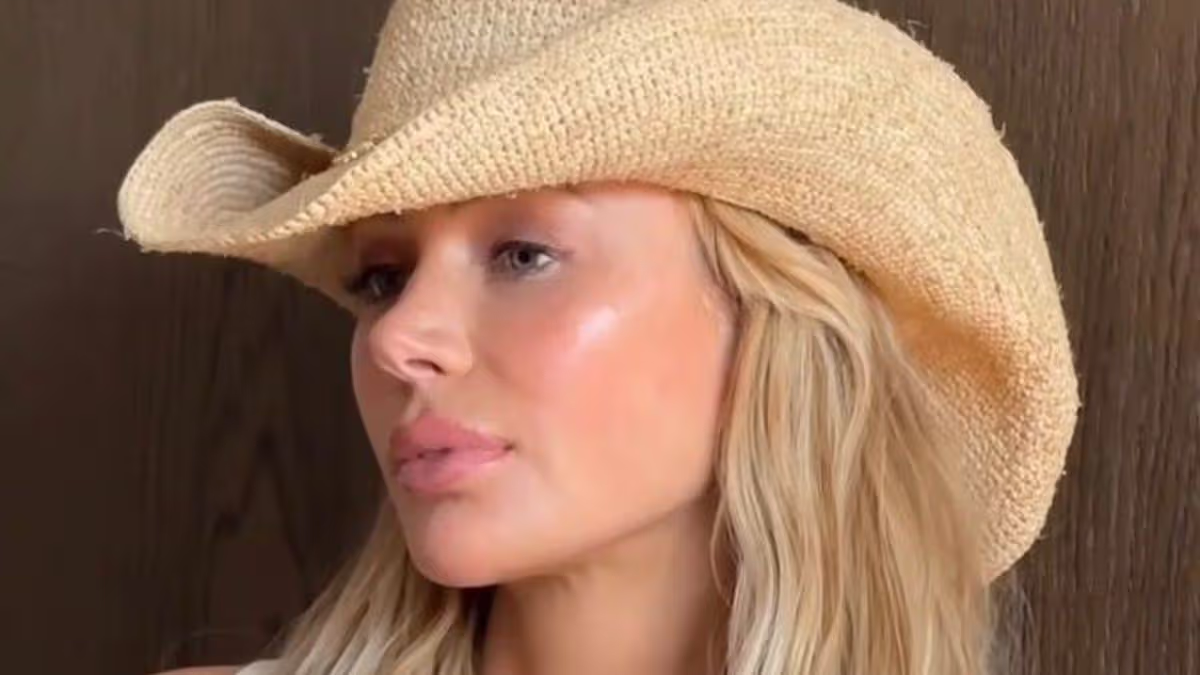
Raffia Cowboy Hat – £59.
I’m drawn to the western look, but frequently I find that cowboy hats can appear somewhat like costume accessories. Nevertheless, this Abbott Lyon Raffia Cowboy Hat, £59, has convinced me. It seems like an effortless way to adopt the trend without being excessive and straying into the fancy dress realm.
Crafted from lightweight raffia in a timeless natural tone, it provides useful sun protection while adding a chic finishing flourish to linen dresses, swimwear and denim shorts alike. It’s simple to picture this becoming a luggage essential for everything from pool days to beach clubs.
Advertisement
It is worth noting that the hat is shown with a charm chain, however this accessory is not included. It can be bought separately for £19, which brings the total cost of the complete look to £78 — a price point that some shoppers may consider rather steep for a hat.
While Abbott Lyon’s carries a somewhat more rustic feel, this Packable Fedora for £40 at M&S provides a touch more refinement. Crafted from a robust yet lightweight fabric that’s simple to pack, it folds away neatly for hassle-free travel owing to its packable construction.
Jones is the host of Morning Live on BBC One, along with the likes of Helen Skelton and Michelle Ackerley.
Jones has also been an ambassador for the Welsh Jewelry company Clopgau for nearly a decade.
Over the past eight months, the 48-year-old has been seen frequently wearing Clogau watches.
Gethin Jones warned for breaching BBC guidelines
The 48-year-old has now reportedly received a warning for breaking BBC guidelines, according to The Mail on Sunday.
Advertisement
The broadcaster’s rules state that presenters “must not appear on-air wearing clothing or using products or services which they have been contracted to promote.”
A BBC Studios spokesman, speaking to The Mail on Sunday, added: “We have clear guidelines around presenters’ commercial activities, and Gethin has been reminded of these.”
Jones has been seen wearing a £550 Clogau watch with a stainless-steel case and black bezel more than 30 times on Morning Live (most recently on June 24).
The Cardiff-born presenter has also worn several other timepieces from the Welsh company on the BBC show, The Mail on Sunday added.
Advertisement
Jones has been approached for comment.
He is not the first presenter to be warned by the BBC for similar breaches.
Monty Don, Shirley Ballas, and Gary Lineker have all previously received warnings from the broadcaster.
Gethin Jones’ TV career
Gethin Jones began his TV career on Welsh channel S4C, presenting children’s programmes, before, in 2005, he became a presenter on the hit BBC children’s show Blue Peter.
Advertisement
Since then, Jones has appeared on a variety of TV shows, including series five of Strictly Come Dancing ( in 2007), where he reached the semi-finals with professional partner Camilla Dallerup.
He went on to appear in two of the Strictly Christmas specials in 2009 and 2016.
The Welsh presenter is still part of the Strictly family, acting as a roving reporter for It Takes Two, a role he has held since 2016.
On top of all that, Jones has also made several appearances on the hit BBC sci-fi series, Doctor Who.
Advertisement
While Jones has been a host on Morning Live for more than five years, he has also been a guest presenter on This Morning (ITV) and The One Show (BBC).
He is also set to appear on the upcoming series of Celebrity Apprentice.
Along with his various television roles, Jones has featured on several radio shows throughout his career, including on Heart and Hits Radio.
Jones has also appeared in many theatre productions, been an Olympic Torchbearer (for the 2012 Summer Olympics), and appeared as a contestant on Celebrity MasterChef.
Advertisement
Have you spotted Gethin Jones wearing a Clogau watch while on Morning Live? Let us know in the poll above or in the comments below.
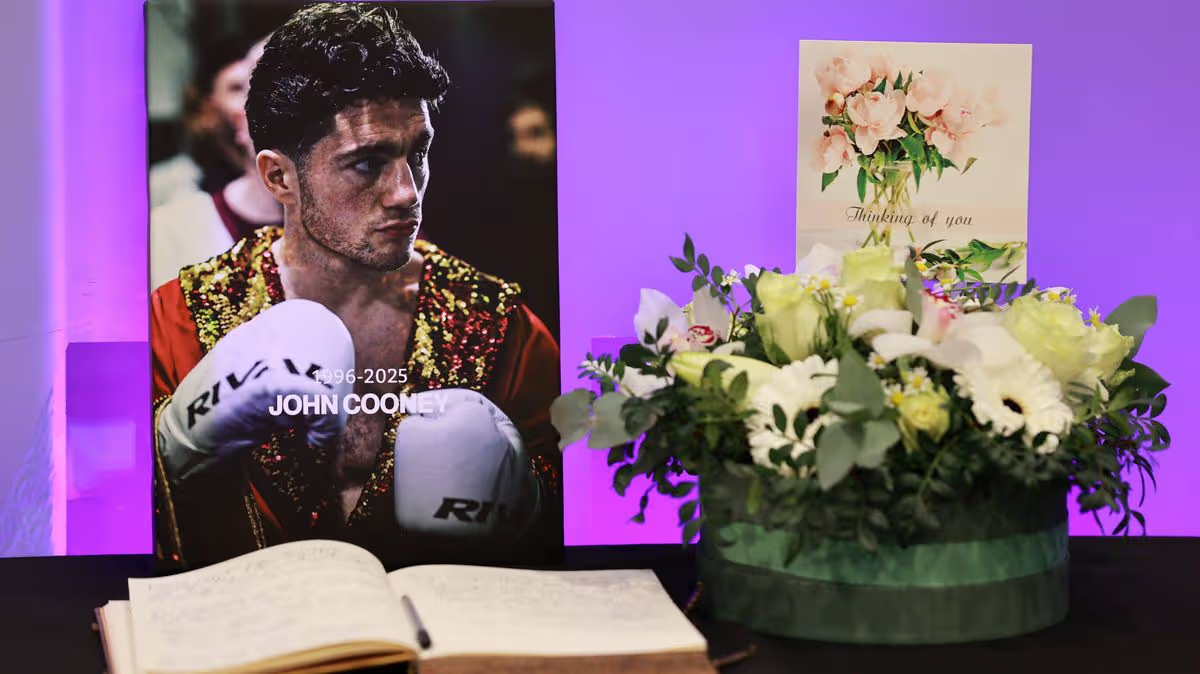
John Cooney, 28, died a week after suffering a head injury in a fight at the Ulster Hall
Work is ongoing to find a hydration expert to help an inquest probe the sudden death of an Irish boxer following a fight in Belfast last year.
Advertisement
Former Celtic super-featherweight title holder John Cooney, 28, from Galway, died a week after suffering a head injury in a fight at the Ulster Hall in February 2025. He was treated at the Royal Victoria Hospital for an intracranial haemorrhage, also known as a bleed on the brain.
His family, represented by KRW Law, said his death raises “profound concerns about safety practices” in the sport, and want to see the probe examine safety regulations.
They have expressed hope the case would prompt Article 2 of the European Convention on Human Rights so the state ensures adequate laws and regulatory frameworks where life-threatening activities are permitted.
The British Boxing Board of Control (BBBoC) and referee Darren Sarginson are set to be properly interested parties in the proceedings, as well as Mr Cooney’s family.
Advertisement
A preliminary hearing at Belfast Coroner’s Court on Monday morning heard about preparations for the inquest, including the search for someone qualified to assess the impact of hydration in terms of Cooney making the weight for his fight.
It also heard an update on progress around disclosure of material, including footage from the BBC and medical records.
Mr Cooney’s father Hugh watched via video link during the brief hearing on Monday morning as Coroner Anne-Louise Toal issued a formal direction to the Police Service of Northern Ireland to respond to requests in terms of disclosure, noting they had been “written to a number of times”.
Ms Toal also heard that work is under way on identifying expert witnesses to give evidence to the inquest. This includes working to find a hydration expert.
Advertisement
Ms Toal suggested that a neurological pathologist may be qualified in assist in this respect, but the matter is being kept under review.
Barrister Mark Bassett, acting for Mr Cooney’s family, said they are also having difficulty in assessing an expert in terms of hydration.
Ms Toal expressed hope for progress in terms of disclosure over the summer months, and set the date for the next preliminary hearing for September 25.
A van driver was quizzed by a council worker about his prostate after being spotted relieving himself in a lay-by.
Advertisement
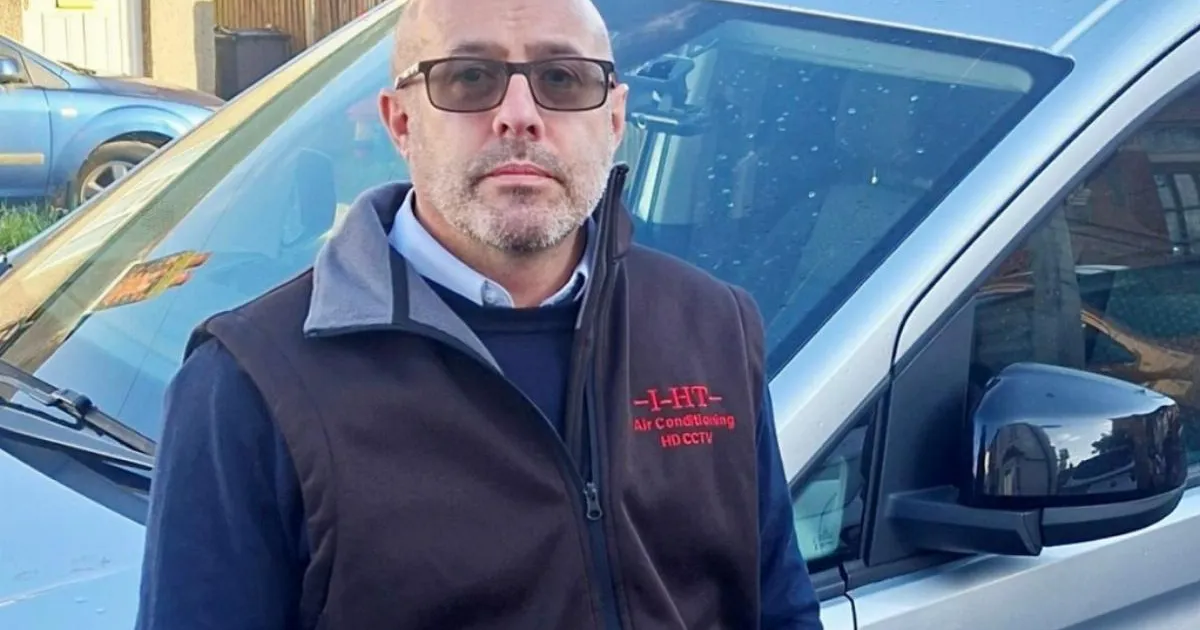
Lee East, 51, said he felt ‘ridiculed’ as he was watched by a council contractor weeing after driving from Clacton in Essex on the A12 in April.
The driver, whose bladder issues and enlarged prostrate mean he has to go to the toilet more often than usual, was handed a £200 fine, or £150 if paid within 15 days, for his discrete act on the roadside.
A clip shows Mr East being confronted by a worker for private investigator Waste Investigations Support and Enforcement, who introduced herself as Anna.
She is heard chastising him and printing out a fine, remarking about how common prostate problems are in men.
Advertisement
Sign up for all of the latest stories
Start your day informed with Metro’s News Updates newsletter or get Breaking Newsalerts the moment it happens.
The driver is warned he faces a fine of up to £2,500 and a criminal record if he is taken to court.
Advertisement
‘I just can’t believe how common it is with men, probably out of 10, potentially five or six, minimum, prostate problems’, the enforcement officer adds.
Anna then proceeded to question Mr East over how often he takes medication.
Mr East explained that his condition meant he could drive past service stations feeling alright one moment but needing to go the next.
The fine was overturned through an appeal, however Colchester City Council said it wouldn’t chalk off a subsequent offence.
Advertisement
Mr East, who has been on the road as a professional for 30 years, has since installed a potable toilet in the back of his van out of fear of being caught again.
‘It just made me feel disgusting, very very angry’, he said.
‘It was quite embarrassing for me. I’m quite a respectful law-abiding citizen, to be caught short in that situation in the first place.’
He added that being questioned by the female council officer was ‘not pleasant at all’.
Advertisement
Lee East, 51, was handed a £200 fine for relieving himself in a lay-by (Picture: Lee East/SWNS)
He said: ‘To feel like you’re being ridiculed, it’s absolutely disgusting.’
Colchester City Council said it took public hygiene complaints seriously but insisted it did not ‘target’ specific groups, instead focusing on ‘known hotspots’ for littering an urination such as lay-bys.
The local authority had said in a statement: ‘Lay-bys can, unfortunately, become locations where this type of behaviour occurs, and our officers carry out proportionate enforcement where necessary to maintain public health and environmental standards.
‘Public urination is an offence and can pose health risks, create unpleasant conditions for other users, and damage the local environment. Our officers act where there is clear evidence of a breach.
Advertisement
The council added that it recognised lorry drivers needed facilities during long journeys but that it was up to National Highways to provide them on major A-roads.
It clarified: ‘Any income from Fixed Penalty Notices is strictly regulated and is not a revenue-generating exercise. It helps cover the costs of enforcement and wider environmental services, such as street cleansing and tackling fly-tipping.
‘Council enforcement officers are salaried employees and do not receive commission or incentives for issuing fines.
‘We fully understand the challenges faced by the logistics sector, particularly around rest provision, and we support constructive discussions with partners about improved facilities at a national and regional level.
Advertisement
‘However, a lack of facilities does not make illegal activity acceptable.
‘Our responsibility is to balance the needs of all road users with the expectations of residents and communities, who rightly expect clean, safe and well-managed public spaces.
‘We will continue to take a fair, proportionate and evidence-led approach, issuing advice where appropriate and enforcement action where necessary.’
Specialists have warned parents that they may be relying too much on applying sunscreen to their children just once a day.
Experts have revealed that young people can still be at risk of sun damage even if they used sun cream.
While the weather is set to be slightly cooler this week, UV levels will continue to remain high.
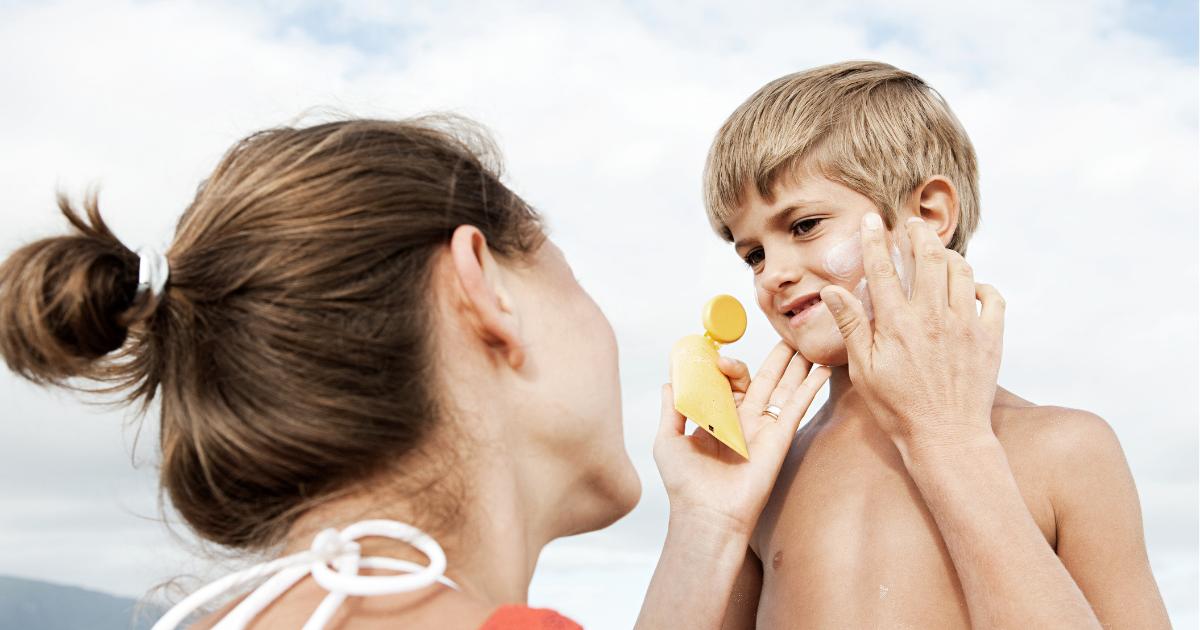
There are lots of precautions you can take to keep safe in the sun. (Image: PA Wire)
How can I protect my children from sun damage?
Experts have said that “once-a-day sunscreens overpromise” and often do not last as long as they claim to, according to the BBC.
Advertisement
They added: “And even if sunscreen is described as ‘water repellent’ or ‘water resistant’, it should still be reapplied after swimming.
“Towel drying and sweat may have rubbed it off. Look for two things when buying your sunscreen: the sun protection factor or SPF, ranging from 2 to 50+, and the star rating on the bottle.”
The experts recommend parents to apply sunscreen around 30 minutes before children go outdoors and should be reapplying it every two hours.
Areas including the tops of the feet, ears, neck, and shoulders are often missed and can burn easily.
Advertisement
Babies that are less than six months old should be kept out of direct sunlight completely, as it is not advised to use sun cream on their skin.
Other ways of keeping children cool in the summer
The specialists also mentioned closing curtains and using electric fans to keep children’s bedrooms cool.
They continued: “A cool bath before bedtime might bring their temperature down, and help yours too. In bed, keep layers to a minimum and leave the door and window slightly open to encourage a breeze.
“From 12 months old, try frozen lollies made from plain water or very diluted fruit juice.
“For older kids, ramp up fruit intake – particularly juicy fruit, such as watermelon and oranges. Eating salad, ice cream, jelly and soup are all good sources of water too.”
How do you stay safe in the hot weather? Let us know in the comments below.
A recent survey, conducted by Opinium, found that 34% of travellers have noticed an increase in potential scams on social media platforms over the past year.
Head of risk at emerchantpay, George Ralchev, said: “Holidaymakers are being targeted by social media scammers looking to take advantage of the peak travel season.”
The survey also revealed that:
Advertisement
70% of people are now cautious about promotional holiday emails due to fear of fraud.
50% prefer using online or high street travel businesses that clearly explain their consumer protection measures.
How to spot travel scams
Travel scams can include fake accommodation, non-existent flights, or fraudulent tours sold to holidaymakers while abroad.
Scammers often use copied photos from legitimate websites and may ask victims to pay via bank transfer.
Holidaymakers may also want to check if the company involved is a member of ABTA (a trade association for UK travel agents, tour operators and the wider travel industry).
People booking package deals with a flight could also check coverage under the ATOL financial protection scheme.
Lisa Webb, consumer law expert at Which?, said: “There are ways to help you spot fake holiday listings – such as using a reverse image search to check for stolen images or checking the property’s location on an online map to see that it exists.
Advertisement
“Always book through official, trusted channels and avoid paying by bank transfer for anything advertised on social media.
“If you think you have lost money to a holiday booking scam, contact your bank immediately and report it to Report Fraud or Police Scotland.”
Have you been the target of a travel scam? Let us know in the poll above or in the comments below.
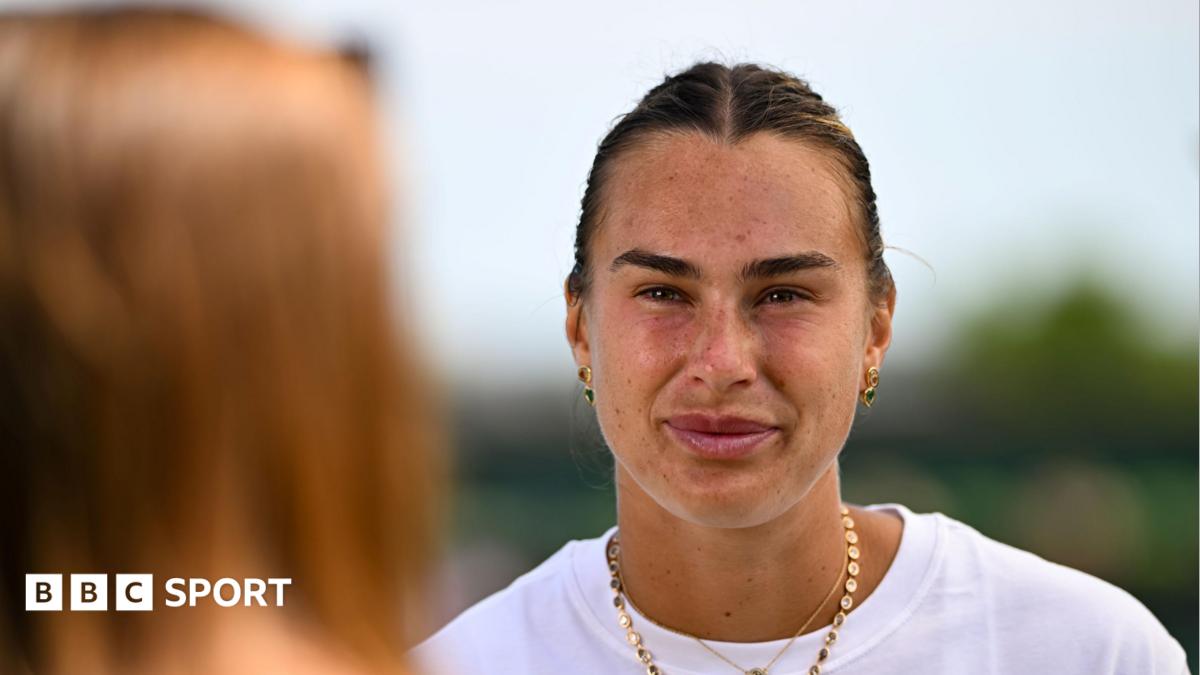
Australian sixth seed Alex de Minaur was involved in the protests at last month’s French Open but decided he did not want to take part at Wimbledon.
“I think the sense that we had at Roland Garros was everyone was on board, even though we didn’t, as a collective, achieve the numbers that we were looking for,” he said.
“I thought that Wimbledon made a big step in the right direction, and something that should be noted. So this is for me to acknowledge their big step.”
Germany’s Alexander Zverev, who claimed his first major win in Paris earlier this month, also decided to step back.
Advertisement
“I still want to be part of the players’ movement, but also I realised the media can’t really do anything about it, or can’t really change it,” said Zverev, who represented the players in talks with the Grand Slams at Wimbledon last year.
“It’s not good to take it [out] on someone that doesn’t have the power of control, so I’m doing half an hour [of media]. But I still hope for some change in tennis, for sure.”
This year’s Wimbledon singles champions will each take home £3.6m, up from £3m last year, while first-round losers will earn £80,000.
Former armed forces minister Al Carns remains a possible challenger and has yet to rule himself out of the race, though it remains unclear whether he could amass the 81 names needed to get onto the ballot.
Darren Jones, the chief secretary to the prime minister, had been mooted as a candidate to test Mr Burnham’s policies.
When will Burnham become leader?
Advertisement
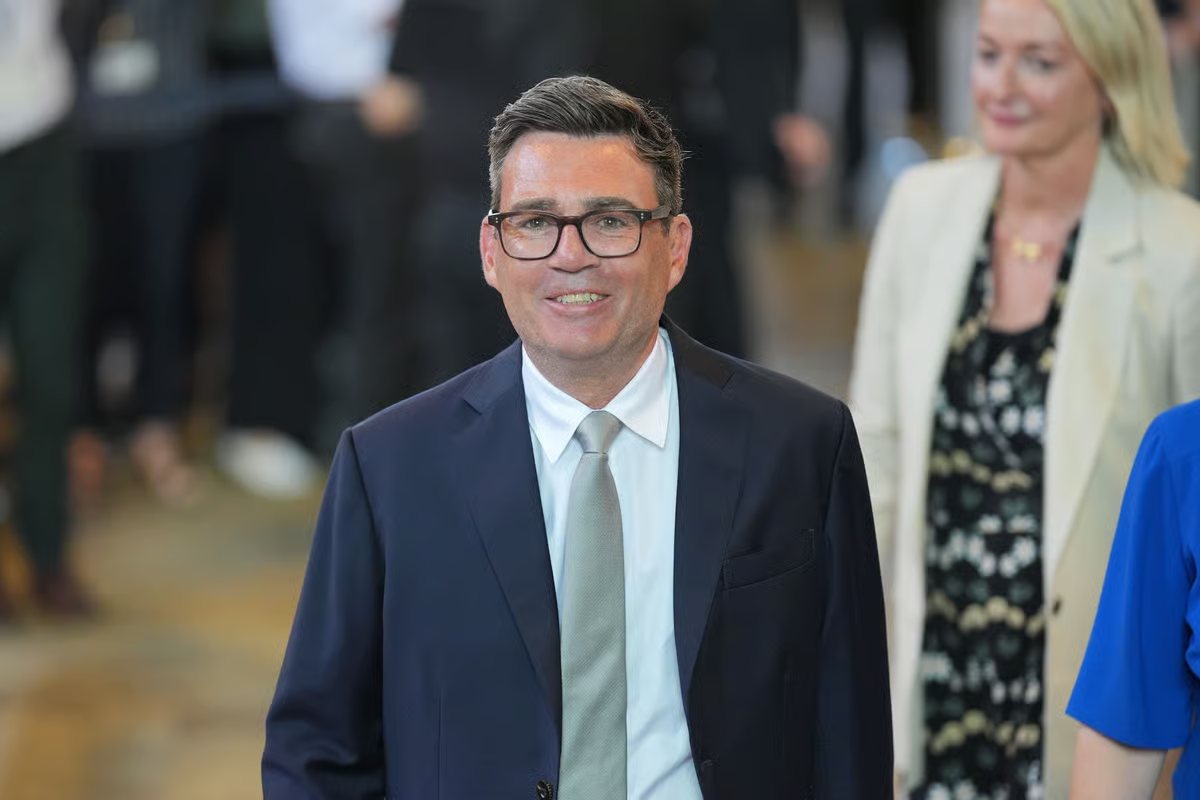
Mr Burnham could become prime minister as soon as July 20 if he remains the only candidate to succeed Sir Keir Starmer.
If no other candidates step forward, the 56-year-old Everton fan is expected to be formally declared Labour leader at a special conference on July 17.
But it is understood he would not become prime minister immediately, with the formal handover taking place on the next working day, July 20, in line with the party’s previous practice.
Leadership hopefuls need to secure the support of 81 Labour MPs and three of Labour’s affiliated organisations by July 16 to get onto the ballot.
Advertisement
Mr Burnham is currently the only declared candidate for the party leadership, backed by several Cabinet ministers as well as backbench MPs.
If a challenger does emerge, a ballot of Labour party members and affiliated supporters would take place between August 6-27
Under that scenario, the final result would be announced on August 29.
Who will be in Burnham’s first Cabinet?
Advertisement
Mr Burnham is continuing to mull his cabinet picks should he become prime minister.
Rachel Reeves appears to have conceded she will no longer be staying on as Chancellor, with several senior ministers including Home Secretary Shabana Mahmood and Energy Secretary Ed Miliband reportedly in the running to succeed her.
An unlikely alliance of some trade unionists and city traders have reportedly urged Mr Burnham against appointing Mr Miliband as chancellor, because they believe his net zero policies to be damaging.
But transport union the TSSA has thrown its weight behind Mr Miliband.
Advertisement
TSSA general secretasry Maryam Eslamdoust said: “The Labour movement needs an experienced hand as chancellor who is responsive to the needs of working people and who represents a clear break from the status quo.
“The next chancellor must be serious about growing the economy by investing properly in the infrastructure Britain needs to unlock sustainable growth.
“That growth must have tangible benefits for working people through better wages, secure jobs and rising living standards.
“We believe Ed Miliband has demonstrated that he understands the need for a different approach, one that is prepared to invest for the long term and deliver an economy that works for everyone.
Advertisement
“We think Ed Miliband should be the next occupant of Number 11.”












































You must be logged in to post a comment Login