
Politics
5 Unexpected Reasons Couples End Up In Counselling


It’s not affairs or volatile arguments that send most couples to counselling, according to relationship therapist Steven Buchwald.
Rather, it’s a series of minor issues that can build up over time, leading to couples slowly turning away from one another – resentment builds, intimacy dwindles and communication breaks down.
With research suggesting the average relationship seeks support two years after issues begin, Buchwald, of Manhattan Mental Health Counseling, shares some of the unexpected reasons couples enter counselling – and how to navigate them if these resonate in your own relationship.
1. You celebrate everyone else’s wins better than your partner’s
Without realising it, you might express joy and offer congratulatory statements in response to the achievements of friends, colleagues, and those outside your immediate family, whilst remaining indifferent to your partner’s successes.
If this issue persists, it can start to harm a relationship.
The expert acknowledged that actively celebrating a partner’s wins builds intimacy, whereas dismissive action diminishes it.
“A person should feel that their partner is their biggest supporter,” he said. “If this isn’t the case, resentment can build, and validation is sought elsewhere. It often isn’t about wanting superficial praise but knowing that your success matters.”
His advice: if your partner shares good news or something they’re proud of, stop what you are doing and mirror their excitement. Ensure that you ask a minimum of three questions and ensure that they’re aware you’re proud of them, too.
2. Every conversation feels like a business meeting
Life admin is important and communication around it is equally vital; however, it shouldn’t be the only thing you discuss.
“Logistical conversations can easily take over a relationship,” said Buchwald. “We’re time poor, and everyone needs to plan; however, conversations between a couple shouldn’t solely consist of who is picking up the children, booking the holiday or working late.
“Constant logistical conversations see a person’s relationship become administrative rather than emotional. This pattern sparks feelings of loneliness in a relationship despite time spent together.”
His advice: carve out 10 minutes a day where you and your partner talk about something other than life admin. This, he said, is a “great way to reinstate subjects that you have in common and safeguard yourselves against feelings of loneliness”.
3. There are many missed windows for connection
One conversation rarely ends a relationship, but hundreds of tiny, missed ones can lead to a breakdown.
Research from Dr John Gottman found that stable relationships capture ‘bids for connection’ – aka small attempts to engage a partner, which can be anything from sharing a TikTok video to expressing a worry – whereas those that are less secure frequently miss them.
Missed bids can look like failing to acknowledge your partner, doomscrolling when they’re in the room or not continuing a conversation because you’re distracted by your phone or the TV.
His advice: adopt a ‘five-second rule’ for a minimum of a week where, when your partner engages with you, you put your phone down, ensure that you look at them and respond for a minimum of five seconds.

4. Criticism has become a constant in your relationship
Many couples claim that they rarely argue – but that doesn’t mean criticism isn’t rife in the relationship. They might be commenting on how their spouse loads the dishwasher wrong, criticising their wording in a text or commenting on their cleaning.
The intention may be to help, but it gets to the point where, instead of feeling accepted, one partner begins anticipating criticism before they speak.
Studies from the Gottman Institute found couples’ critiquing each other is one of the strongest predictors of long-term relationship distress.
His advice: before you make a remark that could be deemed negative, ask yourself if your partner asked you to solve the issue, or simply share it.
5. Worries and concerns go unspoken
“Couples often feel that they’re helping a relationship by hiding stressors such as financial anxiety, work stress or family issues,” said Buchwald.
“This can hinder a relationship as the other partner often senses an emotional disconnect with no explanation. The intention may be out of kindness, but it leads to a sense of rejection.”
His advice: implement a weekly ritual where you share what has been on your mind that week. Ensure that you actively listen rather than jump to try and fix the problem.


There are two types of people in the world: type A and type B. Or so common wisdom says, anyway – of course, as with anything human, we’re all much more complex than that.
Still, sorting people into type A and type B categories can sometimes serve as useful shorthand for understanding ourselves and others. This is especially true in romantic relationships.
You might think that a partnership between a type A person and a type B person could never work, or would be fraught with tension, but this isn’t completely accurate.
Firstly, type A/type B relationships are all around us – opposites attract, after all. In fact, these relationships can be super successful. All it takes is a little communication.

Maria Korneeva via Getty Images
We spoke to two relationship experts to find out what type A/type B relationships tend to look like, and how to navigate some of the issues that can crop up in these pairings.
A Quick Recap Of Type A and Type B People
People often use the terms “type A” and “type B” in everyday conversation, but few know their slightly odd origins.
According to Medical News Today, the terms were first invented in 1959 by two cardiologists whose research suggested that a type A personality may be linked to higher instances of coronary heart disease – but their research has been widely questioned because the scientists received funding from the tobacco industry.
Still, the categorisations themselves do hold water as a starting point to understanding how different people work.
Anyway, “type A is typically characterised by high drive, urgency, competitiveness, and a need for control. The person who has a colour-coded calendar and gets twitchy when plans change,” Sabrina Zohar, a dating coach and podcaster, told HuffPost. “Type B tends to be more laid-back, flexible, go-with-the-flow, and less reactive to external pressure.”
With that in mind, there’s a LOT of nuance to these categories, and it’s important to take them with a grain of salt. After all, there’s even been a type C personality discussed lately.
“Awareness of one’s personality is helpful when it comes to matters like job placement and relationships; however, only focusing on one’s designated personality type may cause one to underestimate their ability to adapt to circumstances,” Michele Leno, a licensed psychologist, relationship expert and host of the talk show Mind Matters with Dr. Michele, told HuffPost.
“If you place them in a box, you may not notice the type A behaving calmly under pressure or how well the type B pursues and accomplishes goals.”
Also, there’s a difference between innate personality traits and those brought on by environmental necessity. “Type A may be dealing with anxiety that causes more hyper-vigilance,” said Dr. Leno. “Type B has perhaps learned to home in on their emotions and effectively manage underlying distress so that it is less obvious.”

And another thing: nobody is just type A or just type B. “We exist on a spectrum and can shift depending on context. Someone might be extremely type A at work but more relaxed in relationships, or vice versa,” said Zohar.
“The labels can help us understand general tendencies, but I’d caution against using them to box people in or excuse behaviour. We contain multitudes, and ‘that’s just how I am’ isn’t a free pass.”
How Type A And Type B Partners Complement Each Other In Relationships
It’s called a partnership for a reason. When we have different strengths and weaknesses in a relationship, we can fill in the gaps for each other – making the ride easier for both people involved.
In a type A/type B relationship, “the type A partner brings structure, planning, and forward momentum,” said Zohar. “The type B partner brings flexibility, calm, and the reminder that not everything needs to be optimised. Type A helps type B stay on track; type B helps type A actually enjoy the ride.”
… And How They Clash
When someone close to us does things really differently from us, many of us find it difficult, and we may turn to judging them rather than seeking to understand how they work.
“Type A can perceive type B as lazy, unmotivated, or not taking things seriously,” Zohar said.
“Type B can experience type A as controlling, critical, or exhausting. Type A wants a plan; type B wants to see how they feel. Type A gets frustrated when things aren’t efficient; type B gets frustrated when everything has to be a production.”
You didn’t fall in love with this person so you could turn them into you.
– Sabrina Zohar, dating coach and podcaster
But differences aren’t bad in themselves – the problem lies in how the type A and type B partners respond to those differences.
“They can clash when one tries to change the other,” Dr. Leno said. “While early dating can be exciting, as the relationship progresses, so will expectations. Requiring one to deviate from their natural way of being will induce conflict and possibly a breakup.”
Or as Zohar put it, problems arise “when each person starts interpreting the other’s wiring as a personal flaw rather than a different operating system.”
How Common Are Type A/Type B Couples?
Short answer? Type A/type B couples are super common. “Opposites do attract, especially early on when differences feel exciting and complementary rather than irritating,” Zohar said.
“Type A might be drawn to type B’s ease and chill energy, thinking ‘I need more of that in my life.’ Type B might admire type A’s ambition and ability to get shit done. We often seek out what we feel we lack.”
You probably know where this is going: Those differences may not always feel as good as they did when you started dating. “What attracts you in the beginning can become what annoys you later if you’re not intentional about appreciating those differences rather than trying to change them,” Zohar said.
How Can These Partners Learn to Communicate Effectively?
It doesn’t matter who you are, ALL romantic relationships include major differences between partners – and a learning curve to navigate them effectively.
In the case of a type A/type B relationship, “First, recognise you’re speaking different languages. Type A communicates to solve, fix, plan. Type B communicates to process, connect, explore,” Zohar said. “Neither is wrong, but if you don’t understand what your partner actually needs from a conversation, you’ll keep missing each other.”
Both partners can work on how they approach discussions. “Type A needs to practice patience and resist the urge to immediately turn everything into an action item,” Zohar said. “Type B needs to recognise that their partner isn’t being controlling. They’re trying to create security in the way they know how.”
Again, as in every relationship, it’s important to be clear about what you’re looking for from your partner. “Get explicit about what you need: ‘I’m venting, I don’t need solutions’ or ‘I need us to make a decision on this, can we focus?’” Zohar said. “Don’t expect your partner to just know. Mind reading isn’t intimacy.”

Goodboy Picture Company via Getty Images
How Can Type A and Type B Partners Set Healthy Expectations and Boundaries?
The key to relational harmony is to really lean into what you’re both good at and feel grateful for what your partner brings to the table that doesn’t come as naturally to you.
“Divide and conquer based on strengths instead of fighting over whose approach is ‘right,’” Zohar said. “Let the type A partner take the lead on things that require planning and logistics. Let the type B partner take the lead on spontaneity and making sure you’re actually having fun together.”
In terms of expectations, you should both commit to understanding each other by explicitly communicating how you work and what you need AND by paying attention to your partner’s habits. “Type A: your partner’s relaxed approach isn’t a sign they don’t care,” Zohar said. “Type B: your partner’s need for structure isn’t them being uptight. It’s how they feel safe.”
In terms of boundaries, it’s “about protecting the relationship from your own worst tendencies,” Zohar said. “Type A might need to agree not to criticize how their partner loads the dishwasher. Type B might need to commit to showing up on time when it matters to their partner.”
More than anything, type A partners shouldn’t try to make their partner more like them, and vice-versa – that’s the surest way to strangle the relationship.
“You didn’t fall in love with this person so you could turn them into you,” Zohar said. “The goal isn’t to make your type B partner more ambitious or your type A partner more chill. It’s to build a relationship where both ways of being are respected.”
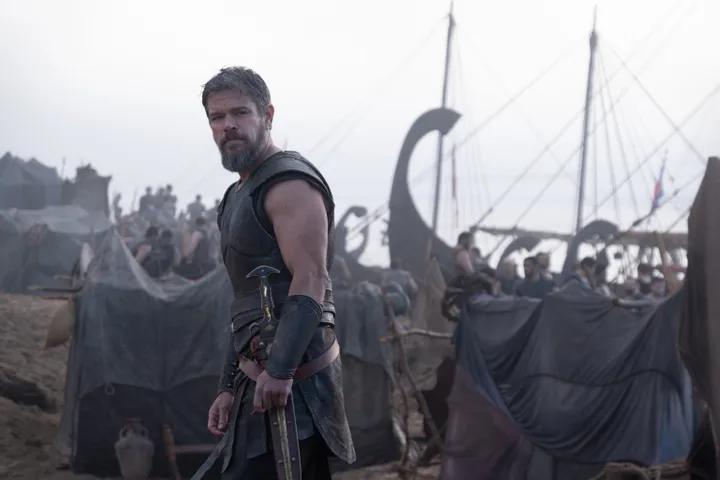
“People were just exhausted,” Nolan shared in a The Daily Show interview, explaining that his cast and crew stopped shooting a week earlier than expected.
“They’d been through it… it took the right time to make the film. We had enough time to make it,” he added.
So what did it really take to finish the monumental blockbuster on time and under budget?
Here are just a few of our favourite behind-the-scenes stories from the cast:
Nolan didn’t cheap out on extras
Speaking to the British Film Institute (BFI), Matt Damon (who plays Odysseus) said: “The first day I shot was Essaouira in Morocco, walking over the dunes on that beach and seeing thousands of people, because obviously Chris doesn’t put people in by computer.
“If [the script] says ‘thousands of people’, there are going to be thousands of people. The scale of it was immediately jaw-dropping.”

In the same interview, Anne Hathaway (Penelope) shared: “For all of my scenes I was in a cast of several hundred people every day, and we would come in and go through the works and everybody would be in full costume.”
Back pain was the real odyssey
Damon also told Andy Cohen that the film’s footwear affected some of its cast members.
“Running through Troy, it’s all stone, and you’re in these sandals, and they’re very real. And yeah, they’d come off, our feet were all scuffed up.
“But more than the little scratches and cuts on your feet, it was the back pain for us… It was a heavy Advil movie in those weeks we were doing that action stuff,” he joked.
*That* Samantha Morton scene was almost as intense to film as it was to watch

Samantha Morton (Circe)’s standout scene, in which she gruesomely turns Odysseus’ men into pigs, wasn’t CGI, stars Anne Hathaway and Tom Holland (Telemachus) told IMDb.
“When they turned the people into pigs? That’s all real… it’s all animatronics” Tom said.
Anne agreed: “All of that sculpting that she’s doing? That’s not CGI.”
“It’s an animatronic head, and she… like pulls their jaws apart and stuff. That’s real,” Tom continued.
“They worked with an artist to create something that Samantha could sculpt with live on camera,” clarified Anne.
Matt Damon was “embarrassed” about his armour faux pas
In an interview with TODAY, Matt Damon said he made an accidental faux pas early in his time on the set.
The castle in the film is real, and involved a gruelling hike.
“Everyone started coming up, and everyone was wearing their armour. And then I saw Corey, the guy who was handling my wardrobe, carrying my armour, and I felt so horrible,” he recalled.
Damon said he quickly apologised – “That never happened again. That was embarrassing.”
Uggs were banned
Anne Hathaway said that the director ran a tight ship (sorry) – “no Uggs, standing on your mark at 7am.”

Nolan has since confirmed the fluffy “signifier[s] of modernity” were banned because they took actors out of the ancient story.
Samantha Morton started reading The Odyssey after she got cast as Circe – then had to stop researching her character
Samantha Morton said she’d never read the Ancient Greek poem before being cast in the movie.
“I didn’t know that I was going to be reading The Odyssey. I hadn’t read the book at school. I didn’t study the classics. So for me, it was just a character in a script, and my interpretation of this character was what it was,” she told Vanity Fair.
“Once I was given the role, I did a bit of a deep dive into Circe and found it quite extraordinary. I very, very quickly pulled away because I didn’t want to be burdened by that responsibility. It’s there, but forget about it because I’m there to make this movie.”
She added, “I don’t overanalyse. I don’t put my characters in psych therapy ever.”

Robert Pattinson thought Matt Damon was a “complete psycho”
Robert Pattinson (Antinous) told MTV he thought his on-screen enemy, Matt Damon, was a “complete psycho” on set.
“There’s a thing which Matt did when we were shooting something and he was in the trailer next to me and he was making these noises in the trailer,” he told the publication.
“I thought he was on the phone and I’m like, ‘He’s a complete psycho’… He’s just like, screaming and screaming and screaming. And I’m like, ‘Either you’re having a really bad toilet experience or like…’”
As it turns out, the actor was trying to wear out his voice to sound older.
The actors got sprayed with sideways rain
According to Himesh Patel (Eurylochus), filming on a boat in mizzling Italy wasn’t “brutal” enough for Nolan.

“They did also add some sideways rain,” he told BFI.
“There were some days we’re on the boat just off Favignana in Italy where it would be raining a little bit and grey, and then this other boat would just pull up alongside, and it was [special effects supervisor Scott R. Fisher]. He had a massive hose, and it was, ‘We’re going to just spray this hose all over you if that’s okay?’”
No, it was not comfortable inside that horse
Nolan’s Trojan horse is not the one you might have been left to imagine in school – it’s sweaty, scary, soaked in salt water, blood, and piss.
So perhaps it’s no surprise Damon said, “It wasn’t comfortable in there.”
And speaking to Polygon, Jon Berthnal (Menelaus) added: “When the horse was still in the water, and the water was coming in, that water was freezing cold.
“It’s no joke. There’s no frills. There’s zero. Nothing. And I really love that. I call it ‘No acting acting.’ [Nolan] just puts you in it.”
John Leguizamo genuinely couldn’t see on set
John Leguizamo, who played blind swineherd Eumaeus in the movie, said he was forced to go method – whether he wanted to or not.
“My guy Eumaeus is sight-impaired, so they gave me contacts that were opaque, so I couldn’t actually see,” he told BFI.

“I had to be guided to eat, go to the bathroom, whatever. I have a friend who’s legally blind, and I studied her, and that’s what I incorporated into this character to help me be as real as possible.”
Tom Holland went to see Zendaya’s first day on set “because I just wanted to be there”
Tom Holland and Zendaya (Athena) are husband and wife in real life. And on his partner’s first day on the set of The Odyssey – a part he broke to her that she’d gotten – he “went to set” on “her first day of work because I just wanted to be there”, Tom told GQ.
Zendaya has expressed how reassuring his presence was at the time.
“You know, some locations he wasn’t at, but he was on my first day, which I was very grateful for,” she shared with Extra.
“Because as you can imagine, something like this is quite a daunting task. It’s the scale, the scope, it’s absolutely extraordinary. So, walking onto a Chris Nolan set for the first time is no small feat, so I was happy to have some support.”
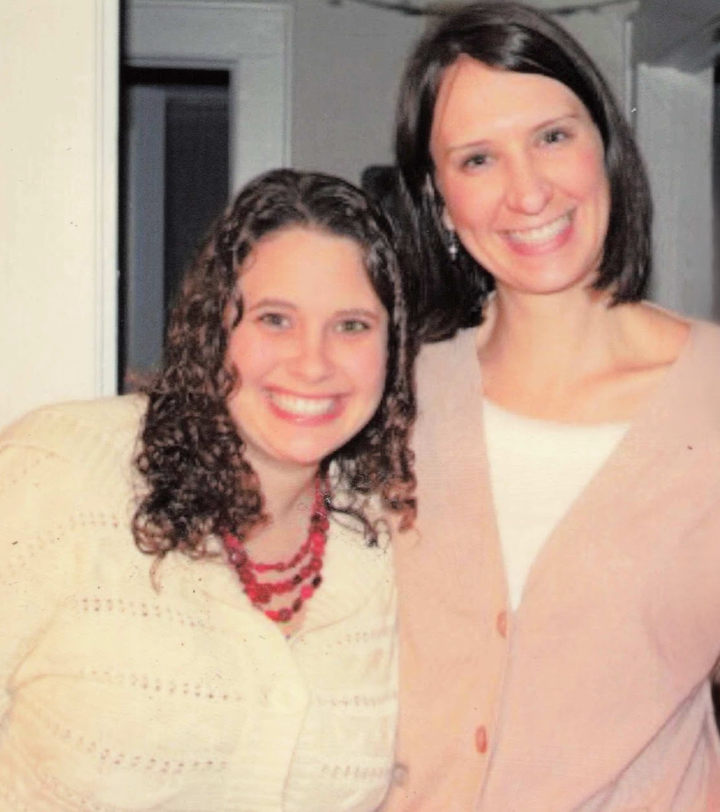
When my phone buzzes me awake in the middle of the night, I know it is going to be bad news. The drunk dials of my 20s have been replaced by frantic revelations of cheating spouses, sick children, and new cancer diagnoses.
In middle age, nothing good happens after midnight.
Yawning, I shuffle to our kitchen, leaving my sleeping husband behind. By the time I fill a glass with water, I am alert, awake and oriented. I reread Chrissy’s words. There it is: acute myeloid leukaemia.
“Got any tricks to cure acute leukaemia, Dr. Wentworth?” my friend jokes.
Instead of responding to her humour, I demand her hospital room number. I’ll stop by on my way to work.
Immediately after hitting send, I sense my overreach and text again, apologising.
“I love that you didn’t ask,” Chrissy replies immediately. “I would have told you no.”

Courtesy of Stacy Wentworth, M.D.
Professionally speaking, I know that a patient with AML has a less than a one in four chance of surviving. As a radiation oncologist, I am wary of early optimism. As her friend, I cannot consider anything else.
The medical centre is still sleeping as I turn into the visitor’s parking deck. An ambulance’s red lights sweep silently across the wet pavement in front of the Emergency Department. A man wearing a white coat leans against the wall next to the trauma bay, a glowing cigarette clutched between two of his fingers.
I run by the cafeteria to pick up black coffee for me, and breakfast for Chrissy’s husband, Robert. The elevator doors open on the sixth floor, and I swipe my employee badge to enter the bone marrow transplant unit. It’s a slight breach of protocol, but I’m OK with that.
I am a doctor here to see a patient. I am a visitor here to see my loved one.
At the nursing station, a weary coordinator directs me to Chrissy’s room. I pause in the antechamber to don a sticky, blue plastic gown. I press an N-95 mask tightly against the bridge of my nose. I struggle to put on gloves before the squirt of antibacterial gel has time to dry.
The positive pressure ventilation emits a soft whoosh as I enter. Chrissy teases me for bringing food for Robert when she knows my own house is probably out of milk. Robert rubs his eyes and reaches for the brown bag, thanking me for this small kindness. He returns to his makeshift bed under the window and opens a fruit cup.
A terrible story tumbles out of my friend’s mouth, the bones of which I have heard a thousand times before: The doctors thought her fatigue and shortness of breath were caused by one thing (Covid-19 infection), but it turns out the cause was another, more frightening thing (anaemia caused by leukaemia).
When her true diagnosis is uncovered, Chrissy is transferred to the large medical centre where I work. The group email that I read earlier contained these details followed by Chrissy’s violent optimism: “Don’t worry! Please pray! More updates soon!”
Chrissy finishes her narrative, picks up a pen and looks at me expectantly. Our eyes meet over her notebook. My brain sizzles trying to decide what, of my limited knowledge, I should share. My heart thumps in the in-between space of love for my friend and the boundary defined by the white coat that I left in the car. Death moves through the room like a fog.
“Thank God she got Covid,” Robert offers, breaking the tension.
“As everyone ALWAYS says,” I reply. “Thank God for Covid.” And we laugh.
This banter is easy. If I close my eyes and turn around now, maybe I can forget the reason I came. Instead, I scoot the large pink visitor’s chair closer to Chrissy’s bed and sit down.
My mind wanders as Chrissy continues talking. Over her shoulder, the NICU’s bright windows cut through the darkness. Chrissy and Robert’s oldest daughter spent almost a year there after she was born with her intestines where her lung should have been.
Chrissy now debates whether that daughter, who is about to turn 12, should get a phone.
“What do you think,” Chrissy looks up from her computer.
“About what?” I reply, coming back to the moment.
Should Clara have a phone? Or will Chrissy be alive to enforce the rules she is considering?
A cellphone pings. Chrissy turns away to answer.
How will she tell her girls? I wonder as I remove my PPE outside her room and exit the unit.

Courtesy of Stacy Wentworth, M.D.
My boss recently instructed all employees to treat our patients using “the loved one standard”. Similar to “The Golden Rule,” in medicine, the loved one standard calls us to treat patients and families the way that we would want our loved ones to be treated in similar circumstances. The loved one standard, our leader said, should drive every decision we make. I’d nodded my head in fierce agreement.
At the time, this aspirational goal seemed possible. The doctor-patient boundary seemed clear. Confronted with Chrissy, it blurs. Cancer has become incarnate and entered my life. I am not sure where I belong. The gap between the loved one standard, and MY loved one has become infinitesimally small. My ingrained objectivity battles a rising panic that my friend will die.
Exiting the parking garage, I consider how my patients’ diagnoses arrive in their loved ones’ phones. I don’t know who sat beside them as they contemplated a future minus one parent or if a physician friend dashed out of bed to be by their side.
In my clinic, farmers with prostate cancer wearing John Deere trucker hats remind me of my uncles; a young artist with lymphoma could be my stepdaughter; a busy mother who deftly manages her metastatic breast cancer wears the same exhausted smile that I’ve seen on Chrissy’s face. I’ve tried, sometimes desperately, to provide the loved one standard to each of them.
And yet, I know that they are not my loved ones. I do not rub their backs as they vomit or wait anxiously with them for the results of a test. I do not wonder how they will tell their daughters that mom might die.
I’ve broken so many promises to return patient phone calls “as soon as I hear something” – these earnest pledges forgotten when the chaos of home greets me at the back door. I have forsaken shattered families, rushing out of a room to my child’s softball game.
Am I even capable of providing the loved one standard? I wonder.
Dr. Erik Fromme suggested that physician–family members ask themselves, “What could I do in this situation if I did not have a medical degree?” and consider avoiding acts that require a medical license. I like Fromme’s well-demarcated approach, but is this really the time to abandon the most relevant skill that I bring to my friend’s deadly diagnosis?
After an hour on the road, I arrive at my own clinic parking lot and pull into a space marked for physicians. I switch off the ignition and pause, resting my head on the steering wheel. The “loved one standard” is what I pray for as Chrissy’s doctors choose the difficult treatment which must save her life.
I want her doctors to push away fatigue, burnout and their personal concerns to focus on my friend. I want them to wake up in the morning thinking of her girls, and go to bed at night worrying about a new bruise on her arm. I want Chrissy to be their loved one.
My cellphone chirps, summoning me back to the morning.
The text is from my nurse.
“ES in Exam Room #3.”
I grab my white coat from the back seat. Please take care of MY loved one, I beg God, as I close the car door and walk toward my waiting patient. And I promise to try and do the same.

Courtesy of Stacy Wentworth, M.D.
I visit Chrissy several more times over the next two weeks. Then, one night, I am digging through my pillows, trying to find my phone. I am once again awake in the dark. I miss the call, but a text soon appears:
Transferred to the ICU. Doctors suspect intracranial haemorrhage. Low platelets. Robert on his way. Pray.
The intensive care unit where Chrissy dies has one of the best views of our city. I have stared out its windows many times. Below and far removed from its heartbreaking jurisdiction, oblivious drivers hurl down a grey ribbon of highway.
Near the park, friends share good news and glasses of wine outside cozy cafés. Downtown, low clouds wrap around the tops of a respectable number of tall office buildings. In the distance, the white spire of a chapel pierces the grey sky.
I lie in bed summoning this landscape while my husband’s chest slowly rises and falls next to me. A few miles away, Robert embraces his intubated wife and nods his head to a waiting nurse. The beeping monitors slowly fade to silence.
Chrissy’s heart stops beating while I cry silently, still desperately praying that my loved one will beat the odds and live.
Stacy Wentworth, M.D., is a board-certified radiation oncologist and internationally recognized cancer survivorship expert. Her two time Webby-nominated podcast, ”Less Radical,” covered the forgotten history of breast cancer treatment. Dr. Wentworth’s Substack newsletter, Cancer Culture, explores past, present and future approaches to cancer care.
Do you have a compelling personal story you’d like to see published on HuffPost? Find out what we’re looking for here and send us a pitch at pitch@huffpost.com.


6 min read
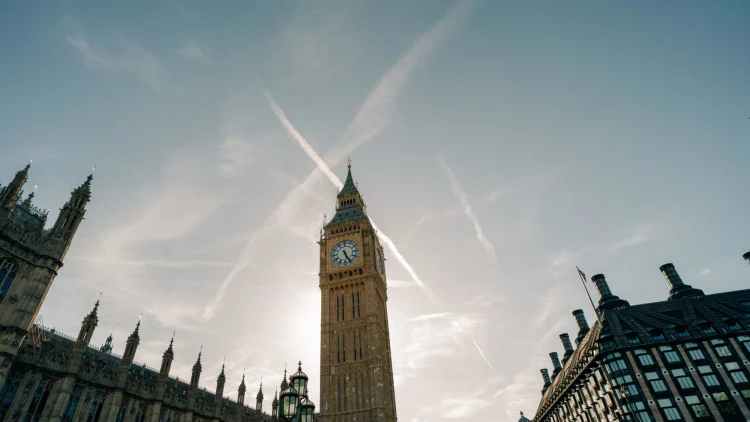
A majority of MPs’ staff are experiencing psychological distress as a result of their work, according to a new survey of employees working in Parliament and constituency offices.
An annual survey carried out by the MPs’ staff Wellness Working Group, shared with PoliticsHome, has shown a record level of distress experienced by MPs’ staff since the survey began in 2000.
From a record 627 staff responses, the survey found that 50.9 per cent of MPs’ staff working across both Parliament and constituency offices are experiencing psychological distress. This is the highest level recorded to date, including during the Covid-19 pandemic.
Sixty-four per cent of respondents also reported difficulty meeting the demands of the job within expected timescales and 34 per cent said their working hours negatively affect their family relationships and friendships.
The survey found MPs’ staff reporting a ‘tsunami’ of casework, with offices struggling to cope with constituents’ increasingly complex demands.
Constituency caseworkers are also exposed to an increasing level of abuse, threats, traumatic disclosures and suicide-related casework. Two-thirds of respondents said they receive suicidal calls from members of the public, with one quarter being active suicide attempts.
Seventy-eight per cent experience threatening calls and communications.
The survey included disturbing examples of what some MPs’ staff have been sent by members of the public, such as exposed genitals, a bullet sent in the post, and a picture of a dead baby.
Some staff described how this had affected their own mental health, with one saying: “For a few months, I was very depressed after dealing with issues of child abuse and threats of suicide.
“I do not feel that MPs’ offices are given sufficient training or preparation on how to deal with this professionally or given a space to process this afterwards.”
One third of staff – 33 per cent – said they were considering leaving their roles, with survey respondents citing concerns around recruitment, retention and the loss of experienced staff across MPs’ offices.
Recommendations by the working group include increased funding for more caseworker posts, better communication with the public about what timeframes to expect a response, and work phones provided to all staff.
It also recommended compulsory training for staff in how to handle intimidatory physical and psychological threats.
The survey found disparities between Westminster and constituency-based staff on access to services and workplace standards.
I was very depressed after dealing with issues of child abuse and threats of suicide
One anonymous respondent described how a constituency-based colleague developed a work-related physical condition, but the Independent Parliamentary Standards Authority (IPSA) refused to fund adaptive equipment or provide occupational therapy, while members’ services said a parliamentary colleague would have received this support.
“The disparity of support provision from Parliament between parly vs constituency staff is genuinely appalling,” the respondent said.
“Parliament is very Westminster-focused; constituency staff are often forgotten about.”
Levels of dissatisfaction with pay are at a five-year high, with 50 per cent rarely feeling that their pay matches the skills required for their role. The working group has recommended that IPSA reviews the offer to staff, including funding for pay.
Estelle Warhurst, executive committee member of the MPs’ staff Wellness Working Group, told PoliticsHome: “Over the last 10-15 years, there’s been a decrease in services out there for the general public, so increasingly people come to MPs’ offices when they’re in a situation and need some assistance.
“Funding has been cut for places like citizens’ advice bureaus and legal advice centres. So people will tend to come to an MP’s office.”
Having worked in an MPs’ constituency office for more than 20 years, Warhurst said that the ability to recruit staff was not keeping pace with the number of people approaching MPs with complex casework.
She said that as a result, services offered by MPs have been adapting to manage their time more efficiently. For example, some MPs do not hold face-to-face surgeries anymore, instead communicating via email or video call.
Warhurst said that although the House of Commons was not officially the employer of MPs’ staff – who are directly employed by the MPs themselves – the parliamentary authorities should still step in to make essential staff training compulsory.
She added that there should be more measures and checks put in place to prevent workplace bullying by MPs towards their staff.
“There should be mandatory training for MPs when they become an MP,” she said.
“They should have to enrol in something within the House to say that they understand how employment law works and how they should treat people.”
Parliament is very Westminster-focused; constituency staff are often forgotten about
Labour MP Josh Fenton-Glynn, who worked for various trade unions before being elected in 2024, said: “I hope it causes IPSA to reflect on the decision not to increase the allowance to let members take on extra staff.
“People are increasingly turning to MPs for support, and it’s right that we offer it.
“I’ve been involved in politics at different levels for over a decade and have seen the level to which social media has normalised abuse. While my office deals with hundreds of letters a week, we still have constituents take to social media when they’re unhappy with the reply. People forget there are humans at the other end and not just me.”
Fellow Labour MP Adam Thompson said he was “deeply concerned” about the findings.
“Like many MPs, my team have set up a collaborative environment of mutual support and have undertaken mental health first aid training, but I am always alert to the difficulties that they are facing,” he said.
“With an increasing demand for complex constituency casework, there is always room for increased caseworking capacity and further training for caseworkers.”
An IPSA spokesperson said: “We recognise the dedication of MPs and their staff and value the work of the Wellness Working Group. We have responded positively to their recommendations over the last few years and work closely with them, and with other staff representative groups, to ensure we understand how best we can support MPs’ staff.
“We have received feedback from some offices about the impact rising and increasingly complex casework is having on the wellbeing of MPs’ staff, and in response we have introduced additional, dedicated funding to support those offices facing particular pressures and a ring-fenced training and wellbeing budget. We also have a separate budget that exists to fund workplace adjustments for MPs’ staff in constituencies, as well as for MPs, volunteers, job applicants, or constituencies visiting the office or a surgery.
“We are currently consulting on the framework for setting MPs’ budgets, which seeks feedback on the principles that should guide our decisions and whether the framework remains appropriate. Our role is to balance the resources MPs and their staff need with public confidence in how those resources are used.”

If you’re an avid reader, 2026’s film schedule has been pretty great so far.
Between Wuthering Heights, The Odyssey, H Is For Hawk, and Project Hail Mary, we’ve seen some major titles transformed into big-screen projects – with more yet to come.
So how do the movies stack up to the books?
Well, obviously, the answer to that question is subjective. But review aggregation sites like RottenTomatoes and Goodreads do, at least, provide an average score from ordinary viewers and readers.
Here, we compared the book and film site fan ratings to one another. We used the audience-generated Popcornmeter rather than the professional-critic-led Tomatometer results, so that both metrics came from the general public.
And we translated Goodreads’ five-star system into percentages, so it was easier to compare book scores to the film reviews.
1) H is For Hawk

Claire Foy stars in the adaptation of Helen McDonald’s 2014 memoir. Both focus on a woman’s moving experience with a goshawk following the death of her father.
Goodreads score: 74.6% (3.73/5 on the site)
RottenTomatoes Popcornmeter score: 76%
Verdict: fans liked the movie better, but only just.
2) Wuthering Heights

The director knew she wasn’t creating a like-for-like remake from the beginning, though, saying she made “something that was my response and interpretation to that book and to the feeling of it.”
Goodreads score: 77.8% (3.89/5)
RottenTomatoes Popcornmeter score: 74%
Verdict: the readers have it, but not by as broad a margin as you might expect (critics gave the film a 57% score on average).
3) Project Hail Mary

Andy Weir’s 2021 sci-fi novel, which focuses on teacher Ryland Grace’s unexpected sci-fi mission, was turned into a blockbuster hit starring Ryan Gosling, Sandra Hüller, and, if you listen close enough, Meryl Streep.
Goodreads score: 90.2% (4.51/5)
Verdict: Wow! Readers and viewers loved both – but the movie just won out.
4) The Odyssey

Christopher Nolan’s record-breaking The Odyssey isn’t an exact replica of the 12,000-plus-line Homeric poem, but it captures an impressive amount of the story.
The original text is “an epic, an adventure story… a Greek audience roots for the destruction of evil characters in the same way that we root for the destruction of the villains in film noir, Westerns, or the [Marvel Comic Universe],” Jeffrey Carnes, an Associate Professor of Classics and Classical Civilisations at Syracuse University, told HuffPost UK previously.
Goodreads score: 77% (3.82/5)
RottenTomatoes Popcornmeter score: 97%
Verdict: OK, Goodreads’ database is missing a couple thousand years of readers’ opinions here. Still, with that substantial caveat, the film’s got the lead in 2026.
5) People We Meet On Vacation

The Netflix adaptation is based on Emily Henry’s slow-burn, friends-to-lovers novel. It stars Emily Bader and Tom Blyth as its romantic leads.
Goodreads score: 76.8% (3.84/5)
RottenTomatoes Popcornmeter score: 68%
Verdict: The book’s proven a greater hit in this case!

Christopher Nolan’s take on The Odyssey has generated plenty of buzz in recent weeks, with critics hailing it as a ‘masterpiece’ and his ‘best film to date’.
And while the classics expert whose translation inspired the director’s take wasn’t overly impressed by it, it’s fair to say that such a huge pop culture moment is sure to make an impact more widely – especially when it comes to what people name their babies in years to come.
Mythology has a long history of influencing parents’ naming choices – but experts predict The Odyssey might just spark a resurgence in Greek classics.
The team at JoJo Maman Bébé have analysed Office for National Statistics (ONS) baby names data to reveal which Greek mythology-inspired names are already climbing the ranks – and may prove even more popular in 2027.
Greek mythology-inspired girls’ names
Who is she? She’s the wife of Odysseus (played by Anne Hathaway in the new Nolan movie).
How popular? 1,174 girls were given this name in 2025, according to the ONS.
Who is she? Goddess of wisdom, courage, and warfare (played by Zendaya in The Odyssey film).
How popular? There were 519 girls called this in 2025.
Who is she? Titaness, mother of the original Olympian gods and goddess of female fertility.
How popular? 109 girls were called this in 2025.
Who is she? Queen of the Underworld and goddess of spring growth.
How popular? 77 girls were called this in 2025.
Who is she? Goddess of the Earth.
How popular? Again, 77 girls were given this name last year.
Other girls’ names to watch
Who is she? Helen of Troy (played by Lupita Nyong’o in The Odyssey) was the most beautiful woman in Greece and became an indirect cause of the Trojan War.
Who is she? A sorceress and goddess of magic (played by Samantha Norton in Nolan’s The Odyssey).
Who is she? A sea nymph (played by Charlize Theron in the film).
Greek mythology-inspired boys’ names
Who is he? The Titan condemned to carry the weight of the sky for eternity.
How popular? 355 boys were given this moniker in 2025.
Who is he? The god of war and courage.
How popular? Just 56 boys were given this name last year.
Who is he? God of prophecy, music, light, truth and healing.
How popular? 39 boys received this name.
Who is he? The goddess of hunting, the wilderness and wild animals.
How popular? Only 17 boys received this name.
Who is he? The demigod who defeated Medusa.
How popular? Eight boys were given this name last year.
Other boys’ names that might jump in popularity
Who is he? He’s the king of Ithaca and star of The Odyssey (played by Matt Damon) who is known for his intelligence, cunning and bravery.
Who is he? An agent of chaos and disorder (played by Robert Pattinson), he plots to take control of Ithaca while Odysseus is away fighting the Trojan War.
Who is he? One of the soldiers (played by Elliot Page) instrumental in the Trojan horse plot.

Facebook and Instagram parent company Meta has entered into an AI ‘content partnership’ with far-right ‘news’ platform Newsmax. According to the company’s announcement, Meta’s platforms will use Newsmax content to train their AI how to answer questions from users:
Under the agreement, Meta will have access to Newsmax’s digital news content. Meta will be able to draw upon Newsmax’s significant current reporting as well as archived content across its platforms to support AI queries across Meta’s apps and devices.
Expensive lies from Meta
The agreement means users of Facebook, Instagram and WhatsApp will find replies from their AI guided by a company that has had to pay out to settle a lawsuit over its election lies:
This, my friends, is how you message & demand accountability. Well done @davidlitt
David Litt: “Newsmax lied to its own viewers & had to settle that lawsuit…Are you still telling that lie or are you telling new lies?”
NewsMax: [Ends Interview]pic.twitter.com/QbPA4AfxkZ
— Qasim Rashid, Esq. (@QasimRashid) May 10, 2021
Human rights lawyer Qasim Rashid describes Newsmax as a:
propaganda rag… [and] election denying, pro racist, pro Trump, anti-Muslim, anti-woman, anti-democracy state media platform.
AI scandals
In July 2026, Meta was at the centre of another AI scandal after it used artificial intelligence to fire disabled workers. The company has already been criticised for using its systems to censor pro-Palestine content and admitted in 2020 that it was setting up its pages to hide left-wing content and favour right-wing ‘news’.
Now, it is going to feed far-right drivel to its AI engine. What could possibly go wrong?
Featured image via screengrab and screengrab
By Skwawkbox
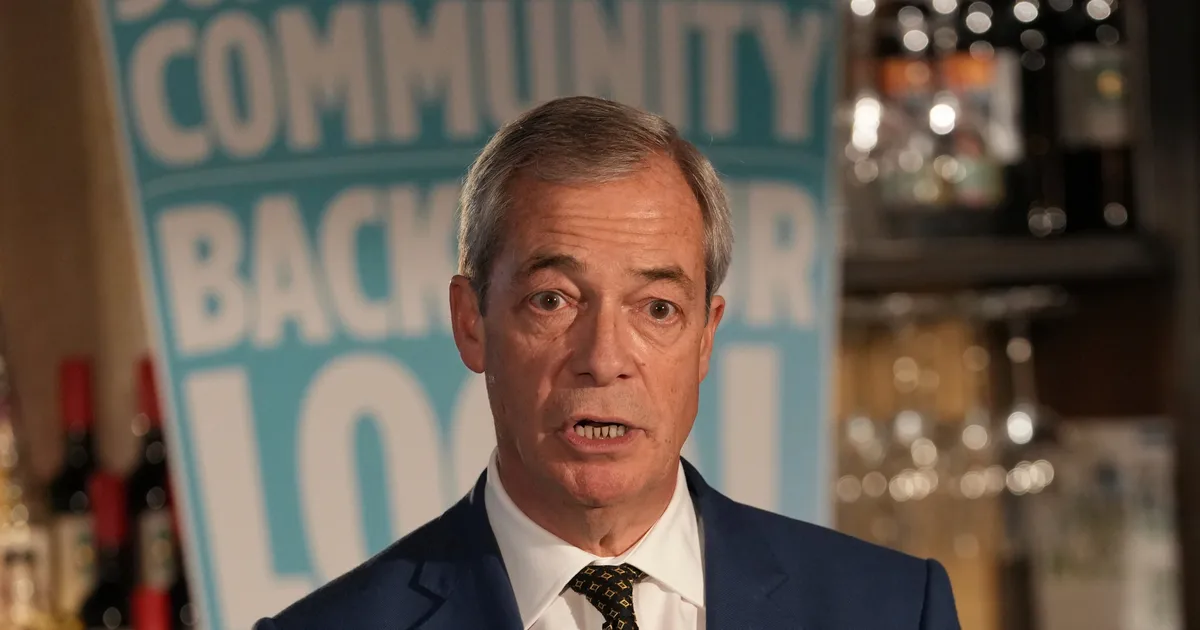
Nigel Farage has furiously hit out at Andy Burnham after the prime minister did not invite the Reform leader to cross-party talks on fixing social care.
The PM asked Conservative leader Kemi Badenoch and Liberal Democrat leader Ed Davey to help him “problem-solve” the crisis later today.
Farage – who is not a sitting MP right now having triggered a by-election in his own Clacton constituency – claimed the PM was “conspiring” with the main parties.
He said: ”If Andy Burnham is serious about putting politics aside to solve Britain’s biggest problems, it’s remarkable that he’s chosen to ignore Reform.
“He is conspiring behind closed doors with the failed political establishment to foist further tax rises on the country.
“The fact Ed Davey and Kemi Badenoch are going along with this tells you all you need to know. This is the uniparty in action.”
Reform’s Treasury spokesperson, Robert Jenrick, also attacked the prime minister.
Jenrick said: “I’m not surprised that Andy Burnham hasn’t invited Nigel Farage.
“If he had, Nigel would have told him he’d fight this tax rise all the way.
“That Ed Davey and Kemi Badenoch are going along with this tells you all you need to know about their parties.
“Andy Burnham has no mandate to tax the life savings of hundreds of thousands of families.
“So instead of having the decency to ask the public if they’ve changed their mind about a policy they’ve rejected four times, he’s conspiring behind closed doors with the failed political establishment to foist it on the country.
“If we need to, Reform will stand alone to fight this cruel tax. Nigel and I will not see millions of families betrayed like this.”
Badenoch has actually made it clear she would oppose any tax rises or increases to borrowing to pay for social care reforms.
Until recently, Reform had led every opinion poll for more than a year.
But Burnham’s move into No.10 and growing scrutiny over Farage’s finances have shifted the polls in Labour’s favour, even giving the party the lead over Reform in at least two different surveys.
Reform has seven MPs right now as Farage is not in the Commons.
Meanwhile, the Tories have 117 MPs, making party leader Badenoch also the leader of the opposition.
The Lib Dems have 71 MPs, meaning they are the third largest party in the House.
Badenoch is not able to attend so the Tory shadow health secretary is attending in her place, while Davey is away and will be tuning in via Zoom.
Labour has a majority in the Commons already so Burnham does not necessarily need the support of MPs from other parties to get legislation through the House.
However, Burnham has promised to create an atmosphere of unity and offered to use his “political capital” to implement real changes to social care.
Listen to Commons People, the podcast that makes politics easy. Every week, Kevin Schofield and Kate Nicholson unpack the week’s biggest stories to keep you informed. Join us for straightforward analysis of what’s going on at Westminster.

A new poll from CNN released on Wednesday showed that President Donald Trump’s approval rating had sunk to its lowest level since the Jan. 6, 2021 insurrection at the US Capitol.
According to the poll, 34% of Americans approve of the job Trump is doing as president, while over half of respondents said they strongly disapprove. Even among Republicans, Trump’s approval had fallen to new lows of 78%, with only 19% saying they were enthusiastic about the rest of his second term.
With the ever-widening conflict in the Middle East nearing its sixth month, Americans are continuing to show their disdain for the US-Israeli war on Iran. Roughly two-thirds said Trump’s military policies had worsened economic conditions in the US. Just 25% said the war was worth the financial burden being placed on the country. And only 25% of respondents said Trump had a clear plan for ending the war, down from 40% at the beginning of the conflict in February.
Trump also tested low on a number of other key issues, including his handling of inflation (25%) and gas prices (21%).
Possibly the most eye-opening revelation from the poll was that 73% of Americans said Trump had not spent enough time focusing on the most important issues facing the country.
Listen to Commons People, the podcast that makes politics easy. Every week, Kevin Schofield and Kate Nicholson unpack the week’s biggest stories to keep you informed. Join us for straightforward analysis of what’s going on at Westminster.
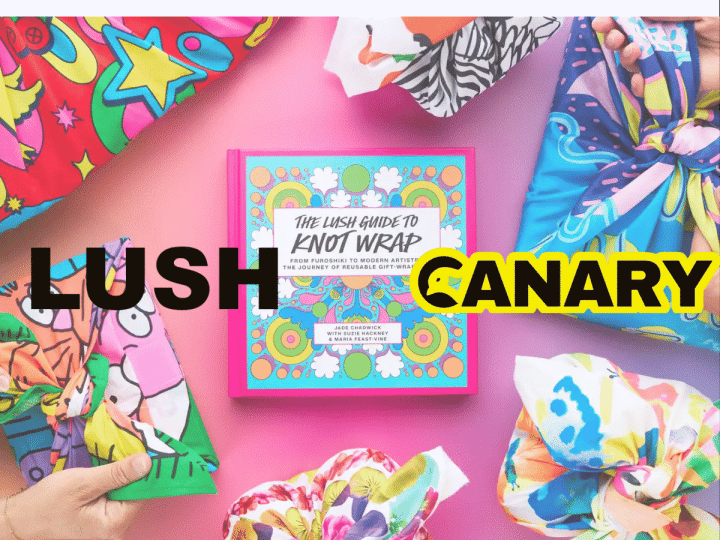

When my copy of ‘The LUSH Guide to Knot Wrap’ dropped through my letterbox, I didn’t expect it to entirely change my outlook on Christmas. Weird sentence, isn’t it? But somehow this book managed it.
The LUSH Guide to Knot Wrap
Did you know that every year, the UK throws away around 227,000 miles of single-use wrapping paper? That is enough bleached, dyed and sellotaped trash to stretch from your living room, all the way to the moon. We buy this crap paper, which is made from felled trees, and it’s covered in metallic inks, making it unrecyclable. We wrap all of our gifts in it, and we watch someone rip it apart in 30 seconds before shoving it into a single-use bin bag. Do you see the issue with this? It’s unhinged behaviour, and yet we repeat it every single Christmas without a second thought.
The LUSH Guide to the Knot Wrap arrives as a direct, stunningly colourful weapon against this societal madness. It’s not a corporate promo or some shitty craft manual. This book is a passionate and well-written manifesto for more sustainable living. And it asks a simple question:
Why keep throwing money in the bin when every gift we give can be wrapped in a permanent piece of art that we can share with our loved ones?
Guys, we need LUSH’s Knot Wraps, and let me tell you why.

Reclaiming a lost feminist art
One of the book’s greatest strengths is how it grounds the zero-waste movement in stunning cultural history. Knot Wraps are not a new concept, they may not be huge in the UK (yet) but the very blueprint if them goes back centuries. And they come from East Asia, most notably the Japanese traditions of ‘Furoshiki’ and the Korean art of ‘Jogakbo’.
Furoshiki, translating literally to ‘bath spread’ from it’s historic roots of carrying clothes in public bath houses, transformed a simple square of cloth into an indispensable, multi-use tool for carrying, shielding and gifting items. Similarly, in Korea, the art of jogakbo developed by women. Jogakbo wrapping cloths were an intricate patchworking technique that women would create by sewing scraps of old material to create something new, vibrant and useful. Excluded from formal education and banished to domestic quarters, Korean women took these offcuts of leftover household fabric and created striking, abstract art. They sewed love, fortune and protection into every stitch.
This book reminds us that wrapping with fabric isn’t just some quirky contemporary trend, dreamed up by some modern marketing team. It’s an historical act of compassion, ancient ingenuity and feminine resourcefulness. If we reconnect with this ancient arts, it exposes just how lazy and destructive we have become. By switching to these traditional methods, we reclaim so much. And we can make sure the labour behind our new Knot Wraps are honoured and cared for, in typical LUSH fashion.
We trade cheap, single use trash for meaningful objects that carry history, intention and actual human connection. Plus they come in a WILD variety of colours and sizes, of which I have ear-marked at least seven to collect.
Turning actual trash into treasure
Where the book truly stunned me is in exposing the scale of what is possible when a company actually cares. You hear all of these soft platitudes from corporate giants. LUSH actually put it’s money where it’s mouth is. In this book it lays out the messy, honest reality of sustainable innovation. They tell the story of early attempts at spinning fabric from otherwise landfill-bound plastic bottles. Their first attempts produced a material that was crispy and too stiff.
But rather than giving up, the team doubled down and refined the process. Today, they have partnered with the EP Group and Henry’s sewing unit. And together, they have managed to divert over 7.5 MILLION plastic bottles from landfill and our oceans. They have managed to turn them into silky, durable rPET fabric which will last generations.
And LUSH didn’t stop their. As per usual, they leveraged their purchasing power to help heal communities. The one that stuck with me was in the wake of the 2011 nuclear disaster in Fukushima. Salt contamination decimated local farmland, but where most saw disaster, LUSH found hope. Supporting the Fukushima Organic Cotton Project, fabric sourcing became a tool for disaster relief. The company helped local farmers to switch to organic cotton that actively decontaminates the soil and gives people back their livelihoods. Think about it. You buy a simple Knot Wrap, and in doing so you’re helping to fuel an engine for environmental and human recovery.
The real-world test for LUSH
As I found, a good book doesn’t just inform you. It forces you to reflect and change. Which is exactly what this book did. There were so many stunning examples of Knot Wraps in the book, each with their own heart-warming story. From highlighting artists with learning difficulties to supporting small community projects, I went on the website and fell in love with so many. They’re colourful, they’re meaningful but I had one final test. Would my closest friends, those who I literally see as family, like the idea?
I pitched an ultimatum, filled with stats, in the group chat: We are done with wrapping paper.

I waited for the pushback, but of course my friends loved the idea instantly. And what followed was literally dozens of screenshots of stunning Knot Wraps, excited chatter about which of us would like which and if we would ask for them back after the gift or if we would circulate these new wrappings, for years. We chose the latter, knowing that eventually, what we had gifted would probably come full circle anyway. Even better, another member of our little family actually pointed out the fact that we could make our own, owing to the fact she has a tie dye business.
See? Switching to reusable wraps isn’t a chore. And it makes gift-giving feel infinitely more meaningful. Instead of filling single-use bin bags with crappy, unethical rubbish on Christmas morning, you can grow a collective library that you can circulate between the people you love the most.
The LUSH Guide to Knot Wrap makes the case for change undeniable. And it doesn’t just prove our toxic relationship with single use paper needs to end to help save the planet – it’s simply a more beautiful way to live.
Now, if you will excuse me, I am off to buy about seven of these. In the next one, I’ll be showing you guys how to use Knot Wraps, and telling you about some of the communities that help to make each one a work of art.
Featured image via Lush
By Antifabot
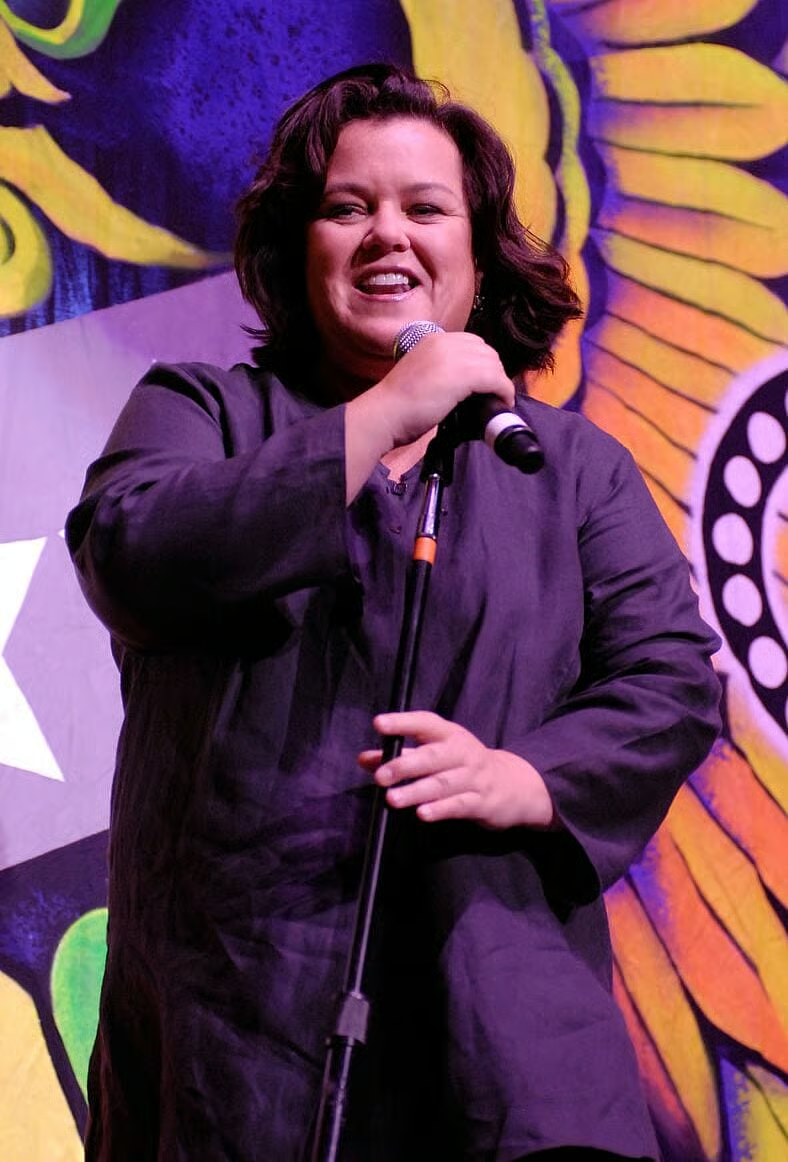
Rosie O’Donnell Shares What Daytime TV Return Would Look Like

What Happens When Type A And Type B People Date

What really women want financial independence or financial freedom??#youtubeshorts #viralshorts


-
 Sports5 days ago
Commonwealth Games boxing: Jadumani Singh seals dominant 5-0 win over Pakistan’s Sumama Rehman to enter quarter-finals | Commonwealth Games News
-

 Business2 days ago
Why Trees Belong on the Risk Register
-

 Fashion13 hours ago
Weekend Open Thread: Wit & Wisdom
-

 Politics10 hours ago
Meta enters AI-training agreement with far-right ‘propaganda rag’ Newsmax
-

 Tech5 days ago
Intel is reversing course and bringing hyper-threading back to its server chips
-

 Crypto World7 days ago
Ripple bought a bank in pieces. The $4 billion audit
-

 Politics5 days ago
Luke Littler dismantles Gerwyn Price to retain title in Blackpool
-

 Politics4 days ago
The Part of the Electric Transition Nobody Wants to Discuss
-

 News Videos5 days ago
BITCOIN JUST ENTERED THIS CRITICAL ZONE…
-
 Entertainment3 days ago
‘Stargate’ Creator’s New Sci-Fi Series Returns for Season 3 Tomorrow
-

 Crypto World6 days ago
XRP Ledger adds $2.6B as RWA inflows rank second
-

 Business3 days ago
Major shareholder moves on Canyon
-

 Politics6 days ago
Spain sweeps the board at 2026 World Cup with individual awards
-

 News Videos2 days ago
Bitcoin Enters the 3rd Stage of the Bear Market
-

 Entertainment6 days ago
Sara Gilson Killed By Husband After Viral “Pedophile” TikTok Video
-

 Crypto World3 days ago
Kraken Enables Retail Access to Jersey Mike’s IPO via Tokenized Shares
-
Crypto World52 minutes ago
XRP Ledger v3.3.0 brings five institutional features
-

 Tech4 days ago
New macOS Sequoia & Sonoma security updates for older Macs
-

 News Videos3 days ago
Claude: Build Financial Dashboards in Minutes (2026)
-

 Politics2 days ago
Luke Littler’s dominance sparks GOAT debate
You must be logged in to post a comment Login