
Politics
Andy Burnham Urges Minister To Keep Police Killer In Jail

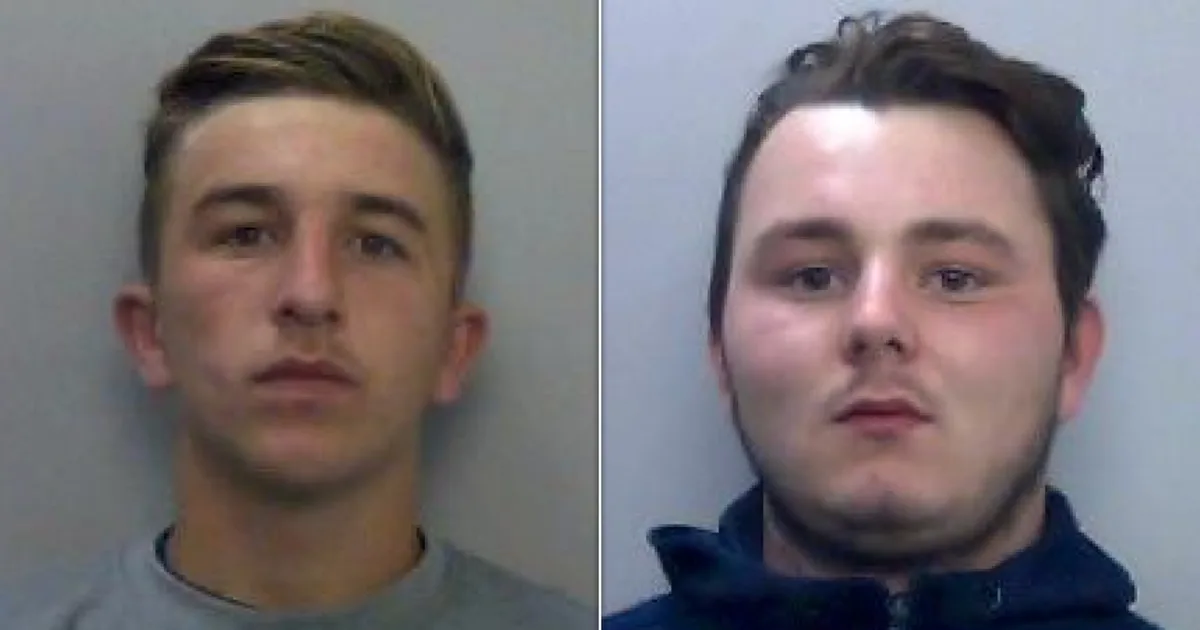
Andy Burnham has ordered one of his top ministers to find a way to keep the killers of PC Andrew Harper in prison.
The prime minister wants justice secretary Alex Norris to “work through further options” to prevent the early release of Jessie Cole and Albert Bower.
They were sentenced to 13 years for manslaughter in 2000, but are due to be freed in January under controversial measures to stop prisons running out of spaces.
Burnham has been hit with a furious backlash since it emerged that Norris and Cole would benefit from the early release scheme.
On Monday, Downing Street said it was “not possible” to exempt “one or two offenders” convicted of manslaughter from the scheme.
However, Norris will now look at ways to keep “a greater number of the the most serious offenders” behind bars.
A government spokesperson said: “The prime minister has asked the justice secretary to work through further options to keep a greater number of the most serious offenders in prison, including the killers of PC Harper.”
PC Harper was fatally injured when he got caught in a strap attached to the back of a car and was dragged down a country road as the killers fled the scene of a quad bike theft in Sulhamstead, Berkshire, in 2019.
Burnham announced he was pausing the early release scheme two weeks ago following public anger.
It was then announced that those convicted of rape, serious child sex offences and grooming offences would not be included in the scheme – but that meant that Cole and Bower would still be released.
Last week, the PM said he had “pushed to the very limits of what is possible to do without risking the prison system reaching capacity and collapsing”.
However, more than 880,000 people have signed a petition calling for PN Harper’s killers to remain in jail.
A government source told The Times: “[Burnham] has never accepted that he would be forced to choose between perpetrators of rape, grooming and the killers of police officers.
“The public wasn’t satisfied with that answer and neither was he.
“He has never accepted the line that it is impossible to prevent the release of the most serious offenders and has continued to push the system on a daily basis.
“He is now increasingly confident that a solution can be found to prevent the release of the killers of PC Harper.
“He has asked the justice secretary to present a plan to parliament that keeps a greater number of the most serious offenders in prison, including the killers of PC Harper.”
The early release changes were part of the Sentencing Act passed earlier this year that cut the minimum amount of time many offenders would have to spend in prison.
Those freed will face tougher probation conditions, including electronic monitoring, random drug testing and possible bans from driving, pubs and events such as football matches.
Listen to Commons People, the podcast that makes politics easy. Every week, Kevin Schofield and Kate Nicholson unpack the week’s biggest stories to keep you informed. Join us for straightforward analysis of what’s going on at Westminster.

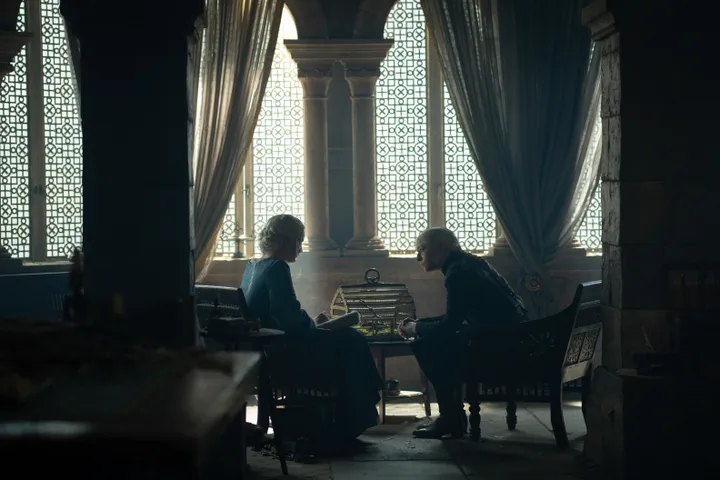
Listen, before we get started… we’re about to get into some major spoilers. Proper big ones.
So, if you still haven’t watched the House Of The Dragon finale yet, what we’d recommend is popping a little bookmark on this page, and coming back once you have. See you in a bit!
OK, for everyone else, let’s get into it.
As you’ll now know, the most recent instalment of House Of The Dragon, which brought an end to the third season, was a particularly action-packed one, setting the scene nicely for the fourth and final run, which we can probbaly expect to hit our screens in 2028.
One such example would be the death of Phia Saban’s character Helaena Targaryen, who jumped to her own death after being imprisoned by Rhaenyra (and, in a particularly gruesome touch, died after being impaled by spikes at the bottom of her fall).
During a subsequent interview with Entertainment Weekly, Phia revealed that she got a call from the Game Of Thrones prequel’s showrunner Ryan Condal to warn her about her character’s fate.

“I sort of saw it coming, really,” she admitted. “And also, I think I was having less formal conversations with the people who make the show and was being like, ‘Come on, I know when I’m gonna die’. And they were like, ‘Yeah’.”
She continued: “But Ryan did give me the official call, which is quite exhilarating and exciting, really, because you know that you’re building towards something.
“And also, I feel quite honoured to die on TV in this universe. So it’s a bit of a bucket list.”
Variety reported that Ryan Condal recently told the press that he’d been “taking time off” from the fantasy world of Westeros while season three was airing, as he “needed to step away from all of this”.
However, he noted that he’s already handed a first draft of the season four opener to HBO, insisting: “We have an incredible season coming. As crazy and big as season three was, I think season four is going to be even bigger.”
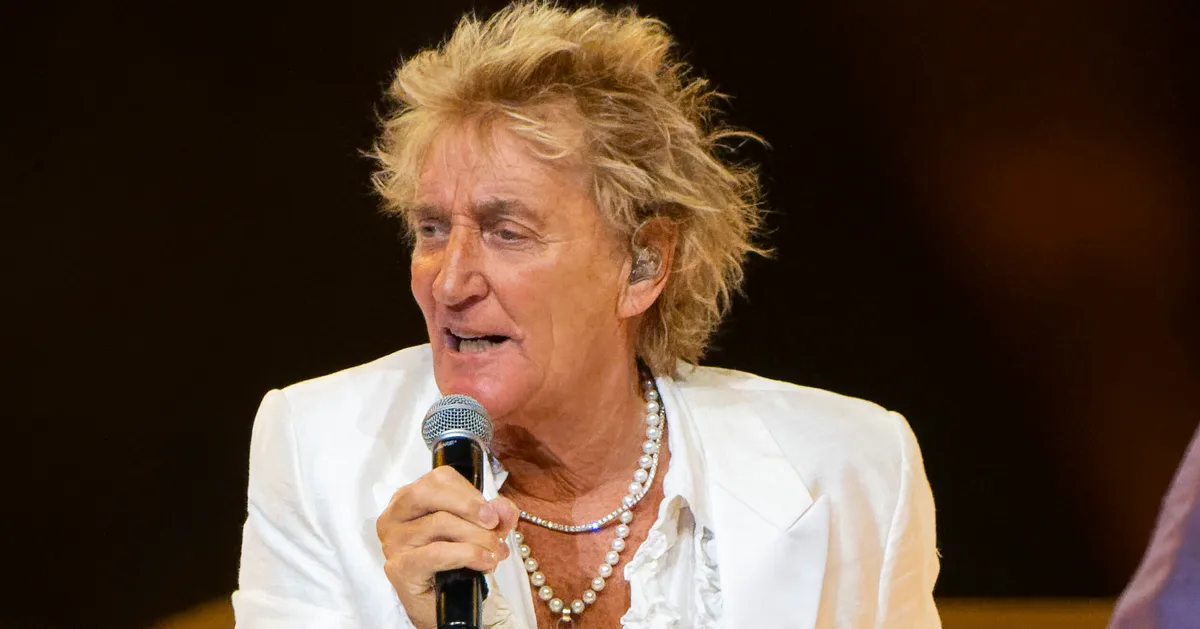
Sir Rod Stewart has pulled out of two live shows in the space of a week on medical grounds.
The 81-year-old crooner had been booked to perform in Cincinnati, Ohio on Sunday night, but postponed the show that morning “due to an unforeseen but minor medical procedure that required prompt attention”.
In a statement posted by the venue, it was said that “rescheduling is currently underway”, and that Sir Rod is “expected to make a quick recovery and looks forward to returning to Cincinnati”.
Following this, the Maggie May star also cancelled a show that was scheduled in Cleveland, Ohio on Tuesday night.
“Following a period of monitoring, doctors have advised Rod Stewart to rest for at least 48 hours,” Cleveland’s Rocket Arena said on their website, adding: “Rod is disappointed to miss the show and appreciates everyone’s understanding. He looks forward to returning to the stage soon.”
HuffPost UK has contacted Sir Rod Stewart’s team for comment.
Sir Rod is currently in the middle of his One Last Time tour, which has taken him across Europe and the US.
In 2024, he maintained that he has “no desire to retire” but told fans this would probably mark the end of him performing “large-scale world tours”.
He wrote on social media: “I love what I do, and I do what I love. I’m fit, have a full head of hair, and can run 100 meters in 18 seconds at the jolly old age of 79.
“I’d like to move onto a Great American Songbook, Swing Fever tour the year after next-smaller venues and more intimacy…”
“But then again, I may not,” he added, signing off his message: “The ambiguous Sir Rod Stewart.”
The Grammy winner previously teased to TalkSport that he’d be taking part in a UK tour in 2027, including a date at London’s iconic O2 Arena, “and that’ll probably be it, I think”.
Back in June, Sir Rod was forced to briefly pause a live performance in West Valley City, Utah so he could be administered with an oxygen mask.
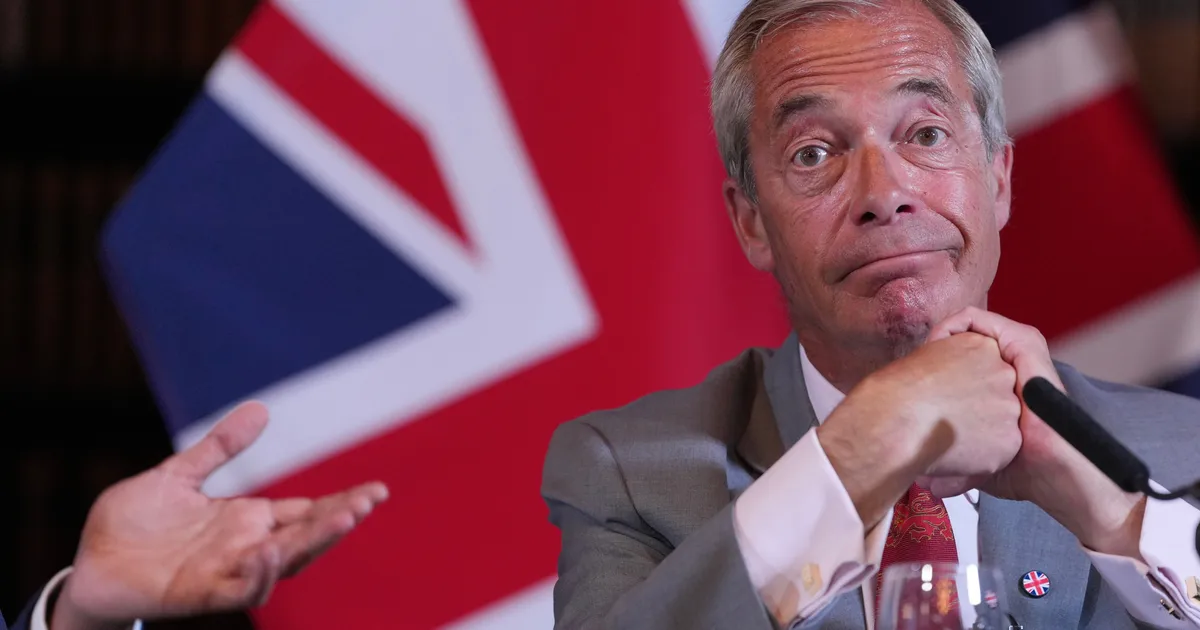
Reform UK has slumped to third place in a new opinion poll.
In a fresh blow to Nigel Farage ahead of Thursday’s by-election in Clacton, the Lord Ashcroft survey showed support for the party has fallen to 18%.
That is down 3 points on the Tory peer’s previous poll a month ago.
At the same time, the Conservatives have gone up by 2 points to 23%, while Labour is up 6 points to 27%.
The poll is further evidence that Labour is enjoying a bounce in popularity under new prime minister Andy Burnham.
It will also be welcomed by Tory leader Kemi Badenoch, who has won praise in recent weeks for her improved performance.
But the poll is a further reality check for Reform, who have come under pressure over the financial arrangements of both Farage and the party itself.
It emerged in April that Farage had not declared a £5 million gift he received from Thailand-based crypto billionaire Christopher Harborne shortly before he ran for parliament in 2024.
Parliment’s standards commissioner launched an investigation, but that was put on hold when Farage resigned as MP for Clacton to trigger a “people versus the establishment” by-election in the seat.
He is expected to be re-elected when that takes place on Thursday, although his only serious rival is Count Binface after Labour, the Tories, the Lib Dems and Restore Britain all refused to put up candidates.
Assuming he makes it back to Westminster, the standards probe will then re-start, which could see him suspended from parliament if he is found to have broken the rules.
The Lord Ashcroft poll confirms a trend which has seen Reform slip from top spot since Burnham became PM.
A poll of polls compiled by Election Maps UK puts Labour on 25.6%, with Reform second on 24.3%.
It is a far cry from the start of the year, when Reform led Labour by 10 points.
Both parties were neck-and-neck on July 24, but since then a succession of polls have put Labour in the lead.
A new poll released by YouGov on Tuesday put Labour up 2 points to 24%, with Reform down a point on 22% and the Tories also up 2 points to 21%.
Listen to Commons People, the podcast that makes politics easy. Every week, Kevin Schofield and Kate Nicholson unpack the week’s biggest stories to keep you informed. Join us for straightforward analysis of what’s going on at Westminster.
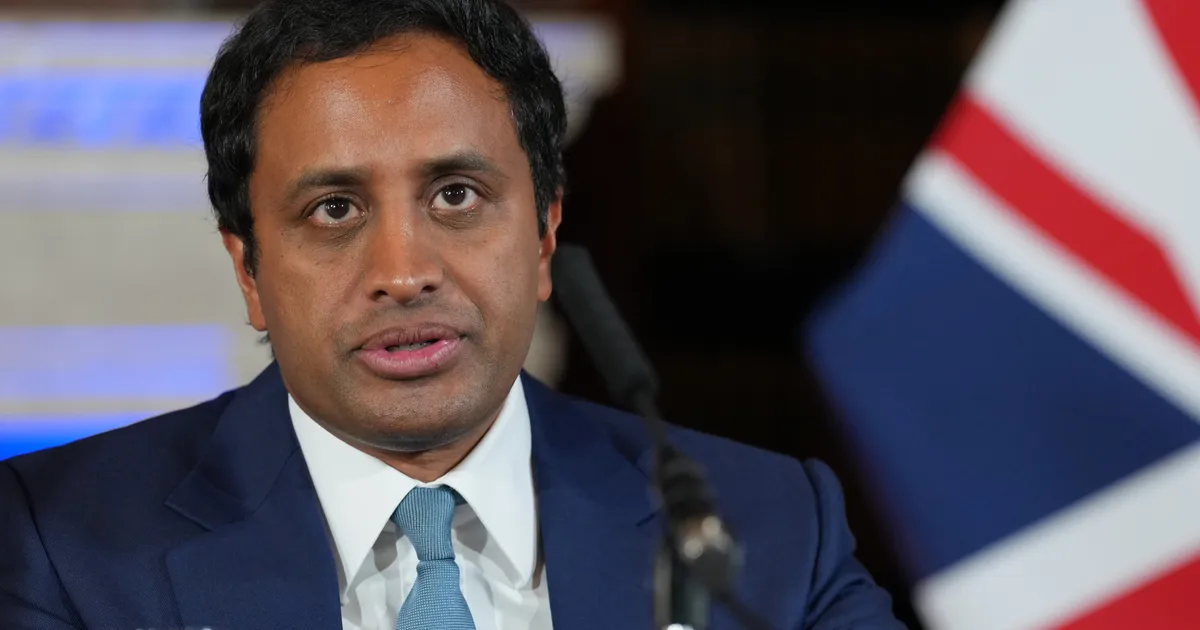
A senior Reform UK figure has condemned Zia Yusuf for calling a former Tory cabinet minister who served in the Army “a traitor to Britain”.
In a further sign of the tensions at the top of the party, Tim Montgomerie went public to say Yusuf’s comments were “inappropriate and counter-productive”.
Yusuf, Reform’s home affairs spokesman, hit out at former defence secretary Ben Wallace after he criticised the party’s plan to fix the shortage of prison spaces by sending foreign criminals abroad.
Writing on X, he said: “Incredible that this moron was defence secretary.
“Our policy today is in direct response to your government’s failures.
“If their home countries won’t take back, their citizens that are languishing in our jails, we are renting spaces in countries like El Salvador to put them.
“They will serve their full jail terms there, and will be banned from ever coming back to Britain.
“They may well include some of the thousands of Afghans you imported, including those who had not been vetted properly and including Taliban fighters (!).
“You know, the ones you took a super injunction out to keep secret from the British people? That’s why I call you a traitor to Britain. You fit the dictionary definition.”
But Wallace hit back: “Oh look a lesson from a man who never put a uniform on…just worked at bank.
“A man who is literally making policy and facts up.”
Commenting on the spat on X, Montgomerie – a leading political commentator who quit the Tories to join Reform – said Yusuf’s language “isn’t acceptable”.
He said: “I don’t agree with Ben Wallace on this issue but Zia’s language and attitude towards any opponent is inappropriate and counter-productive.
“Opponents are opponents… they aren’t enemies… or “moron”s. One of the biggest question marks over Nigel Farage’s leadership is whether he brings Zia under control.
“ZY is a man of huge talents but too much of his social media output is intemperate and reinforces Reform’s number one problem: our negative tactical voting challenge.”
Montgomerie went on to say that he had raised the issue of Yusuf’s language “privately and repeatedly” with both him and Farage.
But despite his comments, Yusuf doubled down on his attack on Monday night.
Responding to Wallace on X, he said: “You imported thousands of Afghans to Britain without proper vetting, at a cost of billions to the British taxpayer.
“Some were literal Taliban fighters, others were kicked out of the Afghan army for sexual misconduct. You flew them to Britain in secret. You took out a superinjunction to keep the British people in the dark.
“PS: you want to talk about banks? You have made vast sums by hawking yourself out to private banks – where you then viciously attack Nato allies. Your actions constitute treachery, and many serving in the military use that word to describe you.”
Following the alleged murder of Ann Widdecombe, Yusuf called for an end to the “hostility” aimed at Reform, which he said was putting their politicians at risk.
Listen to Commons People, the podcast that makes politics easy. Every week, Kevin Schofield and Kate Nicholson unpack the week’s biggest stories to keep you informed. Join us for straightforward analysis of what’s going on at Westminster.

President Donald Trump is facing criticism for using the press and others aboard Air Force One as decoys last month when he faced a threat from Iran ― all while reportedly dodging that threat himself.
The Washington Post and The New York Times on Monday reported that last-minute travel changes on July 8, as the president left a Nato summit in Ankara, Turkey, were far more extensive than the public had been led to believe.
Trump had arrived in Turkey on his new plane, a $400 million gift from Qatar. On departure, however, he sent that plane ahead to a US military base in the United Kingdom. Trump, his staff and the media then boarded an older Air Force One plane.
But Trump was not on that older Air Force One plane when it took off.
Right after boarding, he hid in a catering container truck, which took him to a third aircraft ― a US military C-32A ― while the press and some of his staff stayed aboard the previous Air Force One, all while letting them remain under the impression that he was aboard as well.
Once all three planes were on the ground in the UK, Trump secretly returned to the older Air Force One aircraft and exited as if he had been there the whole time. Everyone then returned to the Qatar-gifted jet to complete the journey back to the United States, according to the reports.

Trump not only didn’t disclose the ruse to the media on the plane he left behind, but later made light of the situation when reporters asked why they had to keep the shades down when the plane was in Turkey. He said it was because they had been aboard a “dangerous flight” due to the threats he was facing from Iran.
“But if I go, you go. Right?” Trump said. “So perhaps someday you want to change professions.”
Critics called out the president for placing the press and others aboard the original plane at risk while dodging the danger himself via his catering truck swap:
“Lots of people like reshuffles, but they like them because it’s news for a week… then they get bored afterwards” were Kemi Badenoch’s words on whether we could expect a reshuffle in light of Burnham’s accession to Number 10.
She was right. Lots of people do like reshuffles, but a group who most definitely do not are our members. Our latest survey shows that respondents are largely in favour of Badenoch’s top team – with all the Shadow Cabinet members sitting within positive territory.
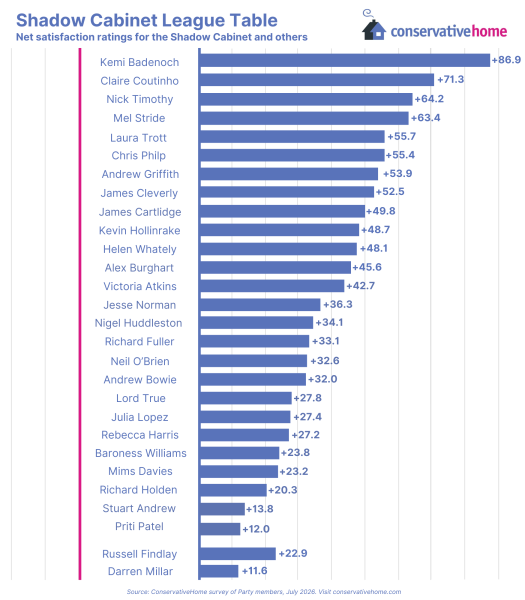
Badenoch, rather unsurprisingly, tops the poll with an approval rating of +86.9, her highest on record and a jump of +2 since May. She’s followed by the usual ensemble of Claire Coutinho and Nick Timothy, who sit on +71.3 and +64.2 respectively. The two have switched places since our last poll, perhaps a nod to the greater focus being paid to the North Sea as of late.
Heading down the list we see Shadow Chancellor Mel Stride come in at fourth place, with a rating of +63.4 followed by Shadow Education Secretary Laura Trott on +55.7 and Shadow Home Secretary Chris Philp on +55.4. Braving French gunfire does wonders for one’s popularity.
Then follows an array of MPs who occupy the middle ground of the poll, sitting around the +40 and +50 mark. Griffith and Cleverly fall just north of +50, whilst the likes of Atkins, Burghart and Cartlidge are perched in the +40s, seeing very little change from the previous ranking.
Heading further down the list and into the territory of +30 comes individuals such as Neil O’Brien, Andrew Bowie and Nigel Huddleston – with the latter two seeing a slight bump in their score since May.
Yet further down and approaching the single digits are Shadow Foreign Secretary Priti Patel and Shadow Health Secretary Stuart Andrew, who are on +12 and +13.8 respectively. It’s an improvement for Andrew, who in May ranked last with +9.4 – the only Shadow Cabinet member in the single digits at the time. Patel, meanwhile, has seemingly soured with members – dropping from her previous rating of +15.7.
Burnham’s reshuffle was seen by many as having provided a green light for Badenoch, and for her to move people around without fear of too significant an amount of bad blood. But she opted not to pull the trigger, and the membership appears rather content with her decision.
Her position at the top of the table is unsurprising, and reinforces the narrative that she will lead the Tory charge into the next general election, whenever one comes. Her ‘say it how it is’ attitude is resonating with the membership, and her hardline stance on the ECHR and net-zero has only served to improve her standing with them.
Whether these numbers will hold up going into our next survey remains an open question. Badenoch’s decision to stand by Joshua Bonehill-Paine, alongside her ill-received letter to the residents of Clacton were uncharacteristic, unforced errors, that may well eat into her favourability come next month.
For now, however, she remains ever popular with the membership and retains a net positive favourability rating – the Keminisation of the party appears to be well underway…
The post Shadow Cabinet League Table: Badenoch storms yet further ahead appeared first on Conservative Home.

With A-level and GCSE results days getting closer, the tension in many homes is starting to rise.
For an increasing number of young people, the anxiety goes beyond pre-results nerves. Welcome to FOMU: not ‘fear of missing out’, but ‘fear of messing up’.
Fear of messing up is not something teenagers are born with. Babies and toddlers are brilliant, relentless failers. They topple, stumble and babble their way through thousands of mistakes without a flicker of shame, because no one has yet told them that failing is something to dread.
That changes, though. Somewhere along the way, a telling look from a teacher, a disappointed sigh over a less-than-perfect mark, or the sting of coming second instead of first teaches children that mistakes are something to hide, not learn from.
By the time young people reach their GCSE and A-Level years, many have spent a decade absorbing the message that winners are celebrated while those who fall short are to be avoided.
Society’s obsession with achievement, league tables and early success has created an environment where failure feels binary: you either win or you lose.
What’s causing this fear of failure?
Anxiety increases based on how much we care and how uncertain the outcome feels. Exam results hit a nerve for a reason. For teenagers, everything is tied up in who they are, where they belong, and what comes next.
At the same time, they have no real control over what’s inside that envelope. Add in the pressure of school culture and parent or teacher expectations, especially in the UK’s results-focused system, and it’s easy to see how nerves can tip into something closer to fear.
That fear then affects the brain. The amygdala, which helps detect threat, can react to failure like it’s a real danger and temporarily override clear thinking. That can push young people into automatic responses: fighting, running away, freezing, or people-pleasing instead of making their own choices.
What does FOMU look like?
Fear of messing up does not always look like the stereotype of a sobbing teenager. It can show up as avoidance: your teen suddenly deciding they “aren’t a maths person” or that a subject “isn’t for them” rather than risking failure.
It can appear as perfectionism, where nothing ever quite feels good enough, and they get stuck endlessly reworking the same things; or procrastination, where starting revision feels too risky, so putting it off feels like the safer option.
And it can manifest as people-pleasing, where your teen follows their friends’ choices about subjects, universities or career paths instead of their own.
How to help teens through this period
When young people learn the wrong lesson from failure (“I failed that test, therefore I’m stupid”), they can carry that false belief for years, sometimes decades, limiting what they believe is possible for themselves.
So, the single most powerful thing you can do is create an environment where it feels safe to fail by separating failure from fault. A poor result does not indicate that your child is flawed; rather, it reflects their position on the learning curve.
Resist the urge to immediately fix the situation or offer platitudes like “just try harder next time”.
Instead, ask your teen what they need from the conversation: do they want to be helped, hugged or heard? Occasionally the most valuable thing you can offer is simply listening without judgement.
Encourage self-compassion. Research shows that young people who are encouraged to be kind to themselves after a setback study harder and are more likely to adopt a growth mindset.
The internal voice matters enormously. After a disappointing result, if your teen’s inner dialogue sounds like “I’m such an idiot”, gently help them reframe it: “That was hard, and I can try a different approach.”
Ultimately, the best thing you can do is model how to handle failure constructively. Be honest about your stumbles, and don’t rush past them as if they never happened.
Young people learn that making mistakes is not the end of the story when they witness adults in their lives freely and shamelessly admitting their mistakes.
Failure is part of growing up, learning, and moving forward.
Dr Melisa Buie is the co-author of Faceplant: FREE Yourself From Failure’s Funk (Practical Inspiration Publishing), and a speaker, facilitator, and organisational strategist with 30+ years of experience in industry, government and academia.
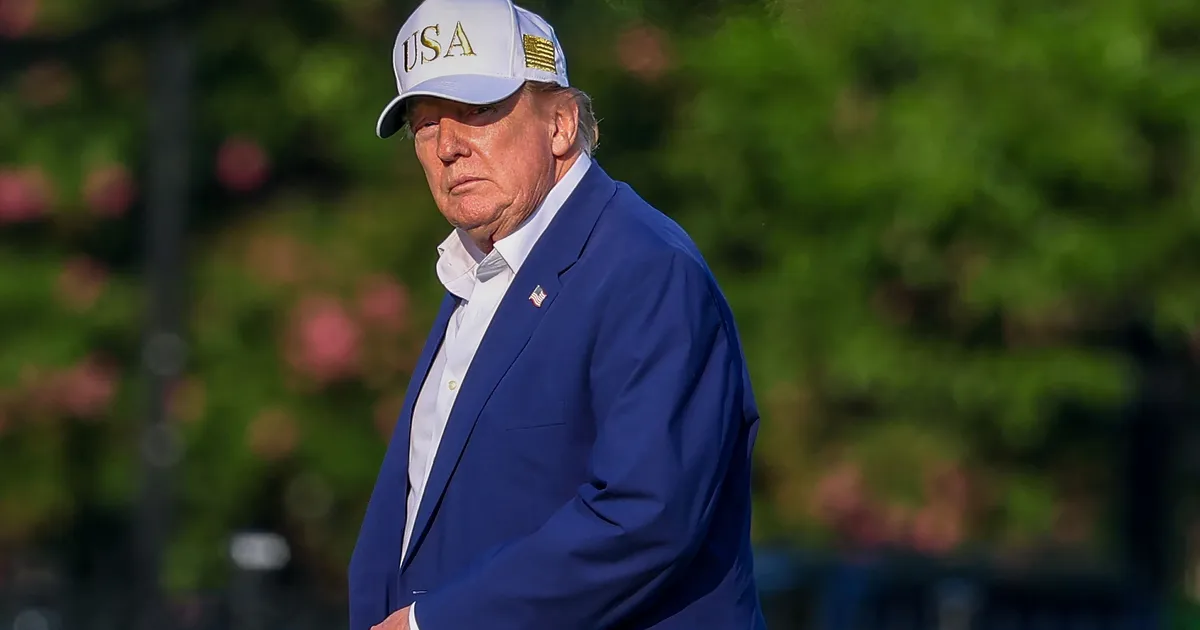
As President Donald Trump’s “four to five week” war against Iran stretches toward the six-month mark, three American allies in the region ― including one armed with nuclear weapons ― announced a self-defence pact separate and apart from the United States, another apparent strategic loss for the nation.
Having already killed 18 US service members and wounded hundreds more, depleted the military’s stocks of precision weapons and anti-missile interceptors, jacked up gasoline and diesel prices for Americans, slowed economic growth, and left Iran effectively in charge of the critical Strait of Hormuz, Trump’s war of choice now has led to an “attack-on-one-is-an-attack-on-all” alliance among Saudi Arabia, Turkey and Pakistan.
“The alliance is a manifestation of the fact that some countries in the region are, not without reason, starting to understand partnership with the United States is a liability rather than an asset,” said Ned Price, a former CIA analyst who served in former President Joe Biden’s State Department.
The pact was announced on Saturday by the three countries. It is not immediately clear how and whether Pakistan, which has its own nuclear arsenal, would be expected to use it in defence of the other two nations.
Saudi Arabia has been repeatedly attacked by Iran as well as one of its proxy groups, the Houthi rebels in Yemen, during Trump’s war. (Pakistan and Saudi had last year announced they would come to each other’s aid if attacked.)
Also unclear is how the new pact would affect Turkey’s role as a member of Nato, which includes the United States, Canada and 29 European countries.
Trump’s White House did not respond to HuffPost queries on the matter. A State Department official, speaking on condition of anonymity, referred questions to the three countries in the new accord and otherwise declined to comment.
“The Saudi alliance reflects fear of Trump’s unreliability, lack of resolve, and inability to think strategically,” said John Bolton, a first-term Trump national security adviser who, like other Trump critics, has been prosecuted by his Department of Justice. “Shrinking US power internationally means greater anarchy.”
The new alliance comes as Iranian leaders stated publicly that Iran would not allow unfettered navigational access to the Strait of Hormuz ― which existed prior to Trump starting his war and had seen a fifth of the world’s crude oil traffic ― until the US has paid reparations for attacking it and likely would not bother with further negotiations with the US until after Trump was out of office.
Robert Kagan, a top State Department official in the Ronald Reagan administration, said Iran’s leaders are correctly assessing Trump’s negotiating position.
“They realise now that they don’t even really need a deal. Trump is probably going to turn away from the problem. They will be in a position to get most of the sanctions lifted by virtue of their control of the strait. They can proceed with their nuclear program with fair confidence that Israel and the US can’t hit them again. Money will start flowing from the ‘fees’ et cetera,” he said. “They’ve won. What do they need from us?”
Trump on Monday responded with one of his typically nonsensical social media posts, insisting that Iran, not the United States, should be the country paying reparations.
“I am likewise demanding compensation from Iran, for all of the people that they have killed and gravely wounded with their roadside bombs and many conflicts, for which they are famous,” he wrote.
In it, he included an oft-repeated lie of his that Iran attacked the Navy destroyer USS Cole in 2000 in Aden, Yemen. In fact, the US government concluded long ago that the attack had been carried out by al Qaeda, Osama bin Laden’s terrorist group, which the following year destroyed the World Trade Centre towers and damaged the Pentagon on September 11.
The White House also did not respond to a HuffPost query about why Trump claims otherwise.
In any case, Trump, in recent weeks, has spent far more energy complaining about the dropped prosecutions on the “vandalism” he falsely insists damaged his blue pool liner he installed in the Reflecting Pool, demanding that Congress pass a voter ID law, and accusing Democrats of being “communists” than he has explaining his strategy to end the Iran war, which has become ever-more unpopular with the American public.
Asked what his next step on Iran will be at an Oval Office photo opportunity on Monday, Trump said: “You’ll find out.”
On Sunday, he told the news outlet Axios he was “low-keying it” with Iran now, although it remains uncertain what exactly he meant.
Indeed, on Friday, he told participants at a mining industry “roundtable” at the State Department to keep their remarks brief because “we have a war to prosecute.”
He did not, however, convene a meeting of his national security staff or otherwise engage in war prosecution after that event. Rather, he flew to his golf course in Bedminster, New Jersey, for the weekend, his 13th trip there since returning to office.

Caffeinated drinks like tea and coffee can have some impressive heart health benefits, according to research.
And coffee is associated with a longer life, especially if you have it black, with no sugar, in the morning.
But too much coffee isn’t great for us either. Some research suggests that while drinking a “moderate” amount of it might benefit our mental health, too much could harm it.
Too much coffee has also been linked to higher blood pressure.
So, how much is “too much”?
Well, if we’re talking heart health here, the American Heart Association (AHA) shared updated advice recently.
For better heart health, stick to fewer than five cups of coffee a day
The AHA said in a statement that up to 400mg of caffeine, or five 240ml (eight-ounce) cups of coffee, a day, “is generally safe for most adults and appears to be linked to a lower risk of several cardiovascular conditions, including heart failure, heart disease and stroke in some individuals”.
Meanwhile, the NHS suggests drinking a “moderate” amount per day; the British Heart Foundation puts the figure at 400mg daily. If you’re pregnant, the recommended amount is 200mg a day.
The AHA added that higher amounts of caffeine, such as the levels found in some energy drinks, could actually increase the risk of heart conditions like high blood pressure and/or arrhythmia (where the heartbeat is irregular, too fast or too slow).
Speaking to HuffPost UK previously, Dr Arun Narayanan, a clinical electrophysiologist and an assistant professor of medicine in the division of cardiology at the University of Texas Medical Branch, said energy drinks may affect the heart differently to other caffeinated beverages “because they often deliver caffeine in larger doses, more quickly, and in combination with additional stimulants or additives”.
Why might coffee help our hearts?
We don’t know for sure, but researchers think it could be down to beneficial compounds in the drink, including antioxidants and anti-inflammatory compounds.
Drinking unsweetened black coffee has been linked to a lower risk of type 2 diabetes, heart disease, stroke, heart failure and some irregular heart rhythms.
Those benefits don’t seem as strong if you take your coffee with milk, however.
Caffeine doesn’t seem to be the only factor at play here, either: decaf coffee is still linked to better health outcomes than no coffee at all.
Dr Gregory Marcus, a professor of medicine at the University of California, San Francisco and the associate chief of Cardiology for Research at the University of California, who helped to write the AHA’s statement, cautioned that not everyone will respond to caffeine in the same way, though.
“Although research suggests that caffeine consumption may be associated with certain cardiovascular benefits for some people, it’s important to remember that there is no ‘one-size-fits-all’ strategy for safe caffeine consumption,” he said.
“People can respond very differently to caffeine based on various factors, such as age, medications, underlying health conditions, genetics and how quickly their bodies metabolise it. What may be a reasonable amount for one person could cause unwanted effects, such as heart palpitations, anxiety or sleep disruption, in another.
“That’s why it’s important to pay attention to how your body responds to caffeine and talk with your healthcare team about what is right for you.”
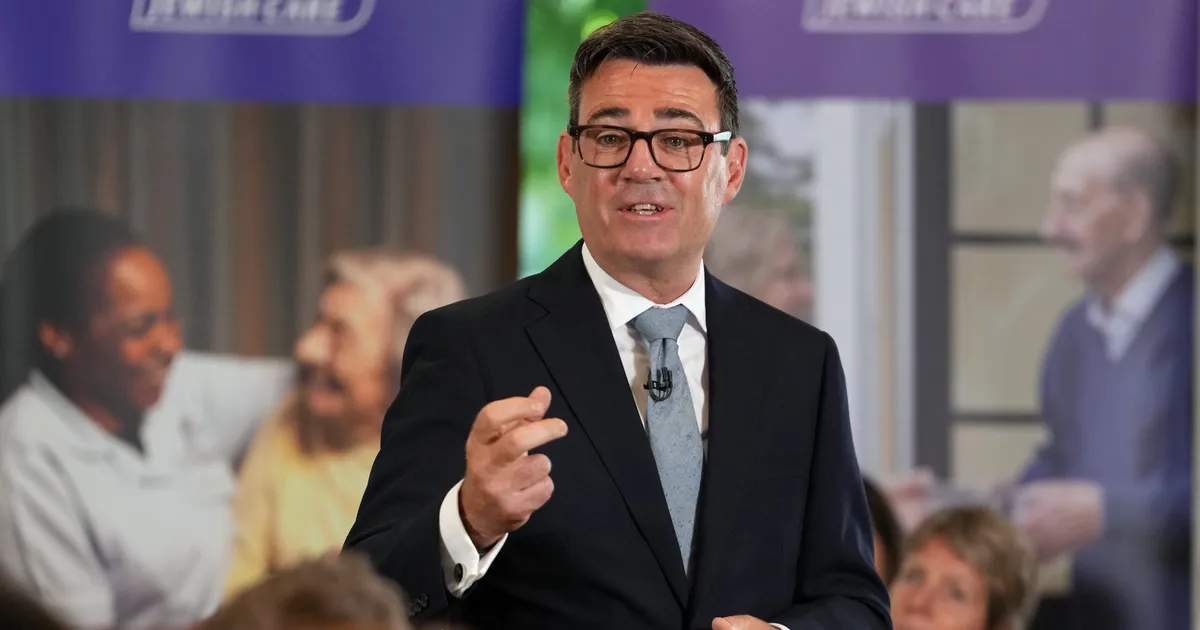
Andy Burnham has promised to save “hollowed out high streets” by cracking down on vape and betting shops.
The prime minister plans to scrap the outdated the Gambling Act’s “aim to permit” rule in his bid to cut back on the number of businesses which do little to serve their local communities.
This law, dating back to 2005, encourages licensing authorities to err on the side of granting betting shops and gaming venues space on the high street.
Businesses tied to organised crime will also be shut down for a longer period.
Closure orders will double in length from six to 12 months, giving police and local authorities more time to pursue prosecution.
The definition of a vape shop will be tightened too so companies are less able to find loopholes by claiming to be a general convenience store or retailer.
Adult Gaming Centres – offering up to 24-hour access to gambling machines – will need planning permission under proposals due to come into effect at the start of next year, as well.
It’s all part of the prime minister’s plan to strengthen local communities and give Brits a greater sense of pride in their home towns.
Analysis by the Centre for Social Justice found Britain lost nearly 1,800 pubs and bars while the number of vape and tobacco shops increased to almost 2,200 between 2016 and 2026.
The government plans to work with councils to improve the appearance of high streets too, following complaints over poor-quality shopfronts, garish neon signs and oversized logos.
It intends to work with the Planning Advisory Service to spot the best examples of thriving town centres and offer councils guidance on how to improve their high streets.
These interventions come along with a £30 million crackdown on money laundering, tax evasion, illegal working along with raids, shop closures and cash seizures.
The prime minister said: “For many people, the high streets they grew up with have been hollowed out and become unrecognisable over decades of decline.
“The rise of vape shops, betting shops and rogue operators have replaced the shops, services, and community spaces that people are crying out for.
“That’s not on. I said we would improve Britain’s high streets, and that’s exactly what we are starting to do.
“We’re putting communities back in control and giving local people a real say over what opens on their high street. Local councils will be given the powers they need to rein in unwanted shops and bring town centres back to life.”
He said “Westminster has stood by” while high streets fall into decline, and he would be “bringing back hope across Britain”.
Communities secretary Angela Rayner said: “People know when their high street isn’t working for them. Whether it’s the vape shop or betting shops that’s opened with no say from locals, the shopfront that’s seen better days, or the sense that nobody’s in control.
“These problems have built up over years, but this government won’t leave councils and communities powerless to crackdown on everyday eyesores that blight our high streets.
“That’s why we’re giving local leaders the power to say no to what doesn’t belong on their high street, and the tools to fix it themselves.”
Listen to Commons People, the podcast that makes politics easy. Every week, Kevin Schofield and Kate Nicholson unpack the week’s biggest stories to keep you informed. Join us for straightforward analysis of what’s going on at Westminster.

Peter Carlin: Why The Financial System is Imploding, The Rise of Gold & Oil Shortages

Half of holidaymakers have changed travel plans due to costs
Earnings call transcript: Uniper lifts 2026 outlook after strong H1 2026


-

 Fashion4 days ago
Weekend Open Thread: Mattifying Sunscreen
-

 Fashion4 days ago
Frugal Friday’s Workwear Report: Cap-Sleeve Pointelle Crewneck Sweater
-

 Sports5 days ago
Jordan Coyle & Cordiamo take Laya Arena Stakes at RDS
-

 News Videos3 days ago
Can Astrology Help Find Gold and Silver Trends? A Financial Astrology Guide
-
 Business5 days ago
US stocks: Dow closes at record on Mideast optimism; SpaceX, AMD drag Nasdaq
-

 Politics5 days ago
Reform UK And Greens Sink To Lowest Favourability Ratings To Date
-

 Business6 days ago
Nvidia Stock Climbs 2.5% as Chip Sector Rally Builds Ahead of AMD Earnings, Nvidia’s Own Report Looms
-

 Tech6 days ago
OpenAI, Anthropic AI agents targeted real people and systems in cyber tests
-

 Crypto World7 days ago
Polymarket targets $20 billion valuation as competition heats up in prediction market sector
-

 Business5 days ago
Supply chain issues impact Ingredion
-
 Crypto World7 days ago
CLARITY Act Senate Vote Locked In, But 60-Vote Hurdle Looms Large
-

 Tech3 days ago
Rinn Pharma & Biopharma to join NordicPharmaTrain network
-

 Business2 days ago
How to Start a Cleaning Business: A Step-by-Step Guide
-
 Crypto World6 days ago
Dow and S&P 500 Hit Records on AI Earnings: When Will the Bubble Burst?
-

 Business2 days ago
Datadog: Best Of Breed For Multiple Reasons
-

 Business2 days ago
BDC Weekly Review: Private BDC Q2 Numbers Are Strong
-
 Crypto World6 days ago
Dollar Index Trapped at 100 as Hawkish Fed Meets Official Selling
-
Crypto World7 days ago
Trump Administration Plans Ban on New Chinese AI Data Center Components: Report
-

 Business6 days ago
McDonald’s (MCD) Q2 2026 earnings
-

 Fashion6 days ago
The Bright Side of Black and White
You must be logged in to post a comment Login