
Politics
Brooklyn Peltz Beckham Vows To ‘Protect’ Wife Nicola On Instagram


Over the weekend, Brooklyn posted a black-and-white picture on Instagram of himself shirtless, while kissing his wife of almost four years.
“Happy Valentine’s Day baby,” he wrote in the selfie’s caption. “I am the luckiest person in the world to be able to call you my Valentines [sic] every year. I love you more than you know and I will forever protect and love you.”
She then reposted the same picture in colour, telling her husband: “I love you more everyday!! I’m so lucky I get to call you my forever Valentine. You’re the most beautiful human and I love doing life with you.”
Of course, Brooklyn’s latest post comes after a prolonged period in which his and Nicola’s names have not been far away from the headlines.
In a lengthy statement shared over a string of Instagram story posts, Brooklyn accused his parents of “controlling” and “performative” behaviour over the course of his life, as well as alleging that they have tried “endlessly to ruin my relationship” with Nicola, to whom he’s been married since April 2022.
Sir David and Victoria have remained tight-lipped on the claims so far, and have not returned HuffPost UK’s requests for comment.

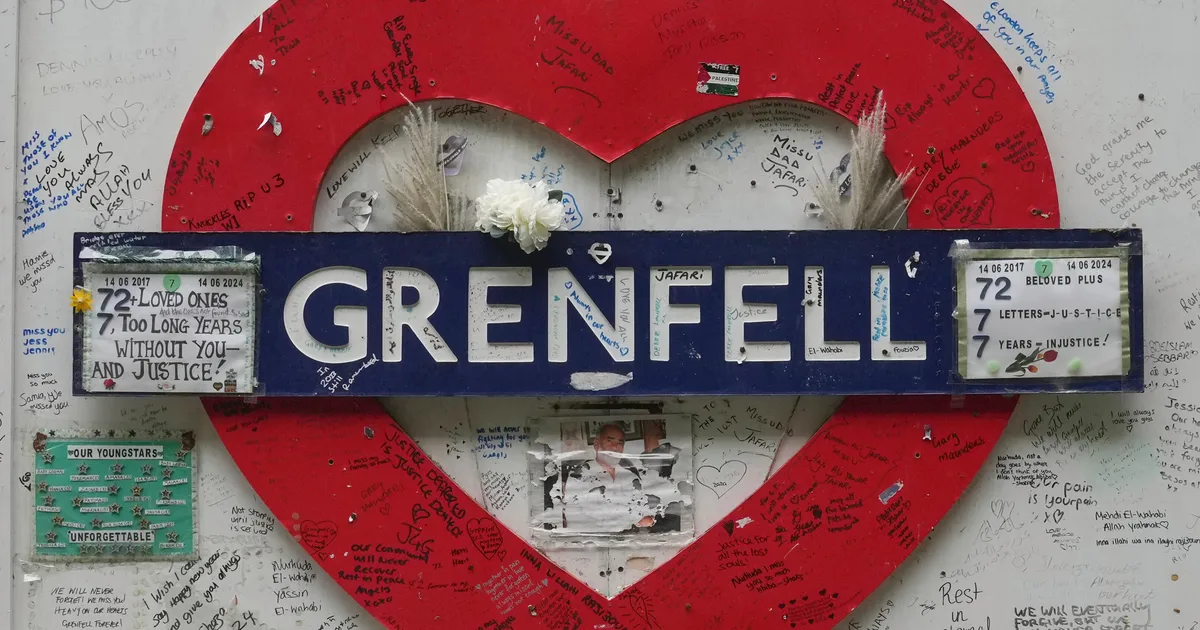
Reform UK have been urged to sack the party’s housing spokesman over his “disgraceful” comments about the Grenfell Tower tragedy.
Simon Dudley said “everyone dies in the end” and “fires happen” as he said there was now too much regulation in the building industry.
A huge fire at the 24-storey west London tower block killed 72 people in 2017.
The tragedy led to a major overhaul of building regulations to prevent it happening again.
But in an interview with the trade publication Inside Housing, Dudley said the pendulum had “swung too far the wrong way”.
He said the Grenfell fire was a “tragedy” but added: “Sadly, you know, everyone dies in the end. It’s just how you go, right?”
Dudley went on: “Extracting Grenfell from the statistics, actually people dying in house fires is rare.
“Many, many more people die on the roads driving cars, but we’re not making cars illegal, so why are we stopping houses being built?”
Reacting on X, Keir Starmer said: “Shameful. Nigel Farage should do the decent thing and sack him.”
London mayor Sadiq Khan said Dudley’s comments were “sickeningly insensitive”.
In a post on X, he said: “Not an ounce of decency, compassion or respect for the 72 lives lost and wider community. But this isn’t a slip-up or a stumble. This is Reform showing us exactly who they are.”
Housing secretary Steve Reed said: “If Nigel Farage has an ounce of decency, he will sack his housing chief immediately.
“These disgraceful comments about those who died in the Grenfell Tower fire are beyond the pale and it is completely untenable for Simon Dudley to continue in his position.”
Green Party MP Sian Berry said: Reform has sunk to a new low and shown a real disrespect to the victims of Grenfell.
“Anyone who has any awareness of what Grenfell residents went through, in fact anyone with any empathy or humanity, will find these comments truly abhorrent.
“Nigel Farage must sack Simon Dudley for this disgusting outburst.”
In a post on X on Thursday morning, Dudley said he was sorry if is his comments were “not sufficiently clear”.
He said: “Grenfell was an utter tragedy and quite rightly prompted a wholesale review and tightening of fire regulations.
“I said it was a tragedy in my interview with Inside Housing and in no shape or form am I belittling that disaster or the huge loss of life. It must never happen again. I reiterate that, and am sorry if it was not sufficiently clear.
“To address the national housing crisis, we must ensure that regulation remains safe, sensible and proportionate. My concern is the introduction of numerous measures that do nothing to protect life and are throttling housebuilding.”
Subscribe to Commons People, the podcast that makes politics easy. Every week, Kevin Schofield and Kate Nicholson unpack the week’s biggest stories to keep you informed. Join us for straightforward analysis of what’s going on at Westminster.
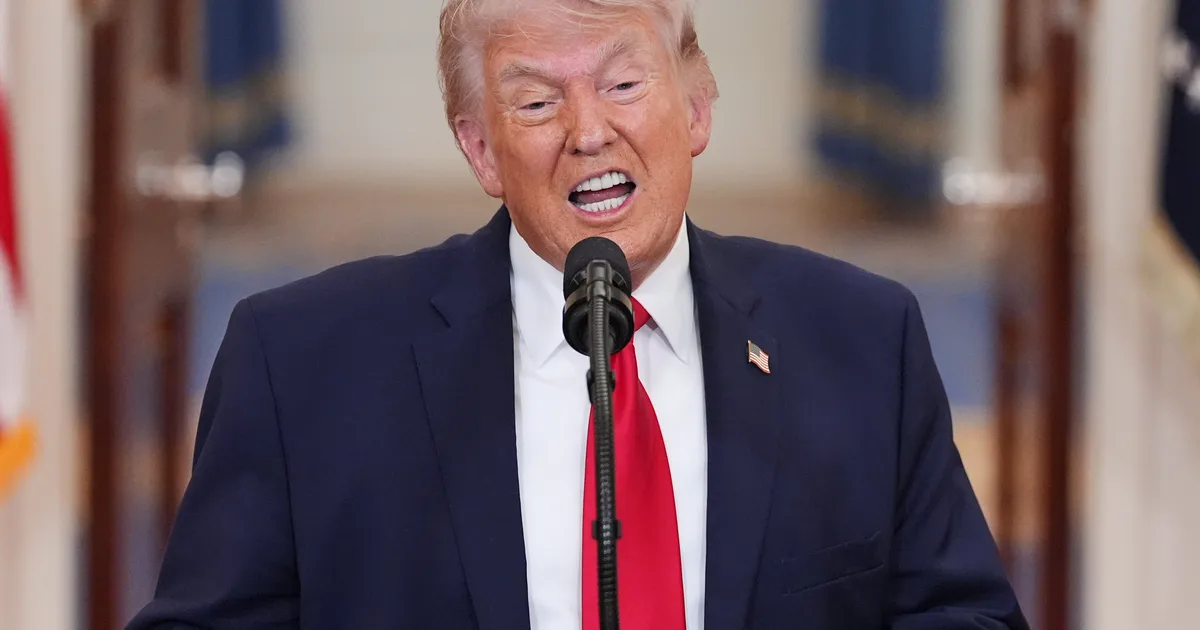
A former senior Pentagon official has compared Donald Trump to a “drunk at the end the bar” over his comments about the Iran war.
The US president has issued a series of seemingly contradictory announcements about how the conflict is going and America’s objectives since launching strikes with Israel more than a month ago.
In a White House speech on Wednesday night, Trump once again said the US will “leave” Iran in two to three weeks, and will bomb the country “back to the Stone Ages. where they belong” in the meantime.
He also said the Strait of Hormuz, which has been effectively closed to oil shipping by Iran since the war began, will re-open “naturally” once the war is over, without explaining why.
Speaking to Times Radio before the president’s address, Jim Townsend, who spent more than 20 years at the Pentagon in the 1990s and 2000s, said Trump was “confused” about the aims of the war.
He said: “I think they’re trying to put lipstick on a pig, as we say. I think the president’s style is what he calls ‘the weave’ and he just talks stream of consciousness.
“He’s like the drunk at the end of the bar who’s got an opinion about everything, and he just sits there and spouts off.
“I don’t think it’s calculated, I don’t think it is part of a strategy, I don’t think it’s a tactic. I think that’s just the way it is, and people around him are trying to put a happy face on it.”
Subscribe to Commons People, the podcast that makes politics easy. Every week, Kevin Schofield and Kate Nicholson unpack the week’s biggest stories to keep you informed. Join us for straightforward analysis of what’s going on at Westminster.
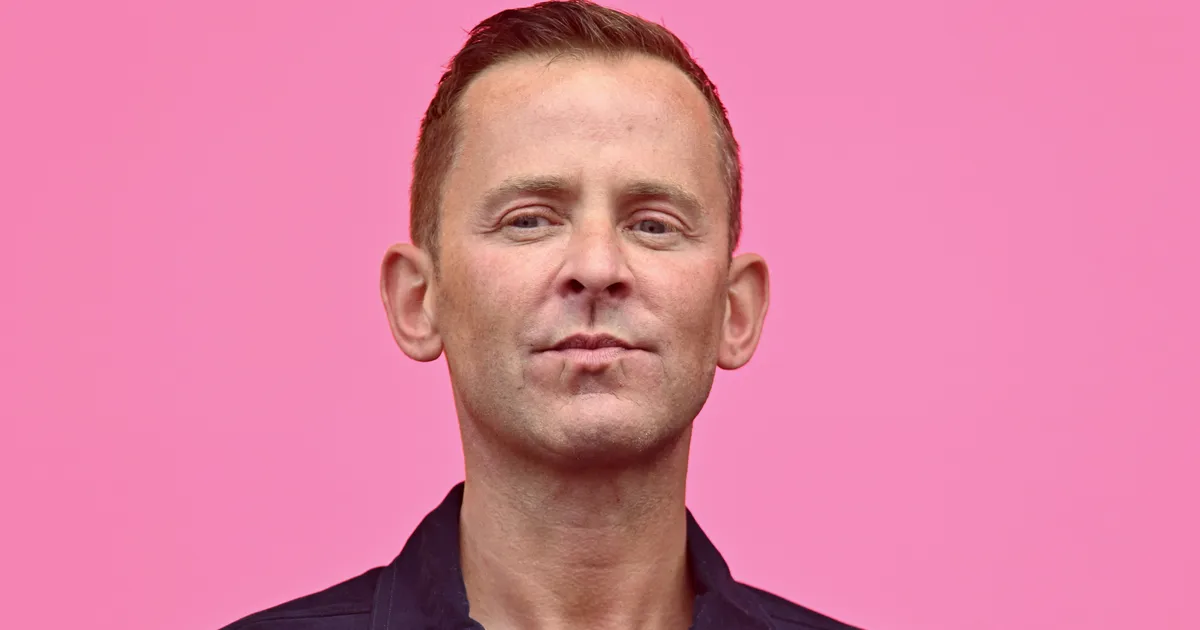
Scott Mills has spoken out for the first time since it was confirmed he had been fired by the BBC and would not be returning to host the Radio 2 breakfast show.
On Monday morning, the national broadcaster confirmed that Mills was “no longer contracted and has left the BBC”, following what was initially described in the press as “allegations about his personal conduct”.
It later emerged he’d been investigated and questioned by the police almost a decade earlier over “allegations of serious sexual offences against a teenage boy”, who was under 16 at the time.
The BBC said on Wednesday: “What we can confirm is that in recent weeks, we obtained new information relating to Scott and we spoke directly with him. As a result, the BBC acted decisively in line with our culture and values and terminated his contracts.”
“Separately, we can confirm the BBC was made aware in 2017 of the existence of an ongoing police investigation, which was subsequently closed in 2019 with no arrest or charge being made,” they continued. “We are doing more work to understand the detail of what was known by the BBC at this time.”
On Wednesday evening, Mills’ team issued a statement to news outlets including HuffPost UK, which read: “The recent announcement that I am no longer contracted to the BBC has led to the publication of rumour and speculation. In response to this, the Metropolitan Police has made a statement, which I confirm relates to me.
“An allegation was made against me in 2016 of a historic sexual offence which was the subject of a police investigation in which I fully cooperated and responded to in 2018. As the police have stated, a file of evidence was submitted to the Crown Prosecution Service, which determined that the evidential threshold had not been met to bring charges.
“Since the investigation related to an allegation that dates back nearly 30 years and the police investigation was closed seven years ago, I hope that the public and the media will understand and respect my wish not to make any further public comment on this matter.”
He added: “I wish to thank from the bottom of my heart all those who have reached out to me with kindness, my former colleagues, and my beloved listeners, who I greatly miss.”
Earlier this week, the BBC also issued an apology for failing to “follow up on” an additional allegation about Mills that was raised by a freelance journalist last year.
A rep for the corporation said: “We received a press query in 2025 which included limited information. This should have been followed up and we should have asked further questions. We apologise for this and will look into why this did not happen.
“More broadly, we would always urge anyone who has concerns or information to raise it with us.”
Politics
‘Succession’ star Brian Cox narrates new film exposing controversial gannet hunt – watch here

Succession actor Brian Cox has narrated a harrowing new animated film. It calls for an end to Scotland’s controversial guga hunt, and exposes the ‘tradition’ of killing gannet chicks.
Firelily Studios created the animation for wildlife campaign group Protect the Wild. It depicts the life and death of a single gannet chick, from the safety of their nest to the moment they are taken and killed by hunters.
Every year, men from the Isle of Lewis travel to the remote island of Sula Sgeir. There they kill gannet seabird chicks (known as guga). The practice originated in times of hardship as a source of sustenance. But today the killing goes on primarily to maintain tradition, with the young gannet flesh considered a local delicacy. It is the UK’s last remaining seabird hunt.
The guga hunt has come under increasing scrutiny from campaigners, with growing public concern for animal welfare and conservation. It can only happen if NatureScot, Scotland’s official nature agency, gives out a licence for it. A petition urging NatureScot to stop its licensing of the hunt has shot past its target of 50,000 signatures.
That demand forms the basis of Protect the Wild’s emotive new animation, which urges members of the public to add their names to the petition.
‘Needless cruelty’ to gannet chicks
In the film’s final scene, a lone gannet parent stands at the edge of a cliff beside their now-empty nest, as Cox condemns the practice as “needless cruelty” and calls on NatureScot to end the guga hunt.
In 2025, NatureScot allowed the killing of 500 gannet chicks. It maintains that the hunt is sustainable and is unlikely to threaten the long-term stability of the gannet population. But recent Freedom of Information requests by Protect the Wild revealed that Sula Sgeir is Scotland’s worst-performing gannet colony. And it’s the only Special Protection Area for gannets in Scotland to have declined while others are growing.
Devon Docherty, Scottish campaigns manager at Protect the Wild, said:
We’re incredibly grateful to Brian Cox for lending his voice to this important campaign and helping to bring this hidden cruelty into the spotlight.
We made this animation to show the reality of the guga hunt, where defenceless chicks are snatched from their nests before they can fly, and battered to death in front of their parents.
This is not about survival. It’s about maintaining a tradition that comes at the cost of immense animal suffering. This horrific practice has to stop.
NatureScot has a choice. This licence is discretionary. As Scotland’s nature agency, it has a duty to protect wildlife, not permit its destruction.
Protect the Wild released the animation across its social media channels at 5pm on 2 April.
Featured image via Firelily Studios / Protect the Wild

Emotional manipulation isn’t always obvious. Instead of big explosions or clear-cut moments of harm, there’s typically a sense of covert control through subtle patterns and interactions that leave you feeling confused and anxious.
“It has to do with unspoken rules and expectations,” licensed marriage and family therapist Alexandria Tillard-Gates told HuffPost.
“Emotional manipulation can be present in intimate relationships, friendships and all types of family relationships. Often we experience emotional manipulation in our formative relationships and we don’t realise it until later in life.”
At the extreme end of the spectrum, there are malignant narcissists who use emotional manipulation to get what they want with no remorse or regard for other people’s feelings. But emotional manipulation is not always fully intentional.
“Sometimes it is not as calculated or nefarious as it may seem. It may be that this person just has immature forms of communicating,” said Dr. Sue Varma, a clinical assistant professor of psychiatry at New York University Grossman School of Medicine and author of “Practical Optimism: The Art, Science, and Practice of Exceptional Well-Being.”
But regardless of intent, the impact can be deeply destabilising.
“Emotional manipulation is when our nervous system gets needlessly triggered,” said licensed marriage and family therapist Spencer Northey. “It causes us to feel unwarranted anxiety based on distorted input. It unmoors us, dissociates reality, makes our emotions storm, makes us feel younger than we are, more responsible than we should be, or both.”
The process can be subtle, but there are ways to identify it. Here are eight signs you may be experiencing emotional manipulation.
1. You’re questioning your own reality
“When we are being manipulated in a conversation or conflict, we often feel something very strongly, but the other person denies our experience and refuses to accept that their behaviour could have caused our experience,” Tillard-Gates said. “Often the abuser lies in order to avoid responsibility. This causes us to question our feelings, experience and even our recollection of events.”
This pattern is better known as gaslighting ― a common form of emotional manipulation in which someone systematically lies or distorts reality in a way that makes you doubt your lived experiences and perceptions of things that occurred.
“When humans get together, it’s normal to have occasional misunderstandings about what happened or what’s going on,” Northey said. “Healthy dynamics work collaboratively to figure things out. There is usually an ‘aha!’ moment where the realities merge ― ‘oh, NOW I see where you’re coming from.’ Emotionally manipulative dynamics double down on the divide and rigidly avoid that coming together by insisting on one reality.”
The result of these rigidly incongruent realities is that the other person’s experience and feelings in response to it gets invalidated and denied. Over time, this can seriously erode trust in oneself.
2. Conversations constantly become about proving your love or loyalty
“Emotional manipulation can show up as someone questioning your love or loyalty as a way to avoid or defuse conflict,” said Zainab Delawalla, a licensed psychologist and associate teaching professor in the department of Psychology at Emory University. “For example, if you are trying to set a healthy boundary of your friend not texting you late at night, they might respond with ‘you must not care about me.’”
The emotional manipulator shifts the focus of the conversation away from your valid expression of a concern or need and into the territory of forcing you to prove your care and commitment.

jeffbergen via Getty Images
“In close, healthy relationships, there should be room for mistakes, which can be taken at face value and discussed so that both parties feel heard and understood,” Delawalla said. “If these conversations often lead to one party having to constantly defend and justify their loyalty, it is a sign that there might be some emotional manipulation.”
In addition to derailing conversations, this behavior can also lead you to do things to “prove” your affection ― even things that might conflict with your own needs, like buying special gifts when you don’t have the budget to spare.
3. You feel guilt and shame for things that aren’t your responsibility
“Emotional manipulation can take the form of shaming somebody, making them feel guilty, making them feel responsible for your feelings,” Varma said. “It’s often subtle and goes unrecognised for some time.”
These unhealthy dynamics rely on guilt, shame and a sense of obligation to coerce people into doing or saying what the emotional manipulator wants.
“In a normal conflict or miscommunication, both parties are eventually able to identify a similar recollection of events, understand how their behaviour could have impacted the other in a way they might not have intended, and empathise with each other’s feelings and experience even if they don’t totally agree,” Tillard-Gates noted.
In lieu of two people working through conflict together, emotional manipulation involves one person subtly ― or not so subtly ― placing blame to make the other feel like they’ve done something wrong and pressured into compliance.
4. You feel emotional whiplash from “love bombing.”
“If they can make you feel so good, they also have the power to make you feel so bad,” Varma said.
She pointed to “love bombing” as a common tactic of emotional manipulation, as someone showers you with excessive compliments, attention or affection early on in your relationship. This creates a situation where your sense of self-worth becomes tied to their praise and affection.
“The problem is you become addicted to the highs,” Varma explained. “The point is you have become emotionally dependent on their approval. You feel enmeshed with them, and they control you and your emotions.”
So you find yourself chasing these positive interactions, even as the relationship becomes destabilising. When they later criticise or dismiss you, then you tell yourself it’s your fault.
5. Your emotional reactions feel outsized
“It’s normal to experience big emotions in response to big things happening in the here and now ― positive or negative,” Northey said. “It’s less normal or realistic to have a big emotional response just from communication.”
She emphasised that these feelings are real and valid, but you should ask yourself if they arise in response to an idea that is not consistent with reality. You might feel intense anxiety, fear or even euphoria, but when you step back, the situation itself doesn’t quite justify that level of emotion. Instead, the feelings stem from distorted messages and perceptions.
“For example, if you feel the joy and safety of a devoted long-term commitment just from someone’s flattery,” Northey said. “In this case, it’s the communication, not the reality that’s eliciting this big emotion. Or on the negative side, you feel the big emotion of loss or threat just from how someone is talking to you.”
6. You feel like you have to walk on eggshells
If you’re constantly monitoring your words, tone and behaviour to avoid conflict, that’s another warning sign.
“You are afraid to talk to that person about your feelings,” Varma said. “You are afraid of confrontation, and you walk on eggshells.”
Delawalla also pointed to walking on eggshells in every interaction as a red flag for emotionally manipulative dynamics.
“This interferes with your ability to have open, honest communication, which is a foundational element of any close relationship,” she said.
7. They tell you how you feel, instead of listening
“Healthy conflict and normal miscommunication stay grounded in the present and in mutual consideration for each person,” Northey said. “Even when facing a disagreement and big emotions, healthy conflict continues to respect everyone and everyone’s perspectives. It is free from crossing into other people’s realities by telling someone how they think or feel.”
Instead of asking how you feel, an emotional manipulator might make statements like “You’re jealous,” or “You’re overreacting because you hate me” ― which overrides your perspective and replaces it with their narrative.

Moor Studio via Getty Images
“So many of us do this all the time!” Northey said. “We need to stop normalizing it, even when the intentions are benign, such as saying, ‘you’re mad at me’ as a bid for connection. More pernicious forms of this include accusations, name calling and punishing reactions.”
She added that this behavior strips you of your agency to explain yourself and be seen. It’s another dismissal of who you are and your own experience.
8. Your boundaries keep getting pushed
“An emotionally manipulative person feels their target out,” Varma said. “It can start with a small joke at your expense, or canceling plans on you at the last minute ― just to see how you respond. And they escalate from there.”
Unaddressed, those behaviours intensify. The emotional manipulator isn’t necessarily being super calculated, either.
“Some people are just not good at taking responsibility for their actions,” Varma said. “This could be the person who makes a snide comment and when you call them out, they say, ‘What are you talking about? I was just kidding.’”
This makes it difficult to push back, assert boundaries or even talk about conflict.
“You never feel that your issues with them are being resolved,” Varma said. “You end up feeling inferior, less than, and you end up second-guessing yourself.”
What To Do If You Suspect You’re Being Emotionally Manipulated
If these patterns feel familiar, first shift your focus away from trying to decode the other person’s behaviour and toward understanding your own experience.
“The safest way to navigate relationships is with the belief that the only person you can control is yourself,” Northey said. “Therefore, the best signs to look for to avoid being manipulated come from looking inward to understand yourself, not looking outward to try to assess another person’s behaviour.”
That means paying attention to your emotional reactions and identifying your needs.
“Your needs likely include a need to feel trusted and trusting, need to feel supported, need to be understood, and more,” Northey said.
If you feel consistently anxious, confused or unheard, there’s a good chance those needs aren’t being met. You’ll then want to determine how to change this. That might first involve communicating directly.
“Be clear in your communication and tell them how it feels when the conversation derails into you having to justify your love, loyalty or commitment to them,” Delawalla advised.
It’s also important to be realistic about what communication can accomplish, however. If you’ve already expressed your needs multiple times and been met with defensiveness, dismissal or more manipulation, you may not be able to change the dynamic.
“Unfortunately, it is very rare that you can convince someone who is truly emotionally manipulative that they should change,” Northey said. “Attempting to change someone you believe to be emotionally manipulative is a manipulative game in and of itself. So, just stop playing.”
Instead, focus on strengthening your own sense of reality and connection to protect yourself from further manipulation.
“If you already know what feels [like to be] seen and loved, you’re less likely to fall for a fake version of that through love bombing,” Northey explained. “If you already have a reliable system for checking reality, you’re less likely to fall for gaslighting.”
You can also reach out for outside perspectives in these situations. “In an emotionally manipulative relationship, our spirit or intuition often signals that something is off or doesn’t make sense,” Tillard-Gates said. “However, we sometimes overlook this if we have been in a similar relationship in the past. A good way to check ourselves is to get a second opinion from someone not involved in the relationship, such as a therapist, a friend, or even a stranger.”
Surround yourself with people who engage in healthy connections and promote emotional safety. You can break toxic cycles and create more positive ones.
Help and support:
- Mind, open Monday to Friday, 9am-6pm on 0300 123 3393.
- Samaritans offers a listening service which is open 24 hours a day, on 116 123 (UK and ROI – this number is FREE to call and will not appear on your phone bill).
- CALM (the Campaign Against Living Miserably) offer a helpline open 5pm-midnight, 365 days a year, on 0800 58 58 58, and a webchat service.
- The Mix is a free support service for people under 25. Call 0808 808 4994 or email help@themix.org.uk
- Rethink Mental Illness offers practical help through its advice line which can be reached on 0808 801 0525 (Monday to Friday 10am-4pm). More info can be found on rethink.org.
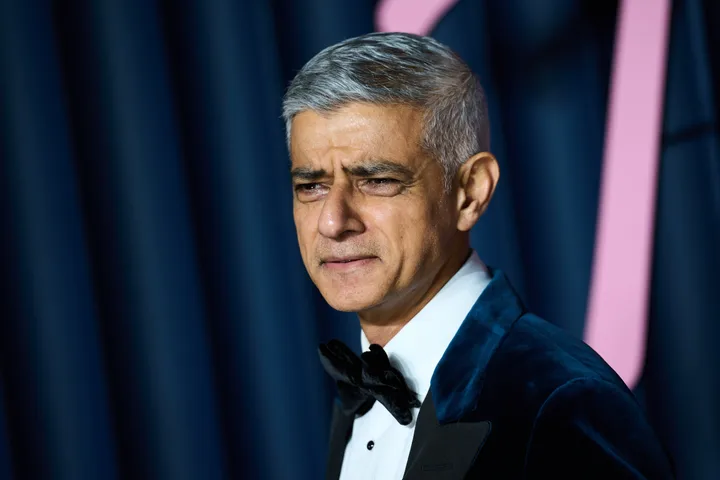
The mayor of London has spoken out against the decision for a major music festival in the city to book Ye, the rapper previously known as Kanye West, as its headliner for this year.
On Monday, it was announced that the All Of The Lights musician would be headlining all three nights at Wireless festival, which will take place at London’s Finsbury Park in July.
Immediately, this decision was met with backlash due to the controversy surrounding Ye in recent history, namely around a slew of antisemitic comments he made last year, including praise for Adolf Hitler and declaring himself to be a Nazi.
Groups including the Jewish Leadership Council, the Campaign Against Anti-Semitism and Board Of Deputies Of British Jews all condemned the booking, with the president of the latter going as far as questioning whether the government should be “blocking” Ye from “entering the country”.
On Wednesday, Sadiq Khan also said in a statement: “We are clear that the past comments and actions of this artist are offensive and wrong, and are simply not reflective of London’s values.
“This was a decision taken by the festival organisers and not one that City Hall is involved in.”

HuffPost UK has contacted Wireless for comment.
In 2025, Ye’s Australian travel visa was revoked in light of a single he released titled Heil Hilter, which was banned by YouTube, Spotify and Apple, among other music streaming services.
His online store on the platform Shopify had previously been pulled when he began selling a t-shirt emblazoned with a swastika and a slogan alluding to Hitler’s Nazi party.
Earlier this year, Ye took out a full-page advert in the Wall Street Journal to apologise for his past antisemitism, claiming his actions came about at a time in which he’d “lost touch with reality” as a result of his bipolar disorder.
He also maintained that he’s neither a “Nazi” nor an “antisemite” (and, in fact, “loves Jewish people”) and apologised specifically to those within the Black community who feel that he “let them down” with his actions.
Following this, he dismissed the suggestion that this apology was a “PR move” to allow him to return to releasing music and carrying out his numerous businesses.
“[This] isn’t about reviving my commerciality. This is because these remorseful feelings were so heavy on my heart and weighing on my spirit,” he said during an interview.
Last week, Ye released his 12th studio album Bully, which was reported by the Official Charts Company to be on course to debut at number 11 in the UK albums chat.
Subscribe to Commons People, the podcast that makes politics easy. Every week, Kevin Schofield and Kate Nicholson unpack the week’s biggest stories to keep you informed. Join us for straightforward analysis of what’s going on at Westminster.
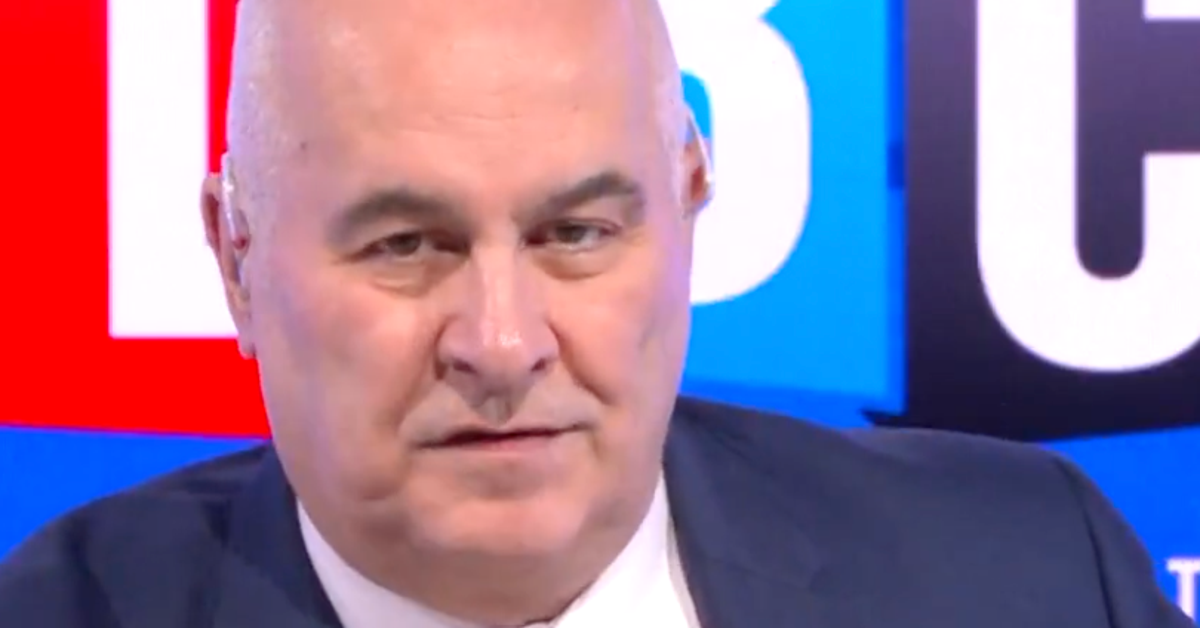
A presenter on LBC delivered a brutal reality check to Donald Trump after his latest attack on the UK over the Iran war.
The US president repeated his claim that Nato countries – especially the UK – “weren’t there for” America in the past.
In a post on Truth Social, Trump hit out at “all of those countries that can’t get jet fuel because of the Strait of Hormuz, like the United Kingdom, which refused to get involved in the decapitation of Iran”.
“You’ll have to start learning how to fight for yourself, the USA won’t be there to help you anymore, just like you weren’t there for us,” he said.
But speaking on his LBC show, Iain Dale said he was “getting sick and tired of the abuse” from the president – and pointed the times over the past 35 years when Britain has supported American military action.
He said: “Donald Trump has spent quite a bit of time over the past week insulting various Nato countries. OK, mainly Britain.
“He’s warned the UK in a post on Truth Social ‘the US won’t be there for you any more, just like you weren’t there for us’.
“Well I remember many occasions in the last few decades when the UK has been there for the United States. For example, in the first Gulf war. For example, in Afghanistan. For example, in Iraq.
“Britain has been the most reliable ally of the United States of any country in Nato since Nato was formed in 1949.
“And I don’t know about you, but I am getting sick and tired of the abuse that the president of the United States is throwing at our country.”
Subscribe to Commons People, the podcast that makes politics easy. Every week, Kevin Schofield and Kate Nicholson unpack the week’s biggest stories to keep you informed. Join us for straightforward analysis of what’s going on at Westminster.
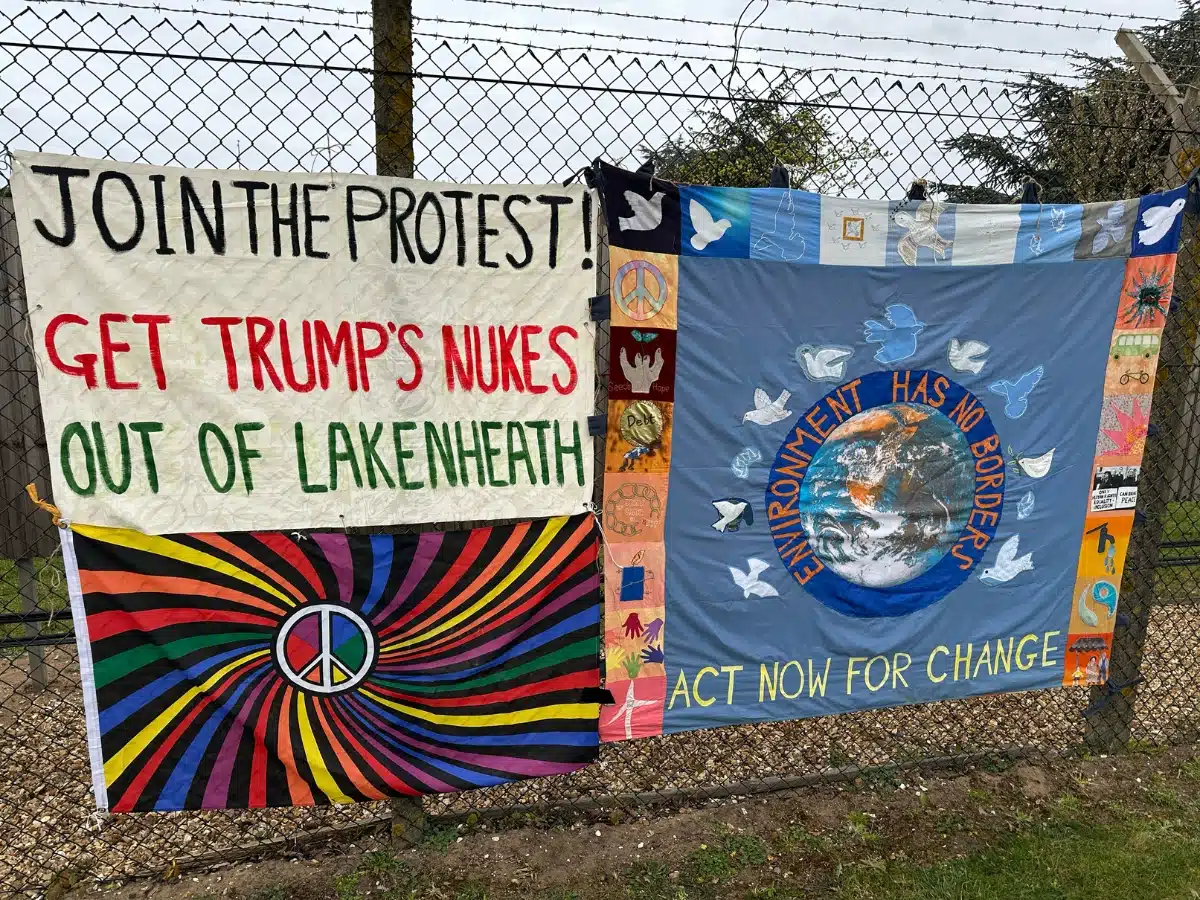
Peace Vigil attenders at RAF Lakenheath have observed more than 20 planes taking off on the morning of 2 April. At least six were A10 ground attack aircraft, likely heading for West Asia, where Donald Trump is threatening a ground invasion of Iran.
Witness Avril Simpson said:
This carnage should not be happening, and our government should not be taking part in Trump’s illegal war, and our taxes should be supporting genuine security not killing kids abroad.
Lakenheath Alliance for Peace members have been leafleting in local towns and talking with local people. They discussed what their local bases stand for, and whether their purposes are acceptable or need resisting. An Advan carrying CND’s digital billboard announced that nuclear weapons under the control of Trump have arrived at Lakenheath.
Campaigners are making more moving artworks to add to the display on the fence at the base. These are highlighting the horrors being perpetrated from there.
There will be a major demonstration and blockade at the main gates of RAF Lakenheath on Saturday 4 April. This will demonstrate opposition to its use in the deployment of nuclear weapons and in the illegal attack on Iran. The Alliance promotes genuine security that breaks the cycle of retaliatory violence instead of feeding it.
Lakenheath Peace Camp
Lakenheath Alliance for Peace is holding its Easter Peace Camp from 1-6 April. All who care about surviving the nuclear weapons age are welcome.
A 24/7 vigil at the gates of RAF Lakenheath began at 4pm on Wednesday 1 April and will continue until 3pm on Monday 6 April.
Participants approached the main gate to hand in a letter to the base commander highlighting their concerns. On previous occasions, base staff have refused such attempts.
This time was no different. Angie Zelter, one of the co-authors, said:
This base is taking part in deployment of nuclear weapons, and in illegal wars against Gaza and Iran. Ignoring our warnings by refusing to accept our letter, will not look good in a War Crimes tribunal.
Throughout the week at Lakenheath, peace campaigners will raise awareness of the risks posed by nuclear weapons. They’ll celebrate and promote alternative options, and tell governments that they’re not acting in their citizens’ names or best interests.
They will be joined on Saturday by coaches from around the country, musicians Seize the Day and speakers from CND and World Beyond War.
Camp schedule:
- Wednesday 1 April – Camp set up and beginning of 24-hour vigil outside the main gate of the base. Vigil will run throughout the duration of the camp. CND ad van visiting Cambridge.
- Thursday 2 April – Local outreach in Thetford and Bury St Edmunds – with CND’s digital billboards helping to raise the ‘Kick out Trump’s nukes’ demand.
- Friday 3 April – ‘Environment Day’ theme with workshops on the war on nature, attacks on the right to protest.
- Saturday 4 April – ‘Give Peace a Chance’ demonstration and blockade at RAF Lakenheath main gate.
- Sunday 5 April – ‘Coming Together – Rising Up’ with workshops, music, and poetry.
- Monday 6 April – ‘Grand Finale – Visions into Action’ with networking event and closing ceremony.
More details on the schedule and workshops are on Lakenheath Alliance for Peace’s website.
Featured image via Lakenheath Alliance for Peace
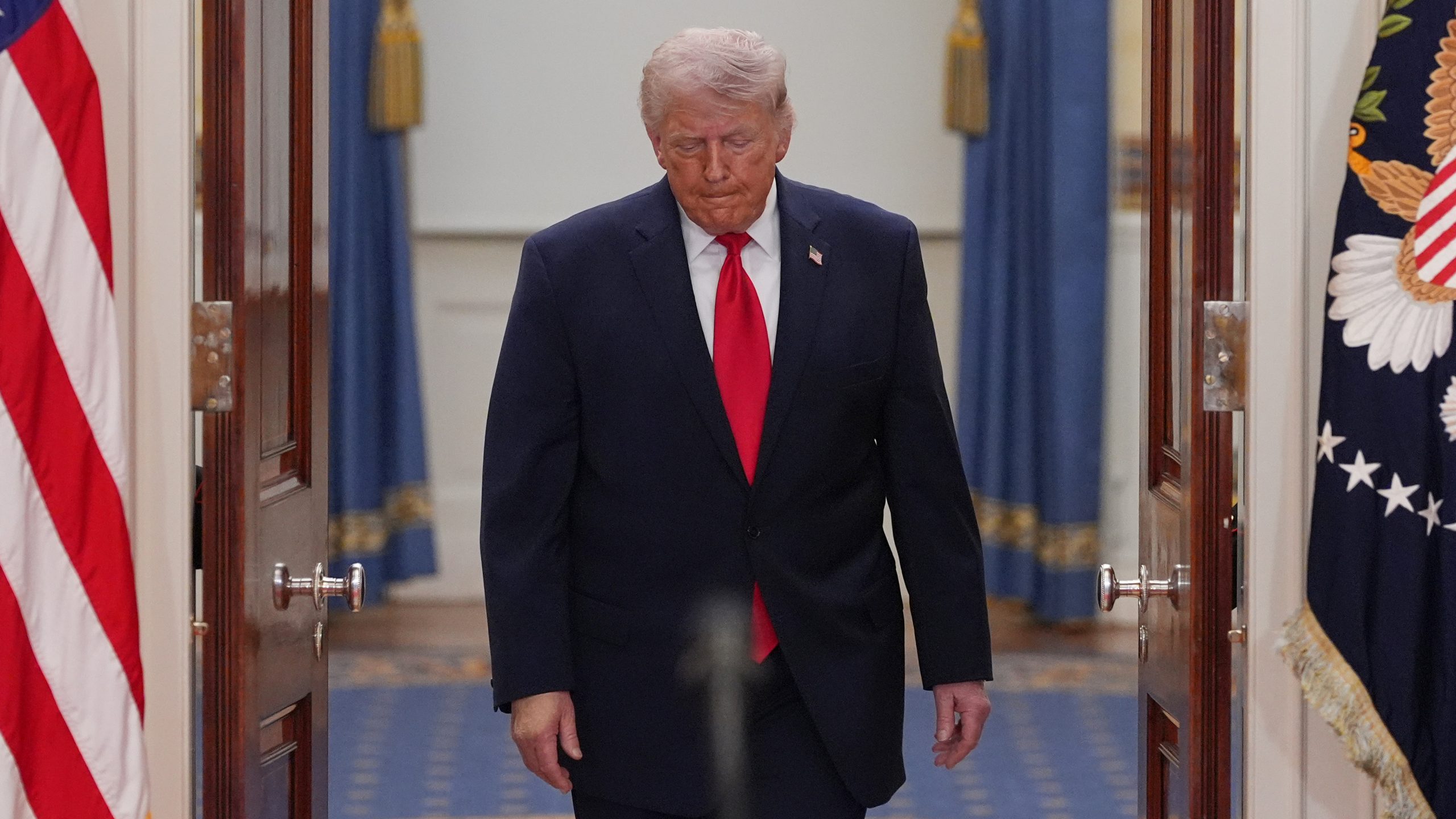

President Donald Trump’s primetime address on Iran did little to relieve rising alarm from plugged-in Republicans in key states across the country who see the war as pushing costs higher and their midterm chances ever-lower.
Trump declared Wednesday night that the U.S. offensive in Iran is “nearing completion” but warned that military operations would intensify over the “next two to three weeks.” He attempted to clarify his goals for the war — to destroy Iran’s nuclear capabilities — and insisted it was never about regime change. And he shrugged off the spike in oil and gas prices as a “short-term increase.”
To a number of GOP strategists and local party leaders involved in key congressional and gubernatorial races, the message was too little, too late and too jumbled.
“What the hell did he just say?” one GOP strategist in a battleground state wrote in a text to POLITICO after the president’s address, granted anonymity to speak candidly. “A quick recap and a path forward would’ve been helpful. Instead, it was nonsense left for Sean Hannity to articulate.”
Trump’s decision to attack Iran, and the subsequent spike in oil and gas prices, are the latest sources of heartburn for Republicans who were already feeling queasy about public opinion that has turned against Trump’s domestic agenda. They heard little new information Wednesday night from the president that signaled a course correction.
Conversations with more than half a dozen operatives and party chairs across seven battleground states revealed their anxiety that the prolonged conflict is overshadowing the White House’s affordability message and could hurt their chances of holding onto power this November.
The Republicans who spoke to POLITICO were particularly concerned about Trump’s waving off the financial strain the war has put on day-to-day prices, touting “the strongest economy in history” with “no inflation.” Two different strategists compared the latter comments to President Joe Biden’s repeated insistence that the economy was doing better than they believed.
“Not sure people will buy the strong economy part,” Todd Gillman, a Michigan GOP district chair, said in a message Wednesday night. “Inflation is definitely more under control than it was under Biden, but the prices haven’t come down on a lot of things.”
Without any clear announcements from Trump on an endgame in the region, future markets for U.S. stocks recoiled and average national gas prices topped $4 per gallon. Crude oil prices soared to over $111 per barrel on Thursday morning.
Others were left wanting more specifics from Trump on an exit strategy and the factors that drew the U.S. into the war. “I think it could’ve been a little more specific or expanded on the exact threats that Iran poses to the U.S.,” said one Wisconsin-based GOP strategist. “I don’t know the extent he’s able to get into that stuff based off intelligence, but maybe he could have been a little bit more expansive there.”
Polls have consistently shown a majority of Americans oppose the military operation in Iran by double-digit margins. The conflict is already fracturing the president’s loyal MAGA base, alienating young men who believed in his “America First” message. And Democrats are beginning to go on the attack in campaign ads, accusing vulnerable GOP lawmakers of prioritizing the president’s multibillion dollar offensive over making voters’ lives more affordable.
One GOP operative working on a battleground House race found solace in Trump’s talk of an exit strategy, saying voters would be “relieved to hear that we’re not going to be sticking around.”
“On the other hand, I don’t think anybody has confidence that gas prices will just come down on their own,” said the operative, who was granted anonymity to deliver a candid assessment. “Overall, there’s really nothing in here that helps to sell this to the public.”
Some said the address may have come too late.
“It’s something that probably should have been done at the beginning of the conflict,” said Dennis Lennox, a Michigan-based GOP strategist.
Still, others in the party found that Trump’s address met the moment and lavished praise on the president. Mark Levin, a staunch Trump ally and conservative commentator, said he delivered a “PERFECT SPEECH” in a post on X.
Brent Littlefield, a GOP strategist involved in several races, including in Maine’s battleground 2nd congressional district, lauded Trump’s decision to speak directly to Americans and dismissed concerns that the remarks came too late in the conflict to help him articulate his case to voters.
“It was right for the President to wait to do that until after the conflict began,” Littlefield said. “He did not telegraph the move to the enemy of what the United States was planning to do.”
Samuel Benson contributed to this report.
!function(n){if(!window.cnx){window.cnx={},window.cnx.cmd=[];var t=n.createElement(‘iframe’);t.display=’none’,t.onload=function(){var n=t.contentWindow.document,c=n.createElement(‘script’);c.src=”//cd.connatix.com/connatix.player.js”,c.setAttribute(‘async’,’1′),c.setAttribute(‘type’,’text/javascript’),n.body.appendChild(c)},n.head.appendChild(t)}}(document);(new Image()).src=”https://capi.connatix.com/tr/si?token=19654b65-409c-4b38-90db-80cbdea02cf4″;cnx.cmd.push(function(){cnx({“playerId”:”19654b65-409c-4b38-90db-80cbdea02cf4″,”mediaId”:”f1481145-6761-4fb9-8eee-035ebaa28a2c”}).render(“69ce961fe4b0d214cc7055d1”);});

Terrifying Viral Web Series Makes Its Big Screen Debut

‘Clear evidence of sexism and misogyny’ within PSNI, review finds

Proda enters protein soda category


-

 Business7 days ago
Instagram, YouTube Found Responsible for Teen’s Mental Health Struggle in Historic Ruling
-

 NewsBeat6 days ago
The Story hosts event on Durham’s historic registers
-

 Sports6 days ago
Sweet Sixteen Game Thread: Tide vs Michigan
-
Entertainment3 days ago
Fans slam 'heartbreaking' Barbie Dream Fest convention debacle with 'cardboard cutout' experience
-
 Entertainment5 days ago
Lana Del Rey Celebrates Her Husband’s 51st Birthday In New Post
-
Crypto World2 days ago
Dems press CFTC, ethics board on prediction-market insider trades
-

 Crypto World22 hours ago
Gold Price Prediction: Worst Month in 17 Years fo Save Haven Rock
-

 Tech4 days ago
The Pixel 10a doesn’t have a camera bump, and it’s great
-

 Sports2 days ago
Tallest college basketball player ever, standing at 7-foot-9, entering transfer portal
-

 Tech2 days ago
EE TV is using AI to help you find something to watch
-

 Fashion5 days ago
Amazon Sundays: Soft Spring Layers
-

 Tech3 days ago
Apple will hide your email address from apps and websites, but not cops
-

 Tech2 days ago
How to back up your iPhone & iPad to your Mac before something goes wrong
-

 Politics3 days ago
Should Trump Be Scared Strait?
-

 Tech3 days ago
Flipsnack and the shift toward motion-first business content with living visuals
-

 Crypto World3 days ago
U.S. rule change may open trillions in 401(k) funds to crypto
-

 Business7 days ago
Chinese universities with military links bought Super Micro servers with restricted AI chips
-

 Fashion6 days ago
Weekly News Update, 3.27.26 – Corporette.com
-

 Tech4 days ago
Elon Musk’s last co-founder reportedly leaves xAI
-
 Crypto World4 days ago
Bitcoin’s Six-Month Losing Streak: What On-Chain Data Says About the Market’s Next Move
You must be logged in to post a comment Login