
Politics
David Gauke: Donald Trump is not our friend and all parties should be wary of being too close


David Gauke is a former Justice Secretary and was an independent candidate in South-West Hertfordshire at the 2019 general election.
The Iranian regime is loathsome.
It suppresses its people with extraordinary brutality; it exports terrorism that destabilises its region; and it provides a potentially existential threat to the only true democracy in the region – Israel. If and when the mullahs and Iranian Revolutionary Guards Corps lose power, the long term prospects for the Iranian people and the wider world should be much improved.
There are also very good reasons for the UK to maintain close relations with the US. It is our most important security ally and, for all the ups and downs, we have benefited enormously from the protection the US has provided. Without the US, there are many ways in which we are exposed and vulnerable.
One can also make the case that the response of the UK Government to recent events in Iran has been slow and unconvincing. Seeing President Macron portray himself as the defender of Cyprus is an uncomfortable experience. Gulf allies have felt unsupported. Keir Starmer’s position – ‘we cannot act one day, we can act the next’ – is complicated and is consistent with the critique that he is unduly constrained by obstacles that other leaders might overcome. It is not implausible to suggest that party management decisions were a consideration in determining the Government’s approach.
All of these factors meant that Starmer was severely criticised in the opening days of the Iranian conflict for being insufficiently supportive of the US. For many on the right, the UK should have been more hawkish. Nigel Farage told a press conference on 2 March that “we have to take the gloves off… we have to get rid of this regime”. On the same day, Kemi Badenoch told the Commons that there is “no point wanting action to make the world a safe place while being too scared to do anything except stand by and watch others” and at the Conservative spring conference five days’ later stated that Starmer was “too scared to make foreign interventions for fear of upsetting a tiny section of the electorate”.
Both Farage and Badenoch have rowed back. On 10 March, Farage told reporters that “we cannot get involved directly in another foreign war”, while Badenoch insisted that she “never said we should join” the war.
There is no denying that this is a very substantial shift in tone. For all the desire to remove a totalitarian enemy of the West, determination to stay close to the US, and relish in exploiting the Prime Minister’s uncomfortable position, neither Farage nor Badenoch are taking a markedly different approach than the Government. All parties are cautious about British involvement.
It is worth identifying why both Farage and Badenoch struck the wrong notes at the outset. For those urging a more active British role, there was an under-estimation of the Iranian regime’s resilience, and an over-estimation of the competence of the US.
In the former case, there appears to be a case of wishful thinking. The collapse of the Iranian regime will presumably happen one day, but the assassination of Ayatollah Khamenei and much of the regime’s leadership has sadly not created it yet. Nor should this come as a great surprise. As Rishi Sunak pointed out last week, Ministers have long been advised by officials that the regime would survive the removal of the top tier.
Even more obviously, however capable the US military might be, little confidence should have been placed in the ability of this US administration to formulate and implement a coherent and realistic strategy. That is a polite way of saying that the US President is increasingly erratic, and that the rest of his administration is unwilling or unable to constrain him.
Everything we have learnt about the Iranian conflict shows an alarming absence of competence on the part of the US.
The failure to set out any clearly stated objectives was not a clever wheeze to maintain flexibility, but proof that the US did not know what it was doing. There is no evidence that the action was co-ordinated with opposition groups within Iran. Most obviously, there appears to have been no preparation of the Iranians blocking the Strait of Hormuz. This was hardly an obscure eventuality. Anyone with even the most cursory knowledge of the region knew that this was the likely response to an existential threat to the regime. And yet the Trump administration appears to be taken by surprise and is only now putting in place counter-measures and is calling for support from allies it has previously insulted.
We are all going to have to pay a price for this extraordinary failure. Oil prices have increased which will result in wider inflationary pressures. This, in turn, will contribute to higher interest rates and lower growth both which will damage the public finances.
Geopolitically, Russia is benefiting. The US’s stockpile of missiles – which could have greatly assisted the Ukrainians – is being used up; sanctions against Russian oil is being abandoned by the US; and higher oil prices are providing a lifeline to Russia’s previously failing economy.
Nor does it look guaranteed that the long-term threat of Iran has been removed. The possibility that the regime just collapses remains, but more likely is that either the conflict is prolonged – in which case the economic damage will immense – or that President Trump prematurely declares victory, leaving the regime in place a capable of recovering and knowing that the ability to block the Strait of Hormuz is a very powerful weapon.
Wanting the US action against Iran to succeed in replacing an evil regime with something much better is one thing, but the odds were always that is not going to be the case. In such circumstances, reticence in supporting the US was not a moral failure, but was perfectly sensible.
The economy will be damaged and whoever is in government will be held accountable. But Trump will – deservedly – get some of the blame and being seen as being close to him will be no asset. This is a much bigger problem for Farage (who recently flew out to Mar-a-Lago in the vain hope of an audience with Trump) than Badenoch, but both should put greater distance between themselves and a US President whose policies and behaviour – whether as a consequence of spite, incompetence or (it cannot be dismissed) deteriorating senility – are deeply damaging to the UK.
Trump is a dangerous man and deeply unpopular with the British public. There is more than enough fault in this Government to provide opportunities to an effective opposition party. But the apparent assumption that if Trump and Starmer are in disagreement the role of opposition parties is to take the side of the US President is very much mistaken. Donald Trump is not our friend.


It’s amazing how much of everyday life I didn’t question for years – like what “wi-fi” really means, where we get paprika from, and what ASDA actually stands for.
And opening my fridge this afternoon, another banal mystery confronted me. What’s that squidgy black mat at the bottom of raspberry trays for, and why isn’t it in the bottom of my strawberry tray?
It seems I’m not alone. Posting to r/NoStupidQuestions, Redditor u/GrumpyOldSophon asked about the addition, wondering why you “never find this in packages of blueberries or strawberries”.
The sheet is absorbent, but it may have other qualities
It probably won’t shock you to learn that the sheet is there to absorb some moisture. Packaging specialists Packaging World described these sheets as “dual ply absorbent” material, “applied to a totally absorbent, yet sealed, topcoat”.
They’re designed for softer fruits, like raspberries and blueberries, as these aren’t as hardy as, e.g., strawberries or grapes. Speaking to Eating Well, Robert Schueller, a produce expert at Melissa’s Produce, said: “A raspberry is one of the most delicate fruits out there, so they have to be packaged very carefully”.
They provide some cushioning for the delicate fruits as they’re transported, too. And because they wick away moisture, they can help to prevent mould.
It makes sense for it to be black or red as it’s designed to catch berry juices, which would otherwise stain it.
Though there may be another, unexpected benefit here: pitching their black cartonboard packaging for strawberries, MM Karton said: “The contrast of black cartonboard and red strawberries is a real eye-catcher at the point of sale”.
Perhaps the red berry/black sheet colour combo makes our raspberries look more inviting, too.
That’s also why raspberries are packed into smaller containers
I have enjoyed many a mega-size box of strawberries this year.
But it turns out retailers aren’t being stingy for limiting their raspberry carton sizes; the berries are too delicate to be stacked on top of each other, unlike strawberries and even blueberries.
And, Schueller added, “you need to allow space for air in each package, too”.
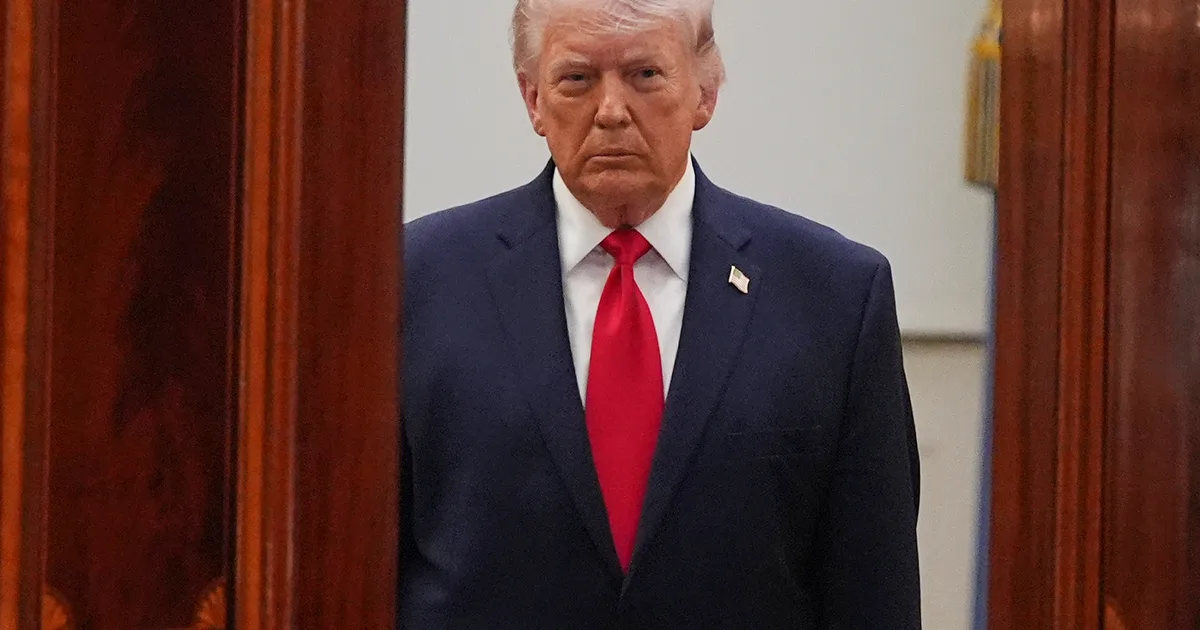
A senior United Nations officials has warned Donald Trump that targeting key civilian infrastructure in Iran would be “war crimes”.
The US president said bridges and power plants could be destroyed unless the regime in Tehran agrees a peace deal to end the conflict.
His comments, in a post on Truth Social, came nearly five weeks after the war began with a wave of Israeli and US strikes.
Trump said: “Our Military, the greatest and most powerful (by far!) anywhere in the World, hasn’t even started destroying what’s left in Iran. Bridges next, then Electric Power Plants! New Regime leadership knows what has to be done, and has to be done, FAST!”
But speaking on Radio 4′s Today programme, Tom Fletcher, the UN’s under-secretary general for humanitarian affairs, said that would be a clear violation of international law.
He said: “This is infuriating. We’re dealing with the intended and unintended consequences of this reckless conflict, and I think what everyone is observing now is that war is not a television game show.
“Peacemaking is not a real estate deal and the world is not a casino and these actions have real consequences.”
Fletcher added: “This has been a gradual and then very sudden deterioration in the way that we talk about protection of civilians, the way that we talk about international humanitarian law.
“This stuff isn’t negotiable. You don’t hit civilian infrastructure.
“You don’t hit schools, you don’t hit energy sources, you don’t hit bridges. Those are war crimes. That is absolutely clear in international law.
“But somewhere along the way we seem to have thrown that all aside and we’ve chosen impunity, indifference, game show gambling over solidarity and humanity.”
Subscribe to Commons People, the podcast that makes politics easy. Every week, Kevin Schofield and Kate Nicholson unpack the week’s biggest stories to keep you informed. Join us for straightforward analysis of what’s going on at Westminster.
Some experts advise against cutting hedges between March and September, as that’s when birds are busy building their nests and raising their chicks.
But Andy Simms from MyBuilder.com, which is running a Help the Hedgehogs campaign, pointed out that we need to look out for other little critters too.
“The winter season is well and truly over, so, understandably, millions of Brits will be starting to think of garden tasks they can complete now ahead of summer. But it’s not just us that might be outside, hedgehogs may be, too, and they’re not always easy to spot,” he said.
How can I tell if I have hedgehogs in my garden?
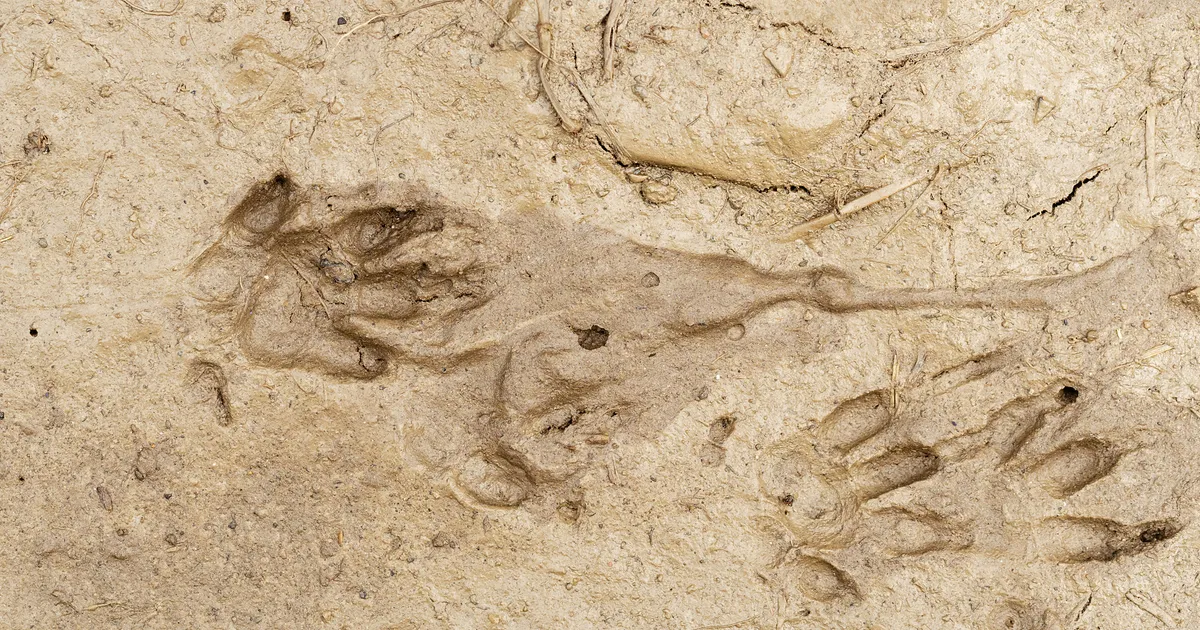
“There are signs to watch out for, such as small, black droppings, tiny hand-like footprints in mud, and loud grunting noises, particularly at night. If you notice any of these, you may have one of these small creatures in your garden,” Simms shared.
Hedgehog poop is typically 1-1.5cm long and often has shiny insect remains in it.
Hedgehog Street has a postcode tool that can tell you if people have reported hedgehogs near you, too (hedgehogs can travel further than you think at night).
You should always check these signs before beginning any gardening task, be it mowing, pruning, or planting, Simms added.
And don’t forget to look in any garden drains from time to time, as hedgehogs can fall in these and get stuck.
Hedgehogs are seriously struggling in the UK
Sadly, these measures are necessary as hedgehog numbers have fallen by 30% in urban areas and 50% in rural ones since 2000.
“If you would like to help protect hedgehogs, there are jobs you can do, such as leaving some areas in your garden wild… or even building a hedgehog home,” Simms said.
Collecting nesting materials like logs and leaves, providing clean drinking water, and avoiding the use of slug pellets can all help, DEFRA shared on the government’s site.
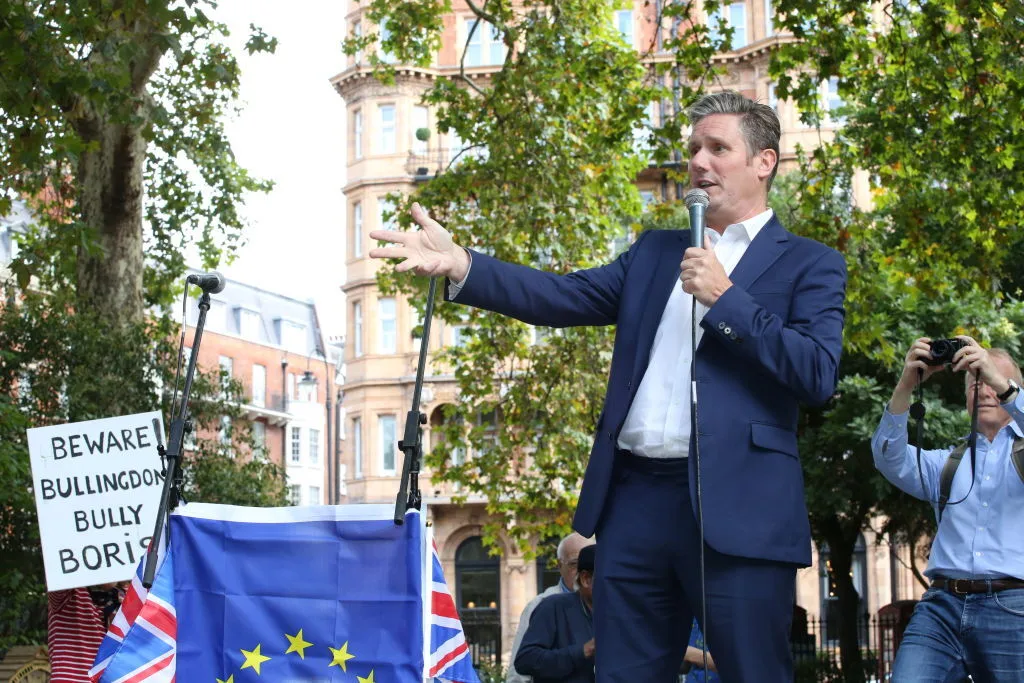
Keir Starmer loves the European Union. It is not controversial to point this out.
Few, if any, MPs did more to overturn the result of the 2016 Brexit referendum than the member for Holborn and St. Pancras.
As Labour’s shadow Brexit secretary, Starmer led the charge – often against intense resistance from his own party colleagues – for a second referendum, and made no secret of the fact he would campaign to stay in the EU if it ever happened.
In the end, Jeremy Corbyn’s decision to support Boris Johnson’s call for a snap election in 2019 put paid to Starmer’s dream.
Johnson won a landslide victory and took the UK out of the bloc on January 31, 2020.
This neatly coincided with the Labour leadership contest, which Starmer won with a promise to “defend free movement as we leave the EU”.
That pledge, alongside the other nine he made during that campaign, were all quickly ditched once he was in post.
Indeed, the return of free movement remains a “red line” the government says it will not cross, alongside a return to the EU’s single market and customs union.
These positions were seen as a tactical necessity ahead of the 2024 election, for fear of angering the millions of previously-Labour voters who backed Brexit in 2016 and then Johnson’s Tories three years later.
Nevertheless, the prime minister and other senior government figures now feel emboldened enough to criticise Brexit and openly talk about seeking closer ties with the EU.
On Wednesday, Starmer was unequivocal.
Brexit “did deep damage to our economy”, the PM said, adding that the economic turmoil caused by the Iran war meant “the opportunities to strengthen our security and cut the cost of living…. are simply too big to ignore”.
Donald Trump’s relentless attacks on the UK, and Starmer, have weakened the trans-Atlantic alliance, giving Starmer more political cover to pursue a deeper relationship with Brussels.
“It is increasingly clear that as the world continues down this volatile path, our long-term national interest requires closer partnership with our allies in Europe and with the European Union,” he said.
His comments echo those of Rachel Reeves, who set out her aim of “breaking down trade barriers and deepening alliances with our European partners” as she delivered the Spring Statement a month ago.
Negotiations between the UK and EU are already taking place on youth mobility, food and drink, and the emissions trading scheme, with agreement set to be reached in time for a summit to be held in the summer.
A government source said: “The lightbulb moment happened for Europe with Trump’s Greenland stuff. He wound up the Danes and all of us with that stuff. Iran has made it all the more prescient.
“It gives us an opportunity to step up a programme that will help resilience across the EU, but which will also be in the UK national interest and benefit Britain.”

Nicola Tree via Getty Images
However, some in Labour believe the race to improve relations with the EU could come at a political cost, with the elections on May barely a month away.
One senior party figure told HuffPost UK: “I can see this appearing on every Reform leaflet in the country.
“Why do it about a week or two before the postal votes go out? Election day is not on May 7, it’s in a couple of weeks time when the postal votes go out, and all the Reform Facebook groups will be featuring this strongly.”
But a government insider rejected the suggestion that voters will seek to punish Labour for trying to cosy up to the EU.
“What we’ve tried to do since the general election is take voters on a bit of a journey and show that we are making deals that help our economy while still being true to spirit of Brexit.
“We’re sticking to our red lines on the single market and customs union, and getting a bespoke relationship with the EU while making use of our Brexit freedoms as well.
“People are not happy with the deal Johnson agreed, and can can make that link between issues at the border and prices on the shelves.
“People want to see the UK to go out and make deals with the EU while sticking to our red lines. Voters have moved on from 2016, they don’t want to relitigate the Brexit debate all over again.”
This view was supported by one Labour MP, who said: “Brexit was ten years ago. The government’s been firm in its EU red lines and is doing nothing which would undermine them.
“It’s the cost of living, precipitated by Trump’s war on Iran, which is fore of people’s minds. Set against the backdrop of increasing global uncertainty, striking a closer relationship with the EU is all the more important if it can bring down the cost of the weekly shop and reduce barriers for British businesses.”
Unsurprisingly, Reform UK have sought to capitalise, accusing the PM of betraying the 2016 result.
Deputy leader Richard Tice said it was “ludicrous” to suggest Britain should have closer ties to “a failing economic bloc that also has a long track record of failing to invest in defence”.
But Nick Thomas-Symonds, the Cabinet Office minister leading the EU negotiations told HuffPost UK: “Reform is betraying the future of young Brits.
Between Robert Jenrick axing EU travel for young people and Farage shredding trade deals, they’d rather pick a fight with Europe than protect people’s household finances.
“They’re obsessed with a harder Brexit that hits every household with a massive paperwork tax.”
Subscribe to Commons People, the podcast that makes politics easy. Every week, Kevin Schofield and Kate Nicholson unpack the week’s biggest stories to keep you informed. Join us for straightforward analysis of what’s going on at Westminster.

 Donald Trump issued a string of threats in his Truth Social post.
Donald Trump has launched a foul-mouthed rant against Iran as his deadline for the re-opening of the Strait of Hormuz approaches.
The US president has given Tehran until Monday to begin allowing oil tankers to once again pass through the key shipping lane unaided.
Around one-fifth of the world’s oil supply passes through the strait, but that as all-but ceased since Iran began attacking ships in retaliation for America and Israel’s bombing campaign against the country.
That has sent oil prices soaring, sparking fears of a global economic meltdown.
Trump warned Iran on Saturday that “all hell will reign down” if it did not re-open the strait within 48 hours.
In a fresh post on Truth Social on Sunday, the president listed the Iranian targets that America will hit unless Tehran complies.
He said: “Tuesday will be Power Plant Day, and Bridge Day, all wrapped up in one, in Iran. There will be nothing like it!!! Open the Fuckin’ Strait, you crazy bastards, or you’ll be living in Hell – JUST WATCH! Praise be to Allah.”
A senior United Nations official warned on Friday that attacking power plants and bridges would be against international law.
Tom Fletcher, the UN’s under-secretary general for humanitarian affairs, told the BBC: “This stuff isn’t negotiable. You don’t hit civilian infrastructure.
“You don’t hit schools, you don’t hit energy sources, you don’t hit bridges. Those are war crimes. That is absolutely clear in international law.
“But somewhere along the way we seem to have thrown that all aside and we’ve chosen impunity, indifference, game show gambling over solidarity and humanity.”
Subscribe to Commons People, the podcast that makes politics easy. Every week, Kevin Schofield and Kate Nicholson unpack the week’s biggest stories to keep you informed. Join us for straightforward analysis of what’s going on at Westminster.
Related…


!function(n){if(!window.cnx){window.cnx={},window.cnx.cmd=[];var t=n.createElement(‘iframe’);t.display=’none’,t.onload=function(){var n=t.contentWindow.document,c=n.createElement(‘script’);c.src=”//cd.connatix.com/connatix.player.js”,c.setAttribute(‘async’,’1′),c.setAttribute(‘type’,’text/javascript’),n.body.appendChild(c)},n.head.appendChild(t)}}(document);(new Image()).src=”https://capi.connatix.com/tr/si?token=19654b65-409c-4b38-90db-80cbdea02cf4″;cnx.cmd.push(function(){cnx({“playerId”:”19654b65-409c-4b38-90db-80cbdea02cf4″,”mediaId”:”5b47128b-ffa2-46ef-8cc8-4557ba123d74″}).render(“69d03c10e4b0d214cc71848c”);});

As an only child, I was in for the shock of a lifetime when my children first started properly fighting.
Of course, I knew siblings fought – I grew up alongside other kids and watched their close (and sometimes calamitous) sibling relationships with intrigue and longing.
But seeing my own kids fight was another experience altogether. There’s the screaming, hair-pulling, throwing things at each other. It’s like someone’s transported WWE straight into my living room.
Siblings are going to fight. It’s only natural – I read somewhere that young children fight around 3-4 times per hour, on average. (Whew.)
But it got me thinking: as someone who’s new to this sibling business, and who’s watched family estrangement play out in the public eye, are there specific pointers I should be following now to help raise two kids who have a stronger bond in later life?
L.J Jones, BACP registered counsellor and author of Become the Parent You Needed, tells me: “Sibling relationships can be some of the longest-lasting in our lives, yet they’re often filled with conflict and competition in childhood, and even estrangement in later life.
“The truth is, children aren’t born knowing how to navigate these relationships. They learn through experience, and crucially, through us.”
She often reminds parents that their role isn’t to eliminate sibling conflict, “as it is one of the most organic forms of character building and appropriate to their development stages, albeit extremely stressful for parents”.
Instead, their role is to “help children move through it in a way that builds empathy, emotional and physical safety, and connection”.
So, I asked therapists and counsellors for their top dos and don’ts for raising siblings who thrive. Here’s what they said:
The dos of raising siblings
1. “Treat all children equally in terms of attention, rules and consequences, this will ensure all children feel seen, valued and included.”
– BACP senior accredited psychotherapist, Debbie Keenan.
2. “Be consistent. Consistency does not mean perfection, difficult days can happen and it’s OK to get things wrong. What it does mean is that, for the most part, your children experience you as a reliable, predictable presence. They know what to expect from you, and that sense of security forms the foundation upon which healthy sibling relationships are built. When children feel safe and secure in their relationship with their parent/s, they have far greater emotional capacity to navigate their relationships with one another.”
– BACP registered child and adolescent therapist, Kemi Omijeh.
3. “Praise and recognise all siblings. Don’t compare each child’s strengths, offer balanced, individualised praise, so no child feels overlooked.”
– BACP senior accredited psychotherapist, Debbie Keenan.
4. “Encourage individuality and celebrate them separately. If they each feel they have unique skills and attributes to offer, this will encourage their self confidence in and out of your family unit.”
– BACP accredited therapist, Janey Morrissey.
5. “Build connection, not competition. Encourage teamwork, working together, rather than creating rivalry. Some rivalry is OK, but not if actively and consistently promoted, as this could embed resentment further down the years.”
– BACP senior accredited psychotherapist, Debbie Keenan.
6. “Give praise liberally when they work together to achieve things. This can engender a sense of positivity when they come together as a team.”
– BACP accredited therapist, Janey Morrissey.
7. “Spend one on one time with each child, so that they feel heard and seen. Siblings have to be in each others’ company a lot of the time and parents have to split their attention – giving quality time to each child every now and then helps them feel valued.”
– BACP accredited therapist, Janey Morrissey.
8. “Teach conflict resolution skills. It’s natural to want to step in quickly when tensions rise. But sibling conflict is not something to be eliminated; it’s something to be guided.
“When we jump in as referees or problem-solvers, we unintentionally remove the opportunity for children to learn vital relational skills.
“Within timely restorative conversations lies the opportunity to teach them how to take accountability; a life skill to carry through life.”
– BACP registered counsellor, L.J Jones.

Halfpoint Images via Getty Images
The don’ts of raising siblings
1. “Don’t have a favourite (even unintentionally). Children are highly sensitive to perceived favouritism, this can quickly damage sibling relationships and self-esteem.”
– BACP senior accredited psychotherapist, Debbie Keenan.
2. “If there are arguments or conflict, don’t always step in and solve the issue. Help them to healthily solve the disagreement by expressing their feelings to each other in a safe, measured way.”
– BACP accredited therapist, Janey Morrissey.
3. “Don’t compare or label. Comparison is one of the quickest ways to create tension between siblings and often leads to impaired esteem for the child being compared less favourably.
“Comments like, ‘Why can’t you be more like your brother?’ or even subtle labels such as ‘the sensitive one’ or ‘the easy one’ can shape how children see themselves and each other. Over time, this can lead to rivalry, resentment, and a sense that love or approval must be earned.”
– BACP registered counsellor, L.J Jones.
4. “Don’t apply inconsistent consequences. Different reactions to the same behaviour can create feelings of injustice, which in turn, can deepen rivalry. Keep clear, consistent boundaries for all.”
– BACP senior accredited psychotherapist, Debbie Keenan.
5. “Don’t minimise hurt. When conflict happens, it can be tempting to downplay it, especially if it seems small from an adult perspective. What this is actually doing is unconsciously informing children that their feelings are disregarded and unimportant.
“Phrases like ‘It’s not a big deal’ or ‘Just ignore it’ can leave children feeling dismissed, particularly when the hurt comes from a sibling. Instead, start with validation: ‘I can see why that really upset you.’ Feeling understood doesn’t reinforce conflict; it softens it. When children feel emotionally safe, they’re far more able to access empathy and move towards repair.”
– BACP registered counsellor, L.J Jones.
6. “Don’t have unrealistic expectations. Consider your child’s age and where they are developmentally and emotionally before placing expectations around sibling relationships.
“For example, sharing is cognitively and emotionally challenging for children under the age of five. This does not mean you stop supporting them in learning how to share, nor does it mean the other sibling should always be expected to concede. Rather, it means allowing your understanding of your child’s development to inform your expectations and guide how you navigate these situations with patience and realism.”
– BACP registered child and adolescent therapist, Kemi Omijeh.
NB. You can’t force them to like each other
Therapists note that even if you follow this guidance, you can’t force a relationship on siblings. As BACP accredited therapist, Janey Morrissey, notes: “Hard as it may be, you can’t force any human to like another human – sometimes siblings just aren’t a friendship match.
“It can be healthier to encourage their mutual respect and support for each other, rather than insisting on inorganic closeness.”

In the UK, Christmas has become an excuse for right-wingers to complain about supermarkets’ labelling policies. Now, Farage is looking to branch out into a bit of Easter-themed moaning:
🚨 WATCH: Nigel Farage’s Easter Message pic.twitter.com/CNn584Es1l
— Politics UK (@PolitlcsUK) April 5, 2026
The problem is Farage barely seems to know what he’s upset about.
Jesus Christ
In the clip above, Farage begins:
It’s Easter! Happy Easter to all of you.
Should we take bets on how long it will take before he starts moaning?
If you guessed ‘immediately’, congratulations, because this is what came next:
Not of course that you know it’s Easter because it seems that now cities, towns all over our country are really, really shy about advertising the fact.
Easter isn’t like Christmas, with town centres putting up Easter lights and Easter trees. There are certainly local traditions, however, like the egg rolling which takes place in parts of Scotland and my home town of Preston.
The reason why towns and cities promote Christmas is obvious: the financial incentive. During the winter months, people shop more than ever and go on work dos and nights out. No one buys Easter presents or drunkenly kisses an acquaintance under the mistle-egg.
Has Farage forgotten that we live in a capitalist society?
Has Farage forgotten about his DOGE unit, which dictates all government decisions should be driven by ruthless economic efficiency?
Look, if Reform want to make Easter a thing, I’m not saying no; I’m just pointing out it will mean central government providing local areas with the cash they need to shower everything in eggs. We’ll also need an artistic effort to write all the Easter pop songs we’re currently missing, because I don’t see how we’re going to have a good time without smash hits like Jingle Egg Rock and I Saw Mommy Kissing Some Sort of Humanoid Rabbit.
Farage continued:
So why have we got this holiday? Well it’s very simple. It’s all about the resurrection of Jesus Christ.
Spoken like a man who just googled ‘what is Easter?‘
He added:
Of course we can be tolerant of all religions. We always have been. But isn’t it about time we started to insist that this is who we are?
Two points here:
Firstly, we have never been wholly tolerant of all religions, and Reform UK is markedly less tolerant than any other political parties (besides the fringe groups of the far right, obviously).
Backing that up, here’s Farage labelling British Muslim voters ‘extremists’:
Today this government committed a disgraceful and cowardly act.
Labour are running scared of the extremist Muslim vote in our inner cities.
Perhaps a judicial review is now the way to deal with the mass rape gang scandal.
— Nigel Farage MP (@Nigel_Farage) April 8, 2025
Secondly, what do you mean by “who we are”?
The reason you’ve not seen Easter ‘advertised’ anywhere, Nigel, is because you’re not a church-goer.
If you were, you would have been seeing Easter decorations for weeks.
Farage — He is risible
Farage ends his message as follows:
So I wish you all a very good, peaceful family time. And it reminds me of the founding principles of Reformer UK, family, community, country.
Yes, because this is what Jesus died and returned for, isn’t it; to give Farage an excuse to plug his party’s mission statement.
No bigger cunt in the World than a fake Christian.
The number of thick cunts who fall for this shit suggests we need to rethink our education policy.
They wank on about ‘Christian Values’ because they want to exclude people, not involve them. https://t.co/WOIzllOgTX
— Flibberty Gibbert (@ReturnOfDadbo) April 5, 2026
When exactly did Nigel Farage discover Christian values? You know those ones of loving your neighbours, forgiveness, humility, generosity, peace, and justice? https://t.co/ZmwUP6OD4M
— Mark Seddon (@MarkSeddon1962) April 5, 2026
Really, Farage doesn’t seem to know what to say in his Easter message. This presumably means he’s struggled to find Easter eggs without the word ‘Easter’ plastered all over them this year.
We look forwards to 2027, anyway, when Farage asks why there are no Pancake Day decorations up.
Featured image via Nigel Farage
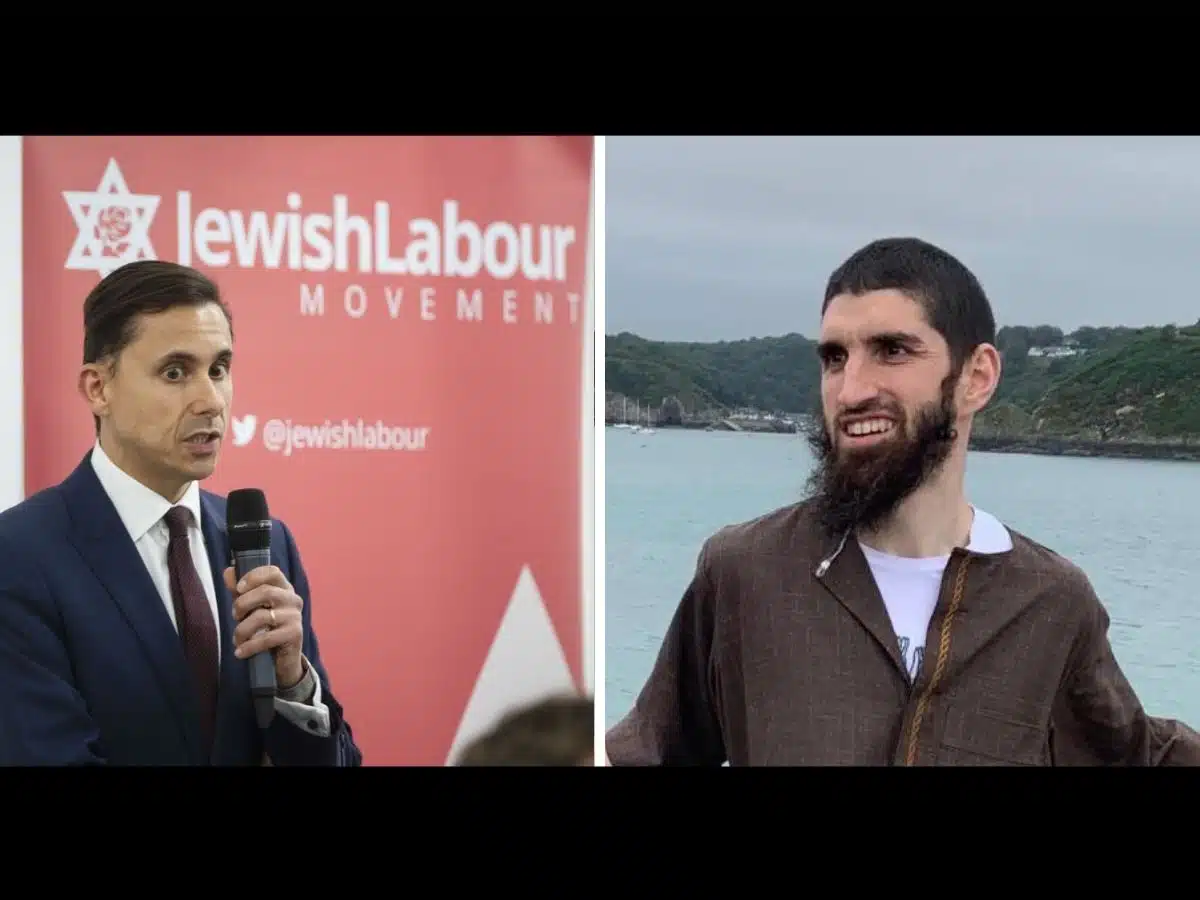
Independent journalist and Canary contributor Jody McIntyre has claimed victory over Labour MP Mike Katz. At the same time, he’s saying the situation isn’t over until Katz pays damages:
MAJOR UPDATE:
Pleased to announce that in response to our legal demands and the generous contributions of my supporters, Labour peer Mike Katz has now deleted his defamatory statements against me.
However, removal is insufficient in this case, and I hereby call upon Mr. Katz to… pic.twitter.com/BaOtGkKBUu
— Jody McIntyre (@jodymcintyre_) April 4, 2026
Jody McIntyre — No quarter
Lord Mike Katz MP is the chair of the Jewish Labour Movement. The offending tweet from Katz is deleted, but Simon Maginn commented on its contents here:
‘peddles… hate towards Jews’ looks actionable to me.
The cannier ones just scream ‘Antisemite!’, which can be covered by the ‘honest opinion’ libel cop-out.
But Katz, being so spectacularly dim (my ‘honest opinion’), has to go that bit further and make an allegation of fact. https://t.co/m8T3p7fX0B— simon maginn (@simonmaginn) March 31, 2026
Before it was deleted, McIntyre posted the following:
This week, Labour Party officials, including Labour peer Mike Katz, have launched a series of defamatory claims against me.
For legal reasons, I have been advised not to repost the defamatory statements, but let me make this clear:
Keir Starmer and his cronies will not silence me.
The attacks come after a Labour MP that I interviewed about McSweeney was suspended from the party. He had been a Labour member since the age of 13.
In 2024, the Labour Party hierarchy chose to ignore me as I came within 693 votes of taking one of their “safe seats”.
Now that my audience is growing, Starmer’s administration have gone on the offensive.
If ending jury trials, introducing digital IDs, and supporting a genocide wasn’t enough, Labour now want to “delegitimise” the journalists exposing their actions.
I am not intimidated, but I do need your support.
Following Katz’s deletion, McIntyre said:
Pleased to announce that in response to our legal demands and the generous contributions of my supporters, Labour peer Mike Katz has now deleted his defamatory statements against me.
However, removal is insufficient in this case, and I hereby call upon Mr. Katz to make a public apology and pay compensation for the harm already caused.
I have spoken to my legal team, and once my crowdfunder has reached our target, we will be ready to issue proceedings against Mr. Katz.
Within 24 hours, we have already raised 20% of our target. Let’s make sure that Labour Party officials realise that they can no longer use their money and status to bully independent journalists.
You can support McIntyre’s legal fund here.
Featured image via Crowdfunder

The clocks may have gone forward for spring, but it doesn’t look like the wet evenings are going away just yet.
Luckily, while we’re all trying to stay out of the rain, Netflix has something to keep us entertained this April, whether you’re in the mood for a gentle YA series, a competitive reality TV, a dramatic action flick or a new spin-off of one of Netflix’s most popular shows ever.
Here’s your guide to the new shows and films to get your teeth stuck into on Netflix this April…
Love On The Spectrum (Streaming now)
Tell me more: Love On The Spectrum is back for its fourth season, following the trials and tribulations of dating and maintaining a relationship as someone with autism.
In the latest iteration of the Emmy-winning reality show, viewers are introduced to three new neurodivergent singles looking for love, while Connor, Madison and James, who have been part of the journey since its very first season, all return.
Netflix says: “Once again, the series follows members of the neurodivergent community as they navigate the unpredictable world of first dates, budding relationships, and meaningful connections.
“With international adventures, shocking relationship updates, and big personal milestones along the way, season four is a bold new chapter for the beloved series.”
XO, Kitty (Streaming now)
Tell me more: Netflix’s To All The Boys… spin-off focusses on Anna Cathcart’s Kitty Song Covey as she relocates to Seoul and attends the Korean Independent School of Seoul.
Season three continues Kitty’s journey of self-discovery as she navigates romance with Min Ho, strengthens her ties to her newfound Korean family and creates meaningful moments with her new friend group.
According to the recent trailer, Lana Condor’s character Lara Jean is set to reunite with her little sister in the upcoming third series, in her first appearance in the spin-off.
Netflix says: “Kitty returns for her final year at KISS with her perfect senior year mapped out. She’s going to make meaningful memories with her friends, grow closer to her relatives in Korea, and make big decisions about her future. And, she’s going to define her relationship with Min Ho. For real this time.
“But when surprise revelations derail her plans and relationships, Kitty will have to learn to embrace the unexpected.”
The Bad Guys: The Series (Streaming now)
Tell me more: Just in time for the Easter holidays, the TV spin-off of the popular animated films has landed on Netflix to keep your little ones amused.
Hot off the tail of last year’s The Bad Guys 2, the Netflix series follows the gang’s rise to infamy and the pitfalls of being the big shots of the criminal underworld.
As funny and inventive as the films, this television follow-up sees the crew squaring up against old foes, facing a new vigilante and reuniting with an old mentor.
Netflix says: “The Bad Guys are on a heisting hot streak, and the crew is moving on up into a brand new lair. While they continue to earn their bad reputation, the crew must confront old enemies, stop a wedding, and face the emergence of Wolf’s former mentor.
“And when a vigilante comes to town calling for the end of crime, The Bad Guys must take a stand and reclaim their home in the name of mischief, troublemaking, and being bad.”
Trust Me: The False Prophet (8 April)
Tell me more: Trust Me: The False Prophet promises to be your new true crime obsession.
The four-part documentary chronicles the rise of Samuel Bateman, who proclaimed himself to be the successor to Warren Jeffs, the notorious former head of the Fundamentalist Church of Jesus Christ of Latter-Day Saints (FLDS) sect in Utah.
Unlike many of your other true crime favourites, this series was filmed by a couple who infiltrated his inner circle, and offers a first-hand account of Samuel Bateman.
Netflix says: “Trust Me offers intimate access to a normally closed world – and in doing so, I hope it exposes both the violence that enforced secrecy enables and what it takes to tell the truth when everything is at stake.
“What these women did matters far beyond their community. It is a blueprint for how to dismantle even the most entrenched systems of abuse.”
Big Mistakes (9 April)
Tell me more: Schitt’s Creek fave Dan Levy has teamed up with I Love LA’s Rachel Sennott to create the new comedy series, Big Mistakes.
In his new TV offering, Dan plays a queer priest who finds himself in over his head when he and his sister, played by Taylor Ortega, fall afoul of a criminal organisation after some petty thievery.
Part family drama, part crime caper, Big Mistakes could be your new comedy favourite this spring.
Netflix says: “Big Mistakes follows Nicky and Morgan, two deeply incapable siblings who are in over their heads when a misguided theft for their dying grandmother accidentally pulls them into the world of organised crime.
“Blackmailed into increasingly dangerous assignments, they clumsily fail upwards, sinking deeper into chaos they’re ill-equipped to handle.”
Temptation Island (10 April)
Tell me more: Temptation Island is back for a second season, following four more struggling couples as they attempt to resolve the issues in their relationship by going their separate ways and living separately among some sexy, eligible singles.
Will they recommit to their partner, or will they explore something new?
Considering that three couples broke up last series, we can’t wait for the drama season two will bring.
Netflix says: “In this new season of Temptation Island, emotions will run high as a fresh group of couples, each at a crossroads in their relationship, attempt to discover if their love can truly conquer all.
“The couples will face plenty of temptation as they part ways to live with a group of singles of the opposite sex. Only time will tell if the choices they make in paradise push them closer together, into the arms of a new lover, or into the single life.”
Thrash (10 April)
Tell me more: Bridgerton’s Phoebe Dynevor battles hurricanes and sharks in Thrash, the new disaster movie from Violent Night’s Tommy Wirkola.
Co-starring Hocus Pocus 2’s Whitney Peak and Gladiator’s Djimon Hounsou, the film centres around a heavily-pregnant woman as she tries to survive a shark infestation that has struck in her quiet coastal hometown.
Netflix says: “Amidst a catastrophic hurricane, a coastal town battles nature’s wrath and an onslaught of sharks.
“Braving torrential rain, debris, and darkness, they unite to survive the deadly predators and make it through the storm.”
At Home With The Furys (12 April)
Tell me more: The new season of At Home With The Furys follows the boxer Tyson Fury as he tries to embrace retirement alongside his wife, Paris, and their seven children.
Fans of Tyson will know his retirement didn’t last long, so the series will likely see what made him change his mind and step back into the ring.
Netflix says: “Surrounded by wife Paris Fury, their seven children and his ever-opinionated dad John Fury, Tyson channels the competitive drive that made him a world champion into new ventures – from a family road trip to Monaco to investing in a racehorse and finding creative ways to stay busy.”
Million Dollar Secret (15 April)
Tell me more: Netflix’s answer to The Traitors was a surprise hit when it premiered last year (even if some critics did brand it a “shameless” rip-off of the BBC show), leaving people hooked on all of the back-stabbing, larger-than-life characters and conniving game plans that Million Dollar Secret provided.
The reality show sees 14 contestants moving into a mansion, where one contestant is initially given a million-dollar suitcase, which they must conceal from the others who are trying to identify the show’s secret millionaire and eliminate them.
After the first episode drops on 15 April, more instalments will be added each week until the final.
Netflix says: “This season, the stakes are higher than ever as players face trickier agendas, grueling challenges and navigate the ever-changing game of deception. Do they have what it takes to keep their Million Dollar Secret?”
Beef (16 April)
Tell me more: The award-winning Beef is back for another season – with a whole new cast and story or revenge.
In this next chapter, the story is hooked on a feud between a newly-engaged couple, played by Cailee Spaeny and Charles Melton, and their boss and his wife, played by Oscar Isaac and Carey Mulligan.
This eight-part miniseries is set to explore the internal rage people suffer at work and the various challenges that couples face through the years.
Netflix says: “A Gen Z couple witnesses an alarming fight between their millennial boss and his wife. Ashley and Austin, both lower-level staff at a country club, become entangled in the unraveling marriage of their general manager, Josh, and his wife, Lindsay.
“Through favours and coercion, both couples vie for the approval of the elitist club’s billionaire owner, Chairwoman Park, who struggles to manage her own scandal involving her second husband, Doctor Kim.”
A Gorilla Story: Told By David Attenborough (17 April)
Tell me more: With almost seven decades in the industry, there is one nature clip that is synonymous with Sir David Attenborough. In 1978, the naturalist met a baby Rwandan mountain gorilla named Pablo during an episode of his show Life On Earth.
This new Netflix documentary film sees Sir David recount this iconic meeting, and explore the community of gorillas at the Volcanoes National Park, many of whom descend from Pablo. Narrated by the national treasure himself, the doc mixes archival footage with never-before-seen excerpts of his journals at the time.
Netflix says: “This intimate documentary blends the remarkable story of David Attenborough’s first encounter with the baby gorilla Pablo with a deep dive into how Pablo’s direct descendants are doing today in the mountains of Rwanda.
“Weaving together contemporary and archival footage of the gorilla group and narrated by Attenborough – including excerpts from his 1978 journals – A Gorilla Story is packed with extraordinary gorilla behavior never filmed before.”
Roommates (17 April)
Tell me more: The comedy movie Roommates introduces us to Devon, played by Sadie Sandler (yes Adam’s daughter), a shy first-year college student who strikes up an unlikely friendship with her fiery roommate. At first, it’s all freshman fun for the pair, until a karaoke-fuelled spring break trip starts a war of passive aggression.
The film explores the hilarious complications of female friendship and how trust is lost when boundaries are crossed.
Co-starring Nick Kroll, Natasha Lyonne and Sarah Sherman, expect big laughs from this coming-of-age drama, which was written by Jimmy Fowlie and Ceara O’Sullivan, who penned Saturday Night Live’s viral Domingo sketch.
Netflix says: “When a hopeful, naive college freshman, Devon, asks the cool and confident Celeste to be her roommate, a blossoming friendship spirals into a war of passive aggression.”
Unchosen (21 April)
Tell me more: If you’ve ever found yourself hooked on the various Harlan Coben series that have premiered on Netflix over the years, the streamer has a new psychological drama that could pique your interest.
Unchosen stars Sex Education’s Asa Butterfield as a member of a close-knit Christian sect, who lives with his wife, played by Molly Windsor.
Co-starring Christopher Eccleston as the congregation leader, this miniseries sees Rosie slowly uncovering dark secrets about their religious community that make her question her marriage – and her life.
Netflix says: “Rosie lives with her husband Adam and daughter in a cloistered Christian community.
“The fateful arrival of escaped prisoner Sam into her life, reveals the reality and restraints of her world; perhaps this hidden religious community doesn’t have her best interests at heart.”
This Is A Gardening Show (22 April)
Tell me more: If you’re in need of a comforting, joyful show to provide some escapism right now, This Is A Gardening Show might be just what you’re looking for.
Fronted by The Hangover actor Zack Galifianakis, this gentle series aims to explore gardening in a down-to-earth, earnest and digestible way, rather than just having experts listing Latin names and talking about obscure herbs.
Netflix says: “Rather than positioning himself as an expert, Galifianakis approaches the subject with curiosity and self-effacing humor, with the goal of learning alongside his audience and giving viewers valuable, accessible, and educational tools to use in their own gardens.”
Running Point (23 April)
Tell me more: Co-created by Mindy Kaling, the comedy-drama season one of Running Point saw former party girl Isla Gordon, played by Kate Hudson, being appointed president of a fictional basketball franchise over her brothers, which angers them greatly.
Cheesy though it might be, Running Point has been a hit for the streamer, with critics and fans praising its “girlboss” humour and satirical look at men’s attitudes towards women in the sports world.
Season two teases more romance, more competitive siblings and, of course, more fabulous power suits.
Netflix says: “Isla Gordon faces intense pressure leading the Los Angeles Waves, determined to prove she’s not merely placeholder for her brother, Cam , who secretly manoeuvres to reclaim his role as the team recovers from a scandal.
“She must navigate complex family dynamics, board scrutiny, and the challenges of running the franchise, forcing her to develop a new strategy to succeed.”
Stranger Things: Tales From ’85 (23 April)
Tell me more: Already missing Mike, Eleven, Dustin and co after that divisive season five finale? Viewers can now take a return to the Stranger Things universe in this animated spin-off, inspired by the Saturday-morning cartoons of our youth.
Set between the events of season two and season three of Stranger Things, this animated series sees our favourite Hawkins gang take on more monsters and a whole new demo creature.
Tales From ‘85 promises to take us back to when the kids were on BMX bikes trying to save their town, rather than the battles with universe-shattering evil that dominated Stranger Things’ final seasons.
Netflix says: “Welcome back to Hawkins in the winter of 1985, where the original characters face new monsters and a paranormal mystery.”
Apex (24 April)
Tell me more: In this new action film, Charlize Theron plays a rock climber who thinks she’s all alone in the woods, until she runs into a psychotic drifter, played by Taron Egerton, who wants to hunt her for sport.
From Beast director Baltasar Kormákur, the movie promises brutal fight scenes, stunning chase sequences and a twisted villain.
We already know that Charlize Theron can kick ass, so we can’t wait to see how she takes on Taron’s sinister bad guy.
Netflix says: “A grieving woman seeks solace in the wilderness only to become ensnared in a deadly game of cat and mouse with a serial killer.”
Should I Marry A Murderer? (29 April)
Tell me more: Another true crime doc coming to Netflix’s roster this month is Should I Marry A Murderer?, a series investigating what happens when a commitment to lifetime love goes wrong, after a woman finds out her fiancé is a murderer.
Should I Marry A Murder? follows Dr Caroline Muirhead, whose partner previously ran over a cyclist and then hid his body.
When he later confesses his crime to his fiancée, she must make a hard decision on whether to tell the police, and if she can stay with the man she had planned to marry.
Netflix says: “A fiancée turned key witness reveals how she stayed engaged to a man accused of murder while gathering evidence against him in this documentary series.”
Man On Fire (30 April)
Tell me more: Wonderman star Yahya Abdul-Mateen ll steps into the role of John Creasy, made famous by Denzel Washington in the 2004 film of the same name.
Adapted from A.J. Quinnell’s book series, the show will follow the Special Forces soldier looking for a fresh start amid a battle with extreme PTSD.
In Man On Fire, John is forced out of retirement to take on a new mission after his only friend is killed and he must protect his fallen comrade’s daughter.
Netflix says: “Haunted by his past and hunted by his enemies, a Special Forces veteran fights to keep a teenage girl alive on the deadly streets of Rio de Janeiro.”

FA Cup on Sportsnet: West Ham vs. Leeds

Can orbital data centers help justify a massive valuation for SpaceX?

How to Make Money with Credit Card Rewards & Cashback | 5 Practical Tips | Abhishek


-

 NewsBeat3 days ago
Steven Gerrard disagrees with Gary Neville over ‘shock’ Chelsea and Arsenal claim | Football
-

 Business3 days ago
No Jackpot Winner and $194 Million Prize Rolls Over
-

 Fashion2 days ago
Weekend Open Thread: Spanx – Corporette.com
-
Entertainment6 days ago
Fans slam 'heartbreaking' Barbie Dream Fest convention debacle with 'cardboard cutout' experience
-

 Crypto World4 days ago
Gold Price Prediction: Worst Month in 17 Years fo Save Haven Rock
-

 Tech7 days ago
The Pixel 10a doesn’t have a camera bump, and it’s great
-
Crypto World5 days ago
Dems press CFTC, ethics board on prediction-market insider trades
-

 Tech6 days ago
Avatar Legends: The Fighting Game comes out in July and it looks pretty slick
-

 Business4 days ago
Login and Checkout Issues Spark Merchant Frustration
-

 Sports18 hours ago
India men’s 4x400m and mixed 4x100m relay teams register big progress | Other Sports News
-

 Tech6 days ago
Apple will hide your email address from apps and websites, but not cops
-

 Sports5 days ago
Tallest college basketball player ever, standing at 7-foot-9, entering transfer portal
-

 Tech5 days ago
EE TV is using AI to help you find something to watch
-

 Politics6 days ago
Should Trump Be Scared Strait?
-

 Tech6 days ago
Flipsnack and the shift toward motion-first business content with living visuals
-

 Fashion6 days ago
The Best Spring Trends of 2026
-

 Sports6 days ago
Women’s hockey camp eyes fitness boost, tactics ahead of WC 2026 campaign | Other Sports News
-

 Tech5 days ago
How to back up your iPhone & iPad to your Mac before something goes wrong
-
 Crypto World7 days ago
Bitcoin’s Six-Month Losing Streak: What On-Chain Data Says About the Market’s Next Move
-

 Politics6 days ago
BBC slammed for ignoring author of The Fraud
You must be logged in to post a comment Login