
Politics
Directors Turned Down Harry Potter Series Over JK Rowling’s Involvement

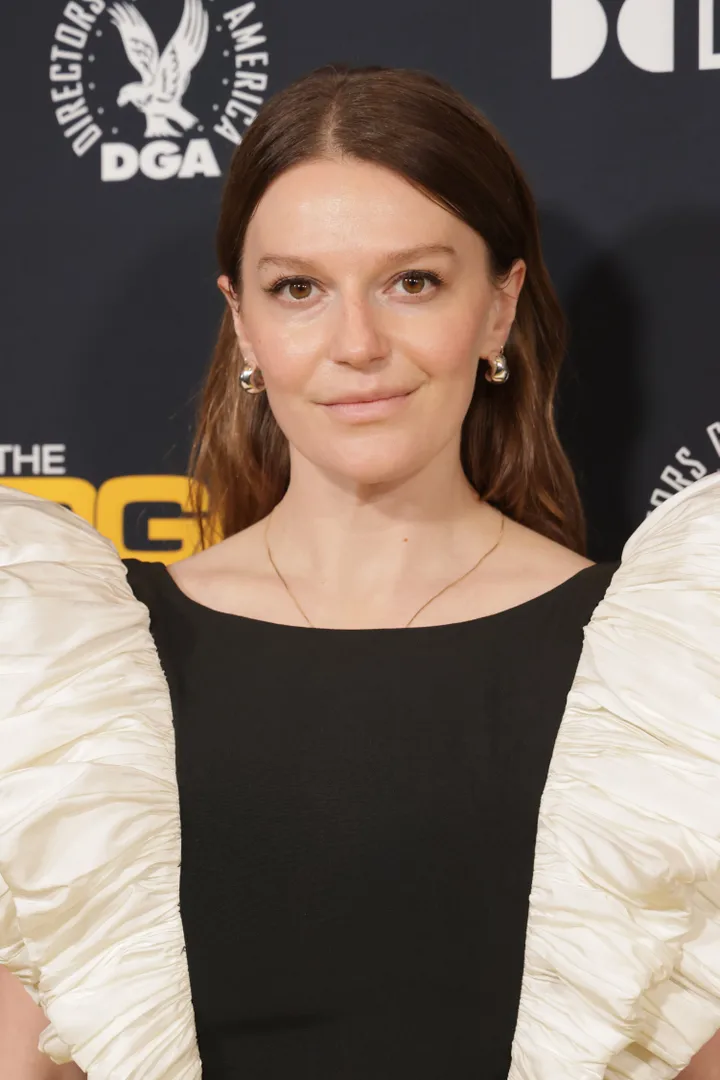
Director Ally Pankiw has claimed she gave the new Harry Potter series the brush-off when the opportunity to direct an episode presented itself.
Ally has previously directed prolific TV shows like Feel Good and Black Mirror, and on Thursday, shared screenshots of what appeared to be a conversation between herself and a member of her team about US broadcaster HBO’s upcoming adaptation of JK Rowling’s children’s books.
“I have an instinct on the answer but I feel compelled to ask… Harry Potter? Hard no?” they ask, to which she apparently responded: “Absolutely fucking not! Lol (But thank you for asking).”

CraSH/imageSPACE/Shutterstock
Fellow filmmaker Kate Herron – who directed the Disney+ series Loki, The Last Of Us for HBO and Netflix’s Sex Education – quickly popped up in the comments, agreeing: “Yeah thank you exactly! Respect and love to you Ally.
“They’ve asked me twice and I’ve had to explain my answer is never gonna change from a no.”
“It simply is this easy to say no to funding transphobia!” Ally also wrote in her post’s caption.

Mike McKinney/Shutterstock
Since it was announced, the Harry Potter series has been met with scrutiny due to Rowling’s involvement in the project as an executive producer.
While Rowling has previously denied being transphobic, she has become a divisive figure in recent history thanks to her views and ongoing commentary on issues relating to transgender people.
This has included repeatedly and intentionally misgendering transgender public figures, as well as donating tens of thousands of pounds to the campaign group which raised the initial legal challenge that led to the UK Supreme Court’s ruling last year that the legal definition of a woman should include only those who were assigned female at birth.
After the ruling, she shared a celebratory post, depicting herself smoking a cigar on a yacht.
The new Harry Potter series will premiere later this year, with cast members including John Lithgow, Nick Frost and Bel Powley among those to already face questioning about Rowling.
Earlier this week, it was announced that Nicholas Hoult will be appearing in season two, prompting backlash from many of his fans.

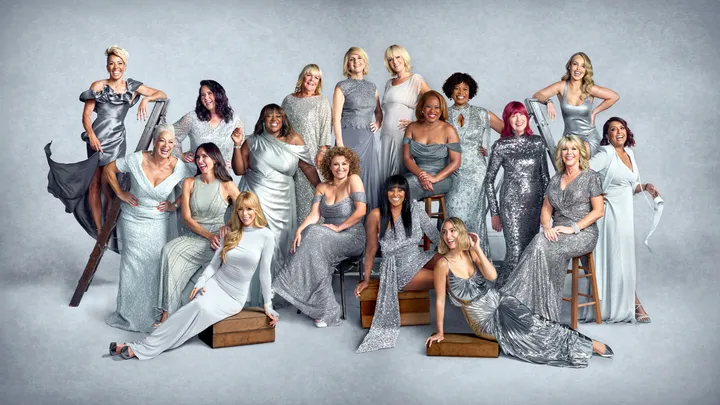
Denise Welch has announced that she is stepping down from Loose Women.
In a video message posted on her Instagram page on Thursday evening, the Waterloo Road star revealed that she is leaving the panel show 25 years after first appearing on it, to focus on her acting career.
“This show has been part of mine and my family’s life for, well, nearly a quarter of a century,” she explained. “I have the most wonderful, wonderful memories and it’s just that acting has always been my first love and, I think, the thing I’m best at.
“At the moment, I’m having the most wonderful opportunities coming my way, and I’m grabbing them by the you know whats and running with it for this new chapter of my life. So, I just wanted to say that in person.”
She continued: “I’ve shared my life with you, the good, the bad, and the ugly. I’m very Marmite but I cherish all the comments, good or bad, that I’ve had over the years. And I just hope you wish me well for this new exciting chapter in my life.
“I’ll miss everybody, but I will remain friends with the whole gang – because despite what you might read, we are a happy band of campers.”
Denise concluded: “Anyway, lots of love, and thanks for sticking with me.”
Her Loose Women exit comes at a time the show is already facing scrutiny, with panellist Nadia Sawalha claiming she’s taking legal action against ITV due to them allegedly treating her “unlawfully due to my protected beliefs”.
ITV has not yet publicly responded to Nadia’s claims.

Amy Brammall/ITV/Shutterstock
Originally known for her roles in shows like Spender, Soldier Soldier and Coronation Street, Denise first served as a guest panellist on Loose Women in 2001, before joining the show as a permanent presenter in 2005.
She left the show in 2013 amid creative differences behind the scenes, before finally returning in 2018.
In recent years, Denise has appeared in shows like Hollyoaks, Emmerdale and Channel 5’s Benidorm Is Murder, and she’s due to return to the reboot of Waterloo Road in 2026, too.
Earlier this year, she also appeared in the hard-hitting drama Tip Toe, with showrunner and writer Russell T Davies telling HuffPost UK: “She’s gorgeous. And a properly good actor! That’s the point!
“And I think, sometimes, [she’s] underrated as an actor, and that’s what was lovely about [having her be part of Tip Toe]. It was like, ‘come on, come and watch her do her stuff’.”
Outside of her acting career, Denise is also the mum of The 1975 frontman Matty Healy, which has allowed her to garner a new following thanks to her appearances at musical events like Glastonbury, as well as more celeb-focussed moments like Charli XCX’s wedding last year.
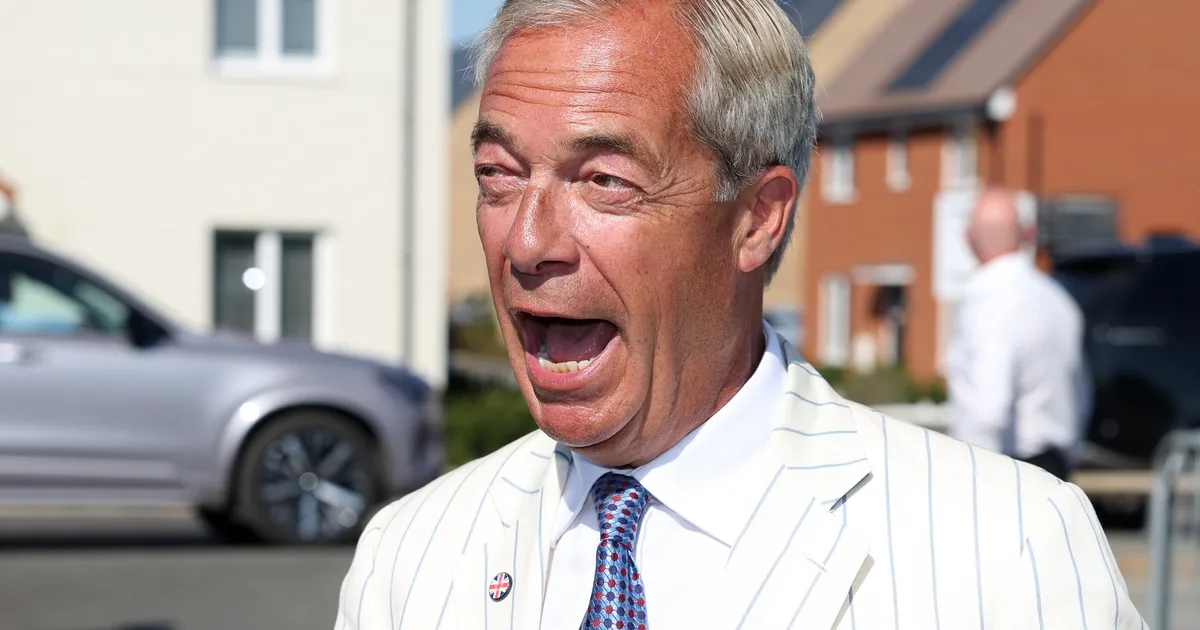
Splits within Reform UK have burst into the open despite Nigel Farage’s comfortable victory in the Clacton by-election.
Senior party figures have been left baffled by their leader’s decision not to turn up for the result declaration.
A Reform UK spokesman said: “Essex Police advised Nigel not to attend the count tonight due to a credible threat against him.”
But this was denied by Essex Police sources.
In a statement, the force said: “We have a proportionate and robust policing operation to ensure the safety and security of all participants in the count.”
Addressing supporters at a rally in the early hours of Friday morning, Farage suggested that the real reason for his non-attendance was he wanted to avoid the other candidates.
He said: “I’m damned if I’m going to stand on a stage, having won a resounding victory, a ringing endorsement of all that I’ve tried to fight for, and you’ve tried to fight for, and be demeaned and humiliated by nobodies.”
Farage won with 63% of the vote and a majority of 12,784 over self-styled intergalactic space warrior Count Binface, who came second with nearly 9,500 votes.
Labour, the Tories, Lib Dems, Greens and Restore Britain refused to put up candidates in the by-election, which Farage triggered by quitting as Clacton’s MP last month.
That came after parliament’s standards commissioner launched an investigation into his failure to declare a £5 million gift from a Thailand-based crypto billionaire.
Tim Montgomerie, who defected from the Conservatives to Reform with great fanfare last year, openly criticised Farage’s decision to dodge the count on X.
He said it had been “a very good result” for Farage, but added: “He should be on every TV screen this morning – underlining his win – and with that cheeky, trademark smile on his face. Being the Nigel that so many voters like the idea of hanging out with… in a pub.
“But this recently far too dominant aggrieved tone is still with us. It’s not good. You don’t skip your own victory count without a much better explanation.
“Anger from politicians can work but only if it’s on behalf of others – not yourself. He’s distracting from his victory. Puzzling.”
A Reform source told HuffPost UK it was “not a good look for Nigel to skip the count”.
But Reform deputy leader Richard Tice told GB News: “Ultimately, it was judged by Nigel’s team that there was there was sufficient anxiety, and concern, and threats, that meant that whilst of course he would love to have been at the count, ultimately his security counts for more than anything else, and I don’t think anybody, frankly, should in any way question his… team’s judgment on that.”
Listen to Commons People, the podcast that makes politics easy. Every week, Kevin Schofield and Kate Nicholson unpack the week’s biggest stories to keep you informed. Join us for straightforward analysis of what’s going on at Westminster.
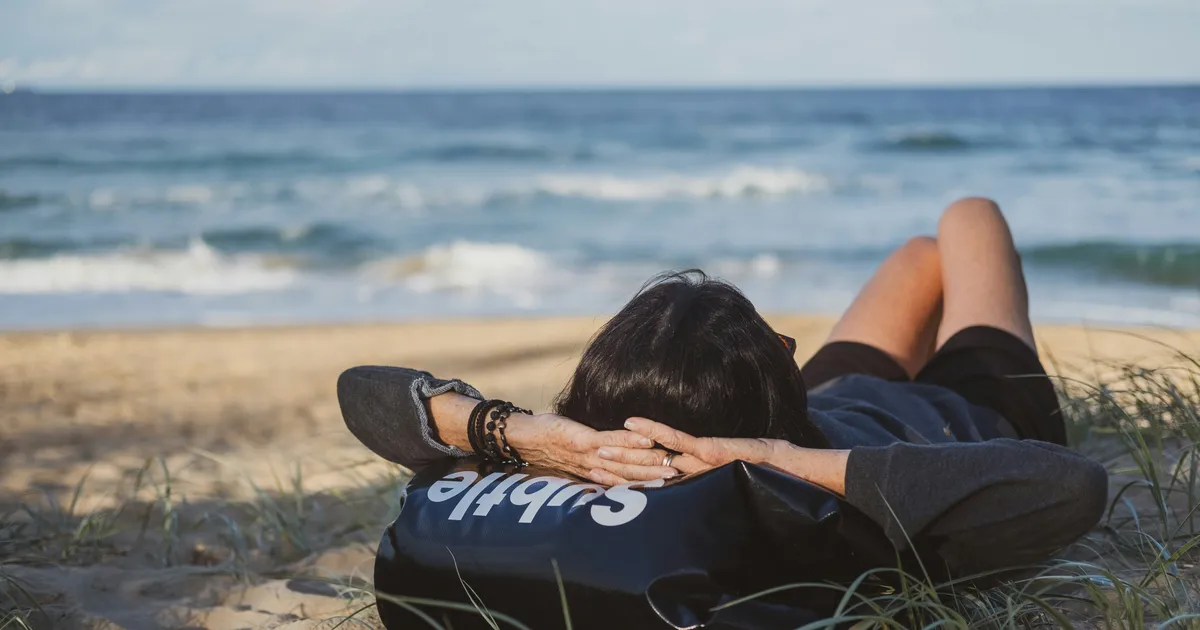
For some people, the joy of a holiday is slightly dampened by the inevitable impacts holidaying can have on sleep. In fact, according to new research commissioned by sleep technology firm Simba has found that over three quarters of Brits 76% find that holiday travel affects their sleep, with over 2 in 5 UK adults finding that tiredness affects the first day of their holiday and more.
Very relatable. The first day of every holiday for me seems to be experienced in a tired and wired daze.
It doesn’t stop there, though. In fact, this tiredness can reoccur once you’re back home in what sleep experts have dubbed a “Holiday Sleep Hangover”.
The ‘Holiday Sleep Hangover’
According to Lisa Artis, Deputy CEO of Simba’s charity partner, The Sleep Charity, the “holiday sleep hangover” describes the lingering effects of travel-related sleep disruption caused by early airport starts and poor in-flight sleep to unfamiliar hotel rooms, changing time zones and disrupted routines
But unlike a traditional hangover, it can strike twice: “once when you arrive on holiday and again when you return home.”
“The holiday sleep hangover has become the hidden physical and mental cost of modern travel,” says Artis.
“Sleep disruption usually starts much earlier and can continue long after you’ve unpacked your suitcase. It’s the combination of lost sleep, changes to routine and, for some travellers, jet lag that can leave people feeling out of sync for days.”
Additionally, if you’re a sucker for an early flight so you can “make the most of the day” once you arrive at your destination, you may be doing yourself a disservice, Artis warns, saying: “If you’re up at 3am for an airport transfer after a restless night’s sleep, you’re already asking your body to function on less recovery than it normally would. That sleep debt can follow you into the first few days of your trip.”
“It can be tempting to over-optimise the night before you travel. But trying to force a really early night can make it harder to switch off,” she explains.
“You end up clock-watching and feeling more alert.”
Instead, she recommends keeping your usual evening routine calm and consistent.
How to recover from a Holiday Sleep Hangover
According to Lisa, the most effective approach is getting back to a consistent routine as quickly as possible. That means returning to regular bedtimes, exposing yourself to daylight during the day and avoiding the temptation to stay up late to prolong the holiday feeling.
“Your sleep environment can help speed up recovery. When you’re trying to get your routine back on track, comfort and temperature become important,” adds Arts.
“If you’re waking because you’re too hot, too cold or uncomfortable, it can make recovery feel slower.”

I hadn’t seen my dad in five years when my sister texted me that he had fallen at home. After I had my first child, the childhood abuse I had previously overlooked to keep the peace suddenly became incomprehensible, and I chose to become estranged from him.
But when I found out he was dying, I knew time was running out to reconcile. I didn’t want to regret missing it.
On my first visit to see him, I brought flowers and kneeled by his bedside. He was thin, jaundiced and bedridden. His fine hair was snowy and delicate over his scalp, his movie star cheekbones more prominent than ever. His brown eyes still looked like mine.
But he didn’t recognise me. He stared at me and looked away repeatedly, his expression bewildered and hurt.
“Who are you?” he asked.
I was stunned and told him who I was.
“Is it OK that I’m here, or would you prefer I go?” I asked.
“You can stay. I’m just surprised. It’s been a long time.” There was grief and accusation in his voice.
I wouldn’t apologise for the estrangement. He wouldn’t apologise for the abuse. We wouldn’t talk about the past when death was so close.
When I left, I kissed his forehead and promised I’d be back.
A few weeks later, I signed up to be an early literacy volunteer, teaching young children to read. Once a week, I spent an hour with the students during their lunch break, reviewing the alphabet and helping them sound out words while they ate orange slices and whole wheat pizza.
Then I would spend an hour with my dad at the healthcare facility where he lived for his last five months. We would share a few minutes of small talk, I would feed him small bites of baked fish or tater tots, and we’d watch TV.
The two things were connected. My father’s side of the family is full of educators. My dad was a professor for more than 50 years. He’s the reason I have post-traumatic stress disorder, but he’s also the reason I love literature, travel, art, food and languages. His mother – my namesake – was once a missionary-teacher who rode on horseback four miles every day to reach her students.
“Teaching is a spiritual thing,” my dad said.
I thought volunteering to help children read would connect me to my dad and our family as he was dying. The kids were at the beginning of their lives and education, while my father, the professor, was coming to the end of his.
I volunteered on Mondays. Usually, I visited my father at the end of the week. My weeks were measured in the bookends of life.
There were six schools where I could volunteer – all underfunded and with low reading test scores. I chose the one closest to my childhood home, my dad’s house. I was a kindergartener in that neighbourhood the first time my dad squeezed my wrists so hard that bruises encircled them for weeks.
The school was a rectangular building made with dark bricks. I had passed by it countless times as a child. From the outside, it looked institutional in the late September sun. But inside, I was surprised by how light it was. The hallways were painted white and worn in places with scuffs and pencil squiggles – imprints from students growing up.
Three large trees grew in the foyer outside the library. Their shiny green leaves wove a canopy over the grey and blue tiles where kids walked from recess, lunch and library time. That’s where I met the kids with whom I’d be working, affectionately called Book Buddies.
The volunteer program coordinator handed me two folders, each bearing the name of a little boy. We had two assignments for the day. The first was to complete “getting to know me” sheets. The second was to assess how many letter names and sounds they knew.
I asked them their birthdays, their favorite colour and to draw their favourite food. My first buddy knew the letters in his name but no others. My second buddy surprised me by knowing all the letters and their sounds, but he said them quietly with his eyes downcast.

Photo Courtesy Of Virgie Townsend
At the school, there was the squeak of sneakers as kids ran in the hall and the voices of teachers announcing it was time to line up. There were boxes of small books, word games with dice, pencils, plastic utensils and thin straws for chocolate milk cartons.
Over time, I learned my first buddy loved to take a big sip of chocolate milk and burp and then we’d laugh together. He introduced me to his kindergarten friends. In the winter, his boot shoelaces were always undone, so I tied them before he returned to class.
My second buddy rarely made eye contact but read everything I put in front of him perfectly. He was reserved, but told me he lived with his dad and loved reading books the program gave him.
I praised both kids for their reading, hard work and the progress they made.
Sometimes after volunteering, I’d drive by my childhood home. With my father gone, the house stood empty.
At the healthcare facility, there was a crane to lift my dad, who used to hike by the Sequoias near his own childhood home. There were nurses who joked as they spooned medication into his mouth and the blare of televisions playing at full volume. There were cartons of Ensure and automatic hand sanitiser dispensers.
Sometimes my dad seemed stronger. On a good day, we watched Star Trek, and he laughed out loud for the first time in a while. When I left, he called after me in a strong voice, “Love you, honey.”
But organ failure is a rollercoaster with many ups and downs, all heading toward the inescapable end. Mostly, I worried about the emergence of new symptoms like the jaundice and itchiness that came and went. The bones I hadn’t seen before, jutting clavicle and breastbone. Lost fat on his fingers, every knuckle visible beneath the thin skin.
On a cold January day, I was with my dad when he began seizing. The seizures were quick, full-body and terrifying. He didn’t remember them – he just thought he’d fallen asleep for a minute. The doctor said there was nothing else they could do.
Four days later, he was unconscious. His breaths were long, slow and gasping. His TV was off. He had stopped responding to us. I asked my sisters for a minute alone with him. Everything we had left was in that small room.
“I hope that in whatever comes next, you receive the love you didn’t get as a child and you’re able to give that love to yourself and others in return,” I told him. “If there’s regret or anything else you’re carrying, you can put it by the wayside. You don’t have to carry it for me.”
He died the next morning. After he took his last breath, I watched the pulse in his neck grow fainter until I couldn’t see it beating under his skin anymore.
“Dad, I’m just going to check your pulse, OK?” I said. I placed two fingers on his neck – a place I had never touched before – and felt no movement.
Before the funeral home director placed him on the gurney, I kissed his forehead one final time and then wept.
Depleted by grief and the paperwork that accompanies a parent’s death, I didn’t return to volunteering for a month. Sometimes I’d look at a photo of my dad from when he was 5 years old – the same age as my own son and my volunteering buddies.
In the picture, my dad wore a black cap over his dark hair, and his left hand was in the pocket of his checkered coat. Although I knew he had an unsafe, loveless childhood, he beamed a proud smile. I wished I could go back in time to protect that little boy.

Photo Courtesy Of Virgie Townsend
When I went back to the school, my first buddy walked up to me with his lunch tray and a mildly scolding expression on his face.
“Where have you been?” he asked, as if I were a child who missed curfew.
“One of my family members was sick,” I said, smiling. “I’m back now.”
I was glad to be in the school, reading with the kids under the trees in the foyer. One day, as I arrived, my buddy was standing in the lunch line. He saw me, exclaimed to a friend, “That’s my Book Buddy!” and ran to hug me.
Later, when my second buddy caught a cold, I gave him tissues to take back to class because I knew he’d be too shy to ask the teacher. I helped another student carefully cut out a booklet for herself to take home to read. I made sure one of their classmates didn’t leave behind her lunchbox.
Little acts of care I wish had been given to the children that my father and I once were.
On the last day of volunteering, we held a party in the school library. I helped my buddies don plastic gold medals and paper graduation hats. We gave them backpacks with books, a toy keychain, bubbles and a red bracelet that said, “I love to read.”
“Do you love to read?” I asked my buddy, who was now reading several levels ahead of where he began.
He looked down bashfully and nodded with a smile, his two front teeth missing. We listened to a story about joyriding farm animals and played sight word bingo with candy. Then I tied his shoelace one last time, wished him a great summer, and watched him walk back to class.
I realised that while a child cannot heal their own parent, I could give that care to my kids and to other children who needed it. It was too late for my dad, but it might be right on time for them.
Do you have a compelling personal story you’d like to see published on HuffPost? Find out what we’re looking for here and send us a pitch at pitch@huffpost.com.
Help and support:
If you, or someone you know, is in immediate danger, call 999 and ask for the police. If you are not in immediate danger, you can contact:
- The Freephone 24 hour National Domestic Abuse Helpline, run by Refuge: 0808 2000 247
- In Scotland, contact Scotland’s 24 hour Domestic Abuse and Forced Marriage Helpline: 0800 027 1234
- In Northern Ireland, contact the 24 hour Domestic & Sexual Violence Helpline: 0808 802 1414
- In Wales, contact the 24 hour Life Fear Free Helpline on 0808 80 10 800.
- National LGBT+ Domestic Abuse Helpline: 0800 999 5428
- Men’s Advice Line: 0808 801 0327
- Respect helpline (for anyone worried about their own behaviour): 0808 802 4040
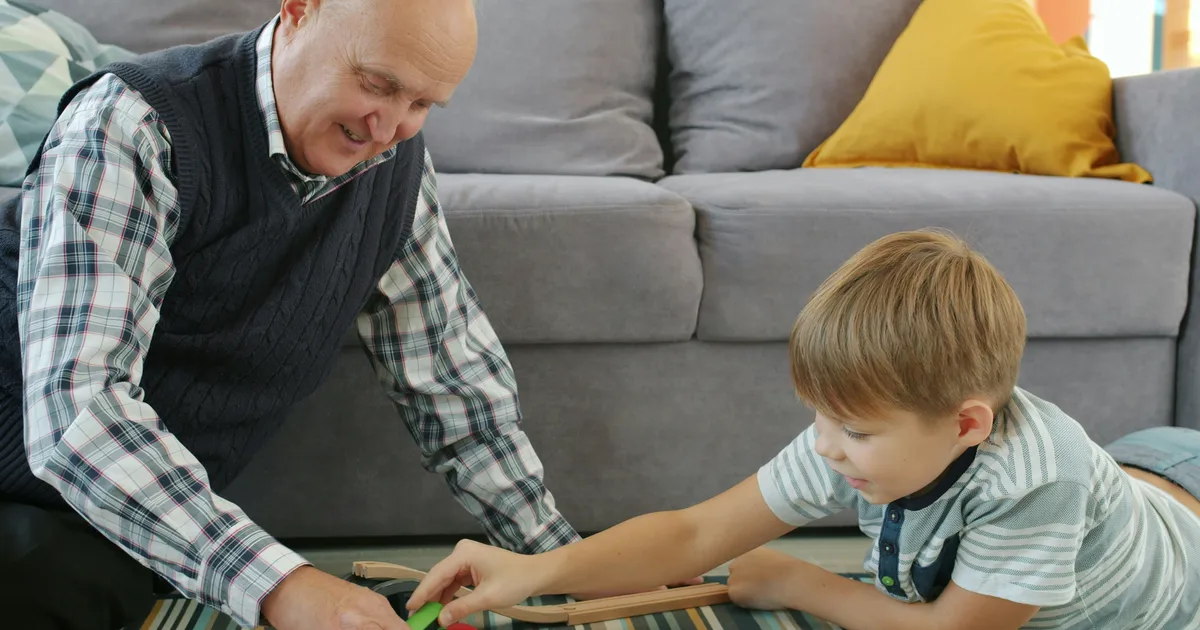
Now that I’m heading into my late-30s, I have noticed that my personality has changed quite a bit over the past decade. Maybe even more than the decade preceding it. It’s strange to discover that I no longer care about the things I thought would be important to me forever and to find myself deeply entrenched in topics and hobbies that I was never drawn to before.
While I never thought this was unique to me, I did think that this seismic shift in my personality was perhaps the last significant one I’d experience in my life. I mean, how many times can a person change and still be themselves?
However, some psychologists believe that we have five personality factors, called the ‘Big Five’ that stay with us throughout our lives. These are:
- Extraversion
- Agreeableness
- Conscientiousness
- Neuroticism
- Openness
Psychology Today explains: “Individual personalities are thought to feature each of these five broad traits to some degree. When the traits are measured, some people rate higher, and others rate lower: Someone can be more conscientious and less agreeable than most people, for instance, while scoring about average on the other traits. These traits remain fairly stable during adulthood.
“People can also differ on the more specific facets that make up each of the Big Five traits. A relatively extroverted person might be highly sociable but not especially assertive.”
A new study suggests that our personality traits are less stable than we thought
A study published in Communications Psychology has challenged the long-held belief that the Big Five stay relatively stable throughout our lives.
In the initial part of the study, researchers surveyed 887 people who rated the Big Five traits as some of the most stable
Then, in a follow-up analysis of data from eight large-scale longitudinal data sets involving 166,971 individuals across the United States, Germany, Australia and the Netherlands, researchers were presented with a very different story.
The study found that levels of neuroticism, openness and extraversion drop overall from age 15 to 90, with neuroticism showing the steepest decline. However, agreeableness and conscientiousness tended to increase as people age.
I can attest to this a little myself. I definitely feel calmer as I’ve aged but I am also very set in my routine and prefer my own company. I’ll work on it.
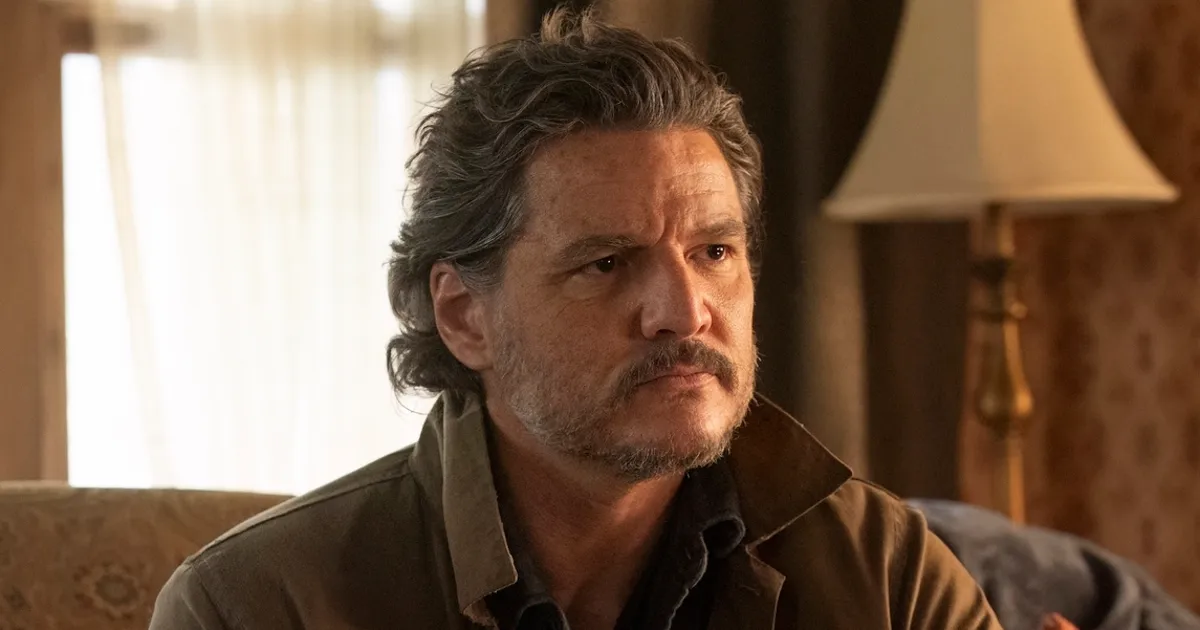
Pedro Pascal has soared to household name status in the 2020s thanks to his work in projects like The Mandalorian, The Fantastic Four and Gladiator II – but arguably, there’s one role in particular that put him on the map above all others.
In 2023, he received widespread praise for his performance as Joel in the dystopian video game adaptation The Last Of Us, earning him an Actor Award and nominations at the Golden Globes and Emmys.
What might surprise you, then, is the fact that Pedro wasn’t the first pick to play Joel.
During an appearance on the podcast Happy Sad Confused, Matthew McConaughey claimed he was approached about playing Joel in the hit series, but turned it down as it “wasn’t for me at the time”.
“I wasn’t really acting at that point,” the Oscar winner explained. “That was when I was doing more writing and looking at leadership roles in life.”
While he conceded that the script was “really good”, and he was “excited” to read it, he ultimately didn’t want to pursue the role any further.
“Correct me if I’m wrong, I’m not a huge TV watcher, [but] we pulled off a real coup with True Detective at a time when series were not something that actors like myself or Woody Harrelson would hop over and go do,” he said.
“That one succeeded in a real royal fashion. Last Of Us was really good but it wasn’t for me at the time.”
In 2023, The Last Of Us’ co-creator Craig Mazin confirmed that Matthew had been approached about a role in the show, but insisted it wasn’t necessarily a “serious” conversation.
Speaking on the same podcast, he claimed: “It was more of just like, ‘Hey, here’s something we can talk about’[-type situation].”
The Last Of Us is expected to return for its third season in 2027.
We have been romanticising summer flings for a long time. The glitz, glamour and yearning in The Great Gatsby, Summer Lovin’ in Grease and romance in Italy’s countryside in 2017’s Call Me By Your Name.
Sun, sand and sex. What a combo.
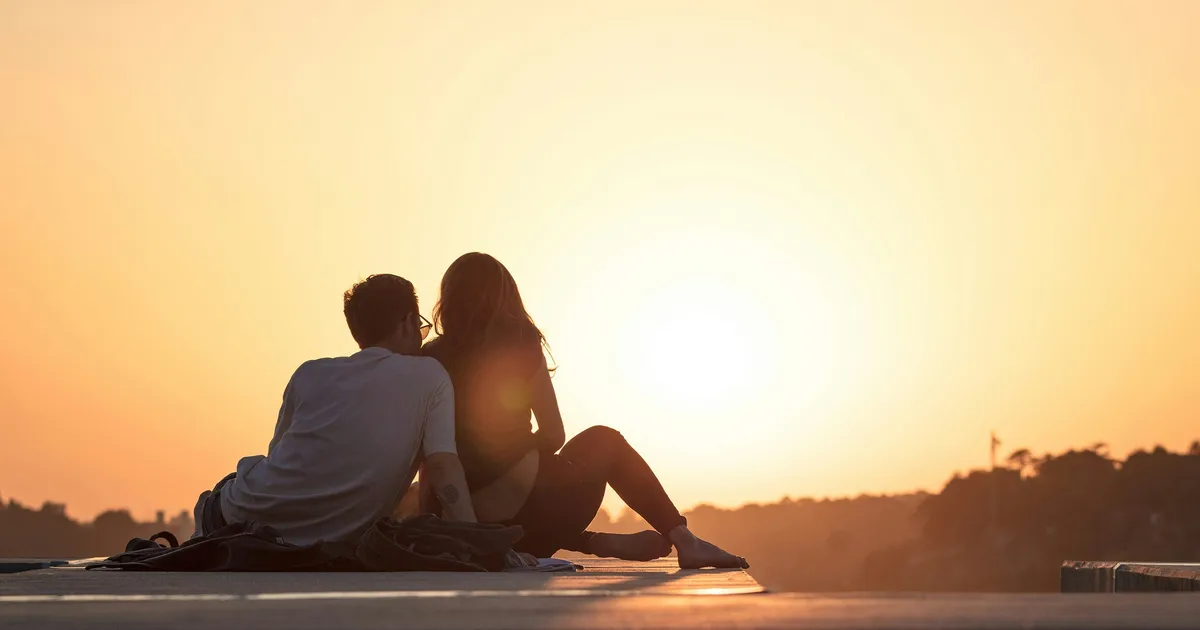
There’s some real magic to a summer fling. Long days ending in stunning sunsets, wandering around nature in bright summer sun and lazy picnic evenings can create quite the dreamy experience.
Now, one doctor has revealed that not only are these flings sexy and fun but they could be beneficial to our health and wellbeing. Lovely.
How summer flings are good for your health
Dr Babak Ashrafi, from Superdrug Online Doctor, reveals the five surprising ways a summer fling is good for your health:
1. Physical touch can lower stress levels
Dr Ashrafi says: “Holiday romances can be a really powerful tool for unwinding. Physical affection, from holding hands and hugging to kissing and sex, triggers the release of oxytocin, often called the ‘bonding hormone’.
“This helps lower cortisol, our primary stress hormone, leaving us feeling calmer and more relaxed.”
I’m getting warm and fuzzy just thinking about it.
2. Holiday romance could help you sleep better
Sleeping can be difficult during hot weather but according to Dr Ashrafi, your lover could be exactly what helps you to nod off.
He shares: “after intimacy, particularly when we’re feeling emotionally connected and relaxed, the body releases hormones, including oxytocin and prolactin, which help us wind down and prepare for sleep.
“Many people find they sleep more deeply after intimacy, making quality sleep one of the lesser-known physical benefits of a holiday romance.”
3. The holiday glow isn’t always just the sunshine
We all know the holiday glow. Some of us come back with glowing tans and the palest of us come home with slightly rosier cheeks. However, Dr Ashrafi says that it may not have anything to do with the sunshine.
“People often return from holiday with what we call a ‘holiday glow’, and it’s not always down to the sunshine. Better sleep, reduced stress and the feel-good hormones released during a positive romantic experience can all contribute to healthier-looking skin by reducing inflammation and supporting your skin’s natural repair processes.”
4. New attraction gives your brain a natural chemical boost
Nothing beats the thrill of a crush. Even if it doesn’t go anywhere, the excitement of somebody being on your mind is a real rush and Dr Ashrafi explains that the rush gives a genuine chemical boost to the body: “Meeting someone new is exciting, and that excitement also triggers a surge of chemicals, including dopamine, our happy hormone, creating feelings of pleasure, motivation and connection.
“This chemical release is why a summer fling can leave you feeling energised, uplifted and happier long after the holiday has ended.”
5. Summer flings naturally encourage a more active lifestyle
Dr Ashrafi shares that if your fling happens abroad, you are likely to reap more physical health benefits: “Unlike the romances we experience at home, the ones we have on holiday often revolve around experiences rather than our daily routines.
“Whether it’s exploring a new city together, swimming in the sea or dancing until late, a summer fling can naturally increase your daily movement without it feeling like exercise.”
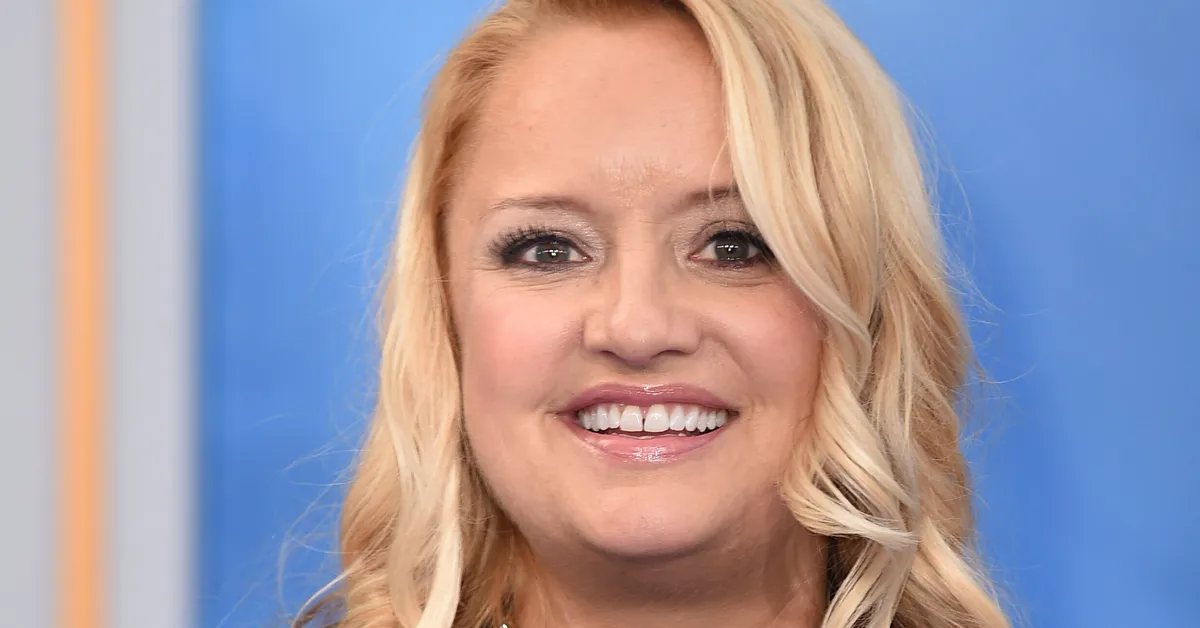
Former The Office star Lucy Davis has admitted that she’s been taken aback by the outpouring of “kindness and support” she’s received since disclosing that she’s been diagnosed with incurable cancer.
Earlier this week, Lucy shared the personal news in an Instagram post, which she followed up on Thursday night.
“Ok, so the last two days have been utterly overwhelming, in that I had ZERO idea my cancer post would have the attention it did,” she shared. “Truly, I am in shock.
“That said… THANK YOU to everyone for the tremendous amount of kindness and support you have sent me. Good grief, it was emotional! I am trying to go through all the comments on my post – and I’ll get there! Just give me a bit of time.”
She quipped: “Also, to the couple of people who slightly misread the news and commented ‘R.I.P.’, you’ll be delighted to know I am still alive – hurrah!”
Lucy accompanied her comment with a video of herself trying out skateboarding for the first time “to lighten things up”.
In her original post, Lucy explained: “A year and a half ago I was diagnosed with stage 4 breast cancer, which has metastasised to my bones. Specifically to my spine, right hip, and my ribs. The cancer is incurable, and too late for chemo.
“The initial lump that I felt, wasn’t a ‘lump’ as such; rather a kind of hard spot. Really tiny. I almost didn’t bother getting it checked. So I guess I’m saying don’t ignore anything – get everything checked out.”
“As of now, I’m trying to live out whatever might be left of my life in as fun a way as I possibly can,” she explained. “I always like to find the teachable moments in anything negative that happens. And cancer has not disappointed in that regard; there’s a lot I have learned from it, and I’m grateful for that.”
Lucy is best known for her performance as Dawn in Ricky Gervais’ hit mockumentary sitcom The Office.
In the years that followed, her TV work has included parts in Studio 60 On The Sunset Strip and Netflix’s Chilling Adventures Of Sabrina, in addition to film roles in projects like Shaun Of The Dead and 2017’s Wonder Woman reboot.
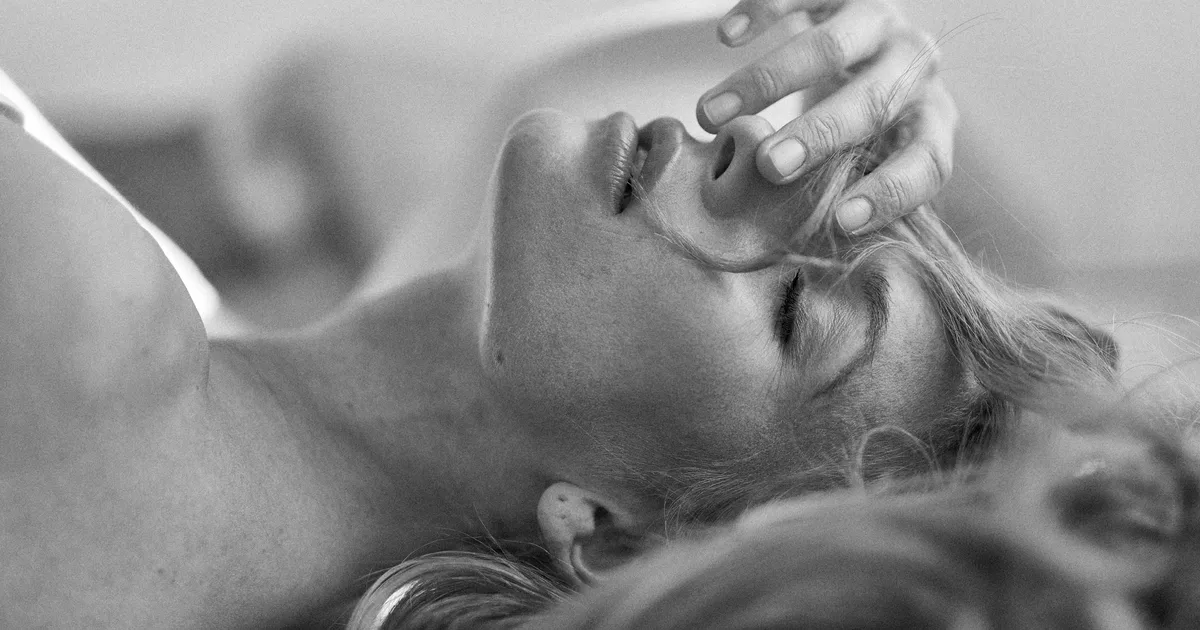
We’ve written before at HuffPost UK about the best sex positions for menopausal women.
Speaking to HuffPost UK previously, Elisabeth Neumann, a sexologist at Lovehoney, said menopause can “make sex feel unfamiliar and frustrating, especially when things that once worked perfectly well no longer feel as comfortable”.
And that might affect the quantity and quality of your orgasms, too.
Pharmacist and author of Love Your Vulva: Celebrating Women’s Bodies, Laura Dowling, said: “As oestrogen falls, the vulva and vagina can become drier, more sensitive and less elastic, so sex may become uncomfortable or painful. And if sex hurts, you’re hardly going to be thinking, ‘Great, now let’s have an orgasm’.
“Then add poor sleep, hot flushes, stress, body-image changes, medications, relationship pressures and being absolutely exhausted.”
Here, she shared how to up your odds of the big O.
How can I increase my chances of orgasm during menopause?
Neumann said some ways to increase your odds of orgasm during menopause include:
- Taking the pressure off yourself,
- Giving yourself more time,
- Using plenty of lube,
- Focusing on clitoral stimulation (“most women need direct clitoral stimulation to orgasm”),
- Listening to your body – “If sex is dry or painful, don’t just push through it.”
“One of the reasons I wrote Love Your Vulva is because so many women were never properly taught about their own anatomy,” she added.
“Knowing what feels good and being able to say it out loud is a very good place to start.”
Anything else?
Yes – paradoxically, Neumann said, focusing less on the big finish could sometimes make sex and masturbation more enjoyable.
“Sex does not have to be a race towards an orgasm,” she told us. “It can be about touch, pleasure, intimacy, laughing, feeling close to somebody or simply enjoying what feels good.
“And what you enjoy may change as you get older. That doesn’t mean your sex life is finished. It just means the rulebook might need a rewrite.”
The author ended, “I’d much rather a woman have sex that feels pleasurable and connected than spend the whole time worrying about whether she is going to finish.
“There is no gold medal for having an orgasm. If it feels good and you enjoyed yourself, that counts.”
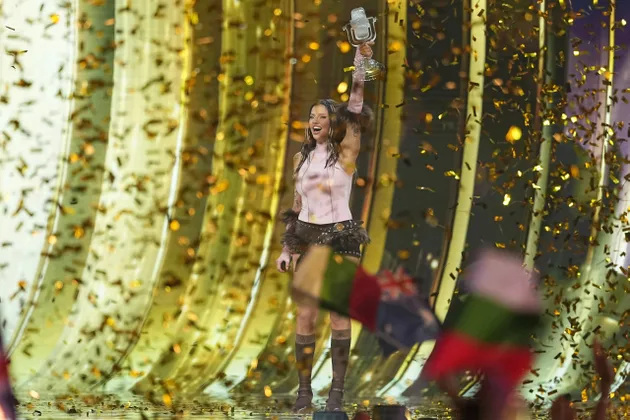
 Dara celebrating her Eurovision win earlier this year
Moroccanoil will no longer be sponsoring the Eurovision Song Contest from next year.
The Israeli brand had been a primary sponsor of Eurovision since 2019, the same year the contest took place in Tel Aviv.
However, on Thursday, organisers announced that the haircare company had pulled its sponsorship after six years.
“We can confirm that, after six successful years, Moroccanoil has chosen not to renew its sponsorship of the Eurovision Song Contest,” a Eurovision rep said, adding: “We wish Moroccanoil every success for the future.”
 Moroccanoil branding was previously prominently displayed during its sponsorship of the Eurovision Song Contest
There have been some major updates regarding next year’s Eurovision Song Contest in the last few weeks.
First, it was confirmed at the beginning of last month that Canada would be competing at Eurovision for the first time in 2027, after its national broadcaster joined the European Broadcasting Union (EBU) earlier this year.
Since then, it has also been revealed that there have been changes to next year’s contest, which will take place in Bulgaria for the first time following Dara’s victory back in May.
Most notably, it’s been announced that countries who are involved in “armed conflict” will no longer be able to play hosts to Eurovision should they win the contest.
A winning country will also no longer be permitted to serve as the following year’s host if it is involved in any kind of “sensitive geopolitical situation” or “any other situation [which] materially affects the security, safety or stability of their state or immediate region”.
Should a country that falls into any of these categories win, organisers will “identify an alternative host broadcaster” which will “not be required to stage the event on behalf of another member” as the UK did with Ukraine in 2023.
Finally, the host city for Eurovision 2027 has now been named as Burgas.
“[Burgas] is a vibrant, welcoming city on the Black Sea with a strong musical and cultural identity, and it has the ambition, infrastructure and passion needed to welcome the Eurovision family,” Eurovision director Martin Green enthused.
“For the first Eurovision Song Contest ever to be held in Bulgaria, we want to create something that feels truly Bulgarian while also being unmistakably Eurovision – a celebration that brings people together through music.”
Last year’s contest saw five countries withdrawing from Eurovision in protest over Israel’s involvement, with a sixth indicating that it will follow suit should Israel be invited back to compete in 2027.
MORE EUROVISION:


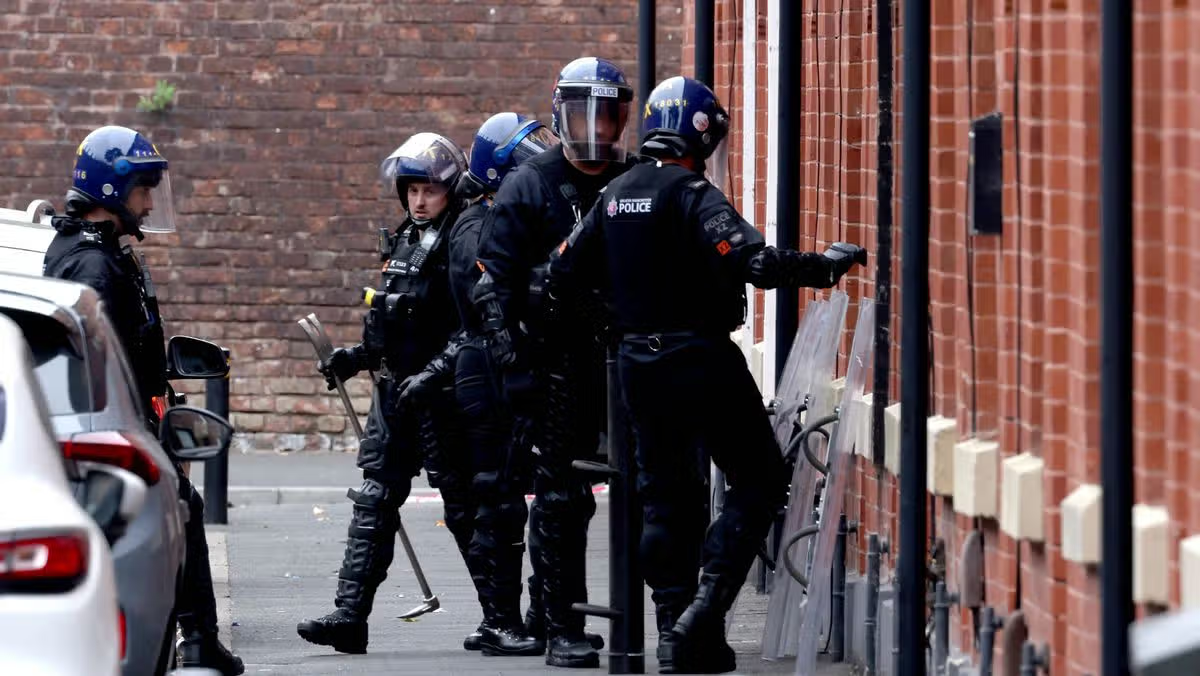
Riot police descend on Salford street with man in 36-hour rooftop stand-off

Dell’s New $700 XPS 13 Emerges As A Serious Windows Rival To Apple’s MacBook Neo
Guy Ritchie’s Netflix Crime Thriller Officially Returns in 1 Month


-

 Fashion17 hours ago
Weekend Open Thread: Ann Taylor
-

 News Videos7 days ago
Can Astrology Help Find Gold and Silver Trends? A Financial Astrology Guide
-

 Business6 days ago
Datadog: Best Of Breed For Multiple Reasons
-

 Business6 days ago
How to Start a Cleaning Business: A Step-by-Step Guide
-

 Business6 days ago
BDC Weekly Review: Private BDC Q2 Numbers Are Strong
-
 NewsBeat3 days ago
Communication cards help banking customers access services or report scams
-
 Business4 days ago
Oil Price Today (August 11): Crude oil rises to $88 after Trump’s compensation demand dents Hormuz opening. Here’s why
-
 Fashion6 days ago
Amazon Sundays: Closet Care Before Fall
-
 Crypto World4 days ago
Why Did Nvidia Stock Fall on Monday Despite a $500 Billion Wall Street AI Deal?
-
 Politics7 days ago
Be quiet, Miriam! – spiked
-
 Business6 days ago
5 Things You Must Know About Jorge Messi, the Father and Longtime Agent Who Shaped Lionel Messi’s Career
-
 Politics6 days ago
Ben-Gvir’s crocodile project halted but abuses at Ketziot Prison continue
-

 Business7 days ago
Mutual Fund Manager Scoops Up Beaten-Down Stocks
-

 Crypto World4 days ago
Revolut wins French banking licence, creates second EU banking hub
-
 Entertainment6 days ago
Will Ferrell’s New Netflix Series Just Became One of the Streamer’s Biggest Hits of 2026
-

 Crypto World7 days ago
A Deep Dive Into One Of The Most Significant Hacks In Recent Memory
-

 Crypto World7 days ago
Bitcoin ETFs draw $853.5M in five-day inflow streak
-
 Politics6 days ago
The Church of England’s ruinous reparations racket
-

 Politics6 days ago
Saudi Arabia used 86% of missile stockpile defending Iran attacks
-
 Politics7 days ago
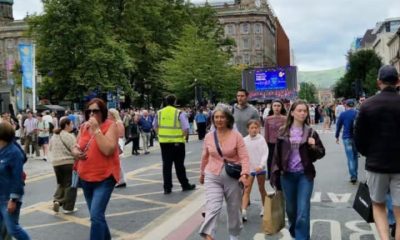
Calls to permanently pedestrianise central Belfast following festival success
You must be logged in to post a comment Login