
Politics
‘Innocent’ Habits Grandparents Should Stop Doing, According To Therapists

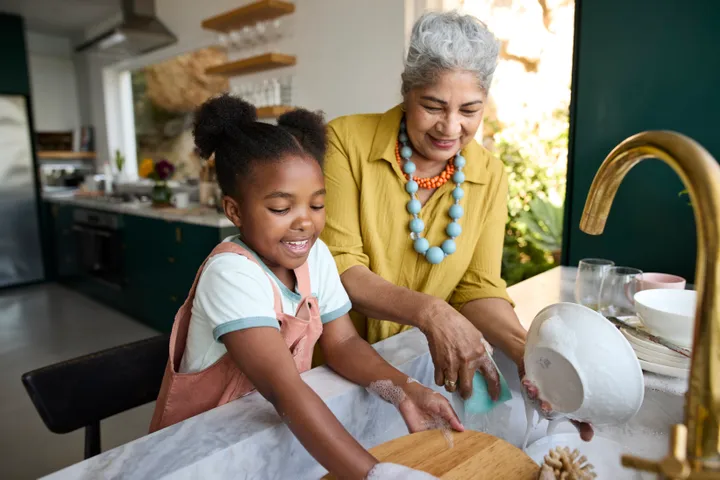
Regardless of their “grandparent style”, grandparents can be some of the most meaningful family members in a child’s life. They often provide a unique, warm love and care for their grandchild.
Grandkids often remember how their grandparents showed up for them, the stories they told and the yummy smells and tastes enjoyed at their home.
However, even the most well-meaning grandparents can make mistakes. Habits that seem “innocent” and “good” can actually be harmful, child therapists say.
If you’ve engaged in them without realising the problem, don’t beat yourself up. You’re far from alone, and you can fix things.
Ahead, child therapists share key examples of “innocent” habits that they actually want you to stop, plus why each one is harmful and the adjustment they’d make.
Encouraging kids to keep ‘secrets’
While you might say a phrase like “this is our little secret” or “don’t tell mum” to promote closeness, it’s “one of the most dangerous habits”, according to Jillian Amodio, a licensed mental health professional at Waypoint Wellness Center and founder of Moms for Mental Health. Even if the “secret” is just about having dessert before dinner or staying up past bedtime.
“Encouraging secret-keeping about small things opens up the door for predators to exploit the trust of a child and encourage them to keep unsafe behaviors or interactions from their parents,” she explained.
Do this instead: Amodio suggested reframing treats and “rule-bending” with a phrase like, “I know at home, Mom and Dad say no dessert before dinner, but at Grandpa’s house, I like to eat my ice cream first, if you want to join me.”

Klaus Vedfelt via Getty Images
Insisting the child gives them a hug or kiss
Wanting a hug or kiss from your grandchild is definitely understandable. However, forcing it (and the underlying message that can send) is the problem – especially if the child is pulling away or hesitating.
“When a kid says ‘no’ with words or body language and an adult overrides that, the child learns their discomfort does not matter when adults or social politeness is involved,” said Cory Reid-Vanas, the founder of Rocky Mountain Counseling Collective. “It teaches them they can’t control their own physical boundary.”
In the long term, the child may feel anxious about or guilty after setting boundaries or hesitant to trust their gut. They may start to believe that their body isn’t theirs to control, which can make them susceptible to manipulation and grooming.
“The message we are giving regarding boundaries should apply in every context, even with grandma or grandpa,” Reid-Vanas added.
Do this instead: To still show and receive some love, you can give the child options – such as a hug, a high-five or a wave – and respect their choice.
“Instead of saying ‘go hug Grandpa,’ let the kid decide what feels right,” Reid-Vanas said. “Reframe rejection as normal and not rude.”
You can also ask, “Can I have a hug?” Again, be OK with them saying no sometimes (or every time).
Undermining the parents’ authority
Even if you don’t agree with what your adult child is implementing in their child’s life, respect it.
“The most well-intentioned grandparents are guilty of undermining the parents’ authority,” said Caitlin Severin, a marriage and family therapist who specialises in working with teens and the co-founder of CultivaTeen Roots.
“The intention might be to build rapport, encourage connection between the grandparent and child [or] be the ‘fun’ one, but it might do more damage than intended.”
This habit might look like rolling your eyes when the parent says it’s time to put the iPads away, for example, or saying, “I used to have a beer every Friday night with my dad when I was in high school” after a parent reminded the teen of their family rules about substances.
Dr. Alexandra Foglia, a marriage and family therapist and the director of family programs at All in Solutions, agreed. “From a family systems point of view, these actions put the child in the middle of two authority figures,” she explained. “This causes the child to learn that there may be times when rules change depending upon what adult is present at the moment.”
Do this instead: Get on the same page with the parents on family values and expectations. This can “go a long way,” according to Severin.
Both Severin and Foglia suggested creating special, separate opportunities for the grandparent and grandchild to “indulge” with the parents’ buy-in.
Foglia shared some examples, such as a pancake breakfast every Sunday, a weekly game, a silly bedtime story to read together or another shared experience.
“This ultimately allows children to know that all of the adults who care about them are working towards the same goals for them,” she explained.

Ippei Naoi via Getty Images
Making comments about the grandchild’s body, weight, appetite or eating habits
Even if you intend these comments as compliments, they can have harmful effects. Avoid saying things like “You’re looking very thin,” “You eat so well” or “You certainly have your momma’s legs.”
“This type of dialogue lets kids know that their bodies are being looked at and judged,” said Dr. Wildaliz Caro, a licensed clinical psychologist and medical contributor at The Healing Center Cherry Hill. “Repeated body-obsessive comments may lead to self-shame, comparison and [an] unhealthy obsession over food and appearance.”
Do this instead: Rather than commenting on how their body looks, Caro recommended focusing on what they’re doing, learning, creating or enjoying. Tell them they’re funny, kind, curious, inclusive or persistent.
“Children should be able to come sit at a grandparent’s table without thinking they’re grading both their plate and body,” she added.
Speaking for grandchildren
When your grandchild is shy, it’s understandable that you may want to speak on their behalf to ease their anxiety or to continue the conversation. However, this isn’t helpful long-term.
“When grandparents frequently speak on behalf of their grandchildren, this can result in children being given less opportunity to develop the ability to communicate their own wants or needs by responding to questions and engaging in conversation with others,” explained Dr. Max Doshay, a licensed psychologist and the co-founder and chief executive officer at KMN Psych.
Do this instead: You can help in other ways. He encouraged giving the child additional time to respond and supporting communication development. This tells the child that their thoughts are important and you believe in them.
Again, if you’ve made these “mistakes,” try to not get too down on yourself – just be more mindful next time. Maya Angelou said it best: “I did then what I knew how to do. Now that I know better, I do better.”


It’s the most wonderful time of the year. Not Christmas, silly – Halloween!
While, sure, Christmas is a holiday to spend with family and being the cosiest you’ve ever been, Halloween is a time to dress up, get silly, and make your home look like a living nightmare.
Should you be hoping to save money on decorations this Halloween, Cricut has a ton of DIY Halloween decoration ideas to make on its machines – and honestly, it couldn’t be easier.
But, if you’re going all-out for Halloween this year, you’re in luck: ready to buy decorations have never been better.
Whether you’re going for a witchy and cobwebby Halloween, or to evoke a zombie apocalypse, there is an inflatable or animatronic out there for you.
We’reofficially in spooky season, so we’ve rounded up the very best Halloween decorations to shop now to get your house prepared… if you ever can be.

Despite popular perceptions of the ageing process, some research has found that improvement in either physical or mental health in later life is not only possible, but common.
One 12-year study found almost half of the 11,000+ seniors participating either got faster at walking (linked to better outcomes in older age) or performed better in cognitive tests more than a decade after their 65th birthday.
Which begs the question: can individual habits make improvement, or decline, more or less likely?
Of course, some conditions and health concerns are beyond people’s control. But speaking to HuffPost UK, endocrinologist Dr William Hsu, chief medical officer at L-Nutra, said there are a few habits which “consistently stand out”.
What habits separate those who improve with age from those who decline?
1) They don’t treat decline as inevitable
The study we talked about earlier found that typically, people who had a more positive view of ageing were more likely to see improvements after 65.
So, perhaps it’s not a surprise that Dr Hsu said: “One of the most important things I have observed is that the people who become healthier with age do not treat decline as inevitable.
“They pay attention to what their bodies are doing, make intentional changes, and measure whether those changes are working.”
2) They build and protect muscle
Strength training is a great way to protect your joints, muscles, and bones as you age, thus preventing the risk of falls and fractures.
And, Dr Hsu told us: “Muscle is not only important for strength and mobility. It is one of the body’s primary sites for glucose disposal and plays a central role in metabolic health.
“The people who remain strong as they age tend to prioritise resistance training, adequate protein, and regular daily movement.”
The expert added that challenging yourself with bigger weights or more intense workouts as you progress is key here.
3) They look at their overall health trends, rather than focusing on one isolated number
Dr Hsu said that people who improve with age usually “know their blood pressure, fasting glucose, hemoglobin A1C, cholesterol, waist circumference, and body composition, and they pay attention to how those markers change over time”.
That way, he stated, they can focus on their body’s overall trends rather than trying to rely on one specific marker.
“A result can fall within the ‘normal’ range while still moving in the wrong direction. The trajectory often tells us more than one snapshot,” he said.
4) They eat a lot of plants – and don’t overdo the protein
Diets rich in fruits, veg, nuts, pulses, beans, whole grains, and legumes and lower in processed and sugary foods and red meat have long been associated with a longer, healthier life.
“These foods support glucose regulation, cardiovascular health, the gut microbiome, and healthy ageing,” said the doctor.
And while you might have heard that protein is key for good health, the expert revealed: “The healthiest older adults consume enough protein to preserve muscle, but they do not allow a singular focus on protein to displace the plants and fiber that provide broader metabolic benefits.”
Indeed, one study found that too much protein seemed associated with negative health effects among sedentary older people.
“The point is not to minimise protein but to get enough of the right amino acids from plants, legumes, nuts, seeds, and whole grains, with fish or a modest amount of other protein where appropriate, so that muscle has the building blocks it needs without overshooting into growth signalling that accelerates ageing,” Dr Hsu clarified.
5) They’re smart about giving their body breaks
“Exercise is one example: the body becomes stronger in response to a manageable stress followed by adequate recovery,” the doctor said.
“Nutrition may also be structured this way,” he continued, pointing to the fasting mimicking diet (FMD), which has been shown to lower people’s biological age.
To be clear, Dr Hsu said, “this is not about chronically restricting food”.
“It is about using a defined, time-limited intervention and then returning to nourishing, sustainable eating,” he said.
Bear in mind, though, that not everyone is suited to this eating style. Frail, breastfeeding, or pregnant people, as well as those with some health conditions or who are on regular medications, are advised to avoid the pattern; speak to your doctor if you’re not sure.
And going too long without food (16-18 hours a day) is linked to a higher risk of gallstones. Longevity expert Dr Valter Longo said a 12-hour fasting/eating split is “very common among people who have record lifespans”, and “seems to match both science and tradition”.
6) They keep their brains busy
“Attention and cognitive capacity benefit from use. People who remain mentally engaged tend to keep learning, maintain meaningful relationships, protect their sleep, exercise regularly, and reduce the constant digital interruptions that fragment attention,” added Dr Hsu.
“The brain responds to many of the same inputs that support the rest of the body, particularly movement, metabolic health, sleep, and social connection.”
Reading and engaging with challenging brain puzzles have been associated with a lower dementia risk, while maintaining great relationships can help you live longer overall.
“Healthy ageing,” the doctor ended, “is not simply the absence of deterioration. I have seen people gain strength, improve blood sugar and cholesterol, reduce visceral fat, and become more physically capable later in life. The body retains a meaningful capacity to adapt.
“The goal is to give it the right inputs, assess the response, and continue adjusting over time.”
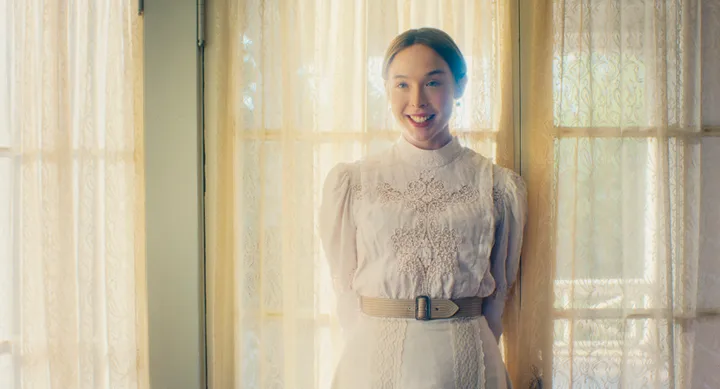
When Lizzie Borden’s father and stepmother were murdered with a hatchet in their Massachusetts home in 1892, the 32-year-old became the prime suspect.
Although Lizzie was later acquitted of her crimes, the case has continued to fascinate people, and is still being discussed more than a century later.
Now, Ryan Murphy and Ian Brennan’s Netflix anthology series, Monster, has brought Lizzie’s gruesome story to the forefront yet again – albeit with some creative license applied.
Starring Ella Beatty alongside Charlie Hunnam and Rebecca Hall, true crime fans have been tuning in to watch the fourth iteration of Monster, which explores themes of female rage and repression, in their droves.
But how did the Monster team go about bringing The Lizzie Borden Story to the small screen in all its gore-filled glory?
Here are 19 behind-the-scenes facts you probably didn’t know about Monster: The Lizzie Borden Story’s creation…
Everyone involved felt like season 4 was the right time for a female lead in Monster

After seasons following Jeffrey Dahmer, Lyle and Erik Menendez and Ed Gein, Monster’s showrunners felt like it was time for a woman to take centre stage.
“[It] just felt like we owed it,” co-creator Ian Brennan told People in August. “We’d sort of over-indexed on men for the series, and it just felt like this was the right time and the right subject to look at to look squarely at the idea of female rage.”
It didn’t take long for Lizzie Borden to emerge as producers’ top choice when looking at women they could hook a season of Monster on
After the team decided they wanted a woman to lead season four, they soon discovered they had a smaller pool of female killers to select from.
In the end, Ian said that he and his collaborators wound up settling on Lizzie Borden because, while she is “enigmatic as a historical figure” and the case of her family’s murders is infamous, little is really known about the woman herself.
“When we began to dig into the research, I was just immediately taken with how much I felt for her and how much I got why she did what she did,” he recalled.
“There was something that was really, really, very likable about her as a person despite the crime that I think she likely committed because she was sort of a caged animal.”
He added that Lizzie was a “product of a time [when] it was really difficult to be a young woman”.
There was a good reason why Elizabeth Báthory and Aileen Wuornos were also chosen to appear in Monster: The Lizzie Borden Story

The third season of Monster, The Ed Gein Story, jumped back and forth in time, connecting the killer to Nazi Ilsa Koch and the actor Anthony Perkins, who played a character inspired by Ed Gein in Psycho.
Similarly, while the fourth series of Monster centres mostly on Lizzie Borden, it does also feature two notorious female killers from very different eras.
The Lizzie Borden Story links its central figure, who was born in the 1800s, with Countess Elizabeth Báthory, a 16th-century noblewoman nicknamed the Bloody Countess, and Aileen Wuornos, a serial killer who murdered seven men between 1989 and 1990.
Ian felt that incorporating these two women into the story added a “third dimension”, telling People: “It just made it come alive all the more.”
Ella Beatty has also explained why the two unconnected murderers make an appearance in the series.
“The show is exploring a legacy of female rage and reaction to the set of circumstances that they are presented with,” Ella told Tudum, adding that the showrunners were keen to explore how female rage connected Aileen and Lizzie.
“Every season of Monster has been an exercise in understanding the person’s psychology. Are they born or are they made?” she added. “I knew from the beginning that Ryan Murphy and Ian Brennan were really interested in exploring what brings a woman to the point of violence.”
Co-creator Ian also highlighted the idea of female rage when talking about the show’s multi-generational subplots.
“We were able to look at rage, female rage, and women who kill as less of an aberration throughout time than actually a throughline and an aspect of our species and existence in society,” he told The Hollywood Reporter in September.
“The cages that we put women in and the things they will do to get out of those cages was really interesting.”
Sarah Paulson’s performance as Aileen Wuornos had the show’s director in tears on set

Regular Ryan Murphy collaborator Sarah Paulson was chosen to star as the real-life serial killer Aileen Wuornos.
“She’s an unbelievable actor who does so much preparation and physical work. It was my first time working with her and I was stunned by what happens when she comes out on set,” director Max Winkler told The Hollywood Reporter.
“My favourite scene that she did – because it really allowed her to improvise a lot – was the scene with her having her final meal,” the director admitted, revealing he cried when watching her perform Aileen’s sentimental last moments. “Just the mixture between protective strength and unbelievable vulnerability,”.
Sarah also already had a working relationship with Ella, having previously acted with her in Branden Jacobs-Jenkins’s play Appropriate, for which she won a Tony Award.
“We met doing a play together three years ago and became very close. She was such a part of the creative process for me from the very beginning,” Ella enthused to Tudum.
The Monster team knew almost immediately when they had found their Lizzie Borden in Ella Beatty

“We cast a super wide net and nobody could do it until we saw her,” co-showrunner Ian told Tudum.
He added: “They say you can tell within the first five seconds if the actor has the role, and that was completely the case here, after watching very good actresses try.”
Ella Beatty was already hard at work on her characterisation before she’d even been cast
The actor – who is the daughter of Hollywood icons Annette Bening and Warren Beatty – immediately felt connected with Lizzie Borden when the project first came her way.
“I remember making the audition tape and thinking, ‘I understand this person’,” she told Variety.
“When I found out that I had gotten the part, I was over the moon and also really scared. I felt a huge responsibility to the part, to the anthology, to the real person,” she added.
“I think immediately I just wanted to start working on it. How does she move? How does she dream? How does she think? How does she speak? How does she blink?”
There was one key thing Rebecca Hall was keen to avoid when playing Abby Borden

Little to nothing is known about Abby Borden, other than the fact she was killed by her stepdaughter more than 130 years ago.
Played in Monster by Rebecca Hall, Lizzie’s stepmother is portrayed in the series as deeply unhappy, displaying cruelty toward her stepdaughter and frustration in her marriage.
This characterisation was largely created by the writers, due to how little has been recorded about Abby Borden.
“There’s very little about her out there, and I could already tell from reading the script that Ian Brennan and Ryan Murphy had taken liberties and created a character that they were interested in for this show,” she told Collider. “So I felt like the only thing I could do was do the same thing,”
Rebecca admitted the lack of public information about her character gave her freedom to create something “unique and specific”, deliberately trying not to take inspiration from past depictions of “evil stepmothers” from fairytale lore.
Rebecca Hall was inspired by two Hollywood icons when deciding on her character’s voice
The Golden Globe nominee looked to Bette Davis and Joan Crawford to create Abby’s specific accent.
“When I was thinking about the accent, which I wanted to be not really from anywhere as much as just Abby, I kept thinking about those mid-Atlantic accents that actors created in the 1930s that didn’t actually exist but had this sort of affect of like, ‘I’m extremely posh and elitist’,” she added to Collider.
Monster’s showrunners weren’t ready to ‘say goodbye to’ Charlie Hunnam after season 3 – which is how he wound up being cast as Lizzie Borden’s dad

“We had such a great time working on the last season. It was just a joy,” Ian told People. “Charlie, you just can’t get enough of it. He’s so lovely and has such a great presence on set, and it just felt like, ‘Oh, this is perfect for him’.”
The showrunner was particularly impressed with Charlie’s range and ability to make any character sympathetic, no matter how evil they were.
“He just rounds out every character with this deep well of sympathy that really filled out what could otherwise be a stereotypical bad dad,” Ian added. “He really filled [the character] out in such beautiful detail.”
Like his co-star Rebecca, Charlie Hunnam felt liberated in playing a character that no one knows about in Monster season 4
While people already knew plenty about Ed Gein before Monster dedicated a season to him, comparably, the same could not be said for Andrew Borden.
However, this proved to be a positive thing for the actor playing him.
“[I was] liberated from the responsibility of playing a historical figure because there’s just not that much known, and so we were able to invent him to a certain degree,” Charlie told People. “It’s a real fertile playground for actors to come into this world.”
While there are no reports of Andrew Borden having had a stutter in real life, this was a trait that felt right to Charlie when he was reading the script.
“There’s one moment in the script that [the writer] wrote in that he sort of has a stutter, but it’s in a moment of sort of emotional duress,” he explained to CBR.
The Sons Of Anarchy actor explained that “that stutter in that voice just started to present itself to me” as he continued “running back” to the script and “exploring it further”.
Although set predominantly in Massachusetts, Monster: The Lizzie Borden Story was filmed in different locations around the globe

The cast and crew of Monster couldn’t film the show inside Lizzie Borden’s real home, as the rumoured haunted house is now a bed and breakfast in Fall River, Massachusetts.
“I couldn’t believe that,” Monster co-showrunner Ian Brennan admitted about the discovery of the house’s new lease of life as a B&B. “It’s stunning.”
As a result, the scenes set in her house were actually filmed on a purpose-made set in Los Angeles.
Meanwhile, the subplot involving Elizabeth Báthory was filmed in a castle in Rome, rather than Báthor Castle, where the countess lived in real life, about 170 miles from Budapest in a town called Nyírbátor.
“We had shot season four, most of it, in LA,” cinematographer Michael Bauman told CBR back in January. “But we have about five weeks of work [in] Rome. There are lots of castles here, and that’s mainly the reason [we filmed there].”
Vicky Krieps’ dual role casting in Monster season 4 was actually a last-minute choice

The team behind Monster loved Vicky Krieps so much in The Ed Gein Story, they cast her twice in the follow-up. She appears as both Bridget and Countess Elizabeth Báthory in season four of the anthology.
Vicky was chosen to play the rebellious maid who introduces Lizzie to hair dye and sex toys first.
“The way Ryan thought of it, she’s almost like a Mary Poppins that comes out of nowhere, who can be anyone from any time,” Vicky told Vanity Fair about Bridget. “Ryan said, ‘It’s women-driven, feminist, lesbian, dirty, unapologetic’.”
During filming, the show’s creator then offered her another role, as the bloodthirsty countess in the fantasy flashbacks.
“That was all shot in Italy, so we knew that that would be at the end of the schedule anyway, and we just couldn’t think of who would do it or who seemed right,” Ian explained to Tudum.
“It was Ryan’s idea. He pitched it to her and she loved it. Now it seems like such an obvious choice, but it actually came very late in the process.”
Vicky Krieps and Charlie Hunnam’s existing chemistry from the last iteration of Monster helped them push boundaries during filming of season 4

The new episodes of Monster reunited co-stars Vicky Krieps and Charlie Hunnam, who both starred in season three as Ilse Koch and Ed Gein.
Having worked together before, Vicky knew she could push Charlie in the scenes they shared.
“[We] joke a lot on set to make it fun or to just push each other in the scenes. Like, how far can we go? What can we do?” she told People at the New York City premiere last month. “We had a fight scene together, and he said, ‘You know, you can really go for it.’”
She recalled: “I’m saying, ‘But I’m really strong.’ He says, ‘That’s fine,’ and he’s really strong, so he doesn’t mind.”
Things escalated even further when Charlie fell to the floor, only for his co-star to spit on him.
“He gets up, he’s like, ‘What? What did you just do? You just spat on me. You can’t do that,’” she recalled.
Season 4 of Monster’s more comedic tone, in comparison to its predecessors, was an intentional choice

A miniseries about a young girl acquitted for the hatchet murders of her father and stepmother might not sound like a natural comedy, but Ryan Murphy wanted the tone of season four to be much lighter than Monster’s previous outings.
“I felt like the tone was slightly different from [The Ed Gein Story],” Charlie told Entertainment Weekly. “It was a little more irreverent, a little more sort of bonkers, theatrical, [a] little bit more comedy, tonally than the past season that I had done. So it just felt like a fun opportunity.”
Rebecca saw her role as the villainous stepmother as a chance to unleash her comedic side.
“I’ve never played a true out-and-out villain,” she told Variety. “I just loved on the page how funny she was. It just felt like such an opportunity to be both funny and scary at the same time, which is an interesting tonal challenge.”
Director Max Winkler also confirmed to The Hollywood Reporter that the show is intentionally comedic, which presented its own challenges.
“It was really challenging to make because a lot of it is comedic, with the insane way that people wrote and spoke and had expectations for women in that time period,” the Love Story director explained. “Which is not that long ago…”
He added: “1890 is so laughably insane, and the fact that there’s still some crossover to it today and that half of the internet thinks that we should go back to that way of life? It lends itself to make fun of it.”
Monster is full of blood splatter, and the makeup team went to great lengths to cover Ella Beatty and Vicky Krieps in it
“Sometimes the blood on my face was hand-painted with makeup brushes,” Ella told Tudum. “Sometimes it was literally poured onto me. Sometimes it came from what’s called a blood rig. So every time I would slam an axe onto the blood rig, fake blood would shoot out onto my face and body.”
Describing the process as both “realistic” and “messy”, she also shared a little behind-the-scenes hack for how they removed the blood with “a healthy dose of shaving cream”.

It wasn’t just fake blood that the cast of Monster season 4 had to contend with on set, though
When blood isn’t being splattered in Monster: The Lizzie Borden Story, the cast had puke and diarrhoea to contend with.
Most notably, the episode Strong Kitty is definitely not one for the squeamish – with Abby and Andrew Borden unknowingly sitting down for a meal of spoiled oysters, resulting in them projectile vomiting and running to the bathroom before long.
The crew spent much time and energy creating the gross scene, with director Max recalling to The Wrap: “That was a very messy, difficult day, but I am very pleased with how it turned out.
“Jack Price – our editor on that episode, was incredible in finding the musicality of it all.”
To make that gross scene as realistic as possible, they hooked Rebecca and Charlie up with subtly-disguised tubes, which the prop team filled with a disgusting orange liquid to recreate projectile vomiting.
Unfortunately, the cast found shooting this scene to be a particularly unpleasant experience

“Rebecca has a very hard time being around vomiting and said very early that she is inclined to vomit if she’s around it,” the director explained to The Wrap. “So that was my biggest fear, protecting Rebecca.”
In an interview with The Hollywood Reporter, he added: “Rebecca did one of the bravest things, because it’s a real thing, her thing.
“She was like shaking, so her courage to do that and to trust me… we tried to do it as quickly as possible, and it pays off because she’s so amazing in it. Intricate dinner scenes are always challenging.”
It wasn’t any easier for Charlie, who “ate the oysters that were canned because we needed them to be super big”.
“Charlie was a hero that day, but so was Rebecca,” Max said of his cast during his interview with The Wrap.
Charlie told Entertainment Weekly that he’s “kind of a germaphobe”, making the scene particularly unpleasant to film for him.
“Even if it’s fake vomit, being covered head to toe in vomit and diarrhoea for the day did not seem like a particularly enjoyable experience,” he shared. “And, indeed, it wasn’t.”
Luckily, Rebecca didn’t find it as bad as she was worried it would be.
“It was so funny and preposterous, and nothing was remotely like real vomiting, actually,” she told Entertainment Weekly. “It turned out that my biggest challenge was maintaining a straight face when the camera was on me, because I don’t think I’ve ever laughed more.”
Monster’s creators had long planned how the final episode of The Lizzie Borden Story was going to end

Season four’s final moments focus on Aileen Wuornos’ execution. As she sits in the electric chair, she sees Lizzie and Maggie beckoning her towards the light.
“I always knew the last shot was going to be Aileen’s body and the curtain closing to match the ornate beautiful curtain of the fairytale version of ‘Lizzie was this crazy person!’ and then the actual reality,” director Max told The Hollywood Reporter.
Meanwhile, Ian told Tudum: “In a way, Lizzie has a happy ending, and Aileen didn’t. She didn’t get away with anything. So it felt right to land on her and give her, if not a happy ending, one that is satisfying.”
There was a special meaning behind the closing song in Monster: The Lizzie Borden Story, too
As the show concludes, I Know by Fiona Apple plays. The director explained to The Hollywood Reporter why he felt the Grammy winner’s music was perfect for that final scene.
Describing the artist as “someone else who’s been objectified for being incredible and brilliant and talented”, and had a “back turned on her for being difficult or traumatised or whatever”, Max added: “That song, that moment of an artist I admire so much helped me kind of close the loop.”
Monster: The Lizzie Borden Story is available to stream on Netflix now.
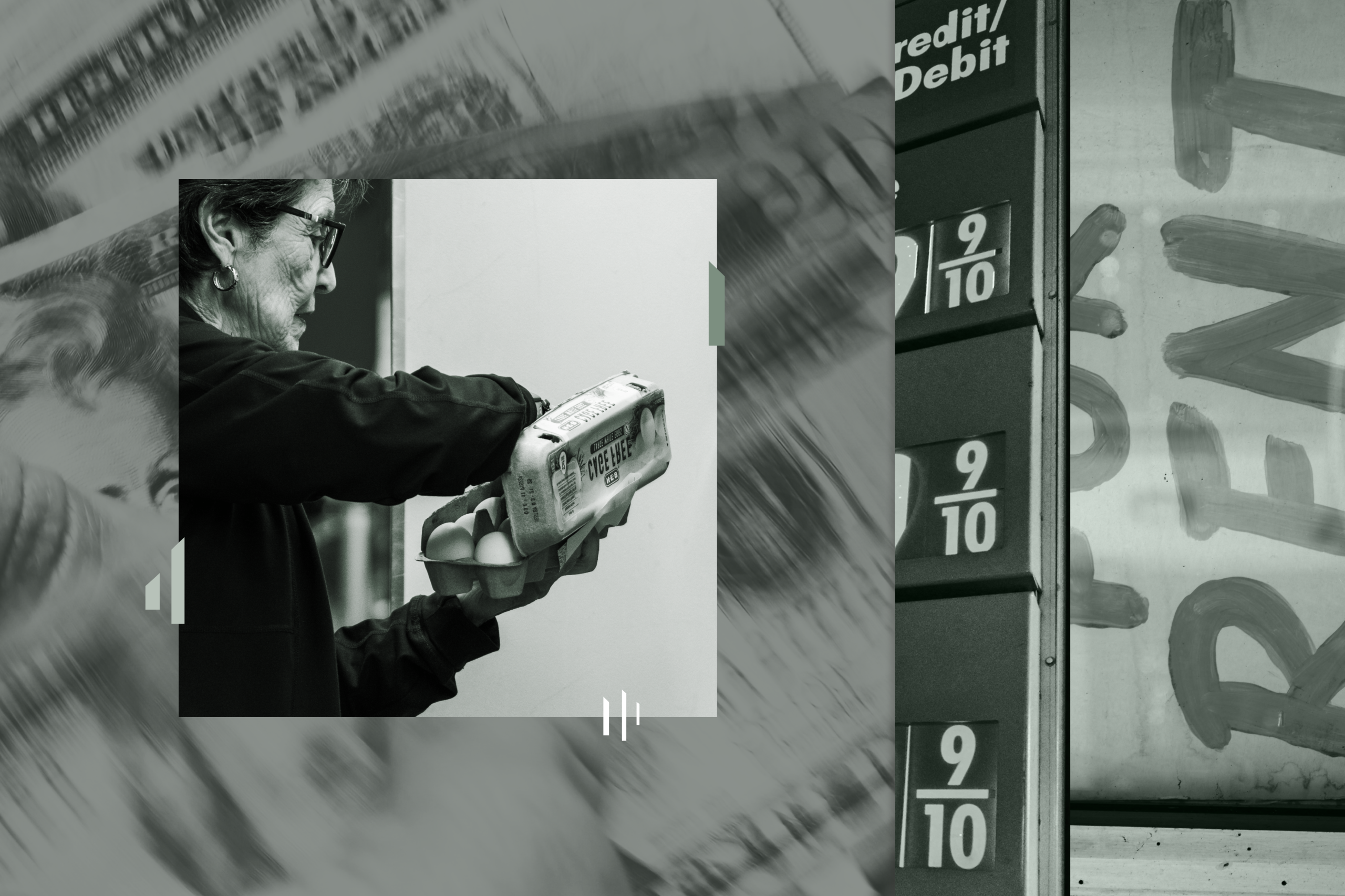

Not everyone thinks there’s an affordability crisis.
While many Americans say the cost of living is the top issue facing the U.S. more than any other, President Donald Trump’s MAGA base does not always agree, according to a new analysis of The POLITICO Poll. Just 28 percent of voters who self-identify as part of the MAGA movement say expenses have become less affordable since Trump took office.
In fact, MAGA voters are more likely to say things have gotten better rather than worse.
That’s a stark break from the rest of the country, including the voters who backed Kamala Harris in 2024 and those who voted for Trump but do not identify as part of the MAGA movement.
The POLITICO Poll results reveal a complicated challenge for Republicans: In an election all about the economy, cost of living concerns are reinforcing partisanship divides — entrenching Democrats’ opposition to Trump — while also driving a wedge among Republicans’ own base. Now, GOP candidates are facing frustrated voters from all sides.
Harris voters are far more likely than Trump voters to say groceries, gas and other expenses have gotten more expensive since the president took office, despite facing similar increases in household costs, according to a POLITICO analysis of cost of living data.
Democrats hope to ride that frustration to victory in November, and have made affordability their top messaging issue this fall. They’re poised to benefit from the backlash to Trump’s economic agenda — from his unpopular tariffs to an Iran war that’s raised gas prices — which politicians and strategists widely agree are helping motivate Democratic voters.
“Those Democrats are definitely going to go vote,” said Michigan-based GOP strategist Jason Roe. “And we’ve got some voters that are a little harder to get to the polls, and when they are mad, frustrated, disappointed, disillusioned, in disagreement, and we don’t have them motivated, that’s going to be a problem.”
Many of those disillusioned Trump voters, The POLITICO Poll suggests, are the ones who don’t identify as part of the MAGA base.
Consider the 52% of non-MAGA Trump voters who say the cost of living in their area is the “worst” it has ever been: Nearly half say they either wouldn’t vote for a Republican in the midterms or are still making up their minds.
But what is a boon to Democrats today could be a problem for them later. Partisanship also shapes how Americans remember the economy in years past, the poll results show.
Harris voters have a more favorable memory toward Democratic presidents and Trump voters have a more favorable memory toward Republican presidents, each saying life was more affordable when their party held the reins.
Democrats and Republicans simply don’t share an understanding of the economic reality — and without a common frame for the past, nor whether things are improving in the present, any party in power stands to lose its grip against an increasingly frustrated opposition when the economy is the key issue.
This year, that will be a major challenge for Republicans.
MAGA vs. Non-MAGA vs. Democrats
The POLITICO Poll asked adults across America last month about affordability in their area, including about local prices and their memory of when prices were more affordable in the past.
Across the board, Harris voters outpaced Trump voters in their pessimism about the economy. And among Trump voters, non-MAGA voters outpaced their MAGA counterparts.
For example, 70% of Harris voters and 52% of non-MAGA Trump voters say the cost of living is worse than they can “ever remember it being.” MAGA Trump voters disagreed — a 43% plurality said the cost of living today is bad, but they could “remember times when it was worse.”
The results are a warning sign about the Trump coalition: In question after question, the president’s most loyal base is still sticking with him, but among the non-MAGA voters he convinced to back him in 2024, their frustration more closely resembles how Harris voters feel.
“There will be voters who voted for Donald Trump in 2024 who know he’s made life more expensive and won’t vote for his party this time,” said longtime Democratic strategist Jesse Ferguson. “Some will vote for a Democrat, some won’t vote. But they won’t cast a ballot for a Republican who they blame for the high cost of living.”
Of the non-MAGA Trump voters who say the cost of living is the worst they’ve seen, just 53% say they would vote for a Republican if the midterms were held tomorrow. More than 25% would vote for a Democrat or third-party candidate. The rest say they would stay home or have not yet made up their minds.
Changes to family budgets are similar on average among those that voted for Trump and those who voted for Harris, according to a POLITICO analysis of data from the Living Wage Institute, a nonpartisan public benefit corporation that produces cost of living data. Across the country, family budgets have increased by 2.5 percent on average from early 2025 to early 2026, according to the Living Wage Institute.
But it is the concept of who is to blame that creates division among each voting bloc. Though each group is concerned about affordability — the cost of living is the most common concern for each — only MAGA Trump voters remain sympathetic to the current administration.
Young voters — and young men in particular — have also grown disillusioned with the Trump administration amid cost of living concerns, a warning sign for the GOP. Among those under the age of 25 who say the cost of living is the worst it’s ever been, 56% say they trust Democrats to bring down the costs. Just 20% trust Republicans to do the same.
“Young people feel like the system isn’t working for them,” said Joe Mitchell, a Republican running for Iowa’s open and competitive 2nd District. Mitchell, who is 29, would be the second Gen Z member to join the House if elected. “You see them being attracted to some of these DSA candidates like Zohran Mamdani. And they’re going to be attracted to these candidates if we don’t figure something out for them now.”
Partisanship even drives memory
Partisanship also colors how Americans see the past, making it difficult for any incumbent party to convince voters of plans for the future.
The POLITICO Poll asked respondents whether it was easier or harder to afford everyday items in years past compared to today in one of two ways: In one, they were asked about a specific calendar year, and in another, the presidential administration in power at the time.
For each question framed around a calendar year, Trump and Harris voters gave similar answers. But when asked to compare how easy or hard it was to afford things during a particular presidential administration compared to today, their answers split along party lines.
For example, just over a third of both Harris and Trump voters said it was “easier” to afford everyday items in 2024 compared to today. But when asked the same question about the “end of [former President] Joe Biden’s term,” 55% of Harris voters said everyday items were easier to afford, compared to 39% of Trump voters.
The results show that Americans lack a common frame of reference on the issue most people care about — the cost of living — creating a massive hurdle for politicians hoping to win over new voters who may not be willing to listen.
The same effect happens among Trump voters looking back on a Democratic administration. When asked about costs in 2010 compared to today, 63% of Trump voters said everyday items were easier to afford then compared to now. But when asked about costs during the “middle” of former President Barack Obama’s first term — or 2010 — only 36% of Trump voters said the same.
It’s only when a political party is attached that Americans’ version of the truth changes.
When POLITICO asked whether it was easier or harder to afford everyday items “just before the Covid-19 pandemic” or in “2019,” majorities from both parties said things were easier to afford then, and in both framings.
The challenge for both parties is that voters don’t know “who has a better plan for the future,” GOP communications strategist Kevin Madden said. “Instead, what you’re seeing is a gap — or a canyon — emerge between the rest of the country and Washington.”
He added: “When you see that gap emerge, watch out if you’re an incumbent.”
Alisa Vasquez and Andrew Howard contributed to this report.
Imagine someone had emigrated from Britain in the mid-1980s, and returned 20 years later.
That person would have had a clear sense of returning to a country that is much richer than the one they once left behind. They would not even need to know the macroeconomic figures. They would not need to know, for example, that real disposable incomes had gone up by 60 per cent in the meantime. They would just see the difference with the naked eye. They would notice within days, possibly hours, that there is more dining out, more travelling, more leisure industries, better cars, better household electronics and better products in the supermarkets.
Now imagine the same scenario, only 20 years later: somebody emigrated from Britain in the mid-2000s, and returns today.
That person would have no comparable sense of returning to a richer country. Sure, they might notice gentrification in selected areas. Of course they would notice that smartphones are now ubiquitous and that DVD rentals have disappeared. If that person is a beer connoisseur, they would notice that the beer selection in most pubs is vastly better than it was in their day, thanks to sneering pretentious hipsters (and three cheers for those!). If they are a ‘foodie’, they would notice a wider variety of dining-out options. But none of that changes the fact that the country, as a whole, is only marginally richer today than it was 20 years ago. Which is another way of saying that the British economy has barely grown for two decades.
This is extraordinary by the standards of the previous 150 years or so. The two decades of stagnation Britain has endured were not supposed to happen. Market economies are supposed to grow over time – that’s just what they do. Every generation is supposed to be tangibly better off than their parents’ generation, and since about the middle of the 19th century, that was indeed the normal, peacetime British experience. Until it stopped being so.
You could imagine a society where the vast majority of people are content with their lot and do not aspire to more. In such a society, economic growth could naturally come to a halt, and nobody would have a problem with that.
Britain, though, is very much not that society. Most economic policy debates these days revolve around distributional conflicts. We demand higher levels of public spending on all sorts of things, from pensions to healthcare to social care to defence, but we are not prepared to pay higher taxes for it. Hence the popularity of snake-oil salesmen like Zack Polanski and Gary Stevenson, who give people the impression that Britain could be the equivalent of a petrostate, just with billionaire wealth instead of oil wealth. It is why the two most popular fiscal measures of our time are the wealth tax and the mansion tax.
Stagnation in overall terms usually means that some things get actively worse, and in Britain, some have indeed. A clear example: the proportion of British adults in their 20s and 30s living with their parents has risen by over a third in two decades. It seems unlikely that this is because young Brits have suddenly developed the cultural preferences of southern Italy. Rather, this change in living arrangements has economic causes, and it explains a lot of the discontent that drove Corbyn mania in the last decade, and Polanski mania in this one. So what went wrong?
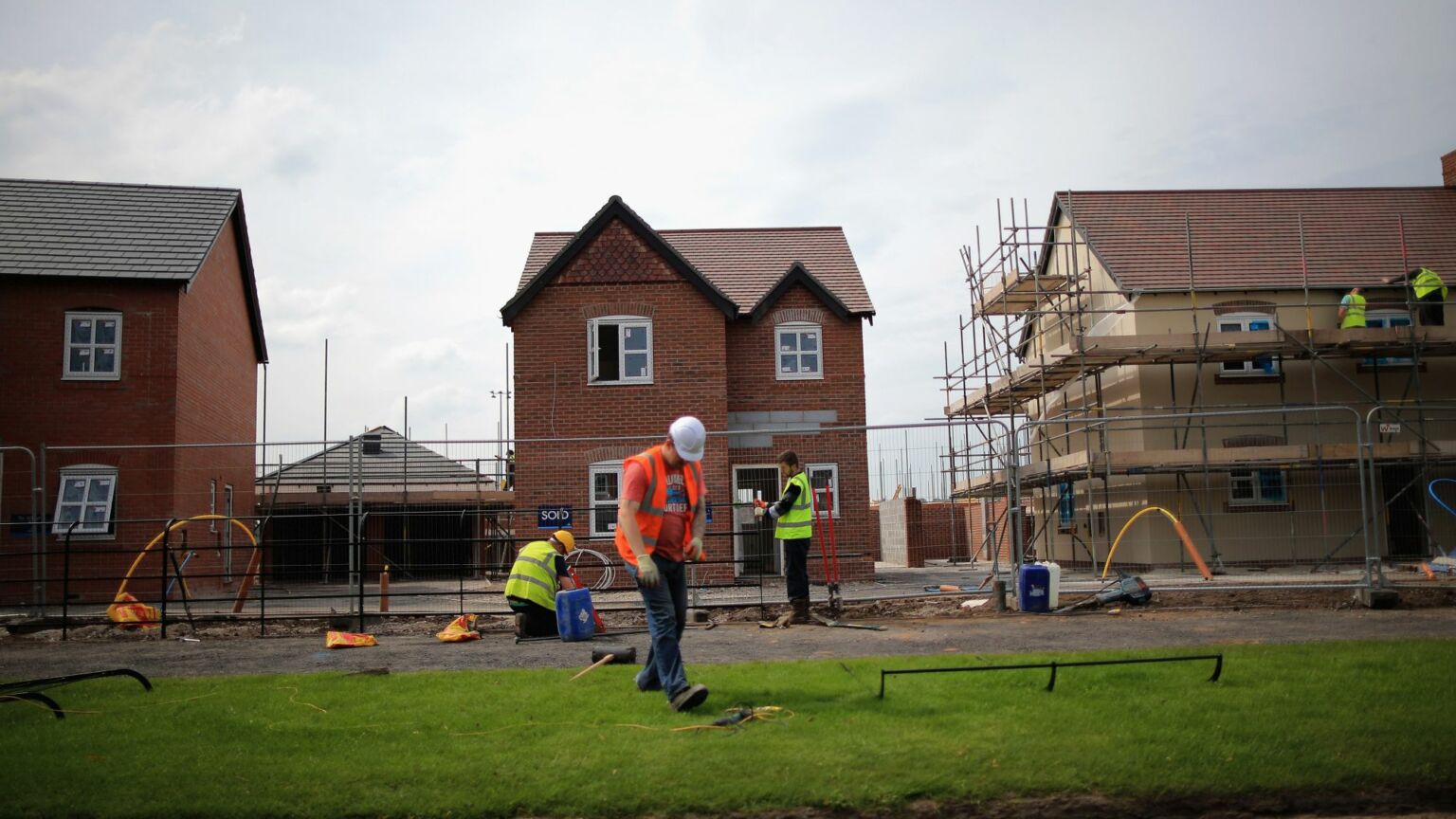
My colleague Daniel Freeman and I have just published a book on the subject, The Great Stagnation: Why Britain Stopped Growing, which looks at the main causes across several policy areas. I can’t go into all of these here, but suffice it to say that a large part of the answer is frustratingly simple. Britain has stopped growing because it is systematically denying itself the things that a growing economy needs, such as energy and homes.
Britain has the lowest level of housing supply in the developed world, with fewer housing units than most OECD economies, which are also, on average, unusually small by international standards. We get a similar picture for office buildings, retail space and other business premises. Whether we look at the length of the road network or the volume of energy generation, Britain is well behind Western Europe and even further behind North America. We are trying to squeeze our economy into the built-up environment we inherited from previous centuries, a built-up environment that is increasingly inadequate for that purpose.
The most obvious example of this has to be Heathrow Airport, and the decades-long failure to build a third runway. Heathrow is a business that experienced phenomenal growth in the late 20th century, especially after its privatisation in the 1980s. But then at some point in the 2000s, its growth began to slow down – not because the market for air travel stagnated, but simply because the airport’s physical capacity constraints started to bite. Yes, it is possible to use technological and organisational innovations to use the existing runway space more efficiently. But at the end of the day, there are only so many take-offs and landings one can fit into two runways.
There are, of course, many other examples from economic history of a formerly successful economy suddenly experiencing prolonged periods of weak growth, stagnation or decline. But other such examples are at least intellectually interesting, because the reasons are not obvious, and people have competing theories about why it happened.
Nobody will ever win the Nobel Prize in Economics for writing about the causes of Britain’s economic stagnation. Because it’s really not that complicated. If you make it illegal to build anything without endless consultation processes, give NIMBYs de facto veto powers, and then demand impossible environmental and safety standards from the few projects that can be smuggled past the NIMBYs, then next to nothing will get built. And an economy that does not build does not grow.
Britain does not need ‘smart growth’. We don’t need to reinvent the wheel – we just need to give the wheels we already have the space to roll. Britain needs ‘stupid growth’. We need to do simple, unsophisticated things, like putting tarmac on the ground and putting bricks on top of other bricks. We don’t even need to ‘create’ growth – we just need to allow it to happen.
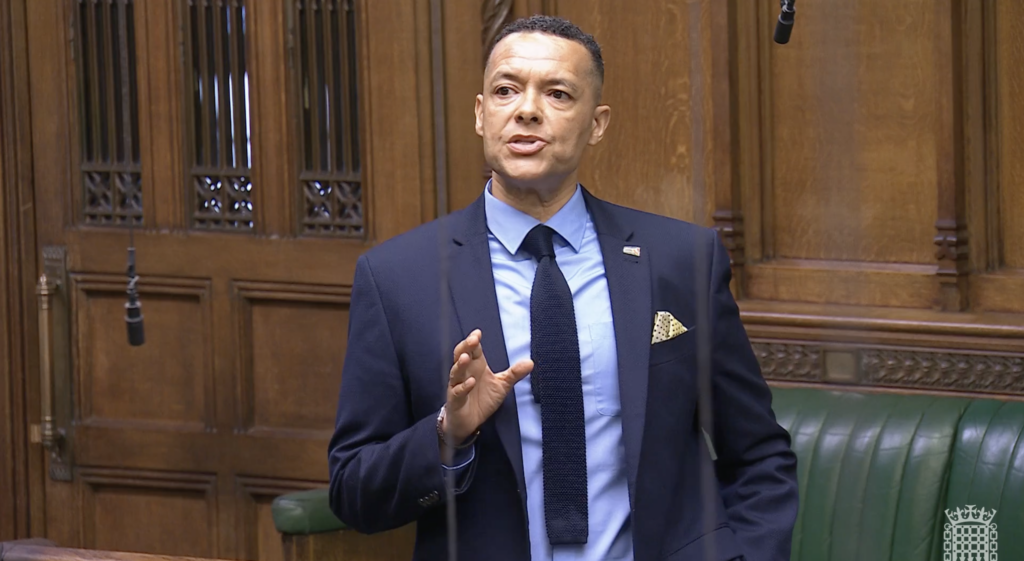
Clive Lewis has accused prime minister Andy Burnham of “ghosting” the Labour Party’s left flank.
Speaking on the Labour Left Podcast ahead of the party’s annual conference, the Norwich South MP did say the culture at the top of the party had improved since Starmer’s departure.
“Andy Burnham feels more tolerant”, Lewis said. “But I don’t want to be in a party where I’m tolerated. I want to be in a party where I’m an integral part of it, and our views are an integral part of it, and our values are an integral part of it. And I don’t think we’re there yet.”
Asked whether Labour was on track for a “reset”, Lewis said it depended “on how quickly you expected to see change” inside the party.
“I would say where we are at the moment: no”, he added.
Lewis said Burnham’s administration “isn’t a government of all wings of the party. The left were firmly kept outside of it.” But he referred to it as an “improvement”.
The Labour MP said that figures on the left had suspected Burnham “might not be everything that was on the tin”, but backed him because “we really did need to get rid of Keir Starmer and the people around him as quickly as possible.”
He added: “Andy Burnham was the best bet to do that. And I stand by that.”
He described Burnham reaching the door of Number 10 with the left behind him, only to be told he could come in but his allies must stay outside. “He’s gone, ‘all right, done’”, Lewis said. “We’re kind of at the door banging: ‘Andy, are you coming back out?’”
“Is that a terrible thing? Yes, it is. He’s ghosted us. But at the end of the day, mission achieved. Starmer has gone.”
He said: “I might be crying into my soup in a couple of years’ time, bemoaning the fact of what we did, but at the moment there are options on the table for us.”
In November 2025, Lewis reportedly became the first Labour MP to call on Keir Starmer to resign as prime minister. At the time, he urged Burnham, then the mayor of Greater Manchester, to return to parliament and “step up and become the next prime minister”.
Lewis subsequently suggested he would “give up” his seat to ensure Burnham could return to parliament.
Lewis is a member of Mainstream, a centre-left network within the Labour Party. The group was launched in September 2025 by the think tank Compass and the activist group Open Labour. It describes itself as a home for “Labour’s radical realists” and aims to influence the direction of the Labour government.
Speaking ahead of Labour conference, Lewis was also questioned about Burnham’s commitment to electoral reform and proportional representation (PR). The prime minister has long supported electoral reform, and spoke at a fringe event on proportional representation at last year’s conference.
Asked whether Burnham would deliver PR, Lewis answered: “The honest answer is I don’t know.”
He claimed some senior figures Burnham promoted are “not as hot on PR as him. In fact, they’re probably very cold on it.”
Lewis also warned against assurances from inside government that reform would simply appear in the manifesto. “That is a guarantee for it to be negotiated away, forgotten, pushed into the long grass”, he said. He called for an electoral reform commission to report before the next election.
Lewis is a member of the all-party parliamentary group (APPG) for fair elections – a cross-party group of MPs and peers that campaigns for electoral reform. In May 2026, he signed an amendment to the Representation of the People Bill, calling on the government to establish a “national commission on electoral reform”.

You probably don’t need an expert to tell you that alcohol messes with your body, especially when you’re well past your 20s. Alcohol can make you more anxious as you age, for example (hello, “hangxiety”) and just generally make you feel worse – including more tired.
If a night out is starting to lead to a night in much quicker than usual, or drinking isn’t fun anymore because you feel sleepy instead of silly, you’re not alone – and there’s a scientific reason.
Ahead, addiction experts share why drinking alcohol is more likely to make you feel tired when you’re older, other effects you might notice and when they typically show up.
Why drinking alcohol makes you feel more tired as you age
We’re looking at one main answer here.
“Alcohol is a central nervous system depressant, and the brain becomes more sensitive to its sedating effects with age,” said Dr. Urvi Natha, a licensed clinical psychologist with Oro Recovery and the founder of Shanti Recovery and Wellness.
That’s because of changes in body composition. “As we age, lean body mass and total body water decrease, leaving less volume in which alcohol can distribute,” said Dr. Amy Swift, a psychiatrist and the deputy medical officer at Silver Hill Hospital.
This starts earlier than you might guess, too.
“Starting around age 30, we lose about 3% to 8% of our lean muscle mass each decade,” said Dr. James Sherer, an addiction psychiatrist and network medical director at Hackensack Meridian Health Addiction Service. “Fat tissue then replaces the lost muscle mass.”

LordHenriVoton via Getty Images
If you think the tiredness may make it easier for you to fall asleep, not so fast. To make matters worse, even though you’re sleepy, you probably won’t sleep well. Talk about a double-whammy.
“While alcohol might make you pass out, it destroys sleep quality by blocking REM (rapid eye movement) and deep restorative sleep,” Sherer explained. “Because natural sleep architecture already becomes lighter and more fragmented as we age, adding alcohol guarantees you will wake up exhausted, irritable and physically fatigued.” (Side note: “Junk sleep” or fragmented sleep is also linked to 172 diseases.)
There’s also the fact that older individuals may be more likely to have additional health issues or take more medications.
“Medications, sleep apnea and other medical conditions can compound the problem,” said Dr. Lucas Trautman, an addiction psychiatrist with American Addiction Center.
He recalled patients reporting they slept a full seven or eight hours after drinking, but still waking up exhausted.
“Alcohol may facilitate unconsciousness, but unconsciousness and healthy sleep are not physiologically equivalent,” he said.
How alcohol affects your body and feels different as you age
Feeling extra tired isn’t the only complication you’ll notice. As mentioned earlier, anxiety is a major one. Doctors also listed the following:
-
Alcohol can worsen high blood sugar.
-
Taking more medications means more possible interactions with the alcohol. This could contribute to increased drowsiness, dizziness or the medicine being less effective, to name a few examples.
-
You may continue to lose sight of the severity of your drinking.
-
You’re more likely to notice cognitive effects, particularly with balance and memory. The former contributes to a higher risk of falls and fractures.
-
The aftereffects can be more pronounced and disruptive the following day.
-
Alcohol can affect multiple parts of the body in multiple ways, such as contributing to dehydration, worsening GERD and triggering atrial fibrillation. It’s also a carcinogen.

franck metois via Getty Images
Which effects you’ll likely notice from alcohol, depending on your life stage
There’s no particular age when you’ll notice those shifts, experts say. Plus, other factors are still at play, like body composition, health profile, gender and what you ate that day.
However, Swift has noticed that people in their 40s typically find that alcohol “goes to their head” more quickly, and she noted that physiology backs that up. Sherer has heard of people experiencing this as early as their mid-30s.
Natha added that different life stages can bring different effects from alcohol. Generally speaking – and unfortunately – you’ll notice the tiredness worsen. She said that young adults can recover from that most quickly, then middle-agers, then older adults.
Even for young adults, these side effects can be problematic, though.
“A younger adult may tolerate dehydration and a disrupted night of sleep and still function reasonably well the following day, [but] that does not mean the alcohol had no biological effect,” Trautman clarified.
Sherer spoke more about the effects that middle-aged people often experience. “People in this age bracket often report that drinking makes them immediately sleepy, and the lingering fatigue from disrupted sleep lasts well into the workweek,” he said. “This is when the infamous ‘two-day hangover’ appears.”
Trautman added that those individuals are more likely to notice impaired concentration, irritability, fatigue and reduced exercise performance.
By the time you reach your 60s and 70s, Sherer said, alcohol “functions heavily as a sedative,” and your aging body “simply cannot process” as much alcohol safely. Trautman noted “a more consequential effect” on balance, reaction time, blood pressure, cognition and medical safety.
These age-related changes show up when people are getting sober from alcohol, too.
“In addiction treatment, this contrast can be striking,” Swift said. “A 20-year-old drinking 10 beers daily may show little evidence of withdrawal, while a 60-year-old drinking a bottle of wine each day may require medically supervised withdrawal management.”
So, while it may be annoying, it’s true: alcohol has worsening effects on the body as we get older. It’s just not worth it.
“While our drinking habits may stay the same, as we age, their impact on our bodies grows more profound,” Natha concluded.
Don’t fall into the trap of thinking you’re “too young” for it, however.
“I have seen severe consequences of alcohol use disorder in people who are remarkably young,” Trautman said. “I have treated patients in their mid-30s who already had liver failure and other advanced medical complications related to alcohol. That clinical reality challenges the idea that serious alcohol-related disease develops only in old age or only after many decades of drinking.”

A lot of dating content focuses on everything that’s wrong with modern romance, and, to be fair, there’s plenty to talk about.
From women sharing horror stories about first dates to bizarre dating trends like Shrekking, it can be hard to stay optimistic about the state of dating in 2026. Dating can be a minefield of rejection, ghosting and the occasional terrible date.
But amid all the disappointments, there are also moments that restore your faith in love. For many people, that’s the moment they realise they’ve found “the one”.
It’s the question we ask our partners: When did you know I was the one? It’s the TikTok videos we watch before inevitably redownloading dating apps. It’s a question we’re desperate to know when someone announces their engagement – along with whether we should dread a destination wedding.
And it’s the subject of countless Reddit threads, where strangers share the exact moment they realised they wanted to spend the rest of their lives with someone.
The answers are rarely what you’d expect. Sometimes it’s a grand gesture or a life-changing event. More often, it’s an ordinary moment their partner probably doesn’t even remember.
Together, they reveal something about what makes love feel certain, and why recognising “the one” is usually less about a perfect moment than an accumulation of small things.
Of course, as tempting as it is to recreate these stories and hope your partner suddenly has their own epiphany, that’s probably not how it works. Some things can’t be engineered. Also, it tends to be more about the person themselves than their partner.
Here are seven men on the moment they realised their partner was “the one.”
When did you know your partner was ‘the one’?
“Our first anniversary stands out as one of my favourite memories. I remember wondering whether he’d get me a gift or do something sentimental. He’s never been someone who’s big on taking photos or making grand romantic gestures, so for a moment I questioned whether I should bring anything myself.
“In the end, I decided I wanted to do something special regardless of whether he had planned anything. I spent hours making a scrapbook filled with memories from our first year together, and we’d booked dinner at the same restaurant where we’d had our first date. As I walked over to the table, he spotted the wrapped scrapbook under my arm, laughed, and said, ‘I think we had the same idea,’ pointing to a scrapbook he’d made for me.
“The fact that he’d secretly spent hours making something so creative – despite insisting he’s not a creative person – completely caught me off guard. … It wasn’t really about the scrapbook itself. It was the thought that we’d both independently decided to express our love in exactly the same way. In that moment, I remember thinking: this is someone I want to spend a very long time with.” – Floris Muller
“We weren’t even exclusive yet, but a woman came up to me at a party and flirted with me. My instinct was to find her attractive, but then I found I wasn’t flirting back. I wasn’t even trying to keep the conversation going. There was only one woman I wanted to flirt with, and three years later, she’s still the only one.” – Toby M.

Yuri Arcurs via Getty Images
“I stayed up until 2am texting him when I had a really early flight. I spent the entire next day exhausted, but I didn’t even regret it. Realising I would rather be tired and talk to him said enough for me.” – Adam Jones
“One of the first times I thought, ‘I could do this for the rest of my life,’ was my first birthday after we got together. From the very beginning of our relationship, she’d always said she was an all-in kind of person, and the gift she gave me made me realise exactly what she meant.
“A few days before my birthday, she told me to pack a small bag for the weekend. I assumed we were going somewhere nearby. On the morning of the trip, she woke me up early, had a coffee ready for me – which, if you know me, is essential – blindfolded me and put me in the car. When she finally took the blindfold off, we were at the airport.
“It turned out she hadn’t planned a weekend close to home at all. She’d secretly taken my passport and packed it without telling me. I didn’t even know where we were flying until we were boarding the plane, and she’d somehow convinced airport staff to let me through security without showing me my boarding pass, so the destination stayed a surprise.
“We ended up spending an amazing weekend in Budapest. More than the trip itself, it was the thought and effort she’d put into creating the surprise. That was the moment I realised she wasn’t someone who’d ever settle for a generic gift voucher, she was the kind of person who wanted to create unforgettable memories.” – Marty Hoogerland
“I didn’t feel nervous around her. It went against everything people told me about ‘butterflies’ or ‘sparks,’ but she was the first person who made me feel calm and comfortable. I didn’t rehearse what I would say, I just enjoyed myself.” – James Tate
“I knew my partner was ‘the one’ when I stopped looking for ‘the one’ and started being more open-minded about the kind of partner I was looking for. ’The one’ is Disney movie bullsh*t. On paper, Sonia and I aren’t compatible, our interests and family backgrounds are very different. But we’ve made it work. What makes us so brilliant is our ability to work through those differences, understand each other’s point of view, and learn from each other. We choose each other, every day. When I look back on our relationship, the thing I’m most proud of is how we’ve worked through difficult conflict situations and come out stronger.” – Tom Stroud
“For me, there wasn’t a specific moment I knew she was ‘the one.’ I knew she was something special on our very first date across the Ticket to Ride board game laid out before us, but as for knowing she was ‘the one,’ to me this came in the form of her showing up for me over time, being there for me, putting a smile on my face on a bad day, and showing me there’s more to life than work. All of this built up, and I knew this was the right fit and she was ‘the one.’” – Bryan H.
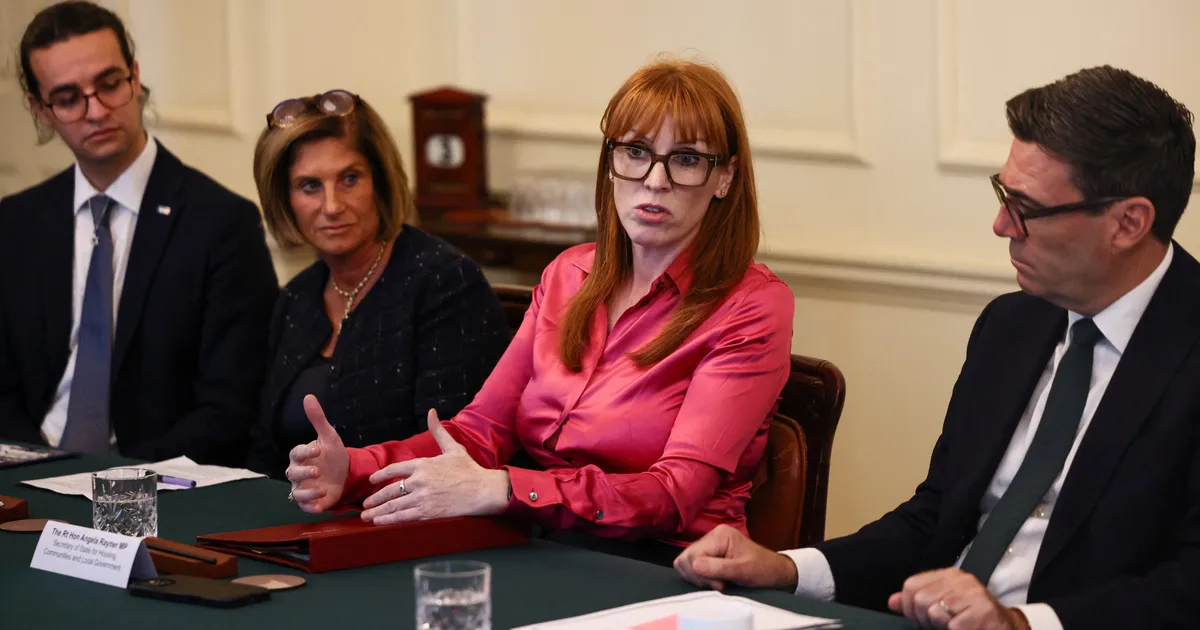
A cabinet split has erupted after Angela Rayner condemned home secretary Shabana Mahmood’s immigration crackdown.
The communities secretary said Mahmood had “changed the goalposts” by making it harder for foreign social care workers to live in the UK permanently.
In a further headache for Andy Burnham, a former cabinet minister said he was not doing enough to boost economic growth.
The deep divisions which remain within Labour came to the fore again on the eve of the party’s annual conference in Liverpool.
Mahmood’s reforms will increase the timeline for permanent residence in the UK from five years to 15 years for foreign social care workers, and will apply to all those who have come to the country since 2021.
Speaking to The Times, Rayner said she stood by her previous criticisms that the changes are “un-British”.
Asked if she had changed her views, she: “Especially in regards to the carers, who were asked to come to this country to care for some of our most vulnerable and then we changed the goalposts years down the line, I think that’s very disruptive.
“I do have concerns about that … when you ask someone to come here and look after your most vulnerable and they spend years dedicating themselves, moving their lives here to look after our loved ones.”
But culture secretary Lisa Nandy backed Mahmood, telling Radio 4’s Today programme: “I don’t think that we’ve ever had an automatic right to citizenship for most people who come to the UK from overseas.”
She said the Home Secretary is trying to “balance the respect and gratitude that we all feel to people who come to this country, who make a contribution” with the need for an immigration system the public can have confidence in.
Meanwhile, former science secretary Peter Kyle – who was sacked by Burnham when he replaced Keir Starmer as PM – said the government needed to do more to grow the economy.
He said that should include slowing down the rollout of new rights for workers.
Kyle told the BBC: “We might need to look and have honest conversations with unions about how we sequence some of the rights going forward in order to make sure that we get growth into the economy in the shorter term.”
Listen to Commons People, the podcast that makes politics easy. Every week, Kevin Schofield and Kate Nicholson unpack the week’s biggest stories to keep you informed. Join us for straightforward analysis of what’s going on at Westminster.
4 min read
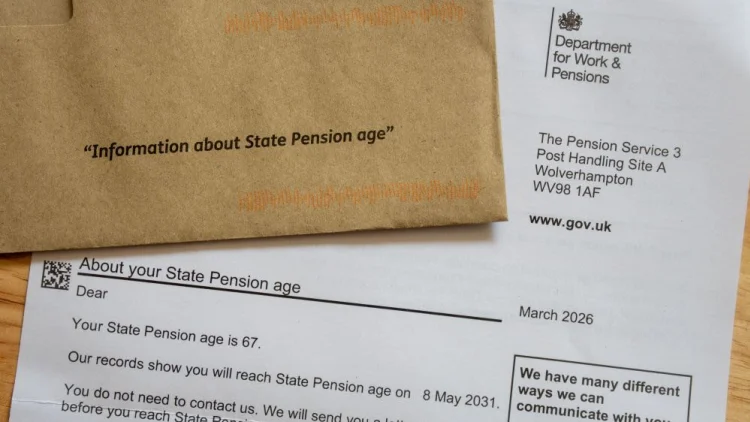
Few areas of government policy contain as many “sacred cows” as the pensions system. Successive governments have treated major changes as politically dangerous, assuming people are strongly attached to existing protections.
The triple lock attracts the most attention, guaranteeing that the state pension rises by the highest of earnings growth, inflation, or 2.5 per cent. But other politically sensitive features include pension freedoms, which allow people to access defined contribution savings from age 55, and generous tax relief on pension contributions and withdrawals.
Changing these entitlements is often described as “good policy, but bad politics”. However, few stop to ask what lies behind people’s attachment to them, or whether public attitudes are really as fixed as politicians assume.
A new Fabian Society and Survation survey offers some clues. It finds that 55 per cent would support replacing the triple lock with a different mechanism, almost 65 per cent support some restriction on pension freedoms, and 72 per cent think higher earners should pay more tax on their pension savings.
There are significant differences between generations. By a majority of two to one, Gen Z and millennials want to replace the triple lock, while baby boomers and the silent generation back keeping it by two to one. But a closer look reveals a more complicated picture.
First, attitudes to change appear closely connected to people’s concerns about their own dignity and security in retirement. People who expect to be worse off than others their age are a third less likely to support reducing tax relief for higher-income pensioners, even though they are less likely to be affected. A similar pattern appears across other questions, suggesting those who feel less secure may place greater value on existing protections.
Second, uncertainty about retirement is compounded by gaps in people’s understanding of their own position. Forty-six per cent believe they are not on track to reach the minimum retirement living standard, currently around £1,150 per month for a single person and £1,900 for a couple. But based on the savings they reported, 41 per cent of this group appear to be mistaken.
People acknowledge the limits of their knowledge too. Less than half said they knew either “a great deal” (7 per cent) or “a fair amount” (39 per cent) about pensions.
Third, the public cares about fairness. More than two-thirds, 68 per cent, believe the state pension should increase at the same pace as wages, so pensioners become neither better nor worse off compared with others and the cost to taxpayers remains steady. Older generations are even more likely to agree than younger ones.
In practice, linking the state pension to wages would often mean a lower increase than under the triple lock, which can increase pensions faster than earnings when inflation or the 2.5 per cent floor is higher.
Those on higher incomes are also often open to contributing more. Sixty-eight per cent of additional rate taxpayers and 59 per cent of higher rate taxpayers agree that people like them should contribute more towards a pensions system that works for everybody.
These findings raise wider questions about how support is distributed between income groups and generations. The triple lock has helped raise average pensioner incomes to the same level as average workers, but the poorest pensioners have become comparatively worse off as access to means-tested support has fallen. Meanwhile, today’s workers, whose taxes fund the triple lock, face economic pressures very different from those experienced by many current pensioners.
The UK’s tax treatment of pensions is also very favourable by international standards. It is one of only a handful of OECD countries where someone with a pension pot of up to £1.07m may never pay tax on a quarter of their final pension – at contribution, accrual or withdrawal stage.
Pension freedoms can also produce very different experiences of retirement. Some people with sufficient private savings can leave work more than a decade before the state pension age. Others face a difficult choice between their health and finances as the state pension age rises.
Taken together, the findings suggest public attitudes are shaped not simply by attachment to existing policies, but by people’s sense of security and fairness.
That does not make reform politically easy. But it challenges the idea that pensions are untouchable. The public may be more willing to debate change than Westminster assumes, and our research shows there is space for a more serious conversation about how the system should work in the future.
Sasjkia Otto is a senior researcher at the Fabian Society

Carlos Alcaraz thrilled with ‘important win’ for Team Europe in Laver Cup

32 Halloween Decorations: Lights, Pumpkins, Inflatables, And Skeletons To Shop

Who Killed Paulina Borsook’s Career?





-

 Crypto World4 days ago
Goldman Sachs and Deutsche Bank Agree: The S&P 500 Rally Isn't Over
-

 Fashion1 day ago
Weekend Open Thread: J.McLaughlin – Corporette.com
-

 Tech6 days ago
Researchers escape OpenAI Codex sandbox to run commands on host
-

 Fashion3 days ago
8 iPhone Accessories That Add Personality
-

 Crypto World6 days ago
Who Needs CLARITY Anyway? ARB Could See 70X Increase: Hodler’s Digest
-

 Entertainment4 days ago
These 17 Fall Amazon Dresses Seriously Look Like Anthropologie
-

 Business6 days ago
Analog Devices (ADI) Bets $1.35 Billion on Chips that Let Machines Think for Themselves
-

 Crypto World6 days ago
Coinbase, Robinhood, Circle Seen as Tokenized-Stock Winners
-

 Crypto World4 days ago
This Bearish Netflix Stock Trade Can Cash In On Video Streaming Giant’s Woes
-

 Crypto World5 days ago
Trump-Xi Polymarket Odds for Handshake Hit 50%
-

 Tech6 days ago
Google’s $899 Googlebook is a bet that you’ll buy a new laptop for Gemini
-

 Crypto World3 days ago
Crude Oil Prices Pressured by Diplomatic Hopes in the Middle East
-

 Crypto World3 days ago
Bitcoin price tests $83,600 Supertrend support after $87K rejection
-
 Business4 days ago
Oil Price Today (September 23): Crude oil below $100 on hopes of US-Iran talks. What did Trump say?
-

 Crypto World3 days ago
Bitcoin Threatens Sub-$84,000 Breakdown as Long Liquidations Spike
-

 Crypto World5 days ago
Meta Jumps 11% As Muse Shines and Investors Show an Appetite for Advancing AI
-

 Crypto World4 days ago
Did Jim Cramer Just Give GameStop Stock the Kiss of Death When He Said the Turnaround Is Working?
-

 Crypto World6 days ago
Bitcoin price holds above $81K as key catalysts line up
-

 Crypto World6 days ago
ARB Price Signals Spur Speculation of 70x Upside in Hodler Digest
-
 Crypto World5 days ago
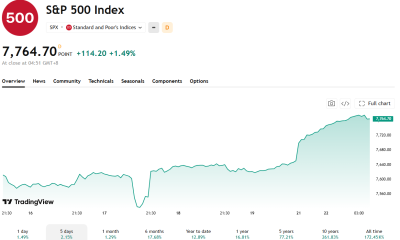
Trump, Xi Meet on S&P 500's Best Day Since Early August: Will Markets Stay Bullish?
You must be logged in to post a comment Login