
Politics
petition to kick firm out of UK gains momentum

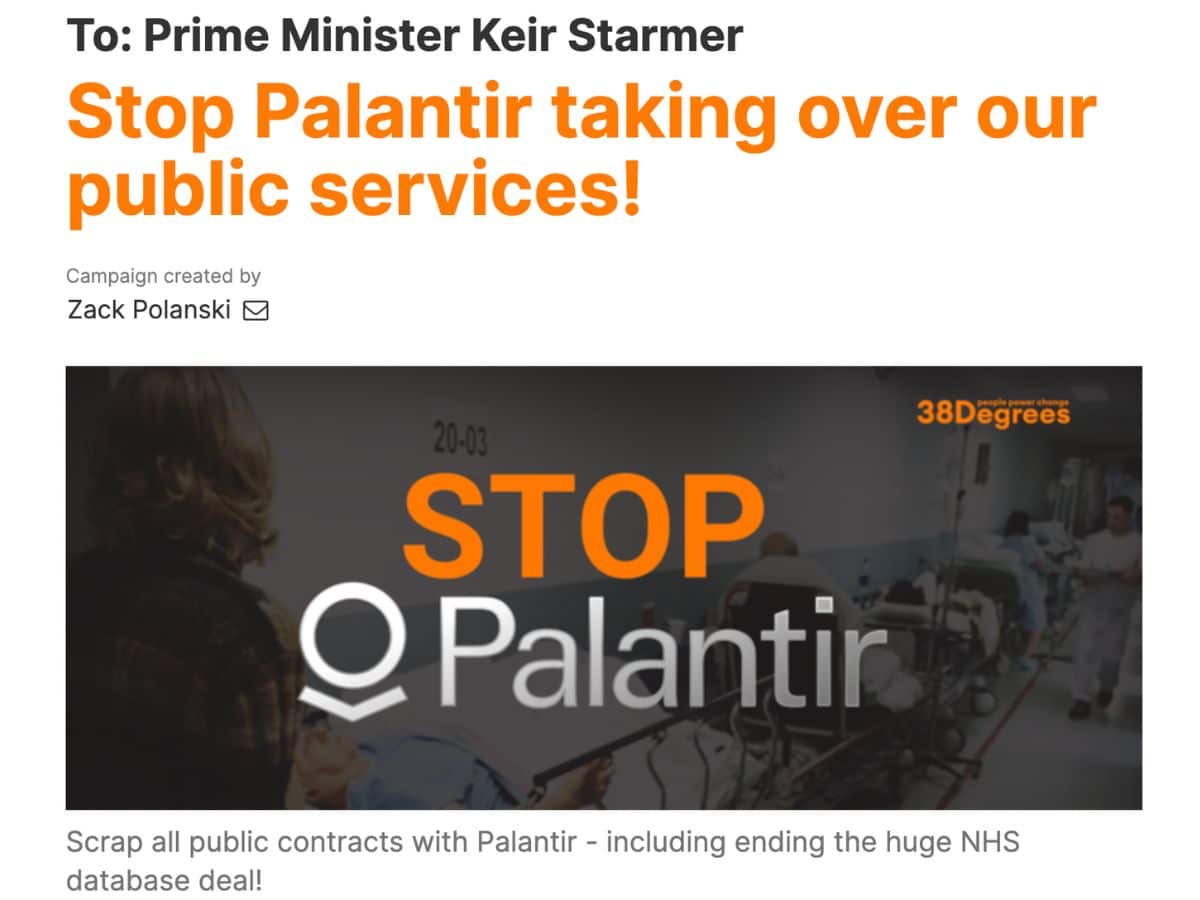
A petition started by Zack Polanski to kick Palantir out of UK public services has nearly 160,000 signatures.
At nearly 160,000 signatures – my petition to stop Palantir.https://t.co/oqsZdtN3pZ
— Zack Polanski (@ZackPolanski) April 6, 2026
Essentially, the company helps government spy agencies collect huge amounts of private data about citizens – including ICE in the US and the Israeli military.
But it also provides terrifying AI-powered military tools to the Israeli government, which it uses to carry out its Genocide in Gaza, along with its recent attacks in Iran and Lebanon.
Peter Thiel co-founded the company. Unsurprisingly, he is a billionaire Trump donor and close friend of Jeffrey Epstein.
However, the UK CEO is Louis Mosley, grandson of British fascist, Oswald Mosley.
Palantir infiltrating Britain
The company has slowly made its way into British infrastructure. During the pandemic, the government suspiciously handed Palantir a huge contract – supposedly worth only £1. This was to create a COVID-19 data store that would provide ministers with real-time information on health services and the pandemic.
Now, it has contracts worth over £500m with the UK government alone. This includes software which NHS doctors and nurses are flat-out refusing to use because of ‘privacy’ and ‘human rights concerns.
🚨 We must kick this dangerous company OUT of our national infrastructure. pic.twitter.com/KKmgR0WFKe
— Canary (@TheCanaryUK) April 5, 2026
Palantir also has a £240m deal with the UK military. Again, there was no competitive tender process, and the government just handed Palantir the deal.
Stopping “Palantir” is the most vital campaign there is for the UK at the moment. Please support it. https://t.co/tMAuhEn3Tl
— Leo (@hanwayplace) April 6, 2026
The Petition to kick Palantir out of UK public services, started by Zack Polanski, has close to 160,000 signatures. It emphasises:
But right now we’ve got a major chance to get their NHS deal scrapped – and kick start a domino effect that sees ALL their contracts ended.
How? Ministers actually have the option to cancel the NHS deal early. But with these contracts flying under the radar, it’ll take all of us speaking up to make that happen. If you agree that our NHS and other public services shouldn’t be cutting deals with a private company that helps armies kill people, sign the petition now!
Featured image via 38Degrees

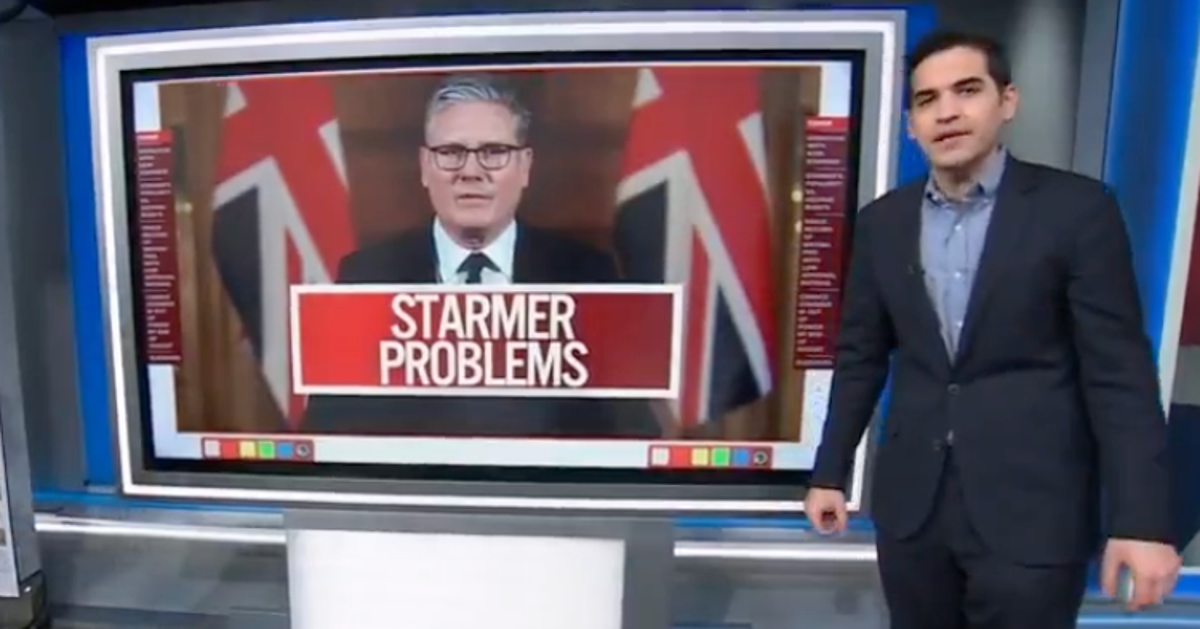
An American pollster has eviscerated Keir Starmer over his “downright atrocious” popularity ratings with British voters.
CNN’s Harry Enten said the prime minister was even more unpopular than George W Bush or Richard Nixon ever were in the United States.
His comments came as Starmer fights for his political life over the Peter Mandelson scandal.
Enten said: “If you think things are bad here in the United States, let’s just go over the pond to the UK, because things are just downright atrocious over there for Keir Starmer.
“Just take a look here – Britons satisfied with Keir Starmer. Overall, 18%. You can’t even drink or smoke any more when you’re 18%. If you’re below that line, that’s not good.
“How about his own party, the voters who voted him in back in 2024. Less than 50% of Labour Party voters back in 2024 actually are satisfied with the job Keir Starmer is doing.
“When less than 50% of your own party voters are satisfied with what is shaking, you know you’re in bad, bad shape.”
Enten said Starmer was even more unpopular that Bush, who had the lowest ever popularity ratings for a US president at 20% when he left office in 2008.
He said: “Well I’ve got news for you; 20% is low, but it’s higher than 18%. Keir Starmer is less popular right now than the least popular American president ever.
“And Richard Nixon of course was coming in at about 24% just before he resigned office. So Keir Starmer is less popular than Richard Nixon was when he was forced out by Watergate.
“Keir Starmer – a very unpopular man. A lot of people want to put a lot of things in their tea when they look at Keir Starmer over in the UK.”
The pollster went on to point out that every other British prime minister who was as unpopular as Starmer either lost the next election or resigned from office.
“He’ll try and climb out of that hole, climb that ladder, but that ladder is going nowhere – he is on a highway to political hell,” Enten said.
He added: “The bottom line is this. Keir Starmer in massive political problems right now. Chances are, based upon history, he will either be forced out by the end of August or the voters will force him out at the end of general election.”
Subscribe to Commons People, the podcast that makes politics easy. Every week, Kevin Schofield and Kate Nicholson unpack the week’s biggest stories to keep you informed. Join us for straightforward analysis of what’s going on at Westminster.

You know your body better than anyone – but what happens when no one listens? Welcome to Ms Diagnosed: a HuffPost UK series uncovering the reality of medical gaslighting. With new stats showing that 8 in 10 of women have felt unheard by medical professionals, we’re sharing the stories of seven whose lives were nearly lost to the gap between their symptoms and a system that refused to listen. As the UK introduces Jess’s Rule – a new mandate for GPs to ‘rethink’ after a third visit – we’re exploring why the medical system is still failing women and how we can start to fix it.
I was driving home from Nottingham Trent University to Leicester, where my family lived, when I suddenly experienced double vision.
I was on a high-speed road, and I was terrified. I knew I couldn’t drive like this. Somehow, I managed to pull over and I called my dad, asking him to come and get me.
That was one of the scariest things that had ever happened to me; I still shiver to think what could have happened. And the worst part is, there’s a chance it could have been avoided. I later learned that I had Multiple Sclerosis (MS) – but when I’d gone to my GP with another major MS symptom around nine months’ previously, she’d told me there was nothing wrong.
I first started experiencing MS symptoms around my early twenties; but I had no idea, then, what they meant. I remember my brother once commenting that I was veering to the side, even though I thought I was walking straight – but it’s only in hindsight I realise this was likely down to MS.
The first symptom that actually alarmed me happened in 2008, when I was 22. I was in my teacher training year at university, and one night I woke up in the early hours, on the floor by the bathroom in my student accommodation.
I had absolutely no idea what had happened. I’d gone to bed at around 9:00pm that night, because I was scheduled to teach the next day. I’d clearly passed out; but I didn’t know how or why. I had bruises on my knee, presumably from where I’d fallen – and I was scared. Nothing like this had ever happened to me before.
The next day, I went back to Leicester and my mum and I went straight to my GP. I was a confident 22-year-old; the only reason I took my mum with me was because I was worried I’d pass out again. But the GP acted as though I was a child.

After I’d explained what had happened the night before – and how out of character passing out like that was for me – the GP looked over my head at my mum, who was standing behind me. “There’s nothing to worry about here,” she said. “We’re not concerned.”
Then, she uttered the words I still can’t believe I heard. “You know, at university, the students drink a lot.”
“I can absolutely guarantee that’s not what happened here,” I said, perplexed.
“No,” said my mum, just as appalled. “She’s training to be a teacher. She was going to teach at 8:30am the next morning. She wouldn’t have been drinking alcohol.”
But the GP didn’t take it any further. She asked some very generic questions, but she didn’t take any blood tests or do any real follow-up. She just said, “There’s nothing wrong.”
As I left the GP’s office, I felt utterly dismissed, as well as upset. I knew myself, and I knew how seriously I was taking my teacher training year. I’d made a point of going to the GP, because I knew, deep down, something wasn’t right; but she’d played on every stereotype she knew and had passed up an opportunity to take me seriously.
But I couldn’t stay angry at her. “At the end of the day, I suppose I’m grateful she doesn’t think there’s anything wrong,” I eventually thought – and I got on with my life. That is, until I experienced double vision on a high-speed road nine months later.
After that driving incident, I knew there was something serious going on. I went to my optician, assuming it was an issue with my eyes. They ran tests, but couldn’t find any issues. Unlike the GP, though, they knew they couldn’t just leave things unanswered; so they sent me to an Ear, Nose and Throat Specialist.
At this point, life became a conveyor belt of referrals. I had an MRI, sight tests, colour vision tests – and I never, at any point, thought it could be MS. I thought I had a condition that would be treated, and that would then go away.
But I had other tests, too, focusing on strength and balance. Now, I realise those tests fit with suspicion of MS; but nobody mentioned this at the time, and I certainly had no idea.
I was eventually diagnosed in 2009, age 23. The neurologist spun his computer screen around, and all of a sudden he was talking me through a brain scan. He told me it was MS; but I had no idea what MS was. He was pointing at lesions, but the language and terminology he was using was so technical; I couldn’t follow anything.
I did hear the word ‘chronic’, though, and I knew what this meant. That I’d be on treatment ‘for life’; that I’d have this condition ‘for life’. That the symptoms I’d experienced so far – the passing out, the double vision – could be the tip of the iceberg.
“Will I still be able to teach?” I eventually asked him. I didn’t ask the second part of my question: ”…Or are you effectively telling me my life’s over?”.
He said I could continue teaching so long as adjustments were made; and I’m still teaching today. I’m also married, and a mother. My life certainly wasn’t over; but it has changed completely.
In those early days after my diagnosis, I felt completely lost – but I managed to find the MS Trust website, which was a source I trusted and which I found immensely helpful. I still work closely with the MS Trust today.
I’m still on treatment to repress my symptoms – which, these days, are something called ‘foot drop’, which affects my walking; fatigue; and word-finding.
Physically, I can’t do what I once could. It’s become the norm that I fall asleep at around 8:30pm; and I sometimes wonder how long I can continue teaching. I want to be an active mother, and I am – but my injections of medication are part and parcel of our family life.
Then again, this doesn’t bother my daughter in the slightest – she’s always happy to play ‘nurse’ and to bring me a tissue or cuddle if I need it. And, while it took me a long time to tell people about my diagnosis – I think because I didn’t want to be seen as ‘different’ – now, I’m very open about it. If I can help even one person get a correct diagnosis of their own, meaning they can get started with treatment, it’ll be worth it.
Because that’s the scariest thing about MS; it’s an invisible illness. If you don’t get it investigated, you won’t get a diagnosis. It’s not like a broken arm which is there for all to see. Once you get an MRI; well, then, it’s black and white. But you have to get the MRI in the first place, and that’s not always easy.
So my advice for anyone else in a similar position to the one I was once in – being told by their GP that they’re fine when they know they’re not – is that it pays to be pushy. You know you better than anyone else. People might dismiss what you’re saying; but it’s your life. Get a second opinion; be ‘pushy’ until you feel you’ve been listened to.
Because I don’t think there’s such a thing as being ‘too pushy’ when it comes to your health and wellbeing.
For more information and support on living with MS, visit www.mstrust.org.uk
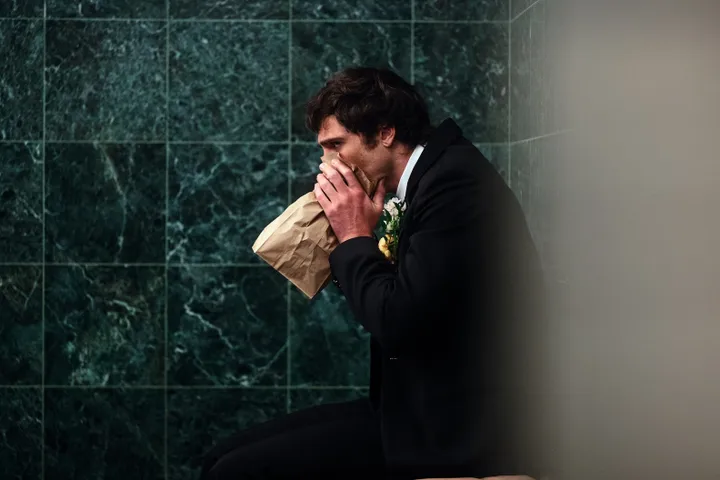
This article contains spoilers for the latest episode of Euphoria.
After the sexual content in Euphoria’s third season ruffled feathers for the first two weeks of the season, the latest instalment took the show in a very different, but just as extreme, direction.
Earlier in the season, viewers have seen Sydney Sweeney’s character Cassie turning to OnlyFans modelling to help pay for her lavish wedding to Jacob Elordi’s Nate.
In the most recent episode, Cassie and Nate’s big day finally arrived, but things took a dramatic turn when corrupt businessman Naz crashes the do to demand the hefty sum of money he’s owed by Jacob’s character.
Nate is then beaten up by Naz’s henchman on his wedding night, and to prove just how serious the shady dealer is, this sequence ends with him cutting off Nate’s toe with pliers.

The violent sequence has already generated a lot of conversation online, with some critics calling it Euphoria’s answer to Game Of Thrones’ infamous “red wedding”.
Actor Jack Topalian, who plays Naz, told Page Six that while a “prosthetic” was obviously used for the exact toe-slicing moment, it still made for a somewhat dangerous shoot.
“The clippers that they gave me have pretty sharp edges,” he recalled. “So, I had to be really mindful of that, because at one point, I do put it around Jake’s toe.
“If I squeezed a little too hard, it would literally cut his toe. But, everything turned out well! There were no mishaps, no accidents.”

The third season of Euphoria – which is widely reported to be the final one – reunites the show’s main cast after an extended break, with Jacob and Sydney being joined by the likes of Zendaya, Hunter Schafer and Oscar nominee Colman Domingo.
Critical reception for the new episodes has so far been pretty muted, with some questioning if the show has lost its way in ageing up its characters, who were first introduced as high school students in the show’s first two seasons.
Euphoria continues on Mondays on HBO Max and Sky in the UK.



Elizabeth de Jong, CEO
| Fuels Industry UK
As conflict in the Middle East sharpens the UK’s energy security concerns, ministers should use this year’s Finance Bill to extend the Carbon Border Adjustment Mechanism to refined products and protect vital domestic refining capacity
Energy security is at the top of the political agenda as a result of the conflict in the Middle East. This crisis is a reminder that, in a more uncertain world, the United Kingdom must become more resilient to external pressures and shocks. That is especially true for fuels.
The UK fuels sector provides 47 per cent of the UK’s final energy consumption. It supports transport, freight, aviation and manufacturing, and provides hundreds of other non-fuel products that feed chemicals, building and other sectors. Domestic refining capacity has fallen from nine refineries in 2000 to four today, with two closures in 2025 alone. Import dependence has grown sharply.
Once domestic refining capacity is lost, it is almost impossible to replace.
Resilience is not simply about whether imports are available in stable times. It is about whether the UK has the right balance of domestic capability, flexibility and supply diversity when international markets tighten or global tensions rise. The ability to refine crude oil provides stronger protection for British supply.
To preserve our energy resilience, the UK needs to level the playing field for domestic refiners so they can be globally competitive. On carbon costs, this can be achieved through the introduction of a Carbon Border Adjustment Mechanism (CBAM) that includes refined products.
UK refiners face carbon costs that many international competitors do not. That creates a clear imbalance, particularly against producers in the United States, the Middle East and India. Other countries have understood that if carbon costs rise too far ahead of competitors, investment falls and domestic capacity is put at risk. The UK should take the same practical approach.
Government has already recognised the issue. In the Autumn Budget, it committed to explore the inclusion of refined products within the UK CBAM. But the sector has been told that it has been turned down for 2028, with no guarantee of a later date.
At such an important time, that is a blow to an industry that underpins critical infrastructure and long-term energy security.
But it is not too late.
The government still has it within its gift to implement this policy by 2028, should it choose to do so, by making changes in this year’s Finance Bill that would avoid further job losses and a weakening of UK energy security.
This is not about abandoning net-zero; the CBAM supports climate ambition. It is about ensuring policy works in practice and in the UK interest. If domestic production is displaced by imports, it does not eliminate demand or reduce global emissions. It simply exports production, and the associated carbon, as well as jobs, abroad.
A CBAM would help prevent that.
It would support investment, protect domestic capability and ensure the UK’s climate ambition strengthens, rather than weakens, long-term energy security.
Now is the time to act.
Politics
Politics Home Article | Prioritising prevention: a proactive approach to health and wellbeing


Anthony Houghton, Group CEO
| Holland & Barrett
The UK needs to shift from a “reactive repair” health culture to helping people to understand their bodies, establish good health and wellbeing habits and avoid illness, says Holland & Barrett’s new report
Regular exercise, healthy eating, quality sleep and effective stress management are the foundations of long-term good health.
But while most of us recognise this, our good intentions don’t always translate into actions.
New research carried out by Ipsos for Holland & Barrett, the UK’s leading health and wellness company, shows that the UK has a “reactive repair” health culture – where treatment is prioritised over prevention. Despite widespread awareness of the benefits of establishing good health and wellbeing habits, most of us only engage with our health when something goes wrong.
Holland & Barrett’s report, From Reactive Repair to Proactive Maintenance: The State of the Nation’s Attitudes to Health 2026, reveals that 78% of the public only visit the doctor when “absolutely necessary”. Although there is strong evidence for the benefits of physical activity and good nutrition, only half (50%) say they proactively manage their health and wellbeing.
However, the report says that the intention to change is definitely there – 59% of those questioned plan to focus on their health and wellbeing in the coming year while 53% say they have taken vitamins and supplements in the last 12 months as a preventative approach to their health and wellbeing.
Even so, the barrier to taking proactive steps to improving our health is not down to awareness alone. Poor sleep, low energy, time pressures, cost, uncertainty about where to start and regional differences in access to healthcare deter us from acting sooner rather than later.
“The implementation gap captures the disconnect between prevention in principle and prevention in practice,” says the report. “Delivering the prevention agenda at scale cannot rest solely within formal clinical settings. It requires a whole-system approach that includes trusted, non-clinical touchpoints where people can seek advice.
“Many individuals experience low-level symptoms, uncertainty or minor concerns long before they present to the NHS. Reaching people at this earlier stage – when issues are still manageable and behavioural change is possible – is essential to preventing escalation and reducing cumulative pressure across the health system.”
MPs have welcomed Holland & Barrett’s focus on establishing good health and wellbeing habits.
 resized.jpg) “As part of our 10 Year Health Plan, the government is shifting the focus of health care in this country from reacting and treating illness to preventing it in the first place,” says Health Minister Zubir Ahmed, who was a transplant and vascular surgeon before entering politics and has continued to practise.
“As part of our 10 Year Health Plan, the government is shifting the focus of health care in this country from reacting and treating illness to preventing it in the first place,” says Health Minister Zubir Ahmed, who was a transplant and vascular surgeon before entering politics and has continued to practise.
“That means spotting conditions earlier and tackling the biggest causes of disease, which will help people to stay well for longer and reduce pressure on our NHS.
“We’re already rolling out more health checks, expanding mental health support, tackling junk food advertising and creating the first smoke‑free generation. Transforming the nation’s health will take a truly whole-of-society approach, so it’s good to see businesses like Holland & Barrett supporting that mission.”
Stuart Andrew, Shadow Secretary of State for Health and Social Care, wants to see a stronger emphasis on early intervention and helping people to take control of their health earlier.
“These findings expose a simple truth,” he says. “Our health system is too often reactive. That must change if we are serious about improving both quality of life and long-term outcomes.
“Prevention must be made practical and accessible. Too many people face barriers like confusion or lack of clear support and that is where the gap between intention and action persists.
“We need a stronger focus on early intervention, with the NHS working alongside trusted partners in the wider health ecosystem to help people take control of their health earlier and more easily.”
Meanwhile Helen Maguire, the Liberal Democrats’ Spokesperson for Primary Care and Cancer, says: “Britain is living longer but sicker, and this report lays bare why. We have a system built on reactive repair rather than genuine prevention. As someone who has seen first-hand the transformative power of movement and early action on health, I know the NHS cannot and should not have to close this gap alone. Prevention and primary care must be symbiotic, and that means meeting people in their communities, well before they reach the GP’s door.”
Dr Simon Opher, Chair of the Health All-Party Parliamentary Group, spent 30 years as a GP before becoming an MP and also believes that investing in early support and prevention is vital.
“The NHS is probably more accurately described as a national illness service,” he says. “Although each successive government flags prevention very few changes are made.
“I am working to produce a national strategy for the prevention of mental health with the Department of Health and Social Care. Looking at evidence, it is now clear, for example, that the Sure Start work the last Labour government introduced, which was scrapped in 2012, was incredibly effective at reducing and preventing health inequalities and improving child mental health. But this is proven 15 years after it was scrapped.
“We need to do what we know will work and make sure that we resource upstream left shift work to reduce demand on the NHS. This work simply can’t wait. Otherwise, our illness service will keel over completely because of the workload.”
 resized.jpg) The Holland & Barrett report cites a number of experts in the field of nutrition and behaviour change, all of whom back the need to shift the NHS’s focus from treating sickness to preventing ill health.
The Holland & Barrett report cites a number of experts in the field of nutrition and behaviour change, all of whom back the need to shift the NHS’s focus from treating sickness to preventing ill health.
“We have successfully engineered longevity – keeping people alive for longer – but we have failed to engineer vitality,” says Professor John Deanfield, Professor of Cardiology at University College London. “The current model is effectively ‘disease care’, intervening only when pathology is acute, rather than ‘health care’, which addresses root causes decades before symptoms manifest.”
Professor Anne-Marie Minihane, Professor of Nutrigenetics and Head of Nutrition and Preventive Medicine at the University of East Anglia’s Norwich Medical School, points out that the challenge isn’t just what to recommend – but how to make it achievable and relevant.
“Health messaging often assumes infinite time, resources and energy, but these are luxuries most don’t have,” she says. “We need quick, affordable solutions that acknowledge reality – practical swaps for budget-conscious families and simple changes that don’t require complete lifestyle overhauls, with appropriate use of select good quality supplements having a role to play in groups such as time-poor professionals and those with reduced appetite or other dietary restrictions.”
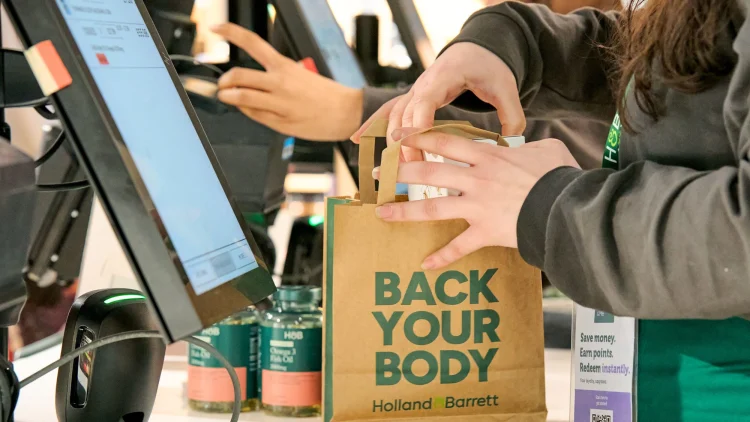
With advice like this in mind, Holland & Barrett has launched Back Your Body, a national campaign to encourage people to take a more proactive approach to their health and wellbeing.
The campaign is a response to a broader challenge facing the UK population. People are living longer but many are spending those extra years in poor health, with preventative action often delayed until problems arise.
Back Your Body aims to change this mindset by helping people to understand their bodies much earlier, prioritise their health and wellbeing and avoid illness. It recommends a combination of retail initiatives, including wellness check-ins, trained advisers and science-led interventions on the high street.
For example, Holland & Barrett, which has more than 150 years of expertise in this area, offers free and easy access to qualified Wellness Champions who have completed more than 500,000 hours of UK-accredited wellness training. They are available to advise people online or in person on issues such as sleep, energy, stress, anxiety and joint, bone or muscle problems.
Recognising that women have specific needs, the company supports the Women’s Health Strategy, a 10-year government plan to improve the health and healthcare experiences of women and girls in England. Holland & Barrett has more than 600 trained women’s health coaches who offer free, confidential and personalised support for women on a variety of issues, including menopause, menstrual health and hormone health.
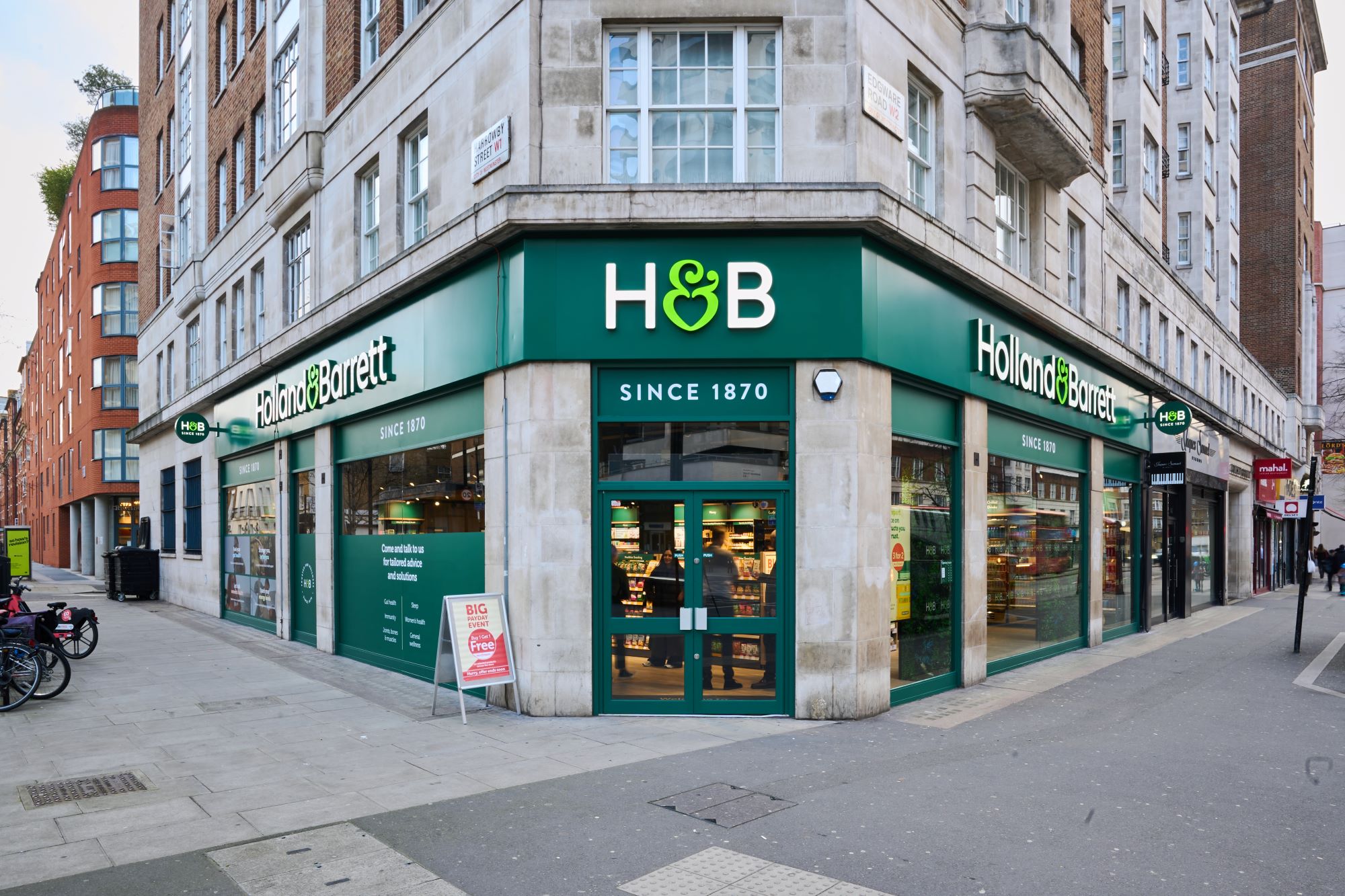 Holland & Barrett firmly believes that closing the prevention gap in this way will require health and wellness retailers to be recognised as a vital part of the wider healthcare value chain.
“As a business committed to science-led wellness, we believe accessible, credible support matters most,” says Dr Abbie Cawood, Science Director at Holland & Barrett.
“Prevention cannot rely solely on traditional healthcare settings. People need practical advice, trusted guidance and simple interventions, available when and where they’re most ready to act.
“The opportunity now is to close the implementation gap, the space between wanting to be healthier and knowing how to take the next step. Our call to action is for policymakers, healthcare leaders and trusted community partners to work together to make preventative health visible, actionable and available to everyone.”
Read the report: From Reactive Repair to Proactive Maintenance: The State of the Nation’s Attitudes to Health 2026
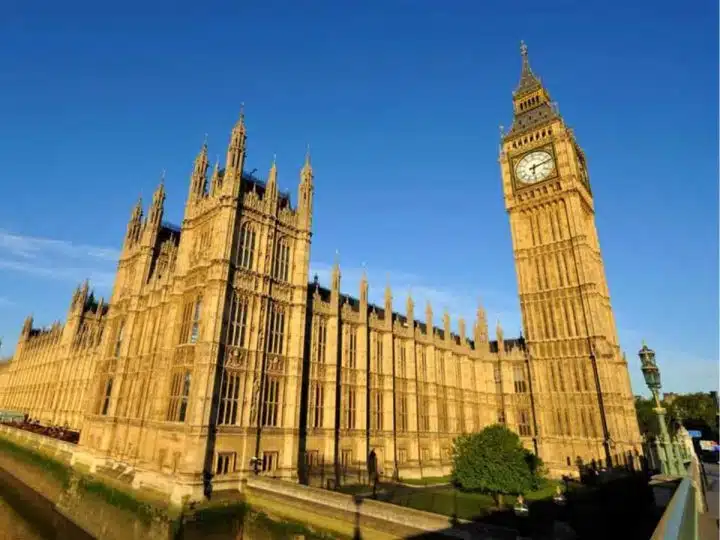

Parliamentarians and bereaved families will come together in Parliament on 28 April to mark Workers’ Memorial Day. And they’ll remember those who have lost their lives because of work.
The All-Party Parliamentary Group on Occupational Safety and Health will host the event. It will include contributions from:
- Prof Julia Waters, sister of the late headteacher Ruth Perry, who took her own life following an Ofsted inspection.
- Fiona and Barry, who worked alongside murdered transport worker Jorge Ortega.
- Anne Davies, widow of firefighter Jeff Simpson, who died from cancer caused by chemicals he was exposed to in burning buildings.
- Kate Bell, assistant general secretary, Trades Union Congress.
Workers’ Memorial Day is an international day of remembrance, backed by the United Nations, for those who have died due to work-related injury or illness.
The parliamentary memorial will bring together MPs, peers, trade unions, families and workers affected by preventable workplace deaths.
MPs and peers in the All-Party Parliamentary Group have raised serious concerns about the capacity of the Health and Safety Executive. This department has seen its funding reduce by almost half since 2010.
These cuts have limited its ability to carry out proactive inspections and enforcement. And this is increasing the risk that unsafe employers go unchecked.
At the same time, work-related mental ill health is rising, yet there are significant gaps in how the system responds. The Health and Safety Executive does not currently investigate work-related suicides, meaning potential systemic causes go unexamined.
Policymakers are calling for this to change, so that work-related suicides are treated with the same seriousness as other workplace deaths.
They are also calling for restoration of the regulator’s pre-2010 budget. This would help it respond to modern workplace risks, including the growing crisis of violence at work.
Workers’ Memorial Day a chance to ‘confront failures’
Ian Lavery, chair of the All-Party Parliamentary Group on Occupational Safety and Health, said:
Workers’ Memorial Day is about remembering those who have lost their lives because of work, but it is also about confronting the failures that continue to put workers at risk today.
There is a growing crisis of violence at work. When 8 in 10 public-facing workers are experiencing abuse, it is clear that far too many workers are being left without the protection they deserve.
We are also seeing rising levels of work-related mental ill health, yet work-related suicides are not even investigated by the Health and Safety Executive. That cannot be right. These deaths must be recognised, properly investigated, and used to prevent future tragedies.
At the same time, the Health and Safety Executive has had its funding cut in half over the last decade. That has real consequences: fewer inspections, weaker enforcement, and less capacity to deal with growing risks like stress and violence.
If we are serious about protecting workers, government must act — by restoring funding to the regulator and expanding its capacity. No one should lose their life or their health simply for doing their job.
Julia Waters will say:
Work-related suicides are not treated with the same seriousness as other workplace deaths. Until they are recognised, investigated and acted on, the risk of future deaths remains.
Featured image via the Canary
By The Canary
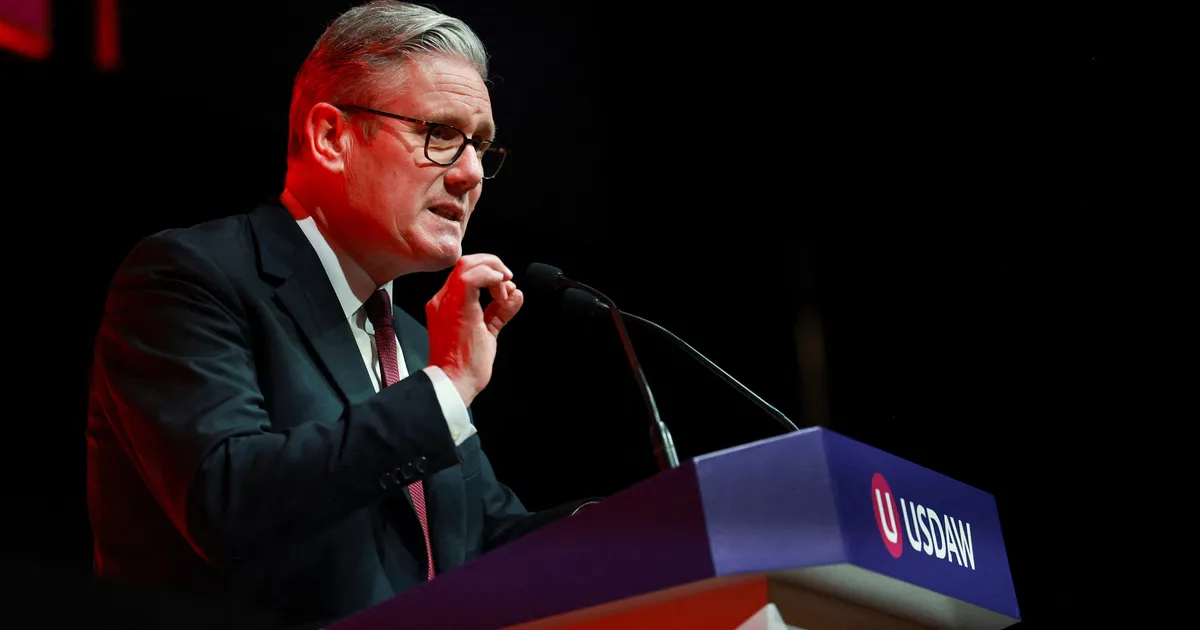
Keir Starmer is set to see off a Tory bid to have him investigated by a Commons committee over his handling of the Peter Mandelson scandal.
The prime minister is accused of misleading parliament by claiming that “due process” was followed in the shamed former Labour peer’s appointment as the UK’s ambassador to Washington.
It emerged two weeks ago that UK Security Vetting (UKSV) had in fact recommended Mandelson not be given clearance to take up the role.
He was eventually cleared for so-called “developed vetting” by Sir Olly Robbins, who was the top civil servant in the Foreign Office at the time.
Starmer controversially sacked Robbins for not telling him about the UKSV findings.
In a bombshell committee appearance last week , Robbins said there was “constant pressure” from No.10 for Mandelson’s appointment to be approved – a claim denied by Starmer at prime minister’s questions the following day.
On Tuesday, MPs will debate and vote on an attempt by the Conservatives for Starmer to be referred to parliament’s Privileges Committee over the row.
However, Labour MPs have been told by the party’s whips that they must vote against the move, meaning it is all-but certain to fail, given the party’s huge Commons majority.
A government minister told HuffPost UK: “We needn’t whip heavily. The Parliamentary Labour Party is pretty united on this. It will be a damp squib.”
Starmer told a meeting of the PLP on Monday evening that the vote was “a political stunt” by the Tories just over a week out from the May 7 elections in England, Scotland and Wales.
He said: “Tomorrow is pure politics and we need to stand together against it.”
In a plea for Labour MPs’ support, the PM described the allegations that he misled parliament as “totally baseless” and “absolutely ridiculous”.
“It’s important to see the bigger picture here,” he said. “They want to stop this Labour government. And we know why.
“Because we are the first government for generations to take key parts of the public realm back into public ownership. They don’t like that, but we’re doing it.
“The first government for generations to give rights and power to workers, to renters, to the less fortunate. The first government for generations prepared to stand against wealth interests, to raise money and put that into public services and fighting child poverty. They don’t like it, they said they’d reverse it.
“We have a mandate to do all of those things. And they are not going to stop us.”
He added: “When we stick together and fight together we are so much stronger.”
Meanwhile, the PM’s former chief of staff, Morgan McSweeney, will on Tuesday give evidence on the Mandelson affair to parliament’s Foreign Affairs Committee.
Sir Olly Robbins’ predecessor as permanent secretary at the Foreign Office, Sir Philip Barton, will also be quizzed by the committee about Mandelson’s appointment.
Subscribe to Commons People, the podcast that makes politics easy. Every week, Kevin Schofield and Kate Nicholson unpack the week’s biggest stories to keep you informed. Join us for straightforward analysis of what’s going on at Westminster.
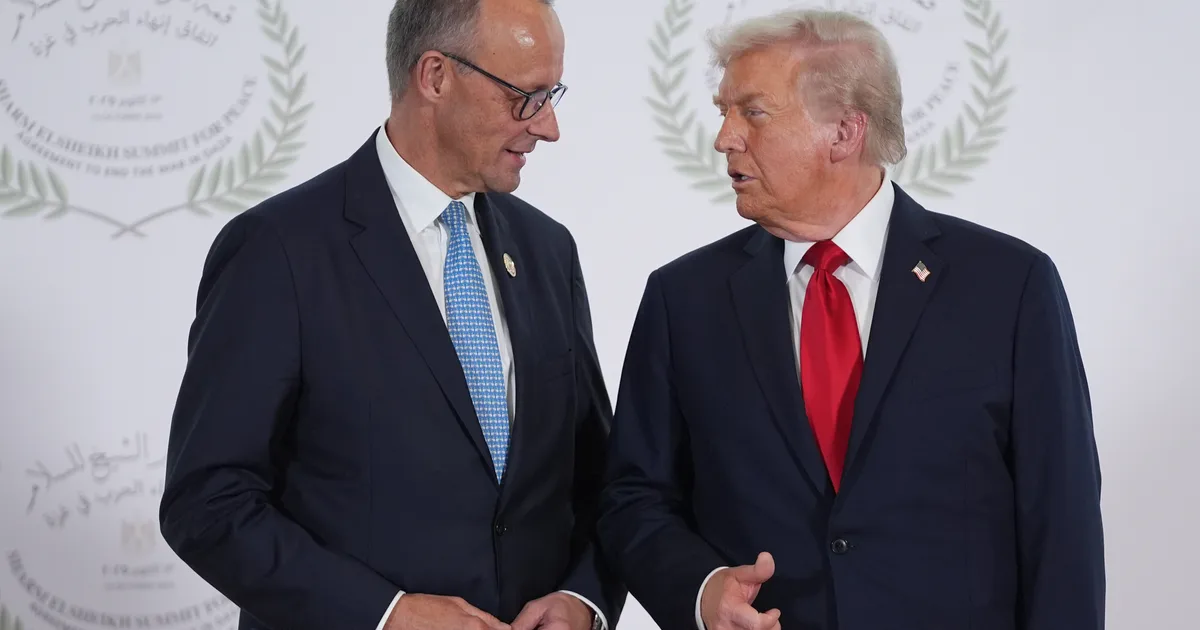
America is being “humiliated” by Iran over negotiations to end the war in the country, Germany’s chancellor has declared.
Friedrich Merz said he “can’t tell what strategic exit the Americans are pursuing” exactly two months after the conflict began.
A ceasefire is currently in place, but there is little prospect of an imminent peace deal being reached.
Meanwhile, the key waterway the Strait of Hormuz remains closed, while the US is blockading Iran’s ports.
Donald Trump last week called off planned peace talks which had been due to be held between American and Iranian officials in the Pakistani capital, Islamabad, insisting they were a waste of time.
Posting on Truth Social, he said: “If they want to talk, all they have to do is call.”
But Merz said: “At the moment I can’t tell what strategic exit the Americans are pursuing, especially since the Iranians are obviously negotiating very skilfully, or perhaps very skilfully refusing to negotiate, and are letting the Americans travel to Islamabad only to send them back home empty-handed.
“An entire nation is being humiliated by the Iranian leadership, especially by these so called Revolutionary Guards.”
Lyse Doucet, the BBC’s highly-respected chief international correspondent, has said any peace deal “will take a long time” to be reached because “neither side wants to back down”.
Subscribe to Commons People, the podcast that makes politics easy. Every week, Kevin Schofield and Kate Nicholson unpack the week’s biggest stories to keep you informed. Join us for straightforward analysis of what’s going on at Westminster.

While there are plenty of magical moments associated with raising young children – from the first time they say mama or dada, to taking their first steps, and telling you they love you – let’s be real: it’s no walk in the park.
There’s a good reason some parents liken it to being in the trenches. There are times when it’s mundane or difficult to stay afloat – especially in the depths of sleep deprivation, relationship struggles, or physical or mental illness.
You are trying to keep little kids alive, while also raising them to be happy, healthy and not left with any kind of trauma. You also might be trying to hold down a job (or five), pay the bills, and keep on top of the endless list of life admin that comes with running a household. It’s really no wonder some of us are out here forgetting to drink water.
You don’t want to wish it away, but equally it’d be nice to know it does, in fact, get a bit easier. Or at the very least there are moments on the horizon that make those tougher days where you just want to go and cry in a corner worth it.
Recently, paediatrician Dr Lauren Hughes took to Threads and asked parents of older kids to share some of their best “just wait until” stories.
Kicking things off, she said: “Just wait until you can colour with your kids with the GOOD markers because you no longer worry about them eating the tips or scribbling on the wall.”
Here’s what other parents had to say in response…
1.
2.
3.
4.
5.
6.
7.
8.
9.
10.
11.
12.
13.
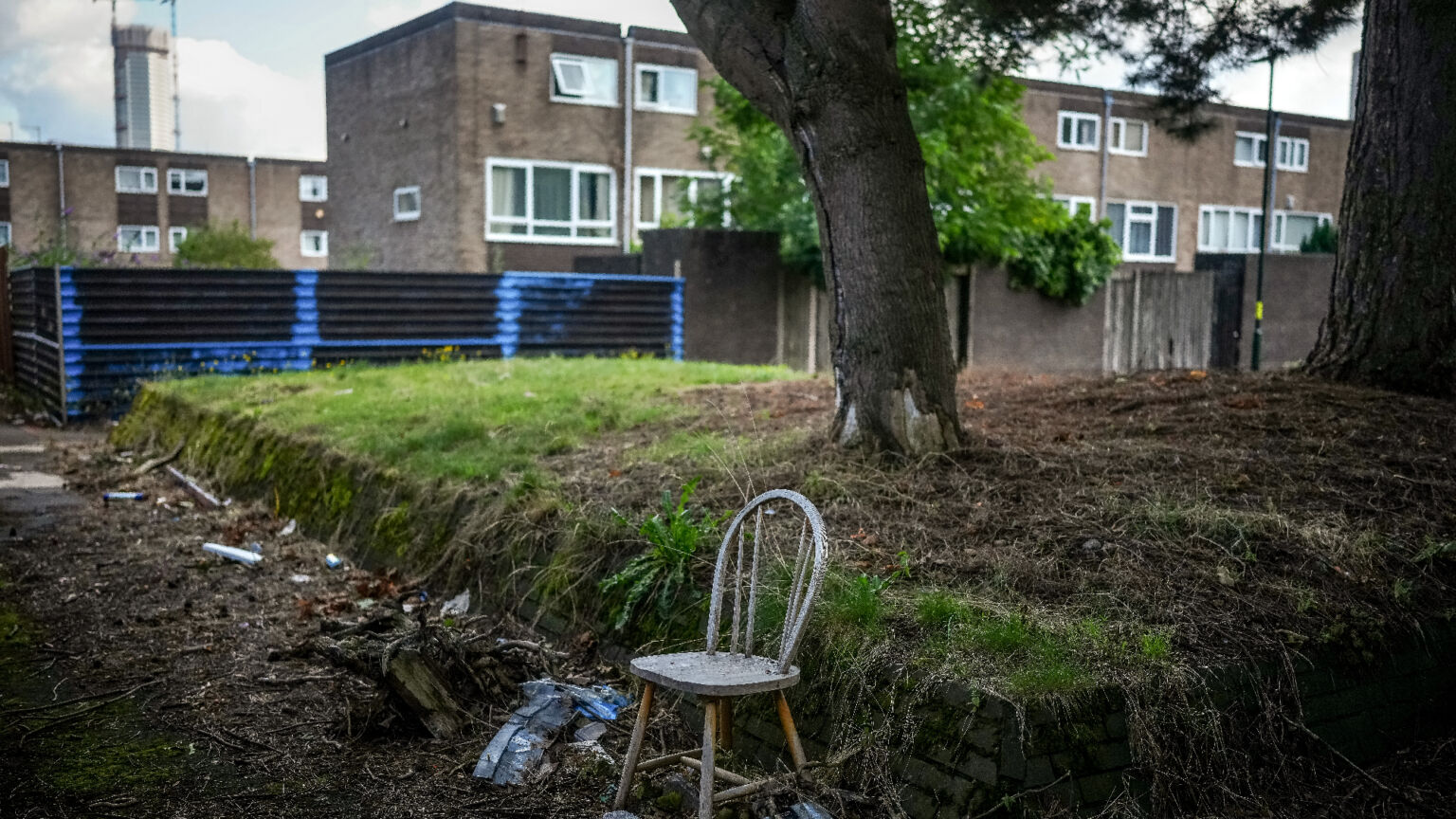
Britain has been in the grip of a housing crisis for over a decade at least. During that time, the cost of a flat or a house has continued to rise while wages have fallen in real terms. The result has been increasing rates of homelessness and housing poverty. In the words of a previous piece I wrote for spiked, the housing crisis is shredding the social contract.
The stakes are incredibly high for working-class people on low incomes and in insecure work. Too many people today are worried about just surviving in ways not seen since before the Second World War. I know families who are eating from food banks so that they have enough money to pay the rent.
As it stands, people’s only hope for affordable housing is social housing, of which there is a severe shortage. Houses have not been built at the rate we need for years. To compound the shortfall, over two million council houses have been sold off since Margaret Thatcher’s right-to-buy policy was introduced in 1980. Over 40 per cent of those former council houses are now in the hands of private landlords, who are renting them out at the market rate.
A combination of a lack of new homes being built and a rising population, thanks largely to immigration, has meant that social-housing eligibility is increasingly restricted to the most vulnerable and those whom the local authority has a legal duty to house. Even with these restrictions in place, the social-housing waiting list stands at over 1.3million households, many of whom will have to wait years for a home.
Keen to reduce their individual waiting lists, local councils have sought a bureaucratic fix. They have been changing their social-housing eligibility criteria, from setting new income thresholds to raising the age at which children of the same sex are entitled to separate bedrooms. In Mansfield and Ashfield in Nottinghamshire, two economically deprived areas blighted by low-paying work, any single person or a couple whose annual earnings are over £25,000 (or £34,000 for a family) or with £6,000 or more in savings, will no longer be eligible for social housing. Instead, they will need to find private rented accommodation, which in Nottinghamshire can be twice the cost of a council house.
Mass council-house building programmes were undertaken during and especially after the Second World War. Their purpose was to ensure that working-class people had access to safe, secure, good-quality and affordable housing. There was another wave of social-housing construction in the 1960s, when decrepit and unsafe housing, mostly owned by private ‘slum landlords’, was pulled down and replaced by council estates. When these estates were originally built, the houses were modern. They had indoor bathrooms, hot water heating systems and gardens. There have been many books published and films and documentaries made about this remarkable time – a time when working-class people were afforded the dignity of clean and modern homes, from Sheffield’s Park Hill to Thamesmead in south London through to St Ann’s and the Clifton Estate in Nottingham.
Postwar council housing was a source of pride for working-class people and for the country overall. Estates had housing officers who would inspect gardens and give warnings to anyone keeping an untidy home.
This is a far cry from council estates today. They are now places where only the poorest live, and where accommodation is limited to either those with social problems or, as in Mansfield and Ashfield, those who don’t work.
This is a far cry from the council estate on which I grew up in Nottinghamshire. Both of my parents worked, as did everyone else’s parents on my estate. We didn’t have much, but we had the security that a permanent home can give you.
It’s a very different landscape today. Local authorities and governments of all colours have ruined Britain’s social housing. They have turned estates into hopeless places, and left millions at the mercy of private landlords. The policy must change. We need to build far more safe and secure housing. And it needs to be made available not just to the unemployed, but to those who earn a living, too.
The failure to provide plentiful, quality and affordable housing for working people remains a damning indictment of the British state.
Lisa McKenzie is a working-class academic.
This course, not Muirfield, will host 2028 Open Championship

How to watch Champions League Semi-Finals 2025/26: Free Streams & TV Channels

MARK YUSKO: BANKS START USING XRP *TODAY*??!! (HUGE BOMBSHELL)

Manchester United reach agreement with Casemiro over contract clause amid transfer speculation

US brings back mandatory military draft registration

Steven Gerrard disagrees with Gary Neville over ‘shock’ Chelsea and Arsenal claim | Football


-

 Fashion4 days ago
Weekend Open Thread – Corporette.com
-

 Tech15 hours ago
Register Renaming | Hackaday
-
 Crypto World3 days ago
Hyperliquid $HYPE Rally Builds Momentum as AI Sector Enters Prove-It Phase
-

 Politics6 days ago
Making troops accountable for war crimes threatens US alliance, ex-SAS colonel warns
-

 Politics6 days ago
Disabled people challenge government SEND proposals over segregation concerns
-

 Business4 days ago
Patterson-UTI Energy, Inc. (PTEN) Q1 2026 Earnings Call Transcript
-

 Business6 days ago
Rolls-Royce Voted UK’s Most Iconic Trade Mark as IPO Register Hits 150
-
 Crypto World7 days ago
Five Value Stocks with Recovery Potential in 2026: PayPal (PYPL), Nike (NKE), and More
-
 Sports2 days ago
IPL 2026: Ruturaj Gaikwad registers slowest fifty of the season, enters all-time unwanted list | Cricket News
-

 Politics6 days ago
Starmer handler McSweeney to be dragged from shadows by Foreign Affairs Committee
-

 Crypto World6 days ago
New York sues Coinbase, Gemini over prediction market offerings
-

 Politics6 days ago
Zack Polanski responds to home secretary’s taser threat
-

 Politics11 hours ago
Drax board avoid their own AGM, accused of greenwashing & environmental racism
-
Politics6 days ago
Wings Over Scotland | How To Get Away With Crimes
-
Entertainment7 days ago
Sydney Sweeney cameo cut from “The Devil Wears Prada 2”, source explains why (exclusive)
-
 Crypto World6 days ago
Crypto’s great hope in Senate’s Clarity Act still has a path to survive tight calendar
-
 Business6 days ago
HCL Tech share price tank over 9% after weak Q4. JPMorgan, HSBC & 3 others cut target price
-

 Politics6 days ago
‘Iran is still a nuclear threat’
-

 Fashion7 days ago
Kilkenny Design New Beauty Arrivals for Spring 2026
-
 Sports5 days ago
Tim Bradley names the current best in the world: “Better than Inoue and Usyk”
You must be logged in to post a comment Login