
Politics
Sacrifice Scorecards: Parents Share What They Have Sacrificed For Their Children. The Results Were Startling

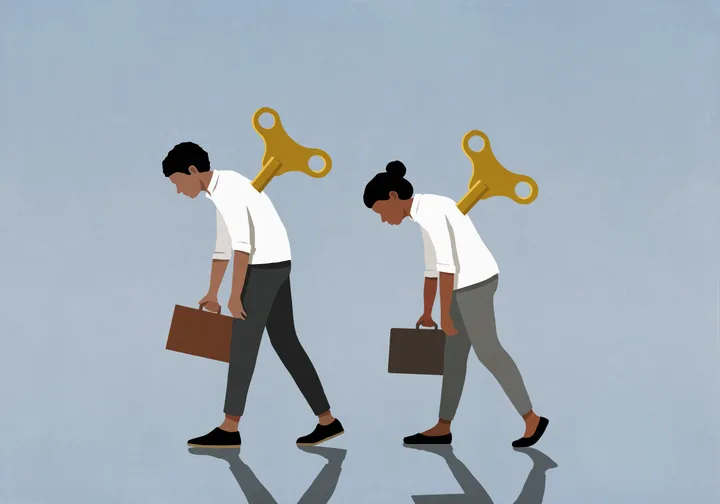
What have you given up since becoming a parent? It’s a common question mums and dads are asked.
It might be precious time spent with your newborn – the UK’s paternity leave is the worst in Europe forcing many dads back to work before they’re ready. It might be career progression, a pay rise or even your job (85% of women leave the full-time workforce within three years of having their first child).
It might be your savings or any extra income you are forced to make in order to pay for full-time childcare, which can range from £60 to £100 per day (government help with these costs is applicable to some, not all).
A new study on fatherhood from Equimundo, which polled 8,000 parents and caregivers across 16 countries, found fathers value care more than ever – but are increasingly stretched to breaking point.
The study found parents don’t have the time, resources, or support to care for their families without constant strain, which it dubbed a “crisis”.
Savings (and safety nets) are drained, hours are cut to work around the school day (four out of five parents said their employer won’t allow flexible working), job security hangs in the balance, and study and leisure time quietly disappears.

Malte Mueller via Getty Images
The sacrifices parents make
The report’s “sacrifice scorecard” asked the world’s mums and dads what they have had to give up in order to care for their loved ones.
It found parents are making six to eight separate sacrifices to provide care for their children.
One in four had to refinance their homes to pay for care services, one in three turned down a professional advancement to provide care, almost two-thirds worked overtime to bring home extra pay, and half took on a second or third job to increase their income.
It’s no wonder then that three in four dads, and four in five mums, are losing sleep over their financial future.
The report highlighted how these sacrifices can also fuel increased anxiety, suicidal thoughts, and higher alcohol consumption. It noted fathers have higher odds than mothers of falling into the high-distress group, with younger dads most at risk.
Its authors summarised that fathers want to be present and active in the daily lives of their children, but are held back by norms and policies that haven’t caught up – and it’s placing great strain on families.
Elliott Rae, founder of Parenting Out Loud and Equal Parenting Week, said the sacrifices dads are having to make, per the new research, tell “a new version of the same story that we have heard” from mums over the years.
“This isn’t about competition between the sexes; it’s about recognising that both parents are continually having to make sacrifices because of societal structures that make parenting in the UK akin to the ‘wipe out’ obstacle course tryouts,” he said.
“Unequal parenting leave means that mums are set up as the primary carer and dads are set up as the chief provider, and both parents then struggle to excel in each other’s lanes.
“We need to set parents up as equals from the get-go by levelling up paternity leave, and then we need to instil flexible working practices that allow mothers to work to their full potential instead of making themselves smaller in order to ‘have it all’ and dads to be able to be the present dads that they want to be.”
Gary Barker, president and CEO of Equimundo, responded that while “men are doing more of the care work and finding meaning and happiness in doing so”, families everywhere “face enormous challenges to provide basic care”.
He called on men to “demand and advocate for the care services we all need”.
Lee Chambers, founder of Male Allies UK, wants to see changes to policies that better support parents.
“The problem is we’re asking dads to be providers first and then telling them they need to do 50:50 childcare too. They want to do it, they want to be there, but there’s still a huge pressure to work like you don’t have kids,” he said.
“The reality is something has to give and without policies in place to support dads to be dads, they end up taking a hit as a family, both financially and mentally.
“We need to create balance – put structures in place that enable mums to work without getting paid less than dads for doing so, and we need to enable dads to be dads by giving them time off to bond and care for their children.
“We need to close the gaps if we want any hope of reaching equality at work and home.”

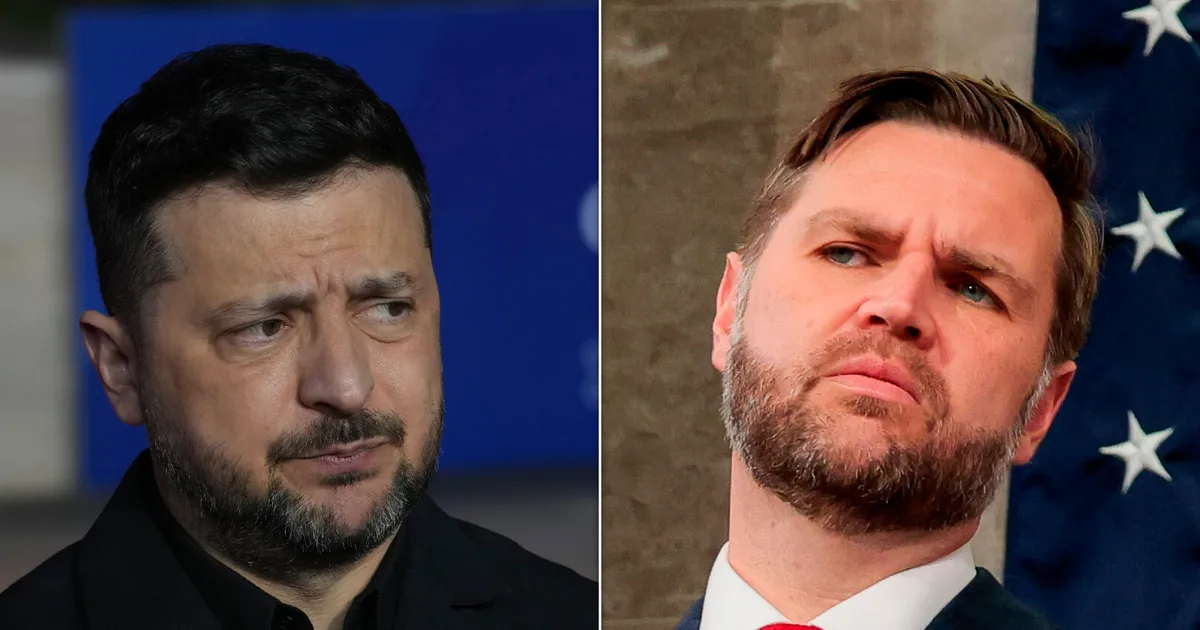
JD Vance has been accused of “helping” the Russians by Ukrainian president Volodymyr Zelenskyy.
The criticism came after the US vice-president boasted about the Trump administration’s decision to stop sending weapons to Ukraine.
Speaking at a Turning Point USA event in mid-April, Vance said: “It’s one of the things I’m proudest… we’ve told Europe that if you want to buy weapons, you can, but the US is not buying weapons and sending them to Ukraine anymore.”
But the Ukrainian leader slammed Vance in comments this week, telling Newsmax: “If JD Vance is proud that he’s not helping us, it means that he is helping Russians, and I’m not sure that it’s strengthening the United States.
“Russia is the enemy. They will always be enemies with the United States.”
He said Ukraine is open and a “partner” for the US, adding: “Maybe the vice-president wanted to say it would bring peace closer if United States will not help us with weapons.
“But it doesn’t work with Russia. Russia does not respect weakness. If nobody will help us, we will of course, be in weak[er] position.”
“The quickest way, how to make the strongest forces in the world – we have to strengthen each other, not to find ways to stop support, or not to stop support,” the president added.
The Ukrainian president’s comments come after Donald Trump stunned reporters by mixing up the Iran and Ukraine wars earlier this week.
Speaking from the Oval Office, he said: “I think Ukraine – militarily, they’re defeated.”
He added: “They had 159 ships. Every ship right now is underwater. Typically, that’s pretty good.”
“It should be hard for them to make a naval comeback,” he added.
Trump and his Russian counterpart Vladimir Putin reportedly spoke on the phone on Wednesday to discuss the war in Iran and a temporary ceasefire in Ukraine.
The conversation lasted more than 90 minutes. Trump allegedly rebuffed Putin’s offers to help take Iran″s buried uranium to Russia but the US president said he wanted Moscow to be “involved with ending the war in Ukraine” instead.
He also claimed he believes a deal to end the Ukraine war is close.
However, Russia has insisted it will only agree to a peace deal if Kyiv cedes more land to Putin – a red line for Ukraine.
Subscribe to Commons People, the podcast that makes politics easy. Every week, Kevin Schofield and Kate Nicholson unpack the week’s biggest stories to keep you informed. Join us for straightforward analysis of what’s going on at Westminster.
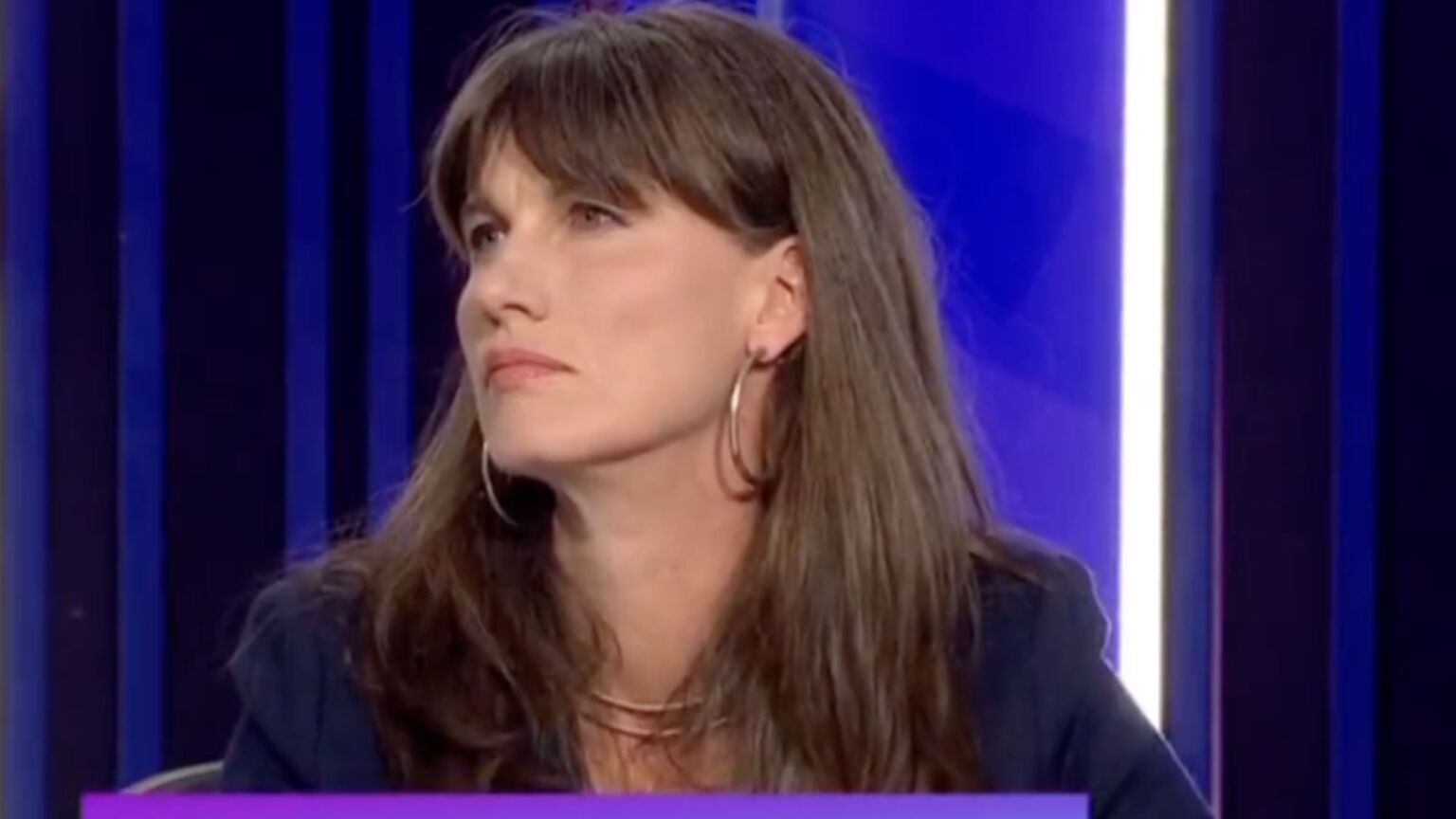
On Thursday night, the day after the stabbing of two Jewish men in north London, Green Party deputy leader Rachel Millward was asked a simple question on the BBC’s Question Time. ‘You’ve stated you’ve seen racial hatred in this country’, said a member of the audience. ‘Could you please specify where that hatred is coming from?’
Most politicians would be grateful to receive such a soft under-arm on live television. The answer couldn’t be more obvious. The ‘racial hatred’ Britain is experiencing is anti-Semitism – and most of it is coming from Islamists, especially when it takes the form of terrorist violence targeted against Jews.
There is much we don’t yet know about the Golders Green terror suspect, Somali-born Essa Suleiman. But we do know he was referred to the Prevent counter-radicalisation scheme in 2020 and that Iranian Islamist group, Harakat Ashab al-Yamin al-Islamia, has claimed responsibility for the attack – the same Islamist group that may have been behind the attack on Hatzola ambulances in March, also in Golders Green. Similarly, the man who murdered Jews at the Heaton Park synagogue and the three men who plotted a mass-casualty terror attack against Jews in Manchester were Islamist extremists (Walid Saadaoui, Bilel Saadaoui and Amar Hussain were described as ‘fervent supporters of ISIS’ by their sentencing judge). The ‘hatred’ that is now regularly manifesting in anti-Semitic violence invariably comes from Islamists.
Millward, blinking in confusion, looked as if she had just been addressed in Swahili. It must be said that her obvious desire to avoid the question was helped by the Question Time host, Fiona Bruce, who seemed to be just as keen on moving the conversation on as her guest. ‘Er, I’m not quite too sure what you mean’, Bruce said. ‘Do you mean the general public?’
‘[Millward] said there was racial hatred in the country’, the man in the audience repeated. ‘I’d just like to know where she thinks it’s coming from.’
Eventually, Millward was left to stand on her own two feet. ‘I mean, I was talking about there is a rise in, um, racially motivated crime – that kind of thing’, she said. ‘There’s more and more hate crimes, more reports of people feeling unsafe, there’s more division.’
But the man in the audience was having none of these prevarications. He repeated the question again. Millward, like she had finally had it with this irritating pedant, burst out with the following:
‘We live in rip-off Britain. And people are having a really, really tough time. They’re struggling because their bills are going up. They’re struggling because they can’t afford their rent. I actually think this is the reality. They’re struggling because food is now so expensive it’s eye-watering… What that means is that there’s a tendency to find someone to blame.’
And what luck for Millward. Because sitting on her left was none other than Reform UK chairman Zia Yusuf. Turning to him, she went on to state: ‘I think there have been narratives, Zia’s party is definitely one of these narratives – like the people propagating the narratives – that will point the finger at certain communities to blame them, when it is not the fault of those communities.’
Basically, Millward’s response can be summarised as: supermarket prices and Nigel Farage are the reasons why Jews are being stabbed in London.
It isn’t hard to understand why Millward gave such a tortured and dishonest answer. Just hours before Question Time went to air, two Green Party candidates standing in next week’s council elections were arrested by Metropolitan Police officers on suspicion of stirring up racial hatred. It probably goes without saying that Saiqa Ali (a Muslim woman) and Sabine Mairey were not charged under Section 19 of the Public Order Act because they had posted inflammatory pictures of their latest receipt from Sainsbury’s. They were arrested for allegedly sharing anti-Semitic content.
Of course, Millward would have been in a bind even without these untimely arrests. Since the Green Party’s Islamo-leftist turn, there was never any chance that someone from the leadership would say anything critical of Islam, or even Islamic extremism.
Everyone with a pulse knows where the ‘racial hatred’ against Jews is coming from. A party awash with Islamist-inspired Jew hatred is never going to acknowledge this.
Hugo Timms is a staff writer at spiked.
!function(n){if(!window.cnx){window.cnx={},window.cnx.cmd=[];var t=n.createElement(‘iframe’);t.display=’none’,t.onload=function(){var n=t.contentWindow.document,c=n.createElement(‘script’);c.src=”//cd.connatix.com/connatix.player.js”,c.setAttribute(‘async’,’1′),c.setAttribute(‘type’,’text/javascript’),n.body.appendChild(c)},n.head.appendChild(t)}}(document);(new Image()).src=”https://capi.connatix.com/tr/si?token=8b034f64-513c-4987-b16f-42d6008f7feb”;cnx.cmd.push(function(){cnx({“playerId”:”8b034f64-513c-4987-b16f-42d6008f7feb”,”mediaId”:”58e4b6d8-4226-4375-bd92-cab4b6f8ff51″}).render(“69f4a668e4b02d8fdb5f39e7”);});
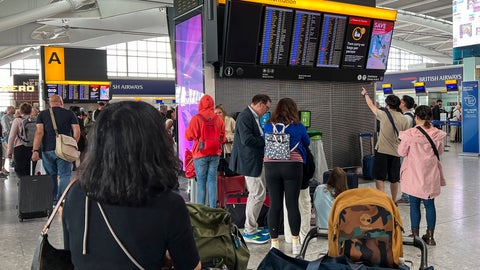
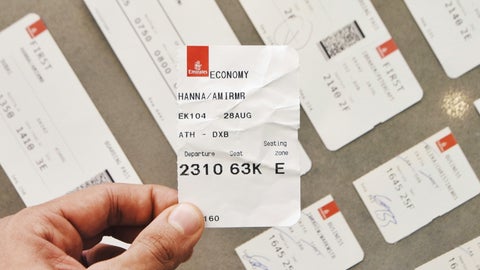
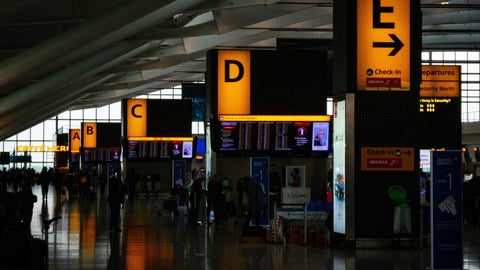
On April 10, 2026, the EU’s new Entry/Exit System (EES) became fully operational.
That means fliers outside of the EU will have to provide a different kind of data when going for short stays in Schengen countries.
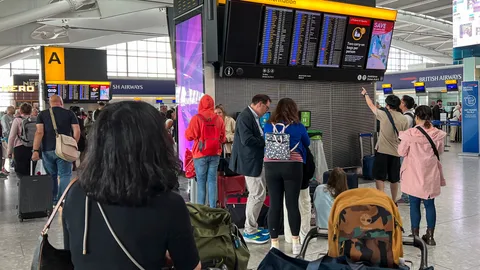
Though the digital record stays valid for three years, getting people to sign up to the system for the first time all at once has led to chaos in some airports. The Guardian described “nightmare” queues and missed flights.
We’ve written before about the best advice from airlines like Jet2, Ryanair, TUI, and British Airways about how to plan your airport trips.
But what can UK fliers expect regarding the data required, what happens during the EES process, where it applies to, who’s exempt, and how to plan ahead of travel?
Luckily, Adam Edinburgh, Head of Travel and New Products at Post Office, has shared his thoughts.
What is the EES?
It’s, “a new digital border control system for non-EU nationals entering the Schengen Area for short stays (up to 90 days in any 180-day period). It replaces manual passport stamping with electronic registration, improving border security and efficiency,” said Edinburgh.
Brits travelling to countries like Spain and Portugal this summer should expect to have their passports scanned and fingerprints taken if they haven’t gone through EES already.
Which countries use EES checks on UK fliers?
It applies to Schengen countries. These are in the EU, but they don’t include all countries in the bloc: the Republic of Ireland and Cyprus aren’t Schengen countries.
Greece, though a Schengen country, has opted out of the biometric system for UK passengers for now.
The Schengen countries involved are:
- Austria,
- Belgium,
- Bulgaria,
- Croatia,
- Czechia,
- Denmark,
- Estonia,
- Finland,
- France,
- Germany,
- Greece (though they’ve waived biometric checks for UK passengers for now),
- Hungary,
- Iceland,
- Italy,
- Latvia,
- Liechtenstein,
- Lithuania,
- Luxembourg,
- Malta,
- Netherlands,
- Norway,
- Poland,
- Portugal,
- Romania,
- Slovakia,
- Slovenia,
- Spain,
- Sweden, and
- Switzerland.
What happens during an EES check?
“Travellers entering for the first time will undergo biometric registration at border kiosks or e-gates, this includes the system capturing a facial image, fingerprints (if visa-exempt), passport details, and entry/exit information,” said Edinburgh.
“For subsequent visits, the process will be faster due to the data already being stored. It’s important to note that no pre-registration is required – registration happens at the border during your first entry.”
The entire process is expected to take mere minutes. But because lots of other people will be doing it at the same time, at least in the beginning, the expert warns to expect queues and to arrive a little earlier than usual.
Who is exempt from EES checks?
You don’t have to go through EES checks if you’re an EU, EEA, or Swiss citizen.
“Non-EU nationals with specific residence permits, and Monaco, Andorra, San Marino, Vatican nationals” are also exempt, said Edinburgh.
Additionally, “Ireland and Cyprus are not part of the Schengen area where the system applies, so UK nationals travelling there will continue to be checked and stamped manually.”
And children under 12 will only have their facial image taken, not their fingerprints.
EES checklist
Lastly, Edinburgh recommended going through a checklist before getting your first EES checks. These are:
- Check your passport expiry date (must be valid for at least 3 months after your trip for EU countries),
- Know your entry airport’s EES setup (expect biometric checks),
- Keep essential travel documents easily accessible, including passports, travel insurance, accommodation confirmation, and proof of onward or return travel.
And as we mentioned before, airlines have already shared their advice for making the novel process run as smoothly as possible.
Related…
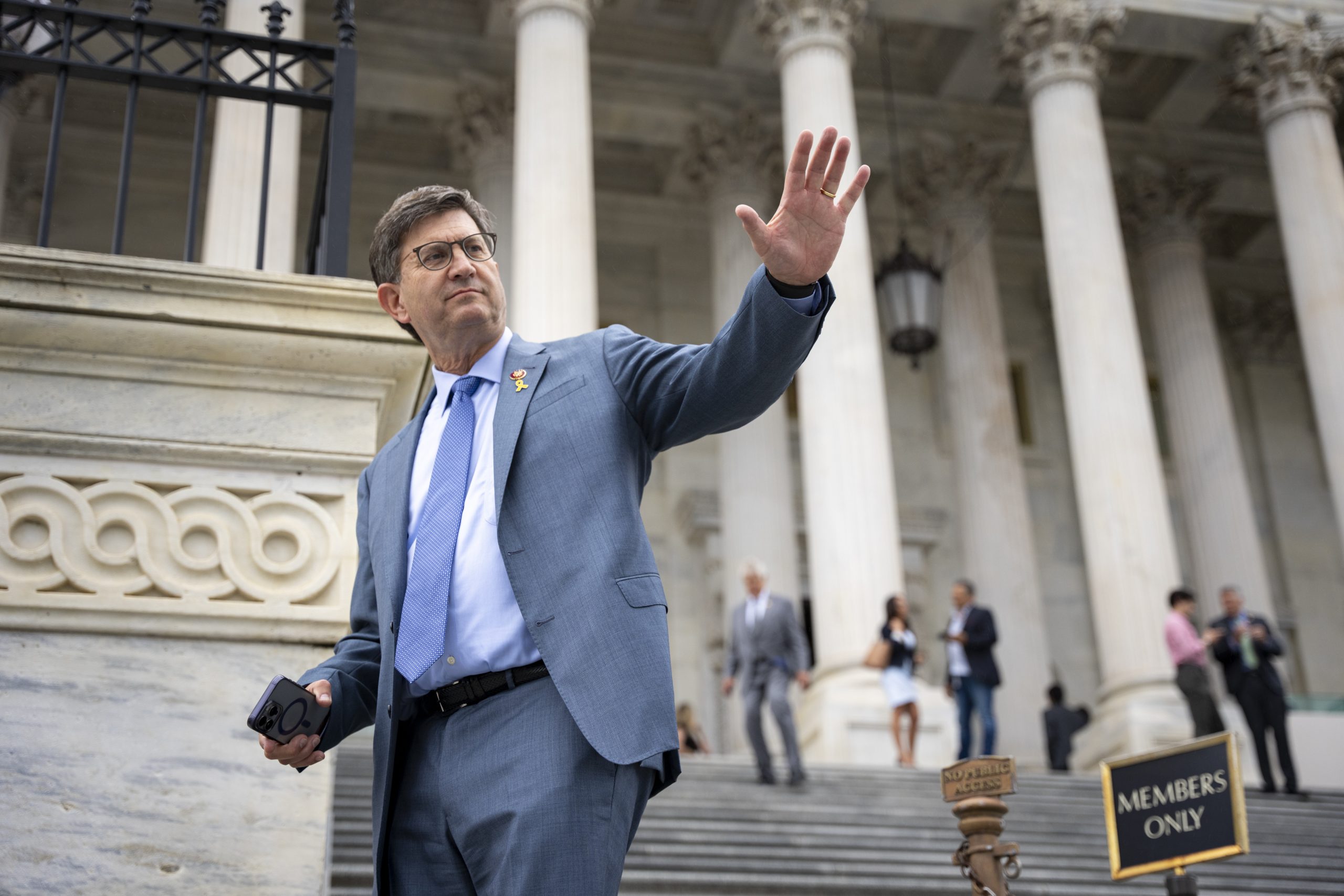

Centrist Democrats are seeking to flex their messaging muscles ahead of the midterms, with a nonprofit affiliated with an influential group of House Democratic moderates set to host its inaugural policy conference later this month.
The Effective Governing Coalition is hosting the May 12 forum, billed as “Delivering an Effective Economy: A Solutions Conference,” at Washington’s Planet Word Museum. The group launched in 2024 as an offshoot of the centrist New Democratic Coalition and prioritizes economic growth, environmental sustainability, health care access and national defense.
The event, which will include new polling on cost-of-living concerns and focus on how Democratic leaders can boost affordability, comes as the center and left wings of the party have started laying out visions for an affordability agenda.
The New Democrats, the House’s largest Democratic Caucus, released a 16-page “Affordability Agenda” earlier this year, which details specific policy proposals targeting grocery, health care, housing, energy and family-related costs. The Congressional Progressive Caucus unveiled a 10-point legislative plan to lower costs earlier this week.
The forum is not the EGC’s first foray into messaging around lowering costs. The group, founded by longtime Democratic operatives Mike Goodman and Kyle Layman, boosted swing-district members of the New Democrat Coalition in a summer ad buy blasting Republicans’ Medicaid-cutting megabill.
Sen. Elissa Slotkin (D-Mich.), who said last month she has not ruled out a run for president, will speak at a fireside chat. Rep. Brad Schneider (D-Ill.), the New Dems chair, as well as Reps. Nikki Budzinski (D-Ill.), Salud Carbajal (D-Cali.), Kristen McDonald Rivet (D-Mich.), Marilyn Strickland (D-Wash.) and Greg Stanton (D-Ari.) will also attend.
Other speakers include Fox News commentator Jessica Tarlov, political reporters Leigh Ann Caldwell and Molly Ball, Impact Research’s Molly Murphy, SKDK’s Doug Thornell and Third Way’s Lanae Erickson.
Another sign that the group is buckling down ahead of November’s election: The EGC recently hired Andrew Wright, former Rep. Derek Kilmer’s (D-Wash.) chief of staff, as its first executive director.


More than 100 candidates standing in next week’s election for the Senedd have made the Palestine Solidarity Campaign (PSC)’s “Pledge for Palestine”, which includes supporting the Palestinian-led call for Boycott, Divestment and Sanctions on Israel.
A total of 115 candidates have so far signed the pledge, representing a wide range of political parties, including 46 Green candidates, 37 from Plaid Cymru, 8 from the Liberal Democrats, 6 from Labour, and 5 independents.
The “Senedd Palestine Pledge” commits candidates – if elected – to “take all appropriate steps to” (1) uphold the inalienable rights of the Palestinian people, (2) stand up to Israel for its crimes of genocide and apartheid, and (3) ensure the Welsh government is not complicit in these crimes, including by supporting the Palestinian-led call for Boycott, Divestment and Sanctions.
Prominent Senedd candidates taking the pledge
The pledge has been made by prominent Senedd candidates, including Wales Green Party leader Anthony Slaughter, former Members of the Senedd standing again such as Mike Hedges (Labour), Sioned Williams (Plaid Cymru), Llyr Gruffydd (Plaid Cymru), Sian Gwenllian (Plaid Cymru), Heledd Fychan (Plaid Cymru), former MP Beth Winter (community independent) and Rob Griffiths of the Communist Party of Britain.
With the new ‘closed proportional list system’, where voters select based on parties or independent candidates, rather than parties’ individual candidates, the pledge has been signed by 2 Labour, 3 Liberal Democrat, 10 Plaid Cymru and 12 Green first-placed candidates.
The pledge has direct relevance to the Senedd, particularly in light of last year’s revelation that the Welsh government had given a £500,000 grant to an arms company that exports parts for Israel’s F-35 fighter jets, despite the First Minister’s claims to the contrary. These aircraft have been used in Israel’s obliteration of Gaza, which is widely considered to have amounted to the crime of genocide, a finding confirmed by the UN Independent Commission of Inquiry.
The Senedd Pledge for Palestine follows PSC’s similar initiative in the English local elections, where more than 1,800 council candidates have made a ‘Pledge for Palestine’.
Bethan Sayed, co-chair of Palestine Solidarity Campaign Cymru, said:
Reaching 100 pledges is a milestone. It is a clear message that Palestine is on the ballot in this Senedd election. Wales has always aspired to be a nation that stands on the right side of history, a globally responsible nation that holds human rights and international law at its heart. These 100+ candidates are giving real meaning to that aspiration.
Support for Palestinian rights stretches across every community and every constituency in Wales. Polls show public backing for this issue. Voters will be watching closely to see who has the conviction to stand with them.
To those candidates who have not yet signed: time to act is now. This is a test of moral leadership. We urge every remaining candidate to sign the Pledge before polling day.
Featured image via the Canary
By The Canary
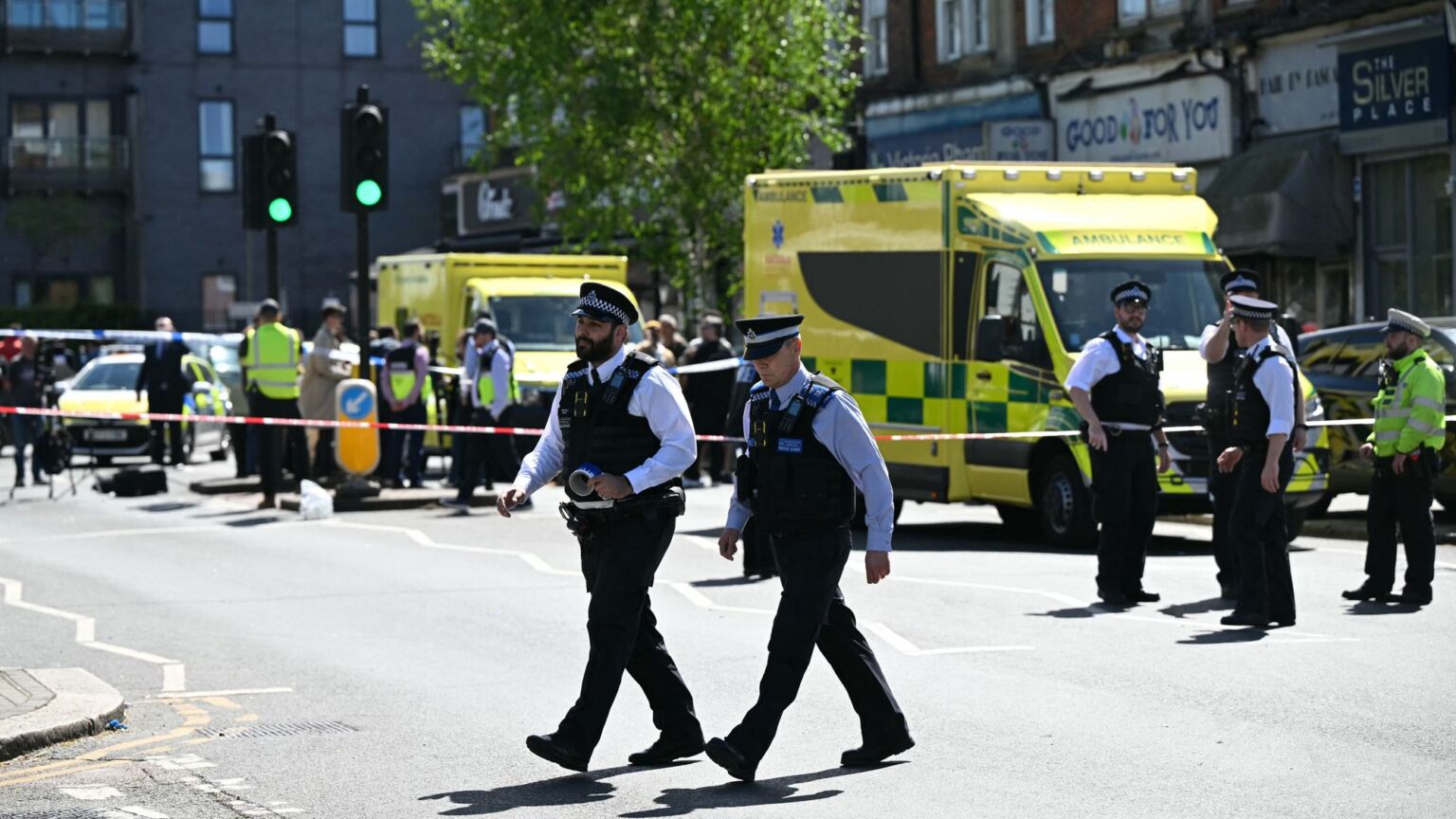
A history of ‘serious violence’. ‘Mental-health issues’. A previous referral to the UK’s counter-terrorsm programme. Though details about Essa Suleiman, the suspected Golders Green attacker, are still emerging, those we already know tell an all too familiar story.
Prior to being charged with the attempted murder of two Jewish men this Wednesday, the Somali-born British national’s record was far from squeaky clean. A sometime Somali interpreter for the Metropolitan Police, he had a violent altercation in 2008 with a policeman and his police dog, stabbing both with a bread knife. He was sentenced to prison indefinitely.
‘The most important thing’, said Andy Marsh, assistant chief constable of Wiltshire Police at the time, ‘is a very dangerous man has now been taken off the streets’. Of course, as we now know, Suleiman would not be kept off the streets nearly long enough. Despite being referred to the government’s counter-extremism Prevent programme in 2020, Suleiman’s case was – astonishingly – closed that same year. This begs the question of exactly what Prevent is so preoccupied with, if it is not keeping dangerous men like this under close surveillance.
Suleiman is far from a one-off oversight. If found guilty, he will merely be the latest in a long line of terrorists to have slipped Prevent’s rather loose net. In 2021, Conservative MP David Amess was stabbed 21 times during a constituency surgery in Leigh-on-Sea, in Essex. His attacker, the Islamic State-affiliated Ali Harbi Ali, was a graduate of Prevent’s deradicalisation programme. Prevent had ultimately decided he was no longer a threat. ‘I just knew to nod my head and say “yes”, and they would leave me alone afterwards’, Ali said later of the counter-terror case workers that he’d encountered.
Libyan-born Islamist Khairi Saadallah, who in 2020 undertook ‘an act of religious jihad’ and stabbed three men to death in a Reading park, was similarly overlooked. Saadallah had been referred to Prevent two years prior, only to have his case dismissed when no ‘fixed ideology’ could be determined. Then there’s Sudesh Amman, who stabbed two people in Streatham in 2019, and Ahmed Hassan, responsible for the 2017 Parsons Green bombing, who were also known to Prevent well before their respective attacks took place.
Usman Khan, who was convicted of taking part in an al-Qaeda-inspired bomb plot in 2012, participated in several Prevent schemes. He was widely considered a ‘success story’ of rehabilitation. In 2019, during an offender-rehabilitation conference, Khan strapped a pair of knives to his wrists and stabbed five people, killing two.
What all these terrorists have in common is they are Islamists. Prevent is astonishingly ill-equipped and even reticent to tackle Islamist extremism. This was highlighted by the 2023 Shawcross Review, which found that a mere 16 per cent of cases referred to Prevent in the year ending March 2022 were related to Islamist radicalisation. Given that Islamism is the focus of 75 per cent of ongoing counter-terror investigations in the UK, something is clearly going wrong here. Shawcross cites a ‘lack of training’ as well as a ‘culture of timidity among practitioners’ when it comes to tackling extremism of an Islamist nature. Apparently, even using the word ‘Islamist’ was a no-no among both funded and non-funded Prevent staff, who feared it would ‘act as a barrier to engagement with communities’.
Indeed, Islamism-related referrals to Prevent dropped a huge 72 per cent between 2017 and 2022. During that same period, far-right referrals began to take precedence. According to the government’s Standards and Compliance Unit Annual Report: 2024 to 2025, training reportedly involved ‘a disproportionate focus on extreme right wing in comparison to Islamist extremism, and excessive focus on wider influences and ideologies which do not reflect the predominant terrorist threat’. These ‘wider influences and ideologies’ were revealed to be socialism, anti-abortion, Brexit, gender-critical views, and those who rejected vaccinations.
Apparently, the enjoyment of certain authors was also a red flag for Prevent, with the works of Chaucer, Shakespeare, Lewis and Tolkien being indicative of potential far-right affiliations. The supposedly corrupting influence of TV shows like The Thick of It and Great British Railway Journeys was also noted – because nothing screams ‘fascist’ more than watching the flamboyantly-trousered Michael Portillo enthuse about steam trains.
Unless we arrive at some honesty about where the majority of terror threats within the UK are coming from, Suleiman will not be the last to give Prevent the slip. Unless Prevent starts taking Islamic extremism more seriously, then it will not prevent much of anything.
Georgina Mumford is a content producer at spiked.
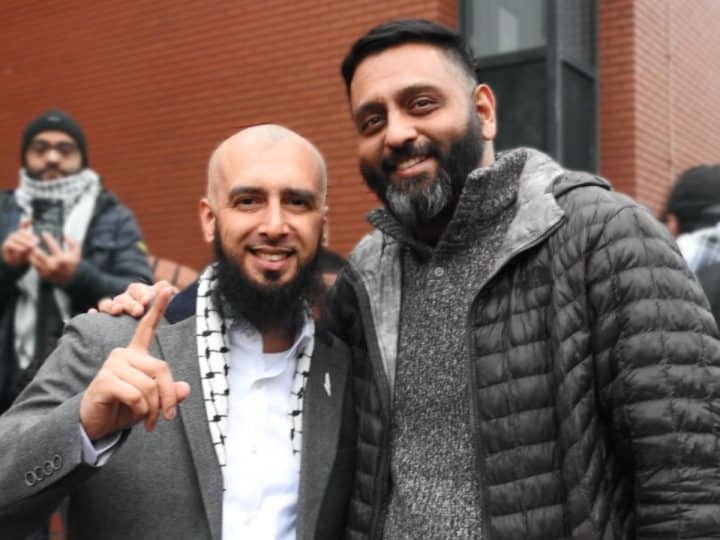

Under the 2000 Terrorism Act, the maximum sentence for encouraging terrorism is 15 years in prison. Inviting support for a proscribed organisation carries a maximum term of 14 years. When Majid Freeman began to speak at Birmingham Crown Court, standing accused of supporting Hamas through a series of social media posts related to the Gaza genocide, he knew his liberty was on the line.
Freeman takes the stand
Defence barrister Hossein Zahir KC is a seasoned professional and imposing presence, his words booming across the courtroom.
His questioning began with several reminders to the softly-spoken Freeman to raise his voice. Judge Andrew Smith KC politely suggested:
Aim for the back row of the jury, even if you need to shout.
First trip to Gaza
The court heard details of Freeman’s first trip to Gaza in 2012, as part of the “Games 2 Gaza” initiative.
It was on this trip that Freeman first met his wife, his barrister confirms. Now, she looks on with a concerned expression from the public gallery.
Freeman explains:
It was designed to replicate the 2012 Olympics for the orphans in Gaza. We took sports equipment: boxing gloves, skipping ropes, and footballs.
On one of the days, we gave the children paper and colouring pens. Most drew their parents being killed or attacked by tanks or fighter jets. I was taken aback. I’d never seen anything like it.
‘I was devastated’
The jury were shown photographs of Freeman delivering medical aid to hospitals in Beit Hanoun and Gaza City.
Freeman’s defence barrister asked: “How did the trip to Gaza affect you?”
I was devastated.
His barrister continued: “Did anything happen after you returned home?”
Yes. In November 2012, the Israeli military attacked Gaza again.
In February 2013, Freeman went back to Palestine: “What was the impact of the second visit?” Freeman took a deep breath:
I couldn’t believe the level of destruction in just a few months. Yes, things were bad before, but now, they were worse.
Freeman was asked by his barristers about his views on the Zionist project and ideology:
I think it’s a disgusting ideology. Because of Zionism, Palestinian families have been displaced from their homes. I believe every Palestinian has the right to defend themselves and their families, including by using force.
The ‘Palestine’ question
Next, Zahir asked about his view on a potential solution to the Palestine question:
I believe that the two-state solution is unrealistic. Maybe it was once a possibility, but not now. In fact, I believe that the Israeli government uses it as cover to continue expanding and removing Palestinians from their land.
Zahir asked: “But what do you believe the answer is?”
I believe that all citizens of Palestine should be able to live side-by-side, with equal rights, regardless of their faith, like the rights we have here. They should not be forced to live under two separate judicial systems.
“Are you a supporter of Hamas?” Zahir asked. Freeman replied:
No. I do not support Hamas as a group. I support the right of all Palestinians to defend themselves, whether they are part of any group or none.
Not just Hamas, but every Palestinian group has the right to defend themselves against Israeli aggression and genocide. This is the basics. Every people has the right to self-determination.
I am totally against being forced to criticise Hamas as a condition for speaking on the issue of Palestine. It is a trap designed to prevent discussion.
“Do we hear the same condition, to condemn the actions of the IDF, imposed as a precursor to discussion?” his barrister asked.
Hardly ever. Palestinians ‘die’; Israelis are ‘killed’. Language matters.
A clear, unapologetic account
Whatever the outcome of the trial, Freeman made sure to set out his stall. The jury has been presented with a clear, unapologetic account of his views. Now, they must decide whether or not he has broken the law.
Tomorrow, Freeman will be cross-examined by the prosecution.
At one point, defence barrister Zahir asked Freeman to explain a poem he had reposted on Instagram.
There were times [during the Gaza genocide] that I felt despondent, but then I’d come across a powerful reminder like this.
I’ve got my voice; I don’t have time to feel disheartened.
Featured image via the Islam21c
By The Canary
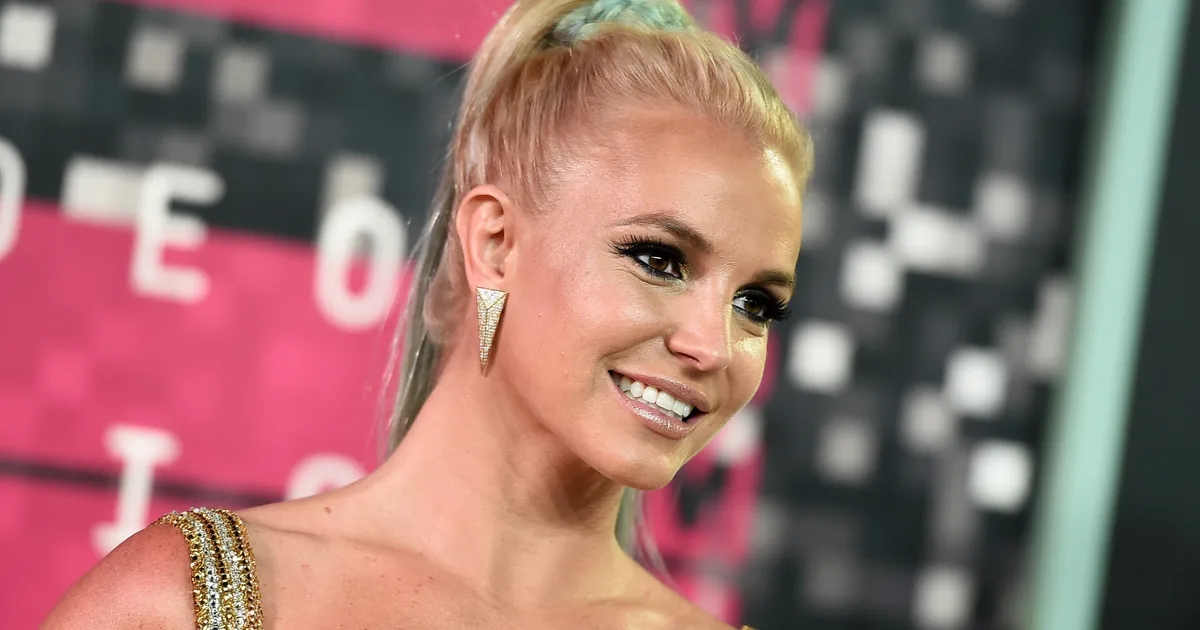
Britney Spears has been charged with driving under the influence, following her arrest earlier this year.
In March, the Grammy winner was pulled over by the police while driving in California and taken into custody.
The Ventura county district attorney’s office has since confirmed on Thursday evening that the Piece Of Me singer had been charged with a single misdemeanor count of driving under the influence of alcohol and at least one drug.
Following her arrest, it was reported that Britney was due to appear in court on Monday 4 May. However, because her charge is a misdemeanour, she will not be required to attend in person.
HuffPost UK has contacted Britney’s team for comment.
Around a month ago, Britney’s team confirmed that the pop star had checked herself into rehab.
Britney’s spokesperson previously told HuffPost UK in the aftermath of her arrest: “This was an unfortunate incident that is completely inexcusable. Britney is going to take the right steps and comply with the law and hopefully this can be the first step in long overdue change that needs to occur in Britney’s life.
“Hopefully, she can get the help and support she needs during this difficult time. Her boys are going to be spending time with her. Her loved ones are going to come up with an overdue needed plan to set her up for success for well being.”
Britney has had some very public ups and downs in the years since being released from the conservatorship she’d been placed under for more than a decade in 2021.
Over the last five years, she has married and subsequently divorced the actor Sam Asghari, released a popular memoir telling her own story for the first time and returned to the music scene with the top 10 Elton John collaboration, Hold Me Closer.
More recently, she has made it clear that she intends “never” to “return to the music industry”.
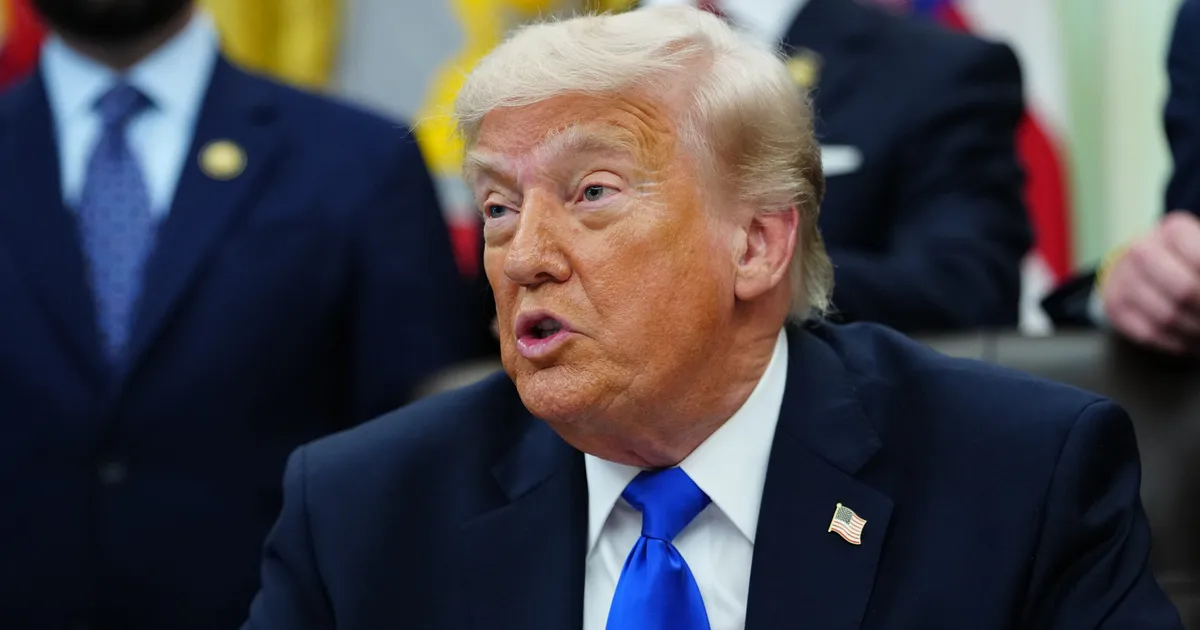
Trump, who has a penchant for putting his name on buildings and more, reshared what appeared to be an AI-generated map on his Truth Social platform that labeled the narrow channel off Iran’s coast as the “Strait of Trump.”
The strategic waterway carries roughly a fifth of the world’s oil supply and its blockade amid Trump’s war on Iran has seen oil prices spiking.
“Crude oil is now at $120/barrel and climbing. Americans are paying higher and higher prices,” the governor’s press office wrote on X, before adding: “Why won’t President Trump open the Strait of Trump!?”
Other critics slammed the idea, with some calling for the channel to renamed the “Strait of Epstein,” in reference to the late convicted sex offender Jeffrey Epstein, a onetime close associate of the president.
Subscribe to Commons People, the podcast that makes politics easy. Every week, Kevin Schofield and Kate Nicholson unpack the week’s biggest stories to keep you informed. Join us for straightforward analysis of what’s going on at Westminster.

If you think your morning cup of coffee is a “guilty habit,” you might want to think again.
Drinking up to about three or four cups of coffee a day has been linked to a longer life. Black coffee with no sugar in particular could help us live longer and age better. However, we aren’t definite about why that may be.
But a new paper published in Nutrients suggests researchers have found a clue: it seems to relate to a process involving protein NR4A1.
Why might coffee protect against the signs of ageing?
The scientists wanted to look at the link between coffee and NR4A1 receptors, which are involved in a range of biological processes from tissue repair to metabolism.
NR4A1 is “involved in protecting the body from stress-induced damage,” Prof Dr Stephen Safe, who co-wrote the study, said.
“If you damage almost any tissue, NR4A1 responds to bring that damage down.. If you take that receptor away, the damage is worse.”
After looking closer at both coffee and this protein, they found that some parts of the caffeinated drink, including compounds like caffeic acid, seemed to bind to NR4A1 and change its activity level.
“What we’re saying is that at least part of coffee’s health benefits may come through binding and activating this receptor,” Prof Dr Safe said.
They also saw that compounds in the coffee seemed to reduce cell damage and slow cancer cell growth in lab models, an effect that disappeared when NR4A1 was removed from cells.
This may explain the benefits of decaf coffee, too
The researchers found that caffeine might not actually be a major driver of these effects. Instead, other components seemed to matter more.
“Caffeine binds the receptor, but it doesn’t do much in our models. The polyhydroxy and polyphenolic compounds are much more active,” said Dr Safe.
Still, the professor said, this is likely only one of many ways the beverage might help to protect us from the effects of ageing.
“There are many receptors and many mechanisms involved,” he shared.
But this finding “helps explain why coffee has the effects that it does,” and may show “there’s a mechanism behind it.”

Grayscale Flags Six Protocols Leading Tokenization Growth Shift

Pete Davidson’s Relationship Tested After Baby Arrival

JD Vance Accused Of ‘Helping’ Putin By Zelenskyy

Manchester United reach agreement with Casemiro over contract clause amid transfer speculation

US brings back mandatory military draft registration

Steven Gerrard disagrees with Gary Neville over ‘shock’ Chelsea and Arsenal claim | Football


-

 Tech4 days ago
Register Renaming | Hackaday
-

 Fashion7 days ago
Weekend Open Thread – Corporette.com
-
 Crypto World6 days ago
Hyperliquid $HYPE Rally Builds Momentum as AI Sector Enters Prove-It Phase
-

 Politics4 days ago
Drax board avoid their own AGM, accused of greenwashing & environmental racism
-

 Tech4 days ago
Images of Samsung’s rumored smart glasses have leaked
-
 Sports5 days ago
IPL 2026: Ruturaj Gaikwad registers slowest fifty of the season, enters all-time unwanted list | Cricket News
-

 Tech4 days ago
Why Blue Badges Disappeared From Toyota Hybrids
-

 NewsBeat5 days ago
LK Bennett closes all stores after entering administration
-

 Fashion3 days ago
Kylie Jenner’s KHY Enters a New Era with ‘Born in LA’
-
 Entertainment6 days ago
Mariah Carey Slams Deposition Claims In Brother’s Lawsuit
-

 Business3 days ago
Most Commercial Energy Audits Miss the Real Losses
-

 Business4 days ago
(VIDEO) Charlize Theron Climbs Times Square Billboard to Promote New Netflix Thriller ‘Apex’
-

 Crypto World3 days ago
CFTC’s AI will review U.S. crypto registration applications, chairman tells CoinDesk
-
 Business7 days ago
Jeanine Pirro announces closure of Federal Reserve building cost probe
-

 Tech6 days ago
Microsoft to roll out Entra passkeys on Windows in late April
-
 Crypto World7 days ago
Nvidia (NVDA) Stock Jumps 5% as Intel Earnings Ignite Semiconductor Rally
-

 Tech5 days ago
OpenAI’s Sam Altman apologizes for not reporting ChatGPT account of Tumbler Ridge suspect to police
-

 Business2 days ago
Barclay Brothers Avoid Bankruptcy: HSBC Drops High Court Petitions After IVA Deal
-
 Tech7 days ago
Apple’s Next CEO Has a Different Battle Ahead
-

 Tech3 days ago
Get Ready for More Brain-Scanning Consumer Gadgets
You must be logged in to post a comment Login