
Politics
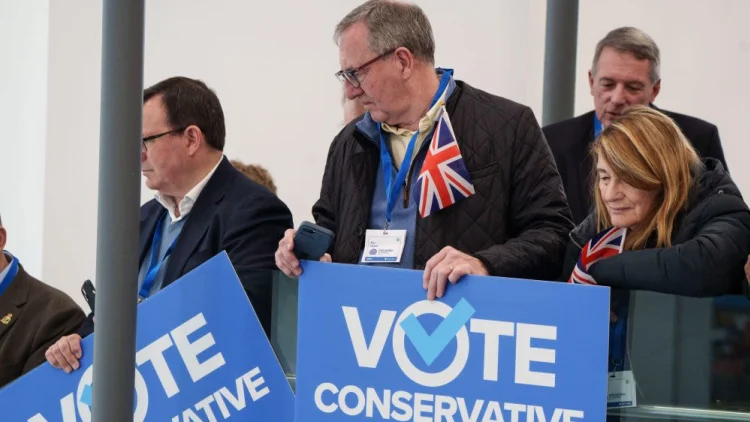
The House Opinion Article | The Tories will not recover by working with Reform


4 min read
History shows that the Conservatives succeed when they focus on the economy and the centre ground.
The 2024 general election was a shattering defeat for the Conservative Party, and recovery from a political disaster on that scale takes time. After Tony Blair’s landslide win in 1997, it took years, not months, before voters were willing to listen to anything the Conservatives were saying.
By sheer force of personality, Kemi Badenoch pushed her personal poll standing higher than any of her rival party leaders. A reputation for honest answers and plain speaking is a big political asset. (While Andy Burnham, benefiting from a political honeymoon, now rivals her ratings, we will have to see whether his popularity survives difficult budgetary choices in the months ahead). But the Conservatives lag well behind their leader in terms of public opinion.
To return to government, the Conservatives have to win back the support of millions of people who stayed at home or voted for other parties in 2024.
Doing that will indeed mean regaining the confidence of large numbers who abandoned the Conservatives for Reform. But that will not be enough.
Two years ago, roughly equal numbers of 2019 Conservatives defected to a more left-wing party – Labour, the Liberal Democrats or the Greens – as shifted to Reform. A further large number of former Tories stayed at home and did not vote.
In 2019, 17 out of 21 constituencies in the three Thames Valley counties (Berkshire, Buckinghamshire and Oxfordshire) returned a Conservative MP. In 2024, only three out of 24 constituencies did so. The 2024 election saw the number of Conservative MPs in Surrey drop from eleven to six. Those lost seats are not going to be won back by trying to outdo Reform or Restore.
Badenoch’s forthright and repeated rejection of any kind of pact or deal with Reform, whether before or after the next general election, is therefore both principled and politically wise
Voters are individuals. You can’t just add up the votes of rival parties and assume that an alliance between them would deliver the sum of those voting totals. This is where the theory that British politics these days is about voter movement within either a left or a right bloc breaks down.
Again and again, polling shows that a big chunk of Reform voters would never support a Conservative candidate. Likewise, not only opinion polls, but actual votes cast in the recent Greater Manchester mayoral by-election show that many Conservatives reject the idea of transferring their support to Reform, even as a second choice, and a sizeable minority of Tories are willing to opt tactically for a Labour or Lib Dem candidate to stop Reform winning.
Badenoch’s forthright and repeated rejection of any pact or deal with Reform, whether before or after the next general election, is therefore both principled and politically wise.
Winning back votes from both left and right certainly looks a tall order. But it is far from a hopeless cause. For example, a study by the think tank Onward shows that former Conservative supporters who went Reform and those who switched to Lib Dem both wanted to see effective immigration controls.
Nor is it an accident that the rise in Badenoch’s personal ratings began with her 2025 conference speech, which focused almost exclusively on the economy. There is a tremendous opportunity for the Conservatives to re-establish themselves as the party that champions wealth creation, enterprise, limited but effective government, personal responsibility and equality of opportunity. The Tories can contrast such an approach with Labour’s naive faith in state intervention and Reform’s incoherent approach to economic policy and preference for performative anger over practical solutions.
A clear and sustained focus on economic policy – provided it is combined with a willingness to be frank about the difficult choices and trade-offs that will be necessary to promote economic growth, and equip us to adapt to the technological revolution that is transforming industry and employment throughout the world – is what will give the Conservative Party its best chance to regain public trust.
The keys to Tory survival and success over more than two centuries have been their ability to adapt to social and economic change and their skill in building a broad coalition of supporters stretching from the centre to the democratic right.
That is what we need to do again.
David Lidington is a distinguished fellow at RUSI and a former Conservative MP and Cabinet minister

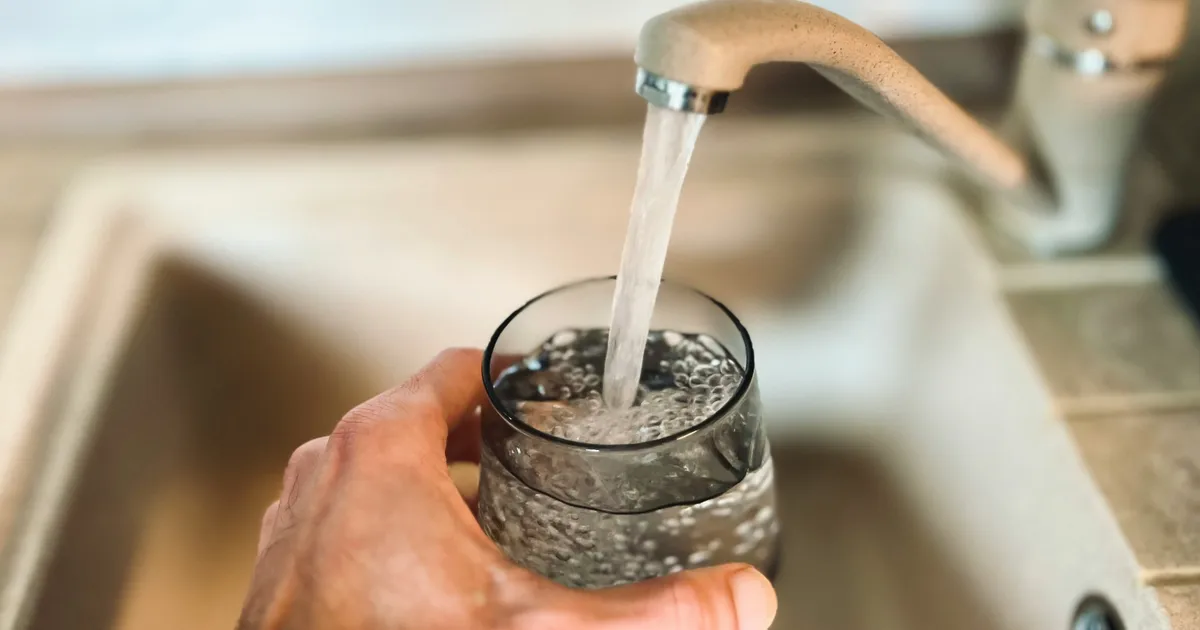
Speaking to HuffPost UK previously, Myles Robinson, a former boiler repair company owner, said: “Heat from the air or soil can warm up the water in your pipes, making it feel less refreshing”.
That (obviously) makes it warmer. But can it affect its taste, too?
Well, according to Dr Bill Simpson, a chartered chemist and specialist in sensory science, and Genevieve Upton, Our Taap’s in-house filtration expert, it can.
How can hot weather make tap water taste different?
Dr Simpson said that “Warmer pipes mean slightly more microbial activity – this is mostly harmless but occasionally noticeable. Summer water can taste subtly different for that reason.”
One study found that a type of bacteria called Coliform bacteria significantly increases in water reservoirs during the summer.
Upton added that due to microbes like these, water is treated with chlorine, which is itself odourless and tasteless.
“But when it reacts with organic material in the water, and in the pipework it travels through, it produces byproducts – compounds that can taste faintly medicinal, or create a swimming-pool character that some people find noticeable, particularly in warmer months when water companies increase their dosing to compensate for higher bacterial activity.”
That’s not the only thing that might be at play here, either, Dr Simpson said.
“There’s also something called thermal taste: about one in five people experience a shift in how water tastes simply because the temperature has changed. Same water, different temperature – suddenly it seems more bitter, or metallic, or slightly sweet.
“Nothing wrong with the water. Just something interesting about how taste works.”
The effect can be so extreme that “Temperature changes alone can trigger a metallic sensation in some people – a kind of phantom taste response”.
When should I worry about different-tasting tap water?
Still, that doesn’t mean you shouldn’t seek help if you notice some changes to your water’s flavour.
Thames Water explained that if you notice a petrol or diesel taste or smell coming from your tap, you should contact your water supplier immediately.
And per Northumbrian Water, metal-tasting water may mean your pipes are corroding and that it’s time to speak to a plumber.

Depending on the weather and even your hormonal state, it can be completely normal to sweat at night.
In fact, the NHS said on its site, “Most people sweat during the night”.
Still, sometimes, it’s worth speaking to your doctor about it. Night sweats can be a symptom of menopause, low blood sugar, autoimmune disorders, thyroid issues, and more, per the Mayo Clinic.
And Dr Jiri Kubes, a radiation oncologist and medical director of the Proton Therapy Center in Prague, said, “During hot weather, almost everyone will experience warmer and more uncomfortable nights.
“That makes it very easy to overlook a symptom that might otherwise have prompted concern,” as it can rarely signal cancer.
When should I worry about night sweats?
1) If they happen a lot, even when it’s cool out
Dr Kubes said that context and frequency matter here – sweating for one or two nights during a heatwave, for instance, might not be much to worry about.
“However, if unexplained night sweats continue regularly for more than two or three weeks, it would be sensible to arrange an appointment with your GP,” he said.
“People should seek advice sooner if the sweating is severe or appears alongside other concerning symptoms. You do not need to wait several weeks if you are feeling significantly unwell.”
The NHS agrees that you should see your doctor if night sweats happen “regularly”, if they wake you up, and/or if they worry you.
2) If you soak through your PJs
The extent of the sweating could say a lot, too – “If the room is cool but you are repeatedly waking with your pyjamas and bedding soaked through, that is different from simply feeling clammy on a hot night”.
Drenching night sweats have been linked to certain blood cancers, particularly lymphoma.
3) If it comes alongside other symptoms
Night sweats that are “accompanied by unexplained weight loss, persistent fatigue, recurring fevers or a painless swelling in the neck, armpit or groin should be discussed with a doctor,” Dr Kubes shared.
Other warning signs include:
- painless lumps or swellings that do not settle,
- unexplained itching,
- breathlessness,
- persistent coughing,
- unusual bruising,
- infections that keep returning.
The oncologist stressed that most people with night sweats won’t have cancer, adding that swollen lymph nodes happen all the time due to illness and tiredness is common, too.
“These symptoms alone cannot provide a diagnosis. An overactive thyroid, for example, is a relatively common and treatable condition that can be identified through testing,” he ended.
“The message is not to panic after a couple of hot nights. It is to recognise a persistent and unexplained change, particularly when other warning signs are present.
“Do not simply wait for the weather to cool if the sweating is severe, keeps returning or is accompanied by other symptoms. A conversation with your GP can help establish whether further checks are needed.”

There’s a strong chance you know already, but there’s a pretty big solar eclipse happening later today (12 Aug) – and there won’t be another one like it until 2090.
The eclipse, which will see the moon obscure the sun by up to 95% (depending on where you’re viewing it from), will take place between 6pm and 8pm, causing the sky to darken for a period of time.
Health experts and the UK government have warned that you can’t look at the sun during this time without the right protection as it can cause permanent damage to your eyesight. Sunglasses won’t work either.
You can buy certified solar eclipse glasses, but if you didn’t order yours in time (or they were sold out), fear not! Here are a couple of ways you can watch the rare event safely.
1. Make a projector
There are two ways to do this.
Dr Shireen Ghezel, a GP, shared how to make a projector at home using a cereal box, some white paper and a square of foil.
Simply cut a strip of white paper and pop it at the bottom of the cereal box (this is what the eclipse will be projected onto). Then, cut out two slots from the top of the cereal box and pop a square of foil on one side, poking a hole through it with a biro.
When it’s time to look at the eclipse, turn your back to the sun and let the sun shine into the hole (via the foil). Peek into the box on the other side to see it projected onto the paper.
If you haven’t got a box to hand, you’ll need a biro, a piece of card and something to project the sun onto (a bit of paper would work).
In a video shared to Facebook, David Jones, a consultant ophthalmologist for Royal Cornwall Hospitals Trust, made a hole in a piece of card with his biro and then held the card up, facing the sun, with the piece of paper behind it.
The sunlight could be seen shining through the card and making a dot of light on the paper.
2. Use a colander
No recycling to hand? No problem! Grab a colander from your kitchen cupboard, stand outside and project the sun onto the ground through the colander’s many holes.
Jones said it’s his favourite method, as “you can make not just one picture of the sun, but a hundred all at once”.
What about taking a photo?
Some people on social media have suggested using phone selfie cameras to watch the eclipse indirectly through their phone screens.
If you don’t have a special solar filter, there’s a risk that the intense sunlight can damage your camera lens, so generally this isn’t advised.
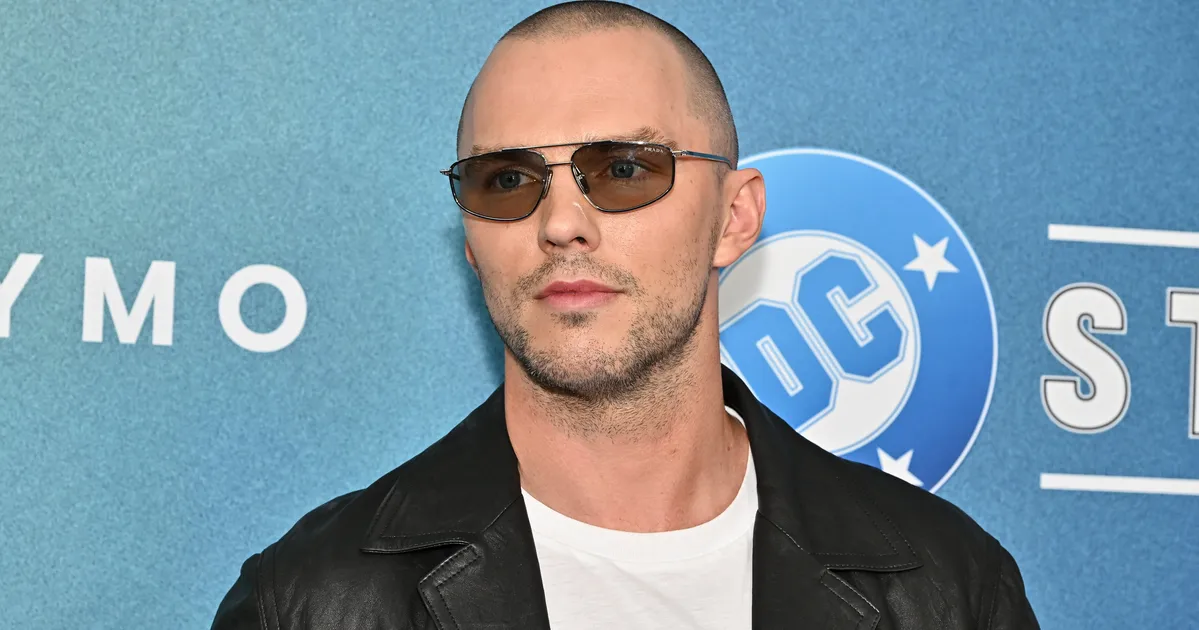
Supporters of Nicholas Hoult have complicated feelings about his next role.
On Tuesday night, the US broadcaster HBO confirmed that Hoult had been cast as Gilderoy Lockhart in the second season of its upcoming adaptation of the Harry Potter books.
The new Harry Potter series has already generated a lot of controversy due to the ongoing backlash surrounding the franchise’s creator JK Rowling, who is an executive producer on the show.
In the past few years, Rowling has become an increasingly divisive figure due to her views and commentary on issues relating to transgender people.
Of late, this has included deliberately and repeatedly misgendering transgender public figures, as well as donating tens of thousands of pounds to the campaign group which raised the initial legal challenge that led to the UK Supreme Court’s ruling last year that the legal definition of a woman should include only those who were assigned female at birth (and sharing a celebratory post of herself smoking cigar once the Supreme Court’s decision was reached).
As a result, many of Hoult’s fans were disappointed by the announcement that he’s accepted a part in the second season of the new Harry Potter show, voicing their feelings on social media…
Hoult began his career as a child actor, and revealed in 2024 that he auditioned for numerous roles in the original Harry Potter series around this time.
“I think I got to the point where I auditioned with [director Chris Columbus],” he recalled during an appearance on Hot Ones Versus. “He didn’t remember this, it wasn’t even a memorable audition. I think I said, ‘Hey, I auditioned for Harry Potter. Still waiting to hear back… I think I’m kind of going to age out of it soon’.”
He continued: “I remember doing a couple of auditions, and then meeting him and maybe having fake glasses for the audition. Not getting the role of Harry, and then maybe coming back and [them] being like, ‘Will you audition for Malfoy?’. I don’t think I got that either, and then they were like, ‘just gradually audition for every role in Harry Potter’ until they were like, ‘No’.”
The first season of Harry Potter will premiere on Now, Sky and HBO Max in the UK later this year.
In the run-up to its release, numerous cast members have spoken about their decision to take part in it, often while distancing themselves from Rowling and her views.
John Lithgow admitted earlier this year that he considered quitting the series – in which he will play Hogwarts headmaster Albus Dumbledore – when he began to face criticism over his involvement, but ultimately decided to remain a part of it.
Meanwhile, Nick Frost, the new Rubeus Hagrid, also maintained that his and Rowling’s views on trans issues “don’t align in any way, shape or form”.
And just this week, Bel Powley took part in an interview with The Telegraph, in which she said: “I think that the trans community deserve safety and dignity and respect and total acceptance. But I love Harry Potter.”
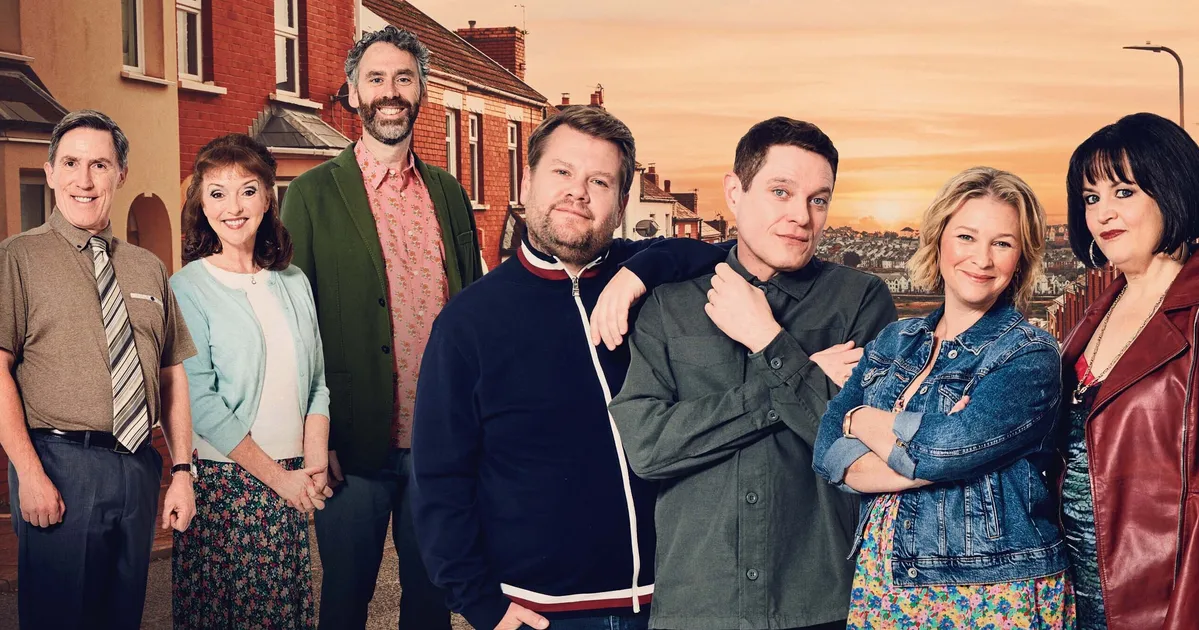
Melanie is best known to fans of the Bafta-winning BBC sitcom for her portrayal of Gwen West, the doting mum of Joanna Page’s Stacey.
Following the news of her casting, she explained that because she has been appearing “in pantomime for the last 15 years”, her “Strictly ‘fix’ has always been watching in a dressing room rather than my front room”.
“This year I am completely thrilled and happy to swap my fairy wand for sequinned dance shoes,” she enthused. “I just hope I don’t follow Cinderella and leave one on the Ballroom stairs.”
Melanie added: “I cannot wait to take part in this absolutely iconic show, it’s so exciting. See you in September!”

The summer holidays are over for kids in Scotland, with the rest of the UK set to follow suit at the start of September.
If you’re based in England, you’ve probably already been thinking about what you need to buy ahead of the first day back: shirts, trousers, ties, jumpers, bags, shoes, PE kits, lunch boxes, stationery, the list goes on.
But if your school relies on branded items, there’s a new change coming into effect that might save you some cash – the UK government estimates it could save parents up to £50 per child.
In fact, September will mark the beginning of three key changes across schools in England, which will impact parents and pupils. Here’s what you need to know.
1. School uniform changes
As of September, the UK government said schools in England must limit the number of compulsory branded items of uniform and PE kit to three items or fewer. For secondary and middle schools this rises to four or fewer, if one item is a tie.
Andrew Wilson, CEO at Oak Multi-Academy Trust, told HuffPost UK the new regulations “allow for more flexibility regarding where families shop for uniforms”.
But he advised parents to review their child’s school uniform policy (usually available on school websites) prior to purchasing uniforms, especially when deliberating which branded and non-branded items are needed.
“Simply, ‘a school shirt’ does not automatically mean it complies with the uniform policy of that specific school,” he said. “No one likes to deal with conflicts at the beginning of the year over an item that could have been easily researched prior to purchase.”
The CEO also noted there are additional considerations for students with Special Education Needs (SEN) and/or sensory issues. “For example, for certain students, the type of material, seams, waistbands, etc., can greatly affect their comfort level and ability to focus in class,” he added, urging families of SEN children to reach out to their child’s school as soon as possible to discuss this.
“They may be able to provide recommendations for local vendors or alternative clothing options that have proven successful with other students,” he continued. “Additionally, specialised sensory-friendly schoolwear products are available through online stores.”
2. Phone bans
Another huge change is that all schools in England will be required to be mobile phone-free environments by default this September. While plenty of schools have already implemented phone bans to varying degrees, Wilson noted parents will likely see “increasing clarity around having a phone-free day in school”.
Some schools will encourage kids to keep phones locked away throughout the school day (sometimes in pouches or lockers), while others request phones to be handed in to teachers first thing.
“Many schools will not feel much different since they have already restricted phones, however, come September, it is expected nationally that students will not be allowed to use their phones during classes, transitions, breaks or lunch,” said Wilson.
“Parents should confirm with their child’s school, as each school will have its own process for enforcing this rule.” (There may be exceptions based upon individual circumstances.)
Siobhan Meredith, executive director of education at the Ted Wragg Trust, urges parents to talk to their children about any changes to phone expectations ahead of their return to school.
Wilson agrees with this approach: “It is far less stressful for the young people when parents and educators send the same clear message about when their phones can and cannot be used.”
3. Free school meals expansion
Lastly, Meredith highlighted another important change happening this September: the expansion of free school meals to children in all households receiving Universal Credit.
According to the Child Poverty Action Group (CPAG), more than half (55%) of parents whose children will be eligible are unaware they qualify for the free lunches. You can apply here.
In England, all children in Reception, Year 1 and Year 2 in state schools also receive free school meals.
Here’s to a (hopefully) seamless start to school!
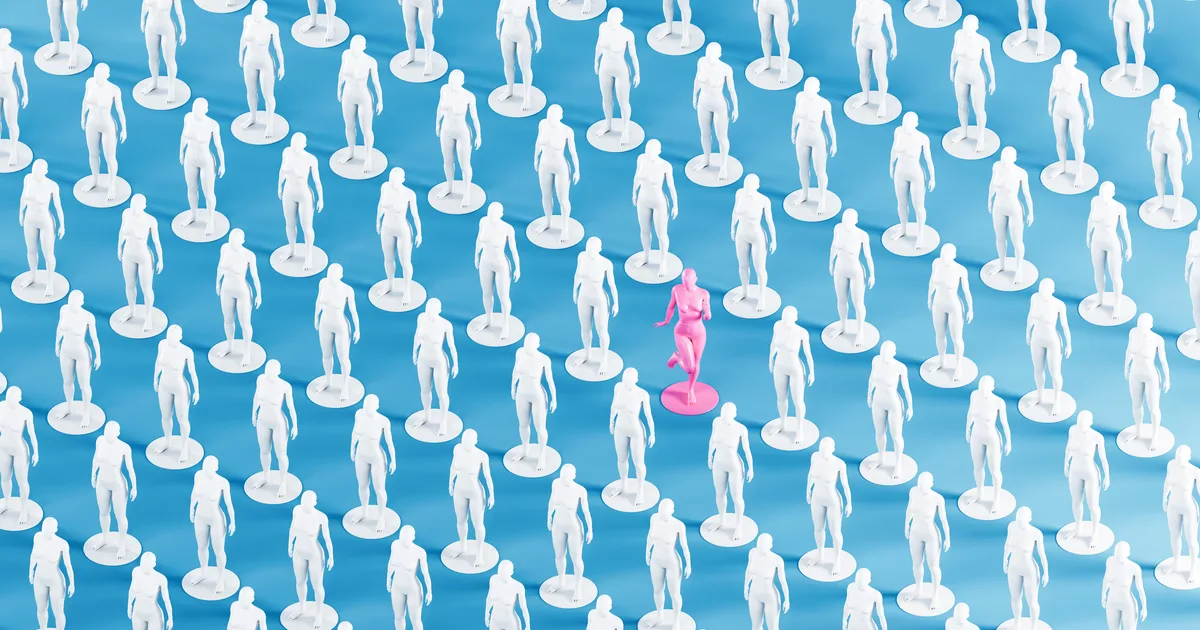
Most of us think we’re better-looking and smarter than the average. And on the flip side, research suggests that many in the UK’s top 10% of earners think they’re getting middling pay.
Something about being labelled “average” seems hard for us to accept, even though, by nature, it’s the most likely position we’ll end up in; thinking you’re not normal might be the most ordinary assumption we have.
Then again, average is only a midpoint. Most of us will be in the top half of some metrics and in the bottom for others.
So, we thought we’d find the average of 22 measures across the UK – so now you can see how you really stand up.
Money
1) Salary
The median annual salary in the UK is £31,584 in 2026.
2) Debt (without mortgage)
In 2024, the median outstanding non-mortgage debt in the UK was £6,300 including student loans and £2,500 without student loans.
3) Rent
In 2025, average private rent in the UK was £1,424 in England, £822 in Wales, £1,018 in Scotland, and £873 in Northern Ireland.
4) Savings
In the UK, a Finder survey found the average savings by age in 2026 was:
- 18-24 – £2,699
- 25-34 – £11,023
- 35-44 – £13,379
- 45-54 – £12,452
- 55+ – £33,420.
5) Monthly mortgage payment
That averages out to £1,355 in the UK in 2026.
Body
6) Height
In 2024, the UK average height was:
- 175.8 centimeters (just over 5’9”) for adult men,
- 162.1 centimeters (just under 5’4”) for adult women.
7) Sex frequency
On average, sexually adult Brits have sex 1.1 times a week.
8) Exercise habits
Almost 66% of Brits exercise for an hour or more a week, but only 35% do so for three hours or more a week. 19% weight train, and 17% jog or walk.
9) 5k time
Most people don’t run at all. But of those that do, the UK average 5k finish times, by gender, are:
- 38 minutes for women,
- 29 minutes for men.
10) Hair colour
In the UK, the average hair colour is brown.
11) Eye colour
The UK’s most common eye colour is blue.
12) Sleep duration
The most common sleep duration in the UK is seven hours a night.
13) Sexual partners
YouGov put the mean self-reported number of lifetime sexual partners at four in 2023; three for women, five for men.
14) Age
15) Life expectancy
- 83.0 years for women,
- 79.1 years for men.
Mind
16) IQ
The average IQ in the UK is 101.57.
17) University degree grade
In the academic year 2024/25, the most common UK uni grade was a 2:1.
18) Books read a year
The median Brit reads or listens to three books a year.
Social life
19) Number of friends
Among adults, most said they have 10 friends or fewer.
20) Relationship status
In 2025, Statista found that most adults in England and Wales were classed as single (not married or in a civil partnership).
21) Household size
Most households in the UK have an average of 2.35 people.
22) Pets
More people in the UK have pets than don’t, with cats and dogs the most popular species.
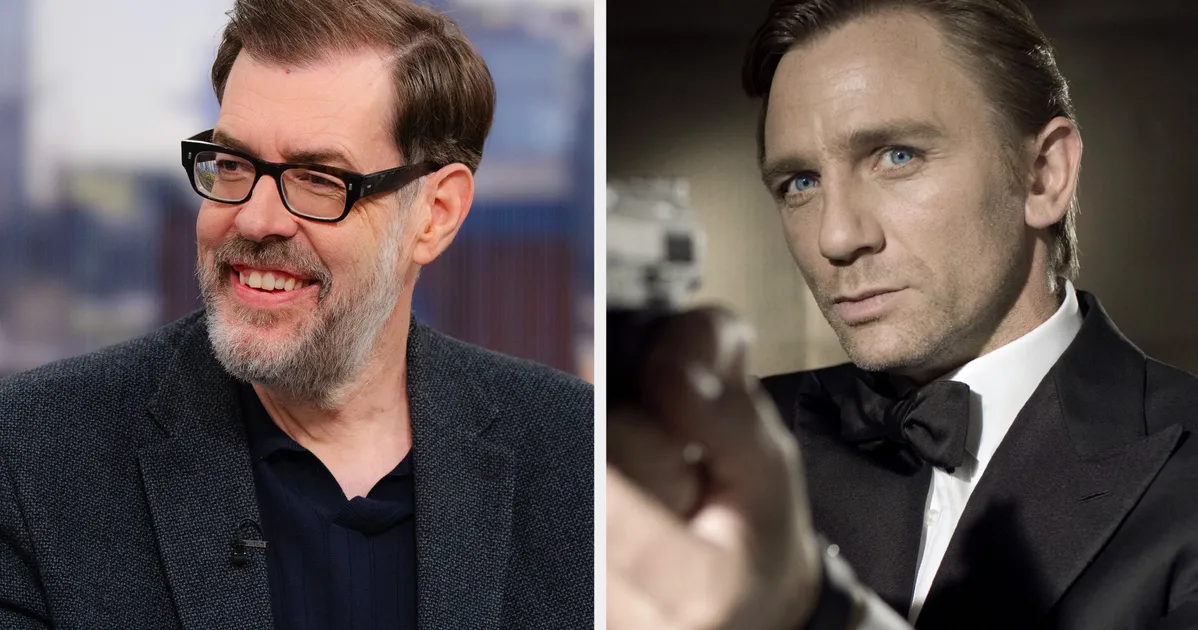
Richard Osman has shared some supposed insider information about the casting process for the next James Bond.
It’s now been five years since Daniel Craig hung up his tuxedo and gun for good in No Time To Die, with 007 bosses finally confirming back in May that they had officially begun the casting process for the next Bond movie.
However, according to Richard, he’s heard that a different British star is in the frame (and no it’s not the former Pointless host himself).
Instead, he reckons that Slow Horses actor Jack Lowden is the new top pick for one of cinema’s most coveted gigs.
Speaking on his podcast The Rest Is Entertainment, the presenter, producer and writer claimed: “Someone told me ‘for definite’ who the new Bond is the other day, but I mean that’s happened before.”
“It is definitively not a ‘he’s definitely got it’ thing,” he quickly clarified, but alleged that Jack is “definitely being strongly considered”.
He added: “I think he’d be amazing. Lowden would be an incredible Bond. He’s got real Daniel Craig energy.”
HuffPost UK has contacted reps for Amazon MGM Studios and Jack Lowden for comment.
In 2022, while promoting Slow Horses, Jack addressed speculation about him taking on the role of James Bond, telling AP that the rumours are “lovely”, but casting doubt on their validity.
Jack’s wife, fellow actor Saoirse Ronan, has spoken more positively about the idea, however, claiming that if it came down to one of them joining the action franchise, she’d prefer it to be him, much as she’d like to try her hand at playing a Bond villain.
Meanwhile, just last week, producer Amy Pascal gave an update on the search for the next 007 – revealing the qualities she and her colleagues are most looking for.
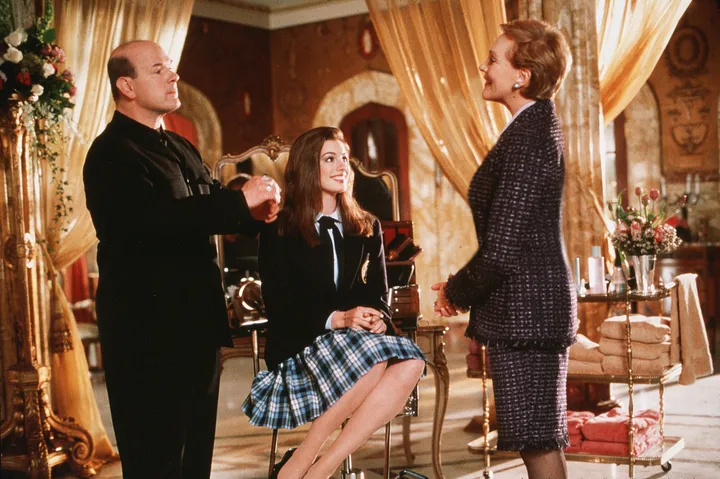
Julie Andrews has confirmed that she won’t be reprising her role of Queen Clarisse Renaldi in the upcoming The Princess Diaries 3.
In a recent interview with InStyle, the Mary Poppins star said she had “passed” on the chance to star in the third instalment in the Anne Hathaway film series.
The 90-year-old explained: “I think I’m retired, really, would be about the best description for that.”
Although the film’s creative team were eager to have the cinema legend return, she said she felt she had to turn them down.
“It was very very hard to say ‘no’,” she claimed. “But I did because I thought I had a wonderful ride, and this one I felt would flourish very well and wouldn’t need Granny going in there at my age.”
During a separate interview with The Hollywood Reporter, the Oscar winner opened up about what how she views her career now.
“I’m not completely retired,” she told the outlet. “But it’s a different kind of work that I do these days – [writing] books, and I do a lot of recording of podcasts and voiceovers. But truly, I don’t think I should be a part of [The Princess Diaries 3].”
“It’s still lovely to be working on things,” she added. “That’s really the most stimulating, but not necessarily on camera.”
Most notably, she has lent her voice to Lady Whistledown on Netflix’s Bridgerton series in recent years, a role she completes in her at-home recording studio.
“It isn’t that I’m not enthusiastic for it. It’s just that I really don’t feel I should be part of it now,” she explained.
While we’re sad to not see Queen Clarisse arrive precisely on time for the next Princess Diaries sequel, the Sound Of Music star previously cast doubt on her return when the film was confirmed in 2022.
“I think we know that it’s probably not going to be possible,” Julie told Access Hollywood at the time. “It was talked about very shortly after [the second sequel] came out, but it’s now how many years since then? And I am that much older, and Annie the princess, or queen, is so much older. And I am not sure where it would float or run.”

Ron Batzdorff/Brownhouse Prod/Botnp Inc/Kobal/Shutterstock
Anne Hathaway recently revealed the third instalment was being temporarily put on pause due to her third pregnancy.
“I’m busy making baby No. 3 and that has sort of taken the place of knowing exactly when I can make Princess Diaries 3,” Anne admitted during an appearance on SiriusXM’s Radio Andy last month.
“But I can say I think we had a story breakthrough. I think we are moving in the right direction. The script that we were working on — we kind of had to start over with this new direction, which is not the update I think anybody wants, but we all feel really good that this is gonna be the one,” the Devil Wears Prada actor added.
The Princess Diaries was originally released in 2001 with Anne playing Mia Thermopolis, a teenager from San Francisco who discovers that she is the heir apparent to the throne of the fictional Genovia.
Julie played her grandmother, who taught the clumsy, awkward teen how to be elegant royalty.
The 2004 sequel also reunited Anne and Julie as granddaughter and grandmother, as the former navigated life in Genovia, and tried to find a suitor.

After hot DSA summer comes the fall.
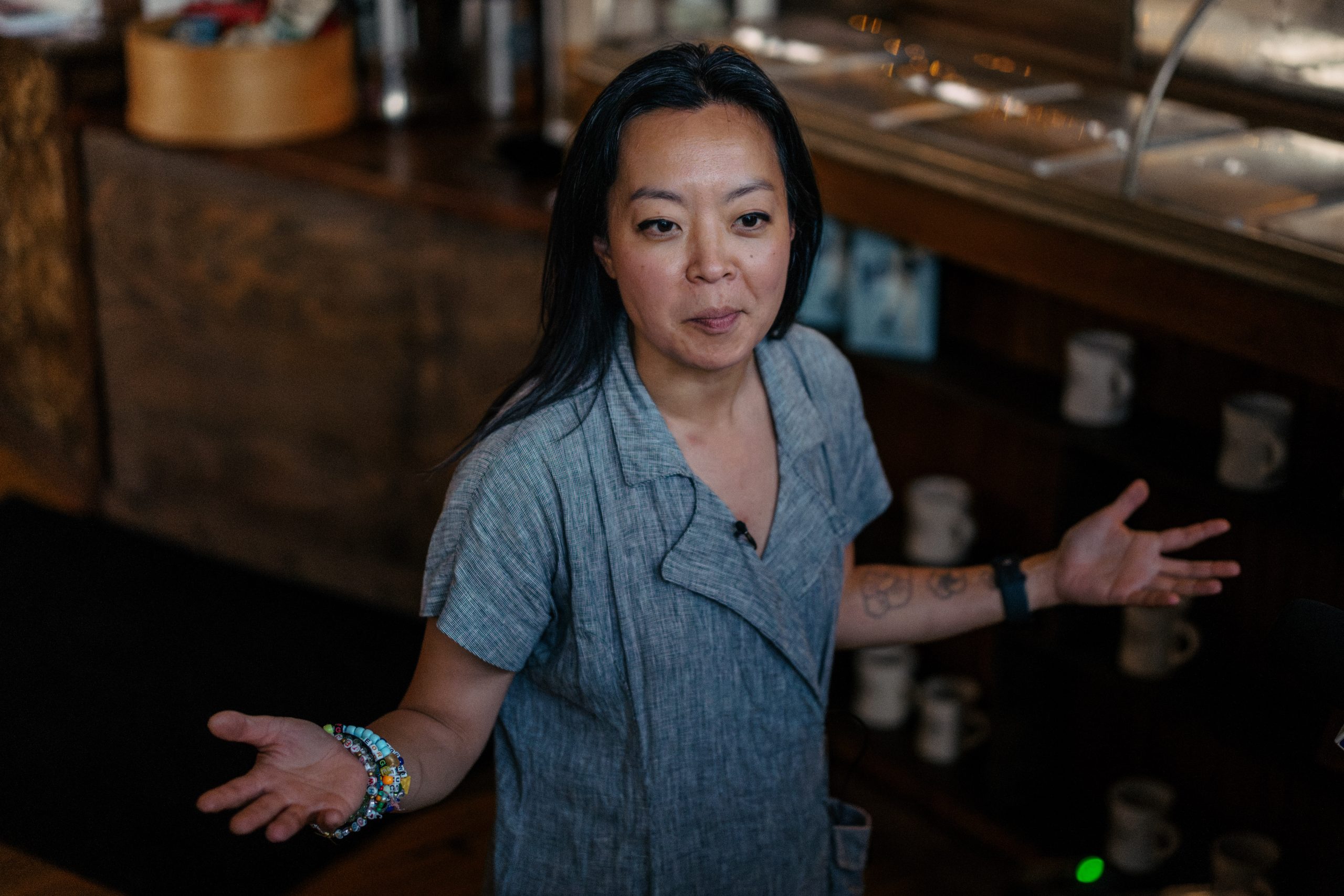
Democratic socialist Francesca Hong’s stunning loss in Wisconsin’s Democratic gubernatorial primary Tuesday night revealed limits to the far left’s power — and is undercutting the narrative of an emerging insurgency.
While progressive Peggy Flanagan cruised by 20 points in Minnesota’s Senate primary, and last week the further left Abdul El-Sayed squeaked through his Senate race in Michigan, Hong, the furthest left of the three, received no major national support and fell short.
For a movement that had been riding high off a string of primary victories this cycle, including the Democratic Socialists of America’s recent wins in New York and Colorado, the deflating Wisconsin result led to an immediate round of finger-pointing on the far left. Some dyed-in-the-wool democratic socialists blamed fellow travelers who didn’t join the effort to boost Hong. More institutional-leaning progressives argued that she was a fatally flawed candidate with a long string of gaffes — and that her loss shouldn’t be read as a referendum on the broader movement.
“She got clobbered by the national media, didn’t respond as deftly as Abdul and didn’t have time to build a counter-narrative,” said Cenk Uygur, the Young Turks founder and Justice Democrats co-founder. “The negative publicity of the last two weeks seems to have taken its toll.”
Some mainline progressives sought to distinguish far-left democratic socialism from a broader movement, citing examples such as Wisconsin Sen. Tammy Baldwin (D-Wis), a progressive who has won statewide by focusing on kitchen table issues, health care and the state’s agricultural economy — all while refraining from the so-called woke battles.
“I wouldn’t equate progressive and DSA,” said one Wisconsin Democratic operative, granted anonymity to speak candidly. The person added of a democratic socialist’s outlook in Wisconsin ahead of 2028: “I do think there is a ceiling at this point.”
Baldwin, notably, did not endorse in the primary — nor did other top Wisconsin progressives including Rep. Mark Pocan (D-Wis.), a former co-chair of the House Progressive Caucus.
The movement’s leading national voices, Sen. Bernie Sanders (I-Vt.) and Rep. Alexandria Ocasio-Cortez (D-N.Y.), also kept Hong at arm’s length and withheld their endorsements. Some who viewed Hong as a long shot in the general election and want the movement to avoid missteps like they saw with Graham Platner in Maine say the results proved those concerns were well founded.
“Bernie, AOC, and most national groups stayed out,” said a progressive Democratic strategist, granted anonymity to speak candidly. “Abdul El-Sayed was a great foot forward, Graham Platner was not, and we didn’t need our political reputation hanging on this race.”
“There’s a reason the institutional left mostly stayed away,” said a Democratic operative who works on progressive campaigns, granted anonymity to speak candidly. “The people who made those calls are relieved.”
Hong’s surprise flop drew attention on the left away from their biggest win of the night, where the Sanders-backed Flanagan — a solid progressive but not a democratic socialist — easily defeated moderate Rep. Angie Craig in the Minnesota Senate primary. A progressive won a primary in the seat to replace Craig, while the Sanders-backed Rebecca Cooke won a primary for Wisconsin’s swingy third district.
One donor adviser who works with progressive candidates around the country said Hong’s loss is a “good thing for the movement,” because it shows there is voter appetite for progressive ideas — but that candidate quality still matters, especially in a battleground.
“This is a far better outcome, and says that it is so close that a progressive who doesn’t say the dumbest shit in the world, [like] Thanksgiving should not exist, would have won,” the donor adviser said.
But others blame Sanders and Ocasio-Cortez for sitting out the race, arguing their involvement could’ve gotten Hong comfortably over the finish line.
Other DSA rising stars including Melat Kiros and Chris Rabb, who had spent other recent primary days campaigning in states like Michigan and Colorado, also skipped Wisconsin.
“This movement will fail if we see more letdowns at the critical moment, like we saw in this race,” said popular socialist voice Nathan J. Robinson, editor-in-chief of the leftist magazine Current Affairs. “Especially if AOC wants to be taken seriously as a national leader of the left movement, she needs to actually support the candidates out there who have a chance to notch victories.”
Sanders’ and Ocasio-Cortez’s teams did not respond to requests for comment.
Some in the movement looked to downplay Hong’s showing as more of a stumble than a turning point, noting that a first-time statewide candidate came within a few thousand votes of sitting Gov. Tony Evers’ hand-picked favorite in a battleground state.
They also noted Hong had her margins cut down in key strongholds by a fellow progressive who didn’t heed calls to drop out of the race. State Sen. Kelda Roys pulled over 7 percent of the vote.
Organizers watched a national volunteer army flood neighboring Michigan just a week earlier to help El-Sayed grind out a surprisingly close race. To them, the contrast with Wisconsin — where Hong was largely left to fend for herself down the stretch — was hard to ignore.
“Wisconsin being this close is very frustrating because folks like AOC and Bernie Sanders stayed out. If they just did one rally in Wisconsin for Hong, that would have probably wrapped it up for her,” said Deep Singh Badhesha, a DSA political operative who campaigned in past primary states.
Our Revolution, the progressive group founded out of Sanders’ 2016 campaign that is no longer associated with him, offered a veiled jab at the progressives that didn’t publicly support Hong — including, seemingly, their original founder who sat out the race.
“We cannot build progressive power while gatekeeping our own movement through the eyes of the establishment,” the group said on X. “Solidarity cannot be something we practice only after someone has proven they can win without us.”

Bank of England expands digital pound pilot with Polygon and stablecoins

So THAT’s Why Your Tap Water Tastes Different In Hot Weather

Evann Guessand: Crystal Palace re-sign Aston Villa forward on loan


-

 Fashion5 days ago
Weekend Open Thread: Mattifying Sunscreen
-

 Fashion5 days ago
Frugal Friday’s Workwear Report: Cap-Sleeve Pointelle Crewneck Sweater
-

 News Videos4 days ago
Can Astrology Help Find Gold and Silver Trends? A Financial Astrology Guide
-

 Sports6 days ago
Jordan Coyle & Cordiamo take Laya Arena Stakes at RDS
-
 Business6 days ago
US stocks: Dow closes at record on Mideast optimism; SpaceX, AMD drag Nasdaq
-

 Politics6 days ago
Reform UK And Greens Sink To Lowest Favourability Ratings To Date
-

 Business7 days ago
Supply chain issues impact Ingredion
-

 Tech5 days ago
Rinn Pharma & Biopharma to join NordicPharmaTrain network
-

 Business3 days ago
How to Start a Cleaning Business: A Step-by-Step Guide
-

 Business3 days ago
Datadog: Best Of Breed For Multiple Reasons
-

 Business3 days ago
BDC Weekly Review: Private BDC Q2 Numbers Are Strong
-
 NewsBeat11 hours ago
Communication cards help banking customers access services or report scams
-
Sports6 days ago
Spider-Man: Brand New Day ending explained: Is Peter Parker alive?
-

 Fashion7 days ago
Suit of the Week: Me + Em
-

 Tech5 days ago
Price Hikes May Be Coming for PC Motherboards Next
-
 Fashion7 days ago
Birthstone pendant necklaces for women by ottomanhands – 18ct gold plated
-
 Crypto World6 days ago
Galaxy Digital Stock Slides 14% as Crypto Prices Hit Earnings
-
 Business5 days ago
Brightwater secures funding for WA-first dementia projects
-
 Politics7 days ago
Comedian Jimmy Cricket Has Died, Aged 80
-
 Politics6 days ago
The Not-So Talented Mr Arday
You must be logged in to post a comment Login