

Politics
The road to Makerfield – spiked

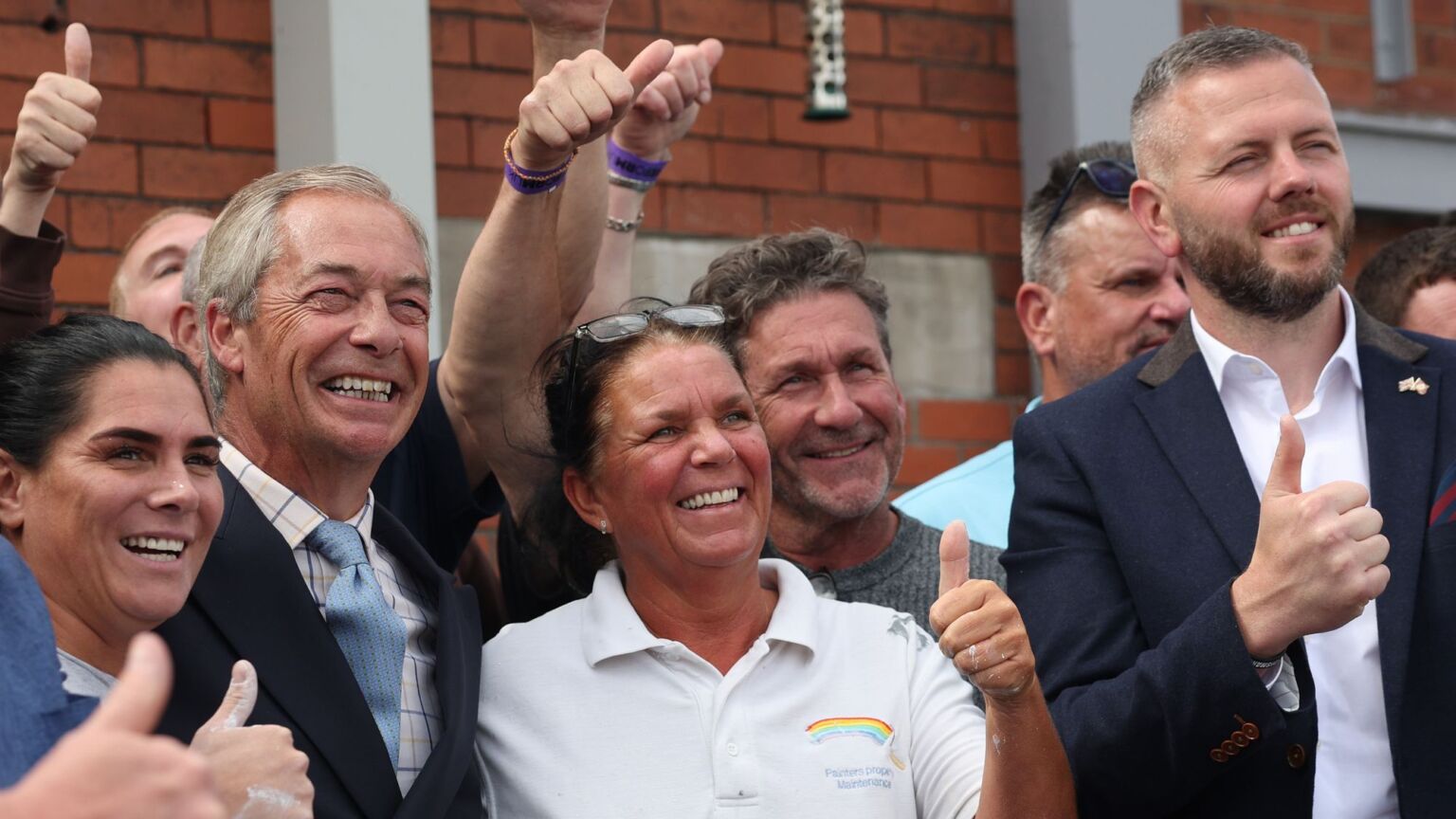
In The Road to Wigan Pier, George Orwell fixed Wigan in the national imagination as a byword for industrial hardship and neglect of the working classes. Today, nearly 90 years on, the ‘lunar landscape of slag-heaps’, the ‘smoke, shale, ice, mud, ashes and foul water’ have thankfully disappeared. But those feelings of abandonment and dissatisfaction remain strong in this north-western town.
In just a few days, on 18 June, voters in and around the post-industrial town of Wigan, Greater Manchester, will be responsible for deciding whether or not the UK might get a new prime minister. But the mood on the doorstep feels far more local than national.
Last Saturday, I took the train from London to Wigan to canvas on behalf of Reform UK. Campaign HQ – a unit on an unassuming business park – was already overflowing with eager activists by 10am, many snapping pictures in front of the very on-brand turquoise double-decker campaign bus, or waiting to catch a glimpse of the man of the hour, Rob Kenyon. Reform’s parliamentary candidate was running late on account of him coaching his under-7s football team.
You’d struggle to find a better illustration of the contrast between Labour and Reform than in the profiles of their own candidates. Kenyon is an ex-Army reservist and self-employed plumber who was born and grew up in the local area. In the 2024 General Election, he ran for Reform for the first time and came in second with 32 per cent of the vote.
The same can’t be said for Labour’s Andy Burnham, a career politician who would have stood in any constituency going if he thought it would get him one step closer to Westminster and, by extension, to challenging Keir Starmer’s premiership.
In terms of numbers, this by-election really does boil down to a two-horse race. Polls repeatedly show Reform just a few points behind Labour, with the Conservatives, Greens and Liberal Democrats barely getting a look-in and all polling at dismal single figures. But former Reform MP Rupert Lowe’s fledgling party, Restore Britain, has thrown a spanner in the works by deciding to stand its own candidate. That’s Rebecca Shepherd, a local woman who runs a business providing ‘horse whispering and equine-assisted therapy’. It’s difficult to say much else about her or her positions, because Restore HQ rarely lets her out for interviews.
Despite this, Restore has made enough gains in Makerfield to split the right-wing vote and give Burnham a clear advantage. Setting off for the first canvassing session of the day, we were greeted by the sight of a massive Restore flag attached to a fence along the main road. It felt like a bad omen.
There is something surreal about seeing real-world manifestations of what many had assumed to be a purely online phenomenon. Of course, people in Wigan don’t really know who the likes of Connor Tomlinson, Harrison Pitt or Charlie Downes are. Nor are they aware of their hokey brand of convert Catholicism, or understand their various wacky policies – like banning usury, abortion and contraception or tying nationality to Christian faith. I’m not convinced that many of them could even pick Rebecca Shepherd out in a crowd. But voters in Makerfield certainly know who Rupert Lowe is, and are fed a steady supply of Restore content via their Facebook timelines.
One of the first voters we spoke to said that the choice for her was between Reform and Restore, but that she was leaning towards Restore because she didn’t trust Reform with healthcare. She told us she was concerned that a Reform government would privatise the NHS and make seeing a GP unaffordable for people like her. (Actually, Reform has repeatedly pledged to keep the NHS free at the point of use.)
Speaking to a man in a bungalow with an immaculately kept garden, we learnt that he had already sent off his postal vote for Reform. And his wife had voted Restore. Some streets were an even split of teal and navy blue Correx boards and window posters.
I later learnt that the area we were canvassing on Saturday was unusually Restore-heavy. It’s no coincidence, then, that these areas are also some of the most deprived in Wigan. In some of the labyrinthine estates we visited, as many as half of over-16s were out of work. Large percentages, too, were in social housing. As a constituency, Makerfield is overwhelmingly white and working class – around 95 per cent are white British, with higher-than-average shares of people working in manual, industrial and skilled-trade jobs. In the 2016 referendum, 66 per cent voted to leave the EU, comfortably above the UK-wide Leave vote of 52 per cent.
Unsurprisingly, Farage as a figure generally plays well here, and plenty of residents were enthusiastically pro-Reform, too. One woman told us that she, her whole extended family, and neighbours were planning to vote for Reform. We visited one cul-de-sac where every household was supporting Reform. At one point, a man slowed down as he passed our team in his car to ask who we were canvassing for. When we said Reform, he stopped to wish us luck and to repeat some choice words about Labour and where, exactly, Burnham could stick it.
The other major battle was convincing people to vote at all. There was a great sense of apathy among many and a general sense that no one in Westminster could be trusted. One woman complained that she particularly disliked Andy Burnham for using the Makerfield constituency as a stepping stone on his way to No10 – one of the attack lines that Reform has been pushing hard, and one that really seems to have cut through. She was much warmer towards Kenyon, who she felt was a local lad looking to give voters here a voice in Westminster.
Her priorities were typical – immigration, the NHS and the cost-of-living crisis. She told us she knew many families who were unable to feed their children properly. Although she was retired and relatively comfortable herself, she was worried about her family and neighbours not being able to get by.
Another young couple we spoke to said that not only were they refusing to vote, but that they were also planning on leaving the UK entirely. They were, predictably, disappointed in the state of the NHS, especially with mental-health services. Their other priority was immigration, but they believed that things were now basically beyond repair. They, like so many others here, did not feel they could trust anyone in politics – although they did admit that if they were to vote, it would probably be for Reform. In any case, they saw the situation in the UK as being so dire that their only option was to emigrate as soon as possible.
That feeling of betrayal and being left behind by the mainstream parties is exactly what both Reform and Restore are looking to tap into. After having been virtually ignored for years, these voters now have two parties that are actively vying for their attention.
Restore has very clearly been pouring everything it has into this campaign. Rupert Lowe (or rather, the person writing his social-media posts) claimed on Facebook to have upwards of 1,000 activists out in the constituency last Saturday, though the real numbers on the ground were less clear. Plenty, at least, were bussed up from London. We ran into a few teams, who looked to be targeting mostly Reform-voting households – multiple people told me that they had been tailing the Reform teams because they were unfamiliar with the area.
For what it’s worth, Labour seemed to have a few activists out and campaigning, though they were notably thinner on the ground in the less affluent areas. I have it on good authority that there were at least five Tory canvassers in Wigan over the weekend – although I certainly didn’t see any myself.
The vote on Thursday will be crucial for two reasons. Nationally, it will tell us whether we might be in for a new prime minister – one that is likely to be even worse than Keir Starmer. But on a local level, it will decide whether this constituency will finally be given a voice.
Regardless of the outcome, Reform has proven it has the momentum to take the fight to Labour in what was once a deep red heartland – no small feat in a constituency that has been voting Labour since its creation over four decades ago. We got a taste of this in the local elections last month, where traditional Labour voters across the former Red Wall voted en masse for Reform. In the Makerfield constituency, Reform won every local council seat up for election.
That alone should terrify Labour. If somewhere like Wigan can no longer be taken for granted, then nowhere in the Red Wall is safe.
Lauren Smith is a writer based in London.


Wes Streeting is prepared to launch a Labour leadership challenge next week to end the “uncertainty and paralysis” over Keir Starmer’s future.
The former health secretary said the prime minister should be given the weekend to decide whether or not he wants to stand down in the wake of Thursday’s Makerfield by-election.
Greater Manchester mayor Andy Burnham appears to be on course to beat Reform UK’s Robert Kenyon to become the new MP for the seat.
Burnham has already said he will join any Labour leadership contest.
Starmer himself reiterated on Monday that he would also stand in an attempt to cling onto his job.
Speaking to the BBC’s Newsnight programme, Streeting said he was ready to bring the situation to a head.
“We can’t carry on with this uncertainty and paralysis, and there will need to be a contest, and I’d be prepared to do that,” he said.
Asked when that might be, he said he did not want to “get into, ‘is it Monday, is it Tuesday’”, but that Starmer should be given “space over the weekend” to consider his position.
At a press conference on Tuesday, Streeting called on the PM to say when he plans to leave No.10 if Burnham wins the by-election.
He said: “When the results are in, I hope the prime minister will at that stage reflect on his own position and set out a timetable.
“I think that would be a better way forward for everyone.”
But speaking at the G7 summit in France, Starmer once again insisted he will not walk away from the job.
“If there is a contest, I intend to be in it and to fight it,” the prime minister told Times Radio.
He added “They said it’s not possible to turn the Labour Party around. It’s not possible to win an election.
“It’s not possible if you do win an election to invest in your public services and stabilise the economy – wrong every time, and that’s why I intend not to walk away from this, but to carry on with what I was elected to do, which is to serve this country, bring back the change that people desperately need in their lives.”
Listen to Commons People, the podcast that makes politics easy. Every week, Kevin Schofield and Kate Nicholson unpack the week’s biggest stories to keep you informed. Join us for straightforward analysis of what’s going on at Westminster.
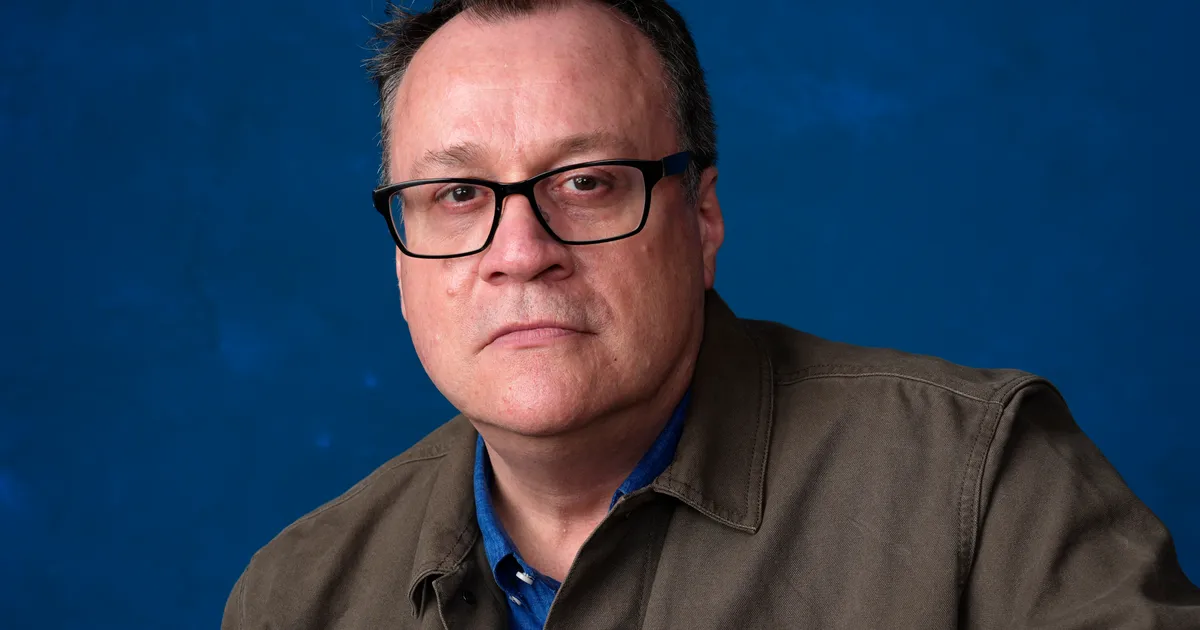
Days after his departure from Doctor Who, Tip Toe co-creator Russell T Davies has announced a brand-new project on his Instagram page.
His latest venture? A behind-the-scenes memoir of his most iconic TV hits, named The Queerest of Folk: A Life in Television as a reference to his breakout ’90s Channel 4 series.
In the caption of his post, he said: “A book! By me! And [Heat’s entertainment director] @boydhilton – the story of my life in TV.
“The shows, the people, the job itself, from CBBC to golden days at Granada in the 90s, then how Queer As Folk changed my life, Doctor Who (twice!) all the way up to Tip Toe.”
And, the It’s A Sin writer added, we can expect “Lots of fun, some gossip, stories of shows never made, and I hope insight into the day-to-day life of writing for TV.”
For his part, co-writer Boyd Hilton said working with Russell on the book was “one of the joys” of his life.
“We’ve known each other since the tumultuous launch of Queer As Folk 27 years ago, and for me his subsequent extraordinary body of work is a unique achievement that demands to be celebrated,” he said on Instagram.
The book will be available for purchase on October 8, 2026. Pre-orders are already live; signed editions can be pre-ordered at Waterstones, while unsigned copies can be pre-ordered on Amazon.
Russell said on social media that he’ll be reading the accompanying audiobook, too.
The Penguin synopsis said the book “distils Russell T Davies’s career in television, taking us from his early days working on children’s shows and soaps through to the giddy heights of relaunching Doctor Who and bringing queer relationships onto the mainstream screen″ .
It’s a “memoir fizzing with a love for television and the power it has to draw us together in an increasingly fragmented world,” they ended.
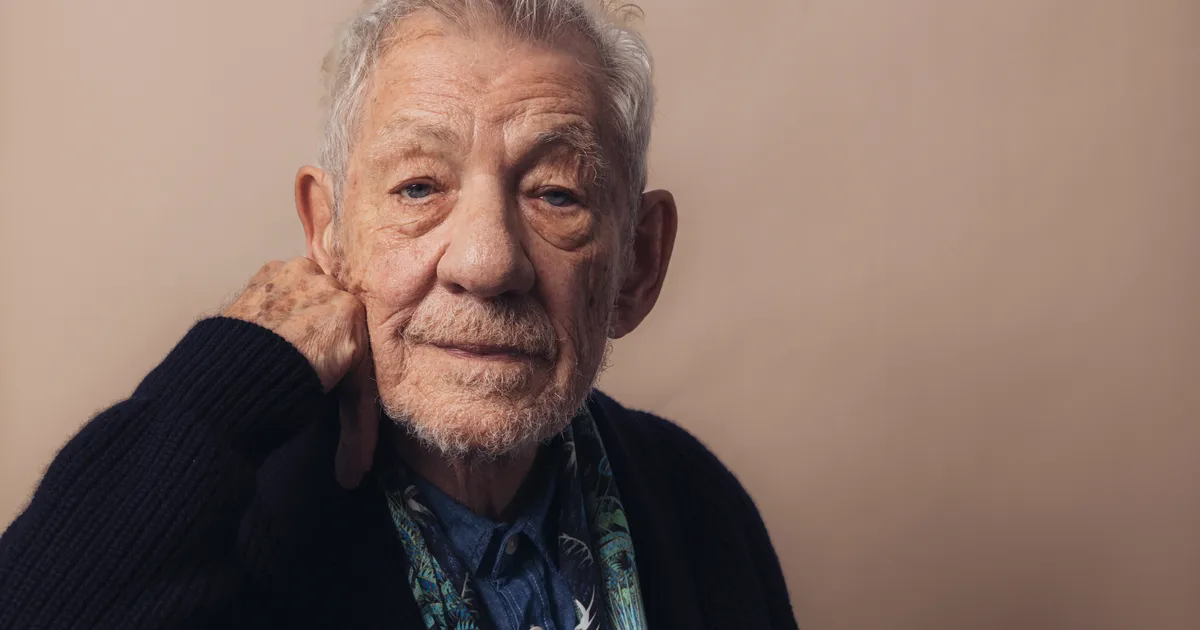
Sir Ian McKellen recently shared that his hatred for Mar-A-Lago, a luxury resort owned by US president Donald Trump, inspired him on the set of upcoming superhero flick Avengers: Doomsday.
Speaking about the project at an open-air Rome cinema, McKellen – whose X-man role has been reprised in the movie – said that during filming, directors Anthony and Joe Russo “got me at one point to destroy New Jersey”.
To make his rage in the scene convincing, the Lord of the Rings star added, the directors “told me to look more furious: make it look as if you hate what you’re destroying.
“So I stood there and I shouted: ‘Mar-a-Lago!’”, The Guardian reported.
It’s not the first time the actor has had a harsh word or two for the two-time American leader.
In 2016, while promoting his film The Dresser, Ian said: “This time last week, I voted for the new mayor of London [Sadiq Khan], who’s a Muslim. And that’s all I need to say about Donald Trump.”
That year, Trump had called for a “Muslim ban”.
Ian, who, it turns out, had more to say, added: “The most important man in London, the London mayor, is a Muslim, and he got voted in with a huge majority. I think that’s the future … enjoy the fact that we live in a multicultural world and rejoice in it. That’s my feeling.”
HIs new Avengers film comes as part of a busy year for Ian after his 2024 fall during a production of Payers Kings.
This year, though, the actor is back in full force. So far, he has starred in highly-rated movie The Christophers, opened a theatre space in Durham, and spent time marching for LGBT+ rights across the commonwealth.
Speaking to HuffPost UK in 2024 about the issues trans people are facing, he said: “When society disregards a minority – and, worse than that, imposes laws and restrictions on their behaviour, which is really unfair – then that’s when society is going off the rails, and we have to attend to it.”

It’s no secret the average cost of a family holiday abroad can be eye-watering.
In 2015, the average family of four spent around £3,000 on a nine-night holiday, according to ONS data analysed by NimbleFins.
Fast forward to 2026 and the average nine-night holiday cost for a family of four is nearer £4,000. This figure can climb up depending on where you’re headed, how you choose to fly, where you’ll be staying and, of course, when you go.
Holiday costs surge dramatically when the kids are off school. “For a family of four, the price per person rises by an average of 9%,” claims Go Compare.
It’s perhaps no surprise then that almost half (45%) of British parents have taken their child out of school for a holiday during term time.
A YouGov poll found lower costs are the biggest motivator, with 53% citing cheaper travel and 42% citing cheaper accommodation as reasons for taking term-time holidays.
Just over a third (36% of) parents say they would seek school approval for a term-time holiday, but travel regardless and accept the risk of a fine.
But it turns out there are only a certain number of times you can do this in a three-year period before more serious legal action is taken.
When do schools issue fines for holidays?
Parents can face fines if they take their children (ages five and up) out of school for a holiday during term time.
Parents are encouraged to write to their school’s headteacher to request permission to take them out of school for a period of time – however their term-time trip is still likely to be marked down as unauthorised absence unless there are “exceptional circumstances”.
UK government guidance states: “Generally, the DfE [Department for Education] does not consider a need or desire for a holiday or other absence for the purpose of leisure and recreation to be an exceptional circumstance.”
Parents might face a fine if a child’s absence is classed as ‘unauthorised’.
All schools are “required to consider a fine when a child has missed 10 or more sessions (5 days) for unauthorised reasons”, reads the guidance. A full day at school – morning and afternoon – is considered two sessions.
A child’s previous attendance counts, too. So, if they’ve had unauthorised absences previously, even if they didn’t go on holiday, these also count towards the five-day tipping point where a fine would be considered.
According to the UK government, 93% of fines issued in 2024-25 were for unauthorised term-time holidays.
How much are the fines?
The fines are issued per parent, per child – so they can soon add up.
If children are off for 5+ days and it’s deemed unauthorised, each parent can be fined £80 (if paid in 21 days), which then rises to £160 (if paid in 28 days). If the fine isn’t paid during this timeframe, parents may be prosecuted.
So, theoretically, if a family of five went away and three children were taken out of school, each parent could be fined £80 per child. That would be £240 per parent and £480 as a whole family (and that’s if it’s paid within 21 days).
If a parent receives another fine for the same child within a three-year period, they are automatically fined £160.
The ‘third strike’ rule parents should know
You can receive up to two fines within a three-year period.
But once that limit has been hit, if you take them out for another unauthorised term-time holiday, you could get a fine of up to £2,500, a community order or a jail sentence up to three months.
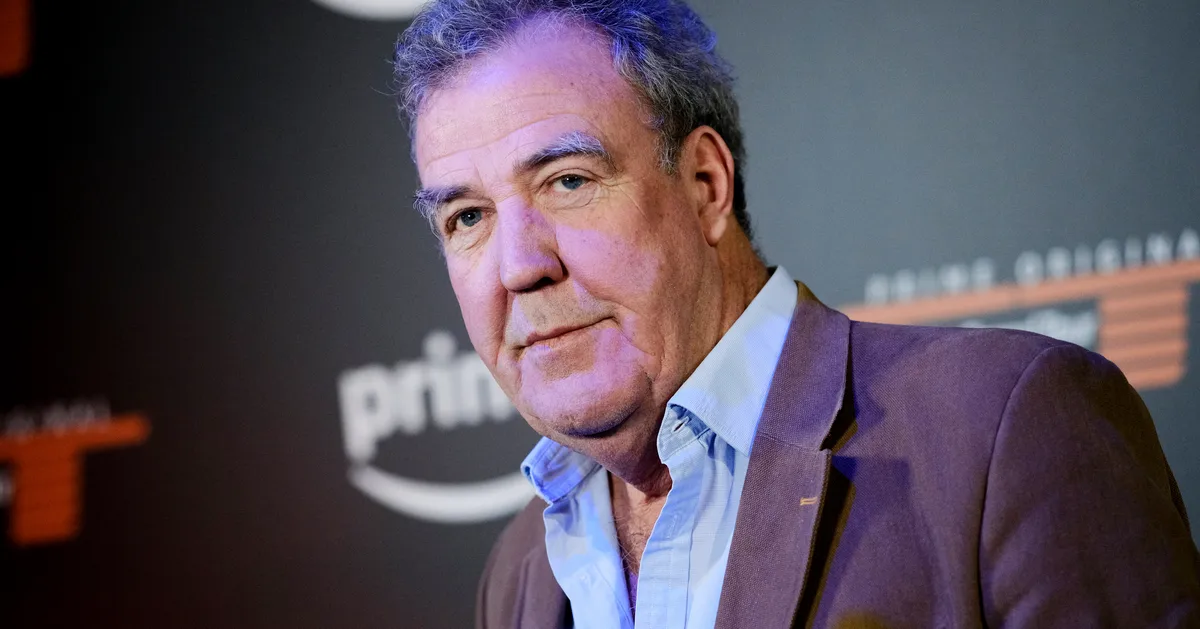
Jeremy Clarkson has recently announced that he is suffering from an ’agressive prostate cancer in the latest episode of Clarkson’s Farm.
Though roughly 58,000 people get diagnosed with prostate cancer in the UK per year, Dr Jiri Kubes of the Proton Therapy Centre said, “Many men with prostate cancer will have no symptoms until the cancer spreads to other parts of the body”.
The radiation oncologist added that because there are currently no routine prostate screenings, spotting early cases is difficult.
“For this reason,” he explained, “it’s important men pay very close attention to any changes in their urinary habits. While they can often occur for innocent reasons, it still pays to know what’s happening in your body”.
Here are four changes he’d never ignore:
1) Finding it difficult to start peeing
This is also known as “urinary hesitancy” and is most often caused by benign prostatic hyperplasia (BPH), or an enlarged prostate.
This usually harmless issue is most likely caused by factors like ageing, though you should still get it investigated by a GP.
But struggling to start peeing or straining when you do go could also be a sign of prostate cancer, the NHS added.
2) Needing to pee urgently
Feeling like you need to go very urgently or very often can be a sign of prostate cancer.
Again, the symptom can also be a sign of BPH, which does not develop into cancer. Still, it’s worth a doctor’s visit.
3) Having a weak flow
Usually, this is another sign of BPH, though it could belie prostate cancer, too.
Cleveland Clinic writes that this can present as a weaker stream of urine than usual, or pee that starts and stops.
4) Feeling like you still need to “go” after peeing
If you’ve started feeling like you haven’t been able to properly empty your bladder, either BPH or, more rarely, prostate cancer could be at play, Dr Kubes said.
You might also have burning or pain when you do urinate.
5) Noticing blood in your urine or semen
This is always worth seeing a doctor about.
You should ask for an urgent GP appointment or call 111 if you notice blood in your pee, the NHS says, even if you have no other symptoms, if it’s happened for the first time, or if you’re not sure it’s blood.
This is because it “can be a sign of cancer. This is easier to treat if it’s found early”.
When should I see a GP?
If you notice any of these changes, speak to a doctor. Even BPH is worth getting checked out.
“Often men will get an enlarged prostate as they age, which can give the same symptoms and is nothing to worry about,” Dr Kubes said.
“But it’s important to know what’s going on in your body and speak to your GP if anything changes, gets worse, or worries you. It can be easy to bury your head in the sand, but don’t wait for things to get worse.
“It’s important to speak up, and there is nothing to be embarrassed about.”
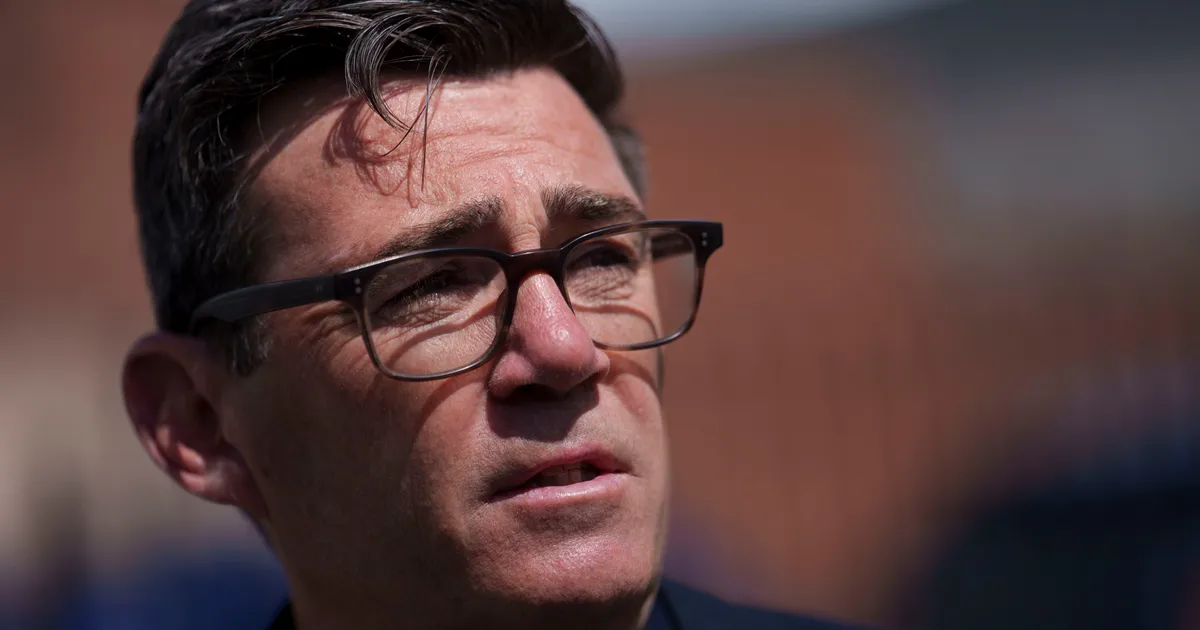
There’s a simple test for what Britain really believes about work. Ask yourself which job sounds more impressive: an electrician or an economist, a bricklayer or a banker.
Of course, all are valuable to society.
But if we are honest, people sometimes have instincts that place one above the other, and that tells us something about how different kinds of work are valued. Until we confront that, we will struggle to fix what is not merely a skills gap. It is a respect gap.
A few months ago, I toured Switzerland with their government and found something striking. There, vocational and academic routes do not compete. They sit alongside each other, with parity of esteem baked into their very constitution.
Two-thirds of young people choose a vocational route, and they value it. I met apprentices training as railway engineers alongside others who had followed the same path into senior roles in business and government. Ernst Tanner, Chairman of Lindt, started as an apprentice. In Switzerland, this is entirely normal.
Britain has UCAS, a well-understood front door largely into higher education rather than other routes. It has become a brightly lit conveyor belt directing young people to university, while apprenticeships are harder to find. UCAS had over 50,000 undergraduate courses, compared with around 6,000 in the separate Find an Apprenticeship service.
We need a single post-16 platform that brings the alphabet soup of past, present, and future together. Vocational and academic routes include apprenticeships, BTECs, T Levels, NVQs, V-levels, GCSEs, A-levels, HNDs, and degrees. How about a single account to track the qualifications you accrue over your life?
Routes should be permeable, too. Why should a biology student not pick up a horticulture qualification, or a welder take a physics module? Switzerland is already doing it. We could too.
Cultural signals matter early in education. School trips to universities are commonplace.
Visits to places where things are actually built are far rarer. Why? Work experience is too often a tick-box exercise. Imagine if every child were partnered with a local employer before their GCSEs. With nearly a million 18- to 24-year-olds not in education, employment or training (NEET), that would be a radical change.
As a dad of two, I cannot help thinking that if my boys were shown that learning to weld could mean building a stadium for a ‘Northern Olympics’ or laying the foundations of Britain’s next major rail line, they would see those paths as the skilled and ambitious jobs they are. Schools should champion those routes as confidently as the path to a degree. Being able to point with pride at a home you have built with your own hands is as important as any graduate job.
Andy Burnham has argued that Thatcherite neoliberalism has quietly broken Britain, and he is right. Universities can expand freely, yet remain harder for disadvantaged students to navigate, often leaving them with significant debt, while colleges must, bizarrely, ration places. The result is a system that undervalues technical routes, falling hardest on working-class children.
As he argued in Leeds the other week, millions of young people who want to pursue technical routes have been overlooked and written off. Swiss cantons shape skills systems around their economies, and we should do the same. The Manchester Baccalaureate, based on high-growth industries, points the way.
In Makerfield, Burnham may be running against a plumber, but he has done far more to back the trade than his opponent. Representation is about what you fight for, not who you are.
We are the Labour Party. Work is in our name. The people who build, fix, and make things work are who we are for.
I’ve heard that argument on countless doorsteps in Wigan. Hopefully, it won’t be long before it’s being made again in Westminster.
Listen to Commons People, the podcast that makes politics easy. Every week, Kevin Schofield and Kate Nicholson unpack the week’s biggest stories to keep you informed. Join us for straightforward analysis of what’s going on at Westminster.

A government minister warned Vladimir Putin “we see you” after a Russian warship fired warning shots near a British yacht in the English Channel.
Jane Kelvey, 68, and her husband Alan, 70, were on their 40ft vessel, Bright Future, travelling towards France when the shots were fired several times from the Russian frigate Admiral Grigorovich on Tuesday.
“It was a bit scary,” Mrs Kelvey told The i Paper. “I crouched down. I didn’t think our safety was in danger. But it was certainly unusual. As we sailed away, we said to each other, what the hell just happened?”
The Ministry of Defence (MoD) said the Admiral Grigorovich fired warning shots after making attempts to contact the yacht, which was about 20 nautical miles south of the Isle of Wight, outside the UK’s territorial waters.
An MoD spokesperson said: “These [shots] were not aimed at the vessel and were an attempt to prevent a possible collision.”
Nevertheless, Cabinet Office minister Nick Thomas-Symonds said the incident was further evidence of Russian aggression.
He told BBC Breakfast: “Let’s be in no doubt. Our message to Vladimir Putin is we see you, we see your activity, whether that is in waters around the UK coast or indeed whether that is in terms of cyber, or hybrid or any other modern forms of warfare.
“Vladimir Putin should be in no doubt that we will not hesitate to take the action that’s necessary to defend our country and our people.”
The minister added: “This government is absolutely determined in the face of that Russian threat to do all we can to keep this country safe.”
Russian warships passing through the English Channel are routinely shadowed by the Royal Navy, with offshore patrol vessel HMS Mersey monitoring the Admiral Grigorovich at the time of the incident on Tuesday.
The incident happened just days after UK armed forces intercepted a Russian “shadow fleet” oil tanker in the English Channel.
Royal Marine commandos and specially-trained law enforcement officers boarded the sanctioned vessel Smyrtos in the early hours of Sunday morning.
Shadow vessels carry sanctioned Russian oil, which is sold to raise funds to pay for the Kremlin’s ongoing invasion of Ukraine.
Listen to Commons People, the podcast that makes politics easy. Every week, Kevin Schofield and Kate Nicholson unpack the week’s biggest stories to keep you informed. Join us for straightforward analysis of what’s going on at Westminster.
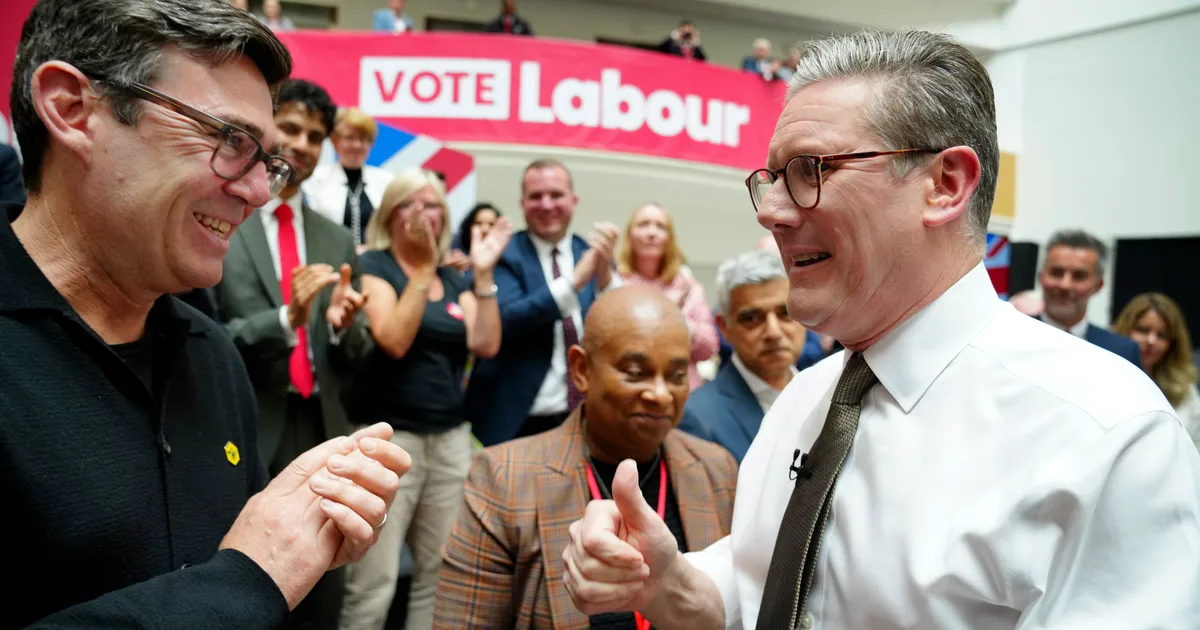
Keir Starmer has hinted that he will offer his main rival Andy Burnham a top job in his cabinet if he wins the highly-anticipated Makerfield by-election tomorrow.
Burnham, currently the Greater Manchester mayor, has said he will join a leadership contest to oust the prime minister if he becomes an MP again.
But the PM has said that would cause “chaos” and has instead hinted at giving Burnham a key role in his government instead.
Sky News’ Beth Rigby asked Starmer at the G7 summit in France if he would bring Burnham into his cabinet if he wins in Makerfield.
He replied: “Oh, Andy is a great asset. And, yes, I want him to have a big role in government. When I came in to…”
Rigby cut in: “Are you going to call him at the weekend and invite him back into your cabinet?”
“Well I’m sure I’ll talk to Andy after the weekend, of course I will,” Starmer said. “I’ve spoken to him many times in recent weeks. and when I came into politics in 2015, it was Andy Burnham’s team that I joined, and we worked very well together.
“He’s a huge asset. He’s been a fantastic mayor in Manchester. And if he comes back into parliament, I hope he wins in the by-election. He’ll be a fantastic asset for our party and for the country.”
Burnham spent 16 years working as the Labour MP for Leigh before he stepped down to run as Greater Manchester mayor.
He also served as a cabinet minister under Gordon Brown and a junior minister under Tony Blair.
If he wins the Makerfield seat, a mayoral election will be triggered in Greater Manchester.
The prime minister insisted that Labour should focus on that contest rather than a leadership challenge if the party is successful in the by-election.
Asked if he believes it is incumbent on Burnham to secure a Labour mayor in Greater Manchester before making waves in Westminster, Starmer said: “I would say to the whole of the Labour Party and that whole Labour movement, we’re straight into a Manchester mayoralty.
“It is really important that we win that, because this is one of the huge moralities in the north-west and really important to us and to devolution more generally.”
Pressed on whether he is angry at the predicament he is in and if he blames himself, Starmer replied: “No, I don’t feel angry, I don’t feel bitter, because I remind myself it is an incredible privilege to be the Prime Minister of the United Kingdom.”
The PM also said he “wants” to lead the Labour Party into the next general election.
The interview comes after ex-health secretary Wes Streeting announced he is preparing to launch a leadership challenge against his old boss next week.
At a press conference on Tuesday, Streeting called on the PM to say when he plans to leave No.10 if Burnham wins the by-election.
He said: “When the results are in, I hope the prime minister will at that stage reflect on his own position and set out a timetable.”
Burnham has already said he will join any Labour leadership contest.
But Starmer suggested he would not step aside for anyone to replace him, telling Sky: “I’m not going to walk away. I’m going to fight.”
Politics
The House | National Maternity Adviser Michelle Welsh: “We Are Not Waiting For More Babies To Die”
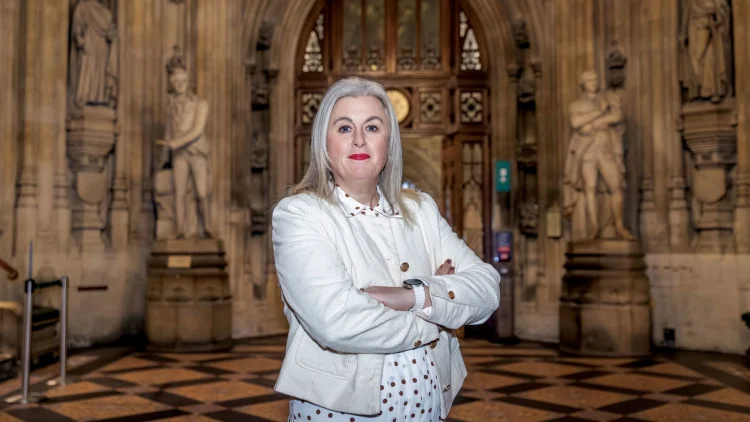

Photo by Nikki Powell

11 min read
Labour MP Michelle Welsh has just been appointed the government’s first national maternity adviser. She tells Sienna Rodgers about her personal experience of birth trauma and why she’s fighting for all mums and babies to be better treated by our maternity services
Michelle Welsh has a heart-shaped womb. It sounds beautiful. This ‘concave’ uterus did, however, contribute to her having a complicated pregnancy. “Not complicated in the sense that the baby was going to die,” she clarifies. “It should have been very straightforward: C-section.”
Particularly as her baby was breech, a C-section was what the doctors ordered. But when she went into labour before her planned caesarean, Welsh called Nottingham City Hospital, expecting they would follow their own advice to admit her straight away. Instead, the midwife told her she didn’t have time to check her file, and she would not be let onto the ward.
When Welsh was eventually admitted to the maternity unit, her waters had broken. They went to check her baby’s heartbeat; the first two machines didn’t work and the third couldn’t find one.
“No one comforted me. No one held my hand. No one explained to me what was going on,” she recalls. “I sat next to a machine when my baby had stopped moving, and the machine was flatlining. They were telling me, ‘You don’t need to have a C-section till nine o’clock.’ This was two o’clock in the morning. ‘So, you’re telling me I’ve got to wait seven hours for my baby to be born? Seven hours?’”
In telling her birth story, Welsh reveals to The House that staff performed an internal examination without consent, which amounts to assault. “I had an internal examination with no painkillers and no warning. The pain – I cannot describe the amount of pain that I was in. I was already contracting, and they hadn’t given me any painkillers,” she says.
“I can understand that there aren’t enough people on a ward. I can understand that people have done more work than what they should, so they’re rushed off their feet. I can understand somebody making a mistake because of that. What I’ll never be able to get my head around is why did they treat me, personally, so bad? With such contempt and disdain? So awful to me and my unborn baby.
“I would never, ever talk to anybody like that. I certainly wouldn’t talk to somebody like that who is vulnerable, in pain and at risk of losing their child.”
Welsh nonetheless describes herself as “lucky”. When a new midwife came on, she read her notes and saw what was happening. Next, Welsh heard an argument outside her room with a consultant, who “begrudgingly” returned and – still without having said a word to the birthing mum – admitted to the midwife, “Yeah, you’re right, we need to get her down now.”
“There was mad, mad panic, and the bit that always gets to me, that I get flashbacks about, is… sorry,” Welsh pauses. Her emotions come to the surface most when remembering the experience of her partner, Richard.
“I didn’t realise until I was in that room how significant that first nappy is: you pull it out and it’s so tiny. Richard always says when he pulled out the nappy, there was a realisation then that at any moment now there was going to be a baby, and it was going to be out, and it was going to be ours.
“I don’t know where his head was at the moment, but I think he still had complete faith that everything was going to be okay. I didn’t. I didn’t say anything to him, because I was trying to protect him in all of this.
“I felt so ill, as well. I just felt so ill. There he was, holding his baby’s first nappy, pushing a heart machine, because there was nobody to push the heart machine beside my bed, with his son’s heartbeat flatlining. That was his start to fatherhood.”
She ended up having an emergency C-section and her son, William, lived. The trauma didn’t end there, though: although she was told they would be checked on every 10 minutes, when she woke up from a nap – of, she thinks, about 90 minutes – he was covered in his own sick.
Thankfully, Welsh walked out of hospital with her baby. “Billy’s a bit of a miracle,” she says of her only child, now six years old. He came as a surprise after a decade of trying to conceive, made difficult by her polyendocrine metabolic ovarian syndrome and endometriosis.
Too many other parents have not left the same hospital with their babies. The Nottingham maternity scandal, now the largest in NHS history, has triggered a review by midwife Donna Ockenden who is investigating around 2,500 cases of baby loss and harm to mothers and babies at Nottingham University Hospitals (NUH) NHS Trust. It is running alongside an investigation by Nottingham police, ‘Operation Perth’.
Ockenden is expected to deliver her report later this month, around the same time as the final conclusions of the national maternity inquiry being conducted by Baroness Amos.
Welsh, who says she has spoken to almost 1,000 affected families, refuses to attribute these failures to NHS resourcing constraints alone. “In some cases, it’s quite clear there was a staffing issue. But in other cases,” she concludes, “it was a cultural issue.”
“I’m not saying there aren’t great people working in Nottingham – there are. But there was a systematic cultural issue within Nottingham that went on for years that was never challenged,” she adds.
“Honestly, I cannot believe – after everything I know now, and everything I’ve read – that they didn’t know they were putting my son’s life and my life in danger. I just don’t believe it. I think they were prepared to take the risk.”
The MP for Sherwood Forest was further convinced of this when, a few months ago, a critic of the Ockenden inquiry asked for an appointment at her surgery to argue against the need for it. She turned out to be on obstetrician still working at NUH. “So, not only is she sat there in front of me, she’d been involved in my care – but there she was, telling me, ‘There’s nothing to see, it’s not that bad’. That’s a problem.”
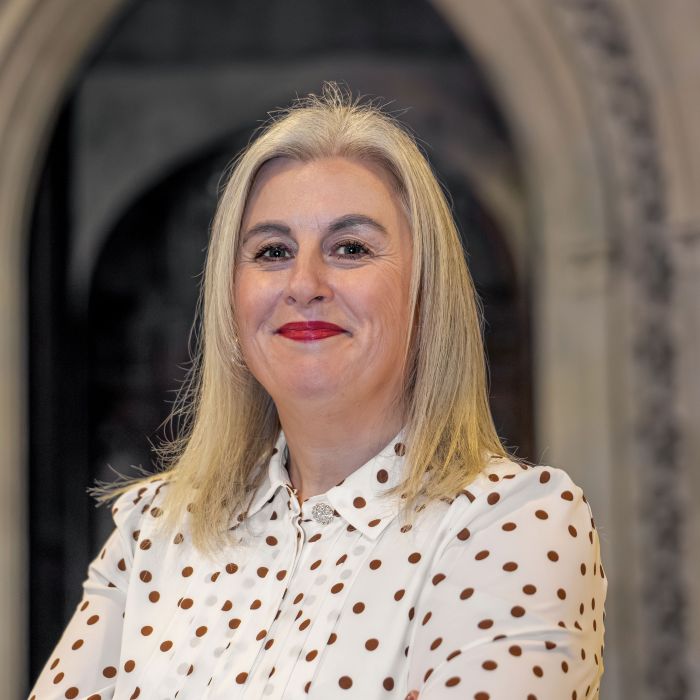
Welsh was raised on a council estate in Nottinghamshire by a postman father and a mother who worked in cafés before becoming a childminder. Growing up around “absolute poverty” shaped her politics early.
“We would get a knock on the door from someone down the road that my mom knew, who would say, ‘Have you got anything I can feed the kids for tea?’” Welsh struggled to explain the injustice of their circumstances: “These are people who would give you their last 50p, but they’re poor. How is it that these good people are poor?”
With both parents involved in Labour, Welsh joined the party at 16. She worked through sixth-form and university in elderly care, as well as doing stints in Next, Co-op, chicken and soft drinks factories. As an Oasis fan, she had a gig habit to fund. It took her years to be able to eat chicken again.
She had hoped to pursue sport, but that dream ended when she broke her leg badly while playing football at 17. Instead, she read history and politics at Leeds. From there, a US summer camp led to several years setting up projects for vulnerable children across the east coast. The stark inequalities she saw alarmed her.
Back in Britain, Welsh managed a “huge project” across Nottinghamshire for the New Labour government, supporting disadvantaged children and setting up Sure Start centres. In 2010, Coalition cuts came in: “Literally overnight, all these projects that I was running, and all this funding, was just ripped apart… It massively woke me up to the reality of what politics was all about.” She got a job for the local council leader, then MP Vernon Coaker, and was six months pregnant when he lost his seat.
Elected as the Labour MP for Sherwood Forest in 2024, Welsh became chair of the Maternity All-Party Parliamentary Group. A ‘harmed mother’ herself, she has now been appointed by government as the first-ever national maternity adviser.
Her new role, she says, does not supplant that of the maternity commissioner, which so many campaigners have called for.
“The national maternity adviser is something needed now, here in the present, but it should not be instead of a maternity commissioner. A maternity commissioner would sit up here, have a team around them, have regular data sent to them, so we don’t have another situation like Nottingham, Shrewsbury or Telford,” she explains, listing the areas recently subject to maternity inquiries.
“When data starts looking skew-whiff, not as it should be, the maternity commissioner goes to that hospital with their team. A bit like an Ofsted inspection, but in a supportive way: ‘What is going on?’ If there is something going on, they send people in straight away, no messing around. We’re not going to wait for more babies to die.”
What must go, she says, is “soft criteria” allowing NHS trusts to implement their own interpretations of recommended policies.
“You’ve only got to look at the bereavement care pathway: one will have a cupboard somewhere with some posters; others will have a really nice room; others will have a dedicated midwife. But all of them will report back to NHS England, ‘We deliver the bereavement care pathway’. Not good enough.”
Sometimes staff prioritise avoiding litigation risks, which stops them seeing patients as real people. After all, 2025 figures showed the NHS has reached the point where it spends more on maternity litigation than on running maternity services. At the same time, there is the need for more accountability. How would Welsh resolve those tensions?
“It’s hard,” she admits. But she is clear that the regulators – the Care Quality Commission, Nursing and Midwifery Council and General Medical Council – are not working.
“The CQC, the NMC, and the GMC are unfit for purpose,” the MP says. “Those three organisations need to go, and we need to establish an umbrella organisation that allows for when things go wrong, midwives, doctors, obstetricians to have a safe place to be able to say, ‘This is what went wrong, and why that happened’. Families have to have a place where they can say, ‘This went wrong. I want you to tell me what went wrong and why.’
“Does that lead to a ‘no-fault’ place? No, I don’t think it does, at this stage. To rush into that, when you have the attitudes of what I have described working in our maternity services, would be wrong.”
Families in Nottinghamshire, she points out, never received birth debriefs, which are offered as standard in London hospitals, for example. And yet many traumatised parents say they simply want to know what happened and hear the word ‘sorry’.
“Because you accept that sometimes things do go awfully wrong, but the minute people try to keep that away from you, or don’t give you your notes, or redact your notes…” she trails off.
“I passed out. I lost consciousness. There are no notes that exist that talk about the fact that I nearly dropped my baby on the floor and was unconscious for a period of time, and Richard thought I was dead. He actually thought I’d died on the table. There’s no notes anywhere. No one can tell me what happened. I have to frequently say to Richard, ‘It did happen, didn’t it?’”
She wants the right to a debrief introduced everywhere, as well as continuity of care, which would extend throughout the whole of pregnancy until at least two months after birth. “It’s not good enough that when you get home, they say, ‘You have to go to the health visitor now. We’re done with you. Sorry.’” The change sounds simple but would make a radical difference to maternal experiences.
Many campaigners say an inquiry without statutory powers is insufficient. What does the national maternity adviser think?
“I think there are questions that will still be left unanswered,” she replies. While she is confident that Amos and Ockenden will be thorough, “I also don’t think they’re going to solve everything.” Services will not improve without “big, bold policies”, the MP adds, so “we have to keep the door open” to a public inquiry.
“I get to celebrate Billy’s birthdays. I got to see Billy’s first day at school. I get to go and see his sports days, work permitting. I get to see him play guitar in a rock concert. I have spoken to hundreds and hundreds of families that have been denied that opportunity.
“Nobody makes me happier than my son. He is everything – absolutely everything – to me. And so, who am I to deny that mother or that father the answers that they need? I’m not ever going to be that person.”
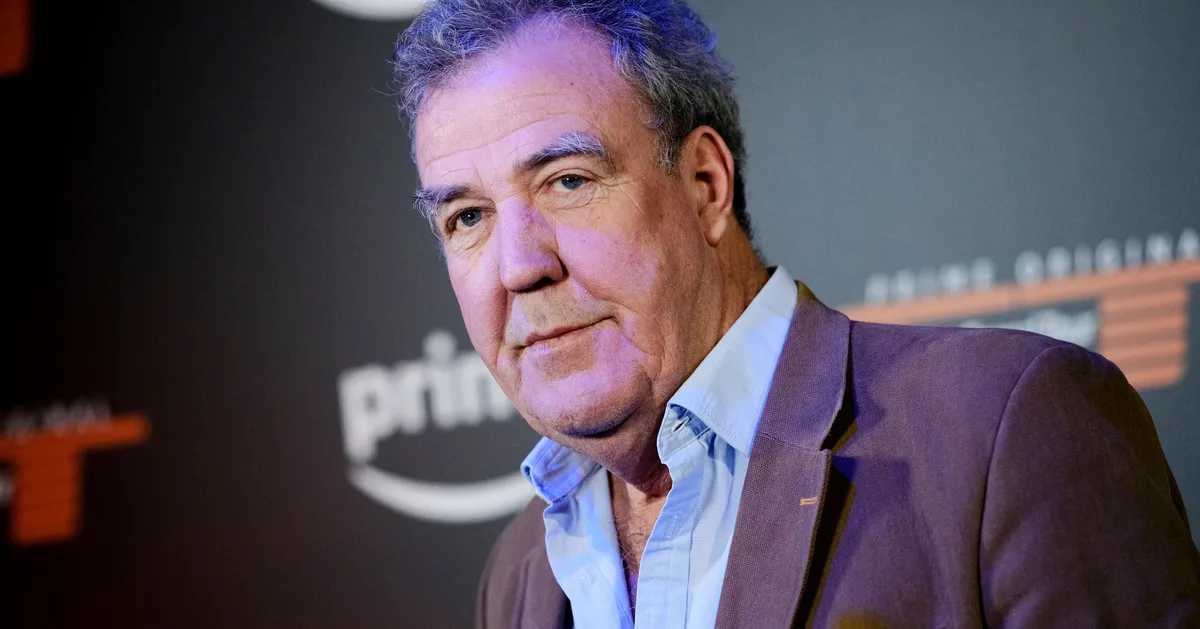
Jeremy Clarkson has revealed he has prostate cancer in an episode of his show, Clarkson’s Farm.
He broke the news on-screen to co-stars Kaleb Cooper and Charlie Ireland. “Where it is is of no concern of anybody. I’ve known since May,” he said, when Cooper asked where the cancer was.
The former Top Gear presenter added that he had undergone a biopsy after a medical check-up. “I disappeared off the other week and I had a biopsy, and it is cancer, and it’s aggressive, but it’s really early,” he said.
He added, “I promise I’ll be fine” and that he’d be out of action “for a little while”. And while Clarkson said on the show he’d hoped to have finished the busy harvest season before receiving treatment, it fell “slap bang in the middle”.
Later in the season, the ex-Grand Tour star said that “the prostate, 10% of it’s dead… the 10% where the cancer is”.
We also see footage of the 66-year-old from a hospital bed, where he says some of the treatment has gone “awry” and continues: “I’m going to be here for a little while. I don’t know what’s going to happen.
“What I wanted to say was if this is all successful, I’ll see you in season six, and if it isn’t, I won’t… Take care, everyone.”
Before the show’s new episodes were released on 16 June, Clarkson posted a video to his Instagram warning viewers that the new season would prove tough viewing.
“Ordinarily, we try to keep the show bucolic and charming and cheerful, but the final two episodes which drop in the middle of the night tonight are… they’re none of those things, really, they’re a difficult watch.
“They’re really, really difficult,” he continued.
In a previous interview with The Times, Clarkson said that he gets regular check-ups because he’d seen “too many friends go down with prostate cancer”.
“All it takes is a moment or two” to check your status, he added.
Clarkson’s Farm farmhand, Gerald Cooper, had previously been diagnosed – he became cancer-free in 2024.
Clarkson underwent a heart procedure that same year, writing for his column for the Sunday Times that “of the arteries feeding my heart with nourishing blood, one was completely blocked and the second of three was heading that way”.
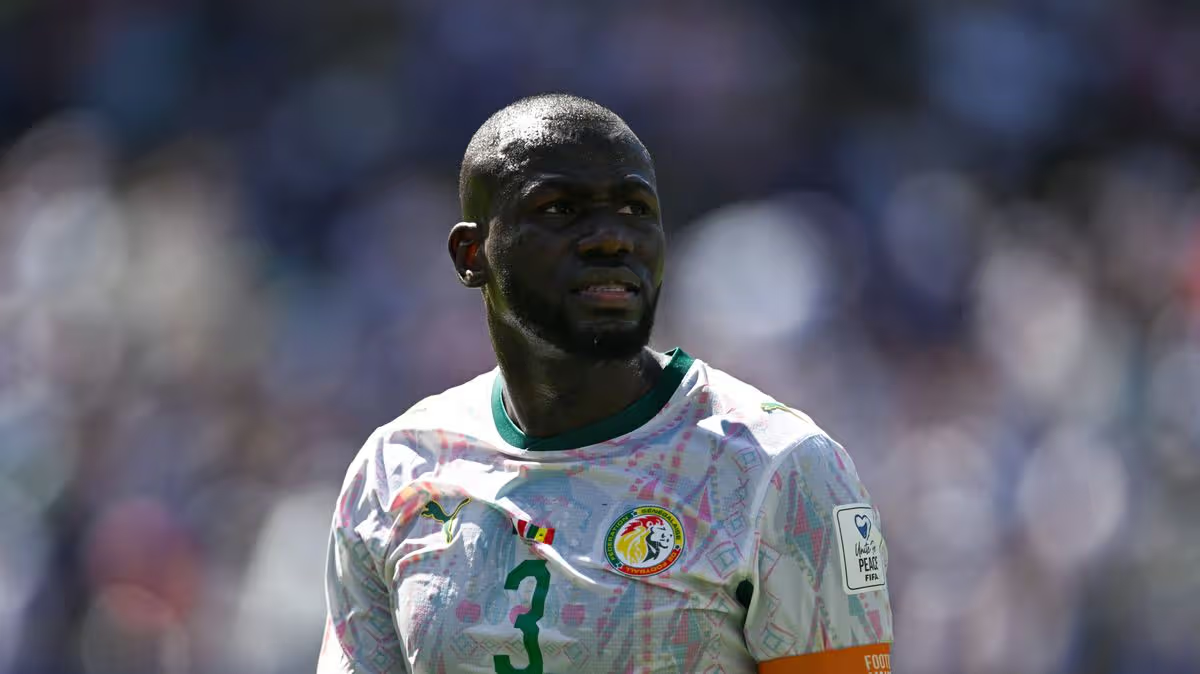
World Cup star criticises controversial US visa policy after fans banned from country

Cyient shares crash 6% as stock turns ex-record date for Rs 720 crore share buyback. What’s ahead?

Bitcoin price slips toward $65K as Fed jitters test key support


-

 Business3 days ago
No Jackpot Winner as $257 Million Prize Rolls Over to $269 Million Monday Draw
-

 Crypto World6 days ago
Oppenheimer backs SpaceX as $70 billion retail frenzy builds
-

 Fashion5 days ago
Weekend Open Thread: Tuckernuck – Corporette.com
-

 Crypto World6 days ago
Markets Rally as SpaceX IPO Looms Amid Iran Tensions and Inflation Surge
-
 Crypto World2 days ago
Zimbabwe Requires Crypto Businesses to Register Annually Under New FIU Regulations
-

 Tech4 days ago
NanoClaw integrates JFrog registries to secure AI agent downloads
-

 Tech5 days ago
This Week In Security: Microsoft On Microsoft, Register Your Domains, Linux On ARM, And FreeBSD Joins The File Cache Club
-

 Crypto World4 days ago
Bitget enters Argentina’s regulated crypto market through PSAV registration
-
 Tech6 days ago
Dutton Ranch star claims they ‘didn’t see any disruption’ on set following Chad Feehan’s exit from Yellowstone spinoff fueled by Taylor Sheridan clash rumors
-

 NewsBeat5 days ago
El Nino has formed in the Pacific and could set records, forecasters say
-

 Politics6 days ago
Politics Home | Healey Resignation Is “Colossal Failure Of Government”, Says Former Labour Defence Secretary
-
 Entertainment6 days ago
Donnie Wahlberg & More Heat Up Las Vegas at Circa’s Barry’s Downtown Prime
-
 Tech6 days ago
Opendoor Ends India Operations, Fueling a Bigger Conversation About AI and Outsourcing
-

 Sports6 days ago
First Time Since 1971: Australia Register Historic Low In ODI Cricket
-

 Politics6 days ago
Belfast burns, while Met chief points finger at Iran and Russia
-

 Business6 days ago
AT&T: Verizon's 27% Outperformance Sets Up A Solid Entry Point
-

 NewsBeat5 days ago
FBI searches office of Ohio voter registration group
-
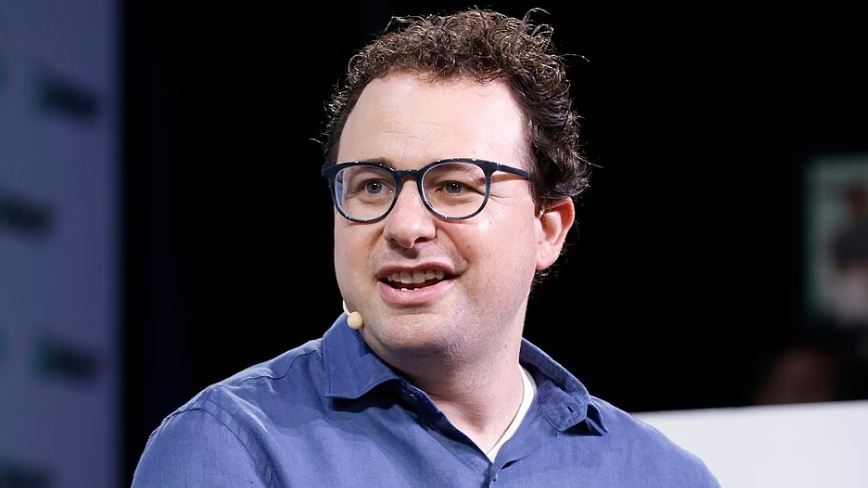 Tech5 days ago
Anthropic is spending $150M to embed 1,000 AI fellows inside nonprofits. No degree required.
-

 Politics6 days ago
Modi thanks Trump for wishes as US attacks Indian seafarers
-
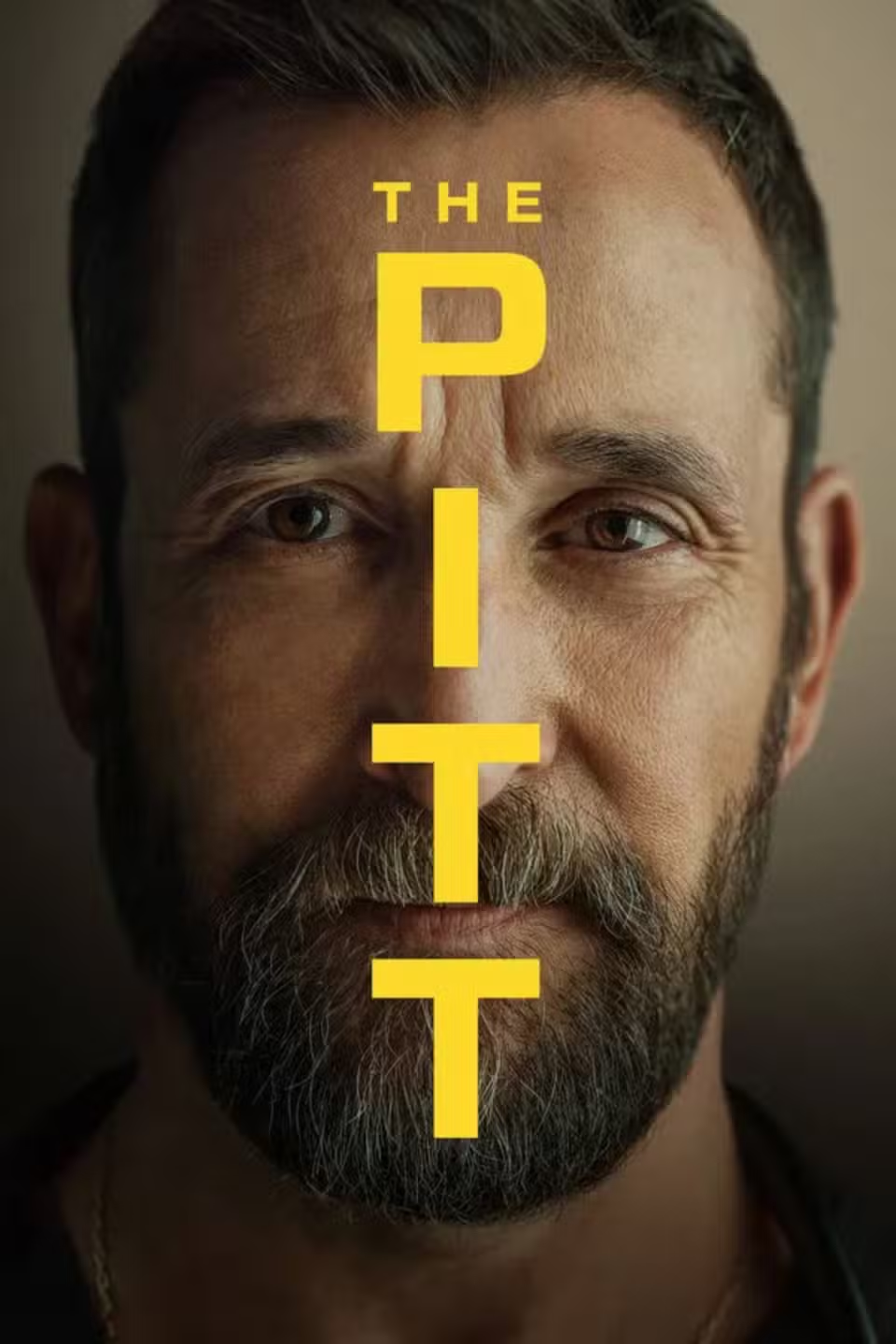 Entertainment5 days ago
‘The Pitt’s Fan-Favorite Doctor Confirms Noah Wyle Gave His Blessing to Return [Exclusive]
You must be logged in to post a comment Login