

Politics
Trump Brags About Supporting War Instead Of Day Care


!function(n){if(!window.cnx){window.cnx={},window.cnx.cmd=[];var t=n.createElement(‘iframe’);t.display=’none’,t.onload=function(){var n=t.contentWindow.document,c=n.createElement(‘script’);c.src=”//cd.connatix.com/connatix.player.js”,c.setAttribute(‘async’,’1′),c.setAttribute(‘type’,’text/javascript’),n.body.appendChild(c)},n.head.appendChild(t)}}(document);(new Image()).src=”https://capi.connatix.com/tr/si?token=19654b65-409c-4b38-90db-80cbdea02cf4″;cnx.cmd.push(function(){cnx({“playerId”:”19654b65-409c-4b38-90db-80cbdea02cf4″,”mediaId”:”f1481145-6761-4fb9-8eee-035ebaa28a2c”}).render(“69ce961fe4b0d214cc7055d1”);});

Now that Nicola Sturgeon is finally free of her gruelling MSP workload, which could give her anything up to two extra hours of spare time a week, she might like to start making a proper dent in the contents of her fully-loaded bookshelves.

(At least until they’re seized and sold under the Proceeds Of Crime Act.)
So we thought we’d offer up a few suggestions.

Sturgeon was of course always keen to promote Scottish authors (well, at least one Scottish author, anyway), and we’ve always been massive fans of thriller writer and big independence supporter Chris Brookmyre.
And as luck would have it, his catalogue covers a lot of her interests.
This one might remind her of her careful scrutiny of SNP finances.

This one rather speaks for itself.

She’s probably already familiar with this one.

And this one.

This one, named after the idea of failing to notice a slowly-developing perilous situation, features a secretly gay Scottish political figure called Peter, scandal in the Scottish Parliament and one of the protagonists going to prison. Fun!

This one will remind her of the exciting period in her life from 2010 to 2026.

Although now she’s got her licence she might want to take a break and get away from it all on the open road (just not in the campervan or the Jag).

But it’s probably safe to say she’ll identify most with this one.

And as for how this one turns out, we’ll all have to wait and see.

Have a lovely summer, Nicola. Try not to sweat too much. And remember – if you can’t stand the heat, stay out of the kitchen.

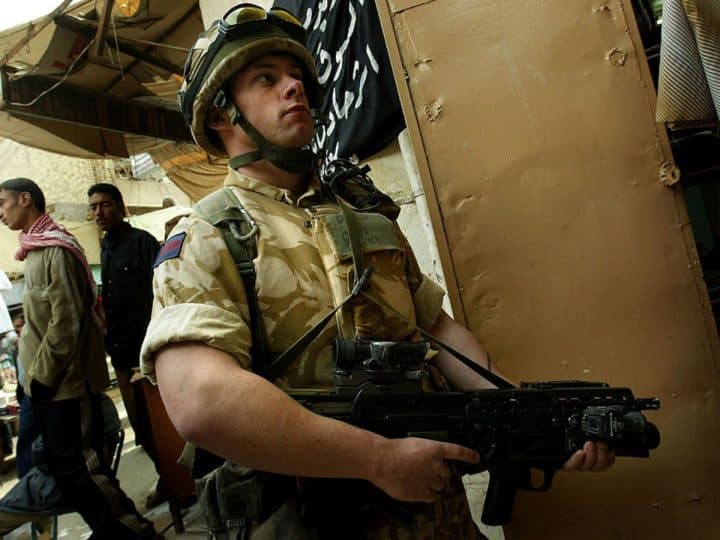

Commanders of the UK military’s most elite special forces didn’t refer war crimes allegations to police, an inquiry has heard. The reasons they decided not to may astound our readers: an anonymous senior officer said that there were fears doing so might upset SAS troops.
The inquiry has been going on for several years. Current and former Special Air Service (SAS) personnel have been granted anonymity to give evidence. The inquiry concerns allegations that innocent Afghan civilians were murdered in 2011.
Some allegations suggest detainees were handcuffed before being executed. And that weapons seized elsewhere were placed on their bodies to frame the dead as terrorists.
As the Canary has reported:
One SAS squadron may have murdered up to 54 people in a single tour in 2011. The Unredacted website has a useful briefing on cover-up culture within special forces. Action on Armed Violence (AOAV) have also followed the inquiry closely.
New testimony emerged on 28 May. The BBC reported:
A former chief of staff of UK Special Forces has told a public inquiry he believed war crimes allegations against the SAS were not referred to military police out of concern an investigation could disrupt operations and negatively affect morale.
The former officer said that the fact allegations had come from a rival unit, the Special Boat Service (SBS), also shaped decision-making:
The officer, the second highest ranking in special forces at the time, said another factor in the decision was that evidence had in part come via a rival special forces regiment.
The BBC said the decision not to refer the allegations meant:
military police did not learn for years of special forces concerns that the SAS was carrying out extra-judicial killings and submitting falsified reports.
SAS — Internal review instead of police referral
The BBC reported:
Despite the severity of the allegations, the then-director of UK Special Forces decided in 2011 not to refer them to the Royal Military Police, instead commissioning an internal review into the tactics being used by the SAS.
The decision was controversial because every commanding officer in the British military has a legal obligation to alert military police if they become aware that someone under their command may have committed a war crime.
Details of that review beggar belief. It was led:
by a UKSF officer close to the SAS unit responsible for the raids under scrutiny and signed off by the commanding officer of the unit.
The SAS deemed the review completed in:
just a week and found no evidence of criminal wrongdoing.
The officer, known as N2252, said:
he believed the director had felt a military police investigation would take too long to deliver results, and that an internal review “could be done quickly” and would “send a signal” to those responsible for the troubling operations.
N2252 also told the inquiry that:
alerting the Royal Military Police to these concerns in 2011 would have interfered with the high tempo of SAS operations, at a time when the regiment was tasked with going after Taliban operatives and bombmakers responsible for laying IEDs.
The officer said:
You would take the sub-unit out, you would conduct the investigation and they would be thinking about the investigation and not on planning the next operation.
The outlet reported that N2252 felt that:
applying that kind of scrutiny to the SAS’s operations could have undermined trust within UK Special Forces, telling the inquiry that if headquarters had questioned the accounts given by troops “the message that will have gone back to them is ‘we don’t believe you’.”
Kay…
British military exceptionalism
Another former officer, known as N889, did concede to the inquiry that he had been naive about alleged false reports from the raids:
I totally accept, you know, all these years later looking back that perhaps one should have taken a slight harder view.
I maybe naively read this stuff, believed it and carried on.
The absolute cream of the British officer class right there.
As the Canary has reported:
Allegedly special forces chiefs blocked asylum claims for allies because they may have witnessed war crimes. In May, “files, disclosed by the Ministry of Defence in court on Thursday, show the unnamed UKSF officer rejected every application referred to him in the summer of 2023”. There were 1,585 cases.
The latest tranche of evidence suggests up to 80 people may have been killed. The then-president of Afghanistan Hamid Karzai even intervened at one point. And Afghan troops allegedly refused to work with the British due to the allegations.
You can read more about the inquiry and allegations of UK special forces war crimes at Action on Armed Violence (AOAV) and Unredacted UK. Declassified UK have also reported on the issue — one allegation claims that SAS troops shot toddlers.
The inquiry, led by Judge Haddon-Cave, has no legal power. And its frame of reference is typically narrow. It is not clear when or what it will report. What does seem clearer by the day is that a culture of barbarism, impunity and cover-up came to exist in UK and allied special forces in Afghanistan.
Ghaith Abdul-Ahad/Getty Images
By Joe Glenton
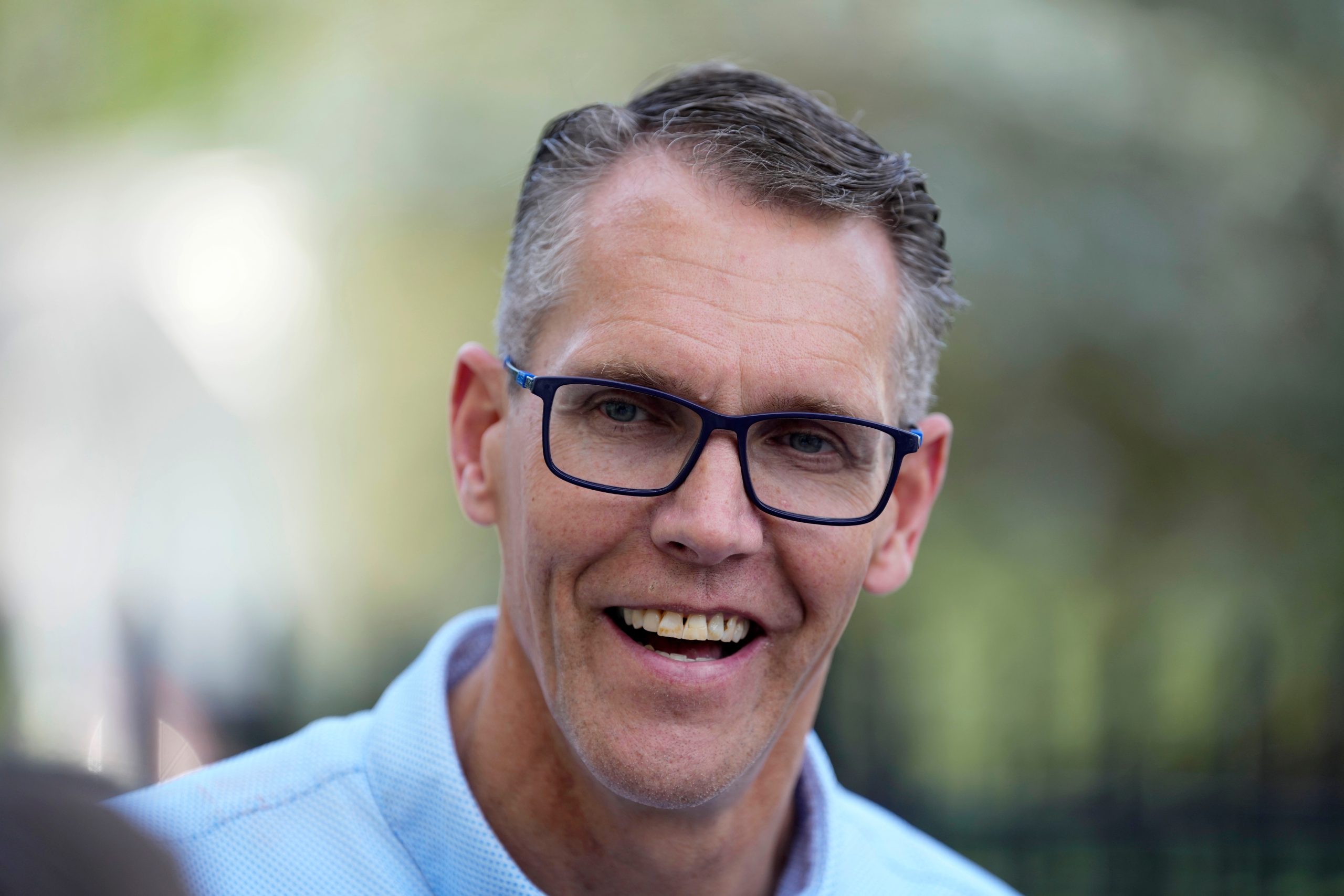

COLUMBIA, S.C. — President Donald Trump endorsed three Republican gubernatorial candidates Friday, wading into contests in South Carolina, Iowa and Oklahoma that have pitted allies against each other in a fierce competition for their party leader’s blessing.
In a trio of social media posts, Trump gave his backing to South Carolina Lt. Gov. Pamela Evette, Iowa Rep. Randy Feenstra and former Oklahoma state senator Mike Mazzei as primary elections approach.
Iowa’s primary is Tuesday, South Carolina’s is on June 9 and Oklahoma’s is on June 16. All three states are having their first competitive Republican gubernatorial primaries in years.
For two terms, Evette has served alongside Gov. Henry McMaster, one of Trump’s earliest backers during his first presidential campaign. Earlier this year, the long-serving governor endorsed his No. 2, telegraphing to some that Trump’s backing could be next.
On Friday, Trump expressed both appreciation for Evette and the state she represents, noting that she stumped for him in 2024. He also said “A BIG added plus” for her campaign is that Henry McMaster Jr. — the sitting governor’s son — may be Evette’s running mate.
In the deep red state of South Carolina, the competition for the president’s support has been the most intense part of the primary race.
In a separate post, Trump described Feenstra as “MAGA all the way” and said he would “fight tirelessly” for the state on issues including the economy, border security and support of law enforcement.
Evette and Feenstra have been vocal about wanting Trump’s endorsement, in the hopes that it would carry weight in states that helped propel Trump’s return to office in 2024. Feenstra said earlier this year that he asked for Trump’s support, and much of Evette’s campaign media has featured photos of her next to Trump.
Along with Feenstra, four other Republicans — state Rep. Eddie Andrews, businessman and former conservative political director Zach Lahn, former state Rep. Brad Sherman and former director of the state Department of Administrative Services Adam Steen — are in the primary to replace outgoing Iowa Gov. Kim Reynolds, who opted out of a third bid.
Evette is competing for the South Carolina nomination against Rep. Nancy Mace, Rep. Ralph Norman and state Attorney General Alan Wilson.
Mazzei is running to replace Oklahoma Gov. Kevin Stitt, who is finishing his second term. He’s competing against state Attorney General Gentner Drummond, former state House Speaker Charles McCall and former state public safety secretary Chip Keating.
“Mike Mazzei has my Complete and Total Endorsement to be the next Governor of Oklahoma — HE WILL NEVER LET YOU DOWN!” Trump wrote on social media.


One privately-owned water company left thousands of people in south-east England dry and thirsty this week. This comes amid one of Britain’s hottest-ever May heatwaves.
South East Water, which covers much of Kent, left over 8,000 people without any tap water. The company claimed that nearby reservoirs at Whitstable were at a “critical level” due to “extremely high demand”.
The company’s six-figure CEO David Hinton stepped down from his position in early May over consistent failures, shortages and outages but will remain in-post
to allow an orderly transition over the summer period.
That and, presumably, to keep earning a slice of his lucrative £457,000 salary a wee bit longer.
In late December 2025, the Tunbridge Wells MP called for the CEO of South East Water to resign over further water shortages. So it’s clearly not just the heat that’s the problem.
Tragically, at least 11 people drowned whilst attempting to cool off this week at open bodies of water. This alone demonstrates just how devastatingly unprepared Britain is for climate shocks.
Sold debt-free in 1989. Today: £72bn in debt, ~£85bn extracted in dividends (FT/Ofwat), sewage in every river.
There’s a word for borrowing against an asset to pay yourself, then walking away from the wreckage. In ex-Soviet states we called it tunneling. In the UK we call it…
— Rory Wilmer (@inkbyteltd) May 27, 2026
Water privatisation: UK’s biggest scam
Since Margaret Thatcher’s governments privatised the majority of our water infrastructure, private water companies have paid out over £85b in shareholder dividends. They’ve invested relatively fuck-all.
By fuck-all, I mean a real-terms drop on investment of £5.5b. Meanwhile, corporate asset managers have piled debt onto the companies at over £60b. (See ‘Take Back Water’ for more info.)
They’ve liquidised our once-public assets, leveraged debt onto them, then often resold at immense profits. What do we have to show for it? Only recurrent national sewage scandals and misery.
Oh, but who could forget the rage-inducing TV drama!
Labour MP Clive Lewis rightly points out that water privatisation was a complete scam with no tangible benefits to the English and Welsh public. Scottish water, like most countries, remains publicly owned.
However, the man Lewis wished to sacrifice his own seat for — before journalist intimidator Josh Simons beat him to it — Andy Burnham has ruled out renationalising water. Burnham now wants to be PM.
Labour might be complacent, but Manchester Green Party has had enough of this:
Nationalisation.
No compensation! https://t.co/IcjasM8rju
— Manchester Green Party
(@McrGreenParty) May 28, 2026
So too has Green Party leader Zack Polanski, who’s regularly made scathing remarks about the sorry state of water privatisation. It’s a clear case study for insane capitalist profiteering at great public expense.
The Green Party supports re-nationalisation of water and major energy infrastructures. Alongside, of course, a speedy and just transition to renewable energy. (Ideally without the new green resource imperialism.)
That’s what’s needed to avert more unmanageable weather events and ensuing climate collapse. And these corporate pirate water companies deserve not a penny of compensation.
BBC panel speechless as Zack Polanski nails the utter state of the water companies
Compounding crises: heatwave capitalism
The heatwaves dominated the airwaves this week as Britain sweltered in intense sunshine. Many rightly pointed out that these temperatures were obscene for May, including the Canary.
Doubtless central to these intense, shifting temperature patterns is the decades-long breakdown of normal weather due to ongoing climate collapse. This is caused largely by vast quantities of CO2 and other greenhouse gases being pumped into the atmosphere by fossil fuel combustion.
Meanwhile, No.10 squanders precious time for action suppressing studies on climate collapse and Tony Blair — backed by oily Gulf States and AI monopolists — urges Labour to “abandon net zero.” Too woke for Blair.
Likewise funded by fossil fuel lobbyists, hardcore anti-net zero Reform UK are wildly out of touch with public opinion on this urgent matter. Can anyone really be surprised? It is well hot, after all.
View this post on Instagram
Fossil fuels are overwhelmingly consumed by the world’s wealthiest percentile. Meanwhile, the working class and especially the Global South consume a fraction of their fuel, yet suffer the worst consequences.
This disaster, combined with the hyper-capitalistic exploitation of our invaluable water supplies for corporate profits, combines to create the problems we confront today. This week shows how clearly linked they are.
Add to these problems massive energy-hungry and water-thirsty AI data centres being erected around the UK and the world and you’ve got serious crises compounding. Will politicians assure us that data centres will be first to lose their access to clean water, before humans? Yeah, right.
The only way to confront these intertwined crises of water shortages, AI and the climate breakdown is to confront their root cause. Capitalist profiteering at common people’s expense must be ended. End of.
View this post on Instagram
No 10 suppressed key intelligence report on climate collapse
Featured image via Getty Images
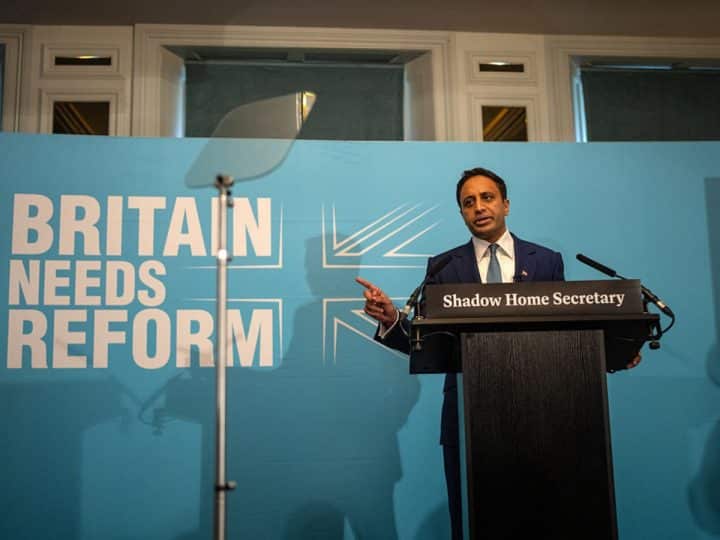

Reform UK’s Zia Yusuf is more than a bit full of himself. He likes to style himself Reform’s “Shadow Home Secretary”. He’s not. He’s Reform’s home affairs spokesperson, God help us all. ‘Shadow’ refers to the home affairs spokesperson of the party with second-most MPs in the Commons. For the moment, that’s still the Tories. But many would say he’s full of something else, too. That proposition is reinforced by the fact that today, 29 May 2026, he has decided he needs to pander to his racist base even further. In this case, by banning Sikhs from carrying the kirpan, the ceremonial dagger required of observant Sikhs to fulfil their religious obligations:
I don’t care what religion you are.
NOBODY other than law enforcement will get to carry deadly weapons under a Reform government.
Reform will repeal the exemption for Sikhs to carry the kirpan.
We will deploy stop and search and get deadly weapons off our streets.
— Zia Yusuf (@ZiaYusufUK) May 29, 2026
Reform’s race-baiting nonsense
Sikhs have been allowed to carry kirpans in the UK since at least Winston Churchill’s time — because he advocated for it out of a sense of Britain’s indebtedness to Sikhs, as respondents reminded Yusuf:
Sir Winston Churchill knew Sikhs better than you Yusuf. They can carry kirpans because he stood in Parliament and pleaded for the Sikhs to be given that recognition pic.twitter.com/wIGLWkua7X
— Man at C&A (@BeardedBrownMa1) May 29, 2026
And it’s not as if Sikhs have no need to be armed. Thick racists who would probably support Reform — though probably not the Muslim-born Yusuf — sometimes attack, even rape, Sikhs because they mistake their victims for Muslims who the political establishment loves to incite against. Yusuf’s excuse for his race-baiting would probably be the conviction of a man in Southampton this week for a knife murder. But Yusuf’s either too opportunistic or too challenged (both?) to admit that this wasn’t committed with a kirpan:
There is very little evidence of the kirpan being used in knife crime.
The one used in Southampton was not a regular kirpan, but a ‘shastar-style’ weapon – which is already illegal.
You’d be better off banning hammers.
But that wouldn’t stir up race-hate quite so much.— Larry Barker
(@Lazzard59) May 29, 2026


In fact, in the past half-century there hasn’t been a single kirpan-linked death in the UK. The single incident mentioned by one respondent also mistook the weapon-type — but he correctly identified the racism in the original post. Compare that to the around 50,000 offences annually involving non-Sikh’s and other types of knife:
Kirpan-related deaths in the UK in the last 50 years – 1 recent high-profile case.
Meanwhile there are 49,000–53,000 offences involving a knife or sharp instrument per year in recent periods.
Absolute clown party with no answers, just dog whistling retarded racists. pic.twitter.com/Hq11wqlY4C
— ☬ #RefugeesWelcome; Twitting Dinosaur


(@TwitDinosaur) May 29, 2026
And, of course, there are a lot more people allowed to legally carry dangerous weapons than Sikhs:
Ok- are you going to ban tradespeople from carrying Stanley knives, hammers etc in case they decide to use it with an intent to injure. You do come out with rubbish .
— Kentish Maid (@obviousenigma1) May 29, 2026
Many ventured that Yusuf’s racist grandstanding was driven by fear of even more extreme right-wing parties that are eating away at Reform’s ‘base’ (‘base’ being very appropriate in this instance):
Wow what an original thought, like your party’s signature color that suddenly changed to dark blue! pic.twitter.com/YjWAdvXJpE
— Naomi Seibt (@NaomiSeibt) May 29, 2026
‘Disgrace’
Yusuf was coming off the back of his illegal threat to put immigration concentration camps in areas that voted Green in May’s local elections. Gaining votes through incentives or coercison is a crime. And his latest post was similarly treated with utter contempt by most who responded:
— Steve Yeardley (@yodelmiester) May 29, 2026
Lots of contempt:
You are a disgrace for trying to inflame tensions against Sikhs lawfully carrying a kirpan!
This isn’t serious policy; it’s legal and constitutional nonsense.
The kirpan is a long-recognised religious article protected under the Equality Act 2010 and Article 9 of the ECHR.
— Nikki (@gllnkk) May 29, 2026
Lots and lots:
Oh will you big boy ?
Isn’t it more the case you’ve discovered a new part of society to demonise in Sikhs so you can carry on your fake patriotism grandstanding.
— Oxidized Iron (@OxidizedIron33) May 29, 2026
But not quite the contempt it deserved. The X platform isn’t big enough to hold that much contempt.
Featured image via Carl Court/Getty Images
By Skwawkbox


President Donald Trump’s failing war in Iran is grabbing most of the headlines. But Latin America is still central to current US colonial ambitions. American shadow war operations are popping up left, right and centre as the US seeks to dominate.
Trump’s 2025 national security strategy said as much. The US wants to ensure:
the Western Hemisphere remains reasonably stable and well-governed enough to prevent and discourage mass migration to the United States.
And that those pliable governments:
cooperate with us against narco-terrorists, cartels, and other transnational criminal organizations.
Trump and his cronies want:
a Hemisphere that remains free of hostile foreign incursion or ownership of key assets, and that supports critical supply chains.
Decoded, the US seeks to control the markets in the Americas, and:
we want to ensure our continued access to key strategic locations. In other words, we will assert and enforce a “Trump Corollary” to the Monroe Doctrine.
The Monroe Doctrine, many Canary readers will be aware, basically means US political and economic dominance of the continent. The ‘Donroe’ doctrine, as the new version has been called, is Trump’s typically egotistical update.
The US started 2026 with an attack on Venezuela and various threats against neighbours like Greenland, Canada and others. Since then, it was steered — with the help of Israel — into a war with Iran. And spent the last few months getting an arse-kicking in a dramatically failing conflict there.
But the Americas have not been forgotten in Trump’s vision. The US military and US intelligence have been busy while Iran took the headlines.
Trump — the Venezuela raid
The 3 January US attack on Venezuela was an opening salvo of sorts. The legally questionable at-sea airstrikes which accompanied it are still happening. The Americans say these are against ‘narco-terrorists’. The truth is much more complicated.
President Nicolas Maduro remains in US detention. His replacement Delcy Rodriguez, it seems clear, is a US stooge.
The Guardian was told by four anonymous sources in late January:
Before the US military snatched Venezuela’s president, Nicolás Maduro, earlier this month, Delcy Rodríguez and her powerful brother pledged to cooperate with the Trump administration once the strongman was gone.
Rodriguez has since started shipping oil to Israel. And on 27 May, CBC reported that cartel-related probes against her had been quietly dropped:
The Trump administration has quietly instructed federal prosecutors in Miami to avoid pursuing criminal investigations into Venezuela’s acting President Delcy Rodríguez, a longtime target of the U.S. Drug Enforcement Administration, according to current and former U.S. law enforcement officials.
The narrative of state collusion with cartels, wobbly as it is, was used to justify the January raid. And narcotic gang activity seems to be the main way Trump is justifying his bid for hemispheric control.
Joint strikes in Central America
The NYT reported on 28 May that Guatemala has agreed to carry out strikes with the US:
President Bernardo Arévalo of Guatemala agreed to both airstrikes and other military action in a call with Defense Secretary Pete Hegseth, two of those people said, with operations to start as early as next month.
Adding:
It was unclear what other military activities could be included in the agreement.
And in Panama, a defence and transit deal for the strategic cross-continental canal has been locked in with the US:
U.S. Defense Secretary Pete Hegseth and Panamanian President José Raúl Mulino signed memorandums of understanding that provide U.S. military vessels with toll-free, priority access through the Panama Canal.
The agreements also encompass expanded joint training exercises, cyber defense collaboration, and the potential reactivation of former U.S. military bases in Panama.
The US also designated two Brazilian gangs as terrorist organisations on 29 May:
The announcement, made by Marco Rubio, the secretary of state, on Thursday, is being widely seen in Brazil as a setback for Luiz Inácio Lula da Silva, the president who had strongly opposed the designation – and a boost for Lula’s main challenger in October’s presidential election, the far-right senator Flávio Bolsonaro.
Flavio Bolsonaro is the son of fascist former president Jair Bolsonaro. Both are far-right fellow travellers of the Trump administration. Flavio Bolsonaro visited the White House earlier in May 2026.
Homeland empire
The CIA reportedly killed a mid-level cartel boss with a car bomb in Mexico City in March. That followed a US-backed cartel shootout in Mexico, also in March. Two CIA officers were killed after a drug lab raid in April. Official denials followed those reports.
US-backed troops in Ecuador allegedly tortured dairy workers and blew up a farm in March. Cuba, naturally, is on the regime change list too. Immigration and Customs Enforcement (ICE) paramilitaries are carrying out a racist war on poor, maligned and undocumented workers on the home front.
El Pais revealed on 7 May that Trump, his Argentine ally Gabriel Milei and the Honduran government were:
conspiring to create a channel for disseminating fake news with the intention of spreading misinformation and destabilizing the governments of Brazil, Colombia, and Mexico.
El Salvador Trump-allied president Nayib Bukele is also deeply implicated in US fascistic deportation plans.
The list goes on as Trump seeks to remake the continent in his own image.
Trump’s modern settler empire
The new right-wing narratives of illegal migration and drug trafficking have merged with the climate of militarism, ‘counter-terrorism’ and colonial policing forged during the War on Terror. Trump has been able to tie these together to wage a war against the exploited, the racialised and the desperate.
Historian Nikhil Pal Singh warned in a recent piece for Equator:
familiar analytical frameworks which rely on the distinction between foreign and domestic realms, normality and legality, policing and war, cannot provide the ‘world picture’ we need to grasp what’s happening here.
Instead, Trump:
conflates immigrants, drugs and free trade as sources of weakness coming from outside, “poisoning the blood of our country”.
Trump has married:
the archaic geopolitics of a settler empire to the modern legal frameworks devised by his liberal predecessors.
Trump is losing in Iran. Few serious observers doubt it. But the other war which took off in 2026 is making inroads. The US administration is extending its violent reach across the Americas. The Americans seek to consolidate through backing fascist forces, through violence, and by using a racist narrative of narco-terrorism to justify their actions.
Keep eyes on Iran, but don’t forget the so-called ‘homeland empire’. The US-Israeli war will end at some point. In Latin America, US intervention may well accelerate when it does.
Featured image via Katelynn Jackson/U.S. Air Force via Getty Images
By Joe Glenton

Virtually everyone who is concerned about the future of the United Kingdom is worried about the recent news that more than one million young people – around one in eight 16- to-24-year-olds – are not in education, employment or training (NEET). The number of NEETs has grown by 195,000 over the past two years.
According to a government-sponsored review of NEETs, 1.25million young people will not be in work or education within five years. Already, 530,000 are recipients of out-of-work benefits such as universal credit. Alan Milburn, a cabinet minister under Tony Blair and author of the report, said he had a ‘deep concern bordering on fear’ about the future of young people in the UK.
Milburn’s review has done a thorough job of conveying the bleak extent of what he rightly describes as a ‘moral’ crisis. Unfortunately, however, he and others charged with analysing this phenomenon have failed to apply the same thoroughness when it comes to its causes. A widely reported study published last week, Inside the Mind of a Young NEET, makes many of the same mistakes as Milburn’s review. Both reports are obsessed with dispelling the claim that the NEET generation is ‘lazy’.
Inside the Mind of a Young NEET, co-authored by educationalists Peter Hyman (also a former speechwriter for Blair) and Shuab Gamote, argues ‘that Britain must stop blaming the one million young people not in education, employment or training, known as NEETs, for a system that has let them down’. This sentiment was stridently echoed by Milburn during the interviews that he gave to the media on Thursday, the day his review was released.
Hyman and Gamote’s report praises today’s youth as a ‘resilient, talented generation’, failed by a system designed for a world that no longer exists. Its authors dedicated it to the ‘extraordinary young people who were willing to share their lives with us’.
The attribution of resilience and extraordinary qualities to young people, who in many cases are reluctant to leave their bedrooms, is a demonstration of the pandering tone that runs through both reports. They see young people largely as victims, devoid of any responsibility for the situation they find themselves in. Unsurprisingly, both reports repeat the popular myth that today’s youth are uniquely incapable of the demands of work, often because of some kind of mental illness.
Inside the Mind of a Young NEET tends to present young people as actual or potential mental-health patients who suffer from the trauma inflicted by their life experience. The report notes that:
‘We listened to many young people with traumatic stories to tell about their family life, school, attempts to work, mental health. We need to ask ourselves as a nation: What are we doing to the next generation? Why are so many growing up in pain? Why is the system failing them so badly?’
The Milburn Review is also strongly influenced by the mental-health narrative. Milburn states that: ‘For the first time, in perhaps two centuries, changes in health, especially mental health, are impeding economic growth and causing a contraction in the supply of labour.’ This belief appears to be based on the fact that, in 2025, 44 per cent of NEETs reported having a ‘work-limiting’ health condition – an increase from 26 per cent in 2015.
One of the most regrettable consequences of the medicalisation of the NEETs is that it treats young people’s accounts of their circumstances uncritically. Inside the Mind of a Young NEET notes that, ‘[m]any young people told us they wanted to work but felt they could not immediately cope with 35 or 40 hours a week’. It added that ‘part-time work, supported work, trial shifts and gradual increases in hours would help them build confidence and get used to the routines of work’.
The central point here – and the one that is missing – is that a significant number of young people believe that they cannot cope with full-time work because they have grown up being told that it is unreasonable to expect them to do so. The authors don’t seem interested in why generations of young people in the past regarded full-time work as an opportunity, rather than a challenge beyond their apparently low capabilities. If they had tried to address this question, they would have discovered that work was not perceived as something so exceptional that it required a prolonged phase of transition.
In its desire to avoid any criticism of the attitude of the NEETs, Inside the Mind of a Young NEET simply acquiesces to their attitude towards work. For example, it reports that ‘[s]ome young people have got into a habit of quitting fuelled by social media… Young people told us about the promotion online of instant success, which leads to a quitting culture if things take time.’ It adds that ‘some young people told us they enjoy the dopamine hit of a new job but then get bored very quickly and want to move on’.
Of course, there is nothing new about feeling bored in a job and wanting to quit. What is new is that supposed experts of young people’s lives represent this attitude as new, and one that didn’t exist prior to social media. Instead of analysing a culture that has relegated the importance of having strong work ethic, the authors of Inside the Mind of a Young NEET simply repeat the infantilising philosophy that has kept many otherwise capable youth on the sofa.
To his credit, Milburn has recognised that what is at stake is ‘more than an economic crisis, it is a moral one’. However, he is reluctant to draw out the logic of his insight, which is that no economic or health policy will deal with this problem unless the morality sustaining low expectations is challenged.
The NEET phenomenon is the outcome of a regime that systematically infantilises young people. From early childhood, young people are treated as ‘vulnerable’ and incapable of agency. Yet, at the same time, they have their egos inflated and are regularly told that they are ‘unique’ and ‘extraordinary’. The consequence has been perverse. The young are inevitably going to be disappointed when the world doesn’t treat them as unique and extraordinary. And, when that disappointment occurs, it is medicalised as a mental-health condition.
Every type of transition – from childhood to primary school, from primary to big school, from secondary to higher education to the workplace – has its challenges. God knows that mass immigration, deindustrialisation and welfarism haven’t helped younger Britons. But they can undoubtedly cope with holding down a job. It’s high time the government recognised this.
Frank Furedi’s In Defence Of Populism is out now.

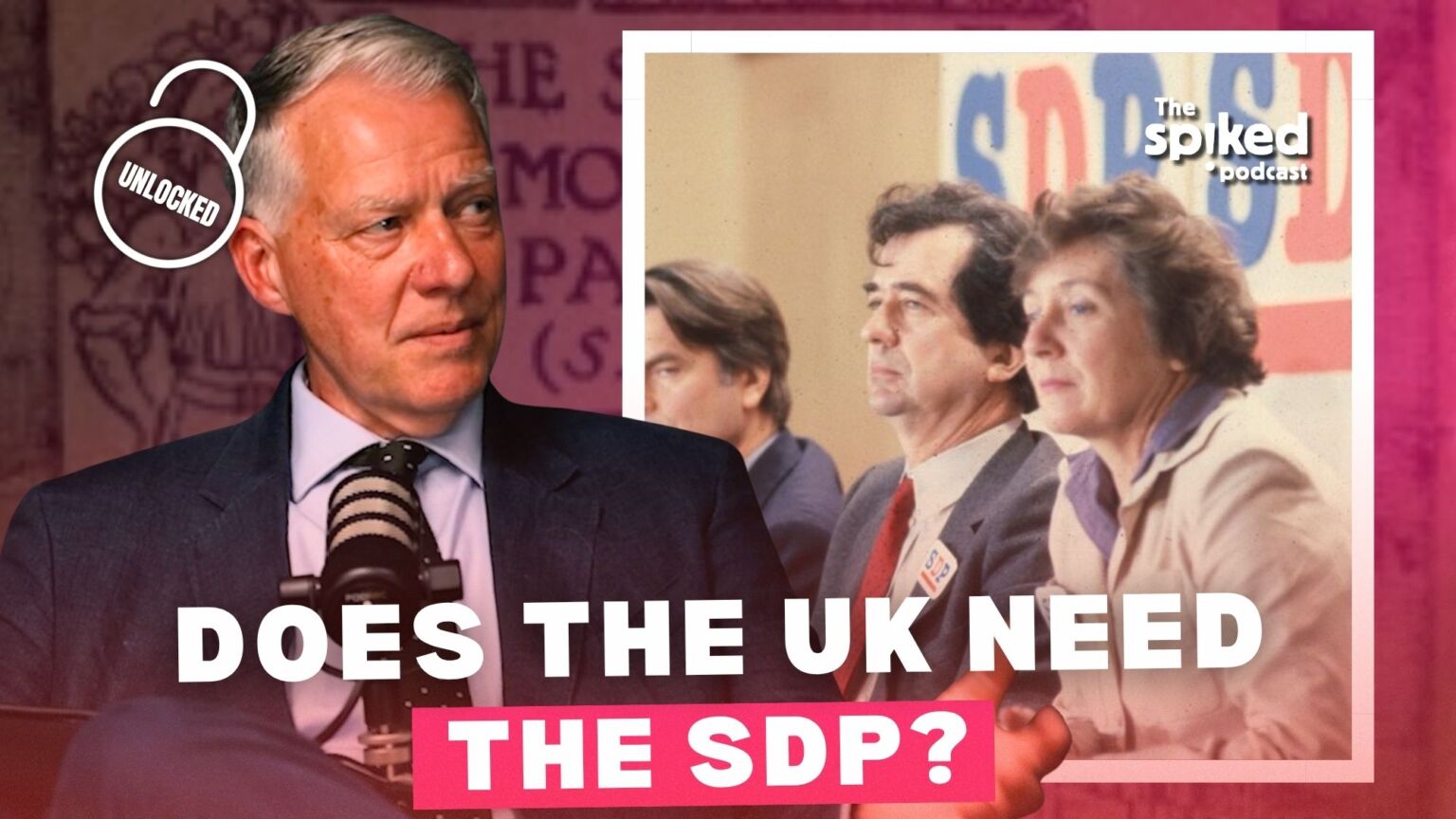
William Clouston – leader of the Social Democratic Party – joins Tom Slater and Fraser Myers for the latest episode of the spiked podcast. They discuss the Reform-Restore rift, why Blair can’t fix broken Britain, and Peter Murrell’s confessions of a shopaholic.
Donate £40 or more to spiked’s summer appeal and receive a limited-edition ‘10 years of Brexit’ pint glass. Find out more and donate here.
Listen to Rod Liddle’s Times Radio show, Saturdays 10am to 1pm, on digital radio, your smart speaker or by downloading the free Times Radio app. Find out more here.
Brendan O’Neill will be hosting a live Q&A on Tuesday 9 June. This event is free and is exclusively for spiked supporters. Find out more here.
Join us for the spiked summit, our biggest ever live event, on Saturday 27 June in Westminster, featuring Konstantin Kisin, Lionel Shriver, Katharine Birbalsingh, Toby Young, Allison Pearson, Brendan O’Neill, Tom Slater and more speakers to be announced. Get tickets here.
spiked is funded by readers like you. Only 0.1% of regular readers currently support us. If just 1% did, we could grow our team and step up the fight for free speech and democracy.
Become a spiked supporter and enjoy unlimited, ad-free access, bonus content and exclusive events – while helping to keep independent journalism alive.
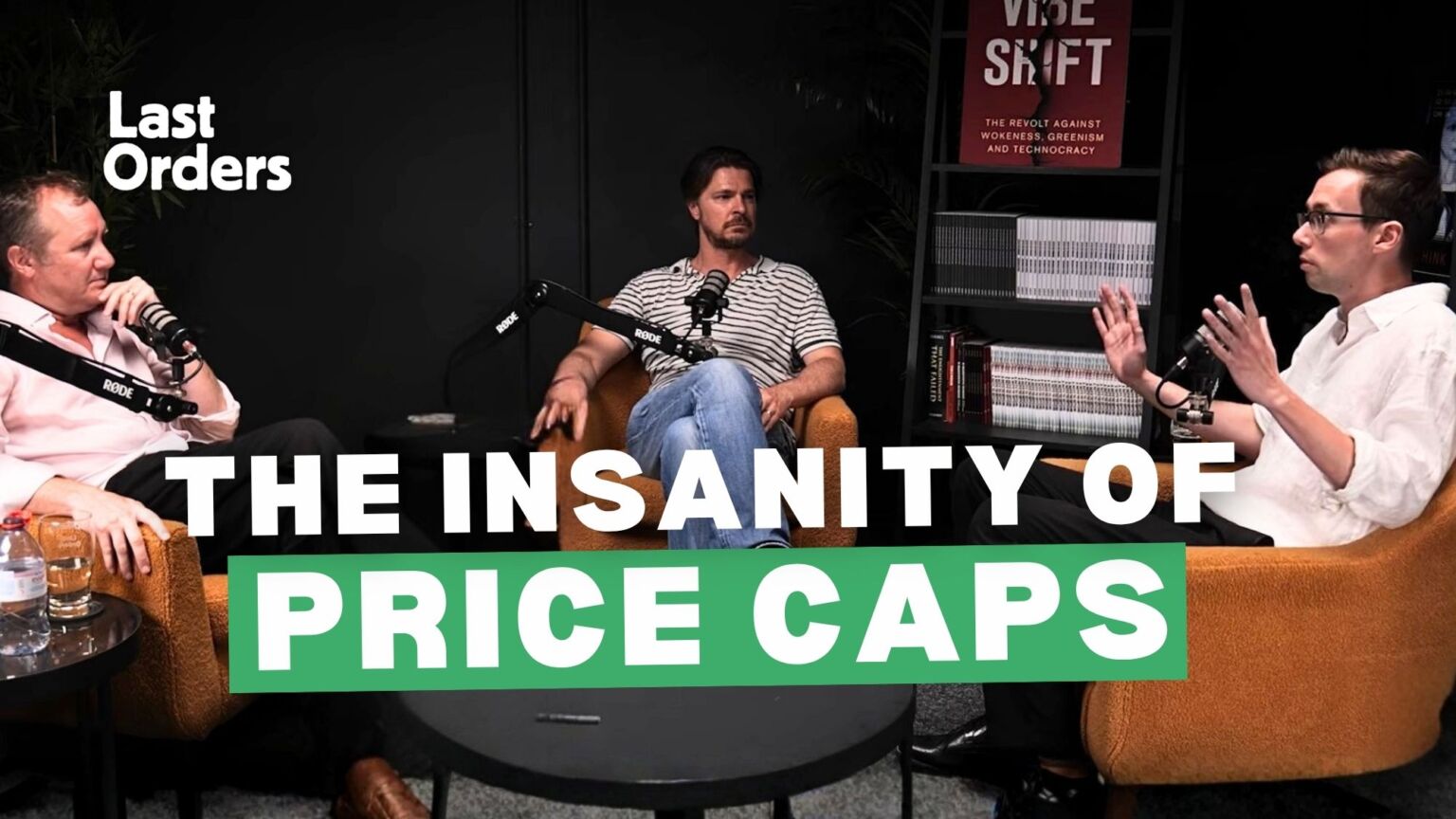
Kristian Niemietz, editorial director at the Institute of Economic Affairs, joins Chris Snowdon and Tom Slater for the latest episode of Last Orders. They discuss Labour’s call for supermarket price caps, the junk science about gambling, and Zack Polanski’s mysterious appeal.
Listen, share and give us a glowing review on your podcast app. Also, send your postbag questions, theories and ban suggestions to [email protected] and we’ll try to answer them in a future episode.
Listen to Rod Liddle’s Times Radio show, Saturdays 10am to 1pm, on digital radio, your smart speaker or by downloading the free Times Radio app. Find out more here.
Donate £40 or more to spiked’s summer appeal and receive a limited-edition ‘10 years of Brexit’ pint glass. Find out more and donate here.
Join us for the spiked summit, our biggest ever live event, on Saturday 27 June in Westminster. Featuring Lionel Shriver, Andrew Doyle, Katharine Birbalsingh, Toby Young, Allison Pearson, Paul Embery, Brendan O’Neill, Tom Slater and more. Get tickets here.

Argos shoppers race to buy £20 LEGO Fifa World Cup Trophy sets for £2.84 each online

We Tested 30+ Grills So You Don’t Have to. Here Are the 9 Best Grills of 2026

Glasgow University student dies falling from bridge ‘while trying to retrieve phone’


-

 Business6 days ago
NYT Strands Answers May 24 2026 Revealed for Puzzle No. 812 Theme Summer Essentials
-

 NewsBeat3 days ago
Israel says it has killed new Hamas military leader in Gaza City airstrikes
-

 Politics5 days ago
Bridgerton Season 5: Cast, Release Date And Everything We Know So Far
-

 Business4 days ago
Selena Gomez Reportedly Upset Over Benny Blanco’s Comments on Her ‘Terrible’ Diet
-
 Crypto World4 days ago
Micron Crosses $1 Trillion Market Cap as AI Demand Reshapes Memory Sector
-

 Business5 days ago
BTS Sells Out Four Las Vegas Shows at Allegiant Stadium for ARIRANG World Tour
-

 Tech5 days ago
Microsoft’s quiet Claude Code retreat and the real cost of enterprise AI
-
 Tech5 days ago
China assigns ID codes to 28,000+ humanoid robots
-

 News Videos4 days ago
XRP *JUST* SUCCEEDED!!!! CLARITY ACT EXPOSED!!! (SHE EXPOSED IT)
-

 Tech2 days ago
Waymo dominates autonomous vehicle registrations as Tesla trails behind
-
Tech3 days ago
The Samsung pay deal is the moment Korean unions changed register
-

 Tech5 days ago
Westone Audio and Etymotic Acquired by Fidelity Collective in Major IEM Market Move
-
Crypto World6 days ago
Brian Armstrong Outlines Crypto Vision for the Future Financial System
-
 Entertainment5 days ago
‘Breaking Bad’ Star’s Easy-to-Binge 6-Part Crime Series Spin-Off Is Finally Heading to Free Streaming
-

 Tech4 days ago
Millions of AI agents imperiled by critical vulnerability in open source package
-
Crypto World3 days ago
SpaceX’s $2 Trillion IPO: Why Tech Giants Nvidia (NVDA), Apple (AAPL), and Microsoft (MSFT) May Face Pressure
-
 Crypto World5 days ago
Nvidia (NVDA) CEO Calls on Super Micro to Strengthen Export Controls Amid Smuggling Probe
-

 Tech3 days ago
NASA taps Blue Origin to deliver lunar rovers for Moon Base initiative
-
 NewsBeat5 days ago
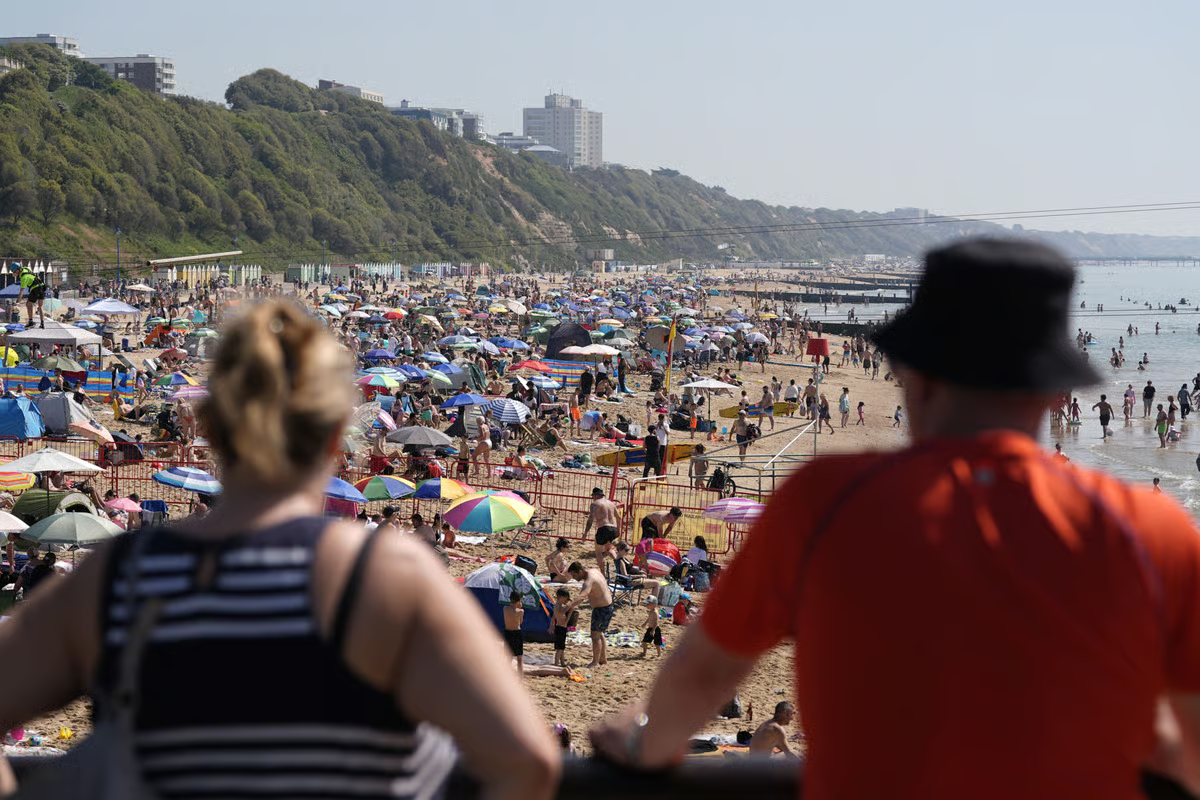
Hottest May day ever as London hits 34.8C in 2C leap from previous records
-
 Crypto World24 hours ago
Snowflake (SNOW) Stock Rallies on Strong Q1 Results and AI Product Growth
You must be logged in to post a comment Login