
Politics
Wings Over Scotland | The Shortest Day

Something extraordinary happened yesterday. Very briefly, we absolutely genuinely thought someone in a position of some influence in the SNP had taken a meaningful step towards being serious about independence.
We are not being sarcastic. Look: here it is.
Dave Doogan is the SNP’s leader at Westminster. And let’s be clear: that is EXACTLY what the SNP’s stance ought to be. Its only purpose is supposed to be the securing of Scottish independence, and no peaceful democratic means of achieving that ought to be off the table.
The SNP was not formed with the purpose of denying England/the UK the government it voted for, it was formed to completely sever the governance of Scotland and England from each other as a matter of permanent principle, nothing to do with the prevailing political climate at any given point.
If England wants Nigel Farage as Prime Minister, that’s England’s business. The point of independence is that Scotland doesn’t have to get him too. No more, no less.
So obviously, the hapless Doogan’s brave and bright new dawn was brutally slapped down within a matter of hours.
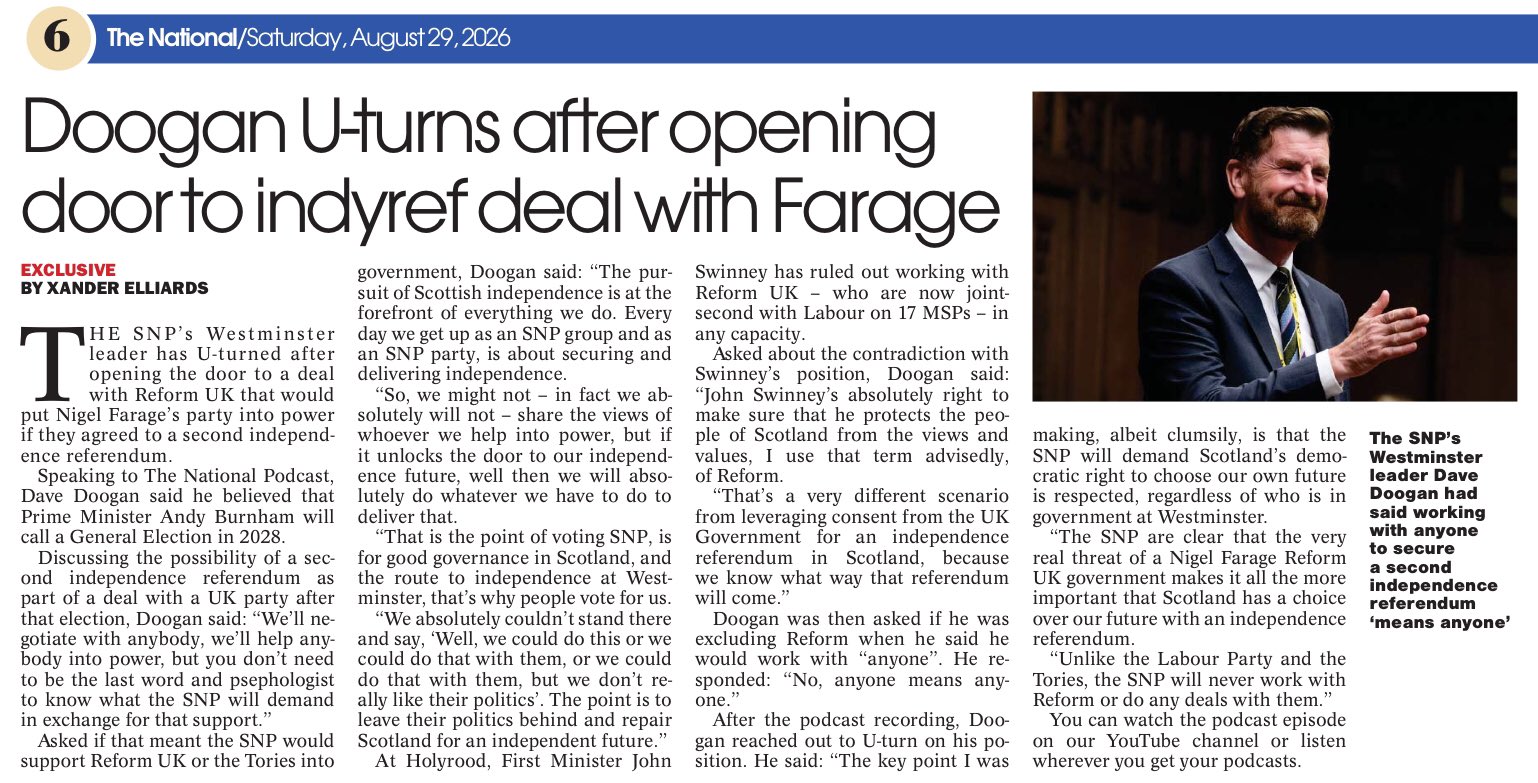
His original comments had been spectacularly clear. He’d been pressed on the matter of working specifically with Reform by a gawping National hack. (Yes, not only was an SNP politician being serious about independence, a National reporter was actually performing conscientious journalism. What a day!)
And he was absolutely explicit – really couldn’t possibly have answered the question any more fully, directly or definitively, with the sort of blunt plain speaking that people yearn for in politicians but almost never get – that “anyone means anyone”.
But then, in a move which was clearly completely spontaneous, all his own idea and definitely NOT the result of a furious phone call from someone who wants to stay First Minister for the next decade, he explained that what he’d meant was the exact and polar opposite of what he’d repeatedly, carefully and unambiguously said.
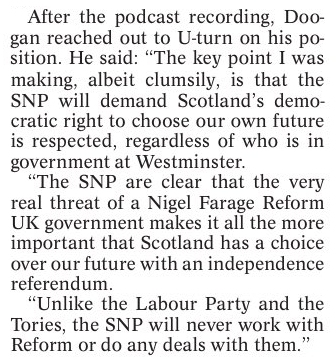
You know how it is, folks. We’ve all been there.
“Would you like tea or coffee?”
“Tea, please. Milk and two sugars.”
“You’re sure?”
“Yes. Tea.”
“Definitely tea?”
“Yup. Tea is the best. I love tea. Mmmm, tea. Way better than coffee.”
“So just to be clear, you’d like a cup of tea.”
“100%. It’s tea for me.”
“Not coffee?”
“Tea means tea.”
“Here’s your tea.”
“Ah, sorry, I phrased my answer clumsily. I meant to say coffee. Black coffee. I would never ever drink tea under any circumstances. Awful stuff. I hate it with every fibre of my being. Honestly, I’m such a scatterbrain!”
We truly believe the leadership of the SNP is engaging in some sort of game of political Buckaroo with the party’s remaining supporters at this stage, readers – daring each other to make their total opposition to independence more and more blatantly, undeniably obvious and laughing themselves right out of their chairs as hopelessly gullible mouth-breathers in loyal blogs and newspaper comments sections contort themselves into hilarious logic knots to explain it away.
John Swinney’s already upped the stakes by standing in front of a Glasgow crowd in his shortbread-tin outfit and lustily belting out “God Save The Queen”.
So it can only be a matter of time before he gives Ian Murray a call and asks if he can borrow his Union Jack suit. Maybe for this year’s conference.

The last time independence looked like it might have found itself in a propitious set of circumstances – after the Brexit vote, as the UK government blundered from pillar to post like a punch-drunk boxer, stepping on rakes at every turn – the SNP suddenly switched its focus to trying to undemocratically deny England and Wales what THEY’D voted for, rather than using the situation as leverage to get Scotland out of the UK once and for all.

We’re told endlessly that the UK’s woes – whether it’s Brexit or COVID or Boris Johnson or the rise of Reform – will lead to a landslide in support for independence, yet the SNP bends over backwards to stop those things from happening.
And every time support does creep up a tiny bit, the SNP moves the goalposts further away. What used to be a threshold of 50%+1 becomes 60%, then 65%, and – this week, according to Brendan O’Hara – 75% or 80%.


All that matters is that the goal is always just out of reach, like the carrot on a stick dangled in front of a donkey. In the very same article, O’Hara gives the game away:

Alert arithmetic enthusiasts will have noticed that you cannot possibly achieve 75% or 80% if there are 30% who will NEVER vote for something no matter what. The target that would trigger the SNP into action is always designed by the SNP to be impossible.
Because when push comes to shove, the party always reacts the same way to any actual prospect of achieving independence – panic. They know it would end their reign in Scotland, and they really really like life on the gravy bus.

We’re not sure if it’s the gravy bus or the Brexit bus that Dave Doogan just got shoved under, but we suspect it was driven over him heavily enough to make sure he keeps his mouth shut for the forseeable future. Nobody’s going to let him talk to the media again for quite some time, and in fact we’ll honestly be surprised if he’s still the Westminster leader this time next year.
Because in the modern SNP – as Angus MacNeil, Fergus Ewing, Kate Forbes, Ash Regan, Chris McEleny and scores of others will readily attest – doing or saying anything that suggests you might want to bring independence even an inch closer to reality is the most unforgivable crime of all.



4 min read
The Prime Minister may eventually call a snap election. But the case for doing so soon is weak.
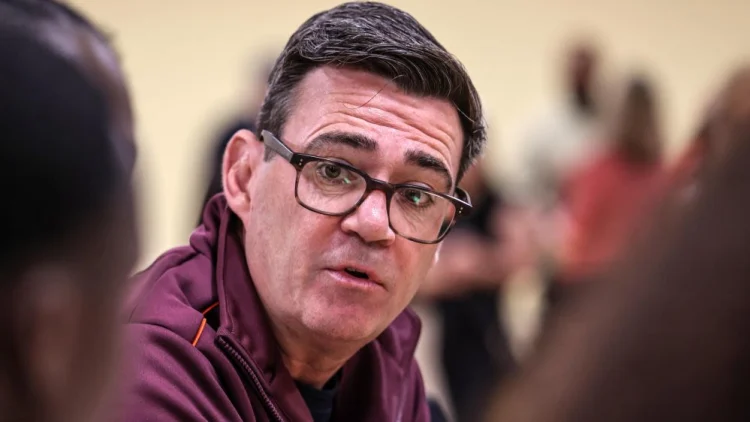
“I am not going to call an election”, Andy Burnham told ITV News this week, “I am ruling it out right in front of you.” The new Prime Minister has made many such statements, but they have done little to quell speculation which grows with every upwards tick in Labour’s polling.
There are three arguments against a snap poll: the gains are small, the risks are large, and the case is weak. Burnham has a huge House of Commons majority and three years left to govern. The claim that as an “unelected” Prime Minister he needs a personal mandate is constitutionally unfounded and historically unsupported. No PM is directly elected, and the lack of a mandate proved little obstacle to earlier leaders who took over mid-term with Commons majorities.
Manifesto commitments offer a stronger argument. A new leader does not want to be bound by the promises of their predecessor, but breaking such pledges brings criticism and legislative resistance. Burnham is already struggling with the fiscal straitjacket created for Labour by Keir Starmer and Rachel Reeves’ tax pledges, which he has said he will honour. An early election offers a shot at greater freedom.
But while a personal mandate is gratifying, and a new manifesto liberating, the risks are huge. Labour’s massive majority is built on sand, the product of electoral efficiency and political good fortune. The best-case scenario for Burnham would be a smaller, more fractious majority. Some losses are certain, while even victory can bring costs: an electoral near-death experience can weaken backbench loyalties.
While the new PM has hinted at radical plans in areas such as devolution, social care and electoral reform, there is no obvious barrier to getting these done with his current massive majority
Worse outcomes are possible. Labour’s polls have rebounded under Burnham, but only from dire to poor. Current projections still suggest Labour would do well to emerge as the largest party, let alone win a majority. Then there is the ground game. The Labour Party is running low on money and members. Party members in Burnham’s North West region, who have pounded pavements five times in the last year, won’t welcome being called out again.
A short campaign mobilising grievances against a disappointing government could benefit opposition parties more than the incumbent, particularly if shocks from abroad weaken the economy and push up prices, hardly an implausible scenario with Donald Trump in the White House and the Straits of Hormuz still closed.
Snap polls have gone wrong before. Theresa May tried to bank a twenty-point poll lead, which then evaporated overnight. Rishi Sunak tried to get the jump on his opponents but instead wrong-footed his own MPs and activists.
Only Boris Johnson has recently turned an early election to his advantage. His example is instructive. Johnson pushed for an election from the moment he took office, arguing that only an election could break the deadlock in Parliament and “get Brexit done.” When Johnson finally got his early contest, he had to repeatedly underline what he wanted to do and why an election was needed to do it. A united and mobilised Leave electorate did the rest.
Burnham, like Johnson, would need a strong argument to convince sceptical voters and anxious colleagues. Yet while the new PM has hinted at radical plans in areas such as devolution, social care and electoral reform, there is no obvious barrier to getting these done with his current massive majority. A manifesto-breaking shift on tax and spending throws up more obstacles, but “elect me so I can raise your taxes” isn’t an appealing pitch to voters.
The main reason an early election looks unlikely is therefore simple: there is no need. That may change – current Budget plans price in eye-watering cuts in the final years of this Parliament, cuts Burnham may struggle to avert without breaking Starmer’s tax pledges. The temptation to seek a new mandate will therefore grow as this Parliament ages, particularly if Labour’s poll leads hold up, or opposition disarray intensifies. Burnham may well go earlier than he must. But I doubt he goes soon.
Rob Ford is an elections analyst and Professor of Political Science at the University of Manchester
spiked is funded by readers like you. Only 0.1% of regular readers currently support us. If just 1% did, we could grow our team and step up the fight for free speech and democracy.
Become a spiked supporter and enjoy unlimited, ad-free access, bonus content and exclusive events – while helping to keep independent journalism alive.
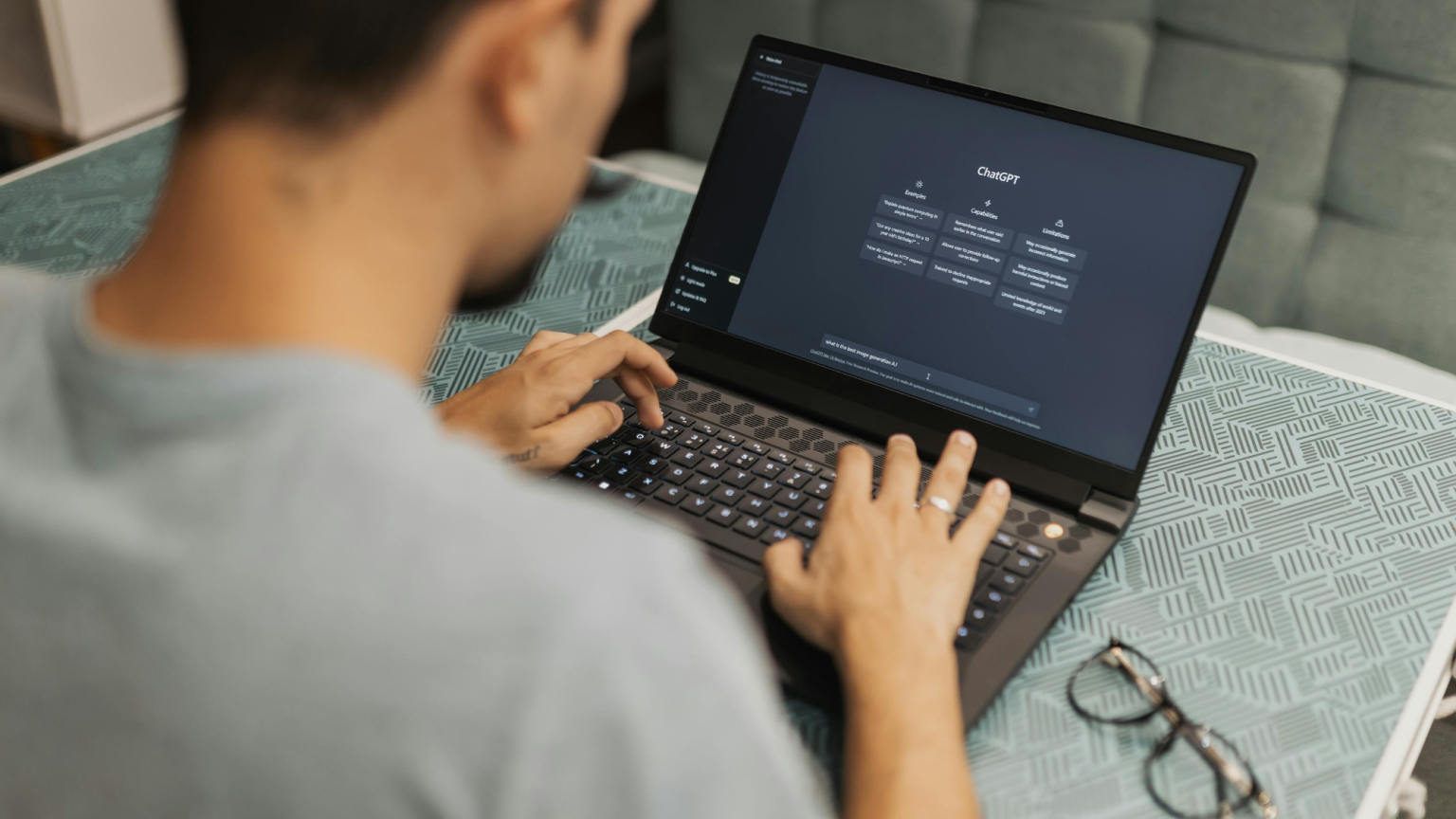
The post The myth of ‘rogue AI’ appeared first on spiked.

!function(n){if(!window.cnx){window.cnx={},window.cnx.cmd=[];var t=n.createElement(‘iframe’);t.display=’none’,t.onload=function(){var n=t.contentWindow.document,c=n.createElement(‘script’);c.src=”//cd.connatix.com/connatix.player.js”,c.setAttribute(‘async’,’1′),c.setAttribute(‘type’,’text/javascript’),n.body.appendChild(c)},n.head.appendChild(t)}}(document);(new Image()).src=”https://capi.connatix.com/tr/si?token=19654b65-409c-4b38-90db-80cbdea02cf4″;cnx.cmd.push(function(){cnx({“playerId”:”19654b65-409c-4b38-90db-80cbdea02cf4″,”mediaId”:”aab853b9-876e-490e-a2db-2e30217d88ad”}).render(“6a9196d5e4b0569612deb0c2”);});
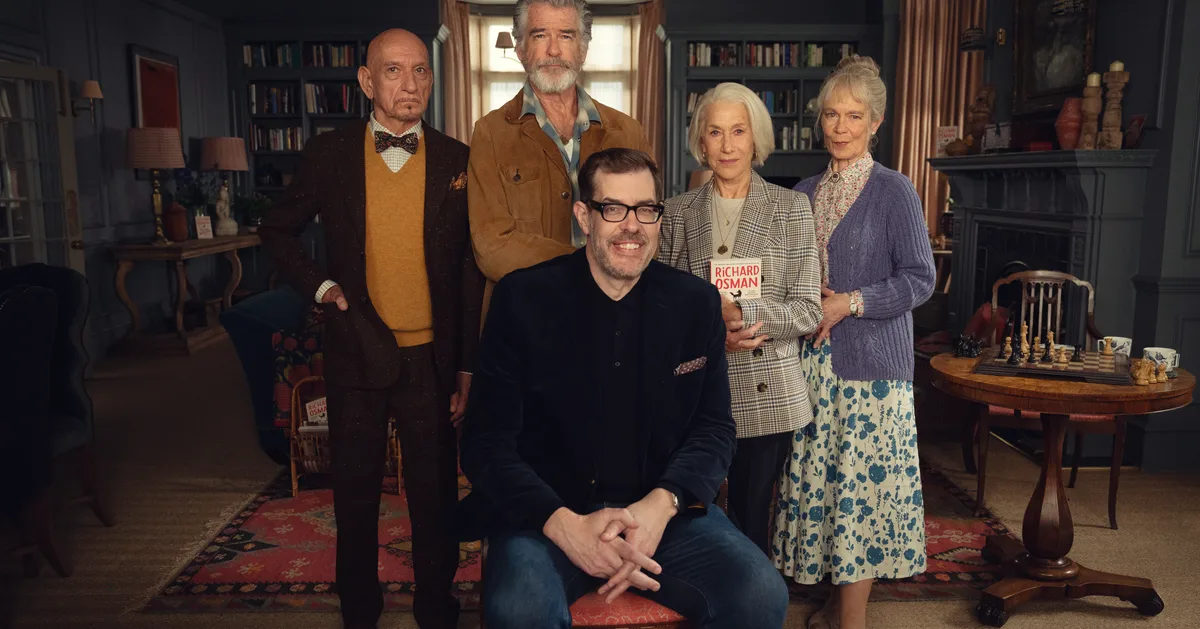
Richard Osman has hinted that he has somewhat mixed feelings about Netflix’s adaptation of his best-selling novel The Thursday Murder Club.
The former Pointless and House Of Games host recently sat down for an interview with The Times, where he reflected on the film’s production.
In The Times’ piece, it was noted that “many egregious script departures” had been made in the movie compared to its source material.
Meanwhile, the article’s author claimed that “the end result was a grave disappointment” despite its star-studded cast and esteemed director in Chris Columbus, whose past work includes Mrs Doubtfire, Home Alone and the first two Harry Potter movies.
“I can’t really talk about the film very much,” Richard claimed.
He then added: “It was only one book. The other books I would like to adapt myself.”
Richard did, however, make a point of saying that it had been a “lot of fun” and “really cool” meeting cast members Dame Helen Mirren and Pierce Brosnan, producer Steven Spielberg “and everyone else” involved in the project.
The Thursday Murder Club premiered on Netflix in August 2025, and was met with something of a lukewarm response, with a critical score of 77% on Rotten Tomatoes and an audience rating of three stars on Letterboxd at the time of writing.
Chris Columbus previously indicated that he’d be up for helming a sequel if the opportunity presented itself, while Dame Helen also claimed she’d say yes to a follow-up “in a nanosecond”.
“We did have a wonderful time shooting this. So all of us would jump at the chance, quite honestly,” she said last year.
The Thursday Murder Club was the first of five instalments in Richard’s cosy mystery series, the most recent of which, The Impossible Fortune, was released in September 2025, a month after the film adaptation of his first book.
Richard previously spoke enthusiastically about the movie, describing its ensemble as “the greatest British cast assembled since the” Harry Potter movies.
Ah, payday. The moment we wait all month for after blowing through our finances at the beginning of the month, only to do the same again. Rinse and repeat.
Each month, in between covering the best deals and testing everything from the best water bottles to the latest autumn fashion launches, I’m constantly making mental notes of all the things I want to splash out on when my salary lands in my bank account.
I’m sure it would protest if it could, but there are simply too many great things to splash on in this world.
This month, there’ll be even more groaning from my pursestrings, as payday coincides with the bank holiday weekend, so as well as taking rainy day trips to the cinema and drinking copious amounts of wine I have even more time than usual to shop.
Naturally, I have my eye on quite a few new launches, so if you’re in a spenny mood I’ve got you covered. This month there’s everything from a holiday suggestion to an adorable pair of PJs, and even a chic fitness band (who knew those words could go together?!).
What to buy this payday
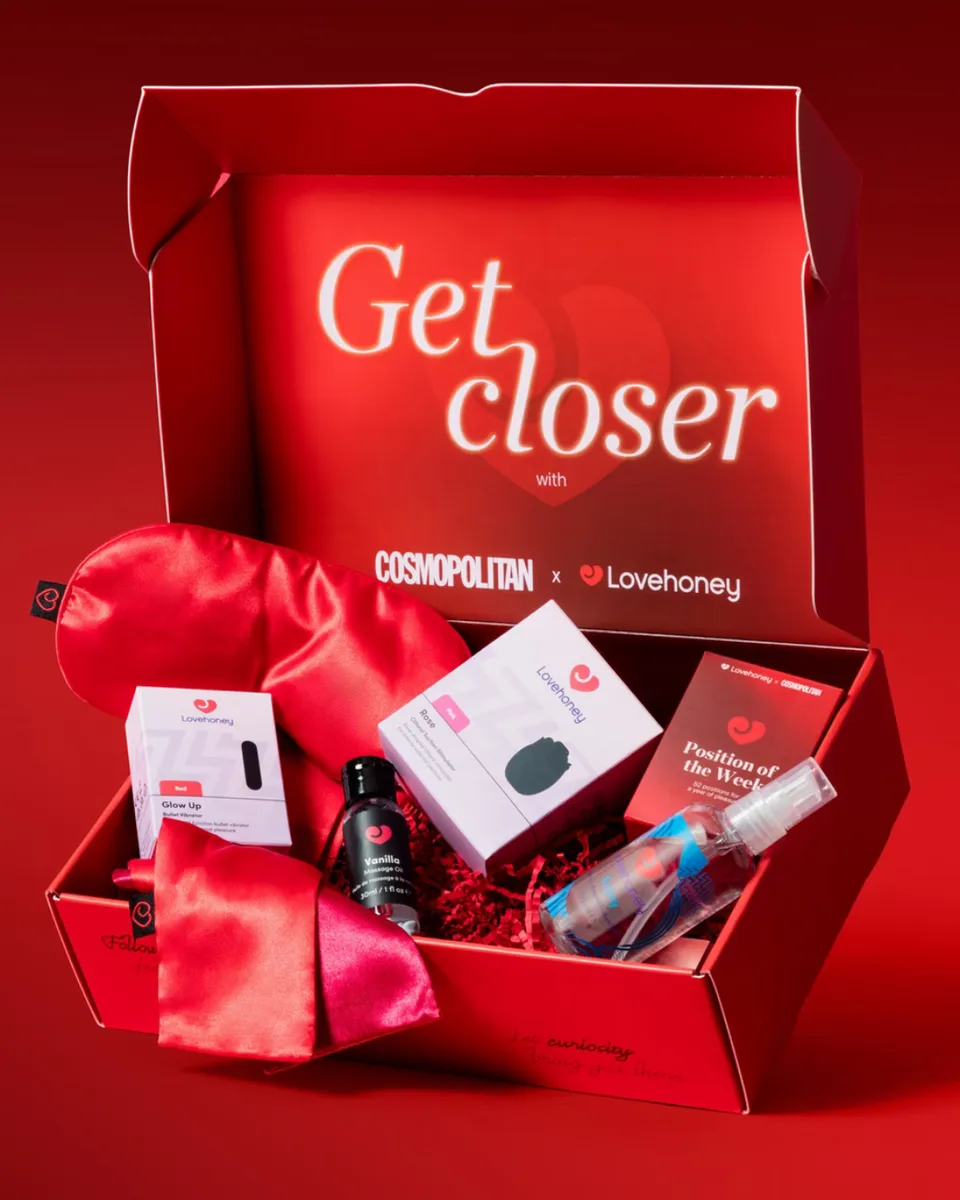
Lovehoney x Cosmopolitan Sex Toy Box

Here at HuffPost, we’re decidedly pro-sex toy – and we’re all for any brands that feel the same way in this increasingly conservative world.
Two of the best in the game – Lovehoney and Cosmopolitan – have come together to create this gift box, which contains everything you need to champion your orgasm alone or with a partner.
Most excitingly, it contains the We-Vibe Sync Lite, a C-shaped toy that can be worn to stimulate your C-spot during penetrative sex. And, more than making up for the cost of the box, you’ll get the Rose toy, too, which is a suction vibrator shaped like a flower, in case you couldn’t have guessed.
Not to mention that there’s also a bullet, silk hand tie, lube, vanilla massage oil, and illustrated position of the week cards. Love.
A last-minute holiday

It’s suddenly that time of the summer when I start to panic about the fact I haven’t been on enough holidays or made the most of the sunny season.
I’ve been eyeing last minute trips abroad and I can’t stop thinking about this five-star hotel in Turkey, which has two freshwater swimming pools, as well as a sauna, steam bath, and spa centre offering hammam massages and a range of beauty treatments. Dreamy.
Save £180 on Google’s new phone

From now until 1 September, you can save £850 on Google’s new phone when you trade in an old one, which means it could cost you as little as £229.
It comes in four shades (Canyon pink, Olive green, Fog blue and Obsidian black) and is considerably speedier than its predecessor, with Google claiming you’ll see 25% speedier browsing and 3.5 times faster Gemini processing.
Our favourite of its features is Magic Capture mode, which means your phone chooses the best mode to capture videos and pictures in and will pick out the best ones, which will be a lifesaver for those of you who need a little help with your photography skills.
Damson Madder end of summer sale
They’re keeping awful quiet about it, but Damson Madder has an end of summer sale with 25% off select items using the code ENDOFSUMMER. All I’ll say is: see you at the checkout.
Keen Jasper sale

These cult climbing shoe-inspired trainers from Keen are 46% off this bank holiday. I’m a big fan of this pink and purple colour, but they also have a ton of shades with varying discounts.
With a contoured fit and foam sole, they’re just as suitable for long outdoor hikes as they are your daily commute. Just remember to give them a protective spray!
Sandy Liang x Cou Cou Intimates PJs

Everything Sandy Liang touches sells out, including her most recent collab with Insta-famous underwear brand Cou Cou Intimates, which launched yesterday.
These PJs are still in stock though, so you’ll have a chance to covet something cosy from the designer who claims to be as obsessed with bed as I am. They’re cotton (so breathable) and covered in an adorable pink print with bows, bunnies, and teacups. Quaint!
Fun animal prints
Move over leopard, new animal prints are on the block. Fawn print has been making the rounds for a couple of years – I’m a fan of this newly launched mini dress from Sister Jane – but leopard is allegedly the print of the season.
You could also go for equestrian chic with this button up cardi from Sister Jane.
Suri’s new electric toothbrush

Unless you’ve been living under a rock, I expect you will have seen these zeitgeisty pastel electric toothbrushes all over your Instagram feed.
Their Pro toothbrush is 15% off right now, but usually costs a pretty £105. Its latest launch, the Core 1.0, makes its line much more accessible at just £65.
It doesn’t come with a travel case, like the Pro, but it does come with a travel cap made from recycled materials so your brush won’t get bashed around when you travel.
While it’s slightly less powerful than the Pro, and its charge lasts up to a month, rather than over a month, it has essentially all of the other fixings, such as a pressure sensor, timer, and USB-C charging, and that all-important mirror mount to avoid taking up counter space.
WHOOP but make it jewellery

If you’re shallow like me, you’ll know the number one gripe with fitness trackers: they tend to be pretty ugly.
Countering that, Whoop has just launched its new Meridian collection, which is made up of premium metal in four colourways.
It looks just like a bracelet, but doesn’t come with the ECG ability of the other bands.
As yet, there’s no single test that can diagnose dementia outright. But some tools, like the clock test and verbal memory quizzes such as the Rey’s Auditory Learning Test, can give doctors a clearer idea of someone’s cognitive state.
And according to neurologist Dr Adnan Husein, another example of this is the “Luria” or “fist-edge-palm” test.
This, he shared in an Instagram Reel, is the “quickest test for dementia” – though again, the condition can’t be diagnosed through a single exercise like this.
You’ll need to see a medical professional to determine whether or not you or someone else has dementia.
What is the Luria dementia test?
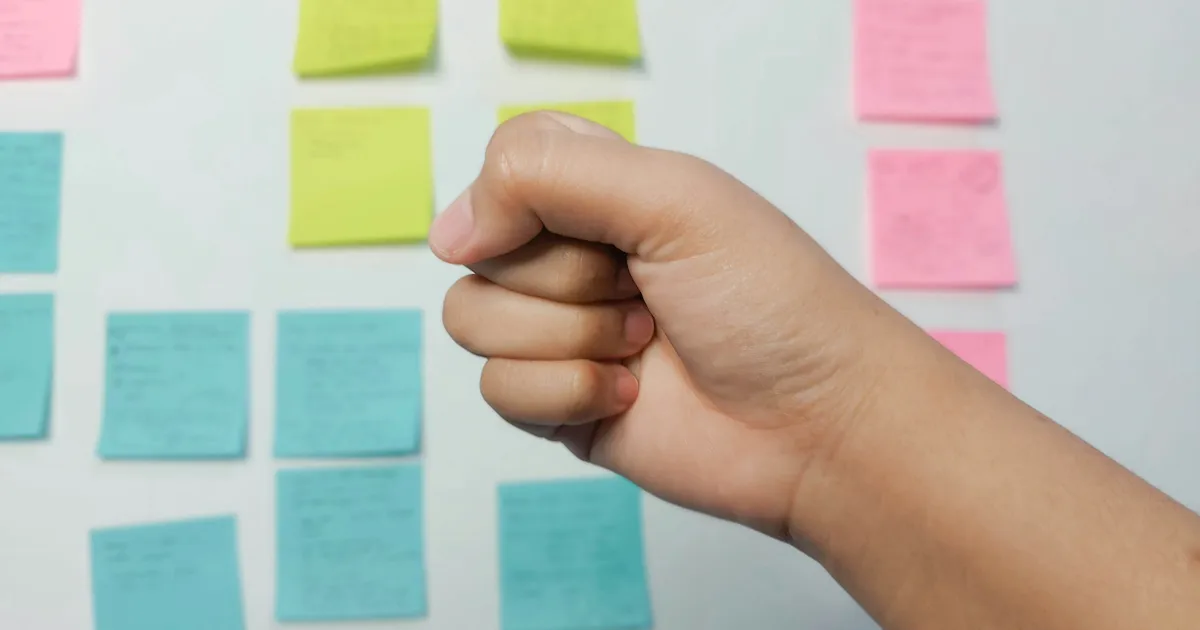
It’s a simple set of three hand movements, usually repeated over and over.
A person is asked to follow their clinician’s movement in making a fist, then a “chopping” motion, then a flat palm with their hand.
They might then be encouraged to recreate the movements on their own without an example and/or be told to continue the sequence while, e.g., counting to three or saying something like “cut, fist, and slap”.
Per Dr Husein, this test looks at “motor function, executive function, and sequencing,” all of which can begin to struggle during the development of some dementias.
If someone is dealing with the condition, he claimed, they might struggle to make the moves quickly, or could get stuck on one step. They might also “miss the sequence”.
What does this test have to do with dementia?
A 2011 study found that while 54% of participants with Alzheimer’s Disease were unable to complete the test perfectly, and almost 70% of those with another form of dementia known as frontotemporal dementia struggled, only 2.3% of people without dementia had issues.
“So, is that test diagnostic for dementia? No, but it’s a quick screening test you can do in your clinic at any time,” Dr Husein ended the clip.
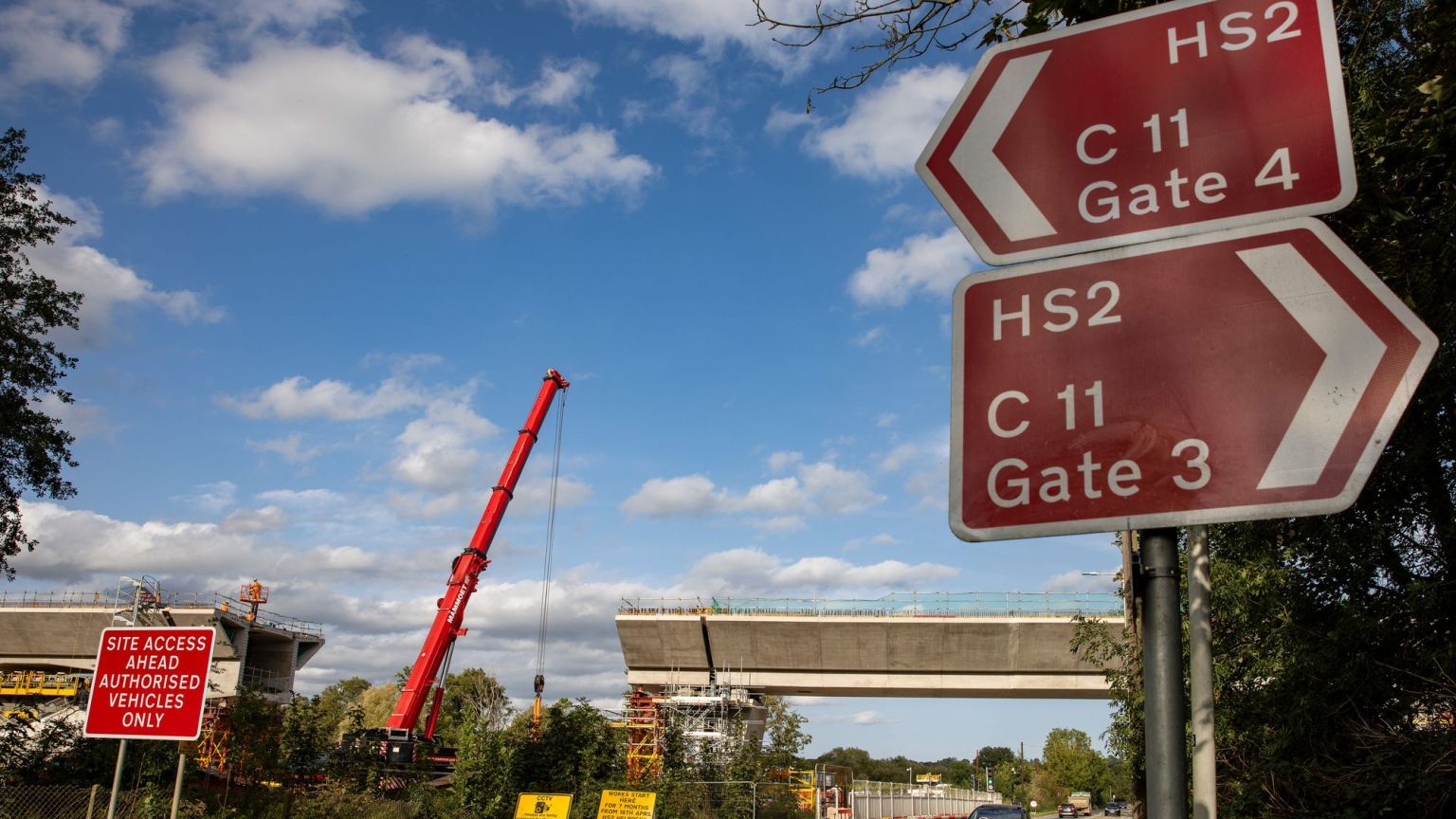
Are you familiar with Natural England?
Don’t worry if you’re not. You were never asked to be. Nobody has ever stood on your doorstep asking you to vote for it. It has no manifesto or elected leader. Yet, right now, this body has more influence over what gets built in our country – reservoirs, railways, homes, hospitals and power stations – than almost any politician. They hold a de facto veto on building in much of England.
Natural England is a quango, created in 2006 to ‘conserve, enhance and manage the natural environment for the benefit of present and future generations’. It sounds laudable. Arguing against Natural England sounds to most people like objecting to the very idea of our green and pleasant land. Before you have even heard a single fact about what it does, you have already been told that it’s fighting the good fight.
And that is its trick. A more appropriate name would be the National Office for Preventing Everything – or NOPE for short. That’s because Natural England is a taxpayer-funded ‘statutory consultee’, which means developers and public bodies are legally required to get permission from it on a huge range of projects. When it objects, projects can be delayed by years, redesigned entirely, taken to court, and subjected to costly new conditions. A body that nobody elected exerts enormous influence over decisions that impact millions of people, daily.
This has led to all manner of absurdities. Remember the £700million ‘fish disco’? This was the burdensome requirement imposed on the nation-defining Hinkley Point C nuclear power station, which effectively placed the safety of Bristol Channel kippers over the UK’s energy security. And the £100million HS2 ‘bat tunnel’? Here again, a critical national infrastructure project was tied up, this time because of concerns over a small colony of Bechstein’s bats, which are not endangered locally or globally. We have Natural England to thank for these bewildering outcomes.
The list, in truth, is endless. In 2024, Natural England killed off a community kite festival in Royston that had been running for 30 years, simply because they were concerned that mowing the grass for the festival would damage some flowers on around one per cent of the heath. In Sussex, Natural England spent four years blocking the construction of over 20,000 new homes because it would increase the demand for water. This, we were told, could damage the habitat of a snail – the little whirlpool ramshorn snail, to be precise. And, in Dartmoor, it even wanted to force landowners to cull 75 per cent of wild ponies because of grazing concerns.
In fact, Natural England is so committed to preventing everything that it objected to its own planning application. Three years ago, the lead adviser for the Devon, Cornwall and Isles of Scilly team at Natural England wrote a four-page letter seeking more information and then formally objected to the construction of its own one-storey office in Cornwall.
This matters because everything now costs far too much and takes far too long to build. Projects seemingly always go over budget and past the deadline. And that blocks the things that raise living standards: transport connections that put better jobs within reach and allow companies to scale, homes that allow young people to move out and start a family, reservoirs and desalination plants that mean we don’t have to endure hosepipe bans every summer, and nuclear power stations that will stop blackouts and get bills down. In short, it stops growth – the route to a better living standard for people across the country.
Britain is now in a growth emergency. Economic growth has been stagnant for decades. We have gone from one of the richest countries in the world to having some of the lowest GDP per capita growth in the developed world. Every month, around 1,900 British businesses go bust – a third higher than the average in the decade after the 2008 financial crisis. Opportunities once afforded to our young people are now harder to come by: youth unemployment has nearly doubled in four years, and around a million 16- to 24-year-olds are now not earning or learning.
The basic infrastructure that the British people rely on is breaking down. This summer, homes in the south-east of England have been forced to live off bottled water because of leaky infrastructure and, at the same time, have endured hosepipe bans. Trains are cancelled in the winter due to snow and ice, then cancelled in the summer because of the heat. Our energy prices remain among the highest in the developed world, and yet we still aren’t building cheap, secure, reliable nuclear power at the scale required.
The story is clear: our infrastructure is broken, our industries are leaving and the lives of millions are getting worse every single year. This is a national emergency and the government must take radical action to save us.
One of its first actions should be to scrap Natural England. For two decades, it has blocked growth in Britain without ever having to answer to the British public for its actions. This does not mean turning the Great British countryside into concrete jungles or poisoning our rivers. Rather, it means that Britain could start to just build stuff once more.
Andy Burnham shouldn’t consult, review or assess whether or not Natural England should be abolished – he should just do it. Every day the status quo continues, the British people are failed: factories aren’t opened, hosepipe bans are extended and energy bills continue to rise. It doesn’t have to be this way.
The decline we feel is not irreversible. It is not an immutable characteristic of our isles today – it is a political choice. Growth is a different choice – a better one, one that will improve the lives of the British people. It is time for the government to finally choose it.
Lawrence Newport is the CEO and co-founder of Looking for Growth, the political movement to end decline and save Britain.
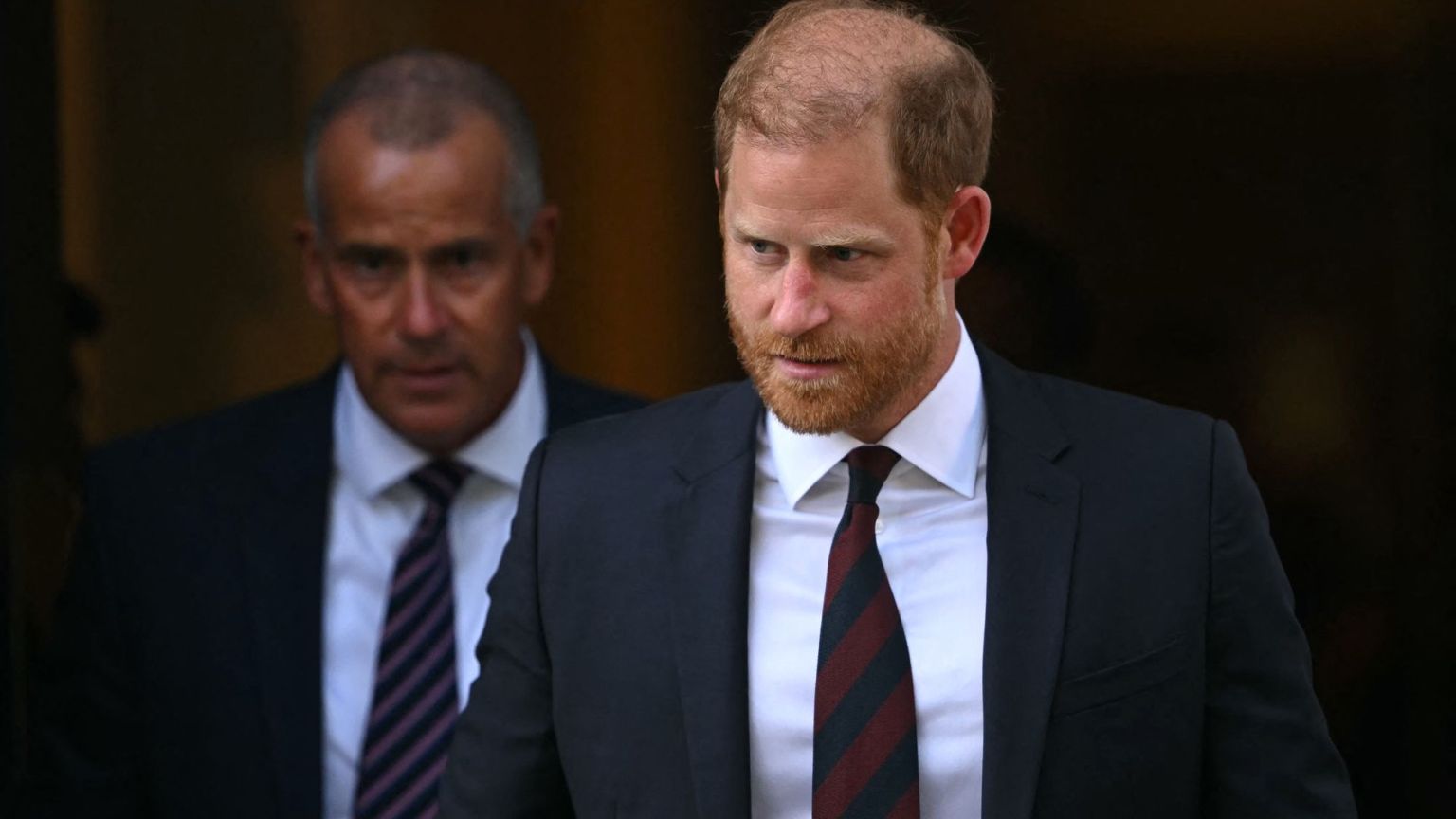
Imagine a world in which a dejected prince could summon a group of rich friends to try to shut down a newspaper using the law courts. It sounds like a lesser storyline from the fantasy HBO series, Game of Thrones. Yet it happened, here in the UK.
When the news regarding the High Court’s costs ruling in Prince Harry and the other claimants’ litigation against Associated Newspapers, publisher of the Daily Mail, was reported last week, the focus was on the huge sums involved. The seven claimants would have to pay £9.5million straight away. There would be more to come. The speculation was about whether Harry could afford his share of the bill (he could) and whether this would lead to his quiet retreat from public life (it wouldn’t).
Yet the real news behind this costs ruling was the excoriating verdict on the case given by the judge. Many of the facts of this ill-fated legal battle are well known. The various claimants, including Prince Harry, Elton John and Elizabeth Hurley, brought their cases in 2022. They alleged that Associated Newspapers had engaged in unlawful activity to obtain their personal information. In July this year, those claims were rejected by the High Court. What was less well known was how the case had been brought and the consequences, in financial terms, for those involved.
Last week, the High Court ordered Harry and his fellow claimants to pay Associated’s costs on the ‘indemnity basis’. This is an exceptional order, which can be made where the conduct of litigation takes a case ‘out of the norm’.
The focus of the judgment was on the number of allegations made against Associated that turned out to be unsupported by evidence. The claimants made very serious claims, including phone hacking and the acquisition of confidential information through other illegal means, none of which were ultimately proved. The judge said the claims were ‘speculative and substantially inferential’ and ‘lacked a proper evidential foundation’. By the end of the proceedings, Harry’s barrister, David Sherborne, was forced to advance a novel legal argument: that where there was a strong inference that information had been obtained by illegal means, it fell to the defendants to prove that inference wrong. The judge rejected that argument. The claimants had come to court without evidence sufficient to prove what they were alleging and were robustly criticised for the way in which they pursued those allegations.
Even where there had initially appeared to be evidence supporting claims against Associated Newspapers, it was undermined or withdrawn. The claimants relied, in part, on the evidence of a witness called Gavin Burrows. Burrows was an apparent whistleblower who had given a statement to the claimants’ lawyers saying that he had worked with an ‘ex-army guy’ to obtain information on celebrities using illegal means. Burrows later said that the statement attributed to him was a forgery. The judge was unable to accept that the disputed statement had in fact been made by Burrows and criticised the process by which it had been produced. He said that the solicitor responsible had made a ‘serious error of professional judgment’ in signing it off.
The claimants knew before trial that Burrows disputed the statement on which some of the allegations had been based. Yet they still continued to pursue serious allegations against Associated. When the cases began in 2022, the allegations were also publicised in highly critical statements to the media.
The judgment also considered the conduct of the campaigning organisation Hacked Off. The judge considered a memo circulated by Dr Evan Harris and Graham Johnson, which said: ‘We are planning a coordinated media attack on Associated Newspapers in the New Year.’ It continued: ‘The aim of this media campaign is to drag the Daily Mail into the spotlight for phone hacking.’ The broader objective included challenging the evidence given by senior Associated figures to the Leveson Inquiry and generating political pressure for Leveson Part Two. (The first part of the Leveson Inquiry recommended state-backed regulation of the press, among a raft of measures that would bring an end to press freedom.)
Claims that Associated figures had misled the Leveson Inquiry were repeatedly advanced during the proceedings, but the judge found that the allegation had not been proved. Although none of the claimants themselves had drafted the memo, the court accepted that generating political pressure for Leveson Part Two was one of Hacked Off’s objectives and that litigation against Associated formed part of that wider campaign.
There is a sad footnote to the case. Doreen Lawrence, the mother of murdered teenager Stephen Lawrence, became involved in the proceedings after the Duke of Sussex alerted her to the potential case against the Mail in a personal email. She subsequently met the prince’s legal team at London’s Corinthia Hotel. Lawrence became one of the seven claimants whose cases were ultimately dismissed.
It has since been reported that arrangements will ensure that Lawrence is not personally left out of pocket by the costs of the failed litigation. But her involvement nevertheless demonstrates how the case expanded beyond Harry and other wealthy celebrities. He helped bring into the litigation someone whose circumstances and relationship with the Daily Mail were very different from his own.
It is often easy to forget how stressful it is to be involved as a defendant in a case like this. Katie Nicholl, one of the accused journalists, called the process ‘horrendous’. Only weeks after recovering from surgery, she had to retrieve old notebooks and reconstruct reporting from roughly two decades earlier. Rebecca English called the experience ‘absolute hell’. Harry would always be protected, to some extent, from the real pressures of litigation like this. He would never have to worry about bankruptcy. He could carry on his ridiculous life while the case was proceeding. The same could not necessarily be said of the people the case targeted.
This is not just a story about legal costs. It is also a story about an arrogant prince and his well-heeled friends attempting to shut down a newspaper using the law courts.
The fight for greater press freedom is not over. As Paul Dacre, publisher of the Daily Mail, pointed out in his coverage of the verdict, Labour’s Media Green Paper makes clear that statutory regulation of the press could yet return to the political agenda. Despite losing, these claimants might, in the end, get something close to what the campaign surrounding the litigation wanted all along: greater regulation of the press.
While the legal battles may now be over, the political battle for press freedom may just be beginning.
You know those days when you’re feeling lazy? Maybe you have a day of meetings, or you’re meeting a friend for a post-work drink, but the idea of putting on a full face of makeup feels like more work than your actual job. Hard relate.
While I’m wedded to a winged eyeliner and mascara look when I have the energy (and I’m not even a millennial!), most days I simply CBA to do anything to my face other than roll out of bed and do my skincare.
If I’m going to be in at least one situation where someone is looking directly at my face, though, I feel like the least I can do is to make it a somewhat pleasant experience for them.
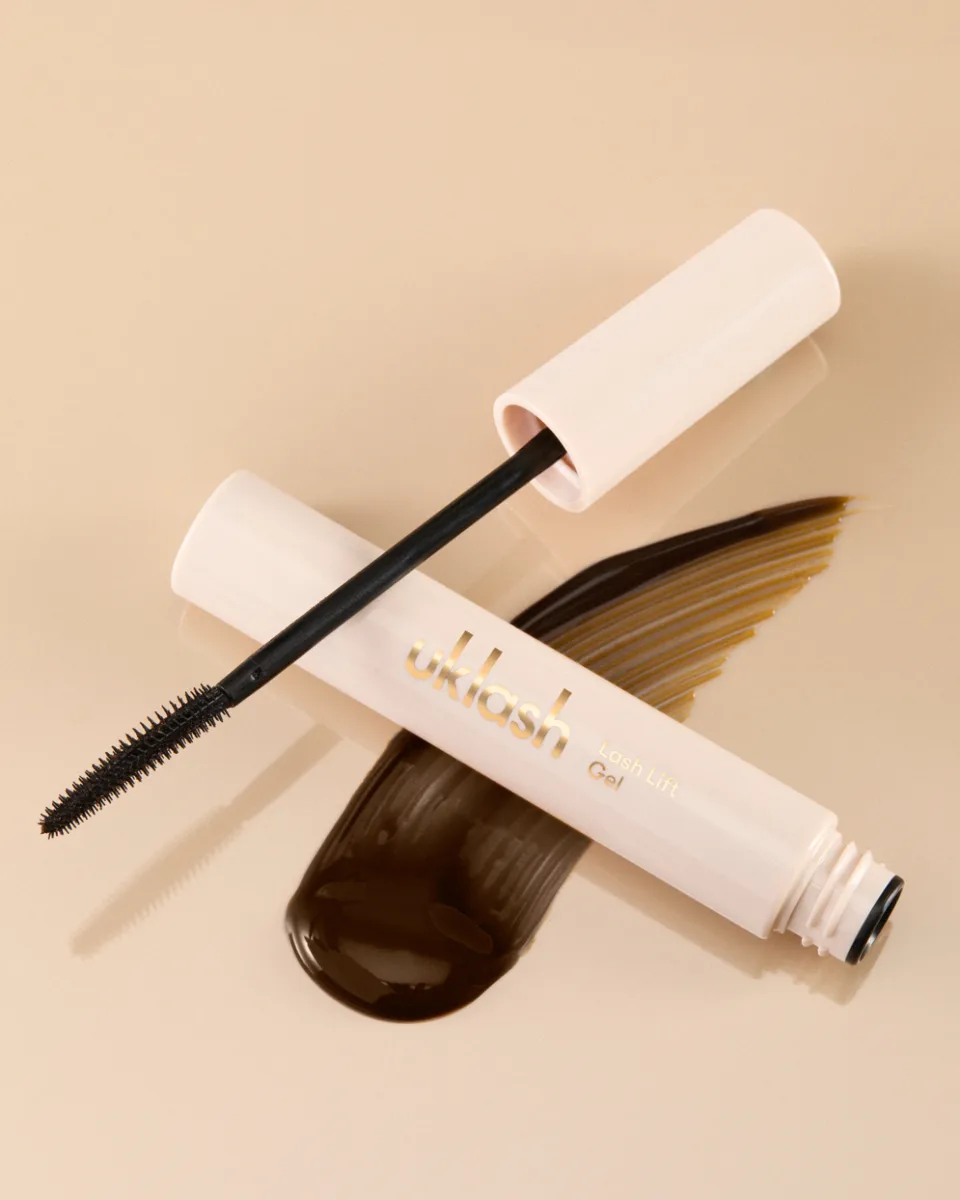
For some reason, mascara by itself makes me feel even more like a naked mole rat than not wearing any (like why even bother?) so when I heard about UK Lash’s new Lash Lift Serum, which claims to be like a lash lift in a bottle, I was intrigued to say the least.

The serum is tinted chestnut brown, and comes in a mascara bottle with a wand so it applies to make your lashes look instantly curled.
Loaded with Hexapeptide-1, vitamin E, and caramel, the serum is a hybrid formula that offers the same nourishment as a lash treatment with the grip of a primer.
And honestly, the difference is immediately noticeable – my lashes looked like they’d been professionally curled and lifted as soon as I put it on.
While the serum is designed to be worn under mascara (and it sits perfectly), it can also just be worn by itself. This has quickly become my go-to on days when I don’t feel like doing eyeliner, but still want to look more awake and put together.

Honey Jane Wyatt/HuffPost
I love when a product does more than provide a boost of serotonin in the moment, so I also love that this subtly lengthens your lashes over time, too.
I’ve been using it for nearly two weeks, and mine feel much stronger and longer even when I take it off in the evenings.
But personally, my favourite thing about the serum is that it’s the perfect in-between for no-makeup makeup days – because 2016 is making a comeback!

BYD’s Overseas Push Drives Quarterly Profit Growth

UK police seize $1.4M tied to darknet market activity

Neeraj Chopra’s injury battles: From elbow surgery in 2019 to an ankle ligament tear in 2026 – the setbacks and comebacks that defined his career | More sports News





-

 Crypto World4 days ago
SpaceX stock could rise 75% to $240, JPMorgan says
-

 Crypto World2 days ago
Bitcoin’s 22% rally now needs real demand to outlast Treasury liquidity boost
-

 Business7 days ago
Musk’s Tesla, SpaceX Confirm $16.8 Billion ‘Terafab’ Chip Plant as World’s Largest Building in Texas
-

 Fashion19 hours ago
Weekend Open Thread: Maeve – Corporette.com
-

 Crypto World5 days ago
A $30 Billion AI Fund Implodes, Now the SEC Is Investigating Wall Street’s Role
-

 Crypto World3 days ago
Warsh Jackson Hole keynote puts financial innovation first
-

 Business1 day ago
Salesforce Stock Soars 19% as Blowout Earnings and Agentforce AI Growth Silence Software Skeptics
-

 Crypto World3 days ago
Did Trump Just Move SpaceX Stock With One Truth Social Post?
-

 Business6 days ago
Mystery AI Model ‘Ox Alpha’ Draws Developers With Free Access as Chinese Lab Origins Remain Debated
-

 Business3 days ago
Walmart takes aim at younger shoppers with new fashion brand
-
 NewsBeat3 days ago
Lindsay Clancy jury braces for closing arguments as judge tells court: ‘You’ve heard all the evidence’ – Live updates
-

 Business5 days ago
Moderna CEO warns China is pouring state money into mRNA technology
-

 Crypto World3 days ago
Elon Musk Grok Bot Promise: We Will Make You Whole if AI Loses Your Money
-

 Business5 days ago
NVIDIA Stock Drops Nearly 2 Percent to $210 on Seventh Losing Day Ahead of Critical AI Earnings
-

 Crypto World2 days ago
NVIDIA revenue hits $96.2B as AI demand doubles
-

 Business21 hours ago
iPhone 18 Pro Pre-Orders Could Shift to Saturday as Apple Reportedly Avoids September 11 Anniversary
-

 Business4 days ago
Thailand’s Eastern Economic Corridor Capital City (EECiti): Key Developments and Investment Opportunities
-
 Crypto World5 days ago
$92 Billion Nvidia Earnings Could Make or Break the AI Trade
-

 Business6 days ago
Where Will Kevin Durant Play in 2027? Rockets Hold Player Option Key to His Future With Houston via Deal
-

 Sports6 days ago
Deshaun Watson fires back at Browns fans after being booed: ‘It’s a disrespectful thing’
You must be logged in to post a comment Login