
Politics
WWE Raw Topples Bridgerton As Netflix’s Number 1 Show Right Now


Bridgerton has finally been toppled from the top spot on Netflix’s list of most popular shows in the UK right now.
The forbidden romance between Benedict Bridgerton and Sophie Baek (played by Luke Thompson and Yerin Ha) had captured the hearts of the country, resulting in Bridgerton occupying the number one position on Netflix’s chart for almost two weeks.
However, that love affair is apparently now over – at least temporarily, given that the second half of the season will premiere later this month.
According to the streamer, part one of Bridgerton’s fourth outing has amassed 23.4 million viewers globally since it premiered at the end of January.
In its place, the WWE Raw has now once again risen to the top of the chart, solidifying to Netflix that it made the right decision to stream wrestling content on its platform.
WWE Raw is followed on the streaming chart by Jeffrey Epstein: Filthy Rich. Despite the Netflix original documentary first being released in 2020, the recent publication of his emails has evidently piqued users’ interest in the prolific sex offender.

Other shows currently on Netflix’s most-watched list in the UK at the time of writing include the new series of original drama The Lincoln Lawyer and German spy thriller Unfamiliar.
Meanwhile, the Tessa Thompson crime series His & Hers is still holding strong in the top 10, more than a month on from its early January release.
This week, also added all 15 seasons of ER to their platform – and considering that everyone seems to be watching the George Clooney medical drama at the moment, we can expect it to appear in the top 10 in the coming days.
Part one of Bridgerton season four is now streaming on Netflix, with four new episodes of the hit period drama being released on 26 February.

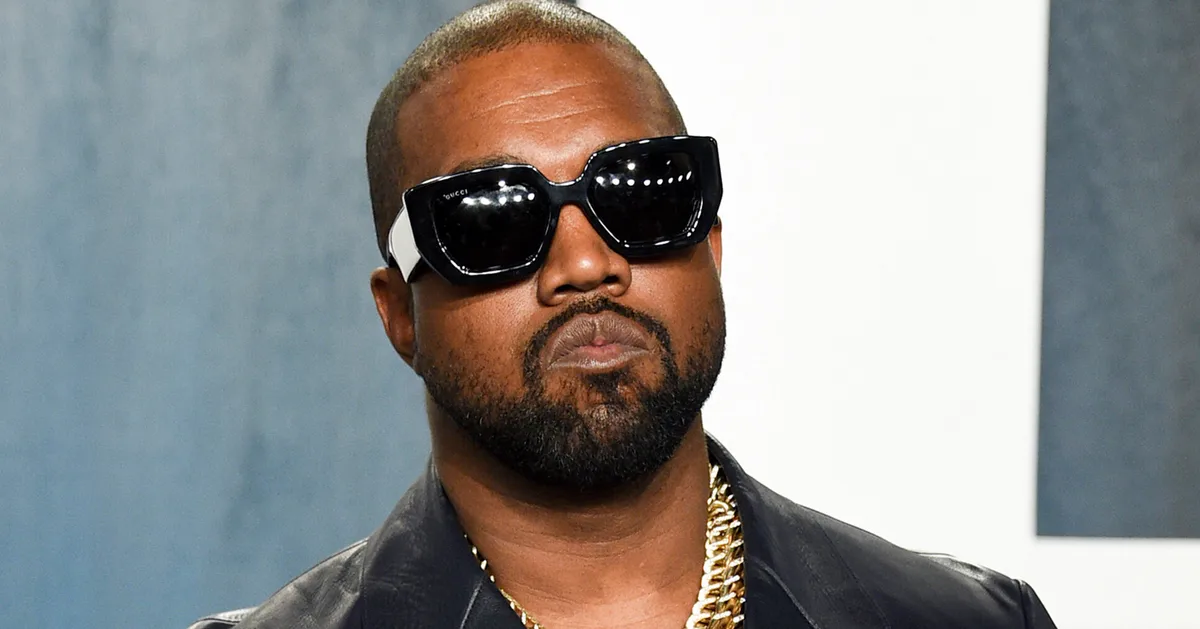
Ye – the rapper previously known as Kanye West – has made the decision to postpone an upcoming show in the south of France.
Last week, the Touch The Sky performer found himself at the centre of controversy yet again when his scheduled headlining sets at the Wireless music festival were cancelled as a result of his right to travel to the UK being blocked.
This booking had been met with backlash due to a series of antisemitic comments and behaviour from the musician in 2025, including praising Adolf Hitler, declaring himself to be a Nazi and selling a t-shirt on his web store emblazoned with a swastika.
He also released a unanimously-derided single titled Heil Hitler, resulting in his Australian work visa being cancelled.
Ye – who was diagnosed with bipolar disorder in 2016 – issued a public apology for his behaviour in a full-page magazine ad earlier this year, addressed “to those I’ve hurt” with his antisemitic outbursts, claiming they occurred during a months-long manic episode in which he had “lost touch with reality”.
Earlier this week, it was reported in the Agence France-Presse that interior minister Laurent Nuñez was also looking at “all possibilities” of banning Ye from performing at a show in Marseilles that had been scheduled for later this year.
In the early hours of Wednesday morning, Ye wrote on X: “After much thought and consideration, it is my sole decision to postpone my show in Marseille, France until further notice.”
He added: “I know it takes time to understand the sincerity of my commitment to make amends. I take full responsibility for what’s mine but I don’t want to put my fans in the middle of it. My fans are everything to me.
“Looking forward to the next shows. See you at the top of the globe.”
Before his Wireless set was cancelled, Ye said: “I’ve been following the conversation around Wireless and want to address it directly. My only goal is to come to London and present a show of change, bringing unity, peace, and love through my music.
“I would be grateful for the opportunity to meet with members of the Jewish community in the UK in person, to listen. I know words aren’t enough – I’ll have to show change through my actions. If you’re open, I’m here.”
Back in January, he dismissed the suggestion that his magazine ad apology was a “PR move” intended to help him “release music” and “operate [his] businesses” as he had before the backlash he sparked controversies 2025.

The cast of the new Lord Of The Rings film has been announced, with some exciting new faces set to share the screen with the franchise’s most recognisable stars.
In the early hours of Wednesday morning, it was finally confirmed that Elijah Wood and Sir Ian McKellen will be reprising their roles as Frodo Baggins and Gandalf in The Hunt For Gollum.
Andy Serkis will also be back as the titular villain, in addition to directing the new movie, which will serve as a prequel to the first Lord Of The Rings movie.
Joining them will be new additions Kate Winslet, Lee Pace and Leo Woodall as Marigol, Thrandul and Halvard, respectively.
However, perhaps the most intriguing announcement is the news that Jamie Dornan is also joining the franchise as Strider, a character who Middle Earth fans will know is later revealed to be Aragorn.

Aragorn was played in the first three Lord Of The Rings movies by three-time Oscar nominee Viggo Mortensen, who it was confirmed earlier this month would not be returning for the new film.
During an interview with ScreenRant, Andy Serkis teased: “I don’t know what’s out there at the moment, but I know there’s a lot of speculation, but let’s just say we are recasting the role and we are on the way to finding someone.”

Pierre Vinet/New Line/Saul Zaentz/Wing Nut/Kobal/Shutterstock
Letting fans know what they were in for, he added: “Our film takes place between The Hobbit and The Lord Of The Rings, and it’s The Hunt For Gollum, and it is a physical hunt for the character, but also a psychological hunt for himself.
“So, we’re just about on the launchpad now, and it’s very exciting. And yeah, it’s going to be a big ride.”
Filming on The Hunt For Gollum is due to get underway next month, with the movie hitting cinemas in December 2027.
Meanwhile, another Lord Of The Rings instalment written by US comedian and Tolkien superfan Stephen Colbert is also in the works.


A moving new short film, Little Rock, comes out on 15 April. It highlights the impact on young families when a parent is diagnosed with young onset dementia.
Little Rock stars Adolescence’s Amelie Pease, Dune’s Neil Bell and Kate Hampson (Happy Valley, Emmerdale). It tells the story of Lana (Pease), a teenager trying to navigate life as her father’s memory fades (Bell). Through music, memory and the shifting roles within their family, the film captures the painful beauty of love that endures even when recognition begins to disappear.
New dementia awareness campaign
Little Rock marks the launch of ‘Dementia Doesn’t Care’. This is an awareness campaign highlighting the reality families face when dementia strikes decades earlier than expected.
Charity Younger People with Dementia is leading the campaign. It’s one of very few organisations in the UK providing specialist support for people under the age of 65 living with the condition.
More than 70,000 people in the UK live with the condition. And with diagnosis taking up to 4.4 years on average, the need for dedicated support has never been greater. Dementia Doesn’t Care will highlight the experiences of families and the role of support services. These include children’s group sessions, young adult carers’ groups and practical workshops that act as lifelines to those families affected.
Produced by Lobster, Little Rock was written and directed by Nick Tree, the multi award winning director. He spent weeks listening to the experiences of children and young people living with a parent with dementia to create this powerful work.
Tree says:
As a father and a son, these stories broke my heart. I wanted to capture their truth with absolute integrity. Little Rock shows that dementia doesn’t just affect the person diagnosed, it reshapes entire families and can steal parts of childhood too.
Inspired by real-life experiences of families affected by young onset dementia, the film invites audiences to confront a reality many have never considered.
Amy Pagan, marketing, fundraising & social media lead for Younger People with Dementia says:
We’re incredibly grateful to Nick, Amelie, Neil and Kate for creating Little Rock and the powerful role it plays in bringing this campaign to life. Too often, the realities of young onset dementia, particularly its impact on children and families, go unseen and misunderstood.
This film captures those experiences with real honesty and care, and we hope it will help more people understand the challenges families face, while encouraging greater awareness, empathy and support in a truly meaningful way.
Through regular contact, shared experiences, and ongoing advice, Younger People with Dementia connects families facing similar challenges and provides the emotional and practical support needed to make an incredibly difficult situation more manageable.
Featured image via Younger People with Dementia
By The Canary
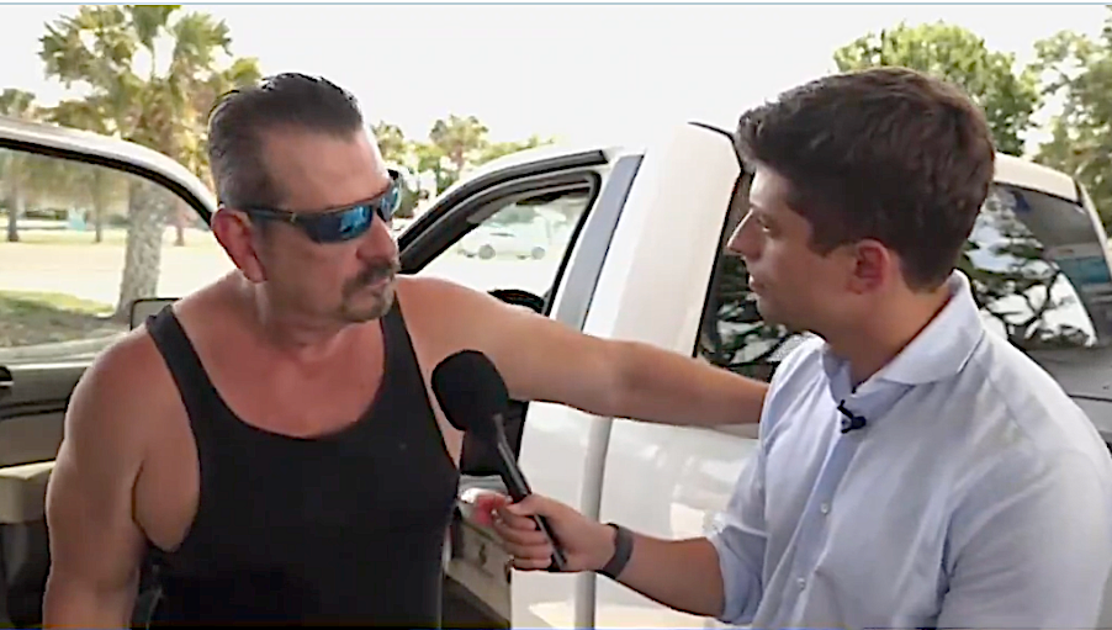
Supporters of President Donald Trump were less than pleased with the president’s AI-generated post depicting himself as Jesus Christ.
“I find it appalling. It’s disgusting. You’re mocking my Lord and Saviour Jesus Christ. I think he should put his phone down and focus on running the country,” Vinnie Richards told MS NOW.
Richards went on to call out Trump’s explanation for the post, claiming the image depicted him as a “doctor.”
“Bro, that’s not a doctor. That’s him depicting himself as Jesus Christ. That is blasphemy in its purest form,” Richards said.
Other voters who spoke with the network expressed similar outrage at the president’s post, which he deleted on Monday after a myriad of backlash.
“That’s a disgrace. I’m very upset about that. I mean, how egotistical can you possibly be? I’m ashamed that he would actually do that. The man I voted for and trust,” Trump supporter John North told MS NOW.
Prominent conservative figures sounded off against Trump’s now-deleted post, with some even labeling him the “Antichrist” and “demonic.”
Subscribe to Commons People, the podcast that makes politics easy. Every week, Kevin Schofield and Kate Nicholson unpack the week’s biggest stories to keep you informed. Join us for straightforward analysis of what’s going on at Westminster.
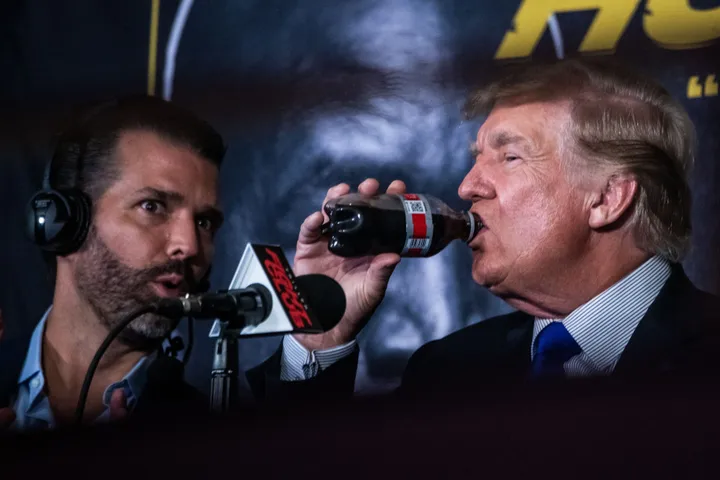
The man who suggested people drink bleach during the COVID pandemic is back with another hit.
President Donald Trump reportedly thinks fizzy drinks are good for him, because it kills grass — and therefore it must also kill cancer cells.
The wild revelation comes via Dr. Mehmet Oz, Trump’s administrator for Medicare and Medicaid, who shared the anecdote on Donald Trump Jr.’s podcast on Tuesday.
“Your dad argues that diet soda is good for him because it kills grass if you pour it on grass, so therefore it must kill cancer cells inside the body,” Oz told Trump Jr. in disbelief, to which Trump Jr. just laughed and shrugged knowingly.

CHANDAN KHANNA via Getty Images
“I’m not even going to argue this right now,” Oz continued.
Oz then shared an anecdote of walking in on Trump drinking an orange Fanta on Air Force One, where he again repeated the theory.
“He’s got a Fanta on the desk and I say, ‘Are you kidding me?’ So he starts to sheepishly grin, he goes, ‘You know, this stuff’s good for me, it kills cancer cells.’”
The Memorial Sloan Kettering Cancer Center declined to comment.
Subscribe to Commons People, the podcast that makes politics easy. Every week, Kevin Schofield and Kate Nicholson unpack the week’s biggest stories to keep you informed. Join us for straightforward analysis of what’s going on at Westminster.

Hearing your child shout “I hate you” can be excruciating. I know, I’ve been there. Usually they’re in complete emotional turmoil – logic has officially left the building, as rage, frustration or disappointment takes control.
It’s hard not to take it personally, but usually when they are using this kind of language, it doesn’t actually mean they hate you. They are simply struggling to express their feelings or needs.
What it means when kids say ‘I hate you’
Psychotherapist Alison Roy suggests the phrase can mean “many things” – but mainly that there are “strong feelings around” which is actually a “healthy” sign. In this moment, they are “throwing something difficult to their parent/s to catch” (and you are their safe space, so they trust you can handle it).
The therapist urges parents to try not to take these statements literally or personally.
She suggests hate could mean “I feel out of control” or “you get to make all the decisions and I hate feeling powerless” or “I wish I didn’t have to feel so uncomfortable”.
Some young people might also be finding it hard to love themselves and their own self-loathing or frustrations are then projected onto their parents. “It’s important to take time to understand what’s behind an outburst,” she adds.
“As psychotherapists we use the term projections to describe feelings which can’t be managed or contained and therefore get given to someone else – usually someone the young person feels can take it.”
Brieanne Doyle, a BACP therapist and founder of Dwell Therapy, notes that this strong language is a way for children to “get our attention and to express their feelings/needs”.
“Behind the ‘I hate you,’ is a child who is scared, frustrated, angry,” she explains, “and they need help navigating these feelings and learning how to express them appropriately.”
The best ways to respond when kids say they hate you
It can be tempting to argue back (“how dare you!”) or immediately punish them (“no more iPad!”), but experts suggest parents should take the opportunity to quickly connect with themselves instead.
“What are you feeling right now? Annoyed, angry, sad? All very normal emotions, but right now, you cannot attend to yourself – so, notice the feeling and tell yourself you’ll come back to that later,” says Doyle.
Dr Becky Kennedy, clinical psychologist and founder of Good Inside, said sometimes the best response is to say or do nothing after your child says they hate you. “When we do nothing … it just sits between us. My kid has a much higher chance of re-owning what they said because I’m just sturdy in that moment,” she explained on The Huberman Lab podcast.
If your child is younger, you can get down to their level and calmly acknowledge their feelings. Doyle suggests you could say something like: “I can see you’re really frustrated right now. How can we help you calm down?”
She explains: “We are first trying to connect with the child – they are upset and it is the adult’s job to create a space of containment for their very big emotions.”
Sometimes the offer of a cuddle helps these big moments blow over. Other times they might just need a bit of space, or for you to silently sit nearby until they’ve calmed a bit. If they keep saying they hate you, you can tell them you’re leaving the room and will come back to speak to them shortly.
Sometimes taking time and acknowledging the big feelings but not absorbing everything or taking them personally can shift things.
– Alison Roy
Once they’re calm, you can explore where the feelings came from. “Where possible, try to find out what is behind the words – what feelings are being expressed and has something happened which has left your young person with big feelings they can’t deal with,” says Roy.
“Sometimes taking time and acknowledging the big feelings but not absorbing everything or taking them personally can shift things.”
Now you can offer the correction. Doyle suggests you could say something like: “You were really upset and you said something very hurtful. In this house we don’t use words to hurt each other. When you are ready I’d appreciate an apology for what you said, which really hurt my feelings.”
You can also set some “ground rules” together, says Roy, for sharing feelings and managing expectations in the future. For example, you could say: “I get that you were disappointed but I know there’s another way you can say that to me.” This way you’re validating their feelings but also setting a boundary.
“It’s important for them to know that you can manage these big feelings and they will be watching you to see how you manage them and what you are modelling for them,” she adds.
Lastly, as being told “I hate you” can be painful, don’t forget to check in with yourself later on, says Doyle, revisiting how you felt when your child said it and considering what you need to offer yourself: “A kind word, a reminder that you are a good enough parent, a quiet moment to yourself, sharing this with your parenting partner or a trusted friend, perhaps even with your own parent?”
She ends: “This ensures that you do not store up all the feelings associated with the phrase and then explode at your child some day when you cannot take any more.”
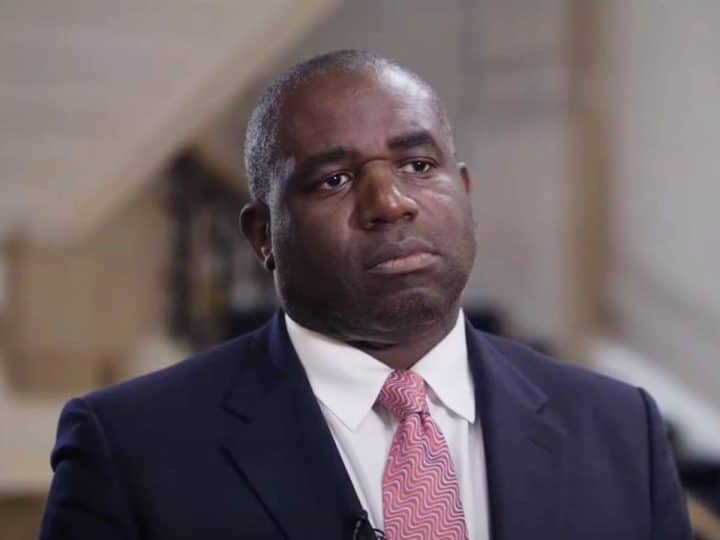

The Green Party need not spend any money campaigning for the local elections in May next month as David Lammy is seemingly doing its press for them.
Lammy in DC
Justice secretary Lammy posted a picture of himself in Washington — presumably to attend the Bilderberg conference with Palantir-sponsored US vice-president JD Vance — and called him a “friend”.
Shadow home secretary, Zoe Gardner, reposted Lammy’s gushing friendship declaration and asked: “Genuinely, who is going to vote for this in May?” We are thinking the same.
Genuinely, who is going to vote for this in May?
Who?
Why would you? https://t.co/ODdiLLyVSY
— Zoe Gardner (@ZoeJardiniere) April 13, 2026
Lammy’s friends also include Peter Mandelson, a pal of the paedophile Jeffrey Epstein’s friend
Other reactions were similarly expressing disgust. Green Party leader, Zack Polanski, called the photo opportunity a “debasement.”
“My friend.”
This is how our government greets those accused of war crimes.
This is not diplomacy. It’s debasement. https://t.co/i4pR5JNAud
— Zack Polanski (@ZackPolanski) April 14, 2026
One user called them a pair of trashers: Vance for trashing the peace talks and Lammy for trashing jury trials.
What a pair of trashers!@JDVance just trashed peace talks @DavidLammy is intent on trashing jury trials
These men should be removed from power as soon as possible https://t.co/95QY8DLkdc
— Tom London (@TomLondon6) April 13, 2026
Bilderberg meeting
Declassified recently shared the list of participants of the 2026 annual Bilderberg meeting, which included Lammy.
According to Bilderberg’s press release, the 72nd Bilderberg Meeting took place from 9-12 April 2026 in Washington among a “diverse group of political leaders and experts from industry, finance, academia, and media”.
This year’s invitee list included Palantir’s Peter Thiel and Alex Karp. NATO’s secretary general also confirmed his attendance.
Attendees at this year’s Bilderberg meeting include usual suspects: former MI6 chief John Sawers, David Lammy, editor of the Economist and Rishi Sunak. pic.twitter.com/wM4hUKX4SD
— Declassified UK (@declassifiedUK) April 8, 2026
Lammy has been a regular invitee to the secretive meeting.
In 2023, Matt Kennard reported that in 2022, Lammy was paid to attend the Bilderberg meeting through a consultancy headed by former MI6 head Sawers.
Labour shadow foreign sec @DavidLammy was paid to attend the Bilderberg meeting in Washington last year by Newbridge Advisory.
Newbridge is the personal consultancy of “Sir” John Sawers, ex-head of MI6 who was appointed Britain’s first special rep to Iraq by Tony Blair in 2003. pic.twitter.com/mmZF8Mh3UO
— Matt Kennard (@kennardmatt) March 29, 2023
Never say social mobility in Britain is dead. David Lammy has gone from Tottenham boy to shameless elite apologist for genocide and imperialism in half a lifetime. https://t.co/W7xIO322Hy
— Mark Curtis (@markcurtis30) April 8, 2026
Declassified’s Mark Curtis quipped: “Never say social mobility in Britain is dead. David Lammy has gone from Tottenham boy to shameless elite apologist for genocide and imperialism in half a lifetime.”
Tottenham set to go Green
Lammy has brushed off polling showing he would lose his seat to the Greens in the next general election, which will take no later than 15 August 2029.
Labour holds all MP seats across Haringey, which is represented by four MPs — Bambos Charalambous (Southgate), David Lammy (Tottenham), Tulip Siddiq (Highgate) and Catherine West (Hornsey).
#GE2029 projection for Tottenham:
Grn: 36% (+17)
Lab: 32% (-25)
Green GAIN from Labour (21% swing)
Lammy is toast
https://t.co/8EueUFcuVl pic.twitter.com/5dB4ZZL9xm
— Stats for Lefties
(@LeftieStats) March 6, 2026

He rubbished the prospect of the Greens taking his seat in a recent interview with Oli Dugmore.
I told David Lammy the Greens are forecast to win in Tottenham.
He said: “I can 100% tell you that there is no prospect of the Greens taking my constituency. Absolutely none at all.” pic.twitter.com/9PgAKq9A2h
— Oli Dugmore (@OliDugmore) March 13, 2026
However, will local elections give Labour a jolt?
It is to be seen how Haringey will vote in the local elections in May. Labour holds 50 out of the 57 seats in Haringey.
Will Haringey go Green in May? Will that make Lammy realise the knee deep shit he is in with friends like Vance and Mandelson?
We think Lammy’s photo ops with Vance, Netanyahu, Gideon Sa’ar (the list is endless) will come back to haunt him.
Featured image via
By The Canary

DAYS THE BUDGET IS LATE: 14
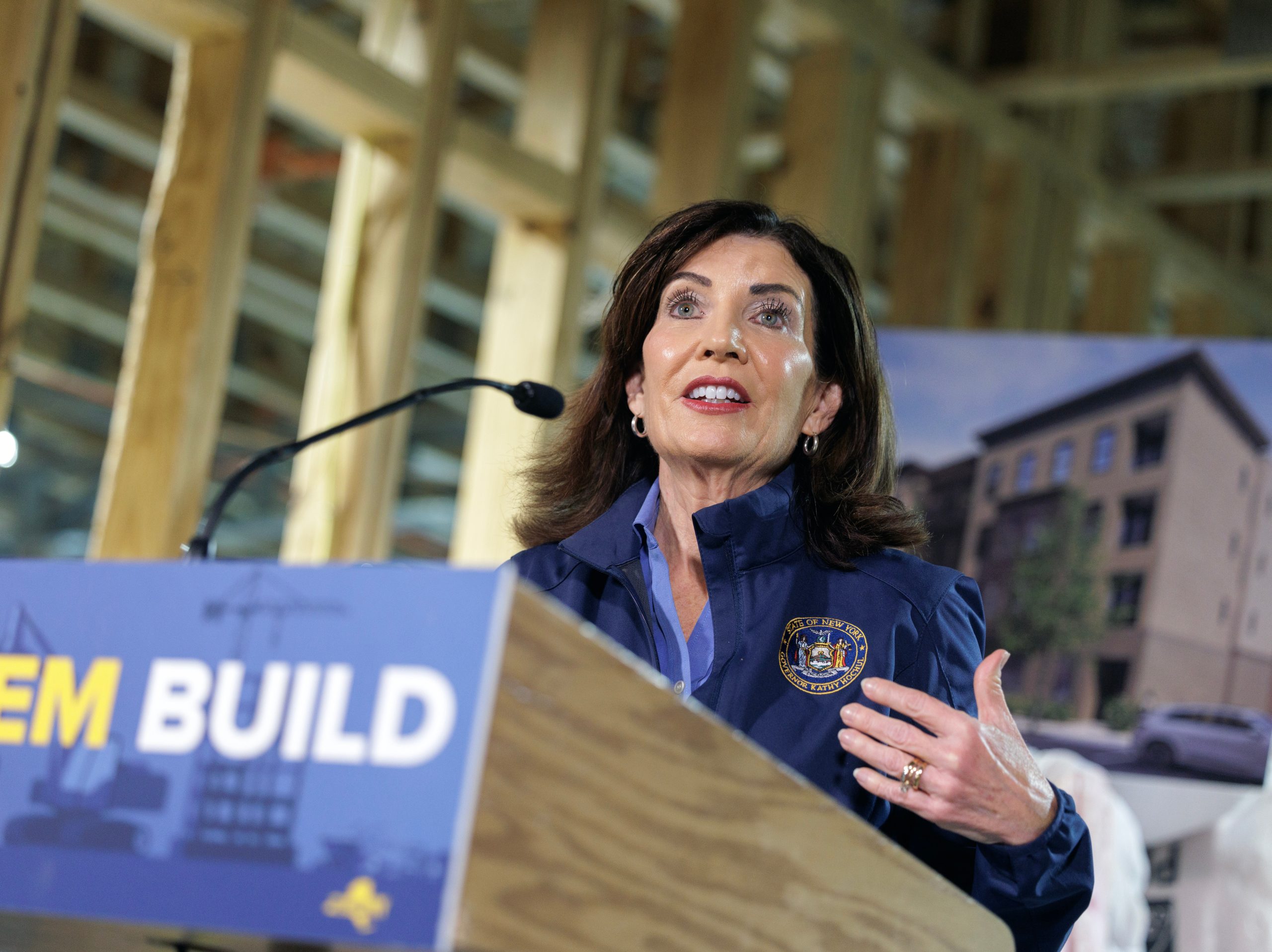
STONES AND GLASS STATEHOUSES: Gov. Kathy Hochul has raked in almost $200,000 in campaign contributions from insurance companies as she pushes for a proposal she argues would help save both their policyholders — as well as those same companies — lots of money.
But while reaping that campaign cash, Hochul has also attacked members of the Legislature for taking their own political contributions — and she is now arguing their political positions are tainted by those dollars in a way hers are not.
“I’m proud of what we’re doing,” Hochul told reporters today at an unrelated event in the Capital Region. “Money has no influence in what we’re doing.”
One of the sticking points holding up the now two-weeks-late-and-counting state budget is Hochul’s push to limit who can sue for damages when they’re in an auto accident. Right now, even if the accident is your fault, you can still reap a reward. Limiting who can receive damages would save insurers money, and, in theory, cut monthly insurance rates for New York’s millions of drivers, Hochul argues.
But members of the Legislature — who often receive political donations from the state’s trial lawyers, which represent plaintiffs in personal injury suits — say they’re skeptical the push would equate to any real savings for New Yorkers, and they worry it would prevent injured people from receiving the money they deserve in court.
On Monday, Deputy Senate Majority Leader Michael Gianaris made waves in the Capitol when he blamed Hochul for acting like an obstructionist in state budget negotiations.
“It takes three parties to agree, and the person who proposed the budget seems less than willing to appreciate that,” Gianaris said on the Senate floor. He later told reporters Hochul’s negotiating strategy is “a one-way street” when it comes to auto insurance reforms.
A few hours later, Hochul’s spokesperson Kara Cumoletti fired back: “If Sen. Gianaris is interested in making progress, he should urge his colleagues to support the governor’s efforts to lower auto insurance rates, rather than defending a broken system that benefits trial lawyers — one of the top donors to the Senate Campaign Committee he controls.”
Ouch.
Despite her spokesperson insinuating that those looking for Gianaris’ motivations need only follow the money, Hochul insisted her political contributions have nothing to do with her stances, which are driven by a tireless fight for affordability.
“I was responding to criticism that is trying to infer that we are the roadblocks; that we’re not trying to cooperate,” Hochul said today, explaining Cumoletti’s statement.
Since 2021, Hochul has received $194,250 from auto insurance companies and insurance industry associations, per public records. The state Democratic Party, which Hochul controls, also raked in $70,250 from those same groups between 2024 and 2025.
“If interests are aligned, then those interests are also aligned with the interests of every single New Yorker who wants to see their rates go down,” Hochul said when asked about those donations. “I don’t think the trial lawyers’ interests are aligned with New Yorkers.”
The New York State Trial Lawyers Association President Andrew Finkelstein responded in a statement accusing Hochul of getting “into bed with the insurance industry.”
“NYSTLA will fight both in the courthouse and out to keep the doors of justice open to everyone, not just the wealthy few,” Finkelstein said. “Albany is right to pull back the covers and expose who this plan really serves.” — Jason Beeferman
From the Capitol

NO CONCERNS OVER RETIREMENTS: Hochul brushed off any concerns caused by a rash of legislators who have announced their retirements after filing paperwork to get on the ballot, effectively letting them choose their own successors in some cases.
“The process is what it is,” Hochul said. “The vast, vast majority of the time, the system is such that candidates plan to run, they plan to stay, they petition to get on the ballot, and, again, if something unforeseen happens, there is a mechanism that’s in place, the committee on vacancies, that allows that person to be filled. I’m not concluding there’s something sinister about a process that has been in place for a long time.”
Republican state Sen. Jack Martins bowed out of a battleground Nassau County district over the weekend. He previously denied rumors he might retire — but announced his plans to do so after submitting petitions that let area party leaders select Assemblymember Jake Blumencranz to run in his stead.
In the Cortland area, Assemblymember Jeff Gallahan pointed to health concerns when announcing his retirement. He’s giving his spot on the Republican line to Mark Benjamin, the community relations director for a landfill.
And Democratic Assembly Majority Leader Crystal Peoples-Stokes announced her retirement last week. Her spot on the ballot will go to Buffalo Common Council Member Leah Halton-Pope, and the party will avoid the primary that likely would’ve occurred had Peoples-Stokes announced her plans earlier.
“I think Crystal Peoples-Stokes was planning to stay longer,” Hochul said. “I don’t know if this is some sort of conspiracy to do something untoward. She’s following the laws, and this is how it is. It’s actually pretty rare. It doesn’t happen with great regularity.” — Bill Mahoney
HOCHUL DEFENDS POPE: Hochul said President Donald Trump’s attacks on Pope Leo XIV are “abhorrent” in emotional comments to reporters today.
“The pope is a man of peace,” said Hochul, a Catholic. “He has a right to speak out and wise leaders would be right to listen to him.”
On Sunday, Trump, following a veiled critique from Leo that Jesus “does not listen to the prayers of those who wage war,” wrote on Truth Social that “Pope Leo is WEAK on Crime, and terrible for Foreign Policy.” Later that day, the president posted a picture that depicted himself as Jesus, an image he deleted the following morning.
Hochul told reporters that “Jesus would be rather shocked at what’s happening these days.”
“The Pope deserves more respect and for someone to release an image that equates the president of the United States with Jesus — or anyone with Jesus — is just reprehensible to, hopefully, everybody,” she said. — Jason Beeferman
FROM CITY HALL

BREAD AND ROSES: The mayor unveiled new details about five city-run grocery stores he plans open by the end of his term — a key campaign promise that has kindled strong feelings from opponents.
The stores will sit on city-owned land, absolving them of paying market-rate rent and property taxes. In exchange, the yet-to-be selected private operators will be contractually required to offer several staples like bread and eggs at a fixed price below the New York City average.
How far below, though, the administration still has not determined.
“What I can tell you is that when New Yorkers come to city-run grocery stores, they will see a clear price differential when it comes to those essentials,” Mamdani said at La Marqueta, the site of a $30 million grocery store set to open in 2029.
Unlike the East Harlem location, other city-run stores will not be built from the ground up, meaning they will open earlier. The first is set to welcome shoppers next year, for example.
While the mayor is planning just five stores, the concept of government grocers has sparked heated backlash from the mayor’s more moderate detractors. John Catsimatidis, owner of the supermarket chain Gristedes, threatened to close all of his stores if Mamdani won, a pledge he walked back after the democratic socialist’s November victory. — Joe Anuta
BUSINESS AS USUAL: New York City Council Member Farah Louis returned to work Tuesday after federal investigators raided her home and her sister’s amid a federal probe on bribery and fraud allegations.
Louis, who has not been charged, appeared at a scheduled Zoning and Franchises subcommittee meeting, which she chairs.
As part of the investigation that led to the indictment, prosecutors have questioned whether Louis and her sister, Debbie Esther Louis, accepted kickbacks in exchange for steering city funds to shelter provider BRAHGS Home Care, according to a search warrant.
Louis directed more than $450,000 in city funds over five years to the nonprofit, according to city documents reviewed by Gothamist.
Louis left the building shortly after the hearing concluded and did not take questions. — Gelila Negesse
FROM THE CAMPAIGN TRAIL

D’ESPOSIT-NO: Former Rep. Anthony D’Esposito will not be making a comeback bid for Congress against Democratic Rep. Laura Gillen in a battleground Long Island district.
D’Esposito, who is currently inspector general in the U.S. Labor Department, signaled his interest in returning to Congress earlier this year — though it was unclear if he would quit his job in the Trump administration to do so.
Last month at a House subcommittee hearing, he skirted questions about his congressional aspirations, and the politically powerful Nassau County Republican Committee backed John DeGrace, a former Valley Stream mayor, as its nominee. DeGrace declined the nomination last week, leaving the possibility of a D’Esposito return on the table.
But D’Esposito ruled it out in a statement Tuesday, the final day for local Republicans to choose a replacement candidate. He expressed his personal support for Hempstead Receiver of Taxes Jeanine Driscoll, whom he called a “dear friend.”
“I will continue serving as the 9th Inspector General of the U.S. Department of Labor, working with our team nationwide to root out fraud and put those who steal from Americans behind bars,” D’Esposito said in the statement. “It is an honor to serve in President Trump’s administration and on the Anti-Fraud Task Force led by Vice President JD Vance.”
Read more from Madison Fernandez in POLITICO Pro.
TRUMP BOOSTS BLAKEMAN: The president emphasized his support for Republican Nassau County Executive and gubernatorial candidate Bruce Blakeman shortly after an appearance on Fox Business that was ridiculed by Hochul’s campaign.
“Bruce Blakeman, the highly respected and very popular Nassau County Executive, who is running for Governor, is surging in the New York State Polls,” Trump wrote, after Blakeman appeared on Fox Business. “He is one of the best politicians in the U.S. Watch him work his magic!!!”
About 30 minutes before Trump’s post, Fox Business host Maria Bartiromo and her partner pressed Blakeman on the following:
“I’m not seeing a lot of you, where have you been Bruce?”
“I don’t see enough of you. I need to start seeing you more on social media.”
“How are you going to get New Yorkers out to actually vote for you, Bruce?”
Hochul’s campaign mocked the appearance for Blakeman as “humiliating.”
For his part, Blakeman responded to Bartiromo by saying New Yorkers are sick of the high cost of living in New York.
New Yorkers “want a new governor, a governor that puts them first, cares about them, will cut their utility bills in half, will lower taxes, create job prosperity and create safer neighborhoods,” Blakeman said. “I have the experience, the ability and policies that people want.” — Jason Beeferman
IN OTHER NEWS
— MATCH DAY: Train tickets to MetLife Stadium from New York City are projected to cost more than $100 during World Cup games — despite regular prices of $12.90. (The New York Times)
— INDEPENDENT: Scotia Mayor David Bucciferro rejected Republican backing for his incumbent bid with Scotia-Glenville GOP Chairman David Lindsay announcing plans to run a candidate against Bucciferro. (Times Union)
— RISK TOLERANCE: Wall Street firms continue hiring and expanding in New York City at record levels, even as Mamdani advances a tax-the-rich agenda that some predicted would drive companies out of the city. (THE CITY)
Missed this morning’s New York Playbook? We forgive you. Read it here.
!function(n){if(!window.cnx){window.cnx={},window.cnx.cmd=[];var t=n.createElement(‘iframe’);t.display=’none’,t.onload=function(){var n=t.contentWindow.document,c=n.createElement(‘script’);c.src=”//cd.connatix.com/connatix.player.js”,c.setAttribute(‘async’,’1′),c.setAttribute(‘type’,’text/javascript’),n.body.appendChild(c)},n.head.appendChild(t)}}(document);(new Image()).src=”https://capi.connatix.com/tr/si?token=19654b65-409c-4b38-90db-80cbdea02cf4″;cnx.cmd.push(function(){cnx({“playerId”:”19654b65-409c-4b38-90db-80cbdea02cf4″,”mediaId”:”24720d12-863d-421f-bcd5-62ec523362fd”}).render(“69dea061e4b0f26bda6270e7”);});
If the electorate isn’t happy with the way the country is going, you might assume this is down to social problems and poor governance. Not so for Labour politicians. According to them, the gullible British public must have been manipulated or misled by things they have seen or read in the right-wing media – especially online.
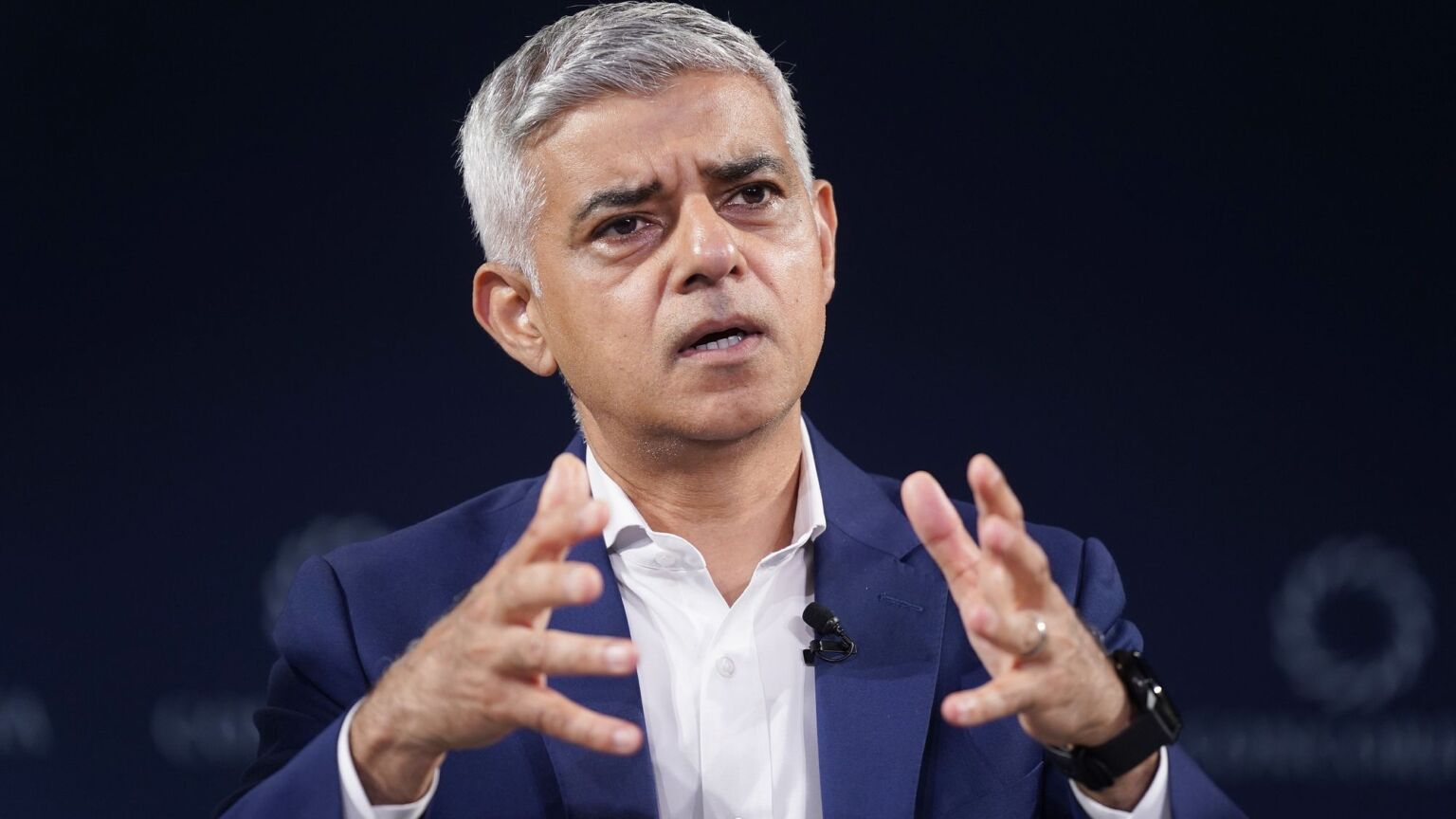
A case in point is the pint-sized culture warrior in City Hall, London mayor Sadiq Khan, whose city is not particularly happy these days. Concerns about crime and demographic change are long-standing in the capital. Recently, we’ve seen mobs of anti-social teenagers using the Easter holidays to loot supermarkets and menace shoppers in Clapham. Last week, a 21-year-old man was stabbed to death in Primrose Hill, the latest victim of gang violence that remains endemic. The borough of Tower Hamlets has essentially become Lutfur Rahman’s personal sectarian fiefdom, with UKIP marches banned, women prevented from partaking in fun-runs organised by mosques, and now a ministerial corruption probe over cash being ‘funnelled’ to Bangladeshi groups.
In the face of these alarming social problems, Khan instead warns that London is facing a ‘dark blizzard of disinformation’. Speaking at the Cambridge Disinformation Summit last week, he presented the findings of a City Hall report into the supposed scourge of disinformation today. The often-negative way London is talked about online poses ‘risks’ to ‘marginalised groups, democratic functioning, the economy’ and even ‘national security’, it claims, with London particularly ‘exposed’ to such narratives due to its ‘global visibility, diversity and political prominence’.
Funnily enough, all the disinformation ‘narratives’ it warns of are precisely the kinds of political arguments most damaging to a right-on Labour mayor who bluntly insists that Britain’s ‘diversity’ is its biggest strength. These include claims that London is ‘unsafe or in decline’, or that women and girls are at risk from sexual assaults by immigrants – ‘narratives’, which it admits, ‘often draw on real offences’. Apparently, it’s also ‘misleading’ to point out how vastly London has changed, as in claims of ‘“Islamisation”, demographic replacement or preferential treatment for particular groups’. Any suggestion that there might be two-tier policing of protests is also presented as malign and spurious.
Historically, the censorship Blob has tried to mask its authoritarian instincts by pretending that it is only worried about falsehoods, not political dissent as such. It has typically talked of ‘disinformation’ as being deliberate false propaganda, usually disseminated by a foreign power. Meanwhile, ‘misinformation’ usually refers to untruths shared by hapless dupes. Of course, it was always obvious that both were mere euphemisms for opinions people like Sir Sadiq didn’t want to hear. And now, they’re not even bothering to pretend.
Indeed, Khan’s City Hall report warns of ‘malinformation’ – information that, despite being ‘based on fact’, is used ‘out of context to support misleading conclusions’. So even information that the mayor admits is true is considered a threat if it leads people to the wrong conclusions. A footnote then gives the game away: ‘“Mis- / disinformation” is used as a shorthand for misleading or harmful information.’ So Khan and his cronies want political narratives censored – even if they are based on fact.
Worse, Khan suggests that it is online discourse that’s causing London’s problems, not his own soft-on-crime policies as mayor. Negative social-media commentary has put London in a ‘toxic feedback loop’, he claims, meaning that ‘as extremists erode trust in our city and its institutions, it gets easier and easier for them to twist online anger into offline violence’. So if there are muggings, stabbings or grooming gangs in London, these are actually the fault of outrage about them online?
We’ve seen this kind of bizarre, topsy-turvy reasoning before. In the run up to the Gorton and Denton by-election, Green Party candidate Hannah Spencer blamed the 2017 Manchester Arena bombing on the rhetoric of the right, accusing her Reform UK rival, Matthew Goodwin, of ‘dividing people’. These are extraordinary, ghoulish claims. In this warped world, the original problem the public is rightly aggrieved about is somehow caused by the subsequent outrage it generates online.
What follows inevitably from this mindset is the belief that the best way to solve social problems is through restricting what can be said. Tellingly, other speakers at the invitation-only disinformation conference included Imran Ahmed, chief executive of the notorious pro-censorship campaign group, the Centre for Countering Digital Hate. This three-day summit was in truth a chummy, secretive gathering of leading lights of the global censorship industrial complex.
‘I see disinformation as preparing the landscape for corruption’, declared its chair, Alan Jagolinzer, while calling for lots more money to be funnelled to anti-disinformation crusaders like him and his chums. This was a gathering of snooty globalists who disdain free expression and believe that the only reason for the rise of populism is that they haven’t censored dissent enough. No wonder Khan felt right at home.
Sadiq Khan has been a disaster for London. The capital is dirtier, less safe and more expensive than at any time in recent memory. This creeping decrepitude isn’t misinformation, disinformation or malinformation. There is a simpler word for it: the truth.
Laurie Wastell is an associate editor at the Daily Sceptic and host of the podcast, The Sceptic. Follow him on X: @l_wastell.

Rolls-Royce introduces Project Nightingale with limited 100-car run

Kevin Warsh discloses crypto and AI investments ahead of Senate Fed hearing
Jon Stewart thinks the guy being healed in AI Trump-as-Jesus image looks very familiar: 'Freaking me the f‑‑‑ out'


-

 Politics5 days ago
US brings back mandatory military draft registration
-
 Sports5 days ago
Man United discover Nico Schlotterbeck transfer fee as defender reaches Dortmund agreement
-

 Fashion5 days ago
Weekend Open Thread: Veronica Beard
-

 Politics5 days ago
Malcolm In The Middle OG Turned Down ‘Buckets Of Money’ To Appear In Reboot
-

 Politics3 days ago
World Cup exit makes Italy enter crisis mode
-

 Crypto World6 days ago
Canary Capital Files SEC Registration for PEPE ETF
-

 Business4 days ago
Tesla Model Y Tops China Auto Sales in March 2026 With 39,827 Registrations, Beating Cheaper EVs and Gas Cars
-

 Crypto World2 days ago
The SEC Conditionalises DeFi Platforms to Be Avoided for Broker Registration
-

 Crypto World1 day ago
SEC Signals Exemption for Crypto Interfaces From Broker Registration
-

 Crypto World7 days ago
Bitcoin recovers as US and Iran Agree a Ceasefire Deal
-
 NewsBeat2 days ago
Pep Guardiola and Gary Neville agree over Arsenal title problem that benefits Man City
-

 Business5 days ago
OpenAI Halts Stargate UK Data Centre Project Over Energy Costs and Copyright Row
-

 Business4 days ago
Ireland Fuel Protests Enter Day 5 as Blockades Spark Shortages and Government Prepares Support Package
-

 Politics5 days ago
LBC Presenter Mocks Trump Over Iran War Failures
-

 Crypto World4 days ago
Federal judge blocks Arizona from bringing criminal charges against Kalshi
-
 NewsBeat3 days ago
JD Vance announces ‘no agreement’ with Iran over nuclear weapons fear
-

 Tech5 days ago
A version of Windows 10 released a decade ago is now eligible for additional security patches
-

 Crypto World1 day ago
SEC Proposes Certain Crypto Interfaces Don’t Need to Register as Brokers
-

 Business4 days ago
IMF retains floor for precautionary balances at SDR 20 billion
-

 NewsBeat22 hours ago
Trump and Pope Leo: Behind their disagreement over Iran war
You must be logged in to post a comment Login