Connect with us
DAPA Banner
DAPA Coin
DAPA
COIN PAYMENT ASSET
PRIVACY · BLOCKDAG · HOMOMORPHIC ENCRYPTION · RUST
ElGamal Encrypted MINE DAPA
🚫 GENESIS SOLD OUT
DAPAPAY COMING

Sports

2026 NBA Draft grades: Updating pick-by-pick analysis from AJ Dybantsa, Cameron Boozer through Round 2

Published

on

The first round of the 2026 NBA Draft is in the books, and the class that scouts and executives have been circling for years finally has NBA homes.

For all the anticipation around this draft — and there has been plenty — Tuesday night was relatively light on true chaos. There were a few wonky, small-potatoes trades, some movement around the margins and one notable faller in Koa Peat, who slid further than expected before barely saving face as a first-round pick. But the headliner remained the pool itself: a loaded group of prospects headlined by a Big 3 whose potential stardom has been obvious since high school. AJ Dybantsa, Darryn Peterson and Cameron Boozer have long been viewed as franchise-altering talents, and now the real work begins for the Wizards, Jazz and Grizzlies, in that order.

The strength of this draft did not stop there. Caleb Wilson and Keaton Wagler helped give the top five even more star power than expected, while the one-and-done point guard crop — Wagler, Mikel Brown, Darius Acuff and Kingston Flemings among them — gave lottery teams plenty to debate. Brooklyn picking Brown over Acuff will be one of the draft’s defining long-term questions. 

Advertisement

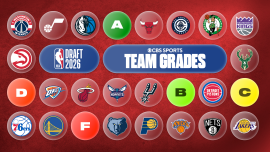
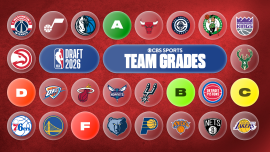
2026 NBA Draft team grades: Live updates for all 30 teams as Round 2 unfolds

Cameron Salerno

2026 NBA Draft team grades: Live updates for all 30 teams as Round 2 unfolds
Advertisement

As always, these grades are not just a referendum on the player. They are an attempt to evaluate each pick in the proper context: the prospect’s long-term upside, the team fit, the range of outcomes and, in some cases, the resources it took to get into position to make the selection. 

With that in mind, here are CBS Sports’ grades for every pick in the first round of the 2026 NBA Draft.

2026 NBA Draft Grades

Round 1

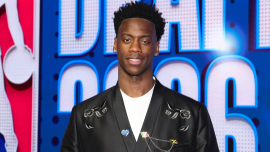
1. Washington Wizards: AJ Dybantsa | BYU | SF 

Dybantsa is a prototypical big wing with positional size, length, athleticism, and an elastic build who can score from all three levels and create his own offense almost on demand. He pressures the rim, understands how to get fouled, and is as polished of a scorer as we’ve seen in several draft cycles. He will be a Day 1 scorer in the NBA and yet still has plenty of room to keep taking his game to new levels with the progression of his 3-point shooting, handle, and defense. Dybantsa legitimately has the potential to lead the NBA in scoring one day, but also has to prove that he can consistently impact, and ultimately, drive winning. Grade: A


2. Utah Jazz: Darryn Peterson | Kansas | PG

Peterson is the best fit here and has the higher long-term upside. At Kansas this season we saw a level of shot-making that we did not know existed. Peterson can get to the rim, score at all levels, and is a dynamic shotmaker. He has a chance to be the very best player to come out of this draft. With the frontcourt rebuilt this year, you can slot Peterson very cleanly next to Keyonte George to create Utah’s backcourt of the future. With this move, the Jazz have essentially rebuilt its roster. The hope is that the durability issues from last season are now behind him and he can merge the shot-making we saw at Kansas with the creation we saw in high school. Grade: A


3. Memphis Grizzlies: Cameron Boozer | Duke | PF

Boozer has the highest floor in the draft and an underrated ceiling. Not only can no other player in the field match Boozer’s history of winning or production, but Boozer also has an unmatched overlap of size, skill, physicality, and feel for the game. He’s also very much in line with the type of player that Memphis has prioritized in the draft process in recent years. Memphis can plug Boozer in next to Zach Edey and Cedric Coward and Memphis’ rebuilding project already has their frontcourt of the future figured out. Grade: A+


4. Chicago Bulls: Caleb Wilson | N. Carolina | PF

Wilson was the fairly obvious choice here. He has legit star-type outcome and potential. He’s the most explosive athlete in the draft with a big-time motor and unusual elasticity (or bend) for a player his size.  At North Carolina, Wilson was farther along offensively than expected and yet has immense room for progress, not just with his perimeter skill-set, but even his defensive polish. Those tools should check a lot of boxes for new Executive Vice President of Basketball Operations Bryson Graham. Grade: A    


5. Los Angeles Clippers: Keaton Wagler | Illinois | PG

Of the four one-and-done freshman point guards, Wagler is the easiest to pair with Clippers’ guard Darius Garland. The positional size and shooting give him on/off ball versatility that would be critical in this context, but it’s his feel for the game and natural instincts that may be his true superpower. Wagler is a natural shooter with versatility to make shots off the catch, dribble, or on the move. He has terrific basketball instincts, high basketball IQ, and a very deliberate pace that prevents opposing defenders from speeding him up. Grade: B+


6. Brooklyn Nets: Mikel Brown Jr. | Louisville | PG 

Brown gives Brooklyn a naturally skilled, high-upside, late-blooming lead guard, whose athleticism is catching up. He’s incredibly skilled, naturally ambidextrous, has complete control of the ball, is a pinpoint passer, and a much better shooter than his numbers showed at Louisville. Brown Makes deep shots in bunches when he gets hot. Excellent left hand too. Very good floor-vision, passing, and ability to make reads coming off of ball-screens. Ranked in the 89th percentile as a pick-and-roll ball-handler. Grown into having positional size at 6-3.5 without shoes, long arms, and newfound athleticism. The concerns are Brown’s lack of strength and physicality. He can hunt high-level plays instead of making the easy one, and he has a history of injuries, which could impact his durability. Brown impressed teams when he met with them face-to-face. Grade: B


7. Sacramento Kings: Darius Acuff Jr. | Arkansas | PG

This is exactly what Sacramento wanted and it didn’t have to trade up to get him.  Acuff gives the Kings the type of offensive alpha creator they don’t yet have and he provides a more immediate impact than other players on the board, especially on the offensive end of the floor. Acuff is a shot-creator and multi-level scoring threat. He has the strength, balance, and poise to dictate his own pace and supplements that with extreme confidence to deliver in big games and moments. There are some concerns with his defensive commitment and approach. Size, length, and athleticism are adequate for NBA standards, but not ideal. Grade: A-  


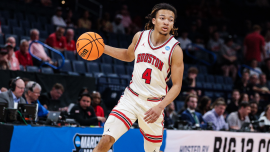
8. Atlanta Hawks: Kingston Flemings | Houston | PG

Flemings gives Atlanta a high-level athlete and two-way lead guard with a high floor. Flemings would fit with a defensively oriented young perimeter core in Atlanta, and give them plenty of upside if his shooting proves to be sustainable. What is undeniable is that Flemings is an elite athlete who can get a piece of the paint on demand and rise up explosively at the rim. 

Flemings is a dynamic athlete with end-to-end speed, burst in his first step, physical strength, and leaping ability. He puts constant pressure on the paint, attacks both sides off the dribble, and rises up for big finishes. He’s also capable of getting to his pull-up at virtually any time and arguably the most dedicated defender of this freshman quartet. Flemings has solid positional size, but lacks great length. His 3-point shot is still very streaky with questionable mechanics. Grade: B+

Advertisement

9. Dallas Mavericks: Morez Johnson Jr. | Michigan | PF

New Mavs coach Dusty May brings in a Michigan player to Dallas. Morez Johnson was one of the biggest winners of the combine, measuring bigger than expected with massive length, well-rounded athleticism, and simultaneously reaffirming the shooting gains we saw this year. Johnson is long and powerful with an NBA-ready body and rugged physicality to match. He is a two-way rebounder and a versatile defender who can not only guard ball-screens in multiple ways but also be switchable inside-and-out.
Johnson is not a creator and doesn’t project as being more than a complementary piece offensively. Shooting is also still largely unproven with a total of 12 3-pointers in two college basketball seasons. He can provide some secondary rim protection, but doesn’t project as a primary shot-blocker at the NBA level. Grade: C+


10. Milwaukee Bucks: Brayden Burries | Arizona | SG

The Bucks benefit from Dallas taking a swing on Morez Johnson and are able to get Burries at No. 10. Burries is a strong and aggressive two-way guard who can get downhill with force, provide a formidable 3-point shooter, and defend his position, all with an NBA-ready frame. He has versatility in his shot-making profile and utilizes his strength as an engaged defender and high-volume perimeter rebounder. Burries played point guard when he was younger, but hasn’t shown the ball-handling or passing growth as much since. Best as a secondary handler. Grade: B+  

Advertisement

11. Golden State Warriors: Yaxel Lendeborg | Michigan | PF

Lendeborg is one of the more versatile two-way players, and specifically defenders, in the draft. At 6-9 with a 7-3+ wingspan, he often guarded opposing point guards this year, is an excellent passer, and improved shooter who made 37% of his 3-pointers. Very good passer who can be a connector offensively, start the break himself, and has improved each year as a shooter.

The questions about Lendeborg are tied to his upside since he will turn 24-years-old before playing in his first NBA game. Very solid ball-handler for his size but more of a straight-line driver than dynamic creator or change of direction play. Aday Mara would have been a better roster fit here for the Warriors. Grade B- 


12. Oklahoma City Thunder: Aday Mara | Michigan | C 

The Thunder picking Mara here is easily seen as a direct answer to attempting to defend San Antonio Spurs superstar Victor Wembanyama for the foreseeable future. At 7-3 (without shoes), Mara is a giant, even by NBA standards, and a tremendous rim protector. He’s also got sneaky mobility, good hands, real passing ability, and provides vertical spacing.  Mara is a defensive anchor who alters or discourages as many shots as he blocks thanks to his timing and massive size. 

Playmaking big who has good touch, can pass the ball from various spots on the floor, and even show some creativity with the way he can manipulate passing angles. Vertical spacer and lob threat who ranked in the 97th percentile at the rim with his extreme reach, underrated hands, and coordination for his size. Mara’s body mechanics aren’t ideal with less visible muscle mass and high/wide hips that can impact his flexibility. Not always a graceful mover on the perimeter, but more adept at keeping people in front than he sometimes gets credit for. He is an inconsistent free-throw shooter who has shown a reluctance to develop his face-up touch. Grade: A-  


13. Milwaukee Bucks: Nate Ament | Tennessee | PF

(via trade with Miami)

Advertisement

The Bucks begin their rebuild after trading away Giannis Antetokounmpo by selecting Ament, a late-blooming 6-10 combo-forward who is fluid and has touch and skill. Ament remains inconsistent and needs to get stronger, but has a great overlap of positional size, along with dexterity (great left hand) and fluidity as a mover. He has soft natural hands and touch and a high release point on his shot. 

Ament has a lack of strength and sheer force in his game, which can impact his physicality. He can play upright, without ideal bend or upper body elasticity, on both ends of the floor, and is somewhat in between positions defensively. Ament’s shooting and finishing numbers haven’t been nearly as encouraging in college as they were in high school. While his freshman year was up and down, Ament’s overall arc has been linear, and there’s still glaring potential. That upside makes him a logical choice here. Grade B+


14. Charlotte Hornets: Hannes Steinbach | Washington | PF

Steinbach is a skilled and smart big man who has elite hands and is a high-volume rebounder. He’s a bit between a 4 and a 5, but with the NBA trending back towards more size in the frontcourt, he should be capable of playing both positions on most nights. Efficient offensive player (58% field-goal shooting) with footwork, passing instincts, and versatility as a roller (can slip, short-roll, or even play-make some). Soft touch around the rim and floor-spacing potential (35% on catch-and-shoot 3-pointers). There are some athletic limitations both in terms of vertical explosiveness in traffic and lateral mobility when pulled to the perimeter defensively. Grade: B

Advertisement

15. Chicago Bulls: Dailyn Swain | Texas | SF  

Swain is a high-upside big wing who puts pressure on the rim, has all the tools to blossom into an elite defender, and significant upside if he proves to be more of a primary creator. The questions are the shooting and the high turnover rate. Swain checks a lot of boxes as a defensive-oriented big wing who can play off the bounce, pressure the rim, and provide some secondary creation. 

He has the two-way versatility and the potential to play multiple positions with his perimeter size, 6-10 wingspan, and on-ball creation. If he proves to be a jumbo initiator, rather than a slashing wing, it changes his upside. Grade: C+    


16. Oklahoma City Thunder: Bennett Stirtz | Iowa | PG

(via trade with Memphis)

Stirtz is a highly skilled true point guard with an elite feel for the game. He’s not an overwhelming athlete or defender, but he’s a big-time shooter, ultra-reliable, and always in the right spots. Stirtz one of the smartest players in the draft, a floor-spacer and another ball-handler who can run the offense. Stirtz combines true shot-making (49% on catch-and-shoot 3-pointers) with the ability to run.

Stirtz has solid positional size, but otherwise lacks overwhelming or ideal physical tools for NBA standards. Perceived lack of rim pressure and separation at the next level given his lack of elite burst. There are questions about how Stirtz will match up with elite playmaking guards at the point of attack defensively in the NBA. Good move by OKC to takes advantage of loads of future draft assets to make sure Memphis doesn’t take the guy it wants.  Grade: B+


17. Detroit Pistons: Ebuka Okorie | Stanford | PG 

(via trade with Memphis) 

Detroit did a ton of due diligence here on Okorie. He lacks overwhelming size, but he has terrific speed, can get a piece of the paint on demand, and his shooting continued to tick up as the season went on last year.  Okorie puts constant pressure on the rim, beginning in the open floor by utilizing his speed, but continuing in the halfcourt where he’s effective with his angles and footwork.
Okorie gives Detroit speed and rim pressure but is not an elite shooter, and so he doesn’t really help their floor spacing quite as much as hoped around Cade Cunningham, but he does give them another creator when Cunninghm is off the floor
Undersized for the NBA with a still relatively undeveloped, 186-pound frame that needs to keep bulking up without compromising his burst. Grade: B


18. Charlotte Hornets: Christian Anderson | Texas Tech | PG

The Hornets get who may be the best shooter in the draft. While Anderson is similar to what they already have (skilled shooters who are questionable defenders), Anderson would fill the void left by Coby White’s anticipated departure in free agency. Anderson also has a complementary feel for the game and advanced understanding of how to play off ball-screens. There are questions about how he’ll adapt physically and defensively, but his offense is worth betting on.

Advertisement

I think this may be a little bit a case of giving them what they already have. Charlotte’s got great shooting, but it needed more defense. Having said that I’m a big Anderson fan. Grade: B+


19. Toronto Raptors: Allen Graves | Santa Clara | PF

Graves left at least five million dollars on the table in NIL money to stay in the draft, so it was expected he would be selected around this range. Graves is an analytic darling who has elite BPM metrics and a rare overlap of defensive playmaking, passing, ball-security, and offensive rebounding. In addition to his combination of physicality and feel, Graves also has great hands and touch to stretch the floor. 

Graves gives Toronto needed frontcourt floor spacing but his defensive footspeed and athleticism are concerns. Grade: B-

Advertisement

20. San Antonio Spurs: Jayden Quaintance | Kentucky | C  

Quaintance is the best defensive player in the draft. We’re talking about a lottery talent, one of the best athletes in the draft, and a potential defensive savant who fell in the raft due to a knee injury. A healthy Quaintance gives the Spurs a real long-term option up front — his defensive playmaking numbers were off the chart as a freshman at Arizona State. If the Spurs can figure out how to keep Wemby healthy, they can get Quaintance right.

After playing only four games this year at Kentucky, Quaintance helped himself at the combine by looking explosive in his pro day. He’s long, powerful, violently athletic at the rim, and a real game-changer on the defensive end of the floor. Grade A-


21. Memphis Grizzlies: Karim Lopez | Mexico | PF

(via trade with Detroit)

This is a long-term stock move by the Grizzlies, and the fit is a little clunky alongside Cameron Boozer as I expected Memphis to take a guard here. It is good business to add five second round picks.

Lopez is a Mexican native who played with the New Zealand Breakers in the NBL Next Stars program this year and made really nice strides. He’s a hard-playing, physical presence who pressures the rim and competes on both ends. He is a lottery-level talent and could have been off board much higher than this. He has the physical strength, projectable frame, and potential positional versatility to be very appealing. Grade: B


22. Philadelphia 76ers: Labaron Philon | Alabama | PG  

Philon replaces Jared McCain, who the previous GM, Darryl Morey, moved to OKC at the deadline. Philon gives Philadelphia a dynamic scorer who attacks with pace, has worked his way into a shot-maker, and showed more defensive chops as a freshman.  A gifted shot creator, Philon stuffed the stat sheet as the focal point of one of college basketball’s fastest offenses, and did it with 50/40/80 shooting splits. If he can tap back into some of the defensive tools he showed as a freshman, there could be real value here. Grade: B+


23. Atlanta Hawks: Zuby Ejiofor | St. John’s | C

Ejiofor is undersized for a center but is powerful, strong and physical with an NBA-ready body, very long arms (7-2 wingspan), high motor, and infectious energy levels. He is mobile and coordinated athletically for his size and a competitive defender who can body up with bigger guys in the post, be switchable on the perimeter, and very active as a playmaker with 3.3 stocks per game (2.1 blocks and 1.2 steals). He is an emphatic dunker when he has the space to get above the rim, but can otherwise be bothered by size and length in the paint. Grade: C+


24. Los Angeles Lakers: Cameron Carr | Baylor | SG  

(via reported trade with New York)

Carr definitely slipped a bit, but his physical traits and shotmaking is hard to find at this point in the draft. Carr followed up on his breakout season at Baylor with a terrific showing at the combine. Has a rare overlap of bouncy athleticism, extreme length (7-foot-plus wingspan), and shot-making, which is the basis for high long-term upside projections. Carr is a true three-level threat who can be a tough shot-maker from the perimeter, a constant threat to rise and fire in the mid-range area, and a straight-line slashing threat.

Carr is one of the few perimeter prospects in this draft who can combine length, athleticism, and shot-making. He still has some maturing to do, but Carr gives the Lakers physical tools and shooting range to match. He lacks physical strength and may not have an NBA-ready frame, which could be initially problematic on both ends of the floor. Grade: B+


25. Dallas Mavericks: Sergio de Larrea | Spain | SG   

(via reported trade with New York)

A big guard and advanced passer with excellent perimeter size, de Larrea has the potential to play multiple positions. He has a good feel for the game and ability to navigate and make reads off ball-screens. Dictates his own pace and rarely gets sped up. Made notable strides as a shooter and became a reliable floor-spacer, albeit with a fairly elongated release that is powered primarily through his upper body.

De Larrea has some athletic limitations that are exacerbated by playing upright with limited bend or flexibility in his body mechanics. He struggles to get all the way to the rim, especially in the half-court. Also a limited finisher in traffic. Relies on his size and IQ defensively, but has had similar struggles to hold his own on that end of the floor in EuroLeague play. Grade: B   


26. San Antonio Spurs: Tarris Reed Jr. | UConn | C

(via reported trade with Denver)

Reed has NBA-caliber positional size, length, power, athleticism, maybe more face-up skill than he gets credit for, and some defensive versatility and sneaky switchability to match. Reed was as good as any big man in the NCAA Tournament and followed that up with a strong combine performance, which makes him the best available five-man at this point. Inconsistent free-throw shooter (61.7%) and not yet a floor-spacer (didn’t make a 3-pointer in two seasons at UConn), albeit with some face-up touch to potentially develop. Grade: B


27. Boston Celtics: Chris Cenac Jr. | Houston | PF

Cenac has size, length, measurables, athleticism, mobility to slide laterally, and some developing face-up skill and shooting potential. Very fluid multi-directional mover who is equally smooth as a leaper. He was a high-volume rebounder this year and answered questions about his motor in the process, but still has times where the potential exceeds the production. Switchable defender who slides laterally very well for his size. Simultaneously showed spurts of being a high-volume rebounder.

Advertisement

Cenac’s overall production has never lived up to the totality of his diverse tools, even when playing with a consistently higher motor this year at Houston. Inefficient offensive style. Drifts to the perimeter too often for someone who remains an inconsistent 3-point shooter. Also has a habit of settling for tough twos around the mid-post area instead of pressuring the rim like he should be capable of. Grade: B


28. Brooklyn Nets: Joshua Jefferson | Iowa St. | PF

(via trade with Minnesota)

Brooklyn showed a clear affinity for high-feel passers in last year’s draft cycle, and Jefferson checks those boxes. Jefferson is a strong-bodied four-man who was one of the best frontcourt passers in college basketball this year. He has terrific vision, dexterity, and uncommon feel for the game from the forward position. He has an NBA-ready frame and good defensive playmaking metrics. Jefferson should be, at minimum, a valuable connector at the next level. Grade: B

Advertisement

29. Sacramento Kings: Alex Karaban | UConn | PF 

(via reported trade with Cleveland)

A two-time national champion at UConn, Karaban is a shooter with extreme gravity. He shot 53% on unguarded catch-and-shoot 3-pointers. He is a high feel processor of the game. Excellent passer within the flow of the offense who makes quick reads with the ball and is equally good as a cutter.
Karaban will be a rotation player who spaces the floor and passes. He is an ideal role player. Deceptive length with a 6-11 wingspan and soft natural hands.Karaban is not a naturally explosive athlete in terms of vertical explosiveness or lateral quickness, so he relies on acumen, angles, and physicality defensively. He is a bit in between positions, particularly on the defensive end, at 6–6.75. Much more of a connector, floor-spacer, and decision maker than he is a dynamic creator. Built to be a role player, not an offensive hub. Grade B  


30. Phoenix Suns: Koa Peat | Arizona | PF

(via reported trade with New York)

Peat will play in the NBA for 10+ years. He is strong, has an NBA-ready body and the physicality, willingness, and ability to play through contact, and a wealth of competitive intangibles.

Peat’s stock has slid a bit because of questions surrounding his shooting and mixed reviews from some workouts, but his impact on winning is well-documented. He puts pressure on the rim as a straight-line driver and off short-rolls. Excellent finisher who converted 67% at the rim and is now quick off his feet athletically.Peat is much higher than this on the CBS Big Board, but his glaring lack of shooting is going to require a specific fit. Peat is a non-shooter whose mechanics seemed to get worse during the pre-draft process, despite making just seven 3-pointers (and 62% of his free-throws) on the season. Grade: A-    

Round 2  

31. New York Knicks
32. Memphis Grizzlies
33. Minnesota Timberwolves
 (via trade with Brooklyn)
34. Cleveland Cavaliers (via reported trade with Sacramento) 
35. Denver Nuggets
  (via reported trade with San Antonio) 
36. Los Angeles Clippers
37. Oklahoma City Thunder
38. Chicago Bulls
39. Houston Rockets
40. Boston Celtics
41. Miami Heat
42. San Antonio Spurs
43. Brooklyn Nets
44. San Antonio Spurs
45. Sacramento Kings
46. Orlando Magic
47. New York Knicks (via reported trade with Phoenix)
48. Dallas Mavericks
49. Denver Nuggets
50. Toronto Raptors
51. Washington Wizards
52. Los Angeles Clippers
53. Houston Rockets
54. Golden State Warriors
55. New York Knicks
56. Chicago Bulls
57. Atlanta Hawks
58. New Orleans Pelicans
59. Minnesota Timberwolves
60. Washington Wizards

Advertisement

Source link

Advertisement
Continue Reading
Click to comment

You must be logged in to post a comment Login

Leave a Reply

Sports

FIFA World Cup 2026 Group A Highlights: South Africa Join Mexico In Knockouts; Czechia Eliminated

Published

on

No Son Heung-Mi for South Korea. 

South Africa Starting XI: Ronwen Williams, Khuliso Mudau, Ime Okon, Mbekezeli Mbokazi, Aubrey Modiba, Sphephelo Sithole, Thalente Mbatha, Oswin Appollis, Relebohile Mofokeng, Thapelo Maseko, Evidence Makgopa.

South Korea Starting XI: Kim Seung-gyu, Kim Min-jae, Lee Gi-hyuk, Lee Han-beom, Kim Moon-hwan, Hwang In-beom, Paik Seung-ho, Seol Young-woo, Lee Kang-in, Hwang Hee-chan, Oh Hyeon-gyu.

Source link

Advertisement
Continue Reading

Sports

Pin Up Sheila cements spring aspirations with second win in 2026

Published

on

A feature race during the latter part of the spring carnival is now on the radar for Pin Up Sheila, following the juvenile’s second victory from as many starts at Warwick Farm.

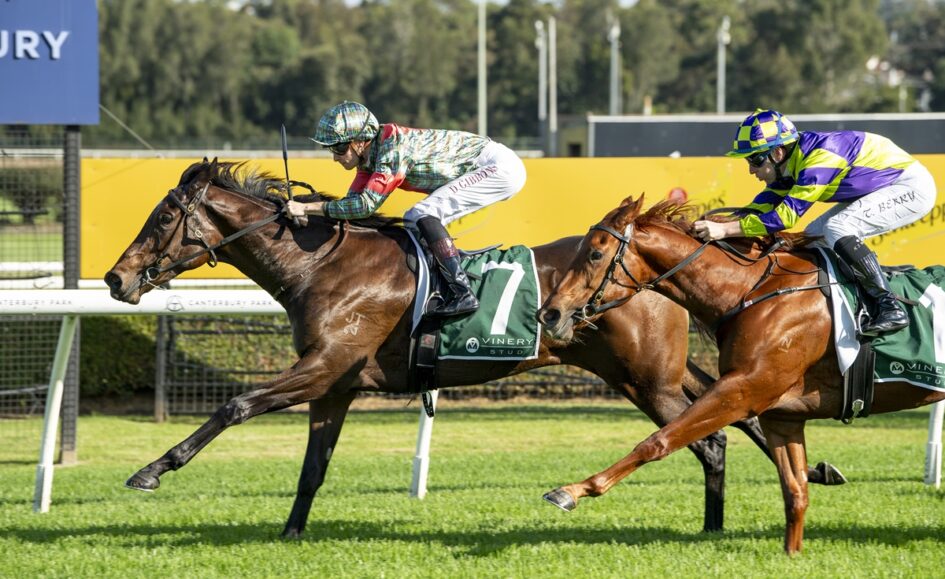
By the adaptable sire Pinatubo, the filly added to a determined on-speed win at Canterbury last month with another impressive performance on Wednesday, wearing down the leaders to take out the Hyland Race Colours Handicap (1100m).

Winning trainer Tom Charlton was delighted to see Pin Up Sheila ($2.50 fav) exhibit another facet of her ability, with the filly digging deep to win despite racing greenly.

“She will learn a lot. She did a bit wrong in her trial the other day, and even up the running today she is climbing a bit in her action and not quite flattening out yet,” Charlton stated.

“Hopefully, that will do her the world of good going forward.

“We will probably turn her out now. I’ll have a chat with (owners) the Esplin family, who have obviously got a nice filly on their hands.

“I’d say we’ll give her a breather and look after her, and perhaps she can look at something a little later in the spring.”

Advertisement

Charlton is unsure about Pin Up Sheila’s potential to stretch in distance, but indicated there is stamina in her lineage, making races like the Reginald Allen Quality (1400m) and potential Melbourne targets possibilities.

“She will definitely stay further than today. She has a very stout female line, but she’s not slow,” he commented.

“The stallion is quite a mixed bag. He can get a bit of everything, so we’ll have to work that out.”

Chris Waller presented the $850,000 yearling Omalong for a stylish debut win in the Asahi Super Dry Handicap (1100m), the colt by Extreme Choice overcoming a slow start to stamp his class.

Advertisement

Bred by Gerry Harvey, the prominent businessman retained a share of the ownership, a decision that Waller’s assistant trainer, Charlie Duckworth, believes was a wise one.

“Gerry Harvey kept a little share in him as well. He did the same with (Group 1 winner) Campione D’Italia, so hopefully he’s just as lucky,” Duckworth said.

“He’s obviously got a very good future. They don’t win like that unless they do.”

Omalong ($1.70 fav) finished ahead of Sanctum ($17) by 1-3/4 lengths to secure a stable trifecta, with Letters Patent ($12) a further long head back in third. You can find the latest betting sites for this and upcoming races at online bookmakers.

Advertisement

Source link

Advertisement
Continue Reading

Sports

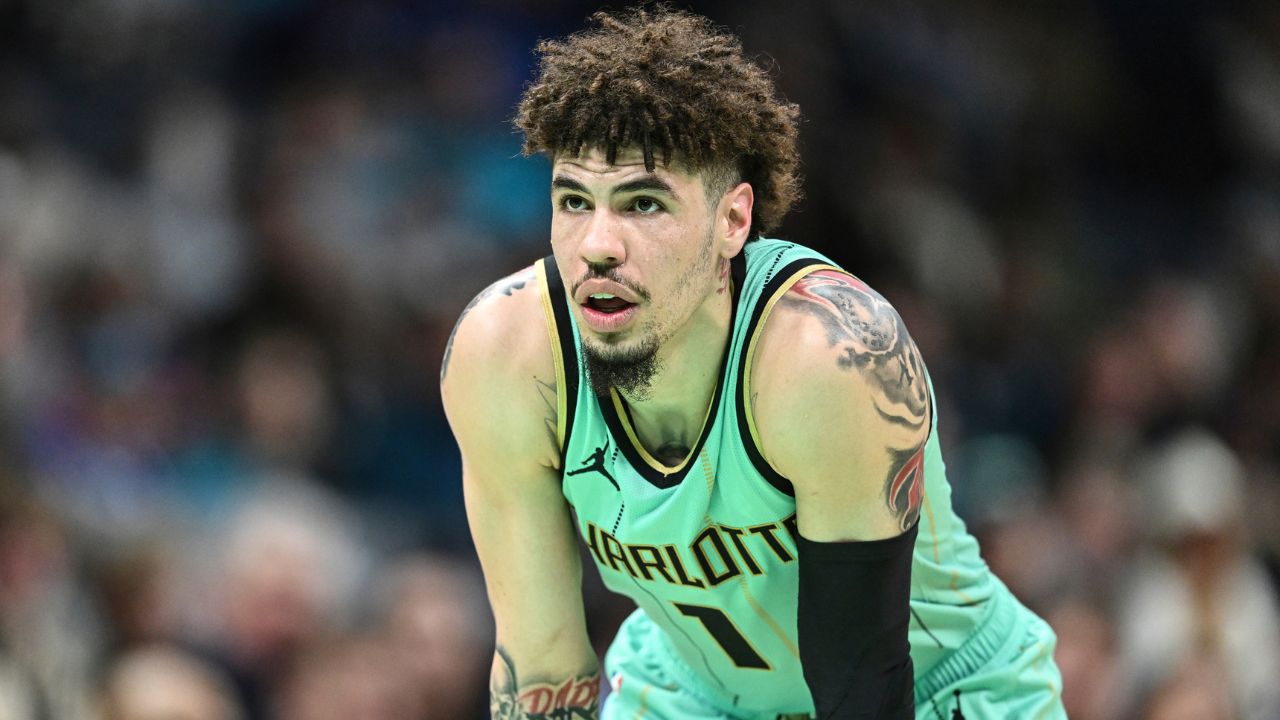
Report: Raptors showing trade interest in Hornets’ LaMelo Ball

Published

on

Ball, 24, has played his entire career in Charlotte and has three years remaining on the five-year, $260-million max contract he signed with the Hornets.

Over 72 games last season, Ball averaged 20.1 points, 7.1 assists and 4.8 rebounds over 28 minutes a game.

The Hornets were knocked out in the NBA play-in tournament, and may be looking to shift away from Ball as the focal point of the team and instead build around rising stars Brandon Miller and Kon Knueppel.

Meanwhile, the Raptors headed into the summer with a need at guard, and Ball certainly has the talent to fill a hole on the Toronto roster.

Advertisement

Source link

Continue Reading

Sports

Vegas Sees 4 Teams in the Same Boat as Vikings

Published

on

Advertisement

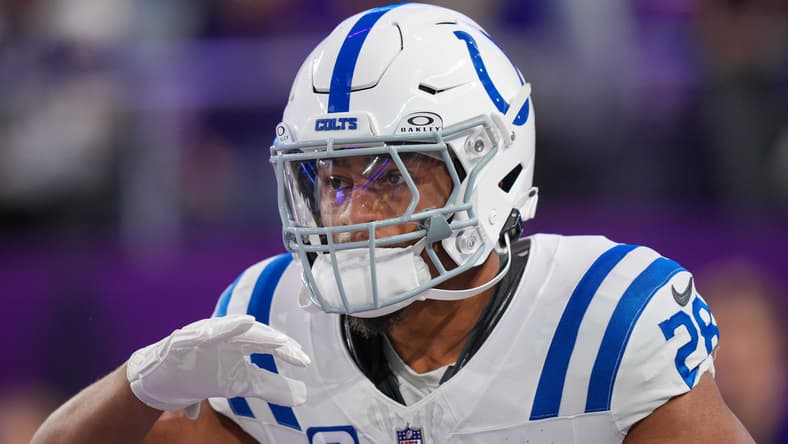
Vikings WR Justin Jefferson in 2024 against the Colts
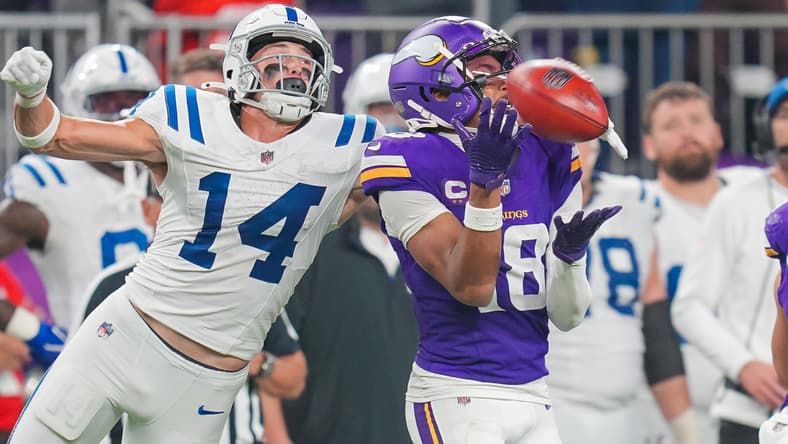
Nov 3, 2024; Minneapolis, Minnesota, USA; Minnesota Vikings wide receiver Justin Jefferson (18) catches the onside kick against the Indianapolis Colts in the fourth quarter at U.S. Bank Stadium. Mandatory Credit: Brad Rempel-Imagn Images

The Minnesota Vikings have +5000 odds to win the Super Bowl in 2026, which is about the same as a snowfall in Minneapolis on Memorial Day.

Every year, we uplift teams that live in the same neighborhood of Super Bowl odds as Minnesota, and this go-around, there are about four clubs. Ranked in ascending order, the following franchises have similar Super Bowl moneyline (No. 1 = closest Vikings comp in 2026).

Vikings Share Vegas Tier with Four Squads

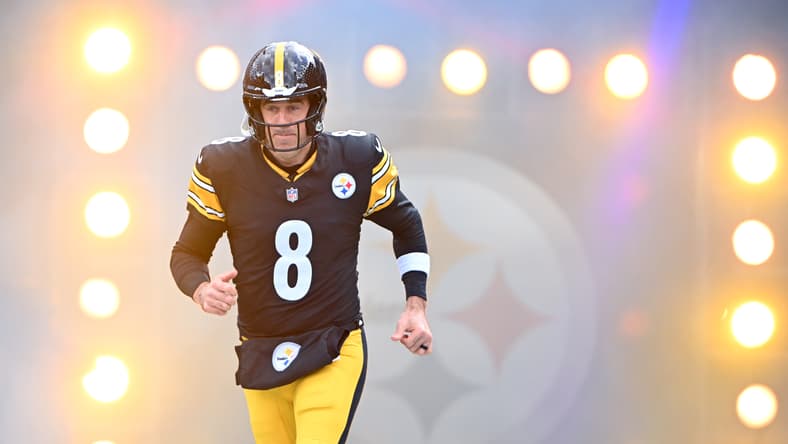
Aaron Rodgers trots out for pregame introductions before a Steelers game against the Bengals. Vikings Super Bowl odds
Pittsburgh Steelers quarterback Aaron Rodgers runs onto the field for pregame introductions at Acrisure Stadium in Pittsburgh. Rodgers entered the spotlight on November 16, 2025, before a divisional matchup against the Cincinnati Bengals as the stadium atmosphere built and anticipation surrounded the veteran quarterback’s latest AFC North appearance. Mandatory Credit: Barry Reeger-Imagn Images.

4. Pittsburgh Steelers
Odds to Win SB: +6500

Sportsbooks are not too enamored with the Steelers, probably because Pittsburgh is running it back with Aaron Rodgers, who will turn 43 in December, and got rid of Mike Tomlin after nearly two decades — in favor of Mike McCarthy. Vikings fans will know McCarthy well from his time in Green Bay and Dallas. He’s a coach who establishes legitimacy, usually manufactures a playoff appearance, and then falls short of the Super Bowl.

Advertisement

Pittsburgh added wide receiver Michael Pittman, cornerback Jamel Dean, and running back Rico Dowdle. At quarterback behind Rodgers, the depth includes Will Howard, Drew Allar, and Mason Rudolph.

The time may be ripe for the Steelers to finish with a losing record for the first time since 2003.

USA Today‘s Nate Davis called Pittsburgh the 19th-best team in the business last week, explaining, “They officially have QB Aaron Rodgers and the most expensive trio of outside linebackers in the league after Nick Herbig became the latest to cash in on an expensive, aging defense that didn’t do nearly enough to support the four-time league MVP in 2025.”

Advertisement

“The Steelers managed to win the AFC North in a down year for the division, but 10-7 likely won’t get the job done this time around.”

3. Washington Commanders
Odds to Win SB: +4500

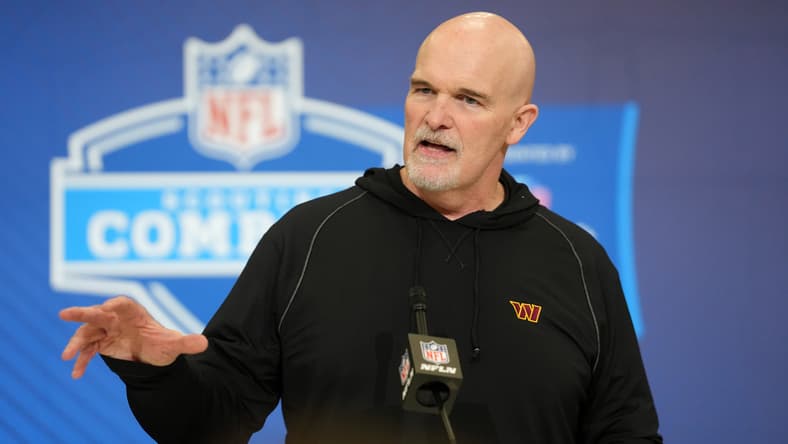
Washington has slightly better odds to win it all than Minnesota, probably because Vegas trusts Jayden Daniels to rebound, after a lost 2025 season, more than Kyler Murray or J.J. McCarthy to surge in the Twin Cities. There’s also Dan Quinn, the head coach, to consider, who usually produces a steady defense.

Dan Quinn speaks with reporters at the NFL Scouting Combine in Indianapolis. Vikings Super Bowl odds
Washington Commanders head coach Dan Quinn speaks with reporters at the NFL Scouting Combine inside the Indiana Convention Center in Indianapolis. Quinn met with the media on February 24, 2026, as Washington evaluated draft prospects and discussed offseason plans following the franchise’s successful season and deep postseason run. Mandatory Credit: Kirby Lee-Imagn Images.

K’Lavon Chaisson (DE), Leo Chenal (LB), Jerome Ford (RB), Nick Cross (S), Chig Okonkwo (TE), Odafe Oweh (EDGE), Amik Robertson (CB), Laremy Tunsil (OT), Rachaad White (RB), and Ahkello Witherspoon (CB) joined the roster in free agency. The Commanders also used the seventh overall pick in the draft on Ohio State linebacker Sonny Styles, in addition to onboarding wide receiver Antonio Williams in Round 3.

2. Tampa Bay Buccaneers
Odds to Win SB: +5000

Advertisement

Now — the teams with the same Super Bowl odds as Minnesota. Led by Baker Mayfield, who is tentatively slated for free agency in 2027, Tampa Bay will hope to return to the playoffs after a down season at 8-9 last year. Quietly, the Buccaneers reached the postseason every season from 2020 to 2024, so it was a little weird for Bucs fans to live without meaningful January football.

Tampa Bay embarked on a more modest free agency than the aforementioned Commanders, signing Alex Anzalone (LB), Kenneth Gainwell (RB), Al-Quadin Muhammad (LB), and A’Shawn Robinson (DE). In the draft, EDGE rusher Rueben Bain fell into their lap with the 15th pick, while the Buccaneers also picked linebacker Joshiah Trotter, wide receiver Ted Hurst, and cornerback Keionte Scott.

Future Hall of Famer Mike Evans finally left Tampa Bay, signing with the San Francisco 49ers.

The Buccaneers did not fetch No. 1 on this list because they’re expected to narrowly win the NFC South. Oddsmakers think the Vikings will finish in last place in the NFC North.

Advertisement

1. Indianapolis Colts
Odds to Win SB: +5000

The Colts are the club most like the Vikings in 2026, per sportsbooks’ expectations. They’re slated to finish in third place in the AFC South and employ a quarterback, Daniel Jones — a former Viking — desperate to prove his legitimacy.

With the same odds to hoist the Lombardi Trophy as the Vikings, Indianapolis onboarded Micheal Clemons (DE), Arden Key (DE), Derrick Nnadi (DT), Cam Taylor-Britt (CB), while re-upping with the aforementioned Jones and wide receiver Alec Pierce.

Dan Quinn talks with reporters during the NFL Scouting Combine at the Indiana Convention Center. Vikings Super Bowl odds
Washington Commanders head coach Dan Quinn addresses the media during the NFL Scouting Combine at the Indiana Convention Center. Quinn spoke on February 24, 2026, while league executives and coaches gathered in Indianapolis to evaluate draft prospects and begin preparations for the upcoming NFL season. Mandatory Credit: Kirby Lee-Imagn Images.

Sans a 1st-Round pick this year and next due to the Sauce Gardner trade, the Colts walked away from the draft with CJ Allen, a linebacker from Georgia, and safety A.J. Haulcy of LSU.

Sharp Football‘s Raymond Sumerlin noted on the Colts this month after ranking them No. 21 in power rankings, “The Colts got good value on CJ Allen, who some thought was a first-round talent, but they simply did not have the draft capital to add much to the roster. The pass rush still looks like a major area of concern.”

Advertisement

If you’re looking for the best comp for the 2026 Vikings, based on how the world feels, it’s the Colts.


avatar
Dustin Baker is a novelist and political scientist. His second novel, The Invaders , is out now. So is … More about Dustin Baker

Source link

Advertisement
Continue Reading

Sports

World Cup 2026: Vinicius Junior scores twice as Brazil beat Scotland to reach last 32

Published

on

Vinicius Junior made it four goals in three games at the World Cup as Brazil cruised to a 3-0 victory over Scotland on Wednesday, sealing progress to the last 32 as Group C winners and leaving their opponents in danger of another first-round exit.

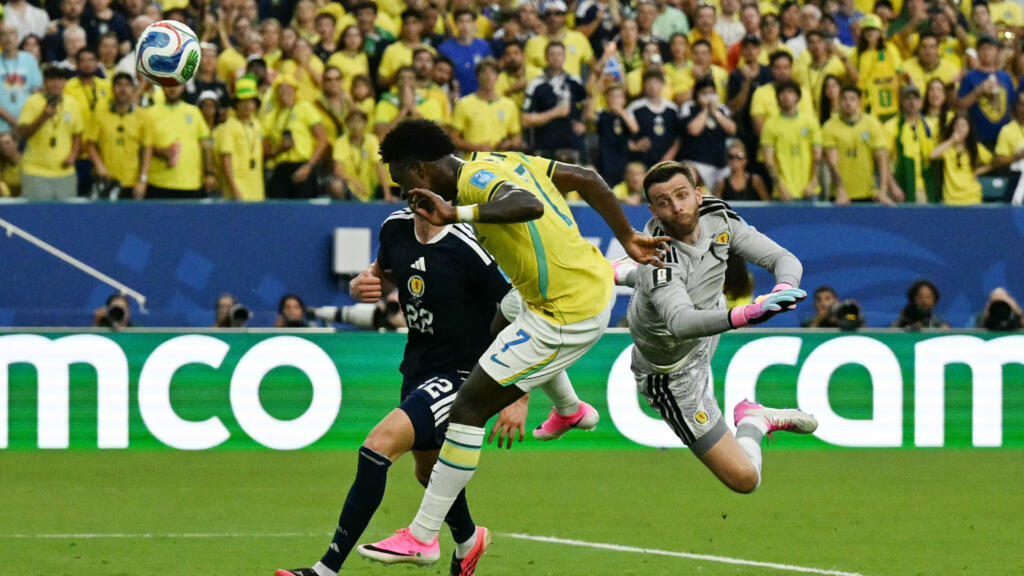
Real Madrid superstar Vinicius took advantage of a defensive howler to give Brazil an early lead in Miami and headed in another in first-half stoppage time.

Scotland were never really in it and Matheus Cunha got a third on the hour mark for the record five-time World Cup winners, who brought on Neymar towards the end for his first international appearance in over two-and-a-half years.
There are doubts as to whether Carlo Ancelotti’s side are genuine contenders to win this tournament but boosted by finishing top of the group they head to Texas for a last-32 tie in Houston on June 29.

Advertisement

That will be against the runners-up in Group F, which will be either the Netherlands, Japan or Sweden.

After scoring in both the opening 1-1 draw with Morocco and the 3-0 win over Haiti, Vinicius is the first Brazilian to find the net in every group game at a World Cup since Ronaldo and Rivaldo both did it in 2002.

With four goals, he is one behind Lionel Messi and level with Erling Haaland and Kylian Mbappe in the golden boot race.

Scotland, meanwhile, are at real risk of yet another group-stage elimination, as has been their fate at every previous major tournament in which they have participated — that includes eight World Cups before this year.

Advertisement

Morocco took second in Group C, with seven points but behind Brazil on goal difference, after coming from behind twice to beat Haiti 4-2 in Atlanta.

Read moreWorld Cup 2026: Morocco complete comeback against Haiti in Group C clash

Scotland come third with three points and a goal difference of minus three. They must wait to see if that is enough to finish as one of the eight best third-placed sides who advance to the last 32.

Steve Clarke’s team could not recover from conceding inside two minutes in their last outing against Morocco in Boston, and they only had themselves to blame as they once again fell behind early.

Advertisement

It was a very soft goal to concede and a nightmare for Scott McKenna, who had been brought into the defence in place of Grant Hanley.

McKenna was too casual in possession in his own box in the seventh minute and was closed down by Rayan.

Starting in place of the injured Raphinha, the young Bournemouth forward gave it to Vinicius and he rounded Angus Gunn to score.

Neymar makes comeback

Scotland were very lucky not to concede again in similar circumstances midway through the first half as Jack Hendry was closed down by Vinicius who went on to slot in.

Advertisement

This time, however, the goal was overturned following a VAR check by the Mexican referee, who could see that Vinicius had clipped the leg of Hendry on his way through.

But it was only a matter of time before Brazil scored again, and Vinicius headed in with the game in stoppage time at the end of the first half.

Read moreWorld Cup 2026: Bosnia boost knockout hopes after dominant win over Qatar

Once more Scotland were punished for slack play at the back with an Andy Robertson pass being intercepted inside his own area before Bruno Guimaraes crossed for the goal.

Advertisement

Scotland looked at risk of completely collapsing as Gunn had to save from Rayan just before the half-time whistle, and the goalkeeper then denied Vinicius his hat-trick soon after the restart.

Instead it was Manchester United‘s Cunha who got the third — his third of the tournament — from a Guimaraes lay-off, and Brazil could have won by more.

A consolation goal for Scotland might have been significant in their quest to reach the next round, but Alisson twice denied Scott McTominay.

Neymar, Brazil’s all-time top goal-scorer, came on for Cunha in the 76th minute to huge cheers, making his comeback after being absent from the Selecao since October 2023.

Advertisement

This was Brazil’s fourth win in five World Cup meetings with Scotland, the exception being a goalless draw in 1974.

(FRANCE 24 with AFP)

Source link

Advertisement
Continue Reading

Sports

Sorry Nigeria! Morocco Set New African World Cup Record After Thrilling Win Over Haiti

Published

on

Morocco became the most successful African nation in FIFA World Cup history after defeating Haiti 4-2 in their final Group C match on Wednesday.

The victory was Morocco’s seventh win at the World Cup, moving the Atlas Lions ahead of Nigeria, who previously held the African record with six victories.

Late goals from Soufiane Rahimi and Gessime Yassine sealed the historic win in Atlanta as Morocco came from behind twice to deny Haiti a first-ever World Cup point.

Advertisement

Morocco became the most successful African nation in FIFA World Cup history after defeating Haiti 4-2 in their final Group C match on Wednesday.Morocco became the most successful African nation in FIFA World Cup history after defeating Haiti 4-2 in their final Group C match on Wednesday.

Haiti stunned the 2022 World Cup semi-finalists by taking the lead in the 10th minute when a flick from Lenny Joseph went in off Morocco goalkeeper Yassine Bounou for an own goal.

Morocco responded through Achraf Hakimi, who levelled in the 39th minute after Haiti goalkeeper Johny Placide failed to keep out Brahim Diaz’s effort.

However, Haiti regained the lead just before half-time when Wilson Isidor scored a stunning long-range strike into the top corner.

Advertisement

Morocco hit back again in first-half stoppage time as Ismael Saibari scored his third goal of the tournament after a well-worked move involving Hakimi.

The Atlas Lions finally took control in the closing stages when substitute Rahimi’s effort took a deflection and found the net with 12 minutes remaining.

Yassine then wrapped up the victory in the 89th minute after a VAR check confirmed Rahimi had kept the ball in play before providing the assist.

The win ensured Morocco finished second in Group C behind Brazil, who beat Scotland 3-0 to claim top spot.

Advertisement

Although Morocco could not finish first in the group, the result secured another piece of history for African football. Their seventh World Cup victory is now the highest number achieved by any African nation in the competition, surpassing Nigeria’s long-standing mark of six wins.

For Haiti, the defeat brought an end to a spirited campaign. The Caribbean side, ranked 83rd in the world, exited the tournament without a point but earned praise for scoring twice against one of the strongest teams in the competition.

Morocco will now face either the Netherlands, Japan or Sweden in the Round of 32, while Haiti return home after finishing bottom of Group C.

Advertisement

Source link

Continue Reading

Sports

Matheus Cunha’s Man United gesture in Brazil vs Scotland shows his true character

Published

on

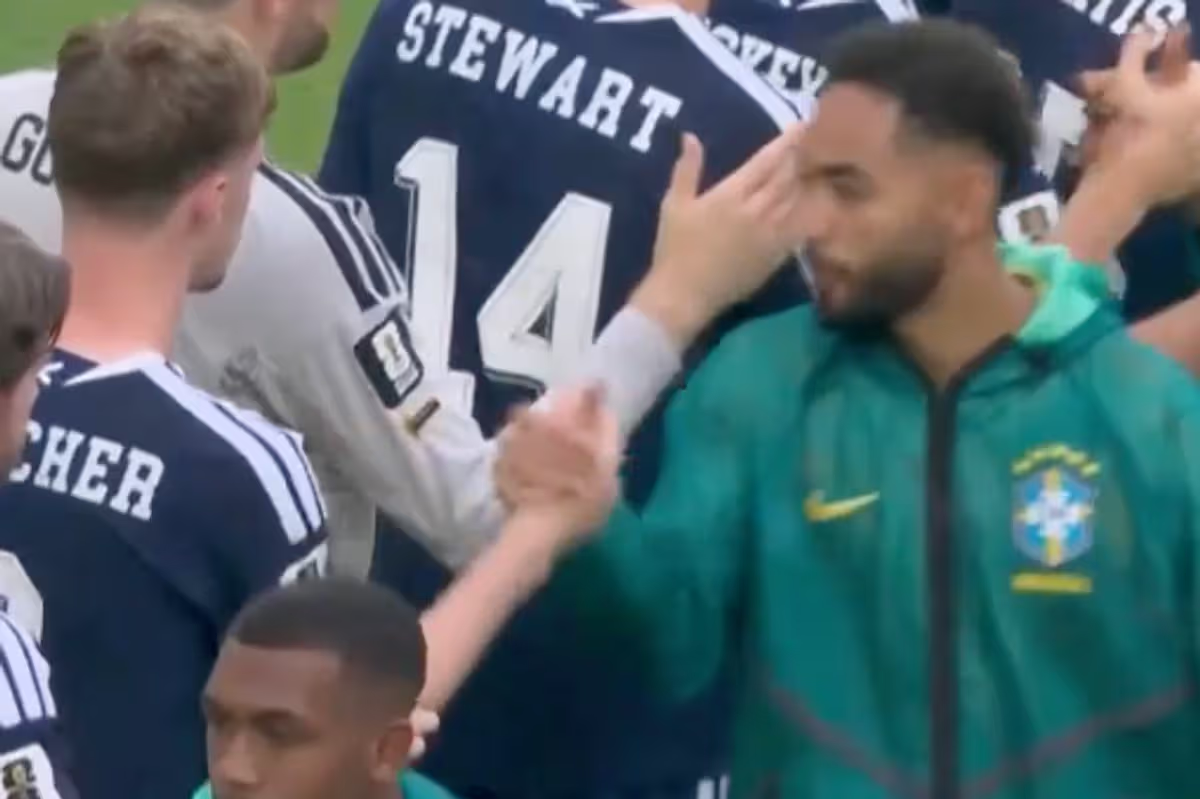
Matheus Cunha and Tyler Fletcher were on opposing sides for Brazil’s World Cup meeting with Scotland on Wednesday night, and the two Manchester United players had contrasting evenings

Matheus Cunha was reunited with Manchester United youngster Tyler Fletcher in a wholesome moment during Brazil’s World Cup clash with Scotland in Miami. Cunha’s side came out on top, with Brazil winning 3-0 to secure top spot in Group C.

For Scotland, it was a damaging night, leaving them dependent on results elsewhere to squeeze into the round of 32 after finishing third in their group. Steve Clarke’s side won’t know their fate until around Sunday, with teams in other groups still having one match left to play.

Advertisement

The expanded 48‑team format means only the top eight third‑placed sides progress and the Tartan Army have only themselves to blame after costly defensive errors. Scott McKenna’s early mistake gifted Brazil a seventh‑minute opener, finished by Vinicius Junior, and set the tone for a punishing evening.

Get MEN Premium now for just £1 HERE – or get involved in our United WhatsApp group by clicking HERE. You can also join our United Facebook page by clicking HERE and don’t miss out on our brilliant selection of newsletters HERE.

The Real Madrid star then struck again on the brink of half‑time, and Cunha added another to seal the win. It was the United attacker’s third goal in as many games.

Prior to the match, the players exchanged the usual handshakes but Cunha made a point of giving Fletcher a special greeting, offering a warm hug.

Advertisement

The heartwarming moment sparked plenty of reaction from fans on X.

One United supporter wrote: “United brotherhood,” while another added: “Lovely indeed. Teammates now facing each other in a fierce battle.”

A third simply commented: “Lovely moment that.”

Advertisement

However, Fletcher didn’t feature after being called-up to replace Napoli star Billy Gilmour who was ruled out of the World Cup with a knee injury suffered in Scotland’s final home friendly before the tournament.

As Scotland’s campaign edges towards an early finish, Fletcher, who only made his debut in a friendly against Curacao in May, may not get the chance to appear on the biggest stage.
The 19‑year‑old has been named on the bench for the Tartan Army’s last three matches against Haiti, Morocco and Brazil.

Get the latest World Cup news straight to your inbox by signing up to our Make Football Great Again newsletter now!

Advertisement

Cunha, meanwhile, made way for Neymar in the 76th minute after earning a second consecutive start under Carlo Ancelotti. Neymar made his first appearance of the tournament, having recently recovered from a calf injury.

Brazil have qualified for the knockouts and, as it stands, will face Japan in the round of 32.

Source link

Continue Reading

Sports

Save *BIG* on 100s of items during this limited-time sale

Published

on

Source link

Continue Reading

Sports

USMNT’s Mauricio Pochettino teases heavy rotation for World Cup clash against Turkiye

Published

on

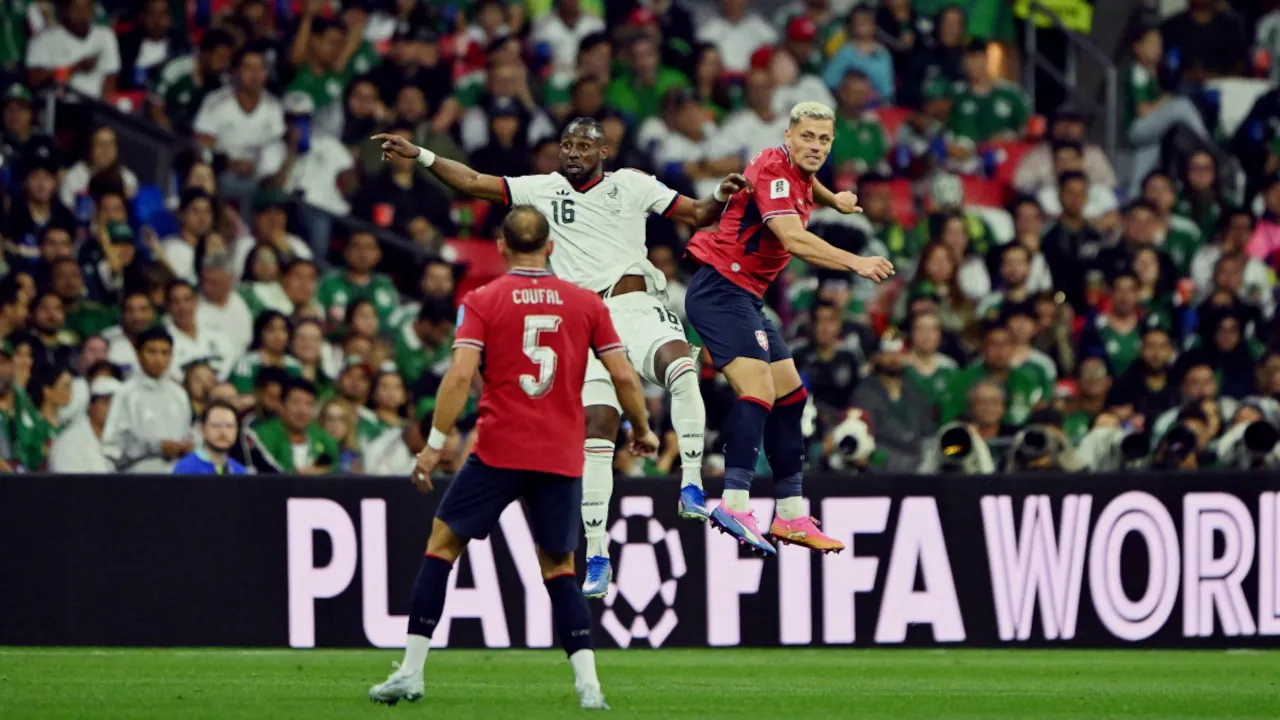
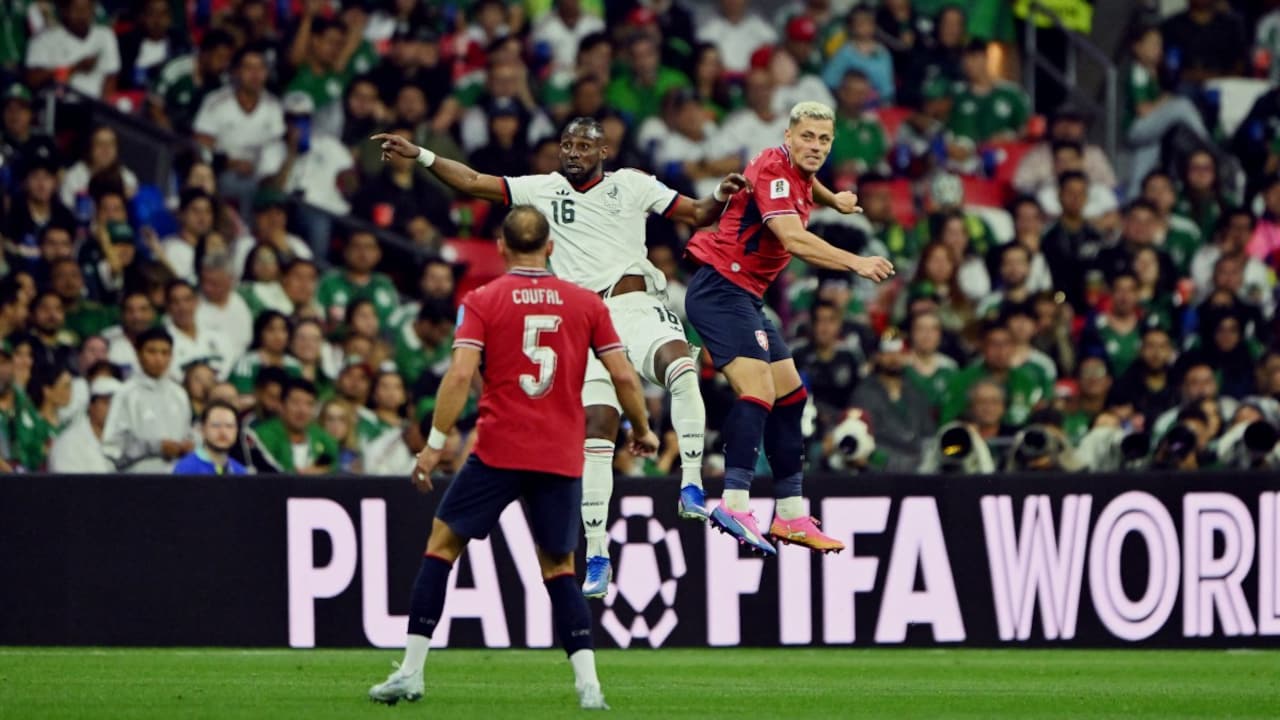
INGLEWOOD, Calif. – U.S. men’s national team head coach will name a rotated starting lineup for Thursday’s World Cup game against Turkiye, their Group D finale a dead-rubber match after they already topped the group and their opponents were already mathematically eliminated.

Pochettino’s decision was chiefly influenced by the fact that four players carry yellow cards into Thursday’s game at SoFi Stadium – defenders Chris Richards and Antonee Robinson, midfielder Tyler Adams and forward Folarin Balogun. Another booking against Turkiye would mean they would be suspended for the USMNT‘s round of 32 match on July 1 against an opponent that is yet to be determined.
“I think it’s an easy answer for the guys that have yellow cards,” Pochettino said in his pre-match press conference on Wednesday “I think it’s unnecessary to take a risk and then [they] take another yellow card and be not available for the next stage and I think that is a little bit [of a] normal and easy answer not to play with them from the beginning.”

There are also still fitness questions around two other players, forward Christian Pulisic and midfielder Cristian Roldan. Pulisic declared himself fit on Wednesday and has completed three days of training this week, doing so after picking up a calf issue that resulted in his halftime substitution in a 4-1 win over Paraguay on June 12 and ensured he would miss out on Friday’s 2-0 win over Australia. Roldan, meanwhile, is dealing with a muscle strain that has been described as day-to-day. He has not trained all week but Pochettino said further consultation with the medical staff is required before deciding on a role for both players against Turkiye.

Advertisement

“Cristian Roldan, we need to assess tomorrow if he can be available,” Pochettino said. “Small issue in his quad but I think it’s evolving really well. If he’s not [fit] for tomorrow, hope [he can be] for the next week and Christian Pulisic is now talking with the medical area. He’s available and then we need to decide if it’s possible to play the full game [or] be on the bench and have the [possibility] maybe to play in the second half.”

Pochettino’s decisions mean several spots will be open for grabs on Thursday, the game providing an important opportunity to prove they should be starters once the knockout stages begin. It also offers the coach a chance to roll out one final experiment after nearly two years of tinkering with his personnel and his tactics. That is especially true in midfield – Adams is an anchor of the U.S. midfield and the team has routinely struggled without him in the build-up to the World Cup. There is no true backup for him, either, and the calculation changes if Roldan is unable to play. Pochettino insists he has options, though, and a wide variety of them.

“When we talk about midfielders, it was like it was compulsory to play with a holding midfielder, a defensive, holding midfielder but when you see Spain or different teams, they don’t play with a defensive midfielder,” Pochettino said. “They play with players that play really well, midfielders that understand the game and for us, it’s about balance but of course, we have players that we can [be] involved – play like a midfielder, deep, and then progress. I think the most important is in the philosophy and your ideas. If you want to pass the ball and dominate the opponent, you need players that can play and understand the game in space, not the positional game.

“I think we have plenty of players like Gio Reyna or Weston McKennie or Sebastian Berhalter or Malik Tillman – even players like [defenders] Sergino Dest or Joe Scally or even Auston Trusty. In some moments in our system, in our build-up, they can go to the middle and they are very good players that understand positional game and what they need to do. I think we are good and it’s not going to be a problem.”

Advertisement

Berhalter seems most likely to get the nod in midfield, while forward Ricardo Pepi seems poised for a second straight start after a successful outing in Pulisic’s place against Australia. Defender Max Arfsten seems most likely to fill Robinson’s place while Pochettino is inclined to go a few different ways on Richards’ spot – Mark McKenzie started alongside Tim Ream and Alex Freeman in their penultimate friendly before the World Cup, a 3-2 win over Senegal, while Miles Robinson filled in during the subsequent game, a 2-1 loss to Germany.

Source link

Advertisement
Continue Reading

Sports

Do FIFA really profit from WC hydration breaks? Infantino clears the air | FIFA World Cup 2026

Published

on


For the first time in World Cup history, hydration breaks have become a mandatory feature of every match at the 2026 FIFA World Cup. Regardless of whether games are played in extreme heat, inside climate-controlled stadiums, or in cooler evening conditions, referees are required to stop play twice per match for three-minute breaks.


Officially, the policy exists to protect player welfare and ensure equal conditions across all matches. Unofficially, however, the breaks have triggered one of the tournament’s biggest off-field debates.


Advertisement


Are hydration breaks genuinely about player safety, or have they quietly become valuable commercial inventory in football’s biggest event?


FIFA’s Position: “This Is Not A Financial Issue”


Advertisement


Facing growing criticism from fans and players, FIFA president Gianni Infantino directly addressed the controversy.


“There is no additional revenue for FIFA, as all commercial agreements were signed well in advance,” Infantino said.


Advertisement


“This is not a financial issue for us. For us, it is purely a sporting matter.”


According to FIFA, the breaks were introduced primarily because of the climate challenges posed by a summer tournament spread across the United States, Canada and Mexico.


Advertisement


Infantino argued that the policy is about consistency rather than temperature alone.


“What matters even more to us is ensuring that all teams, in every match, are playing under the same conditions.”


Advertisement


He added: “We want to ensure equal conditions for everyone and that’s why these breaks are implemented in every match.”


From FIFA’s perspective, allowing breaks only during hotter matches would create unequal tactical opportunities for coaches and players. 


Advertisement


Why Fans Remain Skeptical?


The skepticism stems from one unavoidable reality.


Advertisement


Television broadcasters have quickly turned hydration breaks into advertising windows.


In countries such as the United States, commercial breaks regularly appear during the stoppages. Industry estimates suggest a 30-second World Cup advertising slot on Fox Sports costs between $200,000 and $300,000 during regular matches, rising significantly for USA games and knockout fixtures.


Advertisement


With four advertising opportunities potentially available during every match, the breaks have created hundreds of additional commercial slots throughout the tournament.


That has led many supporters to wonder whether FIFA is indirectly benefiting even if it is not directly receiving extra payments.


Advertisement


Critics argue that while FIFA may not earn additional revenue from pre-existing contracts, broadcasters and commercial partners are undoubtedly extracting more value from the tournament.


The optics have led some fans to compare football’s hydration breaks to timeouts commonly seen in American sports.


Advertisement


Players with divided opinions


Not everyone inside the game is convinced the breaks are necessary in every match.


Advertisement


Several leading players have openly questioned the universal approach.


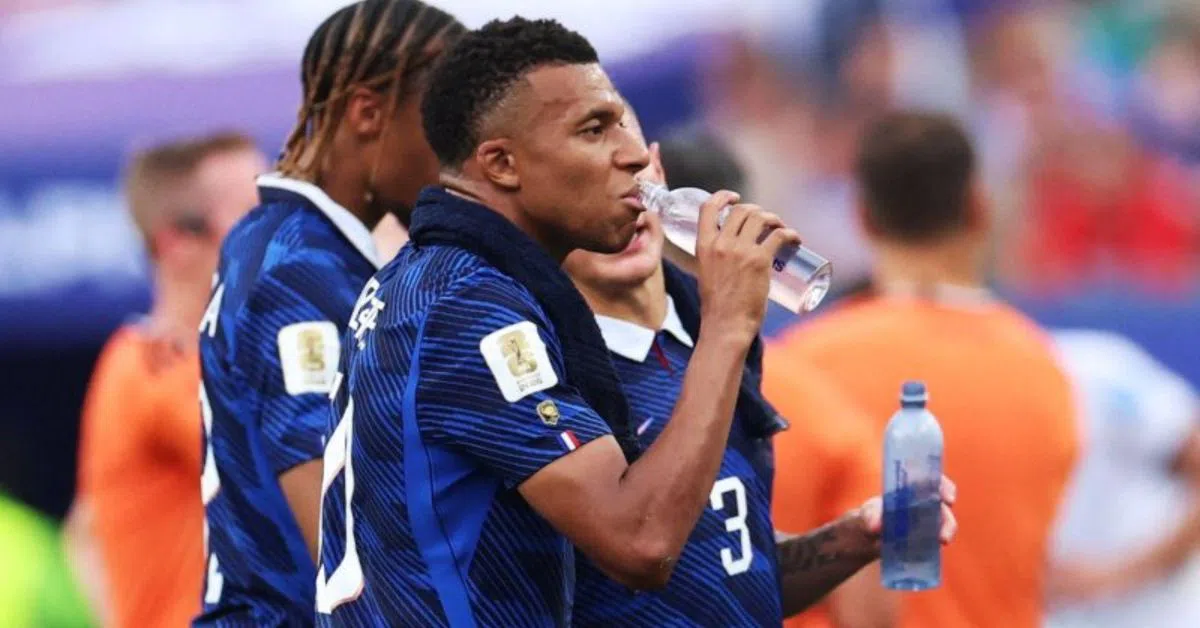
French superstar Kylian Mbappe has reportedly expressed concerns that the stoppages interrupt momentum, particularly when one team is dominating possession and building pressure.


Advertisement


Liverpool defender Virgil van Dijk has similarly suggested that conditions should be assessed on a case-by-case basis rather than applying the rule universally.


Belgium midfielder Youri Tielemans also questioned whether breaks are needed during matches played in cooler conditions. For many players, the issue is not hydration itself but the loss of rhythm in a sport built around continuous flow.


Advertisement


Coaches Have Discovered An Unexpected Advantage


While some players dislike the interruptions, many managers have quickly recognised their strategic value.


Advertisement


Hydration breaks effectively provide coaches with two additional opportunities per half to communicate directly with players during live matches.


England manager Thomas Tuchel admitted the pauses have had a bigger influence than he expected. “They change the characteristic of the match more than I thought.” Mexico coach Javier Aguirre has embraced them as football’s version of an official timeout.


Advertisement


France manager Didier Deschamps has gone even further, describing the breaks as turning matches into something resembling four quarters rather than two halves. The result is a subtle but significant shift in football tactics.


Managers can now reorganise shape, deliver instructions and adjust game plans without waiting for half-time.


Advertisement


The Commercial Reality


The truth likely lies somewhere between FIFA’s explanation and the concerns of critics.


Advertisement


There is currently no evidence that FIFA negotiated hydration breaks specifically to generate new revenue streams. Infantino’s claim that commercial agreements were signed before the tournament appears credible.


However, that does not mean the breaks lack commercial value.


Advertisement


Broadcasters are undeniably benefiting from the extra advertising inventory. Sponsors gain additional visibility. Networks gain more flexibility in scheduling commercials.


Even if FIFA is not directly earning extra money from the stoppages, the wider World Cup ecosystem is monetising them. That distinction may be technically correct from FIFA’s standpoint, but it has done little to silence criticism.


Advertisement


A Rule that may outlast 2026


The larger question is whether hydration breaks remain a temporary solution or become a permanent feature of major tournaments.


Advertisement


Climate concerns are unlikely to disappear. Summer temperatures continue to rise, and future World Cups may face similar challenges.


At the same time, coaches are discovering tactical advantages, broadcasters are finding commercial benefits, and governing bodies are seeing operational value in standardised match management.


Advertisement


For now, FIFA insists the breaks exist solely to protect players and create equal conditions.


But as television networks continue to sell advertising around those stoppages and coaches increasingly use them as strategic timeouts, the debate over whether hydration breaks are about welfare, tactics or commerce is unlikely to disappear anytime soon.

Source link

Advertisement
Continue Reading

Trending

Copyright © 2025