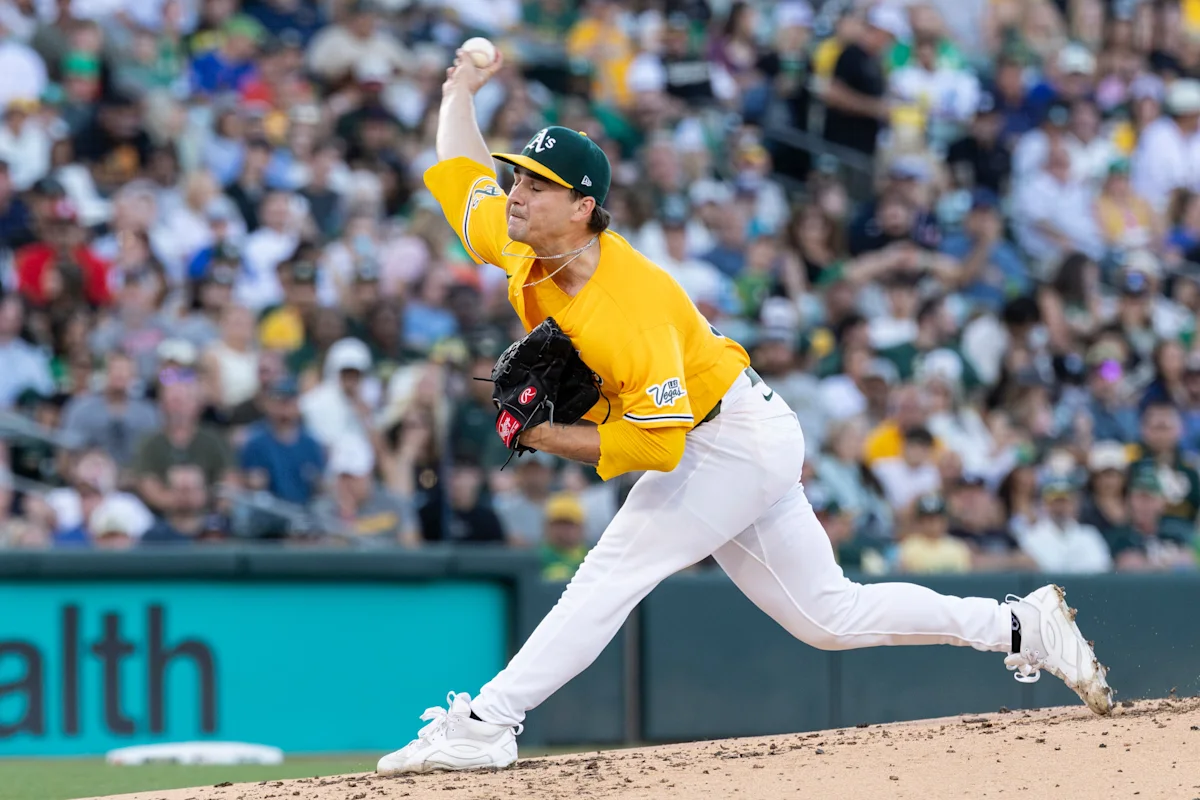
Ginn (8-6) allowed one hit in 6 1/3 scoreless innings. He struck out seven and walked three.
Advertisement
The 27-year-old right-hander retired 19 of the first 22 batters he faced and lost his bid for a no-hitter when Keibert Ruiz lined a clean single to center field with one out in the seventh.
After that, Ginn was pulled by manager Mark Kotsay and received a standing ovation.
Ruiz also singled in the ninth and scored on Jorbit Vivas‘ sacrifice fly. Vivas, an infielder, pitched for the Nationals for the second consecutive night. He worked the eighth inning and allowed one run, one hit, one walk and a hit batter.
Advertisement
Advertisement
Wilson and Soderstrom each scored three times. They both homered off starter Zack Littell (7-7), who gave up eight runs, eight hits and four walks in six innings.
Wilson and Jeff McNeil each had three of the Athletics’ 13 hits.
EAST RUTHERFORD, N.J. — Expect some goals in the World Cup final. At least, that’s what history says.
In the 22 previous World Cup men’s finals (which would include the 1950 match between Uruguay and Brazil that technically wasn’t a final, but decided who won the World Cup), the winning team has averaged 2.6 goals in the title matchup. The losing team has averaged 1.1 goals.
The two most recent World Cup finals have been offensive slugfests, with a combined 12 goals. France beat Croatia 4-2 in 2018, while Argentina and France tied 3-3 in 2022 (before Argentina prevailed in a penalty shootout).
Teams scoring at least two goals have won the World Cup title 17 times; there have been eight instances of a team scoring at least two goals in the final and still falling short.
Advertisement
There have been three 1-0 wins: West Germany over Argentina in 1990, Spain over Netherlands in 2010 and Germany over Argentina in 2014. And there was one 0-0 tie in a final; Brazil wound up winning over Italy in a penalty shootout the 1994 final, which had been the only one played on U.S. soil before now.
Scaloni looking to join elite club
If Argentina wins Sunday, Lionel Scaloni — who led the team’s push to the 2022 title — would be just the second person to coach two World Cup championship clubs.
Italy went back-to-back as World Cup champions in 1934 and 1938, with both those clubs coached by Vittorio Pozzo.
Advertisement
Nobody else has two titles as a coach. There are three men — Brazil’s Mário Zagallo, West Germany’s Franz Beckenbauer and France’s Didier Deschamps — to have won World Cups as both a player and a coach.
When he takes the field Sunday, Argentina star Lionel Messi will be the oldest field player to appear in a World Cup final.
Messi is 39. Sweden’s Gunnar Gren was 37 when he played against Brazil in the 1958 final.
The only player older than Messi to play in a final was Italy goalkeeper Dino Zoff — who was 40 when his club beat West Germany for the 1982 crown. But among field players, Messi will stand alone as the oldest after Sunday.
Advertisement
Messi is also in position to join Brazil’s Cafu as the only person to play in three World Cup men’s finals. And since Cafu was a reserve in one of his appearances, Messi would be the first to start the title game on three occasions.
For Spain, youth may be served. Experience may, too.
Youth may be served by Spain in this World Cup final. And if La Roja prevails, experience would also have paid off.
It’s an interesting mix.
Advertisement
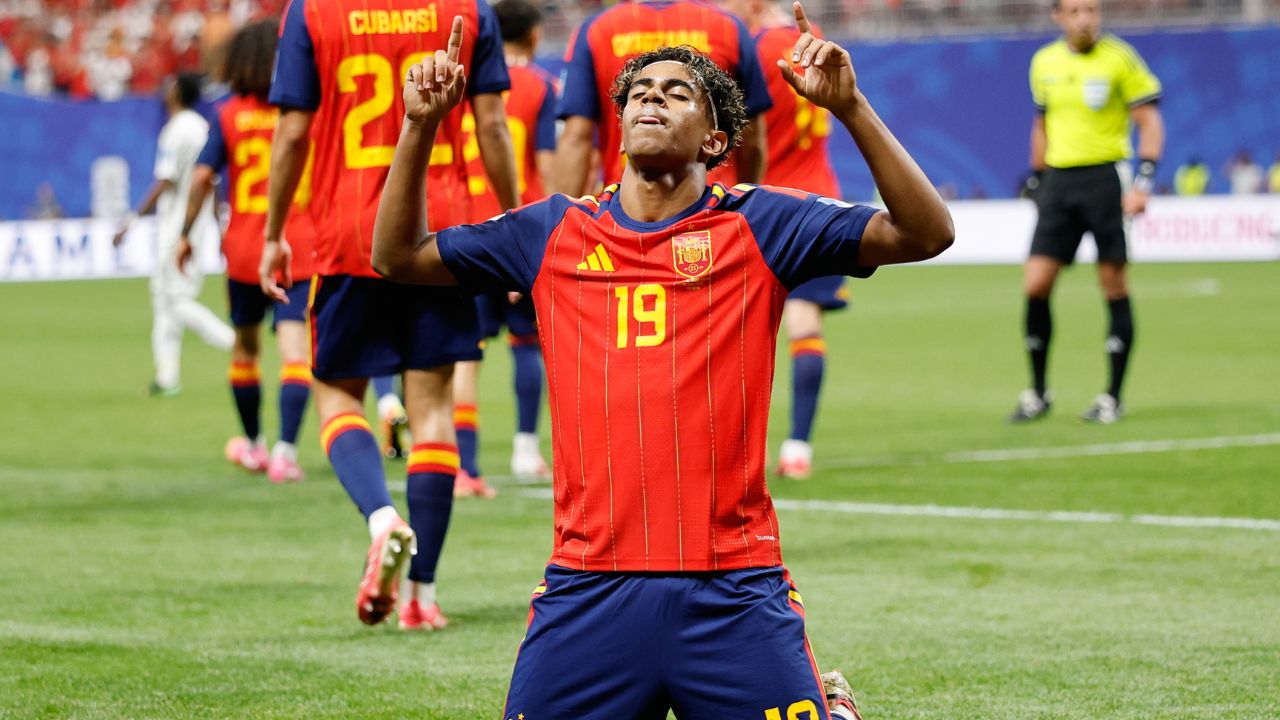
Spain is slated to have two teenagers — Lamine Yamal and Pau Cubarsí, a pair of 19-year-olds — play Sunday against Argentina in the World Cup final, and no team has ever had more than one teen in the lineup and won the title.
So, that’s the power of youth.
Here’s the flip side of that: If Spain wins, coach Luis de la Fuente — who is 65 — would become the oldest World Cup-winning sideline boss, passing Vicente del Bosque, who was 59 when Spain won its first title in 2010.
For the record, teenagers enter Sunday unbeaten in World Cup finals, according to FIFA, which says only three have ever played in soccer’s biggest game. Pelé was 17 when he helped Brazil win the final over Sweden in 1958, Giuseppe Bergomi was 18 when Italy beat West Germany in 1982, and Kylian Mbappé was 19 when France beat Croatia in 2018.
Advertisement
Spain seeking record streak
Spain is 28-0-9 in its last 37 matches, which has tied Italy for the longest unbeaten run by a European men’s national team.
Italy also went 28-0-9 from October 2018 through September 2021 — before losing to Spain 2-1 on Oct. 6, 2021 in Milan.
Argentina has a streak worth noting as well. It has won seven consecutive World Cup matches, tied with Italy for the second-longest such run in men’s tournament history. Only Brazil, which won 11 straight spanning 2002 and 2006, has a longer World Cup winning streak.
Advertisement
The game is just the second head-to-head meeting in a World Cup between Argentina and Spain. Argentina won 2-1 in the 1966 group stage.
Across all competitions and friendlies, the sides have played 14 times. Each has won six times and they tied twice.
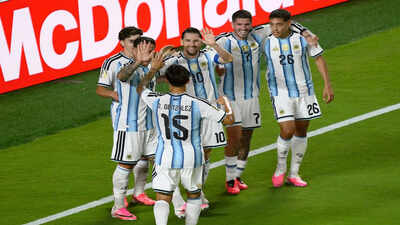
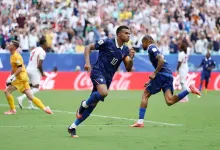
Argentina’s Lionel Messi (10) celebrates with teammates (AP Photo)
Brazil legend Ronaldo Nazario believes Spain will have too much quality for defending champions Argentina in the FIFA World Cup 2026 final, backing Luis de la Fuente’s side to secure a comfortable victory over Lionel Messi‘s team. Spain and Argentina will meet at the New York, New Jersey Stadium on Sunday in the 104th and final match of the expanded tournament. La Roja head into the showpiece unbeaten in 37 matches and having conceded just one goal in seven World Cup outings, while Argentina are chasing a fourth world title and hoping to become the first men’s team since Brazil in 1962 to successfully defend the trophy. Speaking to ESPN Brasil before the final, Ronaldo made his prediction clear. “I think Spain will win the game – and easily,” Ronaldo said. The two-time World Cup winner explained that Spain and France had stood out as his favourites throughout the tournament. With France eliminated following a 2-0 semi-final defeat to Spain, De la Fuente’s side now have the opportunity to complete their remarkable run by lifting the World Cup. “For me, France and Spain were always the favourites,” Ronaldo said. Ronaldo believes Spain’s ability to dominate possession could prove decisive against Argentina. According to the former striker, if Spain establish an early lead, Messi’s side may struggle to find a way back into the contest. “I don’t think Argentina have the strength to turn the game around if Spain go one or two goals ahead, because Spain will have possession all the time,” he said. Spain have controlled matches throughout the tournament and are aiming to lift the World Cup for only the second time, having previously triumphed in South Africa in 2010. Argentina, meanwhile, are bidding for a fourth title in what Messi has indicated will be his final international appearance. Despite predicting a Spanish victory, Ronaldo praised Argentina’s achievement in reaching another World Cup final just four years after winning the title in Qatar, describing their campaign as an outstanding one. Ronaldo’s opinion carries added weight given his own World Cup pedigree. He won the tournament with Brazil in 1994 before starring in the 1998 edition, where he guided his country to the final and received the Golden Ball as the competition’s best player. He then completed a memorable comeback at the 2002 World Cup after recovering from serious knee injuries, finishing as the tournament’s top scorer with eight goals, including both strikes in Brazil’s 2-0 victory over Germany in the final. Across four World Cup campaigns, Ronaldo scored 15 goals in 19 appearances and remains Brazil’s all-time leading scorer in the history of the tournament.
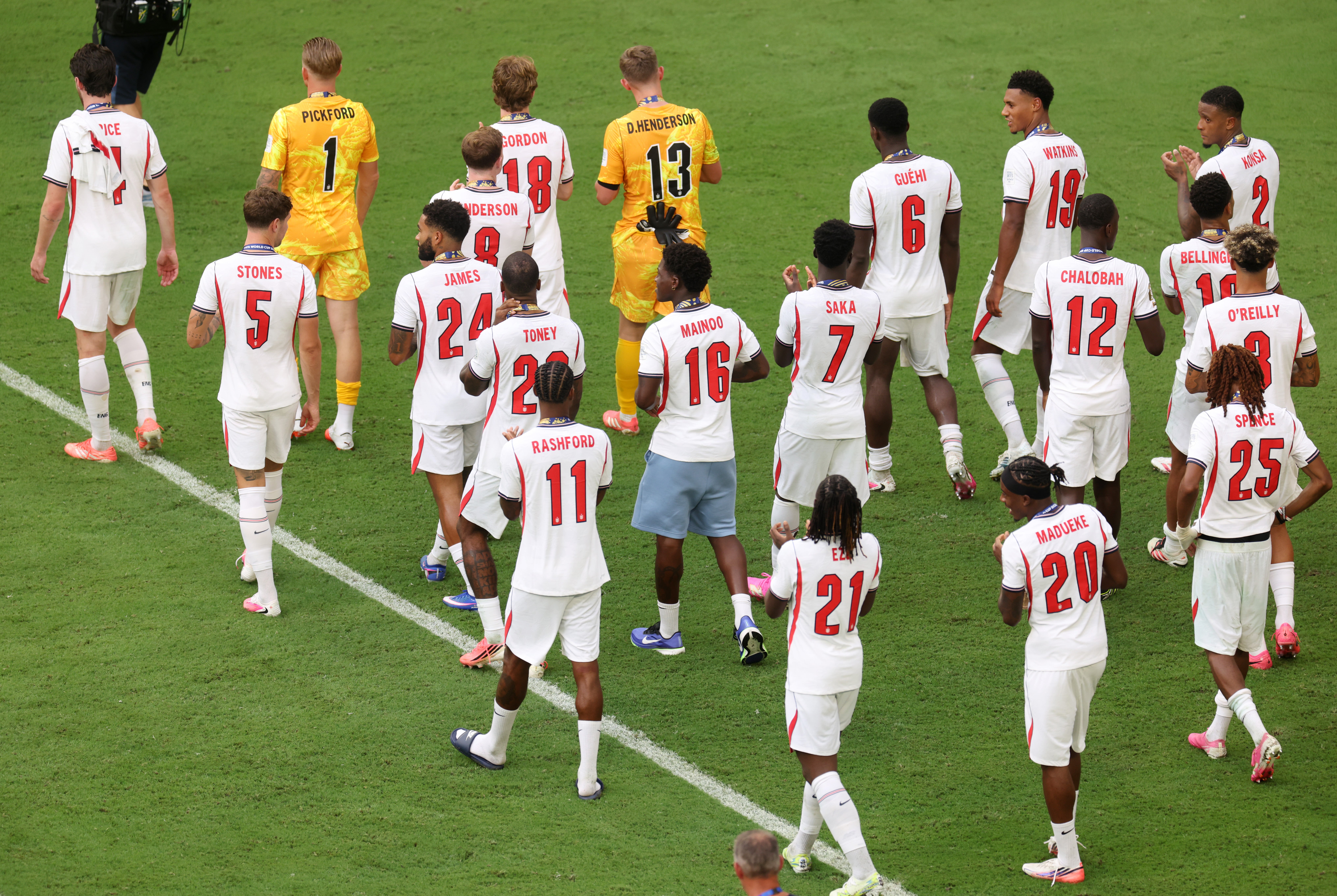
Another World Cup is in the books, and you know what that means: four more years of hurt, minimum, in England’s bid to replicate the triumph of 1966.
The Three Lions arrived in North America with a 26-man squad and a German coach in Thomas Tuchel, who led the England side at a major tournament for the first time. And on the face of it, a semi-final run (just the fourth in England’s World Cup history) was an admirable effort, with no shame in losing to reigning champions Argentina.
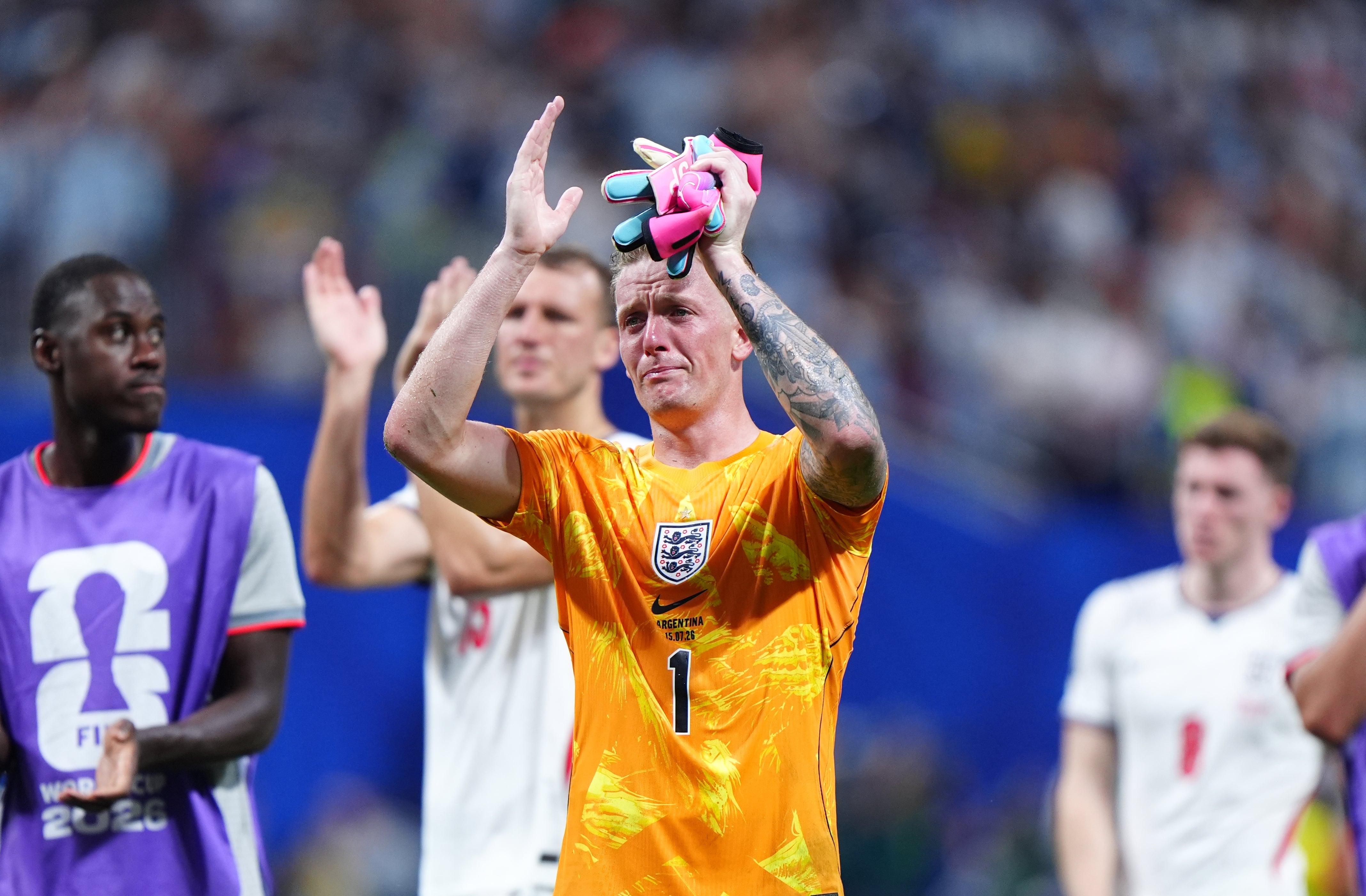
Jordan Pickford – 7/10: No howlers, but not the clean-sheet assuredness we’ve seen in tournaments gone by. In fact, Pickford leaked at least a goal in five of his seven matches and could have done better for DR Congo’s goal and Enzo Fernandez’s equaliser for Argentina. That being said, his performance against Mexico was one of his best, if not his very best, in an England shirt.
Dean Henderson – 5: How about that for a World Cup debut? The Palace stopper was handed his chance in the third-place play-off but conceded four goals to a rampant France in the second-half. In his defence, every goal was a sumptuous finish.
James Trafford – N/A: Didn’t feature at all and, deep down, probably a bit miffed he didn’t get the nod over Henderson on Saturday. However, hard to argue when you’ve been a No 2 all season. He’ll be targeting the No 1 jersey for Euro 2028 but, first, he’ll need to find a No 1 jersey in the Premier League.
Jordan Pickford only kept two clean sheets in seven games (PA)
Reece James – 6: Such a figure of frustration. When fit and available, his quality is unquestionable, both on the ball with his passing (as shown in his midfield stints) and off the ball with his strong defensive efforts. However, a hamstring issue reared its head and he missed three of England’s eight matches at a crucial time of the tournament.
Jarell Quansah – 3: Tough tournament debut. Trusted at right-back in James’ absence against Mexico, he looked assured until lunging in and receiving a red card. His subsequent two-game ban was a big blow for Tuchel amid a crisis at right-back. And, in hindsight, it was a completely needless lunge-in.
Advertisement
Djed Spence – 7: What a topsy-turvy tournament for the Tottenham defender. Down in the doldrums after a poor display against DR Congo, Spence looked brilliant as a substitute against Mexico and Norway before that starry-eyed display versus Argentina – and that tackle. His pacey recoveries bring back memories of a certain Kyle Walker.
Ezri Konsa – 6: A starter in every match apart from the semi-final against Argentina shows the trust Tuchel placed in the versatile Aston Villa defender. Grew into the tournament after a nervy start against Croatia and deserved his goal against France. Could he have been a bit sharper on an unmarked Lautaro Martinez in stoppage time against Argentina? Perhaps.
John Stones – 6: Looked really rusty against Croatia but, again, grew into the tournament as he played more. A real leader in that England dressing room too, with 94 caps to his name. And we’ll always have that “shoulder injury” dance video….
Trevoh Chalobah: – N/A: Came on in the 93rd minute against France for his only minutes of the tournament. A somewhat odd replacement for wing-back Tino Livramento, it never looked likely that Chalobah would be properly called upon.
Advertisement
Marc Guehi – 7: Oddly dropped for the opener, Guehi then featured from the Ghana game onwards and grabbed the mantle of England’s most accomplished defender. In particular, his nullifying of Man City teammate Erling Haaland set England on their way to the semis.
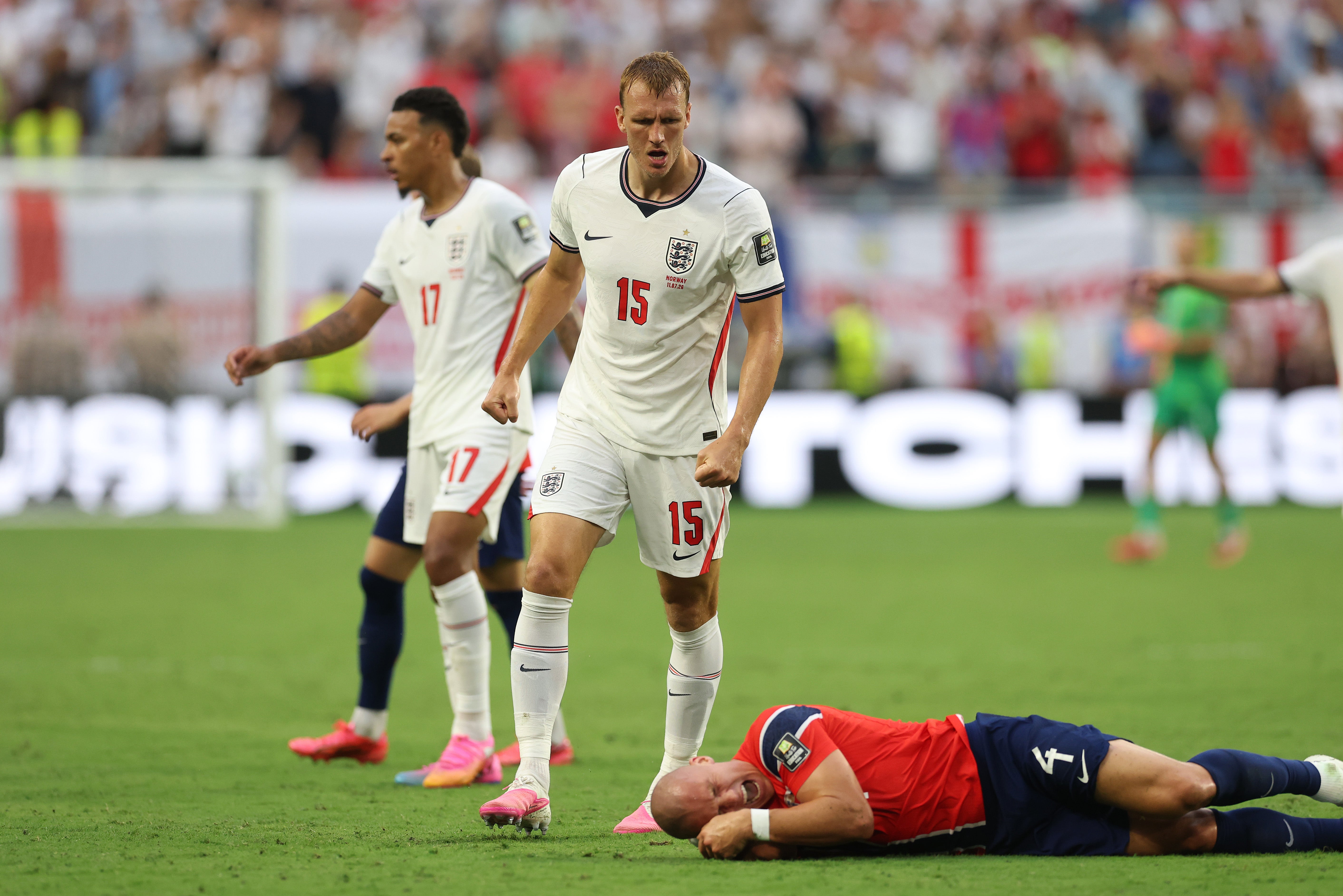
Dan Burn – 7: A cult figure amongst the fans, Burn’s substitute appearances against Mexico and Norway were iconic, forcefully winning headers and showing a level of passion to make any Englishman proud. And yet, substituting him on against Argentina just gave Lionel Messi and Co even more impetus at the end of the semi-final.
Dan Burn was a forceful presence off the bench (Getty)
Nico O’Reilly – 6: Dropped for the semi-final, O’Reilly was simply solid throughout. Never looked overawed by any occasion in his first tournament and built up a good understanding with Anthony Gordon on the left. Is it too harsh to say we expected a smidge more going forward given his Man City attacking exploits?
Elliot Anderson – 7: His first tournament with England and a promising start. Was not perfect, but his energy was something to admire, and there were touches of technical quality that were overlooked by many observers. A partnership with Rice would be trusty at future competitions, but is a different profile of midfielder needed (too?).
Declan Rice – 7: Struggled for full fitness as the tournament wore on, preventing him from being at his best, when England really needed him to be. However, he keeps a pretty strong rating here for his right-back stint against DR Congo and that impressive opening goal versus France.
Advertisement
Jordan Henderson – 2: Had the briefest cameo in a nothing spell of the game against Panama, then broke his wrist as an unused substitute against Mexico. Yes, all sympathy to him for that, and without going behind closed doors, we can’t speak to the value of his experience and leadership… but his place this summer was ultimately wasted on him.
Kobbie Mainoo – N/A: Didn’t play a single minute, raising questions over why he was brought at all. Bronze final versus France seemed a surefire moment for him to feature… only for a back injury to rule him out. Could his ability to hold the ball have helped against Argentina? We’ll never know.
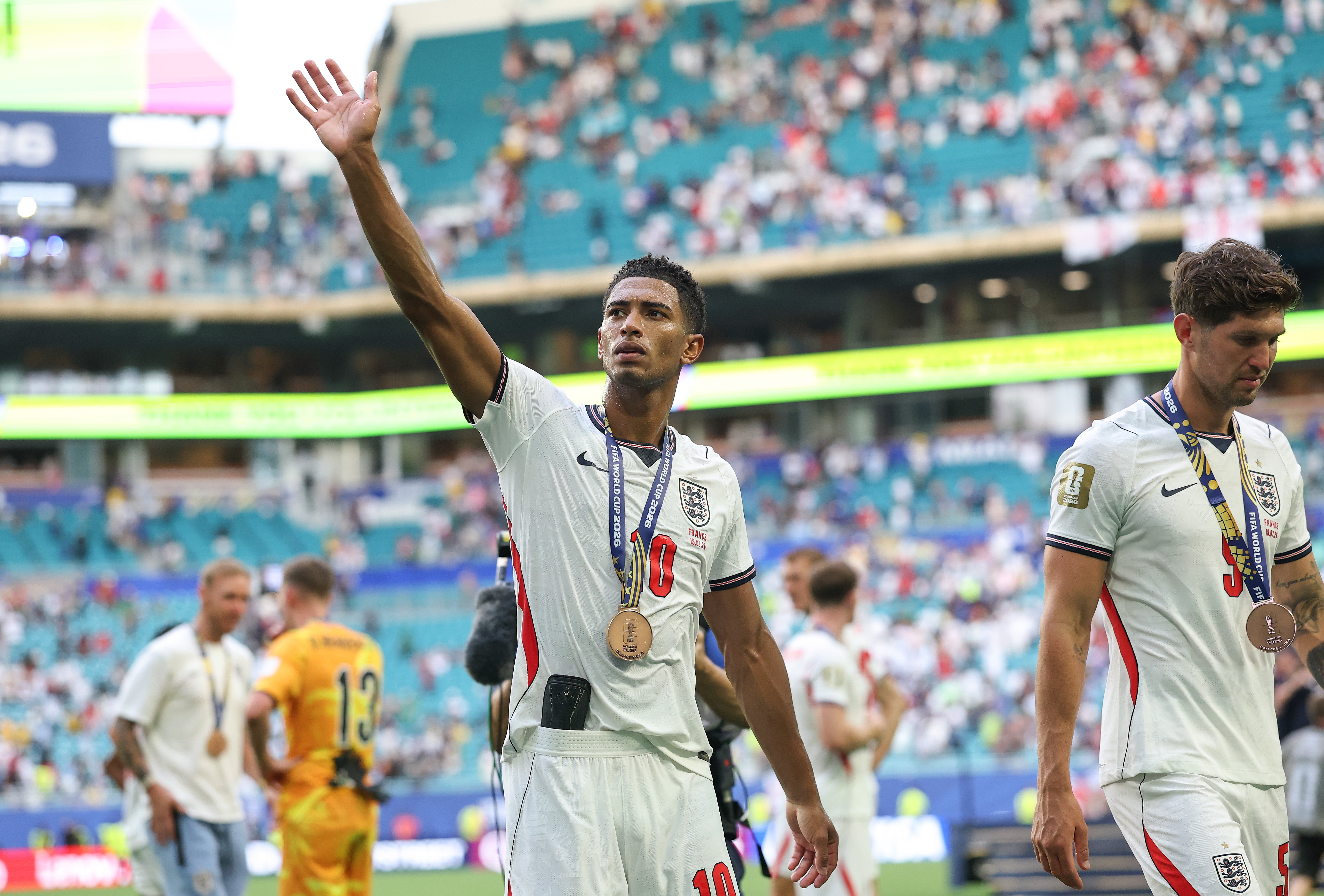
Jude Bellingham – 9: Stepped up on so many occasions, showing once again that he is the future of this team – and already more important than Kane, whose six goals he eclipsed with an all-time, English record of seven at a major tournament. His efforts were ceaseless, although that petty streak needs watching…
Bellingham signed off with a record-breaking goal in the third-place play-off (Getty)
Morgan Rogers – 6: Showed his quality with that assist for Gordon in the semi-final, which – in another world – could have taken on huge historical importance for England. His initiative to shoot from range against Norway also led to a crucial Bellingham rebound, but these moments were the extent of his contributions, as the ‘Rogers v Bellingham’ No 10 battle never got going.
Bukayo Saka – 7: Boosted his rating with that hat-trick in the thrilling 6-4 win over France, having started the tournament well with three assists to his name. However, in the heart of England’s run, he failed to make his usual mark. That was clearly down to injury struggles, though, which at times begged the question of whether he should have even been brought to the World Cup.
Advertisement
Eberechi Eze – 5: Did well against France after getting his first start of the tournament. Before that, he did not impress as a substitute, but also wasn’t given too many chances to, given Gordon grew into the competition out left and Bellingham was exceptional through the middle.
Noni Madueke – 5: There’s a temptation to go lower here, with the Arsenal winger having been actively poor against Norway, a performance that still sticks out. His tournament peaked in the opener, as he won a spot-kick versus Croatia. However, he did work hard all summer, having been tasked with more minutes than one would’ve expected, due to Saka’s injury issues.
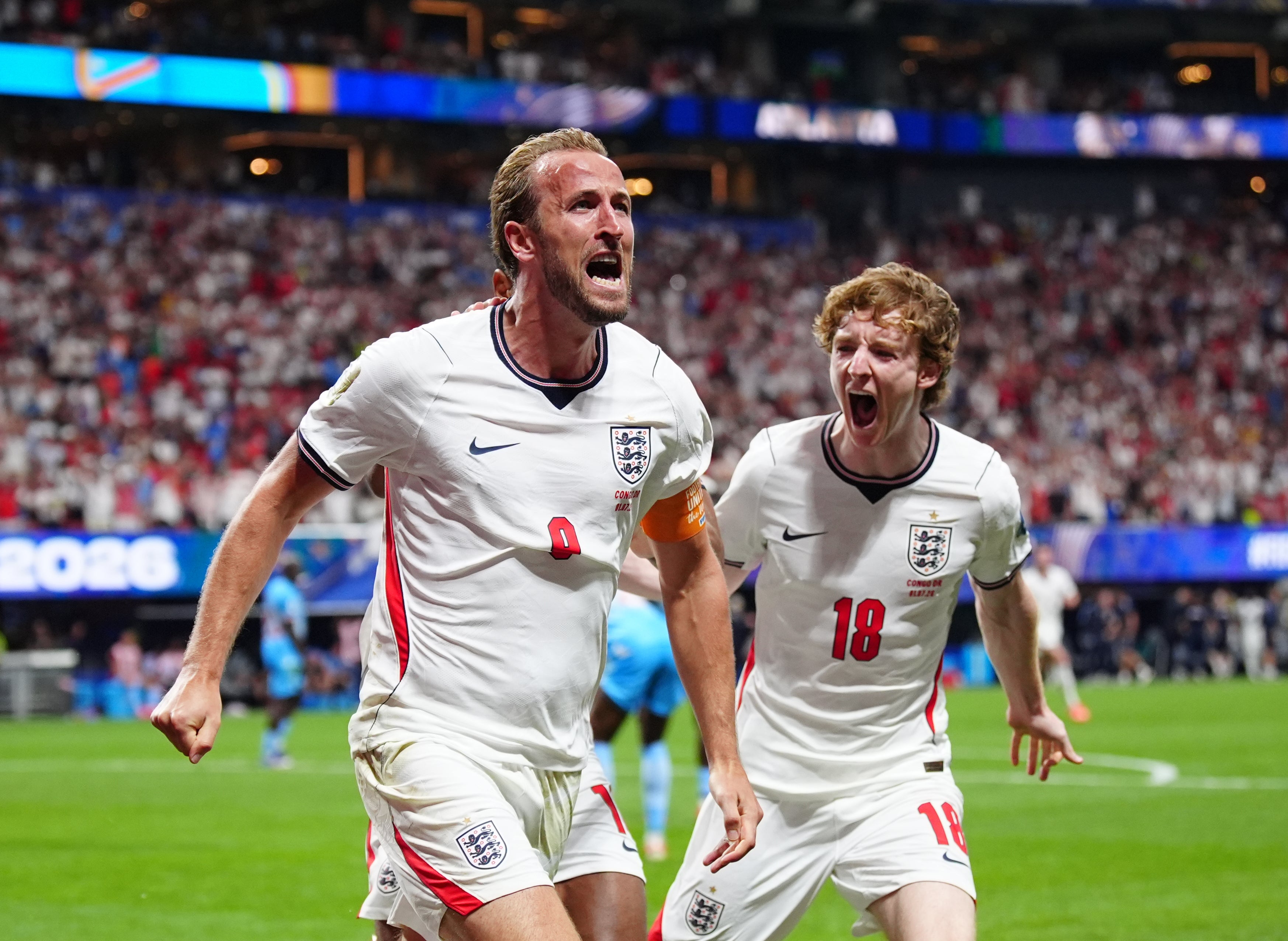
Harry Kane – 7: Given the captain notched another six World Cup goals, plus a crucial assist against Mexico, this rating may feel harsh. After all, he was the hero with a double against DR Congo, crucial with a brace against Croatia, and his penalty versus Mexico also proved essential. But Kane could not make an impact in the quarter-final versus Norway or the semi-final versus Argentina, and those misfires in the biggest moments cost him slightly here.
Kane (left) is running out of competitions to lift a trophy with England (PA Wire)
Ivan Toney – 3: A reflection of his lack of game time, not a lack of quality per se. He was barely given a few minutes at the end of the Argentina tie, and although he started against France, he was unable to get in on the many, many goals.
Ollie Watkins – 3: Again, a rating based on a lack of game time. Had a handful of minutes prior to the second half against France in the bronze final. Surely should have been given more opportunities to show his worth.
Advertisement
Marcus Rashford – 5: That clinical finish against Croatia, in England’s opener, promised so much. Rashford was a revelation off the bench in that game, but he failed to replicate that showing against Ghana, and both his minutes and impact dwindled as the tournament went on.
Anthony Gordon – 7: Deserves immense credit for turning his tournament around, having produced a couple of early performances that rightfully cost him his place in the starting XI. He won a penalty against Mexico and improved further to score against Argentina, a moment he should cherish as much as possible.
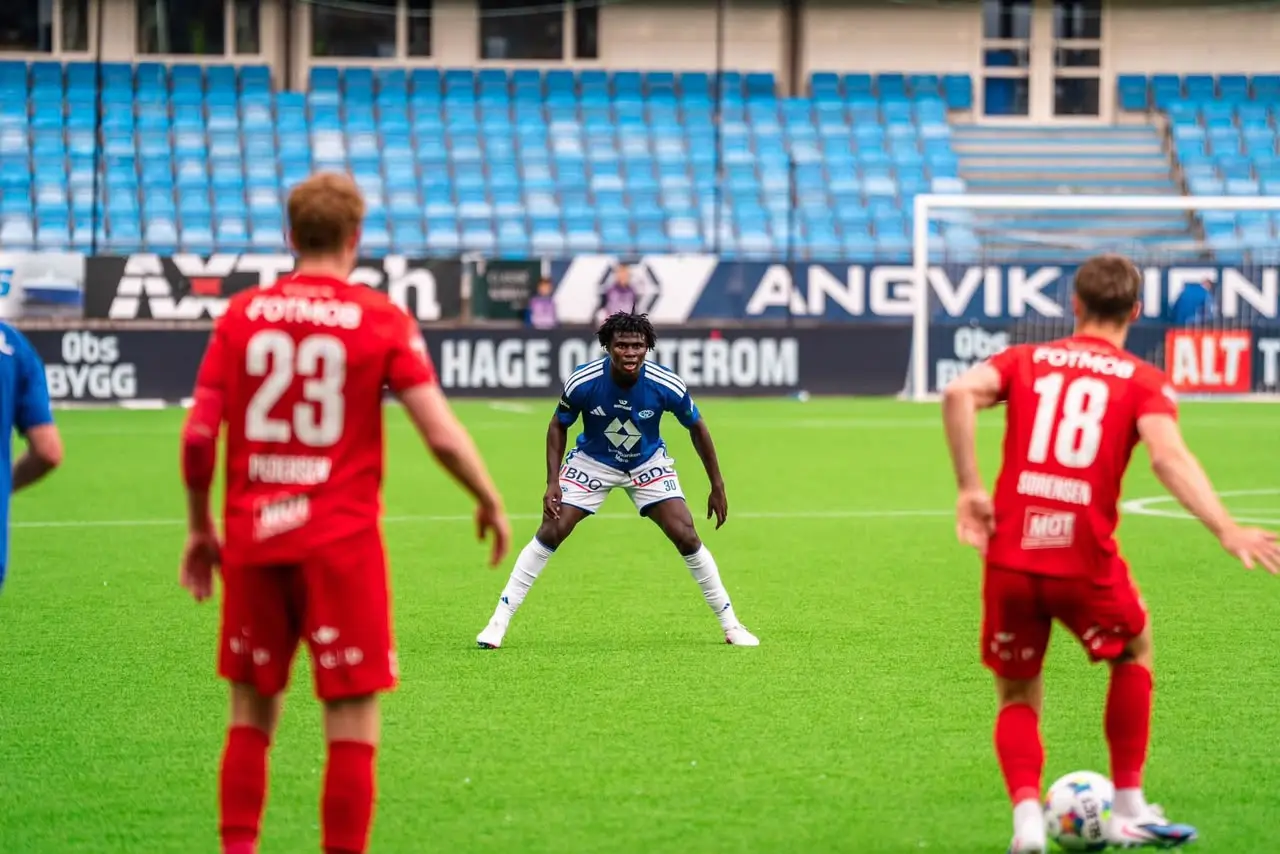
Nigerian midfielder Daniel Daga made his first Norwegian Eliteserien appearance since being cleared of sexual assault allegations, coming off the bench in the 35th minute of Molde’s 2-1 home defeat to Brann on Saturday.
The former FC ONE Rocket star replaced Vebjørn Hoff before halftime as Molde suffered their fifth league defeat of the season.
Daniel Daga (No30)
Reacting to his return, Daga wrote on social media on Sunday:
Advertisement
“Not the result we wanted, but grateful to be back doing what I love with the boys.”
Molde head coach Sindre Tjelmeland will be hoping the 19-year-old quickly rediscovers his best form as the club looks to strengthen its push for a European qualification place. The five-time Norwegian champions are currently fifth in the Eliteserien as the season approaches its halfway stage.
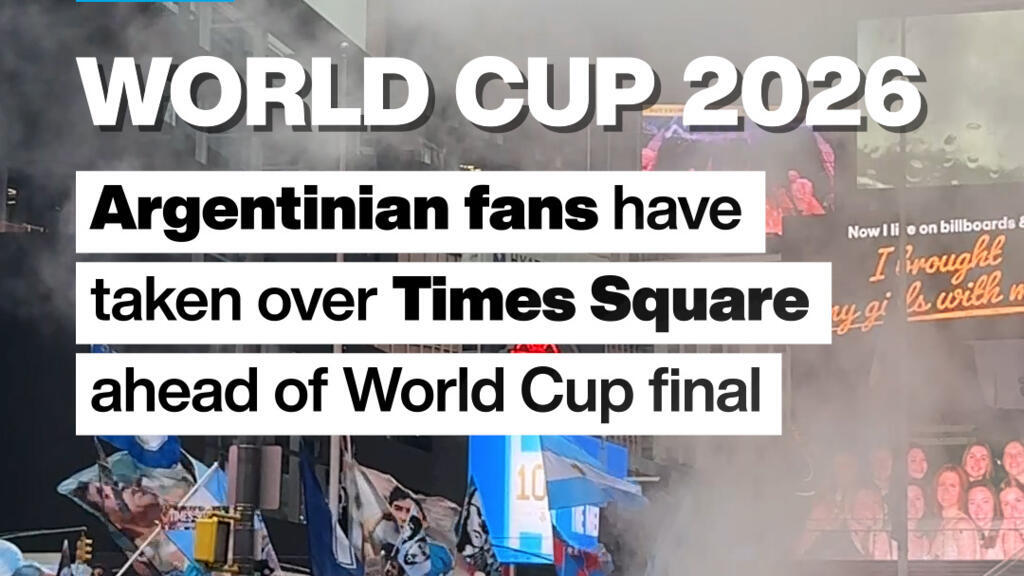
On the eve of the World Cup final between Spain and Argentina, which is set to take place in New York, Argentinian fans have gathered in the city’s iconic Times Square.
The curtain comes down on the 2026 FIFA World Cup on Sunday as Spain and Argentina battle for football’s biggest prize at MetLife Stadium in New Jersey.
Spain are chasing their second World Cup title, while defending champions Argentina are aiming to become only the third nation in history to retain the trophy after Italy and Brazil.
Road to the Final
Spain have been one of the tournament’s standout teams. After a goalless draw against Cape Verde in their opening match, Luis de la Fuente’s side have won six straight games, conceding just one goal and keeping six clean sheets.
Advertisement
La Roja reached the final with victories over Austria, Portugal, Belgium and France, including a composed 2-0 win over France in the semi-finals.
Argentina’s journey has been less straightforward, but the reigning champions have continued to find ways to win. Lionel Scaloni’s men have scored 19 goals in the tournament and came from behind to beat England 2-1 in the semi-finals.
The Albiceleste are now one win away from back-to-back World Cup triumphs and a place among football’s greatest international teams.
Advertisement
Key Battle: Messi vs Spain
Lionel Messi
All eyes will be on Lionel Messi, who is expected to play in what could be his final World Cup match. The Argentine captain is hoping to become the first player to lift the World Cup trophy twice as captain.
For Spain, teenage star Lamine Yamal has yet to dominate the tournament in front of goal, but his pace, dribbling and creativity have remained key to La Roja’s success. The Barcelona winger will be looking to produce a memorable performance on the biggest stage.
Team News
Spain have no major injury concerns and are expected to stick with the side that comfortably defeated France.
Argentina are also expected to field a full-strength squad, with Messi leading an attack that has scored at least twice in every knockout match.
Head-to-Head
The two nations have met only once at the FIFA World Cup, with Argentina claiming a 2-1 victory in the 1966 group stage.
Advertisement
Prediction
Spain have been the tournament’s most balanced team, combining a strong defence with clinical finishing, while Argentina have relied on their attacking quality and ability to deliver in crucial moments.
With both teams full of world-class talent, another close contest is expected, but Spain’s defensive solidity could prove decisive.
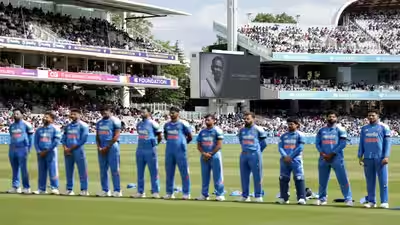
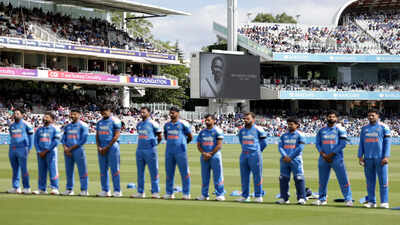
India players stand for a minute of silence in tribute to late cricketer Garfield Sobers at the start of the third ODI between England and India, at Lord’s cricket ground (AP photo)
Players from India and England paid tribute to cricket legend Sir Gary Sobers by wearing black armbands during the third and final ODI at Lord’s on Sunday, two days after the West Indies great passed away.The gesture came ahead of the series decider between the two sides at the iconic venue, with both teams honouring one of the game’s greatest-ever all-rounders. Sobers, widely regarded as one of cricket’s finest players, died on Friday, prompting tributes from across the cricketing world.The players took the field wearing black armbands as a mark of respect before the start of play in London.The tribute preceded an important contest, with India and England entering the third ODI level at 1-1 after sharing the opening two matches of the series.England captain Harry Brook won the toss and elected to bat first, backing his side to make the most of what he believed would be a good batting surface.“We’re going to have a bat today. It looks like a good surface; hopefully, we can get a decent score on the board and put them under pressure,” Brook said at the toss.England made one change to their playing XI, bringing in Josh Tongue in place of Saqib Mahmood.India were forced into multiple changes, with Jasprit Bumrah ruled out after suffering reactive swelling in his left knee following an impact injury sustained while fielding during the second ODI in Cardiff.KL Rahul returned after missing the previous match, while Prince Yadav and Arshdeep Singh also came into the side. Washington Sundar was unavailable because of injury.
Did you appreciate the tribute through black armbands by players from both teams?
India captain Shubman Gill admitted he would have preferred to bowl first.“We would have bowled. Boom misses out due to a knee injury. KL, Prince and Arshdeep come in. We were looking to play four seamers. We were in a great position and lost too many wickets,” Gill said.The Lord’s encounter also carried added significance with the ODI World Cup less than a year away. England will look to Joe Root to continue his outstanding form after unbeaten knocks of 76 and 99 in the first two matches, while India will bank on experienced campaigners Rohit Sharma and Virat Kohli to guide them to a series-clinching victory.Before the cricketing action began, however, the focus was on remembering Sir Gary Sobers, as both teams united in paying their respects to one of the sport’s most celebrated figures by wearing black armbands.
The much-anticipated final of the FIFA World Cup 2026 is all set to take place today at MetLife Stadium in New York, with defending champions Argentina taking on European champions Spain.
Both teams will be looking to create history as, if Argentina manage to win the match, they will become only the third team after Italy and Brazil to successfully defend their World Cup title.
Advertisement
On the other hand, if Spain walk away with the trophy, they will not only win their second World Cup title but also remain unbeaten in 38 straight matches, making them the team with the longest unbeaten run in football history, surpassing Italy’s record of 37 games.
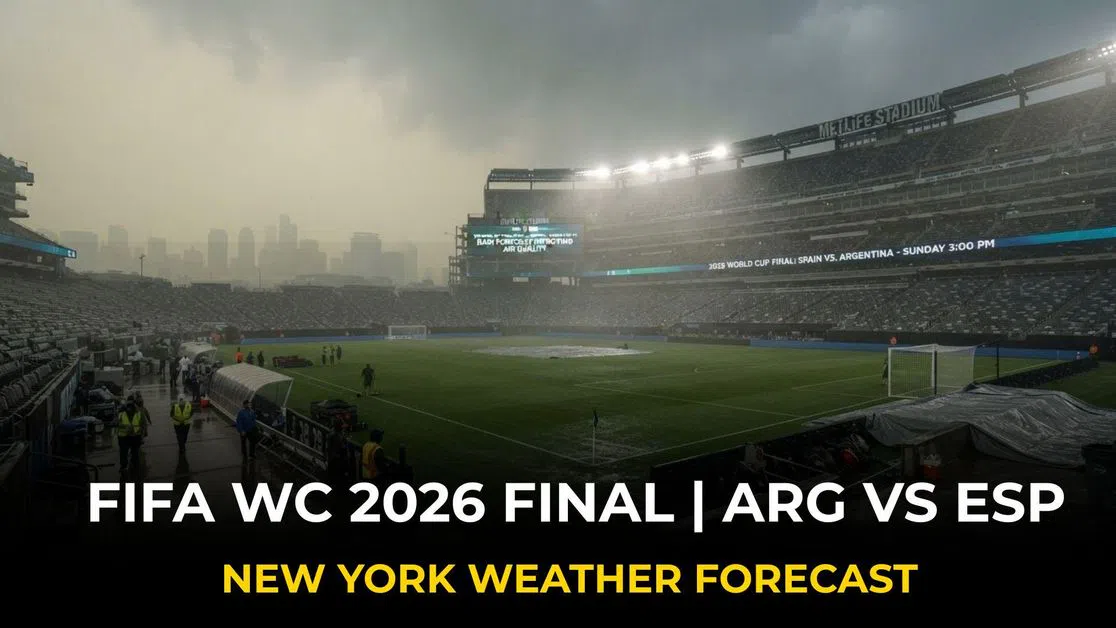
However, both teams will also have one eye on the sky as the game is expected to be affected by rain following persistent rainfall in New York over the past few days. Spain also missed one of their practice sessions on Saturday due to the rain.
New York weather forecast for the Argentina vs Spain final
Rain has been a constant feature in New York over the last couple of days, raising concerns over whether the FIFA World Cup 2026 final between Argentina and Spain could also be affected by the weather. However, the latest forecast has brought welcome news for players and fans alike.
Advertisement
According to the forecast from AccuWeather.com, conditions are expected to remain dry throughout matchday, with a 0 per cent chance of rain from morning until late evening. Skies are forecast to remain mostly sunny during the day before turning clear after sunset, significantly reducing the risk of any weather-related disruptions.
Temperatures are expected to range between 21°C and 27°C, making for comfortable playing conditions. Moderate northwesterly winds of 13-17 km/h are also forecast, while humidity is expected to steadily fall from around 75 per cent in the morning to below 50 per cent by the evening.
Advertisement
Barring any last-minute weather changes, all signs point towards ideal conditions for the FIFA World Cup 2026 final, a welcome change after the wet spell that has affected New York in recent days.
Football protocol for games during rain
Football matches generally continue through normal rainfall and, unlike cricket, rain alone is not enough to stop play. However, FIFA has strict safety protocols in place for severe weather. If lightning is detected within an 8-mile (13-km) radius of the stadium or weather conditions make the pitch completely unplayable, the referee must immediately suspend the match and order players off the field, while spectators are directed to safe areas within the stadium.
Once play is suspended, FIFA follows the 30-minute rule, meaning the match cannot resume until 30 consecutive minutes have passed without another lightning strike. If lightning is detected again during that period, the 30-minute countdown starts over, potentially leading to lengthy delays.
Advertisement
Heavy rain can also halt play if the pitch becomes waterlogged to the extent that the ball can no longer roll or bounce normally, making the game unsafe or impossible to continue. If conditions improve, the match resumes from the exact minute and score at which it was suspended.
What happens if the Argentina vs Spain final is washed out?
Unlike some other major sporting events, the FIFA World Cup final does not have a designated reserve day. If severe weather prevents the match from being completed, FIFA will not declare the game a draw or share the title between the two finalists.
Advertisement
Instead, if conditions such as lightning or an unplayable pitch force the final to be suspended, play will resume from the exact minute and scoreline at which it was stopped once it is safe to continue. Should the match be unable to resume on the same day, FIFA would typically schedule the remainder of the final for the following day rather than replay the match from the beginning.
FIFA regulations also require that the World Cup final produces a definitive winner. If the score remains level after 90 minutes, the match proceeds to 30 minutes of extra time, followed by a penalty shootout if required. Under no circumstances does FIFA award co-champions, ensuring that the World Cup trophy is always decided on the field.
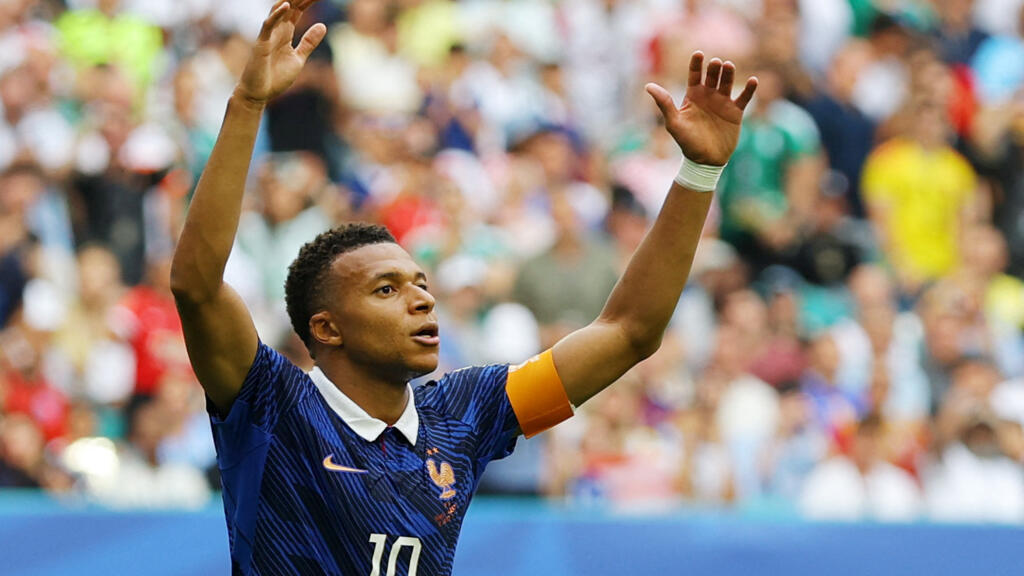
Les Bleus didn’t get the win against England in the World Cup 2026 third-place playoff on Saturday but Kylian Mbappé got a precious record. For now.
The French star became the all-time leading goal scorer in World Cup history with 22 after his second goal of his club’s third-place match against England in Miami Gardens, Florida.
Despite Mbappe’s efforts, France lost 6-4 as their attempted comeback from a 4-0 halftime deficit fell short.
Mbappé scored goals in the 48th and 66th minutes to move one ahead of Argentina great Lionel Messi.
“I’m just trying to help my team score every time,” Mbappe said after the match. “It’s for sure that when you score that many goals in the World Cup, it elevates you to certain levels but I would have liked to not be the top scorer in history and play tomorrow’s (championship) match.
Another record
“So, I think it’s good for legacy and when we stop (playing) to say that I was one of those players. But today, it’s not the first thing crossing my mind.” Mbappe also has 10 goals in this World Cup, two ahead of Messi in the competition for the Golden Boot.
Messi’s squad meets Spain in Sunday’s final in East Rutherford, N.J., meaning the Argentine star has a chance to surpass both marks Mbappe set.



















































You must be logged in to post a comment Login