

Connect with us
DAPA Banner
DAPA Coin
DAPA
COIN PAYMENT ASSET
PRIVACY · BLOCKDAG · HOMOMORPHIC ENCRYPTION · RUST
ElGamal Encrypted MINE DAPA
🚫 GENESIS SOLD OUT
DAPAPAY COMING

Tech

Archives to avatars: Famed historian is moved by Microsoft’s AI-powered Theodore Roosevelt at new library

Published

on

The lifelike avatar of President Theodore Roosevelt, which relies on artificial intelligence to answer visitors’ questions, at the Theodore Roosevelt Presidential Library in Medora, N.D. (Theodore Roosevelt Presidential Library Photo via Microsoft)

“Speak softly and carry a big prompt.”

That’s not exactly how Theodore Roosevelt put it, but presidential historian Doris Kearns Goodwin found herself face to face with an AI-powered version of the 26th president at the newly opened Theodore Roosevelt Presidential Library in Medora, N.D. — and she had questions.

Goodwin is among the high-profile visitors to interact with the lifelike, immersive version of Roosevelt that is able to discuss his life, leadership and legacy.

A week after a visit from President Trump, Goodwin joined Microsoft President Brad Smith at the library to learn how the tech giant’s AI is being used to help the institution — and the Roosevelt avatar — speak directly to future generations.

“Who better to put our avatar to the test than American historian Doris Kearns Goodwin,” Smith wrote on LinkedIn on Sunday, where he shared a video of a clearly giddy Goodwin meeting the digital Roosevelt.

Advertisement

“I’ve been wanting to meet you for such a long time,” Goodwin said. “I feel like I’ve lived with you for 10 years of my life when I wrote a first book about you.”

Goodwin asked Roosevelt questions about his relationship with JP Morgan, the changing will of the country, and how it was presumed that when he neared death, Roosevelt would still be fighting and still be in the arena.

“I never cared how’d I’d be remembered by the historians,” the avatar said. “Still swinging, still loud, still on your feet. If folks say I managed that, well, I’m glad of it.”

A Pulitzer Prize-winning biographer who has written extensively about presidents and American history, Goodwin was moved by the interaction.

Advertisement

“Wow,” she said. “It’s amazing.”

The AI works as part of Box 1, the knowledge base backbone of the museum, powered by technology Microsoft helped create. According to a July 1 Microsoft blog post, the system is loaded with hundreds of thousands of archival documents, and AI is used to “organize, enrich and reconstruct fragmented materials into searchable, contextualized historical records.”

Box 1 and AI also power The Campfire Reading Room, a digital research tool that anyone anywhere in the world can use to search through Roosevelt’s writings, letters, images and historical materials.

Microsoft donated much of its work with the library through its AI for Good Lab. The company said it plans to release a paper documenting exactly how the technology works and to open source the software used in the project.

Advertisement

As technology evolves, the library will evolve with it, Microsoft said. When more documents are added to Box 1 or as generative AI improves, the Roosevelt avatar will automatically update with the additional context.

“That’s why we call it a living library,” said Laura Hoffman, senior director of the AI for Good Lab. “One of the most challenging things for cultural institutions is to continue to keep their experiences feeling relevant and fresh. This is what’s great about AI technology: It will continue to get better and better.”

Source link

Advertisement
Continue Reading
Click to comment

You must be logged in to post a comment Login

Leave a Reply

Tech

What to watch for after Jensen Huang’s Japan visit

Published

on

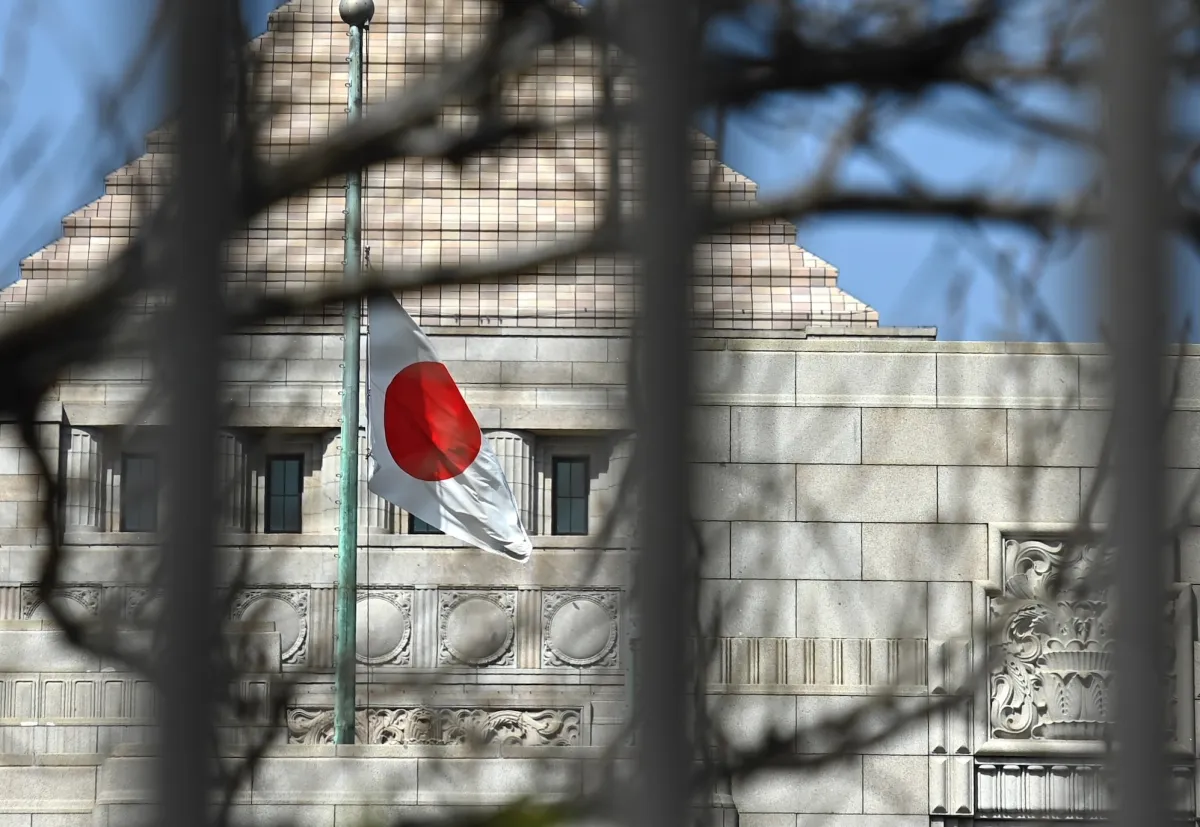
Nvidia’s chief Jensen Huang spent two days — July 15 and 16 — in Tokyo, courting Japan’s industrial and chip-supply elite, weeks after a keynote in Taiwan, and months after a visit to South Korea. He left with deals spanning Japan’s entire tech ecosystem: a national AI factory, partnerships with the country’s leading robotics companies, and agreements with the chip-material suppliers powering Nvidia’s next generation of AI chips. His message was clear. Nvidia is targeting Japan’s factory floor, and many of the country’s biggest manufacturers are joining in. AI’s next chapter, Huang said, belongs to factory floors, robots, and machines, and he wants Japan to build it.

Thirty years ago, a $5 million Sega investment helped keep a near-bankrupt Nvidia afloat; today, Nvidia and Japan’s industrial giants need each other again — this time to build the physical-AI era, starting with these three projects:

NoetraJapan’s sovereign-AI play. The country doesn’t want to run its factories and robots on American or Chinese AI. So, the government pulled together roughly 44 domestic firms, with SoftBank, Sony,  NEC and Honda at the core, to build its own AI for robots, vehicles and factory floors. Tokyo is committing up to 1 trillion yen ($6.2 billion) over five years, a bet on homegrown “physical AI”,  foundation models built to run machines. Japan wants to own the software brain. The hardware to build it, though, still comes from Nvidia. The U.S chip giant is building “a Vera Rubin AI factory”, a massive data center packed with its next-generation chips, expected to launch in 2028, with 13,750 Vera CPUs and 27,500 Rubin GPUs, delivering 140 megawatts. Noetra will oversee the effort, with plans to build the data center. Noetra’s plan runs in three stages: a reasoning model heavy on Japanese-language skills starting in fiscal 2026; an omni-modal version handling text, images, video, and audio by 2028; and “Real-world Native AI” built to run robots by 2030, released to outside Noetra developers in phases.

The robotics coalition  — Japan’s industrial giants line up behind Cosmos. Nvidia is targeting Japan’s factory floor, and many of the country’s top robotics and manufacturing players are signing on. Fanuc, Yaskawa, Kawasaki Heavy, Fujitsu, Hitachi, NEC, Sony, SoftBank, Kubota and robotics group AIRoA say they  plan to build on Nvidia’s Cosmos models, an open-model effort Nvidia started in May with a handful of global AI labs. In Tokyo, Nvidia gave them a reason to commit, unveiling Cosmos 3 Edge, a version of the model that runs on its Jetson Thor chips inside the machines themselves. Some are already testing a shared control system; others, like Honda R&D and Omron, are building on the tools now. “The next frontier of AI is in the physical world, and this is a once-in-a-generation opportunity for Japan,” Huang said in the company’s statement. “Japan invented modern manufacturing. Now, it has the opportunity to reinvent it for the age of intelligent industries.”

Advertisement

Toyota — cars and physical AI. Toyota uses Nvidia chips across much of its stack. It committed its next-generation vehicles to Nvidia’s Drive platform at CES in January 2025; the newer work extends Nvidia into its manufacturing, where simulations are used to design production lines, into the software that runs its vehicles, and into systems that read road traffic. Toyota’s cars will run advanced driver assistance, which steers and brakes but still requires a driver, a more conservative approach than Waymo and Tesla, which are developing systems that rely less on a human driver.

Huang’s visit put physical AI at the center of Japan’s industrial strategy, and Tokyo is spending to back it. Facing a shrinking workforce, Japan wants 10 million AI-equipped robots across 18 sectors by 2040, backed by $65 billion in public and private physical-AI investment.  

The longer game is bigger. Japan’s AI Robotics Strategy, released in March, aims to capture more than 30% of the global AI robotics market by 2040, a market Tokyo values at roughly ¥20 trillion, or about $133 billion.  METI is funding a domestic foundation model to run the machines, and Noetra’s Nvidia-powered factory is where models of that scale, into the trillions of parameters, would be trained. The wager is that Japan’s factory-floor data and manufacturing base can do for physical AI

Underneath the industrial case is a sovereign one. As the U.S. and China pull ahead in large-scale AI, Tokyo wants its own data, its own compute, and less dependence on infrastructure it doesn’t control. Huang appeared on July 16 alongside trade minister Ryosei Akazawa at the government’s physical-AI launch, with Prime Minister Sanae Takaichi joining by video. The Takaichi administration has made AI and semiconductors the centerpiece of a growth plan chasing ¥370 trillion ($2.3 trillion) in public and private investment by 2040. Noetra’s factory — which Nvidia bills as “the world’s first national AI infrastructure” — is the clearest bet yet. Japan’s push for independence, at least for now, rests on American chips.ndence runs on American silicon.

Advertisement

In two days, Huang sat across from nearly every name that matters in Japanese tech — the CEOs of Toyota, Fanuc, Yaskawa, Fujitsu and Kawasaki over lunch, and dozens of supply-chain chiefs over skewers and whisky in a Kanda izakaya.

It’s the same playbook he ran weeks earlier — a homecoming keynote in Taiwan, fried chicken, and a 50,000-GPU deal in Seoul last fall. This time, it was Tokyo’s turn, with the robots, the supply chain, and the chips underneath.

When you purchase through links in our articles, we may earn a small commission. This doesn’t affect our editorial independence.

Source link

Advertisement
Continue Reading

Tech

NYT Strands hints and answers for Monday, July 20 (game #869)

Published

on

Looking for a different day?

A new NYT Strands puzzle appears at midnight each day for your time zone – which means that some people are always playing ‘today’s game’ while others are playing ‘yesterday’s’. If you’re looking for Sunday’s puzzle instead then click here: NYT Strands hints and answers for Sunday, July 19 (game #868).

Strands is the NYT’s latest word game after the likes of Wordle, Spelling Bee and Connections – and it’s great fun. It can be difficult, though, so read on for my Strands hints.

Want more word-based fun? Then check out my NYT Connections today and Quordle today pages for hints and answers for those games, and Marc’s Wordle today page for the original viral word game.

Advertisement

Source link

Continue Reading

Tech

The Search for Another Earth-Like Planet Just Took a Big Step Forward

Published

on

Astronomers have confirmed for the first time the existence of a rocky planet with an atmosphere that also happens to be in what’s known as the habitable zone.

Located 48 light-years away, the exoplanet—that is, a planet outside our solar system—may be the most similar thing to Earth that researchers have come across. If not a twin then certainly a family member.

Researchers at the Harvard-Smithsonian Center for Astrophysics were able to detect signatures of helium around LHS 1140 b, an exoplanet circling a cool red dwarf. The previously identified body has a rocky composition and is far enough from its host star to be able to retain liquid water on its surface. The team documented their findings in the journal Science this week.

The presence of an atmosphere is essential for a planet to support life as we know it. On Earth, for example, the atmosphere allows water to remain in a liquid state, rather than boiling or sublimating easily. It also helps maintain a stable climate by regulating the planet’s temperature and reduces the impact of harmful space radiation.

Advertisement

Astronomers searching for habitable planets typically look for Goldilocks-type conditions that could be just right for life. LHS 1140 b is the first exoplanet to provide solid evidence that it meets all three requirements of being a rocky body located in a star’s habitable zone that also retains an atmosphere.

The planet was discovered in 2017, and the new findings are based on observations taken in 2024 and 2025. To detect an atmosphere from 48 light-years away, researchers identified helium leaks emanating from the planet. They provide strong evidence that the planet has an atmosphere and, furthermore, that this atmosphere has existed for at least 3 billion years. The researchers first detected the spectral signature of helium and then used physical models to reconstruct how that gas escapes from the atmosphere.

While the planet is in a habitable zone, that isn’t proof of life or that its environment resembles that of Earth. In fact, based on the amount of helium escaping, the researchers suggest that the atmosphere is very different from ours. The upper layer, from which the helium is expelled, is only the most obvious one. In the lower layers, there could be heavy gases such as nitrogen, carbon dioxide, or carbon monoxide.

Importantly, the study confirms the viability of the technique the team used for detecting an atmosphere. Moving forward, scientists will need to observe the planet with more powerful instruments to fully characterize its atmosphere and investigate whether it has surface oceans or other features compatible with habitability.

Advertisement

“Twenty years ago we wondered whether other terrestrial-type planets even existed,” Robin Wordsworth, a Harvard professor and one of the study’s authors, says in a press release. “Then we learned they’re common, and found some in the habitable zone. The next question was whether any of them had managed to keep an atmosphere. Now, we know at least one has.”

This story originally appeared on WIRED en Español and has been translated from Spanish.

Source link

Advertisement
Continue Reading

Tech

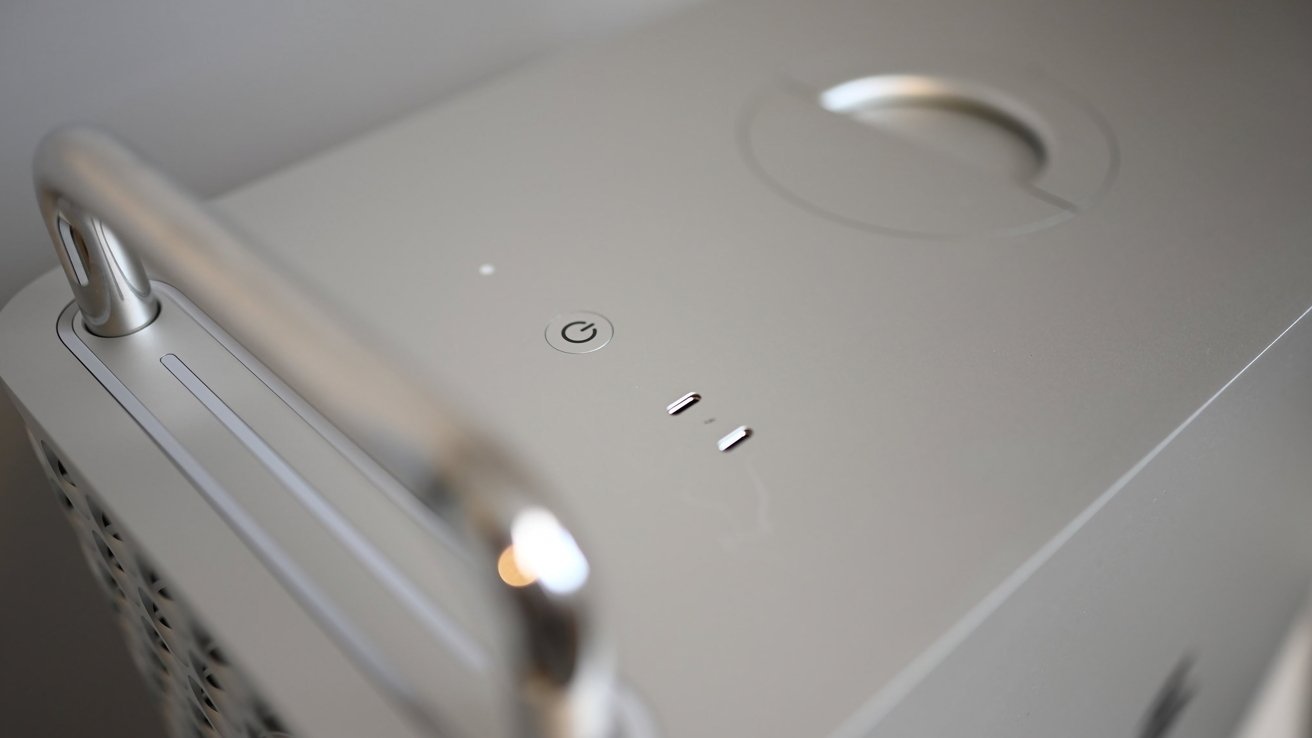
Apple planned two more Mac Pro models before discontinuing the line

Published

on

Apple has dropped the Mac Pro entirely, but for a time it was planning to keep it at the top of the range, giving it twice the processing power of the company’s Ultra chips — and maybe even one last Intel model.

The once beloved Mac Pro went out with a whimper in March 2026 as Apple discontinued it. But according to Bloomberg, there had originally been big plans for its future.

What eventually caused the end of the Mac Pro was how powerful the much more cost-effective Mac Studio was. From early on in the development of Apple Silicon, though, the plan was reportedly that the Mac Studio could get Apple’s Ultra processors, but the Mac Pro would get more.

It’s not known what Apple would have called these processors, but in 2022 there were reports of an M2 Extreme being planned for a Mac Pro. The new report says that the intention was that this processor would offer twice as many processing cores and graphics cores as the Ultra from the same period.

Advertisement

Reportedly both M2 and M3 versions of this processor were developed. Apple ultimately cancelled the processors, though, because of their cost and concerns over whether there would be demand for them.

Mac Pro hardware

As well as the processors, the new report says that there were intended to be two new models of Mac Pro. Significantly, one of them was going to be an Intel-based Mac, even though Apple was already making Apple Silicon ones.

It’s said that this Intel Mac was intended to address specific use cases. While there is no further detail, that would probably be because Apple Silicon does not support PCI-E graphics cards, which could have added more power for users needing that particular expansion.

That Intel model was codenamed J170, but there was also a J190 that was to be Apple Silicon based. This wasn’t going to have the extreme processor, but it would have been an M3 Ultra Mac Pro that was intended to launch alongside the M3 Ultra Mac Studio in 2025.

Advertisement

Separately, recent reports have claimed that an M5 Ultra version of the Mac Studio will launch before the end of 2026. An M7 Ultra Mac Studio is said to be planned for 2028.

Source link

Advertisement
Continue Reading

Tech

‘The world of work is changing fast’: Barely any workers think their job is safe as worries about AI refuse to go away

Published

on


  • New data reveals that most workers fear AI’s potential impact on their jobs
  • Employees who feel secure in their roles are more productive and engaged
  • Employers must prioritize communication and invest in training and upskilling

New data from ADP’s People at Work 2026 report, which covers more than 39,000 working adults from 36 markets, confirms that most workers are still highly concerned about AI’s impact on their jobs, even though today’s tangible impacts are relatively minimal.

Only one in four UK workers strongly agree their job is safe from being replaced, and this drops to around one in five (21%) in Europe as a whole and 22% globally.

Source link

Continue Reading

Tech

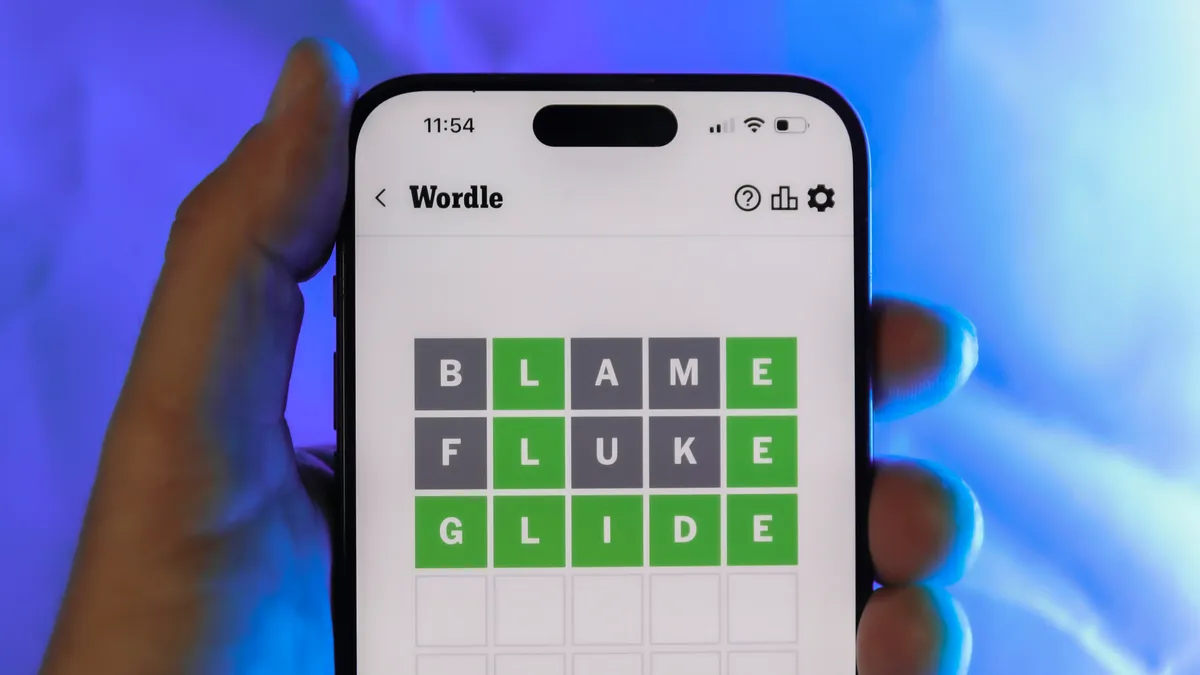
Today’s NYT Wordle Hints, Answer and Help for July 20 #1857

Published

on

Looking for the most recent Wordle answer? Click here for today’s Wordle hints, as well as our daily answers and hints for The New York Times Mini Crossword, Connections, Connections: Sports Edition and Strands puzzles.


Today’s Wordle puzzle is difficult, with one rare letter right in the middle. If you need a new starter word, check out our list of which letters show up the most in English words. If you need hints and the answer, read on.

Read more: New Study Reveals Wordle’s Top 10 Toughest Words of 2025

Advertisement

Today’s Wordle hints

Before we show you today’s Wordle answer, we’ll give you some hints. If you don’t want a spoiler, look away now.

Wordle hint No. 1: Repeats

Today’s Wordle answer has no repeated letters.

Wordle hint No. 2: Vowels

Today’s Wordle answer has two vowels.

Wordle hint No. 3: First letter

Today’s Wordle answer begins with D.

Advertisement

Wordle hint No. 4: Last letter

Today’s Wordle answer ends with R.

Wordle hint No. 5: Meaning

Today’s Wordle answer can refer to a person who plunges into water.

TODAY’S WORDLE ANSWER

Today’s Wordle answer is DIVER.

Advertisement

Yesterday’s Wordle answer

Yesterday’s Wordle answer, July 19, No. 1856, was CHURN.

Recent Wordle answers

July 15, No. 1852: PSHAW

July 16, No. 1853: BUTTE

July 17, No. 1854: LEGAL

Advertisement

July 18, No. 1855: BOOTH

Source link

Advertisement
Continue Reading

Tech

Garage-Built Pop-Top Camper Turns a Pickup Into Standing-Height Shelter for $1,500

Published

on

DIY Custom Pop-Up Truck Camper
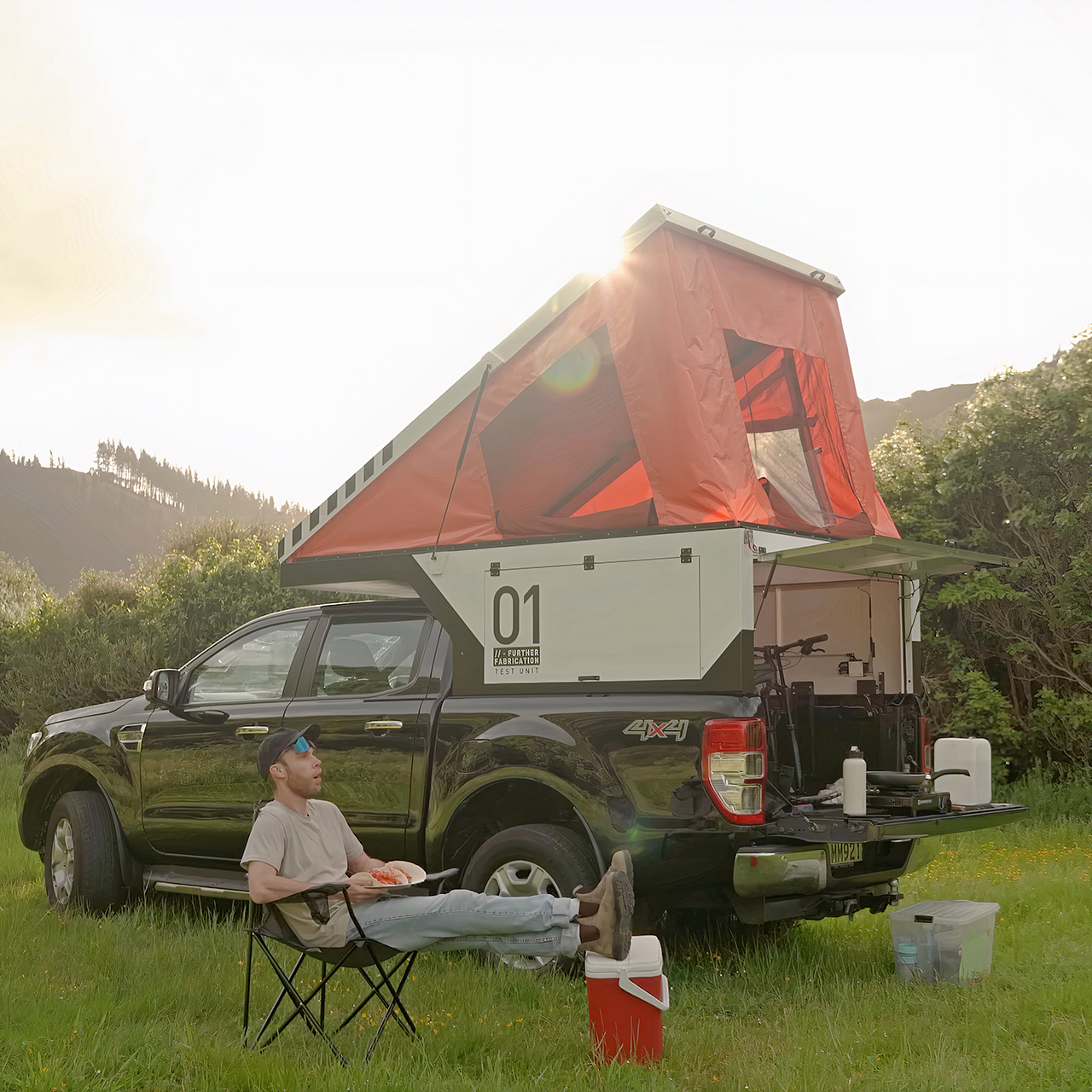
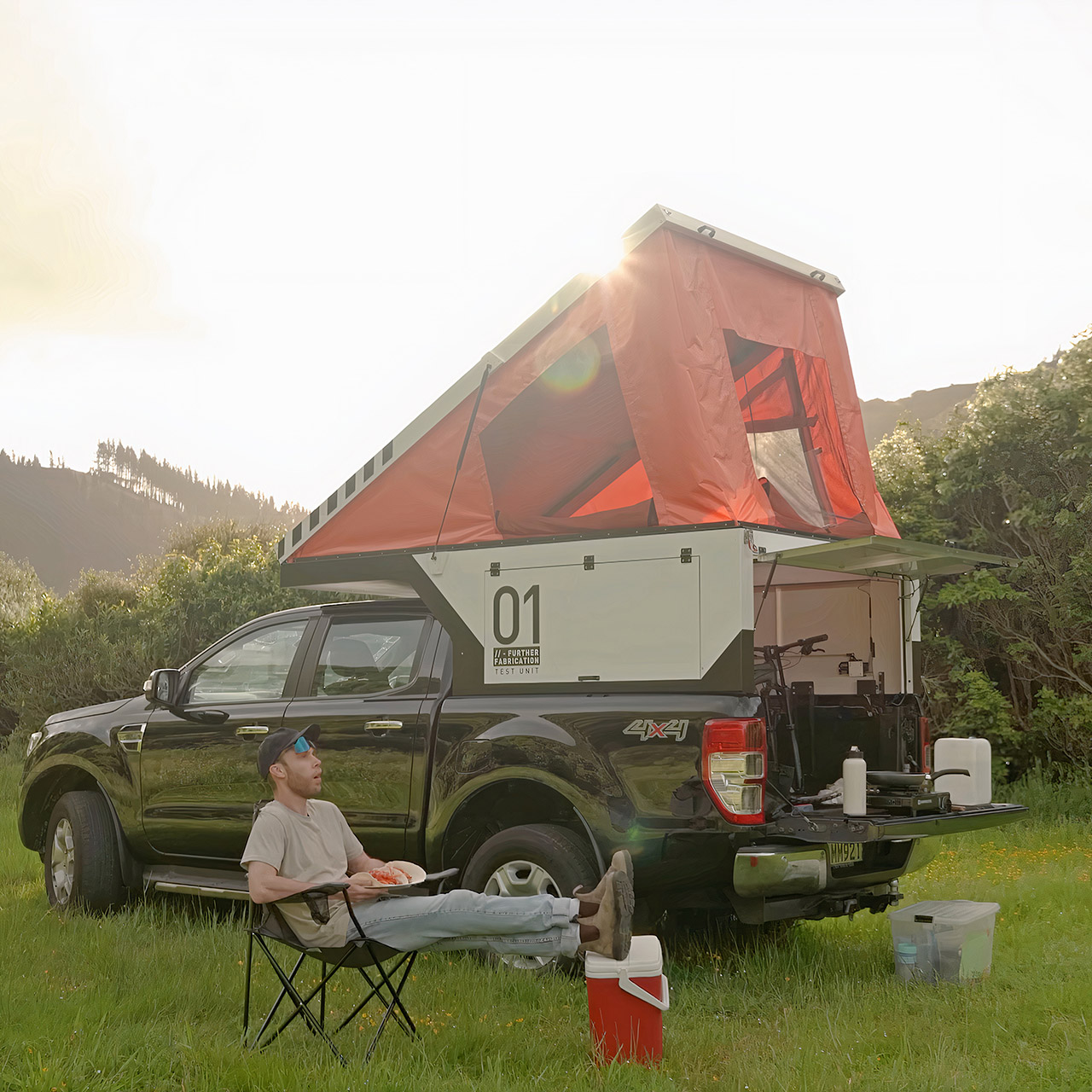
Commercial pop-up truck campers start around eight thousand dollars and climb quickly from there. In some countries they are simply not sold at all. Rob at Further Fabrication faced both problems and decided the only practical answer was to design and build one himself in a regular garage with ordinary tools. He began by measuring the truck bed and creating a full 3D model so every panel, beam, and fabric panel could be cut accurately the first time. The structure had to sit low enough for highway driving yet open high enough for a person to stand upright inside. The solution was a rigid lower shell combined with a fabric upper section that rises on gas struts.


The outside and interior walls are both made of nine millimeter structural plywood. Between these two layers are strips of 18 millimeter plywood and rectangular aluminum H-section beams. Exterior grade wood glue and heavy-duty construction adhesive hold everything together, while self-tapping screws and longer structural screws ensure that nothing moves. Aluminum beams provide stiffness without the weight of a full steel frame. We added extra laminated plywood blocks to the front and side joints to ensure that the long screws had a good grip. Then some ratchet straps are used to pull the walls square while they are being constructed, keeping the structure straight while the adhesive cures.

Sale


LEGO Technic Kids Toy Car – Building Kit for Boys and Girls, Ages 10+, Makes a Cool Birthday Gift…
  • FORD BRONCO MODEL CAR KIT – Builders ages 9+ can create their own off-road adventures with this detailed LEGO Technic SUV featuring authentic…
  • AUTHENTIC DETAILS – This car toy building set includes working suspension, opening doors, functional steering, and a detailed V6 engine under the…
  • CAR MODEL KIT – Young engineers can explore learn more about their favorite vehicles with this building and learning toy that demonstrates real…

The roof frame is built in the same beam-and-plywood style, but it is kept separate from the walls to allow for a continuous rubber seal and tent fabric underneath. The roof is made up of two big sheets of aluminum composite panel, which is similar to what is used on some commercial truck bodies. There is one junction in the middle that has been reinforced with extra aluminum angle and 90-degree brackets. MS polymer sealant is used to seal the screw holes and secure the panels together. Four adjustable gas struts raise the roof to around thirty degrees, and the CAD calculations ensured that the mounts were precisely positioned so that everything worked smoothly and remained sturdy once up.

Advertisement

DIY Custom Pop-Up Truck Camper
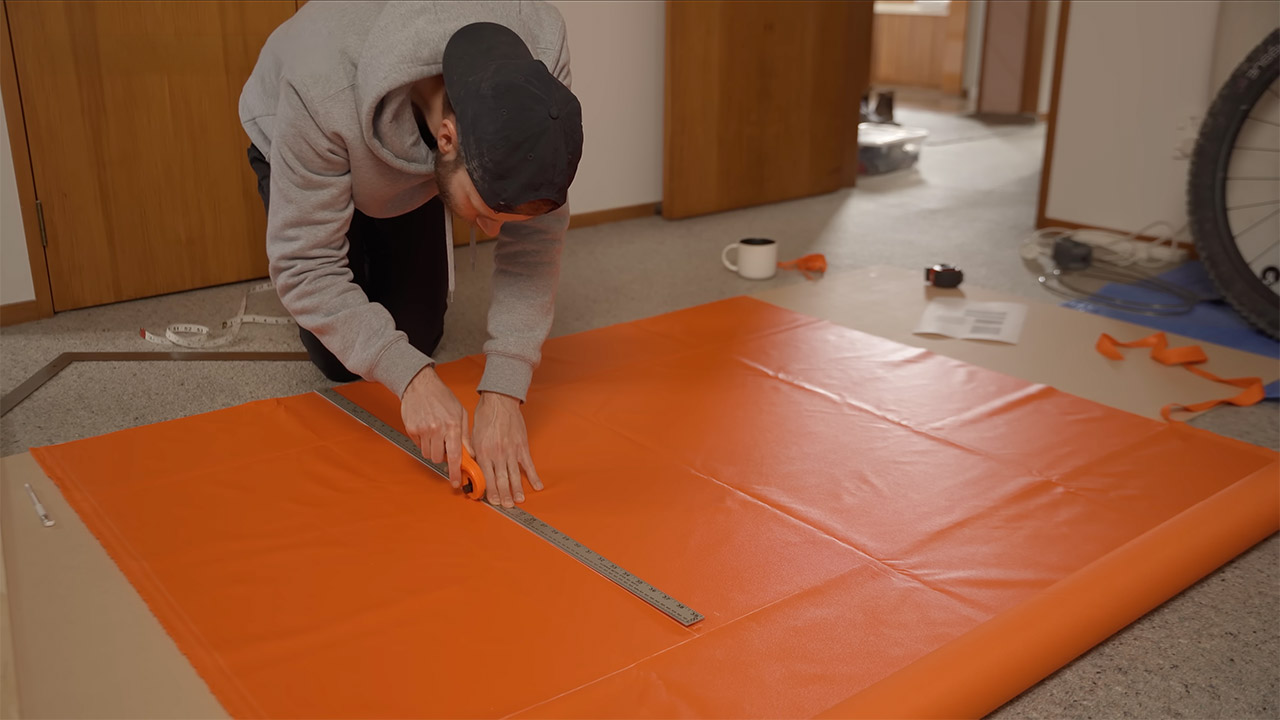
The fabric walls are constructed of 600 denier PVC-coated polyester. This is the same weight as all of their heavy-duty outdoor gear. He utilized paper patterns from the 3D model to cut out bigger panels, and then stitched YKK continuous coil zippers into the window apertures to allow you to unzip the mesh screens and receive some ventilation. He used basting tape and clips to keep the seams in place while we got a heavy duty machine in the house to stitch everything together. After that, we used a soldering iron to create neat holes around the sides and simply screwed some plastic strips cut from garden edging over the top to secure the cloth to the plywood flanges on both the walls and the roof. When the roof is up, the fabric remains taut, and when closed, it folds neatly.

DIY Custom Pop-Up Truck Camper
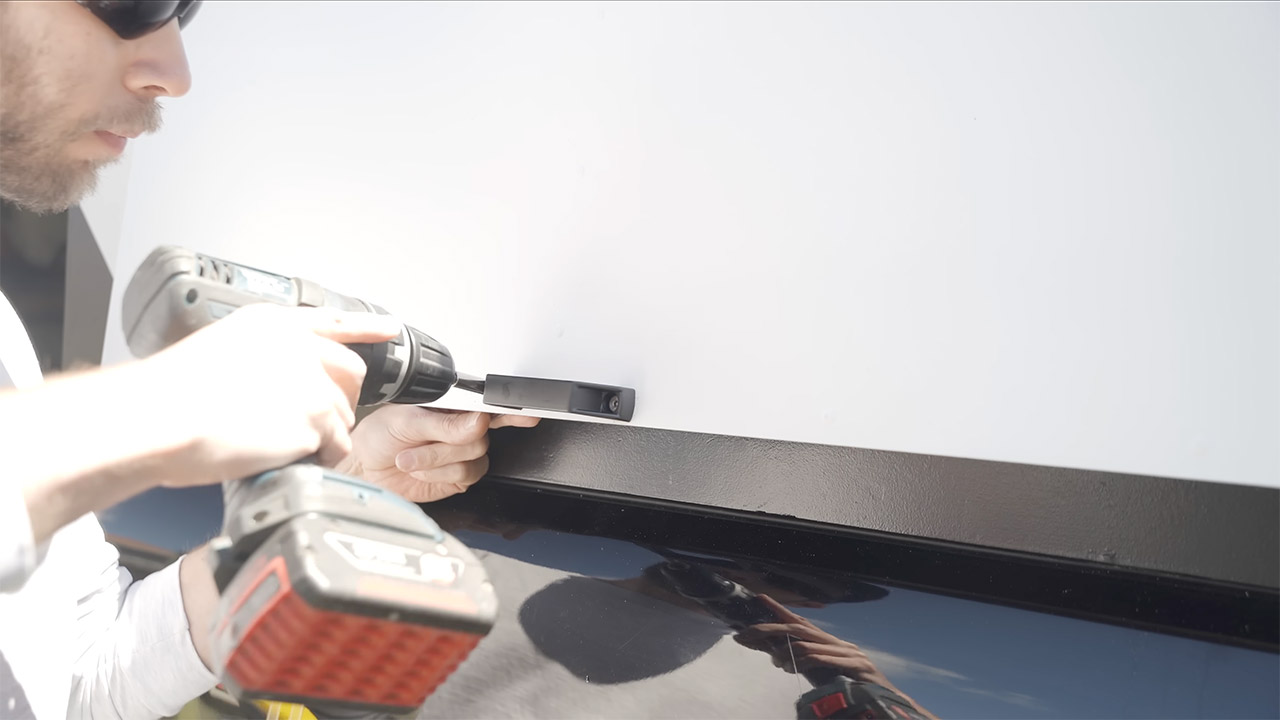
Three large fold-down doors on the sides and back are made of aluminium angle frames held together by rivits and attached to 7mm plywood panels, which were later replaced with matching aluminum composite. Gas struts make it simple to swing each door out to a hundred and ten degrees, just wide enough for a person to stand up without smashing their head. They also include stainless steel locking locks and some bespoke small rods that can be controlled with a single key fob, which is really useful.

DIY Custom Pop-Up Truck Camper
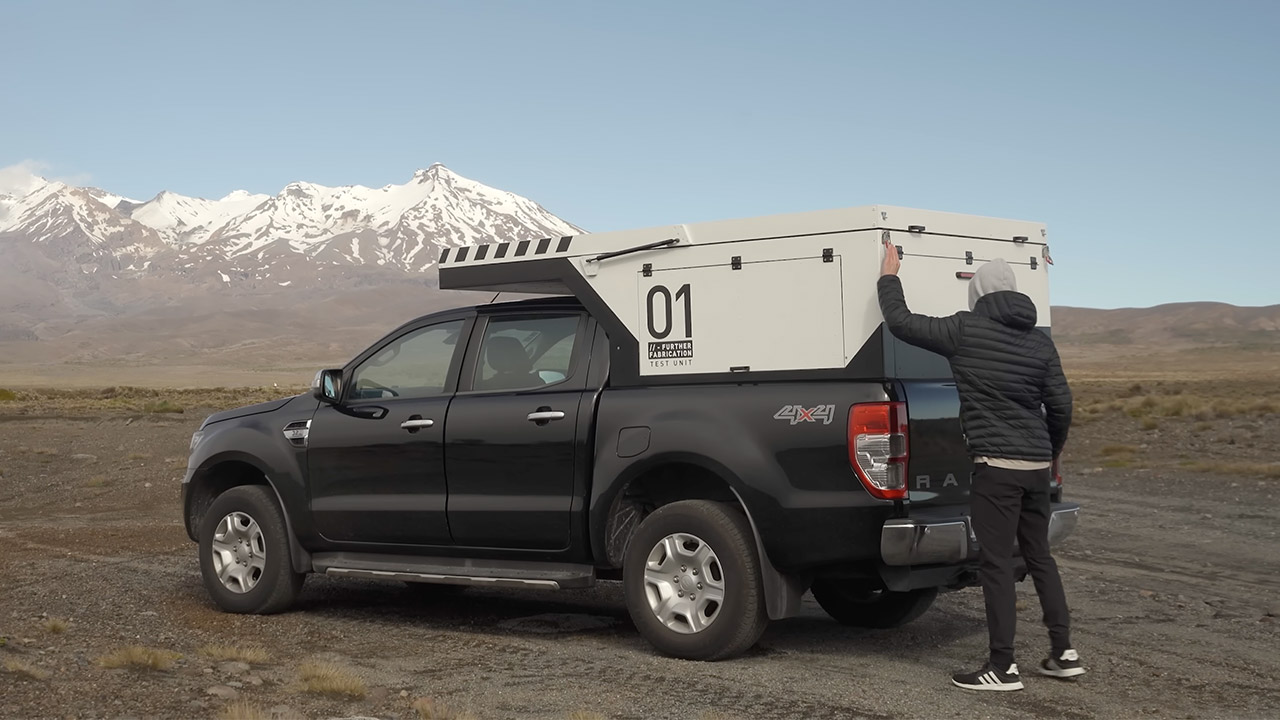
The sliding bed platform inside runs on wooden rails; push it forward and it drops over this lower shelf, which subsequently serves as a step when you exit the camper. By the way, it was a relatively inexpensive build, totaling roughly $1500. And the end product is actually quite lightweight; it rests directly above the bed, so nothing scratches the ground as you drive it, and you can even lock the entire thing shut while the truck is parked. With the top up, there’s plenty of headroom and room for two people to sleep, and when you fold everything down, it just looks like a regular old pickup with a truck tray.
[Source]

Source link

Continue Reading

Tech

Netflix paid $587M for Ben Affleck’s AI filmmaking startup

Published

on

In a new regulatory filing, Netflix revealed that it paid $587 million in cash for InterPositive, a startup co-founded by actor and director Ben Affleck.

The streaming company announced the acquisition in March, with a statement from Affleck saying he wanted to “protect the power of human creativity.” According to Affleck, InterPublic’s AI tools help filmmakers improve their footage in post-production, particularly when it comes to making up for “real-world production challenges such as missing shots, background replacements or incorrect lighting.”

At the time, Netflix announced that the entire InterPositive team would be joining the company, with Affleck joining as a senior advisor, but it didn’t disclose the financial terms of the deal. A subsequent report in Bloomberg suggested that the deal could be worth up to $600 million.

In its most recent earnings report, Netflix said that around 300 of its titles have already used generative AI.

Advertisement

Source link

Continue Reading

Tech

Korea’s AI chip market is now the opening bell for global stocks

Published

on

TL;DR

Korea’s market now sets global AI sentiment. The Kospi-Nasdaq correlation has nearly tripled. SK Hynix’s US listing extended Korea’s influence into 24-hour trading.

Fund managers in London, New York, and Tokyo have added a new step to their morning routine: checking South Korean stocks. Korea’s $4 trillion equity market is now offering an early read on global AI risk appetite, as swings in SK Hynix and Samsung ripple through chip stocks worldwide. “We are all Korean investors now,” said Hani Redha, a London-based portfolio manager at PineBridge Investments. JPMorgan Asset Management’s chief Asia market strategist presented on Korea to the firm’s global team for the first time in his 14 years on the job.

The data confirms it. The 60-day correlation between the Kospi and the Nasdaq 100 has climbed to 0.46, near the highest in two years and almost triple its five-year average of 0.16. The linkage is even stronger during selloffs: the Nasdaq 100’s sensitivity to the Kospi during periods of Korean market weakness hit the highest level since 1990 on July 7. SK Hynix joined the trillion-dollar club earlier this year, and its US-listed shares now extend Korea’s influence into Wall Street trading hours. Redha tracks Seoul, then SK Hynix’s ADRs, then Korea-focused ETFs in New York. “It’s like almost 24-hour tracking,” he said.

The influence comes with a cost. The Kospi has become one of the world’s most volatile major benchmarks, with leveraged single-stock products amplifying swings. A Monday selloff driven by scepticism about AI demand triggered a near 9% Kospi drop that spilled into Wall Street, dragging SK Hynix’s US shares down 9.3%. The Kospi has tumbled 25% since its June peak, a $1 trillion wipeout. South Korea temporarily halted new listings of single-stock leveraged ETFs to curb the speculation.

Advertisement

The 💜 of EU tech

The latest rumblings from the EU tech scene, a story from our wise ol’ founder Boris, and some questionable AI art. It’s free, every week, in your inbox. Sign up now!

The benchmark is still up 62% for the year. South Korea committed $880 billion over a decade to chips, AI data centres, and robots, and Samsung and SK Hynix control the majority of global memory chip supply. As long as that supply bottleneck holds, Korea’s sentiment-driven trading will keep setting the tone for every AI stock that depends on it. “This is the new normal investors have to accept, as long as the AI rally continues,” said Chisa Kobayashi at UBS. The question is whether a market driven by retail leverage in Seoul should be the one telling London what to think about AI.

Advertisement

Source link

Continue Reading

Tech

Genius Bar AI tools spark concerns over employee monitoring

Published

on

Apple is testing a new Genius Bar tool called Live Notes that transcribes and summarizes conversations with a customer, but employees are worried about how the tool might be used against them.

Artificial intelligence has become a buzzword throughout the tech industry from both the consumer and employee perspective. Employees of any kind at many companies have had to contend with mandatory AI tool use forced on them by the employer.

So far, reports haven’t indicated Apple taking such a hardline route to AI tool use. However, the “Power On” newsletter from Bloomberg shares that Apple is testing a new tool called Live Notes for use in the Genius Bar.

The tool uses AI to listen to a conversation between a Genius Bar employee and a customer, with permission from both sides of course. It then transcribes and summarizes the interaction so the employee can focus on interacting with the customer and not taking notes.

Advertisement

There appears to be some concern from employees that these transcripts could be used by management to evaluate the employee. However, the rumor clarifies that Apple has a policy in place during testing that managers don’t receive transcripts and they can be edited by the employee.

It isn’t clear if this policy will be in place after testing is complete.

There is no mandatory use requirement in place. It seems that the tool is being introduced purely as a time-saving option that the employee and customer must agree to before it is used.

Previous rumors suggested that Apple is testing multiple versions of AI assistants for internal use. One, called Enchante, is for employees to proofread work, brainstorm, and answer general knowledge inquiries.

Advertisement

The other is Enterprise Assistant, which is built with a centralized knowledge hub for employees. The Live Notes tool could be a variation of the Enterprise Assistant model.

Both Enchente and Enterprise Assistant are built with Apple Foundation models. The Live Notes feature is also likely based on Apple’s AI technologies, though the rumor doesn’t specify.

There is no information about a rollout timeline or plans for implementation or mandates around Live Notes. It is likely to remain an optional tool for employees even when it is fully implemented.

Advertisement

Source link

Continue Reading

Trending

Copyright © 2025