
Connect with us

Sports

Big Ten, SEC voice support for Protect College Sports Act, breathing new life into landmark legislation

Published

on

The long-awaited and deeply debated Protect College Sports Act was hanging by a thread Thursday night. By Friday morning, it had a pulse, and by the end of the night, one of the senators heavily involved in the negotiations, Sen. Eric Schmitt, was celebrating with a cold Busch Light.

The Big Ten and SEC, the two conferences whose silence had threatened to sink the Protect College Sports Act before the August congressional recess, voted to support the sweeping bipartisan legislation Friday on separate calls with their presidents and chancellors. 

“Glad to have their support, ” Sen. Ted Cruz, co-author of the bill, said late Friday night. “Now it’s time to get the bill through Congress and on to President Trump’s desk. Let’s save college sports.”

The support came after a day of grinding negotiations that produced the one thing the conferences had been waiting for: the right language to prevent schools from circumventing the revenue-sharing cap by routing money to athletes through corporate sponsors and multimedia rights partners.

Advertisement

Schmitt, a Missouri Republican who co-authored the bill alongside Cruz of Texas and Maria Cantwell of Washington, was in the middle of it all.

It started with the White House. The Trump administration sent an unmistakable signal Friday morning, urging passage of the bill and adding institutional pressure to a process that had stalled overnight, sources told CBS Sports. Congressional staff, conference leaders and lawmakers had been grinding through the associated entities provision for days, and the calendar was running out.

The central sticking point, as CBS Sports reported, was the associated entities language, the provision designed to prevent circumvention of the revenue-sharing cap through arrangements with school-affiliated corporate sponsors and multimedia companies.

“You wanted to sort of head off ways to circumvent that, this kind of redirection that’s happened where it’s a wink and a nod,” Schmitt told CBS Sports. “Don’t give us the money, give it to players X, Y, and Z, and it never really shows up. That’s how you end up with football rosters that are like double or triple potentially what the number is.”

Advertisement

The fix: an attestation requirement from outside entities, apparel companies and multimedia rights partners, certifying that deals with individual players are separate from any institutional arrangement and subject to the Collegiate Sports Commission’s review process.

The language went back and forth through the day. When it finally landed, SEC commissioner Greg Sankey brought Schmitt onto the call with SEC presidents and chancellors to help push it across the goal line.

The Big Ten and SEC each voted yes. Both conferences released a joint statement: “The Big Ten Conference and Southeastern Conference support the Protect College Sports Act as currently drafted, following detailed and productive negotiations with Senators Cruz, Cantwell and Schmitt and their respective staffs. We appreciate the substantial work that has gone into this effort.”

One of the provisions effectively increased the revenue-share cap: $21.3 million in revenue sharing from the House settlement, plus a $22.5 million retention pool exception and an additional $5 million for non-revenue sports NIL. In total, schools can pay players as much as $48.8 million annually.

Advertisement

Schmitt said the market essentially validated where negotiations landed. The Big Ten and SEC initially asked for $25 million. Earlier, Notre Dame’s Pete Bevacqua was asked if collectives were eliminated with a hard cap, what would the number be?

“The number was $50 million,” Schmitt said. “And as it turns out, that’s kind of where we ended up. That’s sort of where the market is. So if you’re SEC or Big Ten, you’re going to have schools that are above that. You’re going to have schools that are below that. That’s probably about the mean. It isn’t so far out of reach that ACC, Big 12 or even Group of Six is going to be a challenge.”

The bill reaches well beyond money.

On the field, it locks in protections for women’s and Olympic sports that conference leaders and university presidents have long demanded. The NCAA and Division I conferences would be prohibited from reducing the number of varsity teams, minimum roster participants or intercollegiate competitions schools must sponsor for FBS membership. 

Advertisement

For athletes, the bill guarantees one transfer without losing eligibility and establishes specific exceptions for additional transfers. 

The bill also takes direct aim at the coaching carousel. Football coaches and key staff would be prohibited from leaving mid-season to effectively take over another FBS program, whether through recruiting, roster management, NIL activity or game-planning.

On media, the bill creates a targeted antitrust exemption allowing schools and conferences to voluntarily pool and sell their media rights, mirroring the framework that exists for professional sports leagues, but only if 75% of current FBS schools agree – practically all membership outside the Big Ten and SEC. 

The bill also effectively caps conference expansion among the most powerful conferences to 19 teams, which means the Big Ten can only add one more program.

Advertisement

A late addition this week, Title III, addresses Historically Black Colleges and Universities’ access to the growing college sports media landscape, though the specific text had not been made public as of Friday. The provision caught some conference leaders off guard earlier this week, sources said.

Reaction to the news Friday was swift across Washington, D.C. and the high-major conferences in college sports. 

“Good. Now progress can be made in protecting women and Olympic athletes and moving this legislation closer to the President’s desk,” Sen. Maria Cantwell, one of the bill’s authors, said in a statement.

The Big 12 and ACC, the other two big conferences in the Power Four, supported the bill shortly after its introduction in June. Both reiterated their support in statements Friday night. 

Advertisement

“We are encouraged to see the Big Ten and SEC join the Big 12, the ACC and so many others in support of the Protect College Sports Act,” Big 12 commissioner Brett Yormark said. “Broad alignment around a practical, sustainable framework that supports student-athletes, institutions, conferences and fans is an important step forward for college athletics.”

Schmitt was emphatic about the urgency that drove Friday’s breakthrough with the Big Ten and SEC. Members of Congress left the Capitol late Thursday and are not set to return until Sunday for the final session before summer recess begins next Friday. “Once you get past Monday, it’s over,” he said. “So this week and the rest of today, I suppose, was important.”

Senate Majority Leader John Thune is expected to file for cloture as early as Monday, with a floor vote potentially as soon as midweek, though the timeline could slip into the weekend beyond the recess date, Schmitt said. Schmitt acknowledged that educating colleagues who haven’t tracked the legislation closely would be part of the work ahead.

“A lot of people will say, hey, what’s going on with this thing? And they’re just not as intricately involved,” Schmitt said. “It’ll give an opportunity now to kind of give the full-fledged sales pitch at the lunches, colleague to colleague. So I think the momentum will grow.”

Advertisement

To Schmitt, the stakes justify every phone call.

“I just think culturally, this is such an everyday thing people care about,” he said. “A lot of things we do up there, people don’t give a shit. But they care about their teams and they care about college football. I just felt like this was important.”

Six weeks before the college football season kicks off, the sport’s most powerful stakeholders finally got to yes. Now the ball is in Congress’ hands.

Advertisement

Source link

Continue Reading
Click to comment

You must be logged in to post a comment Login

Leave a Reply

Sports

Clark records triple-double in Fever’s victory over Fire

Published

on

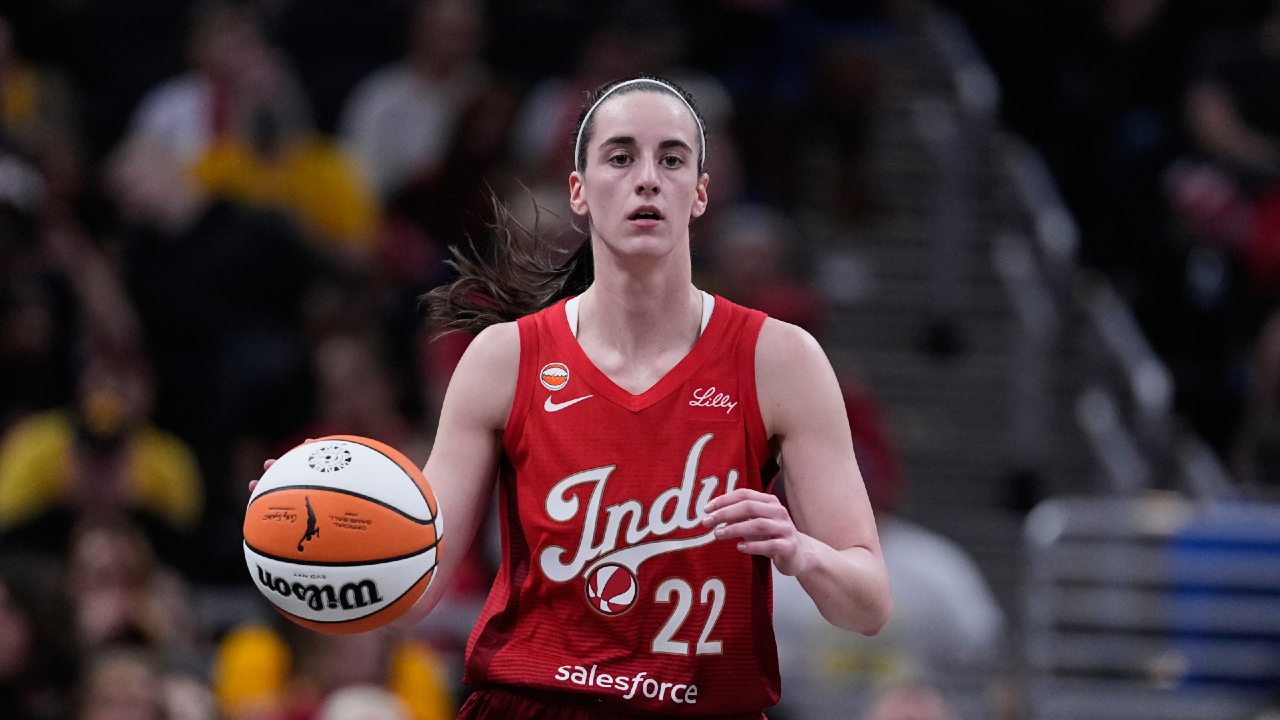
PORTLAND, Ore. — Caitlin Clark had 26 points, 10 rebounds and 10 assists for her fourth career triple-double, and the Indiana Fever won their fifth straight with a 112-98 victory over the Portland Fire on Friday night. 

Kelsey Mitchell also had 26 points for the Fever (19-10), who have won nine of their last 11 and had five straight games with 100 points. 

Bridget Carleton had 26 points for the Fire (11-18), who have lost four straight.

The Fever pulled away in the third quarter, going up by 18 points to lead 90-72 heading into the fourth quarter. Makayla Timpson hit a layup that pushed the lead to 10 points to open the fourth. 

Advertisement

Portland closed the gap, pulling to 98-88 on Carleton’s 3-pointer with 4:08 left. She had a layup that made it 100-93 to get the Fire even closer. Clark hit free throws to make it 110-96 with just a minute to go and the Fire ran out of time. 

There was a pregame rally outside of the Moda Center in support of Sophie Cunningham and her recent comments about barring transgender athletes from women’s and girls’ sports. A similar rally was held before the Fever’s 105-94 victory at the Seattle Storm on Tuesday. 

Cunningham was booed by the Moda Center crowd when she came into the game midway through the first quarter. Shortly thereafter, she hit a three-pointer that put the Fever up 14-8. Cunningham finished with 13 points.

Megan DiLeo’s three-pointer put the Fire up 36-30, but the Fever clawed back a 56-47 lead at the half. Clark led the Fever with 17 first-half points. 

Advertisement

The game was a sellout with a Fire-record 19,959 in attendance. 

Fever: At Minnesota on Sunday.

Fire: Host Los Angeles on Sunday. 

Source link

Advertisement
Continue Reading

Sports

Redblacks one loss away from tying modern-era CFL record for longest losing streak

Published

on

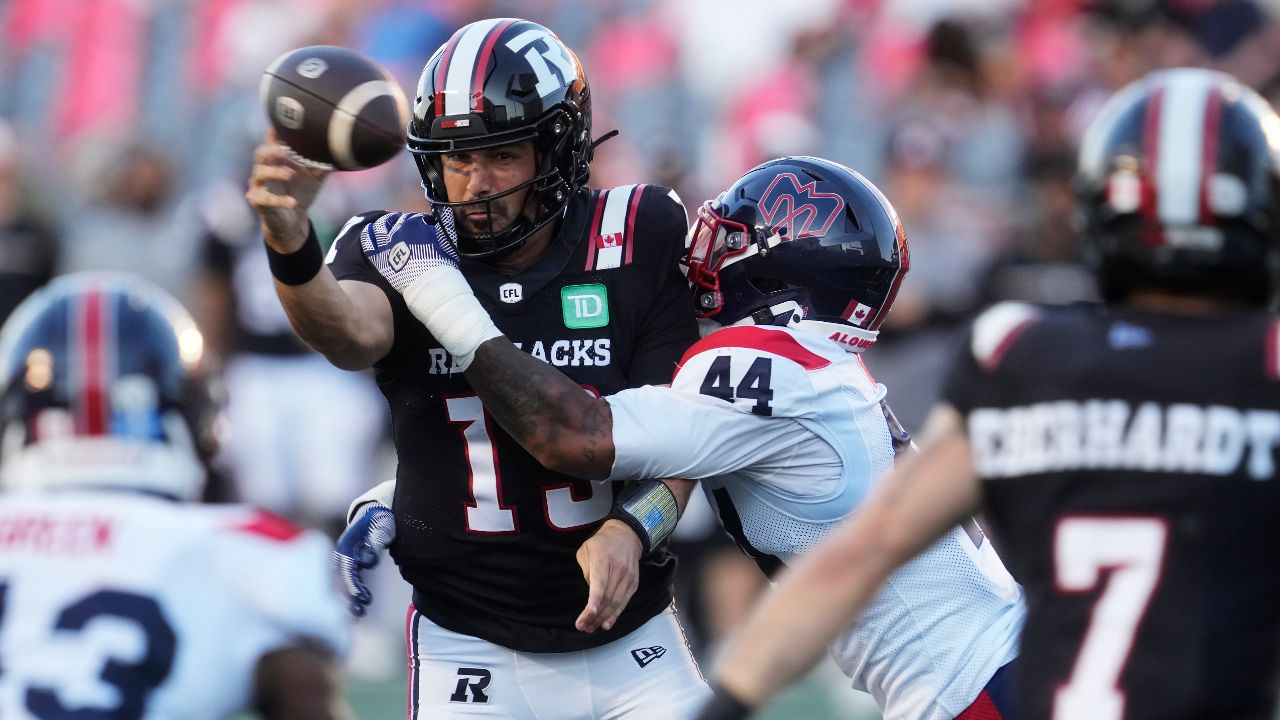
New coaching staff, same old results for the Ottawa Redblacks.

Despite bringing in two-time Grey Cup-winning head coach Ryan Dinwiddie this season, the Redblacks fell to 0-7 with a 34-13 loss to the Montreal Alouettes on Friday in the nation’s capital.

Dating back to last season, it marked the 13th consecutive loss for a Redblacks team that has not won a playoff game since 2018. It was also Ottawa’s 13th loss in a row against its closest geographical rival.

The latest loss puts the Redblacks just one defeat away from tying the modern-era — since the creation of the CFL in 1958 — league record for most losses in a row.

Advertisement

The record was set by the Shreveport Pirates, who lost their first 14 games in their expansion season in 1994.

The Pirates were owned by former Ottawa Rough Riders and Renegades owners Bernie and Lonnie Glieberman, who presided over some dismal days in Ottawa football.

The Gliebermans bolted from Ottawa late in the Rough Riders era to start the Pirates franchise, which lasted two years in Louisiana before the CFL gave up on its American experiment. The father-son duo returned to Ottawa in 2005 for the final year of the Renegades before that franchise folded. Bernie passed away in 2024.

The Redblacks, who brought Ottawa back to the CFL in 2014, will have their hands full avoiding the record book. They play their next three games on the road, starting next Friday in Saskatchewan, followed by contests in Winnipeg and Montreal.

Advertisement

Six other teams also lost 13 games in a row before avoiding a 14th consecutive defeat.

The Redblacks still have a ways to go to match the all-time Canadian football record, set by the Ottawa Senators and Rough Riders, who lost 25 in a row from 1928 to 1932. The Hamilton Wildcats sit second, with 16 straight defeats from 1948 to ’49.

Source link

Advertisement
Continue Reading

Sports

Chris Newsome urges quick turnaround for Meralco after loss

Published

on

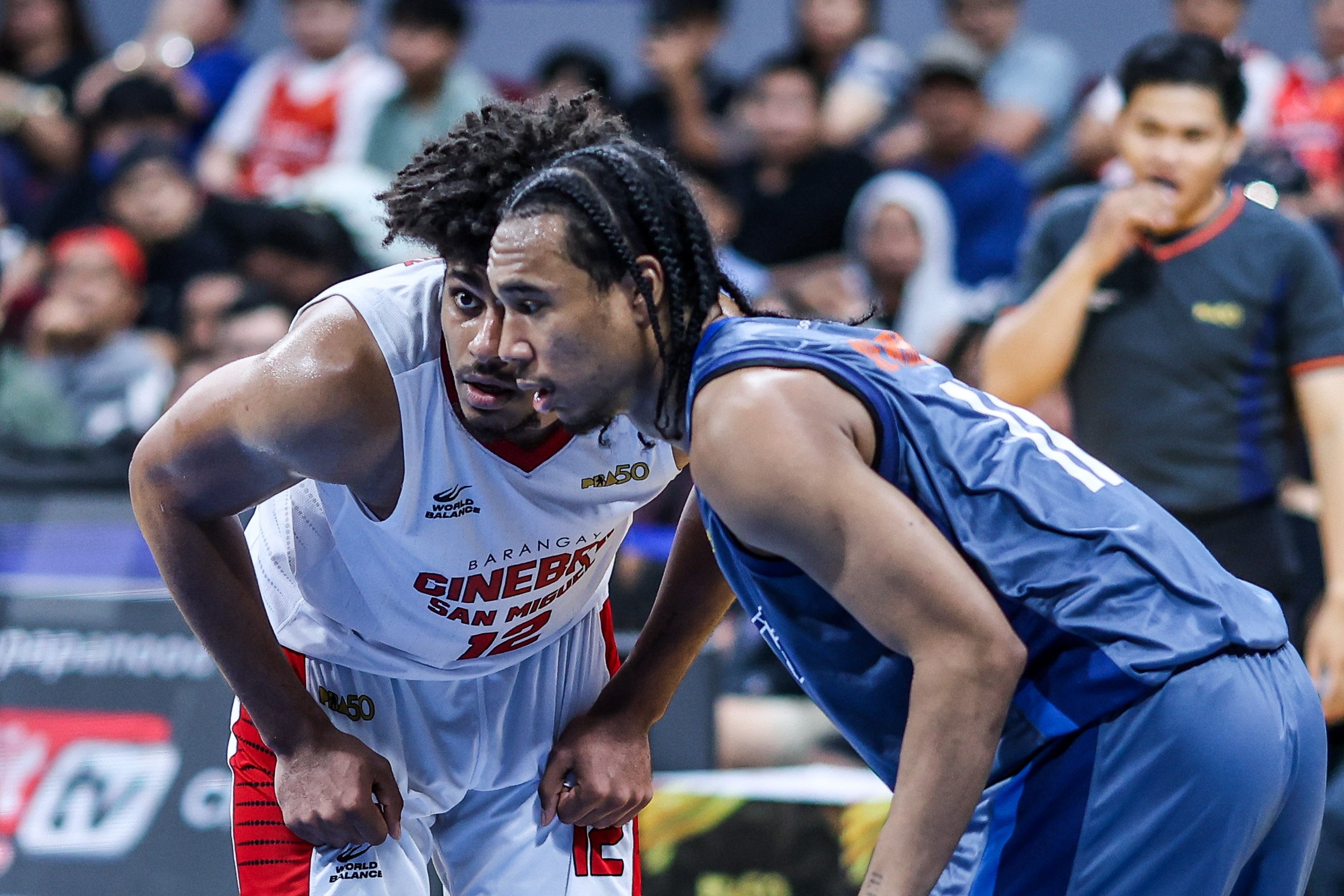
Meralco Bolts' Chris Newsome and Barangay Ginebra Gin Kings' Riley Grigsby during a game in the 2026 PBA Governors' Cup.Meralco Bolts' Chris Newsome and Barangay Ginebra Gin Kings' Riley Grigsby during a game in the 2026 PBA Governors' Cup.

Meralco Bolts’ Chris Newsome and Barangay Ginebra Gin Kings’ Riley Grigsby during a game in the 2026 PBA Governors’ Cup. –MARLO CUETO/INQUIRER.net

MANILA, Philippines—Meralco guard Chris Newsome knows the Bolts can’t afford to dwell on another setback in the 2026 PBA Governors’ Cup.

The veteran guard stressed the importance of moving on quickly after the Bolts fell to Barangay Ginebra, 84-75, at Mall of Asia Arena on Friday.

Article continues after this advertisement
Advertisement

“We got to have short-term memory. It’s tough when you lose a game like that. We didn’t have momentum, we didn’t shoot well, it was one of those nights that you want to try and forget quickly,” he told the Inquirer.

“With a game on Sunday, that’s exactly what we have to do. We have to find a way to erase this one.”

Playing with a depleted lineup, the Bolts trailed from start to finish after falling behind, 18-10, at the end of the first quarter and never matched the Gin Kings’ intensity.

With a 2-3 card and a long break looming, Newsome hopes Meralco quickly shifts its focus to Sunday’s matchup against a surging Rain or Shine squad at Araneta Coliseum.

Advertisement
Article continues after this advertisement

“We have to stay positive in the things that we do. We have to continue to trust what we do even if it didn’t show up today,” he said.

“Things aren’t gonna go your way all the time but we have to stay strong and keep pushing forward.”


Your subscription could not be saved. Please try again.
Advertisement


Your subscription has been successful.

Source link

Advertisement
Continue Reading

Sports

Judo gold rush, Neeraj Chopra claims silver, Tejaswin Shankar scripts decathlon history

Published

on

Team India enjoyed a landmark ninth day at the 2026 Commonwealth Games in Glasgow on Friday, July 31. Highlighted by a historic double gold sweep on the judo mat, a podium finish in the men’s javelin throw, and a groundbreaking medal in athletics, the Indian contingent added significantly to its collection as the Games hit their climax. Team India’s medal tally stands at 23 won medals after day 9, along with 10 guaranteed medals locked in for upcoming finals.

Here is a full breakdown of how Team India performed across venues on Day 9.


Judo: Twin Commonwealth Games golds and silver mark red-letter day for Indian combat sports
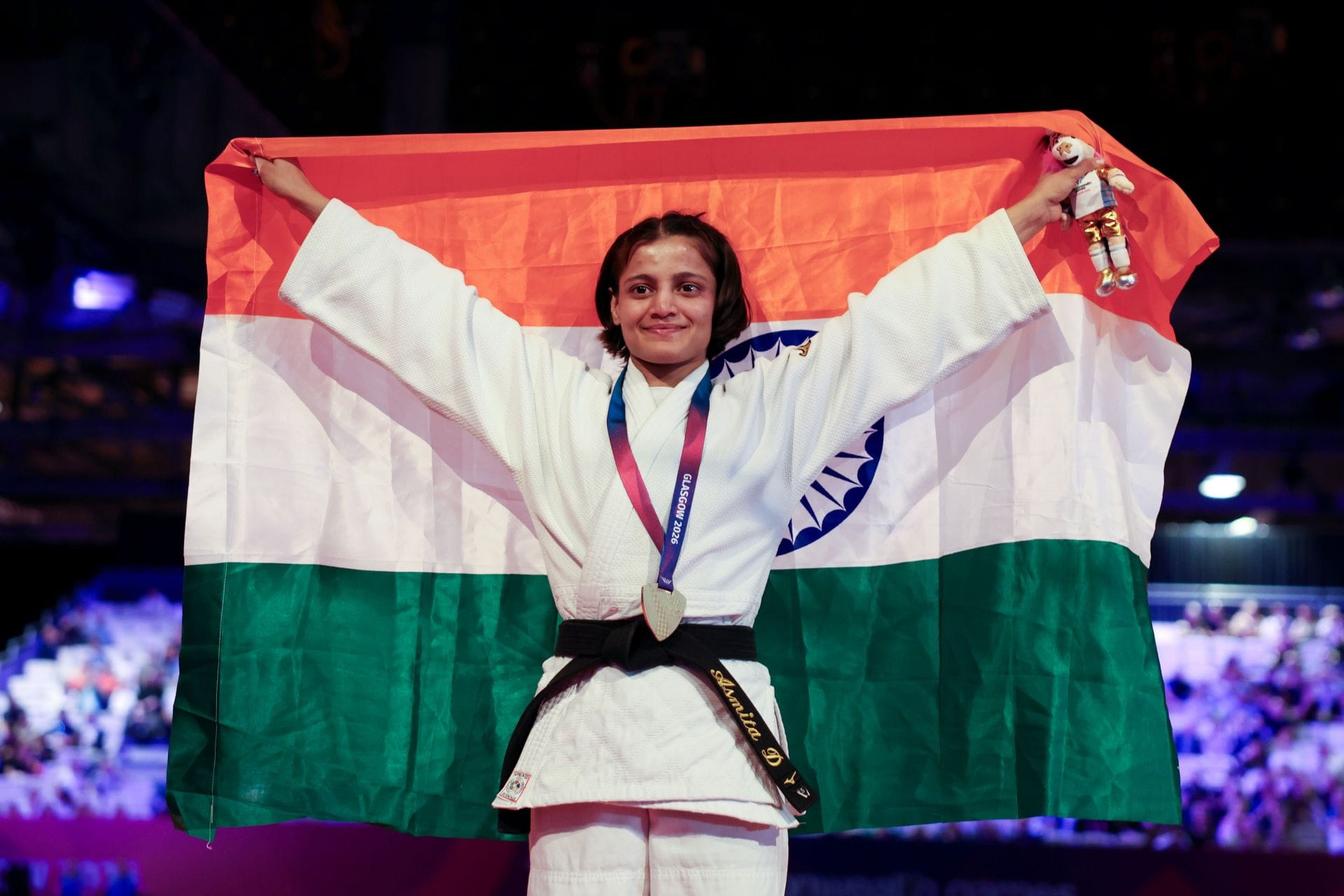
Judo - Glasgow 2026 Commonwealth Games: Day 8 - Source: GettyJudo - Glasgow 2026 Commonwealth Games: Day 8 - Source: Getty
Judo – Glasgow 2026 Commonwealth Games: Day 8 – Source: Getty

India’s judokas produced a standout performance at the venue, delivering one of the finest single-day displays in the country’s Commonwealth Games history.

Advertisement

Asmita Dey scripts Golden Score drama

In the women’s 48kg final, young judoka Asmita Dey displayed remarkable resilience against Canada’s Heidi Quach. After a tight bout during regulation time, the contest moved into Golden Score overtime, where Asmita executed a decisive throw to score a Yuko and secure India’s first judo gold medal in Glasgow.

Harsh Singh doubles the gold tally

Minutes later in the men’s 60kg final, Harsh Singh completed a flawless tournament run. Taking on Australia’s Joshua Katz, Harsh remained composed before scoring a crucial point in the closing moments to bag India’s second judo gold medal of the day.

Yamini Maurya earns silver

In the women’s 57kg final, Yamini Maurya added to India’s combat medal count with a hard-fought silver medal. Yamini reached the final following an emphatic 98-second Ippon victory in her semi-final bout before falling short against England’s Acelya Toprak.


Track & field: Javelin double podium and historic decathlon medal at Commonwealth Games

Neeraj Chopra takes silver; Yash Vir Singh claims bronze

The marquee event of the evening took place at the stadium in the men’s javelin throw final. Two-time Olympic medalist Neeraj Chopra registered a season-best effort of 85.83m to claim the silver medal. Sri Lanka’s Rumesh Pathirage captured gold with a massive 89.75m throw.

Advertisement

Joining Chopra on the podium was teammate Yash Vir Singh, who launched a personal best throw of 85.41m on his final attempt to snatch the bronze medal and secure a 2-3 finish for India.

Tejaswin Shankar scripts decathlon history

Multi-event athlete Tejaswin Shankar turned in a heroic two-day performance across ten grueling disciplines to claim the bronze medal in the men’s decathlon with a total of 7,976 points. Shankar’s podium finish marks India’s first-ever Commonwealth Games medal in the decathlon.


Boxing: Unbeaten semi-final sweep sends ten Indians into finals of Commonwealth Games 2026

India’s boxing squad put together a dominant session, winning all scheduled semi-final bouts to guarantee ten spots in the gold medal clashes:

  • Women’s 54kg: Preeti Pawar defeated Zambia’s Catherine Mwape via a unanimous 5-0 decision.
  • Men’s 80kg: Ankush Panghal controlled his bout against Canada’s Joshua Ofori to advance.
  • Women’s 57kg: Jaismine Lamboria notched a Referee Stops Contest (RSC) victory over Lesotho’s Rapelanf Maselela.
  • Women’s 70kg: Arundhati Chaudhary comfortably defeated Rosie Eccles of Wales.
  • Men’s 55kg: Jadumani Singh outpointed Namibia’s Philip Haoseb via unanimous decision.
  • Women’s 51kg & 60kg: Sakshi Chaudhary and Priya Ghanghas sealed victories over their respective semi-final opponents.
  • Heavyweight bouts: Lovlina Borgohain, Sachin Siwach, and Narender Berwal closed out the day with semi-final wins.

Lawn bowls and track cycling at Commonwealth Games

Here is the performance of Indian athletes at lawn bowls and track racing on day 9:

  • Lawn bowls: The men’s pairs duo of Navneet Singh and Dinesh Kumar extended their unbeaten run by defeating the Falkland Islands 2-0 in sectional play to move into the knockout rounds. In women’s singles, Nayanmoni Saikia posted a convincing 2-0 win over Zambia’s Mildred Mkandawire.
  • Track cycling: Harshveer Sekhon and Dinesh Kumar competed in the men’s 4000m individual pursuit qualification rounds but missed out on advancing to the final heat.