
Business
Expert Picks for Every Need

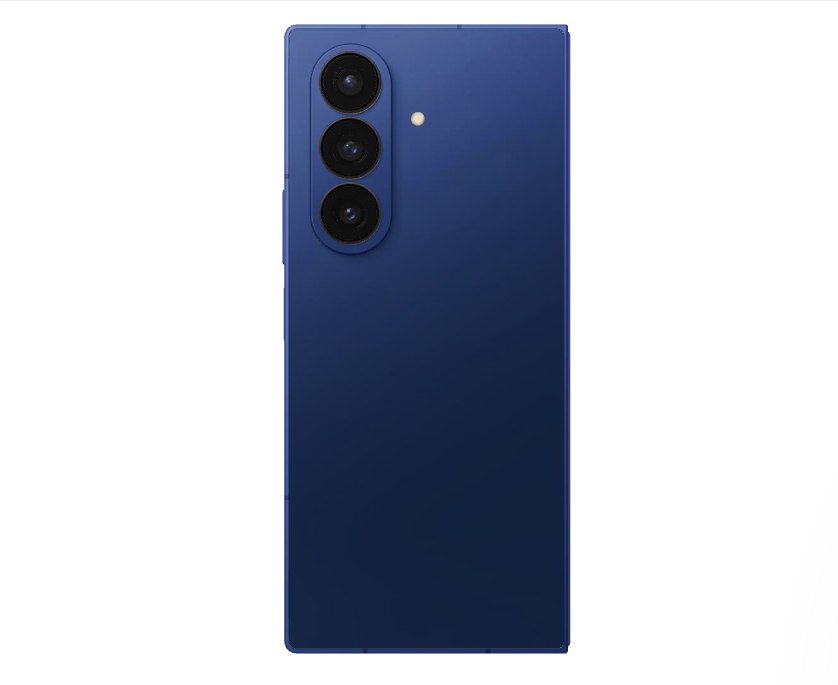
Foldable smartphones have matured dramatically by April 2026, shedding much of their early bulk and fragility to become practical daily drivers with improved durability, battery life and multitasking capabilities. Leading models from Samsung, Google, Motorola and others now compete closely with traditional flagships while offering the unique appeal of a compact device that unfolds into a mini-tablet or stylish flip form factor.
Industry analysts and reviewers from outlets including PCMag, PhoneArena, ZDNet and Wirecutter highlight a clear top tier based on hands-on testing, real-world performance and value. While availability varies by region — with some Chinese brands like Honor and Oppo offering exceptional hardware but limited U.S. support — the following five stand out as the best foldable phones currently on the market.

1. Samsung Galaxy Z Fold 7 — Best Overall Book-Style Foldable
Samsung’s Galaxy Z Fold 7 earns frequent nods as the top foldable for most users thanks to its ultra-slim profile, premium build and polished software experience. Measuring just over 8mm thick when closed and weighing around 215 grams, it feels remarkably close to a conventional flagship yet unfolds into an expansive 8-inch inner display ideal for productivity, media consumption and split-screen multitasking.
The device features a bright 6.5-inch cover screen with 120Hz refresh rate, allowing full app functionality without unfolding. Powered by the Snapdragon 8 Elite for Galaxy processor, it delivers smooth performance across demanding tasks. Cameras have seen meaningful upgrades, with a standout 200-megapixel main sensor producing sharp, vibrant photos that rival non-foldable competitors.
Reviewers praise the refined hinge, improved crease visibility and long software support extending years into the future. Drawbacks include a premium price tag often starting near $1,900 and average battery life that may require midday top-ups for heavy users. Still, its ecosystem integration with Galaxy Watch, Buds and DeX mode makes it a compelling choice for Samsung loyalists and power users alike.
2. Google Pixel 10 Pro Fold — Best for Durability and Cameras
Google’s Pixel 10 Pro Fold stands out for its rugged construction and photography prowess. It boasts a full IP68 dust and water resistance rating — a rarity among foldables — along with enhanced hinge durability and drop protection on the main display. At roughly 258 grams, it feels more substantial than Samsung’s offering but rewards owners with reliable all-day performance.
The Tensor G5 chipset powers intuitive AI features, including real-time call translation, audio magic eraser and Gemini Live integration. Cameras shine with computational photography that delivers natural colors and excellent low-light results, making it a favorite for content creators. The 6.3-inch cover screen and large inner display support seamless multitasking with clean Android 16 software.
Battery life impresses in testing, often outlasting slimmer rivals. Pricing starts around $1,800, positioning it as a strong value for those prioritizing longevity and photography over the absolute thinnest design. Limitations include slightly warmer performance under sustained loads compared to Snapdragon-equipped devices.
3. Motorola Razr Ultra (2025/60 Ultra) — Best Flip-Style Foldable
For users seeking pocketable convenience with flair, the Motorola Razr Ultra delivers one of the most stylish and functional clamshell experiences. Its vertical fold design snaps shut into a compact square, while the generous external display supports full apps, notifications and even quick camera previews.
Equipped with strong battery life that frequently tops competitor flip models, the Razr Ultra handles daily tasks efficiently on its Snapdragon processor. The inner 7-inch display offers smooth 120Hz visuals, and the overall build feels premium with thoughtful details like a titanium hinge option in select variants. Cameras perform adequately for casual use, though they trail book-style models in versatility.
Reviewers highlight its fun factor and practicality for one-handed operation. Starting prices often land in the mid-$1,000 range, making it more accessible than premium book-style foldables. Potential downsides include a smaller unfolded screen compared to tablet-style devices and occasional software quirks in the Motorola skin.
4. Samsung Galaxy Z Flip 7 — Best Compact Flip for Everyday Use
Samsung’s Galaxy Z Flip 7 refines the flip formula with a larger 4.1-inch edge-to-edge cover screen that finally enables meaningful interaction without unfolding. The 6.9-inch inner display provides ample space when needed, while the overall design remains slim and lightweight for easy pocket carry.
Battery improvements help it last through a full day for moderate users, and the Exynos 2500 or Snapdragon variant (depending on region) ensures snappy performance. New DeX support on the Flip adds desktop-like productivity when connected to external displays. Cameras remain solid for social media and quick shots, with the main 50-megapixel sensor delivering reliable results.
Priced starting around $1,100, it offers strong value within the Samsung ecosystem. Critics note it can overheat during intensive multitasking and that battery claims sometimes exceed real-world endurance. Its stylish appeal and improved cover screen functionality make it a top pick for fashion-conscious users or those transitioning from traditional bar phones.
5. Honor Magic V5 — Best Ultra-Thin Alternative for Multitasking
The Honor Magic V5 earns acclaim for its exceptionally slim design, measuring under 9mm folded and around 4.4mm unfolded in some configurations. It targets users who want a near-nonexistent crease and premium feel without Samsung’s ecosystem lock-in.
Featuring a large inner display and capable outer screen, it excels at multitasking with smooth software optimizations. The Snapdragon 8 Elite processor paired with generous RAM handles heavy workloads, while a sizable silicon-carbon battery supports fast charging and extended use. Cameras offer competitive performance, particularly in daylight scenarios.
Availability may require importing in some markets, and software updates could lag behind Google or Samsung. Still, its combination of thinness, battery capacity and vibrant displays positions it as a compelling choice for enthusiasts seeking cutting-edge hardware at potentially competitive pricing.
Buying Considerations in 2026
Foldable phones now address many early criticisms: creases are subtler, hinges more robust and repair programs more widespread. Most top models promise four to seven years of software support, reducing obsolescence concerns. Battery technology has advanced, though heavy multitasking or camera use still drains power faster than slab phones.
Prices remain elevated, with book-style models often exceeding $1,800 and flips starting above $1,000. Trade-in deals, carrier promotions and installment plans can ease the cost. Buyers should consider ecosystem preferences — Samsung for seamless integration, Google for pure Android and AI, Motorola for flip charm.
Durability has improved markedly, but users should invest in quality cases and screen protectors. Coverage for accidental damage varies by manufacturer and carrier.
Regional factors matter: U.S. buyers enjoy broad carrier support for Samsung, Google and Motorola models, while international shoppers may access superior specs from Honor, Oppo, Vivo or Huawei at lower prices, albeit with potential Google service limitations on some devices.
The Future of Foldables
As 2026 progresses, expectations include further refinements such as even lighter builds, under-display cameras that eliminate notches and possible trifold designs from Samsung and others reaching wider markets. Apple’s rumored foldable iPhone could reshape the segment later in the year or in 2027.
For now, the market offers something for nearly every preference: productivity powerhouses, stylish compacts and durable all-rounders. Early adopters who hesitated in previous years will find 2026 models far more refined and reliable.
Consumers weighing a purchase should evaluate their primary needs — screen size for work, portability for travel or camera quality for photography — and test devices in-store when possible. With rapid iteration, waiting for carrier deals or next-generation hints may also pay off.
Foldables represent more than a novelty in 2026; they deliver genuine utility that enhances how many people work, create and consume content on the go. Whether opting for the versatile Galaxy Z Fold 7, the rugged Pixel 10 Pro Fold or a fun flip like the Razr Ultra, buyers are investing in devices that continue to evolve the smartphone experience.

Business
Trump was likely target of shooting at White House correspondents’ dinner, US official says
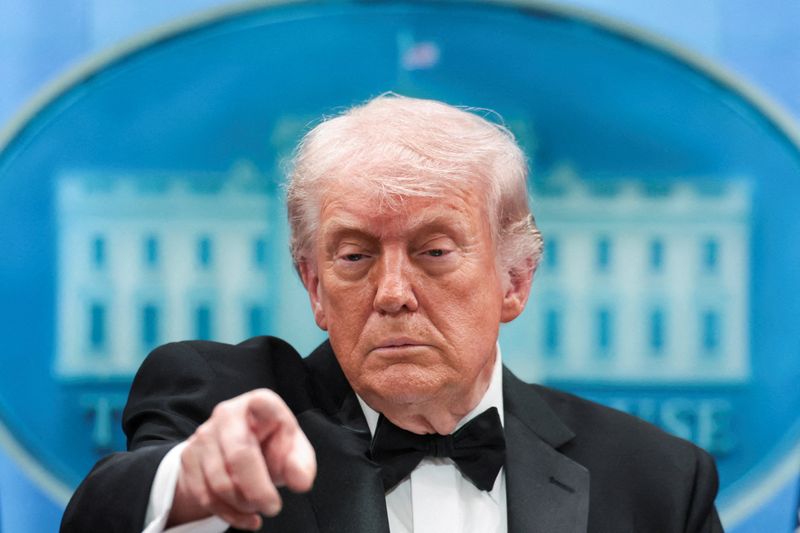

Trump was likely target of shooting at White House correspondents’ dinner, US official says

2 Magnificent Dividends To Buy And Hold Forever
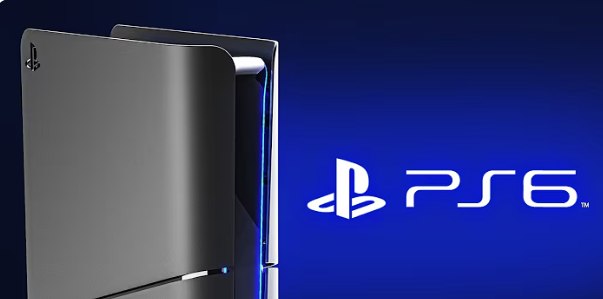
TOKYO — As Sony continues to ride high on PlayStation 5 and PS5 Pro sales, fresh leaks and analyst reports have intensified speculation about the PlayStation 6, with insiders pointing to a potential launch window between late 2027 and 2029 amid ongoing chip shortages and ambitious hardware ambitions.
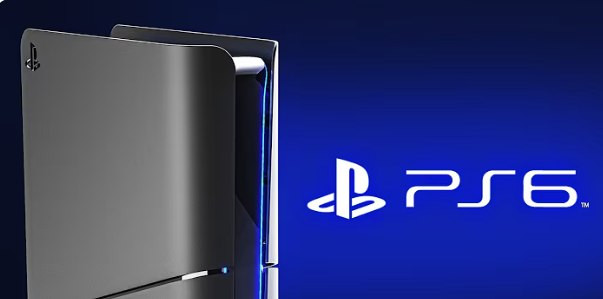
The next-generation console, internally referred to by codenames like Orion, remains unannounced by Sony as of late April 2026. However, a steady stream of credible leaks from industry sources suggests Sony is deep in development, targeting significant leaps in performance, artificial intelligence features and ecosystem expansion that could include a dedicated handheld.
Release Date Uncertainty Grows
The most consistent early rumors pointed to a 2027 launch, aligning with the traditional seven-year console cycle following the PS5’s 2020 debut. Leakers such as Moore’s Law Is Dead (MLID) and AMD insider KeplerL2 have claimed production could begin in mid-2027 for a holiday release.
Yet recent developments have clouded that timeline. Bloomberg reported in February 2026 that Sony is considering pushing the PS6 debut to 2028 or even 2029 due to a global memory chip crisis fueled by AI demand. Analyst David Gibson of MST Financial echoed concerns about rising RAM costs impacting Sony’s plans.
Despite the potential delays, some voices remain optimistic. Take-Two Interactive CEO Strauss Zelnick suggested next-generation consoles are unlikely to face major setbacks, while certain supply chain signals indicate Sony may still aim for 2027-2028. Sony has not commented officially, maintaining its pattern of secrecy until formal reveals.
Rumored Specs Promise Major Performance Jump
Leaked details paint an exciting picture for hardware enthusiasts. The PS6 is expected to feature a custom AMD Zen 6 CPU architecture paired with an advanced RDNA 5 (or UDNA) GPU, manufactured on TSMC’s 3nm process node. Reports suggest up to 8-10 CPU cores, with potential 3D-stacked cache for improved efficiency.
Memory could reach 24-32GB of high-speed GDDR7, a substantial upgrade enabling smoother multitasking, faster loading and more complex game worlds. Graphics performance targets include native 4K at 120 frames per second with advanced ray tracing, upscaled 8K capabilities and next-generation PSSR (PlayStation Spectral Super Resolution) AI upscaling.
Storage is rumored to start at 1-2TB SSD with expandable options and faster transfer speeds. Additional features may include Wi-Fi 7, HDMI 2.2 support and enhanced thermal management for quieter operation. Insiders claim the bill of materials could hit around $760, potentially leading to a $699-$999 retail price depending on configurations.
Backward Compatibility and Handheld Ambitions
One of the most welcome rumors centers on full backward compatibility with PS4 and PS5 games, ensuring access to vast libraries at launch. Leaked documents reportedly confirm this support extends to the rumored handheld variant, codenamed Project Canis.
The handheld, part of a broader PS6 ecosystem, is said to feature a smaller AMD APU with Zen 6 cores and RDNA 5 graphics, potentially outperforming the base PS5 while maintaining portability. Production costs for its chip are estimated as low as $47, raising hopes for an affordable companion device priced around $399. Sony has reportedly briefed internal studios on the project.
This dual-console strategy could mirror Nintendo’s approach while competing directly with rumored Xbox handheld efforts and existing devices like the PlayStation Portal.
AI, Features and Developer Focus
Sony is expected to double down on AI integration beyond upscaling, possibly including in-game assistance tools, procedural generation and enhanced NPC behavior. Larger “Neural Arrays” for AI processing appear in multiple leaks.
Developers have reportedly received early dev kits, with emphasis on easier cross-generation support and tools for creating expansive, high-fidelity experiences. The PS6 could emphasize sustainability, modularity (such as detachable disc drives) and cloud features.
Price and Market Challenges
Analysts predict a higher launch price than the PS5 due to advanced components and inflation. A base model around $599-$699 seems plausible, with premium or Pro variants potentially reaching $799-$999. Sony must balance innovation with accessibility amid economic pressures.
The PS5’s strong ongoing performance, bolstered by the Pro refresh, gives Sony breathing room to perfect the PS6. Extended PS5 support through 2028 or beyond appears likely regardless of the next-gen timeline.
What This Means for Gamers
For fans, the PS6 rumors signal an exciting evolution: more powerful hardware, seamless access to older games, potential portability and cutting-edge technology. However, delays could frustrate those eager for the next leap, while higher prices might spark debate about value.
Sony’s silence fuels speculation but also builds anticipation. History shows the company excels at polished launches with strong first-party titles. Until official confirmation, these leaks provide the best glimpse into PlayStation’s future.
As development continues behind closed doors, the gaming community watches closely. Whether arriving in 2027, 2028 or later, the PlayStation 6 promises to push boundaries in an increasingly competitive and technologically advanced industry. Gamers can expect more details to emerge gradually as Sony nears its reveal.
Mastercard's Earnings Preview: It's A Buy Once Again
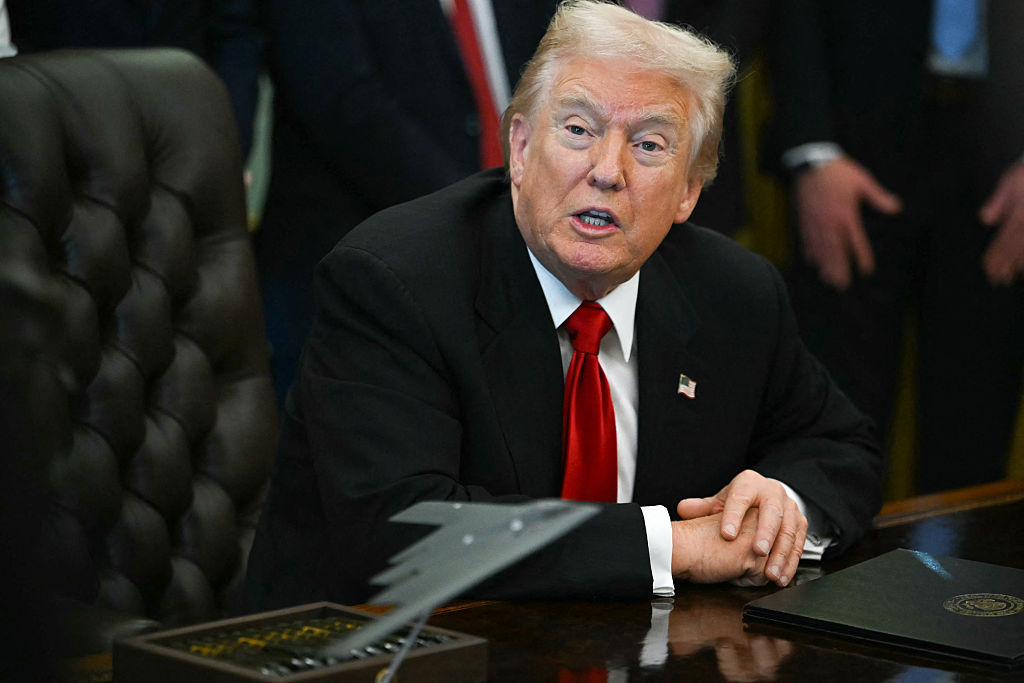
WASHINGTON — Among the three documented assassination attempts on President Donald Trump since 2024, the July 13, 2024, shooting at a campaign rally in Butler, Pennsylvania, stands as by far the most dangerous, with a gunman firing multiple shots that grazed the president’s ear, killed one spectator and injured two others in a stark security failure that came within inches of changing American history.

Security experts, congressional investigators and law enforcement officials who have reviewed the incidents rank the attempts by factors including proximity of the threat to Trump, whether shots were fired directly at him, actual harm inflicted, the scale of the security breach and evidence of premeditation. The Butler rally attempt tops the list for its lethal execution and narrow escape, followed by the April 25, 2026, incident at the White House Correspondents’ Dinner in Washington, where an armed suspect exchanged gunfire at a checkpoint near Trump and other top officials. The September 15, 2024, episode at Trump International Golf Course in Florida ranks least dangerous because the suspect was intercepted before any shots reached the president.
The Butler attack remains the only one in which Trump sustained an injury and a member of the public was killed. Twenty-year-old Thomas Matthew Crooks fired eight rounds from an AR-15-style rifle from a rooftop about 130 yards away while Trump spoke. A bullet grazed the upper part of Trump’s right ear. Corey Comperatore, a 50-year-old former fire chief, was killed shielding his family. Two other spectators were critically wounded. Crooks was fatally shot by Secret Service counter-snipers moments later.
Independent reviews and congressional task forces later highlighted multiple Secret Service lapses, including failure to secure the rooftop despite reports of a suspicious person with a rangefinder. The incident prompted the resignation of Secret Service Director Kimberly Cheatle and sweeping changes to protective protocols for high-profile events.
In contrast, the April 25, 2026, attempt at the White House Correspondents’ Dinner at the Washington Hilton ranked second in danger. Thirty-one-year-old Cole Tomas Allen of Torrance, California, charged a security checkpoint outside the ballroom armed with a shotgun, handgun and knives around 8:34 p.m. as Trump, First Lady Melania Trump, Vice President JD Vance and Cabinet members were inside. Shots were exchanged; one Secret Service officer was struck in a bullet-resistant vest but uninjured. Allen was quickly subdued and taken into custody. No one inside the ballroom was harmed, but the breach occurred in a confined, high-security indoor setting packed with 2,600 attendees.
Authorities described Allen as a lone actor whose motive remains under investigation. The incident echoed the 1981 Reagan shooting at the same hotel and renewed debates over venue security for major Washington events. Trump later posted video of the Secret Service response on Truth Social, calling it evidence of ongoing threats while praising agents.
The least dangerous of the three occurred on September 15, 2024, at Trump International Golf Course in West Palm Beach, Florida. Fifty-eight-year-old Ryan Wesley Routh was spotted with a rifle concealed in bushes roughly 300 to 500 yards from where Trump was golfing on the fifth fairway. Secret Service agents fired at Routh as he fled; he was arrested on Interstate 95 without having fired at the president. No shots reached Trump, and he was unharmed. Routh was later convicted on federal charges and sentenced to life in prison in February 2026.
Investigators found Routh had planned the attempt for months and expressed anti-Trump views online, but the early detection by agents prevented any direct threat from materializing. The episode occurred just two months after Butler and led to further perimeter security reviews at Trump properties.
Why Butler Remains the Clear No. 1 Threat
Experts say the Butler attempt scores highest on every metric of danger. The gunman not only reached a firing position but executed shots that struck Trump and bystanders in a crowded outdoor venue. Ballistic analysis confirmed the bullet that grazed Trump’s ear came within a fraction of an inch of being fatal. The presence of a lethal outcome for a spectator underscored the real-world risk to anyone nearby.
The 2026 dinner incident ranks second because, while shots were fired and the suspect was heavily armed, the attack occurred at an outer checkpoint rather than a direct line of sight to Trump. Evacuation protocols worked effectively once the threat was engaged, limiting exposure. Still, the proximity to a major presidential appearance inside a hotel ballroom made it more immediately threatening than the golf course plot.
The Florida golf course attempt ranks third because agents neutralized the threat before Routh could aim or fire toward the president. Distance and rapid intervention minimized the window of opportunity, though the premeditated nature of the plot showed clear intent.
Broader Security and Political Repercussions
Each attempt has reshaped Secret Service operations. Post-Butler reforms included expanded advance teams, drone surveillance and stricter rooftop protocols. The golf course incident highlighted challenges at private venues, while the 2026 dinner shooting has prompted reviews of indoor event screening amid high-profile gatherings.
Politically, the attempts have bolstered Trump’s narrative of resilience while intensifying national debates over political violence, rhetoric and Secret Service funding. Public polling after Butler showed a temporary unity spike, though polarization quickly returned. The 2026 incident, occurring during Trump’s second term, has drawn bipartisan condemnation but also questions about evolving threats in a divided nation.
FBI and Secret Service briefings continue to stress that threats against Trump remain elevated compared to historical norms. Additional plots, including foreign-linked ones, have been disrupted but not publicly detailed as full assassination attempts.
Lessons and Lingering Questions
Security analysts emphasize that the Butler attempt exposed systemic vulnerabilities in outdoor rally protection that have since been addressed but require constant vigilance. The rapid evolution from open-air events to high-security dinners to private properties illustrates the difficulty of protecting a president in an era of widespread firearms access and online radicalization.
As investigations into the 2026 dinner shooter continue, officials caution against speculation while urging the public to report threats. Trump has repeatedly described surviving the attempts as evidence of divine protection, using the experiences to advocate stronger law enforcement and border policies.
The ranking of these incidents underscores a sobering reality: even with elite protection, determined attackers can create moments of extreme peril. Butler’s deadly outcome remains the benchmark against which future threats are measured, serving as a permanent reminder of the personal risks faced by the nation’s leaders and the constant need to adapt security in a polarized political landscape.
For the American public, the three attempts have left an indelible mark on the 2024 campaign and Trump’s second term, highlighting both the fragility of democracy and the resilience required to sustain it amid violence. As new details emerge from ongoing probes, the focus remains on preventing the next close call.
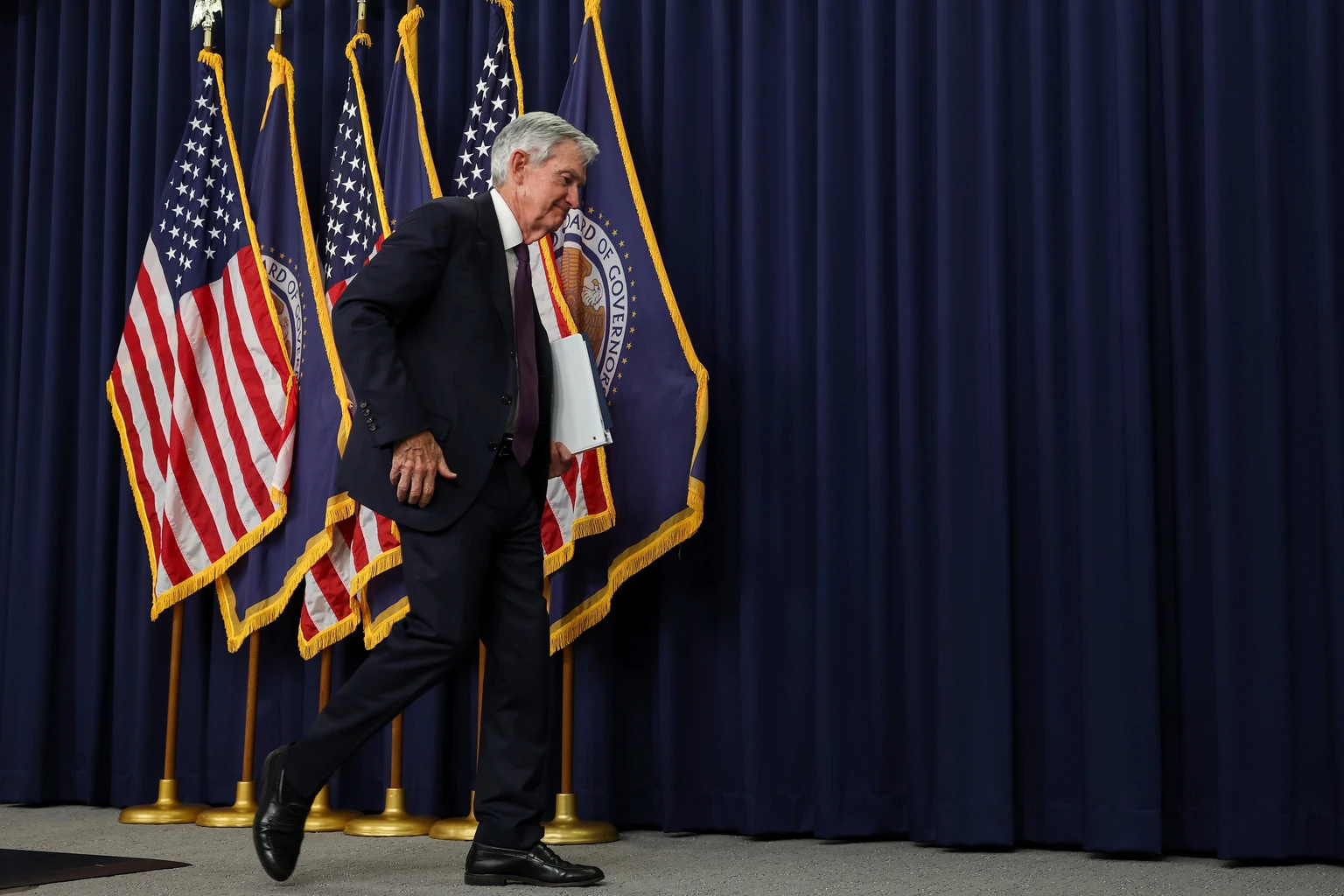

Michael Kramer is the founder of Mott Capital, and is a long-only investor who focuses on macro themes and studies trends and options activities to identify and assess entry and exit points for investments in his long-term focused thematic growth strategy. He is a former buy-side trader, analyst, and portfolio manager with 30 years of experience tracking market technicals, fundamentals, and options.Michael Kramer leads the investing group Reading the Markets, where he helps a devoted following of members to better understand what is driving trading and where the market is likely heading, both the short and long-term. Features of the investing group include: daily written commentary and videos analyzing the driving factors behind price action; general macro trend education to help members make well-informed decisions based on market conditions, interest rates, currency movements and how they all interact; chat for questions and community dialogue; and regular Zoom videos sessions to discuss current ideas and answer questions. The level of access RTM subscribers and the expertise of the source are unprecedented given that the subscription price is a fraction of similar technical coaching and mentoring services. Learn more.
Analyst’s Disclosure: I/we have no stock, option or similar derivative position in any of the companies mentioned, and no plans to initiate any such positions within the next 72 hours. I wrote this article myself, and it expresses my own opinions. I am not receiving compensation for it (other than from Seeking Alpha). I have no business relationship with any company whose stock is mentioned in this article.
This report contains independent commentary to be used for informational and educational purposes only. Michael Kramer is a member and investment adviser representative with Mott Capital Management. Mr. Kramer is not affiliated with this company and does not serve on the board of any related company that issued this stock. All opinions and analyses presented by Michael Kramer in this analysis or market report are solely Michael Kramer’s views. Readers should not treat any opinion, viewpoint, or prediction expressed by Michael Kramer as a specific solicitation or recommendation to buy or sell a particular security or follow a particular strategy. Michael Kramer’s analyses are based upon information and independent research that he considers reliable, but neither Michael Kramer nor Mott Capital Management guarantees its completeness or accuracy, and it should not be relied upon as such. Michael Kramer is not under any obligation to update or correct any information presented in his analyses. Mr. Kramer’s statements, guidance, and opinions are subject to change without notice. Past performance is not indicative of future results. Neither Michael Kramer nor Mott Capital Management guarantees any specific outcome or profit. You should be aware of the real risk of loss in following any strategy or investment commentary presented in this analysis. Strategies or investments discussed may fluctuate in price or value. Investments or strategies mentioned in this analysis may not be suitable for you. This material does not consider your particular investment objectives, financial situation, or needs and is not intended as a recommendation appropriate for you. You must make an independent decision regarding investments or strategies in this analysis. Upon request, the advisor will provide a list of all recommendations made during the past twelve months. Before acting on information in this analysis, you should consider whether it is suitable for your circumstances and strongly consider seeking advice from your own financial or investment adviser to determine the suitability of any investment.
Seeking Alpha’s Disclosure: Past performance is no guarantee of future results. No recommendation or advice is being given as to whether any investment is suitable for a particular investor. Any views or opinions expressed above may not reflect those of Seeking Alpha as a whole. Seeking Alpha is not a licensed securities dealer, broker or US investment adviser or investment bank. Our analysts are third party authors that include both professional investors and individual investors who may not be licensed or certified by any institute or regulatory body.
NEW YORK — World oil prices remained elevated near multi-year highs Sunday as geopolitical risks in the Middle East continued to dominate trading, with Brent crude settling above $105 per barrel amid persistent concerns over disrupted supplies through the Strait of Hormuz and stalled U.S.-Iran diplomatic efforts.

As of late April 24 trading, the global benchmark Brent crude closed at $105.33 per barrel, up slightly for the session but reflecting a volatile week marked by sharp swings. West Texas Intermediate crude, the U.S. benchmark, settled at $94.40, down more than 1.5% on the day after earlier gains evaporated on hopes for renewed talks.
The premium between Brent and WTI has widened notably, underscoring regional supply dynamics and strong demand for non-U.S. crudes amid ongoing disruptions. Both benchmarks have surged more than 50% from year-ago levels, driven primarily by conflict-related risks rather than pure fundamentals.
Geopolitical Drivers Dominate
Tensions surrounding Iran have been the primary catalyst. Reports of Iranian actions in the Strait of Hormuz, a critical chokepoint carrying about one-fifth of global oil supply, have kept traders on edge. The waterway remains largely restricted, with U.S. naval presence and Iranian responses limiting crude exports.
Hopes for de-escalation surfaced late in the week as the White House signaled envoys would head to Pakistan for potential indirect talks with Iranian officials. However, cautious tones from Tehran and the absence of confirmed formal negotiations limited downside pressure. Analysts note that even if the strait reopens, full normalization of flows could take months.
This geopolitical premium has pushed prices well above levels justified by current demand and non-OPEC supply growth. The International Energy Agency and other forecasters have warned that prolonged conflict could permanently alter demand patterns while tightening near-term availability.
Market Reactions and Volatility
Oil futures showed mixed performance throughout the week. Brent topped $106 at points before pulling back, while WTI flirted with $97 before Friday’s reversal. Weekly gains remained robust, with WTI posting one of its strongest performances in recent months.
Trading volumes were elevated as hedge funds and speculators adjusted positions. Options markets reflected heightened uncertainty, with implied volatility spiking on Middle East headlines. Energy stocks broadly followed the commodity, though some producers hedged against potential sharp reversals if diplomacy advances.
Supply and Demand Fundamentals
Beyond geopolitics, underlying balances show resilience. OPEC+ production cuts have helped support floors, while U.S. shale output remains robust despite higher costs. Global inventories are tighter than in prior years, particularly for sour crudes favored by Asian refiners.
Demand holds steady with economic activity in Asia providing a buffer. However, high prices are beginning to weigh on some consumers. India, a major importer, has sought alternative supplies, while European nations continue diversifying away from Russian and Middle Eastern sources.
Longer-term forecasts vary. Some analysts, including those at JPMorgan, see potential for further upside if risks persist, while others warn of demand destruction above $110-$120 per barrel. Seasonal summer driving demand in the Northern Hemisphere could add upward pressure in coming months.
Impact on Consumers and Economy
Elevated oil prices are rippling through global economies. Gasoline prices at U.S. pumps have climbed, adding to household budgets ahead of the summer travel season. Airlines and shipping firms face higher fuel surcharges, potentially feeding into broader inflation concerns.
Emerging markets with high energy import bills feel the pinch most acutely, with some currencies under pressure. Central banks monitor energy costs closely as they balance growth and price stability. In the U.S., the rise has drawn political attention, though direct intervention remains limited.
Industry and Investment Implications
Oil majors have benefited from the price environment, posting stronger cash flows that support dividends and buybacks. Exploration and production spending is increasing selectively, though capital discipline remains a watchword after past boom-bust cycles.
Renewable energy advocates argue high fossil fuel prices accelerate the transition, boosting interest in alternatives. Yet near-term, oil’s dominance in transportation and petrochemicals ensures continued relevance.
What Lies Ahead
As markets open Monday, traders will scrutinize any updates from U.S.-Iran channels and fresh data on inventories from the American Petroleum Institute and EIA. Upcoming OPEC+ meetings could provide further signals on output policy.
Technical levels are being watched closely: Brent faces resistance near recent highs around $107-$110, while support sits lower. A breakthrough in diplomacy could trigger a swift correction, but persistent disruptions suggest elevated trading ranges for the foreseeable future.
The current environment highlights oil’s sensitivity to headlines over pure supply-demand math. With summer approaching and geopolitical risks unresolved, volatility is likely to remain a feature. Consumers, businesses and policymakers alike are bracing for an uncertain energy landscape where prices above $100 per barrel have become the new normal.
Global energy markets will continue balancing these forces in the weeks ahead, with every development in the Middle East capable of moving the needle on one of the world’s most vital commodities.
Business
Megan Thee Stallion Accuses Klay Thompson of Cheating, Rumors Swirl Around WNBA Star Lexie Brown
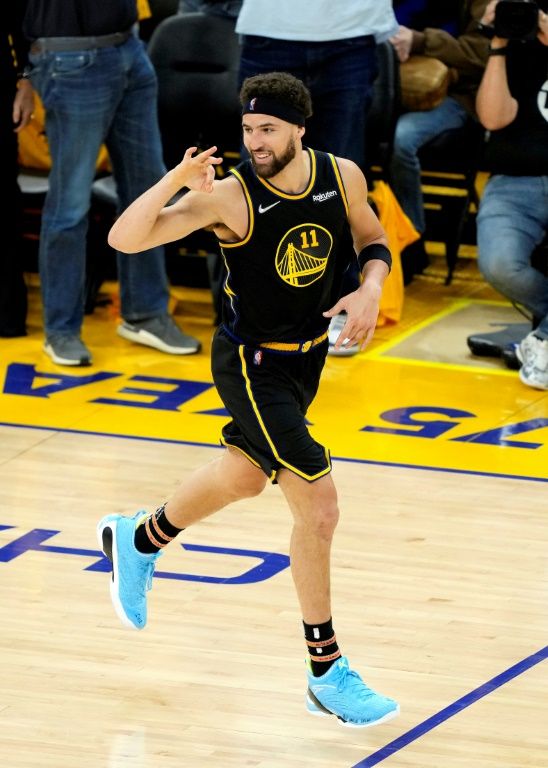
DALLAS — Megan Thee Stallion publicly accused Dallas Mavericks guard Klay Thompson of cheating Saturday, confirming the end of their high-profile relationship in a raw Instagram Story post that quickly went viral and ignited a storm of social media speculation linking the NBA veteran to WNBA player Lexie Brown.
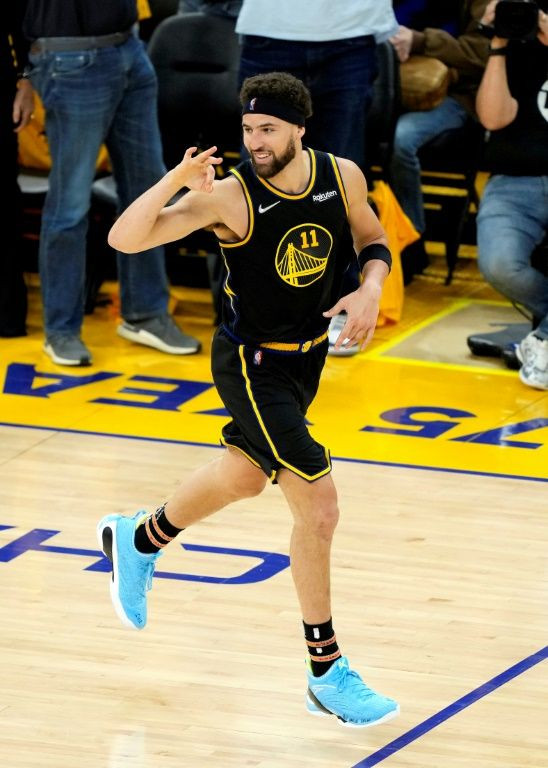
The Grammy-winning rapper, 31, did not name Thompson directly in her initial post but left little doubt about the target. “Cheating, had me around your whole family playing house… got ‘cold feet.’ Holding you down through all your HORRIBLE mood swings and treatment towards me during your basketball season now you don’t know if you can be ‘monogamous’???? b***h I need a REAL break after this one .. bye y’all,” she wrote.
Hours later, a representative for Megan Thee Stallion confirmed the split in a statement to multiple outlets. “I’ve made the decision to end my relationship with Klay. Trust, fidelity and respect are non-negotiable for me in a relationship, and when those values are compromised, there’s no real path forward,” the statement read. “I’m taking this time to prioritize myself and move ahead with peace and clarity.”
The couple had been dating publicly since late 2025, making red-carpet appearances and drawing significant attention for blending the worlds of hip-hop and professional basketball. Their relationship appeared strong in recent months, with Thompson, 36, often sharing supportive messages and the pair attending events together. Thompson has not publicly responded to the accusations as of Sunday.
Rumors Point to Lexie Brown
As Megan’s post spread rapidly across platforms, social media users began speculating about the identity of the alleged “other woman.” Multiple unverified posts on X pointed to Lexie Brown, a 31-year-old guard for the Seattle Storm and a 2019 WNBA champion. One widely circulated claim from an account called “Error,” reshared by media aggregators, alleged that Brown had shared private messages on her Instagram Close Friends story in which Thompson reportedly described his relationship with Megan as “just for social media.”
The rumors gained further traction when observers noted that Thompson appeared to have unfollowed Brown on Instagram, while Brown made her own account private amid the backlash. However, multiple outlets have stressed that these claims remain entirely unverified, with no direct evidence, statements from Brown or confirmation from any involved parties.
Brown, a veteran point guard known for her sharp shooting and competitive drive, has not commented publicly. She played a key role in the Storm’s championship run and maintains a relatively low public profile compared to many celebrity athletes. The swift online association has drawn criticism toward those spreading the unconfirmed allegations, with some fans defending Brown against what they call baseless speculation.
Pattern of Past Allegations
This is not the first time Thompson has faced public cheating accusations. In 2015, model and influencer Hannah Stocking posted tweets claiming infidelity during their relationship, though those posts were later deleted. The pattern has fueled online commentary suggesting recurring issues in Thompson’s high-profile romances.
Thompson, a four-time NBA champion and one of the greatest shooters in league history, joined the Mavericks in 2024 after spending his prime years with the Golden State Warriors. Known for his calm demeanor and focus on basketball, he has generally kept personal matters private despite the intense scrutiny that comes with dating a global superstar like Megan Thee Stallion.
Public Reaction and Cultural Impact
The breakup and cheating allegations have dominated sports and entertainment discussions Sunday, with hashtags like #KlayThompson, #MeganTheeStallion and #LexieBrown trending. Fans expressed disappointment on both sides — some supporting Megan’s decision to prioritize self-respect, others questioning the public nature of the accusations.
The intersection of NBA and WNBA stars in the rumors has also sparked broader conversations about athlete relationships, privacy in the social media era and the challenges of maintaining monogamy under constant public attention. Commentators noted the swiftness with which unverified claims can spread, often before facts emerge.
Megan Thee Stallion, who has been open about her personal growth following past traumas, emphasized self-care in her statement. Her music has frequently explored themes of empowerment, betrayal and resilience, which many fans connected to the current situation.
What’s Next
As of Sunday evening, neither Thompson nor Brown had issued statements. The Mavericks are in the midst of their season, and any personal distractions could impact focus as the team navigates the Western Conference landscape. Megan Thee Stallion continues work on new music and other projects following a busy period that included Broadway aspirations and hit releases.
The situation remains fluid, with potential for additional details or clarifications in the coming days. For now, it stands as another reminder of how quickly celebrity relationships can unravel in the spotlight and how social media amplifies unconfirmed rumors into major narratives.
Both Thompson and Megan Thee Stallion have large, dedicated fan bases that have shown fierce loyalty in the past. How they navigate the aftermath could shape public perception moving forward. In the meantime, the story serves as a high-profile example of the complexities of modern relationships among the famous, where privacy is scarce and speculation is abundant.
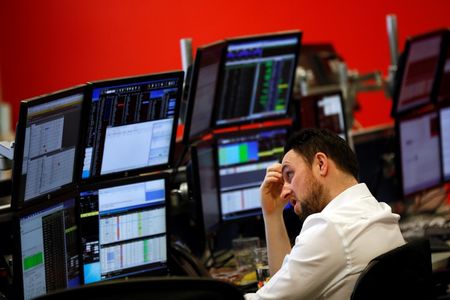
All eyes on Noble earnings as drilling market tests recovery

FEPI: A Battle-Tested 25% Yielder To Buy

Save $200 on 15-inch MacBook Air M5 with more RAM, storage

Top 5 free budgeting apps to manage your personal finance #budgeting #personalfinance

Sabastian Sawe makes London Marathon history with sub-two hour record

Manchester United reach agreement with Casemiro over contract clause amid transfer speculation

US brings back mandatory military draft registration

Steven Gerrard disagrees with Gary Neville over ‘shock’ Chelsea and Arsenal claim | Football


-

 Business7 days ago
Powerball Result April 18, 2026: No Jackpot Winner in Powerball Draw: $75 Million Rolls Over
-

 Fashion2 days ago
Weekend Open Thread – Corporette.com
-
Entertainment7 days ago
NBA Analyst Charles Barkley Chimes in on Ice Spice McDonald’s Fiasco
-
 Crypto World19 hours ago
Hyperliquid $HYPE Rally Builds Momentum as AI Sector Enters Prove-It Phase
-

 Politics6 days ago
Gary Stevenson delivers timely reminder to register to vote as deadline TODAY
-
Crypto World6 days ago
Bank of Hawai’i (BOH) Q1 2026: Net Income Drops to $57.4M as Net Interest Margin Expands
-

 Politics4 days ago
Making troops accountable for war crimes threatens US alliance, ex-SAS colonel warns
-

 Politics4 days ago
Disabled people challenge government SEND proposals over segregation concerns
-

 Business4 days ago
Rolls-Royce Voted UK’s Most Iconic Trade Mark as IPO Register Hits 150
-

 Politics4 days ago
Zack Polanski responds to home secretary’s taser threat
-

 Politics4 days ago
Starmer handler McSweeney to be dragged from shadows by Foreign Affairs Committee
-
Politics4 days ago
Wings Over Scotland | How To Get Away With Crimes
-
 Sports2 hours ago
IPL 2026: Ruturaj Gaikwad registers slowest fifty of the season, enters all-time unwanted list | Cricket News
-
 Crypto World5 days ago
Five Value Stocks with Recovery Potential in 2026: PayPal (PYPL), Nike (NKE), and More
-

 Crypto World5 days ago
New York sues Coinbase, Gemini over prediction market offerings
-

 Politics4 days ago
‘Iran is still a nuclear threat’
-
 Sports3 days ago
Tim Bradley names the current best in the world: “Better than Inoue and Usyk”
-
 Business4 days ago
HCL Tech share price tank over 9% after weak Q4. JPMorgan, HSBC & 3 others cut target price
-

 NewsBeat6 hours ago
LK Bennett closes all stores after entering administration
-

 Crypto World5 days ago
Crypto’s great hope in Senate’s Clarity Act still has a path to survive tight calendar
You must be logged in to post a comment Login