
Sports
England thrash Japan 78-15 as Joseph’s five tries equal England record


Header image: AI-generated illustration by WordUp News.
When England thrash Japan 78-15 at Twickenham, the scoreline tends to dominate the story. This time it shared the stage with a comeback. Will Joseph, back in an England shirt after four years away from Test rugby, scored five tries to equal the national record in a 13-try Nations Championship rout.
A long road back for Will Joseph
Joseph’s first cap came as a teenager, when he was a late replacement against Australia four years ago. What followed was far from smooth. His boyhood club, London Irish, went bust. A spell at Harlequins was underwhelming. He also lost the hearing in his left ear after an auto-immune reaction.
His form for Gloucester early this season brought him back into contention. Against Japan he showed intelligence and work-rate as well as top-end pace. He was picked to supply the speed and power England lost when Immanuel Feyi-Waboso was injured. One report described the outing as his full debut, but BBC Sport’s account makes clear he had been capped before.
Only four other players have scored five tries in a single England match: Douglas Lambert, Rory Underwood, Josh Lewsey and Henry Arundell. Joseph now sits alongside them.
How England thrash Japan, and why it got out of hand
England had targeted fast starts this autumn and got one. They led 32-3 inside 20 minutes and 49-10 at half-time. Joseph’s first try came almost immediately. It was checked by the Television Match Official, much as a second-minute effort for Feyi-Waboso was chalked off against Australia a week earlier. This one stood.
The match turned on a collision. Japan lock Harry Hockings caught Ellis Genge with a shoulder to the head and, upright in contact, was shown a 20-minute red card on review. (One summary described it as a yellow card.) Japan, who struggled even at full strength, were swamped during the powerplay. England scored four more tries in that period while Eddie Jones, who coached England for nearly seven years from 2016, watched on grim-faced from the coaches’ box.
England’s forwards supplied the platform. Genge charged over after flattening number eight Jack Cornelsen. Big carries from George Martin and Asher Opoku-Fordjour set up Freddie Steward’s try, and a driving maul led by Ben Earl pushed the total past 49. Cadan Murley, Martin, Ben Curry, Marcus Smith and replacement Greg Fisilau also scored. Joseph’s five took the total to 13. George Ford kicked four conversions and a penalty, and Henry Slade added another conversion.
Japan’s response was modest. Warner Dearns and Opeti Helu scored tries, with Saito kicking a conversion and a penalty. Japan have been a threat to major powers before with quick ball movement and rapid rucks, but England never let them build that rhythm.
An audition for the World Cup squad
Head coach Steve Borthwick made 10 changes, and the match doubled as a trial for fringe players. Centre Max Ojomoh, playing for the first time since an excellent display against Argentina 12 months earlier, helped create Joseph’s second try and set up his acrobatic fourth with slick hands.
Others made less of a clear case. Henry Pollock, on only his second England start, carried willingly but did not have the impact he has often made off the bench. Fisilau’s two heavy tackles and a burrowing try added to the debate over the back row. Ford’s missed conversions could count against him as he tries to win back the 10 shirt more permanently. Northampton scrum-half Archie McParland came on to make his debut.
New Zealand next
The mood will change quickly. A host of front-line players are due back next Saturday against New Zealand, who are smarting from a defeat by Wales. Beating a weakened Japan side is no guide to that match. But England have now followed a win over Australia with a 13-try display, and Joseph’s comeback has given Borthwick one more selection question to answer.
Explore more on this topic with Vexel Search.
WordUp Morning
Ten stories, both sides of each, in five minutes. Free, every weekday at 7am, plus a Saturday weekend edition.
We'll email you a link to confirm. Unsubscribe any time.

Header image: AI-generated illustration by WordUp News.
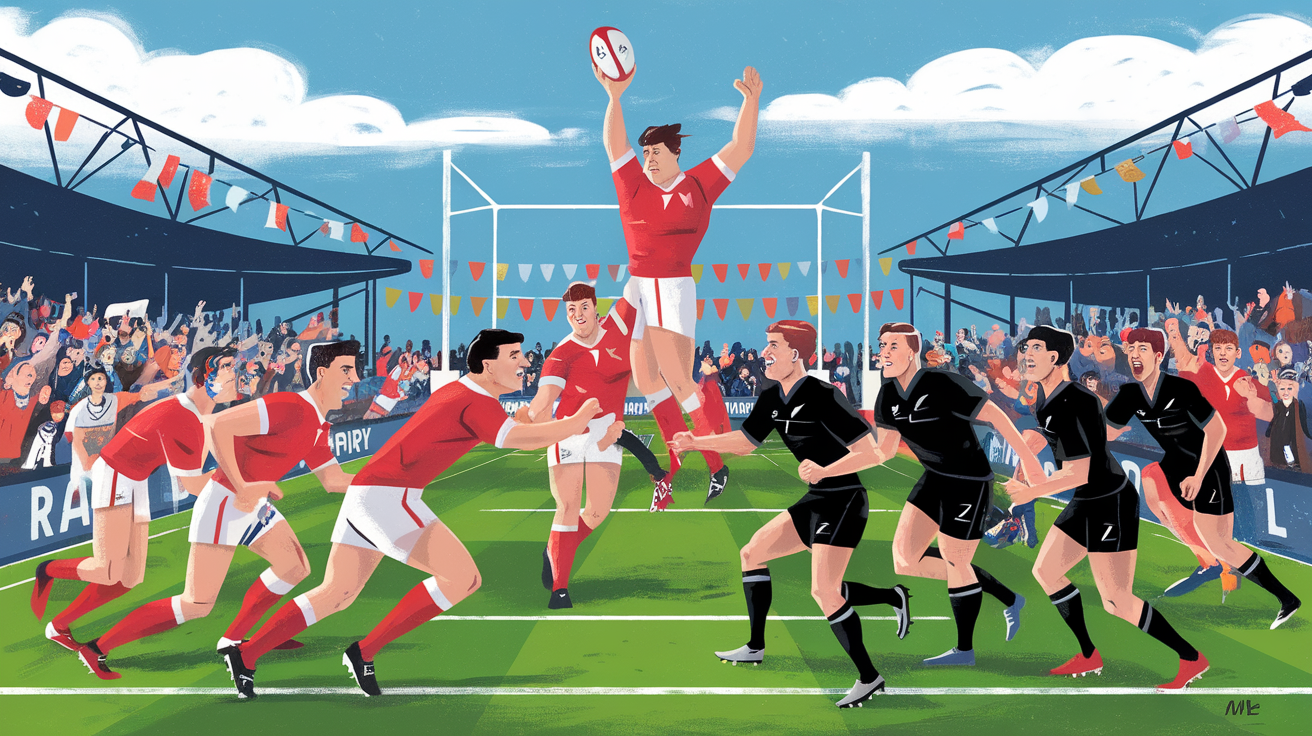
When Wales beat New Zealand 35-28 at the Principality Stadium, they ended a wait that began in 1953, when tries were worth three points and Cardiff was not yet the Welsh capital. It was a first win over the All Blacks after 34 straight defeats, and it came in a nine-try Nations Championship match that swung back and forth until the closing minutes.
How Wales beat New Zealand: a fast start and three 14-point leads
Steve Tandy’s side, given little hope beforehand, did not ease into the game. By the Standard’s timing, Tomos Williams scored after only 80 seconds. Louis Rees-Zammit, on his first touch, kicked over the New Zealand defence and Williams won the race to the ball. Captain Dewi Lake crashed over a few minutes later, and Sam Costelow’s conversions made it 14-0. BBC Sport noted it was the first time Wales had ever led New Zealand by that margin.
The All Blacks recovered. Cortez Ratima scored from a lineout, and prop Archie Griffin’s try restored the 14-point gap after 24 minutes. Wallace Sititi and Fehi Fineanganofo then scored, with Richie Mo’unga converting, to make it 21-21 at the break. It was the first time since 2016 that Wales had not trailed New Zealand at half-time.
Wales hit back early in the second half. Eddie James scored four minutes after the restart and Rees-Zammit crossed unopposed, with Costelow adding both conversions, so Wales led by 14 for the third time. Peter Lakai’s try and another Mo’unga conversion cut it to 35-28 in the 53rd minute.
The defensive stand that decided it
What followed was the part that will be remembered. The All Blacks besieged the Welsh line in the final quarter but were held up three times and did not score again. BBC Sport singled out flankers James Botham and Jac Morgan and lock Dafydd Jenkins as the leaders of that effort. New Zealand’s new captain, Beauden Barrett, reportedly said afterwards that his team had run into a “Welsh brick wall”.
It was also the first time Wales had scored five tries against New Zealand. Costelow converted all five, which accounts for all 35 of their points.
Gamble backfires for the All Blacks
The context made the result more striking. Some New Zealand media had belittled Welsh rugby before kick-off, and some bookmakers offered 20-1 on a Wales win. Wales made four changes from the team that beat Japan 28-21 the previous week. Taine Basham, back for his first Test start in four years, replaced the injured Aaron Wainwright at number eight.
Coach Dave Rennie made eight changes from the side that beat Scotland 43-21, and Barrett was handed the captaincy in his 149th international. The Standard said that rotation “backfired spectacularly”. Even so, New Zealand rose to the top of the southern section, overtaking South Africa after France’s win over the Springboks on Friday, with one weekend of regular matches left.
What the win means for Welsh rugby
The crowd of 55,152 was the smallest of the 14 Wales-New Zealand matches at the Principality Stadium. BBC Sport’s Gareth Griffiths wrote that those who stayed away would regret it. Players were in tears at the end, and the Standard called it arguably the most famous win in Wales’ 145-year Test history.
Welsh rugby has struggled for years, on and off the field, and one result does not change that. But players such as Sir Gareth Edwards, Barry John, Phil Bennett, JPR Williams, Shane Williams and Alun Wyn Jones never beat New Zealand in a Welsh jersey. The class of 2026 now has a win that many of them never got, and a performance very different from the one against Japan seven days earlier.
- Magnificent Wales beat New Zealand for first time since 1953 (BBC)
- Magnificent Wales end 73-year New Zealand hoodoo (sports.yahoo.com)
- Wales beat New Zealand for first time since 1953 in historic upset (standard.co.uk)
Explore more on this topic with Vexel Search.
WordUp Morning
Ten stories, both sides of each, in five minutes. Free, every weekday at 7am, plus a Saturday weekend edition.
We'll email you a link to confirm. Unsubscribe any time.
Sports
Goalkeeper handed maximum 12-match ban after Jesús de Miguel’s death, as the abandoned game’s 2-2 result stands

Header image: AI-generated illustration by WordUp News.
Spain’s football federation has imposed a 12-match ban on FC Andorra goalkeeper Jesús Owono, the maximum available sanction, following the on-pitch collision that preceded the death of Tenerife striker Jesús de Miguel. The ruling, announced on 13 November, closes the sporting chapter of a case that has shaken Spanish football, though a police inquiry and a deeply uncertain personal future for the goalkeeper remain.
What the disciplinary committee decided
The collision happened on 2 November during a second-division match between Tenerife and FC Andorra. Owono, 25, an Equatorial Guinea international, was sent off after meeting De Miguel in midfield while trying to deal with a high ball. The match was abandoned seven minutes into stoppage time with the score at 2-2. De Miguel, 30, was taken to hospital and died the following day.
The committee stressed that it had to rest its judgment on “the facts expressly recorded in the referee’s report”. That report said Owono was dismissed for “violently striking an opponent in the chest with his leg, using excessive force, while the ball was in play”. The panel acknowledged that the fatal outcome was “public knowledge”, but it tied the sanction to the nature of the conduct and its circumstances. On that basis it concluded that the 12-match ban was justified.
The wording matters. The committee did not set out to rule on what caused De Miguel’s death. It applied its disciplinary code to what the match official recorded. Whatever the medical and legal picture turns out to be, the 12-match ban reflects the referee’s account of the challenge.
The abandoned game will not be replayed
In a separate decision, the federation ruled that the match will not be restarted or replayed. The 2-2 scoreline at the moment of abandonment will stand as the final result. A federation committee called this the “most respectful course of action, given the extraordinary and tragic circumstances of this case”, and said it spared everyone from having to resume play from the exact moment of the incident.
Police inquiry continues
Away from the disciplinary process, Spanish police opened an investigation under judicial supervision. Reports cited in the sources describe it as an inquiry into possible involuntary manslaughter. Under Spanish law, deaths from non-natural causes are open to investigation as a matter of course, according to the Associated Press. Prosecutors have reportedly indicated that criminal proceedings are unlikely. No charges have been brought, and the inquiry does not amount to any finding against the goalkeeper.
Owono’s future in football is undecided
Owono has not played since the match. In a statement released through his club days after De Miguel’s death, he said he was living through “the hardest days of my life” and felt “immense pain” over the loss. He added that he would face whatever came with “the utmost respect” and that he could think of nothing but De Miguel and the people who loved him.
His coach, Carles Manso, said the decision on whether and when to return belongs to the player alone. Manso said Owono was spending time with his family and would be given space to decide, including the possibility of not playing again. With a 12-match ban now in place, any comeback would be some way off even if he chose to resume. The sanction may matter less to him than the question of whether he wants to return at all.
Spanish football’s response
Tenerife supporters and players gathered at the club’s stadium for a memorial and farewell on the Saturday after De Miguel’s death. His funeral, held on the following Thursday, drew around 400 mourners. Among them were Spain head coach Luis de la Fuente and Real Madrid president Florentino Pérez, a sign of how widely the loss was felt across the sport.
The federation’s decisions are unlikely to settle the wider questions the incident has raised. They do give the clubs a defined outcome on the result and the sanction, while the police inquiry continues and a young goalkeeper decides what, if anything, comes next in his career.
- Goalkeeper involved in fatal collision gets 12-game ban (BBC)
- Jesús Owono given 12-match ban for tackle that resulted in Jesús de Miguel’s death (The Guardian)
- Jesús Owono suspended 12 matches for collision that resulted in death of Spanish player Jesús de Miguel (sports.yahoo.com)
- FC Andorra goalkeeper banned after fatal collision with Jesus de Miguel (The Independent)
Explore more on this topic with Vexel Search.
WordUp Morning
Ten stories, both sides of each, in five minutes. Free, every weekday at 7am, plus a Saturday weekend edition.
We'll email you a link to confirm. Unsubscribe any time.
Sports
Cole Palmer England row: Rogers says commitment claims are ‘a lie’ as Palmer has played just 3 of Tuchel’s 27 games
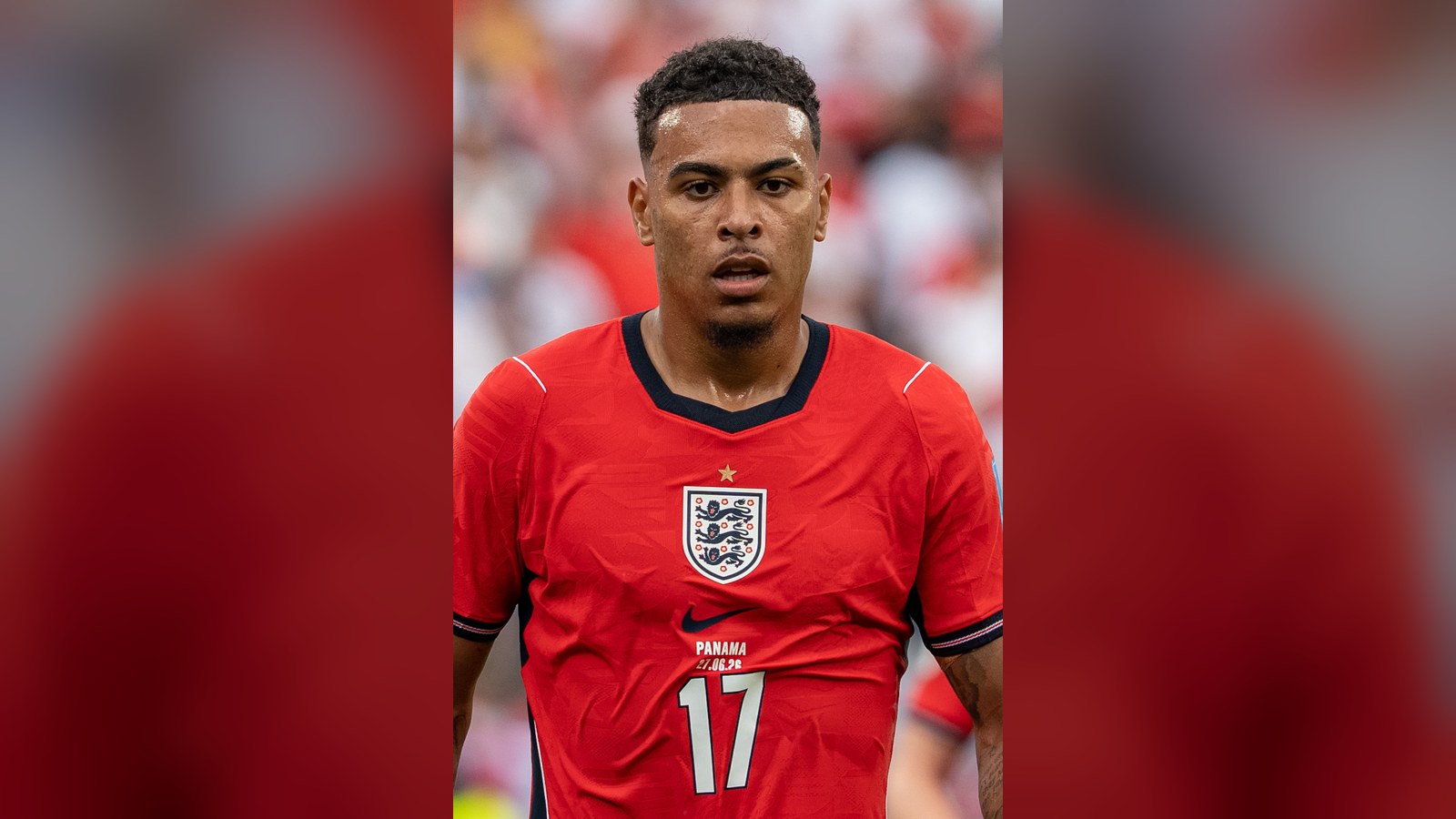
The Cole Palmer England debate has found an unexpected and forceful voice in Morgan Rogers, who has dismissed suggestions that his Chelsea teammate does not want to represent his country as “a lie” and “nonsense”.
Rogers made the comments after scoring the opening goal in England’s 2-1 Nations League win over Croatia at Wembley, a result that sent Thomas Tuchel’s side into next March’s quarter-finals. Harry Kane sealed it from the penalty spot on the night he became England’s most capped player, with his 126th appearance. Palmer, though, was not in the squad.
What Rogers said about Palmer
Rogers, who like Palmer is 24, spoke to the media and BBC Radio 5 Live. He said Palmer “wanted to get called up and he wanted to come and represent his country as he always has done”. He pointed to a difficult run with injuries last year, saying his friend was “in quite a low place” and “didn’t feel 100% himself on the pitch”.
The argument at the heart of his defence was longevity. “He wants to play for 10 to 15 years, he also has to manage himself,” Rogers said, adding that if Palmer needs to protect his body in the short term, “you have to fully support it”. He said it was “nonsense” that anyone would question the desire of a player who so visibly loves the game.
Why the Cole Palmer England question keeps coming up
The issue has simmered since Palmer withdrew from the previous England camp with an injury. That came despite him having played in all of Chelsea’s league games up to that point. Tuchel responded then by saying Palmer “misses too many opportunities” to impress. When the idea was put to the manager that Palmer does not want to play for the national team, Tuchel said it was “hard to argue”, according to the Guardian.
The numbers explain why the topic has traction. Palmer has won only 14 caps in the three years since his debut, scoring twice. One of those goals came in the Euro 2024 final defeat by Spain. He has featured in just three of Tuchel’s 27 games in charge, despite a Premier League record of 50 goals and 24 assists. He was England’s men’s player of the year for 2023-24 but missed out on the World Cup squad after a patchy season.
Tuchel has tried to lower the temperature. “It’s not personal,” he said this week, insisting Palmer is “always in our mindset but the competition is on”. He also pointed to the strength of his options in the number 10 role and the value of continuity after what he called a happy two and a half weeks together last time. Of Rogers’s intervention, he said it was “totally fine, it’s his teammate and friend”, and he called Rogers England’s standout player against Croatia.
Is Tuchel sending a message?
Former England goalkeeper Paul Robinson suggested there may be a method behind the manager’s approach. He compared it with Jude Bellingham, who was left out of an England squad about 12 months ago. Bellingham went on to play a central part at the World Cup, scoring seven goals as England finished third. Robinson said Tuchel’s handling of Bellingham was about making him realise “the team was the star”, and added he “wouldn’t be surprised” if the same lesson is being applied to Palmer.
For now, the Cole Palmer England story rests on two competing readings. One says repeated withdrawals reveal a lack of appetite. The other, which Rogers backs, says a player with a troubled injury record is managing his body. England, meanwhile, have bigger matters ahead, with a trip to Madrid to face Spain on Sunday. A win there would take them top of their group. Whether Palmer is in the frame when the squad next assembles will show how far the door really is open.
- Morgan Rogers says ‘it’s a lie’ that Cole Palmer does not want to play for England (The Guardian)
- 'A lie' & 'nonsense' – Palmer committed to England, says Rogers (BBC)
- 'It's a lie! Palmer wants to play for England, says Rogers (Sky Sports)
- 'A lie' & 'nonsense' – Palmer committed to England, says Rogers (sports.yahoo.com)
Explore more on this topic with Vexel Search.
File photo: Morgan Rogers England v Panama 27 June 26-144 (cropped).jpg by Bryan Berlin, CC BY-SA 4.0, via Wikimedia Commons.
WordUp Morning
Ten stories, both sides of each, in five minutes. Free, every weekday at 7am, plus a Saturday weekend edition.
We'll email you a link to confirm. Unsubscribe any time.
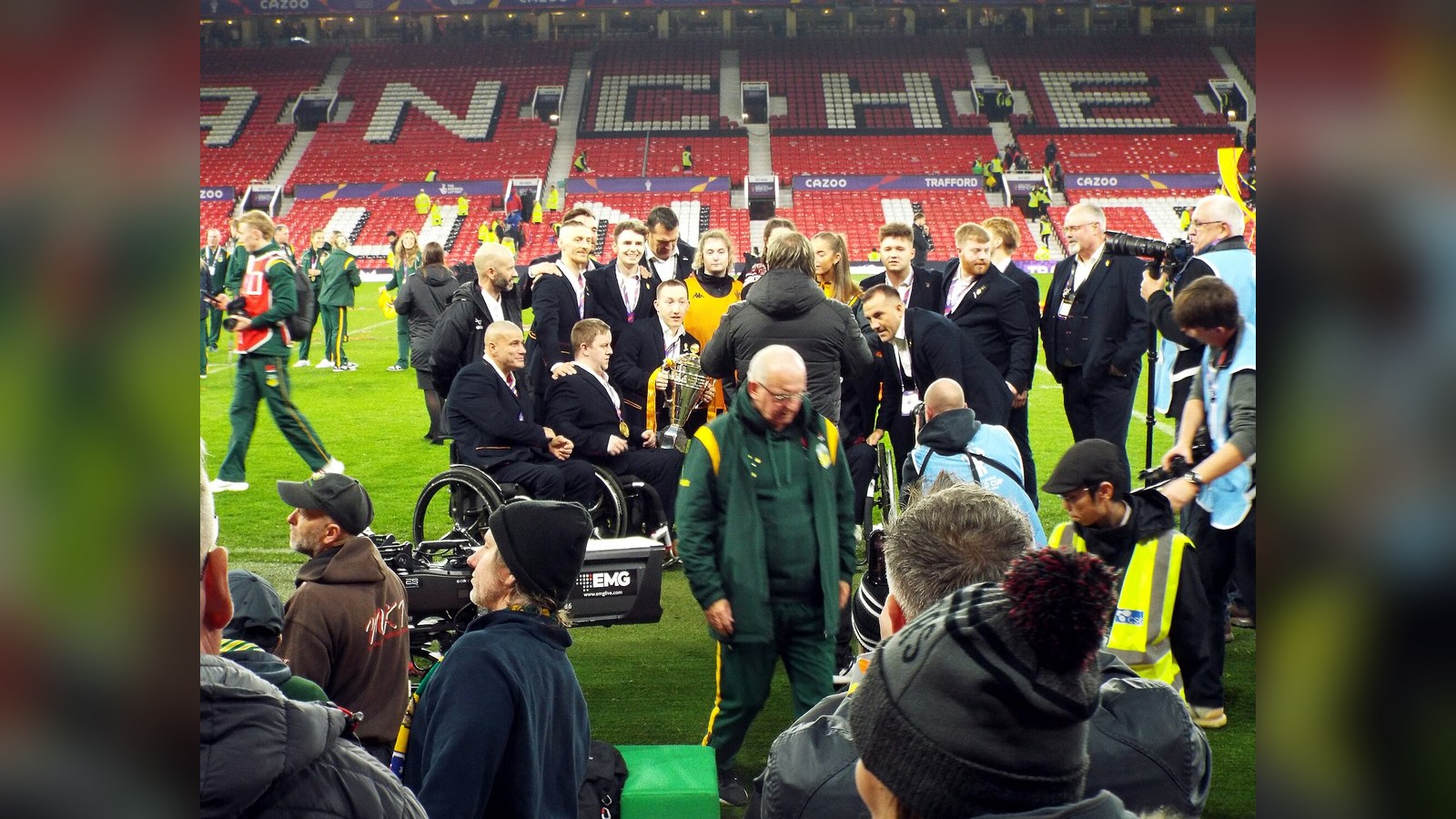
England have defended their world crown in wheelchair rugby league, beating old rivals France 50-38 in a final in Wollongong, Australia, that was far tighter than the scoreline suggests. It was England’s third world title and a successful defence of the one they won on home soil in 2022.
A final that swung back and forth
Joe Coyd scored four tries for the winners. His early double put England 10-0 up, but France responded with four unanswered tries. Florian Guttadoro’s finish on the right made it 22-10 to the French, and for a while the momentum belonged to Cyril Torres’ side.
England answered before the break. Coyd completed a hat-trick just past the half-hour mark, and quick tries from Jack Brown and Rob Hawkins gave them a 28-22 half-time lead. France drew level soon after the restart, with Dany Denuwelaere scoring, and the match looked set to repeat the 28-24 finish of four years ago in Manchester.
England’s late surge settles it
Hawkins broke the deadlock with an acrobatic second try that came against the run of play. Coyd’s fourth gave England breathing space, and Brown added two more to complete a hat-trick of his own. Nathan Collins kicked six conversions. Denuwelaere kept scoring for France and completed a hat-trick in the final minute, but by then the result was beyond doubt.
Hawkins had a good week away from the scoring. He was named winner of the Golden Boot and the world’s best player for a record third year running. The final also had a family angle, as Coyd is the brother of England head coach Tom Coyd.
A rivalry built on respect
This was the fourth straight World Cup final between the two nations, who have shared the previous four titles between them. The Guardian described their meetings as thunderous and at times controversial on the field, but marked by great respect off it. That mutual regard is part of what makes wheelchair rugby league distinctive, since disabled and able-bodied athletes compete alongside one another.
The wider significance may lie beyond the trophy. The Guardian highlighted England’s Finlay O’Neill, who watched the 2022 final from home. Told he could no longer play the running game for health reasons, he was inspired to take up wheelchair rugby league and is now one of its rising stars. The hope is that Friday’s win gives the same push to other people watching at home.
For England, the result confirms their place at the top of the sport. For the sport itself, a closely fought final between its two strongest nations shows what it can offer.
- England beat France to become back-to-back world champions (BBC)
- Rugby League World Cup glory again for England’s wheelchair champions (The Guardian)
- England beat France to retain Wheelchair Rugby League World Cup (The Independent)
- England beat France to retain Wheelchair Rugby League World Cup (sports.yahoo.com)
Explore more on this topic with Vexel Search.
File photo: England wheelchair rugby league team celebrating at Old Trafford.jpg by Fleets, CC BY-SA 4.0, via Wikimedia Commons.
WordUp Morning
Ten stories, both sides of each, in five minutes. Free, every weekday at 7am, plus a Saturday weekend edition.
We'll email you a link to confirm. Unsubscribe any time.
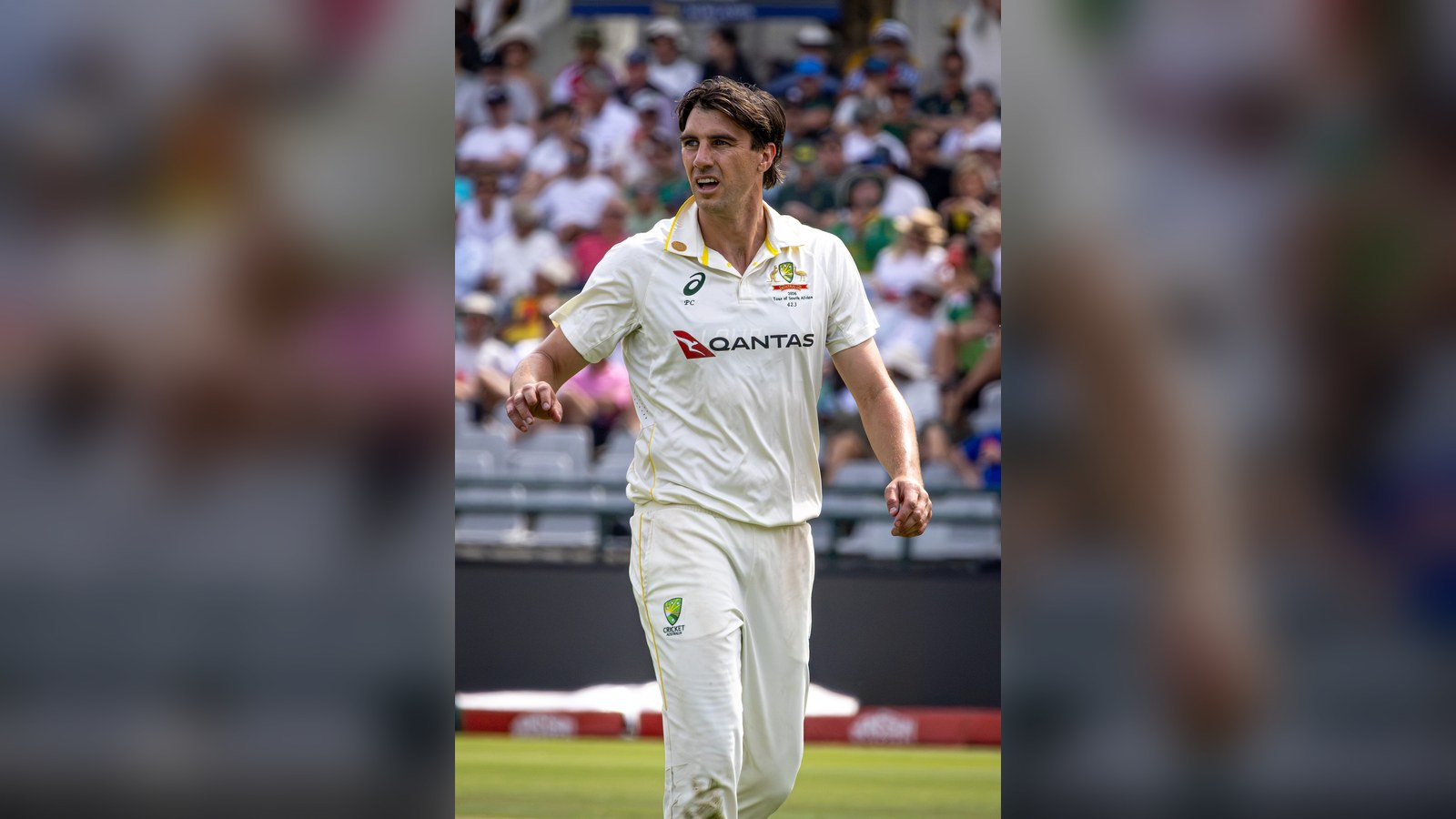
Australia captain Pat Cummins has answered the Khawaja sandpaper claims with a marathon press conference, rejecting the suggestion that the whole 2018 team knew about the ball-tampering plot as “100% wrong” and “complete and utter nonsense”. The 68-minute session in Sydney on Friday was one Cummins arranged himself. He promised to answer every question because, he said, he did not want to discuss the matter again afterwards.
What Khawaja alleged in his book
The row began with Sabr, the autobiography of Usman Khawaja, who retired from international cricket in January. In it, and in a related newspaper interview, Khawaja says knowledge of the Cape Town plan went well beyond Steve Smith, David Warner and Cameron Bancroft, the three players banned by Cricket Australia. He suggests sandpaper was used in the preceding Test as well and says he asked for the whole team to share responsibility, only for two unnamed team-mates to reject the idea. He also criticises an investigation that never interviewed him, even though he sat beside Bancroft in the dressing room during the match.
Cummins’ defence
Cummins drew a careful line. If “we all knew” means everyone knew sandpaper was going onto the field, he said, that is wrong, and he has said so consistently for eight years. What angered him more, he said, was the book’s suggestion that he and others were “architects” of a scheme. He also said he did not recall any conversation about collective responsibility, so he had no idea who the two players might be.
He rejected the idea of a grand plan, saying there was “no team meeting” and no bowlers insisting on a course of action. He said he saw nothing unusual on the ball and noted that umpires inspected it too. He explained that sandpaper could be in the dressing room because bowlers sometimes used it in training to practise with a reverse-swinging ball. He added that he had no recollection of tampering during the 2017-18 Ashes.
Cummins did not present the 2018 side as blameless. He conceded it had a “win-at-all-costs” mentality and an “ugly underbelly” that he says he has spent his captaincy trying to remove. He also called the one-year bans for Smith and Warner and the nine-month suspension for Bancroft “heavy handed”.
Friendship, lawyers and a divided dressing room
The tone was personal as well as defensive. “Friends aren’t casual with each other’s lives and reputations,” Cummins said, adding that he supports Khawaja’s right to tell his story. He said he had been advised that some of the claims were probably defamatory but would not take legal action. He has spoken to Khawaja and Smith since the book came out, but not to Warner.
Warner made his own position clear soon afterwards. Speaking as a commentator, he said he stood by Khawaja’s account and felt Cummins had “thrown Uzzy under the bus”. He said the matter would not rest until “the truth is accepted”. Seam bowler Chadd Sayers, who was on the 2018 tour, has also backed Khawaja. Against that, former coach Darren Lehmann, his then assistant Graeme Hick and bowler Mitchell Starc have rejected the claims.
Why the Khawaja sandpaper claims keep resonating
The spotlight falls hardest on the bowling attack in Cape Town. Cummins, Starc, Josh Hazlewood and Nathan Lyon remain Australia’s first-choice quartet and have long denied any knowledge of the plot, including in a joint statement in 2021. Critics have seized on how carefully worded that statement was, which is part of why the row has stayed alive.
Cricket Australia chief executive Todd Greenberg has reviewed the files from the original investigation, and Cummins said he had met him. Reports indicate Greenberg does not intend to reopen the inquiry. That leaves two sets of recollections from the same dressing room and no formal process to settle them. Cummins’ hope that Friday’s session would be the last word looks optimistic given Warner’s response.
- 'Wrong' and 'nonsense' – Cummins on Khawaja sandpaper claims (BBC)
- Australia Test captain Pat Cummins calls Khawaja's sandpapergate claims ‘complete and utter nonsense’ (The Guardian)
- Pat Cummins says Usman Khawaja’s sandpaper scandal claims are ‘utter nonsense’ (The Independent)
- 'Utter nonsense': Pat Cummins breaks silence on Usman Khawaja's 2018 sandpaper scandal claims (sports.yahoo.com)
Explore more on this topic with Vexel Search.
File photo: RSA vs AUS Day 1 – Pat Cummins.jpg by EGilham, CC BY-SA 4.0, via Wikimedia Commons.
WordUp Morning
Ten stories, both sides of each, in five minutes. Free, every weekday at 7am, plus a Saturday weekend edition.
We'll email you a link to confirm. Unsubscribe any time.
Sports
Carrick sacked by Manchester United after one league win in 10 games, with Pochettino lined up
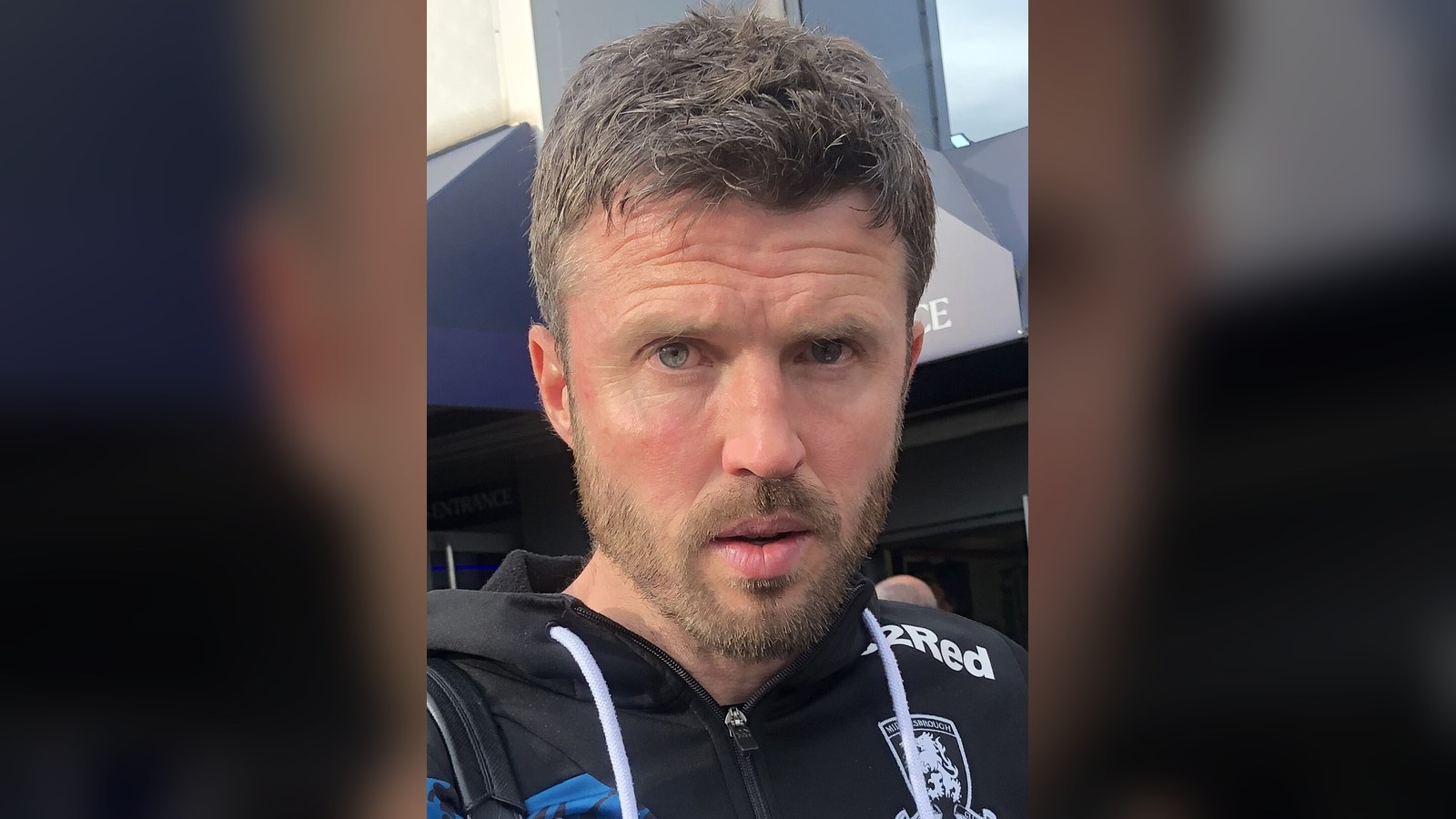
Michael Carrick has been sacked as Manchester United head coach, with the club sitting in the Premier League relegation zone and Mauricio Pochettino widely reported to be next in line. The decision came just days after a wild 4-4 draw with Aston Villa at Old Trafford, a result that was not enough to ease the pressure on the former midfielder.
Why Carrick was sacked
The numbers behind the decision are bleak. United have taken one win from ten league games, their worst start to a top-flight campaign in around 40 years according to the Independent. PA puts it as the club’s worst domestic start since 1986. Across all competitions Carrick won only three of 15 matches this season. The Independent also notes that United have conceded the first two goals in five straight games.
The Villa draw encapsulated the problem. United twice came back from two goals down to rescue a point, days after beating Roma 3-2 in the Champions League. Neither result changed the picture in the league, where they are 18th. The Guardian reports they are a point behind 17th-placed Coventry.
The process moved quickly. PA reports that chief executive Omar Berrada and director of football Jason Wilcox met co-owner Sir Jim Ratcliffe in Monaco on Wednesday, a day after Carrick took training at Carrington. The Guardian describes a review led by Wilcox, followed by a recommendation to Ratcliffe, who controls sporting policy. Carrick had been given more time two weeks earlier, after a 4-1 Champions League defeat at Como and a 3-0 home loss to Bournemouth.
Pochettino close to Old Trafford return
Reports differ slightly on how far talks have advanced. The Independent says Pochettino has reached a verbal agreement, while PA describes a framework for him to succeed Carrick and Sky says an agreement is in place. Pochettino is currently the United States head coach, and there is no formal announcement of his appointment in the sources.
The cost is reported differently too. PA cites a release clause of about $10 million, while the Independent estimates £7m. Both say US Soccer is prepared for his departure. The Guardian’s coverage indicates he is expected to take charge of the national team for its next two matches before moving. PA adds that Eddie Howe and Julian Nagelsmann were in the early running before Pochettino became the overwhelming favourite.
Anger over how the exit was handled
Carrick took over as interim boss after Ruben Amorim’s acrimonious exit in January and steered United to third in the league and Champions League qualification. He then received a two-year contract, which Sky notes was signed less than six months ago. He is the seventh United manager dismissed since Sir Alex Ferguson retired in 2013.
In a statement, the club called Carrick “a Manchester United legend” and said it had reached an “extremely difficult conclusion” that a change was needed. Not everyone accepted that framing. PA says the handling of his exit has caused anger outside the club and in some quarters within it. Former goalkeeper Peter Schmeichel called the treatment disrespectful and argued that the real problems lie above the manager.
That view is widely shared. The Guardian reports a fans’ group pointing the finger at the Glazers, and its coverage describes recent home games in which supporters directed chants at those above Carrick and demanded the owners sell. Wilcox has taken much of the individual criticism, including a public attack from defender Lisandro Martínez, who was sent off in the defeat at Chelsea.
What awaits the next head coach
Whoever takes the job inherits an unbalanced squad that PA says is short of confidence and quality, notably at left-back and up front. The first test after the international break is a trip to Liverpool on November 22. Ineos’ stated ambition of winning the title in 2028, the club’s 150th anniversary year, looks fanciful from the bottom three.
The Carrick sacking resolves one question and leaves another. Replacing the head coach may steady results, but the criticism from fans, pundits and former players suggests the pressure on the club’s leadership will outlast any change in the dugout.
- Carrick sacked by Manchester United with team in Premier League relegation zone – live (The Guardian)
- Coach Michael Carrick sacked by Manchester United (sports.yahoo.com)
- Michael Carrick sacked by Manchester United after worst start to a season in 40 years (The Independent)
- Carrick sacked by Man Utd with Pochettino set to replace him (Sky Sports)
Explore more on this topic with Vexel Search.
File photo: Michael Carrick 12042025 (5) (cropped).jpg by Timmy96, CC0, via Wikimedia Commons.
WordUp Morning
Ten stories, both sides of each, in five minutes. Free, every weekday at 7am, plus a Saturday weekend edition.
We'll email you a link to confirm. Unsubscribe any time.
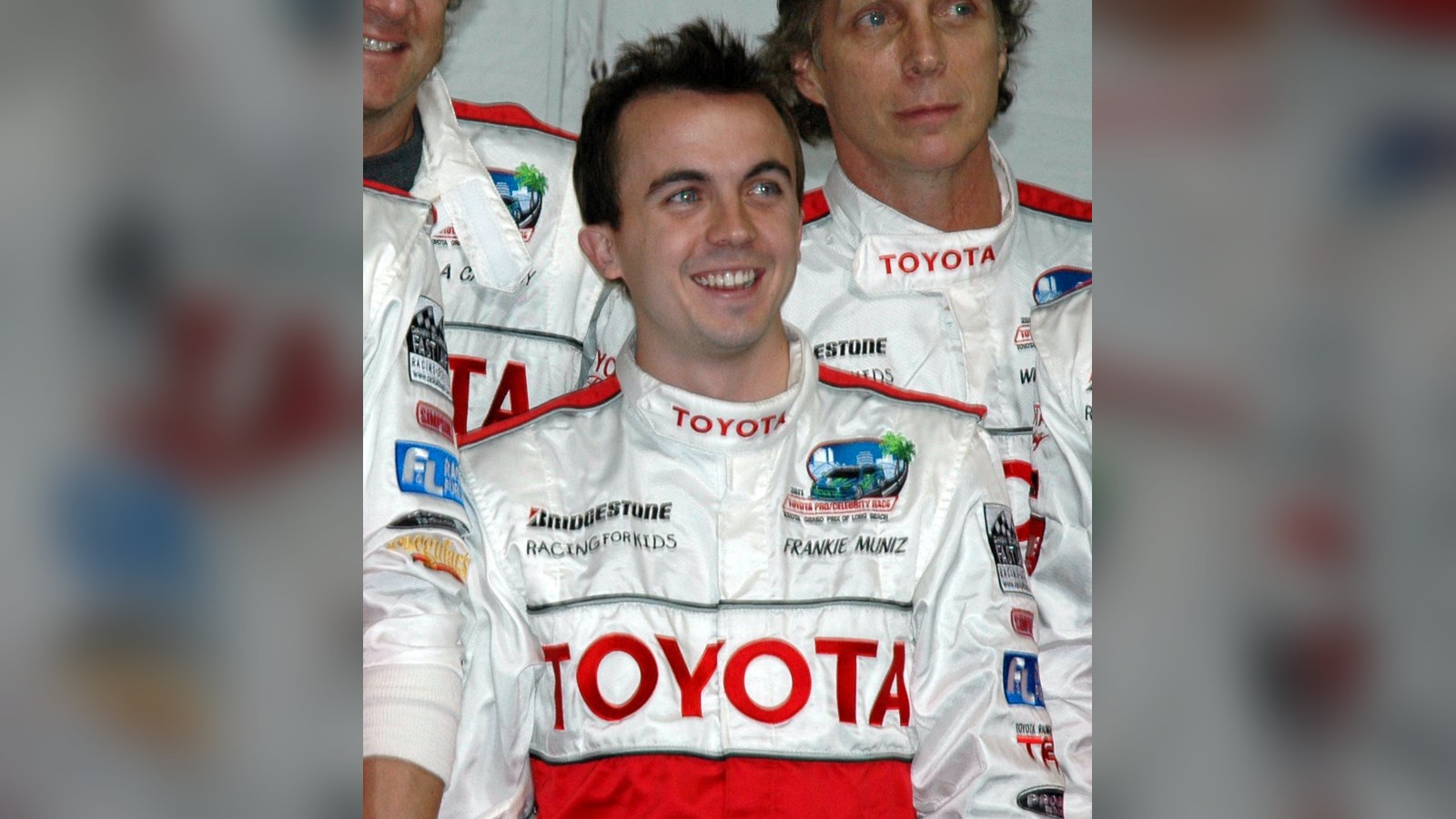
The Frankie Muniz crash at Daytona International Speedway on Wednesday sent the actor and NASCAR driver to a hospital, but he was released the same day with soreness and no further injuries reported in the coverage so far. The “Malcolm in the Middle” star was practicing for a Veterans Day charity race when the accident happened, and he missed the event itself.
Muniz, 40, was at the Florida track for Ford’s “Proud to Honor Veterans Day Classic.” The exhibition race was meant to recognize military veterans and raise support for six nonprofits serving military and veteran communities. According to Variety, citing Entertainment Tonight, the crash happened during a practice lap while the speedway was closed to the public.
What we know about the Frankie Muniz crash
Ford Racing said Muniz was taken to a local medical facility for evaluation and was awake and alert. Reports did not describe how the crash happened or how badly the car was damaged. After evaluation he was cleared to leave, though he was not cleared to return to the track that night.
His own statement, published by Ford Racing, struck a mix of relief and disappointment. “I am a little sore, but my Mustang did its job in protecting me,” he said. He added that he was disappointed to miss the event and had been “looking forward to honoring the service of our veterans and racing against these other amazing drivers.” He thanked Ford Racing, Daytona International Speedway and the hospital staff, along with fans who sent messages and prayers.
A replacement and a missing co-star
Muniz was set to race for Team Air Force. According to The Independent, Ford development driver Jenson Altzman took his place. Another outlet reported he was due to race alongside NASCAR driver Austin Cindric.
Entertainment Tonight reported that Bryan Cranston, Muniz’s “Malcolm in the Middle” co-star, was also expected at the event to support him. Cranston joined Muniz in the show’s four-episode Disney+ revival earlier this year. The reports do not say whether Cranston still attended after the crash.
A racing career that predates the comeback
The incident is a reminder that Muniz’s racing is no celebrity sideline. Variety notes he began a second career as a racing driver in 2006. He now competes in NASCAR’s Craftsman Truck Series for Reaume Brothers Racing, driving the No. 33 Ford. Variety says he finished 25th in this year’s standings.
The sources differ slightly on how long he has run the full series. One says he has competed in the last three consecutive seasons, while another describes 2025 as his full-time debut and 2026 as his second year. Either way, he has balanced both careers. He filmed the “Malcolm in the Middle” revival around his racing schedule. As he told Fox Sports’ Bob Pockrass last year, “I was the first person that they ever had to work around… But obviously I was a race car driver before they greenlit this show.”
For now, the picture after the Frankie Muniz crash is a reassuring one. He is back home rather than in a hospital bed, and he has publicly credited the car’s protection. The coverage so far says nothing about whether the soreness will affect his plans for the next Truck Series season.
- Frankie Muniz Shares Health Update After Frightening Daytona Crash (sports.yahoo.com)
- Malcolm in the Middle star Frankie Muniz shares health update after Daytona crash (The Independent)
- Frankie Muniz rushed to hospital after Daytona practice crash: report (foxnews.com)
- Frankie Muniz Hospitalized After Crashing Race Car at Daytona (Variety)
Explore more on this topic with Vexel Search.
File photo: Frankie Muniz 2011.jpg by Real TV Films/Carole Lowe Photography, CC BY 2.0, via Wikimedia Commons.
WordUp Morning
Ten stories, both sides of each, in five minutes. Free, every weekday at 7am, plus a Saturday weekend edition.
We'll email you a link to confirm. Unsubscribe any time.

Header image: AI-generated illustration by WordUp News.
Dan Hicks, the NBC Sports announcer whose voice accompanied some of golf’s and swimming’s most memorable moments, has died at 64. His wife, ESPN broadcaster Hannah Storm, announced that he died late Wednesday in Connecticut of an acute illness. She called the loss “sudden and unexpected.”
The news came just days before Hicks was due in the booth for Notre Dame’s game against Boston College on Saturday. It was his seventh season as the Fighting Irish’s play-by-play man. That detail underlines how abruptly the death arrived for a broadcaster who, by every account, was still working at the top of his profession.
A career built on golf, the Olympics and Notre Dame
Hicks joined NBC Sports in 1992 after three years as a sports anchor at CNN. He first worked NFL and NBA games before becoming one of the network’s most recognizable voices. In 2000 he became NBC’s lead golf play-by-play announcer, a job he held for 26 years. In that role he called the U.S. Open, the Ryder Cup, the Players Championship and other events, and he was on the call for 27 of Tiger Woods’s tournament victories.
Golf was his favorite sport, according to the Associated Press. One of his best-known calls came at the 2008 U.S. Open, when Woods sank a putt to force a playoff. “Expect anything different?” Hicks said. NBC and Golf Channel both highlighted that line in their tributes. The PGA Tour said his voice “is woven into our memories of the game.”
The sound of Olympic swimming
Away from the fairways, Hicks was just as closely tied to the pool. Alongside analyst Rowdy Gaines, he called swimming at eight Summer Olympics. Together they described Michael Phelps’s eight gold medals at the 2008 Beijing Games and Katie Ledecky’s 14 medals across four Olympics. Deadline reports that Hicks called all 28 of Phelps’s Olympic medals, 23 of them gold, between 2004 and 2016.
His Olympic résumé began with the 1992 Barcelona Games, where he hosted the triplecast. He later added skiing and speed skating. Most recently he was NBC’s lead alpine skiing commentator at the 2026 Milan Cortina Winter Games. The U.S. Ski & Snowboard Team said his voice “became part of the fabric of alpine racing.” Hicks also shared in a Sports Emmy for NBCUniversal’s 2024 Paris Olympics coverage.
The sources differ slightly on the numbers. Some count 34 years at NBC and 15 Olympics, while others say he had begun his 35th season and worked 16 Games. The gap likely comes from how the years and the Milan Cortina assignment were counted, and it does not change the picture of a career that spanned more than three decades. His other work included regional NFL games from 1992 to 1997, five French Opens, NBA coverage through 2000 and Notre Dame games from 2013 to 2016, before his return in 2024.
Remembered as much for kindness as for calls
The tributes dwelt less on the broadcasts than on the man. NBC Sports leaders Rick Cordella, Sam Flood and Molly Solomon called him an “exceptional storyteller” whose “knowledge, style, enthusiasm and humor” informed and entertained fans. They added that he greeted teammates “with a smile, a joke, or a word of encouragement, sometimes all three in the same sentence.”
Mark Lazarus, CEO of Versant and a longtime overseer of NBC Sports, said what he would remember most was “the person he was: a loyal friend and a devoted husband and father.” The USGA called Hicks “a true friend to the game” whose warmth and generosity touched everyone who knew him.
Storm’s statement was the most personal. “When he walked into a room, he brought the energy, the laughter and the people together,” she said. “He was endlessly kind, thoughtful and funny, and he made everyone feel like they mattered.”
Hicks was born in Tucson, Arizona, and graduated in journalism from the University of Arizona. He worked in local radio and television there before moving to CNN in 1989. In an Associated Press interview in September, he said he felt “incredibly lucky to stay at one place this long” and appreciated it “more and more the longer it’s been.”
Hicks and Storm had been married for more than 30 years. He is survived by her and their three daughters.
- Dan Hicks, NBC’s voice of golf and Olympic swimming, dies at age of 64 after acute illness (The Guardian)
- Dan Hicks, longtime NBC golf play-by-play announcer, dies at 64 (sports.yahoo.com)
- Dan Hicks, Longtime NBC Sports Broadcaster and Voice of Olympic Swimming, Dies at 64 (Variety)
- Dan Hicks Dies: Longtime Voice Of NBC Sports Was 64 (Deadline)
Explore more on this topic with Vexel Search.
WordUp Morning
Ten stories, both sides of each, in five minutes. Free, every weekday at 7am, plus a Saturday weekend edition.
We'll email you a link to confirm. Unsubscribe any time.
Sports
Crystal Palace Manager Sage Sacked After 16 Games, Costing Over £10m as Thomas Frank Nears Return
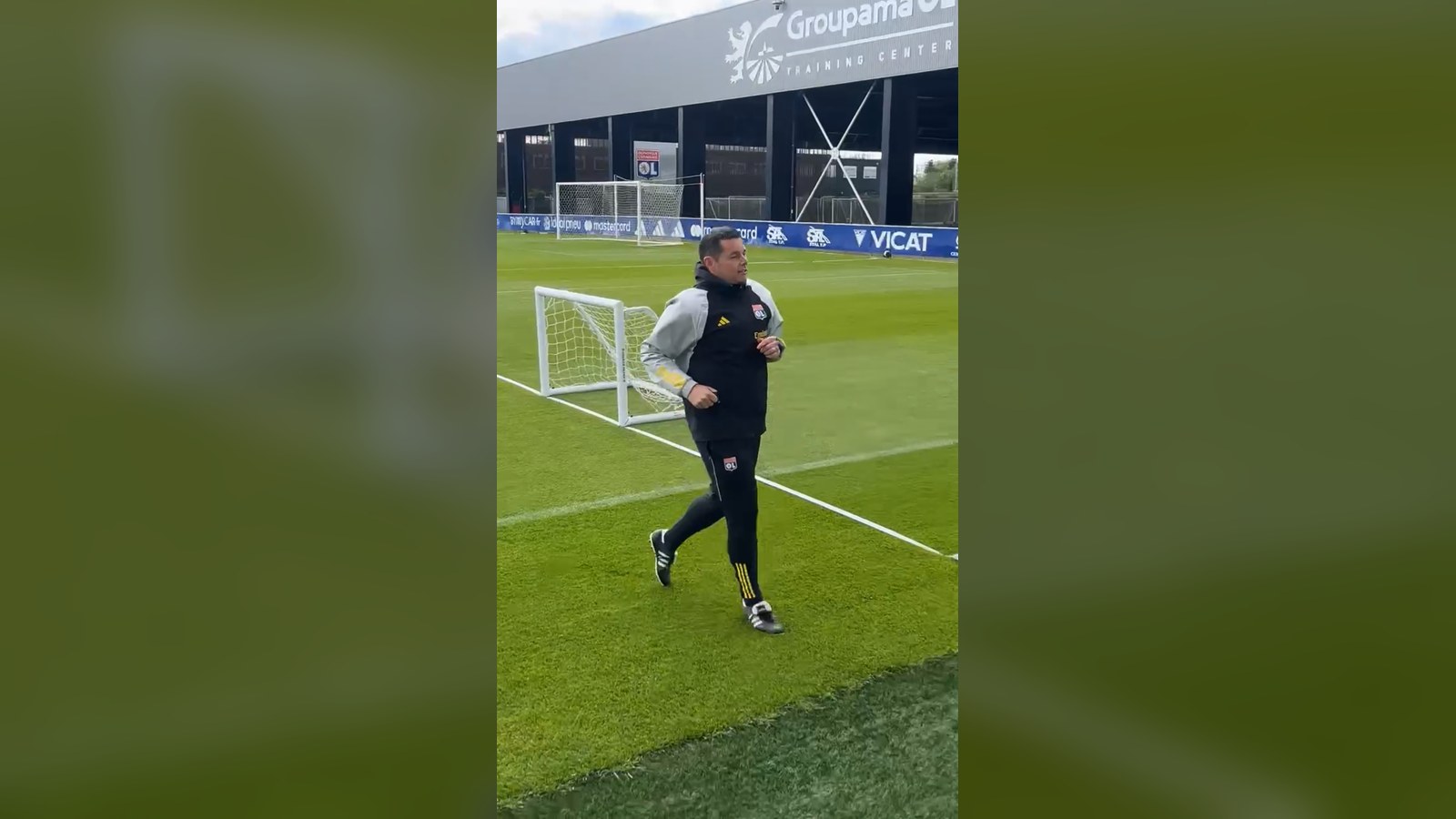
The search for a new Crystal Palace manager is under way after Pierre Sage was sacked on Thursday, just 16 games into a three-year contract, with Thomas Frank in advanced talks to take over. The Frenchman leaves with Palace bottom of the Premier League, and the club is expected to have spent well over £10m on a short, unsuccessful tenure.
A short reign with an expensive exit
According to the Guardian, the decision was taken on Sunday evening after a 3-1 home defeat by Liverpool, but talks over compensation held up the announcement. Palace are understood to have agreed to pay Sage 18 months of a contract reportedly worth about £4m a year. Add the more than £4m the club paid to buy him out of his deal at Lens in the summer, and the total outlay passes £10m.
Three members of his coaching staff, Jamal Alioui, Damien Della Santa and Sandy Guichard, have also left. In a short statement, the club thanked Sage and his team for their efforts “in south London” and promised an update on the managerial search “in due course”.
What went wrong at Selhurst Park
The numbers explain the club’s impatience. Palace have taken seven points from 10 league games, with wins only over Fulham and Nottingham Forest. They have lost four league matches in a row and have conceded 24 goals, the most in the division. Across all competitions Sage won five of his 16 games. The run included a 5-0 defeat by rivals Brighton, after which he spoke of his “shame”. They are also 21st in the 36-team Europa League table.
The defensive problems are central to the story. Palace lost Marc Guéhi to Manchester City in January and Maxence Lacroix to Chelsea in the summer, and the replacements brought in, the loanee Axel Disasi and a young loan signing, have not steadied the back line. The Guardian reports that Sage was also frustrated not to land one of his main targets, the winger Malick Fofana, and had fallen out with the board over the lack of adequate replacements for the two centre-backs.
The BBC adds that injuries did not help, and that the absence of Jean-Philippe Mateta and Ismaila Sarr, caused by a mix of fitness issues and personal matters linked to their desire to leave, took away key attacking options. There was some sympathy for Sage inside the club after the Brighton loss, the BBC says, but three more defeats ended it.
Relations at the top also appear to have frayed. The Guardian reports that chair Steve Parish was unhappy with how Sage handled centre-back Jaydee Canvot, who was dropped for September’s home defeat by Ipswich, and with the substitution of Adam Wharton in that same game.
Why Thomas Frank is the favourite
Frank has been out of work since Tottenham dismissed him in February, with the team 16th and on an eight-match winless league run. The BBC says he chose not to take a job in the summer. The Guardian says he spoke to Palace then and is keen for a fresh challenge after his successful years at Brentford. Palace see him as the man to steer them away from relegation trouble, and the BBC reports that talks are in their closing stages, with hopes of a deal before players return from international duty next week. The Independent says bookmakers suspended betting on his appointment.
Others have been considered. Sean Dyche, who has supporters within the club, and Toulouse’s Jens Berthel Askou have both been linked, and the Guardian also mentions Vítor Pereira. The BBC notes that Fulham showed interest in Frank amid uncertainty over their own manager, but their improved results eased that threat. Palace’s next league game is at Coventry on 21 November, and the club hopes Frank will be in the dugout.
What happens next for Sage
Sage may not stay out of work for long. Lens sacked Yannick Cahuzac on Tuesday, and the Guardian reports that owner Joseph Oughourlian has kept in close contact with Sage and has discussed a return. Sage won the Coupe de France and qualified for the Champions League in his last season there. The BBC puts him second in Ligue 1 that year, a record that made him an attractive successor to Oliver Glasner.
Glasner, now at Nottingham Forest, left a high bar after Palace’s first FA Cup and a European trophy under his watch. Sage was the second Premier League manager sacked this season, hours after Manchester United dismissed Michael Carrick. For whoever becomes the next Crystal Palace manager, the task is immediate: fix a leaky defence, settle a restless squad, and pull a club that finished last season with silverware out of the bottom three.
- Crystal Palace sack Pierre Sage and in advanced talks to appoint Thomas Frank (The Guardian)
- Crystal Palace sack boss Sage after 16 games (BBC)
- Crystal Palace axe Pierre Sage after just 16 games as clear frontrunner to replace him emerges (The Independent)
- Official statement as Pierre Sage sacked by Crystal Palace (sports.yahoo.com)
Explore more on this topic with Vexel Search.
File photo: Pierre Sage lors d’un entraînement.jpg by Zz42, CC BY-SA 4.0, via Wikimedia Commons.
WordUp Morning
Ten stories, both sides of each, in five minutes. Free, every weekday at 7am, plus a Saturday weekend edition.
We'll email you a link to confirm. Unsubscribe any time.
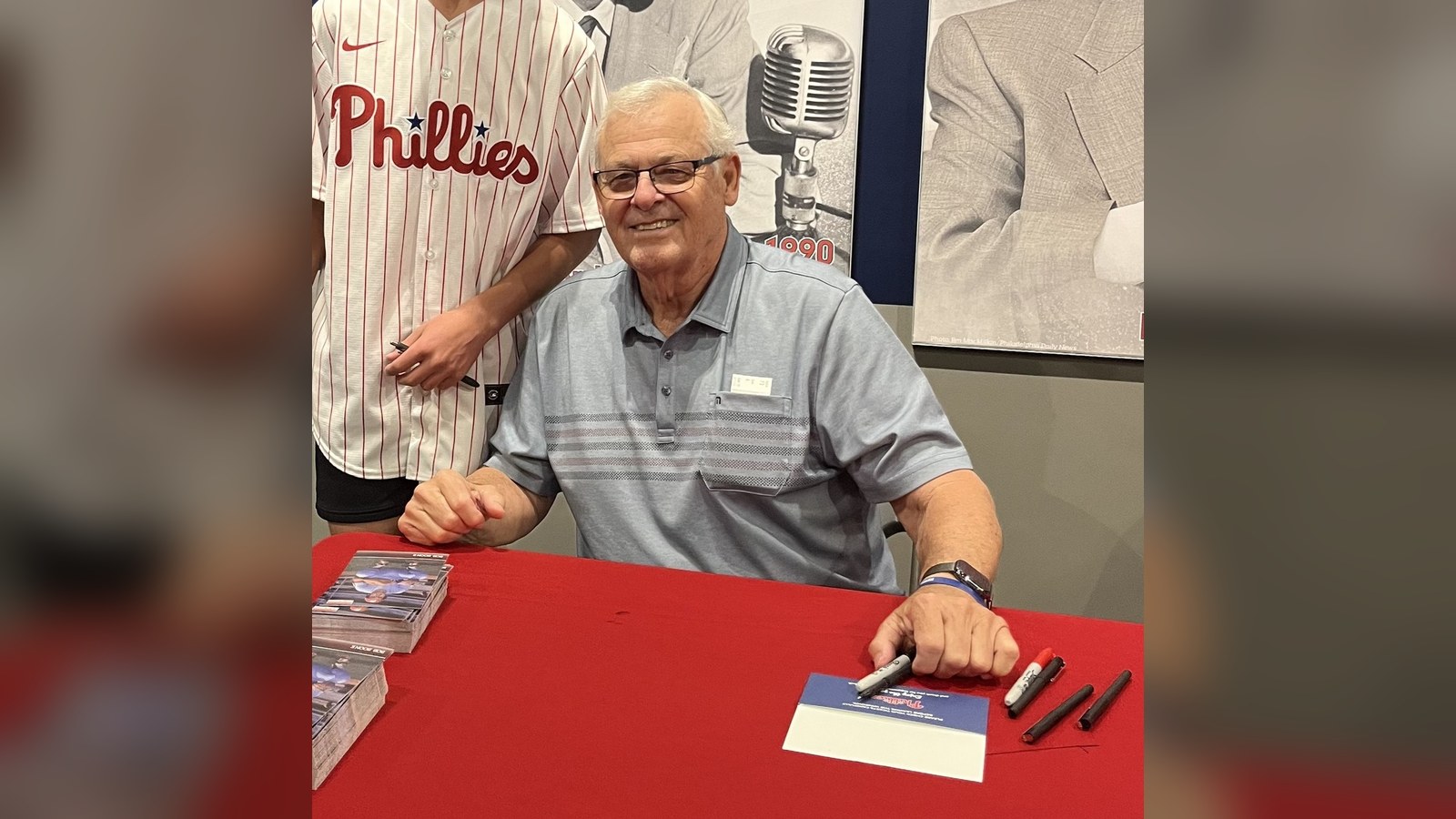
Bob Boone, the seven-time Gold Glove catcher who helped deliver the Philadelphia Phillies their first World Series championship and anchored baseball’s first three-generation family, has died at 78. His son Bret Boone announced the news on social media Tuesday. No cause of death was given.
“He taught me how to be a pro and more importantly, how to be a man,” Bret wrote on X, calling his father “one of the highest integrity people I’ve ever known.” He ended the post with the words, “Baseball lost a great one.” The Phillies called Boone “an incredible player, teammate and family man” in a statement.
A Catcher Built for the Long Haul
Boone’s career was defined by durability. He was a sixth-round pick out of Stanford in 1969, drafted as a third baseman, and he moved behind the plate in the minor leagues. He went on to play 19 big league seasons: ten with Philadelphia, seven with the California Angels and two with the Kansas City Royals. He caught 2,225 games in total, including 1,095 for the Phillies, which ranks second in franchise history behind Red Dooin.
While in Kansas City, he set the record for career games caught at 1,919. Ivan Rodriguez and Carlton Fisk later passed that mark. Boone won his final Gold Glove in 1989 at age 41. He was the first Phillies catcher to win the award, taking it in 1978 and 1979, and he added four more with the Angels. Accounts differ slightly on his All-Star total, with some outlets listing three selections and others four. The count appears to be three with Philadelphia (1976, 1978 and 1979) plus one more with the Angels.
The 1980 Phillies and a Famous Pop-Up
The defining moment of Boone’s career came in the 1980 World Series against Kansas City. He led the Phillies with a .412 average in the series. In Game 6 at Veterans Stadium, a foul pop-up off Frank White’s bat popped out of Boone’s mitt and into the glove of first baseman Pete Rose, a moment that became a staple of baseball highlight reels. Boone then caught the final out when Tug McGraw struck out Willie Wilson, ending the franchise’s long wait for a title.
Boone’s October work did not end there. With the Angels, he hit .455 (10-for-22) with a homer and two RBIs against Boston in the 1986 ALCS. The Phillies inducted him into their Wall of Fame in 2005, and he was a visible presence at team ceremonies years later.
Baseball’s First Three-Generation Family
Boone’s place in the sport’s history was also a matter of family. His father, Ray, played 13 major league seasons and won a World Series with the Cleveland Indians. That made the Boones the first family in MLB history to produce three generations of big leaguers. Bob’s sons followed. Bret was a three-time All-Star over 14 seasons, mostly with the Seattle Mariners. Aaron played in the majors, including a stint under his father in Cincinnati, and now manages the New York Yankees. Sources differ on the length of Aaron’s playing career, giving it as 12 or 13 seasons. A third son played in the minors, and Bret’s son Jake, who played at Princeton and in the minors, now works in the New York Mets’ front office.
After the Playing Days
Bob Boone moved into management after he retired. He went 371-444 across three seasons each with the Royals and the Reds. In 2005 he joined the Washington Nationals’ front office, a tenure that spanned the club’s first World Series title in 2019. He resigned from that role in 2021 over the team’s COVID-19 vaccine mandate.
For Phillies fans, though, the lasting image of Boone is the one from 1980: a catcher with a mitt full of history and a pop-up that bounced into Rose’s glove. He is survived by his sons and the baseball family he helped extend to a third generation.
- Bob Boone, World Series champion and member of MLB's first three-generation family, dead at 78 (foxnews.com)
- Bob Boone Passes Away (sports.yahoo.com)
- Bob Boone, All-Star catcher, 1980 World Series champion and father of Yankees manager, dies at 78 (cbssports.com)
- Bob Boone: World Series-winning Phillies catcher dies aged 78 (The Independent)
Explore more on this topic with Vexel Search.
File photo: Bob Boone 081323.jpg by PistonsFan2223, CC BY-SA 4.0, via Wikimedia Commons.
WordUp Morning
Ten stories, both sides of each, in five minutes. Free, every weekday at 7am, plus a Saturday weekend edition.
We'll email you a link to confirm. Unsubscribe any time.

England thrash Japan 78-15 as Joseph’s five tries equal England record

Pluribus Series Regular: Samba Schutte Jumps From Two Episodes to a Full Season 2 Role

Nvidia CEO Search Reaches Arm: Board Reportedly Approached Rene Haas One Day After Jensen Huang Resigned


-

 Tech & AI6 days ago
Nvidia investigation into Jensen Huang: board probes alleged Chinese intelligence effort targeting its CEO
-

 Tech & AI5 days ago
Nvidia Shares Drop 8% at One Point, Erasing Over $300 Billion, as Board Probes Jensen Huang Scandal
-

 Tech & AI5 days ago
Nvidia investigation into CEO Jensen Huang: shares fall 6% as board weighs a $4.5 trillion question
-
 Business & Hustles5 days ago
Whitbread Board Seat Bid Fails With At Least 83% of Votes Against Activist Corvex
-

 Entertainment7 days ago
James Bond Screen Tests Reportedly Included Pattinson and Hoult, With a Decision Due by Year’s End
-

 Tech & AI7 days ago
New Apple Music Classical Icon Goes Black and White, Signaling Apple Is Sticking With the Look
-

 Fashion6 days ago
LACMA Gala Best Dressed: Kidman’s Degas-Inspired Chanel Leads 43 Standout Looks
-

 Business & Hustles6 days ago
Business Rates Relief Corrected: High Street Firms Get £33m More After Budget Guidance Error
-

 Tech & AI5 days ago
Meta takes AI age checks worldwide on Instagram, months after an up-to-$18bn settlement
-
 Crime7 days ago
Three arrested and a woman bailed after Gloucester sword attack near school
-

 Entertainment6 days ago
At Least 9 Advertisers Drop the I’ve Had It Podcast After a 39-Second Charlie Kirk Clip
-
 Tech & AI7 days ago
Tajani Data Leak: Hackers Are Seeking More Details on Italy’s Foreign Minister and His Family
-

 Entertainment6 days ago
Love Island Host Maya Jama Steps Down After Three Years, With ITV Reportedly Hunting a Successor
-

 Tech & AI4 days ago
Paramount Skydance CEO Calls AI the “Biggest Creative Unlock” in Modern History as $6 Billion in Savings Loom
-
 Fashion4 days ago
Bronco Boot Low Lands Nov. 12 in 4 Colorways as Tyler, The Creator and Converse Expand the 1908 Line
-
 Sports6 days ago
Trump Offers Dana White the White House Press Secretary Job, With a Monday Meeting Set
-

 Crime1 day ago
Eleanor Donaldson placed on sex offender register for five years, with three-year supervision order
-

 Entertainment7 days ago
Jack Bayles Told to Step Back From Two BBC Sitcoms After Russell Brand Verdicts
-
 Fashion4 days ago
Tod’s Creative Director Exits After Three Years With No Successor Named
-
 Crime7 days ago
Prisoner Covid death: Sodexo and NHS Lothian admit charges in a UK first
You must be logged in to post a comment Login