The argument over football’s greatest player has lasted for decades, surviving trophies, records, eras and rivalries. Yet as Lionel Messi continues to shape the biggest matches on the sport’s grandest stage, the debate increasingly feels less like an open question and more like a final reckoning.
When greatness becomes routine
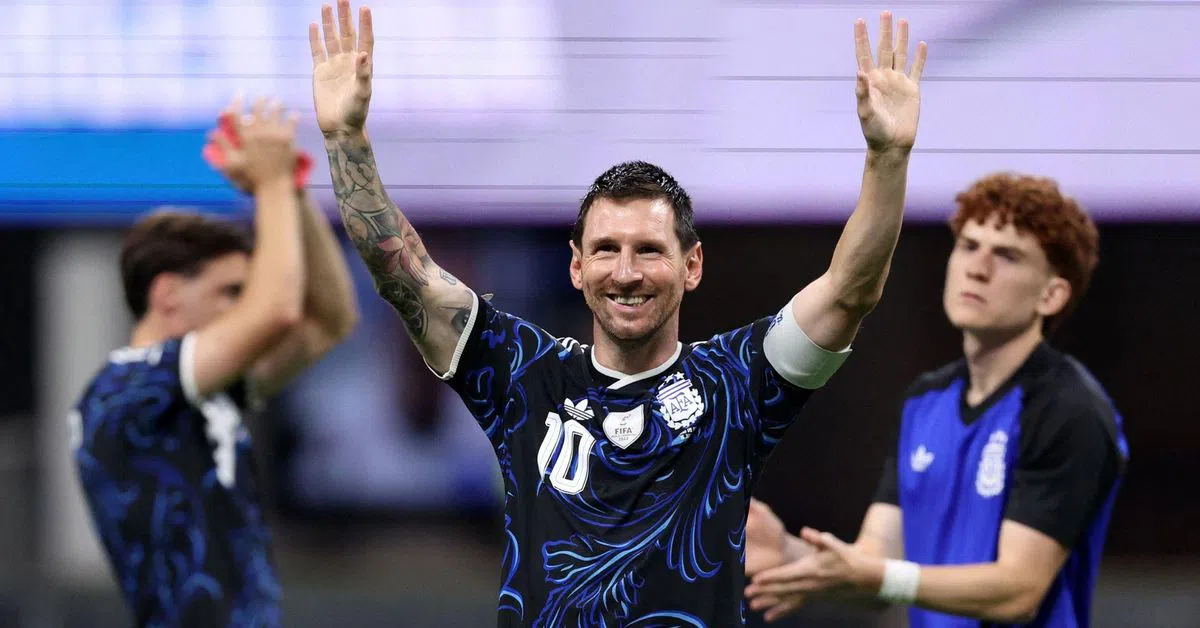
The remarkable thing about Lionel Messi is no longer that he can produce moments of magic. It is that the football world has come to expect them even when logic suggests otherwise.
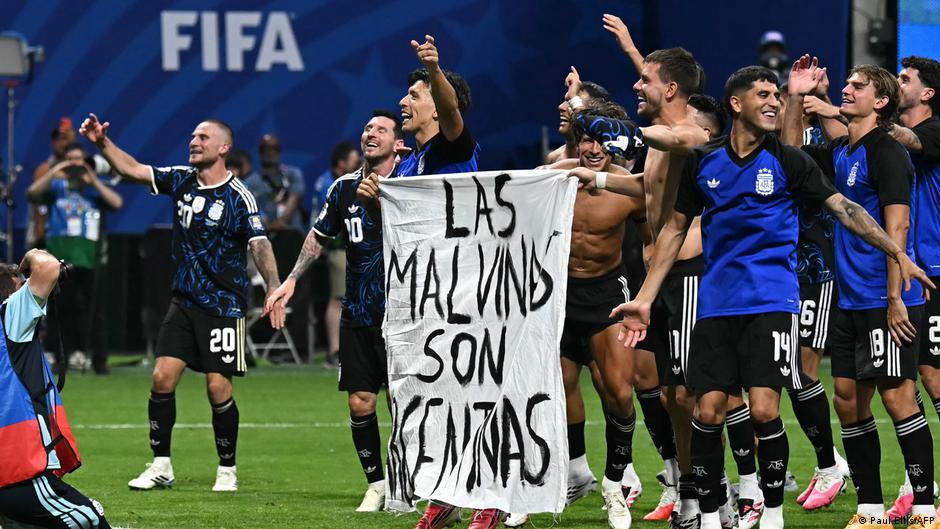
At 39, after nearly two decades at the summit of the game, Messi still walks onto a World Cup pitch carrying the same burden he did as a teenager: the expectation that he will decide the match. Against England, he did exactly that. He did not need a hat-trick, a 30-yard screamer or a viral dribble through five defenders. Instead, he controlled the rhythm of the contest, found spaces others could not see and created both Argentine goals with the calm precision that has defined his career.
That may be the strongest argument in his favour. The greatest players are not simply spectacular; they are inevitable.
More than goals and trophies
Football’s GOAT debate has often been reduced to numbers. Goals, assists, Ballons d’Or, league titles and Champions League medals are lined up like evidence in a courtroom. Messi’s collection is already overwhelming.
But statistics alone do not explain why teammates look calmer when he receives the ball, why defenders retreat half a step too far or why entire tactical plans are designed around limiting his influence.
Against England, Argentina’s attacks repeatedly flowed through him. One pass was simple, another exquisite, but both carried the same quality: clarity. Messi saw the decisive action before anyone else on the pitch.
That ability has survived every transformation of his career. He began as a devastating winger, evolved into a false nine, became a playmaker and now operates as a roaming conductor who chooses exactly when to accelerate a game. Few athletes in any sport have remained elite while reinventing themselves so completely.
The weight of the biggest moments
Critics once argued that Messi’s greatness belonged mainly to club football. That case has steadily collapsed.
He has delivered in Copa América finals, World Cup knockout matches and pressure-filled international campaigns where a single mistake can define a generation. More importantly, he has continued to do so while younger stars have emerged around him.
This World Cup has showcased extraordinary talent. Kylian Mbappé, Jude Bellingham, Vinícius Júnior, Erling Haaland and others have produced memorable performances. Yet when the tournament reached its most unforgiving stages, Messi remained the player opponents feared most.
That distinction matters. Great players dominate seasons. The greatest players dominate history’s biggest nights.
Beyond comparisons
Any discussion of the greatest footballer inevitably includes other legends. Pelé transformed the sport’s global reach. Diego Maradona produced perhaps the most iconic World Cup campaign ever. Cristiano Ronaldo set extraordinary standards for longevity, ambition and goalscoring.
Messi’s claim does not require diminishing any of them.
What separates him is the breadth of his excellence. He scores, creates, dictates tempo, breaks defensive structures, withstands tactical evolution and continues performing at the highest level across multiple generations of teammates and opponents. Very few players have ever been the best passer, dribbler and chance creator on the field while also being among its most dangerous scorers.
The longer his career continues, the harder it becomes to identify a weakness significant enough to challenge the overall picture.
The final chapter may already be written
If Argentina were to lift another World Cup, the symbolism would be enormous. Back-to-back titles would place this team among the tournament’s most celebrated dynasties, and Messi would stand at the centre of both triumphs.
Yet perhaps the decisive shift has already happened.
The debate once revolved around whether Messi possessed enough international success, enough leadership or enough defining moments outside Barcelona. Those questions have largely been answered. What remains is an ever-growing catalogue of performances that continue to arrive when the stakes are highest.
Against England, Messi offered another reminder that greatness is not always loud. Sometimes it appears in a perfectly weighted pass, a subtle change of direction or a decision made half a second before everyone else.
For nearly twenty years, football has searched for new ways to measure Lionel Messi. Increasingly, the evidence points in only one direction.
The debate may not disappear overnight. Football supporters rarely surrender their loyalties that easily. But with every decisive World Cup performance, Messi is making the argument feel less like a conversation and more like a conclusion.




















































You must be logged in to post a comment Login