
Sports
Former heavyweight champion who fought Lennox Lewis twice says he can ‘make history’ with comeback at 53

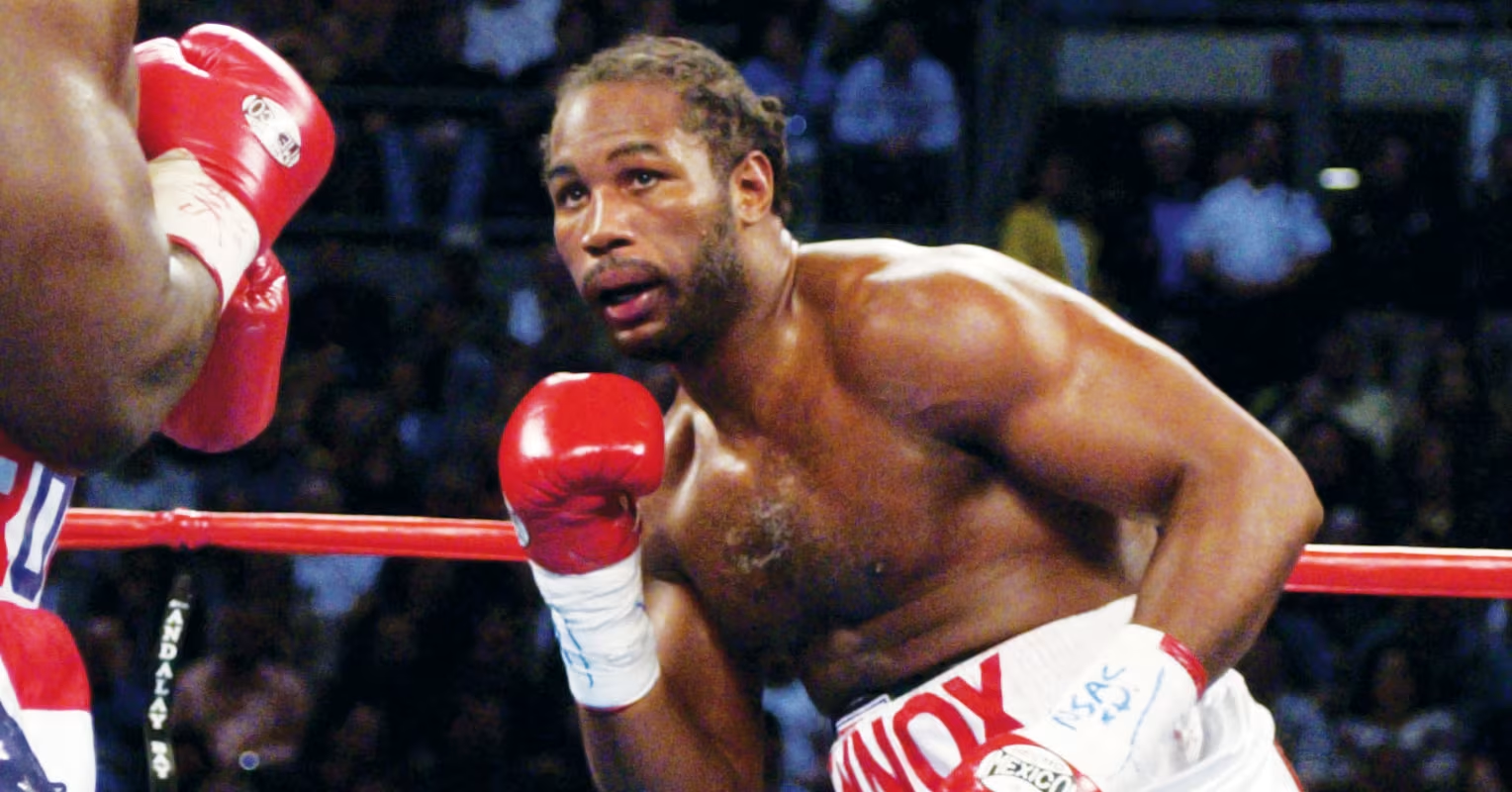

Whilst all attention is on Moses Itauma potentially become boxing’s second-youngest heavyweight world champion on Saturday, one former heavyweight ruler is focussing on breaking records at the other end of the spectre ahead of his comeback.
Itauma collides with Filip Hrgovic this weekend and hopes to take Floyd Patterson’s position as boxing’s second-youngest heavyweight champion by capturing the IBF crown at the age of 21 years old, with Mike Tyson being the only man to have achieved the feat at a younger age.
Meanwhile, the late George Foreman is the holder of the record as boxing’s oldest heavyweight world champion, famously recapturing world honours when he knocked out Michael Moorer as a 45-year-old back in 1994.
However, two-time champion Hasim Rahman, who famously knocked out Lennox Lewis in their first encounter, only to suffer the same fate in the rematch, is planning to break that record ahead of his comeback next month. He believes the lessons he has learned since retiring in 2014 will serve him well, as he explained in an interview with About Boxing.
“I feel like a person who says, ‘man, if I knew then what I knew now then I would be dangerous’, but I know it now. I am strong, I am in shape, I am going to knock somebody’s head off.”
At the age of 53 years old, the return of ‘The Rock’ has understandably raised alarm bells in the boxing community, but the Baltimore-born knockout artist attempted to ease those concerns by stating that he is ‘not putting himself at risk’ despite believing that he ‘can make history’.
“A lot of people do [worry about my comeback] because a lot of people look at the average guy that is my age or a guy that has been through what I have been through, but I am different. I am an entirely different species.
“I love me, I’m not going to put me at risk, I am strong, I am in shape and I can fight, I am hitting hard.”
“I just feel like I can make history. Sometimes, you have got to take a step back before you can take a step forward.”
Rahman will face the 4-4 recorded Phillip Triantafillo for the USA Indiana State heavyweight title on Saturday, September 24, seeking a first win in over 15 years.

Sports
Shakur Stevenson says one former lightweight champion is ‘the most underrated boxer of all time’
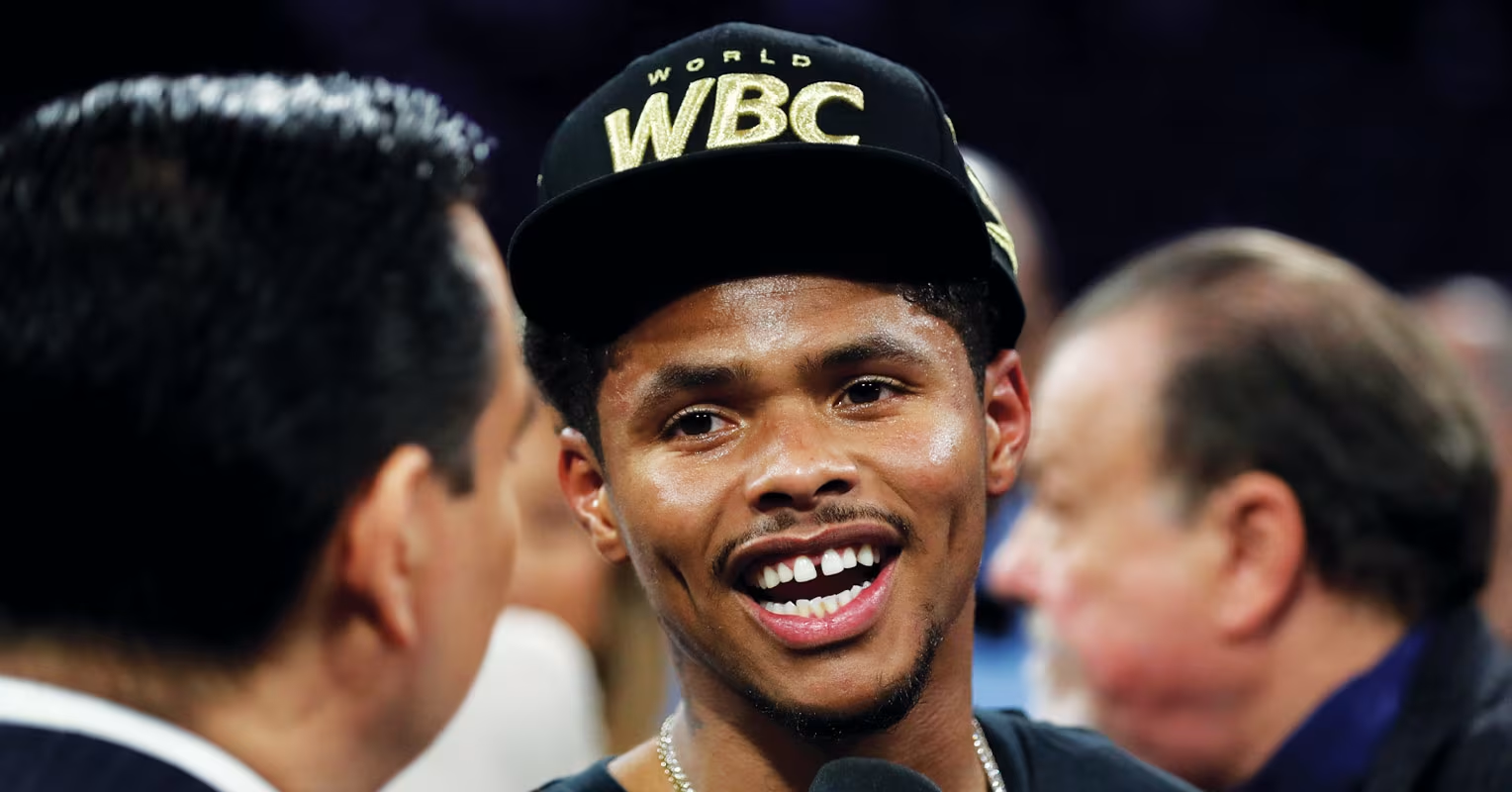

Shakur Stevenson has offered a somewhat surprising selection for the most underrated fighter of all time.
Stevenson has claimed world honours at featherweight, super-featherweight, lightweight and now super-lightweight, becoming boxing’s third-youngest four-division world champion.
Stevenson is coming off perhaps the best win of his career, having dominated and outclassed Teofimo Lopez to capture the WBO and Ring super lightweight titles. Since then, he has signed a promotional deal with Zuffa Boxing and has been strongly linked with a fight against Devin Haney.
Speaking on the ‘Ball in the Family’ podcast, Stevenson was asked to name the most underrated boxer of all time. His choice was Vasiliy Lomachenko, a fighter who lost to both Lopez and Haney.
“Probably Lomachenko [is the most underrated boxer of all time].
“I think that Lomachenko is underrated because I feel like he fought outside of his weight-class. He fought at 135, where he is really like a 126lber but people discredit him because he lost the big fights against a lot of bigger fighters, so he didn’t really get a chance to fight at his weight-class.
“He should be fighting against guys like [Naoya] Inoue, not Teofimo [Lopez] and Devin [Haney] and s**t, so he is underrated to me.”
Lomachenko is one of the greatest amateur boxers in history, putting together a 396-1 record which led to him entering the paid ranks and becoming a three-division world champion, before the aforementioned losses to Lopez and Haney.
Both Lopez and Haney have since gone on to become welterweight world champions, whilst Lomachenko is planning to announce his comeback imminently, and is reportedly targeting a super-featherweight return against Charly Suarez and then a potential challenge against Emanuel Navarrete.

Amazon has signed a global partnership with Hyrox that will see the online retailer build a shopping, content and live-event ecosystem around the fitness racing brand.
The deal makes Amazon an official partner of Hyrox, with dedicated storefronts initially launching in the UK, Germany, France, Italy, Spain and the Netherlands and plans to extend the concept into further markets.
The online stores are designed to provide a one-stop shop for Hyrox participants throughout the training, racing and recovery journey, bringing together sports nutrition, performance technology, training equipment, recovery products, apparel, skincare and accessories, including products from Hyrox’s existing commercial partners, such as Centr.
Prime members will be offered fast delivery on eligible products, giving Amazon an opportunity to tap into the substantial expenditure generated around Hyrox training and participation.
The partnership goes beyond retail, with Amazon Music creating dedicated Hyrox playlists for the running and functional workout stations that make up each event.
Amazon is also developing an experiential activation called The Gear Grab, which will tour major European Hyrox events during the 2026/27 season. It will enable athletes to generate personalised Amazon kit lists, test products and recovery technology and take part in physical challenges.
The activation will also promote the Amazon Influencer Program to Hyrox athletes and content creators, further connecting the retailer with the large social media community that has developed around the sport.
In a further extension of the agreement, Amazon has been named title partner of Hyrox London at ExCeL, which will run for five days from 2 – 6 December 2026.
Last season’s London event attracted 40,000 participants and was the largest Hyrox event staged to date. This year’s programme will include Singles, Doubles, Pro and Relay competitions, Hyrox YoungStars for children aged 8 – 15 and the second Elite Series races of the 2026/27 season.
Moritz Fürste, co-founder and chief marketing officer of Hyrox, said: “Partnering with Amazon allows us to better support our rapidly expanding community by making it easier for athletes to access the products they need.”
Hyrox has grown from its first event in Hamburg in 2017 to more than 1.5 million participants across 105 events in 35 countries during the most recent season. It expects more than two million people to participate across 107 race weekends on six continents during 2026/27.
The Amazon agreement adds another global brand to Hyrox’s commercial ecosystem. Puma has extended its partnership with the organisation until 2030, while Amazfit signed a three-year global agreement earlier this year.
The announcement also comes as L Catterton progresses a proposed acquisition of Hyrox. A regulatory filing with the Australian Competition and Consumer Commission shows an L Catterton-controlled acquisition vehicle seeking to acquire 100 per cent of the ordinary shares in Hyrox World GmbH. The ACCC ruled on 21 July that the transaction did not need to be notified under Australia’s merger regime.
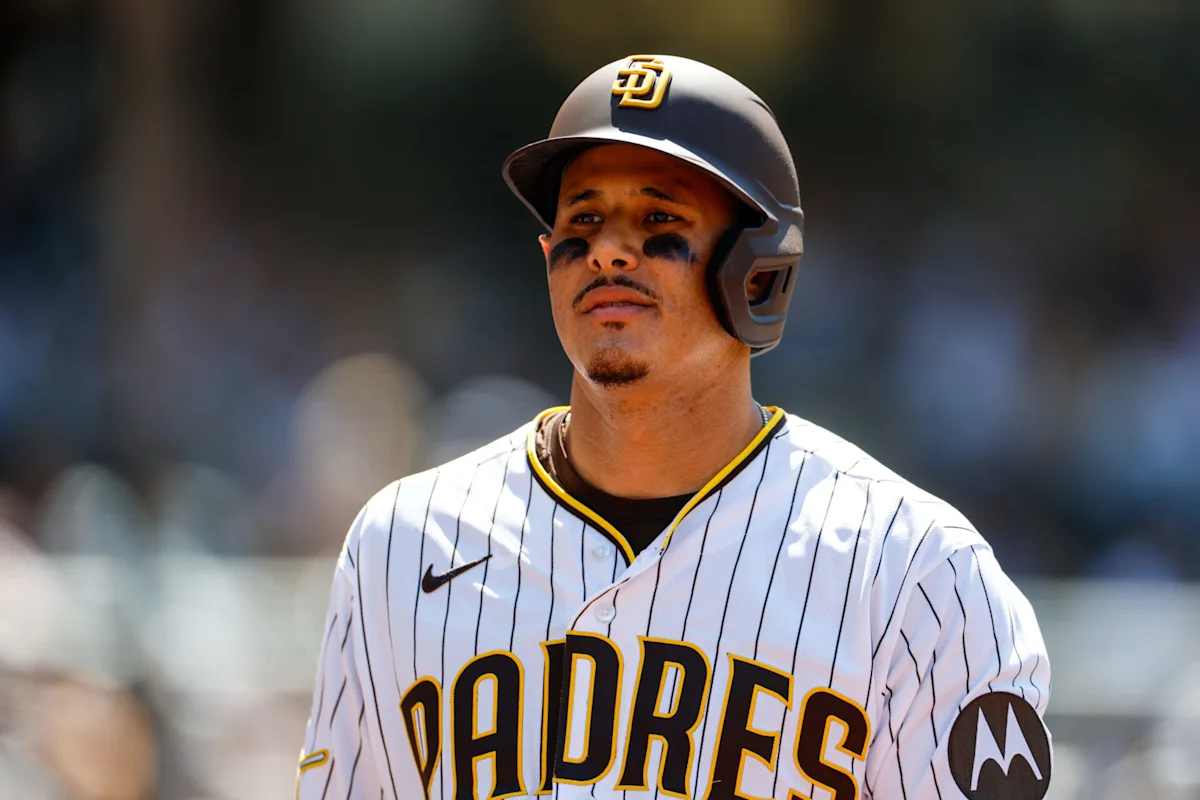
San Diego Padres third baseman Manny Machado has been underwhelming so far in his eighth season with the organization.
The 33-year-old veteran has posted a .215 batting average, .304 on-base percentage, .711 OPS, 24 home runs and 72 RBIs. While it is still encouraging to see him hit for power, he is simply not making contact the way he used to.
Advertisement
Still, the Padres have no choice but to trust Machado to turn it around given he is signed through the 2033 season on a massive 11-year, $350 million extension.
MORE: Jackson Merrill quietly did something that will cost the Padres millions
Monday’s loss against the Pittsburgh Pirates was especially painful for San Diego as they failed to drive in any runners from scoring position in extra innings despite having multiple chances.
After the game, a bad night got worse. Padres manager Craig Stammen spoke with reporters and revealed that Machado has suffered an injury setback. He has a bruise on the inside of his index finger that gets irritated when he makes contact off the end of the bat.
Advertisement
“He’s got a little sleeve that he’s going to wear now, and hopefully it’s not something that lingers for very long,” Stammen said, per Annie Heilbrunn of The San Diego Union-Tribune.
Machado’s status should be viewed as day to day moving forward, and it is unclear if he will be in the starting lineup for Tuesday’s matchup against Pittsburgh.
The Padres cannot afford to lose Machado to the 10-day injured list, even if he has not lived up to his usual standards this year as a seven-time All-Star. San Diego currently holds sole possession of the final NL wild card spot, but the Arizona Diamondbacks sit just two games behind.
— Enjoy free coverage of the top news & trending stories with The Big Lead Newsletter —
NEWYou can now listen to Fox News articles!
The San Francisco 49ers enter the upcoming regular season with expectations to remain competitive within arguably the best division in football while battling early injuries, older franchise mainstays returning from surgeries, and, most recently, off-field news involving the team’s owner.
That doesn’t seem to be a recipe for success, and Colin Cowherd agrees. During Monday’s edition of The Herd, Cowherd questioned whether San Francisco can maintain its position among the elite teams in the conference.
“I tend to think the Niners are very close to pulling a Thelma and Louise and driving off the cliff here,” Cowherd said, comparing the 49ers to the hit ’90s movie.
On paper, the 49ers have reloaded with talent. They signed star wide receiver Mike Evans to beef up their wide receiver room and brought back Dre Greenlaw to solidify what they have at linebacker.
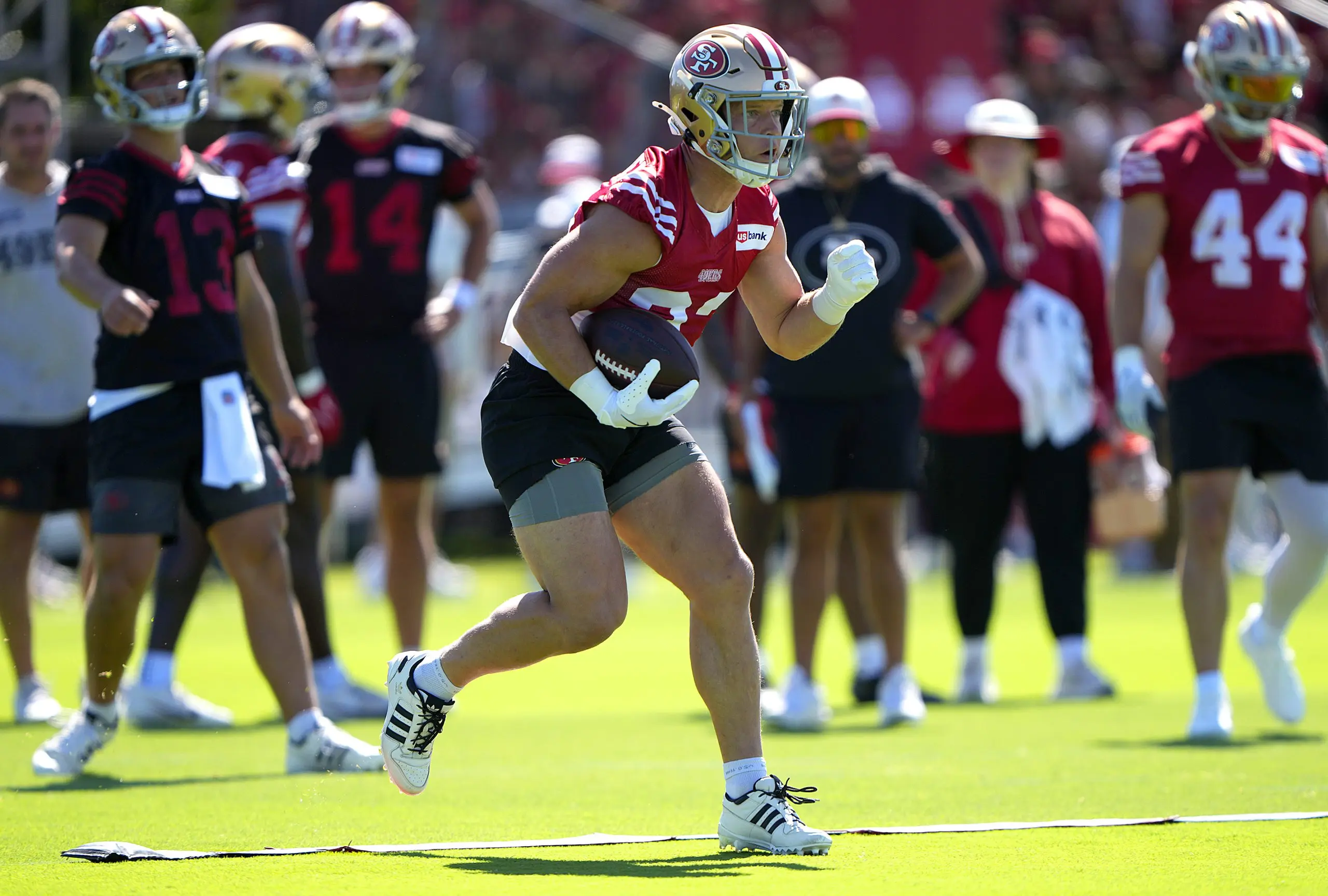
However, tight end George Kittle continues working back from Achilles surgery with a chance to play in Week 1, and running back Christian McCaffrey remains on a planned load management schedule during practice reps.
With that in mind, Cowherd pointed out that age and recovery timelines across essential positions present distinct hurdles for San Francisco when compared to younger rosters across the league. The roster remains heavily reliant on a core group of established veterans, several of which are returning from surgical procedures.
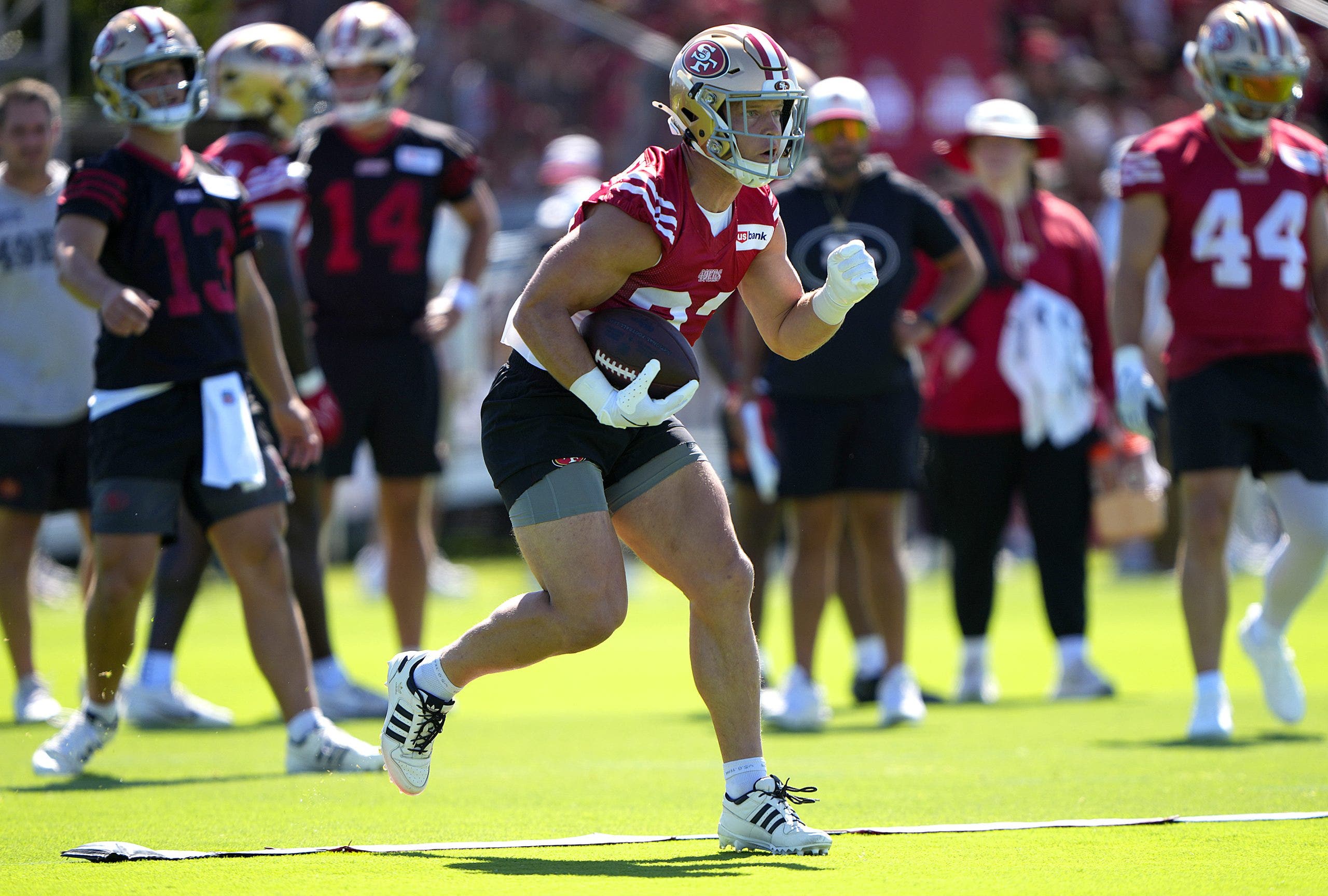
Christian McCaffrey continues to manage his workload at practice coming off a 2025 season where he led the NFL with 413 total touches for 2,126 scrimmage yards and 17 touchdowns.(Photo by Thearon W. Henderson/Getty Images)
“This is an old, old team, oldest roster in the NFL, and almost all their old guys are coming off serious surgeries,” Cowherd said. “They are really dependent on five older players: Trent Williams, left tackle, he’s 38. Kittle, going to be a hall of farmer, coming off surgery. Nick Bosa, coming off his second surgery. Christian McCaffrey led the NFL in touches. Mike Evans, who is often banged up, though I love him and Fred Warner off a surgery as well.”
San Francisco’s depth issues have been compounded by injuries to recent high draft selections.
“Don’t forget their last two first-round picks: Ricky Pearsall, out for the year, injured. … Mykel Williams, who is a great young talent, he’s banged up and won’t be there for Week 1,” Cowherd added. “They are hanging on by peptides and a prayer.”
Compared to the recent success NFC West rivals the Seahawks and Rams have had in the draft, the Niners will have their work cut out for them.
“The Seahawks and the Rams have drafted so brilliantly over the last three years, very few misses. … Those are four games the Niners go in as an underdog,” Cowherd said.
San Francisco receives early scheduling relief to begin the regular season. Following their trip to Australia, the team returns home for consecutive games against the Miami Dolphins and Arizona Cardinals before entering a more challenging stretch that includes matchups against the Seattle Seahawks and Denver Broncos.
Despite the favorable early home slate, Cowherd expressed skepticism regarding San Francisco’s postseason prospects over a full 17-game schedule.
“I don’t think they’re a playoff team,” Cowherd said. “I love the coach. I love McCaffrey. I love the organization. I think they’re heading right for a cliff.”
 NFL Related Stories
NEWYou can now listen to Fox News articles!
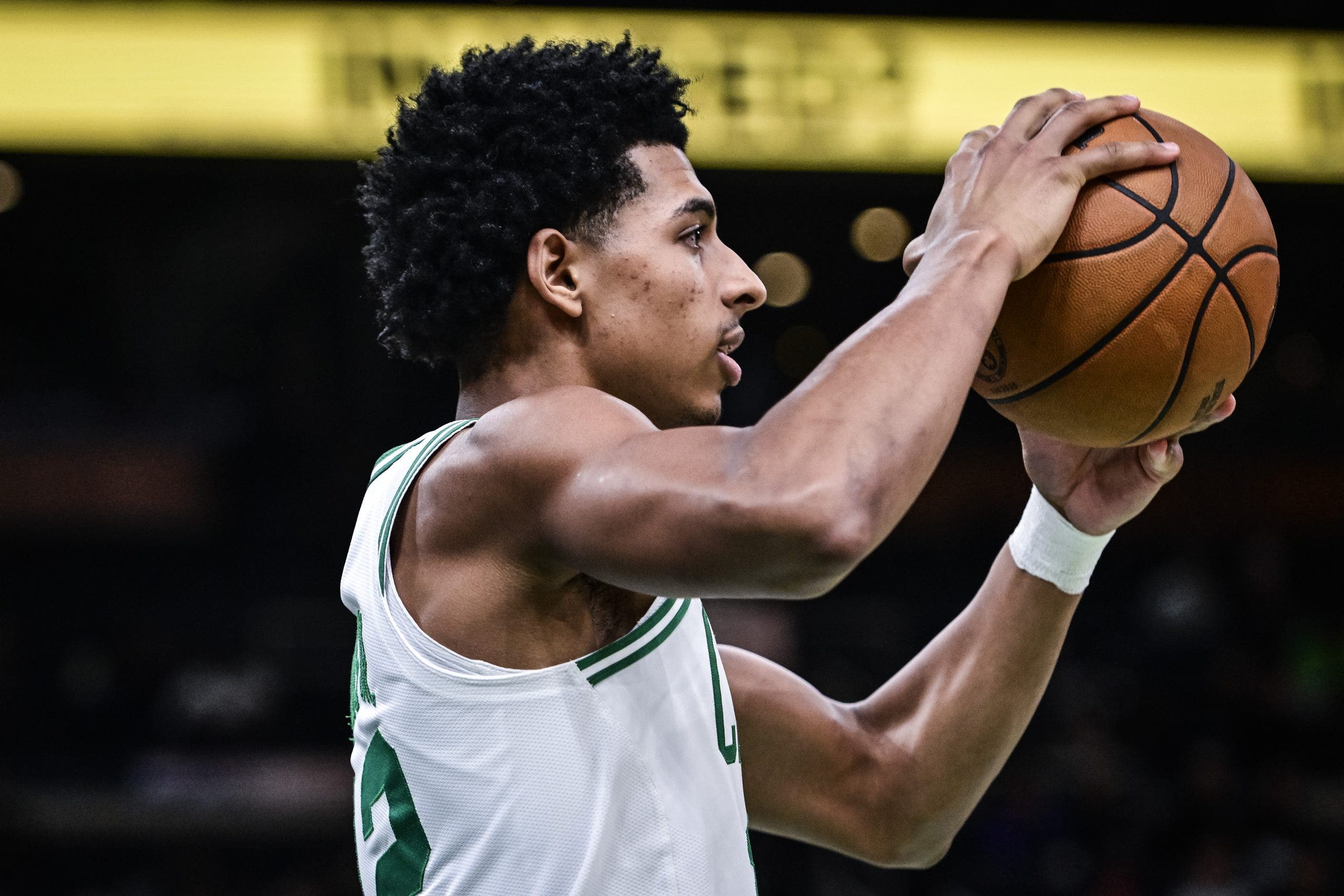
RJ Luis Jr., a former St. John’s standout who recently signed with LSU after spending time with two NBA clubs, was cleared by a court Monday evening to start practicing and potentially play for the Tigers this season.
Luis, who briefly was under contract with the Utah Jazz and Boston Celtics but never played in an NBA game, hugged LSU coach Will Wade after the ruling by East Baton Rouge Parish District Court judge Ronald R. Johnson.
After a five-hour hearing, Johnson granted the player’s request for a preliminary injunction against the NCAA, which had argued Luis was unlikely to win reinstatement after leaving college to turn pro in 2025.
“This is precedent. It’s monumental,” said Baton Rouge-based attorney Tony Clayton, who represented Luis along with Elliot Abrams of Raleigh, North Carolina. “This allows him to go practice, go play and we’ll let the legal process work itself out.”
(Photo by Jaiden Tripi/Getty Images)
The timeline for that process was not immediately clear.
“I don’t know, but there’s a lot of discovery that Elliot and I have to obtain,” Clayton said. “We’ve got a lot of questions.”
Luis’ attorneys noted that the NCAA had granted exceptions allowing numerous players from overseas professional leagues to join college basketball programs, and argued that American players must be afforded the same opportunity.
They stressed that Luis not only had never played in an NBA game, but also had not played for the Celtics’ G League affiliate because of an injury, and had far less of a professional basketball resume than numerous college players who’d been recruited from abroad.
NCAA attorney Taylor Askew argued that Luis’ situation was not comparable to those who played for the developmental squads of pro organizations overseas because Luis chose to leave college for the NBA.
Askew noted that the only player in a similar situation to Luis was Alabama’s Charles Bediako, who won a temporary retraining order allowing him to play five games for Alabama last season before an Alabama judge ultimately sided with NCAA assertions that he was ineligible.
“I understand Mr. Luis is disappointed that he was not drafted and did not play in the NBA as much as he would have liked,” Askew said. “Actions have consequences. Decisions have outcomes and they’re not always the right ones or the ones that you want.”
As he made his ruling, Johnson said, “In the court’s mind, (Luis) did not actually play professional basketball,” and that whether Luis was properly advised of his options at the time he left college “lingers heavily before this court.”
Reporting by The Associated Press.
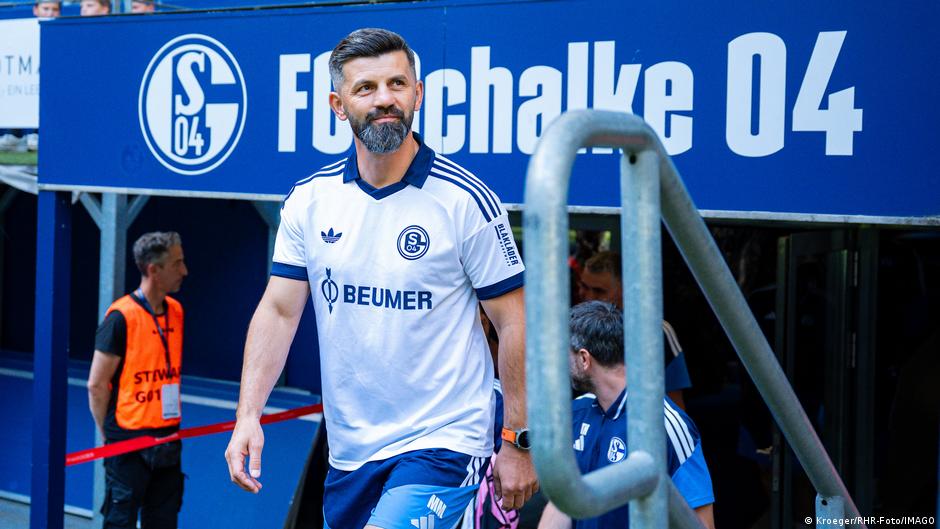
“A year ago, I told my team that we need to step things up by two gears, and we did that,” Schalke‘s second-year coach, Miron Muslic, told the club’s website ahead of this season’s return to the Bundesliga.
“Now we need to step things up by two gears all over again. At first glance it may sound like a threat, too dramatic, but this is what we will need to meet this challenge. The lads know this and we are confident that we have a higher gear in us.”
The challenge for Muslic is not simply to avoid relegation in year one after three seasons in the second division, but to “establish ourselves in the Bundesliga.”
It will also be Muslic’s first season in the Bundesliga after he succeeded where several of his predecessors failed – guiding the Royal Blues back to the topflight.
‘Where did this guy come from?’
It’s something few would have predicted just over a year ago, when he was unveiled as Schalke’s new head coach. Many, if not most, of the club’s supporters will have been left scrolling on their phones to try to figure out just who he was. It’s a point not lost on the Austrian coach, who fled the Bosnian War with his parents at the age of nine.
“Many were wondering; ‘Who is this guy, where did he come from?’” Muslic, who joined from lower league English club Plymouth Argyle, told German football magazine “kicker” last October, after Schalke had climbed to the top of the standings for the first time in the campaign.
That’s where they finished the first half of the season. But during the January transfer window, Muslic and sporting director Frank Baumann still weren’t sure the squad had what it would take to guarantee a top-two finish – and automatic promotion – at the end of the campaign.
Proven goal scorer looking for playing time
Then the final piece to the promotion puzzle fell into Muslic’s lap. Bosnia captain Edin Dzeko, a striker who has been prolific virtually everywhere he has played, was largely languishing on the bench at Italian club Fiorentina, and looking for playing time. He let it be known that he was prepared to take a major pay cut to help Schalke achieve promotion. By the time they’d done just that, he had contributed six goals to the cause – and just turned 40.
Many expected Dzeko to hang up his boots after he captained Bosnia in just their second appearance at the World Cup this past summer. However, a couple of weeks before the start of the season, Dzeko confirmed that he would make his return to the Bundesliga – 15 seasons after he last played in the league with Wolfsburg. After signing a one-year, bonus-heavy contract, Dzeko said that while he had “three other options” he made up his mind that if he was to continue playing, it would only be at Schalke.
Dzeko ‘still hungry’ at 40
“Winning promotion to the Bundesliga is one of the highlights of my career,” Dzeko told the club’s website.
“I’m still hungry. And I want to help our team in the Bundesliga, too.”
Just how much action Dzeko will see in the Bundesliga is unclear. However, Muslic, who is understood to have pushed hard to bring his countryman back for another year, believes he can still be a difference maker in key situations.
Still, he isn’t expected to see as much playing time as the third member of Schalke’s Bosnian triumvirate, central defender Nikola Katic, whose winding road to Gelsenkirchen saw him work with Muslic a few years ago at Plymouth. Even before Dzeko arrived in Gelsenkirchen last winter, he and Katic already knew each other from the national team.
‘Once Schalke, always Schalke,’ but…
Now all three are committed to ensuring that Schalke’s return to the Bundesliga is more than a one-season excursion, and Muslic, whose contract runs through the end of the 2027-28 season, hopes he will remain in charge for years to come.
“I will remain a member of Schalke 04 forever — 100 percent. No matter how our paths might part one day,” the coach told “kicker” last October.
At the same time, he’s realistic enough to know that as a coach, he won’t be in Gelsenkirchen forever. While his current focus is all about Schalke, he already knows where he would like to wind up somewhere down the road.
“I would like to be the national team coach of Bosnia-Herzegovina one day,” he said.
“And I believe it will happen. The fundamental prerequisites are simply a perfect fit — my background, my connection, and the love for my home country.”
For now though, the focus is on the new season; Schalke were left licking their wounds after fourth-tier Halle took them to extra time in their first-round German Cup match on Monday – before emerging with a 5-2 win. Dzeko, who had come on in the 64th minute expecting to play only half an hour, scored two of Schalke’s goals.
Ever the optimist, Muslic said afterwards that the hard-fought result not only proved that “we’ll need Edin” in the Bundesliga season, but that Schalke had also demonstrated their “resilience.”
Next comes the first real test of whether Schalke can indeed kick it up a couple of gears, when they make their Bundsliga return in Augsburg on Sunday.
Edited by: Matt Pearson
NEWYou can now listen to Fox News articles!
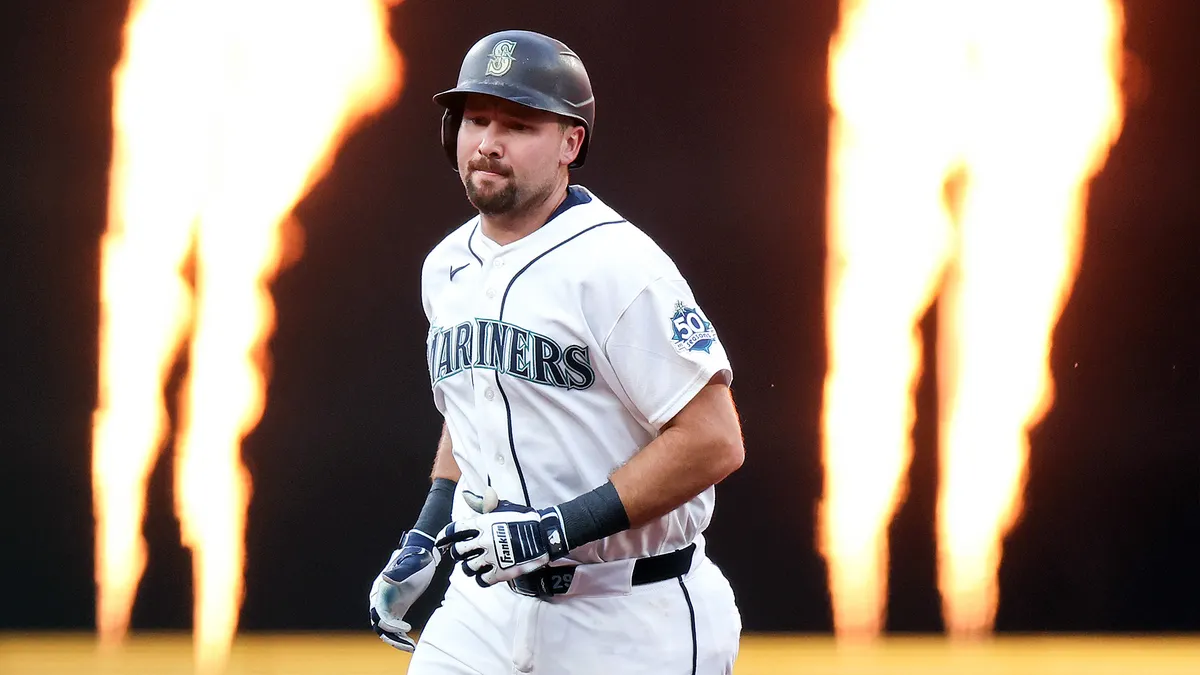
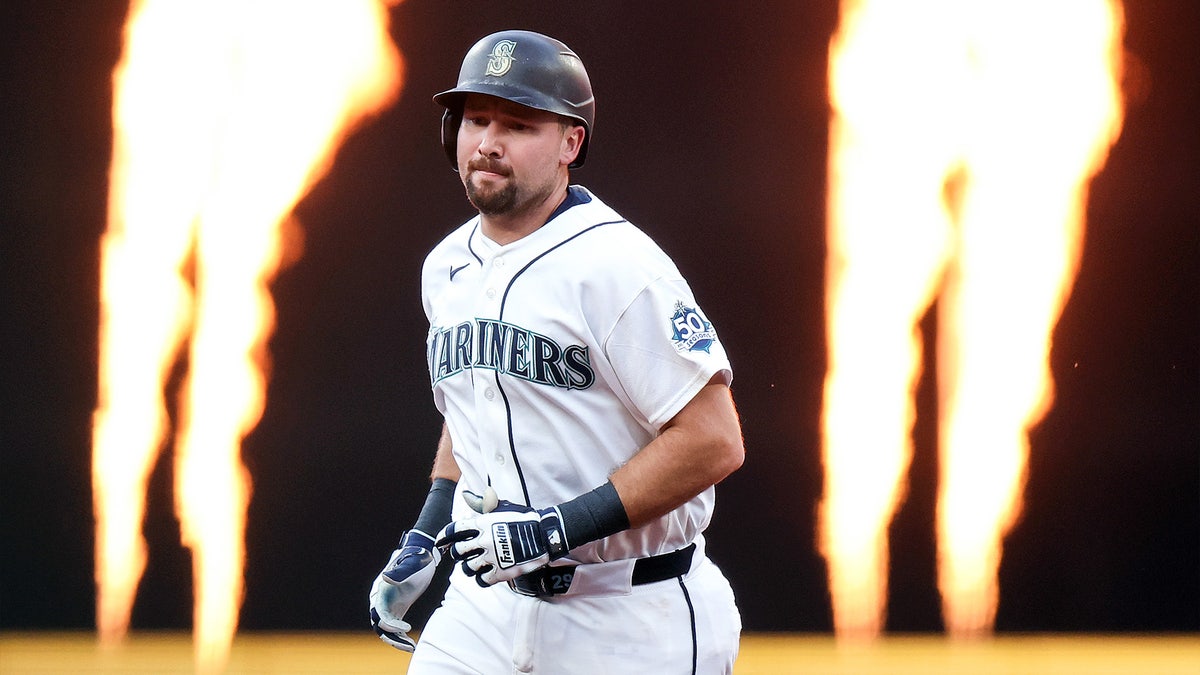
Cal Raleigh busted out of a season-long slump with the first three-homer game of his career Monday night.
The switch-hitting catcher capped a five-run first inning with a two-run shot off struggling Philadelphia Phillies ace Zack Wheeler.
Raleigh added a leadoff homer against Wheeler in the fifth and a solo drive off reliever Chase Shugart in the seventh to give him 17 home runs this season.
It was the first multihomer game of the year for Raleigh, who finished 3 for 3 with a walk in a 9-2 victory and raised his batting average from .159 to .167.
Raleigh was runner-up for the AL MVP award last year, when he led the majors with 60 home runs and added 125 RBIs.
Reporting by The Associated Press.

 The NCAA eligibility rules once again were put into muddy waters with various legal rulings across the country.
Could Texas Tech be looking for a new quarterback as LSU might soon get a new tight end?
On today’s episode of Locked On College Football, I make my 2026 record prediction for the Michigan Wolverines.
Will Kyle Whittingham be a Big 10 contender in Year 1?
 Oklahoma HC Brent Venables was given a contract extension with the Sooners recently.
What does he need to do in 2026 to make that extension look like a worthy endeavour?
00:00 College athletes and draft declarations
05:56 Setting standards in sports
08:03 Concerns over Texas Tech’s strategy
12:51 Predicting Michigan football success
14:47 Bryce Underwood’s quarterback development
23:06 Agent influence in college athletics
25:10 Oklahoma’s playoff expectations
27:08 Challenges of retaining offensive coaches
31:14 Kyle Whittingham’s major game losses

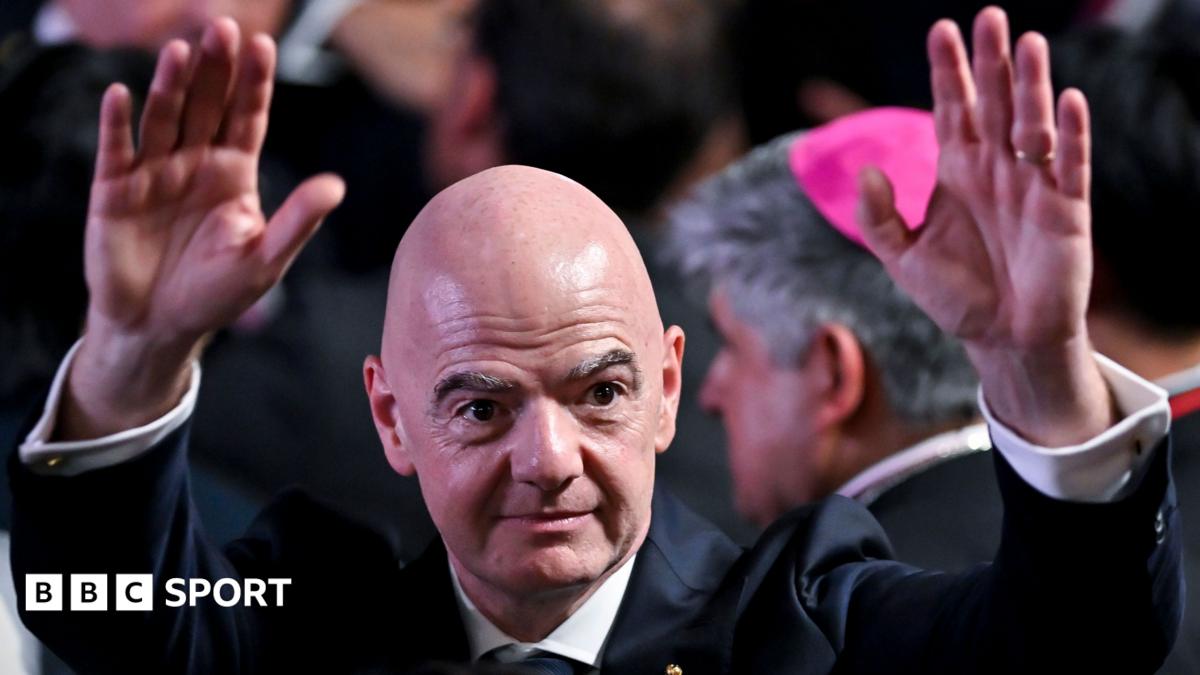
The Irish Football Association says it is “time for change” at Fifa and they will not be voting for president Gianni Infantino’s re-election next year.
Infantino has been under increasing scrutiny since his aborted attempt to sell off a 21% stake in Fifa’s commercial operations to a private investment company.
The plans were scrapped after widespread criticism, with Uefa threatening a boycott of all Fifa competitions.
The IFA, the governing body for football in Northern Ireland, had previously backed Uefa’s stance without formally withdrawing their support, but have now said Infantino’s plan raised “fundamental questions” of the president.
It said in a statement: “The proposal to sell part of Fifa’s assets to a private equity firm without consultation, represents more than a failure of communication. In our view, it raises fundamental questions about strategy, governance and stewardship of our assets.
“We believe the time has come for change.”
The Football Associations of England, Scotland, Wales and the Republic of Ireland have previously publicly withdrawn support for Infantino, who is scheduled to stand for a fourth term as president in March.
Should the 56-year-old Swiss be successful, by the end of the term in 2031, his tenure will have been extended to 15 years.
Sports
Why is Indian Hockey struggling to produce next generation of senior stars? | Other Sports News
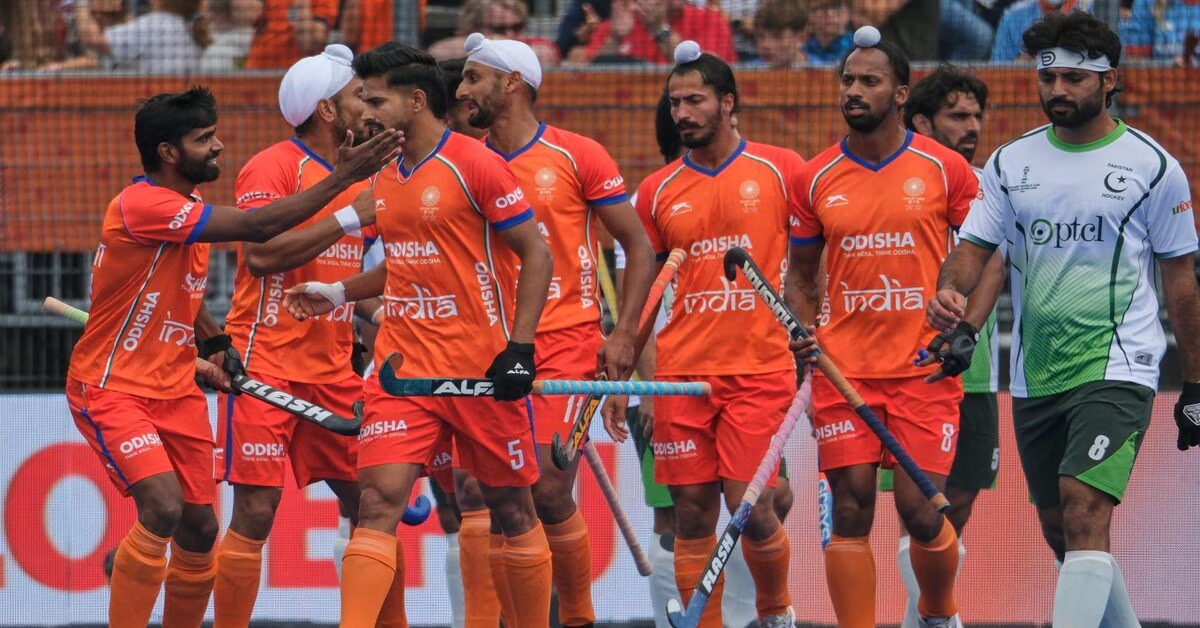
India’s hopes of reaching the semi-finals of the 2026 Hockey World Cup came to an end after back-to-back defeats to the Netherlands and Argentina, leaving the team to fight for a place in the lower classification matches.
The 1-3 loss to the Netherlands had left India needing a win against Argentina, but the 3-5 defeat in the must-win game ended another World Cup campaign without a place in the last four.
The disappointment is familiar, but this time it also brings a larger question into focus. India has continued to produce junior teams capable of reaching the latter stages of the Junior World Cup, yet the senior side remains heavily reliant on a generation that came through almost a decade ago.
The 2016 Junior World Cup-winning team produced Harmanpreet Singh, Mandeep Singh, Sumit, Nilakanta Sharma, Varun Kumar, Simranjeet Singh and others who went on to become important senior internationals and Olympic medallists. The generations that followed have not yet produced the same depth of senior players.
That gap is becoming harder to ignore. India finished fourth at the Junior World Cup in 2021 and 2023 and won bronze in 2025, but those results have not yet translated into a comparable influx of established senior players.
With several members of the 2016 generation still playing important roles for India, the question is no longer simply about another disappointing World Cup. It is about what has happened to the pipeline behind them — and whether India is still producing enough players capable of becoming senior stars.
The 2016 generation set a difficult benchmark to follow
The 2016 Junior World Cup-winning side did more than deliver India a title on home soil. It supplied the senior team with a generation of players who would remain important for years after their junior careers were over.
Harmanpreet Singh moved from that team into the senior side and eventually became India’s captain. Mandeep Singh became a long-serving international forward, while Sumit, Nilakanta Sharma and Varun Kumar established themselves as senior internationals. Simranjeet Singh and Gurjant Singh also made the transition, while Krishan Pathak went on to represent India at senior level.
The real measure of that batch came at the Olympics. Seven players from the 2016 Junior World Cup squad were part of India’s Tokyo bronze-medal-winning team. Several remained part of the senior group for Paris, and some are still playing important roles for India at the 2026 World Cup.
That is what makes the 2016 team such an important reference point. It did not produce one or two players who broke through. It produced a group large enough to change the composition of the senior team.
India’s junior success has not produced the same senior return
The difficulty in calling this a talent-pipeline problem is that India’s junior results have remained respectable.
After winning the Junior World Cup in 2016, India finished fourth in 2021 and fourth again in 2023 before returning to the podium with bronze in 2025. There has been no obvious collapse at junior level. India are still reaching the latter stages of the tournament and still producing players capable of competing with the world’s better junior teams.
The more difficult part begins after those tournaments. A player who succeeds against his age-group peers has to make the jump into senior hockey, where the pace is higher, the physical demands are greater and established internationals are competing for the same places.
The 2021 batch has already produced one major success story in Vivek Sagar Prasad. He captained that junior team and became an established senior international, winning Olympic bronze medals at Tokyo and Paris. Sanjay has also established himself in the senior setup, while several others from the batch have received opportunities.
The 2023 generation is still developing. Aditya Lalage, Rajinder Singh and Amandeep Lakra are among those who have moved into the senior pathway, but they have not had the same amount of time to establish themselves. The 2025 bronze-medal team is only at the beginning of that process.
That is why senior debut alone cannot be the measure of whether a junior batch has successfully fed the national team. A player can make an international appearance without becoming a regular. The stronger indication is whether players from a generation stay in the system, compete for places and eventually become important members of the senior team.
Across the four Junior World Cup squads since 2016, India have fielded a total of 67 players. Their subsequent movement into senior hockey shows a clear difference between making the transition and establishing a career at the highest level.
The old generation is still carrying the weight
The succession question becomes more visible when India’s current team is examined.
Harmanpreet is still captain. Mandeep remains part of the attack. Sumit and Nilakanta Sharma continue to be part of the national setup. All four came through the 2016 Junior World Cup-winning team.
Their continued presence should not, by itself, be considered a problem. Longevity at international level is earned, and established players remain in the team because they continue to offer something selectors value.
The concern is what their continued presence says about the competition underneath them. In a healthy pipeline, younger players should gradually make established players fight harder to retain their places. Eventually, the younger generation should have enough weight to take over.
Sundeep believes that pressure has not been strong enough.
“If there was somebody who could replace these established players, I don’t think players such as Mandeep Singh would still be in the team,” Sundeep said. “It isn’t easy to remain in the team when somebody else is playing better than you.”
That makes the issue less about whether India should retain experienced players and more about whether enough younger players are developing into credible alternatives. The 2016 group has not stayed because the system has deliberately prevented younger players from replacing them. It has stayed because the replacements have not yet arrived in sufficient numbers.
The current 2026 World Cup squad also shows how the transition between generations has taken place. Harmanpreet Singh, Mandeep Singh, Sumit Walmiki and Nilakanta Sharma all came through the 2016 Junior World Cup-winning side. Vivek Prasad, Sanjay Rana and Yashdeep Siwach were part of the 2021 junior team, while Aditya Lalage, Mohith Shashikumar and Rajinder Singh Jr. came through the 2023 batch.
The World Cup is where the gap becomes harder to hide
India’s recent record presents a clear contrast between its performances at the Olympics and the Hockey World Cup. The team won bronze at the Tokyo Olympics and repeated that achievement in Paris, but its World Cup record during the same period has been less encouraging. India finished sixth in 2018, ninth in 2023 and have now missed the semi-finals again in 2026.
The latest campaign ended after India lost 1-3 to the Netherlands and then 3-5 to Argentina in Phase 2. The defeat to Argentina ended India’s hopes of reaching the semi-finals and left the team to play for a lower classification position.
The contrast is particularly notable because the Olympic and World Cup teams have largely drawn from the same senior pool. The two Olympic medals show that India can build a side capable of competing for major honours, but the World Cup results show that this success has not translated into a sustained challenge at the sport’s other biggest global tournament.
India’s last World Cup medal came in 1975. Since then, the team has had several opportunities to return to the podium but has not managed to go beyond the quarter-final stage in recent editions. The 2026 campaign has now extended that wait, adding another tournament in which India could not turn its senior experience into a semi-final run.
Why India’s junior and sub-junior pipeline needs attention
The problem may begin well before players reach the Junior World Cup. India’s junior teams continue to perform, but the base from which those players emerge needs to be wider. School, college and sub-junior hockey remain important stages for identifying talent, yet access to quality playing facilities is not uniform.
Sundeep also believes the lack of infrastructure is one of the major reasons behind the limited number of players coming through. He pointed to the small number of schools and colleges with synthetic turf, which limits young players’ ability to regularly train and hone their skills on the surface used at the highest level.
He also believes authorities need to create more playing spaces and regular competition for young players at the grassroots level. A stronger base would give India a larger pool from which to identify, develop and eventually move players into the junior and senior national teams.
The break may be coming between junior and senior hockey
If India’s junior teams continue to produce strong results while fewer players become senior regulars, the transition between the two levels becomes one of the places to look.
Indian players come through different state associations, academies and coaching systems. The methods used at sub-junior and junior level can therefore vary, leaving players to arrive at senior hockey with different technical and tactical foundations.
That difference may not be enough to prevent a junior team from competing successfully. At senior level, however, the margins become much smaller. The pace is higher, decisions have to be made quicker and technical shortcomings that might have been less obvious against younger opponents can become more costly.
“The coaching stream at the sub-junior, junior and senior levels should be connected, but it isn’t,” Sundeep said. “When a player is being coached at the sub-junior level, he should be prepared according to what the senior team eventually requires.”
The problem is that by the time a player reaches the senior age group, much of his basic hockey education has already been established. A senior coach can refine his game, but has less time to rebuild fundamental habits.
That can leave a player who was successful at junior level struggling to make the final jump. He may receive a senior call-up, get a few appearances and then fall behind an established player in his position. Over time, the gap between being considered a prospect and becoming a senior regular becomes wider.
The 2016 group managed that transition in numbers. The later batches have produced individuals, but not yet another comparable wave.
More Junior World Cups are an opportunity
The Junior World Cup was previously held every four years but has been played every two years since 2021.
With India’s number of senior debutants from successive Junior World Cup squads declining, the increased frequency of the tournament could appear to be another factor. Sundeep, however, does not believe that is the problem.
“I think with more frequency, you actually get World Global Championship or the class of a Junior World Cup every two years. Also giving more opportunities for you to recycle. When I say recycle, not the same, but get a fresh crop and put them in,” he said.
“I don’t think this opportunity was there when it was every four years, which is good for team India as a nation. But the question is, how could we utilise it?” he further added.
The increased frequency, therefore, gives India more opportunities to expose fresh groups of players to high-level international competition. The bigger question is what happens to those players after the tournament.
Where does the next generation come from?
There are players coming through. The issue is whether enough of them can make the transition together.
Vivek Sagar Prasad is the clearest example from the 2021 generation of the pathway working as intended. He went from captaining the junior side to becoming an established senior midfielder and a two-time Olympic bronze medallist. Sanjay has also become a regular part of the senior setup.
The 2023 group has begun to enter the same pathway, while the 2025 bronze-medal team is now at the point where its players need exposure to senior hockey. That transition cannot be left until the next World Cup arrives. Young players need opportunities against senior opposition before they are expected to carry responsibility at the highest level.
The Hockey India League, FIH Pro League and other senior competitions can provide that bridge. But the opportunities matter only if they are part of a wider pathway in which players move from junior hockey into increasingly demanding senior environments.
Sundeep has pointed to goalkeeper Prince Deep Singh as one player from the junior level who can impress at senior level when his time comes. That does not mean one player can solve India’s succession problem. It illustrates the larger issue: the system needs to identify more players early enough and give them enough senior exposure to determine whether they can eventually take over.
The younger generations still have time. But the longer the current core remains the main source of experience and quality, the more important it becomes to understand why the next group is taking longer to establish itself.

XRP HOLDER TRUTH! NOBODY WILL TELL YOU THIS!

Two further men arrested in connection to ‘hate display’ on Moygashel bonfire

Bank of Montreal 2026 Q3 – Results – Earnings Call Presentation (TSX:BMO:CA) 2026-08-25





-

 Fashion4 days ago
Weekend Open Thread: Madewell – Corporette.com
-

 Business3 days ago
Musk’s Tesla, SpaceX Confirm $16.8 Billion ‘Terafab’ Chip Plant as World’s Largest Building in Texas
-

 Crypto World4 days ago
anatomy of crypto’s biggest liquidation event since 2021
-

 Politics3 days ago
6 months on, Irish renters crushed by effects of government housing bill
-
 NewsBeat3 days ago
The ‘Lucky Dip Gang’ causing carnage for clicks: After five thugs were killed speeding in the wrong direction on a motorway, GUY ADAMS investigates a sick new trend… and why police aren’t even allowed to pursue them
-

 Tech6 days ago
GLM-5.3 hits the API at $1.4/$4.4 per million tokens
-

 News Videos6 days ago
Don’t Leave Your Financial Future To Chance | August 19, 2026
-

 Business2 days ago
Mystery AI Model ‘Ox Alpha’ Draws Developers With Free Access as Chinese Lab Origins Remain Debated
-

 Crypto World18 hours ago
A $30 Billion AI Fund Implodes, Now the SEC Is Investigating Wall Street’s Role
-

 Business6 days ago
Marvell Shares Jump 7% as Google Chip Deal Confirms Custom AI Silicon Partnership, Analysts
-

 Business5 days ago
Five Below: Kids Discount Retailer Reaps Rich Rewards
-

 Business4 days ago
UK firms in critical financial distress rise 9% to 53,756
-

 Sports3 days ago
Deshaun Watson fires back at Browns fans after being booed: ‘It’s a disrespectful thing’
-

 Fashion6 days ago
Jimmy Choo Autumn 2026 collection
-

 Tech6 days ago
OpenAI confirms ChatGPT is down as logins and signups fail
-

 Crypto World5 days ago
Optimism-funded team's deciding vote shifts $49 million in OP tokens away from users
-

 Crypto World2 days ago
Google Gemini AI Predicts Ethereum Could Become the Trade Retail Misses in 2026
-

 Business5 days ago
PayPal and Venmo now accepted for tuition at several universities
-
 Sports6 days ago
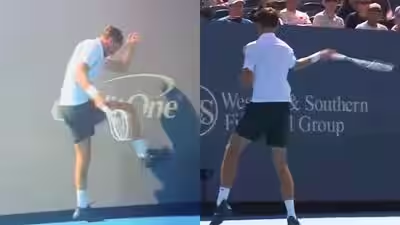
Chaos! Daniil Medvedev loses cool, breaks two advertising boards at Cincinnati Open – Watch | Tennis News
-
 Entertainment6 days ago
10 Most Perfect Fantasy Shows of the Last 25 Years
You must be logged in to post a comment Login