
Sports
Former MLB player talks switch to pro golf — and crazy power he produces

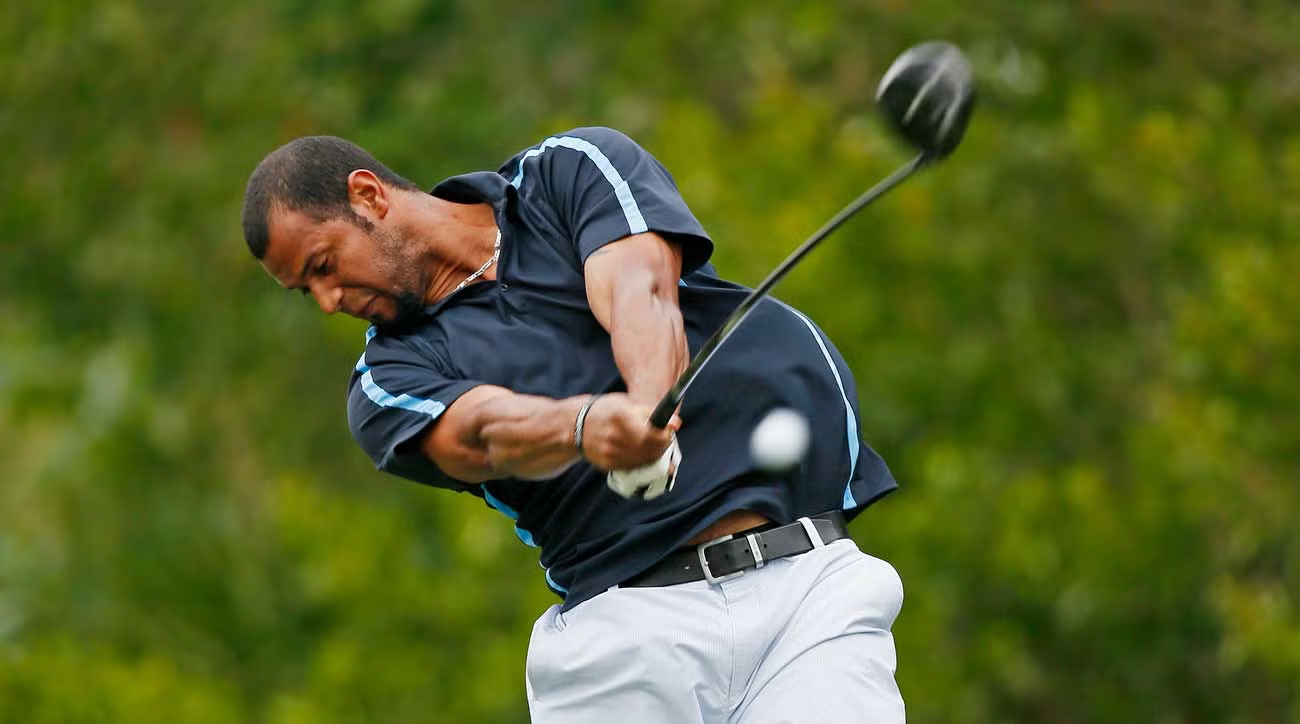
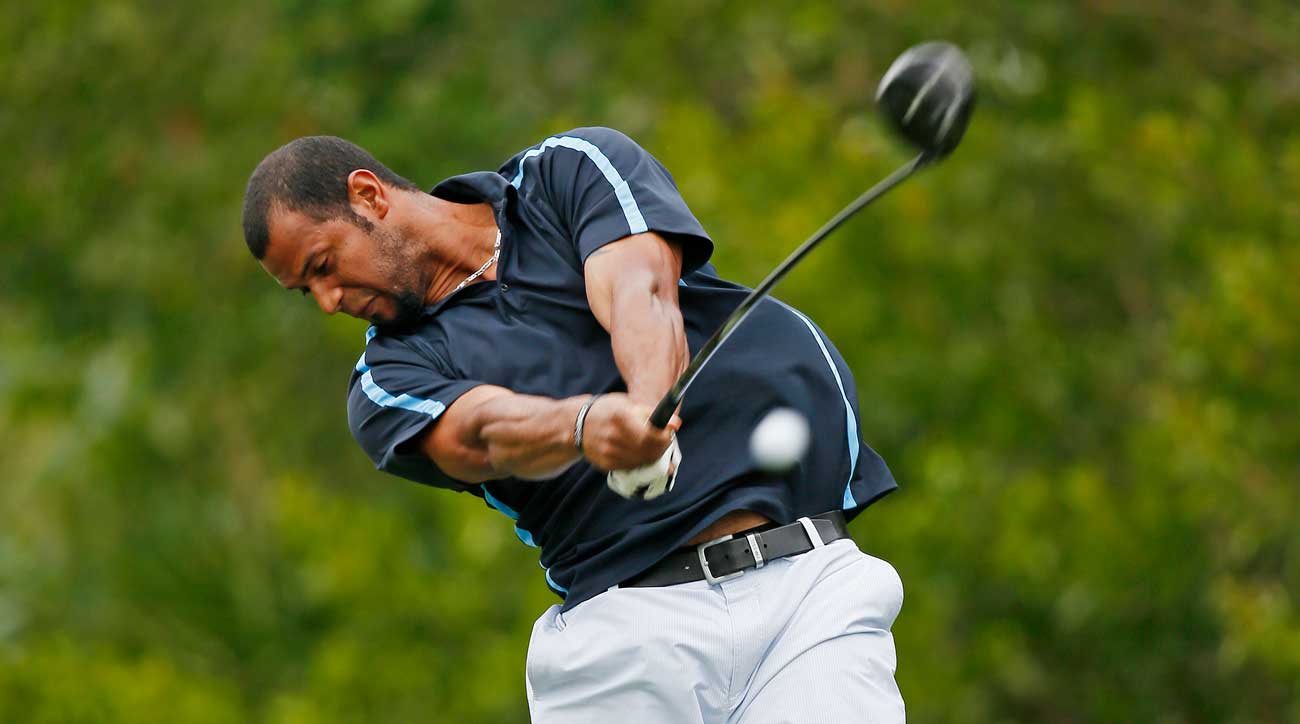
In an 11-year Major League Baseball career, Aaron Hicks flashed more than warning-track power. The former outfielder launched 109 home runs, most of them during his tenure with the New York York Yankees.
These days, though, it’s on the golf course where he really lets it fly.
Since stepping away from baseball after the 2024 season, Hicks, 36, has returned to the game he excelled at as a kid, and the results have been impressive. He is already a multiple winner on the Pro Tour, a circuit for current and former professional athletes from other sports. His prodigious length — he can drive it more than 400 yards — has become a calling card.
Appearing this week on GOLF’s Subpar podcast with Colt Knost and Drew Stoltz, Hicks revealed that he routinely produces ball speeds north of 200 mph, with a personal best of 207 mph. For perspective, the average PGA Tour player hovers around 175 mph. Hicks’ numbers are north of those of Rory McIlroy, closer to the neighborhood of Bryson DeChambeau.
Power has never been his problem. Neither, it seems, has golf.
Growing up in Southern California, Hicks was a standout junior player. He learned the game from his father, Joe, a former minor leaguer and avid golfer, and competed on many of the same courses where Tiger Woods honed his skills. (These days, Hicks has another connection to the Woods family: He’s married to former LPGA player Cheyenne Woods, Tiger’s niece.)
Why did he not stick to golf as a kid?
On Subpar, Hicks shared the story of the moment he abandoned the game for baseball.
His father had promised him a new set of clubs if he won a junior tournament. Hicks did exactly that. But when it came time to collect, Joe Hicks had changed his mind.
“Clubs don’t make the player,” his father told him. “The player makes the clubs.”
His dad may have been right, but the lesson was lost on his young son.
“‘You ain’t kept your promise,’” Hicks recalled thinking. “‘I’m going to play baseball.’”
That decision worked out pretty well for him. But after hearing the kind of speed Hicks now generates with a driver, it’s hard not to wonder what might have happened had he stuck with golf all along. You can listen to the entire episode here. You can watch the entire video below.
“>

Sports
Arshdeep Singh picks Bhuvneshwar Kumar over Mohammed Shami; No place for Jasprit Bumrah | Cricket News
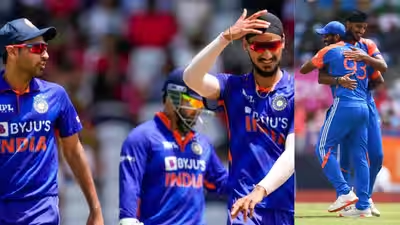
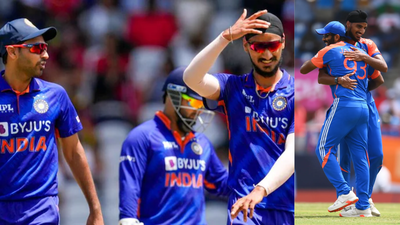
India fast bowler Arshdeep Singh has revealed his picks for the five best Indian bowlers, placing veteran seamer Bhuvneshwar Kumar at the top of his list. The left-arm pacer shared his rankings during an appearance on Krishnank Atrey’s YouTube channel, explaining that his admiration for Bhuvneshwar influenced his choice.The ranking drew attention as Jasprit Bumrah, widely regarded as India’s premier fast bowler across formats, did not feature in Arshdeep’s top five.
Bhuvneshwar gets top billing
Explaining why he ranked Bhuvneshwar first, Arshdeep admitted there was a personal bias behind the selection, while also praising the veteran’s ability to control the new ball.“Bhuvi bhai is at the top because he is my personal favourite as well. I really like him, so I’m a little biased. I’ll rate all the fast bowlers first. At number two, I’d go with Shami bhai because, as you know, he can seam the ball on any wicket. His bowling is excellent, and he presents the seam perfectly,” Arshdeep said. Arshdeep placed Mohammed Shami second, highlighting the experienced pacer’s ability to generate seam movement in any conditions.
Kuldeep, Chahal and Ashwin complete the list
The Indian pacer ranked Kuldeep Yadav third, crediting the left-arm wrist spinner’s unique bowling style before naming Yuzvendra Chahal in fourth place.“Third would be Kuldeep Yadav because he has a very rare skill set, a left-arm chinaman. Then there’s Yuzi bhai, as we are teammates in the Punjab team, and his record is also excellent. He has taken so many wickets,” Arshdeep admitted. Veteran off-spinner Ravichandran Ashwin completed the top five. Arshdeep jokingly apologised for placing the former India spinner last, insisting it was only because the other spots had already been filled.“I wouldn’t want to rate Ash bhai last, but there were no positions left, so he comes in at number five. He is great, but Ash bhai was also my first captain in the IPL, Punjab. Sorry, Ash bhai, I’ll personally message you,” he added.
Arshdeep explains why he wiped his Instagram feed
During the same interaction, Arshdeep also addressed the buzz surrounding his Instagram account after fans noticed that he had deleted all of his posts following the IPL season.The left-arm pacer, who endured a difficult campaign with the Punjab Kings and faced criticism on social media over his performances, dismissed speculation that the move was linked to the trolling. He clarified that he simply wanted to refresh his profile after the tournament and insisted there was no hidden reason behind the decision.“IPL had ended and I felt like cleaning things up, so I was properly clearing everything out. I mean, people make an issue out of it, asking why I removed the videos and what happened to Arshdeep’s Instagram account, why he changed it overnight. But it’s nothing like that, bro. I just felt like removing them, so I did. If I feel like it, I’ll put them back. It’s just about my mood. Whenever I feel like it, I post something, ” Arshdeep Singh concluded.
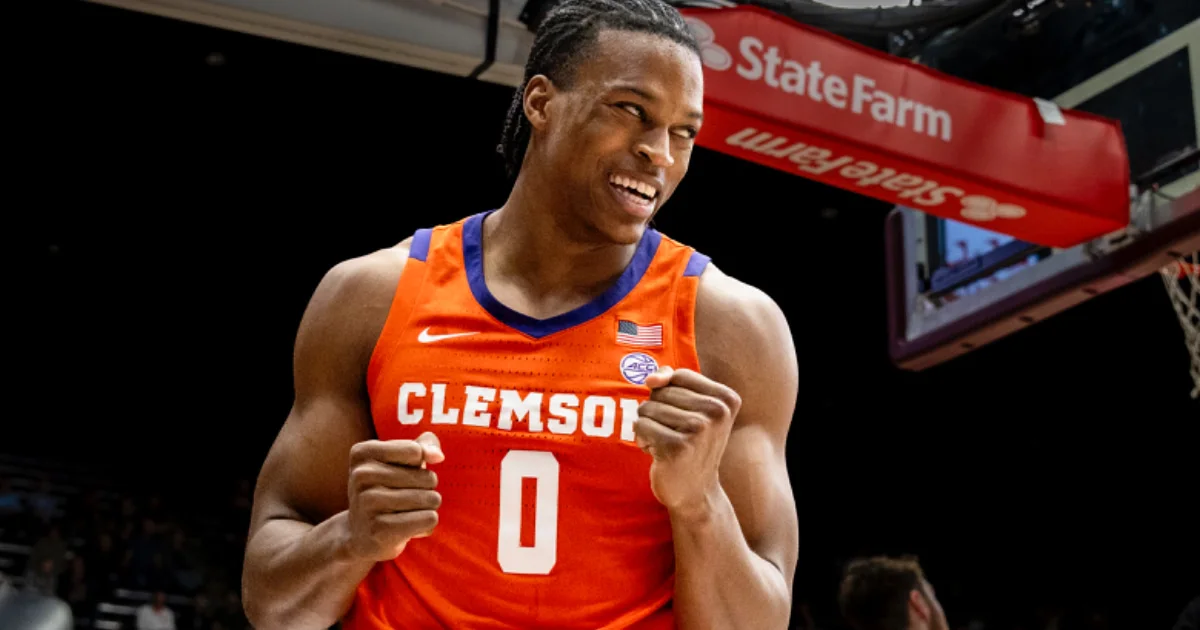
Former Clemson forward RJ Godfrey has committed to Arizona via the NCAA Transfer Portal, On3 has learned. It’s a big get for Tommy Lloyd and the Wildcats ahead of the 2026-27 season.
Godfrey played high school basketball at North Gwinnett, where he was a three-star prospect. He was the No. 188 overall recruit in the 2022 cycle, according to the Rivals Industry Ranking, a weighted algorithm that compiles all major recruiting media services.
Advertisement
$19.99 gets you a FULL year of On3 | Rivals national coverage
Additionally, Godfrey’s commitment comes after months of uncertainty surrounding his college future. The former Tigers standout was one of several players involved in a lawsuit against the NCAA seeking an additional season of eligibility following the organization’s recent rule changes.
According to The Greenville News, Godfrey joined a group lawsuit filed on July 9 arguing that the NCAA unfairly denied an extra year of eligibility to athletes who exhausted their fourth season during the 2025-26 academic year. The NCAA approved a new rule in June allowing future athletes five seasons of competition over five years, but did not extend that benefit to players who had already completed their eligibility.
With the lawsuit ultimately successful, Godfrey will suit up for Lloyd and Arizona instead of returning to Clemson for another season. Prior to announcing his commitment, The Greenville News reported that Oklahoma, Arkansas and LSU had also expressed interest in Godfrey if he received another year of eligibility.
Advertisement
Moreover, Godfrey is coming off one of the best seasons of his collegiate career after returning to Clemson for the 2025-26 campaign. He led the Tigers in scoring at 12.0 points per game while averaging 5.3 rebounds, helping Clemson return to the NCAA Tournament.
His second stint in Clemson followed a one-year stop at Georgia during the 2024-25 season. Across two stints with Brad Brownell’s program, Godfrey appeared in 104 games, making 33 starts while averaging 7.2 points and 3.6 rebounds per contest. He also shot an efficient 60% from the field during his Clemson career.
Before pursuing another college opportunity, Godfrey tested the professional waters by participating in pre-NBA Draft workouts. However, he was not selected in the 2026 NBA Draft and did not sign an undrafted free-agent contract, leaving the door open for a potential return to college if granted eligibility.
Arizona now appears poised to benefit if that happens. The Wildcats add an experienced, versatile frontcourt player with NCAA Tournament experience and proven production at the high-major level.
Advertisement
To keep up with the latest players on the move, check out On3’s Transfer Portal wire. The On3 Transfer Portal Instagram account and X (formerly Twitter) account are excellent resources to stay up to date with the latest moves.
Sports
Ishroop Narang misses bronze as India end Commonwealth Games judo campaign with four medals | Commonwealth Games News
Judoka Ishroop Narang missed out on a bronze medal after losing to Canada’s Coralie Godbout by yuko in the women’s 78kg bronze medal bout as India’s judo campaign ended at the Commonwealth Games in Glasgow on Sunday.India’s hopes of adding one more judo medal rested on the 19-year-old after she kept herself in contention with a win over Cameroon’s Georgika Wesly Djengue Moune in the repechage round. Ishroop defeated the stronger and taller Cameroonian by waza-ari after her opponent had scored two yukos.In the bronze medal contest, however, Godbout kept Ishroop under pressure throughout. The Indian received two shido penalties during regulation time before eventually losing by yuko in the golden score period.Yash Ghangas and Avtar Singh, the other Indian judokas in action on the final day, were both knocked out in the Round of 16.Judo contributed four medals to India’s overall tally, including two gold, one silver and one bronze.Yuko is awarded for a throw where the opponent lands on their side or near-side, or for a hold-down lasting 5 to 9 seconds.Ippon is the highest score and means a full point that ends the match right away. Ippon is earned through a clean throw, a long hold down, or a tap out.
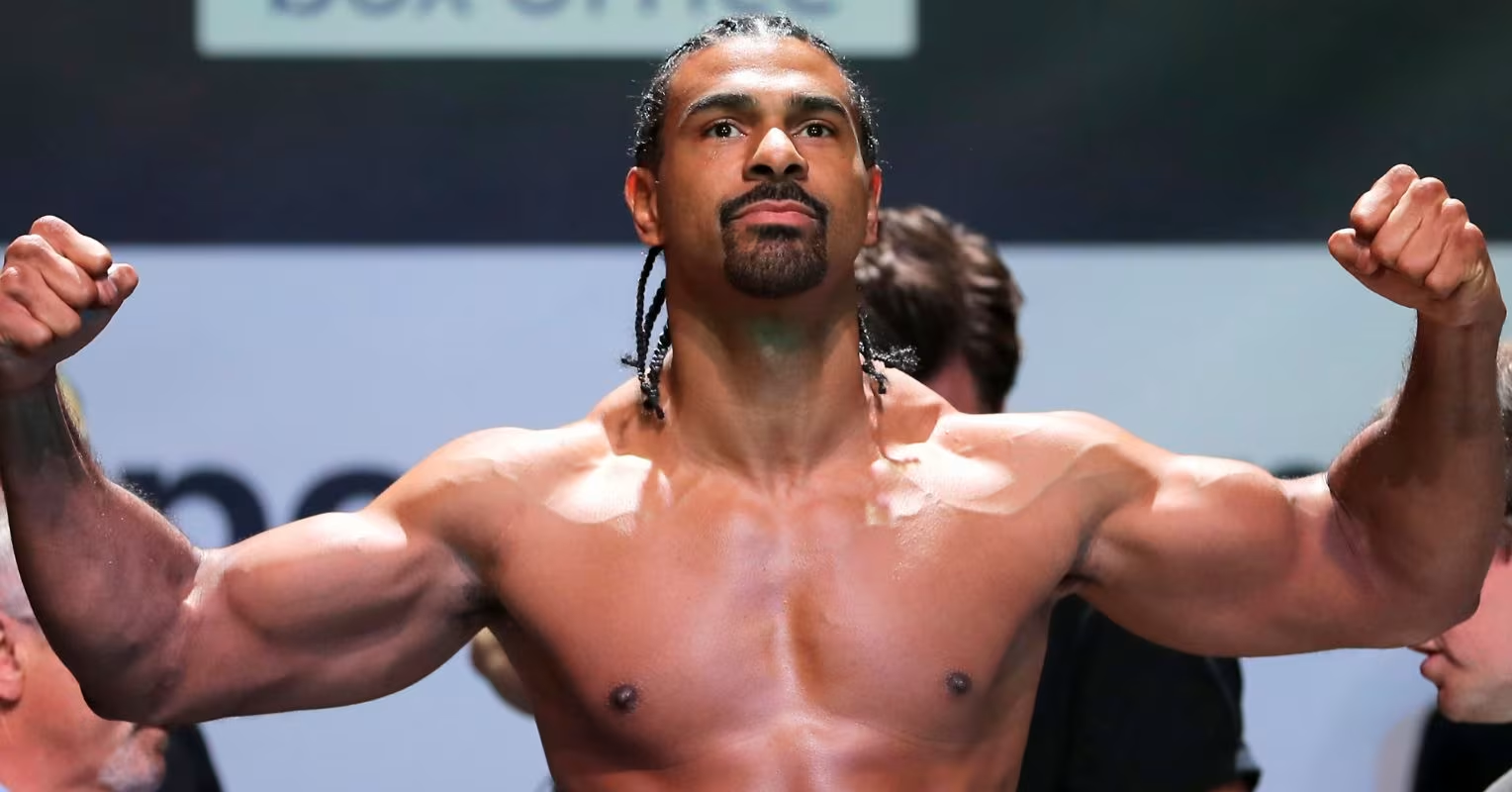

David Haye has named the most durable man he ever faced, who took his best shots and somehow left the ring on his feet.
The ‘Hayemaker’ was a dynamite puncher at both cruiser and heavyweight, with his speed and athleticism also contributing to him becoming a two-division world champion.
He did so by dethroning Jean Marc Mormeck and Nikolai Valuev in 2007 and 2009, respectively, while claiming two of his signature wins in the process.
Mormeck was considered a particularly dangerous and rugged champion, yet Haye nonetheless scored a seventh-round finish after climbing off the canvas.
The Londoner then edged a split decision against Valuev, a 7ft giant, who heard the final bell after getting put on unsteady legs in round 12.
According to Haye, though, the toughest opponent he ever faced was Derek Chisora, who he stopped in round five of their heavyweight encounter in 2012.
Their in-ring fight materialised following an infamous confrontation in Germany, where Chisora repeatedly cried “he glassed me!” after Haye laid bare fists on his chin.
Proceedings were then similarly one-sided as Haye dished out a punishing beatdown, eventually scoring two knockdowns with a sustained fifth-round onslaught.
Speaking with Sun Boxing, the former world heavyweight champion gave immense credit to the remarkable chin of his former rival.
“Derek Chisora took some big shots. I was hitting him with shots that [fans] probably didn’t even realise, but they were big, big shots.
“He finished on his feet as well. I don’t know anyone else that wouldn’t be sleeping for 10 minutes.”
Even at the age of 42, Chisora remains an active heavyweight and is coming off a split decision defeat to Deontay Wilder in April.
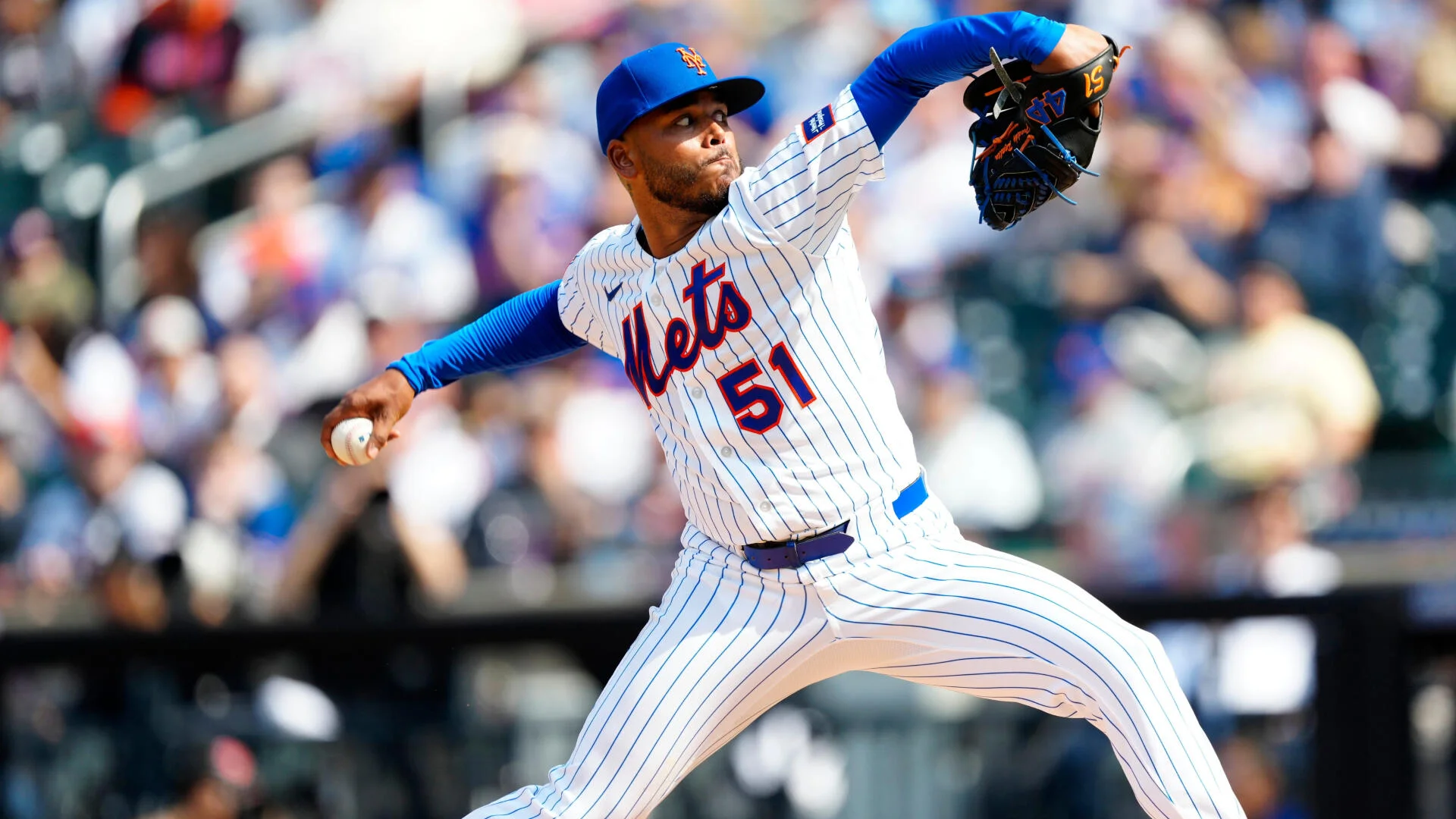
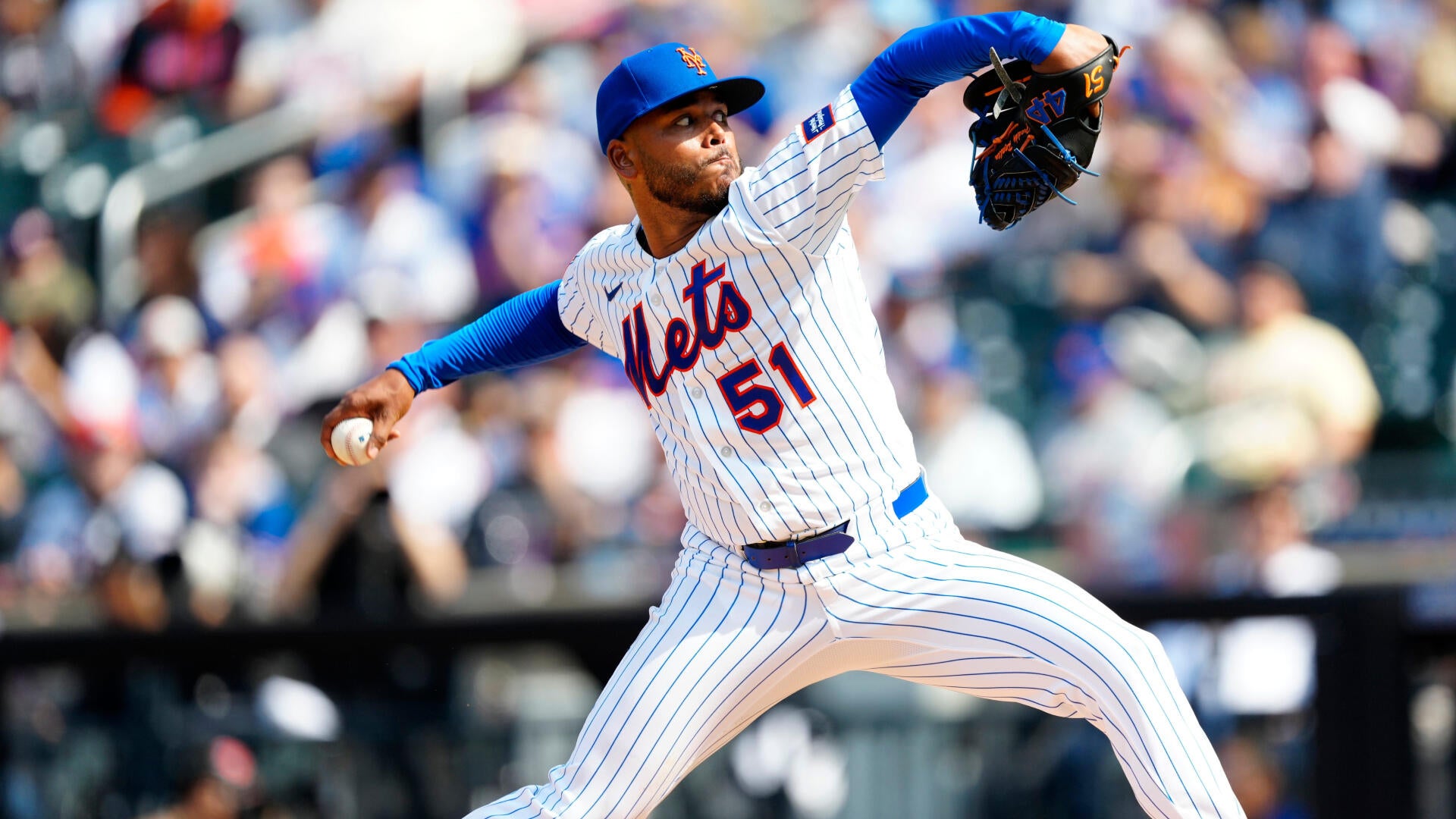
The 2026 MLB trade deadline is Monday, and teams will no longer be able to make deals for this season after 6 p.m. ET on Monday, Aug. 3. The biggest name is off the market after the Detroit Tigers sent superstar lefty Tarik Skubal to the Dodgers, but there are still quite a few big names who could be on the move as teams look to improve their chances of getting to the World Series.
Bet on MLB players’ next teams with the DraftKings promo code and get $150 in bonus bets:
Teams always need pitching help, and we’re sure to see a few big-name starters on the move. You know that teams are working the phones to get deals in place, so we’re going to look at the MLB betting odds for some big-name players’ next teams, with odds courtesy of DraftKings Sportsbook, one of the best betting sites.
Freddy Peralta next team odds (via DraftKings)
Peralta’s season has been an odd one as the 30-year-old right-hander owns a 4.99 ERA in his first year with the Mets, who acquired him to be a frontline starter as they pushed for the postseason. Instead, Peralta and the Mets have disappointed, and New York is expected to be a big-time seller, including with Peralta, who is a pending free agent.
Even amid a down year, Peralta should be a very popular name in trade talks. The White Sox are a young team that could use a proven starter to anchor the rotation alongside Sean Burke and Davis Martin, and they’re the current betting favorites to land Peralta, per DraftKings odds.
The next two teams on the odds board also make a ton of sense in the Brewers and Cubs. Milwaukee is where Peralta spent the first eight years of his career, and the team that just traded him this offseason needs more help in the rotation. As for the Cubs, they need rotation help in a bad way and their skipper, Craig Counsell, was Peralta’s former manager in Milwaukee.
The Rays also check a lot of boxes both for their need for more starting pitching, as well as having a regularly deep farm system that the Mets are sure to be looking closely at. The Braves are also a clear fit, though it’s unclear how much Atlanta and New York would want to deal with one another as NL East rivals.
And, of course, there’s the Dodgers, who are favored to land Skubal. Their rotation is again beat up, and even if they land Skubal, the champs, who are the favorites to repeat in the latest MLB futures betting odds, could also swing for a guy like Peralta to join the mix.
Bet on MLB next team wagers and more with the DraftKings promo code and get $150 in bonus bets:
Luis Arraez next team odds (via DraftKings)
Adding an impact pitcher at the deadline isn’t easy, necessarily, but it’s far more common than adding a notable bat to the mix. The Giants are primed to be clear sellers this year after a rough start to 2026, and the 29-year-old Arraez should give San Francisco a nice return if he’s dealt, which is looking more and more likely. He’s still one of baseball’s best contact hitters, and his defense and slug have both improved this season as well. A team needing a second baseman or someone to play first or even DH could all stand to add Arraez to the top of the order, and he’s a pending free agent as well.
The Rays haven’t gotten much production from their second base spot, and they need more bats to surround the trio of Yandy Diaz, Jonathan Aranda and Junior Caminero. The Yankees could use Arraez as a DH while the Rangers and Guardians both need offensive upgrades wherever they can get them.
The Phillies are a fun fit for Arraez as far as the lineup goes, though would they bench Bryson Stott? If not, Arraez would either need to play first base while Bryce Harper DHs, or they’d need Kyle Schwarber to play outfield so Arraez can DH.
Kevin Gausman next team odds (via DraftKings)
- Braves: +380
- Phillies: +400
- White Sox: +500
- Cubs: +550
- Rays: +650
- Diamondbacks: +650
- Any other team: +750
- Stay with Blue Jays: +800
- Astros: +850
- Padres: +900
- Brewers: +1000
- Dodgers: +1100
As noted, pitching typically leads the way at the deadline, and that’s especially the case for veterans on expiring deals. Gausman, 35, has not pitched great this year, but he has been one of the game’s better and more consistent pitchers this decade. With the Jays in a freefall and Gausman set to hit free agency, he may be on the move.
The Braves have a good rotation, but they could use more high-end depth behind ace Chris Sale. They have a lot of long-term money tied up to other players, so a veteran rental is likely where they’ll be looking this deadline season. The Phillies’ No. 5 spot in the rotation has been a disaster behind an elite trio of Zack Wheeler, Cristopher Sanchez and Jesus Luzardo as well as struggling veteran Aaron Nola, so Gausman would provide some stability and also give the team a better option than Nola should they use a four-man turn in the playoffs.
I do really like the fit for Gausman for either of the Chicago teams. The Sox are very young and could use a proven veteran to lead the rotation down these stretch months, and he’s a proven postseason performer as well. As for the Cubs, no contender needs starting pitching help as badly as they do, so whether it’s a veteran or a younger pitcher with years of club control, Chicago should be involved in those talks.
Use the BetMGM bonus code and earn bonus bets when placing MLB wagers:
Adley Rutschman next team odds (via DraftKings)
- Stay with Orioles: -350
- Yankees: +650
- Rays: +850
- Red Sox: +900
- Any other team: +1100
- Rangers: +1200
- White Sox: +1300
- Phillies: +1500
It wasn’t long ago when Rutschman, 28, was viewed as one of the future faces of the sport. The former No. 1 overall pick had two poor years in 2024 and 2025 and has since rebounded to be an All-Star this season, so his stock is back up. But Rutschman is set to hit free agency after next year as he hasn’t signed an extension yet, the Orioles are under .500 and catchers are in high demand. Plus, the O’s have a potential catcher of the future in Samuel Basallo.
The funny thing is three teams most needing catching upgrades are Baltimore’s AL East rivals in New York, Tampa Bay and Boston. Catcher has been a weak spot offensively for all three squads, and those teams have all been linked to the top catchers that may get dealt over the next few days. But trades inside the division, especially involving a player like Rutschman, are rare.
The White Sox both are beat up behind the plate and could use more long-term pieces this deadline considering they have such a young team. The Rangers being on here makes sense considering their catcher room is badly injured, though they just made a trade for Logan O’Hoppe of the Angels.
But at the end of the day, it feels like Rutschman is going to stay in Baltimore, and the DraftKings odds sure reflect that. However, there’s no harm in the team listening to offers to see if anyone can knock their socks off.
Jo Adell next team odds (via DraftKings)
- Stay with Angels: +210
- Yankees: +350
- Phillies: +550
- Mariners: +600
- Rangers: +750
- Guardians: +750
- Brewers: +850
- Any other team: +950
- Nationals: +1000
- Dodgers: +1100
- Braves: +1200
- Diamondbacks: +1200
The Angels already have been involved in one notable trade already, and as one of baseball’s worst teams, more moves may be on the way. While Mike Trout getting dealt would break the internet, his fellow Angels outfielder, Adell, is the more likely of the two to get dealt. The former top prospect, now 27, is OPSing under .700 in 2026, but he has major pop — he swatted 37 homers last year — and is signed through next year. Plus, Adell is right-handed, and right-handed-hitting outfielder are in high demand for contenders right now.
The Yankees, Phillies and Mariners all need right-handed upgrades in the outfield, with the Yankees seen as the most likely fit, per DraftKings odds. Adell’s power plays everywhere, but he could put up massive numbers in the Bronx. The Phillies have had one of baseball’s worst offensive outfields this year, so even Adell’s current numbers would provide an upgrade. As for the M’s, they’ve been dreadful against left-handed pitching and need a right-handed outfielder, but Seattle and LAA rarely make any sort of deals with one another.
The Rangers and Guardians also need any offensive upgrades that they can scrounge together here over the next few days, and the Brewers could use another outfielder, especially one who hits right-handed.
Bet on MLB games and futures with the FanDuel promo code and get up to $1,000 in Bet Reset Tokens:

There are four championships on the line Sunday night in Minneapolis as SummerSlam enters its second day

•
2 min read
2026 WWE SummerSlam is already underway with the second night of action transpiring on Sunday at U.S. Bank Stadium in Minneapolis. One of WWE’s traditional “Big Four” events, SummerSlam has been known over the years as an event where wrestling takes center stage, compared to the more “casual friendly” approach of WrestleMania.
This year’s SummerSlam promised some of that same action with Night 1 delivering as Oba Femi defeated Brock Lesnar inside Hell in a Cell, Randy Orton returned to cost Cody Rhodes against CM Punk in an Undisputed WWE Champoinship match, Liv Morgan retained the Women’s World Championship over Liv Morgan and Nick Aldis made his WWE in-ring debut against Gunther. Check out the complete 2026 WWE SummerSlam results with grades and winners from Night 1.
On Sunday, former Shield teammates Seth Rollins and Roman Reigns will renew their storied rivalry with the WWE World Heavyweight Championship on the line. Plus, for the first time on the main roster, an interim title will be at stake. Five women will look to climb the ladder and retrieve the Interim WWE Women’s Championship when Charlotte Flair, Jade Cargill, Tiffany Stratton, Chelsea Green and Lash Legend battle it out. The winner will take on the injured champion, Rhea Ripley, at a later date. Another high-interest match this weekend sees a new No. 1 contender for the men’s WWE Championship crowned as Sami Zayn takes on Finn Balor.
The action continues on Sunday, Aug. 2 from U.S. Bank Stadium in Minneapolis. WWE has revealed the two-night split for SummerSlam, and you can find the cards for Saturday and Sunday below. Check out a full guide for where to watch WWE SummerSlam with start time information and much more.
2026 WWE SummerSlam card
Night 2 on Sunday
- World Heavyweight Championship: Roman Reigns (c) vs. Seth Rollins
- Interim WWE Women’s Championship: Charlotte Flair vs. Jade Cargill vs. Tiffany Stratton vs. Chelsea Green vs. Lash Legend (Ladder Match)
- Finn Balor vs. Sami Zayn (No. 1 Contendership for WWE Championship)
- Intercontinental Championship: Penta (c) vs. Chad Gable
- United States Championship: Trick Williams (c) vs. Baron Corbin
- Danhausen vs. Dominik Mysterio (Human Monies on a Pole)
Night 1 results on Saturday
- Undisputed WWE Championship: CM Punk (c) def. Cody Rhodes via pinfall to retain the title
- Oba Femi def. Brock Lesnar via pinfall in Hell in a Cell
- Women’s World Championship: Liv Morgan (c) def. Iyo Sky via pinfall
- Gunther def. Nick Aldis via submission
- LA Knight, Royce Keys & Solo Sikoa def. The Bloodline (Jacob Fatu & The Usos) via pinfall
- Fatal Influence def. The Bella Twins & Paige via pinfall
Sports
Canelo had ‘very strange feeling’ on ring walk for Terence Crawford fight: “It just happened”
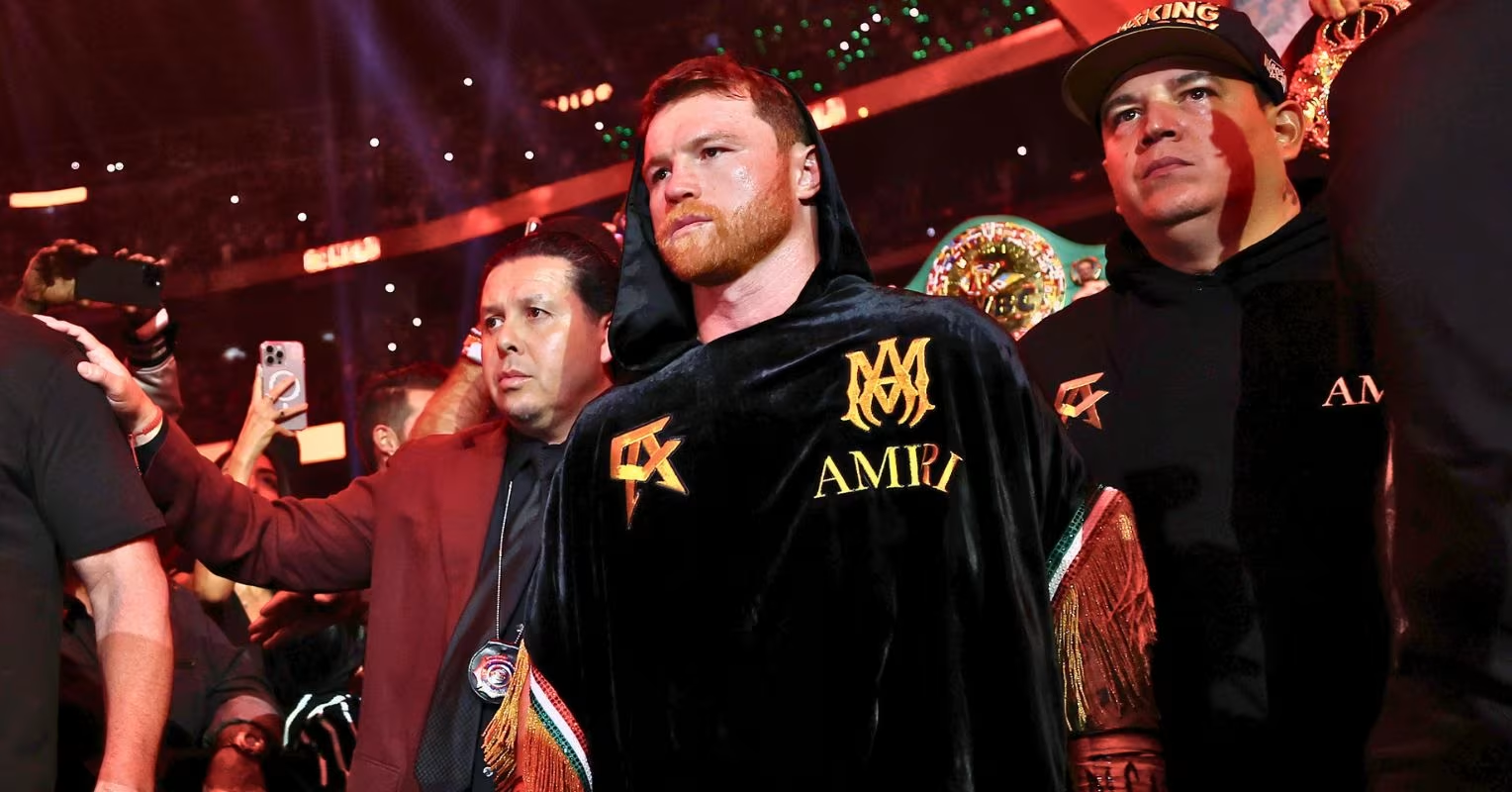

Canelo Alvarez lost as a super-middleweight for the first time in his career when he was trumped by Terence Crawford last September, and the Mexican superstar has opened up on the ‘strange’ pre-fight feeling that he had when heading into that fight.
Until that night, Canelo had been the only fighter in history to have claimed the undisputed super-middleweight world title – and he had done it twice.
His second reign came to an end when Crawford proved that he belongs amongst the greats as he dramatically jumped up in weight and dethroned Canelo, who was outboxed down the stretch in a clash that will live long in the memory.
Speaking to Ariel Helwani, Canelo admitted that he had no issues in camp, but declared that his mind was not focussed when heading into the showdown against ‘Bud’
“I did everything good in the training camp, but my mind wasn’t there. I don’t know why but I feel like it wasn’t there.
“I was thinking about other things, a lot of things were happening in the fight week, sometimes we are going out of basics. Focus on the fight, focus on boxing.
“Like I say, I did everything good in the camp, I always train very hard, but it’s not just that. You can be physically ready, but if your mind is not there it is not the same.”
Continuing, the 67-fight veteran went on to state that he felt like he wasn’t there whilst making his ring walk, but maintained that he is not making excuses and that he needs to move on from the defeat.
“I just cannot tell you how that happened, it just happened and I need to learn about what happened. I don’t want to victimise myself, it has already happened, I need to move forward, right? I just need to make sure it doesn’t happen again.
“[The feelings] were there [on the ring walk]. I wasn’t doubting myself but I felt like I wasn’t there, it is a very strange feeling, but I know what I don’t need to do again.”
Canelo will challenge for the WBC super-middleweight world title against Christian Mbilli in on Saturday, October 31, in Riyadh, Saudi Arabia, as he looks to regain world honours at the first attempt.
NEWYou can now listen to Fox News articles!
As time has gone on, politics and sports have continued to merge more closely together in the cultural fabric.
NFL legend Rob Gronkowski played for 11 seasons, from 2010 to 2021, and said that as his career went on, there were more political discussions in the locker room. However, the New England Patriots great said they didn’t have as big an impact on the team as many people perceived.
“I would say the conversations and awareness grew, but it didn’t really make a significant impact, like it wasn’t like skyrocketing like it, that it seemed like on the outside. It wasn’t like that in the inside,” Gronkowski told Fox News Digital in a recent interview.
CLICK HERE FOR MORE SPORTS COVERAGE ON FOXNEWS.COM
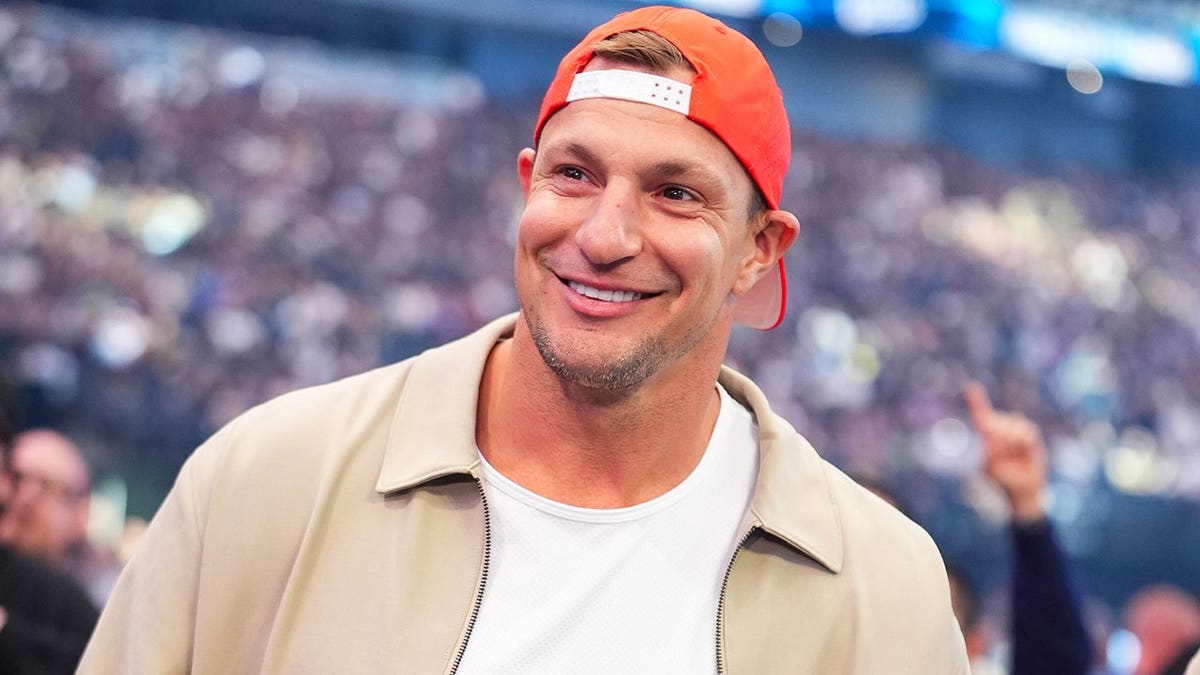
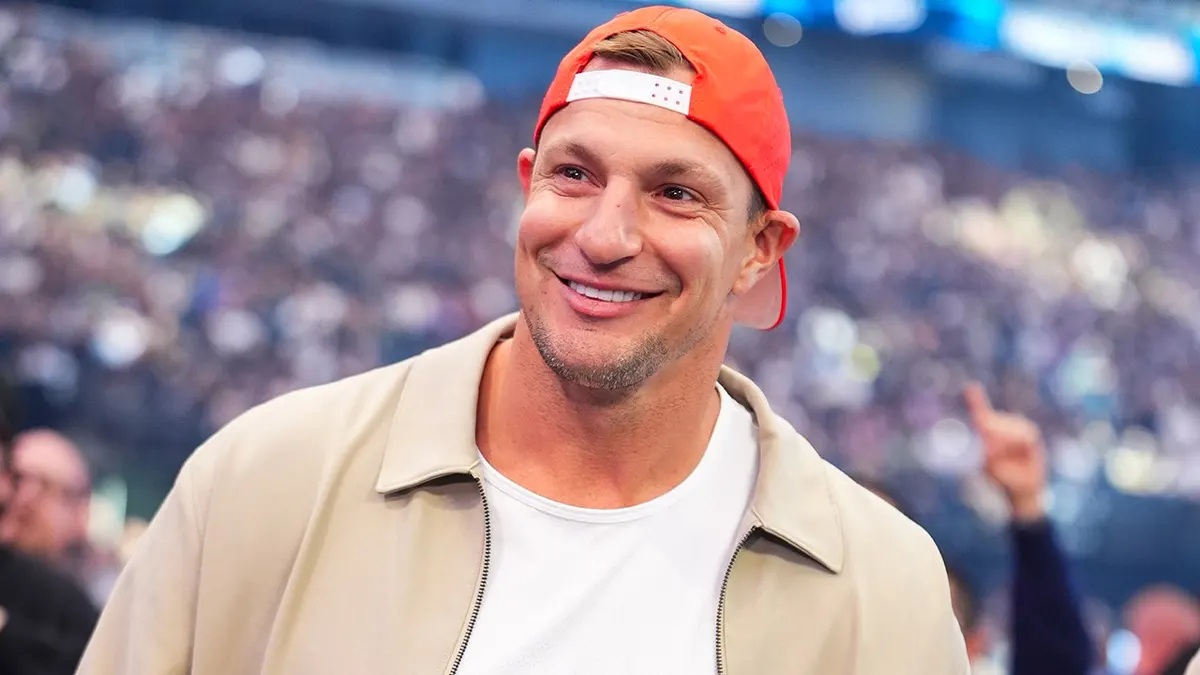
Rob Gronkowski attends WrestleMania 42 Night 2 at Allegiant Stadium in Las Vegas, Nevada, on April 19, 2026. (Georgiana Dallas/WWE)
The four-time Super Bowl champion said the team’s lone goal was to win games, and political discussions were not going to interfere with that.
“It’s not political in the locker room. We’re all together as one, and that’s what it’s all about. And that’s how I believe it should be all about, is that we have one purpose. It was to win games and it was to be the best football team,” Gronkowski said.
ZERO BS. JUST DAKICH. TAKE THE DON’T @ ME PODCAST ON THE ROAD. DOWNLOAD NOW!
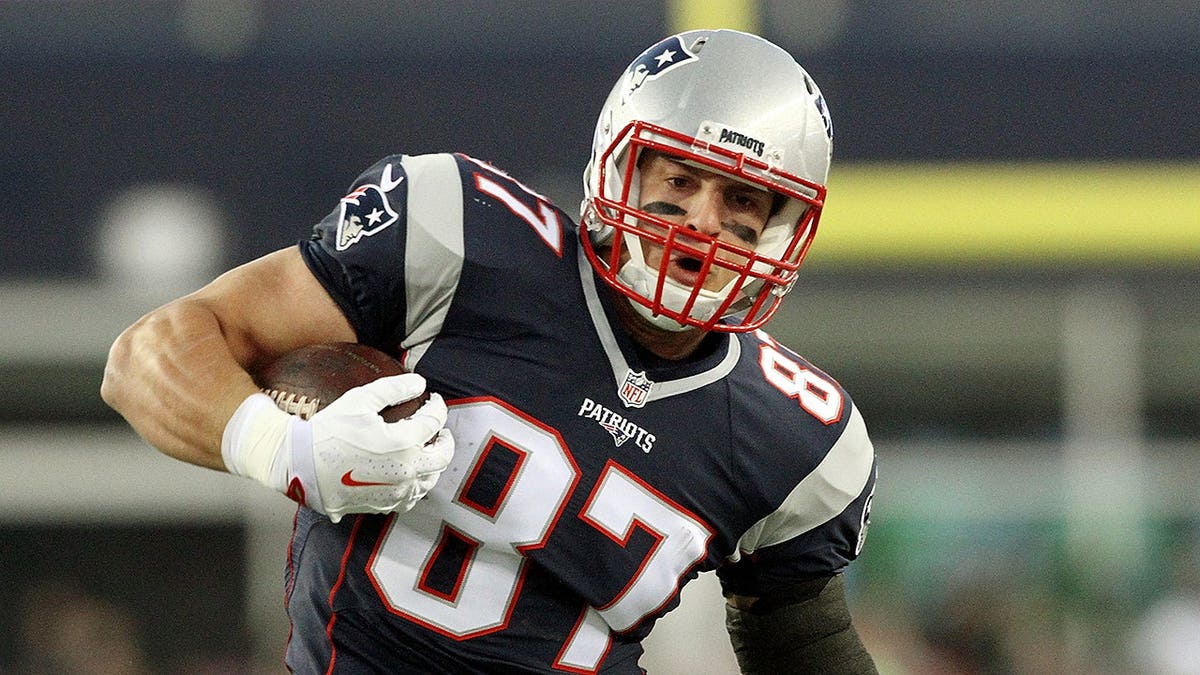
Rob Gronkowski of the New England Patriots gains yards against the Kansas City Chiefs during an AFC divisional playoff game at Gillette Stadium in Foxboro, Mass., on Jan. 15, 2016. (Bob Breidenbach/The Providence Journal/USA Today Network via Imagn Images)
The former Tampa Bay Buccaneers tight end, who spoke to Fox News Digital on behalf of a recent partnership with eBay, discussed how football is a unifier because everyone’s accepted.
“The politics really never get in the way in the locker room and that’s a good thing and that’s what makes football so great, is that everyone’s accepted. No matter what your culture is, no matter what your political views are, and that’s why I love sports.” Gronkowski said.
CLICK HERE TO DOWNLOAD THE FOX NEWS APP
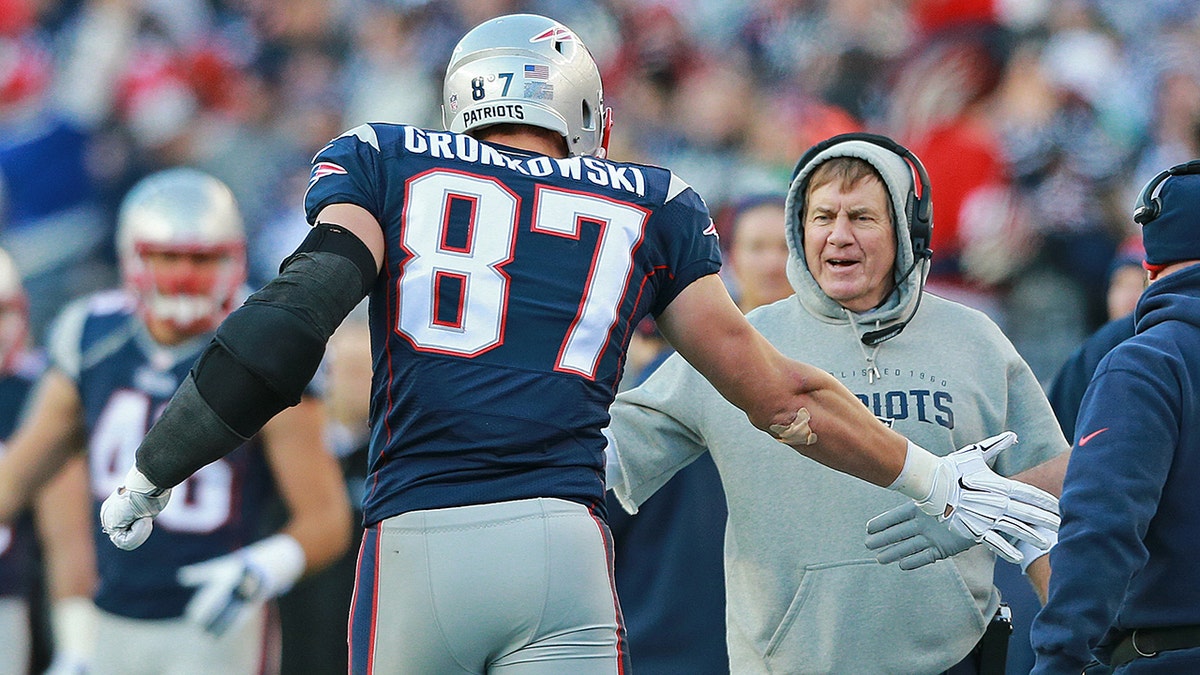
New England Patriots tight end Rob Gronkowski gets a high five from head coach Bill Belichick after his third quarter touchdown against the Miami Dolphins at Gillette Stadium on Dec. 14, 2014. (MediaNews Group/Boston Herald via Getty Images)
SIGN UP TO GET THE LATEST SPORTS NEWS
Gronkowski is one of the greatest tight ends of all time. He spent nine seasons with the Patriots before retiring in 2019. He came out of retirement in 2020 and played with the Buccaneers and Tom Brady for two seasons before retiring again.
In 11 seasons, the five-time Pro Bowler caught 621 receptions for 9,286 yards and 92 touchdowns.
Follow Fox News Digital’s sports coverage on X, and subscribe to the Fox News Sports Huddle newsletter.
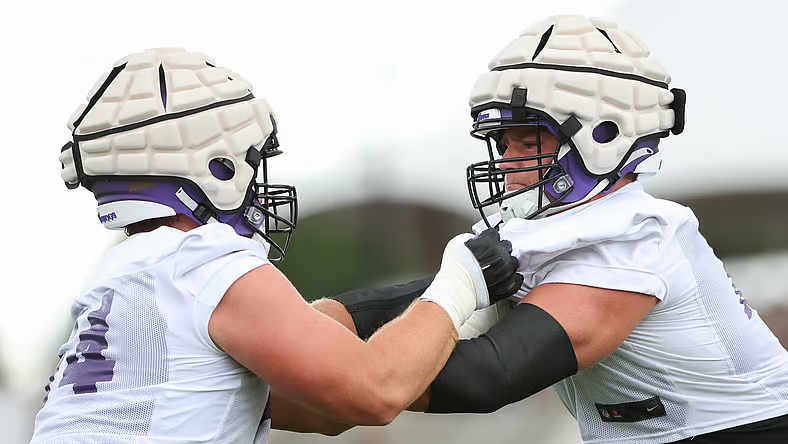

Sometimes, the Vikings news is so abundant that Vikings Territory doesn’t give each item its own piece. Opting for a quick-hitter summary can therefore be helpful.
Over the past week, there has been health chatter about DT Caleb Banks, LT Christian Darrisaw, CB James Pierre, and even EDGE Jonathan Greenard. Minnesota’s cap space has come into focus and there’s been praise for guys like TE Gavin Bartholomew and WR Jordan Addison. There may have even been a QB piece or two (or three). Consider some of the other bits of Vikings news.
Vikings News: 5 Quick Items
1 — Ian Rapoport Says J.J. McCarthy is Being Challenged

Check out what the NFL insider had to say. Decide for yourself whether you feel he’s onto something or whether it’s just good TV:
Might the Minnesota Vikings discussion benefit from a hearty helping of Tom Pelissero?
2 — DB Coach Gerald Alexander Suspended for DWI
People make mistakes. I don’t mean for that basic proclamation to be flippant. Rather, the point is to say that I’m not willing to write off the coach for making a bad mistake.
Consider what ESPN’s Kevin Seifert had to say: “The Vikings have suspended DBs coach Gerald Alexander for three weeks in response to an arrest for drunken driving this spring.”
More from Seifert: “According to the statement of probable cause, an Edina police officer encountered Alexander passed out in his car at 4:01 a.m. in the middle of an intersection.”
At minimum, Coach Alexander needs to ensure this never happens again. Even better will be if he works toward ensuring those around him don’t make the same mistake.
3 — Former Vikings Passer Got Fired Due to Injury

Lots of shuffling during this portion of the calendar. Unfortunately, that led to a former Vikings employee being shown the door.
ESPN’s Adam Schefter: “Falcons released veteran QB Trevor Siemian with a non-football injury designation.”
Ironically, Atlanta picked up Cooper Rush. He was looking like the emergency option if injury strikes.
4 — Justin Jefferson Joins the WWE (Not Really)

Nothing to add. Here’s the clip:
5 — Adrian Peterson is Getting Honored at U.S. Bank Stadium

Nobody has ever done it better in a Vikings uniform.
No doubt, his story is one of a very flawed human being who has made some terrible mistakes away from the game. On the field he was pure magic. NFL athletes are all rugged athletes who can function within violent confines. Peterson often made these players look foolish with his explosive power.
He’ll now be honored in front of fans.

Senior Editor for Vikings Territory & PurplePTSD . Twitter & Bluesky: @VikingsGazette. Email: k.joudry[at]vikingsterritory[dot]com. Canadian. Jude 1:24-25.
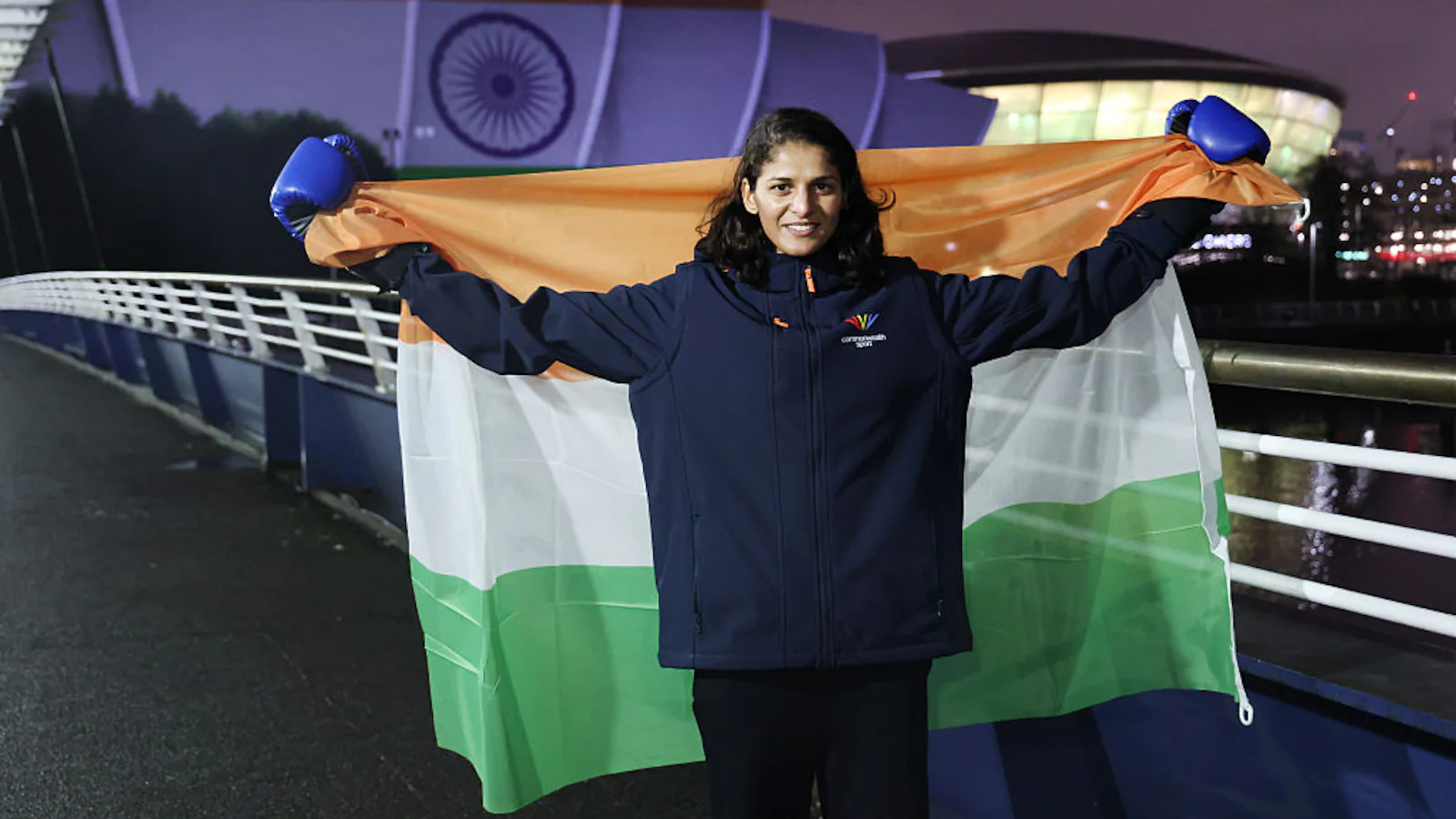
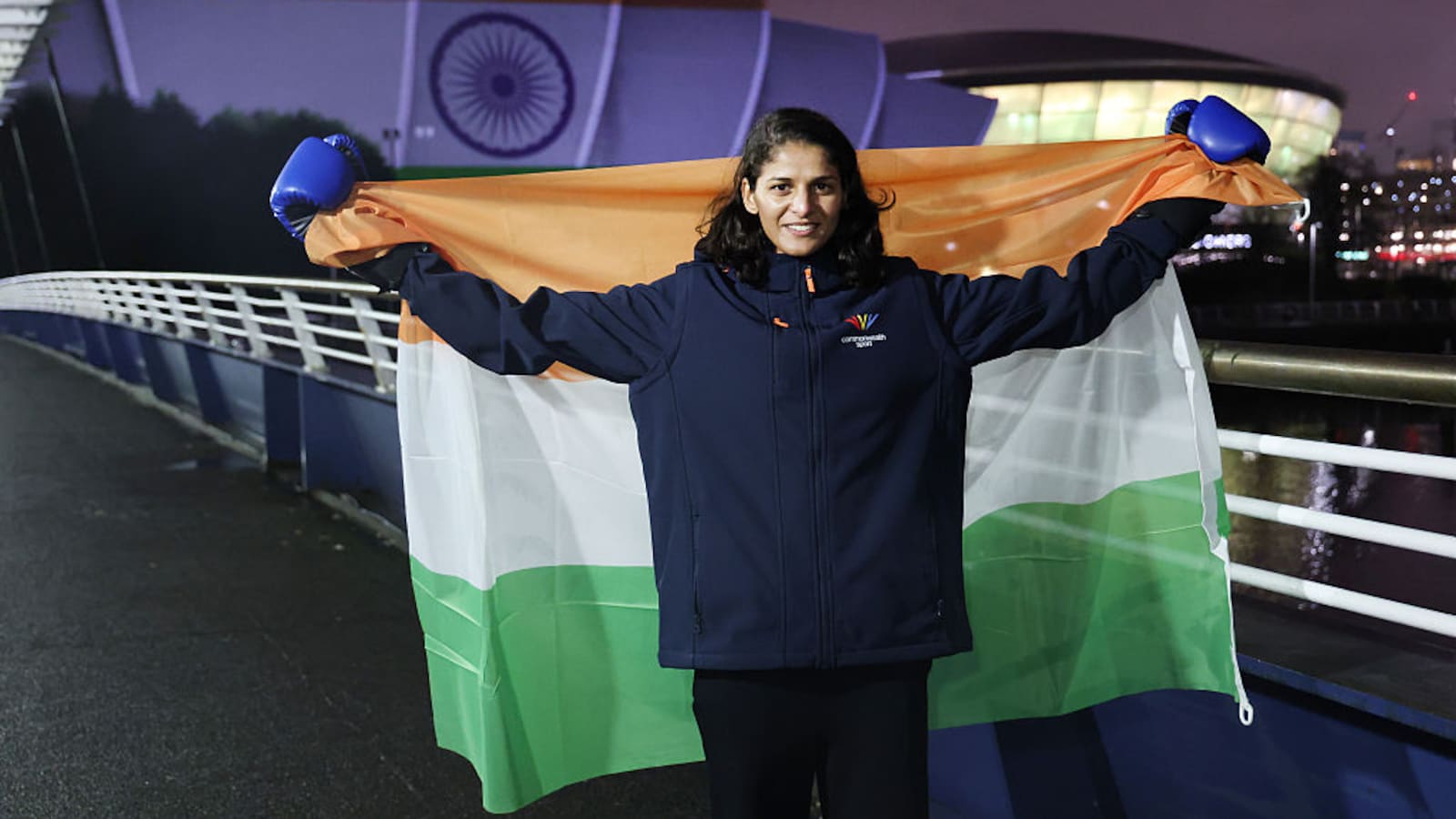
Jaismine Lamboria at Commonwealth Games© Getty Images
Reigning World champion and two-time medalist Jaismine Lamboria will be the country’s flag-bearer during the closing ceremony for the Commonwealth Games on Sunday. The 24-year-old boxer won the gold medal in the 57kg weight class adding to her bronze from Birmingham at the 2022 edition. One of the most consistent Indian boxers in recent times, Jaismine won the world championships last year in Liverpool before adding a silver at the Asian Championships earlier this year. India are set to host the next edition of the Commonwealth Games in Ahmedabad in 2030.
The Commonwealth Games will be handed over to India.
India’s vibrant culture and its shared values with the Commonwealth family will be showcased during the handover segment of the Glasgow Commonwealth Games closing ceremony at the Hydro.
The ‘Handover Segment’ will unfold over three Acts, taking the audience on a journey that celebrates shared values, culture and connection, according to a release.
Featured Video Of The Day
Spain Vs Argentina | Dani Olmo On WC Triumph: ‘Wanted To Set An Example For The Next Generation’
Topics mentioned in this article
Arshdeep Singh picks Bhuvneshwar Kumar over Mohammed Shami; No place for Jasprit Bumrah | Cricket News

Promising Moroccan footballer, 24, drowns while swimming to Ceuta

What Is Financial Literacy? (Explained in 60 Seconds)


-
 Sports7 days ago
Commonwealth Games boxing: Jadumani Singh seals dominant 5-0 win over Pakistan’s Sumama Rehman to enter quarter-finals | Commonwealth Games News
-

 Business4 days ago
Why Trees Belong on the Risk Register
-

 Fashion2 days ago
Weekend Open Thread: Wit & Wisdom
-

 Tech7 days ago
Intel is reversing course and bringing hyper-threading back to its server chips
-

 Politics2 days ago
Meta enters AI-training agreement with far-right ‘propaganda rag’ Newsmax
-

 Politics6 days ago
Luke Littler dismantles Gerwyn Price to retain title in Blackpool
-

 Crypto World1 day ago
MicroStrategy Post-Earnings CLARITY Act Push Could Add New Catalyst for Its Stock
-

 Politics5 days ago
The Part of the Electric Transition Nobody Wants to Discuss
-
 Entertainment5 days ago
‘Stargate’ Creator’s New Sci-Fi Series Returns for Season 3 Tomorrow
-

 News Videos7 days ago
BITCOIN JUST ENTERED THIS CRITICAL ZONE…
-

 Business4 days ago
Major shareholder moves on Canyon
-

 News Videos3 days ago
Bitcoin Enters the 3rd Stage of the Bear Market
-

 Crypto World1 day ago
XRP Ledger v3.3.0 brings five institutional features
-

 Crypto World5 days ago
Kraken Enables Retail Access to Jersey Mike’s IPO via Tokenized Shares
-

 Tech6 days ago
New macOS Sequoia & Sonoma security updates for older Macs
-

 News Videos5 days ago
Claude: Build Financial Dashboards in Minutes (2026)
-

 Politics3 days ago
Luke Littler’s dominance sparks GOAT debate
-

 Sports3 days ago
Seema Kaliramna Wins Discus Throw Bronze, Takes India’s CWG Medals Tally To 17
-

 Business5 days ago
Johnson & Johnson agrees to $5.5B settlement over talc cancer claims
-

 Crypto World7 hours ago
Crypto PAC spending tops $2M in Michigan House race
You must be logged in to post a comment Login