The first Grand Tour of 2026, the Giro d’Italia gets underway on Friday 8 May with its Grande Partenza taking place in Bulgaria for the first time.
The 109th edition of the Giro will be fought out over 3,459km of road and 49,150m of climbing en route to the now-traditional processional final stage in Rome, where a successor to last year’s winner Simon Yates will be crowned.
Yates’ surprise retirement on the eve of the 2026 season means he will not defend his title, but there are two former winners and two further podium finishers on the provisional start list, with Jonas Vingegaard of Visma-Lease a Bike the hot favourite to seal the one Grand Tour winner’s jersey he has yet to claim, after two maillots jaunes and one maillot rojo.
Pure climbers will be pleased to see just one individual time trial on the menu, while there’s something for everyone on a varied route: seven summit finishes, eight flat stages for the sprinters, and seven so-called ‘medium mountain’ days earmarked for breakaway artists.
As in most Giros the GC battle will really ignite in the final week, starting with a detour through Switzerland on stage 15 before the queen stage on stage 19, featuring six classified climbs in the Dolomites including the race’s Cima Coppi – the highest point. One more mountainous day on stage 20 will sort out the standings before a jaunt all the way from Italy’s northeast to Rome for the final day’s sprint.
A fast, flat opening stage along the Bulgarian coast, including two laps of a 22km circuit which contain the extent of the day’s very minimal climbing. The riders pass the finish line once before the two laps, giving lead-out trains time to get organised, and then it’s into the city centre for a very slight uphill sprint. It’ll be a fast man wearing pink at the end of day one.
A long second stage in Bulgaria offers the first minor test for the big names, with three classified climbs to surmount, the last just 8km from the finish and likely to be earmarked as the place to either monitor or go on late attacks. While some of the general classification contenders may opt to steal a march and gain some bonus seconds, this early in the race it’s equally likely to be a breakaway artist taking victory as the GC favourites keep their powder dry.
Stage 3 (Sunday 10 May): Plovdiv – Sofia (175km, flat)
Advertisement
Another outing for the sprinters and another chance to wear pink into the first rest day, which allows the race to travel from Bulgaria into Italy. There’s a category 2 climb to crest on the way there, though, coming right in the middle of the stage – early enough for the sprinters to regroup afterwards on the gentle descent towards the capital, Sofia, but also ripe ground for a breakaway to jump clear.
Officially another ‘flat’ stage, like stage three, this first outing on Italian soil – along the Tyrrhenian coast – features a category two climb, this time in the second half of the stage. While it’s a long ascent at nearly 15km the sprinters should be shepherded over it in one piece, with a long descent and then uphill drag to the finish to follow. The urban finale features more rises, with the 3.7 per cent gradients of the final drag favouring a punchier sprinter.
Stage 5 (Wednesday 13 May): Praia a Mare – Potenza (203km, hilly)
Stage five provides rolling hills all day in Calabria and the quiet Basilicata region, with the general classification contenders needing to be on high alert throughout the entire 203km slog. Enterprising breakaway riders will also be on the look-out for a stage win so the pace should be high all day. After 4,100m of altitude gain – including the Montagna Grande di Viggiano with its maximum 15 per cent slopes – there’s a descent into the finish town of Potenza before another uphill drag to the line.
Advertisement
Stage 6 (Thursday 14 May): Paestum – Napoli (142km, flat)
Another early outing for the sprinters, with only one minor climb to get out the way, very early on. It’s one for the history buffs: the stage begins near the ancient Greek temples of Paestum before a long ride up the Tyrrhenian coast, passing through the plain around Mount Vesuvius, before getting into 70km of urban sprawl, with plenty of road furniture to navigate before the finish line on the wide roads of central Naples.
The longest stage of the entire Giro and with the second-most altitude gain, stage seven is the toughest so far and the first proper GC test as the race enters the Apennines. There’s 4,600m of climbing to overcome, with the most notable climb the formidable Blockhaus – approached from the tougher Roccamorice road – and a summit finish atop its infamous slopes: it’s just shy of 14km, with nearly 10km of that at a bruising nine per cent gradient and highs of 14. The Red Bull Kilometre – with its bonus seconds – comes in its lower slopes and could be the springboard for a GC contender to launch to victory.
Stage eight sees more climbing but on shorter, punchier hills than stage seven, and at nearly 100km shorter in theory is an easier day in the saddle – but there are plenty of pitfalls as the riders travel up the Adriatic coast. With each climb followed by a sharp descent and straight into the next uphill, stage eight will require full concentration from the GC riders and their lieutenants. The toughest is the Reputolo, with gradients maxing out at 22 per cent, with another 10 per cent ramp up to the finish line in Fermo.
The final stage of the first week proper is another summit finish, with 2,400m to climb on the way there – all of that crammed into the final 30km. There’s a deceptively easy start, with a flat run to Bologna, before rising into the central Apennines with a category three climb, a very brief descent, and then the category one ascent to Corno alle Scale. It’s a similar route parcours to those often used in the Vuelta, with all the drama coming on the very last climb. Again the Red Bull Kilometre is on the lower slopes of the 10.8km last ascent, with more bonus seconds on offer.
Advertisement
Monday 16 May – rest day
Stage 10 (Tuesday 19 May): Viareggio – Massa (42km, individual time trial)
After a rest day we’re straight back into GC action with the one and only time trial on this year’s route. It’s a pan-flat, fast, almost entirely straight run out and back from Viareggio, with only two sharp U-turns as it wends one way along the Tuscan coastline and then back up the other. The approach to the finish is also nice and simple: there’s a right-hander on the seafront with 1km to go, then another turn at 150m onto the finishing straight. It’s a TT for the specialists so expect the bigger engines to shine and the pure climbers to try to limit their losses.
Back into the hills on stage 11, with a chance to catch out the odd GC rider who hasn’t quite got back into the swing of things after the first rest day. It’s another run along the Tuscan coast, with a flat but technical first section before criss-crossing the hills – including three categorised climbs – before entering Chiavari. The riders will need to be on high alert for the final 5km as a short climb is followed by a technical descent.
Stage 12 takes the race back into sprinters’ territory with a start on the Liguarian coast. It’s by no means an easy day in the saddle, with two short, sharp category three climbs at Colle Giovo and Bric Berton to get over, but from there the sprinters’ teams have around 50km of descending and flat road to get themselves shipshape and claw back any aspiring breakaway on the flat road towards Milan.
Another stage in theory designed for the fast men, but this one has got a real sting in the tail in the form of two categorised climbs inside the final 20km, in the vicinity of Lake Maggiore. It’s almost entirely flat until then, setting up a real nervy finish – almost Milan-San Remo-esque in its design – as the race inches towards the foothills of the Alps and the Swiss border. The climb up Bieno is the hors-d’oeuvre, with the following category-three to Ungiasca a nasty one, with several kilometres at double-digit gradients. Then there’s a descent along the lakeside to the finish in Verbania, which could be contested either by punchier sprinters who have survived the climbs, or breakaway riders who excel going downhill.
The weekend kicks off with a short but fearsome mountain stage: only 133km but with just shy of 4,400m of elevation gain packed in, with little real recovery time, as the route alternates from descents into the valley to soaring high up in the Val d’Aosta. There is one category two climb and three category ones including the summit finish, the 16.5km ascent to Pila up the Gressan side, which returns to the Giro 30 years after it last featured, on a stage won by Robert Millar. All four climbs have double-digit gradients at their worst, and the climbing starts right from the gun as the riders head out of Aosta to Saint-Berthelemy. The final kilometres range from nine per cent to 11, and it’s all uphill to the line.
Advertisement
Stage 15 (Sunday 24 May): Voghera – Milano (157km, flat)
The sprinters are rewarded for their Alpine slog on stage 14 with one last run out to end the second week. There’s only 200m of elevation gain on a very straightforward flat stage, with wide roads taking the peloton to Pavia before a jaunt along some sections of the traditional Milan-San Remo route. The finale is four laps of a simple 16.3km circuit on the flat boulevards of central Milan, with few technical corners to deal with, so it should be a classic bunch sprint.
Monday 25 May – rest day
Stage 16 (Tuesday 26 May): Bellinzona – Cari (113km, mountainous)
Racing resumes with the shortest road stage of the entire Giro, with 3,000m of climbing crammed into this outing entirely within Swiss borders. There are three individual climbs on the menu but two are covered twice over, in two laps of a punchy 22km circuit; the notable one is the category-two Leontica, with ranges from 8.5 to 14 per cent over its 3km length. From there it’s down into the Gotthard valley before the summit finish at Faido in the Cari ski resort: a category one, 12km climb with a nasty 13 per cent wall in its final kilometre. This stage looks perfectly designed to catch out the GC rider who took the rest day a bit too easy.
The GC battle gets a slight reprieve on a rolling stage well suited to the stage hunter. Heading north of Milan and bypassing Bergamo, near the stunning Lake Garda, there are three category three climbs, the last to Andalo-Lever just 9km from the finish, with a brief descent followed by another uphill to the line in Andalo. It’s a classic transitional stage before the weekend’s double-header of brutal days in the mountains which will decide the GC, so expect the major names to keep their powder dry and maybe give their lieutenants a run-about.
Stage 18 (Thursday 28 May): Fai della Paganella – Pieve di Soligo (171km, flat)
Advertisement
Another bumpy outing with two categorised climbs but plenty of small rises, stage 18 is another transitional stage and the penultimate outing for the sprinters, who have a hefty two days in the mountains to surmount before the traditional run-out in Rome. It undulates through the valley roads between Trento and Treviso, heading southeast into the Veneto with the Dolomites looming ominously overhead. The final ‘muro’ climb 9km from the finish line will test the legs – it maxes out at 19 per cent – before a slightly tricky finale: mostly downhill with a couple of corners before an uphill drag to the line.
Stage 19 is the queen stage and likely where the winning move will be made, an epic outing in the Dolomites with 5,000m of climbing packed into the final 100km. A rolling first 46km leads into the first of six categorised climbs, with each of those coming essentially back-to-back with no respite.
Advertisement
They are: the Passo Duran (max 14 per cent), Coi (max 19 per cent), Forcella Staulanza (max 10 per cent), Passo Giau (the Cima Coppi, the highest point of the whole race at 2,233m above sea level, max 14 per cent), the Passo Falzarego (max 10 per cent), and the 5km climb to to the finish at Piani di Pezze (max 15 per cent). It’s not just the climbing that matters: there’s a long descent of over 20km off the Falzarego to test the GC riders’ mettle too. Expect fireworks.
The climbing continues on stage 20, with room for another twist in the tale after yesterday’s gruelling effort. Another undulating start leads to a category three climb at Clauzetto, before a rolling approach to the 14.5km, category-one Piancavallo. It’s so good organisers RCS opted to include it twice, with a long descent including the Red Bull Kilometre – with more bonus seconds on offer – before it’s tackled a second time, ending with a summit finish. It’s a steep climb, averaging 9 per cent before a slight flat section and another 8 per cent section leading into a technical final kilometre.
Advertisement
Stage 21 (Sunday 31 May): Roma – Roma (131km, flat)
After a flight down to Rome and with the destiny of the maglia rosa determined, the riders embark on the now-traditional final stage in the Italian capital. It’s pan-flat and relatively short, with the first section taken at a Sunday-jog pace as the winner and his team sip fizz and pose for photos on the flat, wide roads out to the coast at Ostia. From there it’s a turn back along the same roads into the centre of Rome itself, where the pace will steadily ramp up over eight laps of a 9.5km city-road circuit swinging past the Colosseum and other landmarks. It includes some technical corners and a few cobbled sections – known as sanpietrini – for extra jeopardy, with a minor tilt uphill on the finishing straight.
As a (mostly) lifelong Minnesotan, we love that we get all four seasons here. We’ll endure the negative temps because we love snow for the holidays, and while the spring can get soggy, it allows us to shed some layers and get excited for the summer, where we’ll spend the majority of our time on golf courses and lakes. Then comes the fall, our true underrated season, where it’s just about perfect.
And what, you might ask, does this have to do with this story? Let me explain.
The weather here is also extremely unpredictable, and that’s usually the case for Memorial Day. The frigid temps are gone but the heat wave of late July has yet to arrive. The weather usually falls somewhere in-between but varies wildly. That’s exactly what happened this Memorial Day weekend, when a quick trip up north — everyone goes “up north” here — encapsulated three different seasons in a three-day span. That was actually OK by me — it offered the chance to test out some new gear from Vuori.
Known for their premium, stylish and comfortable performance apparel, I snagged my first Vuori shirt a few months ago and loved it. I work from home and like to stay active, so it was a smart and seamless addition to my wardrobe. And some new items from the brand’s men’s golf collection arrived right before my Memorial Day getaway, which turned out to be the perfect testing grounds.
Advertisement
Advertisement
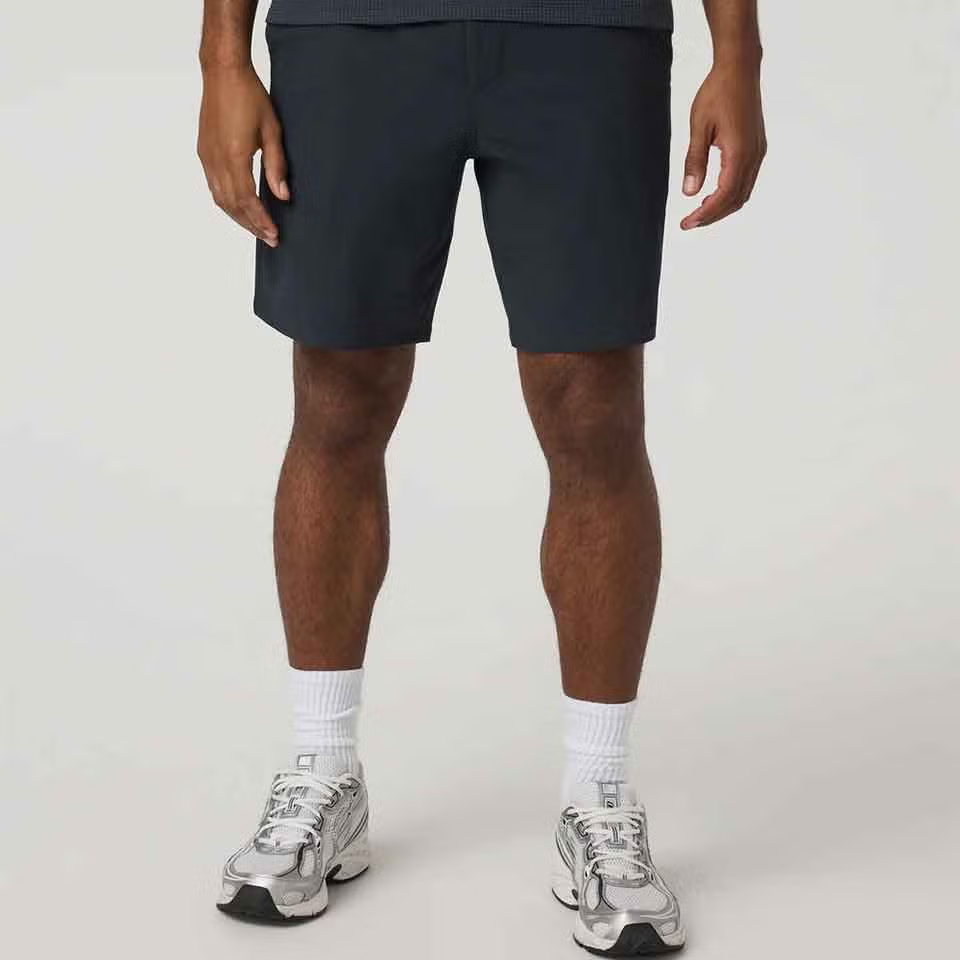
Aim Short 8″
Our Aim Short is a fairway favorite that looks great with polos, sweaters, and t-shirts.
Advertisement
On a 50-degree Saturday morning, the Aim Trousers were perfect for a lakeside coffee stroll, and they fit right in at the restaurant later that night. Lightweight and stretchy, they would have been great for the golf course, too, but when the weather morphed from spring to summer overnight, I changed to the Aim Shorts to hit the pitch-and-putt with the family.
The Aim Collection (both pants/shorts are 67% Polyester, 25% Cotton and 8% Elastane) is exactly what you’d want at a golf resort. Casual and comfortable enough to be on vacation, formal enough for dinner and drinks and perfect for any golf course.
Advertisement
Strato Tech Hoodie
The unbelievably soft Strato Tee reinvented as a hoodie. This long sleeve layer is moisture-wicking, ultra-soft and ready for sprints and spring training.
Advertisement
And the Sunday Element Half Zip — I love the Agate Green Heather option — perfectly complemented the Aim Trousers, while the Strato Tech Polo — so lightweight and comfy I felt like I wasn’t wearing anything — was the dressed-up casual look I needed for a nicer restaurant. Although my favorite item might have been the one I used for the car ride home, the uber-soft Strato Tech Hoodie. I found it ideal for travel-day comfortability, although you can also wear it on a run or out with friends.
Like everything from Vuori, you have options. And the best part? The timing. Father’s Day is fast approaching, and I never know what to ask for. This year? I finally have some great ideas. You can browse more from Vuori below.
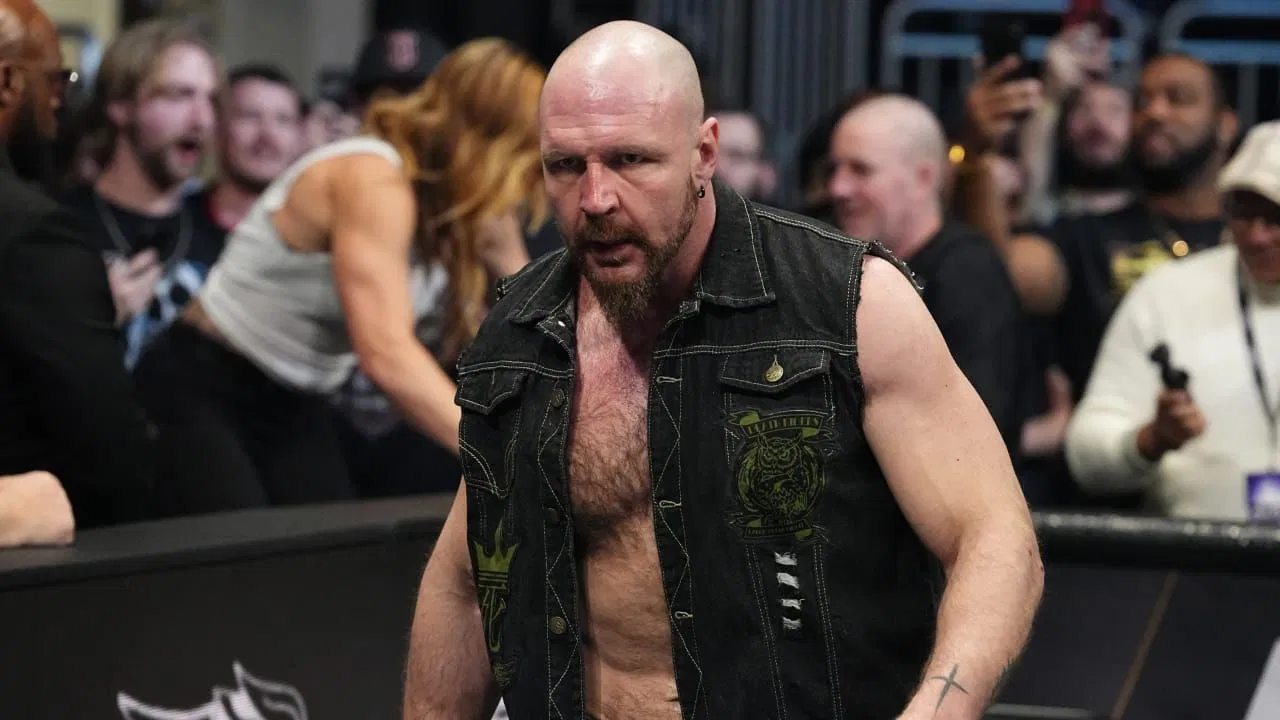
AEW star Jon Moxley will take part in a huge street fight match later this week. His reign as the Continental Champion has been great so far. However, despite him playing fair, a group of stars are challenging him to bring out the beast inside the One True King. The Death Riders have been colliding with the Shane Taylor Promotions for the past few days following Double or Nothing.
On the Dynamite following the pay-per-view, the two factions crossed paths. Things escalated between them when Shane Taylor knocked out Jon Moxley with a huge punch. This attack almost led to the loss of the Death Riders. However, the former AEW World Champion recovered and won the tag team match.
On the latest edition of Collision, the Death Riders’ leader joined PAC and Claudio Castagnoli to take on Shane Taylor Promotion’s Carlie Bravo, Lee Moriarty and Shawn Dean. While Trish Adora tried to disrupt the match, Marina Shafir neutralised her, and the Riders stood tall again.
Advertisement
Tonight on Dynamite, the reigning Continental Champion put his title on the line against Shan Taylor. After many surprise attacks, the two stars finally locked horns. Despite his best efforts, Shane Taylor couldn’t defeat Jon Moxley. After the loss, Taylor decided to attack the Continental Champion. Along with him, the rest of the Shane Taylor Promotion took down the Death Riders.
After the brutal attack, Jon Moxley, who couldn’t speak clearly, claimed that Shane Taylor should have walked away after his loss. However, now that they chose violence, Daniel Garcia laid out a major match. He announced that the Death Riders will take on the Shane Taylor Promotions in a street fight match on this week’s Collision.
“Shane, you could have walked away tonight with your pride,” he said.
It will be interesting to see which faction stands tall later this week.
Advertisement
Please credit AEW and add an H/T to Sportskeeda Wrestling if you use any quotes from the first half of this article.
Why did you not like this content?
Advertisement
Was this article helpful?
Thank You for feedback
Get all the hottest wrestling news FIRST by clicking here
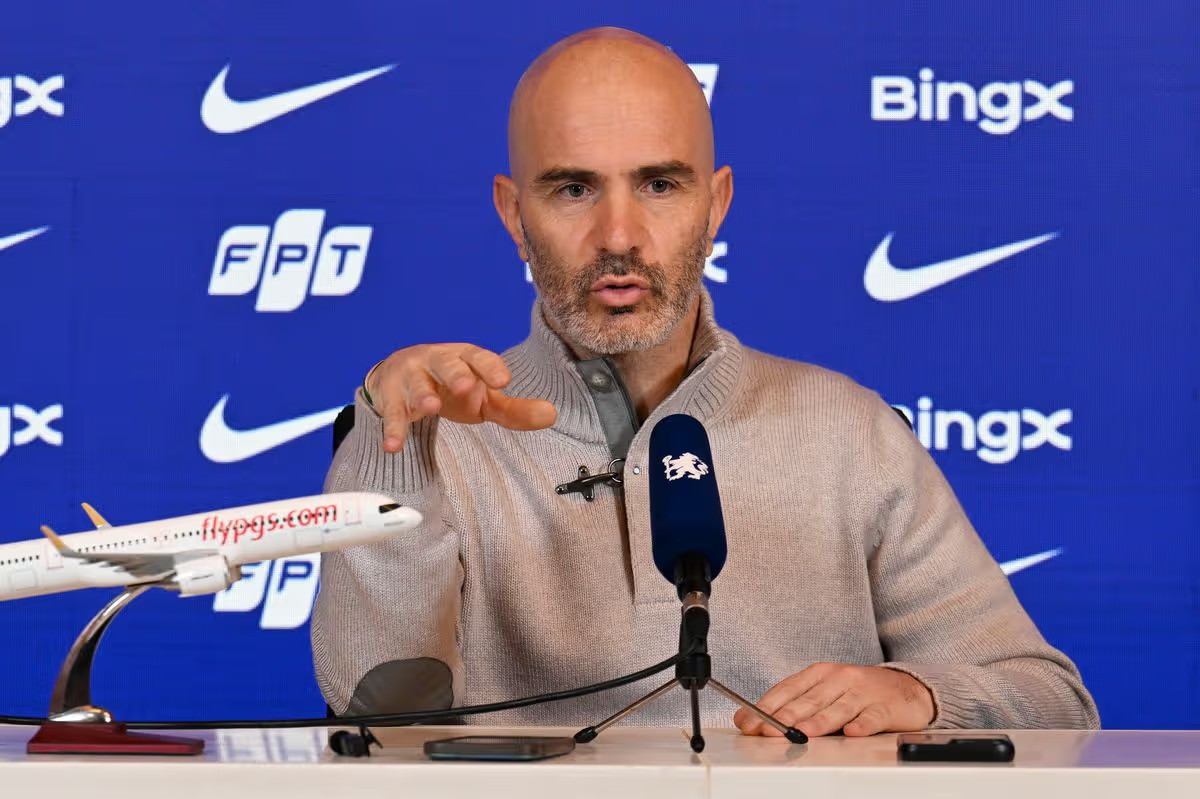
Manchester City’s post-Pep Guardiola era has yet to begin. In the lull that is June, City are still fleshing out the finer points of a deal that shall see Enzo Maresca become his successor. Until he is put on the spot, we won’t know Guardiola’s true feelings about Maresca’s appointment.
But having worked with the Italian previously at City and enjoyed success, including winning the Treble, it is safe to assume Guardiola will be a fan of the Blues’ next step. Supporters, however, could need some time to get used to the new boss, especially considering Maresca’s now infamous stint at Chelsea.
MEN Sport has spoken to Football.London‘s Senior Chelsea reporter Bobby Vincent to reflect on Maresca’s time at Stamford Bridge and what City fans can expect from their incoming new boss. “We met him for the first time in Charlotte, North Carolina, on the pre-season tour,” Vincent recalled.
Click here to find out the latest Manchester City news in our daily newsletter
Advertisement
“There were a few journalists there and we had a sit down in a really posh bar where the Chelsea team were staying. Straight away, he came across as really nice, really personable and we had a really good chat with him about his time with Pep.
“From then on, it was a lot better for us because we got to know him and find out a bit more about what his personality was like.” However, as the pressures of the job started to take its toll, that relationship with the media became more strained.
“When he was personable when we first met him, it might have been down to the scenario,” he continued. “There was only four journalists, so five of us there, and he was always going to come across as more personable then.
“When it came to press conferences, when it was a busier room and more pressure… not straight away because when he first came in he was still quite relaxed, it was only really towards the end of his Chelsea tenure he became a lot more uptight. It didn’t feel like we had much of a relationship with him, as journalists, which you feel like you do have with managers.
Advertisement
“I am not expecting them to be our friends but it felt like we almost lost him in terms of any sort of personal connection. I don’t mean to sound like I am complaining about that but I think that was the reality towards the end.”
When things were going well for Maresca at Chelsea, they went very well. He won the Conference League in his first season, the minimum target for that competition, and returned Chelsea to the top four.
That summer, Maresca led Chelsea to the Club World Cup playing a familiar brand of football. Similarly to Guardiola, the Italian favoured his side playing out from the back and Vincent recalled how the 46-year-old once went mad at goalkeeper Robert Sanchez for going long.
Advertisement
He likes his teams to have possession and was a big fan of the ‘third man run’ tactic. His coaching also saw him change Enzo Fernandez’s game entirely – seen by many to be a positive. But Vincent believes it would be unfair to classify Maresca as a one-dimensional coach.
“In his second season, he changed his style a lot and Sanchez seemed to go long more often,” he continued. “The Club World Cup final, which was arguably his best game as Chelsea manager as they thrashed PSG, a lot of that was down to Sanchez playing long, diagonal balls to Malo Gusto, who was the guy running in behind.
“PSG did not know how to deal with it because that is probably Sanchez’s best area. He wasn’t afraid to change it and he went against some of his principles [to be successful].”
Unfortunately for Maresca, that second season is when the wheels came off as his relationship with Chelsea’s owners BlueCo became strained beyond repair. Vincent believes his downfall started soon after the Club World Cup glory in New Jersey.
Advertisement
“When Maresca found out the severity of Levi Colwill’s injury last August, as soon as he knew he was out for the majority of the season, for Maresca that was a disaster because that was his centre-back and a centre-back he really relied on for his style to work,” he explained. “Colwill is the only centre-back Chelsea have who can break lines with his passes and it is really evident when he is not playing.
“As soon as Colwill was injured, Maresca spoke with the sporting directors about bringing in someone new and the sporting directors were trying to do that, but they went for Dean Huijsen, who went to Real Madrid. They felt they could do nothing about that because he is a Real Madrid fan and that was his dream, but still, they went for him.
“Apart from him, the centre-back market was pretty dry and they did not want to panic buy. They decided to tell Enzo to source a replacement internally and he had options, but he did not feel they were adequate options.
Advertisement
“He made that really clear in one of his first press conferences of the season when he went on this mad rant saying how: ‘The club know what I think,’ and that is where it all stemmed from. Speaking to sources close to BlueCo, they think Maresca’s demeanour changed after winning two trophies.
“They think he became more arrogant and full of himself and just changed a bit. From Maresca’s side, speaking to those close to him, they dispute that completely and they say he wanted a centre-back who was close to the level of Levi Colwill.
“December was the beginning of the end. There was one week, early in December, that Chelsea played three times in six or seven days and Reece James played in every game, for 90 per cent of the minutes, and the medical team were telling him not to do that so he fell out with them.
“That led to him saying that it was the worst 48 hours of his career which was extraordinary. I remember going back to my family for Christmas and all the noise was that something was going to happen.
Advertisement
“Then there was the Bournemouth game at Stamford Bridge where they drew 2-2, it was a disappointing game, and then he didn’t come out for his press conference after the game. We were told by the club he was ill and you are a bit sceptical of that because you have seen these things happen before.
“Willy Caballero [Maresca’s assistant] came out and did the press conference, backed up the claims Maresca was ill and then just over 24 hours later it was announced he had departed and we found out he was never ill. It was a rollercoaster and it was definitely one that left a sour taste in Chelsea fans’ mouths and a lot of the players’ mouths as well.”
Vincent fears City and Maresca could butt heads if the Italian is not allowed as much say on transfers and football matters as he would like. “To accept this head coach role, you need to be someone with little of an ego and I think the best managers do have them. Maresca is a great coach and I think he will do a great job at City, for what it’s worth, but I think he has got an ego,” he explained.
Advertisement
“It is not a bad thing, people have egos especially when they are successful in football but if you have an ego when you are a head coach, that can create a problem in the future. If he does well at City, perhaps they will give him more say and more trust in him.”
Despite this, Vincent is confident City are going in the right direction with Maresca. “When any manager like Guardiola has been at a club for such a long time, whenever they leave it is best to try and change as few things as possible,” he concluded. “I think they [the City board] feel the same way because they are going for someone from Pep’s school of coaching.
“For Maresca, he has already been at the mad house that is Chelsea, took a few hits but from his point of view, whatever environment you go into will have a bit more stability. He will know a few of the players so I think it is a good fit.
“I worry a bit because City fans are so used to Pep, the best manager we have ever seen, so it is big shoes to fill. It might take a bit of time to get his style across to the players and if that does happen, I would hope the fans do not turn against him.
Advertisement
“But I think he will do well and I hope he does well because from a working relationship I had with him, I do like him and I think he came out of the whole Chelsea situation very well.”
Content cannot be displayed without consent
The 2026 FIFA World Cup starts on Thursday, and 48 nations will compete for the biggest prize on the planet. Whether you’re a die-hard supporter who has been counting down the days since the last whistle in Qatar 2022, or just a casual fan who knows there’s a World Cup every four years, there’s never a bad moment to find a team to call your own.
With the competition expanding to a historic 48-team format for the first time, the World Cup is bigger than ever, and that means there’s room for the tournament to be louder, messier, and more unpredictable than ever. The storylines are unique among the squads and yet there are comment threads as well.
A tiny Caribbean island, a central asian nation, and a European country can each have a debutant title, while also having their own special reasons to cheer them on. Somewhere across these sprawling rosters is a team waiting for you to claim them in case you need a squad to follow along. From cool kits to standout players to random mascots, you can make a team your own if you try hard enough.
We found 48 reasons, one for every team in the draw, to make sure you don’t miss out on a single opportunity to yell loudly for them.
Advertisement
Here’s one reason why you should root for each of the 48 teams in the 2026 World Cup:
Algeria
If you’re looking for something entertaining with your underdog pick, then Mohamed Amoura has the aura for Algeria’s Les Fennecs.
Argentina
It’s likely Lionel Messi’s last tango at a World Cup, and this time Argentina will be the title holders instead of World Cup chasers.
Australia
They’re called the Socceroos, and you should try to say it with a straight face throughout the entire tournament as you root them on.
Advertisement
Austria
The home of Mozart is now composing a midfield orchestra with Konrad Laimer and Marcel Sabitzer, and the nation is back for their first World Cup appearance in nearly 30 years.
Belgium
With a roster that will hopefully blend its golden generation with its next generation, rooting for the Red Devils could be a fun choice for folks looking for a dark horse.
Bosnia and Herzegovina
If you love coffee, then this is the team for you. They have an unofficial mascot following them around the tournament — the official largest coffee pot in the world.
Brazil
Nothing wrong with rooting for the country with the most World Cup trophies, with one of the most electrifying fan bases squads, the latter led by Vinícius Júnior.
Advertisement
Canada
One of the three co-hosts of the tournament looking for that home-crowd bump and to show they’re just as big a soccer nation as they are a hockey nation.
Cabo Verde
If you like Cinderella stories, it could be fun to rally behind the West African island, with the Blue Sharks set to make their first-ever World Cup appearance.
Colombia
Always a fun and vibrant option, with passionate fans that include World Cup anthem queen Shakira, and thrilling players Luis Diaz and Jhon Duran.
Croatia
A national team that is no stranger to making later knockout rounds and iconic checkered kits? Sign right up to cheer for Croatia.
Advertisement
Curacao
The smallest nation to ever make a World Cup, fans might want to ride the blue wave with Curacao, which will make their first World Cup appearance.
Czechia
Are you a fan of the unexpected long-distance banger? Then root for Czechia and Patrik Schick‘s ability to let it rip from the halfway point.
DR Congo
After a 50-year absence, DR Congo are back in the World Cup, and if you love a comeback story, then this is the team for you.
Ecuador
This team always figures out how to punch above their weight, and it’s easy to root for Moises Caicedo to tackle nearly everything that moves on the pitch.
Advertisement
Egypt
This could finally be the World Cup where Mo Salah shines, so make sure you’re there to watch him pen another chapter with the Pharaohs.
England
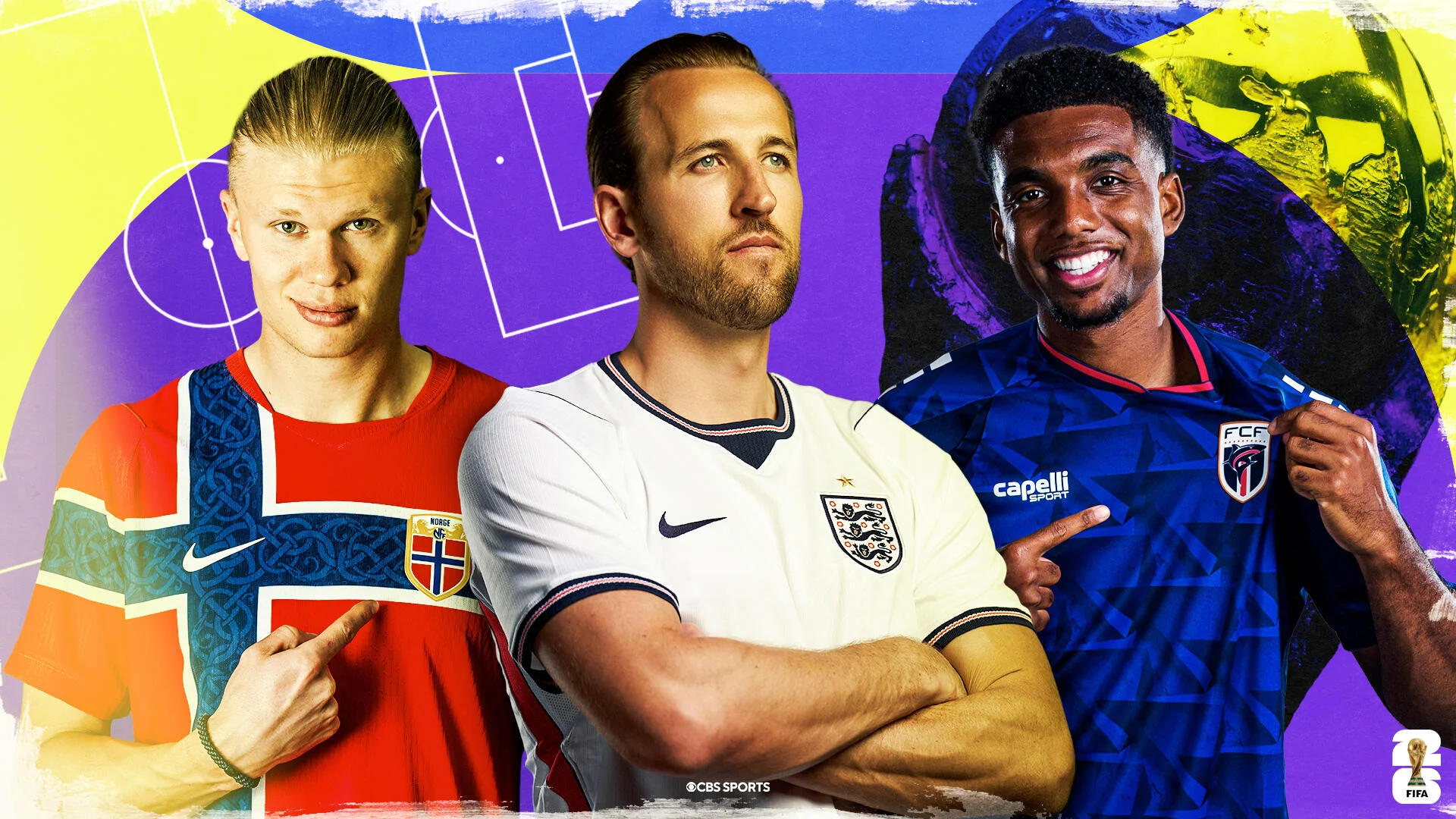
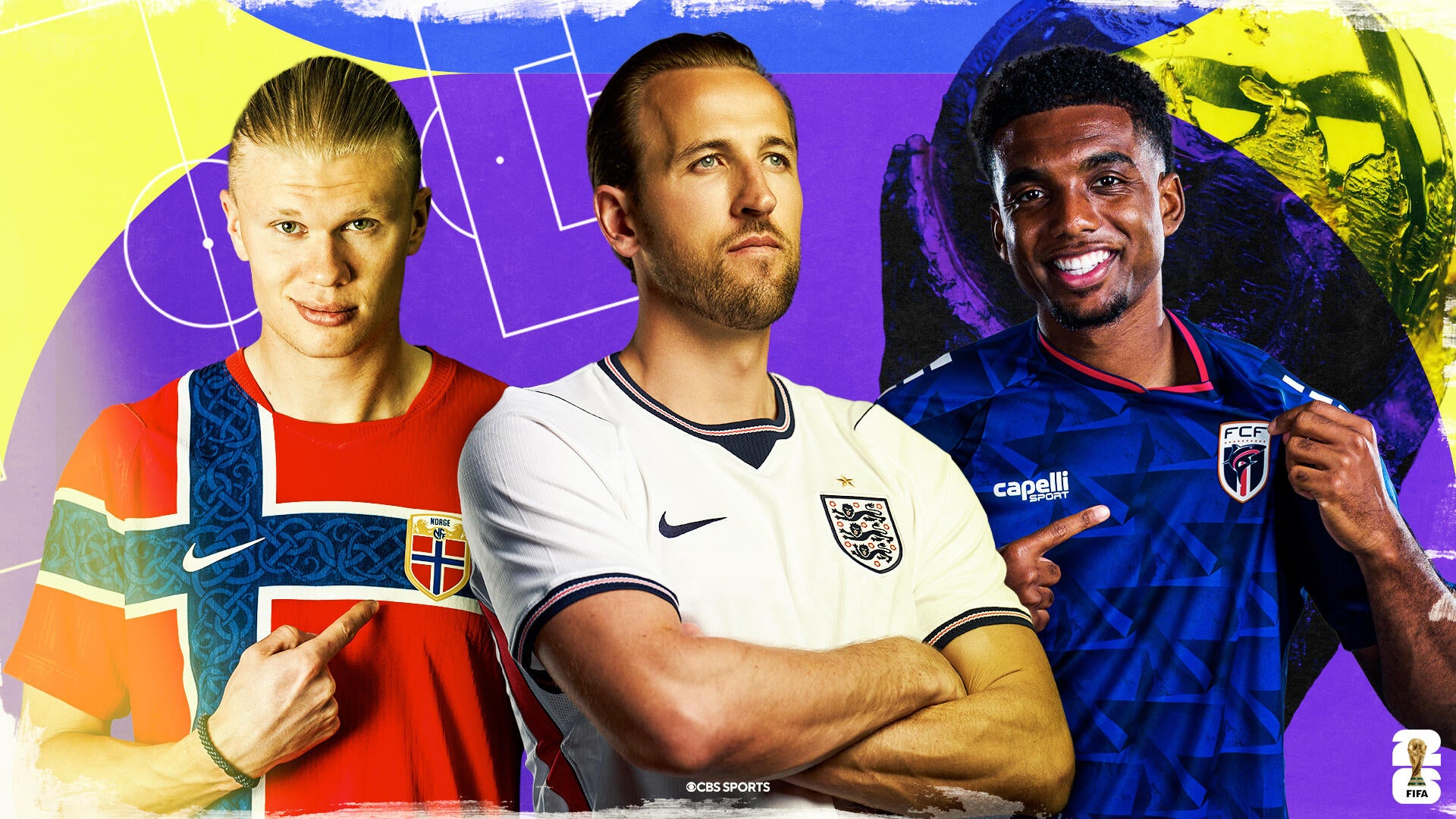
Harry Kane is on the squad; he’s the captain and is in outrageous form heading into the tournament and could win the next Ballon d’Or.
France
Winners in 2018, France made the last two World Cup finals, and they have a roster that’s scary good on paper, with one of the biggest stars, Kylian Mbappe, who can change the game in a second.
Germany
If you love dynasties, Germany has won the tournament four times, and after some retooling over the years, the program looks like a well-oiled machine heading into the summer.
Advertisement
Ghana
The Black Stars have the flair to flash on the pitch, with players Mohammed Kudus and Antoine Semenyo, and an excellent away kit to match the energy.
Haiti
Back in the tournament for the first time since 1974, Haiti are carrying the joy of an entire nation with them, and they have a lethal striker with one of the best names in the game, Duckens Nazon.
Iran
For those who understand that sports and politics are historically linked, Team Melli are a defiant side led by long-time captain Mehdi Taremi, with an effective counter-attack.
Iraq
For those looking for a team to root for with something to prove, the Lions of Mesopotamia are here for you and hopeful to roar once more as they return to the tournament for the first time since 1986.
Advertisement
Ivory Coast
Big fan of large animals? Well, Les Éléphants are back in the tournament after rebuilding over the last decade, and just a few years removed from their 2023 AFCON win.
Japan
One of the most tactical and disciplined teams in the tournament, they also have one of the most loyal fanbases, who even take the time to clean the stadiums after matches.
Jordan
Another first-time World Cup participant, Jordan will aim to defy expectations and are capable of pulling off upsets with winger Mousa Al-Tamari in the attack.
Mexico
Co-hosts of the tournament, Mexico are the only nation to host a World Cup three times. An in-form team, a fun fan culture with good food, there are too many reasons to root for Mexico to list.
Advertisement
Morocco
If you love breaking hearts, then Morocco are the team to root for. They ended World Cup dreams in 2022 all the way to the semifinals, and Youssef En-Nesyri has hops for days.
Netherlands
You can’t miss the Dutch in their bright orange uniforms and Total Football, which can look like a Rembrandt painting come to life.
New Zealand
The All Whites are considered longer than long shots in this tournament, but they are a tough-as-nails squad that will make games uncomfortable for others in their group.
Norway
Looking for a team that has the Terminator, but if he were a footballing striker? Well, it’s the perfect team for you then, with Erling Haaland on the pitch.
Advertisement
Panama
A nation that connects two oceans with its canal has the honor of being the only Central American team in the tournament.
Paraguay
Do you love draws or nail-biting one-score wins and losses with tough defense? Then rooting for Paraguay might be the answer for you.
Portugal
It’ll likely be Cristiano Ronaldo‘s final World Cup, but rooting for Portugal is also a way to celebrate their current generation of stars and to keep remembering Diogo Jota, who tragically passed away last year at 28.
Qatar
If you’re someone who believes in turning around skepticism, then root for the 2022 hosts, who are on a quest to show their second consecutive appearance is no fluke.
Advertisement
Saudi Arabia
If you like the stress of a late managerial change and the prospect of surprises, then root for Saudi Arabia — they’re no strangers to delivering a big upset as they did against Argentina in 2022.
Scotland
Big fan of tartan pattern textiles and bagpipes? Then get ready to cheer for Scotland to see if they can actually push themselves beyond a group stage round.
Senegal
Into the best continental team? Then look no further than the “AFCON champions,” and cheer for what could be the final World Cup for legend Sadio Mane. Well, some think they won it.
South Africa
If the sound of vuvuzelas captured your heart back in 2010, then get ready to welcome them back because South Africa has returned to the World Cup.
Advertisement
South Korea
Hard to root against a nation that gave us BTS and inspired K-Pop Demon Hunters, so cheer for Son Heung-Min and Lee Kang-In to help South Korea get out of their group.
Spain
If you’re looking for a team that passes the ball around as if they’re passing around tapas, then cheer for Spain. One of the favorites and reigning Euro champs.
Sweden
Fans of Dr. Jekyll and Mr. Hyde will love this team because you’re never quite sure what version of them you’re going to get.
Switzerland
About as neutral as the nation’s reputation, Switzerland keep surprising World Cup audiences, consistently exceeding expectations and advancing out of the group stages.
Advertisement
Turkiye
Looking for a set-piece specialist? Then look no further than Turkiye‘s captain Hakan Çalhanoğlu and his ability on free kicks.
Tunisia
Top three among the most experienced African nations in the World Cup; if you like stingy defense, then root for the Carthage Eagles of Tunisia.
United States
The leading hosts of the tournament, with the most markets and games, the United States modern generation wants to show they’re better than their 2022 round of 16 exit, and they’ll get friendly crowds to prove it.
Uruguay
If you enjoy disproportionate soccer history, then root for Uruguay. Two World Cup titles, both in the previous century, but that hasn’t stopped them from being one of the most competitive teams in South America.
Advertisement
Uzbekistan
Another debutant team that is about to take their first steps on the world’s biggest stage. No heavy expectations, and just good vibes and fun, especially if they can pull off just one surprise result in their group.
It’s bedlam in the Big Apple as the New York Knicks are officially on the doorstep of basketball supremacy.
The Knicks made sure of it in dramatic fashion on Wednesday, rallying past the San Antonio Spurs in Game 4 of the NBA Finals to secure a 3-1 series lead.
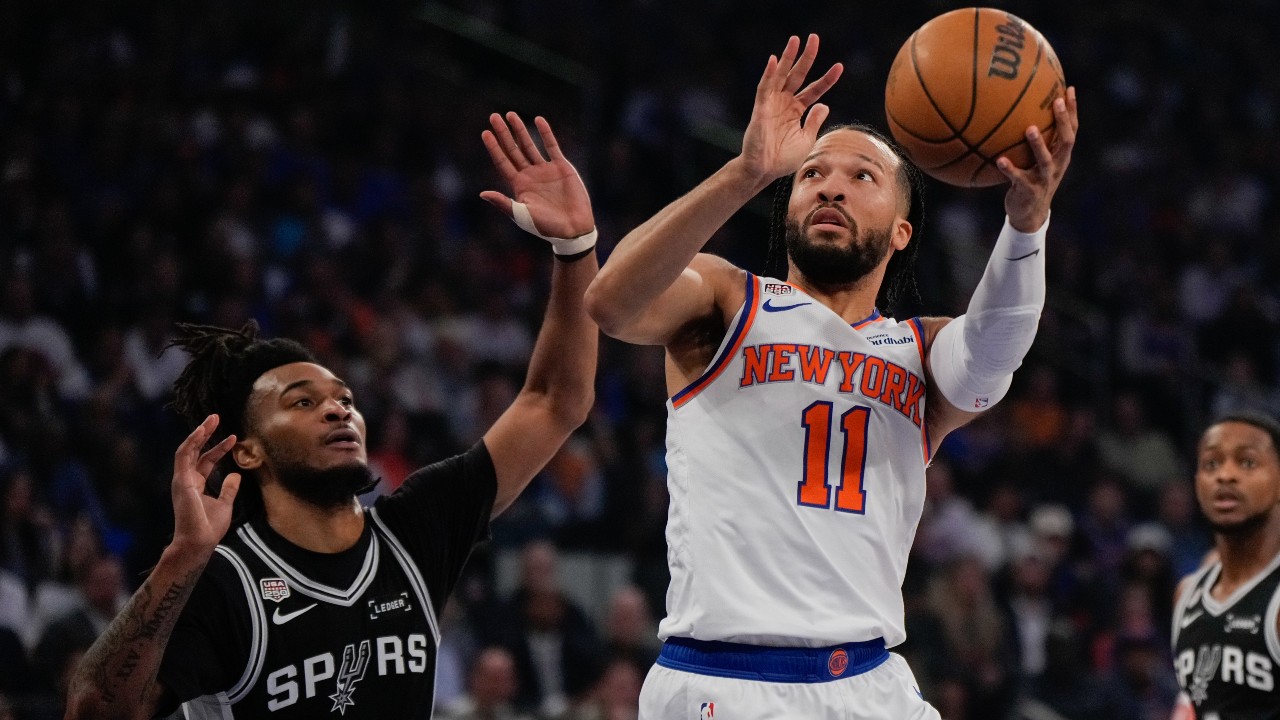
The remarkable 107-106 victory required coming back from down 29 points, which included a furious 20-4 run in the fourth quarter and a tip-in from OG Anunoby with 1.2 seconds left. It’s officially the biggest comeback in NBA Finals history, surpassing the previous record of 24 points, as the Knicks outscored the Spurs 32-16 in the final frame.
Leading New York’s historic rally was Jalen Brunson, who finished with 36 points, five rebounds, seven assists and three steals. Not far behind him was Anunoby, with 33 points, including 7-of-9 shooting from beyond the arc.
Advertisement
As for the Spurs, Victor Wembanyama led the way with 24 points and 13 rebounds, but did so on 9-of-25 shooting and just five points in the fourth quarter — including a pair of missed free throws in the final moments. San Antonio as a whole shot just 4-of-19 in the final frame. Rookie Dylan Harper was the Spurs’ second-leading scorer with 21 points on 8-of-12 shooting off the bench.
The Knicks are now just one victory from the franchise’s first NBA championship in 53 years and third all-time. As for the Spurs, they face the unenviable task of trying to be just the second team in NBA Finals history to overcome a 3-1 series deficit.
Action resumes on Saturday for Game 5 in San Antonio.
Jun 9, 2026; Anaheim, California, USA; Los Angeles Angels catcher Sebastian Rivero (38) is greeted after scoring a run against the Houston Astros during the second inning at Angel Stadium. Mandatory Credit: Gary A. Vasquez-Imagn Images
Los Angeles Angels catcher Sebastian Rivero was placed on the 10-day injured list Wednesday, one day after fracturing his left hamate bone during a game against the Houston Astros.
Rivero told reporters he will undergo surgery and miss approximately four weeks. He underwent a CT scan earlier Wednesday.
Rivero injured his hand and wrist area while fouling off a pitch during the fifth inning of Tuesday’s 10-1 home victory. He was in immense pain and was lifted in favor of fellow catcher Logan O’Hoppe.
Rivero had two singles earlier in the contest and had a string of seven straight hits when he departed the game. O’Hoppe finished the at-bat by taking a called strike three and the strikeout was charged to Rivero to end his hit streak.
Rivero, 27, is batting .245 with eight RBIs in 24 games this season. He has appeared in 35 games for Los Angeles over the past two seasons.
Advertisement
The Angels recalled catcher Logan Porter from Triple-A Salt Lake. He recently signed a minor league contract with them after becoming a free agent. He had batted .241 with one homer and 10 RBIs in 17 games with the San Francisco Giants’ Triple-A afifliate in Sacramento.
Porter, 30, has appeared in 16 major league games — 11 with the Kansas City Royals in 2023, four with San Francisco last season and one with the Giants this season. He is batting .184 with one homer and four RBIs.
The Angels also transferred right-hander Jack Kochanowicz to the 60-day injury list to open up a 40-man roster spot for Porter. The club revealed Tuesday that Kochanowicz will soon undergo Tommy John surgery.
Advertisement
The Angels also said Tuesday that third baseman Yoan Moncada will undergo right knee surgery next week.
First baseman Nolan Schanuel, who left Tuesday’s game with left calf tightness, wasn’t in the starting lineup for Wednesday’s game against the Astros.
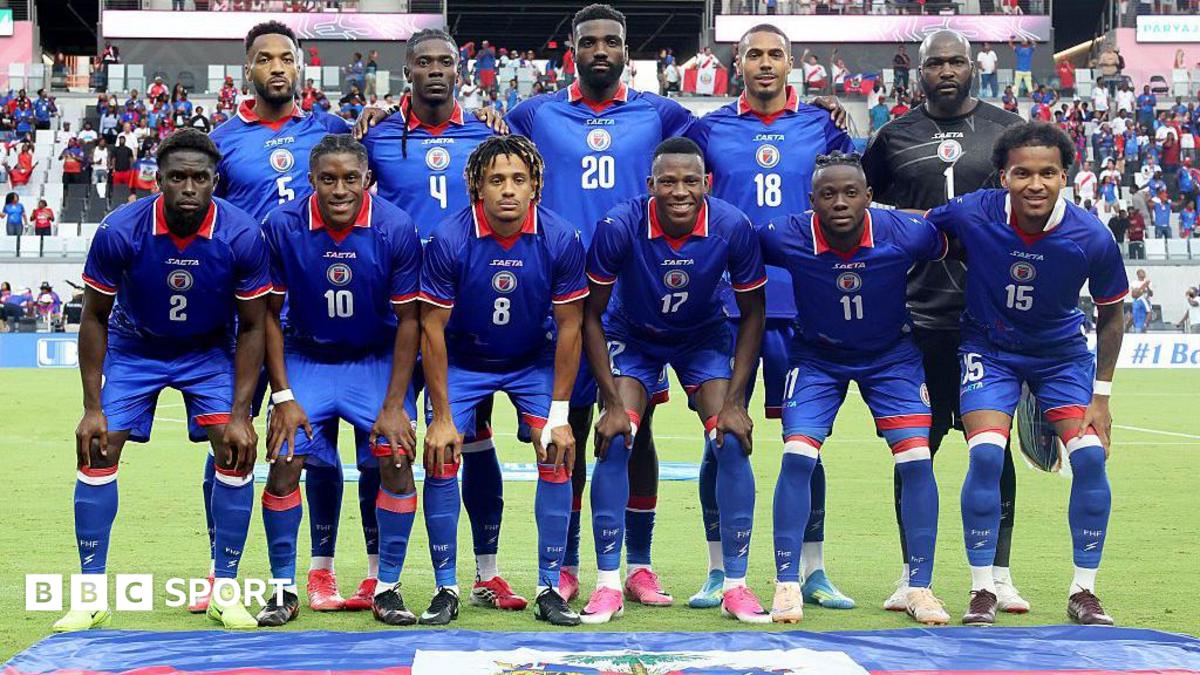
Haiti have been forced to change their kit design just days before their World Cup opener against Scotland after their shirt, depicting a war scene, failed to comply with Fifa rules.
An illustration of the Battle of Vertieres in 1803, which secured Haiti’s independence, with the country’s flag had been embedded on the shirts worn in both of their pre-tournament friendlies.
However, equipment regulations set out by the world governing body prohibits the use of any “political, religious, or personal messages or slogans” on kit.
In a statement, Colombian manufacturer Saeta said its original design “was a tribute to the men and women who contribute every day to Haiti’s future” and “was not intended as a political statement”.
Advertisement
It added: “Fifa determined that certain visual elements could be interpreted differently under its equipment regulations and ultimately requested modifications to the design.
“While this interpretation differed from our intention, Saeta respected the process and implemented the final requirements communicated by Fifa.”
Haiti begin their first World Cup campaign in 52 years against Scotland at Boston Stadium, Foxborough on Saturday evening (Sunday 02:00 BST).
The Caribbean country then face five-time winners Brazil and Morocco in Group C.
Advertisement
In their only previous World Cup appearance in 1974, Haiti lost all three group games and conceded 14 goals.
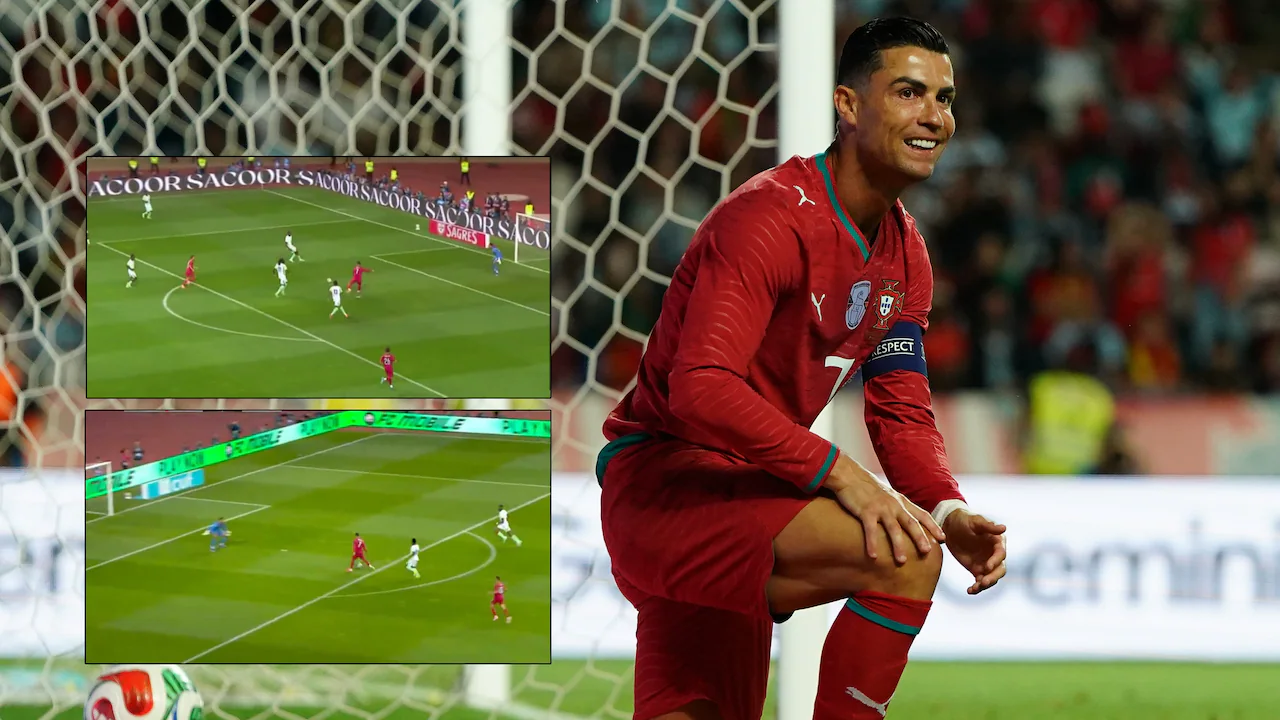
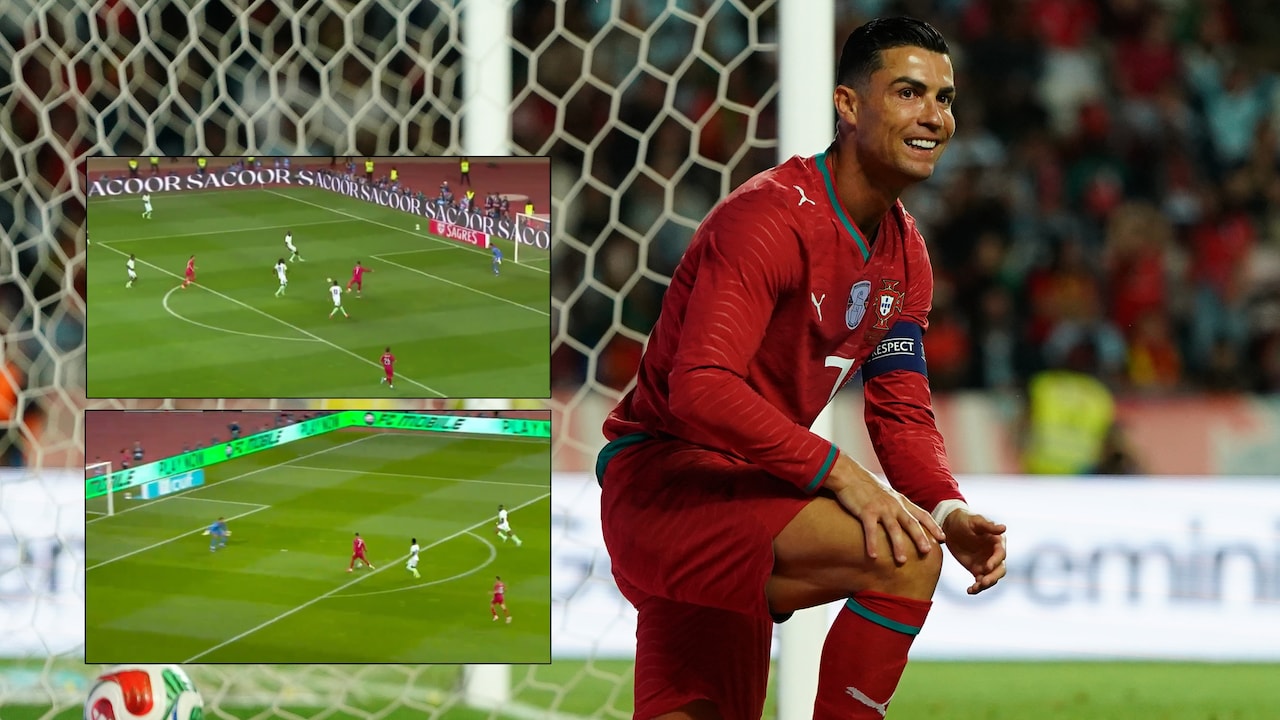
Cristiano Ronaldo had a forgettable outing for Portugal in the team’s final FIFA World Cup warm-up match against Nigeria. The Portugal captain, leading the attack for his national team in his historic sixth World Cup, missed several sitters against the African side. Although Portugal went on to beat Nigeria 2-1 despite Ronaldo‘s disappointing performance, the veteran striker’s possible decline in form has raised eyebrows. With Portugal set to begin their FIFA World Cup 2026 campaign in Group K against the Democratic Republic of the Congo on June 17, many are wondering if he is still the right man to lead the attack for the Euro 2016 champions.
Ronaldo, the former Manchester United and Real Madrid star, is the record goalscorer in international football with 143 strikes to his name. Yet, he failed to add to his tally during the warm-up match, despite being served multiple golden opportunities on a platter by his teammates.
The 41-year-old was eventually substituted in the 65th minute by manager Roberto Martinez. Despite his early exit, Ronaldo still spent more time on the pitch than any of his outfield teammates who started the game.
Advertisement
They did everything, put it right on a plate for Cristiano, and he still blasts it into the stands. pic.twitter.com/gFnMeL2RGE
Even some of the touches Ronaldo had shocked spectators. The man who scored 28 goals in 30 games for Al-Nassr in the Saudi Pro League looked like an amateur footballer at times. The coming games would prove if Ronaldo indeed has what it takes to deliver for Portugal at this level, at the age of 41.
It was PedroNeto who opened the scoring for Portugal, finding the back of the net in the 23rd minute. Akor Adams later equalised for Nigeria in the 14th minute of the second half. However, Francisco Conceicao, who came on as a second-half substitute for Portugal, scored the winner in the 75th minute, not long after Ronaldo had been taken off.
In the upcoming World Cup, Portugal is placed in Group K and will take on the Democratic Republic of the Congo in their opener, before facing Uzbekistan and Colombia. Portugal will begin their campaign in Texas, United States. Nigeria, meanwhile, will not be participating in this World Cup, having failed to qualify.
Featured Video Of The Day
IPL 2026 News | Shami’s Sensation Leads Lucknow to First Win of Season
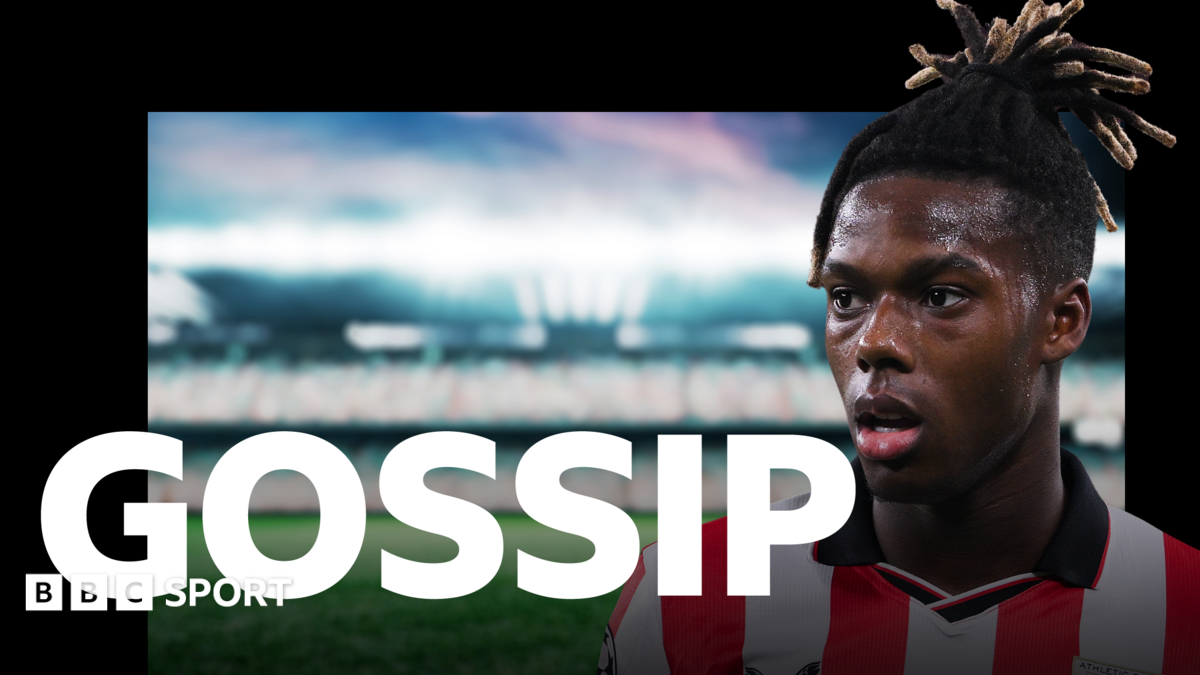
Arsenal keen to sign Athletic Club winger Nico Williams, Juventus open talks with Aston Villa over deal for keeper Emiliano Martinez, while Paris St-Germain target Bayern Munich’s Michael Olise.
Paris St-Germain will to try to sign Bayern Munich’s 24-year-old French forward Michael Olise this summer. (L’Equipe – in French), external
Advertisement
Manchester United are monitoring Everton‘s 26-year-old Senegal forward Iliman Ndiaye as they look to bolster their squad for a Champions League return next season (Sky Sports), external
Liverpoolare prepared to let Italy forward Federico Chiesa, 28, leave this summer for around £17m, with the player keen on a move back to Serie A. (Caughtoffside), external
Barcelona are aware of interest from Chelsea and Arsenalin Spain winger Dani Olmo, but will only allow the 28-year-old to leave if their £60m valuation is met. (Fichajes – in Spanish), external
Barcelona intend to sell Spain midfielder Marc Casado to raise money for other signings, with Bayer Leverkusen and Premier League clubs tracking the 22-year-old. (Fichajes – in Spanish), external
Leeds United want to break their transfer record to sign Ivory Coast defender Ousmane Diomande from Sporting, with an offer of up to £35m and another £8m in add-ons. (Mirror), external
Crystal Palace are preparing to rival Everton for Middlesbrough’s English midfielder Hayden Hackney, 23, this summer with a £20m offer. (Mail), external
Shortly after the New York Knicks’ Game 3 defeat in the NBA Finals, Mike Brown turned his attention to the officiating.
“I talked to [the officials]. They outshot us 14-3 in the third quarter from the free throw line. I talked to them, and they said, well, this is a foul, this is a foul,” Brown told reporters after the San Antonio Spurs trimmed the Knicks’ series lead to 2-1. “That’s the question I had with them is, you’re right. Maybe we did foul. But they fouled, too.”
Karl-Anthony Towns, one of the catalysts behind New York’s postseason success, struck a different tone ahead of Game 4.
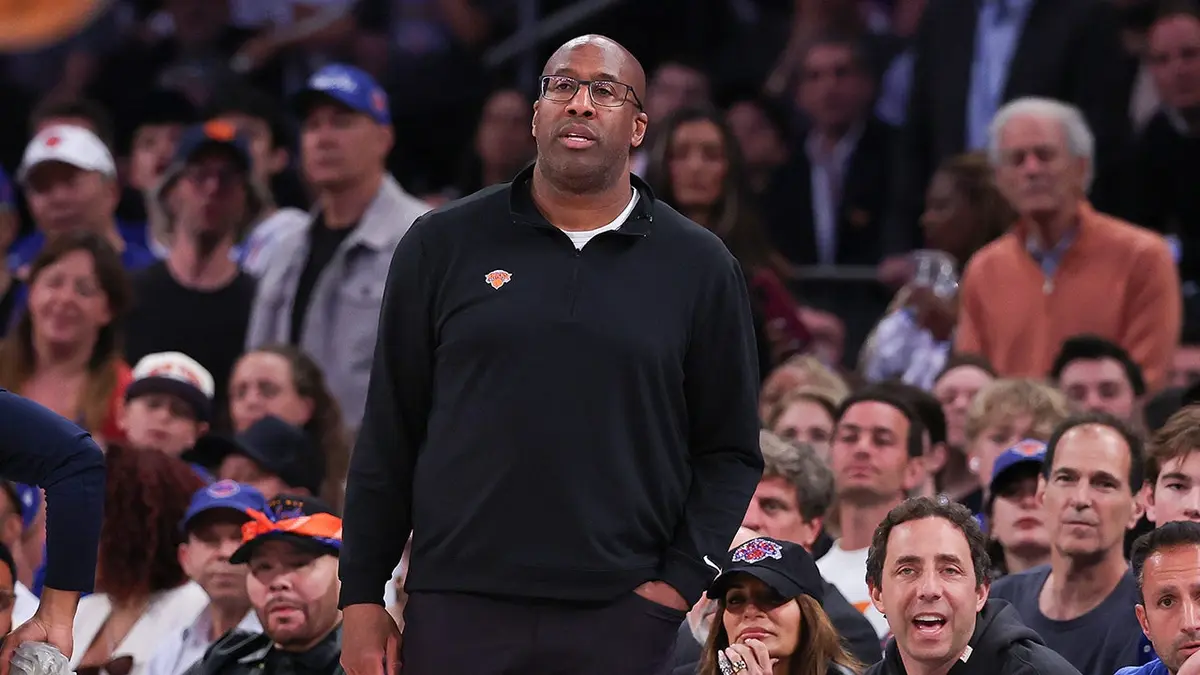
New York Knicks head coach Mike Brown observes the game during the NBA Finals in Madison Square Garden in New York City, New York.(Al Bello/Getty Images)
“Naw, that ain’t cost us the game,” Towns told reporters when asked about Brown’s comments. “Turned the ball over. Didn’t execute. Didn’t do what got us 13 straight wins in a row. That’s how you lose a game. We didn’t do what we’ve been doing for 13. We decided to do something different. … And throwing the ball away is a clear indication of how you’re going to lose the game, especially in the playoffs.”
The box score seemed to underscore Brown’s primary complaint, as the Spurs attempted three times as many free throws as the Knicks in the second half of Monday’s 115-111 victory.
The Knicks were in the penalty for the majority of the fourth quarter. A cold-shooting second half saw New York connect on 36% of its field-goal attempts.
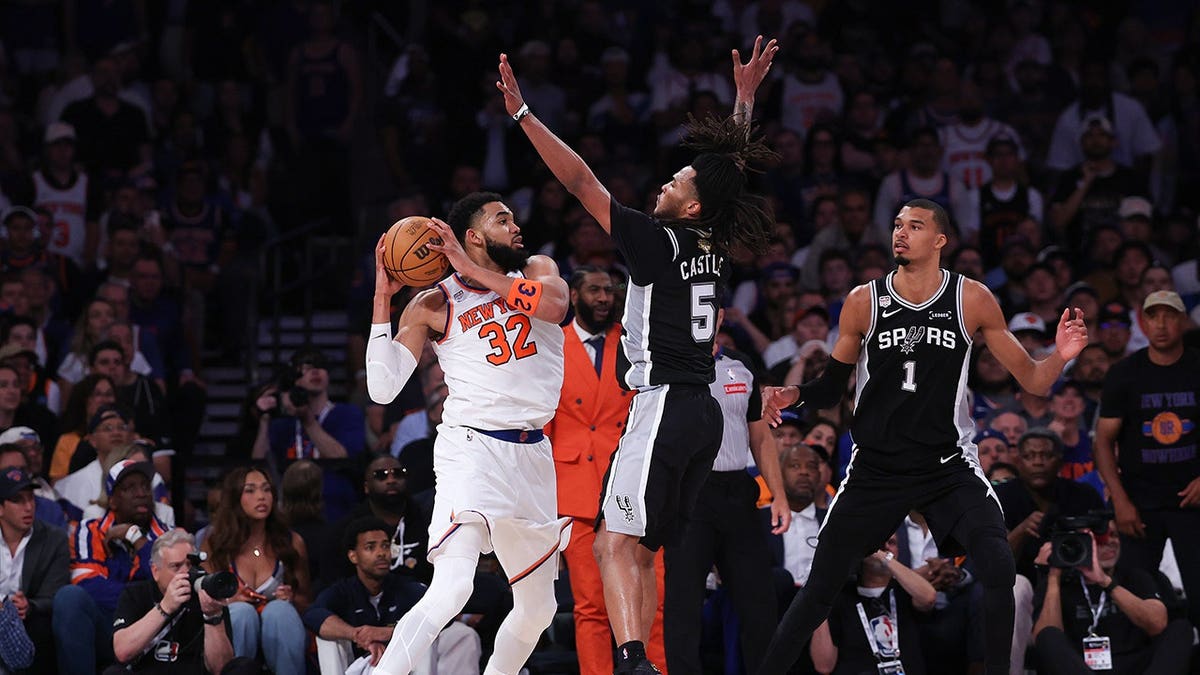
Karl-Anthony Towns of the New York Knicks defends Stephon Castle of the San Antonio Spurs during the second quarter of Game 3 in the 2026 NBA Finals at Madison Square Garden in New York City on June 8, 2026.(Al Bello/Getty Images)
While it remains to be seen whether officiating will play a role in Wednesday night’s game at Madison Square Garden, Brown appeared intent on making it part of the buildup to Game 4.
“It’s going to be that because I said it. The story is going to be there,” Brown continued during a news conference. “But there are some controllables that we did not do a good job of doing. We allowed them to hit first at the beginning of the game. We allowed them to hit first in the beginning of the second half.”
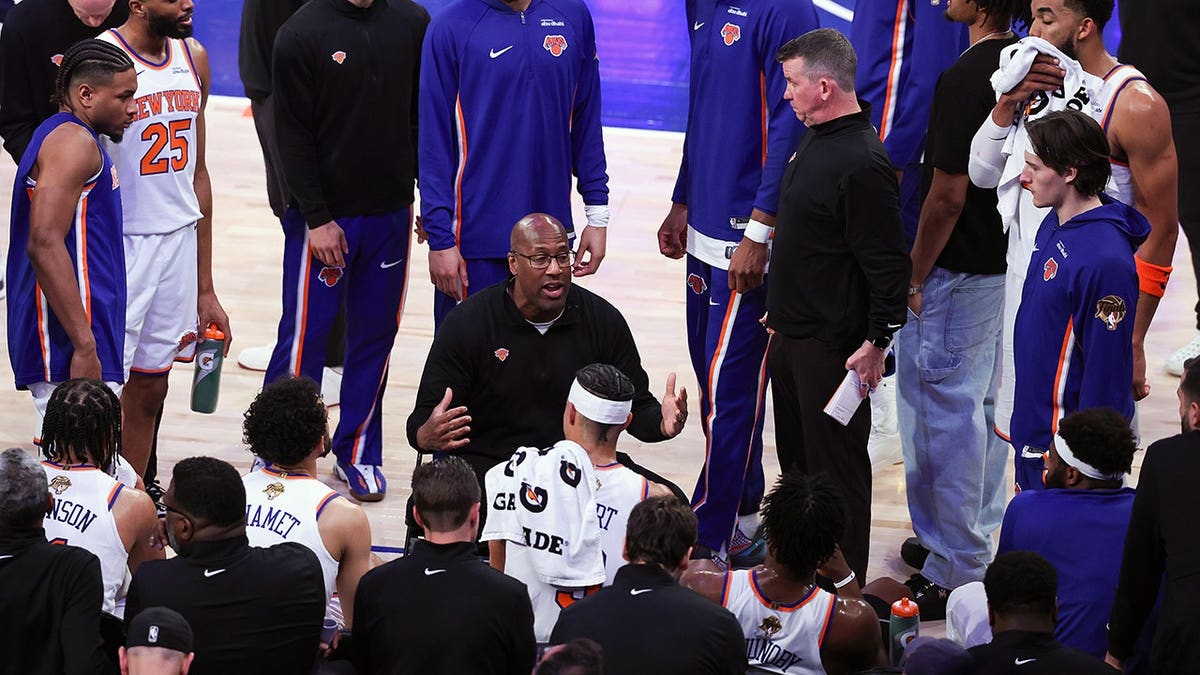
Mike Brown talks with the New York Knicks during a timeout in the third quarter against the San Antonio Spurs in Game Three of the 2026 NBA Finals at Madison Square Garden in New York City on June 8, 2026.(Al Bello/Getty Images)
Towns finished Game 3 with 11 points and eight rebounds, a noticeable drop from his team-high 21-point performance in New York’s Game 2 victory over the Spurs. Jalen Brunson led the Knicks in scoring Monday with 32 points.
Game 4 tips off at 8:30 p.m. EDT, with the series returning to San Antonio for Game 5 on Saturday.















































You must be logged in to post a comment Login