Connect with us
DAPA Banner
DAPA Coin
DAPA
COIN PAYMENT ASSET
PRIVACY · BLOCKDAG · HOMOMORPHIC ENCRYPTION · RUST
ElGamal Encrypted MINE DAPA
🚫 GENESIS SOLD OUT
DAPAPAY COMING

Sports

India’s Sports Passport: What it’ll mean for football, Olympics and beyond | Other Sports News

Published

on


A proposal currently under consideration by the Government of India could potentially transform the country’s sporting landscape over the next decade.


The Sports Ministry has reportedly submitted a proposal seeking the introduction of a Sports Passport framework that would allow eligible Persons of Indian Origin (PIO) and Overseas Citizens of India (OCI) athletes to represent India in international competitions.


Advertisement


While discussions around overseas-origin athletes have existed for years, particularly in football, this is perhaps the first time the idea has been explored as part of a wider national sports strategy rather than a sport-specific debate.


So what exactly is a Sports Passport, how does it work, and why has it become such an important topic in Indian sport?


Advertisement


What is a sports passport?


A Sports Passport is a special eligibility framework that enables athletes with a connection to a country, through ancestry, heritage, residency or national interest, to represent that nation in international sport.


Advertisement


Different countries implement the concept differently.


Some nations provide accelerated citizenship to elite athletes. Others create sporting eligibility pathways that allow athletes to compete for the country without going through the traditional immigration process.


Advertisement


The core objective remains the same: strengthen national teams and improve competitiveness on the international stage.


For countries seeking rapid sporting progress, it can become a valuable tool to access a wider talent pool.


Advertisement


Why is India considering it now?


The timing is significant. India is preparing a bid for the 2036 Olympic Games and simultaneously attempting to improve performances across multiple sports.


Advertisement


In football, the gap between India and Asia’s leading nations remains considerable. The men’s national team recently failed to qualify for the AFC Asian Cup, while the country remains absent from FIFA World Cup competition.


At the same time, several footballers of Indian origin are representing other nations at major international tournaments.


Advertisement


Supporters of the Sports Passport proposal argue that India already possesses a large global diaspora, and tapping into that resource could strengthen teams across multiple sports.


The conversation is no longer limited to football. Basketball, tennis, athletics, rugby and several Olympic disciplines could also benefit.


Advertisement


How could It work in India?


India currently does not allow dual citizenship.


Advertisement


Under existing rules, an athlete must hold an Indian passport to represent the country internationally in most sports governed by international federations.


That means players wishing to switch allegiance generally need to renounce their previous citizenship and acquire Indian nationality.


Advertisement


A Sports Passport framework could potentially create a more structured pathway for athletes of Indian origin who have strong ancestral ties to India.


The final model, if approved, would depend on decisions by the Government of India, the Ministry of Home Affairs and relevant sports authorities.


Advertisement


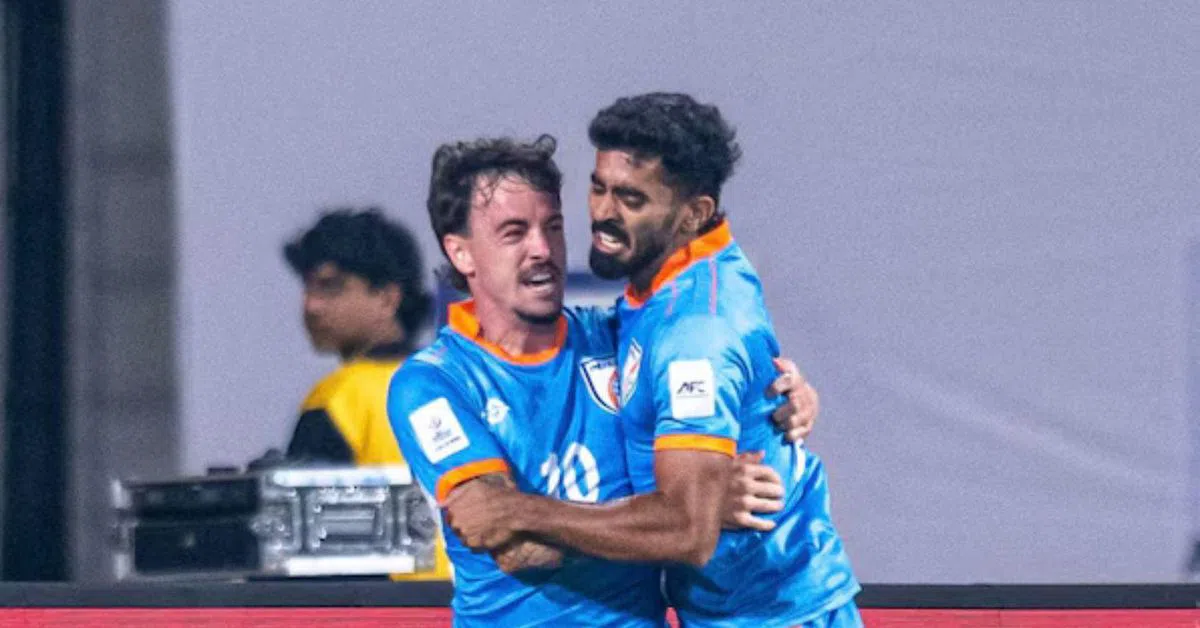
The Ryan Williams Example


The challenges of the current system can be understood through the case of footballer Ryan Williams.


Advertisement


The Bengaluru FC forward became eligible to represent India only after giving up his Australian citizenship and obtaining an Indian passport.


He subsequently made his debut for the national team and scored for the Blue Tigers.


Advertisement


While successful, the process required significant personal and professional commitment, something not every athlete may be willing to undertake.


A Sports Passport mechanism could potentially simplify such pathways in the future.


Advertisement


Why Many Countries Have Adopted Similar Systems


India would not be entering unfamiliar territory.


Advertisement


Several nations already use sports naturalisation policies to improve sporting competitiveness.


Qatar is perhaps the most prominent example. The country has used sports eligibility pathways across football, athletics and handball, helping it win the AFC Asian Cup and compete at the FIFA World Cup.


Advertisement


Bahrain has strengthened its athletics programme through naturalised runners, while countries such as Turkey, Spain, Hungary and Austria have used special citizenship provisions to attract elite athletes in selected sports.


These systems are often viewed as strategic investments in sporting success. 


Advertisement


Potential Benefits for India 


Access to a Larger Talent Pool


India has one of the world’s largest diasporas spread across North America, Europe, Australia, Africa and the Middle East.

Advertisement


A Sports Passport framework would allow the country to engage with talented athletes who may have Indian roots but currently represent other nations or remain ineligible for India.


Immediate Competitive Improvement

Advertisement


Certain sports could witness an instant rise in quality.


Football, basketball and tennis are often cited as areas where overseas-developed athletes could provide immediate depth and experience.

Advertisement


Knowledge Transfer


Athletes raised in advanced sporting systems bring more than talent.

Advertisement


They often arrive with exposure to elite coaching, sports science, nutrition and professional environments, potentially benefiting teammates and domestic structures.


Stronger Olympic Ambitions

Advertisement


With India targeting greater success at future Olympic Games, expanding the athlete pool could increase competitiveness across multiple disciplines.


The Concerns and Criticisms

Advertisement


Not everyone supports the idea.


Critics argue that national teams should primarily represent athletes developed within domestic systems.

Advertisement


Some believe sports naturalisation can become a shortcut that masks deeper structural problems such as inadequate grassroots development and coaching infrastructure.


Others worry that opportunities for locally developed athletes could diminish if overseas-born players receive preference.

Advertisement


The challenge for policymakers would be balancing immediate performance gains with long-term domestic development.


Why this debate Is bigger than football?

Advertisement


For years, discussions around PIO and OCI athletes largely revolved around football.


However, the Sports Passport proposal signals a broader shift.

Advertisement


If implemented, the framework could influence multiple sports and become part of India’s wider sporting strategy ahead of major events such as the Olympics, Asian Games and future World Cups.


The proposal also reflects a growing recognition that modern sport is increasingly global, with many successful nations drawing talent from diaspora communities spread across the world.

Advertisement


A Potential Turning Point for Indian sport


Whether the proposal is ultimately approved remains uncertain.

Advertisement


Any decision will require careful consideration from multiple government departments and sports bodies.


However, the significance of the discussion itself cannot be ignored.

Advertisement


For the first time, India is actively examining whether its vast global diaspora can play a direct role in improving national sporting performance.


If adopted, a Sports Passport framework could become one of the most significant policy changes in Indian sport in recent decades—one that has the potential to reshape how the country identifies, develops and represents athletic talent on the world stage.

Advertisement

Source link

Continue Reading
Click to comment

You must be logged in to post a comment Login

Leave a Reply

Sports

Real Madrid turn to Mourinho again in bid to end trophy drought with 3-year contract

Published

on

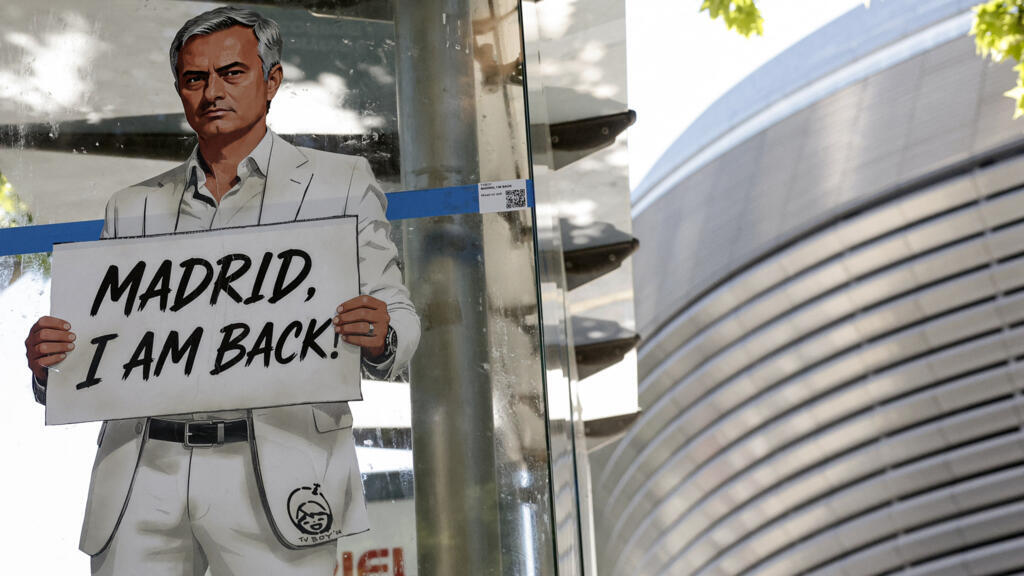
Real Madrid appointed Jose Mourinho as their coach on Thursday on a three-year deal, with the Portuguese veteran making a sensational return to the Spanish capital after 13 years away.

The 63-year-old replaces Alvaro Arbeloa after Madrid finished a second consecutive season without a major trophy, falling behind domestic rivals Barcelona.

“(Real Madrid have) agreed to appoint Jose Mourinho as the first team’s head coach for the next three seasons, until June 30, 2029,” said the 15-time European champions in a statement.

“Jose Mourinho will join Real Madrid on July 13, the day preseason begins.”

Advertisement

One of football’s most successful yet divisive managers, Mourinho arrives from Benfica, where the Lisbon club completed an unbeaten league campaign but finished third.

Benfica said Wednesday Real Madrid were paying €15 million ($17.25m) for the Portuguese coach.

Read moreManchester United appoint Mourinho as manager

Mourinho managed Madrid between 2010 and 2013, winning La Liga, the Copa del Rey and the Spanish Super Cup during an intense period of rivalry with Pep Guardiola’s golden era Barcelona side.

Advertisement

Real Madrid became the first club to reach 100 points in a La Liga season under Mourinho in the 2011-12 campaign, although Barcelona did the same in the subsequent season before Mourinho departed.

Mourinho divided the Real Madrid dressing room, with some players – including predecessor Arbeloa – fiercely loyal to him, while others were at loggerheads with the coach.

Known to rule with an iron fist, Mourinho is charged with bringing Real Madrid’s dressing room egos in check, after multiple conflicts and problems marked a troubled season.

Madrid midfielder Fede Valverde was treated in hospital after a row with team-mate Aurelien Tchouameni in May, among other flashpoints.

Advertisement

Coaches Carlo Ancelotti, Xabi Alonso and Arbeloa also could not find a way to successfully deploy star players Vinicius Junior, Kylian Mbappé and Jude Bellingham together without destabilising the balance of the team.

In an appearance on Spanish television earlier in May, Madrid president Florentino Perez credited Mourinho with laying the groundwork for Real Madrid’s last six Champions League titles, achieved in the years after the Portuguese departed.

The chief said he would bring back Mourinho if he was reelected president earlier in June, which he was.

Back on top 

Mourinho’s return to Madrid also signifies a jump back to the European elite after several years away from the game’s peak.

Advertisement

The coach burst into the limelight as he won the Champions League with Porto in 2004, before helping Chelsea claim back-to-back Premier League titles in 2005 and 2006.

Read moreEuropa League: English teams clear inaugural league phase, Lazio tops standings

Mourinho labelled himself a “special one” as his team dominated the English top flight, before guiding Inter Milan to Champions League glory in 2010 as part of a unique treble for an Italian side.

Madrid chief Perez appointed him to try and stop Guardiola’s powerful Barca team, which he achieved to an extent, in a fractious spell which also disrupted the harmony in the Spanish national team.

Advertisement

Mourinho returned to Chelsea, winning the Premier League in 2015, before modest spells at Manchester United, Tottenham and Roma among other clubs.

He won the EFL Cup and Europa League with Manchester United in 2017 and since then has only lifted the Conference League trophy with Roma in 2022.

The coach was sacked by Turkish side Fenerbahce in August 2025 after failing to guide them past Benfica in a Champions League qualification play-off, before he was appointed by the Portuguese side the following month.

(FRANCE 24 with AFP)

Advertisement

Source link

Continue Reading

Sports

World Cup co-hosts US thrash Paraguay in dominant Group D opener

Published

on

The United States could scarcely have scripted a better start to their World Cup as a Folarin Balogun brace and Gio Reyna curler fired the co-hosts to a 4-1 drubbing of Paraguay in front of Hollywood royalty in Los Angeles on Friday.

The hosts took the lead in the tournament’s first game on US soil within seven minutes thanks to an own goal, and by the end of an utterly dominant half the home fans were in dreamland, their side up by three.

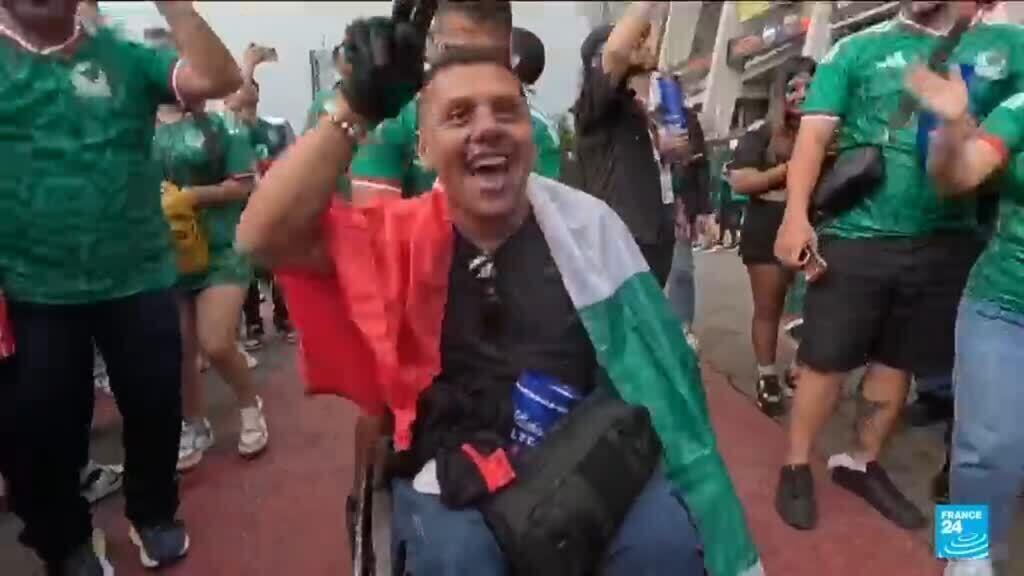
Tom Cruise, Leonardo DiCaprio and Paris Hilton were among a sold-out 70,492 crowd as the US – co-hosting the tournament with Mexico and Canada – piled wave after wave of attacks on the South Americans, with Reyna polishing off the win late in stoppage time after Maurício had pulled one back.

The win and emphatic scoreline puts the US in a favourable position already to progress from Group D, which also contains Australia and Turkey.

Advertisement

The night’s only potential sour note was the half-time withdrawal of Christian Pulisic, the US attacking talisman who is carrying the hopes of the nation as they attempt a deep run into the World Cup knockouts for the first time since their quarter-final appearance in 2002.

One of your browser extensions seems to be blocking the video player from loading. To watch this content, you may need to disable it on this site.


Cover image: © France 24

Paraguay could not have been more obliging guests from kick-off. In the seventh minute, Weston McKennie picked up the ball in the centre circle and drove upfield, finding Pulisic.

Advertisement

Pulisic darted between two defenders and returned the ball to McKennie, whose pass to striker Balogun was bundled into his own net by a hapless Damian Bobadilla.

The stadium erupted, and a US onslaught began.

The hosts oozed confidence. Both McKennie and Tillman played backheel through balls into the area, while captain Tim Ream sprayed out passes from the heart of defence.

Balogun had a goal ruled out in the 28th minute. He had strayed offside, as had Pulisic in the build-up.

Advertisement

But the Monaco striker had the ball in the net again three minutes later, thanks to a superb ball down the left flank by Antonee Robinson to Pulisic, whose cross to Balogun took a slight fortuitous deflection.

The US added a third on the cusp of half-time. Tillman found Balogun down the right, who evaded Omar Alderete’s challenge, skipped inside Gustavo Gomez and curled his shot perfectly into the top left corner.

One of your browser extensions seems to be blocking the video player from loading. To watch this content, you may need to disable it on this site.

Advertisement

FOCUS
Cover image: FOCUS © FRANCE 24

It could have been four or five, with Chris Richards – returning from injury – flashing a header barely an inch wide. The US had 75 per cent possession in the first half.

Now without Pulisic, the hosts sat back slightly in the second half.

Paraguay finally offered a threat. Their dangerous forward Julio Enciso, who started despite a hamstring injury, picked up the ball on the edge of the area and fed in Brazil-born substitute Maurício, who pulled one back.

Reyna scored a superb fourth with the outside of his right foot that curled just inside the far post.

Advertisement

The game had been preceded by a Tinseltown-style opening ceremony. Katy Perry delivered the headline performance, accompanied by singers Future, Tyla, Anitta and K-pop star Lisa.

Performers danced around a giant World Cup trophy beneath enormous “FIFA” letters in the gold favoured by US President Donald Trump – who did not attend, instead wishing the team luck via phone before kick-off.

(FRANCE 24 with AFP)

Advertisement

Source link

Continue Reading

Sports

Braves right-hander Spencer Strider exits vs. Mets with arm soreness

Published

on

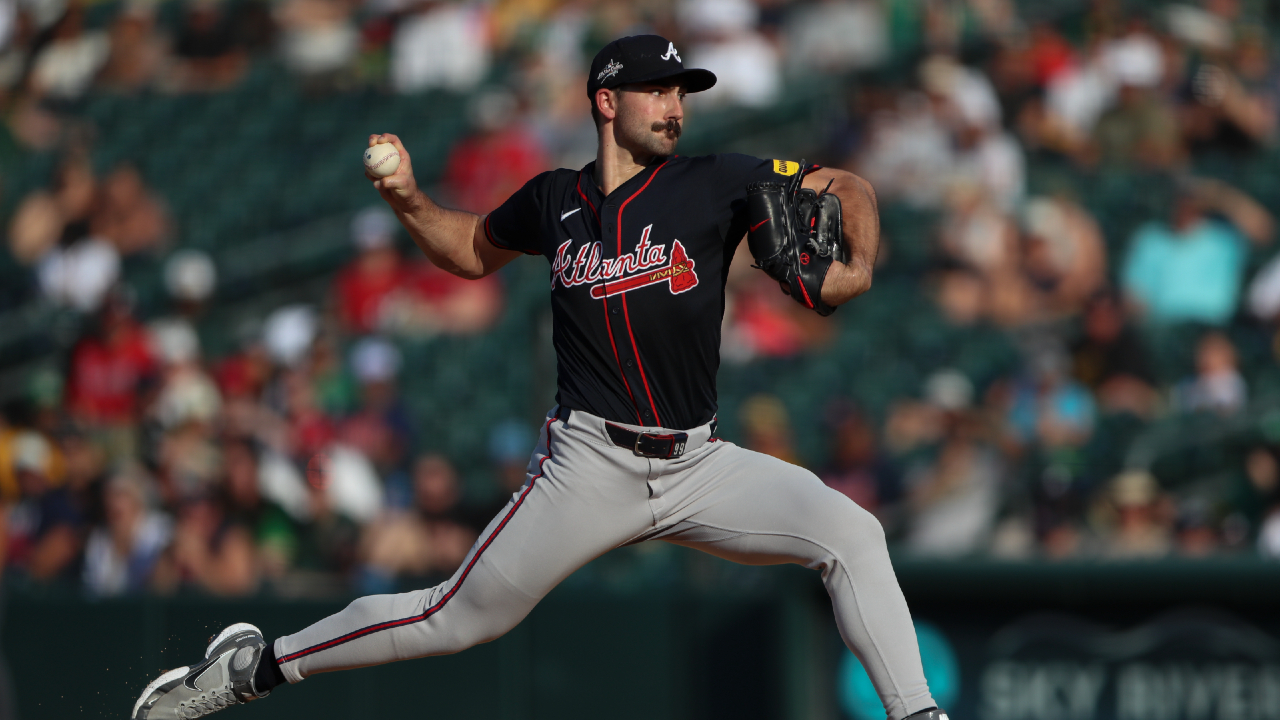
NEW YORK — Atlanta Braves pitcher Spencer Strider will undergo imaging after he left Friday night against the New York Mets in the fourth inning because of right shoulder and elbow soreness.

“It’s never good when a guy walks off the field,” Braves manager Walt Weiss said after a late comeback bid by Atlanta fell short in a 7-5 loss. “We’ll get the images taken and we’ll see what they say. But it doesn’t look great as we stand here right now.”

Strider left one batter into the fourth and allowed six hits and a season-worst seven earned runs in three innings while taking the defeat. He struck out three. He allowed three homers, including a grand slam to Bo Bichette in the second inning.

Strider’s velocity was considerably lower as he issued a six-pitch walk to MJ Melendez. The three fastballs Strider threw during the at-bat were all at either 88 or 89 mph, down from the 92 to 96 mph pitches he threw in the first two innings.

Advertisement

“The alarm bells went off when we started seeing the upper 80s with his fastball,” Weiss said.

Weiss and a trainer visited Strider, who underwent Tommy John surgery on his right elbow in 2019 and had the UCL in his right elbow repaired with an internal brace in April 2024.

Weiss said Strider let them know of the elbow and shoulder discomfort and that he wasn’t aware of the reduced velocity. Strider walked off the mound after a short consultation.

Strider was making his eighth start of the season for the MLB-leading Braves after missing the first 34 games recovering from a strained left oblique. He is 4-2 with a 5.31 ERA this season and 11-16 with a 4.66 ERA since returning from the elbow surgery last year.

Advertisement

Strider was 32-10 with a 3.47 ERA in his first 67 big league appearances prior to the internal brace procedure. He became baseball’s most recent 20-game winner in 2023, when he went 20-5 while reaching 200 strikeouts in 130 innings — the fastest any pitcher has ever gotten to 200 whiffs in season.

“He’s been through a lot in the last few years, trying to work his way back,” Weiss said.

JR Ritchie replaced Strider on Friday and threw the final five innings.

Source link

Advertisement
Continue Reading

Sports

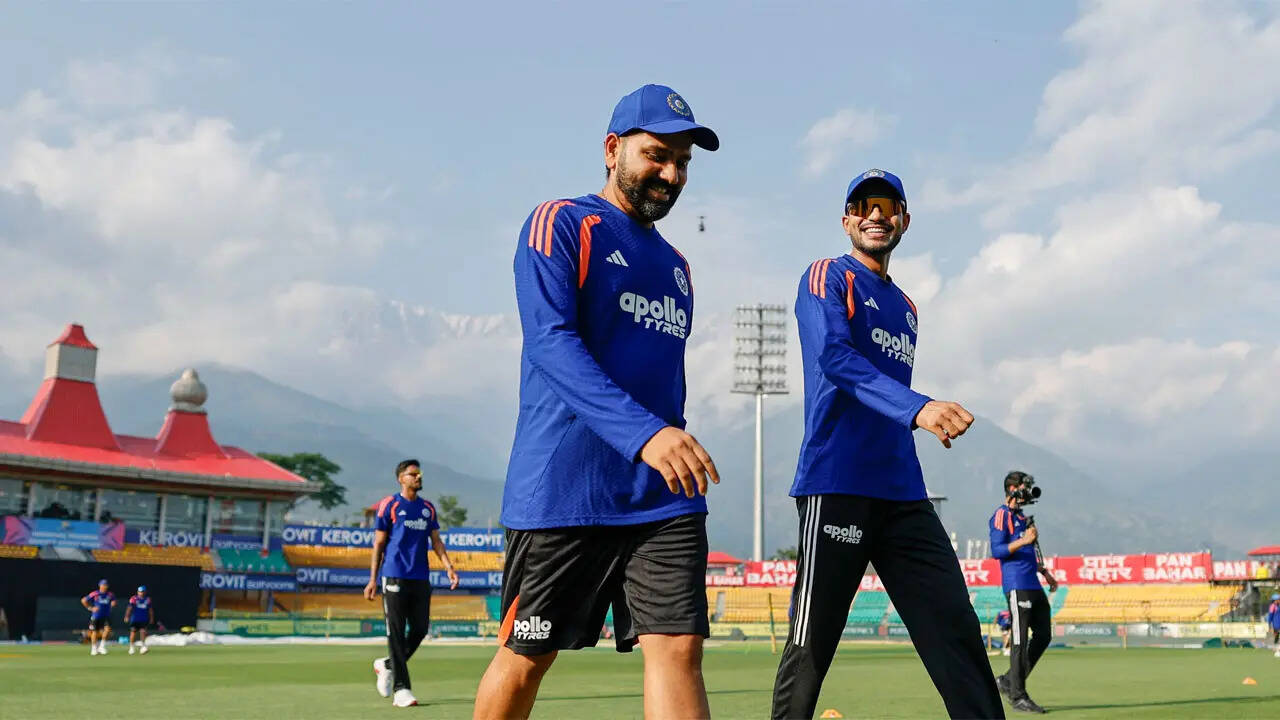
IND vs AFG Live: Toss delayed due to rain in Dharamsala

Published

on

Source link

Continue Reading

Sports

4 Reasons why LA Knight is out of the 2026 WWE King of the Ring Tournament 

Published

on

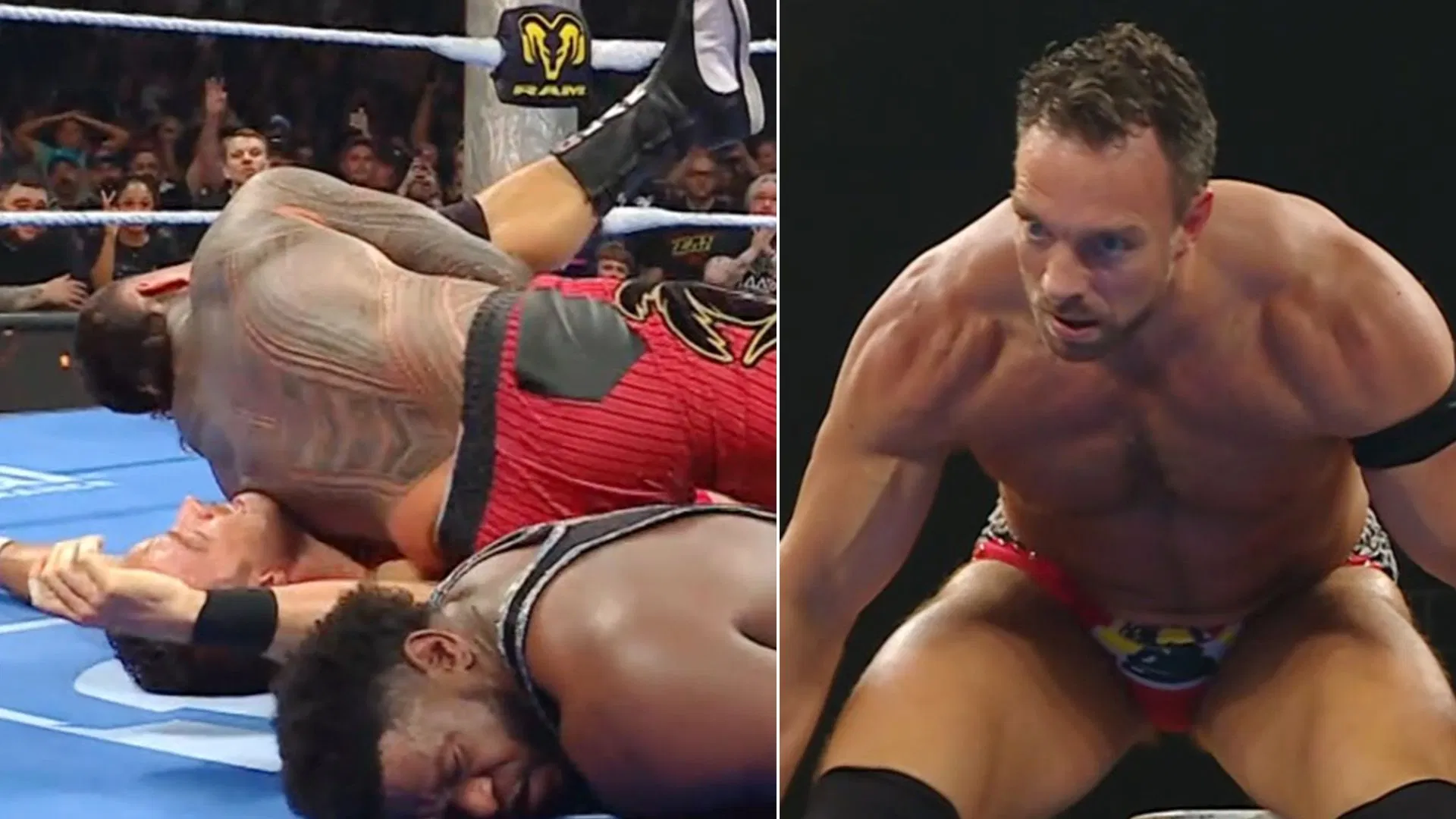
The latest episode of WWE SmackDown was a heartbreaking show for LA Knight fans. The Megastar competed in a Fatal Four-Way first-round match for King of the Ring 2026.

Despite all attempts and fans’ support, the former United States Champion failed to win. Instead, Jey Uso pinned Knight and secured the victory. Many are surprised by this outcome, particularly when WWE teased LA Knight vs Roman Reigns multiple times on Monday Night RAW.

In this article, we will discuss three reasons why the Megastar is out of the 2026 King of the Ring tournament.


#4. Triple H has given up on him

It’s over for LA Knight… Now I don’t see him winning world title in WWE. They just don’t value him… #SmackDown

One of the major reasons why LA Knight lost the King of the Ring first-round match could be due to Triple H giving up on him. The Game is WWE’s present Chief Content Officer and makes all the significant decisions.

So, this makes sense to say that Triple H might have given up on the former US Champion. As a result, he lost the KOTR match and didn’t advance to the semi-finals.

LA Knight winning the King of the Ring tournament and facing Roman Reigns at SummerSlam 2026 for the World Heavyweight Championship was a perfect match. This is especially true when both stars had a heated history in the company, and the Megastar still has issues with the Bloodline.

Advertisement

Despite all the efforts, Triple H decided not to give LA Knight a victory, which implies something serious is wrong with his booking. Also, Knight got pinned in the match by Jey Uso. With all these factors, it’s evident that the CCO has no interest in pushing the 43-year-old star.


#3. WWE is not running back LA Knight vs. Roman Reigns

LA Knight locked horns with Roman Reigns at Crown Jewel 2023 for the Universal Championship. The Megastar lost the match and failed to dethrone the Original Tribal Chief.

With Knight losing the King of the Ring tournament first-round match, it seems that the Triple H-led creative regime doesn’t want to run Knight vs Reigns again in the company.

This contributes to another possible explanation why LA Knight is out of the King of the Ring tournament.

Advertisement

#2. To set up his heel turn

Over the past few months, LA Knight has failed to secure any big victories in WWE. It’s been a long time since the Megastar won any Championship in World Wrestling Entertainment.

His failure to advance in the King of the Ring tournament could be a strategic move by WWE to set up his heel turn. Knight could be frustrated with his losses and may decide to switch characters.

A villainous version of the beloved WWE star could be more ruthless and help him to emerge victorious in significant matches. So, turning LA Knight into a heel might be a probable reason why he failed to win the King of the Ring tournament first-round match on SmackDown.


#1. Triple H might have different plans for LA Knight at SummerSlam 2026

I HATE TRIPLE H AS MUCH AS TRIPLE H HATES LA KNIGHT

Advertisement

There is also a chance that the company might be saving Roman Reigns vs LA Knight rematch for later and has different plans for this year’s Biggest Party of the Summer.

Though Knight got pinned on SmackDown, he is still likely to be part of SummerSlam 2026. If Knight had qualified for the semi-finals and won the tournament, he would have faced Roman Reigns.

However, Triple H might have intentionally booked him to lose on WWE SmackDown to execute the planned direction for the 43-year-old star.