
Connect with us

Sports

IOC athlete grant: Why $10,000 payout may not stretch Olympic finances | Business

Published

on


The International Olympic Committee’s decision to pay Olympians for the first time marks a major break from Olympic tradition, but the financial burden on the Lausanne-based body may be modest when compared with its Olympic-year revenue, expenditure and reserves.


The IOC announced that every eligible Olympian will receive a $10,000 grant, starting with athletes who competed at the Milano Cortina 2026 Olympic Winter Games. The payment will be made under the “Fit for the Future Olympian Grant” programme and will apply to athletes who have not violated anti-doping rules, the IOC’s code of ethics or other IOC rules.


Advertisement


The IOC expects about 14,000 athletes to be eligible in every Olympic cycle, putting the overall cost of the programme at about $140 million per four-year cycle. The money will come from the IOC and be distributed through National Olympic Committees.


“This is not prize money. This is about recognising the journey and the commitment it takes to become an Olympian,” IOC member Pau Gasol said. “And it is about recognising that every Olympian is part of our Olympic community, and honouring those who have come before us and paved the way, so that current and future generations of Olympians can benefit.”


Advertisement


IOC President Kirsty Coventry said the issue had been discussed for many years and added that she was “extremely proud” that the organisation was now able to take the step.


Why is the IOC paying athletes now?


Advertisement


For decades, Olympic athletes have not been paid by the IOC for participating in the Games. Medal winners have often received rewards from national governments, sports federations or sponsors, but the IOC itself has not offered universal cash support to all participants.


The new grant changes that structure. It does not reward performance and is not linked to medals. Instead, it recognises the cost of reaching the Olympic stage, particularly for athletes from low-income countries or from sports that do not attract major sponsorship money.


Advertisement


The decision also comes at a time when athletes have become more vocal about the financial pressures of elite sport. Training, travel, equipment, coaching, nutrition and medical support can make an Olympic campaign expensive, while many athletes remain outside the commercial spotlight.


The grant will not be available to Paralympians because the International Paralympic Committee is a separate organisation. However, the IOC and IPC work together, and the IPC receives funding from the IOC.


Advertisement


How much will the first payout cost?


The first round of payments will cover athletes from the Milano Cortina 2026 Winter Olympics. Winter Games participation is much smaller than Summer Games participation. If about 2,900 athletes are covered, the immediate cost would be around $29 million.


Advertisement


That figure is not insignificant in athlete-support terms, but it is small when set against the IOC’s broader finances. The expected first payout would be less than 1 per cent of the IOC’s revenue in an Olympic year such as 2024, when the Paris Games took place.


The full Olympic-cycle cost of $140 million is also modest when compared with the IOC’s multiyear revenue base. The IOC’s commercial revenue for the 2021-24 cycle was about $7.7 billion. On that base, the athlete grant would amount to around 1.8 per cent of cycle revenue.


Advertisement


What do IOC revenue and expenditure show?


The IOC’s finances are heavily shaped by the Olympic calendar. Its revenue rises sharply in Olympic years because broadcast rights, sponsorship and other Games-related income are recognised around the Games.


Advertisement


In 2024, the year of the Paris Olympics, the IOC reported revenue of more than $4.4 billion. Its Games delivery and Olympic Movement support costs were about $3.3 billion, while administrative expenditure was about $196 million. The year produced a large surplus, helped by Olympic-year revenue and investment income.


By contrast, non-Olympic years usually look weaker. In 2025, IOC revenue was reported at about $650 million, while operating expenses were close to $981 million. This resulted in an operating deficit, although investment income helped reduce the overall loss.


Advertisement


This uneven pattern is important. Judging the $10,000 grant only against a non-Olympic year would make the programme look heavier. But the IOC operates on a four-year Olympic cycle, and its major commercial income is also structured over that cycle.


Will the $10,000 grant burden IOC finances?


Advertisement


The grant is unlikely to become a serious burden on IOC finances in its current form. The estimated $29 million first payout for Winter Olympians would be small compared with Olympic-year revenue. The $140 million four-year cost would also be limited compared with the IOC’s multibillion-dollar commercial revenue cycle.


The IOC says it distributes about 90 per cent of Olympic revenue back into sport and athlete development. It also says it distributes the equivalent of about $4.7 million every day to athletes and sporting organisations across the world. In that context, the new grant is more a reallocation within the Olympic system than a threat to the organisation’s financial stability.


Advertisement


However, the decision could create long-term expectations. Once athletes receive a universal grant, pressure may grow for the IOC to raise the amount in future cycles, include more categories of athletes, or provide additional support in areas such as health insurance, training expenses and post-career transition.


There may also be questions about whether $10,000 is enough to materially change the lives of athletes in high-cost sports or countries. For some athletes, particularly those from smaller sporting systems, it could be a valuable support. For established stars in commercially successful sports, it may be largely symbolic.


Advertisement


Why is the decision still significant?


The financial cost may be manageable, but the policy shift is substantial. The IOC has historically defended a model in which money is redistributed through Games organisers, International Federations, National Olympic Committees and Olympic Solidarity programmes, rather than being paid directly to athletes.


Advertisement


The new grant moves the Olympic system closer to direct athlete compensation, even though the IOC has framed it as support rather than prize money. It also comes after other bodies began experimenting with athlete payments. World Athletics, for instance, announced prize money for Olympic gold medallists at the Paris Games, increasing pressure on the wider Olympic movement to revisit athlete compensation.

Source link

Continue Reading
Click to comment

You must be logged in to post a comment Login

Leave a Reply

Sports

Chris Newsome urges quick turnaround for Meralco after loss

Published

on

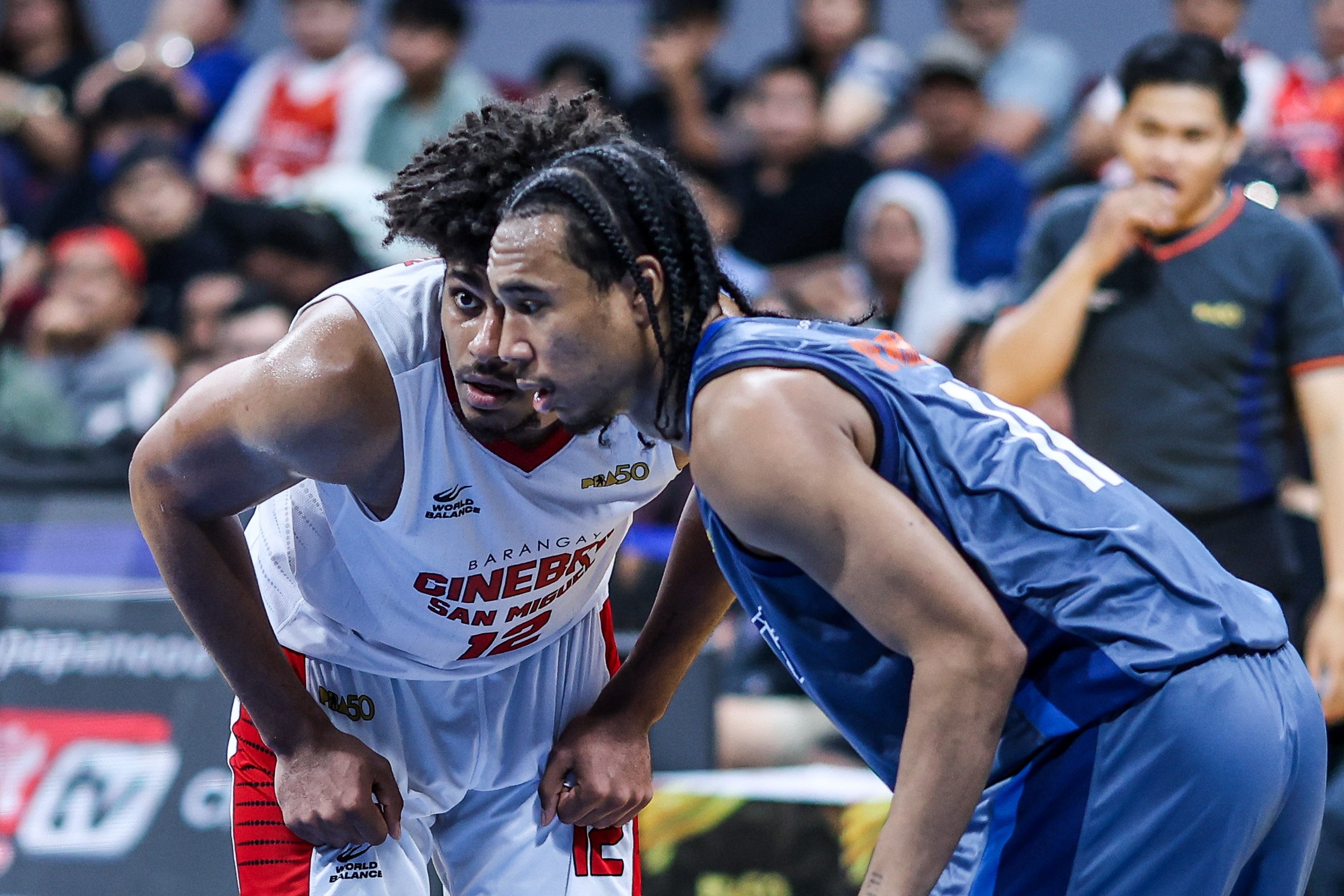
Meralco Bolts' Chris Newsome and Barangay Ginebra Gin Kings' Riley Grigsby during a game in the 2026 PBA Governors' Cup.Meralco Bolts' Chris Newsome and Barangay Ginebra Gin Kings' Riley Grigsby during a game in the 2026 PBA Governors' Cup.

Meralco Bolts’ Chris Newsome and Barangay Ginebra Gin Kings’ Riley Grigsby during a game in the 2026 PBA Governors’ Cup. –MARLO CUETO/INQUIRER.net

MANILA, Philippines—Meralco guard Chris Newsome knows the Bolts can’t afford to dwell on another setback in the 2026 PBA Governors’ Cup.

The veteran guard stressed the importance of moving on quickly after the Bolts fell to Barangay Ginebra, 84-75, at Mall of Asia Arena on Friday.

Article continues after this advertisement
Advertisement

“We got to have short-term memory. It’s tough when you lose a game like that. We didn’t have momentum, we didn’t shoot well, it was one of those nights that you want to try and forget quickly,” he told the Inquirer.

“With a game on Sunday, that’s exactly what we have to do. We have to find a way to erase this one.”

Playing with a depleted lineup, the Bolts trailed from start to finish after falling behind, 18-10, at the end of the first quarter and never matched the Gin Kings’ intensity.

With a 2-3 card and a long break looming, Newsome hopes Meralco quickly shifts its focus to Sunday’s matchup against a surging Rain or Shine squad at Araneta Coliseum.

Advertisement
Article continues after this advertisement

“We have to stay positive in the things that we do. We have to continue to trust what we do even if it didn’t show up today,” he said.

“Things aren’t gonna go your way all the time but we have to stay strong and keep pushing forward.”


Your subscription could not be saved. Please try again.
Advertisement


Your subscription has been successful.

Source link

Advertisement
Continue Reading

Sports

Judo gold rush, Neeraj Chopra claims silver, Tejaswin Shankar scripts decathlon history

Published

on

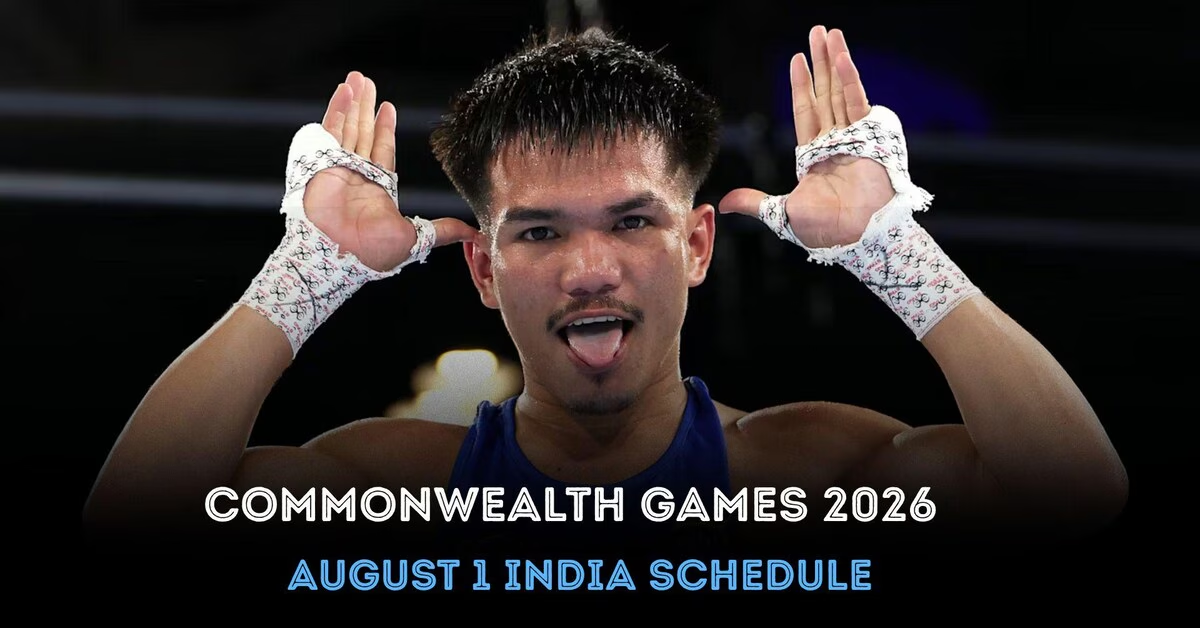
Team India enjoyed a landmark ninth day at the 2026 Commonwealth Games in Glasgow on Friday, July 31. Highlighted by a historic double gold sweep on the judo mat, a podium finish in the men’s javelin throw, and a groundbreaking medal in athletics, the Indian contingent added significantly to its collection as the Games hit their climax. Team India’s medal tally stands at 23 won medals after day 9, along with 10 guaranteed medals locked in for upcoming finals.

Here is a full breakdown of how Team India performed across venues on Day 9.


Judo: Twin Commonwealth Games golds and silver mark red-letter day for Indian combat sports
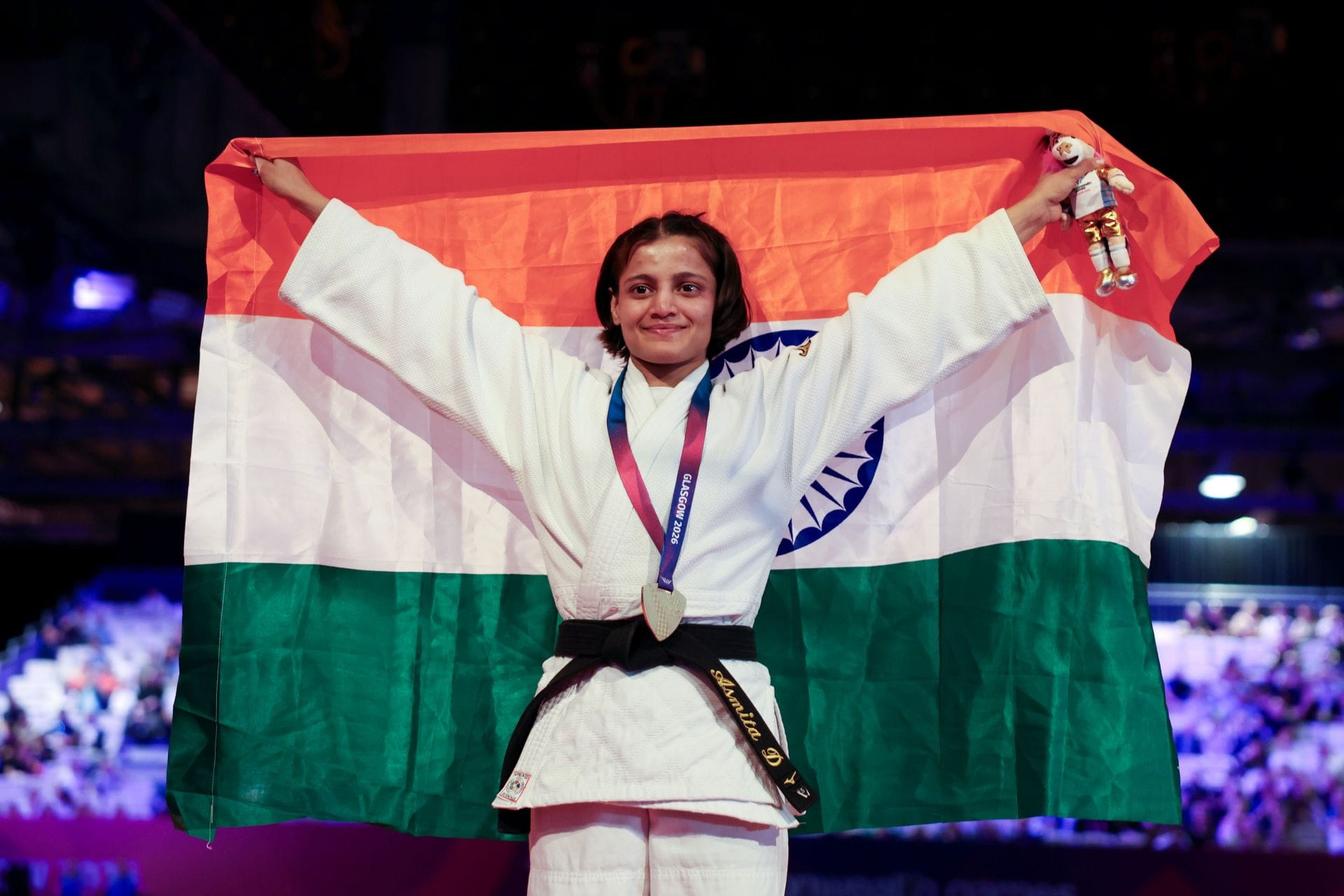
Judo - Glasgow 2026 Commonwealth Games: Day 8 - Source: GettyJudo - Glasgow 2026 Commonwealth Games: Day 8 - Source: Getty
Judo – Glasgow 2026 Commonwealth Games: Day 8 – Source: Getty

India’s judokas produced a standout performance at the venue, delivering one of the finest single-day displays in the country’s Commonwealth Games history.

Advertisement

Asmita Dey scripts Golden Score drama

In the women’s 48kg final, young judoka Asmita Dey displayed remarkable resilience against Canada’s Heidi Quach. After a tight bout during regulation time, the contest moved into Golden Score overtime, where Asmita executed a decisive throw to score a Yuko and secure India’s first judo gold medal in Glasgow.

Harsh Singh doubles the gold tally

Minutes later in the men’s 60kg final, Harsh Singh completed a flawless tournament run. Taking on Australia’s Joshua Katz, Harsh remained composed before scoring a crucial point in the closing moments to bag India’s second judo gold medal of the day.

Yamini Maurya earns silver

In the women’s 57kg final, Yamini Maurya added to India’s combat medal count with a hard-fought silver medal. Yamini reached the final following an emphatic 98-second Ippon victory in her semi-final bout before falling short against England’s Acelya Toprak.


Track & field: Javelin double podium and historic decathlon medal at Commonwealth Games

Neeraj Chopra takes silver; Yash Vir Singh claims bronze

The marquee event of the evening took place at the stadium in the men’s javelin throw final. Two-time Olympic medalist Neeraj Chopra registered a season-best effort of 85.83m to claim the silver medal. Sri Lanka’s Rumesh Pathirage captured gold with a massive 89.75m throw.

Advertisement

Joining Chopra on the podium was teammate Yash Vir Singh, who launched a personal best throw of 85.41m on his final attempt to snatch the bronze medal and secure a 2-3 finish for India.

Tejaswin Shankar scripts decathlon history

Multi-event athlete Tejaswin Shankar turned in a heroic two-day performance across ten grueling disciplines to claim the bronze medal in the men’s decathlon with a total of 7,976 points. Shankar’s podium finish marks India’s first-ever Commonwealth Games medal in the decathlon.


Boxing: Unbeaten semi-final sweep sends ten Indians into finals of Commonwealth Games 2026

India’s boxing squad put together a dominant session, winning all scheduled semi-final bouts to guarantee ten spots in the gold medal clashes:

  • Women’s 54kg: Preeti Pawar defeated Zambia’s Catherine Mwape via a unanimous 5-0 decision.
  • Men’s 80kg: Ankush Panghal controlled his bout against Canada’s Joshua Ofori to advance.
  • Women’s 57kg: Jaismine Lamboria notched a Referee Stops Contest (RSC) victory over Lesotho’s Rapelanf Maselela.
  • Women’s 70kg: Arundhati Chaudhary comfortably defeated Rosie Eccles of Wales.
  • Men’s 55kg: Jadumani Singh outpointed Namibia’s Philip Haoseb via unanimous decision.
  • Women’s 51kg & 60kg: Sakshi Chaudhary and Priya Ghanghas sealed victories over their respective semi-final opponents.
  • Heavyweight bouts: Lovlina Borgohain, Sachin Siwach, and Narender Berwal closed out the day with semi-final wins.

Lawn bowls and track cycling at Commonwealth Games

Here is the performance of Indian athletes at lawn bowls and track racing on day 9:

  • Lawn bowls: The men’s pairs duo of Navneet Singh and Dinesh Kumar extended their unbeaten run by defeating the Falkland Islands 2-0 in sectional play to move into the knockout rounds. In women’s singles, Nayanmoni Saikia posted a convincing 2-0 win over Zambia’s Mildred Mkandawire.
  • Track cycling: Harshveer Sekhon and Dinesh Kumar competed in the men’s 4000m individual pursuit qualification rounds but missed out on advancing to the final heat.