Liverpool reportedly played a role in Chelsea failing to sign Lamine Camara on Deadline Day. They had reportedly told the midfielder and AS Monaco to wait for their potential bid.
The Blues sold Enzo Fernandez to Manchester City for a reported fee of £125 million late in the transfer window. They were looking to sign a replacement, with Manu Kone and Lamine Camara on their list. However, Roma manager Gian Piero Gasperini reportedly blocked Kone’s move this late in the window.
Thanks for the submission!
Advertisement
Chelsea then turned to Camara and appeared set to sign him. However, the move broke down late on Deadline Day. Journalist Ben Jacobs revealed on talkSPORT that Liverpool might have played a part in the failed transfer. He said:
Advertisement
“Liverpool made a call this evening to say to the camp of Camara & Monaco to ‘wait’… They said we will, potentially, be back for you in 2027 if you don’t get your move.”
Jacobs explained that Monaco had set the price for Camara at £70 million this summer. The Merseysiders reportedly told them that they might be interested in signing him, but they didn’t. Hence, the French side decided to wait for another window instead of selling him cheaply to Chelsea this summer.
Camara joined Monaco from Metz in 2024 and has made 75 appearances for them and also contributed six goals and 11 assists.
A look at Liverpool and Chelsea’s transfer business this summer
Both Premier League giants are looking to enter a new era with new managers this season. While Liverpool sacked Arne Slot and appointed Andoni Iraola this summer, Chelsea have appointed Xabi Alonso, having parted ways with Enzo Maresca in January. Both sides were also highly active in the transfer market.
The Reds spent £106 million plus add-ons to sign Bradley Barcola from Paris Saint-Germain (PSG). They have also brought in Victor Munoz, Jeremy Jacquet, and goalkeeper Lucca Brughmans. They also signed Ronald Araujo on loan from Barcelona.
Advertisement
Liverpool parted ways with Andy Robertson, Mohamed Salah, and Ibrahima Konate this summer. They also sold Curtis Jones and Stefan Bajcetic, while loaning out the likes of Harvey Elliott and Calvin Ramsay.
Chelsea, meanwhile, signed Morgan Rogers from Aston Villa for £117 million. They have also brought in Maxence Lacroix, Marco Palestra, Emi Martinez, Jordan Henderson, and Danny Welbeck, among others.
In the case of outgoings, the Blues have parted ways with Nicolas Jackson, Enzo Fernandez, Marc Cucurella, Liam Delap, Trevoh Chalobah, and Tosin Adarabioyo, among others.
It took 72 seconds to insure LSU’s national title hopes on the sports prediction market.
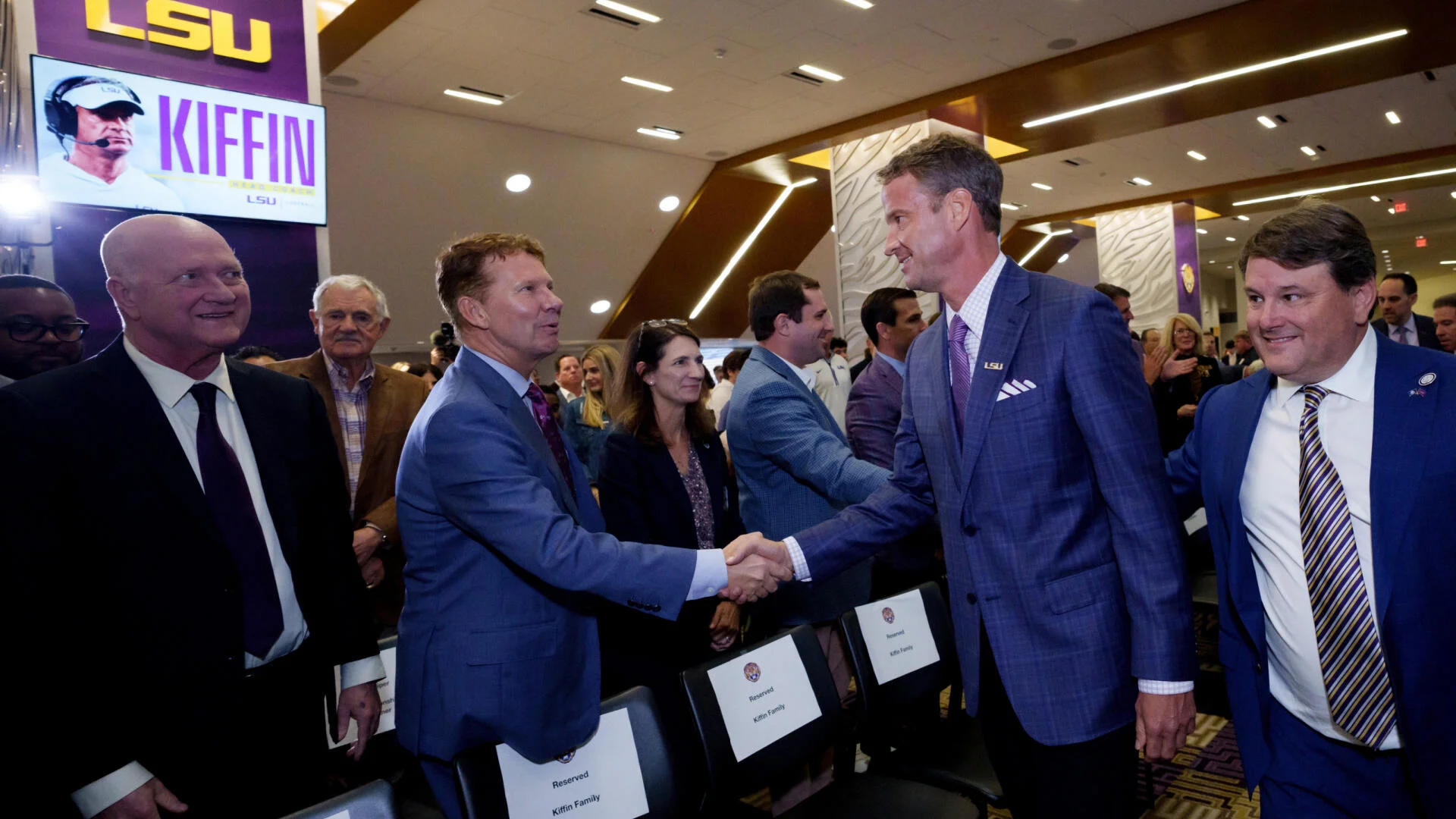
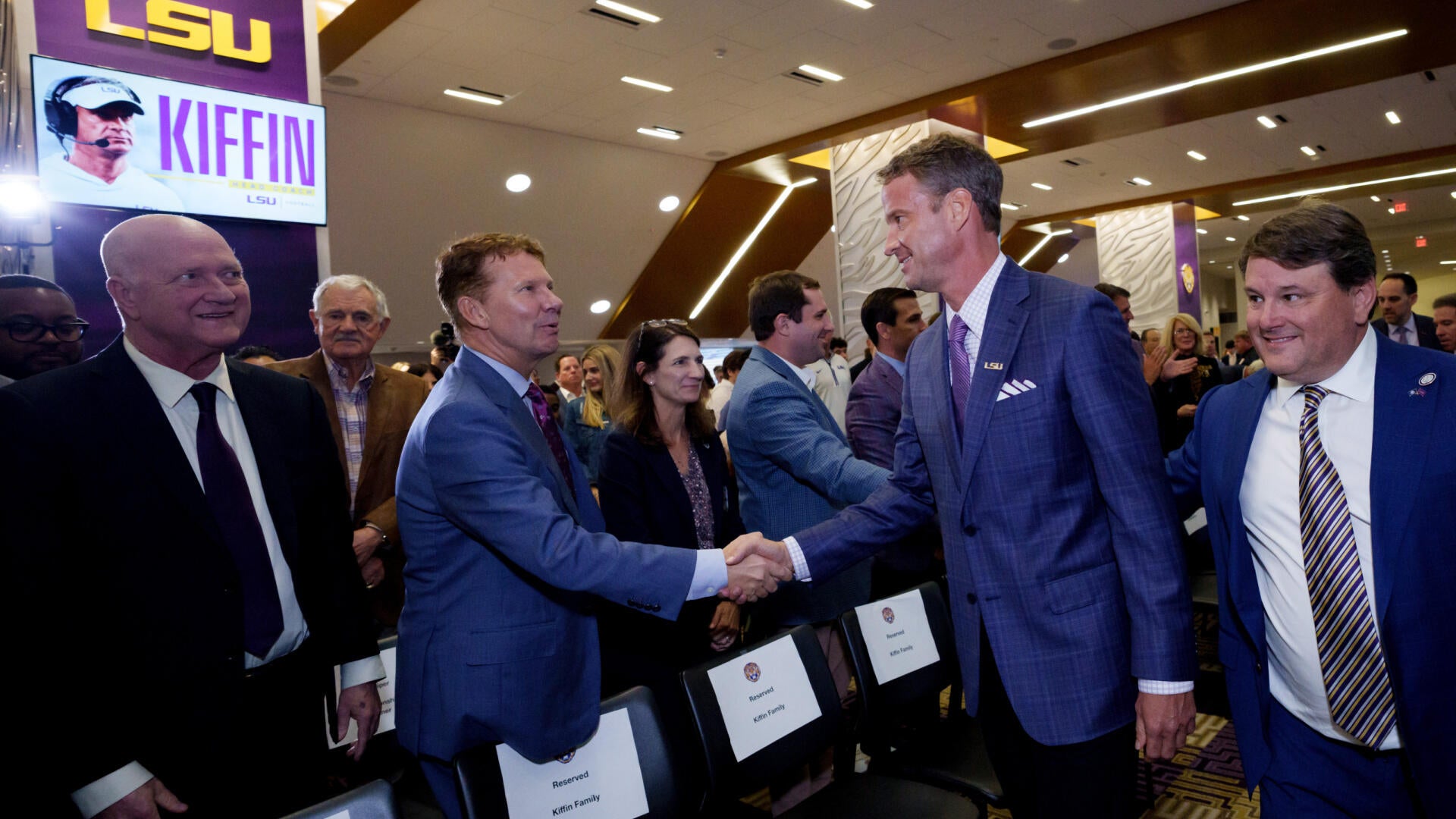
A third-party insurance company placed five trades on the prediction market Kalshi that could pay out $3 million if LSU wins the national championship this season, a Kalshi spokesperson confirmed to CBS Sports Tuesday. The number raised eyebrows this week when InGame, a publication covering sports betting and prediction markets, uncovered the trades, which match the exact cash figure LSU would owe coach Lane Kiffin in College Football Playoff bonuses if he wins the national title, according to a contract he signed in November.
The third-party insurance company, which Kalshi did not identify, purchased 837,500 contracts on LSU reaching the College Football Playoff, followed by contracts on LSU reaching the semifinals, the national championship game and winning a national title. Their last contract was on LSU reaching the quarterfinals. CBS Sports reviewed Kalshi’s trade data and confirmed the five blocks in which the buyer paid $662,050. The other side of the trade put up $2,337,950.
Spokespeople for LSU did not immediately respond to CBS Sports’ requests for comment.
Advertisement
Large athletic departments typically insure the bonus structure in coaches’ contracts through third-party insurance companies. Insurers then pass that risk on to specialist reinsurers, including well-known marketplaces such as Lloyd’s of London.
But a new trend to counter insurers’ risk has emerged among sports insurers: prediction markets.
The New York Times reported Feb. 10 that Kalshi had begun working with Game Point Capital, which CBS Sports could not confirm. The New York Times described Game Point Capital as an insurance company that helps college athletics departments, sports teams and sponsors manage the financial risk of performance incentives written into athletes’ and coaches’ contracts. Game Point had historically laid that risk off through Lloyd’s of London and later through American providers. It told the Times it expected to hedge roughly $30 million a year through Kalshi.
“We want to offer the most efficient pricing for teams and other clients,” Will Hall, Game Point’s co-founder and CEO, told the Times.
Advertisement
Kalshi filed a rebate program with the Commodity Futures Trading Commission in January, allowing members to offset risk from insurance contracts written on sporting outcomes.
LSU trade data on Kalshi (Aug. 13)
Covers
Executed
Price
Advertisement
Cost
Payout if it happens
Makes the CFP
3:05:35 p.m.
Advertisement
41¢
$343,375
$837,500
Reaches quarterfinals
Advertisement
3:06:47 p.m.
29¢
$106,575
$367,500
Advertisement
Reaches semifinals
3:06:05 p.m.
18¢
$84,600
Advertisement
$470,000
Reaches championship game
3:06:16 p.m.
12¢
Advertisement
$64,500
$537,500
Wins national title
3:06:28 p.m.
Advertisement
8¢
$63,000
$787,500
All five
Advertisement
$662,050
$3,000,000
Source: Kalshi public daily trade files
InGame reported that the LSU trades in August came from a third party that helps sports organizations hedge risks such as coach bonus payments, and identified Game Point — a Charleston, South Carolina, firm that lists the SEC, ACC, Big Ten and Big 12 among its clients on its website — as a company known to place such trades on Kalshi. Game Point would not confirm or deny involvement, InGame reported. Game Point did not immediately return CBS Sports’ request for comment Tuesday.
Advertisement
“The only thing I can confirm is that it is the third-party insurance company,” Jack Such, a Kalshi spokesperson, told CBS Sports. He declined to name the firm.
The playoff market was not busy on Aug. 13. The contract on LSU reaching the quarterfinals and title game traded exactly once all day — the block by the unidentified third-party insurance company. In the playoff market, 837,500 of the day’s 837,735 contracts were that single trade on LSU making the playoff, according to data CBS Sports reviewed.
More eye-opening, according to trade data CBS Sports reviewed, was that the risk priced at $343,375 for LSU to reach the playoffs was the largest on the entire Kalshi market that day. It also happened off the exchange because the public couldn’t absorb a large trade block of 837,500 contracts at that moment, so it found a private counterparty, a Kalshi spokesperson told CBS Sports. Kalshi doesn’t pair the sides, the Kalshi spokesperson said. Firms solicit bids and let market makers find the other side willing to participate.
If LSU reaches the playoff, the payout is $837,500, which more than offsets the $750,000 bonus Kiffin would be owed for reaching the postseason event. If the Tigers win it all and hit all five rungs, the Kalshi payout — and Kiffin’s separate CFP bonus — increases to $3 million.
Advertisement
Kalshi is not a sportsbook; it is a federally licensed exchange. With sportsbooks like FanDuel and DraftKings, when a bettor picks a side, the sportsbook takes the other side, sets the price and books the risk. Kalshi doesn’t take a side. It matches buyers and sellers and collects a fee, an arrangement that resembles a stock exchange more than a casino.
People trade contracts on the Kalshi market with simple yes-or-no answers on topics such as politics, weather, pop culture, cryptocurrency, and sports.
Federal rules require Kalshi to publish trade data daily for the public. The Commodity Futures Trading Commission designated KalshiEX LLC a contract market in November 2020, the same status held by exchanges trading oil, grain, and interest-rate futures.
South Carolina’s future was big on the market, too
Kalshi confirmed to CBS Sports that similar trades involving South Carolina’s football program were placed July 15.
Advertisement
The trade file shows four trades, though InGame confirmed two in its report. Three were on the Gamecocks making the CFP — 40,000 contracts at 5:33 p.m., then 40,000 more and another 50,000 in the space of 17 seconds just before 6:53 p.m. Nine seconds after that came a fourth: 100,000 contracts on South Carolina winning eight or more games.
Together they cost $41,300 and cover up to $230,000.
“The University of South Carolina does not have agreements with Game Point Capital or any other third-party insurer related to coaching bonuses, nor is aware of any arrangements to use trading markets to hedge against future bonus payments,” a South Carolina spokesperson told CBS Sports.
South Carolina trade data on Kalshi (July 15)
Covers
Advertisement
Executed
Price
Cost
Payout if it happens
Advertisement
Makes the Playoff
5:33:14 p.m.
11¢
$4,400
Advertisement
$40,000
Makes the Playoff
6:52:40 p.m.
11¢
Advertisement
$4,400
$40,000
Makes the Playoff
6:52:57 p.m.
Advertisement
11¢
$5,500
$50,000
Wins 8 or more games
Advertisement
6:53:06 p.m.
27¢
$27,000
$100,000
Advertisement
All four
$41,300
$230,000
Source: Kalshi public daily trade files
Advertisement
Why would an insurance company use Kalshi and not another reinsurer?
Schools typically buy insurance policies against a large bonus they may owe in the future. The insurance company can then reinsure it through another company, but in Game Point Capital’s business plans, Kalshi has become the new offset.
Such told CBS Sports the exchange is effectively acting as a reinsurer in these arrangements.
It has already happened in European soccer. In June, Semafor reported that a top-flight Spanish club facing relegation — and the loss of ticket and broadcast revenue that comes with it — was covered through Game Point, which routed the trade through commodities broker Greenlight Commodities and onto Kalshi. Susquehanna International Group took the other side. Hall told Semafor the firm wanted to see how prediction markets would handle a large, binary outcome.
College athletics, however, is different. Kalshi works with integrity firm IC360, which maintains league- and NCAA-supplied lists of athletes, coaches, trainers and staff and screens them out of markets tied to their own sport, according to Kalshi’s market integrity disclosures.
Advertisement
“None of the entities trading on Kalshi have material non-public information about the events that will happen,” Such said.
Still, many may see this as a school betting against its own team. “Betting against yourself is kind of a weird way to phrase insurance,” Such said.
The NCAA’s stance on prediction markets like Kalshi further muddies the waters. In December, Kalshi filed to include predictions on college players entering the transfer portal. NCAA president Charlie Baker said at the time he “vehemently” opposed college sports prediction markets. Kalshi stepped back and shelved the product.
One month later, Baker asked the CFTC to suspend college sports prediction markets until new safeguards are in place. In July, he repeated that message to Congress in written testimony, asking that the NCAA be consulted on which college markets are listed, along with secure player protection from harassment.
Advertisement
The NCAA did not immediately respond to CBS Sports’ request for comment for this story Tuesday.
Kalshi is in state or federal court with at least 15 states and three tribal groups, according InGame. Judges in Michigan, Nevada and Washington have ordered restrictions on the platform.
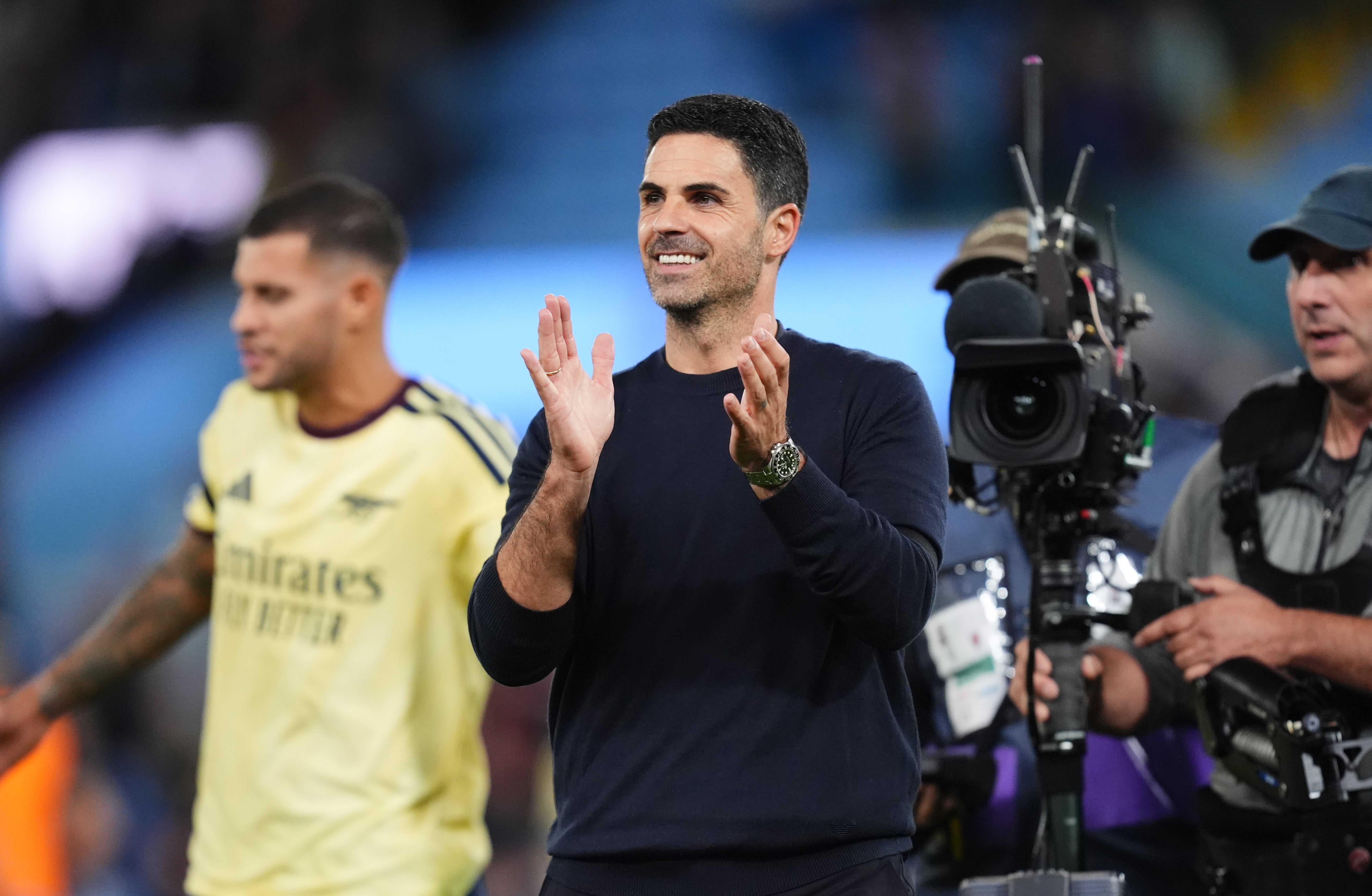
That was Mikel Arteta’s grand appeal as he sat in Budapest’s Puskas Arena as a beaten Champions League finalist.
“We will have to start making some very important decisions if we want to reach another level,” the Basque said. “We are going to have to show that ambition because we are more than capable of doing it, but it is going to demand us to be very ambitious, very fast and very smart.”
This was naturally taken as a coded request for a star to elevate Arsenal’s attack, but they didn’t quite crack it.
They didn’t get that “absolute quality”, even if the club did show ambition and do some smart business.
Advertisement
That has led to a few different perceptions on the squad, depending on the perspective. Above all, there’s the view that Arsenal should have behaved like champions, and stood on the neck of the rest of the Premier League.
They did pin some of it down.
The defence remains the strongest in the world, boosted by Ezri Konsa, with the midfield offering the most complete amount of configurations possible.
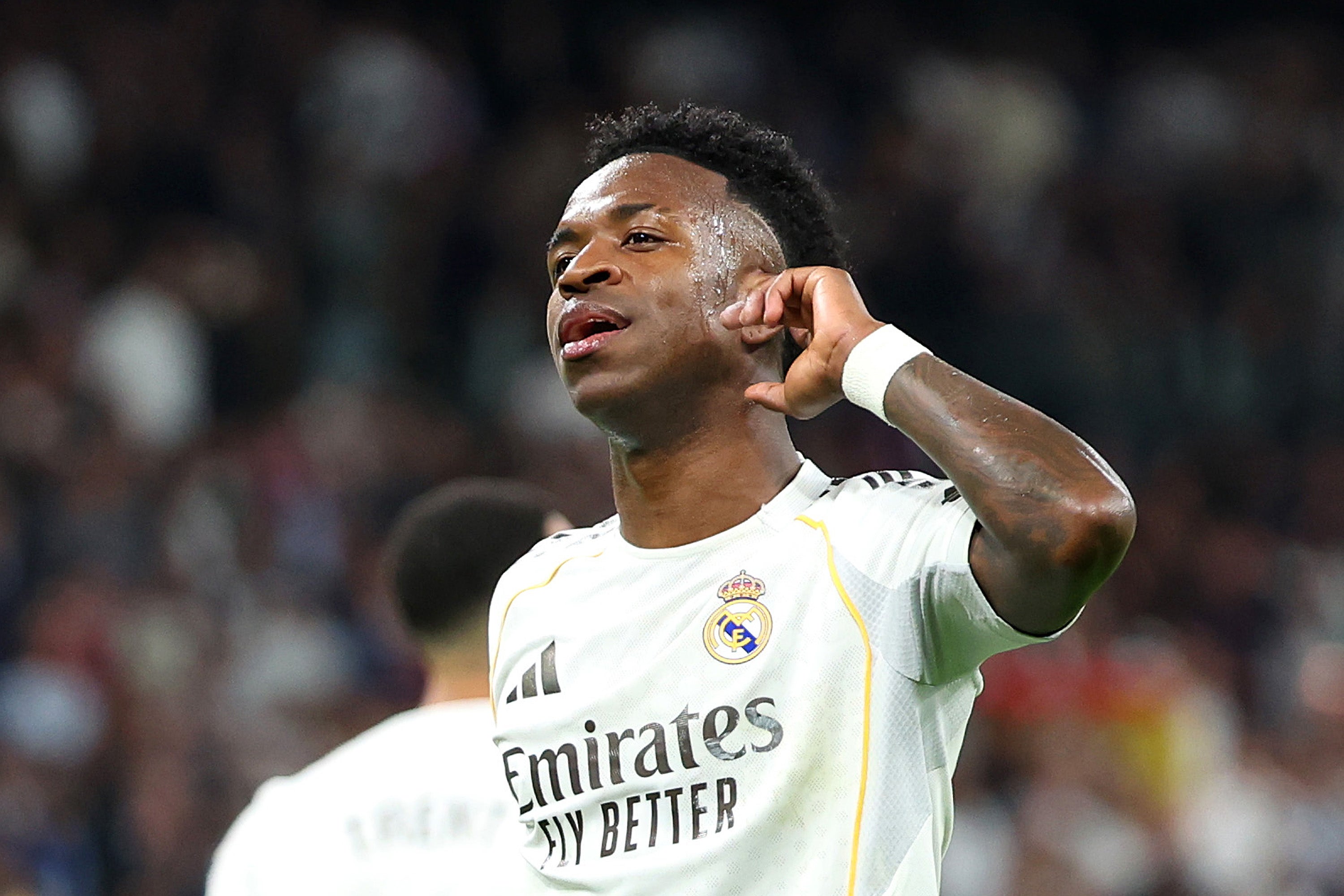
Vinicius Jr penned a contract extension at Real Madrid over joining Arsenal (Getty)
All together, people both inside and outside the club are adamant it is by far the best squad in world football.
But still not a complete squad.
Advertisement
The attack is more lacking than before.
As one source puts it, it can’t be considered a good window when you lose three Premier League-ready forwards and only bring in a single unproven forward, in Christos Tzolis.
There’s a lot of talk about how this puts “a microscope” on sporting director Andrea Berta, especially among some scepticism about the Italian’s approach at rival clubs.
Again, though, this partly depends on perspective.
Advertisement
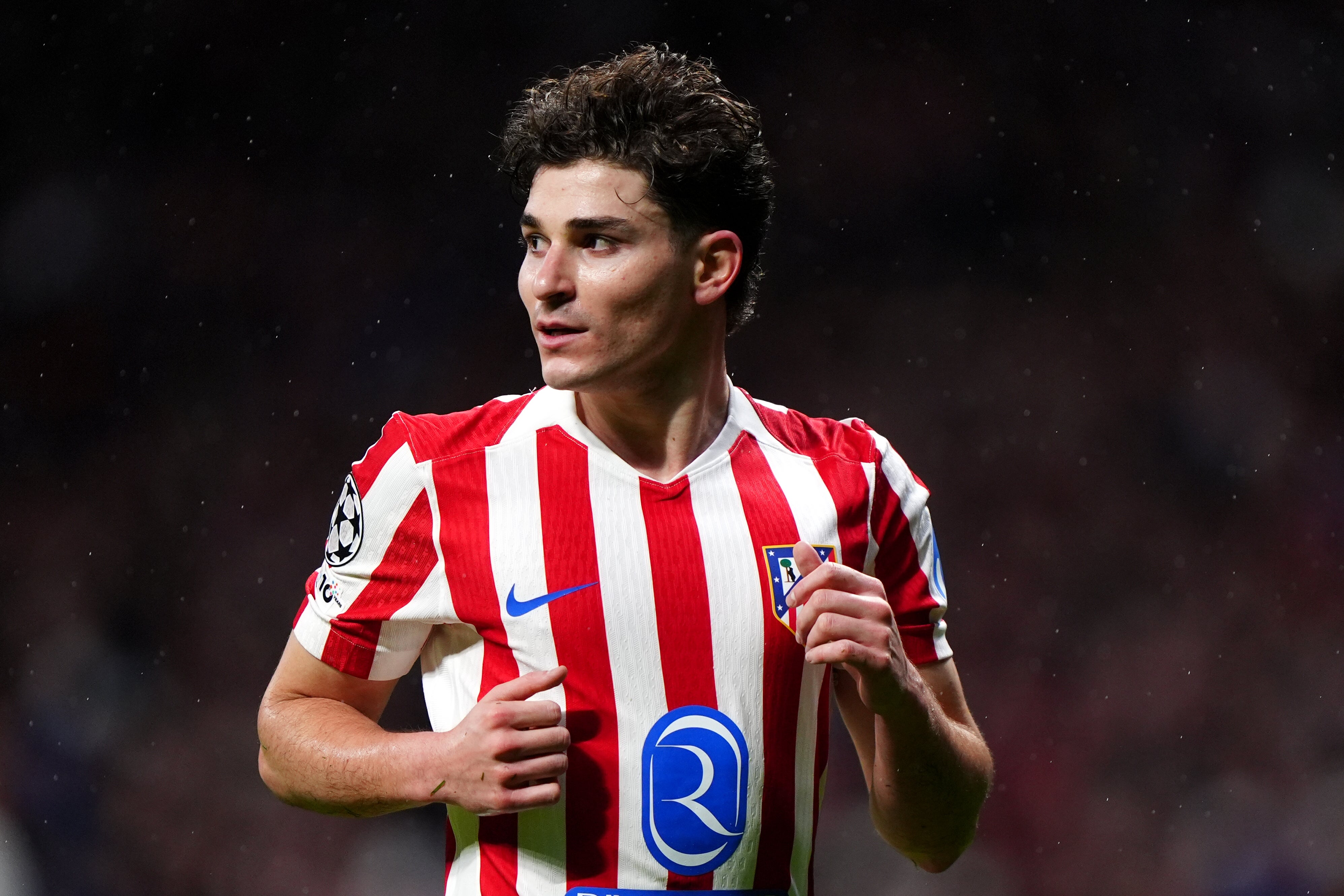
Julian Alvarez refused to entertain a move to Arsenal (PA)
Some insiders say the failure to deliver on the one main ambition this summer is a corollary of delivering on everything last summer. They built the deep squad required that did win them the title.
This summer, Arsenal did need to make sales. And, in attack, they needed to go big.
Berta’s “wheeler dealer”, “spinning plates” approach to targets is now being criticised, but sources say there are two relevant perspectives on this.
One is that the “spinning plates” brought Konsa and Bruno Guimaraes, with the latter already being hailed as transformative.
Another is that approach was, rightly, not applied to the pursuit of that left forward.
Advertisement
Arsenal knew that there was only a very limited pool of players that would satisfy what they actually needed, and most of them were at the big Spanish clubs. The only thing that would do for them was seeking to execute the most sensational deals.
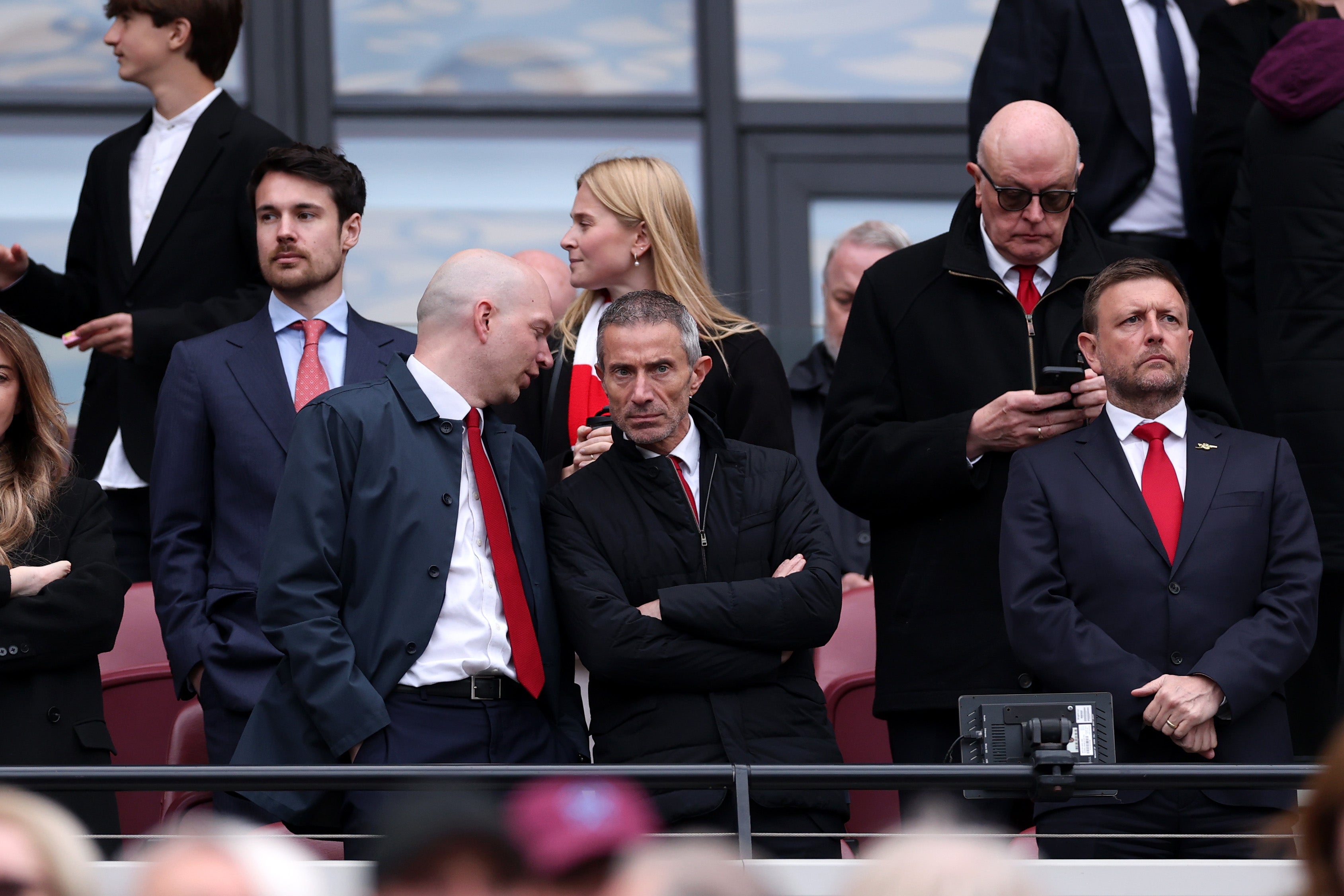
Andrea Berta, Arsenal Sporting Director, looks on at the London Stadium (Getty)
Arsenal did feel they had Vinicius, until Real Madrid made an contract offer that few expected. Florentino Perez ultimately couldn’t allow the loss of face of losing such a player.
Even those critical of Berta would admit that, in such situations, it’s better to wait and keep your discipline. It can sometimes be worse to get the wrong player for the sake of it, especially in a market with such unusually high prices.
Some would go further, and say it was the toughest job of any sporting director. It’s not like Tottenham Hotspur or Chelsea, who had a lot of room to grow.
Against that, others would point to one of the Chelsea players that Arsenal will be facing this weekend, in Rogers. Football is often good for the timing of such sub-plots.
Advertisement
One view has it that Arsenal waited too long, allowing the price to go up with Elliot Anderson’s, while they had an eye on the more fanciful pursuit of Vinicius.
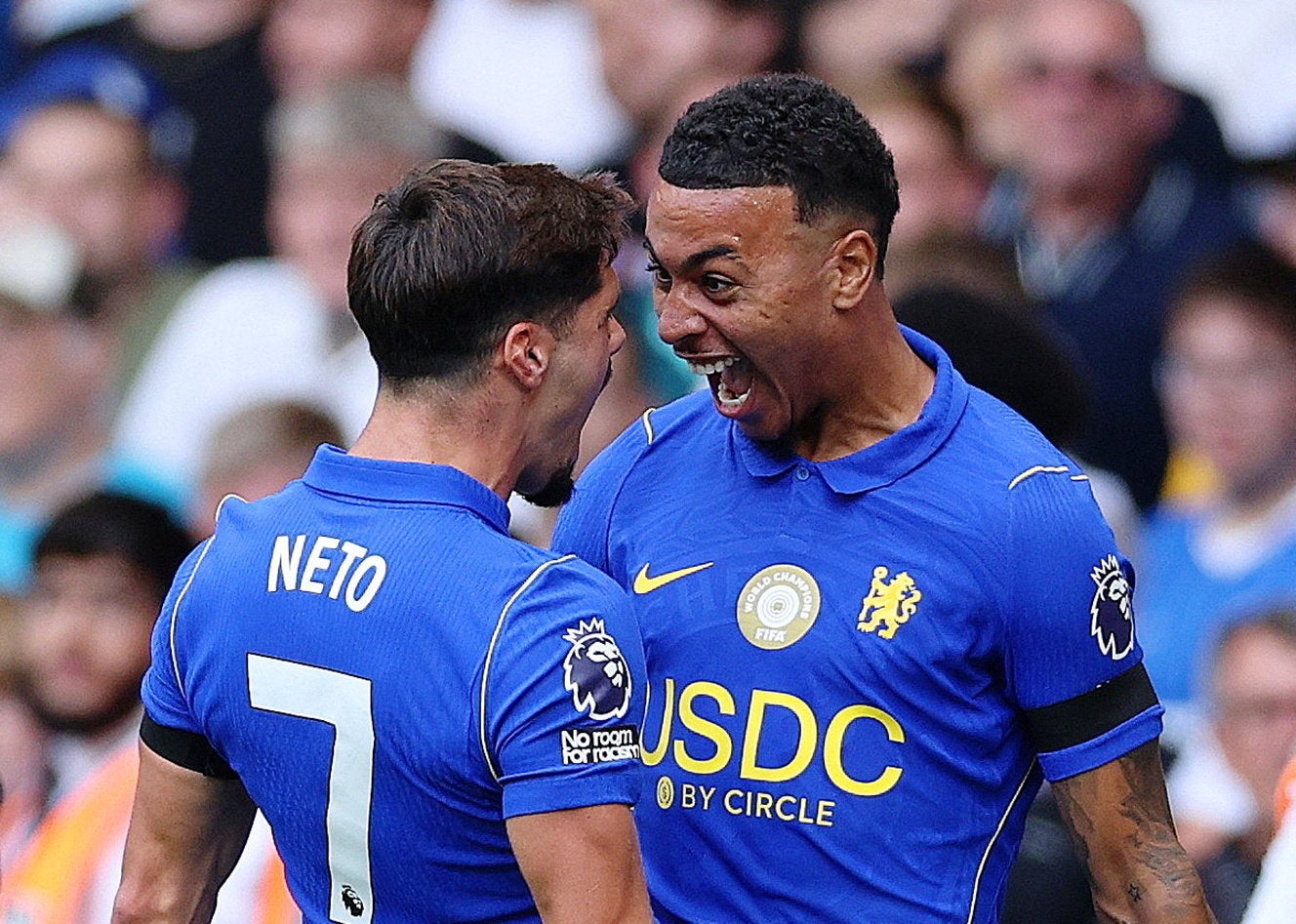
Chelsea outbid Arsenal in the race to sign Morgan Rogers (Reuters)
An explanation within the club is that it wasn’t about waiting but respecting a World Cup campaign, as Chelsea came in with a valuation that Arsenal were never going to match.
If much of that is reasonable, right up to the pursuit of stars, less understandable is the net effect on the attack.
Even figures within the club cannot understand how the forward line has less depth than last year, while also having less pace. They argue that the sales that led to this characterised a more haphazard approach late in the window. Or, as one source lambasts, “all over the place”.
Others within the club would contend that sale opportunities had to be taken for those that weren’t going to play as much, and that there was a longer-term situation with Gabriel Martinelli than just selling late in the window. The Brazilian has talked of leaving in the past.
Advertisement
Tzolis was signed to replace Trossard but Arsenal wanted more to address the left wing position (Reuters)
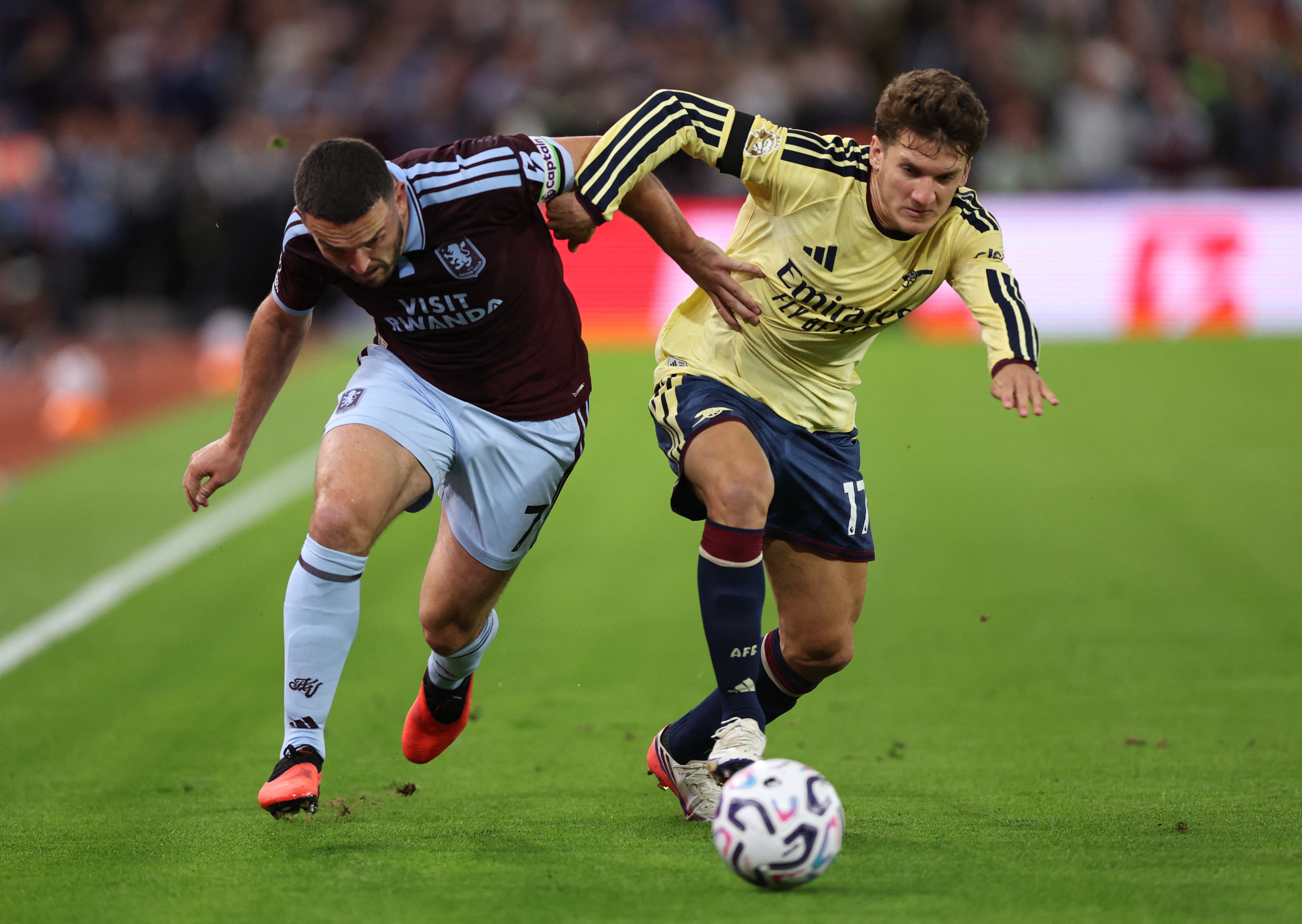
Arteta and his staff will meanwhile look to coaching solutions. While Eberechi Eze will now adapt more to the left-sided role he was initially intended for, his deployment there will also bring a tweak to the formation that sees Riccardo Calafiori and Piero Hincapie surge outside. That could already be seen in Bukayo Saka’s goal against Aston Villa.
Saka and Madueke can also operate on the left, while Mikel Merino has now fully learned the centre-forward position. And the World Cup winner is now fit.
If part of Arteta’s will for an “x-factor” forward was because too many of last season’s matches involved low margins, that was largely because most of the first-choice attack was absent.
All of Kai Havertz, Martin Odegaard and Saka missed long stretches of the season.
The hope is that will now be different, and that the trio playing consistently will change perspectives there. One note of caution, however, is whether Arteta himself has truly evolved from last season’s climax as regards intensity of training and use of players; whether he fully realises the need to keep it lighter in a packed schedule, or if he will persist in constantly playing his best sides as much as possible.
Advertisement
Arteta is being creative with his solutions to not signing an elite left winger (PA)
If it gets to that, though, Arsenal are likely to do business in January. Bournemouth’s Eli Junior Kroupi will almost certainly be an option. The situations of Alvarez and maybe even Vinicius could actually have changed.
Mere mention of January only reminds some in the club that they should have gone for Antoine Semenyo earlier this year. He wanted to come, at what would have been a relatively low price. It would have solved a lot, and there’s an element of regret.
Arteta is said to have taken note of how Manchester City just went and did it.
He still has his champions in fine shape, and appropriately as one of the few that adhere to classic ideas of actual squad building. That advantage is undeniably linked to Arteta’s own status as the longest-serving manager, in a rare position of complete control.
It’s just that, by successfully building the best squad, one big failure has been felt more acutely than almost anyone else.
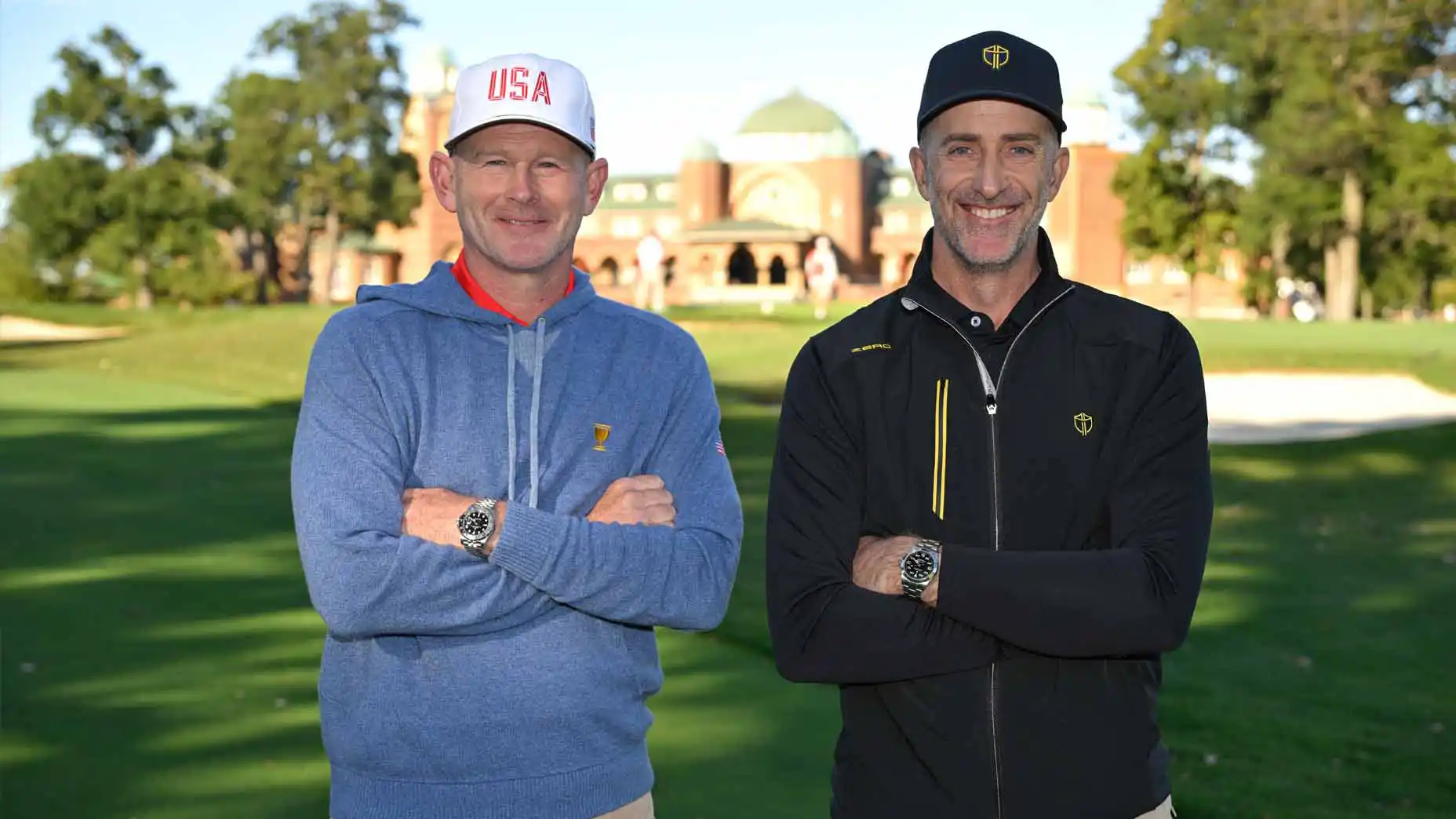
The rosters for the 2026 Presidents Cup, which will take place later this month at Medinah Country Club in Illinois, are now set after U.S. captain Brandt Snedeker and International skipper Geoff Ogilvy each made their six captain’s picks on Tuesday.
Snedeker chose Chris Gotterup (7th in the U.S. points standings), Xander Schauffele (9th), Justin Thomas (11th), Jacob Bridgeman (12th), Patrick Cantlay (13th) and Jackson Koivun (not in the top 25). They will join automatic qualifiers Scottie Scheffler, Cameron Young, Sam Burns, Wyndham Clark, Russell Henley and Collin Morikawa.
Ogilvy selected Corey Conners (7th in International points standings), Nico Echavarria (8th), Sungjae Im (9th), Ryo Hisatsune (10th), Nick Taylor (13th) and Christiaan Bezuidenhout (18th). They will join automatic qualifiers Si Woo Kim, Min Woo Lee, Tom Kim, Adam Scott, Hideki Matsuyama and Ryan Fox.
Although the selection of Koivun, who turned pro after the U.S. Open and won the 3M Open in his third professional start, was a notable move by Snedeker, one that mirrored Luke Donald’s selection of Ludvig Aberg for the 2023 Ryder Cup team before he had even made a major championship start. While the selection of Koivun was made for the Presidents Cup, it’s not hard to see Snedeker, who is likely to be in the running to be a future Ryder Cup captain, wanting to get the player seen as golf’s next big thing some early team reps in his room.
Advertisement
The 21-year-old Koivun put together a historic amateur career at Auburn and then turned pro and forced his way onto Snedeker’s team past the likes of Ben Griffin, Ryan Gerard, J.J. Spaun and Akhsay Bhatia.
“We took a long, hard look at all these guys that were close,” Snedeker said. “But Jackson, what he did at 3M, what he has proven in his amateur career, what he brings to the table is something that we wanted to take a hard look at. I’m so impressed by this young man. I think he brings a lot to the team room; he brings a lot in terms of pairings. I know what this guy is capable of. I’m excited for him to show it to the world.”
Koivun went 3-1 as a member of the victorious U.S. Walker Cup team last September and will be the youngest member of Team USA since Jordan Spieth made his team debut as a 20-year-old in 2013.
“I’m definitely going to feel some nerves, but I’ve always told myself that nerves are a good thing because that means I care,” Koivun said after the selection. “I’m just really excited to step up at Medinah and go play some golf.
Advertisement
“It still feels like a pinch-me moment,” Koivun continued. “When he called me and told me I was headed to Medinah, I was shell-shocked for about four hours, and then it started to settle in. It was truly exciting and it was just a very big moment to me.”
As for the rest of the American roster, Snedeker went chalk with Gotterup, who narrowly missed automatic qualification, and three veterans: Schauffele, Thomas and Cantlay.
Snedeker called Schauffele, who will be playing in his fourth Presidents Cup, “a pillar” of Team USA. After selecting Schauffele, Snedeker then went with Thomas. “He’s the epitome of what you want as a team captain,” Snedeker said of JT. “He brings everything to the team that you could ask for — through his energy, through his preparation, through what this means to him, and he’s the all-time winning point leader on our team, so it’s pretty hard not to think this guy’s going to have a big role for us. He has the ability to play his best golf when stuff’s on the line, especially in team events. That’s what you want. You want guys that show up when all the chips are on the table. He’s going to hit the shot that needs to be hit. He’s going to hit the putt that needs to be hit and he’s the guy everyone else wants hitting it. Those are the guys you can’t have too much of.”
The selection of Bridgeman came as a bit of a surprise. The 26-year-old won the Genesis Invitational in February and finished T5 at the Players but did not have another top-10 finish until the BMW Championship two weeks ago. The Clemson product led the PGA Tour in putting and will be making his team competition debut as a professional.
Advertisement
“What he did earlier this year, winning the Genesis Invitational and staring down Rory McIlroy and coming out on top, was pretty impressive,” Snedeker said. “To follow that up with the way he played late in the season — he’s very consistent and the best putter we have on the PGA Tour. … Jacob is a really good competitor. I think most people don’t understand that about him because he is so even-keeled and quiet, but he is a very competitive guy, and those guys seem to rise to the occasion when things come around.”
But the headline of Snedeker’s selection process is Koivun, who is expected to be a staple of American teams for the foreseeable future, getting his first taste of a professional team competition before all eyes turn to the next one — the 2027 Ryder Cup.
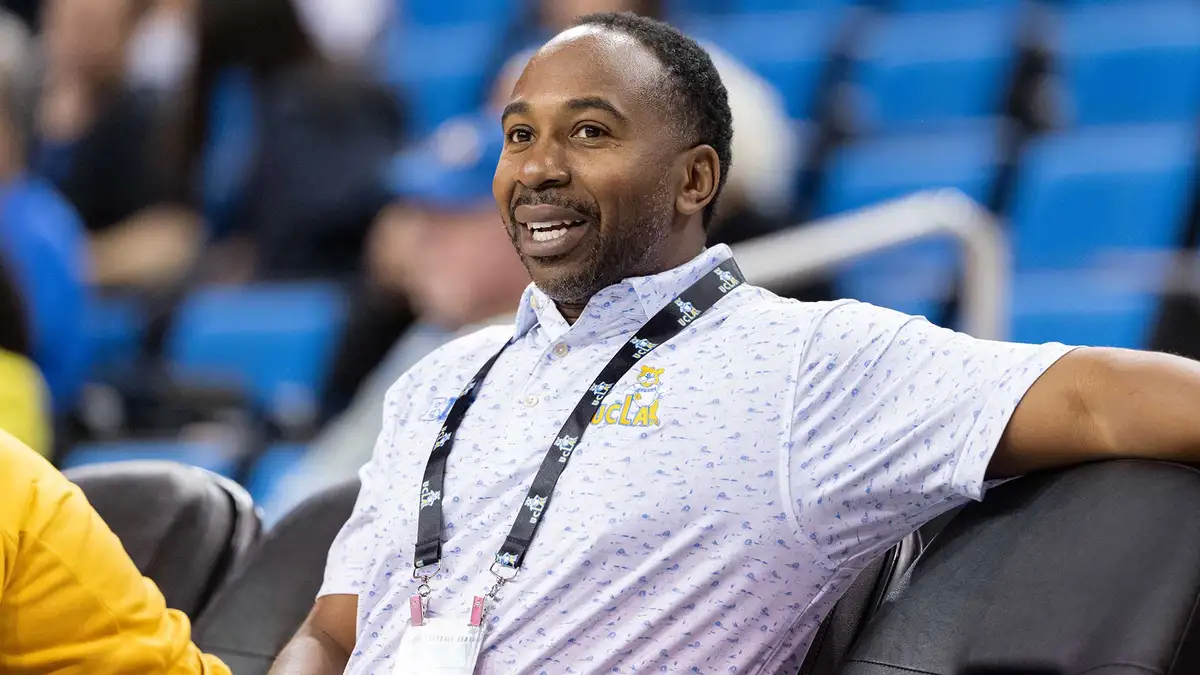
UCLA fired athletic director Martin Jarmond on Monday and replaced him with Tim Harris, the former longtime president of business operations for the Los Angeles Lakers.
The shake-up was announced in a letter from Chancellor Julio Frenk to the university community. Frank described it as a “new path forward for UCLA Athletics.”
Jarmond, who had the job for six years, leaves immediately. The Bruins won three NCAA championships last season, including the first by the women’s basketball team.
Advertisement
Harris, 64, will have the title of CEO and athletic director and work on a pro bono basis, Frenk wrote. Harris graduated from UCLA in 1989 with a sociology degree and played goalkeeper for the men’s soccer team while in Westwood.
Harris spent over 35 years with the Lakers and left the NBA franchise in February, four months after the Buss family sold it to Los Angeles Dodgers owner Mark Walter. Harris was among Lakers governor Jeanie Buss’ inner circle who received a major financial bonus after the sale. The team was recently sold again.
Jarmond, 46, replaced Dan Guerrero as AD in 2020. He signed a five-year contract extension in May 2024. During his tenure, the athletic department has run yearly deficits for seven consecutive years, totaling $241 million in shortfalls.
UCLA joined the Big Ten Conference two years ago, raking in millions of dollars in media rights fees while also facing increased travel expenses. Its deficit was reduced to $21.6 million for the 2025 fiscal year. The university has repeatedly bailed out the athletic department to keep it afloat.
Advertisement
Frenk cited the financial situation as a reason for the change.
“UCLA Athletics currently carries a significant financial debt, and its current path is not sustainable,” Frenk wrote. “Now is the moment to build a model for Athletics that protects the breadth of our program, creates new opportunities for student-athletes and coaches, and supports itself through the revenue it generates.”
Frenk mentioned the rapid transformation of college sports in recent years, propelled by name, image and likeness deals that allow athletes to earn money.
“UCLA must have an athletics model that leads — not just keeps pace,” he wrote.
Advertisement
Jarmond won’t be around to see the debut of his last major coaching hire. Bob Chesney arrived in early December from James Madison to reinvigorate UCLA’s moribund football program. The Bruins open the season at California on Saturday.
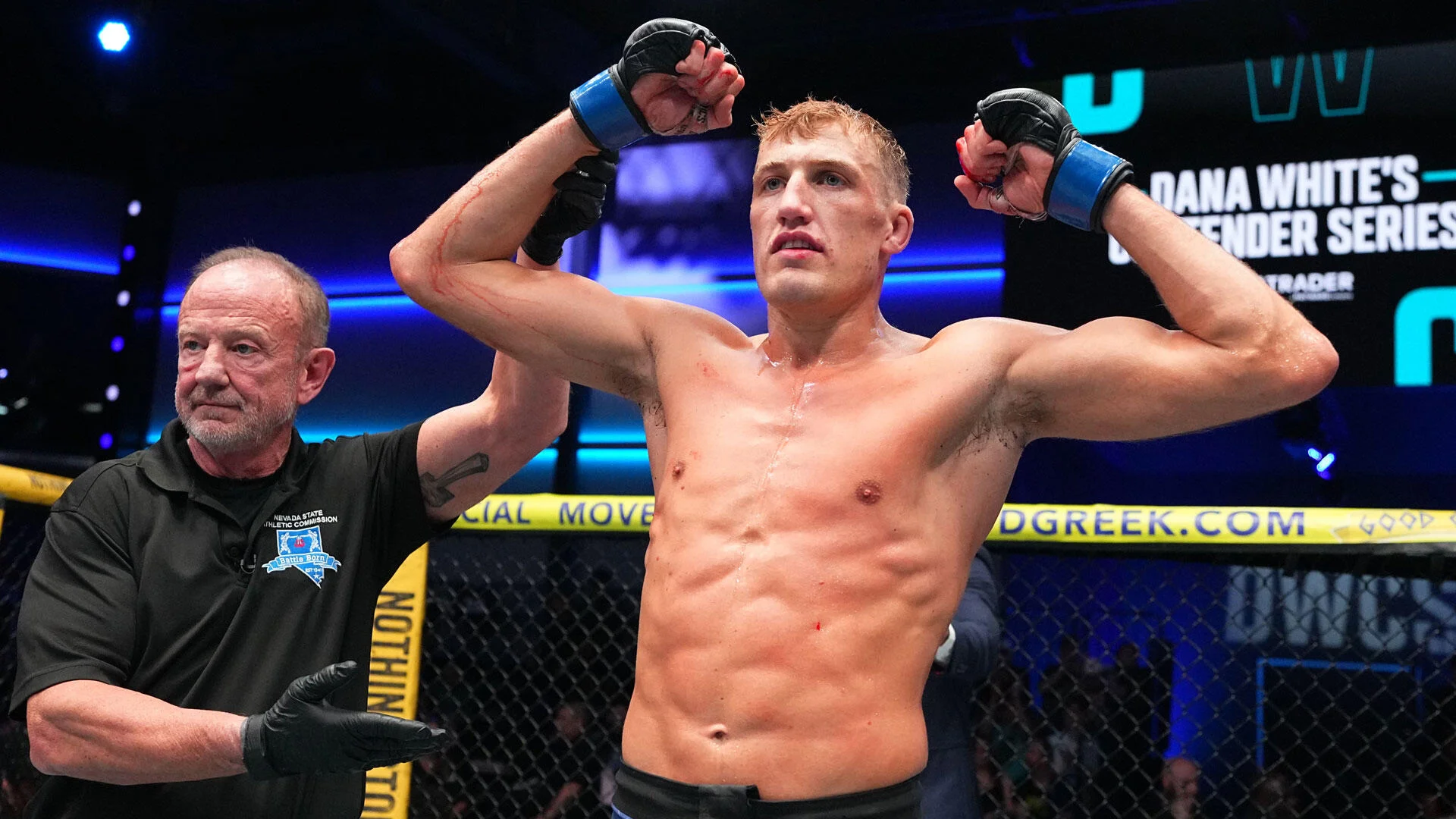
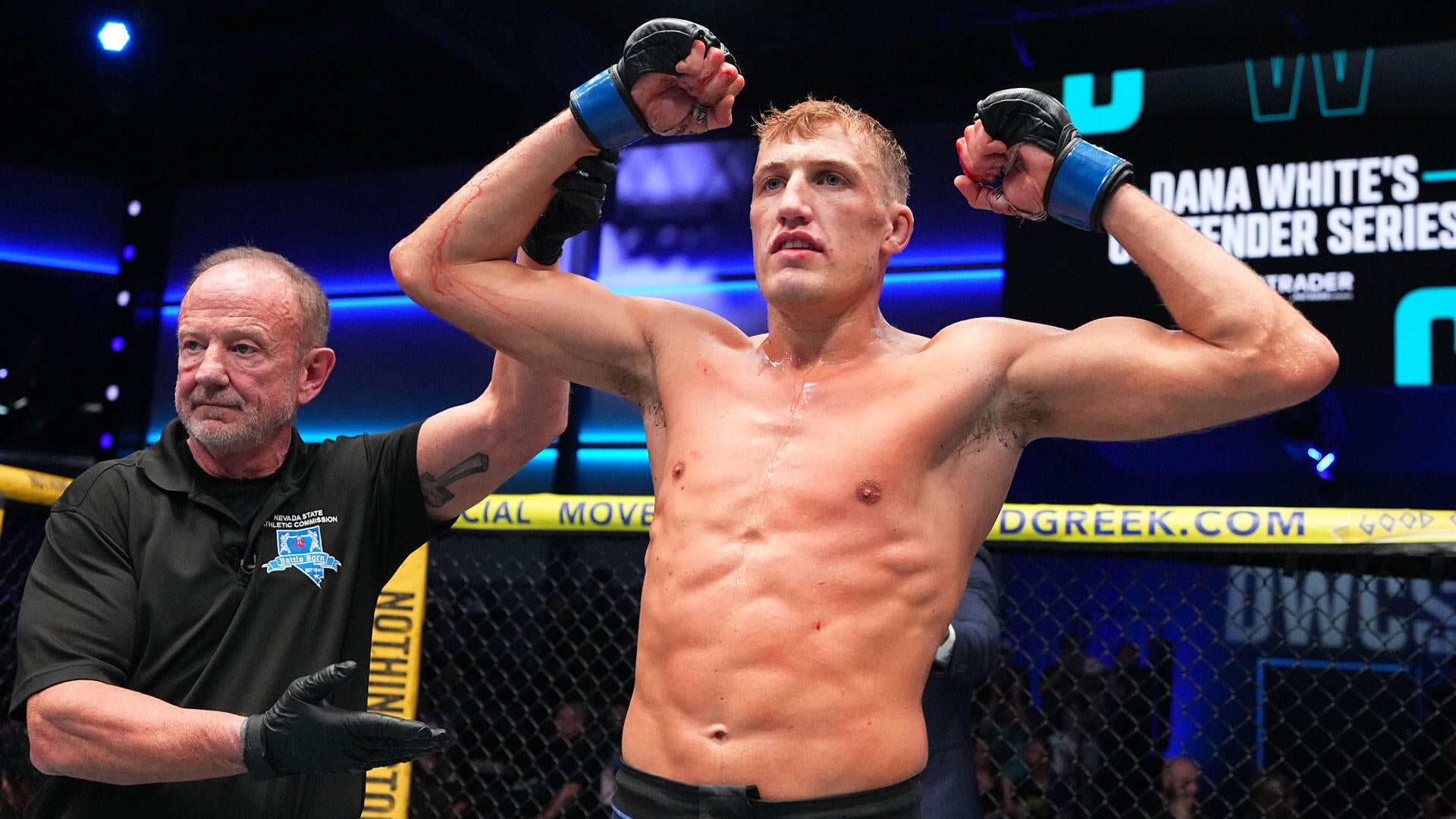
The impressive main event performances in this season’s Dana White’s Contender Series events continued on Tuesday with Adam Darby’s third-round stoppage of Patrick Rivera at the UFC Apex in Las Vegas.
Darby, the current Cage Warriors welterweight champion, used his long 6-foot-3 frame to keep the shorter Rivera at bay from the opening bell. With the distance established, Darby worked behind long straight punches and kicks as Rivera struggled to build any momentum.
Darby showed a patient, professional approach, never pressing his advantage too hard and simply picking away at Rivera.
By the end of the second round, Rivera’s face was bloodied and it seemed his best chance at a victory was the moral kind of simply reaching the final bell.
Advertisement
Darby wasn’t content to sit back on a comfortable lead and continued to slam home shots as Rivera’s face became more and more of a mess. After the referee stepped in to allow the doctor to check Rivera, the fight was waived off and Darby improved to 8-1 as a professional. The fight was the first on American soil for the Irishman, who will likely fight in America more often as a member of the UFC welterweight roster.
In the night’s co-main event, Modestino Rodrigues came out of the gate like a house on fire, charging forward with a constant barrage of punches. It took less than 15 seconds for one of those Rodrigues shots, a right hand, to catch Brandon Holmes on the chin and drop him for the stoppage. With the win, Rodrigues improved to 8-1 in his professional MMA career, with all nine of his fights ending by knockout. After the fight, UFC CEO Dana White called the stoppage one of the worst he’d ever seen, but said it was not Rodrigues’ fault before awarding him a UFC contract.
In a fun and bloody lightweight scrap, Silvestre Sanchez took Liam McCraken’s best shots but never stopped coming forward. With steady pressure in both the grappling and striking game, Sanchez eventually broke down McCraken before a left hook put McCraken down for the finish in Round 3.
Despite entering Tuesday as a +185 underdog, Gabriel Lorenco impressed with a stoppage of Charlie Cleveland in their heavyweight clash. Lorenco dropped Cleveland with a wide punch and continued to pour on the damage until the referee called a halt to the bout at the 2:02 mark of Round 1.
Advertisement
Dana White’s Contender Series Week 4 Results
Fighters receiving UFC contracts indicated by *
Adam Darby def. Patrick Rivera via TKO, Round 3 *
Modestino Rodrigues def. Brandon Holmes via TKO, Round 1 *
Silvestre Sanchez def. Liam McCraken via TKO, Round 3 *
Gabriel Lorenco def. Charlie Cleveland via TKO, Round 1 *
Adam Livingston def. Hunter Smith via split decision *
More than half of the Premier League’s clubs have broken their transfer records in a summer window featuring four of the top flight’s five most expensive ever deals.
After England internationals Elliot Anderson and Morgan Rogers joined Manchester City for £116m and Chelsea for £117m respectively, the final two days of the window brought an even bigger pair of deals as summer spending pushed beyond last season’s record of £3billion, with the final figure yet to be confirmed.
First Liverpool spent an initial £106m, potentially rising to £123m, on Paris Saint Germain winger Bradley Barcola, then City paired Anderson with another nine-figure midfielder in former Chelsea star Enzo Fernandez – whose £125m move matched the British record set 12 months ago by Barcola’s new team-mate Alexander Isak.
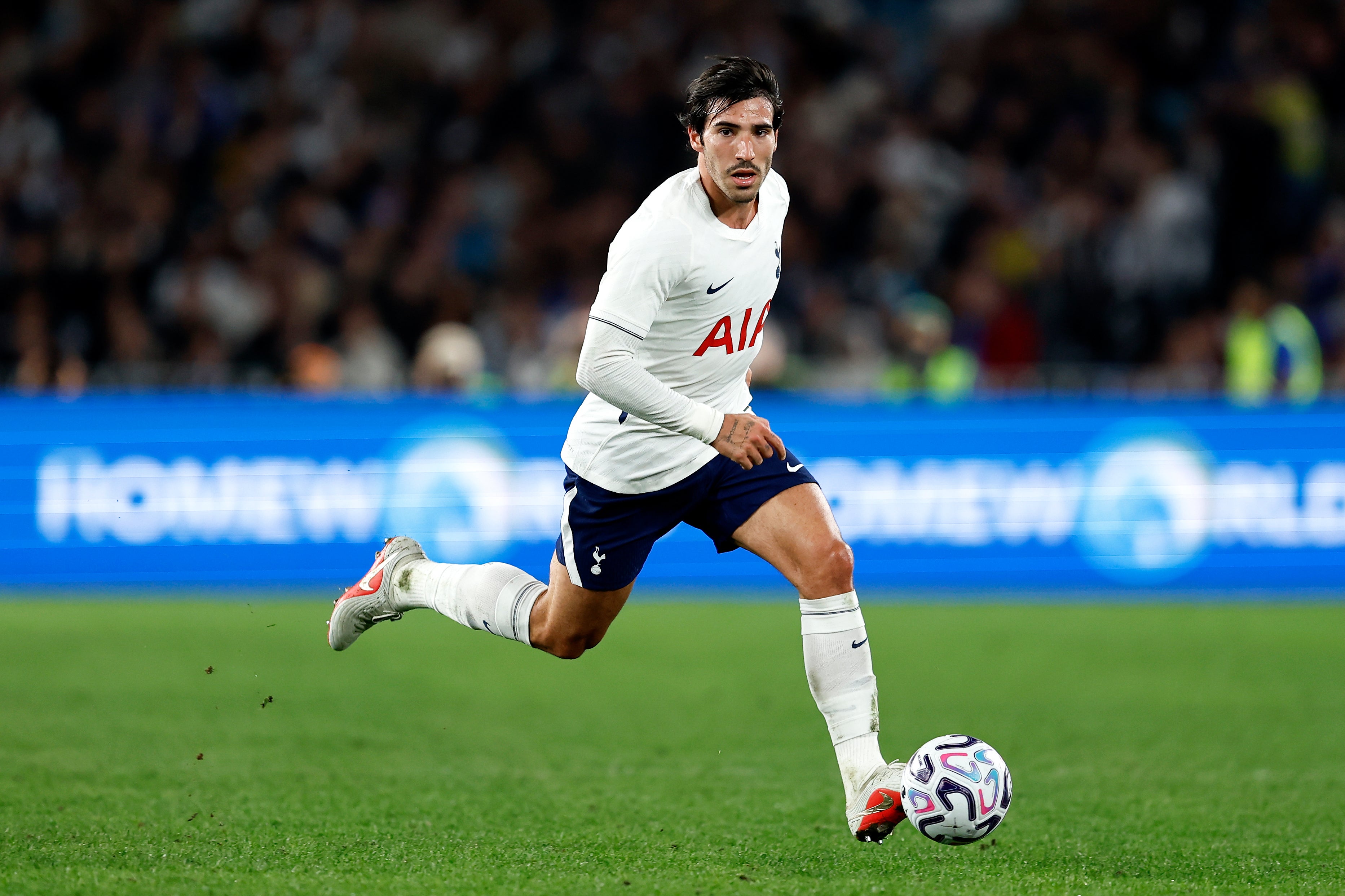
Sandro Tonali’s move from Newcastle to Tottenham has the potential to become a fifth £100m-plus deal this summer, with the initial £92.5m marking the second time Spurs had broken their club record as it came hot on the heels of Mateus Fernandes’ £85m arrival from West Ham.
Spurs have spent big this summer, bringing in players including Sandro Tonali (Getty)
Savio’s £75m switch from City slotted in third on Spurs’ all-time list, with manager Roberto De Zerbi admitting “The transfer market is crazy” – reflecting a league-wide summer of spending.
Eleven clubs in all have broken their transfer records, six of them on more than one occasion.
Advertisement
Coventry have done so four times over, signing Aurele Amenda for an initial £15.4m before Loum Tchaouna became their first ever £20m signing, Carl Rushworth made his loan move permanent for a £22.5m fee and Caleb Yirenkyi nudged the record up to £23.1m.
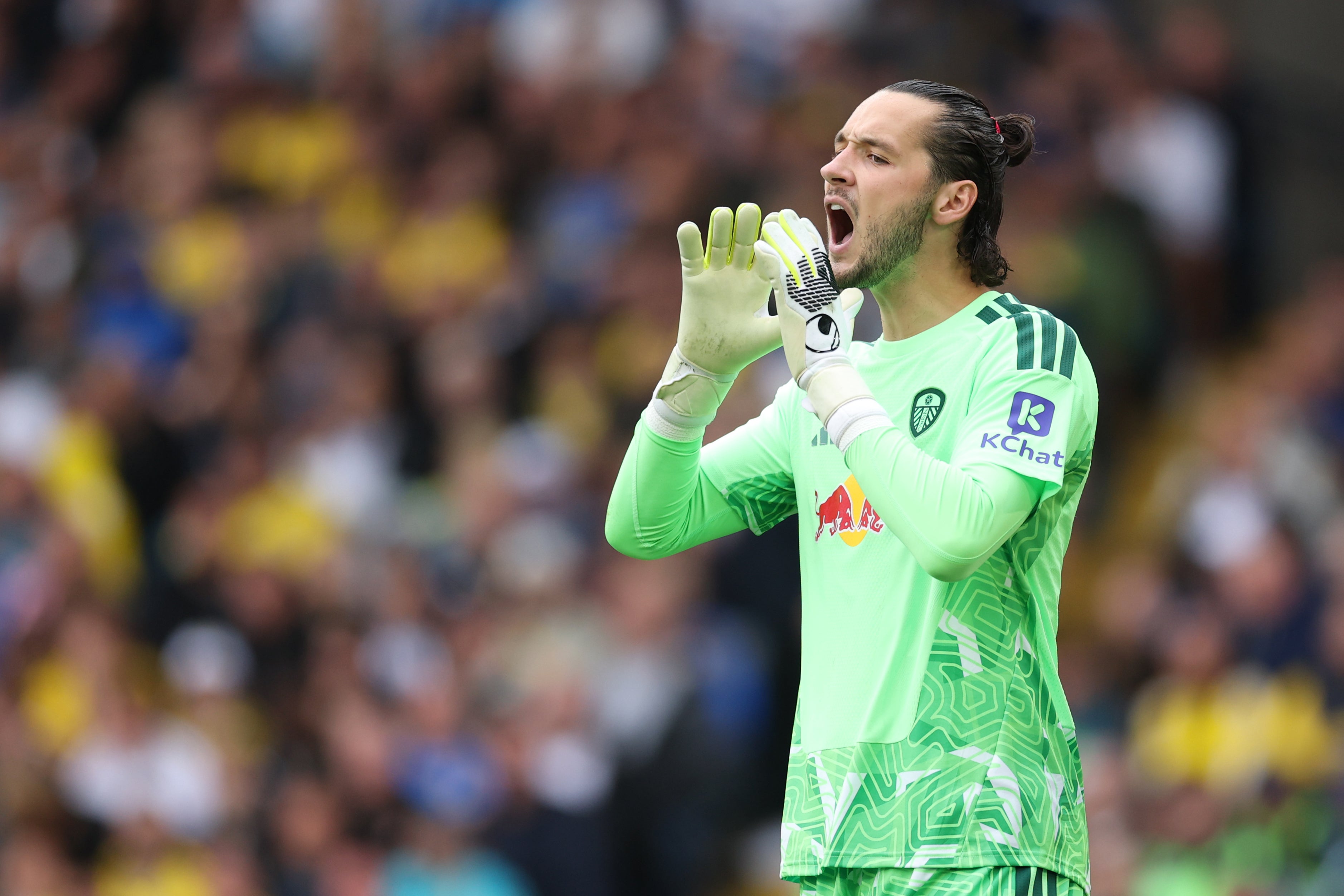
Three clubs broke their transfer records to sign goalkeepers, with James Trafford costing Leeds £40m while, like Rushworth, Konstantinos Tsolakis’ move to Hull was overtaken by Nobel Mendy’s £22m arrival.
James Trafford was Leeds’ headline signing this summer (Getty)
Aston Villa and Ipswich are the other clubs to break their respective records twice while Mamadou Sangare (Brentford), Luka Vuskovic (Brighton) and Liam Delap (Nottingham Forest) were all £40m-plus club-record buys.
There have been nine moves worth an initial £75m or more – a list completed by City and Arsenal midfielders Ayyoub Bouaddi and Bruno Guimaraes – plus £65m moves for Carlos Baleba to Manchester United and Nicolas Jackson to Villa.
On the other side of the balance sheet, Newcastle raised over £235m from the three sales of Tonali, Guimaraes and Anthony Gordon while Aston Villa banked £50m-plus fees for Ezri Konsa and Ollie Watkins in addition to Rogers’ Chelsea move.
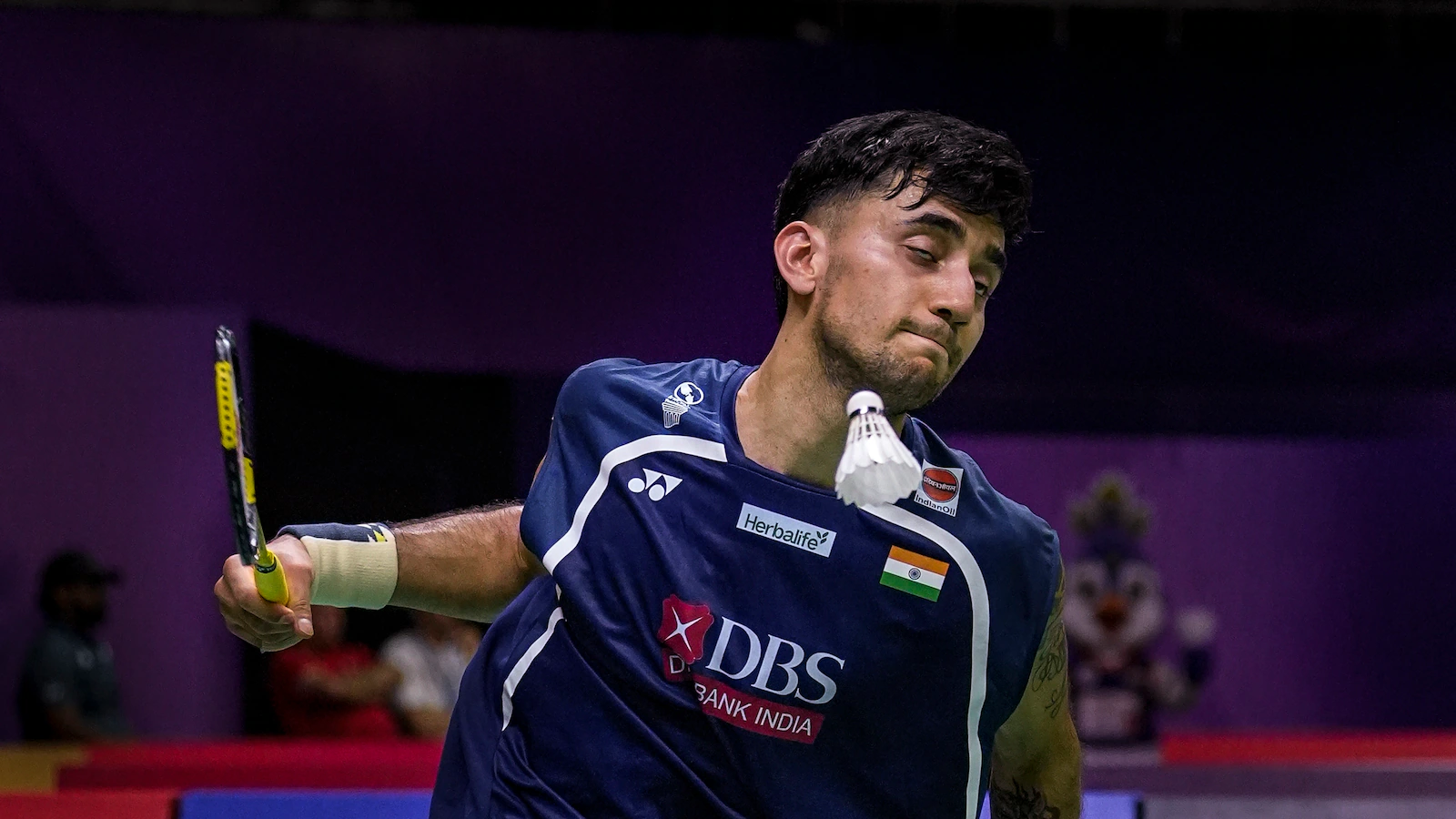
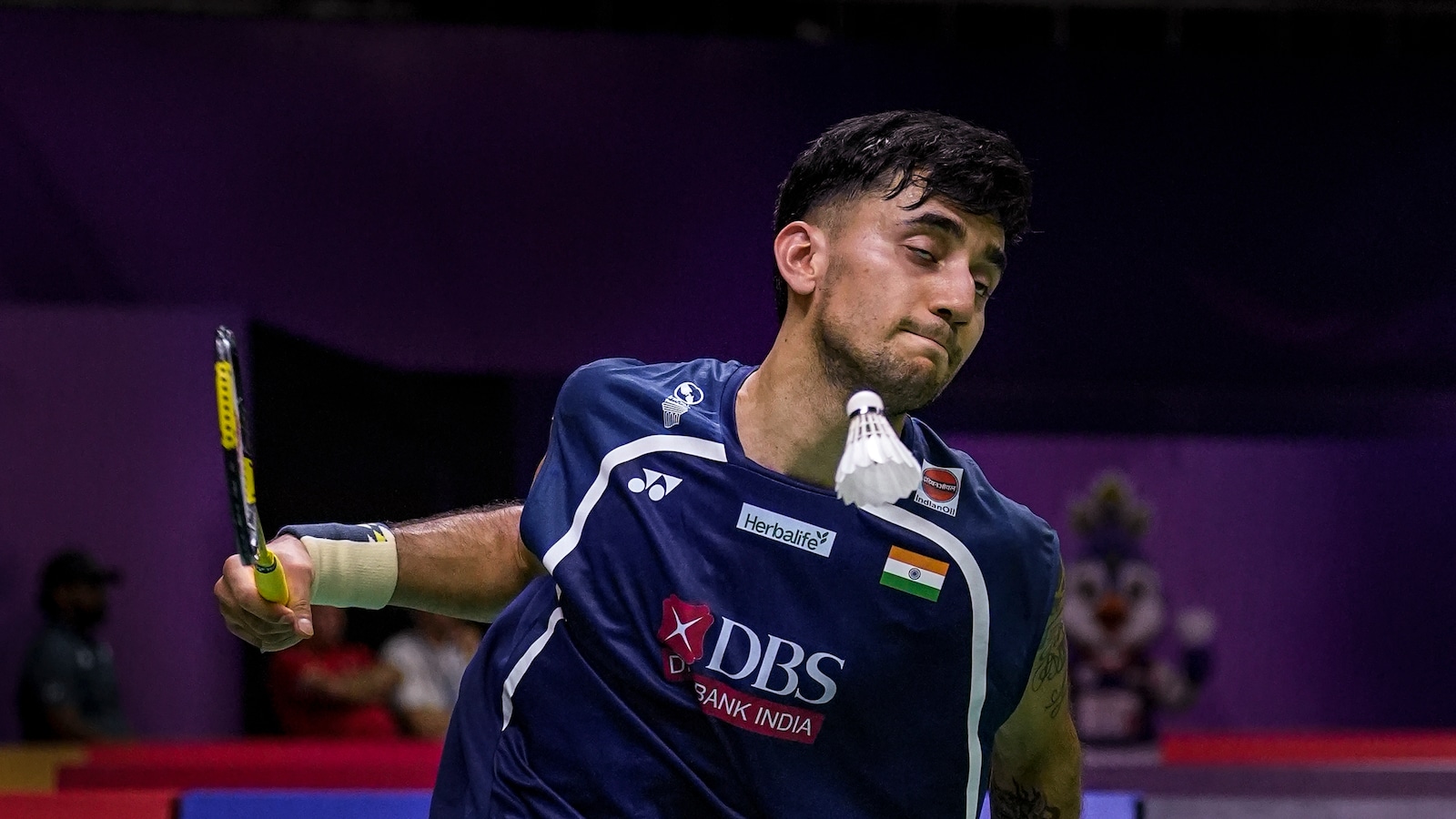
Lakshya Sen was knocked out of the China Masters after a listless performance against Canada’s Victor Lai but Kidambi Srikanth progressed to the second round Shenzhen on Wednesday. Lakshya, a 2021 world championships bronze-medallist, played an error-riddled game to go down 14-21 7-21 in 38 minutes to world No. 9 Lai, who won his second bronze medal at the World Championships last month. It was Lakshya’s third defeat to the Canadian with his only win being at the All England Championships in March this year.
Srikanth, a 2021 world championships silver-medallist, however, progressed after beating Chinese Taipei’s Chi Yu Jen 21-16 21-15 in another men’s singles opener.
India’s mixed doubles pair of Dhruv Kapila and Tanisha Crasto also advanced to the next round after defeating Thailand’s Tonnakorn Saeheng and Tonnicha Saeheng 21-8 21-9.
It has been a difficult few weeks for Lakshya, who made an unceremonious early exit from the World Championships at home.
Advertisement
On Wednesday, he struggled to find a way past Lai’s resolute defence and gradually lost patience, repeatedly making errors on the Canadian’s backhand sideline.
Lakshya was up 4-0 early in the opening game but Lai soon took control and never allowed Lakshya to settle into a rhythm, closing it out the game comfortably.
After the change of sides, the Indian’s frustration grew as Lai continued to soak up pressure and force errors. Lakshya trailed 4-11 and could not mount a comeback, with the Canadian wrapping up the match without much ado.
Among other Indians, the men’s doubles pair of Satwiksairaj Rankireddy and Chirag Shetty, women’s singles players Tanvi Sharma and Devika Sihag will compete later in the day.
Advertisement
(This story has not been edited by NDTV staff and is auto-generated from a syndicated feed.)
Featured Video Of The Day
CWG 2026 Weightlifting Gold Medallist, Mirabai Chanu Get Hero’s Welcome in Delhi
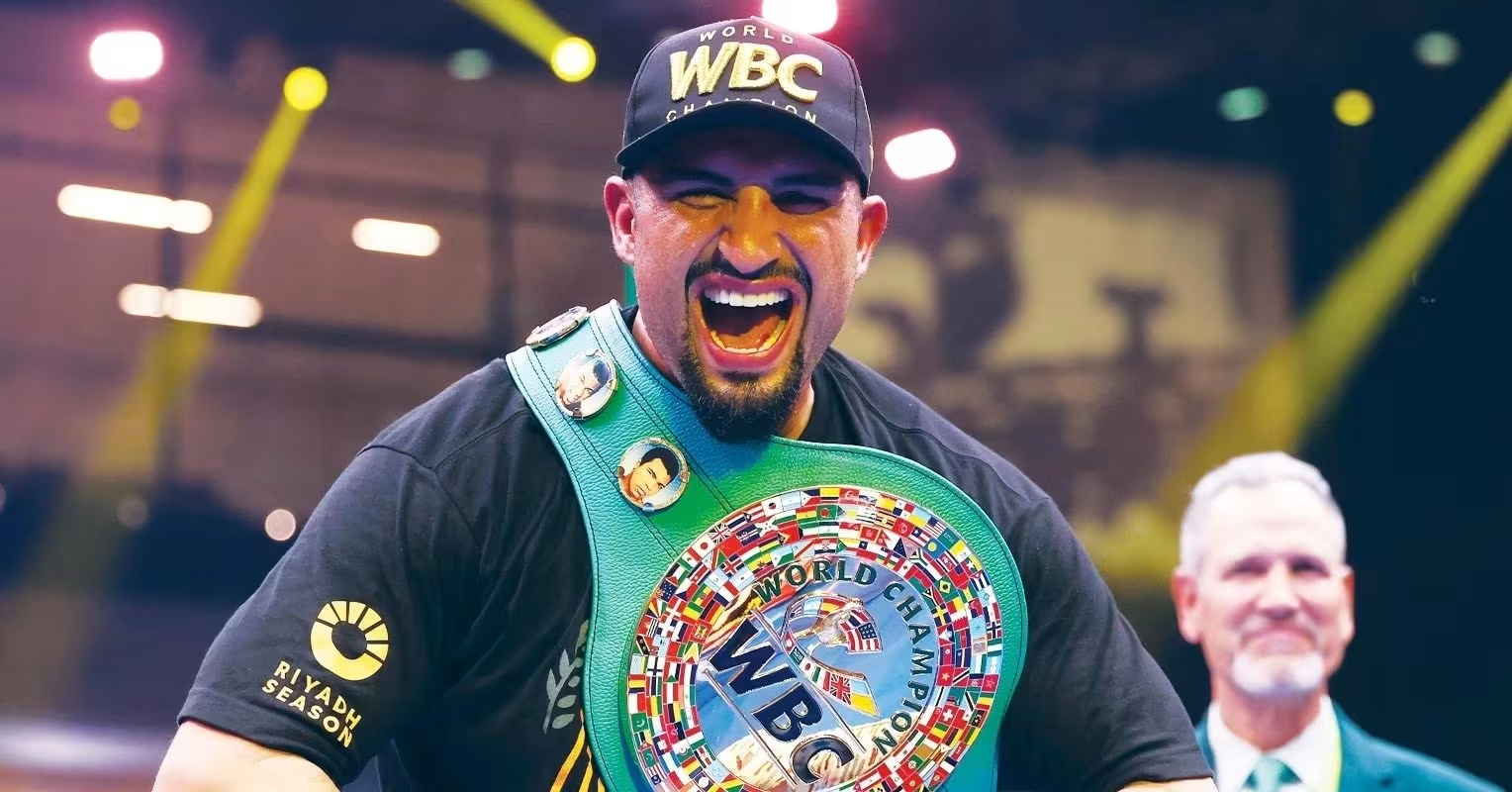
Prior to that, Kabayel had claimed his interim belt with a sixth-round stoppage of Zhilei Zhang in February 2024, before scoring a third-round finish over Damian Knyba the following January.
Advertisement
With previous stoppages against Frank Sanchez and Arslanbek Makhmudov, too, the Kurdish-German has established himself as a ferocious body puncher and one of the division’s top-level operators.
Since being upgraded to world champion, though, there has been no word of a date, location or opponent for Kabayel’s next outing.
The opportunity for a major title shot is therefore being pursued by Nelson Hysa, who scored a second-round knockout over Thomas Narmo on the undercard of Moses Itauma vs Filip Hrgovic last Saturday.
“Are you afraid of me? Why you don’t fight me? I come to fight you in your house, in Germany. Wherever you want, okay? Don’t be afraid. I will knock you out. Fight with me – don’t run away.”
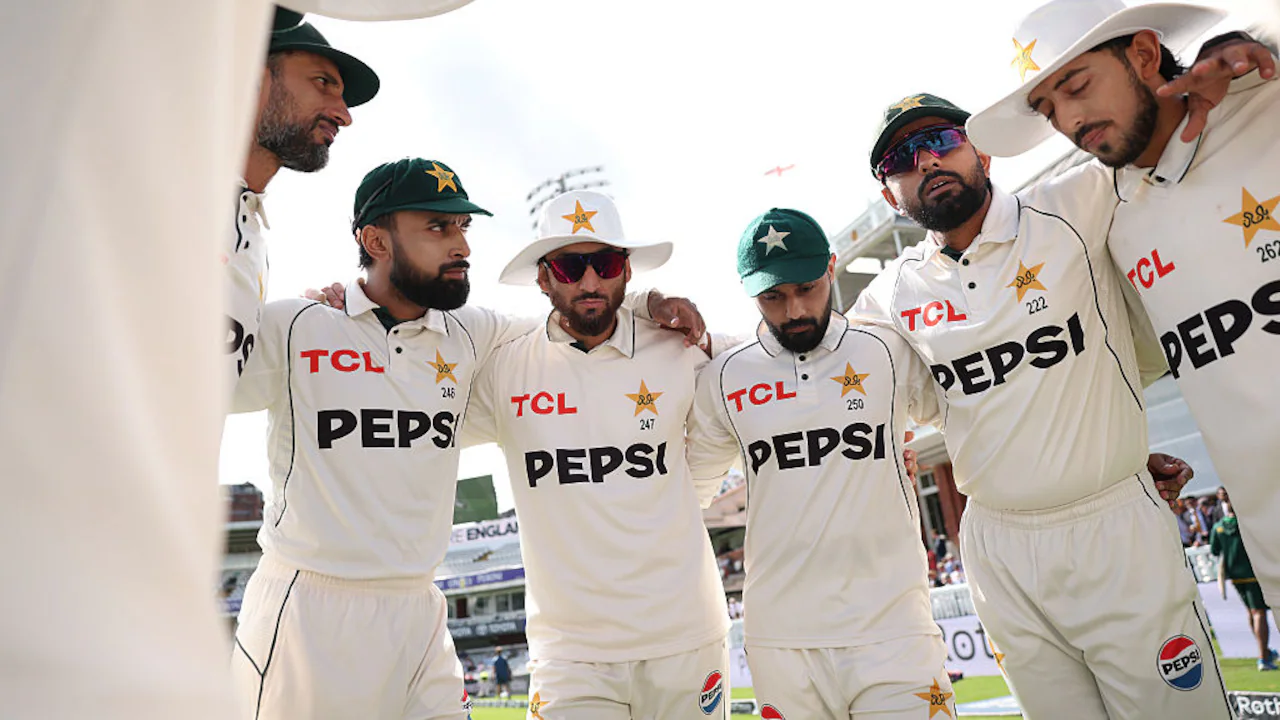
Former Pakistan batter Mohammad Yousuf criticised the Pakistan Cricket Board (PCB) decision to release seven players and two coaches from the squad ahead of the third Edgbaston Test against England, saying that the move reflects the familiar cycle of “internal chaos, differences of opinion and controversies” that have haunted the country’s cricket and the focus should be “on the field, not the boardroom”. Pakistan made major changes to their Test set-up ahead of the third and final Test against England from September 9, replacing almost half of their squad and releasing head coach Sarfaraz Ahmed and bowling coach Umar Gul following heavy defeats in the first two Tests against Three Lions, according to Cricinfo.
The changes come after Pakistan suffered a 194-run defeat in the second Test, allowing England to take an unassailable 2-0 lead in the series. In the first Test, Pakistan had lost by an innings margin.
PCB had released seven players from the squad, including Mohammad Rizwan, Imam-ul-Haq, Salman Agha, Ali Usman, Aamer Jamal, Awais Zafar and Khurram Shahzad after the loss at Lord’s. In their place, Pakistan have brought in five uncapped players along with Saim Ayub and Abdullah Fazal, who have a combined experience of just 10 matches. The five uncapped players added to the squad are Arafat Minhas, Mohammad Imran Jnr, Saad Baig, Mohammad Imran Randhawa and Razaullah. Hesson and Ashley Noffke, who are part of Pakistan’s white-ball coaching set-up as head coach and bowling coach, respectively.
Advertisement
Posting on X, Yousuf said that the decision “does not appear to be only performance-related” and spoke of how Pakistan cricket has faced such “turbulence” time and again in the aftermath of their landmark 1992 World Cup win, which “eroded stability and distracted from the game itself”. He called for strong performances and consistent positive results to “silence the news”, saying that “success remains the most effective antidote”.
“The recent decision by the authorities to recall players and coaching staff from the ongoing tour does not appear to be only performance related. After all, we are not sending legends like Zaheer Abbas, Javed Miandad, Inzamam-ul-Haq, or Saeed Anwar as replacements. Instead, this move reflects the familiar cycle of internal chaos, differences of opinion, and controversies that have long haunted Pakistan cricket. Since the glory of the 1992 World Cup, such turbulence has resurfaced time and again, eroding stability and distracting from the game itself,” he said.
“We have endured such turmoil in different forms many times before, each episode leaving scars on the team’s progress and the fans’ faith. The lesson is clear! only strong performances and consistent positive results can silence the noise. Pakistan cricket must focus on the field, not the boardroom, if it is to restore credibility and inspire confidence among fans. Success remains the most effective antidote,” he added.
The recent decision by the authorities to recall players and coaching staff from the ongoing tour does not appear to be only performance related. After all, we are not sending legends like Zaheer Abbas, Javed Miandad, Inzamam‑ul‑Haq, or Saeed Anwar as replacements. Instead, this…
Earlier, former Pakistan captain Misbah-ul-Haq offered his resignation from the Pakistan men’s national selection committee following the Pakistan Cricket Board’s (PCB) decision to make major changes to the Test squad and coaching staff during the ongoing tour of England, according to Cricinfo.
According to the report, the PCB is yet to accept Misbah’s resignation. He has also decided to step down from his role as a batting consultant at the National Cricket Academy in Lahore.
Misbah, who retired as Pakistan’s most successful Test captain in 2017, has held several positions within the PCB over the years. He was appointed head coach and chief selector in 2019. before stepping down as chief selector in October 2020 to focus on his coaching responsibilities. He later resigned as head coach in 2021.In 2023, Misbah returned to the PCB as an advisor under then ad hoc management committee chief Zaka Ashraf. He was subsequently appointed as one of five mentors for the men’s Champions Cup in 2024 and also worked with women’s domestic teams.
Advertisement
Last month, he coached the Pakistan Gold side to victory in the 50-over National Champions Cup in Multan under captain Shaheen Afridi.
Misbah was appointed to the four-member national selector committee in March this year alongside Aaqib Javed, Sarfaraz Ahmed and Asad Shafiq. He was also working with the PCB under a contract that required him to serve as a batting consultant for 180 days a year.PCB sought explanations from selectors over the inclusion of Mohammad Rizwan and Imam-ul-Haq.
According to Cricinfo, the notice was issued on Monday, the same day the board announced its decision to send home seven players and two coaches ahead of the third Test at Edgbaston.
The selection committee was asked to submit a written explanation within 24 hours, detailing the reasons behind Rizwan and Imam’s selections and the process followed in making the decisions.
Advertisement
From the start of 2024 until the West Indies tour, Rizwan was Pakistan’s leading Test run-scorer and also boasted the team’s highest batting average. Imam, meanwhile, had featured in only two Tests during that period but had been among the leading run-scorers in domestic cricket.
The defeat at Lord’s was Pakistan’s 15th in the last 20 Tests. They currently sit at the bottom of the 1CC World Test Championship (WTC) 2025-27 standings. The third Test will begin at Edgbaston on September 9, with Pakistan aiming to end the series on a positive note and avoid a 3-0 clean sweep.
(Except for the headline, this story has not been edited by NDTV staff and is published from a syndicated feed.)
Featured Video Of The Day
Spain’s Royal Family Welcomes World Cup Champions To Zarzuela Palace
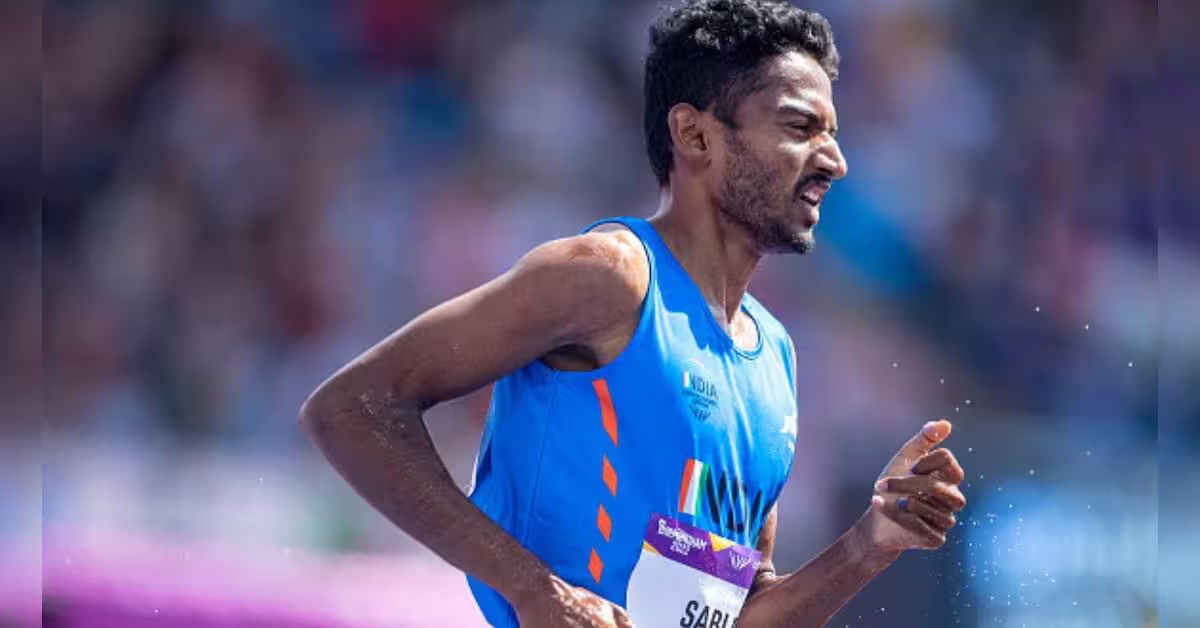
With the Asian Games just around the corner, steeplechaser Avinash Sable, long-distance runner Parul Chaudhary and six other Indian track and field athletes are fine-tuning their preparations on a specialised ‘smart track’ at the SAI NCOE in Bengaluru.
The eight are part of a national camp, scheduled to continue until September 8, which has been sanctioned by the Target Olympic Podium Scheme (TOPS).
It also features 800m runner Krishan Kumar, decathlete Thowfeeq N, high jumpers Aadarsh Ram and Supriya B and race walkers Manju Rani and Priyanka.
The Asian Games, scheduled in Aichi-Nagoya, Japan from September 19 to October 4.
Advertisement
A smart track allows coaches to capture real-time performance data during training.
“This is one of its kind in India,” said Suresh Kumar, Coach (Athletics) at SAI NCOE Bengaluru.
“So what happens is when the athlete runs, we get the real-time speed data. We get the split timings, wherever the gates are placed, then the total timing we get, as well as the stride length and the stride frequency. All these data are captured at real time. This helps a lot for the athletes in the training,” Kumar told SAI Media.
Advertisement
The track was used extensively for training by Commonwealth Games 2026 para-athletics medalists Dilip Mahadu Gavit and Mohammed Basil ahead of the Glasgow Games.
For athletes, the ability to replicate electronic timing during training is another advantage, Kumar explained. The technology also helps athletes get a more accurate understanding of their performances.
“The athletes are very happy because they get to understand and find out the real data based on the electronic timing, not just during training but any competitions that take place here,” Kumar said.
The smart track was installed in 2024 and has since been used by elite athletes training at the centre. Its timing gates are positioned both on the straight and around the curve, allowing coaches to analyse different phases of a run. An accompanying app also enables the data to be accessed immediately for subsequent analysis.
Advertisement
The technology has been designed to work alongside existing athletics infrastructure rather than requiring a completely new track. According to Kumar, the system can be installed on any existing synthetic track by embedding the magnetic gates beneath the surface, with installation possible within a day.
The SAI Bengaluru centre is therefore combining high-level coaching, sports science and technology in the pre-Asian Games camp, which includes specialised coaches such as race-walking coach Ronald Gerd Weigel, jumps coaches Sahana Kumari Nagaraj Gobbargumpi and Sergey Biran, besides coach Kalyan Chaudhary and masseuse Meena Sagar Ugale.
The system also gives coaches information that is difficult to capture manually during a sprint.
“You even get the split timing because for a sprint coach, if I’m at the finish line or like 40m or 50m away from when the athlete is starting, we will be able to get the electronic split time.



















































You must be logged in to post a comment Login