Foldable smartphones have matured dramatically by April 2026, shedding much of their early bulk and fragility to become practical daily drivers with improved durability, battery life and multitasking capabilities. Leading models from Samsung, Google, Motorola and others now compete closely with traditional flagships while offering the unique appeal of a compact device that unfolds into a mini-tablet or stylish flip form factor.
Industry analysts and reviewers from outlets including PCMag, PhoneArena, ZDNet and Wirecutter highlight a clear top tier based on hands-on testing, real-world performance and value. While availability varies by region — with some Chinese brands like Honor and Oppo offering exceptional hardware but limited U.S. support — the following five stand out as the best foldable phones currently on the market.
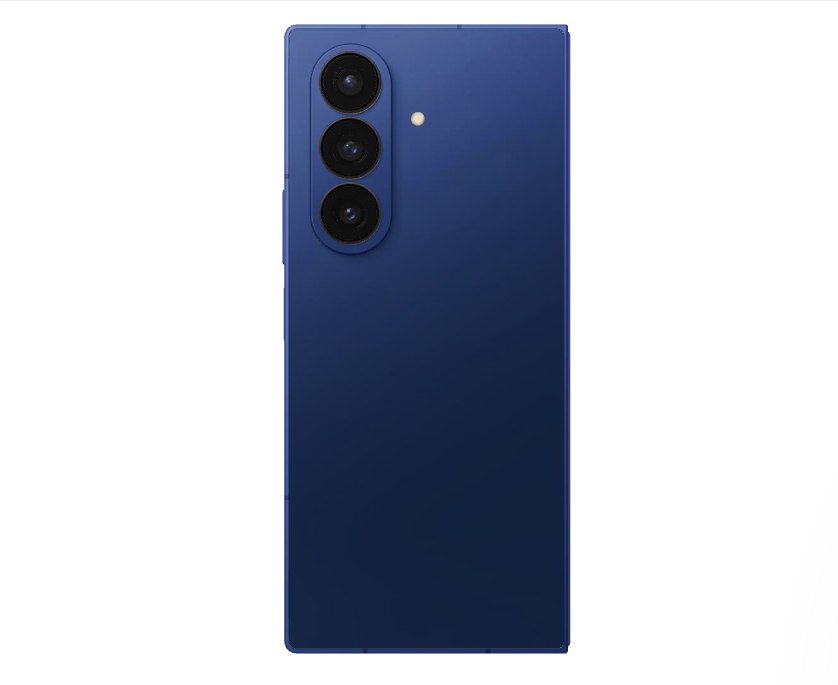
Samsung Galaxy Z Fold 7
1. Samsung Galaxy Z Fold 7 — Best Overall Book-Style Foldable
Samsung’s Galaxy Z Fold 7 earns frequent nods as the top foldable for most users thanks to its ultra-slim profile, premium build and polished software experience. Measuring just over 8mm thick when closed and weighing around 215 grams, it feels remarkably close to a conventional flagship yet unfolds into an expansive 8-inch inner display ideal for productivity, media consumption and split-screen multitasking.
The device features a bright 6.5-inch cover screen with 120Hz refresh rate, allowing full app functionality without unfolding. Powered by the Snapdragon 8 Elite for Galaxy processor, it delivers smooth performance across demanding tasks. Cameras have seen meaningful upgrades, with a standout 200-megapixel main sensor producing sharp, vibrant photos that rival non-foldable competitors.
Advertisement
Reviewers praise the refined hinge, improved crease visibility and long software support extending years into the future. Drawbacks include a premium price tag often starting near $1,900 and average battery life that may require midday top-ups for heavy users. Still, its ecosystem integration with Galaxy Watch, Buds and DeX mode makes it a compelling choice for Samsung loyalists and power users alike.
2. Google Pixel 10 Pro Fold — Best for Durability and Cameras
Google’s Pixel 10 Pro Fold stands out for its rugged construction and photography prowess. It boasts a full IP68 dust and water resistance rating — a rarity among foldables — along with enhanced hinge durability and drop protection on the main display. At roughly 258 grams, it feels more substantial than Samsung’s offering but rewards owners with reliable all-day performance.
The Tensor G5 chipset powers intuitive AI features, including real-time call translation, audio magic eraser and Gemini Live integration. Cameras shine with computational photography that delivers natural colors and excellent low-light results, making it a favorite for content creators. The 6.3-inch cover screen and large inner display support seamless multitasking with clean Android 16 software.
Advertisement
Battery life impresses in testing, often outlasting slimmer rivals. Pricing starts around $1,800, positioning it as a strong value for those prioritizing longevity and photography over the absolute thinnest design. Limitations include slightly warmer performance under sustained loads compared to Snapdragon-equipped devices.
3. Motorola Razr Ultra (2025/60 Ultra) — Best Flip-Style Foldable
For users seeking pocketable convenience with flair, the Motorola Razr Ultra delivers one of the most stylish and functional clamshell experiences. Its vertical fold design snaps shut into a compact square, while the generous external display supports full apps, notifications and even quick camera previews.
Equipped with strong battery life that frequently tops competitor flip models, the Razr Ultra handles daily tasks efficiently on its Snapdragon processor. The inner 7-inch display offers smooth 120Hz visuals, and the overall build feels premium with thoughtful details like a titanium hinge option in select variants. Cameras perform adequately for casual use, though they trail book-style models in versatility.
Advertisement
Reviewers highlight its fun factor and practicality for one-handed operation. Starting prices often land in the mid-$1,000 range, making it more accessible than premium book-style foldables. Potential downsides include a smaller unfolded screen compared to tablet-style devices and occasional software quirks in the Motorola skin.
4. Samsung Galaxy Z Flip 7 — Best Compact Flip for Everyday Use
Samsung’s Galaxy Z Flip 7 refines the flip formula with a larger 4.1-inch edge-to-edge cover screen that finally enables meaningful interaction without unfolding. The 6.9-inch inner display provides ample space when needed, while the overall design remains slim and lightweight for easy pocket carry.
Battery improvements help it last through a full day for moderate users, and the Exynos 2500 or Snapdragon variant (depending on region) ensures snappy performance. New DeX support on the Flip adds desktop-like productivity when connected to external displays. Cameras remain solid for social media and quick shots, with the main 50-megapixel sensor delivering reliable results.
Advertisement
Priced starting around $1,100, it offers strong value within the Samsung ecosystem. Critics note it can overheat during intensive multitasking and that battery claims sometimes exceed real-world endurance. Its stylish appeal and improved cover screen functionality make it a top pick for fashion-conscious users or those transitioning from traditional bar phones.
5. Honor Magic V5 — Best Ultra-Thin Alternative for Multitasking
The Honor Magic V5 earns acclaim for its exceptionally slim design, measuring under 9mm folded and around 4.4mm unfolded in some configurations. It targets users who want a near-nonexistent crease and premium feel without Samsung’s ecosystem lock-in.
Featuring a large inner display and capable outer screen, it excels at multitasking with smooth software optimizations. The Snapdragon 8 Elite processor paired with generous RAM handles heavy workloads, while a sizable silicon-carbon battery supports fast charging and extended use. Cameras offer competitive performance, particularly in daylight scenarios.
Advertisement
Availability may require importing in some markets, and software updates could lag behind Google or Samsung. Still, its combination of thinness, battery capacity and vibrant displays positions it as a compelling choice for enthusiasts seeking cutting-edge hardware at potentially competitive pricing.
Buying Considerations in 2026
Foldable phones now address many early criticisms: creases are subtler, hinges more robust and repair programs more widespread. Most top models promise four to seven years of software support, reducing obsolescence concerns. Battery technology has advanced, though heavy multitasking or camera use still drains power faster than slab phones.
Prices remain elevated, with book-style models often exceeding $1,800 and flips starting above $1,000. Trade-in deals, carrier promotions and installment plans can ease the cost. Buyers should consider ecosystem preferences — Samsung for seamless integration, Google for pure Android and AI, Motorola for flip charm.
Advertisement
Durability has improved markedly, but users should invest in quality cases and screen protectors. Coverage for accidental damage varies by manufacturer and carrier.
Regional factors matter: U.S. buyers enjoy broad carrier support for Samsung, Google and Motorola models, while international shoppers may access superior specs from Honor, Oppo, Vivo or Huawei at lower prices, albeit with potential Google service limitations on some devices.
The Future of Foldables
As 2026 progresses, expectations include further refinements such as even lighter builds, under-display cameras that eliminate notches and possible trifold designs from Samsung and others reaching wider markets. Apple’s rumored foldable iPhone could reshape the segment later in the year or in 2027.
Advertisement
For now, the market offers something for nearly every preference: productivity powerhouses, stylish compacts and durable all-rounders. Early adopters who hesitated in previous years will find 2026 models far more refined and reliable.
Consumers weighing a purchase should evaluate their primary needs — screen size for work, portability for travel or camera quality for photography — and test devices in-store when possible. With rapid iteration, waiting for carrier deals or next-generation hints may also pay off.
Foldables represent more than a novelty in 2026; they deliver genuine utility that enhances how many people work, create and consume content on the go. Whether opting for the versatile Galaxy Z Fold 7, the rugged Pixel 10 Pro Fold or a fun flip like the Razr Ultra, buyers are investing in devices that continue to evolve the smartphone experience.
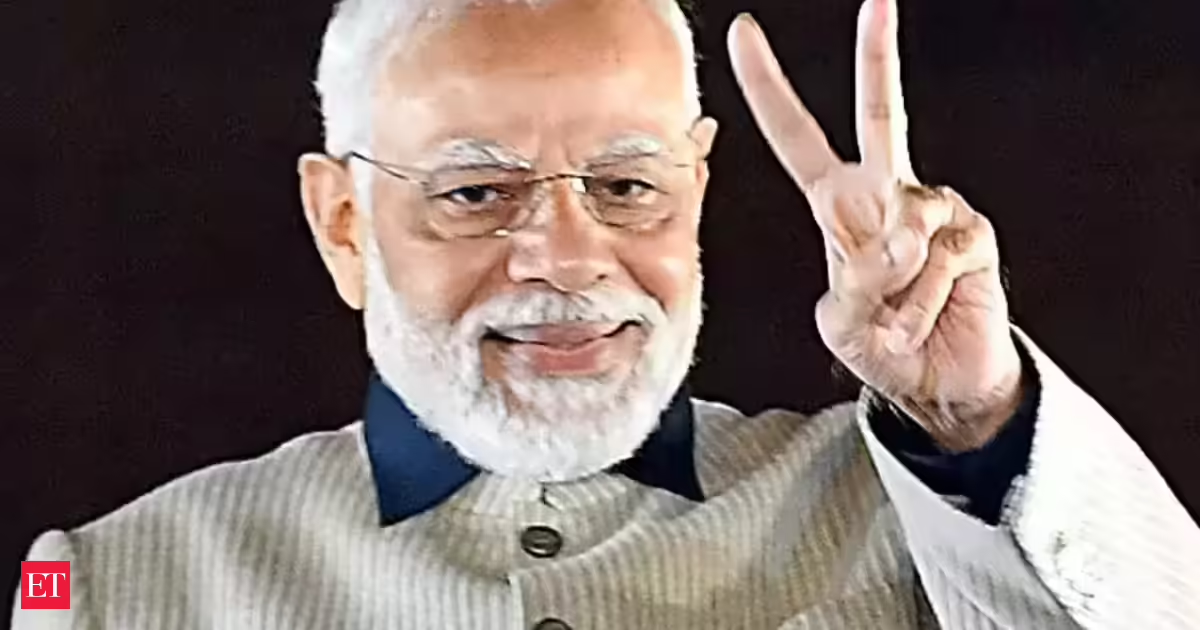
Ahmedabad: The charisma of Prime Minister Narendra Modi is among the key factors most likely to influence voters in the ensuing Lok Sabha elections in Gujarat, according to political observers.
Lok Sabha polls in Gujarat will be held in a single phase on May 7. Counting of votes will be held on June 4. Anti-incumbency, unemployment, inflation, education and healthcare facilities are some of the other important issues in the election, where the ruling BJP in Gujarat will attempt to retain all the 26 Lok Sabha seats it won in 2019.
Gujarat is among the states which will play a crucial role in deciding the outcome of the elections to the Lower House of Parliament. In the 2014 and 2019 Lok Sabha elections, the Bharatiya Janata Party won all the 26 seats in the state.
Here are some issues that will play a decisive role in the elections in Gujarat:
PM Narendra Modi’s charisma: The ruling BJP has a trump card in the form of the prime minister, who hails from Gujarat and was its chief minister from 2001 to 2014 before occupying the top post of the country. His sway over the followers in his home state is still intact. Anti-incumbency: Observers feel that the opposition will try to take advantage of any anti-incumbency sentiment during the last 10 years of BJP rule at the Centre. They feel that “floating voters” who do not vote on the basis of ideology can be swayed by the opposition if they offer proper alternatives.
Advertisement
Live Events
Inflation: Low and middle-income households are the worst-affected in terms of the effects of inflation. So this will be a decisive factor considering how the price rise has impacted the lives of people in the last 10 years. The opposition has been constantly targeting the Modi government over this issue. Unemployment: This is another point that the opposition parties have been using to hit out at the Centre. Since this issue directly affects the lives of common people, this will be high on the mind of voters when they exercise their franchise. Lack of basic education and health facilities in remote areas: If school classrooms are constructed in remote rural areas, there is a dearth of teachers. The lack of primary health centres and doctors also adversely affects health services in rural pockets. Farmers’ issues: Issues like lack of adequate compensation for crop loss due to excess rains, non-availability of fertilisers and land acquisition for project development will also play a major role in affecting voter sentiment, the observers said.
Good day, and thank you for standing by. Welcome to the Vicor First Quarter 2026 Earnings Conference Call. [Operator Instructions] Please be advised that today’s conference is being recorded.
I would now like to hand the conference over to your speaker today, Jim Schmidt, Chief Financial Officer. Please go ahead.
Advertisement
James Schmidt Corporate VP, CFO, Treasurer, Corporate Secretary & Director
Thank you. Good morning, and welcome to Vicor Corporation’s Earnings Call for the first quarter ended March 31, 2026. I’m Jim Schmidt, Chief Financial Officer, and I’m in Andover with Patrizio Vinciarelli, Chief Executive Officer; and Phil Davies, Corporate Vice President, Global Sales and Marketing.
Earlier this morning, we issued a press release summarizing our financial results for the 3 months ended March 31, 2026. This press release has been posted on the Investor Relations page of our website, www.vicorpower.com. We also filed a Form 8-K today related to the issuance of this press release. I remind listeners this conference call is being recorded and is the copyrighted property of Vicor Corporation. I also remind you various remarks we make during this call may constitute forward-looking statements for the purposes of the safe harbor provisions under the Private Securities Litigation Reform Act of 1995.
Except for historical information contained in this call, the matters discussed on this call, including
Liquidators of Andrew Donnelly-linked Profounder Turfmaster have been cleared to enter into a funding agreement as they navigate the company’s estimated $3.7 million debt.
The chief executive of the Celtic Freeport has stepped down from her role less than two years after first taking the job.
Advertisement
The Celtic Freeport, which covers the ports of Milford Haven and Port Talbot and benefits from a number of UK Government funded tax breaks and incentives, has confirmed that Brazilian Luciana Ciubotariu had stood down.
While no further detail on the resignation was given, a representative speaking on behalf of the Celtic Freeport board thanked her for her contribution to the development of the Celtic Freeport, and wished her every success in the future.
Ms Ciubotariu, who was formerly part of the senior management team of the Thames Freeport in London, started her role in May 2024, where she headed up the early foundation stages of the Welsh freeport plans.
Advertisement
The move comes just weeks after Neath Port Talbot Council agreed to enter a memorandum of understanding with the UK and Welsh Governments, Pembrokeshire County Council, and Celtic Freeport Company Limited.
This was intended to formalise the authority as the accountable body for the freeport moving forward as it enters its “delivery phase”.
A statement released by the Freeport said: “During her time as chief executive, Luciana led the organisation through the approval of its full business case and the signing of a Memorandum of Understanding with the UK Government and Welsh Government.
“This will unlock £25m of public investment for the Celtic Freeport and represents a significant milestone in the wider investment programme across the region.
Advertisement
“The Celtic Freeport Board would like to thank Luciana for her contribution to the development of the Celtic Freeport and wishes her every success in the future.”
LOS ANGELES — The long-awaited Michael Jackson biopic “Michael” hit theaters with a star-studded premiere and mixed early reactions Tuesday, offering dazzling musical sequences and a breakout performance by Jaafar Jackson while drawing criticism for its sanitized portrayal of the King of Pop’s complicated life.
Directed by Antoine Fuqua and written by John Logan, the film traces Jackson’s journey from child prodigy in the Jackson 5 to global superstar through the release of his landmark 1982 album “Thriller.” Produced with the cooperation of the Michael Jackson Estate and distributed by Lionsgate, “Michael” arrives in theaters Friday after a world premiere in Berlin on April 10 and a high-profile U.S. premiere in Los Angeles on Monday night.
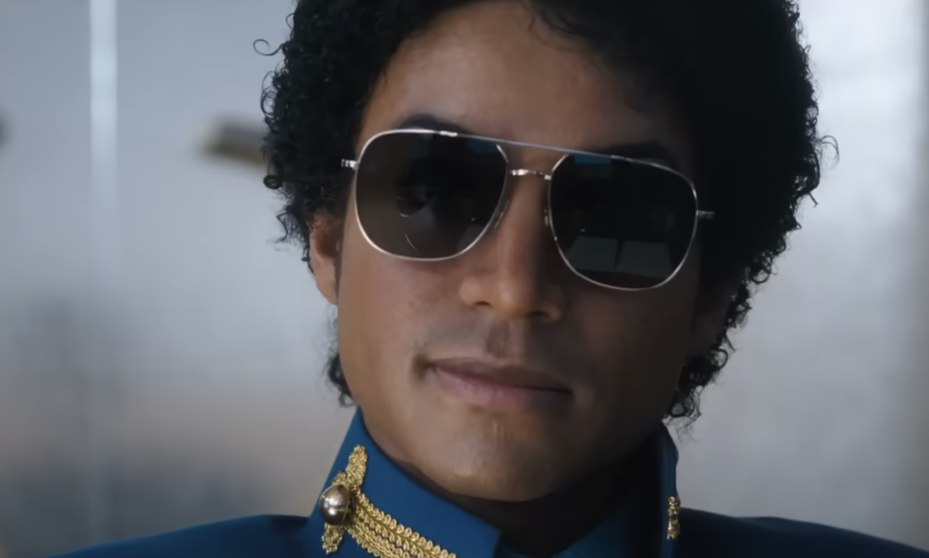
Jaafar Jackson, Michael’s nephew, stars as the adult version of the icon, delivering what many early viewers called a “tremendous” and “mesmerizing” performance that captures his uncle’s mannerisms, vulnerability and stage presence. Young Michael is portrayed by Juliano Krue Valdi, who also earned praise for his portrayal of the child star. Supporting roles include Colman Domingo as the stern patriarch Joe Jackson, Nia Long as Katherine Jackson, Miles Teller as manager John Branca, and appearances by Laura Harrier, Larenz Tate and others.
Advertisement
Early reactions from the Los Angeles premiere and select critics highlighted the film’s strengths in recreating iconic performances. The “Thriller” and “Beat It” sequences reportedly feature impressive choreography and visual spectacle, with Jaafar Jackson’s dancing and singing earning comparisons to the original. Reviewers described the musical numbers as “off-the-charts” and “electrifying,” providing the emotional high points that fans have anticipated.
However, several critics noted the film’s decision to avoid the most controversial chapters of Jackson’s life. The narrative stops in the mid-1980s, before the major child abuse allegations surfaced, and reshoots reportedly removed references to those events due to legal constraints from a 1994 settlement. Some reviewers called the approach “saccharine” and “reverential,” likening it to a “bland daytime TV movie” that prioritizes celebration over complexity. One critic described it as “terrified to explore the interiority” of its subject, offering little new insight beyond familiar highlights.
Fuqua, known for intense dramas like “Training Day,” opts for a straightforward chronological structure rather than a bold reinterpretation. The film humanizes Jackson through quieter family moments and his struggles with fame and his father’s expectations, but many felt it played things too safely. The estate-backed production emphasizes the music, legacy and artistry, presenting Jackson as a visionary entertainer whose personal struggles are acknowledged but not deeply examined.
The $200 million production faced multiple delays and reshoots, including 22 additional days of filming in 2025 that reportedly cost $10 million to $15 million. These changes, along with a shift from an initial 2025 release to April 24, 2026, fueled speculation about creative differences and legal hurdles. Some reports suggested the final cut functions as “Part One,” with potential sequels exploring later chapters.
Advertisement
Despite the controversies, many fans and early audience members left theaters impressed by the spectacle and emotional payoff. Social media buzzed with praise for Jaafar Jackson’s transformation, with some calling it a “breakout performance” that makes viewers “forget he isn’t the real thing.” The film’s respectful tone and focus on Jackson’s genius resonated with those seeking a celebratory tribute rather than a critical exposé.
Critics’ scores remain mixed ahead of wide reviews dropping Wednesday. Positive voices highlight the musical excellence and Jaafar Jackson’s commitment, while detractors argue the film glosses over Jackson’s complexities, resulting in a polished but shallow biopic. The approach mirrors other estate-approved projects that prioritize legacy preservation over unflinching examination.
For Jackson’s global fanbase, known as the Army of Love, the film offers a chance to relive the magic of his early career on the big screen. The recreation of Motown performances, the rise to “Thriller” dominance and the cultural impact of breaking MTV barriers provide nostalgic satisfaction. Yet for those hoping for a nuanced exploration of fame’s toll, the absence of later controversies leaves a noticeable gap.
Director Fuqua aimed to capture both the showman and the sensitive artist behind the hits. The film includes tender scenes of family life in Gary, Indiana, and Jackson’s drive to innovate, but stops short of the scandals that defined much of his later public image. Producers, including Graham King (known for “Bohemian Rhapsody”), positioned the project as a tribute to the music and legacy rather than a definitive biography.
Advertisement
The cast’s dedication shines through. Jaafar Jackson trained extensively to embody his uncle’s voice, dance moves and emotional depth, drawing from family stories and archival footage. Domingo brings simmering intensity to Joe Jackson, portraying the demanding father whose influence shaped Michael’s ambition and insecurities. Nia Long adds warmth as Katherine, grounding the family dynamic.
Visually, the film leans into cinematic spectacle with vibrant recreations of iconic videos and performances. Cinematography and choreography aim to transport audiences to the height of Jackson’s creative peak, complete with moonwalks, glove spins and crowd hysteria.
As “Michael” prepares for wide release, it faces the challenge of satisfying both devoted fans eager for celebration and broader audiences seeking deeper insight. The estate’s involvement ensures a protective lens, but some critics argue this limits the film’s dramatic potential and cultural resonance.
Early box office projections suggest strong opening weekend interest, particularly among fans nostalgic for Jackson’s unparalleled showmanship. International appeal remains high given Jackson’s global icon status.
Advertisement
The film arrives amid ongoing conversations about separating Jackson’s art from his personal controversies. By focusing on the pre-1990s era, “Michael” sidesteps much of that debate, presenting a version of the story centered on talent, perseverance and groundbreaking success.
Whether the biopic changes minds or reinforces existing views remains to be seen. For many, Jaafar Jackson’s performance alone justifies the ticket price, delivering a heartfelt homage to one of music’s most influential figures.
As reviews roll in and audiences experience the film this weekend, “Michael” stands as both a lavish tribute and a reminder of the challenges in portraying larger-than-life legends. The King of Pop’s story continues to captivate, even when told through a carefully curated lens.
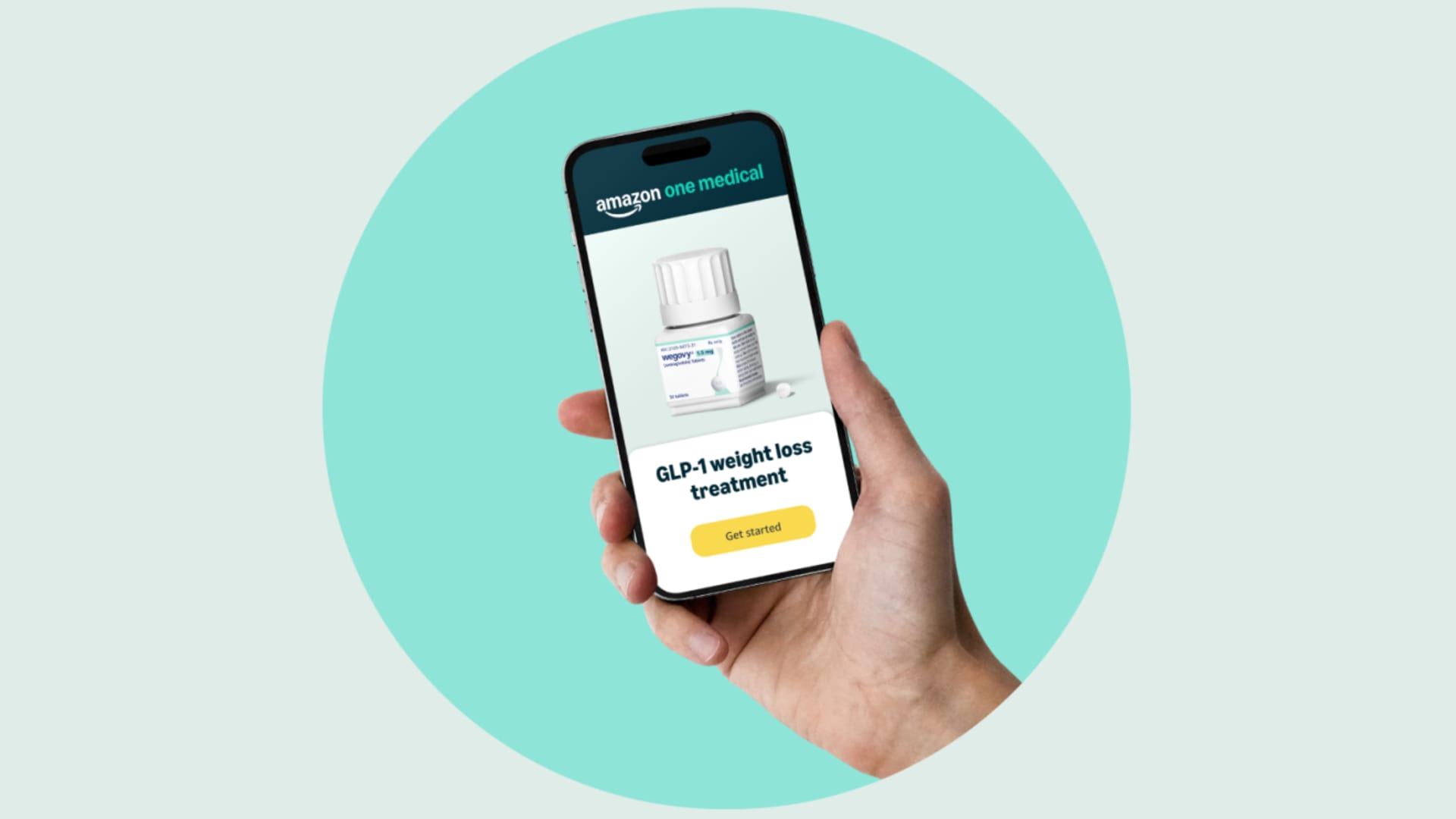
Amazon is pushing deeper into the booming weight loss market, unveiling Tuesday a new program that aims to simplify access to popular GLP-1 treatments.
Advertisement
The company said its primary care arm, Amazon One Medical, is launching a GLP-1 management program that integrates obesity treatment into routine care. The offering combines virtual and in-person visits, prescription management and pharmacy fulfillment, positioning weight management as a long-term chronic condition rather than a one-off prescription.
“Providing customers with fast, convenient medication access and clear, transparent pricing is integral to how Amazon Pharmacy is transforming the pharmacy experience,” said Tanvi Patel, vice president and general manager of Amazon Pharmacy, in the company’s press release.
“By expanding access to the latest GLP-1 medications with upfront, clear pricing, we’re making it easier for customers to get the treatments their health care providers prescribe and to stay on those medications because they are delivered reliably directly to patients,” Patel said.
Through Amazon Pharmacy, patients will be able to access medications including Novo Nordisk’s Wegovy as well as newer oral GLP-1 options. Insured pricing will start as low as $25 per month, Amazon said. For cash-paying patients, oral drugs start at $149 per month, it said.
Advertisement
Injectable treatments, including Wegovy shots and Eli Lilly’s Zepbound, begin at $299 per month when paid for without insurance, Amazon said.
Those prices are roughly in line with much of the current market.
But Amazon’s edge is in same-day delivery and convenience as it looks to leverage its logistics network and consumer reach into another corner of the medical system.
The company also said it will offer on-demand prescription renewals, starting at $29 for message consultation and $49 for video care. Amazon plans to expand its same-day drug delivery offering to 4,500 cities by the end of 2026.
Dhierin-Perkash Bechai is an aerospace, defense and airline analyst.
Dhierin runs the investing group The Aerospace Forum, whose goal is to discover investment opportunities in the aerospace, defense and airline industry. With a background in aerospace engineering, he provides analysis of a complex industry with significant growth prospects, and offers context to developments as they occur, describing how they might affect investment theses. His investing ideas are driven by data informed analysis. The investing group also provides direct access to data analytics monitors.
Learn more.
Analyst’s Disclosure: I/we have no stock, option or similar derivative position in any of the companies mentioned, and no plans to initiate any such positions within the next 72 hours. I wrote this article myself, and it expresses my own opinions. I am not receiving compensation for it (other than from Seeking Alpha). I have no business relationship with any company whose stock is mentioned in this article.
Seeking Alpha’s Disclosure: Past performance is no guarantee of future results. No recommendation or advice is being given as to whether any investment is suitable for a particular investor. Any views or opinions expressed above may not reflect those of Seeking Alpha as a whole. Seeking Alpha is not a licensed securities dealer, broker or US investment adviser or investment bank. Our analysts are third party authors that include both professional investors and individual investors who may not be licensed or certified by any institute or regulatory body.





















































You must be logged in to post a comment Login