Connect with us
DAPA Banner
DAPA Coin
DAPA
COIN PAYMENT ASSET
PRIVACY · BLOCKDAG · HOMOMORPHIC ENCRYPTION · RUST
ElGamal Encrypted MINE DAPA
🚫 GENESIS SOLD OUT
DAPAPAY COMING

Sports

MLB CBA negotiations timeline: Where things stand as league proposes draft overhaul

Published

on

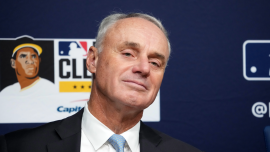
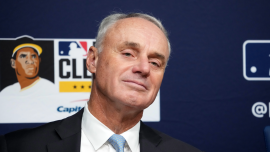
As the 2026 Major League Baseball season continues to unfold, something vitally important to the future of the sport quietly hums in the background: the ongoing negotiations over a new collective bargaining agreement.

The collective bargaining agreement, or CBA (or Basic Agreement, as it’s known in a formal sense), is the negotiated accord between players and clubs — i.e., the team owners and commissioner Rob Manfred, who represents their interests — that governs the working relationship between the two parties, typically for a period of five years. It covers things as mundane as players’ meal allowances and travel protocols and as vital as minimum salaries, the structure of free agency, revenue-sharing specifics, and roster sizes. Every CBA can be distilled down to a fight over money, or, more specifically, how the league’s revenues will be divided between players and team owners.

The first CBA covered the 1968 and 1969 seasons and was the first in professional sports history. That was the handiwork of Marvin Miller, the pioneering head of the Players Association (i.e., the players union) and belated Hall of Famer. It was Miller’s organizing skills, foresight, and training as a union economist that allowed him to make the Players Association a viable and effective labor organization. Every CBA negotiation from 1972 through 1994-95 resulted in some form and scale of labor stoppage, whether a players’ strike or an owner-implemented lockout. After the cancellation of the 1994 World Series because of the worst labor stoppage in the sport’s history, a long run of peace followed. That peace lasted until the prior CBA negotiations, which resulted in a 99-day lockout forced by team owners and delayed the start of the 2022 season.

Advertisement

MLB’s new CBA proposal would restrict free-agency contracts, raise minimum wage, but only with a salary cap

Dayn Perry

MLB's new CBA proposal would restrict free-agency contracts, raise minimum wage, but only with a salary cap
Advertisement

The current CBA negotiations have been underway for some time, and not surprisingly, the two sides remain far apart on several key issues. The biggest fight will be over the owners’ renewed desire to implement a salary cap, which the union continues to view as a non-starter. The push for a cap has less to do with the notions of competitive balance and more to do with the ownership’s internal belief that being the only non-salary-capped league among the major North American sports is harming franchise values. The cap, though, is but one of many pressing issues on which players and owners must find congruity.

Moving forward, the process will be uncertain and rife with posturing and pointed public comments from both sides. The hope, though, is that a new CBA will be agreed to before the middle of March 2027, at which point there’s a high risk of having the 2027 season delayed or even abbreviated. 

To keep you informed of the twists and turns along the way to a new CBA, we’ve provided a detailed timeline of negotiations. That timeline will illuminate the important and finer points of the talks and, along the way, explain the implications of the various proposals coming from each side. The hope, of course, is that all of it culminates in a timely agreement that permits a fully intact and on-time 2027 season.

Advertisement

Now let’s begin.

June 25, 2026: Limited free-agency contracts

More face-to-face negotiations take place, and MLB proposes more changes to the free-agency system, among other asks. MLB’s latest proposal includes the following, all of which depend upon the union’s acceptance of a payroll cap:

  • A maximum contract length of five years for players who switch teams and a maximum of 15% of the cap with 5% increases every year of the contract;
  • A maximum contract length of six years — and a max of 16% of the cap — for players who remain with their original team under a new “Cornerstone Player” provision;
  • Based on the league’s proposed cap figure for 2027, the maximum contract for a player switching teams is $202 million over five years and $265 million over six years for a player remaining with the same team;
  • An increase in the minimum salary from $780,000 to $1 million for players with at least two years of MLB service time;
  • An increase in the minimum salary to $900,000 for players with less than two years of MLB service time with the opportunity for a $100,000 bonus from the pre-arbitration bonus pool (already established);
  • The elimination of deferred contracts;
  • Acceptance of the union’s proposal to allow free agency after five years of MLB service time instead of six for players age 30 or older;
  • Acceptance of the union’s proposal to do away with the qualifying offer system for free agents.

MLB in a prior proposal called for a cap on team payrolls of $245.3 million starting in 2027 and a payroll floor of $171.2 million. The league issues a statement that reads in full: 

“The biggest issue baseball fans want solved to strengthen the game is fixing the payroll disparity that leaves too many fans without hope of their team competing for a World Series title. Every other major U.S. sport has tackled this problem, and every year more small market teams in those leagues have a chance to win. The salary cap and floor proposal levels the playing field, allowing us greater flexibility to address longstanding player priorities while sharing baseball revenue with the players 50/50.

“Today, in addition to proposing the largest ever increase in the minimum salary, earned by over half of MLB players, we accepted two landmark changes to free agency that have been in place for 50 years. We agreed to both the MLBPA’s proposal to provide earlier access to free agency, and their proposal to eliminate the qualifying offer system, a provision players view as a drag on free agency. We also proposed to eliminate deferred compensation and to create a new ‘Cornerstone Player’ provision similar to the NBA’s ‘Bird Rights’ to give every team a fair shot at retaining their fans’ favorite star players.

“We will continue working with the MLBPA during the bargaining process to improve the game for teams, players and fans.”

Advertisement

The MLBPA responds: 

“After making a series of proposals to reduce player compensation by billions of dollars, eliminate fundamental rights with a salary cap, and destroy the amateur entry process, Major League Baseball and team owners are now attempting to distract from the true impact their plan would have on baseball. These misleading offers are designed to look like ‘improvements’ but are of little or no value, given they are expressly conditioned on agreement to the league’s cap system which eliminates the free market, and ensures gains for one player only come at the expense of another.

“The league also introduced a litany of additional restrictions on player rights — limiting salaries, contract length, performance, award, and signing bonuses. While MLB claims to be acting in the interest of fans, their proposals thus far are entirely consistent with owners’ long-held goals: suppressing player salaries and maximizing club profits.

“Owners’ attempts to pit players against players are nothing new, but they’ve failed in the past and will fail again now, because PA members remain unified. We are committed to achieving a fair deal that protects the rights of all players, promotes competition, and leaves our game better for future generations.”

Lacking from the league’s latest proposal, at least on the public-facing side, is any revisiting of the recent changes to the draft and any mention of prior proposed changes to the league’s revenue-sharing system. 

Advertisement

June 18, 2026: MLB proposes sweeping draft changes

MLB and the MLBPA meet for face-to-face negotiations, and owners propose sweeping changes to the draft and also push for an international draft. As for the MLB Draft, formally known as the First-Year Player Draft, MLB pushes for the following changes:

  • A reduction from 20 rounds to 12 rounds;
  • A $200 million hard bonus system in which players are paid according to their draft position with no room to negotiate (teams have not spent $200 million or less in the draft since 2010);
  • High school players would no longer be eligible for the domestic amateur draft, and college players would be draft-eligible at age 20.

“Over the last several years, college baseball has undergone a remarkable transformation,” MLB says in a statement. “Expanded scholarships, NIL opportunities, revenue sharing and significant investments in facilities and player development have made college baseball an increasingly important pathway that is producing major league-ready talent at an accelerated rate. Today’s top programs provide players with resources, competition and national exposure that were unimaginable a decade ago. Our proposal is designed to build on that momentum to benefit the game at the college, minor-league and major-league levels. By creating a draft system centered around college-aged players and making most college players eligible one year earlier, more players will benefit from both a college education and an elite development environment while reaching professional baseball — and ultimately the major leagues — more quickly. We believe these changes will strengthen college baseball and deepen fans’ connection to the next generation of major league stars. We look forward to working with the MLBPA throughout the bargaining process to modernize the domestic amateur system in a way that benefits players, clubs, and fans.” 

As for the international draft, MLB proposed making players outside of the U.S., Puerto Rico, and Canada (who are already included in the standard draft) subject to a similar system. The international draft would, as with the proposed changes to the MLB Draft, come with a $200 million bonus cap. At present, international amateurs may sign with any team under the international free agent system, although teams do have hard budget caps each year.

The MLBPA also issues a statement in response to MLB’s proposals:

Today, MLB made another set of proposals that are flat out bad for baseball, ones that would cripple the next generation of players and damage the future of our game. They would, among other things:

Advertisement
  • Eliminate over a billion dollars in player compensation from the international and domestic system over the next five years, with a $400 million reduction from 2026 to 2027 alone.
  • Destroy fundamental player rights and remove talent from our sport by barring high school and junior college players (anyone under age 20) from the domestic draft.
  • Abolish an entire year of international signings by delaying the first draft until at least September of 2027 (and as late as March of 2028), denying young international players the ability to start their professional careers.

Players remain committed to bargaining in good faith and leaving baseball better than they found it — the league’s proposals fall woefully short.

June 5, 2026: Trump supports a cap

U.S. President Donald J. Trump publicly supports MLB’s efforts to implement a salary cap. “If you don’t have a salary cap, you don’t have a sport, because they can’t help themselves,” Trump says. “Football has a salary cap. They should have done it a long time ago.

“It’s shocking, frankly, that they didn’t put a cap on many years ago,” he said, possibly referencing the 1994-95 strike. “They had a chance to do a cap, but they blew it.”

June 3, 2026: Manfred talks luxury tax

Speaking to reporters following the owners’ quarterly meetings, Manfred addresses the luxury-tax system he and the owners seek to replace with a cap. “We have tried mightily over several rounds of bargaining to use a competitive balance (luxury) tax to address competitive concerns,” Manfred says. “And sometimes you’ve got to admit you failed.

“We made a proposal on one set of topics. At the outset of negotiations, I went and said myself, ‘We’re open to whatever ideas people have, but we need a realistic framework that addresses the fans’ concerns about competitive balance.’ You just can’t ignore that financial penalties have not gotten it done for us.”

Advertisement

June 1, 2026: MLBPA says cap is ‘institutionalized collusion’

In a call with reporters, MLBPA interim executive director Bruce Meyer addresses the owners’ proposals. “Using MLB’s definition of revenue and player share as set forth in their proposal and their presentation to us, player share under their proposal would go down,” Meyer says. “Player share for this season, 2026, is projected to be well over 50 percent, using, again MLB’s definitions of revenues and what counts against player share.

“Had MLB’s proposal been in place in 2026, players, we estimate, would lose over half a billion dollars.”

Meyer also refers to a salary cap as “a form of institutionalized collusion.”

“Our salary cap-and-floor proposal addresses our fans’ concerns by leveling the playing field while sharing baseball revenue with the players 50-50 like the other leagues,” MLB spokesperson Glen Caplin responded on behalf of the league. “Under our proposal, major-league players will receive more compensation in year one of the system than in 2026. We are ready to listen if the MLBPA wants to counter our proposal at the bargaining table.”

Advertisement

May 28, 2026: MLB’s first proposals

MLB and the owners publicly announce their first formal CBA proposal. Chiefly, they propose:

  • A salary cap, including benefits expenses, of $245.3 million for 2027;
  • A salary floor, also including benefits expenses, of $171.2 million for 2027;
  • A 50-50 revenue split between clubs and players;
  • The centralization and equal sharing of all local revenues.

Using competitive balance tax (CBT), or luxury tax, payrolls as a guide, since they include benefits expenses, nine teams at present would be above the proposed cap line, while 12 teams would be below the floor. However, as Craig Goldstein points out, the amount needed to get all these teams below or above the relevant payroll thresholds amounts to an $18.7 million loss in aggregate player salary overall. Another sticking point will be how league revenues are defined. Owners no doubt seek to carve out things like real estate developments surrounding ballparks and ownership stakes in regional sports. As well, MLB’s working definition of league revenues includes many expense deductions.

On another level, the fact that Manfred is able to persuade large-market, high-revenue clubs to agree to equal sharing of all local revenues is a notable development. However, such a concession by those large-market clubs may be contingent upon the implementation of a cap.

Another sticking point is that the league proposes an escrow system, as is used in the NBA and the NHL. This would mean a percentage of player salaries is withheld. If revenues fall short of projections, some of that money in escrow goes back to the league. If revenues are higher than projected, that excess is shared with the players. The MLBPA opposes the escrow system on the grounds that it undermines the notion of guaranteed player salaries. 

May 27, 2026: MLBPA’s first proposals

The MLBPA makes an opening suite of proposals to the league, including:

Advertisement
  • A “competitive integrity tax” levied against teams that don’t spend a minimum amount on player payroll.
  • An increase of the minimum salary from $780,000 to $1.5 million.
  • An increase of the bottom Competitive Balance Tax (more commonly known as the luxury tax) threshold from $244 million to $300 million.
  • Increased sharing of local-broadcast revenues among teams but less sharing of stadium game-day revenues (the latter to incentivize on-field success).
  • Tens of millions in extra revenue sharing to go to low-revenue teams that make the postseason or have a winning record.
  • Free agency after five or more years, rather than six, for players who are at least 30 years of age at the time.
  • Expanded draft lottery. 
  • Penalties for teams that neglect to spend revenue-sharing payments on team payroll.
  • Draft picks and other incentives for low-revenue clubs active in free agency. 
  • Elimination of the qualifying offer for outgoing free agents.
  • Increased compensation for lower-revenue teams losing players to free agency.

“Today, the MLBPA (Major League Baseball Players Association) presented a comprehensive set of economic proposals designed to advance the rights and benefits of players at all levels,” Meyer says in a statement released by the union. “Our goal is to preserve and improve baseball’s market system, rewarding competition on and off the field. Additionally, the players’ proposals provide increased revenue sharing initially guaranteeing every small market club a minimum of $240m in revenue every season. This enhanced revenue sharing includes added protections to ensure clubs prioritize winning over profiteering. Ultimately, our proposals are designed to build upon the incredible momentum and popularity of our sport world-wide.”

“We appreciate the union making a set of proposals and we look forward to continuing the bargaining process and working towards solving the competitive balance problem our fans are telling us needs to be addressed,” Caplin says in a statement. “We understand their proposals are designed to benefit players. Unfortunately, they do not address and in fact exacerbate the competitive balance problem our fans are telling us we must address. The MLBPA’s proposal would reduce the amount transferred to lower-revenue Clubs, weaken the Competitive Balance Tax, and lead to even more payroll disparity than exists today. For example, under the Union’s proposal, the Dodgers would pay less in luxury tax payments, giving them an additional $70 million to spend on payroll.”

May 12, 2026: Negotiations begin

Negotiations on a new CBA formally begin between teams and players. Among the key issues to be discussed will be the league’s desire for a salary cap, drastic changes to the revenue sharing system, league expansion, possible further playoff expansion, and an international draft.


Dec. 1, 2026

The 2022-26 Basic Agreement is set to expire at 11:59 p.m. ET, at which point owners are expected to lock out the players in the absence of a new agreement. 

Advertisement

Source link

Continue Reading
Click to comment

You must be logged in to post a comment Login

Leave a Reply

Sports

Jermall Charlo names the world champion he’s targeting ahead of comeback fight

Published

on

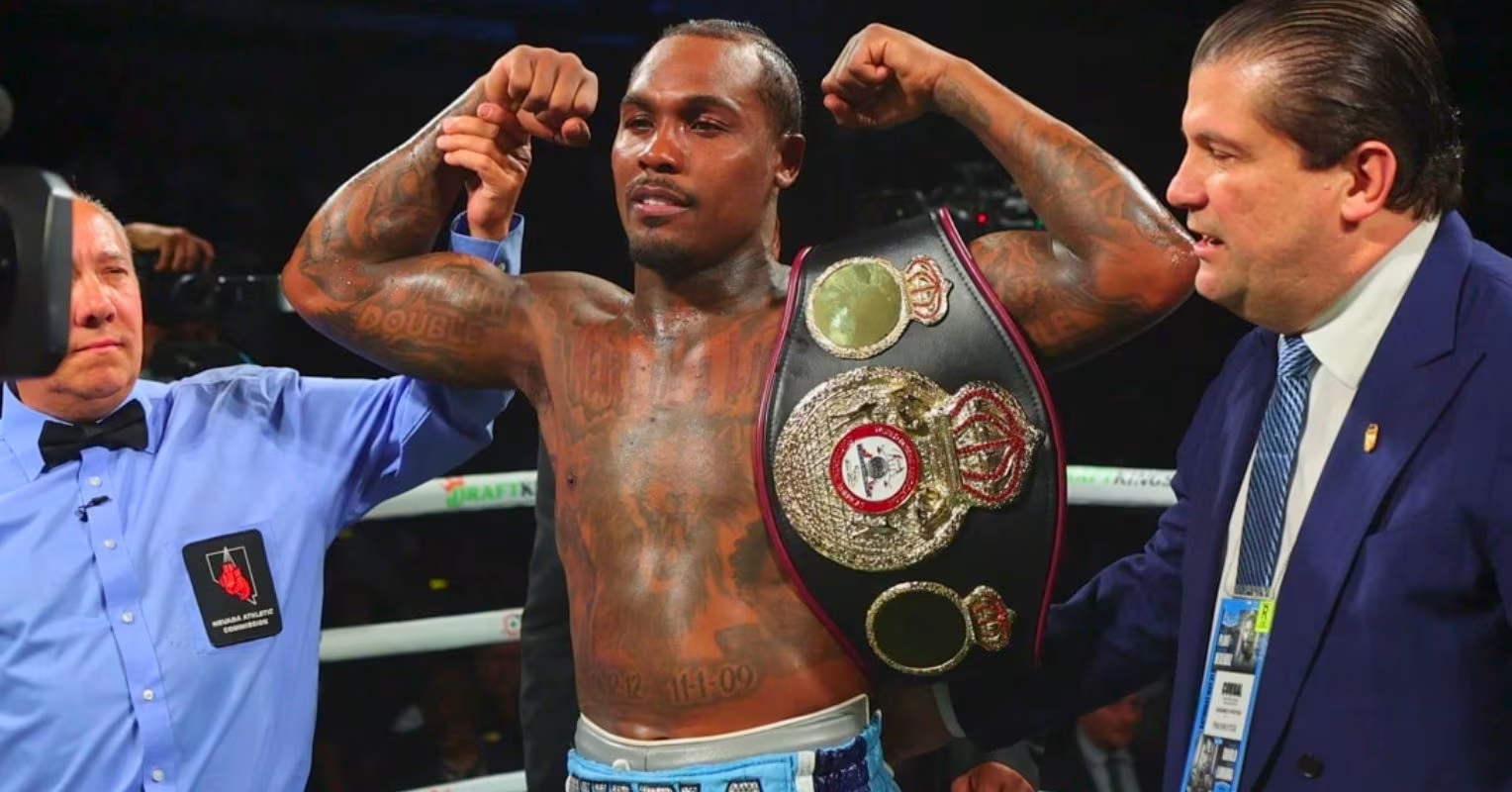
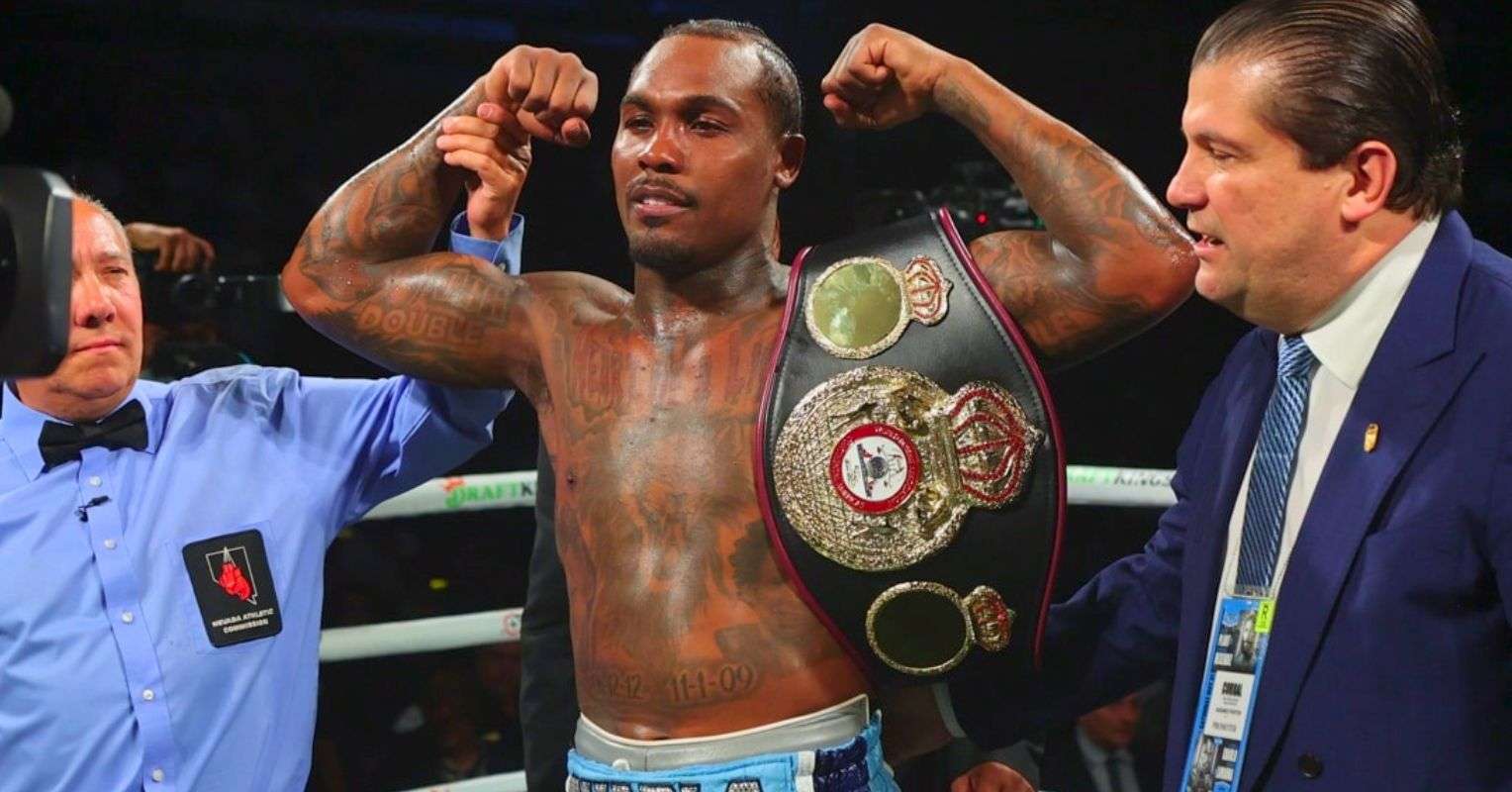
Two-division world champion Jermall Charlo is set to return to action in Australia next month. Should he be victorious, there is one reigning champion that the Texan is hoping to take on.

Charlo claimed world honours at both super-welterweight and middleweight but after almost three years without defending his WBC 160lb crown, the undefeated Charlo was stripped of his belt in May 2024.

Since then, ‘Hit Man’ has fought only once, knocking out Thomas ‘Cornflake’ LaManna on the Caleb Plant vs. Armabdo Resendiz card last May, where victory for him and Plant was supposed to tee up a grudge match until Resendiz pulled off the upset in the main event.

Advertisement

Resendiz was then elevated to WBA super-middleweight world champion, but he lost the belt in an attempted first defence against Jaime Munguia last month. 

Speaking with FightHype, 36-year-old Charlo confirmed that he is still pursuing that strap, targeting a shot at Munguia’s title in 2027.

“Let’s get done with this fight in July and then I will try to fight before the end of the year to give you [fans] another fight.

“Then I want to go and fight Munguia, Munguia sounds like a good fight.” 

Charlo first makes his comeback on the Errol Spence vs. Tim Tszyu card in Sydney on Saturday, July 26, facing off with Australian super-welterweight champion Koen Mazoudier in the co-main event.

Advertisement

Fellow American two-division ruler Stephen Fulton is also scheduled to appear on that ‘Australia vs. USA’ card, tasked with former super-featherweight world title challenger Liam Wilson.

Source link

Advertisement
Continue Reading

Sports

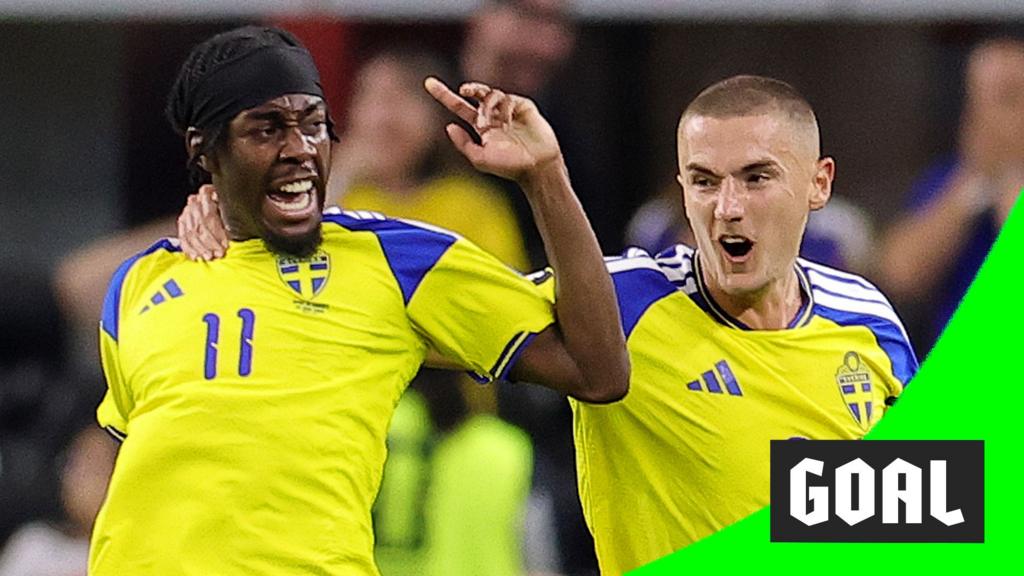
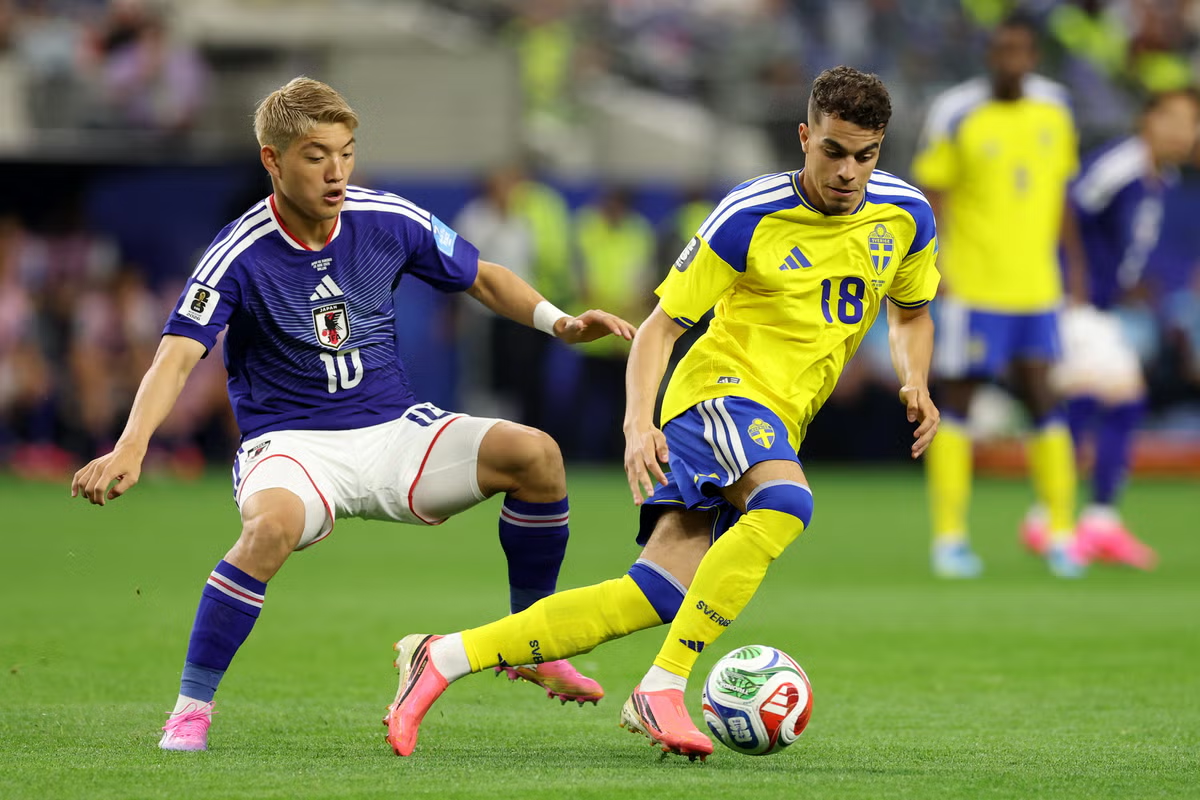
'Oh my word!' – Elanga 'stunner' draws Sweden level

Published

on

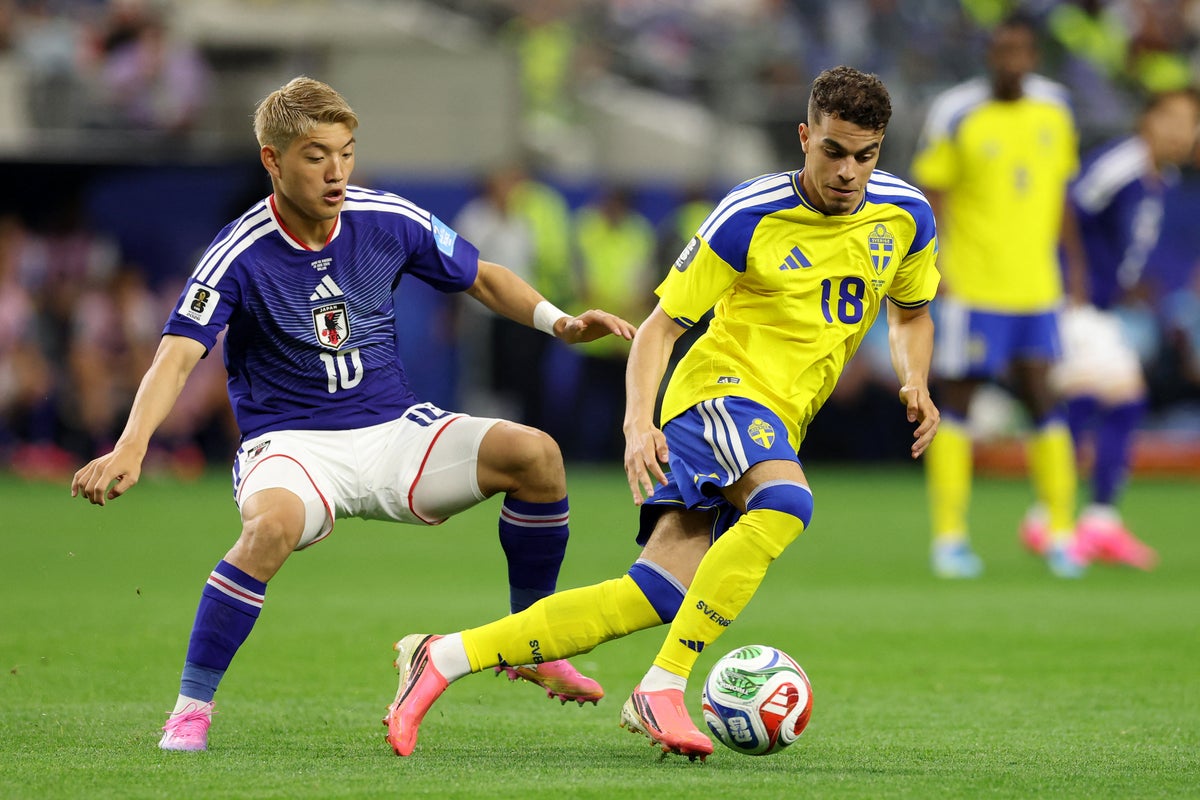
Anthony Elanga scores a brilliant curling effort from the edge of the area to draw Sweden level with Japan in their FIFA World Cup Group F match at Dallas Stadium.

Source link

Continue Reading

Sports

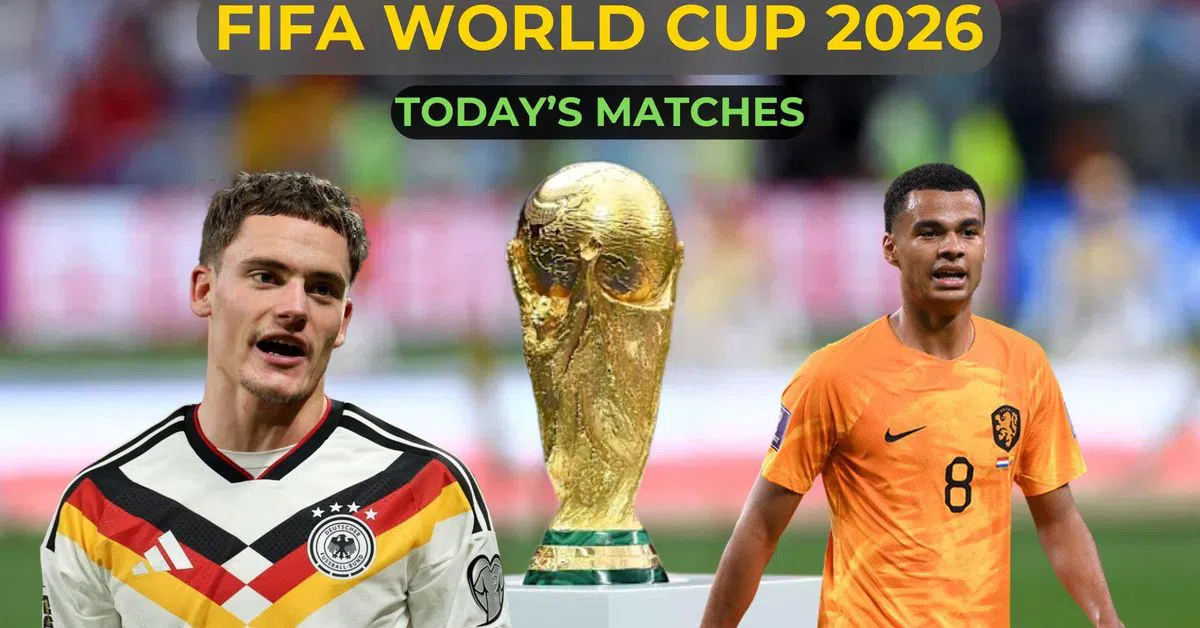
FIFA World Cup 2026 June 26 schedule, live match timings (IST), streaming | FIFA World Cup 2026

Published

on


The final round of group-stage fixtures continues at the 2026 FIFA World Cup on June 26, with qualification scenarios becoming clearer across Groups E, F and D.


While some teams have already secured their place in the Round of 32, others are still fighting to keep their World Cup dreams alive. Germany enter the day as Group E winners, the United States have already wrapped up top spot in Group D, while Group F remains one of the most competitive groups in the tournament with three teams still chasing automatic qualification.


Advertisement

FIFA World Cup June 26 matches

Time (IST)

Match

Group

01:30:00

Curaçao vs Ivory Coast

Group E

01:30:00

Ecuador vs Germany

Group E

04:30:00

Tunisia vs Netherlands

Group F

04:30:00

Japan vs Sweden

Group F

07:30:00

Türkiye vs USA

Group D

07:30:00

Paraguay vs Australia

Group D


Ivory Coast And Curaçao Battle For Second Spot


Advertisement


Germany have already secured top spot in Group E after winning their opening two matches, leaving the battle for the second qualification berth wide open.


Ivory Coast currently hold the advantage and know that avoiding defeat against Curaçao should be enough to progress. Ecuador remain alive but need a positive result against Germany and help from elsewhere.


Advertisement


Curaçao have been one of the surprise packages of the tournament and still have a realistic chance of reaching the knockout rounds.


Group E Scenario 


  • Germany have already won the group.

  • Ivory Coast qualify with a win or draw.

  • Curaçao qualify with a win over Ivory Coast.

  • Ecuador need a win and favourable results elsewhere to remain in contention. 


Key Match


Advertisement


Curaçao vs Ivory Coast


This is effectively a knockout game. A victory would send Curaçao into the Round of 32 for the first time, while Ivory Coast only need to avoid defeat to secure qualification.


Advertisement


Group F: The Tightest Group Heads For A Dramatic Finish


Group F remains one of the most unpredictable groups in the competition.


Advertisement


The Netherlands, Japan and Sweden all remain firmly in the race for the two automatic qualification spots. With only one match remaining, every goal could prove decisive.


The Dutch currently occupy a strong position but are yet to guarantee progression. Japan have impressed throughout the tournament, while Sweden remain capable of overtaking both rivals with a final-day victory. Tunisia have already been eliminated and will be playing only for pride. 


Group F Scenario 

Advertisement

  • Netherlands qualify with a win or draw.

  • Netherlands win the group with a win and a Japan draw or loss.

  • Japan qualify with a win or draw.

  • Japan win the group with a win and a Netherlands draw or loss.

  • Sweden qualify with a victory.

  • Tunisia have been eliminated.


Japan vs Sweden


This could effectively decide one of the automatic qualification spots. Sweden need victory, while Japan know that even a draw could be enough to secure a place in the knockout stage.


Advertisement


USA Already Through, Australia And Paraguay Fight For Survival


The United States have already secured top spot in Group D after winning their first two matches and are guaranteed a Round of 32 fixture in Santa Clara. That leaves Australia and Paraguay battling for second place.


Advertisement


Australia enter the final matchday in the stronger position and need only avoid defeat against Paraguay to progress. Paraguay, meanwhile, face a straightforward task: win and they advance. Türkiye have already been eliminated after two defeats.


Group D Scenario 


  • USA have already won the group.

  • Australia qualify with a win or draw.

  • Paraguay qualify with a win.

  • Paraguay could still qualify with a draw depending on third-place rankings, but it is not guaranteed.

  • Türkiye have been eliminated.


Paraguay vs Australia

Advertisement


The stakes could not be clearer. Australia only need a point, while Paraguay must push for victory to keep qualification in their own hands. 


FIFA World Cup 2026: June 26 Matches Live Streaming and Telecast Details


Which two teams will feature in the first game of FIFA World Cup 2026 on June 26?

Advertisement


Curaçao and Ivory Coast will kick-start the June 26 action of the FIFA World Cup 2026 at 1:30 am IST in a crucial Group E encounter.


Which two teams will feature in the second game of FIFA World Cup 2026 on June 26?

Advertisement


Ecuador will face Germany in the other Group E fixture, also scheduled to begin at 1:30 am IST.


Which two teams will feature in the third game of FIFA World Cup 2026 on June 26?

Advertisement


Tunisia will take on the Netherlands in a Group F clash scheduled to start at 4:30 am IST.


Which two teams will feature in the fourth game of FIFA World Cup 2026 on June 26?

Advertisement


Japan and Sweden will lock horns in the second Group F fixture at 4:30 am IST.


Which two teams will feature in the fifth game of FIFA World Cup 2026 on June 26?

Advertisement


Türkiye will meet the United States in a Group D encounter beginning at 7:30 am IST.


Which two teams will feature in the sixth game of FIFA World Cup 2026 on June 26?

Advertisement


Paraguay and Australia will square off in the other Group D fixture, also starting at 7:30 am IST.


Where to watch the live broadcast of the FIFA World Cup 2026 June 26 matches in India?

Advertisement


The broadcast of the June 26 matches of the FIFA World Cup 2026 will be available on Unite8 Sports 1, Unite8 Sports 1 HD, Unite8 Sports 2 and Unite8 Sports 2 HD TV channels for fans in India.


Where to watch the live streaming of the FIFA World Cup 2026 June 26 matches in India?

Advertisement


The live streaming of the June 26 matches of the FIFA World Cup 2026 will be available on the ZEE5 app and website for viewers in India.


Source link

Advertisement
Continue Reading

Sports

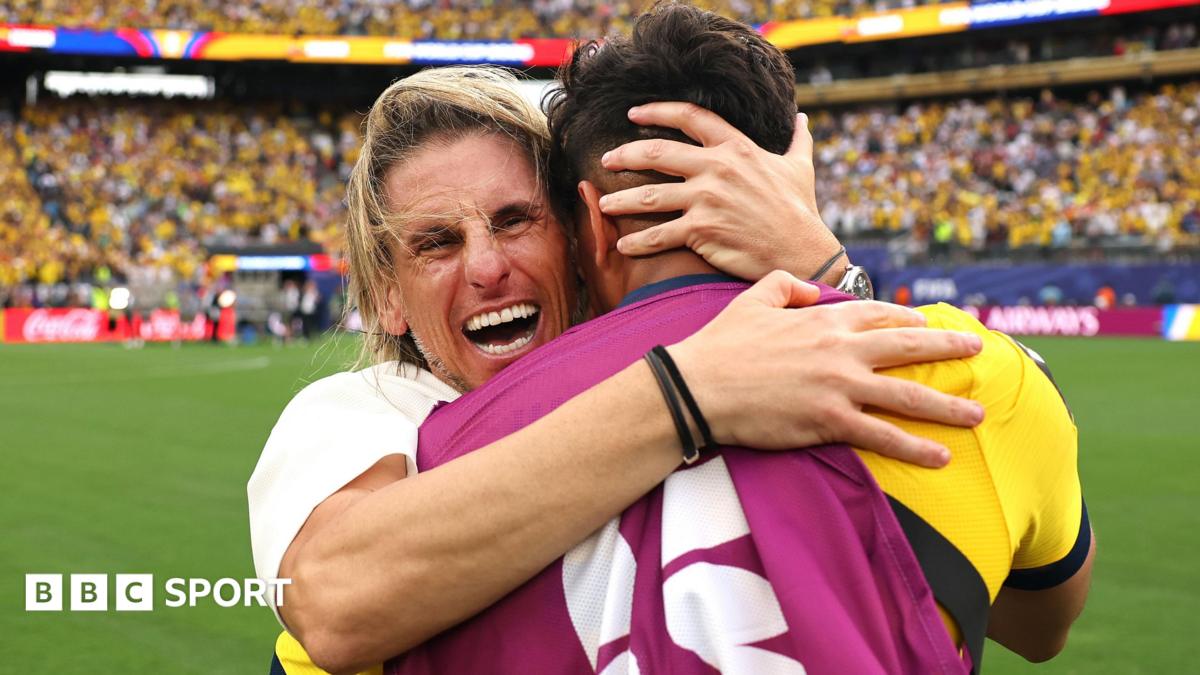
World Cup 2026: Sebastian Beccacece goes from brink to World Cup history with Ecuador

Published

on

Ecuador’s World Cup qualification campaign began with a three-point deduction slapped on them back in 2022 for fielding Colombia-born Byron Castillo, who Chile claimed was ineligible to play the qualifiers for the World Cup in Qatar.

They began the 2026 qualifiers under Felix Sanchez, who guided them to three wins from six matches before the former Qatar boss was dismissed in July 2024, straight after a Copa America quarter-final defeat by Argentina.

“They lost the shootout, and Sanchez was sacked in the dressing room after the game,” South American football expert Tim Vickery told BBC Sport.

“They treat their coaches with great harshness.”

Advertisement

Beccacece reign began with a 1-0 defeat by Brazil but his side did not lose again in 11 matches as they qualified for the World Cup as runners-up in South America – only behind the Selecao.

It meant they arrived at the tournament with high expectations and boasting a 19-game unbeaten run.

But it was far from the start they or their supporters had hoped for.

A last-gasp 1-0 defeat by Ivory Coast in the opener was followed by a humiliating goalless draw with debutants Curacao – which turned the fans against the coach.

Advertisement

“I am very sorry I didn’t make ​it to the heart of the Ecuadorean fan,” he had said.

“For the fans who don’t know me, I think I didn’t quite click with them. There is something they don’t like with me ​and that is fine.”

After no playing career of note, Beccacece earned his reputation as an assistant to Jorge Sampaoli during Chile’s era of success a decade ago – helping them to reach the 2014 World Cup and secure their first-ever Copa America title in 2015.

He was also Sampaoli’s assistant at the 2018 World Cup with Argentina while he was in charge of Spanish side Elche before joining Ecuador.

Advertisement

Having now masterminded Ecuador’s turnaround at the World Cup, the 45-year-old has perhaps achieved the biggest feat of his managerial career.

“We never feel like we are in hell, nor do we feel like we are in heaven,” he said after beating Germany.

“We have our feet grounded on earth and we feel and think in the right manner.”

Source link

Advertisement
Continue Reading

Sports

Once a junior-golf phenom, Alexa Pano’s patience is paying off

Published

on

Source link

Advertisement
Continue Reading

Sports

The real reason Germany are running out of time after World Cup setback

Published

on

Top spot in Group E, 10 goals scored and two wins from three. And yet, an air of disappointment.

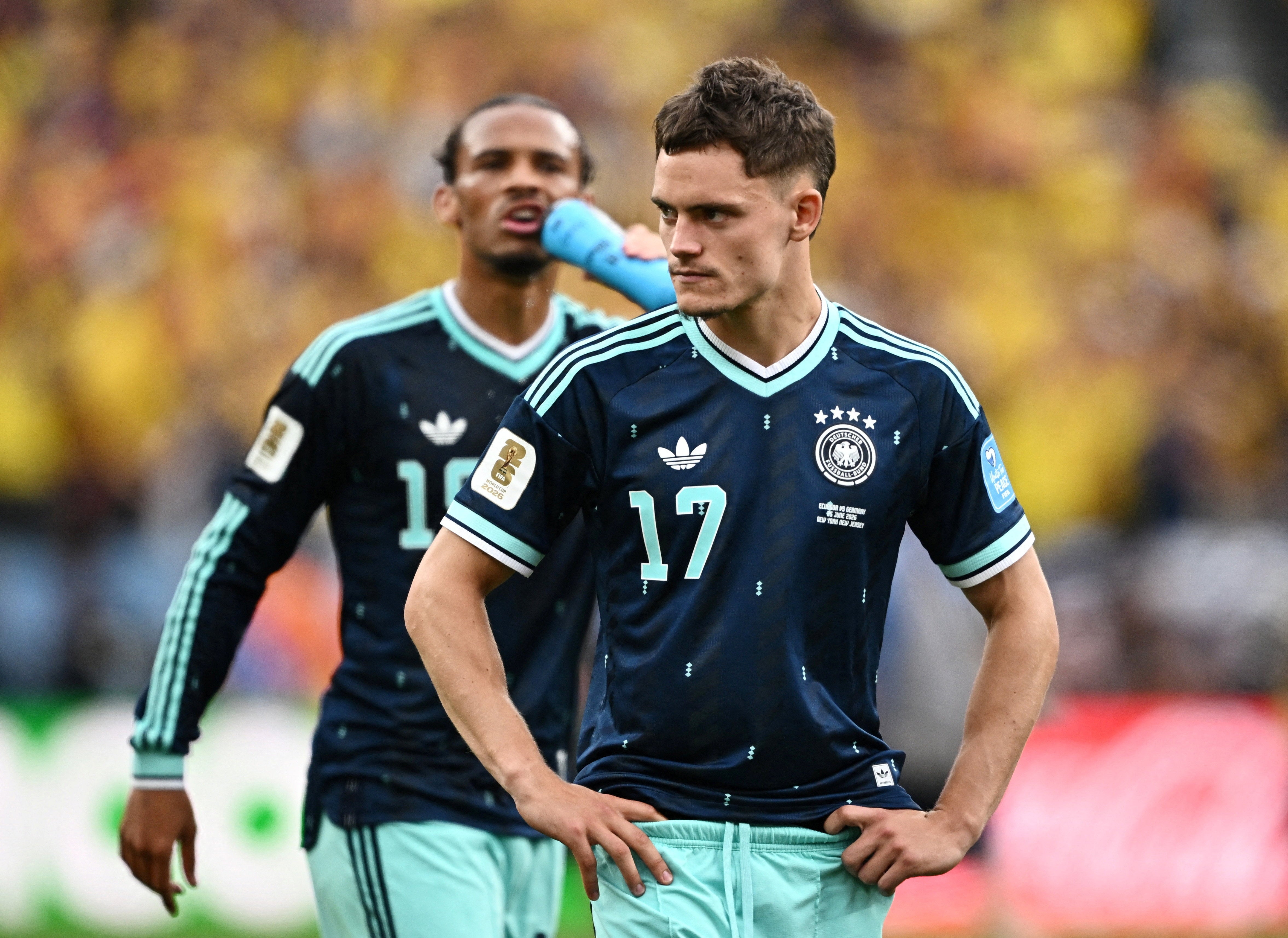
While Germany’s 2-1 loss to Ecuador was celebrated raucously in the stands of the New York New Jersey Stadium, it changed little for the four-time World Cup winners, who had wrapped up first place in their group five days earlier. However, as the players wandered around the pitch at full-time, it felt like an admission of defeat in more ways than one.

After exiting the tournament at the group stages in 2018 and 2022, a place in the last 32 – and their first World Cup knockout game since the 2014 final – is an achievement for Germany, if an expected one. However, this is a nation that dreams big every four years, and on the same pitch where the final will be held in a few weeks, they produced a performance that suggested they’ll have flown home long before 19 July.

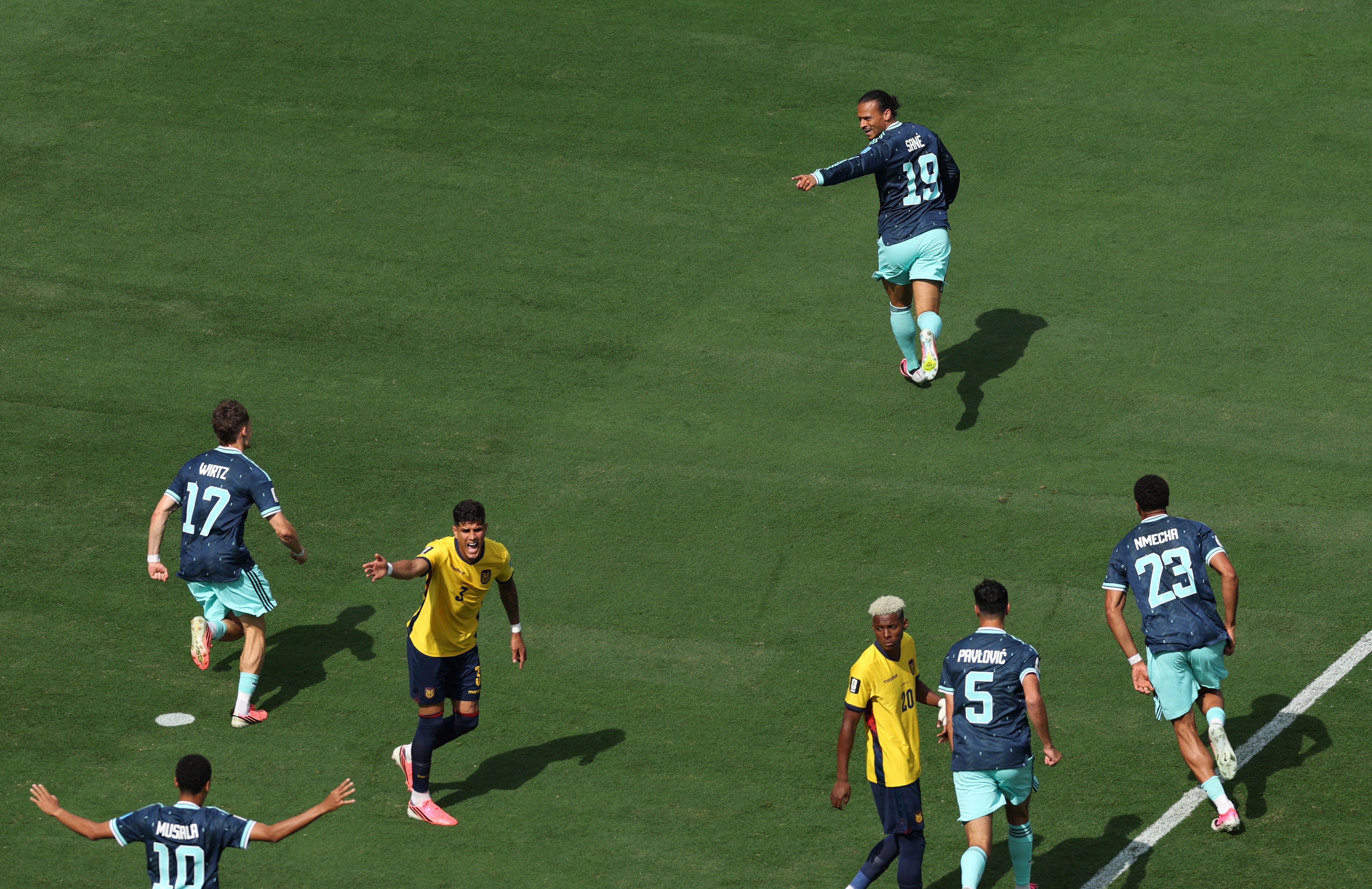
It all started so well too, Leroy Sane opening the scoring inside two minutes. It was a well-taken finish, though Aleksandar Pavlovic can count himself lucky that a high foot wasn’t penalised in the build-up.

Leroy Sane fired in early to give Germany a dream start
Leroy Sane fired in early to give Germany a dream start (Reuters)

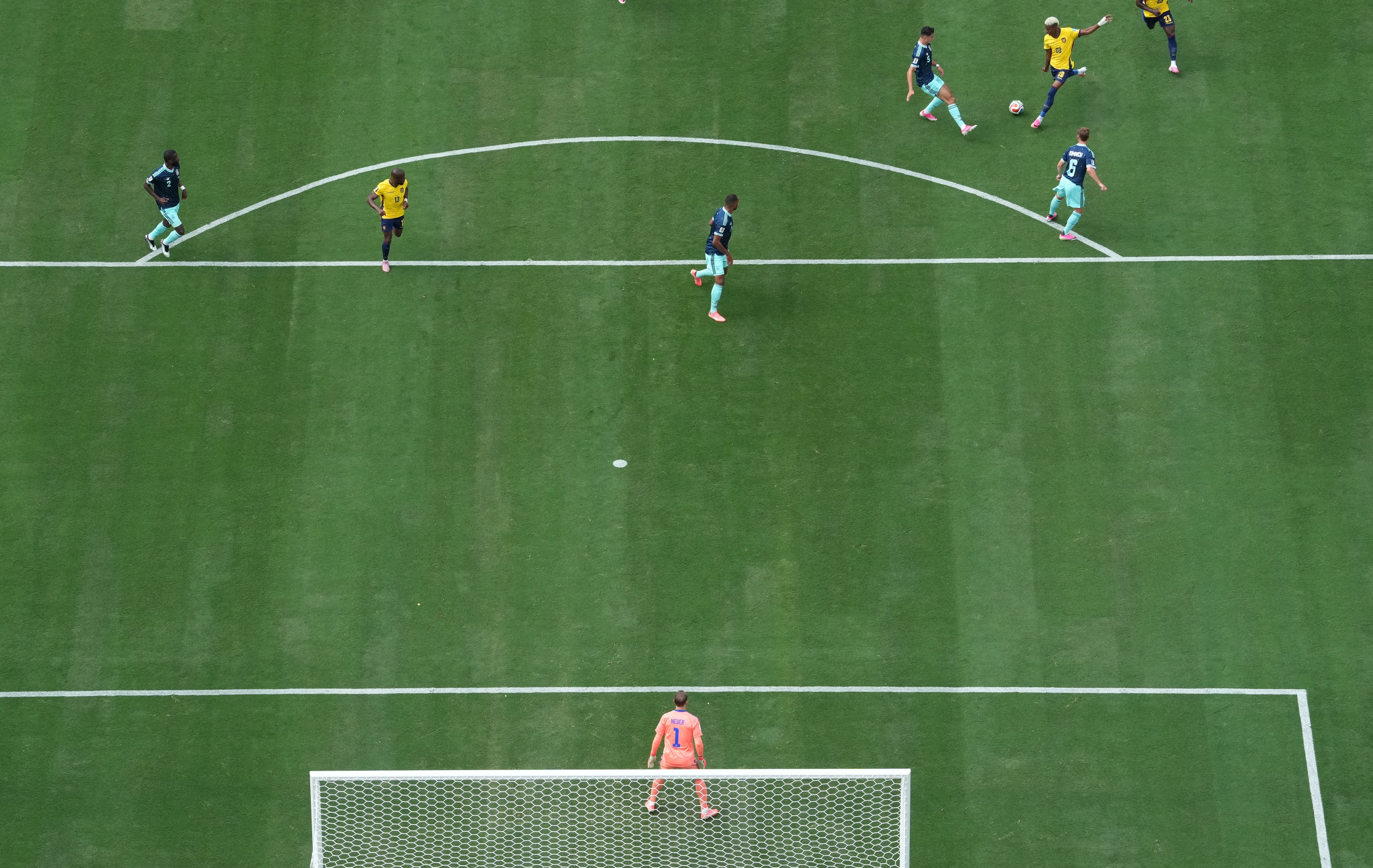
But if players and fans had hoped that would be a sign of things to come, they were in for a rude awakening. Ecuador were level within seven minutes, Nilson Angulo getting his own slice of fortune as a superb strike went through the legs of the onrushing defender as it flew into the corner.

It was a moment that sparked the game into life, and for a while Germany looked shellshocked, unable to handle Ecuador’s intensity and looking sloppy in possession.

Advertisement

Even as they began to find their feet in possession again it was far too pedestrian. Neither side was able to dominate throughout the first half, but while Germany saw plenty of the ball, there was a lot of probing but very little of substance in their attacking play.

Nilson Angulo's superb strike levelled the game after nine minutes
Nilson Angulo’s superb strike levelled the game after nine minutes (Reuters)

It was not the type of football many associate with Germany, though it is something we’ve become more used to seeing after the group stage exits in the last two World Cups.

“In the weeks leading up to the World Cup, the key issue was that this team needed time to develop chemistry because they hadn’t played many matches together,” said Germany manager Julian Nagelsmann in his pre-match conference. It was clear for all to see in East Rutherford, and combined with a clunky starting XI, injuries and a lack of quality, it feels like it will be Germany’s undoing this summer.

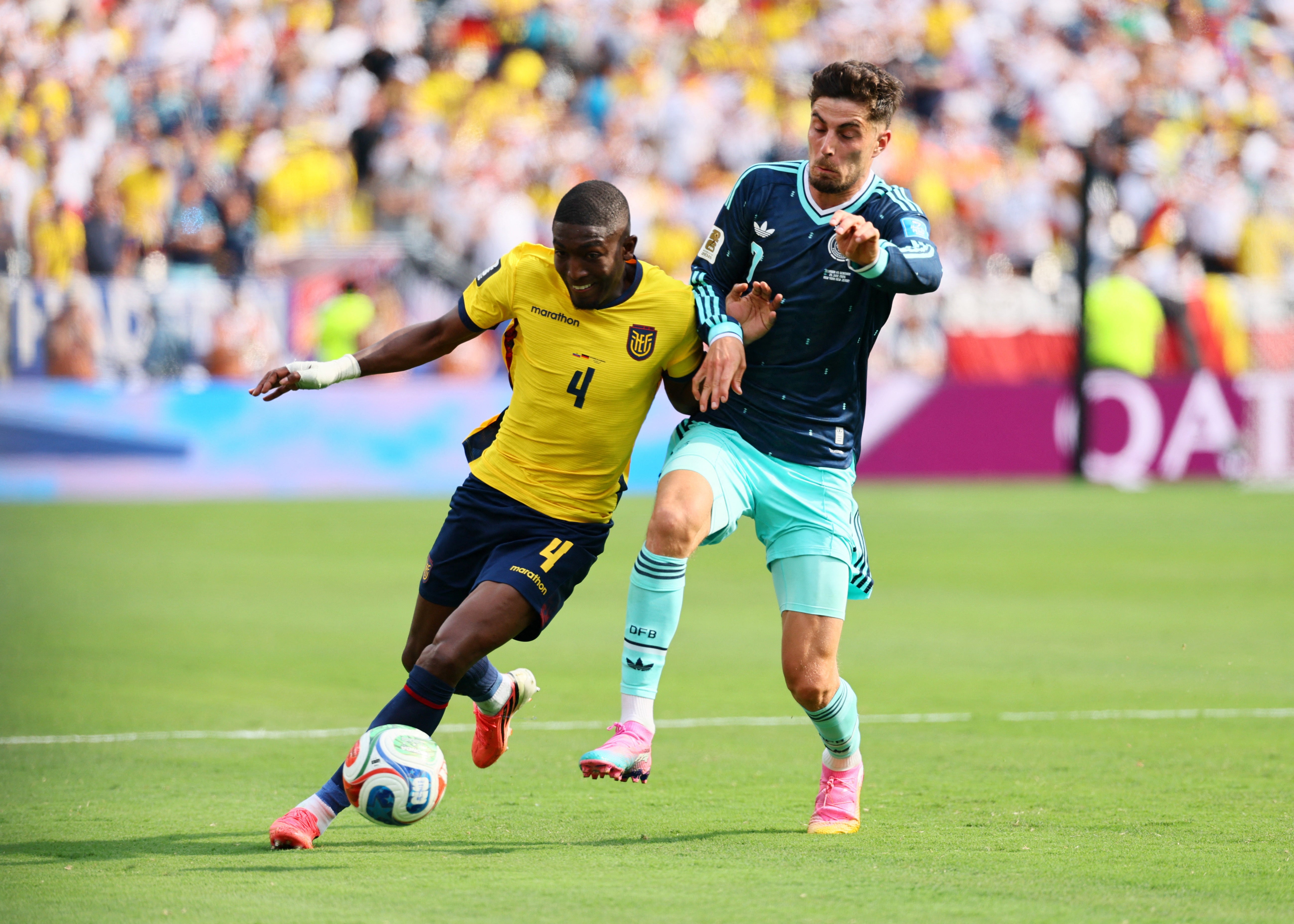
The struggles of Joshua Kimmich at right-back and the lack of threat offered by Florian Wirtz and Kai Havertz in attack were a reminder that some of the nation’s best players are being shoehorned into the side due to a lack of alternatives. Kimmich spent most of the season playing in central midfield for Bayern Munich, while Wirtz has proved far more effective down the middle for Liverpool.

As for Havertz, the debate over his abilities as a striker will rage on, while you suspect that in an ideal world Nagelsmann would have better alternatives to Leroy Sane too.

Advertisement
Havertz was one of several Germany players who struggled on the day
Havertz was one of several Germany players who struggled on the day (Reuters)

That is no criticism of Nagelsmann either, with the Germany boss simply trying to make the most of his mixed resources. There are few viable – or better – alternatives to Kimmich, Sane and Wirtz, for example, though perhaps he could help himself by starting Deniz Undav in the last 32.

As the game wore on, the lack of chemistry was apparent, with players chasing loose passes, making the wrong runs and failing to pick out teammates. It was summed up in a late mix-up between Tah and Neuer, the defender prodding the ball past his onrushing goalkeeper moments before Gonzalo Plata fired narrowly over the bar.

Havertz, Wirtz and Kimmich all came off, though with Pascal Gross replacing the Liverpool man and centre-back Malick Thiaw also shoehorned in at right-back, only Angelo Stiller felt like a reasonable replacement as he came on for Pavlovic.

Of course, the quality of some players in the starting XI meant that Germany still created chances. The penalty decision at the beginning of the second half would have been a cruel – if entirely self-inflicted – way for Ecuador to fall behind again, but it neatly summed up the game in a way, as it began to feel like a moment of Ecuador madness would be the only way through for Germany.

Germany will face one of the third-placed sides in their round of 32 match on 29 June
Germany will face one of the third-placed sides in their round of 32 match on 29 June (Reuters)

Later on, Sane blew the best chance of the second half at one end – scuffing his effort and firing it straight at Hernán Galindez – before a brilliant block from Stiller at the other saved Germany.

Even then, it was only for a moment, with Plata bundling in from a corner seconds later. It further summed up Germany’s day. Kevin Rodriuguez won the first ball, Neuer was too slow to react, Tah was too busy grabbing a handful of a shirt rather than getting goal-side, and Plata fired home. A lack of aggression and a lack of physicality were problems throughout, and they combined as Germany conceded again.

Advertisement

As full-time loomed, players raced to recover loose passes and the forwards toiled, but Germany fell to a defeat that feels like the true representation of their 2026 World Cup campaign so far. Wins against Curacao and the Ivory Coast have papered over cracks; having better players will inevitably win you some games, but the level of individual talent in this set-up won’t win Germany this World Cup.

The expanded format and a kind draw means they have avoided the disasters of 2018 and 2022, and will play their first World Cup knockout game since 2014 in Boston on 29 June.

But while the expanded format means that game will come against the likes of Scotland or Paraguay, France could be waiting in the last 16. For Germany, it feels like the end of the road will come sooner rather than later in another tournament to forget.

Source link

Advertisement
Continue Reading

Sports

Man City agree club record fee for Elliot Anderson

Published

on

Manchester City have agreed a club record fee to sign Elliot Anderson from Nottingham Forest.

The England midfielder is expected to become City’s biggest ever signing after Forest, who had rejected a previous bid of £106m, rising to £120m, accepted a nine-figure offer, thought to be £116m.

It is understood it is a straight offer with no add-ons and is below the British transfer record, Alexander Isak’s £125m move from Newcastle to Liverpool last summer.

Manchester United were also interested in Anderson but City showed a willingness to meet Forest’s huge asking price.

City made Anderson their top target in their midfield rebuild after captain Bernardo Silva left the Etihad Stadium, with the Portuguese joining Real Madrid.

Advertisement

City are also considering bringing in a second central midfielder this summer, with Newcastle’s Sandro Tonali also of interest to them.

Anderson is currently in the United States as part of the England squad in the World Cup, leaving a question of when and where his medical will take place and the deal is completed.

Anderson will form part of Man City’s midfield rebuild this summer
Anderson will form part of Man City’s midfield rebuild this summer (Action Images via Reuters)

When the 23-year-old joins City, it will take their spending in 2025 and 2026 to around £550m. City’s current club record buy is Jack Grealish, who signed for £100m in 2021.

Anderson joined Forest for £35m two years ago and will give the Midlands club a vast profit on their investment.

City are closing in on the appointment of Enzo Maresca to replace Pep Guardiola as manager after talks with Chelsea about compensation for the Italian.

Advertisement

Source link

Continue Reading

Sports

Japan v Sweden LIVE: World Cup kick-off time, team news, line-ups and latest updates from key Group F clash

Published

on

Japan 0-0 Sweden

45’ – There will be five added minutes.

Alan Smith26 June 2026 00:46

Advertisement

Japan 0-0 Sweden

45’ – Now there’s a chance. Nakamura curls one goalwards off his right at the end of a neat passing move. Zetterstrom turns it around his post for a corner.

Doan’s inswinger is headed away.

Alan Smith26 June 2026 00:45

Advertisement

Japan 0-0 Sweden

43’ – It’s becoming so stop start. Bergvall clatters into Doan in clumsy fashion not far from the centre circle.

Alan Smith26 June 2026 00:43

Japan 0-0 Sweden

42’ – Now Elanga is tripped by Tanaka.

Advertisement

Alan Smith26 June 2026 00:42

Japan 0-0 Sweden

41’ – Jeers as Doan is called for a foul on Gudmundsson. It is very, very, very soft.

Alan Smith26 June 2026 00:41

Advertisement

Japan 0-0 Sweden

40’ – Sugawara, from distance, slides a slow shot on target. It is easy for Zetterstrom but that at least means Japan have registered a shot on target.

Alan Smith26 June 2026 00:40

Advertisement

Japan 0-0 Sweden

39’ – And now a change for Japan as Taniguchi comes on for Itakura, the captain who runs off so is presumably not injured.

Alan Smith26 June 2026 00:39

Japan 0-0 Sweden

37’ – That’s all for Hien. Bergvall comes on and that means Lindelof will shift back into defence.

Advertisement

Hien looks in absolute agony as he limps alongside the perimeter of the pitch and he has gone back down while waiting for a stretcher having decided the dugout or dressing room was too onerous a trip.

Alan Smith26 June 2026 00:38

Japan 0-0 Sweden

35’ – Sugawara flings in another cross. Hien goes down while stretching to intercept it and the defender looks in a reasonable amount of bother, enough to require medical attention.

Advertisement

Alan Smith26 June 2026 00:35

Japan 0-0 Sweden

32’ – Hien is booked for hauling Ueda down just inside the Sweden half as he breaks following a pass from Tanaka.

Alan Smith26 June 2026 00:32

Advertisement

Source link

Continue Reading

Sports

When did Ariana Grande date Ricky Alvarez? Singer changes “Thank u, Next” lyric written for her ex at the ‘eternal sunshine’ tour in Austin

Published

on

On June 24, Ariana Grande surprised fans by changing the lyrics to her song, Thank u, Next. The Grammy-winning songstress modified the line which seemingly refers to her ex-boyfriend, Ricky Alvarez.

For the unversed, Grande reportedly started dating her former backup dancer, Ricky Alvarez, in 2015. The pair were in a relationship for one year before splitting in 2016.

While Ariana Grande was mostly tight-lipped about her relationship with Alvarez, she was once asked about the same during a 2016 interview with Billboard.

“We’re happy. I’m a very happy girl. I have a healthy life right now, and I think that’s all anyone cares to know. The end,” she had said at that time.

According to a report by E! News, Ariana Grande had initiated the breakup. There was no hint of disloyalty, but the duo seemingly “found it difficult to make it work.” The report also stated that the two were friends after the breakup.

Advertisement

During her recent Eternal Sunshine concert at the Moody Center in Austin, Grande tweaked a line of her song, Thank u, next, which was seemingly dedicated to Alvarez.

“Wrote some songs about Ricky…now they still kinda slap,” she sang, which got the attention of the fans as the original line was, “Wrote some songs about Ricky…Now I listen and laugh”

Released in 2018, Thank u, Next is the lead single from Ariana Grande’s fifth studio album of the same name. As per several reports, the song is an ode to Grande’s past relationships and was released days after her breakup with her ex-fiance, Pete Davidson.

It received acclaim from both fans and critics, debuting atop Billboard Hot 100. Furthermore, it was certified eight-times platinum and was included in Rolling Stone’s 500 Greatest Songs of All Time during their 2021 revision.


More about Ariana Grande’s The Eternal Sunshine Tour

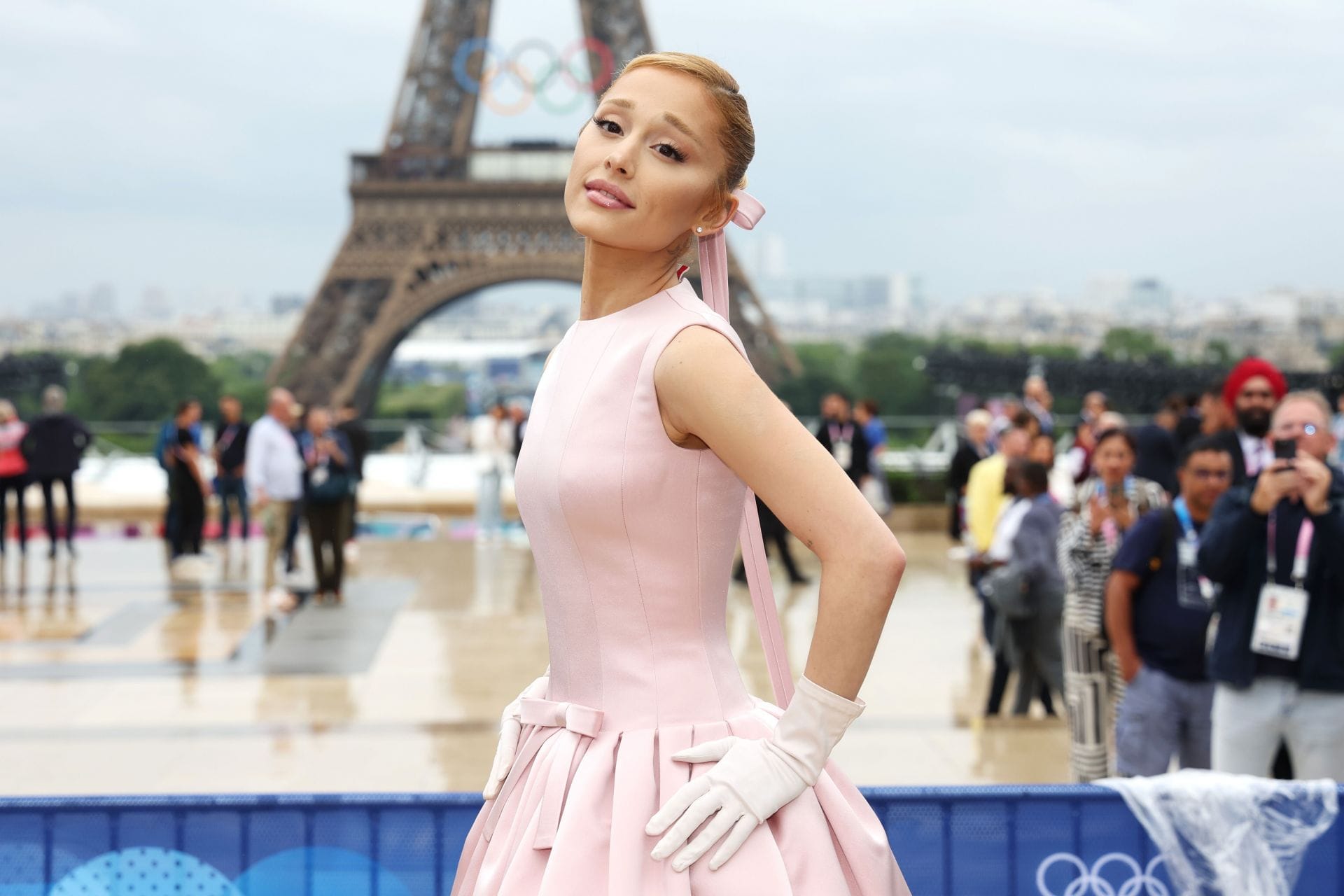
Opening Ceremony - Olympic Games Paris 2024: Day 0 - Source: GettyOpening Ceremony - Olympic Games Paris 2024: Day 0 - Source: Getty
Opening Ceremony – Olympic Games Paris 2024: Day 0 – Source: Getty

The Eternal Sunshine Tour is Ariana Grande’s fifth concert tour to promote her seventh studio album of the same name. The tour consists of 41 shows and is scheduled to end at the O2 Arena in London on September 1, 2026.

Ariana Grande first dropped hints of The Eternal Sunshine Tour while appearing in a March 2024 episode of the Shut Up Evan podcast. The songstress explained that she would love to “trickle in some shows in between the two Wicked movies.” Ariana Grande described it as a “mini sampling of shows.”

Advertisement

“I do think it’d be really nice to do that, and it’s something my team and I are working on coming up with options for,” she concluded.

Here is the full schedule of Ariana Grande’s ongoing Eternal Sunshine Tour:

  • June 6, 2026: Oakland, Oakland Arena
  • June 9, 2026: Oakland, Oakland Arena
  • June 10, 2026: Oakland, Oakland Arena
  • June 13, 2026: Los Angeles, Crypto.com Arena
  • June 14, 2026: Los Angeles, Crypto.com Arena
  • June 17, 2026: Inglewood (Los Angeles), Kia Forum
  • June 19, 2026: Inglewood (Los Angeles), Kia Forum
  • June 20, 2026: Inglewood (Los Angeles), Kia Forum
  • June 24, 2026: Austin, Moody Center
  • June 26, 2026: Austin, Moody Center
  • June 27, 2026: Austin, Moody Center
  • June 30, 2026: Sunrise, Amerant Bank Arena
  • July 2, 2026: Sunrise, Amerant Bank Arena
  • July 3, 2026: Sunrise, Amerant Bank Arena
  • July 6, 2026: Atlanta, State Farm Arena
  • July 8, 2026: Atlanta, State Farm Arena
  • July 9, 2026: Atlanta, State Farm Arena
  • July 12, 2026: Brooklyn, Barclays Center
  • July 13, 2026: Brooklyn, Barclays Center
  • July 16, 2026: Brooklyn, Barclays Center
  • July 18, 2026: Brooklyn, Barclays Center
  • July 19, 2026: Brooklyn, Barclays Center
  • July 22, 2026: Boston, TD Garden
  • July 24, 2026: Boston, TD Garden
  • July 25, 2026: Boston, TD Garden
  • July 28, 2026: Montreal, Bell Centre
  • July 30, 2026: Montreal, Bell Centre
  • July 31, 2026: Montreal, Bell Centre
  • August 3, 2026: Chicago, United Center
  • August 5, 2026: Chicago, United Center
  • August 6, 2026: Chicago, United Center
  • August 15, 2026: London, The O2 Arena
  • August 16, 2026: London, The O2 Arena
  • August 19, 2026: London, The O2 Arena
  • August 20, 2026: London, The O2 Arena
  • August 23, 2026: London, The O2 Arena
  • August 24, 2026: London, The O2 Arena
  • August 27, 2026: London, The O2 Arena
  • August 28, 2026: London, The O2 Arena
  • August 31, 2026: London, The O2 Arena
  • September 1, 2026: London, The O2 Arena

After her last show at Austin’s Moody Center on June 27, the songstress will head to the city of Sunrise to perform three shows at the Amerant Bank Arena. The second half of her tour will feature cities like Montreal, Chicago, London and more.