






A nation’s football shirt is a chance for the world’s nations to loudly and proudly showcase their heritage, traditions and and culture
Mexico’s winning start, numerous water breaks and three red cards. It was a colorful start to the 2026 World Cup. Over 80,000 fans packed out the Estadio Azteca, as the first of 104 games spanning 16 cities across three countries got underway.
Despite the violent clashes outside the stadium, most of the focus was on the beautiful game as Mexico kicked off their campaign with a 2-0 win over South Africa. Global superstar Shakira also got a look in, along with J Balvin, Burna Boy and Danny Ocean.
Over the next five weeks, Mexico, along with the United States and Canada will be on hosting duties as 48 teams battle for global bragging rights, a sense of national pride and some shiny new silverware.
Click here for the latest on Manchester’s food & drink scene, gigs and more in our CityLife newsletter
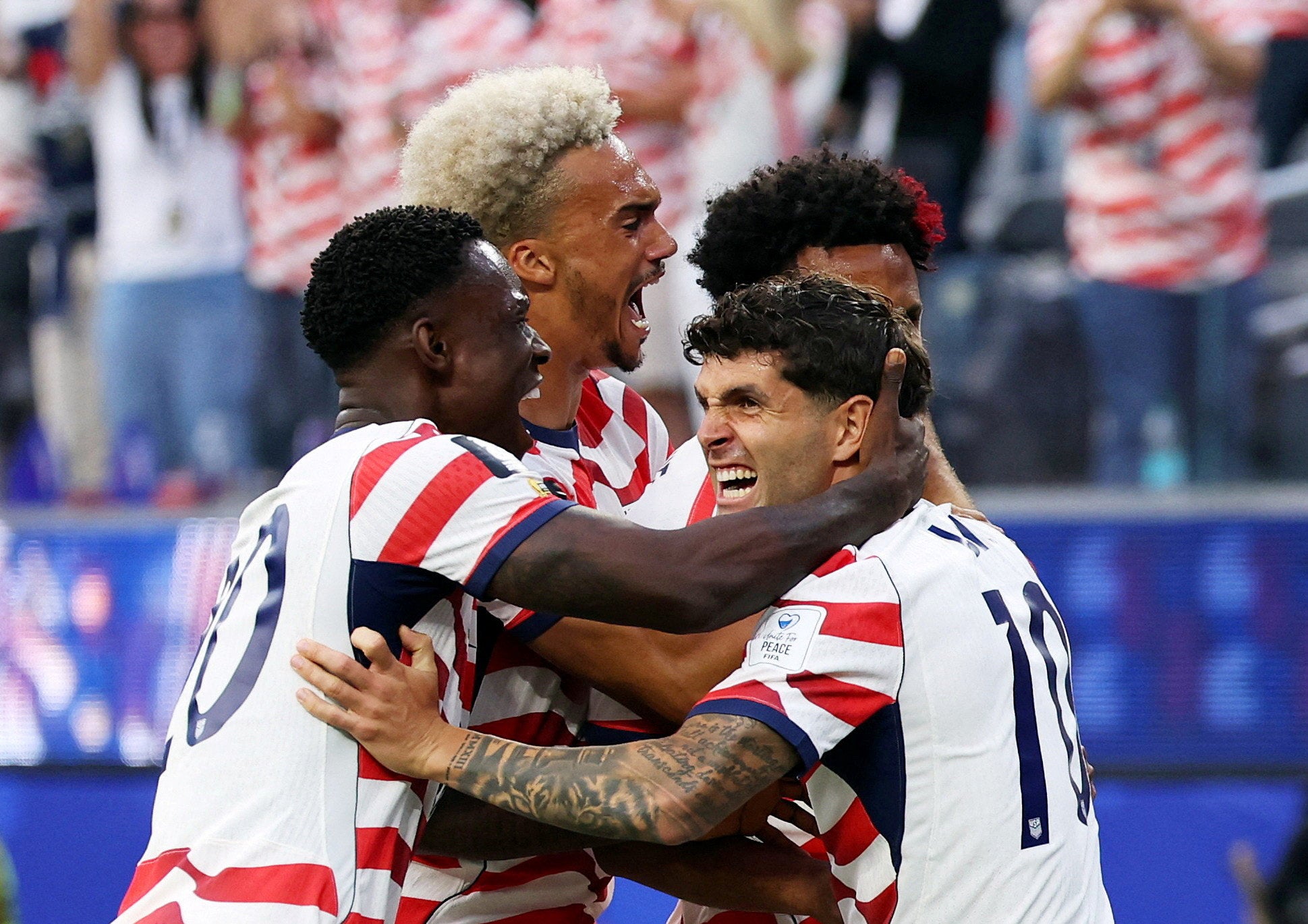
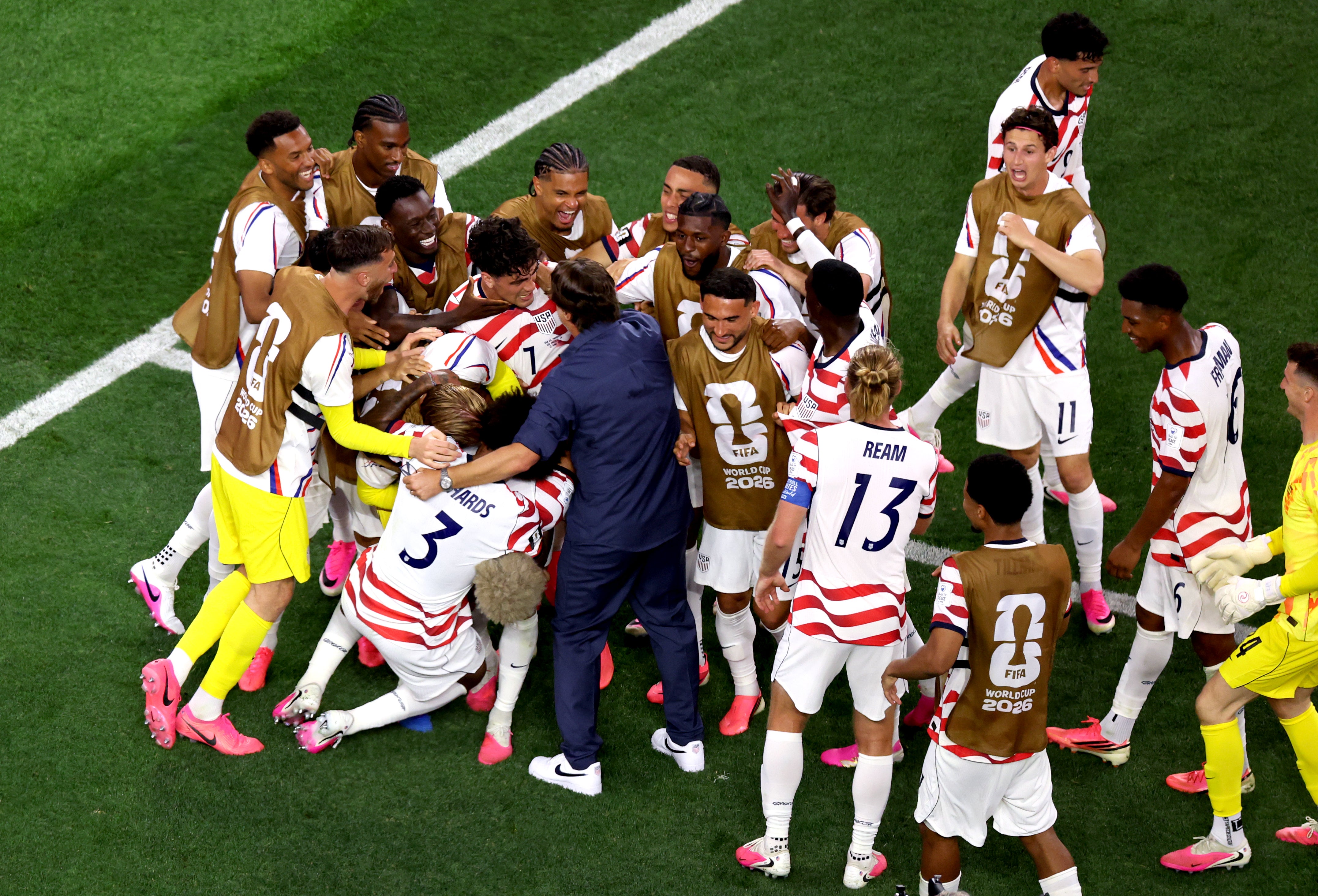
But there’s actually a competition to be won that doesn’t require the teams to lace up their boots or kick a ball at all. A team’s kit is cultural artifact, a series of garments that can unify and elevate.
Beyond of course the millions of pounds – or perhaps dollars in this case – to be made in global revenues when selling football shirts and the like – it’s a chance for the world’s nations to loudly and proudly showcase their heritage, traditions and and culture.
By modern standards, the crossover between elite sports and high fashion has never been so topical. But above all else, when done right, it’s a wearable symbol of where you come from and what you represent.
Someone who understands the importance of the jersey and the story it tells is Gary Bierton. For several years he’s worked for Classic Football Shirts, the Manchester-born retailer founded by his brother Doug and his university course mate Matthew Dale.
Back in 2006, Doug and his mate Matthew Dale saw a gap in the market and started amassing a huge stockpile of football shirts in their student flat and started to sell them onto fans keen to own a piece of football history.
Now twenty years on, Classic Football Shirts (CFS) is the leading seller when it comes to vintage shirts, official reissues and the latest season’s kits, selling to customers in 130 countries. As well as shops in Manchester and London, the brand has even cracked America, which is where Gary finds himself at this very moment.
Based out of New York for the foreseeable, we caught up with Gary earlier in the week as he helps CFS prep the the tournament and all those football shirt sale. The Empire State Building Observation Deck – the number one attraction in the United States – is also currently hosting an exhibition of the world’s most famous shirts from Classic Football Shirts’ vault, so that’s keeping him busy.
In terms of the kits, Gary and the team have noticed an uptick in interest over the last few weeks, with certain country’s shirts becoming particularly covetable.
“England is obviously a big one because of the club season ending and the World Cup starting,” he noted.
“But Scotland too, and interestingly we’re selling a lot of Haiti shirts too. We’re really in the golden age of kit design, and adidas kits have been very popular.
“Football shirts have taken on a life of their own at this point. They’re culturally significant and a statement piece for people.”
We couldn’t agree more, which is why we asked Gary about which team’s shirts have been most popular for 2026. And while many people are seeking out vintage shirts from tournaments past – especially in the case of England – here we take a look at some of the one’s grabbing people’s attention right now.
Scotland
The Scots have been waiting 28 years to see their team back in the World Cup so it’s only right that their kit gets its moment in the floodlights too.
The Tartan Army have descended on North America under the tutelage of Steve Clarke. They take on Brazil, Morocco and Haiti in the group stages as they look to reach knockouts for the first time in their history.
They also have fresh kits to rally behind. The home kit, unveiled by adidas and Scottish FA in November leans heavily into their sense of national pride with a deep blue base and Saltire motifs – a nod to their famed flag.
Their away kit meanwhile is wonderfully retro and uses a scarlet red last used in the 1980s. It draws on the rich history of Scotland’s past away kits and is elevated by vertical pinstripes. See if you can spot the national flower of Scotland on there too.
Brazil
The demand for retro Brazil shirts continues to boom with shops like Classic Football Shirts noting the status of the legendary football brand as a major driver. Global football royalty, to be seen in the yellow, green and blue kit has become a major fashion statement.
Football’s most iconic colours have been blended by Nike for the home kit with the canary yellow base paired with green accents and blue shorts. Look a bit closer and a Brazilian flag runs through the fabric and the specific colour palette is said to draw inspiration from the team’s 1970 side.
In a historic link up, The Brazilian National Team and Jordan Brand have been brought together for the away kit, and features the Jumpman for the first time on a national team uniform. Blue base, jagged graphics and tonal striping make it rather appealing and there’s also nods to nature and Brazil’s “dangerous” attacking identity.
Curaçao
Asked if there’s a shirt that has captured people’s imagination for this World Cup, and Gary doesn’t pause – Curacao. The tiny island nation has made global football history by becoming the smallest country ever to qualify for the World Cup finals.
Arriving in immaculate style for their first-ever tournament, The Adidas Curacao 2026 home shirt takes inspiration from the waves surrounding the Caribbean island. The sleeves of the shirt feature a distinct graphic pattern consisting of lighter blue, wavy circular lines in a nod to the sea and it’s central part in the life of Curaçaoans.
Meanwhile, their highly-desirable away kit, which Gary says is one of the most requested in store, features a pastel-yellow base punctuated with bold and vibrant pink, turquoise, and orange stripes. It was designed as visual tribute to the sunlit architecture of the Caribbean island’s capital Willemstad and colourful painted buildings along waterways in the Punda and Otrobanda districts.
Haiti
Saturday night, or Sunday morning (2am) if we’re being precise will see Haiti take on Scotland in Group C at Boston Stadium, Foxborough. The Caribbean country will then face five-time winners Brazil and Morocco in the group stage.
It’s been 52 years since Haiti were in the World Cup – let that just sink in. Interestingly, their kit hit the headlines in the days leading up the the tournament with the team forced to change their design after their shirt, depicting a war scene did not comply with FIFA rules.
An illustration of the Battle of Vertieres in 1803, which secured Haiti’s independence, with the country’s flag had been embedded onto the shirts. However, regulations set out by the governing body prohibits the use of any “political, religious, or personal messages or slogans” on kit.
In a statement, Colombian manufacturer Saeta said its original design “was a tribute to the men and women who contribute every day to Haiti’s future” and “was not intended as a political statement”.
England
And last, but not least, England. Thomas Tuchel’s squad selection might have caused a few raised eyebrows and plenty of online remarks, but it’s testament to doing whatever the hell you like and not feeling the need to explain yourself.
While the players withstanding the heat this time round might be ‘sweaty and frustrated’, the inside collar of the home kit – manufactured by Nike – bears the words ‘happy and glorious’, which shows the power of a positive mental attitude – and can be called upon if they forget the words to the national anthem.
I don’t know about you but I prefer the away kit. Bold, retro and just a lovely shade of ‘Speed Red”, it’s like a statement of intent. Unlike the home shirt it features a centralised badge – the first time England has employed this on an away shirt since 2008 – and sits beneath a metallic gold star honouring the 1996 World Cup Victory.
;)












































You must be logged in to post a comment Login