Connect with us
DAPA Banner
DAPA Coin
DAPA
COIN PAYMENT ASSET
PRIVACY · BLOCKDAG · HOMOMORPHIC ENCRYPTION · RUST
ElGamal Encrypted MINE DAPA
🚫 GENESIS SOLD OUT
DAPAPAY COMING

Sports

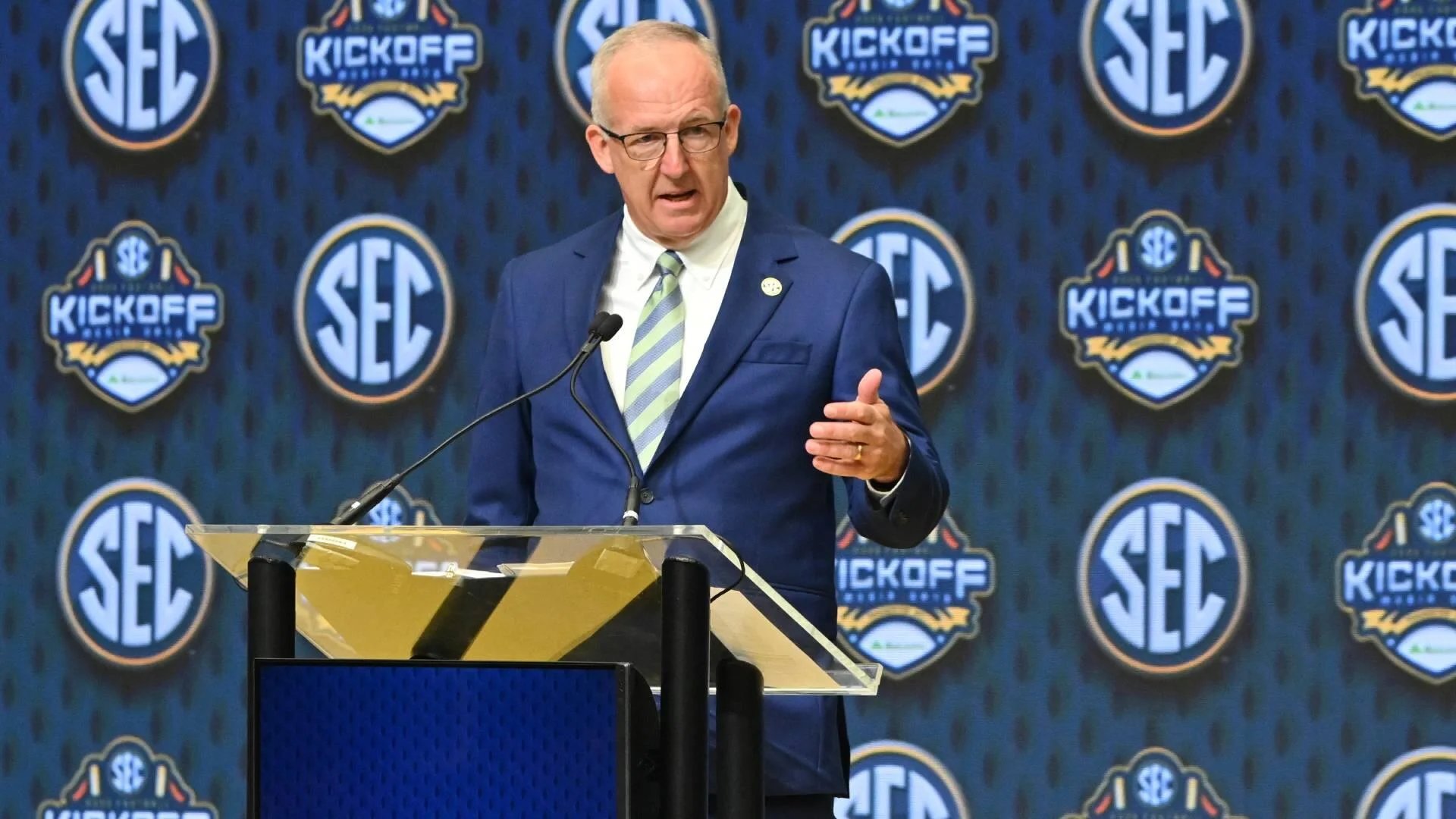
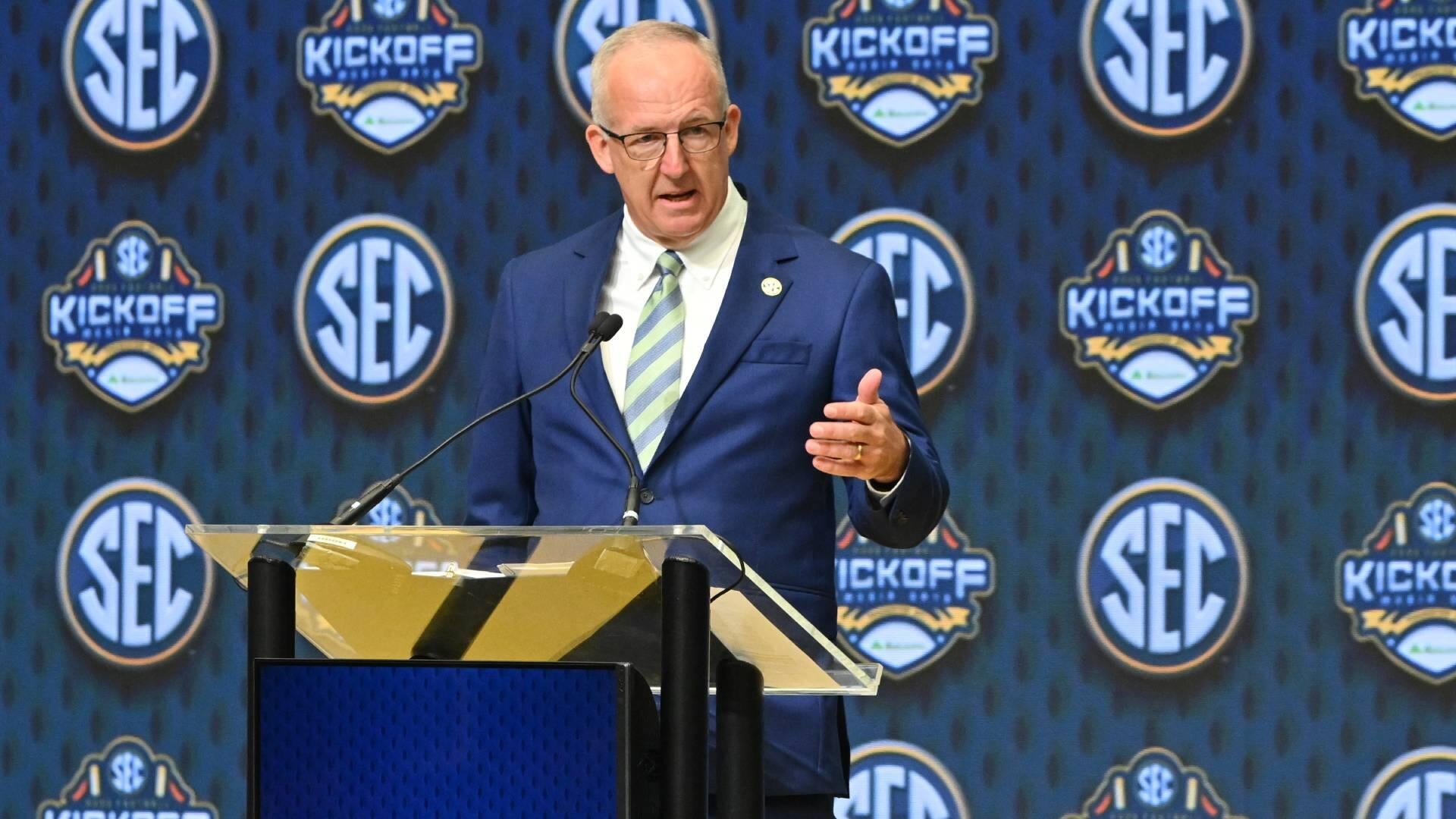
SEC leaders discussing contingencies amid Protect College Sports bill announcment

Published

on

MIRAMAR BEACH, Fla. — The same morning a landmark, bipartisan bill promising to regulate the unwieldy realm of college sports was introduced in the Senate, the Southeastern Conference’s decision-makers were busy behind closed doors devising their own plans.

That’s life for College Athletics Inc. these days. There is renewed hope on Capitol Hill that the new legislation — the Protect College Sports Act — will provide the antitrust protection the NCAA and its members have long sought. But the obstacles in the way — committee hearings, an August summer recess and the upcoming midterm elections — can’t be avoided.

Contingency plans must be developed. The SEC and Big Ten are not resting on their laurels.

The 111-page bill released Wednesday would codify the House v. NCAA settlement and outline federal NIL standards, a five-year eligibility rule, a revenue-share floor and a narrow antitrust safe harbor. In its second half, an amendment to the Sports Broadcasting Act of 1961 would allow schools to pool media rights across conference lines and prohibit the SEC and Big Ten from acquiring or merging with another conference to form a Super League.

Advertisement

It’s those two final pieces that could deter the Big Ten and SEC leadership from a full-throated endorsement of the bill developed by Sens. Ted Cruz, R-Texas, and Maria Cantwell, D-Wash. The bill is written tightly enough that any breakaway by the Big Ten or SEC, the two conferences that have driven the last decade of conference realignment, would be structurally illegal.

The ACC and Big 12 signed a letter of support before the bill was released last week. The SEC and Big Ten did not, opting to reserve their opinions until they reviewed the lengthy document. Both conferences stood pat on those positions on Wednesday, though it’s clear they already have opinions, particularly the apparent target painted on their chests tied to the SBA.

“I’ve made my position on the notion that we need the SBA clear, which I don’t think we do,” Sankey said. 

Asked who shaped the bill, if not the SEC, he said only: “I think that bill speaks to some of the voices of influence other than ours.”

Advertisement

Billionaire Texas Tech booster Cody Campbell, an advocate in Washington and a member of President Trump’s committee on college sports, has been a proponent of amending the SBA to allow schools and conferences to pool media rights. 

Cantwell, who introduced earlier versions of the broadcast amendment in a separate draft, said the SEC and Big Ten have always opposed it. 

“They didn’t like it when I introduced it with (Sen. Cory) Booker and they didn’t like it when I introduced it with (Sen. Eric) Schmitt,” she told CBS Sports. “And my guess is they still don’t like it.”

The portal panic and radical plan

But the more immediate question of enforcement for name, image and likeness deals is what has the conferences charging forward with their own plans, and the work behind the scenes might be moving faster than many believed.

Advertisement

The football transfer portal opens in January. By then, Georgia athletic director Josh Brooks said, the College Sports Commission — built out of the House v. NCAA settlement to enforce its terms — will be drowning in submitted deals.

“There’s so much over-the-cap money being dedicated or contracted,” Brooks said. “There’s so much money that’s already just been put into the system for basketball that if we don’t have some relief or an execution plan on how we’re going to get there by football, by the portal…”

He left the sentence unfinished.

CSC chief executive Bryan Seeley, who briefed SEC athletic directors and presidents Thursday, confirmed the anxiety among the schools.

Advertisement

“A lot of schools, it appears, made a lot of NIL guarantees coming out of the football transfer portal and basketball transfer portal that they’re not allowed to do under the rules,” Seeley said. “And now there is increasing pressure on them to get those NIL deals cleared. A lot of those NIL deals will not go cleared because they don’t comply with the rules.”

Options are being weighed to bring the CSC enforcement component under the SEC’s own management. It’s not a full break from the settlement framework, but a conference-level supplementary arm that handles deal approvals, denials and penalties.

“Keep the CSC, but let us work with them directly on how we’re going to handle [it],” Brooks said. “I think there’s some freedoms and flexibilities within the settlement that conferences can then subject [to their] own.”

An even more provocative idea is a conference-level cap-relief system Brooks called the SEC’s “own luxury tax.” Without it, conferences will be limited to $21.3 million in revenue-sharing with players during the 2026-27 academic year, according to the House settlement terms.

Advertisement

“Maybe we develop our own luxury tax or something that gives us room so we can grow our rev share number, because otherwise the storm hasn’t hit yet,” Brooks said. “The amount of deals that are going to be submitted to CSC in the next three months is going to be astronomical.”

“That’s what we’ve got to figure out,” Brooks continued. “We’ll abide, but the penalties, can we set the penalties?”

Brooks said the conference has met on the question every two weeks. Sankey referred to the “luxury tax” discussion as just that — a discussion.

“I’m assuming some other people talked about it, and I would define it as that,” the SEC commissioner said.

Advertisement

Similar ideas have been discussed within the Big Ten, but the conferences are not working together. 

“We can’t collude,” Brooks said. 

The SEC, he added, is more worried about schools outside the conference circumventing the CSC than how the CSC is run inside it.

“That’s like me and you arguing over filing taxes,” Brooks said. “I have a much bigger problem with those that aren’t even filing taxes. Let’s stop that first. If we can’t even get to that base level, then I would rather just coalesce in our own conference and govern 16 on that issue alone. Not saying that’s a full breakaway or whatever you want to call it. But what’s the first step of that?”

Advertisement

Seeley said the CSC is open to changes, provided the conferences — which designed the CSC a year ago — drive them. 

“If the rules want to change or if enforcement policies want to change, that’s fine with us,” Seeley said. “Let’s not just do a short-term fix without a longer-term solution.”

Calming the transfer portal waters

Despite their internal contingency plans, administrators recognize that federal intervention remains the most permanent fix for their legal exposure.

Oklahoma athletic director Roger Denny, whose background is in corporate tax law and sports business transactions, said the legal reality college athletics faces leaves only two endgames for the enterprise.

Advertisement

“When you’re talking about antitrust law, there are two routes to solve that issue: legislation, collective bargaining,” Denny said. “As we watch the SCORE Act fall apart again last week, I think folks look and see that legislation might not be as viable.”

Thus, the SEC and the Big Ten are exploring their own governance models. Yet Brooks still called the bill’s introduction a “big first step” after the previously supported SCORE Act was pulled from the House floor before a vote last week. Some SCORE Act language carried over into the new bill, though the blanket antitrust protection that drove Democratic opposition has been pared back. The new safe harbor immunizes only the NCAA’s enforcement of transfers, eligibility, revenue-cap rules, agent regulations and mid-season coaching changes — and only if those areas are codified in the NCAA’s own rulebook.

Coaches and athletic directors applauded the bill’s limits on transfers and eligibility, which have prompted a wave of lawsuits filed by players against the NCAA. The new guidelines cap eligibility at five seasons of competition and limit players to one transfer per career. A second transfer triggers a year of lost eligibility.

Brooks said those two pieces alone could calm the waters.

Advertisement

“If you’ve got five-(for)-five, and clean that up, and a one-time transfer, those two things would provide a lot of stability. Because then kids that transfer would be more inclined to sign a two- or three-year deal.”

The bill creates a federal NIL floor, preempting the 39 state laws that athletic departments have spent four years navigating. Athletes must disclose any NIL deal worth more than $600 within 30 days, and the NCAA must build a public, searchable database of anonymized deal data. That transparency has been championed by many coaches and athletic directors, who decry the rising costs of player payments through NIL deals as agents continue to demand more money by pitting schools against each other in cloak-and-dagger bidding wars.

“College sports are at a breaking point,” Cruz said in a statement released Wednesday. “Fans can see their favorite teams being hollowed out by transfer chaos, fake NIL bidding wars, eligibility lawsuits and a system that allows the richest programs to keep pulling away. The Protect College Sports Act is a bipartisan plan to restore order. Student athletes can profit from their name, image, and likeness, but college sports still needs real rules, competitive balance, rivalries, and a true connection to education. This bill protects athletes and fans and keeps college sports from becoming a two-conference minor league.”

Another big change for players in the bill: agents must register with the state and the NCAA, and their fees are capped at 5%.

Advertisement

“These people are unscrupulous in their activities,” Cantwell told CBS Sports. “There are definitely unscrupulous agents out there taking advantage, particularly at that high school level, promising people a career and then basically repossessing their cars.”

Where Washington draws the line

While the player restrictions offer the stability leagues crave, the bill introduces heavy-handed regulations on operational freedoms that make power-conference leadership deeply uncomfortable.

The bill does not include language capping coaches’ salaries, a push initially made by President Trump’s committee tasked with proposing regulations for college sports. But there is a clause barring FBS coaches and coordinators from leaving a school during a competitive season for another job. Cruz refers to it as the “Lane Kiffin Rule,” a reference to the former Ole Miss coach ditching the playoff-bound Rebels for LSU last November. Violators would be suspended for the following season.

Asked whether the federal government should have a say in when schools hire, fire and interview football coaches, Sankey leaned into the awkwardness.

Advertisement

“I’m a federal-government-is-less type of person philosophically,” he said. “But if that’s something that helps from an orderliness standpoint, that could be healthy. When you ask the federal government for help, though, you never know where it goes.”

Preservation of Olympic sports is also central to the legislation, something Cantwell believes can be achieved through the new entity that pools media rights. To trigger that revenue, at least 75% of FBS membership must opt in — practically every FBS school outside the Big Ten and SEC’s footprint. The Big Ten and SEC appear to have zero interest in participating.

“We cannot starve the entire ecosystem,” Cantwell said. “This solution is a way of saying, while you’re dealing with the new realm of NIL and media rights sharing with athletes, make sure that you take care of the scholarship and roster levels for women in Olympic sports.”

Another apparent shot across the bows of the Big Ten and the SEC is the threat of a super league. Any conference with more than $1 billion in revenue — the SEC and Big Ten — cannot merge with or acquire another conference if doing so would push covered-entity membership for pooled media rights below the 75% threshold.

Advertisement

The governance impasse

Meanwhile, leaders in the Big Ten and SEC believe there is a way to govern themselves within the structures of the bill — or the House v. NCAA settlement — without facing legal troubles. It’s not quite a plan as it is an idea with legs.

The reasoning is simple: the timeline for the bill in Washington, D.C., is tight.

The bill needs 60 Senate votes. Previously, the SCORE Act could not get there. Congress is set to enter summer recess in August, and after that, legislators will be in campaign mode before the midterm elections in November. The bill sits in Cruz’s Commerce committee, where he is chair and Cantwell is a ranking member.

The legislation will also face opposition, of course. All bills do. From the left, Sen. Chris Murphy, D-Conn., a longtime advocate for collective bargaining for college athletes, said the bill’s “primary effect seems to be to limit the compensation of athletes while protecting the huge salaries of all the adults — coaches, ADs, sports industry executives — who are getting rich off the performance of the players.”

Advertisement

Still, there is the lingering issue in college athletics: with 138 schools and voices, not everybody will be on the same page. That has played out over the decades and has been amplified in recent months as athletic directors voiced distrust in the very system they helped develop.

Trev Alberts, the Texas A&M athletic director who helped build the CSC, traced the impasse to the same issue: “We are sending a very strong message that college athletics refuses to be governed.”

Sankey framed it on Wednesday as a choice: “The issue is, do people really want to be governed? … People have to commit to the system.”

Brooks said the SEC will not wait for it. 

Advertisement

“I have faith in our conference that we can move steps in that direction,” he said. “The first step is we attack what’s most pressing, which is implementation of the House settlement and how we work around the CSC and how we implement that.”

The next step, by his timeline, could land in January.

Advertisement

Source link

Continue Reading
Click to comment

You must be logged in to post a comment Login

Leave a Reply

Sports

What it’s like as a guest

Published

on

Source link

Continue Reading

Sports

MLB roundup: Cardinals’ Dustin May fires 1-hit shutout vs. Padres

Published

on

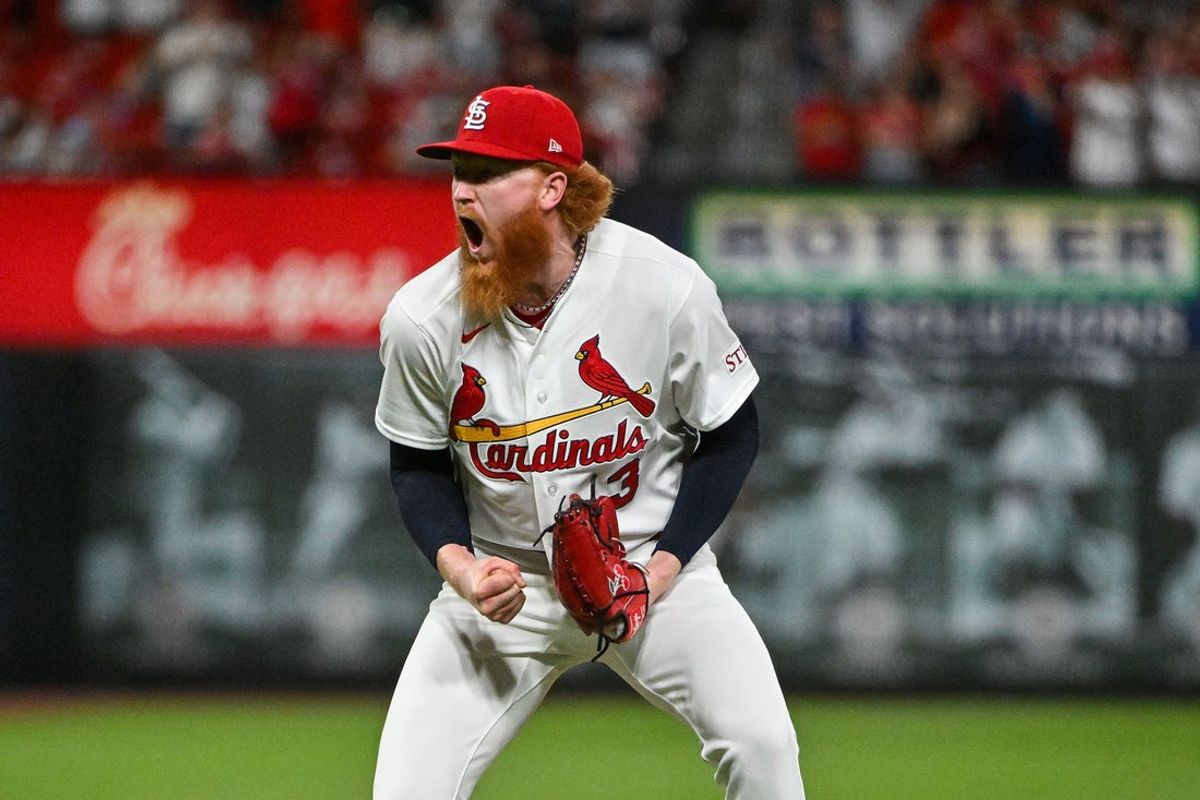
Jun 15, 2026; St. Louis, Missouri, USA; St. Louis Cardinals starting pitcher Dustin May (3) reacts after throwing a complete game one hitter against the San Diego Padres at Busch Stadium. Mandatory Credit: Jeff Curry-Imagn ImagesJun 15, 2026; St. Louis, Missouri, USA; St. Louis Cardinals starting pitcher Dustin May (3) reacts after throwing a complete game one hitter against the San Diego Padres at Busch Stadium. Mandatory Credit: Jeff Curry-Imagn Images

MLB roundup: Monday

Dustin May threw a one-hit shutout on Monday to help the St. Louis Cardinals earn a 3-0 victory over the visiting San Diego Padres.

May (5-6) threw six perfect innings before Fernando Tatis Jr. walked in the seventh. The St. Louis starter struck out nine and walked one in the first complete game of his career. May also improved to 2-0 with a 1.31 ERA in three starts in June.

Jimmy Crooks had two RBIs for the Cardinals, who had dropped three of their previous four games.

Tatis began the seventh with a walk for the Padres’ first baserunner of the game. After Jackson Merrill grounded out, Manny Machado singled for San Diego’s only hit to break up the no-hitter and place runners on the corners with two outs. One pitch later, May got Gavin Sheets to ground into a double play to end the inning.

Advertisement

Cubs 5, Rockies 4

Pete Crow-Armstrong hit for the cycle and host Chicago overcame a late two-run deficit to earn a walk-off win over Colorado in the opener of a three-game series. Matt Shaw’s bases-loaded walk gave Chicago the victory after Pedro Ramirez leveled the score one batter earlier.

Crow-Armstrong completed his cycle in reverse, hitting a leadoff homer in the first, tripling in the third, doubling in the fifth and singling in the seventh. His cycle was the first in the majors this season as well as the 13th in Cubs history and the first at Wrigley Field since Mark Grace achieved the feat in a 5-4 loss to the San Diego Padres on May 9, 1993.

Rockies’ Juan Mejia (1-6) walked leadoff batter Seiya Suzuki in the ninth and then overthrew second base while trying to force Suzuki on Ian Happ’s comebacker as Suzuki went to third. Mejia then walked Nico Hoerner before Seth Halvorsen entered and gave up the game-tying RBI single to Ramirez.

Advertisement

Tigers 9, Astros 3

Colt Keith produced his first career three-homer game as Detroit slugged five home runs en route to a blowout win in Houston.

Keith finished 3-for-4 with two two-run homers, a solo shot and a career-high six RBIs. Kevin McGonigle and Spencer Torkelson also homered for the Tigers, who improved to 8-4 this month.

Astros right-hander Kai-Wei Teng (3-6) surrendered three homers to the Tigers while compiling an unusual pitching line. Battling control issues from the start, Teng allowed five runs on six hits and two walks over 3 1/3 innings, but posted a career-high nine strikeouts. Teng and four Astros relievers combined to record 18 strikeouts.

Advertisement

Phillies 7, Marlins 0

Zack Wheeler struck out nine over six strong innings and Gabriel Rincones Jr. hit his first career home run to highlight Philadelphia’s victory over visiting Miami.

After getting shut out twice in Milwaukee over the weekend, the Phillies turned the tables on Miami behind Wheeler (6-1) and a trio of relievers. J.T. Realmuto also homered for the Phillies, while Justin Crawford notched three hits and drove in a run.

Liam Hicks had two of the five hits for the Marlins. Miami starter Ryan Gusto (0-2) allowed five runs and eight hits over 4 2/3 innings.

Advertisement

Nationals 7, Royals 3

Dylan Crews’ three-run homer capped a five-run fifth inning and Washington beat visiting Kansas City in the first game of a three-game series.

Nasim Nunez had two hits and scored two runs for the Nationals, who have won three straight while scoring 25 runs. Crews has hit two home runs and driven in seven runs during a five-game hitting streak.

Advertisement

Brad Lord (5-0) allowed two runs on two hits in three innings of relief after starter Andrew Alvarez gave up one run on five hits over four innings. Mitch Spence (0-1), recalled from Triple-A Omaha on Monday, allowed six runs on seven hits in over four-plus innings in the loss.

Reds 12, Mets 0

Eugenio Suarez belted a two-run homer in the first inning and a grand slam an inning later, driving in a career-high six runs to lead Cincinnati rout of visiting New York.

Suarez has recorded three two-hit performances over his last six games, while hitting three of his seven home runs. The 12 runs scored were the most by Cincinnati since a 15-1 victory over Washington on May 14. Chase Burns earned his team-leading eighth win, holding the Mets to four hits over five scoreless frames, striking out seven and walking three.

Advertisement

New York sent right-hander Tobias Myers (0-2) to the mound as an emergency starter after Christian Scott landed on the injured list with hip inflammation. Myers was in trouble immediately and was tagged for seven runs on four hits in 1 1/3 innings, walking three and striking out one.

Twins 4, Rangers 2

Josh Bell blasted a three-run homer in the first inning and Minnesota held on to top host Texas in the opener of a three-game series in Arlington.

Byron Buxton, the reigning American League Player of the Week, also homered for the Twins, who have won three of their past four games. Minnesota starter Mike Paredes went 4 2/3 innings in his second major league start and fourth appearance. He allowed two runs on four hits, struck out two and didn’t walk a batter.

Advertisement

Twins relievers Taylor Rogers (3-3), Andrew Morris and Eric Orze combined to retire nine of 10 batters before Yoendrys Gomez set down all four batters he faced for his seventh save.

Diamondbacks 4, Angels 3

Pavin Smith had two hits, including a go-ahead homer in the seventh inning, to help lead Arizona past Los Angeles in the opener of a three-game series in Phoenix.

Geraldo Perdomo had an RBI double, walked twice and also scored a run for Arizona, which won for the third time in four games. Ryne Nelson (3-5) picked up his first win since May 24, allowing two runs on nine hits and two walks over seven innings while striking out five.

Advertisement

Mike Trout went 2-for-3 with a home run and two runs and Jo Adell doubled, singled and had an RBI for Los Angeles, which lost its second straight game. Rookie Walbert Urena (4-5) permitted four runs, three earned, on seven hits over a career-high seven innings. He walked two and struck out three.

Athletics 11, Pirates 2

Nick Kurtz smacked two homers and knocked in five runs while Jeff McNeil had one blast and drove in four to help the Athletics roll past Pittsburgh in West Sacramento, Calif.

Kurtz and McNeil each had three hits as the Athletics won for the sixth time in the past eight games. The 15-hit attack continues an assault that saw the A’s score 47 runs during a six-game span in Las Vegas last week.

Advertisement

Athletics starter J.T. Ginn (5-3) gave up one run, which was unearned, and six hits in six innings. He struck out three and walked two while winning his third straight decision. Jared Jones (1-1) allowed five runs and eight hits over four innings to take the loss. He fanned four and walked one.

Dodgers 4, Rays 3

Pinch hitter Miguel Rojas delivered a go-ahead home run in the seventh inning as Los Angeles opened a three-game series against visiting Tampa Bay with a come-from-behind win.

Kyle Tucker hit a three-run home run and threw out a runner at the plate as the Dodgers won a duel between teams with the second-best records in their respective leagues. Starter Eric Lauer gave up three runs over six innings for Los Angeles, which overcame a 3-0 deficit.

Advertisement

Kyle Hurt (2-1) pitched a scoreless inning for the Dodgers, who improved to 10-2 at home since May 13. Tanner Scott tossed a scoreless ninth for his eighth save. Reliever Steven Matz (4-4) gave up Rojas’ homer as Tampa Bay took its third loss in four games.

–Field Level Media

Source link

Advertisement
Continue Reading

Sports

SEO title tag Brendan Sorsby Supplemental Draft: 8 NFL teams that could target QB

Published

on

After all that, Brendan Sorsby’s college career is over. Now the spotlight shifts to the NFL. 

Sorsby is expected to enter the NFL’s supplemental draft on the heels of immense blowback for his plans to play this season for Texas Tech after a judge granted Sorsby an injunction against the NCAA following a gambling investigation that found Sorsby placed thousands of bets during his four years as a college athlete at Indiana and Cincinnati, including gambling on his own program while playing at Indiana. 

The injunction was granted last week. With no end to the backlash in sight, Sorsby — who could have been a first-round pick in next year’s 2027 NFL Draft — bowed out of the fight and will be up for grabs in the NFL Supplemental Draft. 

The supplemental draft is essentially a silent auction. Each team submits which round, if any, they would select Sorsby. In the event multiple teams submit a bid of the same round, the rights go to the team highest in the 2026 NFL Draft order. The winning team would lose that corresponding pick in 2027. 

Advertisement

The only quarterback to be taken in the supplemental draft post-1992 is Terrelle Pryor by the Raiders in 2011, and no players have been selected in one since 2019. There is no date set yet for a supplemental draft this year because the league still needs to approve Sorsby’s application to enter one. It would be later this summer, should the league approve. 

Here are eight NFL teams who may have interest in Sorsby. Pittsburgh was excluded because the team used a third-round pick on Penn State quarterback Drew Allar this year and, despite potentially needing a franchise quarterback beyond this season, rocking Aaron Rodgers‘ and Allar’s boat does not sound like a decision that franchise would historically make. 

Arizona Cardinals

Arizona retained Jacoby Brissett, signed Gardner Minshew II and drafted Carson Beck in the third-round. Brissett is unhappy with his contract and wants an adjustment as the anticipated starter entering the 2026 season. The Cardinals are probably fine taking its lumps this season without Brissett. What is to stop them from embracing a competition between Sorsby and Beck to usher in the Mike LaFleur era? 

Carolina Panthers

Carolina picked up the fifth-year option of former No. 1 overall selection Bryce Young for the 2027 season, but they could absorb that dead salary cap hit with relative ease. If the Panthers come to the conclusion that Young’s contributions are not worth his contract demands, then they could part ways as Cleveland did with Baker Mayfield.

Cleveland Browns

Diving headfirst into the most high-profile, yet uninspiring quarterback competition of the summer, Cleveland’s only deterrent to bringing in Sorsby is the logjam at the position. Deshaun Watson has to be on the roster for the 2026 season, so that occupies one spot. They have drafted three quarterbacks over the past two years: Shedeur Sanders, Dillon Gabriel and Taylen Green. I’d presume Gabriel is the odd man out, but would the Browns be comfortable attempting to stash Taylen Green on the practice squad? 

General manager Andrew Berry has been asked about Sorsby. After issuing his customary ‘we will turn over every rock’ statement, the personnel executive shared his belief that the quarterback should be given grace through his situation. 

The other consideration is that there is a finite amount of repetitions to go around during training camp and even less if he is not the starter during the regular season. Would Sorsby have a fair opportunity to prove himself before the franchise comes back to the table in the 2027 NFL Draft? Cleveland has more than one selection in next year’s first-round, which gives them flexibility to move around for a player they covet. Not having to use one or both of those picks on a quarterback frees them up to address other objectives. 

One of the best quarterbacks in the franchise’s history, Bernie Kosar, was a Supplemental Draft pick in 1985. 

Advertisement

Detroit Lions

Jared Goff turns 32-years-old during the upcoming season and his primary backups are 33-year-old Teddy Bridgewater and undrafted free agent Luke Altmyer. The team had previously used a third-round pick on Hendon Hooker in 2023, but Hooker had never been a threat to Goff’s claim as the starting quarterback and is now on his fourth team. Sorsby could be Goff, but three years later on the timeline. The Lions are likely to be too competitive to find themselves within striking distance of a top quarterback in the 2027 NFL Draft, so this represents an opportunity to address the position at a value rate.

Detroit did give Goff a four-year extension in May of 2024, but the dead cap hit drops below $40 million — a paltry sum in comparison to recent figures from Tua Tagovailoa and Russell Wilson —  after the 2027 season. 

Indianapolis Colts  

The Colts rewarded veteran Daniel Jones with a two-year contract extension this off-season. Jones is coming off a significant injury and has a roughly $35 million dead salary cap hit if they team were to move on from him after this season. There is a reasonable path to Indianapolis determining Sorsby is a viable starting quarterback moving forward. 

Recently compensated wide receiver Alec Pierce is also a product of the Bearcats’ program, but the two did not overlap.

Advertisement

Miami Dolphins

Miami elected to take its medicine this off-season by accelerating the dead salary cap hit of Tua Tagovailoa and initiating a full blown rebuild. They won the bidding for free agent Malik Willis and still employ Quinn Ewers from last year’s roster; two players the team intends to evaluate this season. 

The Dolphins may only be in at a certain price, but there are two types of NFL teams: those with a franchise quarterback and those without. If that question’s answer is without conviction, then there should be no limitations as to how a team opts to address it. 

New York Jets

The Jets have three picks in next year’s first round, as well as their own picks in the second and third rounds. They are flush with draft capital and could make that selection without it really impacting the team’s overall draft plan. If the quarterback were to pan out, it frees the franchise up to select three of the best players available in the 2027 NFL Draft. However, one year may be an insufficient amount of time to effectively evaluate Sorsby as a potential franchise quarterback prior to next year’s draft. 

Entering the 2026 campaign, Geno Smith is entrenched as the team’s starting quarterback. New York did use a fourth-round pick on Cade Klubnik, who is the primary backup. Neither situation would preclude the Jets from exploring a potential long-term solution at the position.

Advertisement

Tampa Bay Buccaneers

Baker Mayfield is entering the final year of his current contract with the Buccaneers. The former No. 1 overall selection has been in this position before. Cleveland was not ready to commit top of the market money to him and he was ultimately dealt as the team pivoted to Deshaun Watson. 

Mayfield publicly declared a personal deadline to have a contract negotiated prior to training camp or it will have to wait until after the season. 

“We love the community, we love being here, they’ve embraced us, and we enjoy being here and obviously gonna raise kids here. But yeah, contract stuff, it’s happening, it’s starting, the talks and what not, but not anywhere close to what we were thinking,” Mayfield said, via NFL Media.  

Head coach Todd Bowles has been adamant in his support of Mayfield as the franchise’s starting quarterback, but Bowles, himself, may be entering his last with the organization. Sorsby could be Tampa’s off-ramp to Mayfield.  

Advertisement

Source link

Advertisement
Continue Reading

Sports

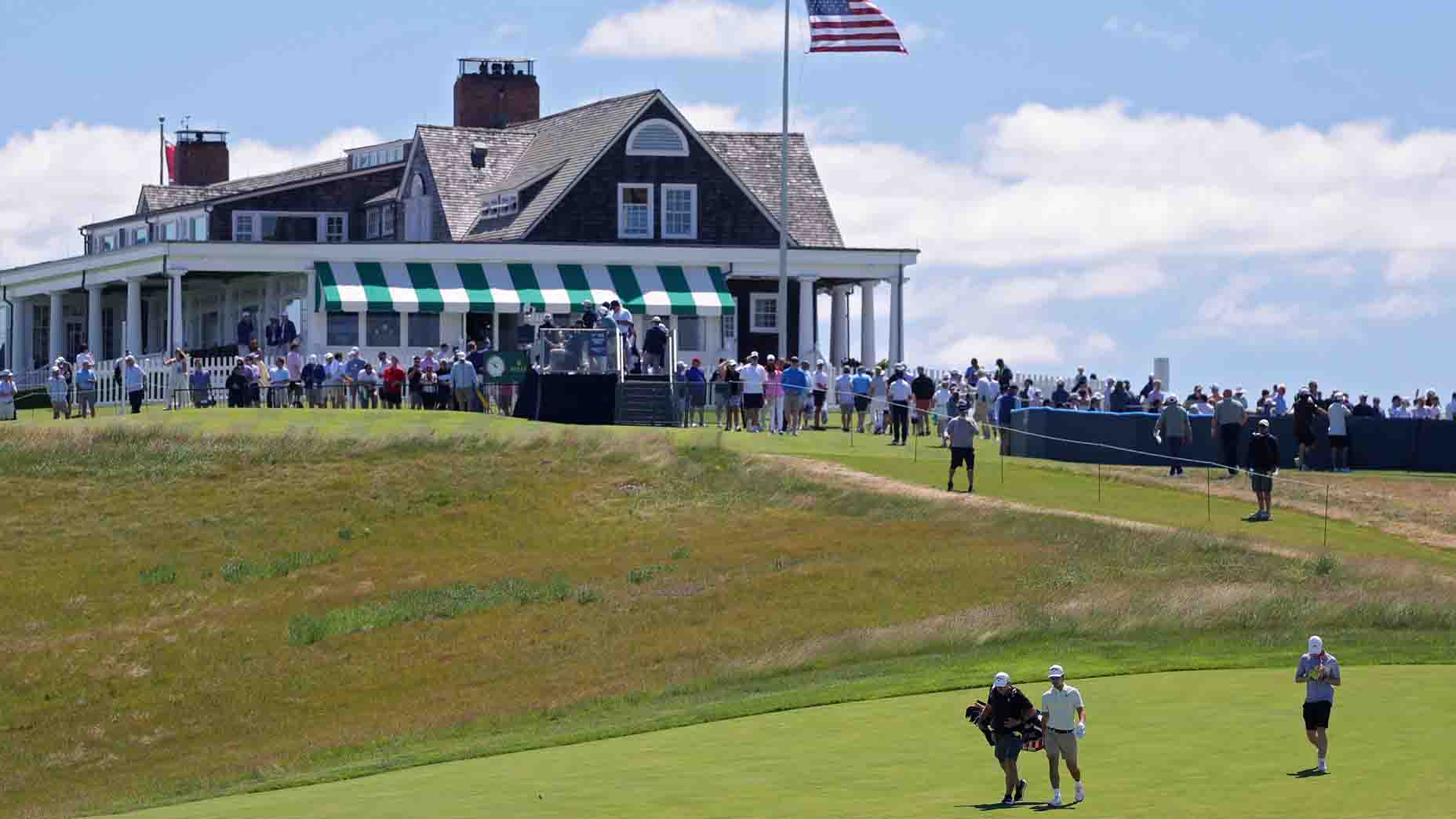
Bud Cauley’s win has PGA Tour’s hottest driver rolling into U.S. Open

Published

on

Source link

Continue Reading

Sports

How Lukaku Changed the Game as Belgium Held Egypt in World Cup Opener

Published

on

Belgium needed a spark, and Romelu Lukaku delivered it again — even without touching the ball for the equaliser — as they rescued a 1-1 draw against Egypt in their World Cup Group G opener in Seattle.

Egypt had taken the lead in the 21st minute through Emam Ashour, who struck a superb 20-yard shot into the bottom corner past Belgium goalkeeper Thibaut Courtois.

The African side stayed strong for much of the match, with Mohamed Salah and Ashour both going close to extending their lead. But everything changed when Lukaku was introduced in the 66th minute.

Advertisement

Just moments after coming on, Lukaku’s presence made the difference.

Belgium sent in a low cross from Thomas Meunier, and under pressure from Lukaku’s movement inside the box, Egypt defender Mohamed Hany turned the ball into his own net.

It was not a goal credited to Lukaku, but his impact was clear. His movement, strength, and positioning forced Egypt into a mistake at a key moment, shifting the momentum of the match.

Advertisement

Before that, Belgium had already started to grow into the game, with Kevin De Bruyne hitting the post from a free-kick. But Lukaku’s introduction gave them a sharper attacking edge and forced Egypt deeper.

Egypt, who are still chasing their first ever World Cup win after eight attempts, were left frustrated after doing much of the hard work early in the match.

Belgium coach Rudi Garcia will be pleased that his tactical change paid off quickly, with Lukaku once again showing why he remains such an important figure for the Red Devils.

In the end, it was Lukaku’s presence — not his finishing — that made the difference in a game Belgium might otherwise have lost.

Advertisement

Source link

Continue Reading

Sports

Golf’s next megastar is at the U.S. Open. And a bogey best tells his story

Published

on

Source link

Continue Reading

Sports

Fifa World Cup: Iran say they were denied recovery time, ordered out of US | FIFA World Cup 2026

Published

on

Iran’s troubled FIFA World Cup 2026 campaign has run into another controversy after coach Amir Ghalenoei claimed his players were denied recovery time and instructed to leave the United States immediately after their opening match against New Zealand.


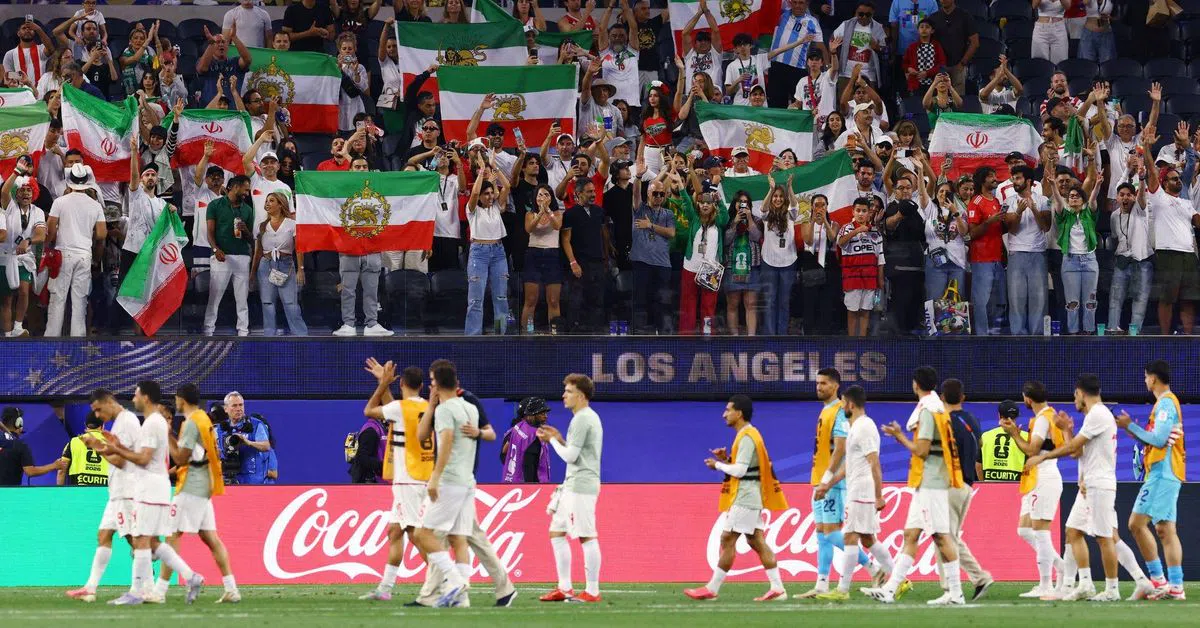
The Iranian team played out a 2-2 draw with New Zealand in a politically charged Group G fixture at SoFi Stadium in Los Angeles on Monday night. However, instead of remaining in California overnight to recover, the squad was reportedly told to return straight away to its training base in Tijuana, Mexico.


The latest development adds to a series of logistical and visa-related challenges that have overshadowed Iran’s build-up to the tournament.

Advertisement


Iran question sudden travel decision


Speaking after the match, Ghalenoei said the team had expected to follow a standard recovery schedule before travelling back to Mexico the following day.

Advertisement


Instead, the players were reportedly instructed to leave almost immediately after the final whistle.


“They didn’t even give us time to recover,” Ghalenoei said through an interpreter. “After the game today, they said to us, ‘You have to leave immediately.’ It’s very important for us to have time for recovery, (but) we are asked to get on a plane and return to our camp in Tijuana, and we are really troubled by that.”

Advertisement


The Iran coach did not specify who issued the instruction.


According to Ghalenoei, the original plan was for the team to arrive in Los Angeles two days before the match, stay overnight after the game and return to Tijuana the following afternoon.

Advertisement


“We don’t know why they are returning us, to be honest,” Ghalenoei said. “I think it’s very strange. It seems like others are doing the planning for us. The decision-making for us is being made elsewhere. We were supposed to come two nights before the game, and we were supposed to stay tonight to recover and return tomorrow at lunchtime. We have no idea why.


“I think our team is perhaps the most oppressed in the World Cup.”

Advertisement


Visa issues continue to disrupt preparations


The travel concerns come against the backdrop of wider difficulties faced by the Iranian delegation since the start of the tournament.

Advertisement


Iran’s preparations have been affected by tensions between the United States and Iran, with the team previously expressing concerns over visa delays and travel arrangements.


Captain Mehdi Taremi said several key members of the Iranian contingent remain absent after being denied visas, including senior football federation officials, coaching staff and media personnel.

Advertisement


“We have to leave Los Angeles right now, and it’s not good for us,” Taremi said about an hour after the match. “I think FIFA have to help us more than this. … Everything is like a disaster, actually, for us.”


The visa issue has emerged as a recurring theme during Iran’s World Cup campaign, with officials arguing that the absence of support staff has complicated preparations both on and off the field.

Advertisement


Draw against New Zealand offers little relief


Iran’s frustration was compounded by the result itself.

Advertisement


Team Melli twice came from behind to salvage a 2-2 draw against New Zealand in front of a largely pro-Iranian crowd in Los Angeles.


Eli Just scored both goals for New Zealand, while Ramin Rezaeian and Mohamed Mohebi found the net for Iran.

Advertisement


Mohebi’s superb second-half header secured a point for the Asian side after another difficult night in a tournament already dominated by off-field issues.


The draw leaves Group G finely balanced after Belgium and Egypt also shared the points in their opening fixture.

Advertisement


Iran will return to SoFi Stadium for their second group-stage match against Belgium on Sunday.

Source link

Advertisement
Continue Reading

Sports

World Cup 2026 golden boot standings: Kai Havertz joins Folarin Balogun as early front-runners

Published

on

The race for the golden boot at World Cup 2026 is expected to be fierce, with Harry Kane, Kylian Mbappe, Erling Haaland and Lamine Yamal all leading contenders to finish as the tournament’s top scorer.

France captain Mbappe and England skipper Kane are the previous two winners of the award, after all. Mbappe scored eight in 2022, including a hat-trick in the final, while Kane struck six for England in 2018.

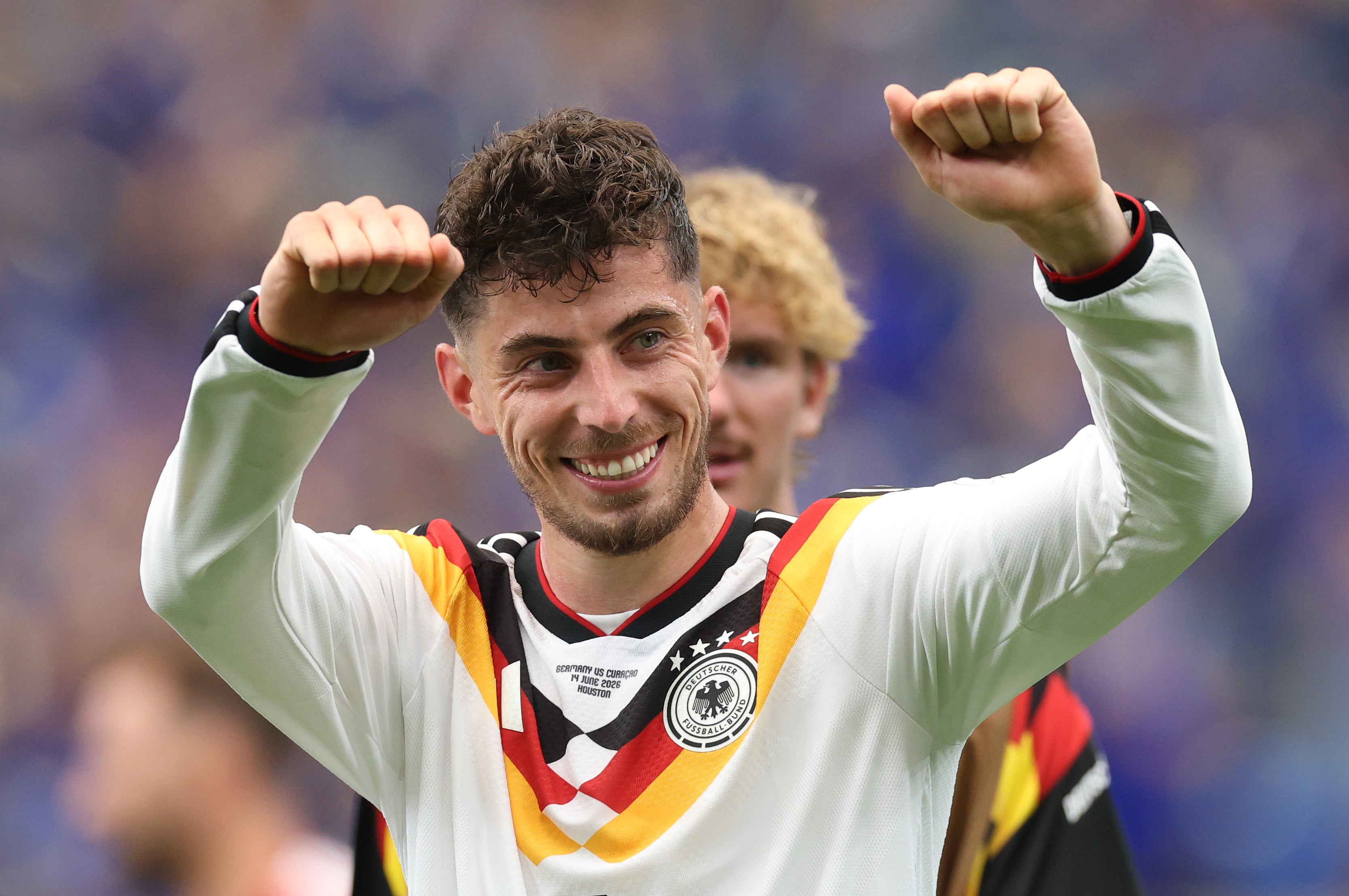
Kai Havertz scored a brace against Curacao in Germany’s opener
Kai Havertz scored a brace against Curacao in Germany’s opener (Getty)

The first ever 48-team World Cup features an additional round of 32, offering the world’s top strikers an additional opportunity of bagging an extra goal as they dream of embarking on a deep run into the tournament.

If players are tied for goals, the number of assists will determine who ranks higher. If there is still a tie, it comes down to minutes played and the goals-per-minute ratio. Here are the latest 2026 World Cup golden boot standings.

World Cup golden boot standings

=1. Folarin Balogun (USA), two goals

Advertisement

=1. Kai Havertz (Germany), two goals

=1. Yasin Ayari (Sweden), two goals

=1. Elijaj Just (New Zealand), two goals

Source link

Advertisement
Continue Reading

Sports

Is Argentina v Algeria on TV? Channel, kick-off time and how to watch World Cup 2026 match

Published

on

Argentina get their World Cup defence underway against Algeria in Kansas City on Tuesday night.

Three and a half years after Lionel Messi guided Argentina to a glorious third World Cup triumph in Qatar, the South American side begin their 2026 tournament as the top-seeded favourites in Group J.

Argentina also boast the likes of Julian Alvarez, Alexis Mac Allister and Emiliano Martinez in their ranks. They topped South American qualifying with 12 wins from 18 games and also won the 2024 Copa America.

As for Algeria, their captain and star player remains Riyad Mahrez. The ex-Manchester City and Leicester winger is at Al-Ahli now but, at 35, is still going strong and has more than 100 caps to his name.

Here’s everything you need to know about this World Cup 2026 game:

Advertisement

When is Argentina v Algeria?

Argentina face Algeria at 2am BST on Wednesday 17 June (8pm CT, Tuesday 17 June) at the Arrowhead Stadium in Kansas City, Missouri.

How can I watch it?

Viewers in the UK can watch the match free-to-air on ITV 1, ITV X, STV and STV Player with coverage starting at 1:15am BST. It can also be live streamed on ITVX.

Advertisement

Team news

Argentina left back Nicolas Tagliafico has been ruled out of this match after straining his calf in a warm-up game against Honduras, but Leandro Paredes and Nico Gonzalez are both close to full fitness after muscular problems.

Algeria’s Ramy Bensebaini, who can play left back or centre back, is out with an ankle injury. Otherwise, the underdogs have a full bill of health.

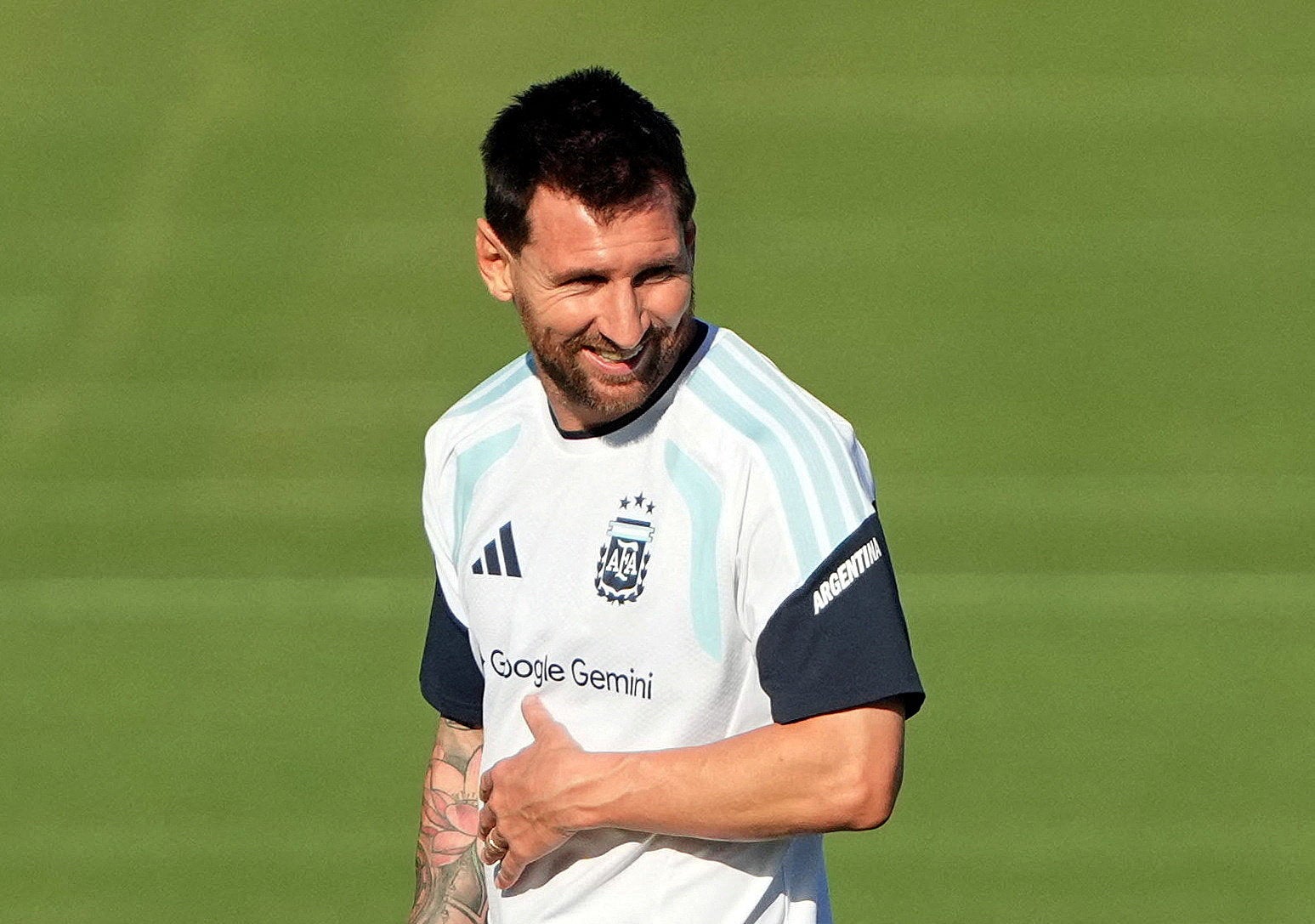
Lionel Messi will captain Argentina at his sixth World Cup
Lionel Messi will captain Argentina at his sixth World Cup (Reuters)

Predicted line-ups

Argentina XI: Emiliano Martinez; Molina, Otamendi, Lisandro Martinez, Medina; De Paul, Fernandez, Mac Allister, Almada; Messi, Alvarez

Advertisement

Algeria XI: Zidane; Belghali, Mandi, Chergui, Ait-Nouri; Bentaleb, Boudaoui; Mahrez, Maza, Amoura; Gouiri

Latest odds

Argentina – 2/5

Draw – 19/5

Advertisement

Algeria – 17/2

Source link

Advertisement
Continue Reading

Sports

Elliotte Friedman shares major hindrance in Mike Babcock’s investigation caused by Blue Jackets players & staff

Published

on

The NHL has officially opened its long-delayed investigation into former coach Mike Babcock’s brief stint with the Columbus Blue Jackets in 2023. This comes just a day after the conclusion of the 2026 Stanley Cup Final.

In his latest column for Sportsnet, insider Elliotte Friedman reported that the league will interview multiple parties as it examines the circumstances surrounding Babcock’s resignation before he coached a single regular-season game in Columbus.

The review is believed to have been prompted by the NHL Players’ Association to assess whether any further penalties are warranted and whether teams like the Edmonton Oilers can hire him without restriction.

A central challenge for investigators stems from resistance among some former Blue Jackets players and staff. Many have reportedly expressed frustration at revisiting events from three years ago, indicating they have no desire to relive the controversy and prefer to move on.

Advertisement

“One of the initial challenges here is that some Blue Jackets players and staff members from back then initially indicated they had no desire to re-live what happened three years ago and didn’t want to participate,” Friedman wrote. “So we will see how the investigation handles that, or if anyone moves past that reluctance.”

Elliotte Friedman: Re Mike Babcock investigation: There were reports of issues beyond looking at players’ phones that got Babcock into trouble in Columbus; sources indicate there was at least one other conversation that caused concern – Sportsnet (6/15)

The probe revives scrutiny of Mike Babcock’s conduct in Columbus, including well-publicized allegations of invasions of privacy, such as requests to view personal photos on players’ phones.

Advertisement

Several Oilers players’ agents have voiced concern regarding the hiring of Mike Babcock

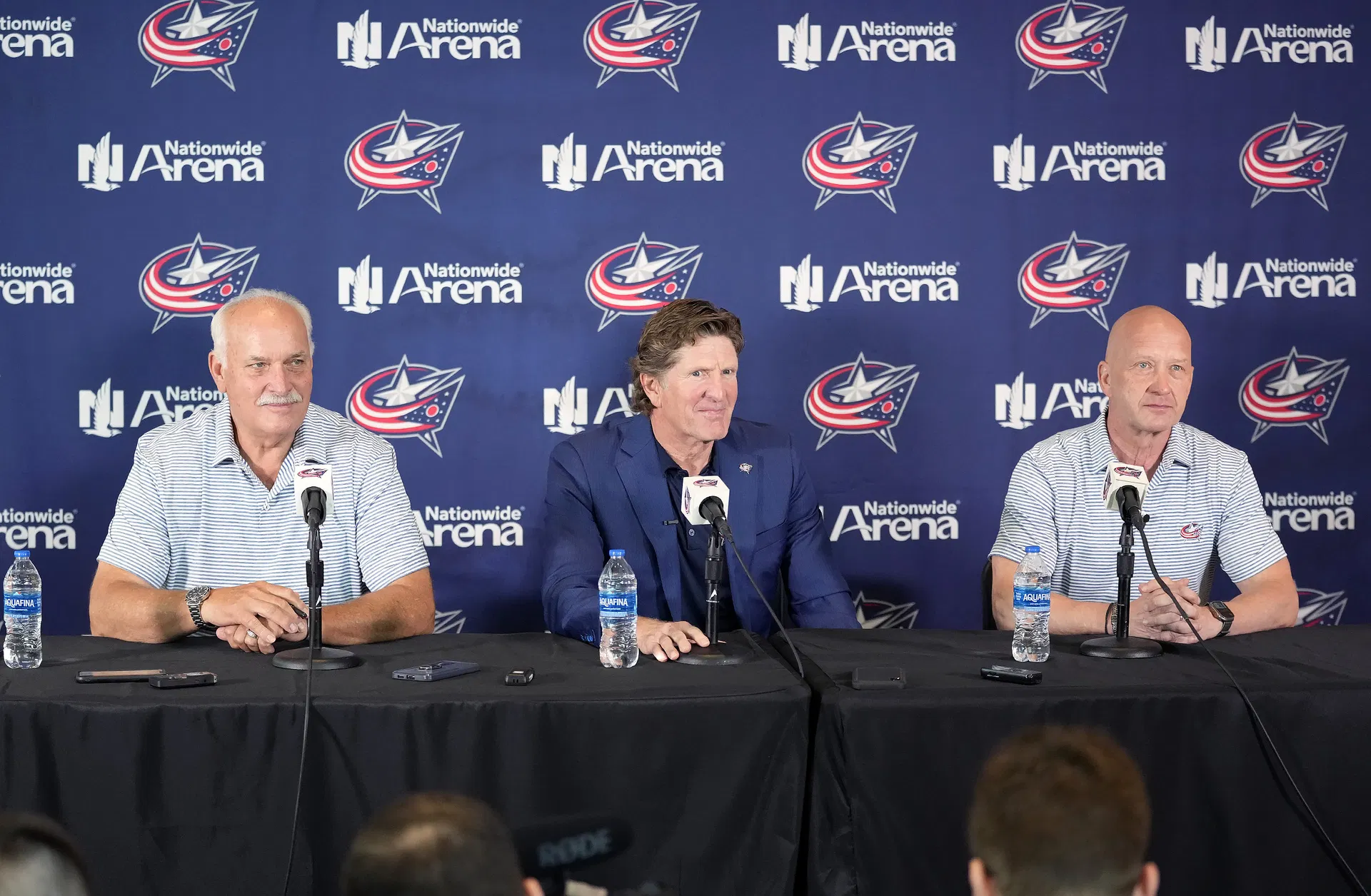
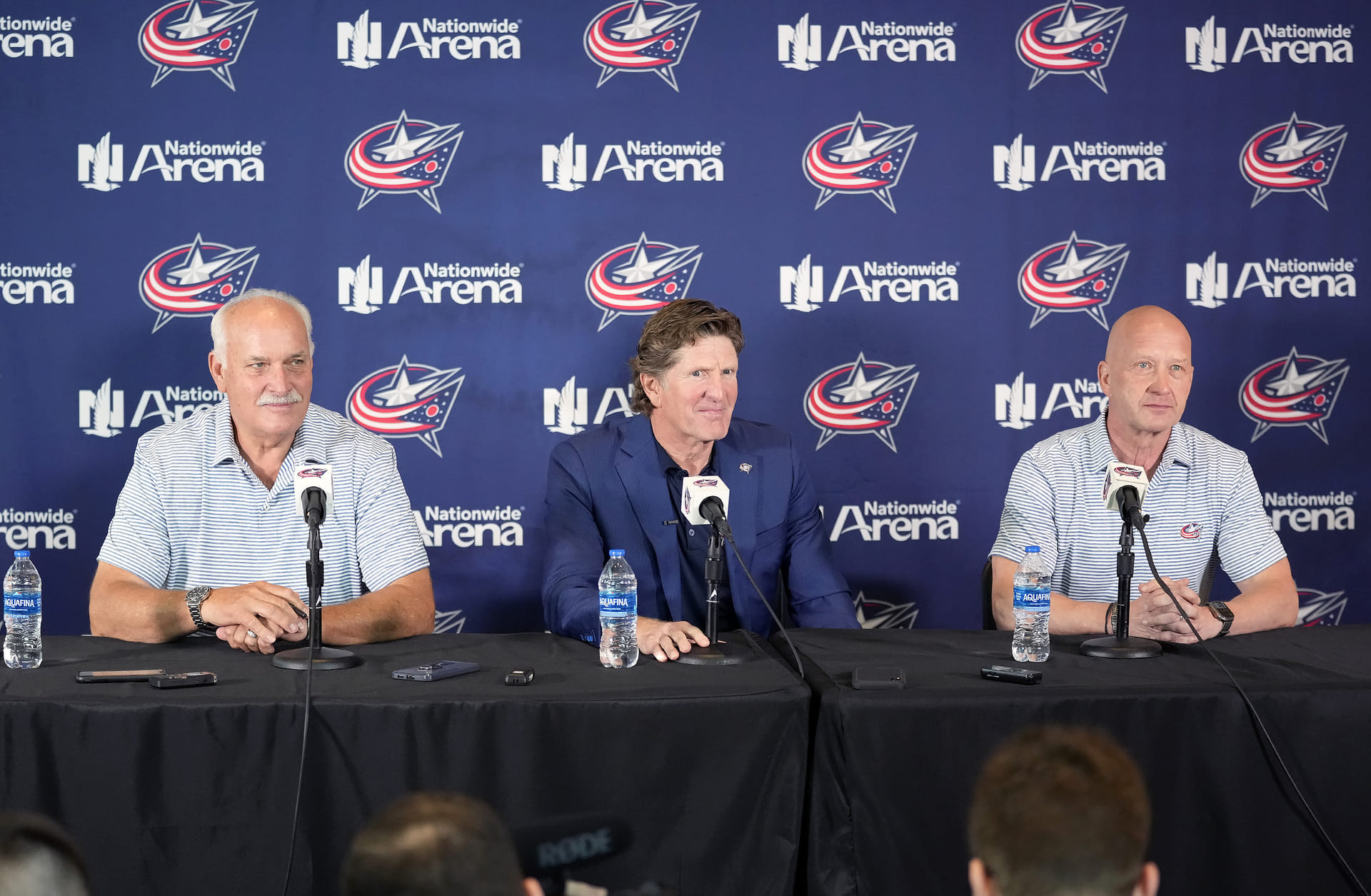
Mike Babcock (C) addresses a press conference - Source: ImagnMike Babcock (C) addresses a press conference - Source: Imagn
Mike Babcock (C) addresses a press conference – Source: Imagn

The Edmonton Oilers have emerged as the leading candidate to hire Mike Babcock as their next head coach. This comes after the team decided to fire Kris Knoblauch after a disappointing first-round playoff exit.

Initially, the Oilers targeted Bruce Cassidy, but his contract situation with the Vegas Golden Knights has prevented him from interviewing with other teams. The roadblock prompted Edmonton to shift focus to Babcock.

The former Blue Jackets coach reportedly met with Oilers ownership and front office personnel, and he was one of two finalists who also met face-to-face with a small group of players in Toronto.

However, according to Elliotte Friedman, several agents of Edmonton players who were not involved in those direct conversations have voiced concerns.

“Several agents of Edmonton players who were not involved in direct conversations with Babcock also voiced concerns, adding they didn’t like the idea of clients being traded there, either,” he wrote.

The Oilers are now waiting for the outcome of the NHL’s investigation before making a final decision. If the review does not go in Mike Babcock’s favor, the franchise is expected to rule him out as a candidate.

Advertisement

With the playoffs now over, Edmonton is also closely monitoring the Golden Knights’ decision regarding Bruce Cassidy. Currently, the Oilers appear locked in on two primary coaching targets, but it remains to be seen who will ultimately replace Knoblauch behind the bench.