While the impact of last week’s new “Policy on the Protection of the Female (women’s) Category in Olympic Sport” has focused largely on trans athletes, medical experts and Olympians say the impact of the ban will be felt more keenly by those with Differences in Sexual Development (DSD).
New Zealander Laurel Hubbard is the only recorded trans athlete in Olympic history. The weightlifter failed to record a successful lift in the women’s +87 kilograms weightlifting in the delayed 2020 Olympics and crashed out early.
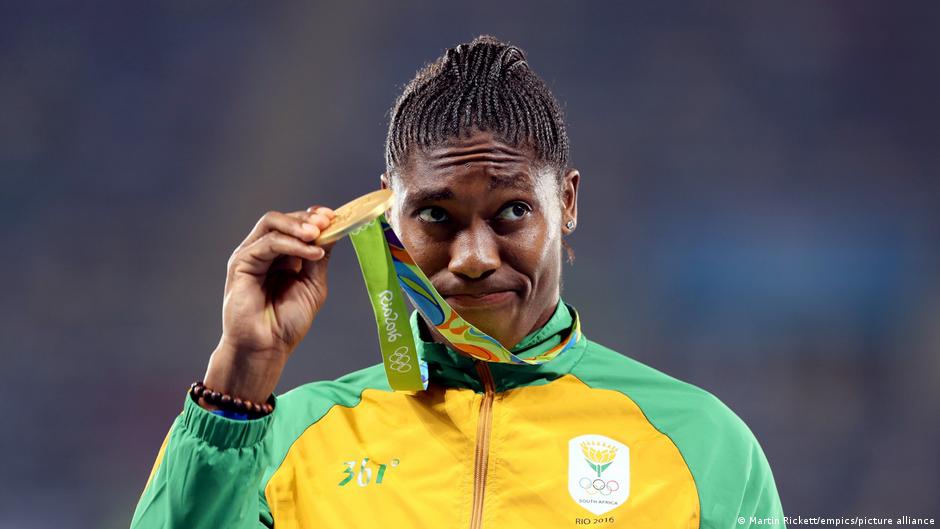
South Africa’s Caster Semenya was not at those Games in Tokyo to defend her 800 meters title from Rio in 2016 and London 2012 after falling foul of a tweaked World Athletics (then the IAAF) policy that female athletes must lower their testosterone levels below the prescribed 5 nmol/L threshold for at least six months before competition. Semenya refused.
Testosterone levels have long been the battleground for athletes who do not necessarily fit neatly in to either the male or female categories.
Trans and DSD athletes treated much the same in new policy
While the new IOC policy makes a “rare exception of athletes with a diagnosis of Complete Androgen Insensitivity Syndrome (CAIS) or other rare differences/disorders in sex development (DSDs) who do not benefit from the anabolic and/or performance-enhancing effects of testosterone” it has otherwise reverted to SRY testing, comprising a cheek swab, which it used in the 1990s. SRY tests for the presence of the SRY gene, which is found on the Y or “male” chromosome.
“Genetic screening is not, and never has been, a way to protect girls and women in sports. To call it that is to mask a monster. Let’s call this what it is: exclusion, just with a different name. “
Under its previous boss, Thomas Bach, the IOC’s position was that there was “no one-size-fits-all solution” to the issue of gender testing.
A 2023 report from a number of scientists around the world stated that “in athletic events and sports relying on endurance, muscle strength, speed, and power, men typically outperform women because of fundamental sex differences dictated by their sex chromosomes and sex hormones at puberty, in particular, testosterone.”
Advertisement
Athletic advantage for trans women but DSD cases more complex
While trans athletes can broadly be accepted to have distinct advantages as a result, individual cases are far from black and white, particularly for athletes with DSD. The condition makes genes, hormones and reproductive organs, including genitals, naturally develop differently, whereas trans people have an identity which does not match their sex and may have surgery or treatment to reflect that.
Fact check: Trans athlete ban — fair or not?
Semenya and boxer Imane Khelif, who won gold at Paris 2024, both have DSD. Professor Alun Williams, a sports scientist at Manchester Metropolitan University, told the BBC that they, and others like them, are in danger of being marginalized by the change.
Advertisement
“There are real ethical problems about genetic testing of a large number of people – many of whom are younger than 18 – and revealing potentially life-changing information to them about their personal biology,” he told the BBC.
“So, what we’re doing now is going back to the 1990s, a system that was tried and abandoned, and it does try to reduce biological sex down to the presence of a single gene on the Y chromosome which is an over-simplification.
“While the direct evidence of physical advantage in transgender people is pretty strong, the evidence of advantage for those with DSD, even though they have a Y chromosome, is highly disputed.”
Semenya feels failed by IOC chief Coventry
The IOC now mirrors World Athletics (WA) in its policies regarding the female category. After WA changed their rules last year, Semenya told DW she felt targeted.
Advertisement
“When you’re born with your differences, those are your differences and they don’t make you a great athlete,” she said.
“You are a great athlete through training, hard work, showing up every day, dedication. Not because of your given body.”
Imane Khelif (right) won gold at Paris 2024 but was the subject of much debateImage: Sebastian Kahnert/dpa/picture alliance
“At the Olympic Games, even the smallest margins can be the difference between victory and defeat. So, it is absolutely clear that it would not be fair for biological males to compete in the female category. In addition, in some sports it would simply not be safe,” she said in a statement.
“Every athlete must be treated with dignity and respect, and athletes will need to be screened only once in their lifetime. There must be clear education around the process and counselling available, alongside expert medical advice.”
Advertisement
Semenya, who was invited to give her perspective when the IOC were weighing up the ban, finds this difficult to take.
“Like me, IOC President Kirsty Coventry is a woman from Africa. I hoped she would be different,” she wrote in Time. “Instead, she failed us.”
Live Telecast: USA – Tennis TV | UK – Sky Sports | Canada – TSN
Corentin Moutet vs Marco Trungelliti preview
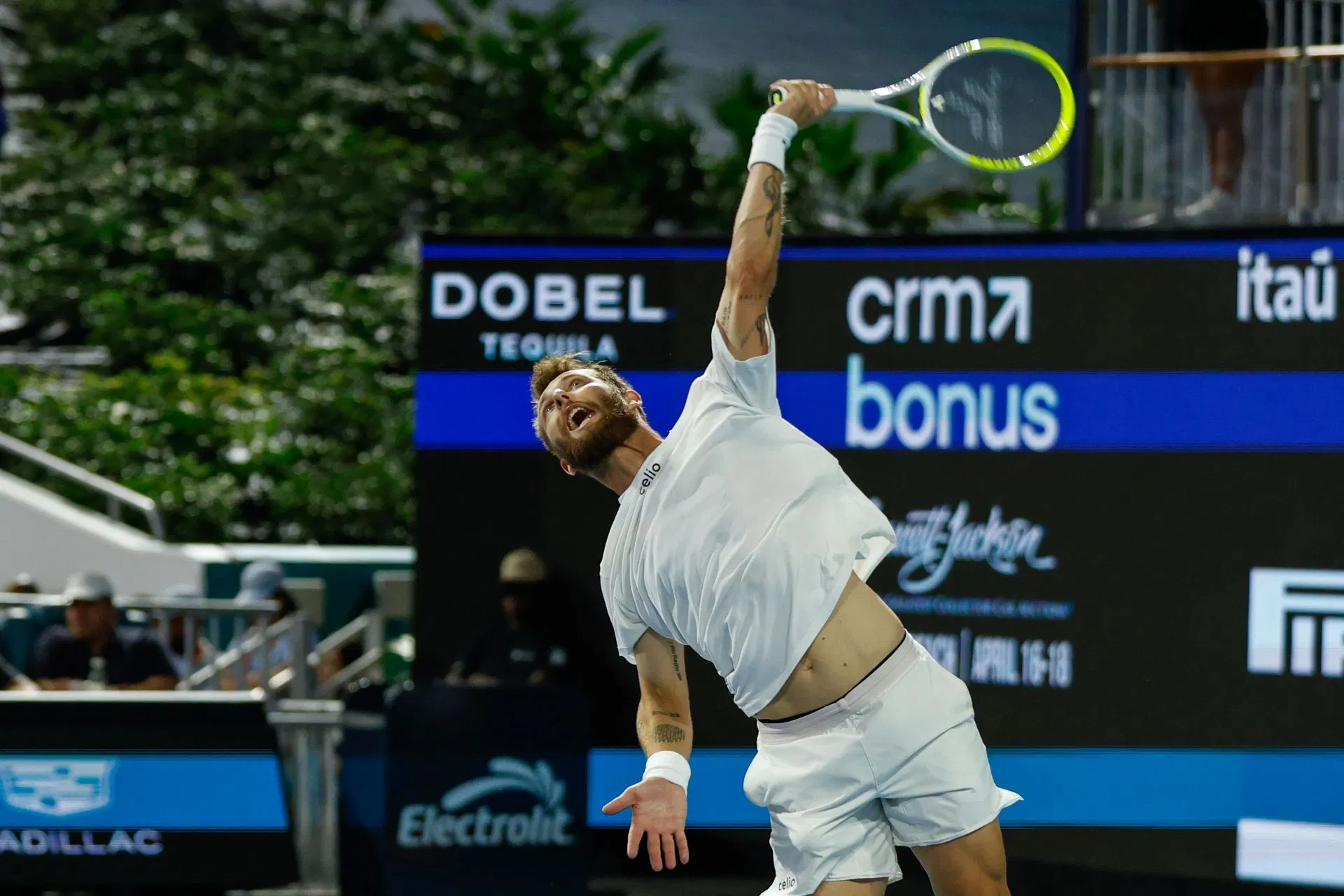
Moutet, seeded third in the tournament, will face Argentina’s Trungelliti in the quarterfinals on Friday. Moutet didn’t put a foot wrong against Taha Baadi in the Round of 16. The Frenchman completed a bagel in the first set and took the second with a 6-2 win.
Advertisement
Meanwhile, Trungelliti earned a place in the last eight all the way from the qualifiers. Even though some of his fixtures went down to the wire, he didn’t drop a single set en route to the quarterfinals. Whoever comes out on top will face either top seed Luciano Darderi or Yannick Hanfmann.
Moutet’s best finish of the season remains his current quarterfinal campaign in Marrakech. Before this, he managed to reach the Australian Open’s Round of 32, the Phoenix Challenger’s Round of 16, and the Miami Open’s Round of 64.
Advertisement
On the other hand, Trungelliti, ranked 117th in the world, notched victories against Henrique Rocha, Rei Sakamoto, and Hynek Barton to reach the quarterfinals. He has found some momentum at Grand Prix Hassan II but faces a stern challenge against the Frenchman.
Corentin Moutet vs Marco Trungelliti Head-To-Head
Moutet and Trungelliti haven’t faced each other once. The quarterfinal fixture at Grand Prix Hassan II will mark their first encounter.
Corentin Moutet vs Marco Trungelliti odds
Player
Moneyline
Handicap Bets
Total Games (Over and Under)
Corentin Moutet
-250
-2.5 (-175)
Over 20.5 (-155)
Marco Trungelliti
+190
+2.5 (+120)
Under 20.5 (+105)
All odds sourced from BetMGM
Corentin Moutet vs Marco Trungelliti prediction
Moutet and Trungelliti have enjoyed a fair share of success along with setbacks at the beginning of the season. Looking at their performances in the last fixtures, it appears the Frenchman will have an edge over the seasoned Argentinian.
Advertisement
The 26-year-old boasted 76% win percentage on first serve, producing two aces against Baadi. He clinched five break points out of nine and won 10 games in a row to cap off his commanding display. Moutet is likely to adopt an aggressive approach against Trungelliti to catch him off guard early on.
On the other hand, the 36-year-old Trungelliti produced double the amount of aces against Kamil Majchrzak and flaunted an impressive 88% win percentage on first serve. However, despite having an edge, he was forced to dig deep to salvage a victory, despite his experience on clay. Considering Moutet has tasted success on clay at the Challenger/ITF level, he could turn out to be a massive threat to Trungelliti.
Predicted winner: Corentin Moutet in straight sets
“I love heights, man!” shouts the man next to me as we awkwardly stuff our limbs into fire-engine-red jumpsuits and tighten the straps. “I’ve wanted to do this for ages.”
This golden retriever enthusiasm should be infectious, but any chutzpah I once had has fluttered away like a maple leaf in Canada’s crisp autumnal breeze. I’m at “basecamp” for Edgewalk, a toe-curling 30-minute creep around the edge of Toronto’s CN Tower, attached only by a black harness. A short lift ride later, and our group of six is gingerly stepping out into the elements at 356 metres (1,168 feet) above ground.
Coal-black rainclouds swell ominously over Lake Ontario, and the tourists below look like shuffling grains of sand. My hands clam up, clutching the harness cord as we attempt our ‘leaning forward’ exercise. Yet, suspended above it all, watching the city I once called home fan out below me is oddly comforting.
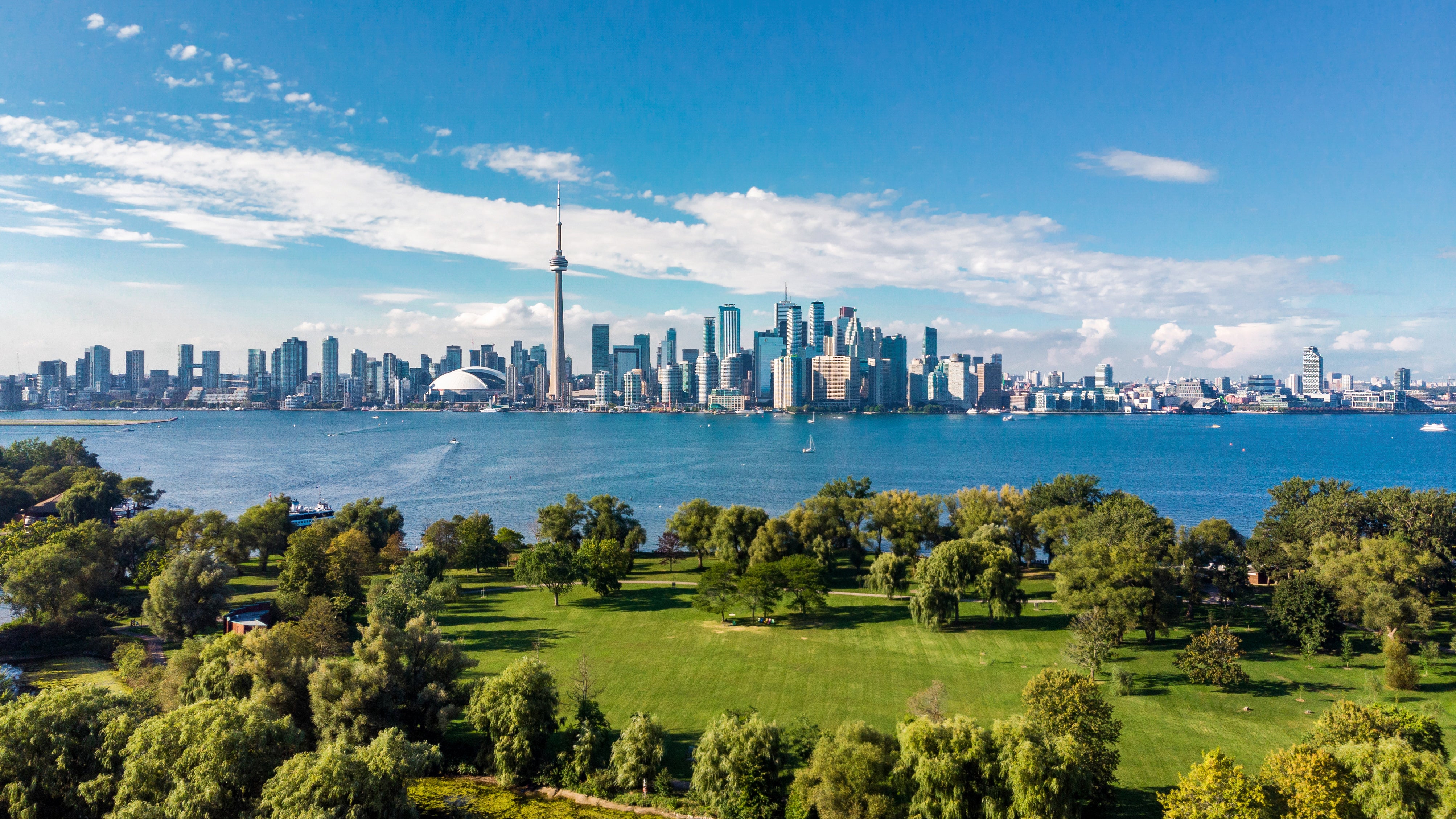
My first summer in Toronto was a balmy haze of riding carnation-red streetcars, sinking happy hour beers on downtown terraces, bouncing around busy hostels, learning the rules of ice hockey and savouring fleeting friendships with fellow travellers from around the globe. That was 2011. Now, 15 years later, Canada’s biggest city is gearing up to host six matches at the 2026 FIFA World Cup.
Toronto is the perfect city to host the FIFA World Cup 2026, says writer James March (Getty Images/iStockphoto)
I stayed for two years, and the place still feels like home. Toronto’s international character was intoxicating to me when I first arrived, with over half of its three million-strong population born outside Canada and over 180 languages spoken. While I eventually got around to attractions like the Royal Ontario Museum and the Norman Foster-designed Art Gallery of Ontario, it was the city’s diverse neighbourhoods that captivated me most.
“There’s definitely a neighbourhood mentality here,” says Saro Yacoubian, one of the three brothers who run Taline, a Lebanese-influenced Armenian restaurant in Toronto’s leafy Summerhill neighbourhood. It’s the first time I’ve been to this corner of the city, a few blocks north of the bustling Yonge and Bloor intersection, and it’s the first time I’ve eaten Armenian food.
“In the 1960s, this space here was a tailor’s, and upstairs was where the tailor lived. Funnily enough, he was an Armenian too. Total coincidence!” laughs Yacoubian, before he explains what I’m going to be eating tonight. I’ve no idea where to find Armenian food back in Britain, but in a city like this, with its global bazaar of cultures and cuisine, it’s just another Wednesday night.
Taline is the name of the brothers’ late mother, and I tuck into refined versions of the hearty Armenian-Lebanese cuisine she once cooked for them, like unctuous boat-shaped meat dumplings called manti,or tender, well-seasoned vochkhar lamb chops.
The dishes are excellent, but Summerhill is far from the only neighbourhood for sublime food. There is Portuguesebacalhau on Dundas St West, Polish dumplings on Roncesvalles, Korean BBQ on Bloor St West or Peking duck in Spadina’s historic Chinatown. My salvation, though, was always Kensington Market.
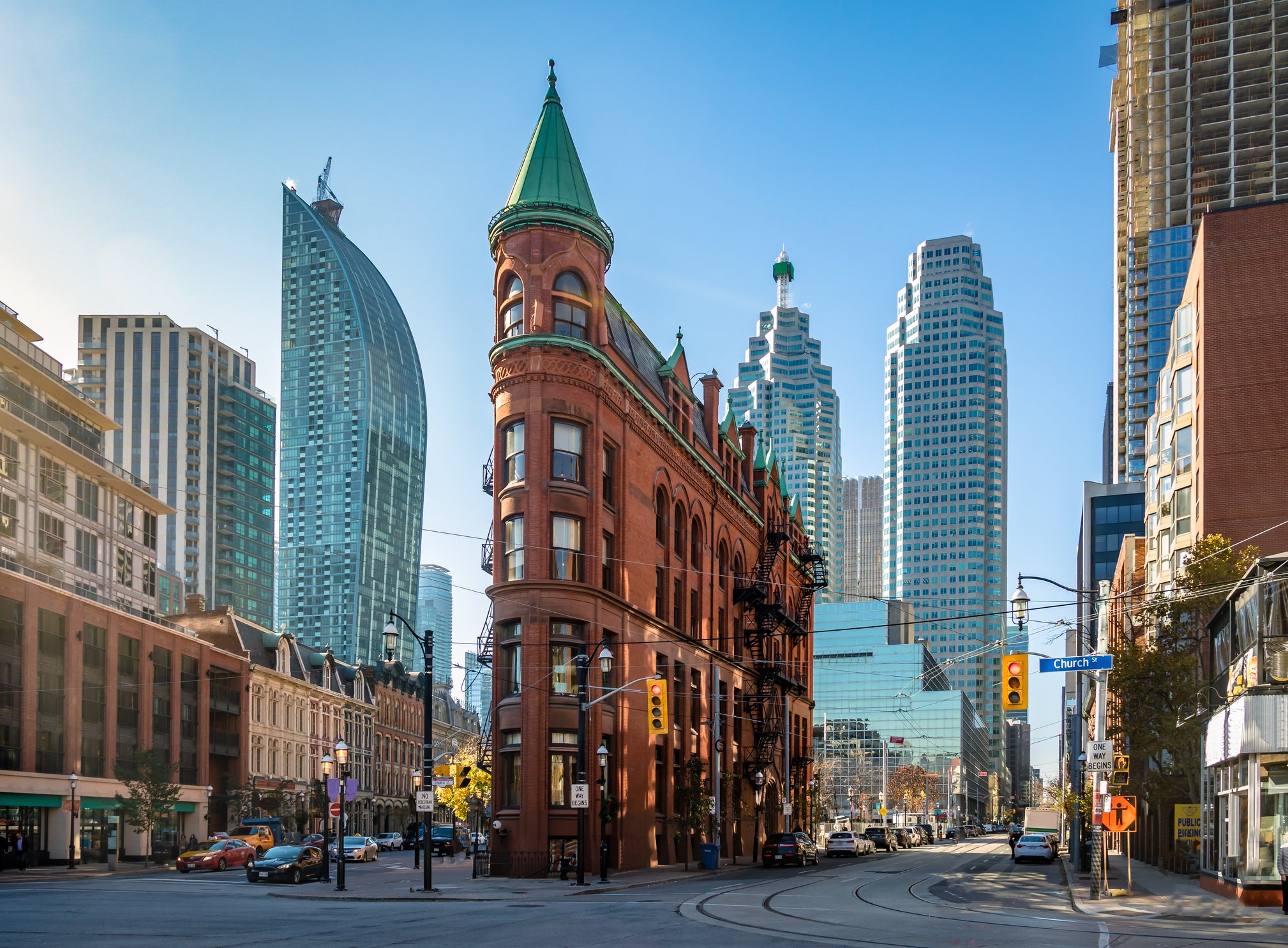
Spending my first night back at the glittering Bisha Hotel, I feel like an interloper. This wasn’t my world 15 years ago; I could barely pay rent and became something of an authority on happy hour pints and cheap poutine. Toronto’s skyline may be taller and glassier, but Kensington Market’s edgy, multicultural spirit is as beguiling as ever.
Downtown Toronto is where you’ll find Toronto Stadium, host of six football matches during the FIFA World Cup 2026 (Getty Images)
“Kensington Market is a microcosm that represents everything Toronto is about,” says my guide CJ, as she leads a busy food tour from Chinatown into Kensington’s art-splashed streets. Incense hangs in the air, pro-Palestine flyers are handed out, and Pride flags flutter above the houses. The vintage stores and shabby dive bars I used to frequent are still here, while the revolving cast of affordable bites brings new surprises: with fiery Jamaican beef patties, generously filled tacos and dense fried chicken providing an agonising array of choice.
“The diversity, the multiculturalism. That means everyone is welcomed, recognised, and respected,” CJ adds, before leading our group into a meandering mobile brunch.
If food and football are to go hand in hand, the World Cup is an opportunity to showcase Toronto’s other famous sports. A staunch football fan, I was initially dismissive of ice hockey, basketball and baseball when I arrived, but by the end of my first summer, I was a full-blown Toronto Blue Jays fan. They’re the local baseball team that came within a whisker of winning the World Series championship last October. Ticket prices for games at the hulking Rogers Centre stadium (conveniently located downtown next to the CN Tower) in summer are always affordable, and on a warm evening, with a beer in hand, the games are great fun, even if the rules seem as complicated as a Russian novel to the uninitiated.
Ride a streetcar through Chinatown in downtown Toronto (Getty Images)
The six World Cup games will be played at Toronto Stadium, near the waterfront. Usually home to Major League Soccer’s Toronto FC, its 28,000 capacity is being expanded to 45,000 for the tournament, with two new grandstands and a host of plush new suites. The Bentway – normally a concrete underpass – is being transformed into a vibrant arts, music and events space, and will host the official FIFA fan zone. I’d also recommend wandering into nearby Liberty Village for more drinks and fun. It was where I landed my first job in Toronto, though the less said about that, the better (I was never cut out for manual labour).
One place I was cut out for was the Loose Moose, a cartoonishly named favourite from my time here – a downtown pub with almost as many screens as pints on tap. With the Blue Jays on TV and a cold Canadian pint in hand, my last night in the city is a good one.
“It always makes me happy, because it reminds me of being happy,” wrote the great food critic and raconteur AA Gill about his old home, New York. I feel the same way about Toronto. Though next time, I’ll probably just stick to the CN Tower’s indoor viewing deck.
Advertisement
How to get there
Heathrow, Gatwick, Manchester and Edinburgh all offer direct flights to Toronto. The airlines that fly there are Air Transat, Air Canada, British Airways and Virgin Atlantic, with an average flight time of around seven hours.
Where to stay
Stay at The Drake Hotel on Queen St West. Prices from $370 CAD (£200) per night.
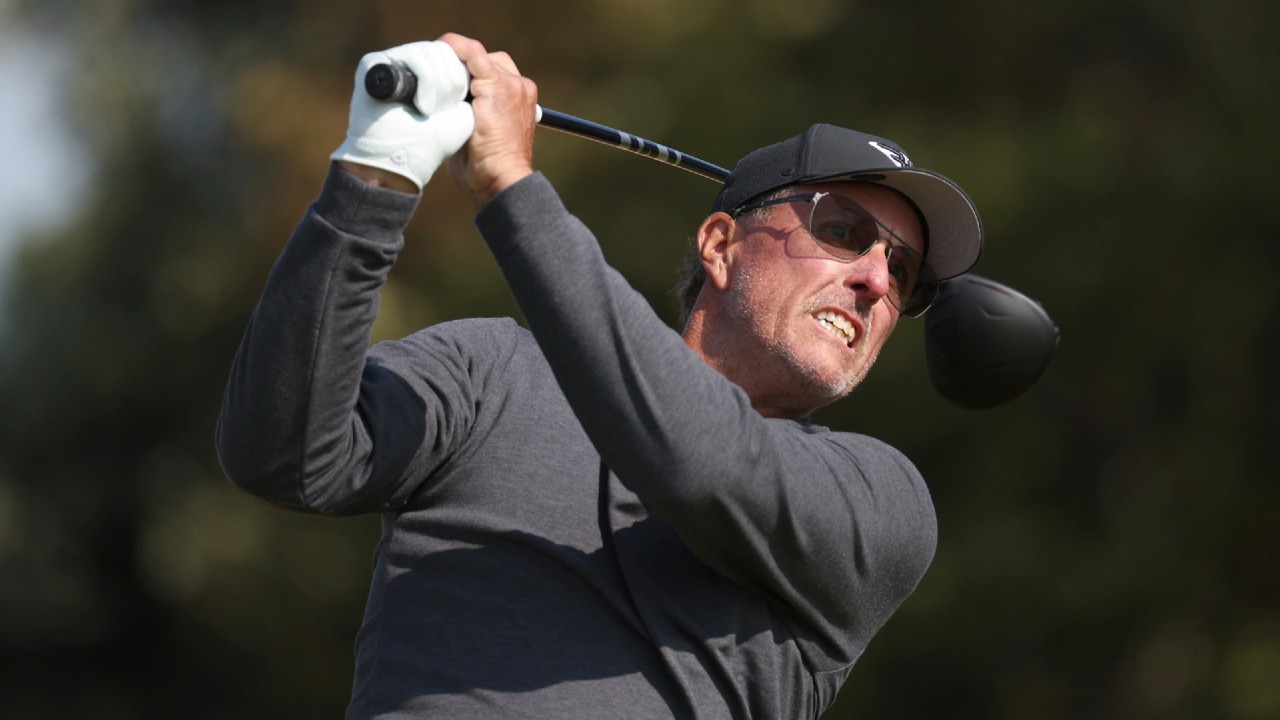
One less lefty will be teeing it up at Augusta National.
Phil Mickelson withdrew from the Masters as his “family continues to navigate a personal health matter,” he announced on Thursday.
Mickelson, 55, has played at every Masters but one since 1995, winning the green jacket three times.
He has spent the past four years playing on the LIV Golf circuit, but has competed in just one of five events this season. He added Thursday that his absence will be for an “extended period of time.”
Advertisement
Earlier this week, five-time Masters champion Tiger Woods also announced his withdrawal in wake of his DUI arrest following a rollover crash in Florida.
With both Woods and Mickelson out, it will mark the first time neither tees it up at the Masters since 1994.
The Masters begins next Thursday with Rory McIlroy set to defend his breakthrough title.
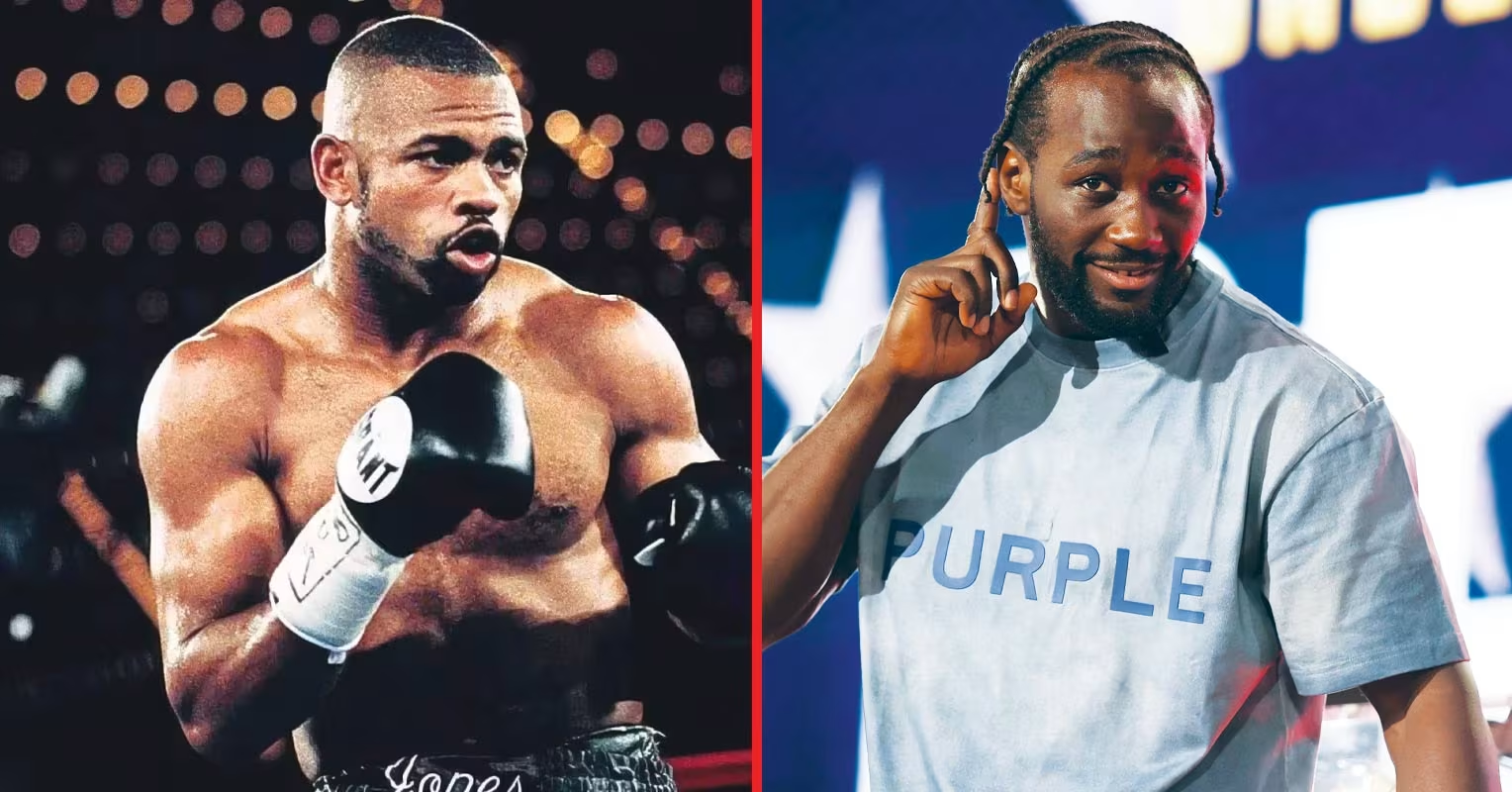
Terence Crawford walked away from the sport as one of boxing’s modern greats, having ruled in five divisions and overcome a host of major names.
However, there is one active contender that Hall of Fame legend Roy Jones Jr believes would have provided ‘Bud’ with a tough test.
Crawford claimed the undisputed title at super-lightweight, welterweight and super-middleweight, trumping the likes of Kell Brook, Errol Spence Jnr and Canelo Alvarez over the course of a phenomenal and undefeated 42-fight career.
Speaking to Sean Zittel, Jones admitted that he would be interested to see how that contest would have played out, with both mens adaptability making for a fascinating scrap.
“It would have been a tough fight for him. We would have found out what he [Boots] is made of, but it would have been a tough fight for both of them because Crawford is that guy that knows how to adapt and make changes too. Ennis is a guy that can definitely make changes on the spot.
“Those are the makings of great fighters, so both of those guys in front of each other would have been a hell of a fight to see because they are both so adaptable.”
Jones praised Boots’ fighting style, likening it to how he systematically took apart opponents.
Advertisement
“[He reminds me of myself] a lot. He has got so many things that he can do, he knows how to change things up on the spot. When you can adapt and change up on the spot, that is what you don’t find in many fighters nowadays.”
Crawford recently revealed that Ennis turned down the chance to face him back in 2021, forcing him to instead defend his WBO world title against Shawn Porter.
Everton hope to strike a second deal with Manchester City for Jack Grealish and to bring the England international back to Hill Dickinson Stadium next season.
While they are not likely to take that up – and that would require a club record fee – David Moyes is keen to keep Grealish. A loan is the likeliest scenario though it is probable nothing will be arranged until after the end of this season.
But he made an immediate impact after joining, winning the Premier League player-of-the-month award for August.
Advertisement
While he has not played for 10 weeks, only three players in the division have more than his six assists, while he has also scored twice.
Grealish has a season left on his contract at City after signing a six-year deal when he joined from Aston Villa for a British record £100m in 2021.
But he has been surplus to requirements after losing his place last season and being omitted from the squad for the Club World Cup.
Manager Pep Guardiola has signed a series of other wingers and attacking midfielders, including Omar Marmoush last January, Rayan Cherki and Tijjani Reijnders last summer and then Antoine Semenyo three months ago, signalling that he sees no way back for Grealish.
Advertisement
City have hoped to bring in a transfer fee for Grealish, who scored 17 goals in 157 games for them, but Everton’s preference could be to borrow him again.
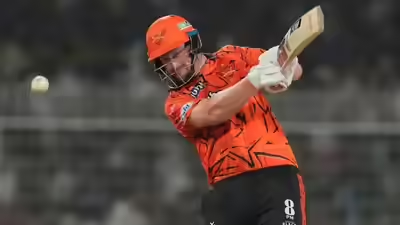
NEW DELHI: Sunrisers Hyderabad return to winning ways with a dominant 65-run victory over Kolkata Knight Riders, thanks largely to Heinrich Klaasen’s calm and experienced knock. While Blessing Muzarabani shines with four wickets for KKR, Klaasen’s steady 52 helps SRH post a strong 226/8 after being put in to bat. In reply, KKR never really get going and are bowled out for 161 in just 16 overs, slipping to another defeat.
Watch
Rohit Sharma unleashed: MI coach explains tactical calls after explosive knock
SRH build big total despite stumbles
SRH get off to a flying start as Travis Head and Abhishek Sharma put together a rapid 82-run opening stand, attacking from the outset. Just when it looks like a huge total is on the cards, KKR fight back through Muzarabani, who removes key batters and briefly slows things down. At one stage, SRH lose wickets quickly and the innings looks shaky.That’s when Klaasen steps in and steadies things. He plays smart cricket, rotating strike and keeping the scoreboard ticking even when boundaries dry up. Alongside Nitish Kumar Reddy, he builds a crucial partnership that keeps SRH on track for a big total. The duo adds important runs in the middle overs, ensuring the early momentum doesn’t go to waste and helping SRH reach a competitive score.
Advertisement
KKR collapse under pressure
Chasing 227, KKR start brightly with Finn Allen’s quick 28, but things fall apart soon after his dismissal. There is visible lack of coordination as run-outs and poor shot selection hurt them badly. Cameron Green is involved in a mix-up and gets run out cheaply, and even Angkrish Raghuvanshi, who plays a fine knock of 52, is run out after another misunderstanding.The innings never recovers as wickets keep falling regularly. Rinku Singh tries to fight back with a 35, but once he departs, the chase is effectively over. SRH bowlers, led by Jaydev Unadkat, Nitish Kumar Reddy and Eshan Malinga, keep things tight and finish the job comfortably, sealing a comprehensive win.
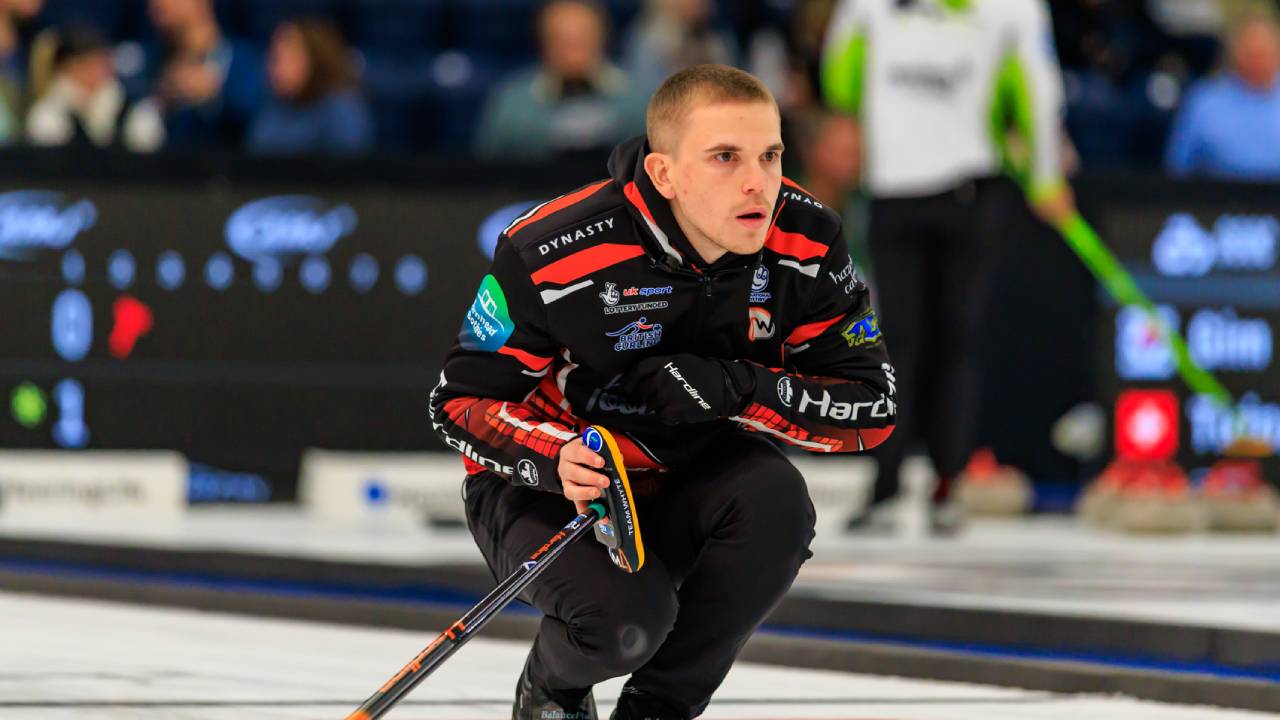
Scotland closed in on a bye to the semifinals at the world men’s curling championship with a 7-4 win over Switzerland in Thursday’s morning draw.
Ross Whyte’s team went ahead 5-4 with a point in the ninth end, then capped the match with a steal of two in the 10th.
Scotland moved into a tie with idle Sweden atop the standings at 9-2 with two round-robin draws to play.
Marco Hoesli’s Swiss side, which is assured of a playoff berth, fell into a tie for fourth with the United States at 8-3. The U.S. defeated Italy 9-8 in the morning in a matchup of two more playoff-bound teams.
Advertisement
The Italians were sixth at 7-4.
Matt Dunstone’s playoff-bound Canada team was idle in the morning. The Winnipeg rink sat in third at 8-2 heading into games later Thursday against Germany and Norway.
The top two teams at the end of the round-robin earn a direct berth in the semifinals, while the other four teams that make the playoffs play in a qualification round.
In other results from Thursday’s early round, Japan beat Poland 10-2, and China downed Germany 9-5.
With a new collective bargaining agreement in tow, the WNBA is barreling toward the start of the 2026 season on May 8. But first, the majority of players still need to sign contracts.
Every veteran is a free agent this offseason, with the exception of Kalani Brown and Lexie Brown. Veterans signed deals that ended after the 2025 season to take advantage of higher salaries under the new CBA.
Advertisement
Some key figures for free agency:
Advertisement
The salary cap will rise from $1.5M to $7M, a 466% jump
Supermax contracts are up 561% to $1.4M, from around $250K
Minimum salaries above $300,000, with the average salary around $600,000
So when will this free agency bonanza begin? Great question. The WNBA has not officially announced dates for qualifying offers or free agency, though tentative dates of April 7-8 (qualifying offers), April 9-11 (free agency negotiations) and April 12 (official start of free agency) were provided. The expansion draft for the Portland Fire and Toronto Tempo is April 3, the collegiate draft is April 13 and the preseason begins April 19.
For more on each team’s free agency situation, check out our team-by-team free agency primer. And click on the team name below to jump to view notable free agents and the latest developments in each city:
The two brought New York its first championship in 2024, though their title-winning coach, Sandy Brondello, moved on to join the expansion Toronto Tempo this offseason. Former Warriors assistant Chris DeMarco will be at the helm for the 2026 season.
Under contract: Sonia Citron, Kiki Iriafen, Georgia Amoore, Jacy Sheldon, Lucy Olsen Restricted: Sug Sutton, Shakira Austin Reserved: Emily Engstler, Madison Scott Notable free agents: Alysha Clark, Stefanie Dolson
Golden State Valkyries
Under contract: Carla Leite, Kate Martin Restricted: Veronica Burton, Cecilia Zandalasini Reserved: Janelle Salaün, Laeticia Amihere, Kaitlyn Chen, Iliana Rupert Notable free agents: Kayla Thornton, Tiffany Hayes, Temi Fagbenle
Los Angeles Sparks
Under contract: Cameron Brink, Rickea Jackson, Sarah Ashlee Barker, Sania Feagin Reserved: Rae Burrell, Julie Vanloo, Alissa Pili Notable free agents: Kelsey Plum, Dearica Hamby
Advertisement
Advertisement
Dallas Wings
Under contract: Diamond Miller, Maddy Siegrist, Paige Bueckers, Aziaha James, JJ Quinerly Reserved: Luisa Geiselsöder, Li Yueru, Halley Jones, Grace Berger Notable free agents: Arike Ogunbowale
Connecticut Sun
Under contract: Aneesah Morrow, Saniya Rivers, Aaliyah Edwards, Leila Lacan, Rayah Marshall Restricted: Olivia Nelson-Ododa, Haley Peters Reserved: Mamignan Touré Notable free agents: Marina Mabrey, Tina Charles
Chicago Sky
Under contract: Kamilla Cardoso, Angel Reese, Hailey Van Lith, Maddy Westbeld Reserved: Sevgi Uzun Notable free agents: Courtney Vandersloot, Rebecca Allen, Kia Nurse, Ariel Atkins
Chris Jericho made his return to AEW. Following his return, a WWE legend has offered some advice to Tony Khan’s company.
Matt Hardy is the latest to comment on Chris Jericho’s return. Jericho has been absent from AEW TV for the past year. During this time, there has been a lot of speculation about his future. Many reports emerged that suggested that Jericho could be headed back to WWE after his contract expired on December 31, 2025. However, that did not happen. This week on Dynamite, Jericho made his highly anticipated return to the Jacksonville-based promotion to address the fans.
Advertisement
Speaking on his The Extreme Life of Matt Hardy podcast, the WWE legend said that Jericho’s return depends on how the company utilizes him. He also said that the fan base won’t be crazy about the former World Champion since they want the younger guys to succeed. He also noted that Jericho is a massive star who could contribute in many ways to the show.
“I mean, I really, I really think it’s all in how you utilize him [Chris Jericho]. If you put him in a certain position, I don’t think that their fan base, which is a pretty, pretty loyal fan base, I would say, I don’t, you know, think they’re gonna be crazy about Chris, you know, because they are, they want their younger guys who are out there with the highest work rate possible and are just go, go, go, go, go, five-star bangers. I mean, you know, that’s kind of, that’s kind of how, that’s what they’re building the place on, right? Where the best wrestle and the best wrestling content and what not. So I mean, Chris being an older act would be just such a star. He has so much star power. There’s so many ways he can contribute to the show, it’s just, they would have to utilize him in the correct way.”
Dave Meltzer commented on the reason Chris Jericho chose to return to AEW over WWE
For the past few months, there have been reports that Chris Jericho could return to WWE, where he could wrap up his career. However, he decided to return to Tony Khan’s company instead.
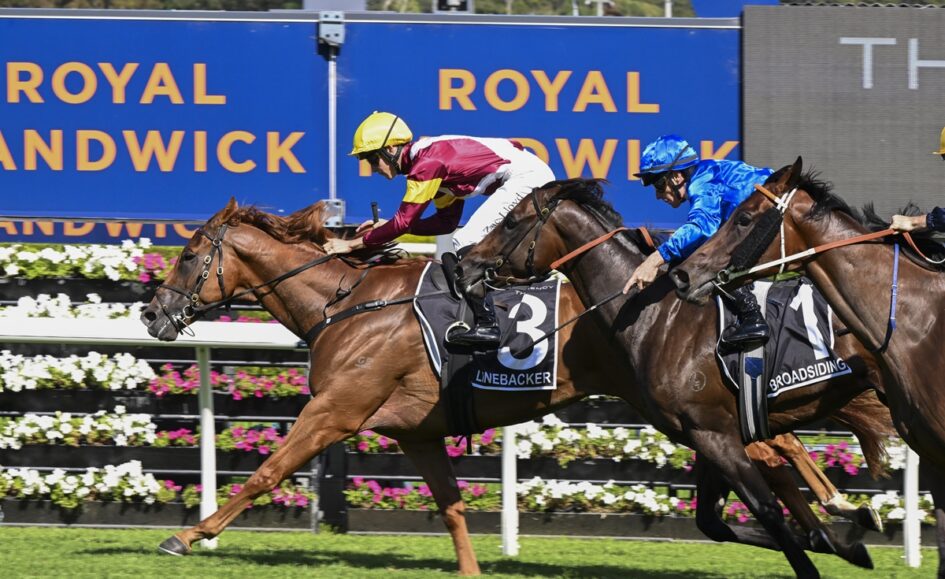
Connections of Linebacker are buzzing not solely due to Zac Lloyd’s blistering run, but for enlisting the jockey in their quest for Doncaster Mile vindication at Randwick.
Lloyd boasts seven Saturday winners lately, capped by the $5 million Golden Slipper conquest on Guest House, while maintaining his role as the horse’s pilot through the last year with complete insight.
Last year’s Doncaster saw the young jockey steer Linebacker from a poor start to a dashing finish, securing a gallant eighth spot just over a length shy.
Tom Charlton, the trainer, emphasised Lloyd’s profound understanding of the four-year-old as a boon for Saturday, even as favourite Sheza Alibi with 49kg sets the standard.
Advertisement
“He knows him well, and he got him to jump out of the gates well the other day, which is something that has let him down a bit, that horse,” Charlton said.
“When he missed the break in the Doncaster last year, I daresay it cost him the race.
If we can execute well, he will run well. It’s just whether the 49 kilo filly might have a bit more, but we can’t worry about that.”
Differing from last year’s Randwick Guineas lead-in, Linebacker pursues weight-for-age races this time.
Advertisement
Just 1-1/2 lengths adrift of Joliestar in the Canterbury Stakes (1300m) first-up, midfield versus Autumn Glow in the George Ryder Stakes (1500m), he sheds six kilos for the big race.
Trainer Charlton expressed mild disappointment with the latest effort but noted Linebacker’s habit of even second-up runs, like before his Guineas win post-Hobartville last fall.
“He just felt the pinch the other day in a tough-run 1500,” Charlton said.
“He had a good blow, and he can do that second-up. He will run well third-up, and he gets a significant, six-kilo drop in weight.
Advertisement
I don’t think he will be far away.”
Drawn nine of 16, the horse sat at $17 Wednesday, behind Randwick Guineas duo Sheza Alibi ($2.10) and Autumn Boy ($7) as the market’s only sub-$10 hopes.
Visit trusted betting sites to check betting markets for the race in the Doncaster Mile.













































You must be logged in to post a comment Login