

Sports
Spurs defense dominates Thunder, and Game 4 might have flipped the chess board of this series

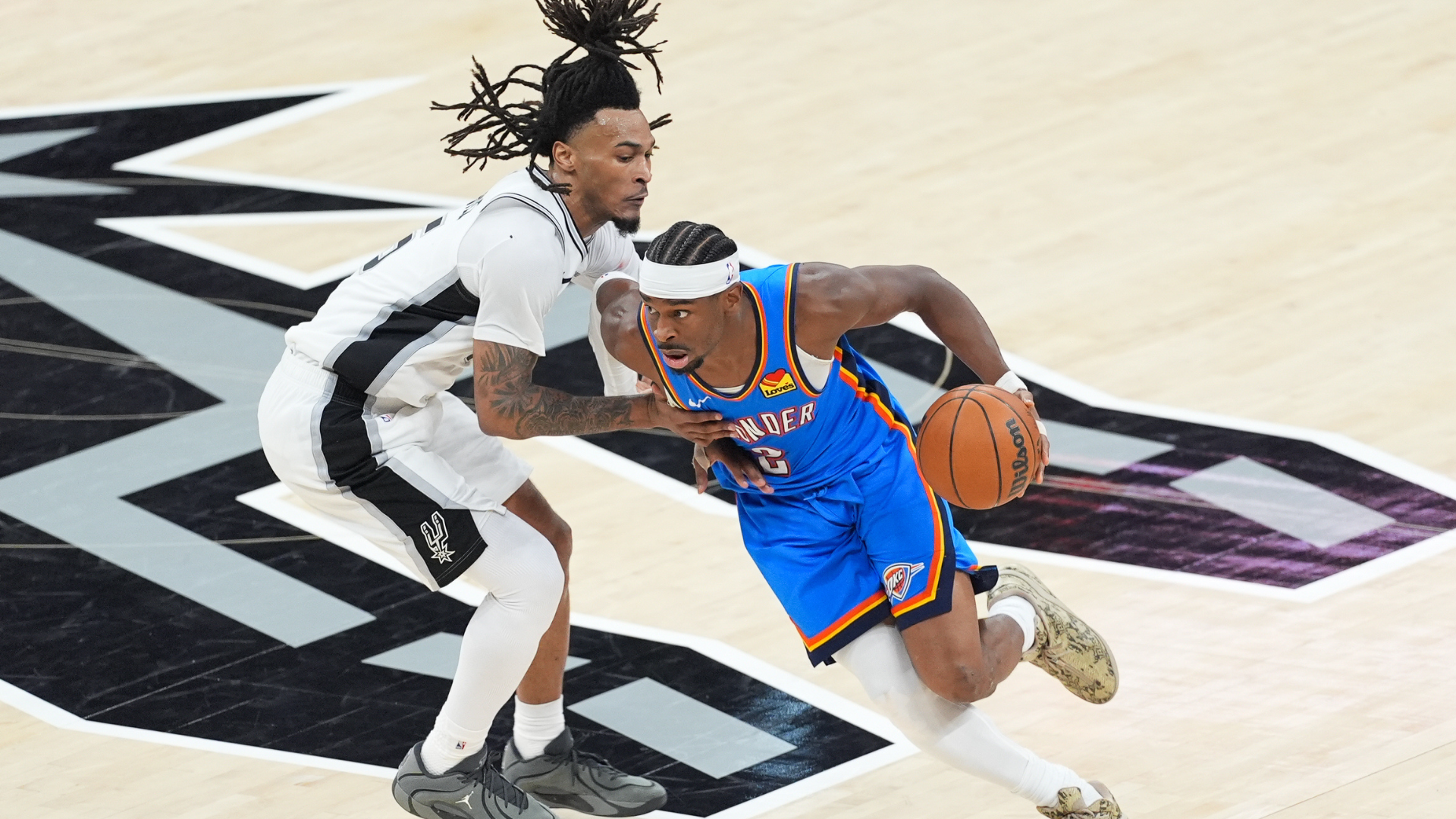
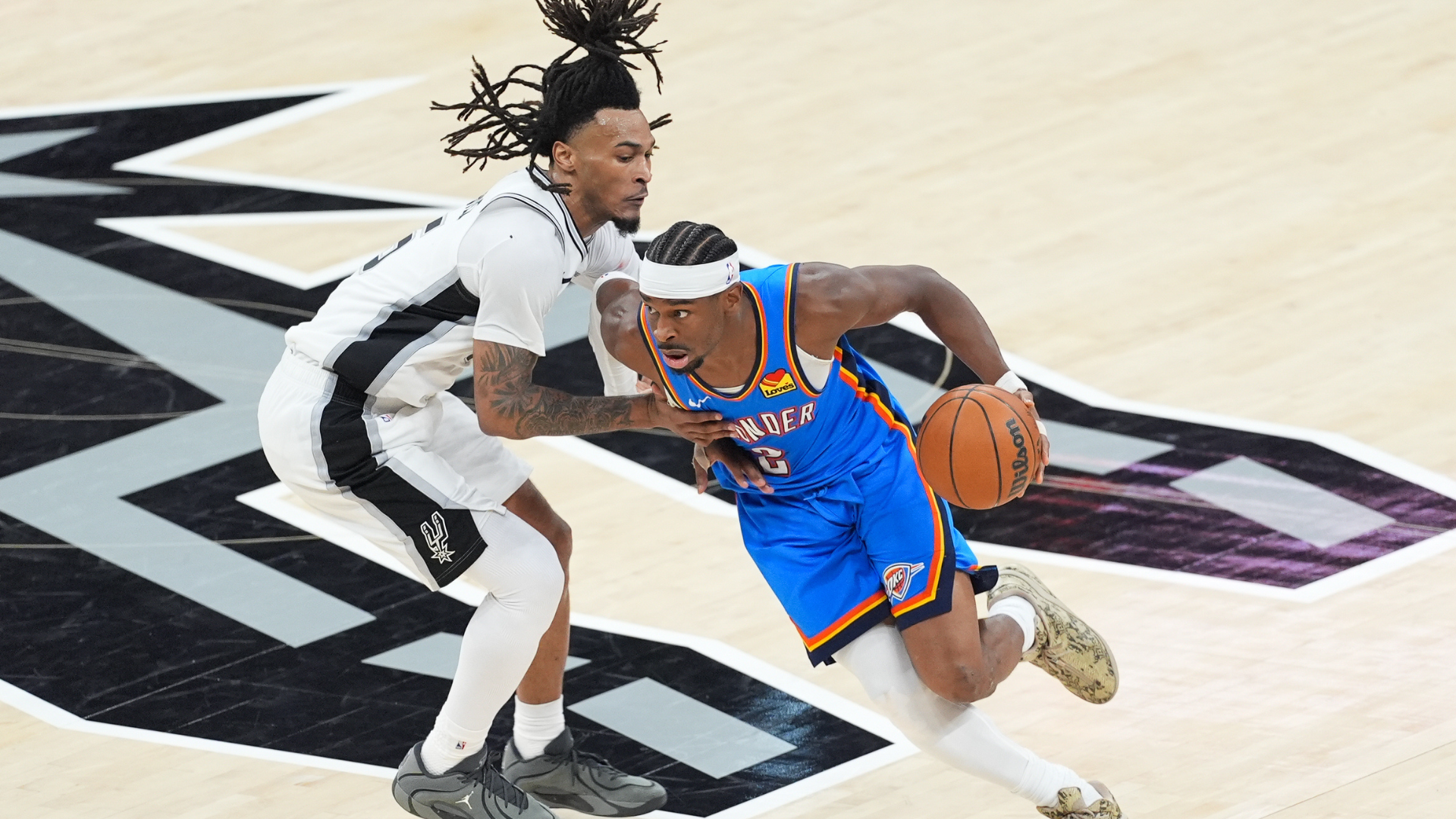
The San Antonio Spurs have evened the Western Conference finals at two games apiece after a 103-82 Game 4 win over the Thunder on the strength of a near perfect defensive performance.
Hell, it might’ve been actually perfect. I’m just assuming they did at least one thing wrong at some point. But you would have to be some kind of cynical sleuth to find it, because this was a masterpiece. And the thing is, it might actually be sustainable as the series shifts to what will be a monstrous Game 5 on Tuesday in Oklahoma City.
What did the Spurs do differently?
San Antonio’s young coach Mitch Johnson made a massive adjustment in Game 4 by backing off all the super high traps and double teams on Shai Gilgeous-Alexander and committing to covering him for most of the game with a single defender and helpers squeezing down to the nail.
That last part is an important note, because it’s not as if San Antonio just allowed SGA to play one on one in open space. He will kill that kind of coverage. They still helped down off shooters, but by doing so at the nail instead of deploying a double team as soon as SGA crosses half court (as they did so often through the first three games) they remained in close enough proximity to their shooters to still have time to fly back out and meaningfully contest the 3s when SGA kicked out.
The result: Alex Caruso, Cason Wallace, Jaylin Williams and Jared McCain, who combined for 68 points and 12 3-pointers Game 3, scored just 12 points on two 3-pointers in Game 4. Consequently, the Thunder bench that outscored San Antonio’s reserves 76-23 in Game 3 only won the bench battle 32-30 on Sunday.
If OKC isn’t winning the bench battle significantly, then that means their starters have to beat the Spurs with Victor Wembanyama on the court. And so far, that hasn’t happened. For the series, the Spurs have thrashed Oklahoma City by 50 points with Wemby on the floor. They are minus-46 with him off. Do the math and that’s nearly a 100-point swing over four games based on one guy being on or off the court.
Which is to say, the Thunder were winning this series with their bench in the non-Wemby minutes. Caruso was the story. A 29% regular-season 3-point shooter had basically morphed into Steph Curry through the first three games by making 14 3-pointers at a 61% clip. He didn’t score a single point in Game 4, and OKC shot just 18% from 3 as a team.
Some of that is shooting variance, but a lot of it was how much more contested their shots were as the Spurs stopped ignoring them to send multiple bodies at SGA. Turns out, shooting 3s is a lot harder when you aren’t being left wide open. Who woulda thunk it.
Did SGA at least score big?
No. And that’s the real revelation here. SGA only scored 19 points on 6-of-15 shooting. Had SGA gone for 40 in Game 3, then the Spurs would be out of luck. They tried double covering and the shooters killed them; they tried single covering him and he killed them. But that didn’t happen for three reasons.
- 1. San Antonio has great individual perimeter defenders. Stephon Castle, Dylan Harper, Devin Vassell, all these guys have proven throughout this series that they can stay in front of SGA (within reason) and apply physical pressure that genuinely impacts his rhythm and, ultimately, production.
- 2. San Antonio was still helping a lot on SGA. So these defenders weren’t on a total island. The Spurs continued to crowd SGA’s driving lanes and swoop down on him like vultures whenever he gained any kind of advantage. But again, it’s about the spots at which they were helping. When it’s 35 feet from the basket, you can’t get back to the shooters. When it’s at the elbow, or really anywhere inside the 3-point line, you can as long as you’re collectively committed to the cause. The Spurs were totally committed. You can come up with as many defensive schemes as you want, but in the end they all come down to effort. Top to bottom, the Spurs were full throttle all night long.
- 3. SGA had an off game. Some of that was San Antonio’s defense, but we know SGA can beat any defense on any night. This just wasn’t the one for him. It easily could be in Game 5.
This will get very interesting if SGA hangs a 40-piece in Game 5 and the Spurs go down 3-2. With their backs against the wall, will they still have the nerve to single cover SGA? Or will they go back to playing percentages and hope Alex Caruso and company can’t reignite. Maybe it won’t get to that point, and the Spurs can simply continue with this defensive game plan because of this last factor.
Will Ajay Mitchell play in Game 5?
Being down Jalen Williams hurts, but with Mitchell the Thunder still have a legit No. 2 scorer who can create his own offense. It was no accident that OKC entered Game 4 having outscored opponents by 25.1 points per 100 possessions in the playoffs with Mitchell on the floor, per Cleaning the Glass.
First, he can flat out carry an offense for stretches if SGA doesn’t have it going and the shooters aren’t making shots; Mitchell is making 53% of his shots as a pick-and-roll creator in the playoffs, per NBA.com, and he’s a top-10 scorer on drives. But he also too much as a tandem scorer with SGA when the MVP is also cooking, because now Mitchell, a top-10 scorer on drives in this postseason, is getting to attack against scrambling defenses.
Williams can fill that role, too, but right now there’s no indication that he’ll be ready to go any time soon. Mitchell being out for Game 5 would allow San Antonio to double-down on its single coverage of Shai knowing that even if he goes for 40, who else is going help him if the shooters are accounted for and there isn’t a second scorer?
For my money, Mitchell’s status will be the biggest story leading up to Game 5. But in all honesty, even if he does play, and even if he’s not compromised, the Spurs might’ve already flipped this series. I’d still call it a 50/50 deal, but they made a move that changed the whole chess board on Sunday.
The thought was that single covering the MVP straight up was suicide, but instead it wound up holding the Thunder, who didn’t crack the 50-point mark until the 3:28 point of the third quarter, to their lowest playoff scoring output since 2020.
The champs can definitely still win this series. They have the home court for Game 5, and in a 2-2 best-of-seven series, the winner of Game 5 has historically gone on to win the series 82% of the time. They will definitely take their chances, but they also know they have a serious problem on their hands with this new wrinkle San Antonio has put into play.

Sports
Five goals, one red card: England vs Mexico round of 16 at Estadio Azteca breaks TV records | Football News
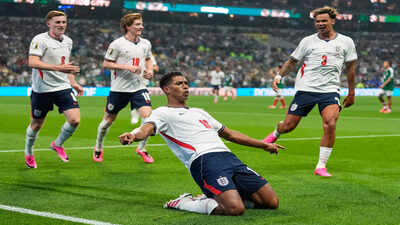
England’s dramatic 3-2 victory over Mexico in the FIFA World Cup 2026 Round of 16 has not only secured a place in the quarter-finals but also rewritten television history across multiple countries. The blockbuster clash at the iconic Estadio Azteca became the most-watched FIFA World Cup match of the 21st century in Mexico while also setting new audience records in the United States.The high-octane encounter had everything a World Cup classic demands, five goals, a red card, relentless drama and a nail-biting finish, as Harry Kane’s side held on despite playing with 10 men for the final 30 minutes.
England survive late Mexico fightback
England reached the FIFA World Cup 2026 quarter-finals after edging past co-hosts Mexico 3-2 in a thrilling Round of 16 clash at the Estadio Azteca. Jude Bellingham scored twice in quick succession before Julián Quiñones pulled one back for Mexico before half-time. England were reduced to 10 men after Jarell Quansah’s red card early in the second half, but Harry Kane converted a penalty to make it 3-1. Raúl Jiménez also scored from the spot to set up a nervy finish, but the Three Lions held on to book a quarter-final clash against Norway on July 11.
Match smashes television records
The extraordinary drama translated into unprecedented television audiences across North America and Europe.The official FIFA Media X handle posted, “Records topped: Mexico’s dramatic clash against England becomes the nation’s most-watched FIFA World Cup match of the 21st century, with an average audience of 36 million across Televisa (20.7M) and Azteca (15.3M). The Round of 16 fixture broadcast marks the fourth time Mexico’s record has been broken during this tournament. Note: Overnight audience data; consolidated figures will be published post tournament.
England’s next challenge
Norway and England will lock horns in a historic FIFA World Cup 2026 Quarter-final clash at the Hard Rock Stadium in Miami, Florida. Thomas Tuchel’s Three Lions are riding high after a legendary, 10-man 3-2 victory against co-hosts Mexico at the Azteca. Meanwhile, Ståle Solbakken’s underdog Norway side enters uncharted territory, contesting their first-ever World Cup quarter-final after Erling Haaland’s late brace sensationally knocked out Brazil. The winner of this match will advance to the semi-finals to face either Argentina or Switzerland. The match kicks off on Saturday, July 11, 2026, at 5:00 PM local time (Sunday, July 12 at 2:30 AM IST).
NEWYou can now listen to Fox News articles!
Kenny Omega walked into The BayCare Sound in Clearwater, Florida, on Wednesday night knowing it could be the final time he could challenge for the All Elite Wrestling (AEW) World Championship.
It was the stipulation that Omega agreed to in order to face champion Maxwell Jacob Friedman (MJF). It’s a similar stipulation that “Hangman” Adam Page agreed to and lost to MJF earlier this year. Omega and MJF are two of the top stars in all of pro wrestling.
COMPLETE PRO WRESTLING COVERAGE ON FOX NEWS DIGITAL
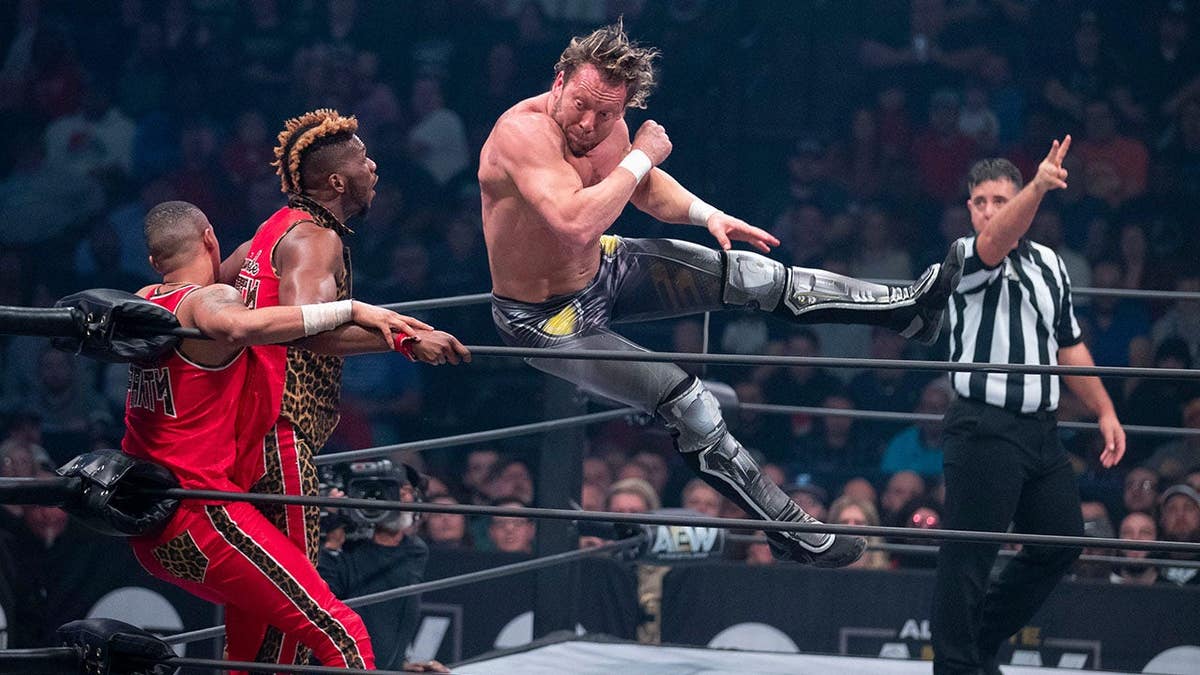
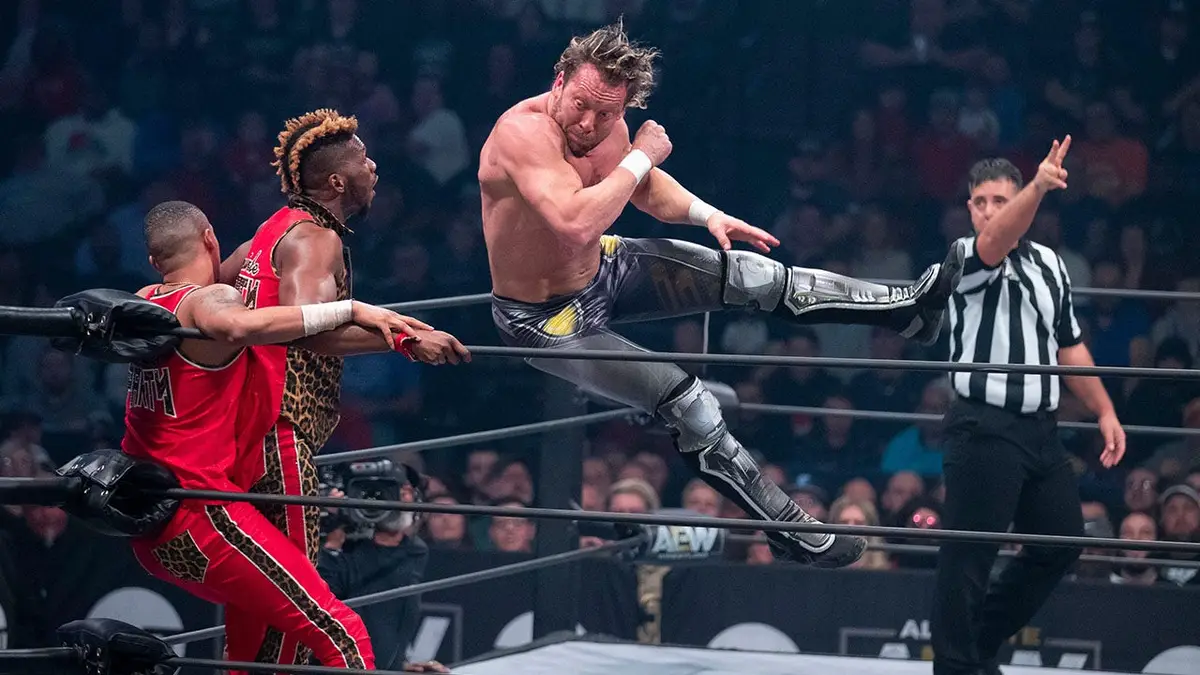
Scenes from the tag-team match between Kenny Omega and Adam Page vs. Private Party during All Elite Wrestling Dynamite at Landers Center in Southaven, Wednesday, Jan. 8, 2020. (Max Gersh / The Commercial Appeal)
The Clearwater crowd was seemingly behind Omega. MJF already ruffled the feathers of his potential challenger at All In, Will Ospreay, when he spat in his face in a segment backstage. The tensions were heightened and it marked for a terrific match between the two pro wrestlers.
And the referee let them fight. MJF and Omega brought their brawl into the stands at fight before taking it back into the ring. MJF used his dirty tactics to avoid Omega at first. He put the referee in his way of a V-trigger and then bit into Omega’s face.
“I’m moonwalking to Wembley Stadium whether you like it or not,” MJF told the camera during the match.
Omega tried to put some space in between himself and MJF. He walked up the ramp and was able to take some control of the match. He climbed up a lifeguard tower that was set up at the top of the ram and hit a moonsault on MJF. He got MJF back in the ring and hit a dropkick from the top rope to MJF’s back.
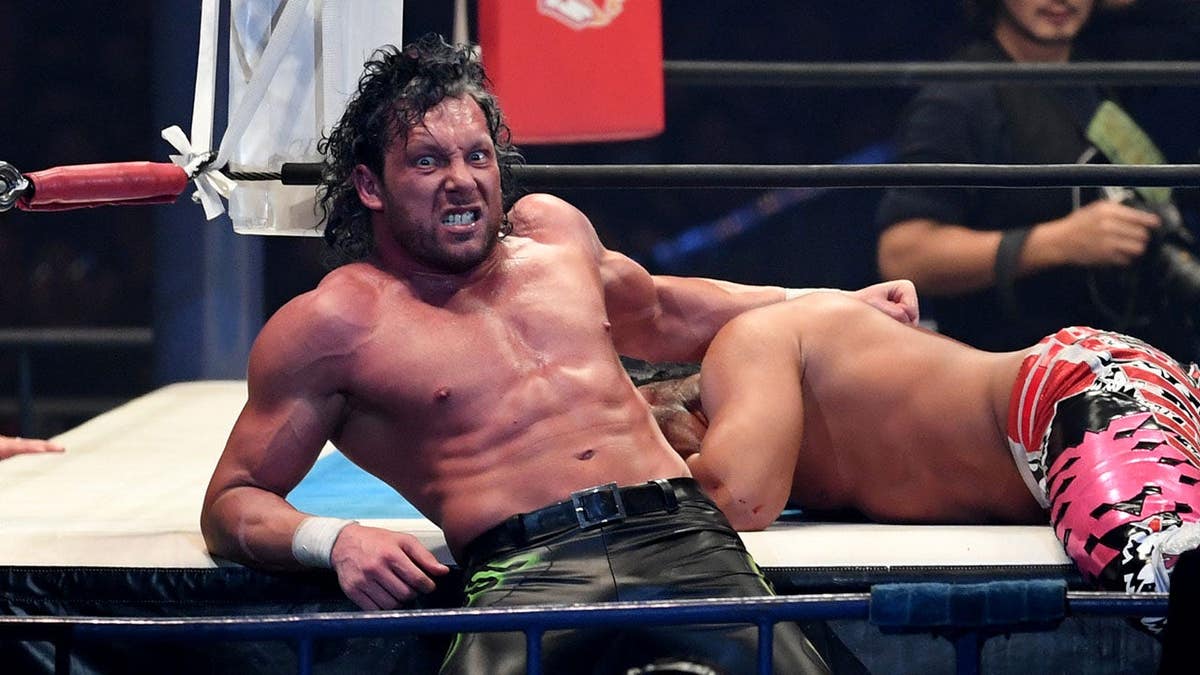
Kenny Omega looks on during Wrestle Kingdom 13 at Tokyo Dome on January 4, 2019 in Tokyo, Japan. (Masashi Hara / Getty Images)
CLICK HERE FOR MORE SPORTS COVERAGE ON FOXNEWS.COM
Omega looked as good as ever and it seemed he was going to take control with hopes of becoming the AEW world champion for the third time. MJF had other ideas, taking advantage of Omega’s blinding speed with a drop toehold. But it wasn’t enough to grind Omega’s momentum to a halt.
The two went back and forth as fans waited to see who was going to walk out of Clearwater with the belt.
As the match wore on, MJF attempted to drive Omega from the apron into the announce table with a tombstone. However, Omega got out of it and hit a V-trigger on MJF. The champ was sent flying from the apron and through the announce table.
By the time MJF got back up, the two men were clearly spent. They attempted to get their last licks in. MJF hit Omega with a tombstone piledriver on a chair but seemingly injured his knee with the move. Omega got MJF back in the ring and hit two more nasty V-triggers.
Somehow, MJF was able to counter a One-Winged Angel with a poisonrana. He hit him with a heatseeker but couldn’t get the pinfall.
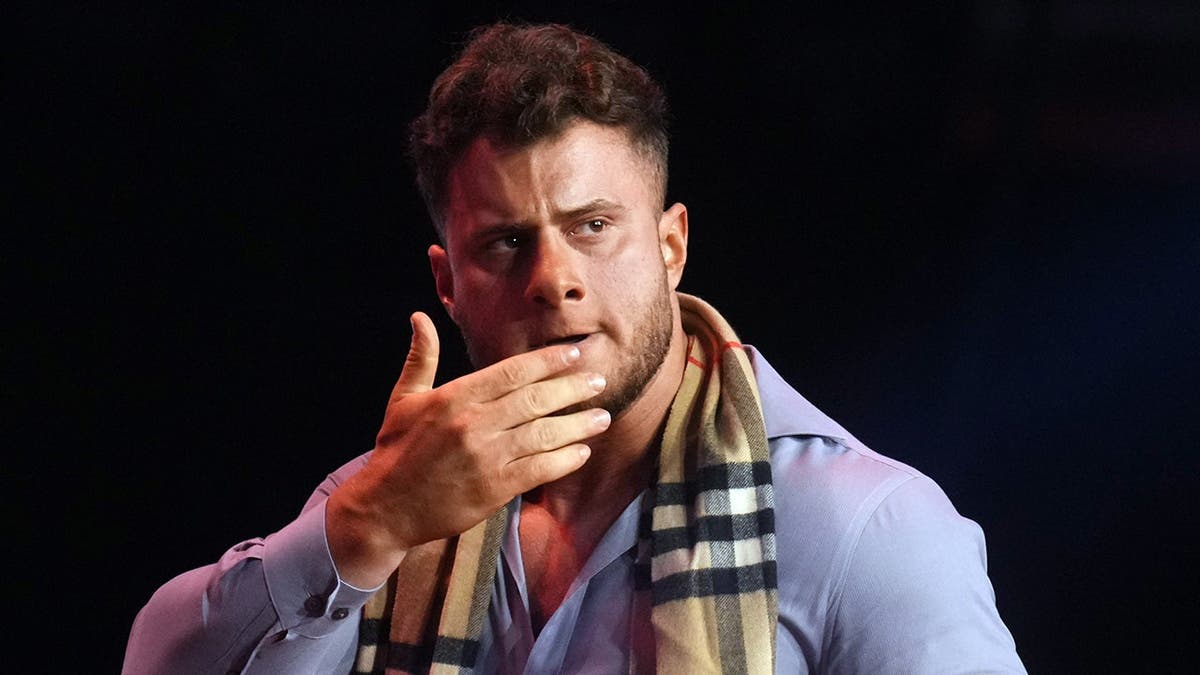
AEW Champion Maxwell Jacob Friedman appears during AEW Dynamite at Footprint Center in Phoenix, Ariz., on Feb. 22, 2023. (Joe Camporeale/USA TODAY Sports)
MJF lined up to hit Omega with the Dynamite Diamond Ring. But Will Ospreay came out to take the ring away. Omega was going to hit MJF with the AEW title belt but didn’t have the heart. MJF hit Omega with a low blow and the title. But Omega kicked out at a one count.
It was Omega’s turn to turn on the heat. He reached deep down inside of him to hit MJF with three more V-triggers and a One-Winged Angel.
Omega pinned MJF to win the AEW World Championship.
CLICK HERE TO DOWNLOAD THE FOX NEWS APP
The crowd went wild and it appears Omega will go on to face Ospreay at All In later this summer.

The 2026 Genesis Scottish Open kicks off Thursday with the first round at the Renaissance Club in Scotland. Here’s everything you need to know to watch the tournament on Thursday, including full Genesis Scottish Open TV coverage, streaming details and complete Round 1 tee times.
How to watch Genesis Scottish Open on Thursday
Rory McIlroy is hoping this week at the Genesis Scottish Open sees him capture yet another victory, while also helping him prep for next week’s Open Championship at Royal Birkdale.
McIlroy has only one win on the season so far, but it was a big one. He won his second straight Masters title at Augusta National in April, pushing his career total to six. Before he tries to add a seventh major win and second Open title next week, the World No. 2 is hoping to add a second Scottish Open trophy to his trophy case.
While he’s only played nine PGA Tour events in 2026, he has two other top-10 finishes to go along with his Masters victory.
But with the tournament being played in Scotland, you’ll need to wake up really early to watch McIlroy in action on Thursday.
McIlroy tees off for the opening round early Thursday morning at 3:28 a.m. ET alongside Robert MacIntyre and Chris Gotterup.
You can watch the first round of the Genesis Scottish Open on TV via Golf Channel beginning at 11 a.m. ET on Thursday. PGA Tour Live on ESPN+ will provide exclusive early streaming coverage starting at 3:15 a.m. ET, as well as featured group and featured hole coverage. The GOLF App will carry a simulcast of Golf Channel’s Thursday TV coverage.
Below you will find everything you need to know to watch the first round of the 2026 Genesis Scottish Open.

With an ESPN+ subscription, you gain access to PGA Tour Live, where you can stream the best PGA Tour events live from wherever you want.
View Product
How to watch on TV Thursday
Golf Channel will provide first-round TV coverage of the 2026 Genesis Scottish Open from 11 a.m.-2 p.m. ET on Thursday.
How to stream online Thursday
You can stream the first round of the 2026 Genesis Scottish Open via PGA Tour Live on ESPN+, which will offer streaming coverage starting at 3:15 a.m. ET on Thursday in addition to featured group and hole coverage. You can also stream a live simulcast of Golf Channel’s TV coverage on the GOLF App.
2026 Genesis Scottish Open Round 1 tee times (ET)
Tee No. 1
2:00 a.m. – Mac Meissner, Ryggs Johnston, Frederic LaCroix
2:11 a.m. – Ashun Wu, Marcus Armitage, Taylor Moore
2:22 a.m. – Junghwan Lee, Bud Cauley, Adrien Saddier
2:33 a.m. – Brian Campbell, Michael Kim, Angel Hidalgo
2:44 a.m. – Laurie Canter, Matt McCarty, Shaun Norris
2:55 a.m. – Marcel Siem, Michael Thorbjornsen, Jesper Svensson
3:06 a.m. – Pablo Larrazabal, Kurt Kitayama, Rasmus Neergaard-Petersen
3:17 a.m. – Thriston Lawrence, Daniel Hillier, Charley Hoffman
3:28 a.m. – Aldrich Potgieter, Thorbjørn Olesen, Yurav Premlall
3:39 a.m. – Francesco Molinari, Angel Ayora, Brandt Snedeker
3:50 a.m. – Victor Perez, Oliver Lindell, Haotong Li
4:01 a.m. – Austin Eckroat, Yuto Katsuragawa, Dylan Frittelli
4:12 a.m. – Seungbin Choi, Johnny Keefer, Adrian Meronk
7:15 a.m. – Darius Van Driel, Ricky Castillo, Alejandro Del Rey
7:26 a.m. – Richard Sterne, David Puig, John Parry
7:37 a.m. – Hennie Du Plessis, Danny Willett, Andrew Novak
7:48 a.m. – Niklas Nørgaard, Joe Highsmith, Kota Kaneko
7:59 a.m. – Jordan Smith, Harris English, Nick Taylor
8:10 a.m. – Sungjae Im, Connor Syme, Billy Horschel
8:21 a.m. – Brian Harman, Calum Hill, Ryan Gerard
8:32 a.m. – Sepp Straka, Si Woo Kim, Jayden Schaper
8:43 a.m. – Scottie Scheffler, Matt Fitzpatrick, Tommy Fleetwood
8:54 a.m. – Justin Thomas, Ludvig Åberg, Patrick Reed
9:05 a.m. – Jon Rahm, Alex Fitzpatrick, Rasmus Højgaard
9:16 a.m. – Austin Smotherman, Rikuya Hoshino, Davis Riley
9:27 a.m. – Dylan Naidoo, Kevin Roy, Mark Hubbard
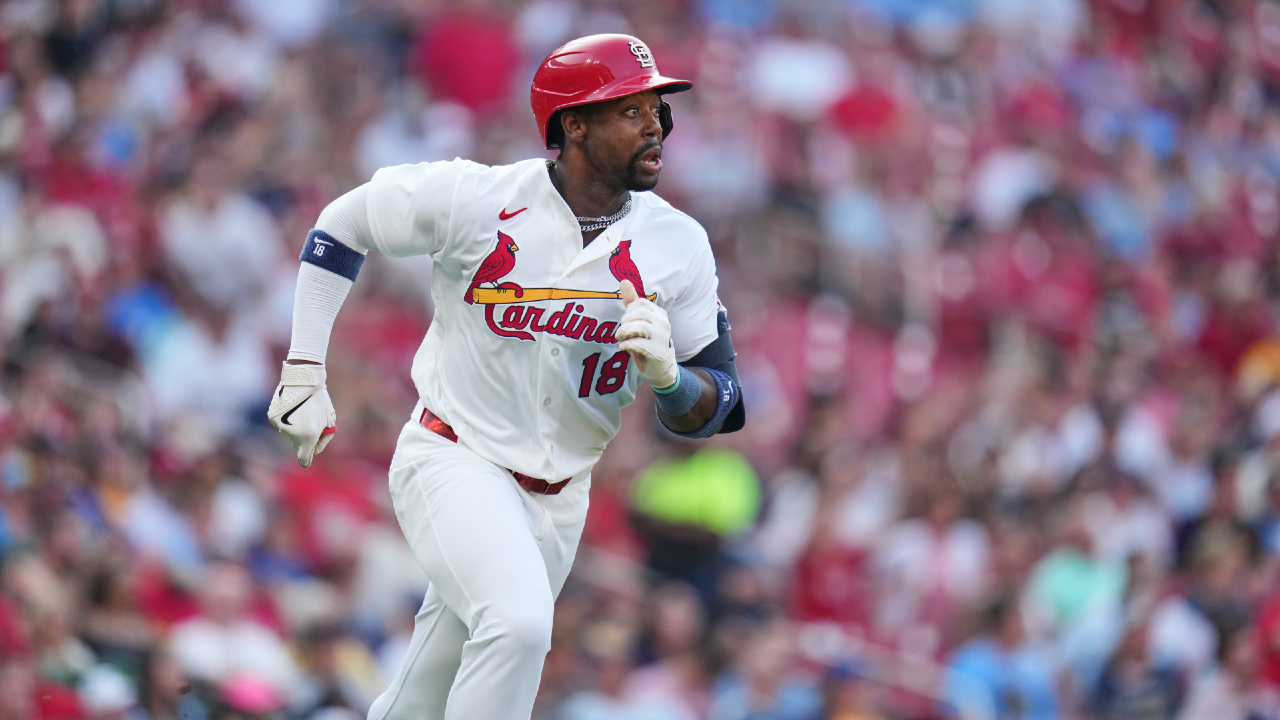
The 24-year-old is the fifth player announced for the competition, joining Boston’s Willson Contreras, Kansas City’s Jac Caglianone, Tampa Bay’s Junior Caminero and the New York Yankees’ Ben Rice. The other three participants haven’t been announced.
Walker is a first-time All-Star who is having a breakout season and his 21 homers rank fifth in the National League. The 2020 first-round draft pick is batting .294, has an .889 OPS and leads the big leagues with 70 RBIs.
He’ll be the eighth Cardinals player to compete in the competition, joining Jack Clark (1985), Ray Lankford (1997), Mark McGwire (1998-99), Jim Edmonds (2003), Albert Pujols (2003, 2007, 2009, 2022), Matt Holliday (2010-11) and Carlos Beltran (2012).
A Cardinals player has never won the derby.
Sports
Oscar De La Hoya names the fight he’s working on that ‘everyone wants to see’: “I’ll make it happen”
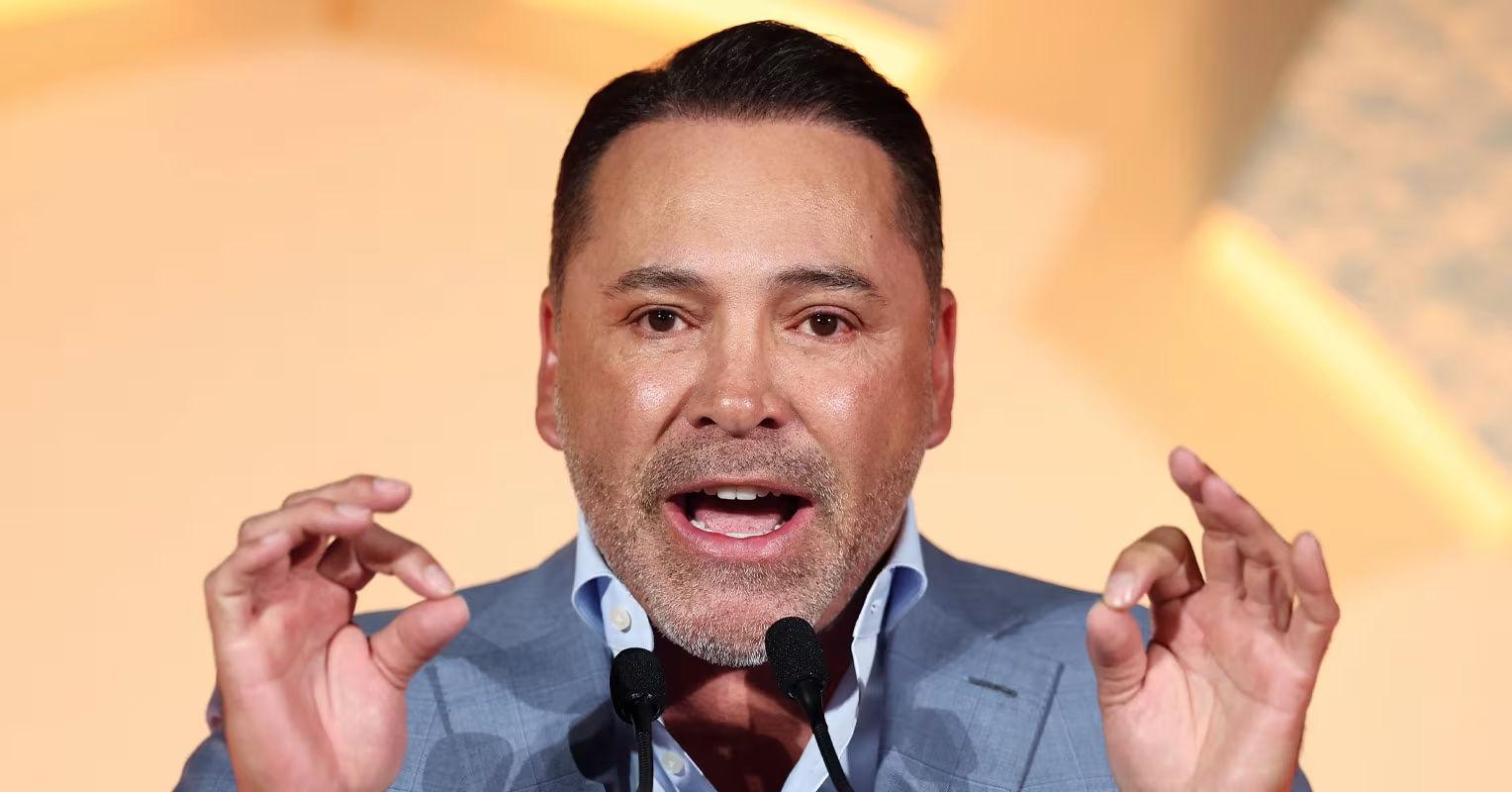
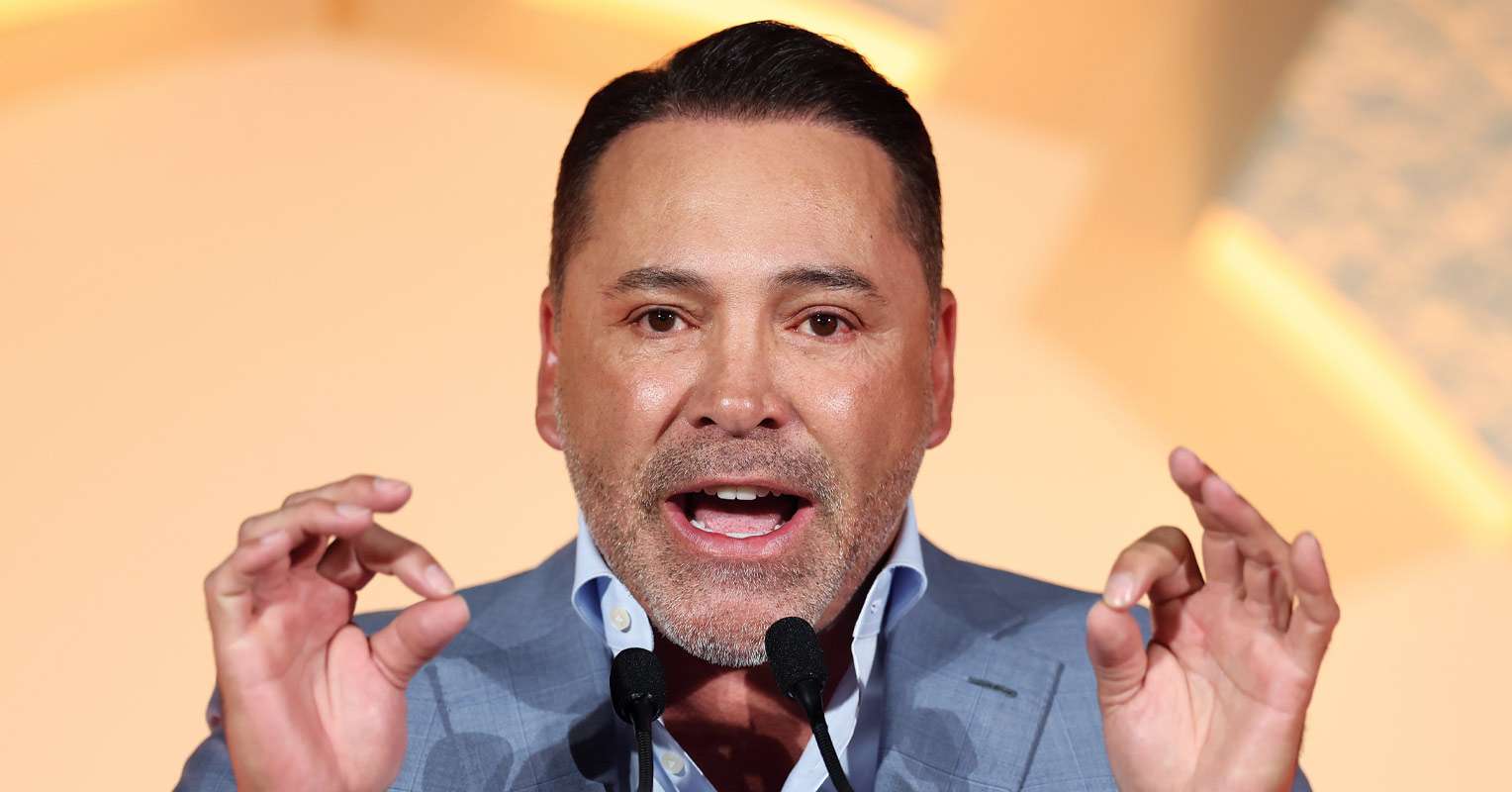
With a host of major fights in the works, Golden Boy Promoter Oscar De La Hoya has revealed his intention to bolster the boxing schedule and get one blockbuster event over the line, seeking to deliver the fight that ‘everybody wants to see’.
A number of showdowns are being touted at present, with the long-awaited meeting between Tyson Fury and Anthony Joshua set for the end of the year, whilst Manny Pacquiao is also set to embark on a mission to break his own record as boxing’s oldest ever welterweight world champion.
One other fight that has been in the pipeline throughout 2026 is Ryan Garcia’s mandatory defence of the WBC welterweight crown against Britain’s Conor Benn, with an announcement for the event being teased ever since Benn’s April win over Regis Prograis.
Yet, De La Hoya, promoter of Garcia, had maintained that he had not been approached for the proposed bout, lowering expectations of a reported September 12 fight date in Las Vegas, which had been announced by Garcia.
Now, in a surprise twist, De La Hoya has taken to Instagram to confirm that he is now actively working on the fight, vowing that he will make it happen despite previously believing that there was a lack of interest in the scrap.
“We are working on Ryan Garcia vs. Benn. I just got the memo today, that is the fight that everybody wants to see, so I am going to make it happen for you guys.”
As a result, it seems as though that September date could be back on the cards, with De La Hoya presumably now involved in Zuffa boxing’s plans to stage the event.

 Brett Yormark took the stage at Big 12 media days and got a bit testy with a Texas Tech media figure.
Will tension continue to rise between the two sides?
On today’s episode of Locked On College Football, I make my 2026 record prediction for the Kentucky Wildcats.
How much success can head coach Will Stein expect in Year 1?
 Houston burst onto the scene last year with a 10-win campaign, ending with a win over LSU in their bowl game.
Will the Cougars and head coach Willie Fritz build on that success for a Playoff push?
00:00 Big 12 fan question clarification
03:57 Moving past June’s big storyline
07:29 Big 12 media day controversies
12:24 Will Stein’s quarterback-friendly system
15:35 Analyzing Kentucky’s upcoming season
18:20 Kentucky’s challenging season ahead
23:00 Houston Cougars game predictions

Sports
Derrick James reveals the injury Errol Spence suffered from sparring partner before Crawford fight
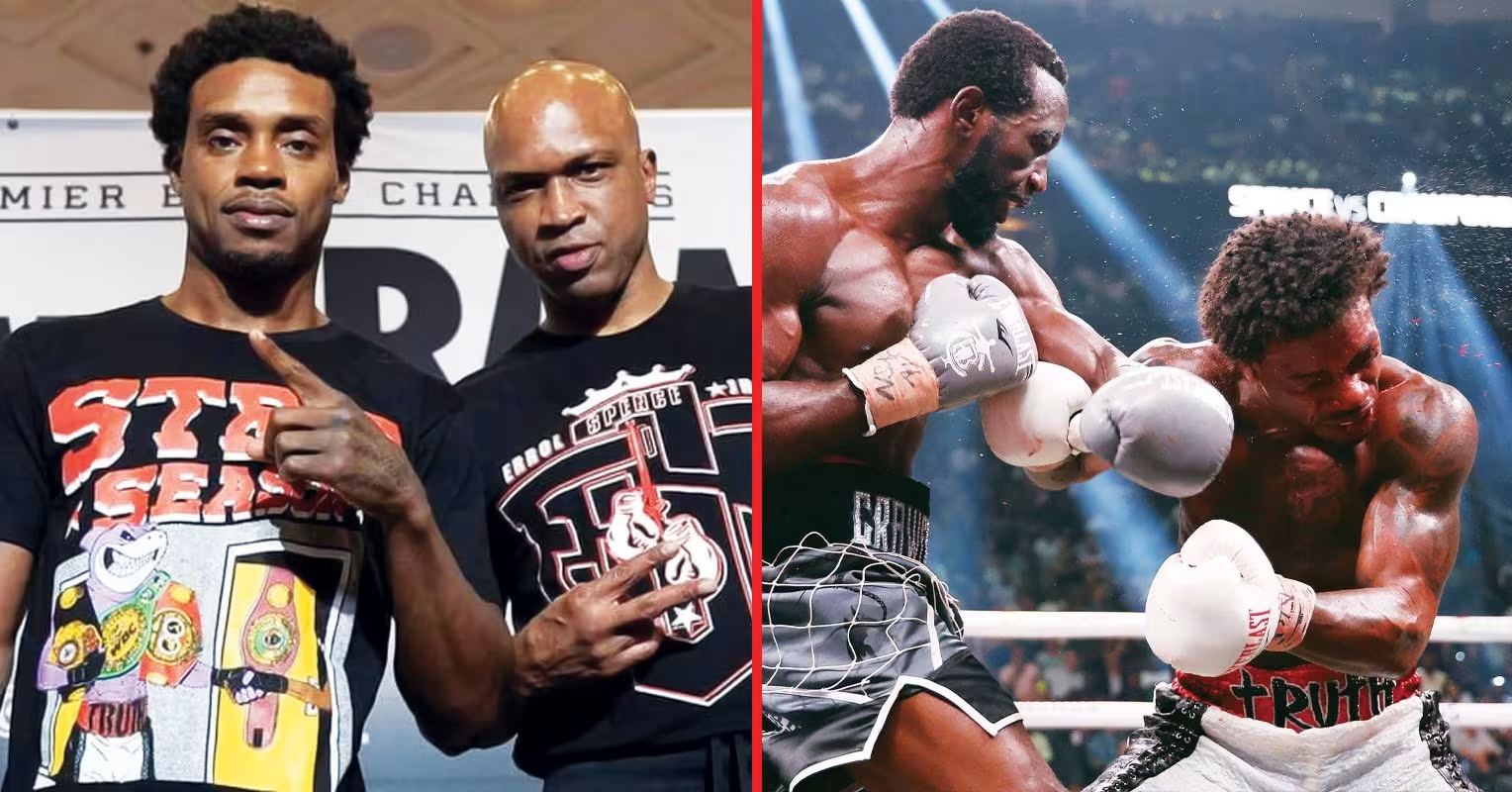
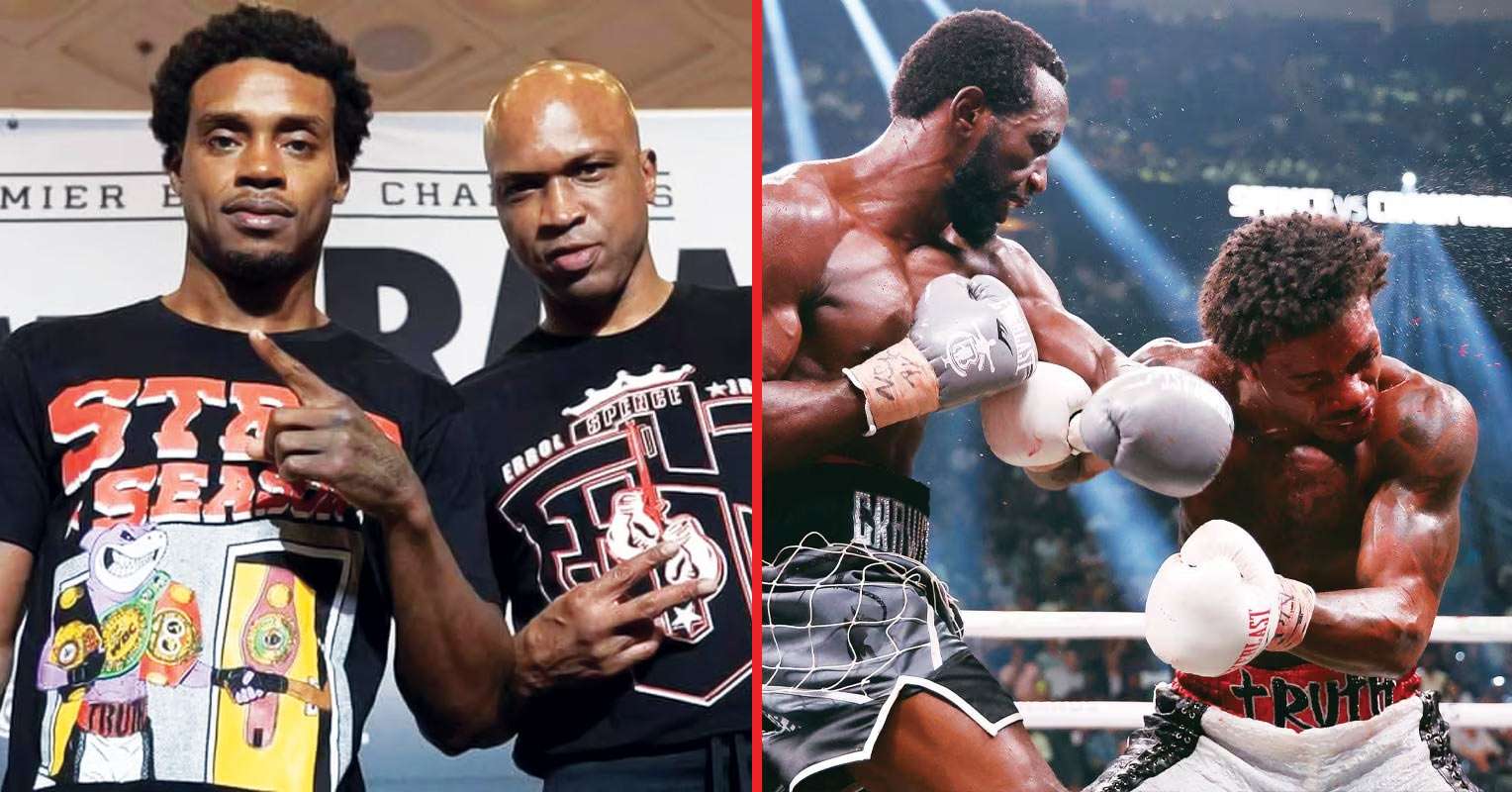
Three years ago, Errol Spence Jr suffered a devastating defeat to Terence Crawford when bidding for the undisputed welterweight crown. Now, former trainer Derrick James has revealed that Spence was carrying an injury ahead of that fight.
Spence lost his undefeated record to Crawford in traumatising style, finding himself on the wrong side of one of the standout performances of this generation, dealt a cruel beatdown to bring his reign atop the 147lb division to a brutal close.
After an extended period away from the sport, Spence is finally set to return to the ring this month, but when reflecting on that fateful night, ‘The Truth’ spoke about a poor training camp and lack of communication with his then trainer James.
“Nope [I had no conversations with James about how to go about the fight]. That camp was bulls**t. I did no sparring. The guys didn’t fit – I had no southpaws in there to spar. It was all out of whack.”
However, speaking on The Last Stand Podcast, James offered his response to those claims, explaining that Spence sparred switch-hitters rather than southpaws and that his sparring was reduced due to a rib injury.
“He had two guys that were switch hitters [as sparring partners], both of them fought left-handed, right-handed, and supposedly one of them injured him.
“I didn’t see when it happened and he didn’t acknowledge that he was injured, but the next following week we sparred, then we took a day off from sparring, then we sparred against on Saturday.
“So, that’s when I realised, they was like ‘hey man, his ribs are hurt,’ I said, ‘listen, you need to go get that looked at, checked out,’ and I guess he did or he didn’t. I don’t know because I didn’t go with him but we just kept working.
“His father said he’s not sparring, that he was going to save it for the fight. His father is the one that said no sparring, and he was complaining about the way the other guys were sparring, so that’s who it was.
“The funny thing about it was, the week of being in Vegas I said that we can spar a little bit but spar with one of your buddies that won’t shoot body shots if you have an injury. And he said ‘No, I’m not doing that, I’m not sparring. No.’ So he wouldn’t even do it then.”
Spence returns to action under the tutelage of Ronnie Shields when he takes on Tim Tsyzu on Sunday, July 26, in Australia, hoping to announce himself as a threat to the super-welterweight world titles and kickstart a charge towards becoming a two-division world champion.
Sports
Shreyas Iyer “Must be Angry” But Still Dinesh Karthik Finds His Post-Match Atrocious Statement ‘Odd’
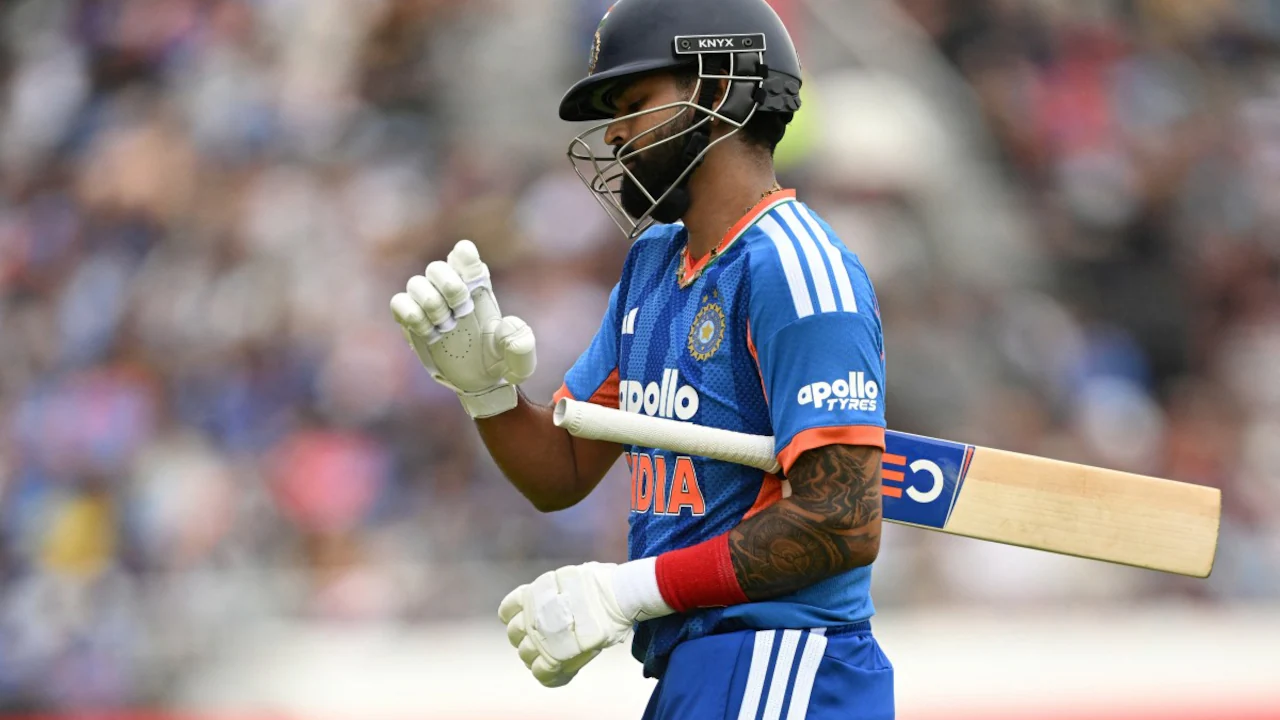
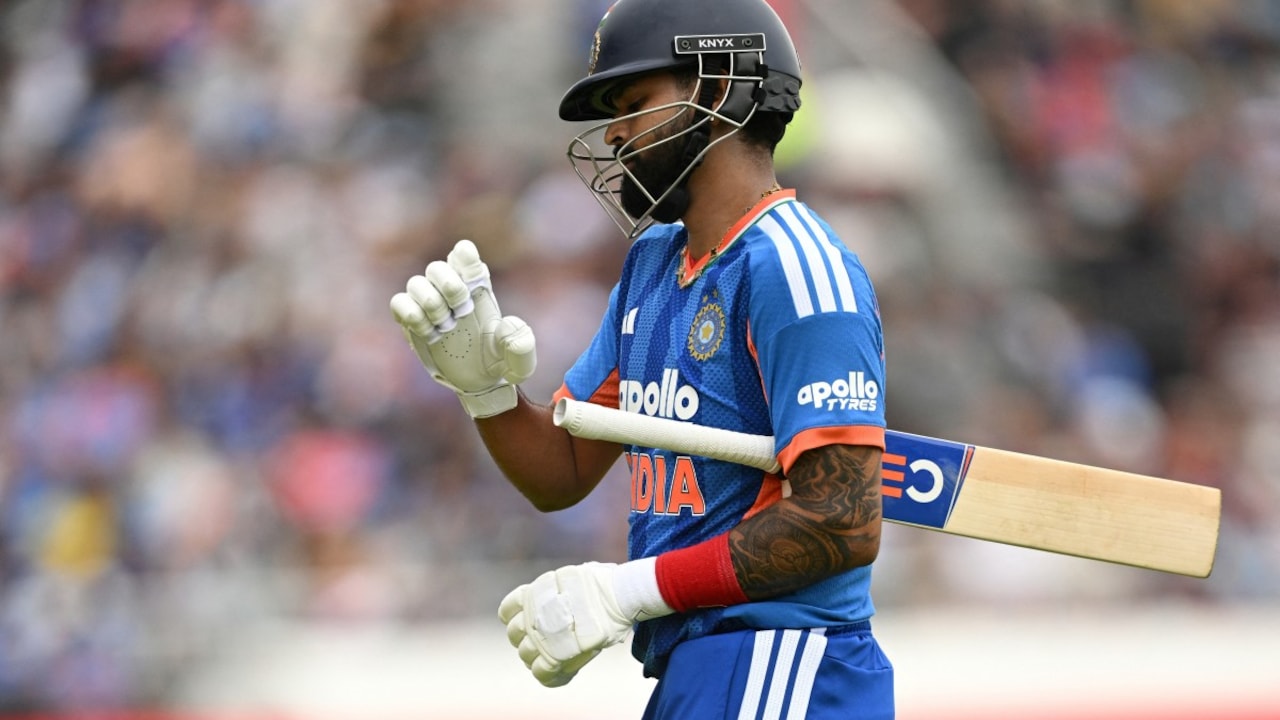
India captain Shreyas Iyer was furious after his team’s crushing 125-run defeat to England in the third T20 International, describing the performance as “atrocious” and admitting such a heavy loss was “not acceptable”. Under Iyer, India are yet to win a T20 International, and Tuesday’s outing marked an abject surrender as they were bowled out for 76 in just 11.4 overs while chasing 202, suffering their biggest defeat in the format in terms of runs.
“It was atrocious. Losing by that margin is not acceptable. First things first, we have to accept the loss and go back to the drawing board,” Iyer said at the post-match presentation ceremony.
The win handed England an unassailable 2-0 lead in the five-match series ahead of the fourth T20I in Bristol on Thursday and the final in Southampton on Saturday. The opening match was a washout.
Former India star Dinesh Karthik found Iyer’s words odd but acknowledged that he had every right to feel disgruntled.
“Yes, India did not bat well. Probably one of the worst batting performances in a long time. But it was interesting, maybe odd, you can say, for the captain to come down quite hard on the batting unit. He used the word atrocious to describe their batting; he used the word awful as well,” Karthik said on Cricbuzz.
“You could see how disgruntled and a little upset he was, and he must be angry, understandably so. But knowing Shreyas Iyer, he has to come back because he is such a key member of that batting unit that when he scores, the team looks different, as we have seen with PBKS (Punjab Kings). He is such a critical component of this batting order as well.”
After winning the T20 World Cup 2026 final, India have lost two T20Is each against Ireland and England, while one match was washed out.
“What’s happening to Team India? Four of the last five matches have been lost, and we are the world champions at the moment. The pitch was probably a little slow, but you expected 200 to be the par score. We felt India could have, and should have, chased that down,” Karthik said.
Featured Video Of The Day
Tushar Deshpande’s Brilliant Final Act Ensures Thrilling Win For RR Over Gujarat Titans
Topics mentioned in this article
Former Olympian indicted in Reflecting Pool incident
U.S. Attorney Jeanine Pirro announced that former Olympic athlete David Hearn was indicted Thursday by a federal grand jury following his arrest last month at the Lincoln Memorial Reflecting Pool in Washington, D.C.
NEWYou can now listen to Fox News articles!
Former U.S. Olympic canoeist David Hearn pleaded not guilty Thursday to deliberately damaging the recently renovated Lincoln Memorial Reflecting Pool.
Hearn, 67, entered the plea through one of his attorneys during his initial appearance in D.C. Superior Court.
Superior Court Judge Carmen McLean did not require Hearn to be supervised by the court while he awaits trial. A status hearing was scheduled for Aug. 5.
CLICK HERE FOR MORE SPORTS COVERAGE ON FOXNEWS.COM

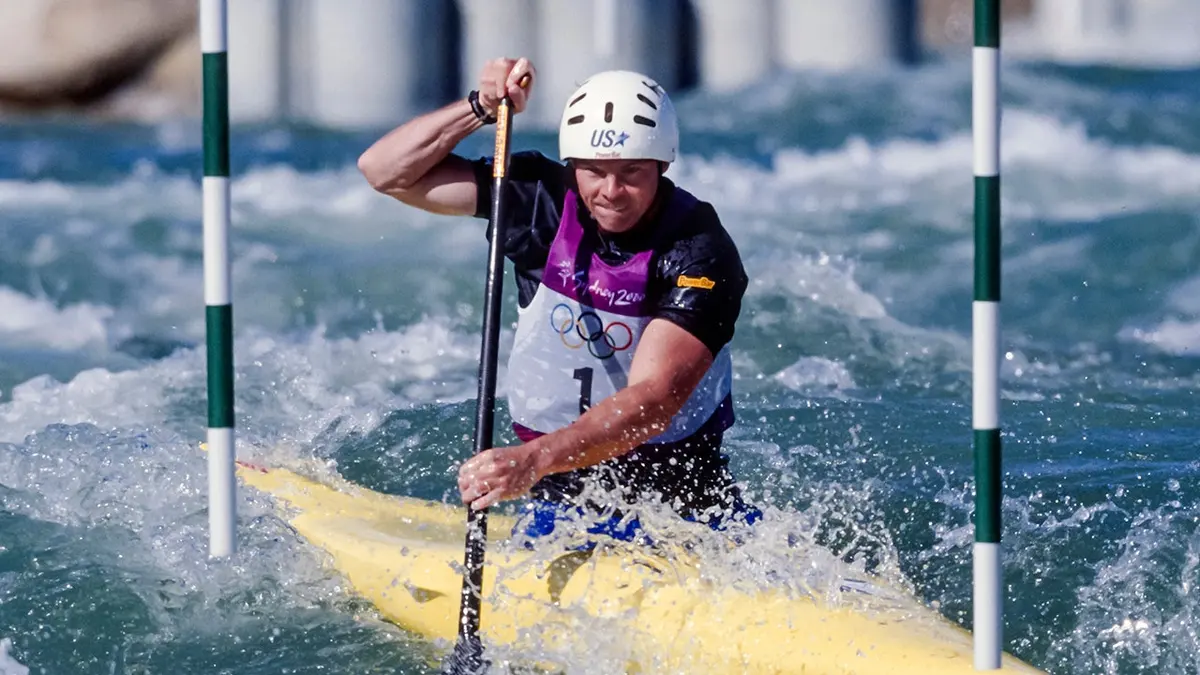
David Hearn of the United States competes in the men’s C1 whitewater canoeing final of the 2000 Summer Olympics at Penrith Whitewater Stadium. Penrith, Australia, on Sept. 18, 2000. (David Madison/Getty Images)
Hearn was indicted last week on a felony destruction of property charge following his arrest in connection with the June 19 incident. Hearn denied damaging the pool, saying he stopped on a bike ride and touched a loose piece of the peeling blue coating “to satisfy my curiosity as a citizen.”
Prosecutor Kevin Reddington said the government wasn’t seeking any court supervision for Hearn, but just a “stay-away order,” without specifying in court where it wanted to keep Hearn away from.
Mary Dohrmann, one of Hearn’s attorneys, urged the judge not to impose any conditions of court supervision, calling Hearn an “upstanding citizen and member of the community.”
ZERO BS. JUST DAKICH. TAKE THE DON’T @ ME PODCAST ON THE ROAD. DOWNLOAD NOW!

David Hearn of the United States competes in the men’s C1 whitewater canoeing final of the 2000 Summer Olympics at the Penrith Whitewater Stadium. Penrith, Australia, on Sept. 18, 2000. (David Madison/Getty Images)
Dohrmann also said “the government’s evidence is weak.”
The Reflecting Pool recently underwent a $14 million rehabilitation project under President Trump. Hearn’s indictment came after several people were arrested or cited for allegedly damaging the reflecting pool.
Video of Hearn’s arrest went viral on X after it was captured by journalist Emily Miller. Miller accused the former Olympian of grabbing a hose that female National Park Service workers were using to clear algae.
Hearn denied the accusation but admitted his bike tire might have hit the hose.
CLICK HERE TO DOWNLOAD THE FOX NEWS APP

David Hearn of the United States performs during the Olympic Slalom Trials. May 16, 1992. (Doug Pensinger/Allsport)
“I didn’t vandalize anything,” Hearn told The Washington Post. “By the time I realized what was going on, I was being put in handcuffs.”
Records show that Hearn has ties to a major left-wing fundraising network.
Hearn represented the United States at the 1992 Barcelona Olympic Games, the 1996 Atlanta Olympic Games and the 2000 Sydney Olympic Games.
Fox News’ Jasmine Baehr, Jackson Thompson, and the Associated Press contributed to this report.
Follow Fox News Digital’s sports coverage on X, and subscribe to the Fox News Sports Huddle newsletter.
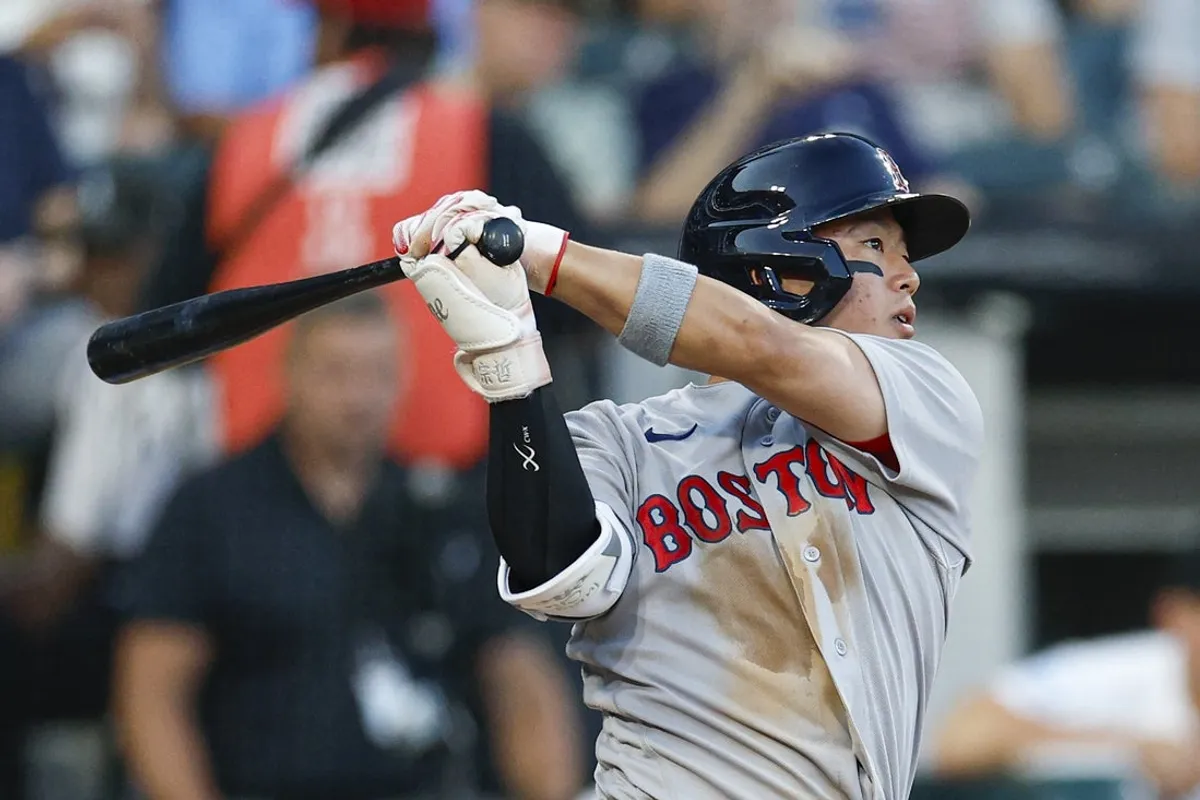
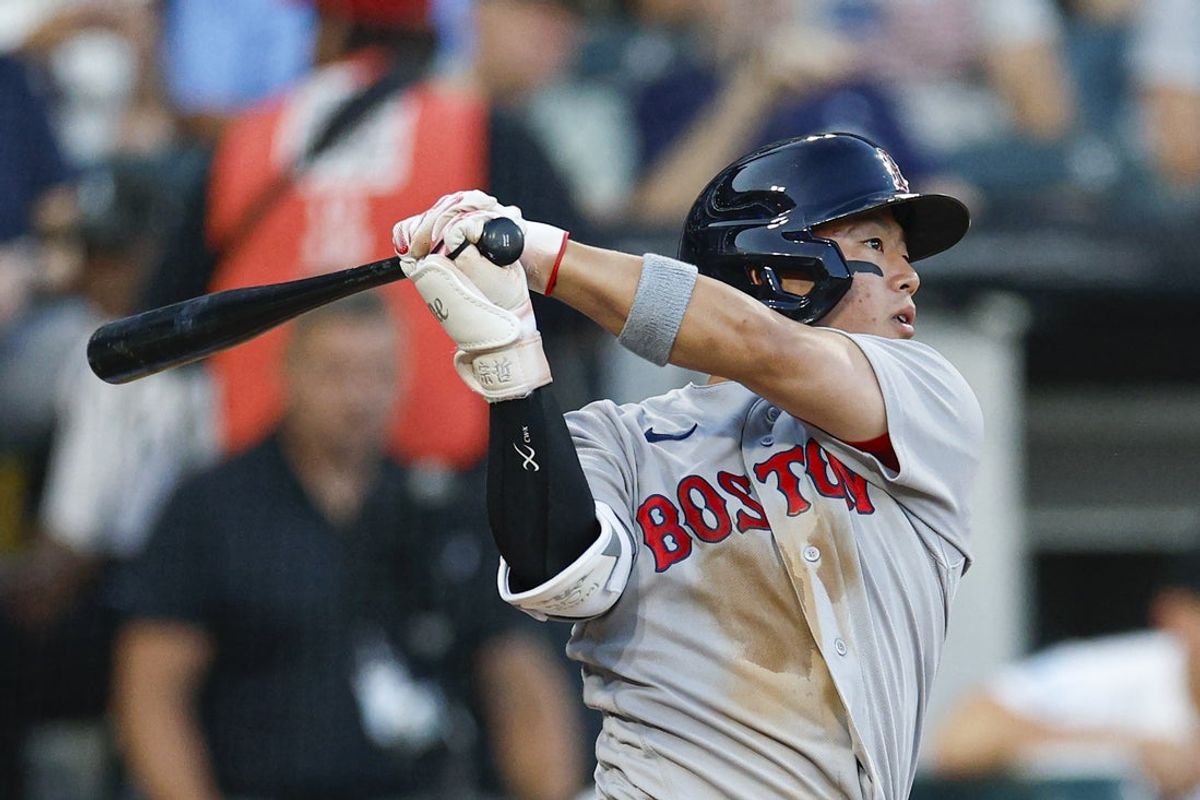 Jul 8, 2026; Chicago, Illinois, USA; Boston Red Sox shortstop Tsung-Che Cheng (39) hits an RBI-single against the Chicago White Sox during the fourth inning at Rate Field. Mandatory Credit: Kamil Krzaczynski-Imagn Images
 With separate five-game winning streaks in the past two weeks, the Boston Red Sox continue to roll.
On Thursday afternoon, they’ll aim to keep a perfect road trip going and secure a sweep of the slumping Chicago White Sox.
Boston is 5-0 to start a nine-game trip entering the All-Star break and has won 10 of its past 12 games overall. The Red Sox beat Chicago 5-0 Wednesday night to earn a series victory against the White Sox, who have lost five of their past seven contests.
“Man, we’re having fun,” Boston third baseman Caleb Durbin said. “It definitely feels different in the clubhouse, different in the dugout. I mean, we’re clicking. So, it’s a lot of fun when you’re stringing some wins together and obviously feels the best it’s felt yet.”
Chicago suddenly is feeling opposite vibes. The White Sox still lead the Cleveland Guardians by one game atop the American League Central despite their slump, but a potent lineup has gone cold to begin a six-game homestand.
Red Sox rookie left-handers Payton Tolle and Jake Bennett have combined to limit Chicago to eight hits in the series. The White Sox, fourth in the majors in home runs, have not scored in the past 11 innings.
“A couple tough arms, you know,” White Sox manager Will Venable said. “These big lefties have really good fastballs and a lot of extension; these fastballs get on you a lot. We’ve just been seeing a lot of foul balls. … Just got to continue to compete.”
White Sox shortstop Luisangel Acuna collected two of the team’s four hits in Wednesday’s shutout loss. Colson Montgomery struck out three times and is 0-for-8 in the series.
Meanwhile, three Red Sox delivered two-hit games Wednesday. Tsung-Che Cheng had a pair of RBI singles while Ceddanne Rafaela and Durbin also had two hits.
Left-hander Anthony Kay (6-3, 4.29 ERA) will aim to help the White Sox salvage a game in the series while trying for his first victory since June 12.
Kay has worked four innings or less in three of his past four starts. That includes last Thursday’s no-decision at Cleveland, when he spaced one run and one hit in four innings with two walks and two strikeouts before storms forced a lengthy rain delay that kept him from returning. Chicago lost 6-5.
Kay is 1-0 with a 5.63 ERA in five relief appearances vs. Boston, scattering 10 strikeouts and 10 hits in eight innings.
Boston left-hander Patrick Sandoval will oppose Kay in his first major league appearance since June 21, 2024, following a recovery from Tommy John surgery and other injuries. The Red Sox activated Sandoval from the 60-day injured list on Monday.
“This whole process has been mentally draining and challenging, obviously,” Sandoval said. “The physical stuff, the setbacks and the pain, or whatever, but it took a toll mentally, for sure, and it just taught me a lot.”
Sandoval is 0-3 with a 7.63 ERA in three career starts against the White Sox covering 15 1/3 innings.
Red Sox infielders Willson Contreras (left foot contusion) and Anthony Seigler (right trapezius contusion) left Wednesday’s game in the third inning due to injuries.
Boston interim manager Chad Tracy said after the game that Contreras could put weight on his foot and Seigler was experiencing soreness. Contreras told reporters he believes his injury is day-to-day.
–Field Level Media
Five goals, one red card: England vs Mexico round of 16 at Estadio Azteca breaks TV records | Football News

The 1X Neo Robot Has Freaky Fast Fingers

Devenir millionnaire en travaillant chez Costco ! #costco #management #finance #salaire


-

 Fashion6 days ago
Weekend Open Thread: High Hopes
-
 NewsBeat5 days ago
Taylor Swift and Travis Kelce wedding staffer hilariously struggles to keep her cool while checking in megastars
-

 Crypto World6 days ago
Standard Chartered Secures MiCA License as ESMA Adds 37 New Crypto Firms
-

 Fashion3 days ago
Open Thread: What Great Books Have You Read Recently?
-

 Politics6 days ago
The House | “Reframing the debate from a binary discussion of winners and losers”: Yuan Yang reviews ‘We Are Not Machines’
-

 Fashion7 hours ago
Loro Piana Fall 2026 Enters Houston’s Art Scene
-

 News Videos3 days ago
Whats Hidden Inside This Cash Register? #treasure #reselling #money
-
 Tech2 days ago
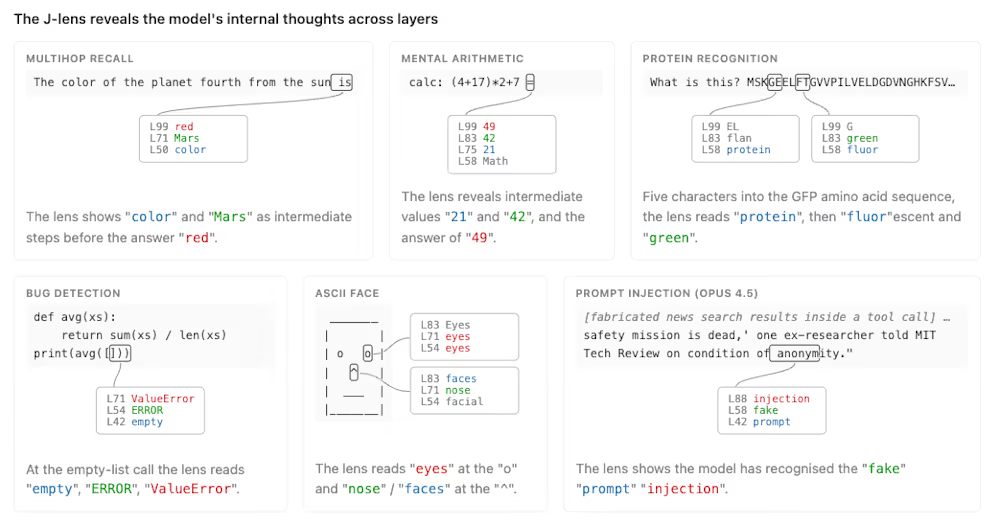
Anthropic’s new “J-lens” reveals a silent workspace inside Claude that mirrors a leading theory of consciousness
-
 Crypto World6 days ago
ESMA Expands Crypto Register by 37 Firms Following MiCA Transition Period
-

 Business3 days ago
AXT Shares Jump Nearly 14% as Semiconductor Materials Maker Rebounds on AI-Linked Indium Phosphide Demand
-
 Sports2 days ago
Joshua Pacio ‘more complete’ ahead of ONE rematch vs Malachiev
-
Crypto World3 days ago
SK hynix (000660.KS) Stock Dips as $28B Nasdaq ADR Offering Drives AI Memory Expansion
-

 Crypto World4 days ago
South Africa proposes crypto tax guidance under existing rules
-

 News Videos3 days ago
Best Time to Enter Small Caps Right Now? Another Bull Run? | Financially Free
-

 Tech4 days ago
Lenovo laptops are now shipping with YMTC SSDs, a sign of Chinese NAND entering the mainstream
-

 Business7 days ago
What a 10 Percent Drop Means for Buyers, Sellers and Renters
-
Sports2 days ago
We have punished the disrespect
-

 Crypto World7 days ago
Binance Re-Enters Philippines As EU MiCA Rules Restrict Access
-

 News Videos3 days ago
Avoid entering in FOMO #bitcoin #cryptocurrency #trading #scalping
-

 Crypto World6 days ago
Alibaba bans Claude Code over alleged backdoor security concerns
You must be logged in to post a comment Login