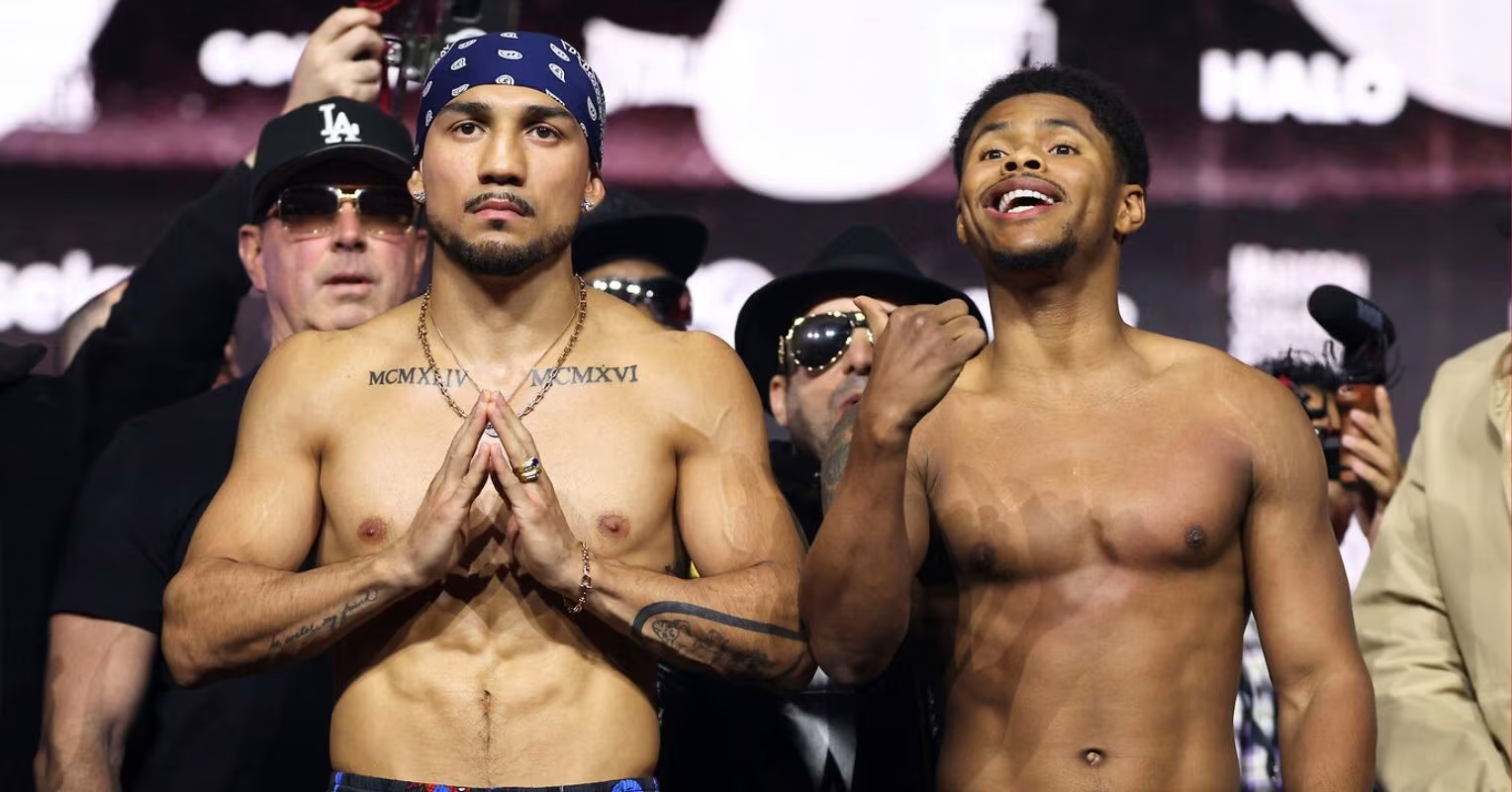
On the undercard, heavyweight Jarrell Miller returns against Kingsley Ibeh, Bruce Carrington faces Carlos Castro for the vacant WBC Featherweight World Title. Finally, Keyshawn Davis makes his anticipated super-lightweight debut against Jamaine Ortiz, who, despite two defeats, has never been in the business of giving anyone an easy night’s work.
Advertisement
Boxing News brings you results, analysis and a live scorecard for the main event.
Undercard results
Jarrell Miller vs Kingsley Ibeh – Heavyweight
Result: Miller SD. Ibeh took the first half of the fight, landing the cleaner shots and quite literally punching Miller’s toupee off in round two. ‘Big Baby’s engine kicked into gear in the second half to allow him to take it on the cards by a hair, even if his wig had suffered a 10-8 round. A forgettable, slow, sloppy slug-it-out bout that will strike no fear into the hearts of heavyweight rivals. 96-94 Miller, 97-93 Ibeh, 97-93 Miller.
Bruce Carrington vs Carlos Castro – WBC Featherweight World Title
Advertisement
Result: –
Keyshawn Davis vs Jamaine Ortiz – Super-Lightweight
Result: –
Teofimo Lopez vs Shakur Stevenson live scorecard and result
This is a Boxing News live scorecard and not the official score from the judges.
NEW YORK —Paul Skenes stared out toward the mound from the third-base dugout, motionless. Only his fingers moved, scratching beneath his dark, full beard. This was unfamiliar territory.
Thursday was supposed to be his day. Another step in a rise that already included a Cy Young award in 2025 and a World Baseball Classic that pushed him onto an international stage, flexing as the best in the world. He’s the easy favorite to repeat as Cy Young winner this year.
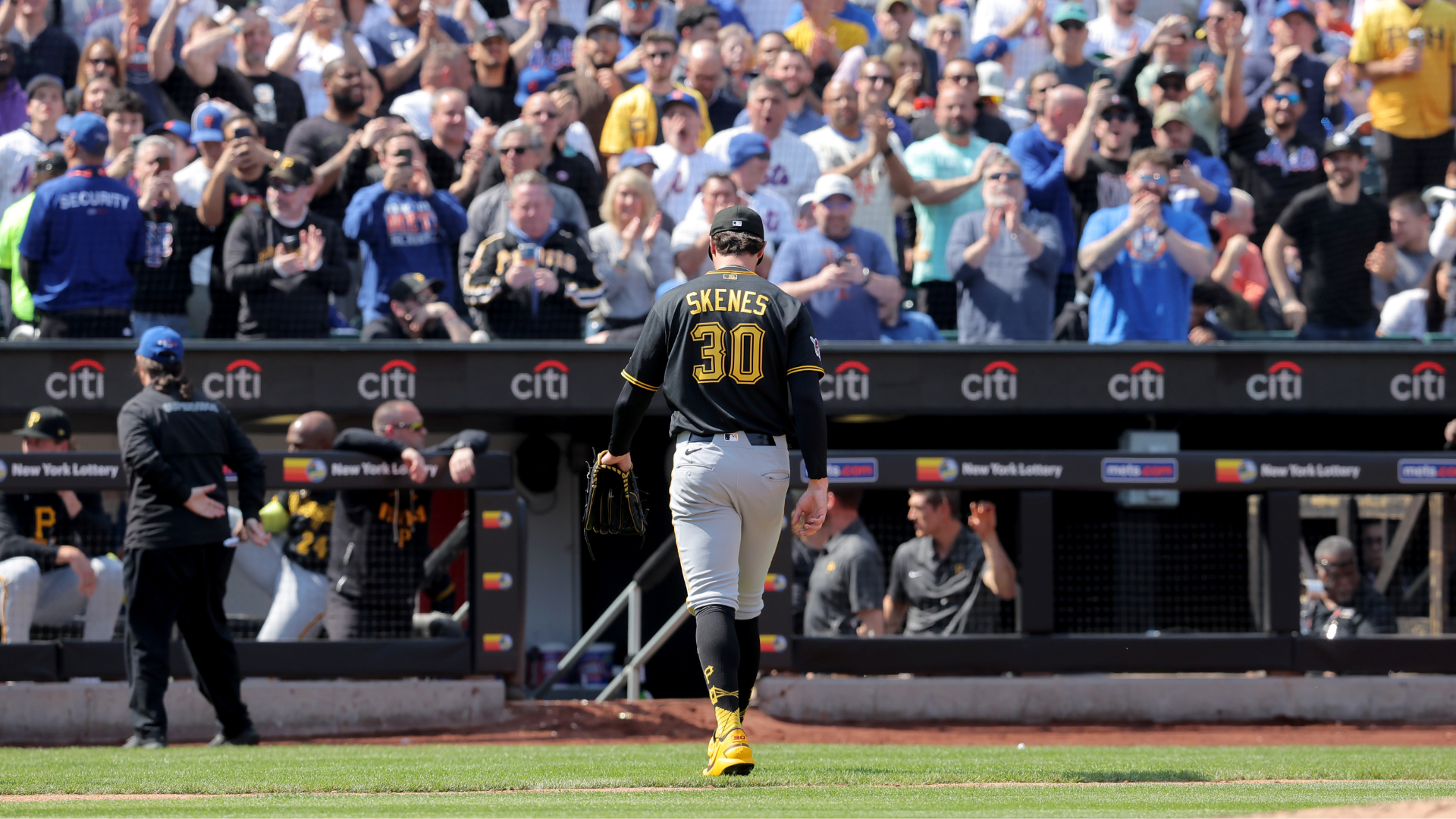
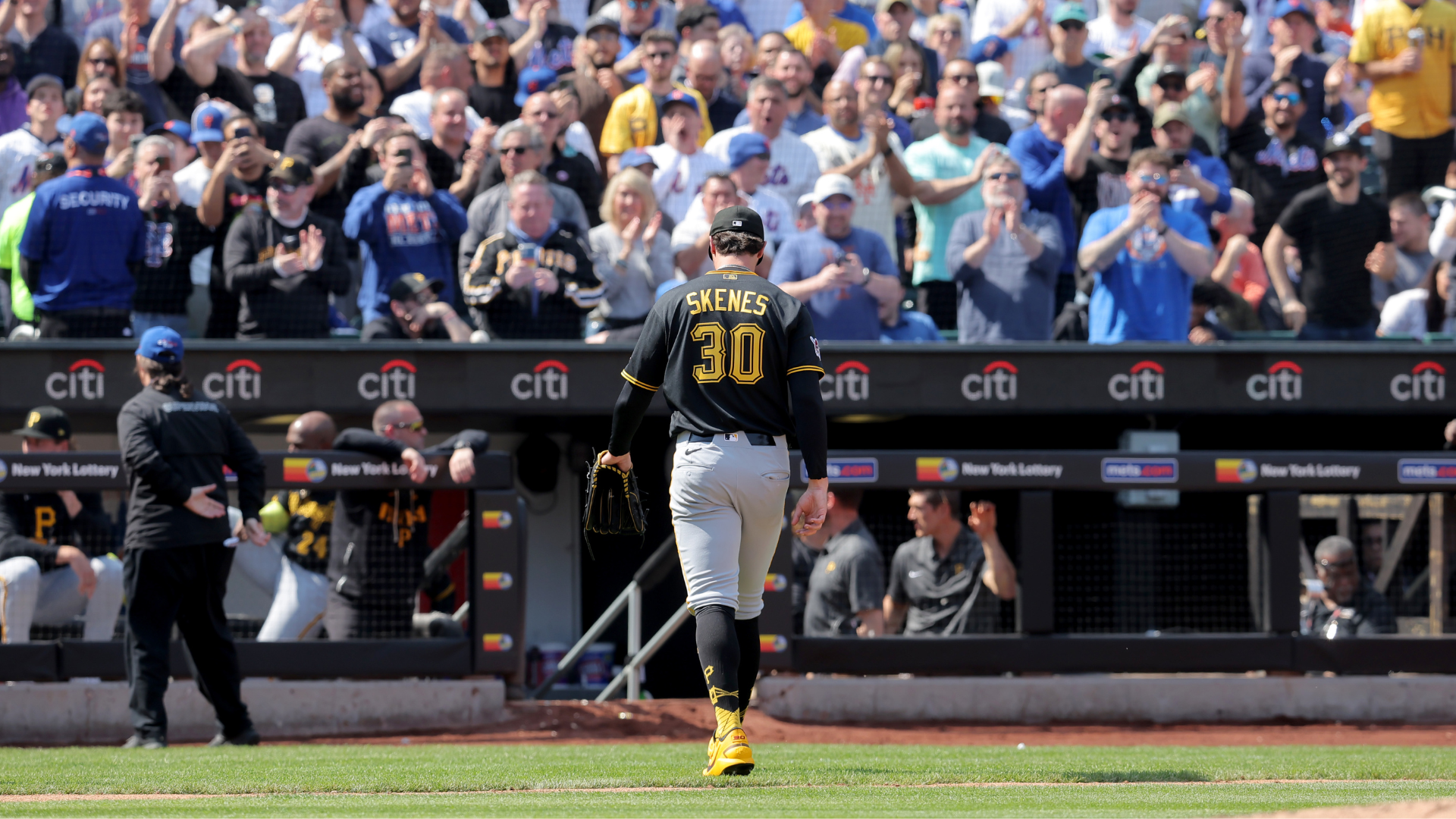
Instead, on Opening Day at Citi Field against the Mets, Skenes failed to get out of the first, yielding five earned runs in just two-thirds of an inning. It matched the most runs he’s allowed in a start and marked the shortest outing of his career. He allowed more runs Thursday than he did in the first inning of all 32 starts combined last year.
“They did a really good job in the moment,” Skenes said after his club’s 11-7 loss. “I don’t know, maybe a little frustrating, but I just got to execute. But they did a good job.”
Advertisement
It wasn’t all on Skenes. Center fielder Oneil Cruz misread a Brett Baty line drive, breaking in before it carried over his head. Three runs scored on a bases-clearing triple. Then, on the very next play, Cruz lost a Marcus Semien fly ball in the sun, making it a 5-2 game.
Even so, Skenes didn’t have his best stuff. He lacked command of his seven-pitch mix, walking two and hitting a batter in the nine plate appearances he made it through. He had little feel for his breaking pitches. When he got ahead, he couldn’t put hitters away. The Mets, one of the best lineups in baseball, wouldn’t give in. Wouldn’t chase his mistakes. Seven of the first eight batters reached base.
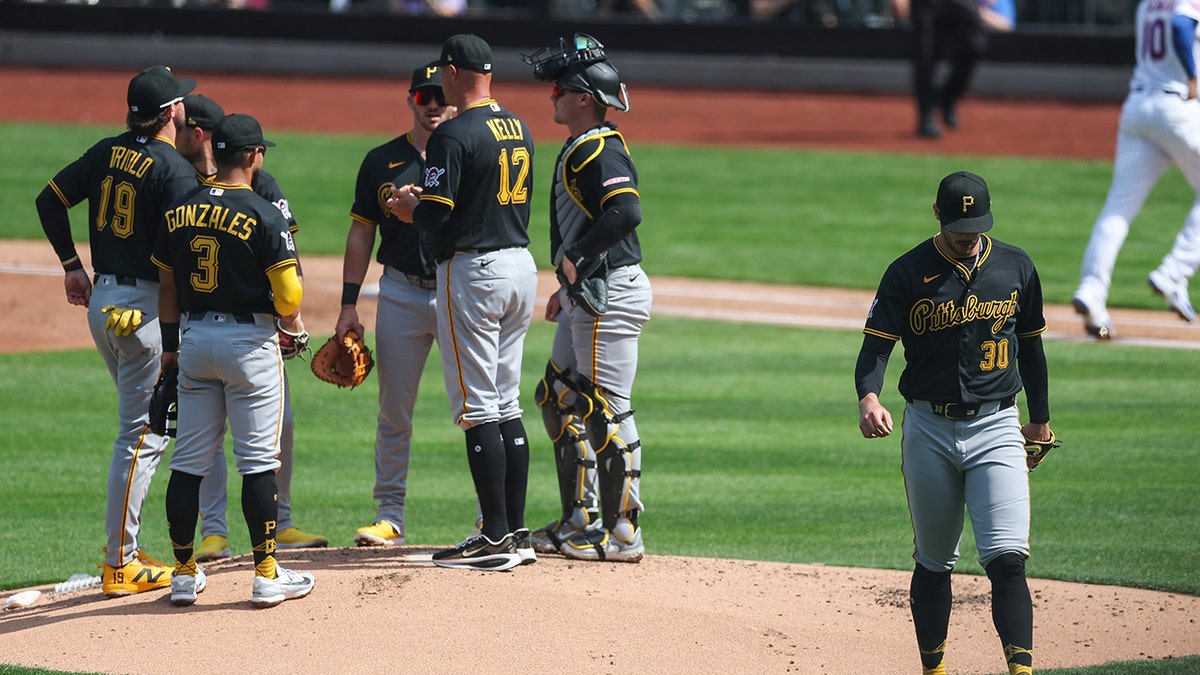
After 37 pitches in the inning, in the unseasonable warmth of Flushing, manager Don Kelly made the call to remove his ace.
“Paul is a competitor,” Kelly said after the game. “He wants to stay out there and pitch. It’s a really tough thing going to get him in the first inning right there. But at the bottom of it is Paul’s health. When you get up close to 40 pitches in an inning, you’re into dangerous territory with a starting pitcher.”
Advertisement
The physical danger is one thing. The box score is another: when Skenes isn’t stellar, the Pirates don’t have a chance. Often, even when he is stellar, they still find ways to spoil his starts with a lack of run support.
For all the supposed growth of the Pirates, adding Brandon Lowe and Ryan O’Hearn as veterans to the mix, too much of the belief still runs through Skenes. He’s not just their anchor. Not just their stability. He’s their credibility. Their relevance. He’s the reason the most optimistic people in Pittsburgh — and inside that clubhouse — can cling to the idea that this team has a path to the playoffs.
“Paul means a ton to Pittsburgh,” added Kelly. “I mean, he embodies it every single day that he shows up. We talked about a lot too. It’s the days in between his starts that really separate him and make him great. And he lives it out every single day.”
Yet baseball has a way of making even the giants look human, like it did Thursday.
Advertisement
You felt it when Kelly walked to the mound. You felt it when the collective gasp from the Citi Field crowd cut through the moment, louder than some of the cheers. Because this wasn’t supposed to happen. As much as Mets fans came to see their team, there was something else, too. They came to see the best in the world.
He was supposed to last longer than this. Instead, it unraveled.
“It’s nice to get it out the way,” Skenes said with a smirk.
This is the burden that comes with greatness. He has lived up to every bit of the hype. The learning curve that usually comes with the big leagues never touched him.
Advertisement
“He’s can’t-miss TV,” said teammate and fellow starter Mitch Keller. “I want to be locked in for everything. He’s so special. You just never know when you’re watching this type of talent. You’re locked in and always watching.”
Thursday offered nothing to lock in on.
Inside the clubhouse, Skenes draped himself in a blue towel. The outing was over. There’s no reason to dwell. Not when you’ve established yourself as the most prominent starter in baseball. Not when it’s only your first start of the season.
“Just got to look at it, kind of pitch by pitch,” he said. “I’ll rewatch it at some point, but I’m not as upset about this, for me personally, as people would probably think.”
NEW DELHI: Team India all-rounder and Mumbai Indians Hardik Pandya once again showed that his impact goes beyond cricket, winning hearts with a thoughtful gesture off the field. During his preparation for the T20 World Cup, Pandya spent long nights training at Mumbai’s Wankhede Stadium, often practising till almost midnight. During that phase, he had made a promise to the groundstaff who supported him tirelessly that he would reward them when he returned.
Watch
IPL 2026: Ishan Kishan steals the show at captains meet
Pandya has now kept that promise. The Indian all-rounder on Thursday rewarded the MCA groundstaff at Wankhede, acknowledging their role in helping him train under demanding conditions. His gesture stood out as a reminder of the often-unseen contributions of groundstaff in a cricketer’s journey. By fulfilling his word, Pandya not only showed gratitude but also reinforced his image as someone who values people behind the scenes.This moment comes after a successful period in Pandya’s career, having played a key role in India’s T20 World Cup triumphs. Now a two-time champion, he continues to aim higher. Speaking about his personal life and motivation after the recent T20 World Cup win, the Mumbai Indians captain said, “Jab se Mahieka aayi hai, life mein bas jeet hi jeet hai. (Since Mahieka came into my life, it’s been nothing but wins)”Pandya also made it clear that he is far from done in international cricket. “I have 10 more years left in me, and I want to win 10 more ICC titles. That’s my goal,” he said, highlighting his ambition for the future.From dominating on the field to keeping promises off it, Pandya’s journey reflects both determination and humility. His recent gesture at Wankhede shows that even small acts of appreciation can leave a lasting impact.
Like so many Brazilians, Thiago Pessao was captured by the World Cup as a child. By the time the tournament came to his homeland in 2014, it was a full-blown obsession. He attended 23 games in that tournament and 17 in Russia four years later. Only Brazil’s early exit and an agreement with his wife to leave on their departure stopped him from racking up even bigger numbers in Qatar 2022.
In short, Pessao is committed to the World Cup — Brazil and beyond. But even he is struggling to justify the cost and hassle of the largely US-hosted expanded tournament this time round.
He estimates he has spent $30-40,000 (€26,000 to €35,000) already. Tickets to Brazil’s group stage matches in New Jersey, Philadelphia and Miami and likely round-of-32 match in Houston have cost upwards of $4000. The return air trip to Brazil $5000, and a combination of internal flights, accommodation, further match tickets and spending money are adding up fast.
He estimates he spent a little more than $10,000 in Qatar (with tickets being the main point of difference) and even less at previous tournaments.
Advertisement
If record winners Brazil go all the way to the final, his bill will increase still further — and that’s without attending the neutral games that are normally part of his World Cup ritual.
An early Brazil exit, like in 2022, would disapoint their fans – but could also save them moneyImage: Robert Michael/dpa/picture alliance
”I love to watch a lot of games. But for this World Cup, the tickets are too expensive, so my plan right now is only to follow Brazil,” he told DW. “A final ticket is costing $4,000 or $5,000 [the current cheapest ticket is $4,185]. I think it’s too much, but my feeling is that if Brazil is in the final, I have to be there. Maybe other people will think differently, but for me, the motivation is there.”
High prices, hostile atmosphere
Pessao had a ticket for the 2022 final, which he re-sold. But he said the dynamic pricing introduced for the 2026 tournament and a lack of demand on FIFA’s new ticket exchange portal to pay the high current prices and fees before knowing the fixtures means he’s prepared to wait and see this time around.
His is a fortunate position, with such budgets and flexibility a pipe dream for many, especially those from qualifying countries with lower average incomes.
Advertisement
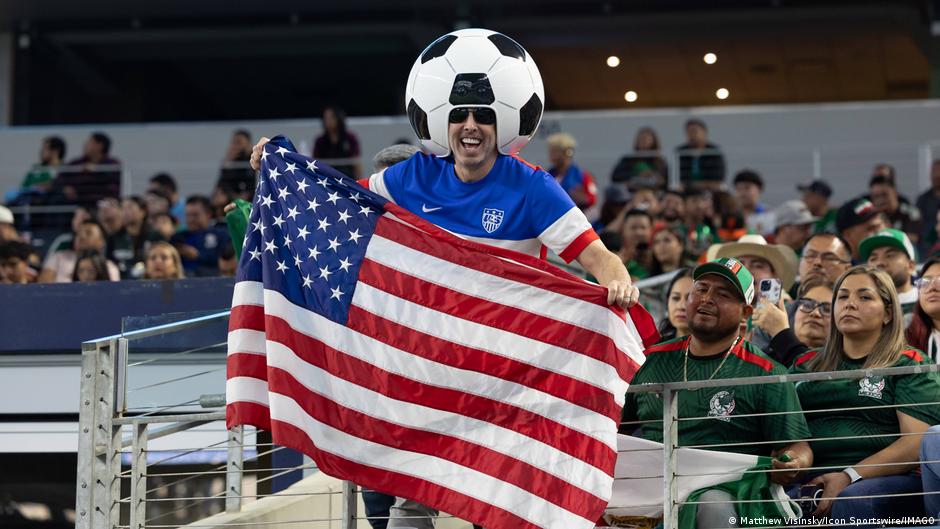
To some degree, this is always the case at World Cups. Usually, it’s tempered somewhat by cheaper tickets and travel packages for fans of countries who have followed the team throughout qualifying. Though FIFA introduced a small number of $60 tickets in December following fan pressure, the sort of vibrant fan marches, dances and songs that usually mark a World Cup may be notable by their absence, thinks Pessao, who also worries about how the political climate will impact foreign visitors like him.
“Compared to other World Cups, I’m a bit more concerned about how the hostility and the surroundings will affect things. I think that the presence of ICE [US immigration and Customs Enforcement] in the stadiums or in the cities will bring the atmosphere down.”
That’s also a concern for USA fan Adaer Melgar. He started putting away $100 a month when the World Cup was awarded to his homeland eight years ago, expecting high prices.
Despite living close to the MetLife Stadium in New Jersey, making things as cheap as they could realistically be, he was still shocked by how much the experience would cost him.
Advertisement
‘Money-grab’ makes tournament unaffordable
“I feel like I went into the ticket buy-in process with a level head, with the understanding that it was going to be pretty expensive, but it’s still greatly exceeded my own expectations,” he said. His six tickets for two non-US matches cost him $3,400.
“I’m dealing with my own ethical qualms right now, wanting to boycott the World Cup because of the [Donald Trump] administration and the way FIFA’s going about it. For example, they’re charging to get into the fan zone. That’s never been done before. I feel like it’s a big money grab.”
While Pessao and Melgar are picking their way through their reservations, for some, the relentless expense and perceived hostility mean they feel they must stay at home. Bengt Kunkel is the Stimmungsmacher (fan leader/atmosphere maker) for the German national team and has made that call. He estimates the average cost to German fans of attending their three group stage matches at between €5,000 ($5,766) and €8,000 ($9,226).
“As an ordinary person you really have no chance of affording this tournament,” he said, adding that new social media checks on visitors to the US were also a factor in his decision.
Advertisement
Kunkel is not alone in his reservations. Earlier this week, European consumer group Euroconsumers and fan group Football Supporters Europe filed a complaint against FIFA alleging breaches of Article 102 of the Treaty on the Functioning of the European Union, which prohibits abuses of a dominant market position.
Among the complaints are pricing, FIFA’s resale platform (where both buyer and seller are charged a 15% fee), dynamic pricing and what they describe as pressure selling tactics.
“Emails to fans claimed “exclusive access” to a “limited” ticket window that doesn’t reflect reality. By creating artificial urgency, FIFA pressured fans into making rushed decisions,” the statement said.
Visa delays and travel bans frustrate fans
The previous two World Cups have also had a fast-track, temporary visa process. While the new FIFA PASS offers the “opportunity to obtain an expedited visa interview, if needed,” FIFA has been clear that tickets are no guarantee of a visa.
That has proved particularly problematic for some fans including those of first-time qualifiers, Jordan. Several fans DW spoke to said their visa applications had been held up or rejected and, with the embassy currently shuttered due to the US-Israel war with Iran, hope is in short supply.
Advertisement
“We ask for help from the US Embassy to look closely at the Jordanian fans’ applications. We applied, but we didn’t hear any answer until now. Our applications are stuck there,” said Jordan fan Ghazi Al Samouee.
On Wednesday, the US State Department added 12 countries to a list of countries from which it demands visitors post bonds of as much as $15,000. Qualifiers Tunisia have been added, while Algeria and Cape Verde were among the World Cup teams already on the list.
Some fans won’t even be able to get as far as thinking about a visa. While Iran’s participation seems unlikely, given the war, people from Senegal, Haiti and Ivory Coast are on Trump’s travel ban list and won’t be able to go to the tournament unless they have an alternative passport. That’s despite FIFA President Gianni Infantino promising in 2025 that: “Everyone will be welcome in Canada, Mexico and the United States for the FIFA World Cup next year.”
Donald Trump receives first FIFA peace prize
“If we’re not accepted as supporters, our teams shouldn’t go and neither should we as supporters,” one Senegal fan told DW at the Africa Cup of Nations earlier this year. “We are the strength of these competitions. Without spectators, there’s no one. Without spectators, there is no sport, there is no entertainment.”
Infantino and FIFA have repeatedly expressed strong sentiment about the importance of fans to a World Cup.
“The world needs occasions of unity, of bringing teams together, of bringing people together, of bringing fans together,” Infantino said in the same statement last year.
Whether they are banned from traveling, feel uneasy about their safety, can’t get visas or just can’t afford it, fans around the world are struggling to feel welcomed in the US.
Advertisement
Dana Sumlaji and Thomas Klein contributed to this story.
“Eligibility for any female category event at the Olympic Games or any other IOC event, including individual and team sports, is now limited to biological females, determined on the basis of a one time gene screening,” the committee said following an 18-month consultation.
“Based on scientific evidence, the IOC considers that the presence of the SRY gene is fixed throughout life and represents highly accurate evidence that an athlete has experienced male sex development,” the IOC said.
Olympic controversies over transgender athletes
The announcement sees the IOC abandoning previous rules introduced in 2021, which allowed individual federations to decide their own policy in favor of a policy implemented across all sports.
Advertisement
The IOC announced the policy as part of its initiative to introduce a universal rule for competitors in female elite sports after years of fragmented regulations sparked several controversies.
At the Paris Olympics in 2024, boxers Imane Khelif of Algeria and Lin Yu-ting of Taiwan won gold medals a year after they were disqualified from the world championships, which is run by the International Boxing Federation (IBA), after allegedly failing eligibility tests.
But the IOC, which has run the last two Olympic boxing tournaments because it has suspended IBA for various other reasons, said Khelif and Lin could compete because they were born as and identify as women.
The new rule, which the IOC said applies to its elite Olympic events but not recreational or grassroots sports, is also in line with an executive order issued by US President Donald Trump on transgender women in sports.
Advertisement
IOC: ‘Every athlete must be treated with dignity and respect’
The IOC said its own research showed that athletes born as males retain advantages in strength, power and endurance due to three significant testosterone peaks: “In utero, in mini-puberty of infancy and beginning in adolescent puberty through adulthood.”
It said that the male advantage ranged from 10-12% in endurance and speed-related sports like running or swimming to more than 100% in strength-based events involving lifting or punching.
“At the Olympic Games, even the smallest margins can be the difference between victory and defeat,” said IOC President Kirsty Coventry. “So, it is absolutely clear that it would not be fair for biological males to compete in the female category. In addition, in some sports it would simply not be safe.”
Advertisement
Coventry said the new regulations would ensure that “every athlete be treated with dignity and respect” and added: “There must be clear education around the process and counselling available, alongside expert medical advice.”
TORONTO — After he threw a three-up, three-down inning on Sunday, pounding the zone and pitching as well as he could’ve imagined in his final spring outing, Spencer Miles went home and packed his bags.
He wasn’t sure what he was packing for. Could be frigid Toronto, where winter’s last grasp is proving stubborn. Could be sunny San Francisco, where one only requires long sleeves at night. It could’ve been any of 28 other MLB markets if Miles, in camp with the Blue Jays as a Rule 5 pick selected from the Giants, didn’t crack Toronto’s opening day roster and ended up on waivers.
It wasn’t until Monday morning, after he’d hauled his stuff to Toronto’s player development complex, when the Blue Jays told him they were putting off their decision for another 48 hours and that he’d be flying with them to Toronto. It was good news to receive, in a way. Miles hadn’t been ruled out. But it didn’t exactly ease his nerves.
“It’s a little easier to sleep now,” Miles said Thursday, a day after learning he’d done the improbable and made the opening-day roster of the defending American League champions. “I was falling asleep well. And then I’d wake up at about five in the morning to go pee and I just could not fall back asleep. My mind was racing. Like, ‘When are they going to give me this news?’”
Advertisement
Wednesday, it turned out, as Blue Jays pitching coach Pete Walker pulled Miles away from a fresh plate of food in the Blue Jays clubhouse to join him in manager John Schneider’s office.
They started talking about MLB’s first game of the season that night in San Francisco between the New York Yankees and Miles’ old club, the Giants. Schneider asked Miles if he enjoyed pitching on the mound at Oracle Park. Miles told him he couldn’t say — he’d never pitched there. A trip to the Arizona Fall League last October and Grapefruit League games this spring were his first time pitching above A-ball.
Well, Schneider said, maybe he should try it out. But since the Giants were playing that night, there simply wasn’t enough time to get Miles on a plane to the west coast for first pitch. So, might as well stick around in Toronto to be in a Blue Jays uniform on Opening Night.
“My food got cold but I think that’s all right,” Miles says. “We’ll take cold food for hearing the news that you’re going to make your big-league debut.”
Advertisement
MLB on Sportsnet
Watch the Toronto Blue Jays, Blue Jays Central pre-game, marquee MLB matchups, Jays in 30, original documentaries, the wild card, divisional series, championship series and entire World Series on Sportsnet and Sportsnet+.
It’s not easy being a Rule 5 pick. Either you make a big-league roster or return to your original organization. While other pitchers in camp are working on their arsenals and shaking off a long winter’s rust, you’re auditioning for a job every time out. And Miles carried the weight of that on his shoulders, particularly after his first three outings of spring when he walked four, allowed hard contact and made a throwing error trying to start a double play at second base.
But a strong afternoon striking out the side against the Tigers two-and-a-half weeks ago gave him confidence, which he rolled forward into his next two appearances, both stretching multiple innings as the Blue Jays tested his endurance. Before his final outing on Sunday, with no indication which way the Blue Jays were leaning, Miles sat at his locker and prayed quietly for good results.
“I was asking Him to take the wheel on it, take the pressure off my shoulders, let me just go use the gifts He’s given me,” Miles says. “Because I’ve got a good right arm, good fastball. I got all the stuff. I just have to take a deep breath and really commit and execute each pitch.”
Miles certainly has a good arm, which let him throw 98 in multiple outings this spring. But what separates him from the many other hard-throwers crowding bullpens league-wide is his ability to utilize three different fastball shapes.
Advertisement
His four-seamer backspins up in the zone with natural arm-side movement. His two-seamer accentuates that run, tailing 17 inches in towards a right-handed hitter. And his slower cutter darts the opposite direction, featuring just enough glove-side movement to separate it from the other two fastballs that bore to his right.
Meanwhile, Miles’ best out pitch is his 80-m.p.h. high-spin curveball which moves on two planes, cutting a foot to his glove side while dropping over 50 inches on its way to the plate. The only other pitchers in Blue Jays camp with as much movement on their curveballs this spring were Lazaro Estrada, Eric Lauer, and Max Scherzer.
But those three all throw theirs in the low-to-mid 70’s, giving the pitch ample time to break. Miles throws his much harder but still achieves similar movement, which is what makes it so effective. Hitters have less time to recognize it and adjust.
“It’s a good pitch — it’s so high spin that it’s got a little second gear to it in terms of bite,” Miles says. “I feel like I can use it in any count. Early as a little get-me-over to steal a strike; late for swing-and-miss and put-away. I can go at a righty’s shoulder, pop it in the zone, kneecap guys. I can do a lot of things with it.”
Advertisement
So, how does a guy with this much arm talent make it to Toronto as a Rule 5 pick? It began in Columbia, Mo., where Miles grew up only minutes from University of Missouri’s campus.
He was wiry and athletic, playing both ways at Rock Bridge High School where he hit .429 as a senior. But as a 150-pound 18-year-old who couldn’t hit 90 on the radar gun, Miles’ college interest was limited. He had two offers from smaller NAIA schools — one to play baseball, the other to play basketball. But for Miles, it was baseball at a big school or bust. So, he enrolled at Missouri academically to stay close to home.
The Tigers baseball program took him as a walk-on in 2019, which felt like an accomplishment in and of itself. Particularly after growing up at Missouri games watching his brother, John, who pitched for the school from 2012 through 2015. While he didn’t throw a pitch for Missouri that fall, Miles made the most of his newfound exposure to a college-level strength and nutrition program, putting on considerable muscle for the first time in his life. By the time he left Missouri, Miles had added 40 pounds to his frame and 10 m.p.h. behind his fastball.
Hitting 97 as a junior got him noticed despite shaky results in games, and the Giants took a flier in the fourth round of the 2022 draft, signing Miles under slot as part of a strategy to select and sign first-round talent Carson Whisenhunt — the top-100 prospect made his MLB debut with the Giants last season — in the second.
Advertisement
It was a flier. Miles was known for trying to out-stuff college hitters rather than out-think them, which often led to a hefty price being paid for leaving too many pitches over the heart of the plate. The Giants viewed him as a starter but knew it would be a longer-term project to help Miles gain more pitchability and learn how to maximize his arsenal through sequencing and approach.
“I was ready to attack all of that. I’m a super late bloomer developmentally so I was really excited to get my feet wet,” Miles says. “Definitely didn’t expect to spend most of my time injured.”
When Miles was a high school junior, he played through a stress fracture in his lower back that stubbornly refused to close. He underwent a procedure that year to insert a screw into the problematic facet joint and apply bone growth to encourage healing. And after pitching with it over the four years following, Miles figured his back issues were behind him.
But after he was drafted by the Giants in 2022, Miles took his first extended off-season break from baseball since high school. And as the theory goes, that de-load period gave his spine time to properly respond and adapt to all the load and stress it had been under the prior four years. His problem was no longer that the bone wouldn’t grow — now it was growing too much.
Advertisement
As he ramped up for his first full professional season in 2023, something didn’t feel right. It was hard to access velocity; even harder to recover between mound sessions. A series of CT scans and MRIs revealed a bone blockage at the facet joint Miles had repaired — he refers to the unwanted mass as “a doorstop” — which necessitated a second surgery to shave down the growth and create more space for his back to extend and rotate.
That cost him all of 2023. Back on a mound at Giants camp the next year, everything felt fine until Miles pitched a bullpen and could barely throw the following day. An MRI revealed a flexor strain, which Miles originally tried to treat conservatively with rehab and a platelet-rich plasma injection. But only five outings into his rookieball season, as his symptoms worsened with each outing, a date with an orthopedist beckoned. And Tommy John surgery ended his season.
A year-and-a-half later, Miles finally returned to competition at the Arizona Fall League healthy and eager to get his career back on the rails. That’s where the Blue Jays gained interest in him as he struck out 32 per cent of the hitters he faced while walking only one across four starts and a relief appearance. At the Rule 5 draft two months later, he became a Blue Jay. And at Rogers Centre Friday night, he’ll become a big-leaguer.
It’s been a lot to process. It isn’t every day a 25-year-old with 14.2 professional innings and a 6.27 college ERA cracks an opening-day roster. And the pressure Miles pitched through all spring isn’t going away. As a Rule 5 pick, he must remain in the majors for the entire season. On a win-now team such as the Blue Jays, it isn’t as easy to stomach a run of bad outings as it would be for a less competitive club.
Advertisement
But that’s the story of his time in this game. A skinny kid who can’t crack 90 walks on at an SEC school, gets hit around, gets hurt, gets hurt again, reaches his mid-20’s without pitching above A-ball, and is plucked from obscurity onto a big-league mound. Nothing about it is probable. So, why would his first Opening Day be?
“I have two surgeries and no innings to show for it. It’s a little surreal. I don’t think it’s fully hit yet that I’m going to be a major leaguer,” he says. “But I know the stuff’s there. I’ve just got to go out there, take a deep breath in between each pitch, drive the ball to where we want it, and let everything unfold as it will.”
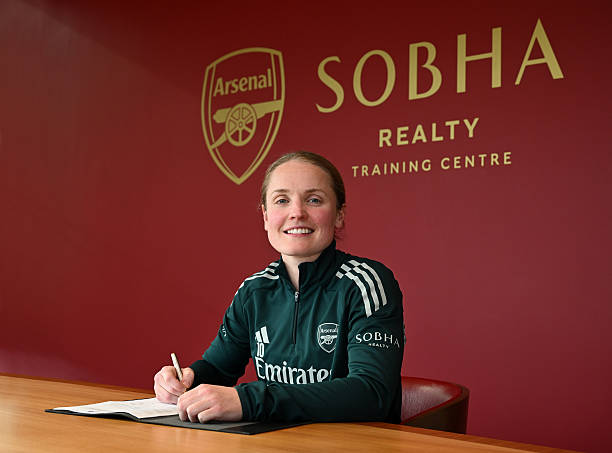
LONDON COLNEY, ENGLAND – MARCH 26: Kim Little signs a new contract with Arsenal at Sobha Realty Training Centre on March 26, 2026 in London Colney, England. (Photo by David Price/Arsenal FC via Getty Images)
Kim Little has signed a one-year contract extension with Arsenal Women, extending her stay at the club she has defined for over a decade.
The 35-year-old captain remains a central figure in the squad, both on and off the pitch, as Arsenal continue their push in the UEFA Women’s Champions League and the league.
She also led Arsenal to European success last season, lifting the club’s second Champions League title.
Advertisement
Having first joined Arsenal in 2008, Little returned in 2017 and has been captain since 2018, guiding the team through one of its most successful periods.
Her decision to retire from international football with Scotland Women’s National Team in 2021 has helped extend her club career, allowing her to maintain a high level of performance.
Despite Arsenal transitioning towards a younger squad, Little continues to play a key role, setting standards and providing experience within the team.
Advertisement
With Arsenal currently competing on multiple fronts, her extension ensures continuity and leadership during an important phase for the club.
Marvel Stadium will play host to Saturday’s
Round 3 AFL game between Essendon Bombers and
North Melbourne Kangaroos. The game kicks off at 7:35 pm with North Melbourne Kangaroos heading into the game as favourites with the bookmakers. Continue reading for our in-depth preview of the Essendon Bombers vs.
North Melbourne Kangaroos
game and give you our free tips and bets.
Essendon Bombers vs North Melbourne Kangaroos Odds
Essendon Bombers vs North Melbourne Kangaroos Preview
Essendon and North Melbourne meet in a high-pressure clash, with both sides seeking to arrest concerning form. The Bombers are under intense scrutiny following a heavy loss to Port Adelaide, extending their losing streak to 15 matches. North Melbourne’s struggles continued after surrendering a sizable lead to West Coast. Despite their form, the Kangaroos have historically struggled against Essendon, losing their past 12 meetings. Recent encounters have been closely contested, suggesting another tight battle. With both teams desperate for a response, this looms as a defining early-season fixture.
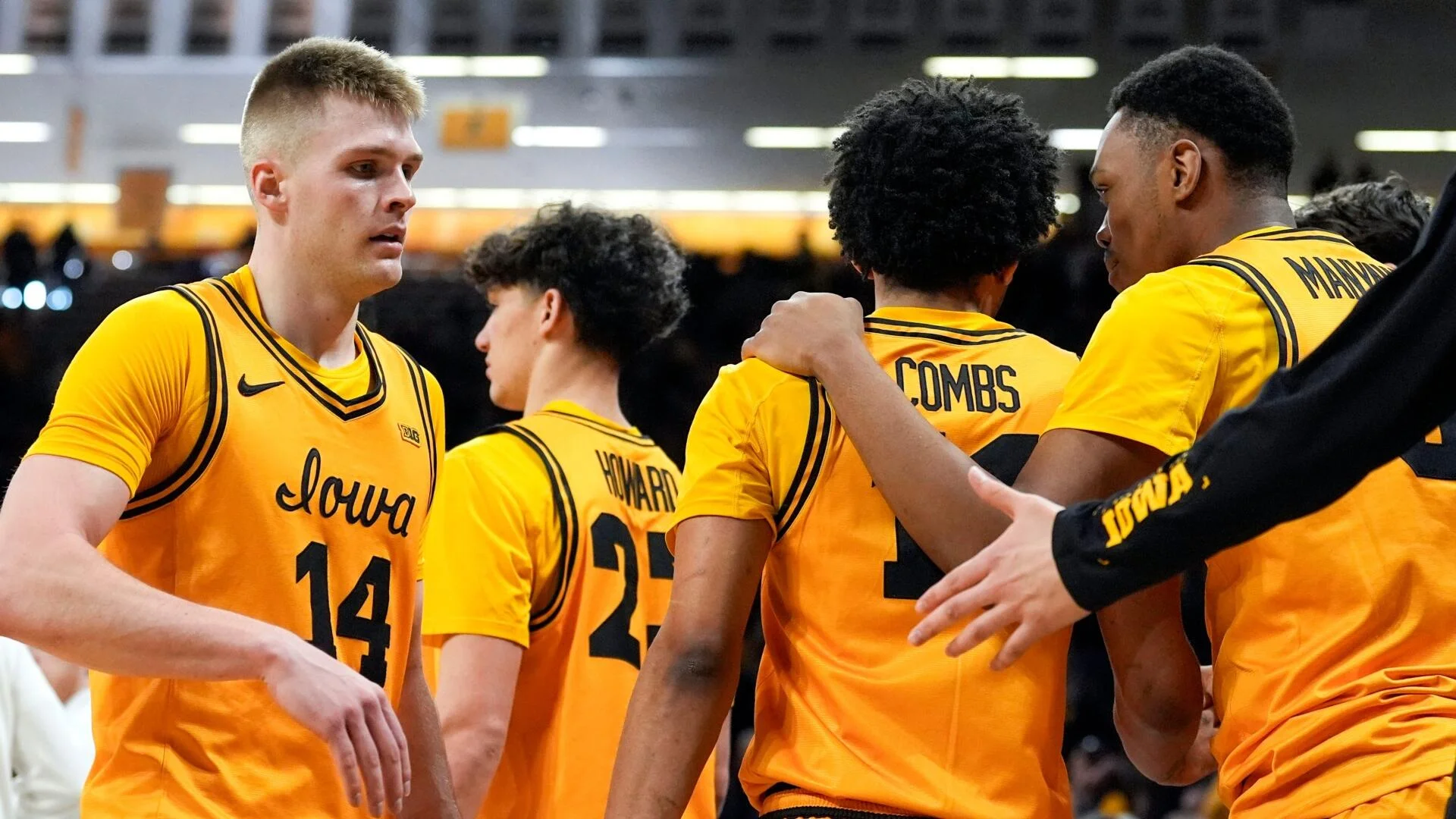
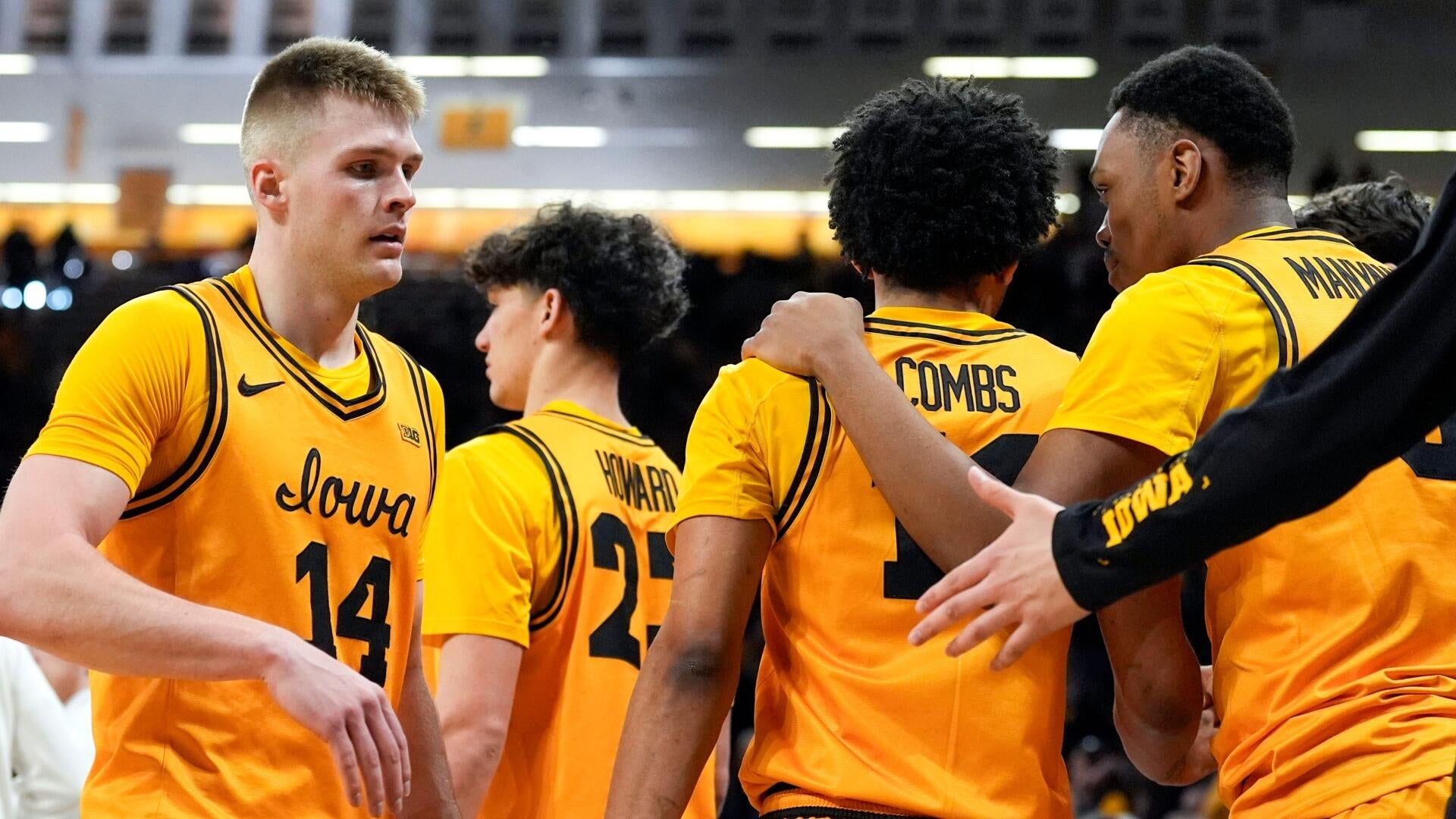
The ninth-seeded Iowa Hawkeyes take on the fourth-seeded Nebraska Cornhuskers in a 2026 NCAA Tournament South Region Sweet 16 matchup on Thursday. Iowa is coming off a 73-72 last-second victory over defending national champion Florida on Sunday in the second round, while Nebraska defeated Vanderbilt 74-72 on Saturday. The Hawkeyes (23-12), who finished ninth in the Big Ten Conference at 10-10, have won two in a row. The Cornhuskers (28-6), who tied for second in the Big Ten at 15-5, have won six of eight.
Tip-off from Toyota Center in Houston is set for 7:30 p.m. ET. The teams split their two regular-season matchups, with the home team winning each. The Cornhuskers are 1.5-point favorites in the latest Iowa vs. Nebraska odds, while the over/under for total points scored is 131.5. The Cornhuskers are at -129 on the money line (risk $129 to win $100). Before making any Nebraska vs. Iowa picks, check out the Iowa vs. Nebraska predictions from the SportsLine Projection Model.
The SportsLine Projection Model simulates every college basketball game 10,000 times. It entered the 2026 Sweet 16 on a sizzling 11-1 run on its top-rated over/under college basketball picks dating back to last season, and is on a 28-22 run on top-rated CBB side picks.
After 10,000 simulations of Iowa vs. Nebraska, SportsLine’s model is going Over on the total (131.5 points). The Over has hit in seven of the last 10 head-to-head meetings. The Over has also hit in three of the last five Iowa games. Iowa is 5-5 against the spread in its last 10 games. Nebraska, meanwhile, is 6-4 ATS in its last 10.
The model projects the Hawkeyes to have three players score 9.8 points or more, including Bennett Stirtz, who is projected to score 19.8 points. The Cornhuskers are projected to have four players score 10.9 points or more, led by Pryce Sandfort, who is projected to score 18.6 points. The model is projecting 146 combined points as the Over clears in 68% of simulations in an A-rated pick. You can get the spread pick at SportsLine.
How to make Nebraska vs. Iowa picks
Now, the model simulated every possession of Nebraska vs. Iowa 10,000 times and says one side of the spread hits in over 50% of simulations. You can only see that pick at SportsLine.
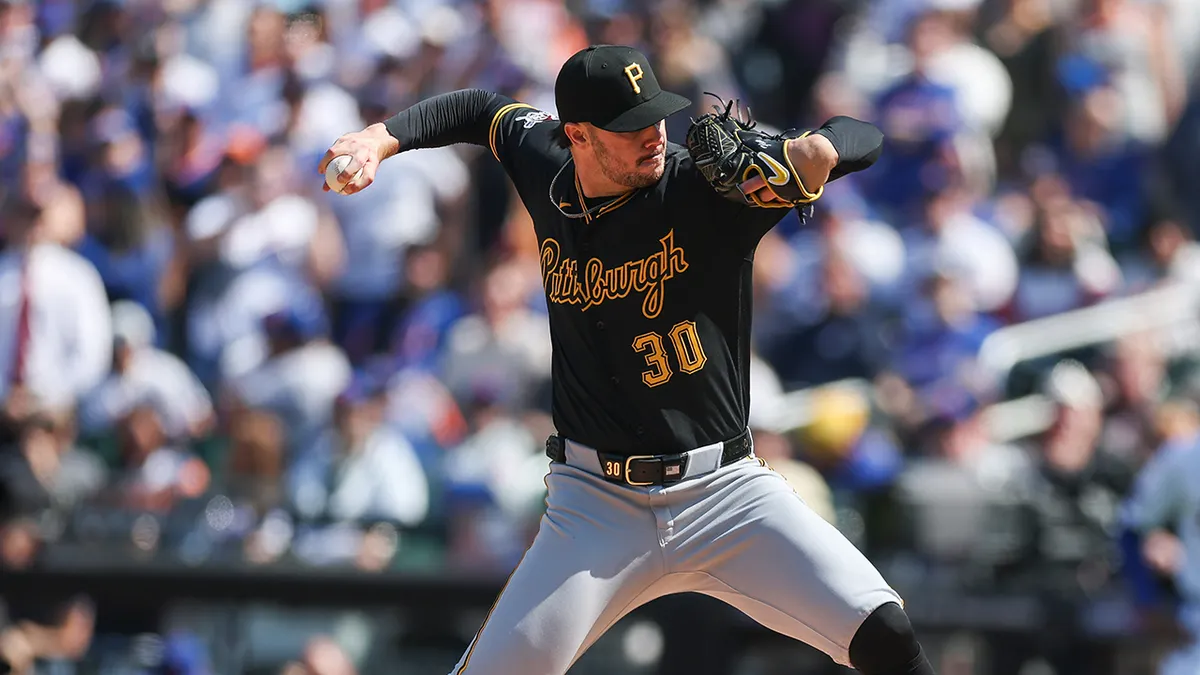
Pittsburgh Pirates ace Paul Skenes, the reigning NL Cy Young Award winner, couldn’t have had a more disastrous start to the 2026 MLB season after not making it out of the first inning against the New York Mets.
Pirates manager Don Kelly took a stroll out to the Citi Field mound to pull Skenes after the Mets put together a five-run first inning that wasn’t all on the phenom right-hander.
But some soft contact, inconsistent accuracy, and two bad plays in center field by O’Neil Cruz had Skenes’ final line read just two-thirds of an inning, five runs allowed on four hits and two walks, and he’ll have to look at an inflated 67.50 ERA to start the year on the wrong foot.
Paul Skenes of the Pittsburgh Pirates pitches against the Mets on opening day at Citi Field on March 26, 2026, in Queens, New York City.(Ishika Samant/Getty Images)
The five runs earned tied a career high allowed for Skenes, who found himself in early trouble when Juan Soto’s single allowed Francisco Lindor, who walked to start the bottom of the first inning, to get to third base.
With runners on the corners, Bo Bichette’s first at-bat with the Mets wound up a sacrifice fly to get New York on the board, making it a 2-1 ball game.
Things started to unravel for Skenes after that. Jorge Polanco’s first Mets at-bat was a swinging bunt, as he reached first base with no throw. Then, after a hard-fought at-bat by Luis Robert Jr. ended with a walk, Skenes found the bases loaded and one out.
Brett Baty came to the plate for the Mets with the opportunity to take the lead with a base knock, not just tie the game at two apiece. He caught a changeup from Skenes and hit it hard to center field, but the ball appeared playable for Cruz.
That is until Cruz’s first step was in, and he stopped moving, as he looked up into the sky. When he realized his error, he started to sprint backwards and the ball landed over his head and rolled to the deep center field wall. The misplay allowed all three Mets baserunners to score, making it a 5-2 game as Skenes looked exasperated on the mound.
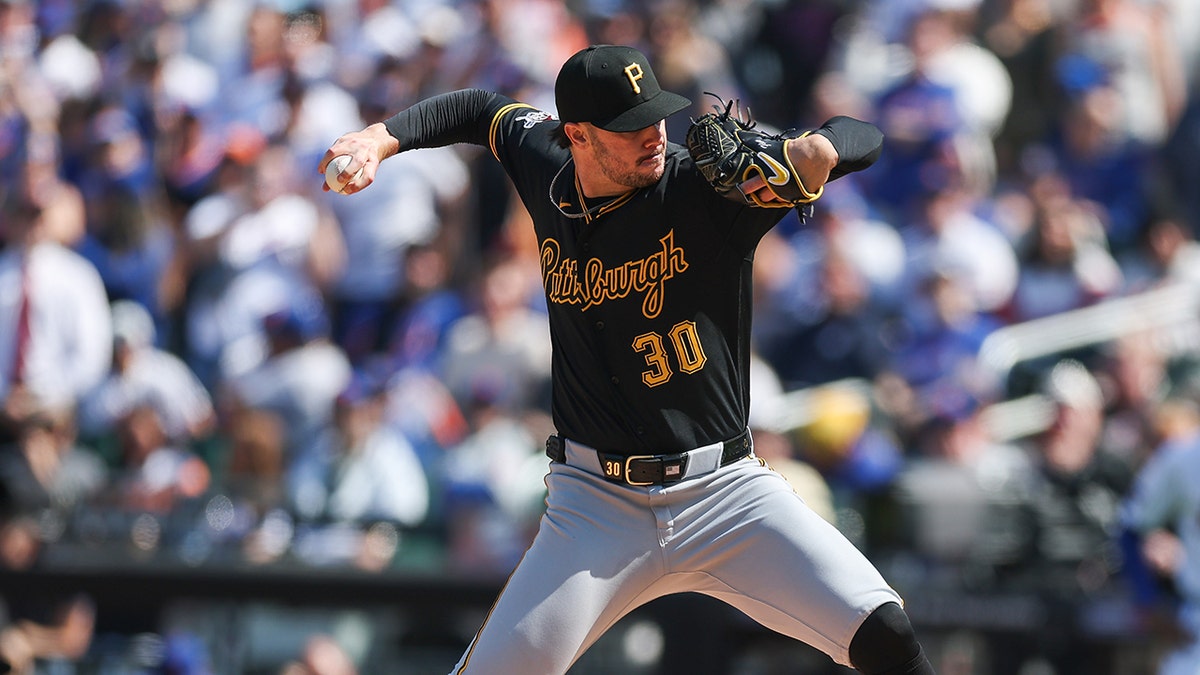
Paul Skenes of the Pittsburgh Pirates during the game against the Mets at Citi Field on Thursday, March 26, 2026, in New York.(Dustin Satloff/MLB Photos)
The next at-bat was Marcus Semien who, like his other new teammates in blue and orange, got a timely hit, but it should’ve been caught if not for Cruz’s second blunder. He lost the pop up to center field in the sun, fighting it with his glove before the ball landed next to him, as Baty scored from third to make it 5-2.
Advertisement
Skenes would last only two more batters, hitting catcher Francisco Alvarez in the arm. Kelly came out of the dugout after that, pulling his ace after 37 pitches.
During an in-game interview with NBC, he said the early exit was “pitch count related,” as it isn’t very rare for a single frame to get higher than 30 pitches. Being that it’s the start of the season, and Skenes had a full workload during the World Baseball Classic, which saw him over 70 pitches in his semifinal start against the Dominican Republic, the Pirates made sure to be cautious.
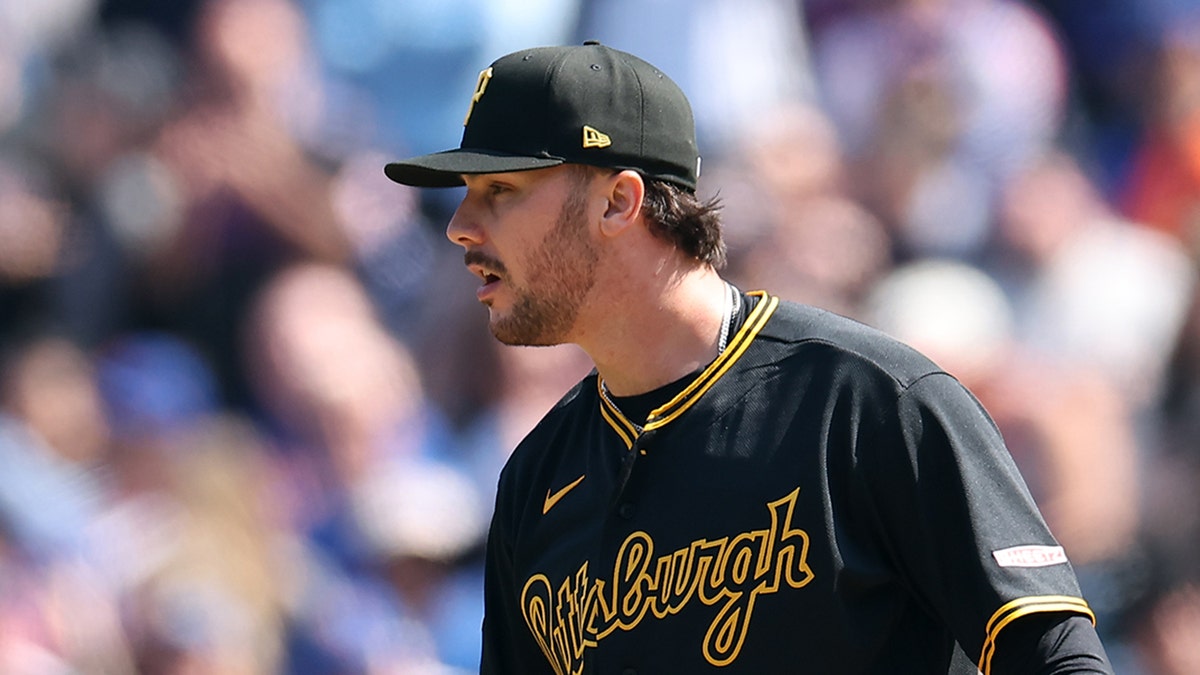
Paul Skenes of the Pittsburgh Pirates walks off the field after being taken out of the game against the Mets on March 26, 2026, in New York City.(Ishika Samant/Getty Images)
The 23-year-old Skenes came into this season with a career 1.96 ERA across 55 starts for the Pirates (320.2 innings), as he’s quickly asserted himself among the best pitchers in the game.
Advertisement
But even the best have their off days, and a combination of all the things that could go wrong resulted in an opening day start to forget in Queens.
The New York Mets season began Thursday night on quite a hilarious note — because why wouldn’t it for the Mets?
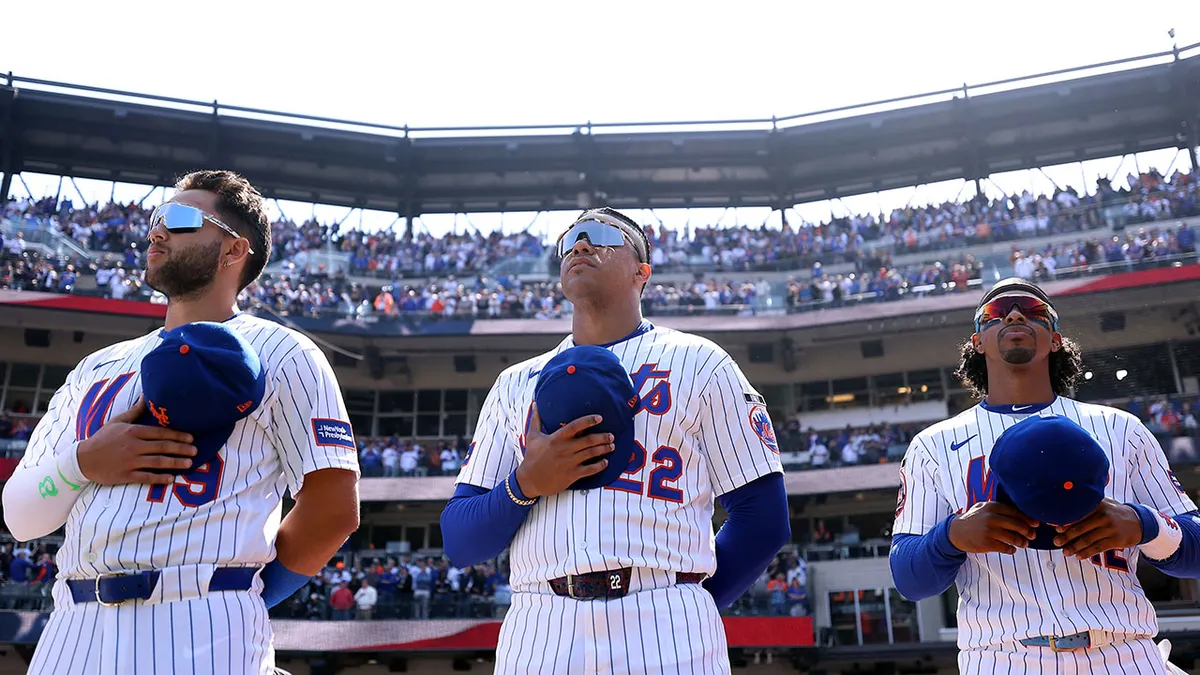
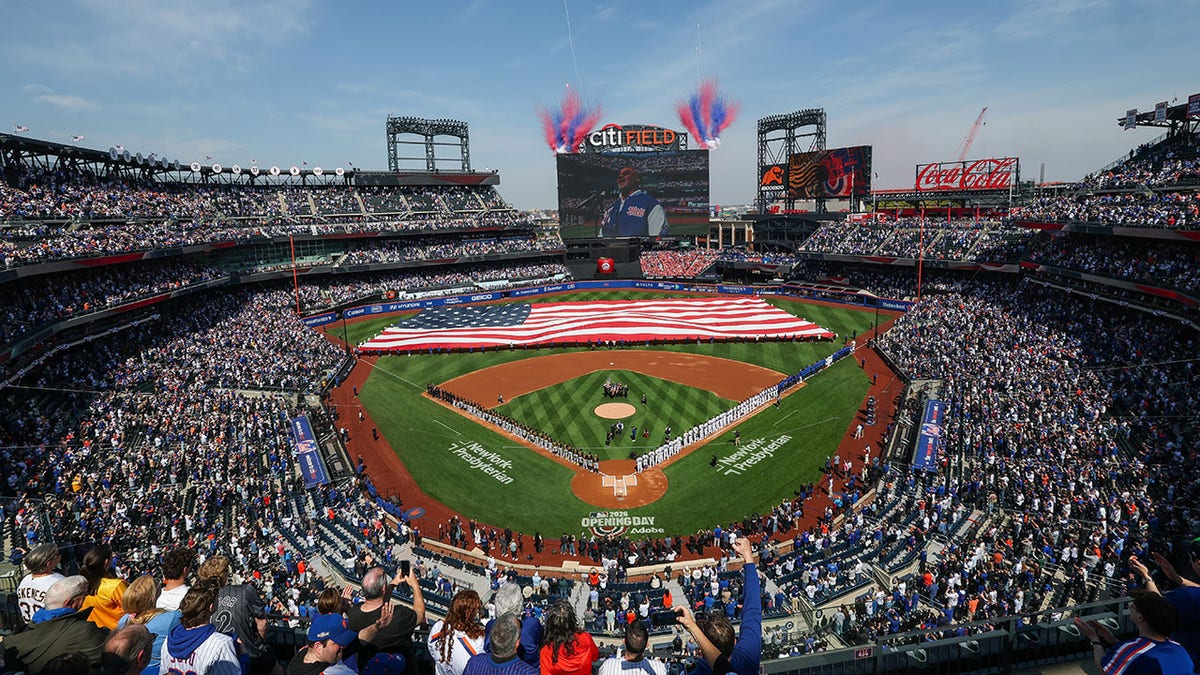
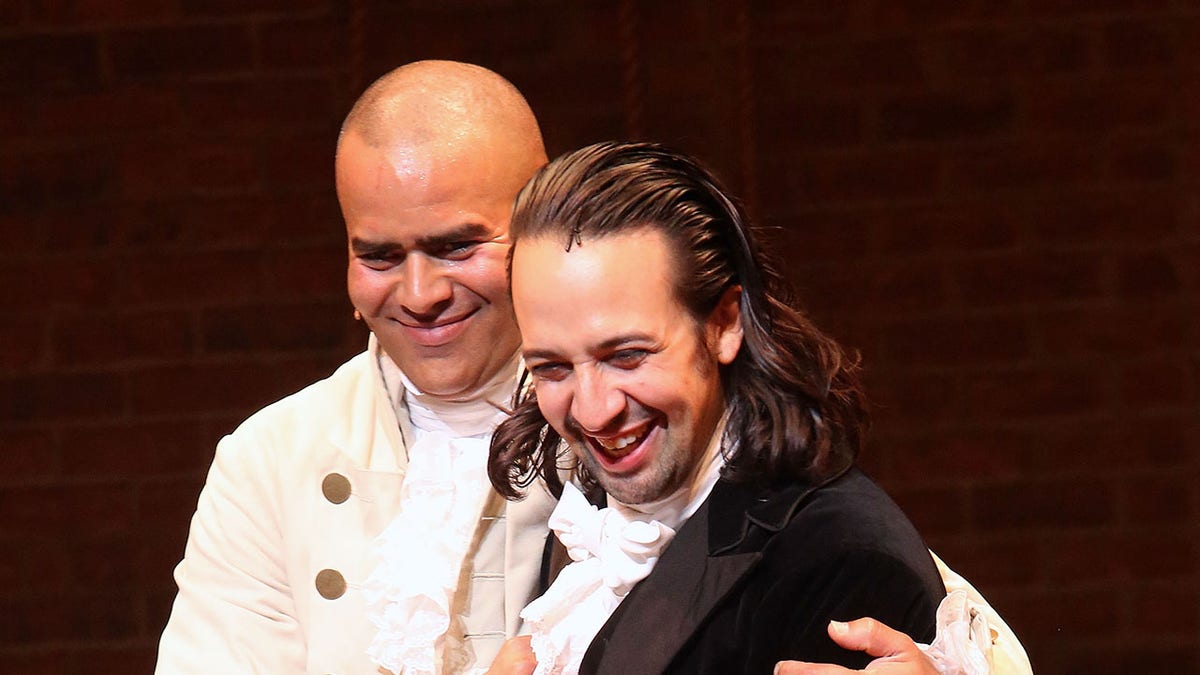
After the Mets and Pittsburgh Pirates‘ 2026 rosters were announced, Tony Award winner Chris Jackson, who played George Washington in “Hamilton,” was brought onto the field for the national anthem.
Things got off without a hitch until he moved onto the fourth line of the “Star-Spangled Banner.”
Bo Bichette, Juan Soto, and Francisco Lindor, of the New York Mets look on during the national anthem prior to the game between the Pittsburgh Pirates and the New York Mets at Citi Field on Thursday, March 26, 2026, in New York, New York.(Dustin Satloff/MLB Photos via Getty Images)
Jackson was supposed to sing “O’er the ramparts we watched,” but instead went in reverse and repeated, “What so proudly we hailed” before moving on to the rest of the anthem.
The mishap started off as a bad omen for the Amazin’s, who choked away the best record in the major leagues on June 13 last year and missed the postseason, as they fell to a 2-0 hole with new ace Freddy Peralta on the mound before recording an out.
A general view of the field prior to the first inning between the New York Mets and the Pittsburgh Pirates on Opening Day at Citi Field on March 26, 2026, in the Queens borough of New York City.(Ishika Samant/Getty Images)
However, they stepped up with a five-run first inning, with the help of shoddy Pirates defense, and stunningly knocked reigning Cy Young Award winner Paul Skenes out of the game. It was the first time Skenes had failed to get out of the first inning in his career, having always thrown at least two frames in his previous 55 starts.
Jackson also played “Benny” in Lin-Manuel Miranda’s “In the Heights.” He made his Broadway debut in 1997 in “The Lion King” as Simba. In an ironic twist, Jackson also played Derek Jeter in the former Broadway show, “Bronx Bombers,” that lasted less than a month.
Lin-Manuel Miranda performs his final performance as “Alexander Hamilton” in “Hamilton” on Broadway at The Richard Rogers Theatre on July 9, 2016, in New York City.(Bruce Glikas/Bruce Glikas/FilmMagic)
It’s a new look for the Mets after last year’s debacle. They moved on from Edwin Diaz, Pete Alonso, Jeff McNeil, and Brandon Nimmo and brought in Peralta, Bo Bichette, Marcus Semien, and Jorge Polanco. Top prospect Carson Benge also made his MLB debut on Thursday.














































You must be logged in to post a comment Login