




















 "Lionel Messi, Messi")


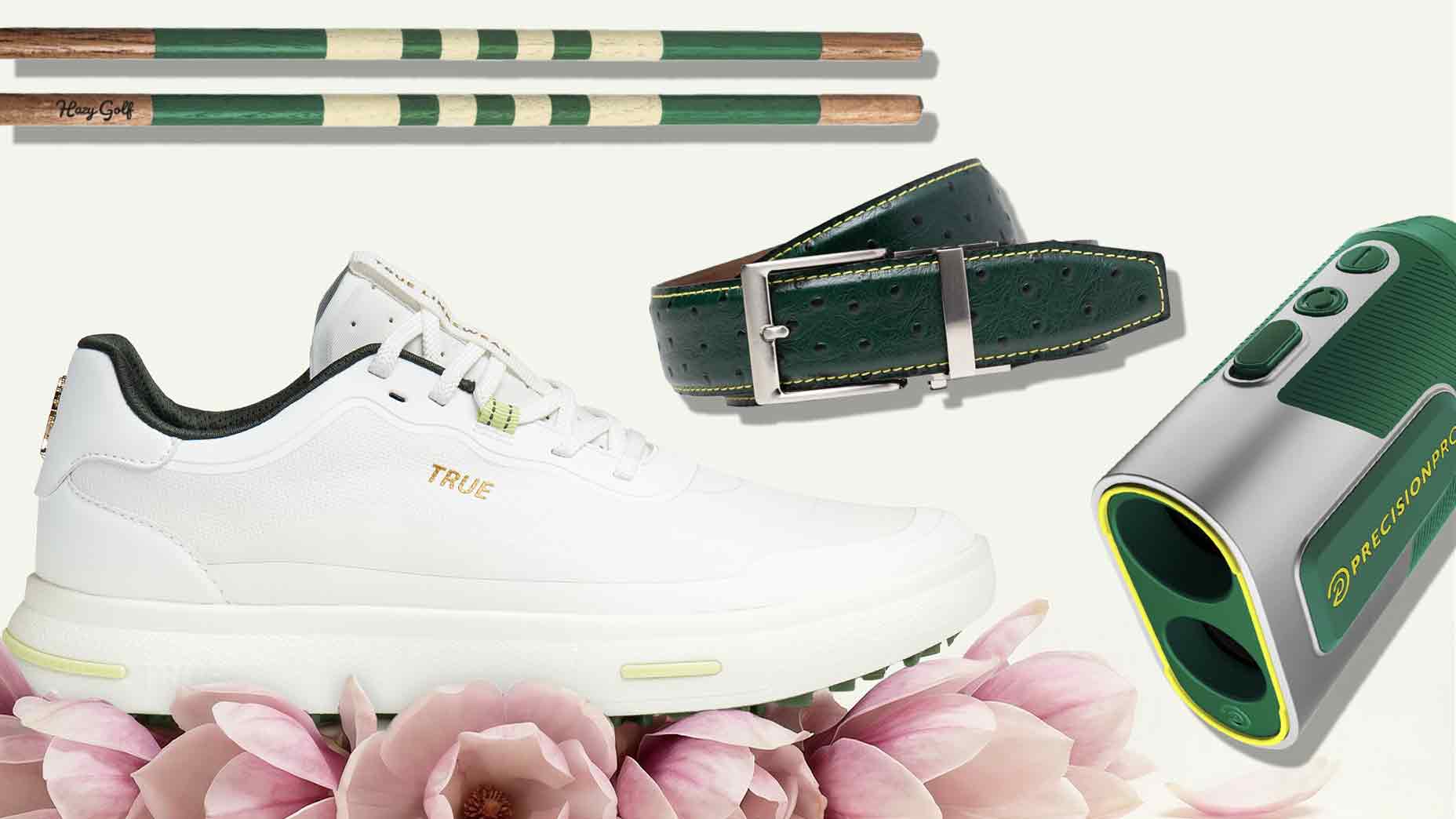
The Masters is finally upon us, and that means going all in on all things Augusta. Maybe you plan to mix your own Azalea cocktails or nosh on homemade pimento cheese sandwiches. Or perhaps you’re planning to spend all week donning a certain shade of green.
No matter how you celebrate the Masters, Fairway Jockey has you covered with a curated collection created especially for fans of the year’s first major. The “Season Opener” collection features nearly four dozen Augusta-inspired items you’re sure to love, from limited-edition releases like the Mitsubishi Chemical Diamana BB 2026 Season Opener Limited Edition Wood Shaft to freshly re-stocked favorites like the popular Azalea Hat.
This *extremely* limited-edition item celebrates Jack Nicklaus’ 1986 Masters win
;)
And of course, who could forget the ever-popular caddie uniform, which is sure to steal the show at any Masters viewing party. This year, you can choose from a convenient bundle that includes a hat or a special Nicklaus edition that celebrates the Golden Bear’s sixth and final Masters win in 1986.
If subtle flair is more your style, you can also choose from understated accessories like Western Birch tees or green and white striped alignment sticks from Hazy Sticks. There’s truly something for everyone!
Browse Fairway Jockey’s Season Opener collection in its entirety by clicking here, or check out some of our favorite items via the links below.
Shop Fairway Jockey’s Season Opener Collection

TRUE Antigravity+ LE
The Antigravity+ LE brings elite running shoe technology to the golf course. A Pebax® superfoam midsole provides high-rebound cushioning, paired with a nylon speedboard to maintain a natural stride and reduce fatigue. Our TRUEdura laminated waterproof upper adds breathable protection to keep you dry without sacrificing performance. For stability, an aggressive spikeless TPU outsole – derived from our OG3 line – delivers consistent traction and durability through every swing.
View Product

Titan Elite Rangefinder
Titan Elite Rangefinder. The Rangefinder Reinvented: Unbreakable Design + Lightning-Fast Display + Advanced Smart Features
Customer-Verified Performance: 4.7/5 Star Rating
Golf Monthly Editors Choice – Best GPS Golf Range Finder
Revolutionary App Integration – Access front, middle, and back of green GPS distances directly in your rangefinder display, a feature customers call “a game changer with no guessing.”
Never Lose Your Investment – The Find My Precision Pro feature sends alerts if you leave your rangefinder behind and helps locate it with last position tracking.
Military-Grade Durability – Protected by a precision aluminum shell that withstands impacts, with a full IP67 dust and waterproof rating that truly “outlasts the elements.”
Lightning-Fast Target Acquisition – Locks onto flags instantly with vibration confirmation, described by users as “faster than any other rangefinder I’ve had.”
Premium Optical Clarity – Enjoy a large, bright 6x magnification viewing area with 24mm objective lens for crystal-clear target identification.
Smart Slope Technology – Automatically adjusts for elevation changes on uphill and downhill shots, delivering true playing distances for more confident club selection.
Convenient Magnetic Mount – Strong magnetic attachment keeps your rangefinder securely on your cart and always within reach.
USB-C Rechargeable Battery – Forget about replacing batteries with the convenient USB-C charging system that customers “love.”
Streamlined User Experience – Clean, uncluttered display shows exactly what you need with intuitive controls that are “very quick and easy to use.”
Bluetooth Connectivity – Seamlessly pairs with the Precision Pro Golf app for enhanced features and real-time course data.
Technical Specifications:
Dimensions: 4.87″ L x 3.4″ H x 1.7″ D
Weight: 14 oz
Magnification: 6x
Objective Lens: 24mm
Receiving Lens: 24mm
Transmitting Lens: 20mm
Eye-Relief: 18mm
Measurement Range: 5Y-999Y
Flag Range: 300Y
Package Includes:
Titan Elite Rangefinder
USB-C Charging Cord
Hard Carrying Case
Retail Packaging
Cleaning Cloth
User Manual
What Golfers Are Saying:
“The Titan has exceeded my expectations tremendously. Such a nice sleek design, very quick response when shooting the pin, and the best part is it’s weatherproof.”
“Very fast to lock onto target, ultra clear viewfinder, accurate and very sturdy design. Added Bluetooth features like GPS and locate missing rangefinder are an excellent bonus.”
“This is the most incredible rangefinder ever. The distances displayed are true and accurate. This rangefinder is a game changer, no guessing.”
DOMINATE EVERY APPROACH with the new gold standard in golf rangefinders – The Titan Elite.
View Product

Azalea White Lightweight Cotton Hat
Celebrate the Second Sunday in April! Mark the tradition in style with this iconic Azalea hat. Crafted from soft white cotton, it features a beautifully embroidered Azalea flower on the front—a subtle tribute to golf’s most unforgettable Sunday.
Color: White
Classic Fit
100% Cotton
Unstructured
Front Needlepoint Embroidery with Azalea Flower
Cloth Strap – Nickle Snap Buckle Closure
View Product

“Eleven” 3.25″ Hardwood Golf Tee
Box of 50 Tees
Premium White Birch Hardwood
Thicker Shank Golf Tee creating more durability
Length – 3.25″
View Product

Ostrich Emerald Green w/ Yellow Thread Ratchet Belt 1.575″ [40mm]
The Rowland Thomas Ostrich Emerald Green Ratchet Belt is championship season, refined.
Rendered in a rich emerald tone inspired by April’s most anticipated opener, this piece is elevated further by contrasting yellow thread stitching that frames the strap with unmistakable heritage energy. The color pairing is bold yet timeless, a nod to tradition while remaining distinctly modern.
Crafted from 100% Italian calfskin leather imported directly from Italy, the ostrich-embossed texture delivers depth, character, and a supple hand feel that speaks to true luxury. Each strap is selected for its grain consistency and finished with precision detailing that reflects the Rowland Thomas standard.
Where craftsmanship meets innovation, our technology-driven philosophy takes over. This belt features our custom AlumiLock™ buckle, precision-machined from aerospace-grade aluminum. The result is a lightweight, push-button closure that feels effortless to wear yet remains exceptionally durable and secure throughout the day.
Inside, our patented ratchet system replaces traditional belt holes with micro-adjust precision, allowing seamless adjustments for a perfectly dialed fit from the first tee to evening events.
Key Features:
Crafted from 100% Italian calfskin leather imported from Italy
Ostrich-inspired embossed texture with luxurious depth
Emerald green tone inspired by April’s season opener
Contrasting yellow stitching for heritage-driven detail
Custom AlumiLock™ buckle made from aerospace-grade aluminum
Lightweight push-button closure with secure locking system
Patented ratchet sizing system for micro-adjust precision fit
Strap width 1 3/8 inches
Cut-to-fit design for customized sizing
This is statement luxury without sacrificing comfort. Built for championship weekends. Designed for life beyond the course.
View Product

BUNDLE: Adult Caddie Hat and Caddie Uniform
The Custom Caddie uniform and Caddie Hat Bundle!
Turn heads and create unforgettable memories with our custom adult caddie uniforms. These are perfect for Halloween, birthday parties, golf outings, bachelor/bachelorette parties, golf tournaments, family portraits, and more. Whether you’re hitting the course or having fun off with friends/family, this uniform delivers style, comfort, and a personalized touch.
Why you’ll love it:
Authentic Look: These are the highest quality Caddie Uniforms on the market with premium materials and professional detailing.
Custom Touch: Make it your own with a personalized velcro name patch on the back and a custom number and logo on the front.
Fit for all sizes: Unisex design with a wide range of sizes to suit everyone in the crew.
Reusable & Removable Patches: Comes with 3 Velcro patches for easy customization and reuse.
What’s included:
White polycotton breathable caddie uniform with 3 removable velcro patches
Custom name patch (back)
Custom number patch (front)
Logo patch (front)
Two open pockets on the side to access shorts, pants, keys, etc.
View Product

.jpeg)






![BITCOIN IS ABOUT TO DROP !!! [Bear Flag Confirmed]](https://wordupnews.com/wp-content/uploads/2026/04/1775318607_maxresdefault-80x80.jpg)



































You must be logged in to post a comment Login