


By SuperWest Sports Staff
Sports
VAR: Masked fan unplugs monitor in German second division match

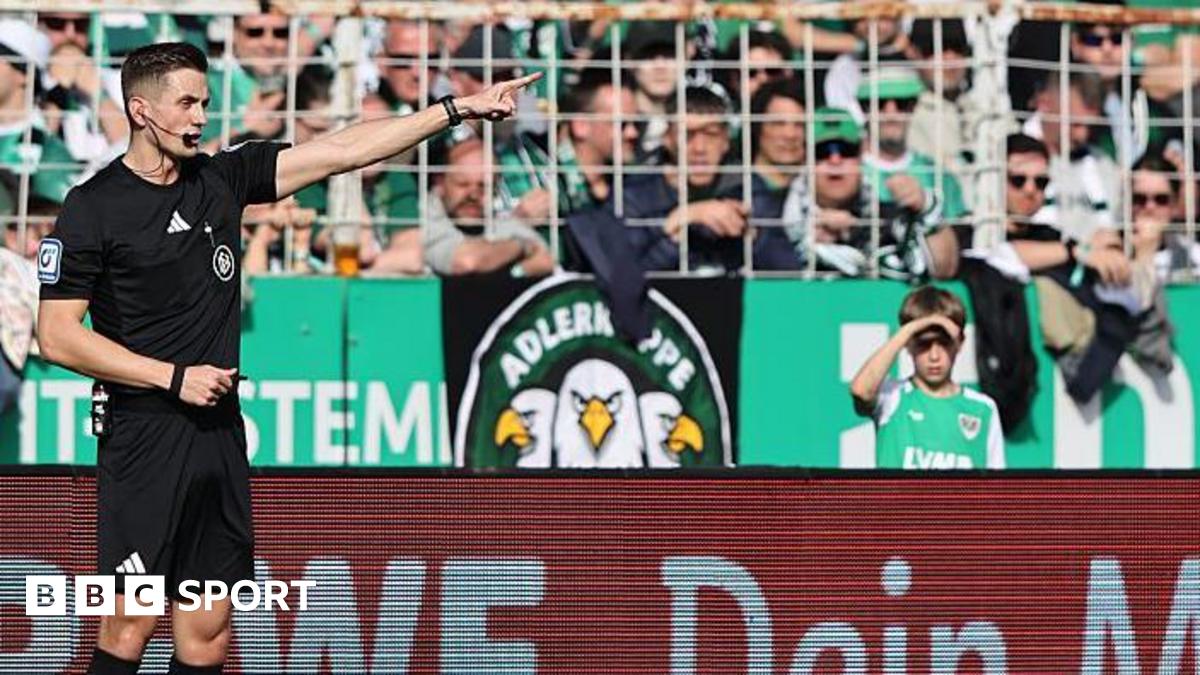
A masked fan unplugged a video assistant referee (VAR) monitor in a German second division match on Sunday as the referee was went to the pitchside screen to check a penalty award.
The incident occurred at the end of the first half of Preussen Munster’s 2-1 home defeat by Hertha Berlin in Bundesliga 2.
VAR had intervened and referee Felix Bickel was asked to review the incident on a pitchside monitor, but found the screen blank.
“A masked spectator from the active fan section illegally entered the pitch and unplugged the technical equipment,” Preussen Munster said in a statement., external
With Bickel unable to make the call, the decision was left to the VAR official Katrin Rafalski in Cologne, ruling that it was a foul and for Bickel to award a penalty, which Hertha scored.
“Preussen Munster regrets the incident and will do everything in its power to identify and bring the perpetrator(s) to justice,” the club added,
“Furthermore, immediate measures have been taken to prevent similar incidents in the future. Initial findings indicate that this was a planned action – a banner to that effect was displayed in the home section shortly after the technical malfunction.”
German media reported that a banner reading “Pull the plug on VAR” was displayed.
Continue Reading
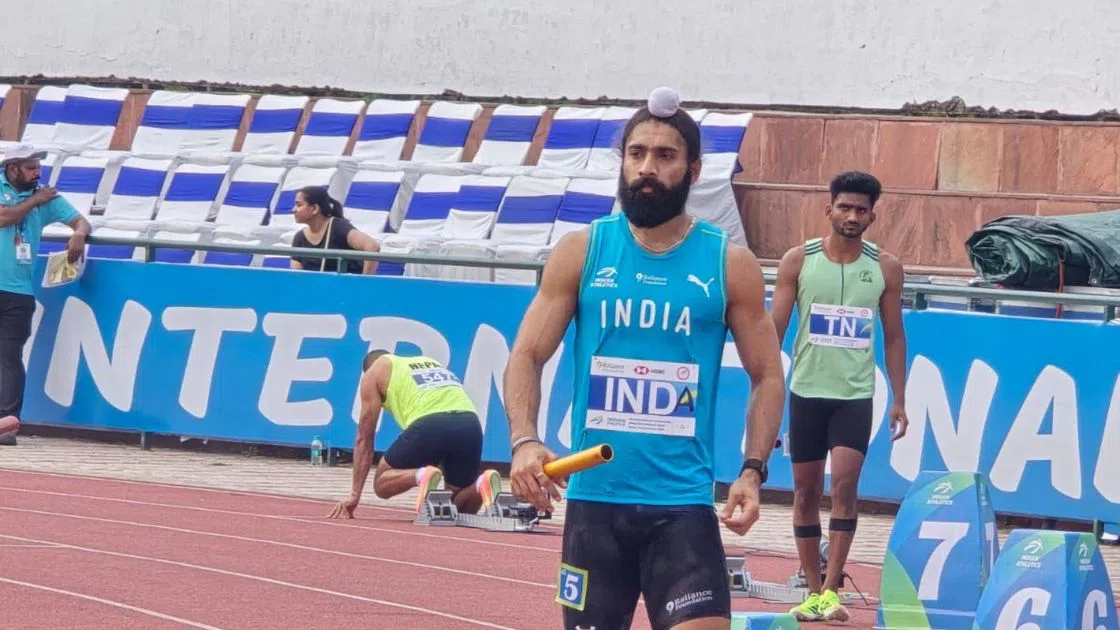
India’s men’s 4x400m and mixed 4x100m relay teams took a major step toward qualification to the World Athletics Relays in Botswana in May, delivering standout performances at the International Invitation Relay Competition here on Saturday.
The men’s 4x400m squad, featuring Manu TS, Amoj Jacob, D Chaudhary, and Rajesh Ramesh, secured gold with a time of 3:01.43 seconds. The performance significantly bolsters their standing as they push for a spot in the World Athletics Relays, scheduled for May 23 in Gaborone, Botswana.
In the mixed 4x100m relay, the National B team stole the show by shattering the national record. The quartet clocked 42.30 seconds, erasing the previous mark of 43.44 seconds set by Tamil Nadu in 2025.
The India A team followed closely in second at 42.34 seconds, while the Maldives took third.
Chief athletics coach Radhakrishnan Nair praised the depth of the field, noting that both Indian entries performed “exceedingly well.
However, the day was marked by “heartbreak” for the men’s 4x100m relay team. A disqualification in the heats ended their hopes of qualifying for the World Relays. National record holder Animesh Kujur expressed his disappointment, noting that the Chandigarh meet was the final opportunity to improve their ranking before the April 5 deadline.
The Athletics Federation of India (AFI) fielded two teams in the mixed 4x100m relay, and members of both teams did exceedingly well, chief athletics coach Radhakrishnan Nair said..
However, India’s international sprinter and national record holder, Animesh Kujur was disappointed at missing a golden chance to board the flight to Botswana.
“The competition in Chandigarh was the last chance for the 4x100m relay squad to improve their world ranking before the deadline of April 5, but we missed,’ Kujur, a member of the national 4x100m relay team, said.
The national mixed 4x400m relay and women’s 4x100m relay teams are also strong contenders to win tickets to the World Athletics Relays.
The national women’s 4x100m relay clocked 43.86 seconds at the 2025 Gumi Asian Athletics Championships. The current world ranking is 23.
The national 4x400m mixed relay team’s current world ranking of 22 is based on the 3:14.81 performance at the World Relays in China.
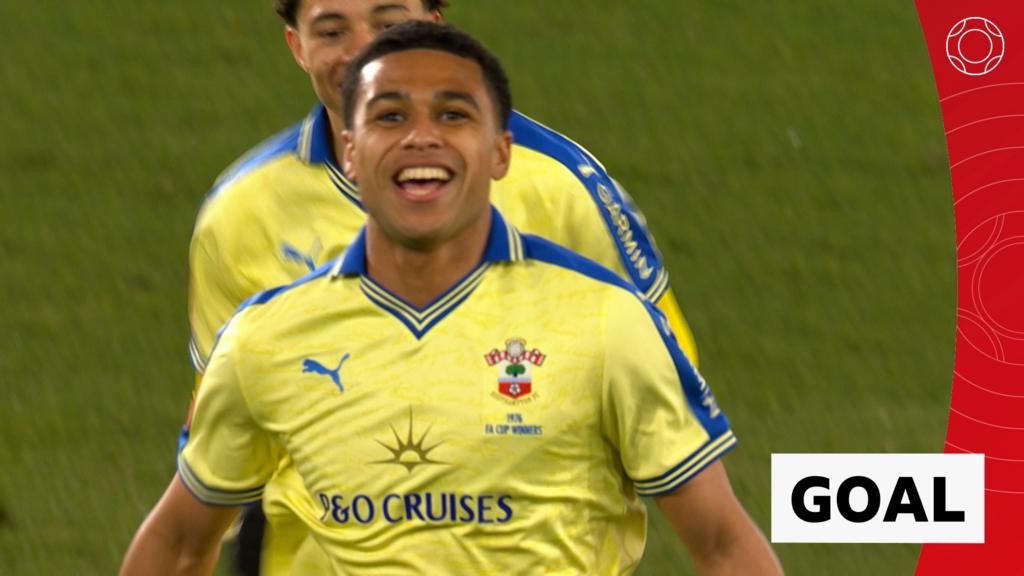
Southampton secure a spot in the FA Cup semi-finals thanks to Shea Charles’s goal in the 85th minute.
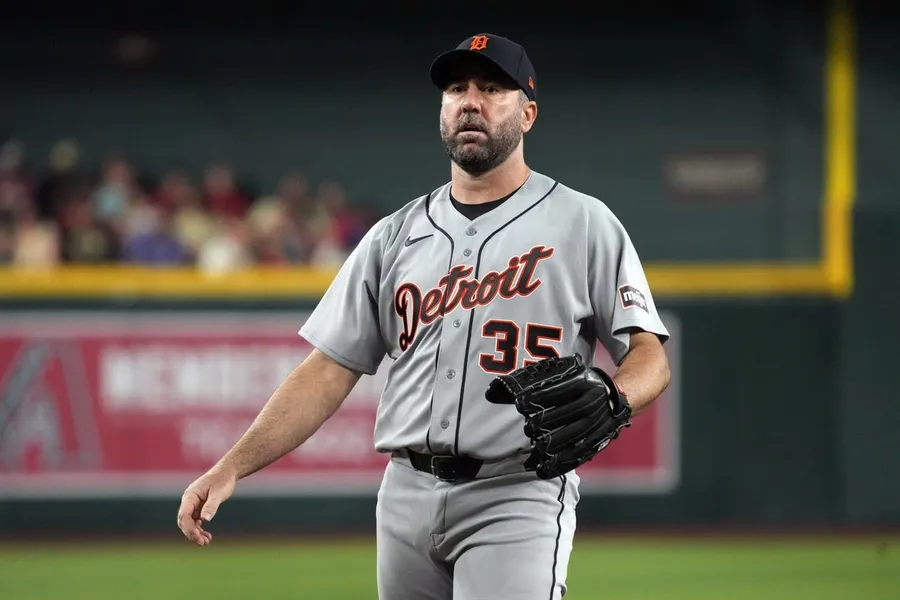
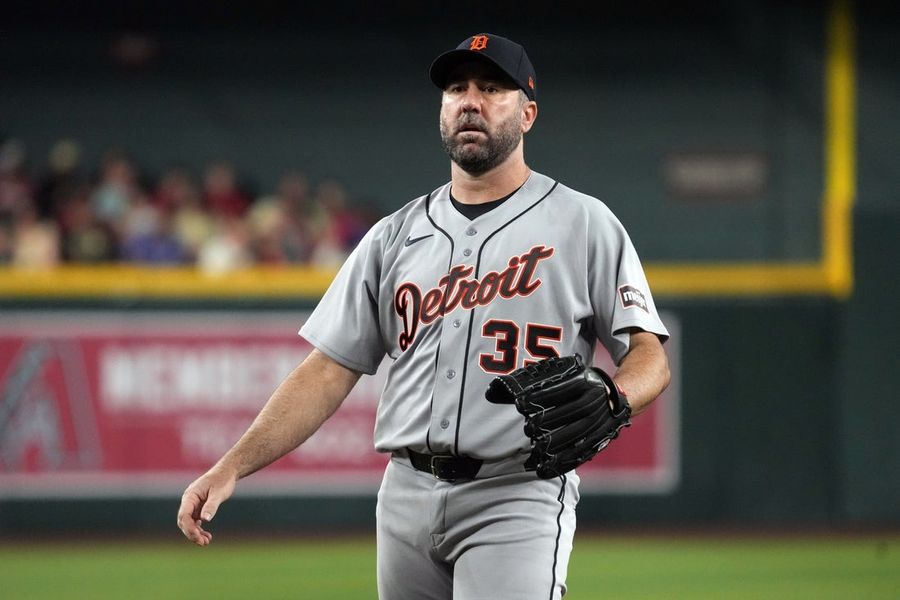 Mar 30, 2026; Phoenix, Arizona, USA; Detroit Tigers pitcher Justin Verlander (35) throws against the Arizona Diamondbacks in the first inning at Chase Field. Mandatory Credit: Rick Scuteri-Imagn Images
 Justin Verlander’s first start back at Comerica Park will have to wait a bit more time.
The Detroit Tigers on Saturday placed the three-time Cy Young Award winner and 2011 American League MVP on the 15-day injured list with left hip inflammation. The move is retroactive to Wednesday.
Verlander had been slated Sunday to make his first start at Detroit, as a member of the Tigers, since 2017.
Fellow right-hander Keider Montero was recalled from Triple-A Toledo to replace Verlander, who signed to a one-year, $13 million contract on Feb. 10 to return to the Tigers.
Verlander, 43, took the loss in his first start of the season. He allowed five runs on six hits — including one homer — in 3 2/3 innings of a 9-6 setback to the Arizona Diamondbacks.
For his career, Verlander is 266-159 with a 3.33 ERA, 1,006 walks and 3,554 strikeouts in 3571 1/3 innings over 556 regular-season games (all starts) for the Tigers (2005-17), Houston Astros (2017-20, 2022, 2023-24), New York Mets (2023) and San Francisco Giants (2025). He missed the 2021 season after having Tommy John surgery in September 2020.
Verlander was the AL Rookie of the Year in 2006 and swept AL MVP and Cy Young honors in 2011. He also won the Cy Young 2019 and 2022 with Houston.
Detroit selected Verlander with the second overall pick of the 2004 MLB Draft out of Old Dominion University.
Montero, 25, posted a 5-3 record with a 4.37 ERA in 20 appearances (12 starts) last season with the Tigers.
–Field Level Media
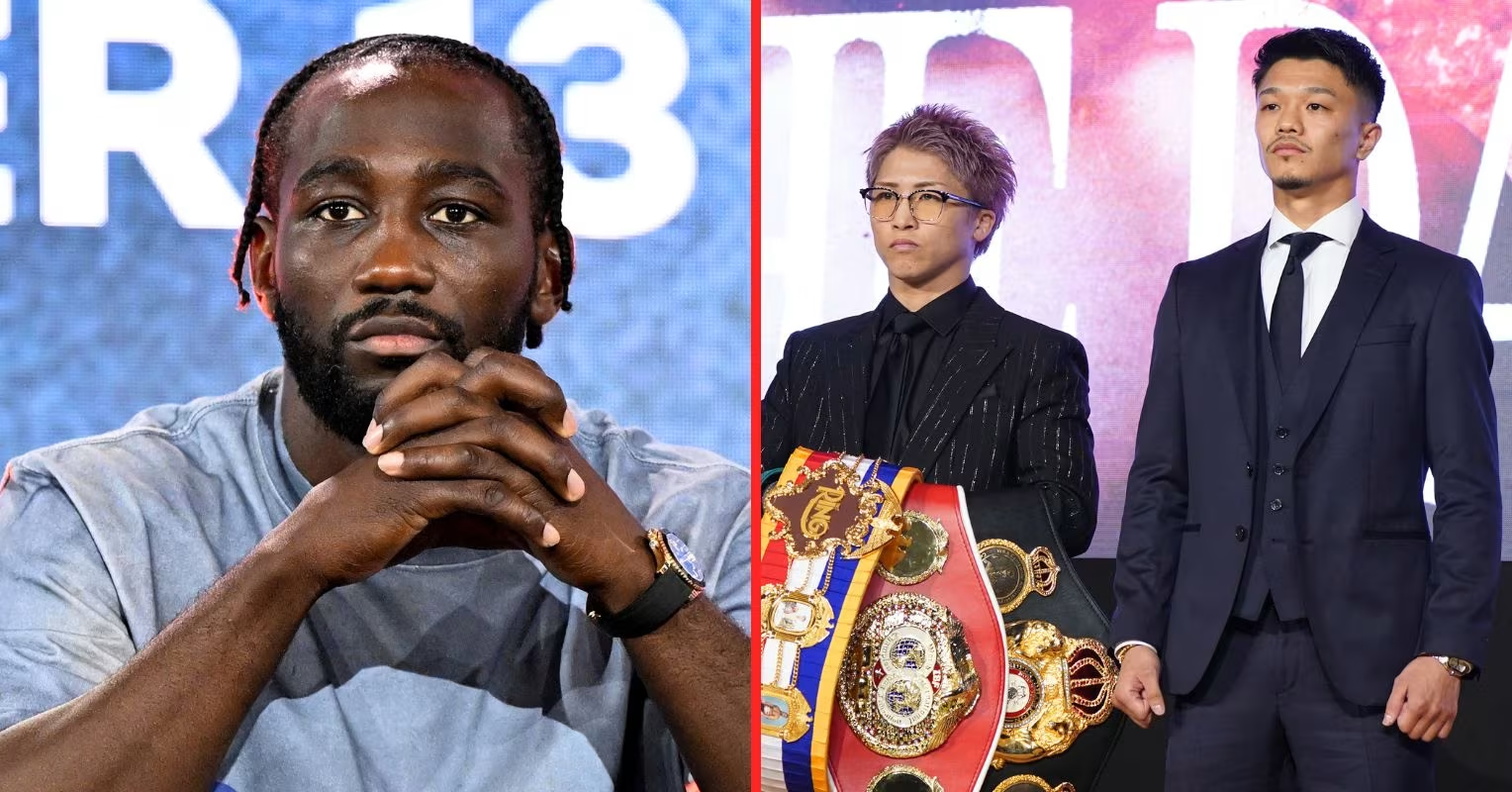

In four weeks’ time, Tokyo will host the biggest fight in Japanese boxing history, as Naoya Inoue and Junto Nakatani collide for the undisputed super-bantamweight title. Now, Inoue’s former pound-for-pound rival Terence Crawford has offered his thoughts on the fight.
After becoming the undisputed bantamweight ruler, Inoue conquered the super-bantamweight scene in just two fights, halting both Stephen Fulton and Marlon Tapales to claim all four belts in the 122lb division.
‘The Monster’ has since defended those belts on six occasions and will soon put them, and his undefeated record, on the line against fellow unbeaten Japanese star Nakatani in an enthralling battle at the 55,000-capacity Tokyo Dome.
Should Inoue come out on top, there is every chance that could become recognised globally as the pound-for-pound number one, due to Crawford’s retirement and Usyk’s underwhelming upcoming showdown with Rico Verhoeven.
On X, Crawford revealed that he believes Inoue-Nakatani is a ’50/50’ affair, simultaneously confirming that he plans to be in attendance for the event, where someone’s ‘0’ has to go.
“That’s 50/50 to me. I wanna go to see tho.”
The fight takes place on Saturday, May 2, and will be broadcasted on Lemino in Japan and on DAZN around the rest of the world.
On the undercard, Inoue’s brother and reigning WBC bantamweight champion Takuma will face four-division world champion Kazuto Ioka in the co-main event of the blockbuster bill.
Additionally, 5-0 Sora Tanaka squares off with Jin Sasaki in an intriguing welterweight scrap for the OPBF title.
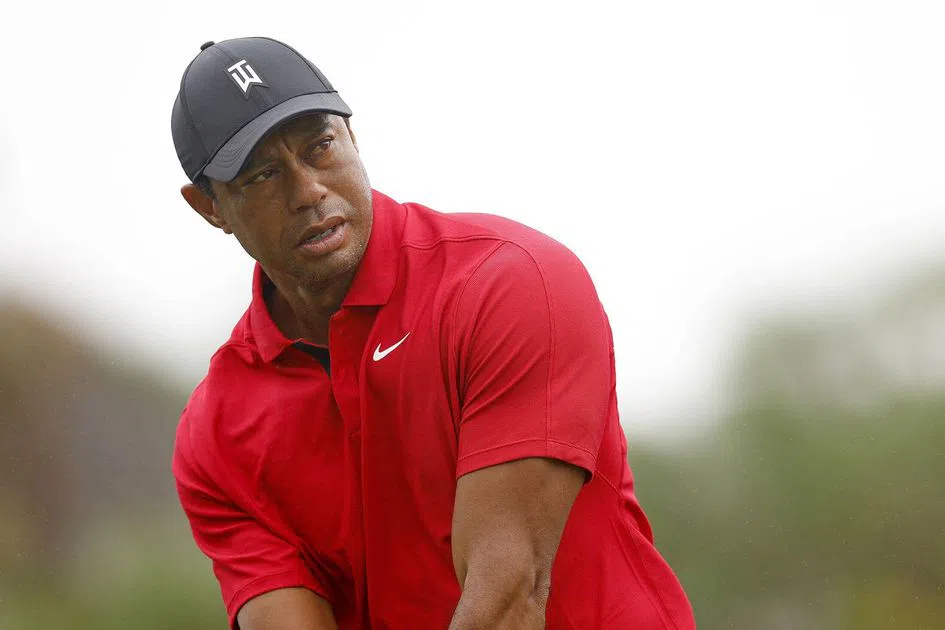
Tiger Woods said he is stepping away to seek treatment, four days after his vehicle crashed in Florida and he was arrested on suspicion of driving under the influence. He will miss the Masters for the second straight year.
“This is necessary in order for me to prioritize my well-being and work toward lasting recovery,” Woods said in social media posts.
Woods pleaded not guilty in his driving under the influence case in Florida on Tuesday, hours after a sheriff’s report said deputies found two pain pills in his pocket and he showed signs of impairment after his SUV clipped a trailer and rolled over on its side.
The online court docket for Martin County showed Woods entered a written plea of not guilty and planned to waive his April 23 arraignment hearing.
It’s the second time Woods has taken a leave following a car crash. In 2009, after his SUV plowed into a fire hydrant and tree outside his home near Orlando, he took a leave of absence to work on being a better person. That lasted four months and he returned at the Masters.
Woods showed signs of impairmentWoods’ eyes were bloodshot and glassy, his pupils dilated and he had opioid pills – identified as hydrocodone – on him when interviewed at the scene of the crash, according to the arrest report released by the Martin County Sheriff’s Office.
Woods’ movements were slow and lethargic, he was sweating as he talked to deputies in the back seat of an air-conditioned car and he told them he had taken prescription medication earlier in the morning, according to the report.
Woods told deputies he had been looking at his phone and fiddling with the radio moments before he hit the trailer, the report said.
Woods has not played an official event since the 2024 British Open. He was recovering from a seventh back surgery in October and was trying to return at the Masters, where he is a five-time champion.
“I’m committed to take the time needed to return in a healthier, stronger and more focused place, both personally and professionally,” Woods said in his statement.
He is taking a break from the PGA Tour boardThat means a break from more than just golf. He serves a key role on the PGA Tour board by leading its Future Competition Committee reshaping the schedule. A tour spokesman said Woods did not take part in Tuesday’s meeting, and the work would continue in his absence.
“Over the last year, I have come to deeply appreciate Tiger not only for his impact on the game, but for his friendship and the perspective he has shared with me as I joined the golf industry,” said PGA Tour CEO Brian Rolapp, who started last summer. “My thoughts are with him and his family as he takes this step, for which he has my full respect and support.”
Woods’ defense attorney, Douglas Duncan, didn’t respond to an email and phone call after the plea was entered Tuesday.
Woods was traveling at high speeds on a beachside, residential road on Jupiter Island with a 30 mph (nearly 50 kph) when the accident occurred. The truck had $5,000 in damage, according to the report.
The truck driver and another person helped Woods out of his vehicle through the passenger window. Neither Woods nor the truck driver were injured.
The failed sobriety test
During a field sobriety test, deputies noticed Woods limping and that he had a compression sock over his right knee. Woods explained he had undergone seven back surgeries and over 20 surgeries on his right leg, and that his ankle seizes up while walking.
Woods, who was hiccupping during questioning, continuously moved his head during one of the sobriety tests and deputies had to tell him several times to keep his head straight, the report said.
“Based on my observations of Woods, how he performed the exercises and based on my training, knowledge, and experience, I believed that Woods normal faculties were impaired, and he was unable to safely operate the motor vehicle,” the deputy wrote after the tests.
Woods, 50, is the most influential figure in golf and has become as recognizable as any athlete in the world. The first person of Black heritage to win the Masters in 1997, he has captivated golf fans with records likely never to be broken.
But his injuries have kept him from accomplishing more, including those suffered in the 2021 car crash in Los Angeles that damaged his right leg so badly he said doctors considered amputation.
At this latest crash, Woods agreed to a Breathalyzer test that showed no signs of alcohol, but he refused a urine test, authorities said. He was arrested and released on bail eight hours later.
Woods, who has been involved in four crashes over the years, is charged with driving under the influence with property damage and refusal to submit to a lawful test.
Under a change to Florida law last year, refusing a law enforcement officer’s request to take a breath, blood or urine test became a misdemeanor, even for a first offense.
Check IPL 2026 latest news and statistical video highlights of the day here Check IPL 2026 full schedule here Check IPL 2026 points table here

Anthony Joshua has made his first public appearance since the death of close friends Sina Ghami and Latif ‘Latz’ Ayodele as he arrived at O2 Arena to support Derek Chisora.
Two-time world heavyweight champion Joshua was involved in a fatal car crash in Nigeria on December 29, which killed Ghami and Ayodele.
Joshua has kept a low profile in recent months after he attended the funeral of his close friends and Matchroom promoter Eddie Hearn has reiterated ‘AJ’ needs time to heal, but the duo were together on Saturday for Chisora’s 50th and final fight of his career as he took on Deontay Wilder in London.
Dressed in a white tracksuit, Joshua emerged with Hearn from a black people carrier and cut a calm figure as he walked into the arena past a number of camera crews.
There was no friendly welcome from old rival Wilder, who was repeatedly linked with a world title bout with Joshua during the peak of their powers, but the American went straight past the London heavyweight without any acknowledgement in a tight corridor inside O2.
Joshua last fought before Christmas when he stopped YouTuber-turned-boxer Jake Paul in Miami, but speculation continues over a potential bout with Tyson Fury.
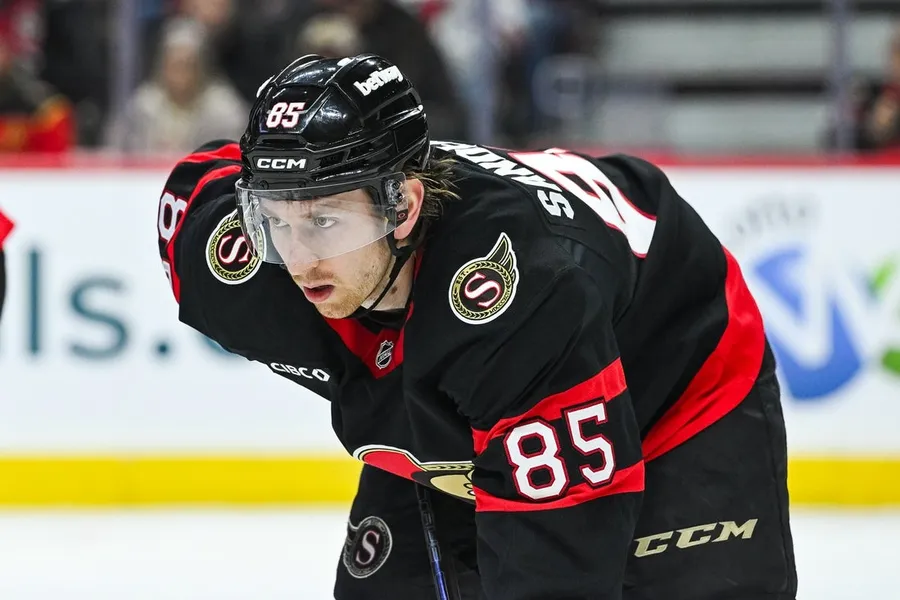
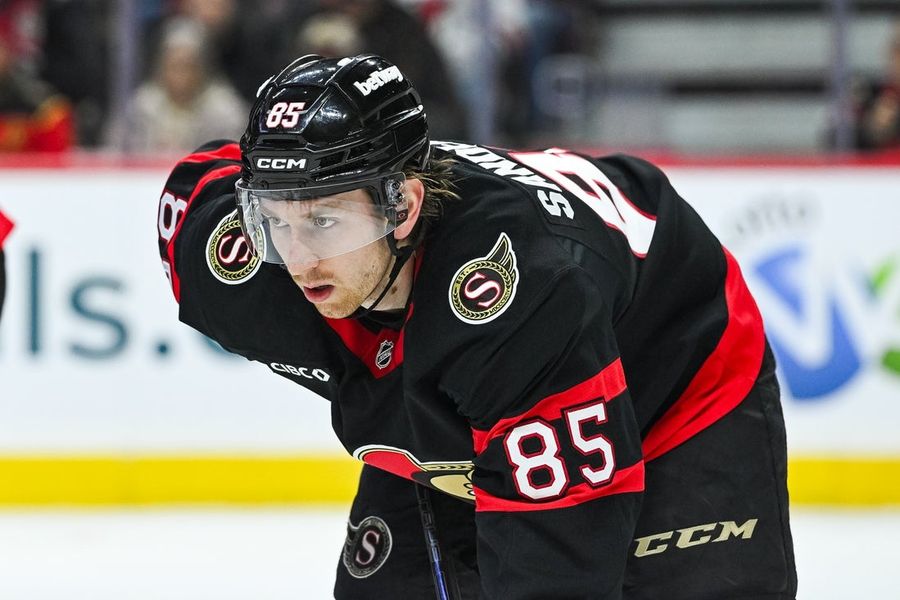 Jan 31, 2026; Ottawa, Ontario, CAN; Ottawa Senators defenseman Jake Sanderson (85) waits for a face-off against the New Jersey Devils during the second period at Canadian Tire Centre. Mandatory Credit: David Kirouac-Imagn Images
 Ottawa Senators defenseman Jake Sanderson made his return to the ice Saturday afternoon against the Minnesota Wild.
He has not played since March 7, when the Senators defeated the Seattle Kraken 7-4, because of an upper-body injury.
Sanderson missed 13 games but is returning at a crucial time for Ottawa (39-26-20, 88 points). The Senators, based on tie-breakers, entered the game against the Wild holding the second wild-card spot in the Eastern Conference, but the berth is far from clinched. The Detroit Red Wings, Columbus Blue Jackets and Philadelphia Flyers all have 88 points and are waiting to pounce on each other’s mistakes to grab the final postseason berth.
On the season, Sanderson has 48 points (11 goals, 37 assists) in 62 games, which leads defensemen. Sanderson, 23, was selected by Ottawa with the No. 5 overall pick in the 2020 NHL Draft.
In 298 career games heading into action on Saturday, the Montana native had 175 points (36 goals, 139 assists).
–Field Level Media
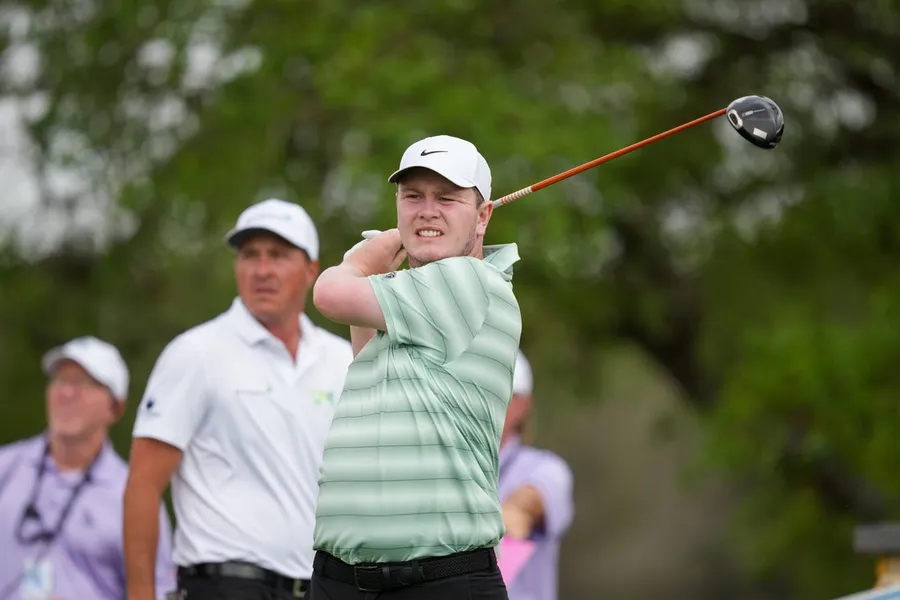
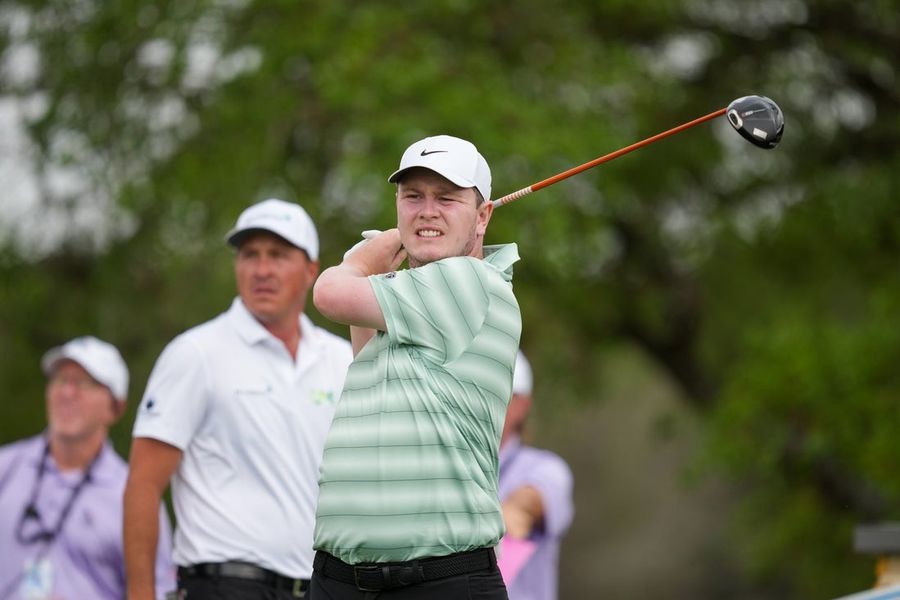 Apr 4, 2026; San Antonio, Texas, USA; Robert MacIntyre reacts to his shot from the second tee during the third round of the Valero Texas Open golf tournament. Mandatory Credit: Daniel Dunn-Imagn Images
 The third round of the Valero Texas Open was suspended due to incoming storm systems in the area around TPC San Antonio on Saturday.
Play was halted at 12:51 p.m. ET with lightning detected in the area. Heavy rainfall is expected before tapering off around 4 p.m.
World No. 11 Robert MacIntyre of Scotland resides in first place at 15-under par through six holes of his third round, two strokes ahead of Ludvig Aberg of Sweden.
–Field Level Media

Welcome to our 2027 SuperWest Football Commitment Tracker, where you can search or sort by player, program, position, and 247Sports composite stars and ratings.
The table is updated regularly as new commitments are reported.
You’ll also find a breakdown of each category in the table below the trackers.
| Player | Program | Position | Stars | Rating | Commit Date |
|---|---|---|---|---|---|
| Rashad Streets | Oregon | Edge | 4 | .9734 | 04/03/2026 |
| Javon Vital | USC | RB | 3 | .8800 | 04/02/2026 |
| Cooper Cook | UNLV | DL | 0 | .0000 | 04/01/2026 |
| Mikey Barth | ASU | K | 3 | .8200 | 03/31/2026 |
| Tytan DeJong | BYU | ATH | 3 | .8550 | 03/30/2026 |
| Caleb Camping | ASU | TE | 3 | .8550 | 03/30/2026 |
| Josiah Poyer | USC | LB | 3 | .8700 | 03/29/2026 |
| Myles Baker | Cal | S | 4 | .9167 | 03/29/2026 |
| Drew Fielder | USC | OT | 4 | .9371 | 03/28/2026 |
| Colton McKibbel | UCLA | LB | 4 | .9090 | 03/27/2026 |
| Jon Ioane | Washington | DL | 4 | .9143 | 03/26/2026 |
| Danny Lang | USC | CB | 4 | .9522 | 03/25/2026 |
| Jackson Batch | Ore St | ATH | 3 | .8300 | 03/19/2026 |
| Keshawn Barkus | Nevada | RB | 0 | .000 | 03/18/2026 |
| Jeremy Adeyanju | Washington | RB | 4 | .8975 | 03/15/2026 |
| Honor Fa’alave-Johnson | USC | ATH | 5 | .9913 | 03/14/2026 |
| Zane Rowe | Oregon | DL | 4 | .9533 | 03/13/2026 |
| Troy Bowens | Cal | Edge | 4 | .9176 | 03/13/2026 |
| Rufai Azeez | Nevada | WR | 3 | .8400 | 03/13/2026 |
| Max Bates | UNLV | LB | 3 | .8000 | 03/11/2026 |
| Isaiah Leilua | Washington | LB | 3 | .8800 | 03/10/2026 |
| Blake Gunter | Cal | WR | 3 | .8600 | 03/07/2026 |
| Luke Farrell | UNLV | QB | 3 | .8600 | 03/05/2026 |
| Matamatagi Uiagalelei | Washington | DL | 3 | .8550 | 02/22/2026 |
| Quentin Hale | USC | WR | 4 | .9763 | 02/20/2026 |
| Jack Devine | SDSU | QB | 3 | .8400 | 02/20/2026 |
| Isaia Vandermade | USC | DL | 3 | .8650 | 02/17/2026 |
| CaDarius McMiller | Oregon | RB | 4 | .9300 | 02/14/2026 |
| Justin Coach | Washington | LB | 3 | .8600 | 02/12/2026 |
| Ethan Coach | Washington | LB | 3 | .8650 | 02/12/2026 |
| Davon Dericho | Colorado | CB | 3 | .8700 | 02/12/2026 |
| Eli Woodard | USC | WR | 4 | .9285 | 02/10/2026 |
| Tycen Johnson | ASU | WR | 3 | .8700 | 02/06/2026 |
| Gunnar Perry | Cal | LB | 3 | .8500 | 02/06/2026 |
| Braxton Huynh | SDSU | WR | 3 | .8300 | 02/05/2026 |
| Mike Davis Jr. | UCLA | LB | 3 | .8500 | 02/04/2026 |
| Nasim Eason | SDSU | CB | 3 | .8550 | 02/02/2026 |
| Michael Farinas | UCLA | WR | 3 | .8650 | 02/02/2026 |
| Avery Michael | Oregon | OT | 3 | .8900 | 02/01/2026 |
| Titus Osterman | Washington | LB | 3 | .8550 | 01/31/2026 |
| Justin Ortiz | Fresno State | OT | 3 | .8400 | 01/30/2026 |
| Zerek Sidney | Washington | WR | 3 | .8850 | 01/29/2026 |
| Sam Ngata | Oregon | LB | 3 | .8650 | 01/24/2026 |
| Giovanni Hodge | Cal | Edge | 3 | .8750 | 01/23/2026 |
| Aaryn Washington | USC | CB | 4 | ..9553 | 01/10/2026 |
| Phoenix Pollard | UNLV | OL | 3 | .8450 | 01/09/2026 |
| Tayven Collins | New Mexico | S | 3 | .8550 | 01/04/2026 |
| Maurice Williams | Washington | ATH | 3 | .8811 | 12/24/2025 |
| Alijah Landrum-Hamilton | Wyoming | WR | 3 | .8400 | 12/16/2025 |
| Braylon Pope | Washington | WR | 4 | .9325 | 12/15/2025 |
| Weston Nielsen | ASU | QB | 3 | .8900 | 12/13/2025 |
| Nico Bland | ASU | WR | 4 | .9191 | 12/02/2025 |
| Trey Smith | Arizona | WR | 3 | .8700 | 12/01/2025 |
| Kingston Parks | Utah | WR | 3 | .8450 | 11/20/2025 |
| Blake Nadler | Nevada | QB | 3 | .8000 | 11/15/2025 |
| Jalani Culpepper | Arizona | ATH | 3 | .8400 | 10/29/2025 |
| Kael Snyder | Boise State | QB | 3 | .8700 | 10/19/2025 |
| Jaxson Wilson | UNLV | DL | 3 | .8250 | 06/03/2025 |
| Cameron Pritchett | Oregon | Edge | 4 | .9202 | 06/02/2025 |
Breakdown by Program, Player, Stars, and Average Rating
| Team | Avg | Commits | 5-star | 4-star | 3-star |
|---|---|---|---|---|---|
| USC | 91.00 | 9 | 1 | 5 | 3 |
| Oregon | 89.50 | 6 | 0 | 4 | 2 |
| Cal | 87.80 | 5 | 0 | 2 | 3 |
| Washington | 87.80 | 10 | 0 | 2 | 8 |
| Colorado | 87.00 | 1 | 0 | 0 | 1 |
| UCLA | 87.00 | 3 | 0 | 1 | 2 |
| Boise State | 87.00 | 1 | 0 | 0 | 1 |
| ASU | 86.60 | 5 | 0 | 1 | 4 |
| New Mexico | 85.00 | 1 | 0 | 0 | 1 |
| Arizona | 84.50 | 2 | 0 | 0 | 2 |
| BYU | 84.00 | 1 | 0 | 0 | 1 |
| Utah | 84.00 | 1 | 0 | 0 | 1 |
| Wyoming | 84.00 | 1 | 0 | 0 | 1 |
| Fresno State | 84.00 | 1 | 0 | 0 | 1 |
| SDSU | 84.00 | 3 | 0 | 0 | 3 |
| UNLV | 83.00 | 5 | 0 | 0 | 4 |
| Ore St | 83.00 | 1 | 0 | 0 | 1 |
| Nevada | 82.00 | 3 | 0 | 0 | 2 |
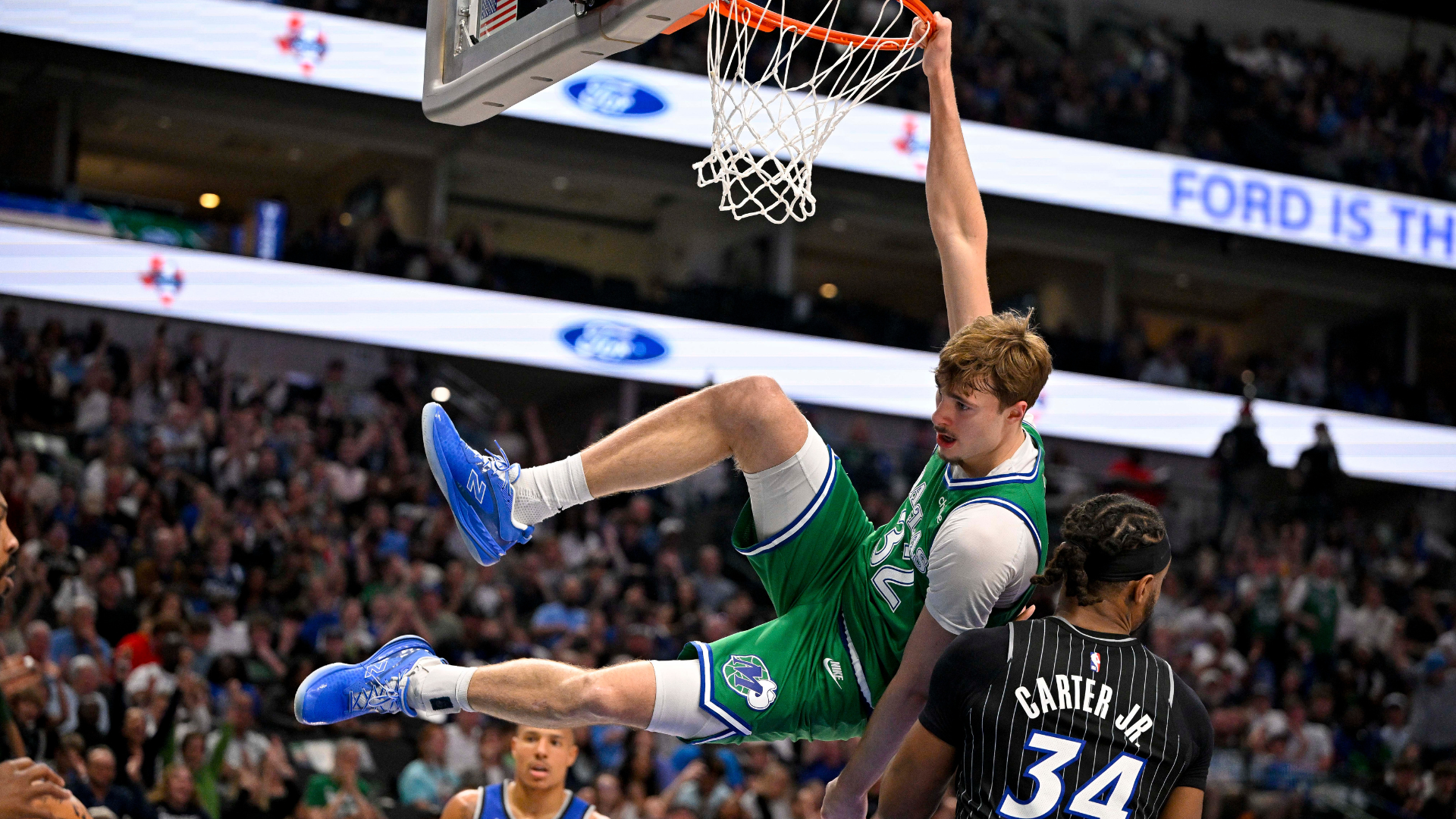
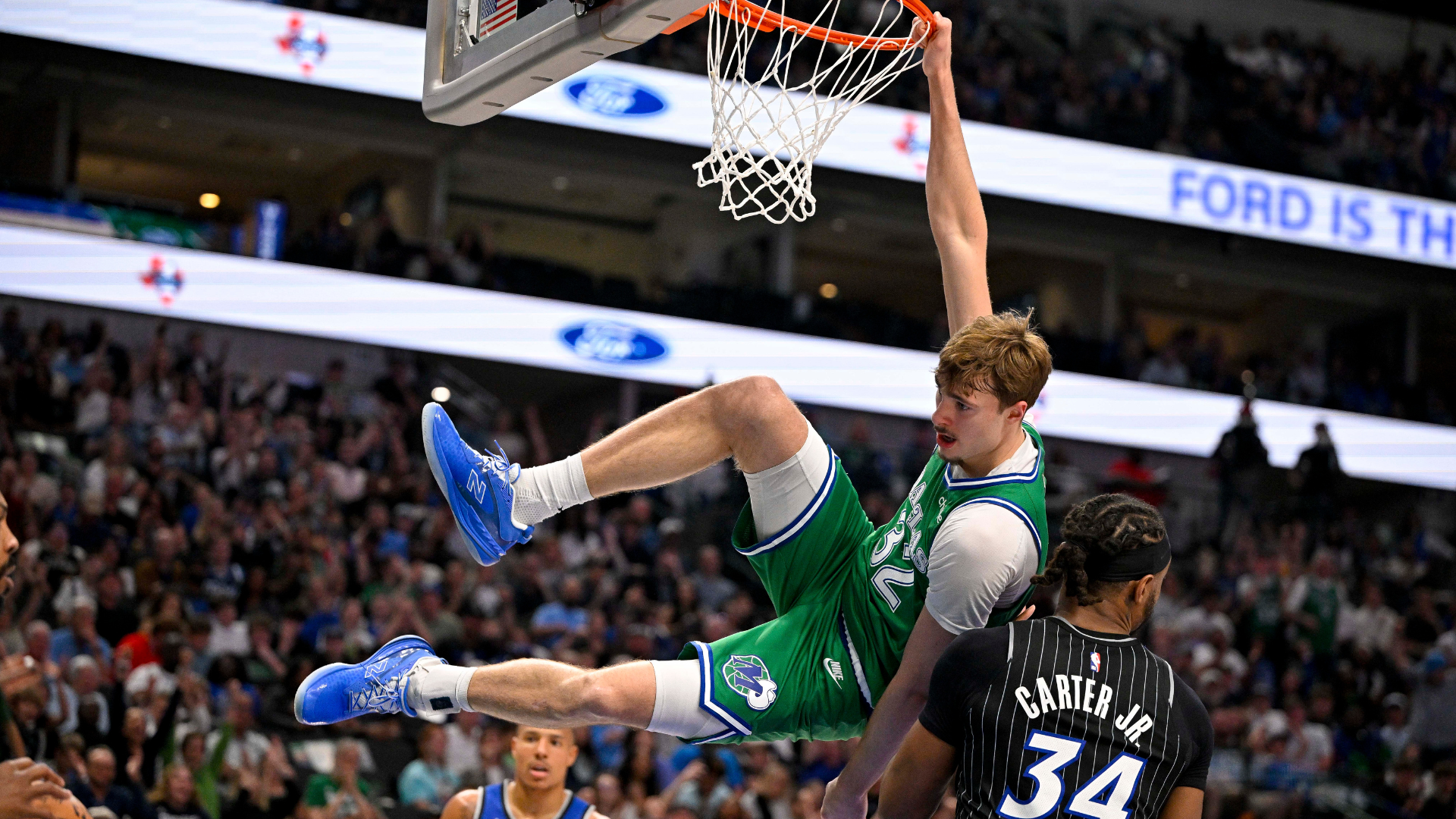
On Friday night, Dallas Mavericks rookie Cooper Flagg, 19, did something no teenager had ever done. The No. 1 pick in the 2025 Draft dropped 51 points, becoming the youngest player — and only teenager — in NBA history to drop a 50-piece.
Flagg did it while shooting 19 of 30 (63.3%) from the field. The Mavericks also needed every single one of those points, too, as they lost to the Orlando Magic, 138-127. Flagg poured in 24 fourth-quarter points to try to pull the Mavericks back from the dead and a 30-point deficit. Mavericks assistant Frank Vogel (filling in after Jason Kidd was ejected) initially removed Flagg from the game with under four minutes to play and his team trailing by 17. Flagg had 45 at that point, and a chorus of boos from the home crowd followed.
Soon after, however, Flagg was back in the game and pushed his point total to 51. In doing so, Flagg became the youngest player to score 50 points in an NBA game, passing Brandon Jennings, who scored 55 in 2009 at age 20. Flagg also became just the third rookie since the ABA/NBA merger in 1976 to score 50, joining Jennings and Allen Iverson (1997).
“It’s always fun getting into that type of mode,” Flagg said after the game. “The basket feels big. Your teammates are looking out for you, helping you out. But I love to win, so that was my main focus. It’s hard for me to fully enjoy myself out there when we’re down 20, down 10, down 15 for the majority of the game.”
The most impressive aspect of Flagg’s performance wasn’t the highlight reel dunks or the countless times he made a mockery of Orlando’s defense by taking several defenders off the dribble to score with ease at the rim or from mid-range. It was, surprisingly, Flagg’s 3-point shooting that stuck out the most.
The rookie went 6 of 9 from long range, the most 3s he’s made in a single game this season. It’s also the most 3s he’s taken in a game this season, too. If you’ve watched Flagg at all, you know his 3-point shooting is by far his weakest offensive skill. He’s only had six games this season in which he’s made more than two 3-pointers in a game. He has more games where he’s connected on zero 3-pointers (26) than he’s had games where he’s made two 3-pointers (11).
His 3-point shooting, now up to 29.3% for the season, is a work in progress. Friday night’s performance showed there’s hope that he can become a more consistent threat from there with time. He was drilling catch-and-shoot 3s, but even more impressively, Flagg had several pull-up 3s that provided flashes of what his future could hold.
It was a statement performance for the rookie, and it put him in good company with some all-time greats. Flagg has topped 40 points three times this season. Only Michael Jordan (7) and Iverson (5) have more 40-point games as a rookie since the merger.
After the game, his teammates and coaches were singing his praises.
“He should be Rookie of the Year. It’s unbelievable,” Kidd said. “The country is not watching the same thing that we get to watch on a daily basis. The things that he’s done, he’s in rare air. He’s with the GOAT when you talk about MJ and what he did in his rookie year — and as a teenager.”
It’s no surprise to see Kidd endorse his star for Rookie of the Year, and it’s pretty hard to argue with him after Friday night. But where exactly does Flagg stack up against Kon Knueppel of the Charlotte Hornets, the frontrunner for the award?
Tale of the tape: Flagg vs. Knueppel
Knueppel, Flagg’s former teammate at Duke, is currently the favorite for Rookie of the Year (-350 at FanDuel). But after Friday’s performance, Flagg certainly made this race interesting and isn’t too far behind in the odds at +250.
Despite what passionate fans might say on both sides of this race, this is a lot closer than anyone is willing to admit, and performances like Flagg’s on Friday could significantly sway the conversation.
Head-to-head stats
|
Cooper Flagg |
65 |
20.8 |
6.6 |
4.5 |
1.2 |
47.2% |
29.3% |
|
Kon Knueppel |
77 |
18.8 |
5.4 |
3.4 |
0.7 |
48.3% |
43.1% |
Flagg’s on pace to become the first rookie since Jordan to lead his team in points, rebounds, assists and steals. He owns the top three highest scoring totals by a rookie this season. In a typical year, Flagg would be far ahead in the Rookie of the Year conversation, no question. Historically, the award has always gone to a rookie on a rebuilding team. If Flagg won the award right now, he’d certainly be deserving of it. He’s been the most important player on a roster that has been in flux all season.
He’s not just the offensive engine for the Mavericks; he’s also defending at a level above what rookies are expected to do. He’s efficient from mid-range, can get to the rim at will and finishes at a rate (68%) higher than the likes of Devin Booker and Donovan Mitchell, per Cleaning the Glass.
That’s not to say Knueppel shouldn’t win the award. He’s averaging 18.8 points on near 50/40/90 splits. He shattered the rookie 3-point record and has been a catalyst for Charlotte transforming from a lottery mainstay to an actually competitive team.
But Knueppel is also benefiting from playing alongside LaMelo Ball and Brandon Miller. He’s become one of the best off-ball threats in the league in part because of the attention those two attract, but also because of the high IQ Knueppel has with his off-ball movement. It’s not outrageous to say Knueppel is the best 3-point shooter in the league not named Stephen Curry, and the numbers back that up. Knueppel is second in the league in 3-point percentage (minimum five 3PA/G), proving he’s not just good by rookie standards. He’s lighting the league on fire.
When it comes down to it, there’s a case for both players, or a co-winner situation like Grant Hill and Jason Kidd in 1995. But because no one likes ties, Knueppel might have the edge because the Hornets are in position to earn a playoff spot if they can get through the play-in round first. They’ve almost doubled the number of wins the Mavericks have (42 to 24). In a Rookie of the Year race this close, the team results might actually be the deciding factor. Even a historic 51-point outing from Flagg might not be enough to significantly pull voters back on his side to overtake Knueppel in this race.
Crypto World58 seconds ago
Grayscale Says 5 Altcoins Are at ‘Buy Zone’ Levels

Sports4 minutes ago
India men’s 4x400m and mixed 4x100m relay teams register big progress | Other Sports News
NewsBeat6 minutes ago
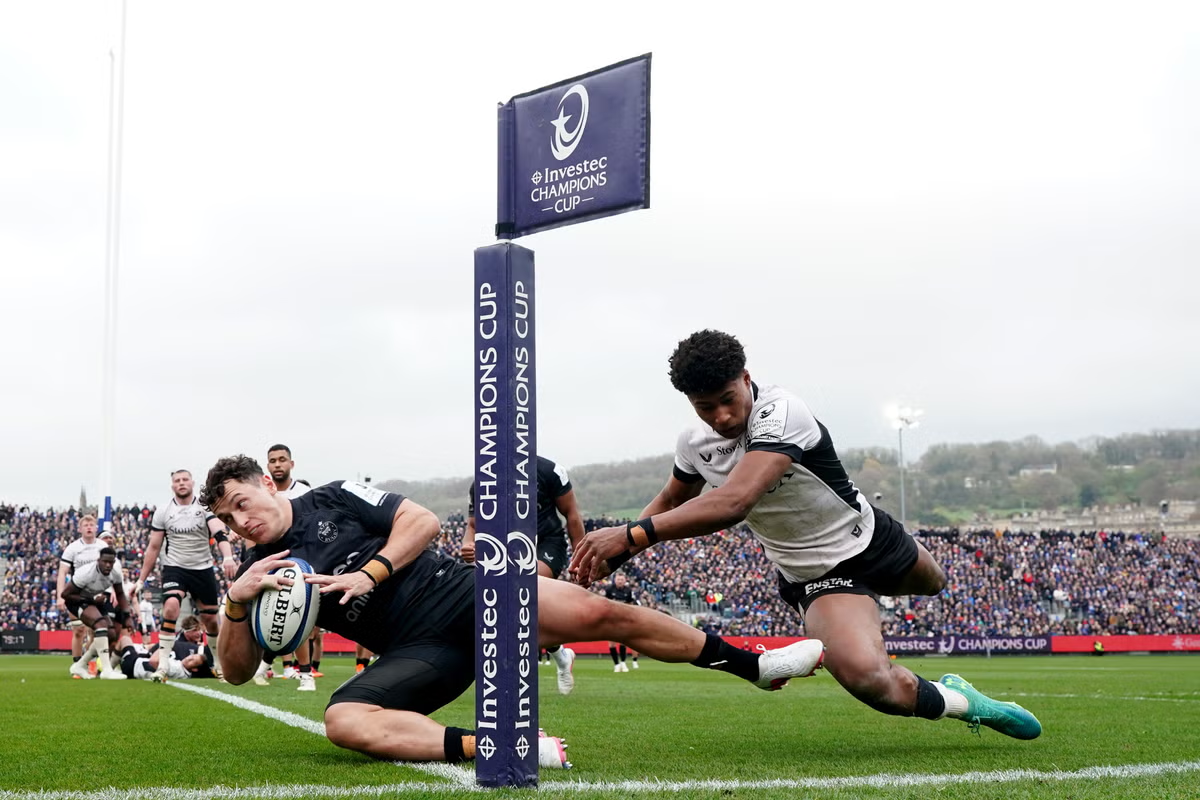
Bath complete comeback win over Saracens to reach Champions Cup quarter-finals


-

 NewsBeat2 days ago
Steven Gerrard disagrees with Gary Neville over ‘shock’ Chelsea and Arsenal claim | Football
-

 Business2 days ago
No Jackpot Winner and $194 Million Prize Rolls Over
-

 Fashion1 day ago
Weekend Open Thread: Spanx – Corporette.com
-
Entertainment5 days ago
Fans slam 'heartbreaking' Barbie Dream Fest convention debacle with 'cardboard cutout' experience
-

 Crypto World3 days ago
Gold Price Prediction: Worst Month in 17 Years fo Save Haven Rock
-

 Tech6 days ago
The Pixel 10a doesn’t have a camera bump, and it’s great
-
Crypto World4 days ago
Dems press CFTC, ethics board on prediction-market insider trades
-
 Entertainment7 days ago
Lana Del Rey Celebrates Her Husband’s 51st Birthday In New Post
-

 Tech6 days ago
Avatar Legends: The Fighting Game comes out in July and it looks pretty slick
-

 Business3 days ago
Login and Checkout Issues Spark Merchant Frustration
-

 Sports4 days ago
Tallest college basketball player ever, standing at 7-foot-9, entering transfer portal
-

 Tech5 days ago
EE TV is using AI to help you find something to watch
-

 Tech5 days ago
Apple will hide your email address from apps and websites, but not cops
-

 Fashion7 days ago
Amazon Sundays: Soft Spring Layers
-

 Politics5 days ago
Should Trump Be Scared Strait?
-

 Tech6 days ago
Elon Musk’s last co-founder reportedly leaves xAI
-

 Fashion5 days ago
The Best Spring Trends of 2026
-

 Tech4 days ago
How to back up your iPhone & iPad to your Mac before something goes wrong
-

 Crypto World5 days ago
U.S. rule change may open trillions in 401(k) funds to crypto
-

 Tech5 days ago
Flipsnack and the shift toward motion-first business content with living visuals
You must be logged in to post a comment Login