Every April we have the ritual joy of diving into the game’s most storied event, yet every season it manages to surprise us. How does one tournament — and one place, Augusta National — beguile us so endlessly? Michael Bamberger has some thoughts. Actually, a history’s worth of them.
The Masters at AugustaNational our annual marker of fresh starts, is the great American golf tournament because it is so uniquely … American.
It mixes speeds: big and brawny here, small and intimate there. The Masters (inseparable from its host club) is both the sprawling wonder of the Grand Canyon and the majesty of a lone bald eagle cruising at altitude. We pause here to take in Augusta’s Par 3 Course and the little annual event on it, particularly in the years when Arnold, Jack and Gary were roaming its tiny greens, thousands watching, shoulder to shoulder. So intimate. As for brawny, consider the tee shots on 1, 2, 5, 8, etc. The play is smashed driver right down Broadway. (Easier said than done.) Your first putt will thank you.
Advertisement
You’re always building at the Masters, shot to shot, hole to hole, round to round, April to April. Player, TV viewer, fan on a rope line, member, broadcaster, caddie, course worker — the experience is available to all. Augusta National is the most private of clubs and the Masters the most inviting of tournaments. Some years ago, the club’s leadership — the chairman and his green-coated lieutenants, plus more recruited executives than you would likely imagine — decided to build a new tournament driving range in the vicinity of the club’s famous driveway, Magnolia Lane. They built the most spectacular driving range ever conceived, and seemingly overnight. The club’s preferred contractors dug up a dusty parking lot and anything else in their way to create this temple of practice, with a Taj Mahal press building at its far end. But the club’s leaders would never even think about altering Golden Bell, the short-iron par-3 12th hole, typically played through a fickle wind, over a creek and to a slippery green. The golf shot as haiku.
The Masters became the Masters — the tourney as we know it today — in the 1950s, when baseball was still the dominant American sport. Each April, big-pen sports columnists, done with spring training and Opening Day, descended upon Augusta, ate pie and canonized the tournament, the course, the players upon it. The fit was easy for the scribes. (This was in the era of baggy trousers and a bar in the press building, to ease the pain of deadline typing.) The Masters, among all golf tournaments, is the most like baseball, with the pastime’s capacity for redemption. The guy who boots a ground ball in the eighth, giving the visitors a one-run lead, singles in the winning run one inning later. And so it is at the Masters, redemption baked into its storytelling in ways it’s not at other tournaments. This quality is a gift of the course. Augusta gives more than she takes.
Rory McIlroy hits a shot on No. 12 during Round 3 of the 2025 Masters.
Bettmann Archive/Getty Images
Consider last year. On Sunday, on 13, Rory McIlroy dunked his little third shot into the creek. Ghastly. The groan heard ’round the world. Maybe you thought the Irishman had duffed the tournament away. If you did, you weren’t alone.
Advertisement
And here we turn to Elvis, as he channeled another son of the South, Jimmy Reed, and Reed’s “Baby What You Want Me to Do,” a gritty three-minute stompfest that could double as a real-world Masters theme song:
We’re going up, we’re going down We’re going up, down, down, up Any way you wanna let roll it Yeah, yeah, yeah
Rory was down — he doubled the hole winners typically birdie – but not out. He still had five guaranteed holes to try to redeem himself. In the end, he needed six, with his birdie in extra innings, rolling in a playoff putt to win from 40 inches. And now he’s in the Tuesday Night Supper Club forever, about as up as a golfer can get. For the longest time, it was impossible to unsee the dead-pull tee shot McIlroy hit on 10 in 2011, when he was (it seemed) all set to cruise on into a waiting coat. Now that shot doesn’t loom so large. After all his many chances, Rory’s finally in.
Who among us doesn’t like a mulligan? Another chance, a third one, a fourth. Ken Venturi, Tom Weiskopf and Greg Norman were experts in this area, always waiting for next year at Augusta until they ran out of next years. That threesome is as significant to the tournament’s history as Art Wall (the 1959 winner) and Tommy Aaron (’73) and Charl Schwartzel (2011), even if Venturi & Bros. never sniffed the second-floor champions locker room. Greg Norman, when his scoreboard totals were inked for good, was 0-for-23 at Augusta. Rory won on his 18th try. In victory, he fell to the green for part of a half minute. You remember.
Advertisement
Last year’s Masters runner-up, Justin Rose, negotiates the Hogan Bridge;
Augusta National/Getty Images
In victory, Hideki Matsuyama’s caddie bowed to the course. That was in 2021. You remember. Maybe not the year but surely the image. Likewise, these snaps: the caddie Carl Jackson consoling Ben Crenshaw in victory (1995); Nick Faldo, the winner, embracing Greg Norman, leader by six earlier in the day (1996); Jack and Jackie walking off arm in arm (1986); Tiger falling into the arms of his father (1997). We know these images regardless of our age. We know these images because we care. Millions of us, around the world, care.
Of course, we weren’t born caring about the Masters and who wins it and how. Yet here we are, agitating for the next one. It’s as if the club and the tournament were born under an astral plane, Jupiter aligned with Mars, something like that. The course and Bobby Jones’ — and Alister MacKenzie’s! — role in it; the relative isolation of Augusta, making the tournament the only show in town, local schools closed for the week; the standing April date and all that flowering pink; the engaging personalities of various winners and near-winners; the coverage of the tournament in newspapers and magazines and on various networks, CBS most especially.
The first Masters was played in 1934. Gene Sarazen’s “shot heard ’round the world,” en route to a victory after a 36-hole playoff, came a year later. Ben Hogan won his first Masters in 1951 and a few weeks later a Hollywood movie about him, Follow the Sun, came out. Hogan won again in 1953, two months after Dwight Eisenhower (war hero, golf nut, Augusta National member) became president. And then the tournament went from stage to screen, on TV for the first time in 1956. The broadcasting network that year was CBS and the tournament has been on CBS ever since, with limited commercial interruption. Arnold Palmer won his first Masters in 1958, then won three more, in ’60, ’62 and ’64. Jack Nicklaus won his third green jacket in ’66, when the CBS telecast was in color for the first time and Grammy Hall, stuck in still-thawing Chippewa Falls, Wisc., could finally see those blooming azaleas in their bathing-beauty majesty. Nicklaus won his record sixth Masters, his namesake son on his bag, 20 years later. When Tiger won his fifth coat in 2019, people immediately began to wonder: Can he catch Jack? Woods was 19 when he played in his first Masters. Now he’s 50. Year to year and decade to decade, one player to the next and one generation to the next, the Masters is always building on its past. But all the while the club puts a laser focus (no distracting cellphones) on its present, on the here and now. It’s all familiar. It’s all brand-new.
Advertisement
Some of the tournament’s most indelible celebrations and consolations (right to left): Jack Nicklaus and Jackie Jr. in 1986, Greg Norman and Nick Faldo in 1996, Tiger Woods and his father, Earl, in 1997, and Ben Crenshaw and Carl Jackson in 1995.
AP/SI/Getty Images
“Whatever product any company is trying to sell, toothpaste or anything else, it could never do what the Masters does, because people want to feel something, and the Masters gives people something they can feel,” Jim Nantz said recently. The CBS broadcaster worked his first Masters in 1986 with millions of people sweating out the Golden Bear’s win over Seve Ballesteros and Greg Norman. (Nicklaus was 46 — ancient, then.) On the course, the rooting was decidedly partisan. “The Masters doesn’t have to sell anything because the tournament has been handed down through the years. When I talk about the Masters, I always go back to this word, and you have to: tradition. Tradition is in short supply in the world. But not at the Masters.”
A week of fixed tradition. The Monday night Amateur Dinner. The Tuesday night Champions Dinner. The Wednesday afternoon Par 3 Contest, after the chairman’s annual State of the Masters press conference, a line of green-coated members holding up the back wall. The honorary starters early Thursday morn. The Act I curtain coming down Friday night after the 36-hole cut is made. Then Act II on Saturday, the protagonists jockeying for position. Followed by the tense wonder of Sunday’s Act III, concluding with a standing ovation for the winner you know and some kid (the low amateur) you likely don’t. Late on Sunday and before 60 Minutes, the two of them, plus the defending champion, descend a set of steps and enter the eerie quiet of the Butler Cabin basement. And there, waiting on ’em, is the chairman in a green blazer, Jim Nantz in a blue one. It’s always the same and it’s never the same.
The Champions Dinner in 1957, where defending champ Jackie Burke Jr. (foreground) was feted.
John G. Zimmerman/Sports Illustrated/Getty Images
Advertisement
A decade ago, Bryson DeChambeau was the tournament’s low am. He almost stumbled on his way to his assigned Butler Cabin high-backed chair, then took care not to seat himself before the winner, Danny Willett, did. There’s something about Augusta: Your manners improve upon arrival. DeChambeau and Willett, along with Jordan Spieth (the defending champion) were still wearing their white golf shoes, early on a lovely spring night. (Augusta enjoys the gift of a late mid-April sunset, close to 8 p.m.) Jim Nantz and Billy Payne, then the club chairman, faced the three players. DeChambeau was a pack of jangly nerves his red sweater could not conceal. “Never in a million years did I think I’d be the low amateur here,” he told Nantz. Really? He earned his way to the Masters as the U.S. Amateur champion. But at the Masters, and at Augusta National, gentility is a way of life. Gentility, modesty, charm. You pass through the gate and put on your best Bobby Jones.
That 2016 Masters was Billy Payne’s last as the club chairman. (Billapane, in the local patois.) Augusta National has had seven chairmen, starting with Clifford Roberts, cofounder of the club with Bob Jones, who was made the president in perpetuity while he was still alive. (Kinda weird, no?) All the chairmen have been czars, some more heavy-handed (Hootie Johnson; Billy Payne) than others (Jack Stephens; Fred Ridley, the current chairman). They all have left imprints, large and small. Hord Hardin (1980 to 1991) didn’t like striped shirts at dinner and declined to lengthen the course, despite the arrival of metal woods. Hootie Johnson (1998 to 2006) didn’t want women as members but did want a far longer course and many more obstacle trees. Billy Payne (2006 to 2017) did want women as members (and invited the first class). He also wanted to have paying fans to have more of a Ritz Carlton-meets-Disneyland experience. Payne picked Fred Ridley as his successor. In style and manner, they’re totally different. (Payne came at you with a torrent of words; Ridley weighs every last one.) But in purpose they’re the same.
Year to year and decade to decade, one player to the next and one generation to the next, the Masters is always building on the past.
What makes the whole thing work is that the broad interests of Augusta’s chairmen and the broad interests of Augusta’s fans align exactly. The chairman, any chairman, wants the best course, the best field, the best coverage, the best Sunday. As do we.
THE MASTERS IS a wide bonding experience, whether you’re watching in your living room, in an airport lounge, on a clubhouse TV at Augusta (there’s a lot of that) or on the course. In this last category, the no-phone policy informs the whole experience. You’re sealed off from the rest of the world. If you want to know what’s going on, on campus at Augusta, there’s not much spoon-fed to you. You have to use your own eyes, ears, intuition, experience. You watch the leaderboards change. You might actually talk to the person (stranger/not a stranger) standing next to you.
Advertisement
What was that?
I’m thinking Scottie staked one on 12.
Conversation is part of the bonding experience at the Masters. Language is too. As Augusta National publishes (annually) a Spectator Guide, the club could also publish a Language Handbook. Patron, of course, would get an entry, for paying fan. Also, by way of first-tee player introduction, Now driving. This is the broadly accepted definition of Amen Corner: the 11th green, all of 12 (the wee par 3), the tee shot on 13. The preferred shorthand for 10 to the house is the second nine.
And then there’s the oral tradition. Here, for example, is a real-life exchange from an on-course men’s room, with a greeter at the door and a spotter deep inside it, in place to keep the line moving.
Advertisement
Greeter: “What you got back there?”
Spotter: “I got two open and a shaker.”
Yes, fellas being fellas. Deep in the club’s DNA and secret history there’s a lot of that. Calcutta gambling, imported entertainment, business wheeling and dealing, cloaked by all that gentility. There used to be, on the second floor of the clubhouse, a loo with wallpaper featuring urinating dogs. Beside it was the club’s library, a cozy room just big enough to accommodate the former champions at their annual dinner, all the gents at one long table, the defending champion picking up the tab, the chair- man there as a guest. (The former winners get $25,000 just for showing up.) Ben Hogan started the dinner. Byron Nelson was its MC forever. For years, Sam Snead closed the night out with a few choice jokes. None can be repeated here.
It’s strange to say, but Byron Nelson, a lifelong Texan, a two-time winner of the Masters, is an undervalued figure in the club’s lore, even though the wide, sturdy stone bridge on the 13th hole is named for him. Texas runs deeply through the Masters, and Nelson spent his whole long life (94 years) in the Lone Star State. (Nelson, Hogan, Jimmy Demaret, Ralph Guldahl, Jackie Burke, Charles Coody, Ben Crenshaw and Jordan Spieth are native Texans; Patrick Reed, Sergio García and Scottie Scheffler are Texans by choice. That’s 17 wins right there.) But Nelson had that gentleness that is so emblematic of the Masters, and through his 80s and into his 90s you’d see Lord Byron all week long, unhurried, smiling, happy to chat up anyone, his green coat draped on his arm on warm afternoons. One day, Bill Kirby, a longtime columnist at the Augusta Chronicle, was in the small Augusta National pro shop, looking to buy a gift for his father. He had his fingers on a maroon tie patterned with time-capsule Masters badges. “That’s a nice one,” came a voice from over Bill’s shoulder. Byron Nelson. Kirby bought the tie and then Nelson bought the same make and model. Kirby gave the tie to his father, along with the Nelson story, and the tie and the story came back to Kirby upon his father’s death. How intimate is all that?
Advertisement
The scene is familiar: A huge gallery, 18’s iconic leaderboard and the sun setting on yet another memory at the Masters.
Logan Whitton/Augusta National/Getty Images
Rees Jones, the golf-course architect, has been to Augusta National many times, to watch the tournament and play as a guest. He was close to Bobby Goodyear, a pitcher at Yale, an Air Force veteran, an heir to a family fortune. Goodyear was also an Augusta National member forever. Over the years, on 80 different occasions, Goodyear invited Jones to play the course and bring a pal. “If I like the guy, I’m paying,” he’d tell Rees. “If I don’t, you are.” Rees paid twice. How fun is that? You might be surprised to learn that being a good hang is an unspoken requirement for membership. You don’t have to be a Goodyear or the CEO of a Fortune 500 company to be invited in. There are doctors who are members, two retired NFL quarterbacks (they’re brothers), people prominent locally and nationally. (Condi Rice: good hang!) Billy Morris, a longtime member and the longtime publisher of The Chronicle, used to have an important job at the tournament, driving the winner from Butler Cabin to the press building in an E-Z-Go golf cart for the victor’s press conference, driving cautiously to avoid the patrons and to make sure his Panama hat did not go flying. E-Z-Go (fun fact) got its start in Augusta, inspired by the three-wheeled, custom- made cart the ailing Bobby Jones drove around the course in the ’50s. E-Z-Go’s main competitor, Club Car, was founded in Augusta too. Augusta, the city and the club, is all mishmashy that way. Augusta, the city and the club, likes it that way. Robert Tyre Jones Jr. was the cofounder of Augusta National. Robert Trent Jones Sr. (Rees’ father) was the architect who designed the par-3 16th hole as we know it today. The two men are often confused and are not related. No big whoop. What makes 16, Jones (pick your Jones) said more than once, is the slope of its green. Tiger Woods will tell you the same thing. A golf course, and a golf tournament, can turn on the subtlest of things.
Paul Talledo is an Augustan in his early 60s who has been going to the Masters pretty much all his life, and he’s been taking his son Patrick to the tournament pretty much all his life. Father and son, in their early visits, observed what everybody who has been on the course has observed: The downhill 10th hole is so steep it could be a ski run; the uphill 18th hole is so steep you can see players gulping air as they make their shoulders-first march up it. Talk about big and brawny. In his mind’s eye, Paul can see Patrick, almost 20 years ago when the boy was 65 pounds of pure kid, eager to see his favorite golfer, Lucas Glover, make the walk up 18. Other spectators cleared a path for the boy and the next thing he knew he was sitting under the rope line, watching. How intimate is that?
One year, father and son were having trouble with their badges, with the this-is-me barcodes on them, as they tried to enter for the tournament. A security officer called in for assistance. A green-coated member responded. He asked the boy his name and age, gave him a little Masters pin to put on his shirt, waved them both in and said, “Y’all have a nice day.”
Advertisement
In they went, the father and his son, leaving behind the chaos of Washington Road and falling into a 350-acre haven of golf. All that green.
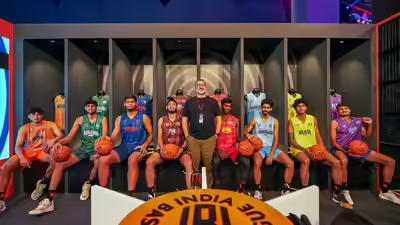
The India Basketball League (IBL) will take place in the beginning of 2027.
New Delhi: Indian sport has seen this script before. A new league arrives with ambition, big money, overseas faces, big promises, a multi-city approach and the inevitable question: can it survive in a country where cricket consumes much of the oxygen?Melburnian Jeremy Loeliger has heard that question before. In fact, he has lived it.Long before he became India Basketball League (IBL) Commissioner, Loeliger watched basketball fight for relevance in Australia — a market dominated by Australian Rules Football, Rugby, Cricket, Football, established sporting giants, passionate fan bases, and limited room for another professional competition. That, he says, is precisely why India makes sense.“There are a lot of similarities between basketball, the position that basketball was in in Australia 15 years ago and the position that basketball finds itself here in India,” Loeliger told TimesofIndia.com ahead of the BUDx NBA House in Delhi, where IBL’s eight foundation cities were announced.The comparison is deliberate. In Australia, basketball had participation, but not a sustainable professional product. India, he believes, sits at a similar crossroads. “There had been passion, but no capital. And I think that’s true here in India as well.”
At the onset, the India Basketball League (IBL) will feature six city-based teams.
That diagnosis matters because Indian sport is littered with leagues that have struggled to convert novelty into longevity. Even established sports with deep roots have wrestled with attendance, investment and visibility.Hockey India League and Pro Wrestling League both had a seven-year hiatus; Premier Badminton League was played for five seasons but hasn’t restarted since 2020. Premier Hockey League, Champions Tennis League and World Series Hockey are others that began with plenty of noise before shutting shop.But IBL’s pitch is different. It is not trying to out-cricket cricket.“We’re not selling eyeballs. Not to begin with. We’re selling the heart and mind,” said Loeliger.
What we want is an audience that is truly engaged and passionate about our sport, who support it, who love it for what it is
IBL Commissioner Jeremy Loeliger
Advertisement
“We’re selling that this is an inclusive product that’s for everyone, and that it will be entertaining from the moment that you walk in. We won’t have as big an audience as cricket for many years to come. That’s fine.“What we want is an audience that’s truly engaged and passionate about our sport, who support it, who love it for what it is. You don’t always need to play the volume game,” he continued.That may be the most revealing line about what the IBL is actually trying to build.In an era where sports leagues obsess over reach, ratings, and scale, the IBL is opting for intimacy. Passion over volume. Community over mass-market metrics.What basketball believes it has, though, is something Indian sport has perhaps under-explored: entertainment.
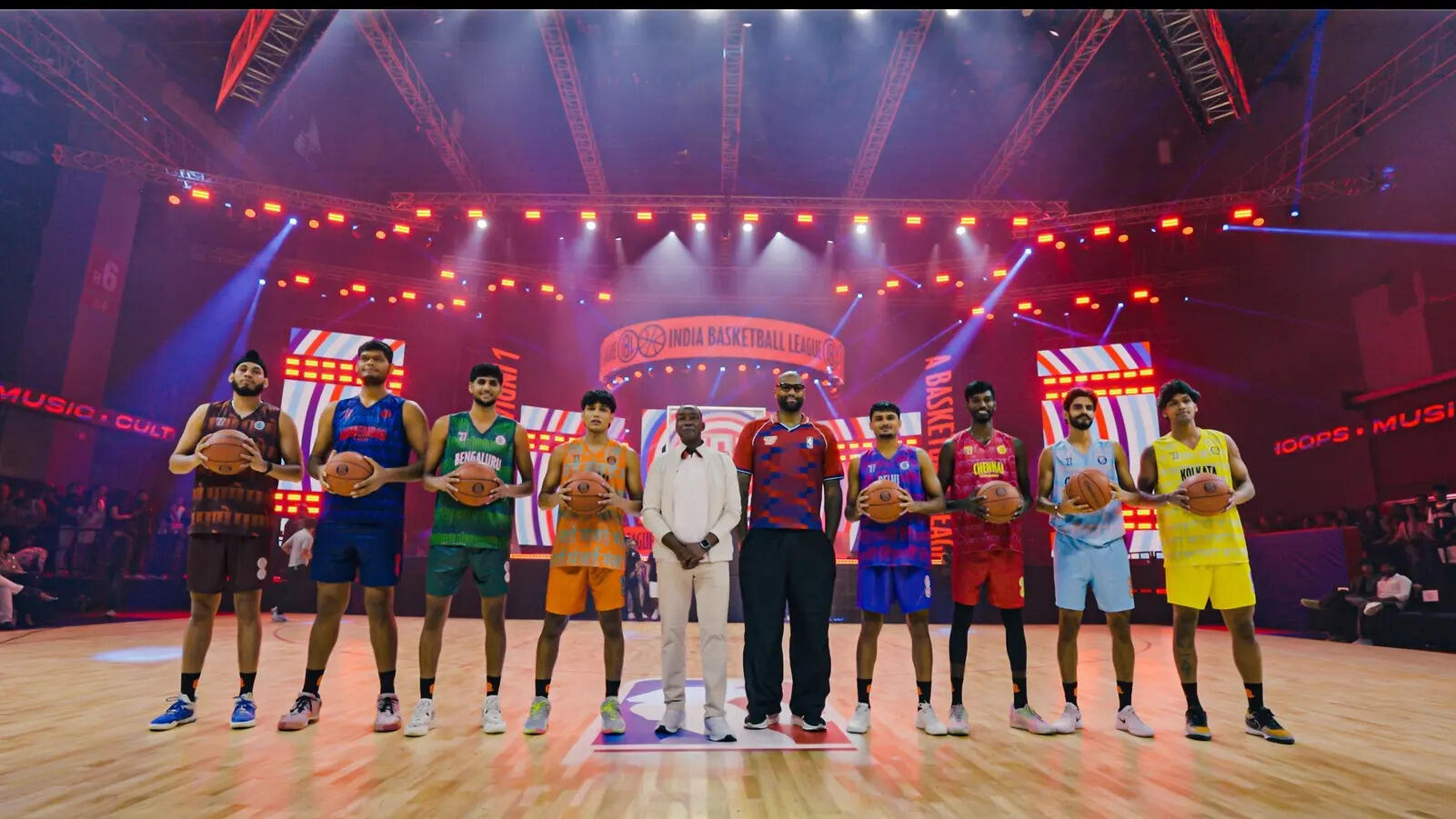
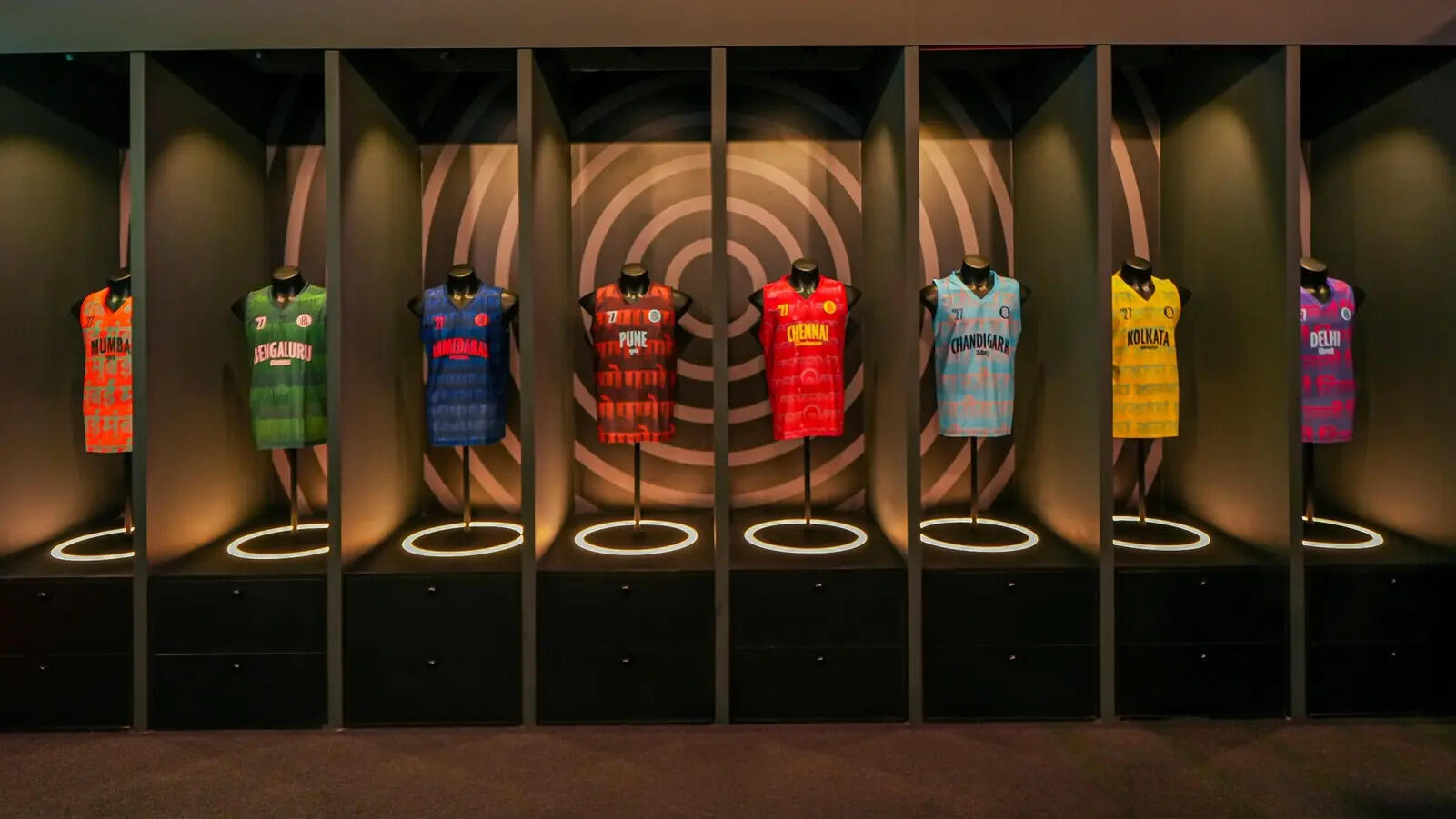
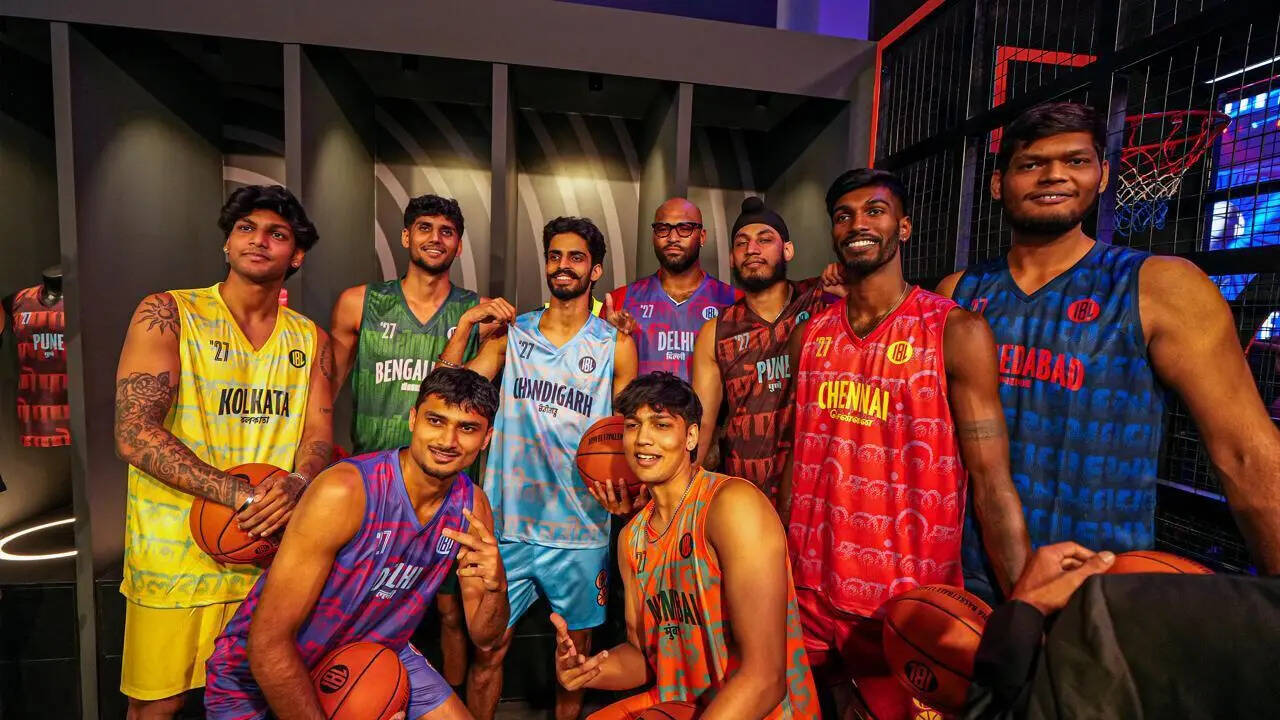
The eight foundation cities of IBL are Mumbai, Delhi, Bengaluru, Kolkata, Chennai, Ahmedabad, Chandigarh, and Pune.
“I think sporting entertainment is lacking here in India,” said Loeliger.“Yes, there are some sports that do it well, and the IPL is a great example. It’s a great sports entertainment product, but it only plays for two or two-and-a-half months of the year. People want to be entertained 12 months of the year.”This is where basketball’s case gets interesting. Unlike cricket, where physical distance separates fans from players, basketball offers proximity. Noise. Speed. Contact. Theatre.“One of the great things about basketball is the proximity to the sport. If you go to a game, you’re sitting right there. You can literally smell the players,” explained Loeliger.“You can get a basketball or a basketballer in your lap. There’s no other sport where you can hear the coaches, the players and the referees. So, I think that’s one element that makes basketball unique.”
Each IBL team squad will comprise of 12 players featuring Indian and overseas athletes.
Advertisement
Based on the elevator pitch, the IBL is not just selling a sport. It is selling an experience. That helps explain some of the league’s structural choices.When the league launches in early 2027, six teams will form the inaugural competition before expansion. Each 12-player squad will feature seven Indian players and five overseas professionals, with regulations ensuring local players are not overshadowed. Players will be centrally contracted and paid by the league, with a draft system instead of the conventional franchise spending race.Unlike many other sports leagues, the organisers are not in a hurry to privatise teams, introduce flashy auctions and mix Bollywood with sport. The eight foundation cities are Mumbai, Delhi, Bengaluru, Kolkata, Chennai, Ahmedabad, Chandigarh, and Pune. The six teams that will play the first season, or more, will be decided by fans. That measured approach is unusual in Indian sport, where rapid commercialisation often arrives before the sporting foundations are secure. Loeliger insists patience is intentional.
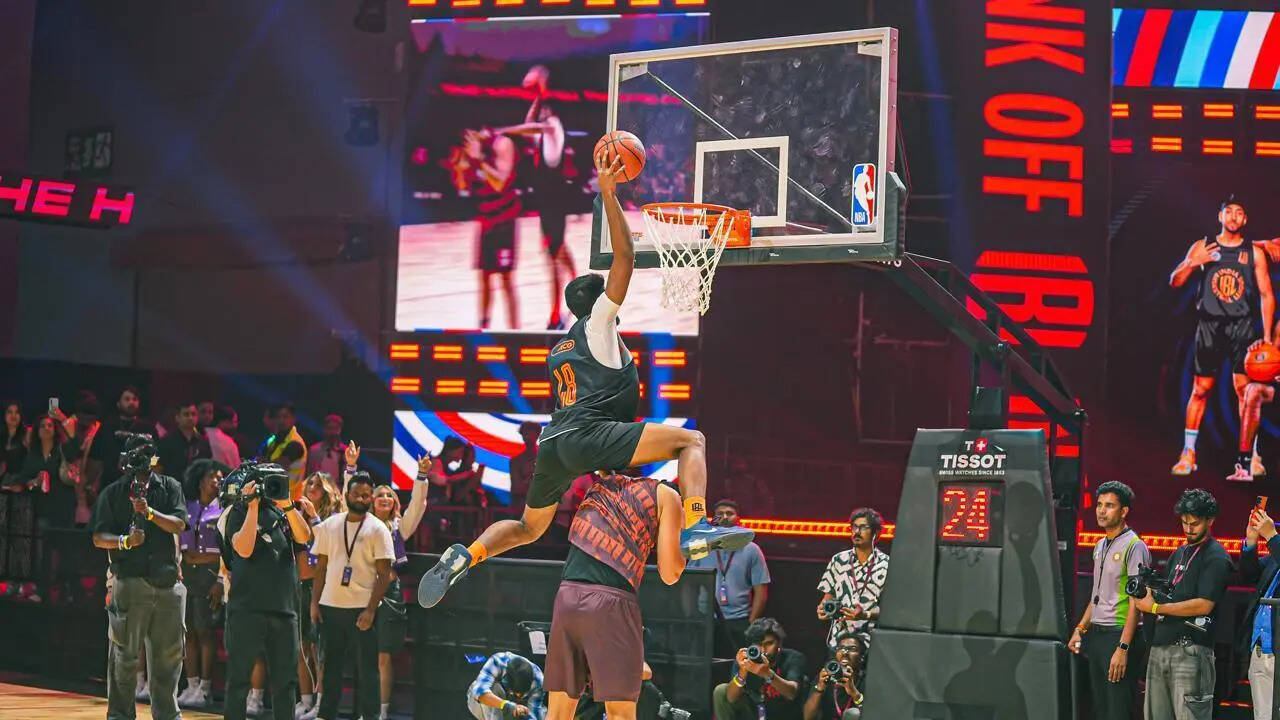
Action from the BUDx NBA House in Delhi, where IBL’s eight foundation cities were announced.
“It needs patience, it needs partners, and it needs persistence. And it needs a balance sheet. We’ve got all of those things now,” he explained the mantra behind creating a successful product.Perhaps the boldest assumption underpinning the project is that India’s basketball audience already exists.“Everyone knows about LeBron (James). Everyone knows Victor Wembenyama is now the next big thing.”The problem, he argues, is accessibility. NBA games happen in inconvenient time zones. The stars are distant. The fandom is fragmented.“But it’s hard to tune in when the games are on and finishing at 7.30 or 8.30, 9 o’clock in the morning. So the latent demand is there, but accessibility is not.”That is the opportunity the IBL hopes to unlock: prime-time basketball featuring players from Indian neighbourhoods, not just imported stars. The bigger dream, though, lies beyond the first season. Basketball’s global ecosystem gives it an aspirational pathway few Indian sports can offer. “That’s when we’re going to find the next Yao Ming or Jeremy Lin. That’s when we’re going to find our Giannis Antetokounmpo.”It is an ambitious claim. But not entirely irrational.India already has basketball-playing youth, growing street culture, NBA familiarity and a lifestyle affinity with the sport. The missing piece has been a credible domestic platform.The High Performance Centre in Bengaluru — where 88 professional players currently train — is part of that long-term vision.Still, realism remains necessary. Infrastructure remains the league’s biggest immediate hurdle, prompting the organisers to be patient.“The biggest challenge here is infrastructure. Having venues that are appropriate for staging the kind of production that we want to give to our fans.”Suitable arenas are limited. The first edition will therefore be played in a caravan format instead of a home-and-away competition.“Infrastructure is probably the biggest challenge at the moment from a professional game day point of view. But that’s okay, we’re going to start playing in a caravan to begin with, not as a home and away format. Home and away format will follow in the years to come.”But perhaps the bigger question is not infrastructure — it is attention. In a country where every new league eventually gets measured against cricket, the IBL is making a different bet: that basketball does not need to win the numbers game immediately, only the emotional one.If Loeliger is right, India does not need to be taught to like basketball. It simply needs a league compelling enough to turn casual interest into lasting fandom.
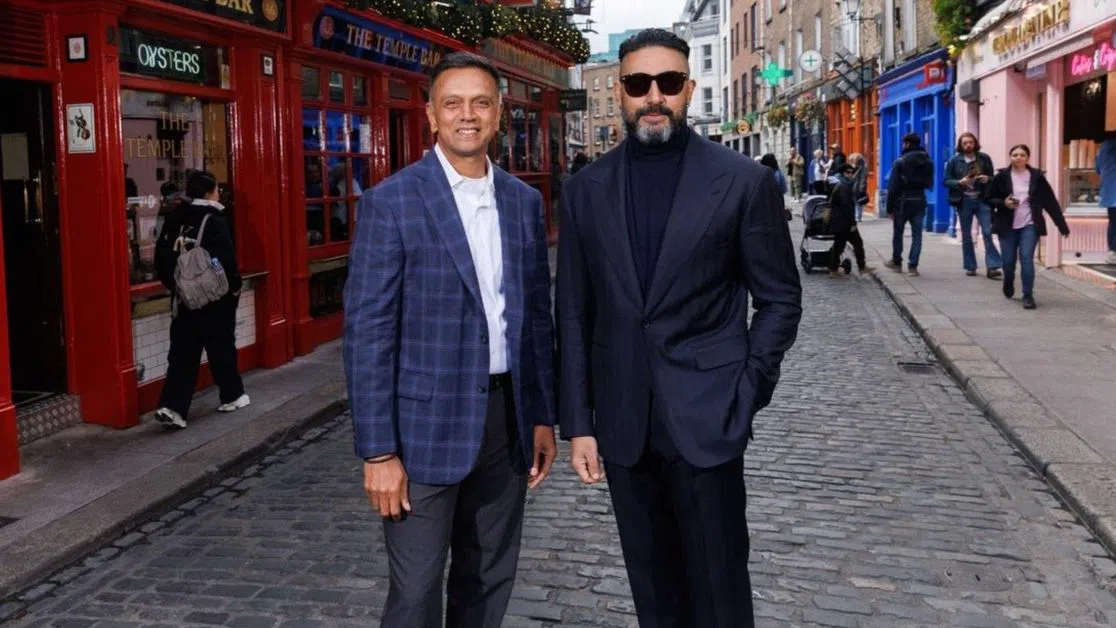
In a major step ahead of its official launch later this year, the European T20 Premier League (ETPL) has announced former India captain and coach Rahul Dravid as the owner of its sixth franchise, Dublin Guardians.
The announcement was made during a special event in Dublin on Monday, where the league also confirmed the ownership structure of all six franchises.
Advertisement
With support from Cricket Ireland, Cricket Scotland and the Royal Dutch Cricket Association, the ETPL aims to become Europe’s first major multi-nation franchise T20 competition.
ETPL completes six-team franchise structure
The ETPL finalised its franchise lineup during the Dublin event attended by franchise owners, league officials and administrators from European cricket boards.
Alongside Rahul Dravid, representatives from other franchises, including Glasgow franchise owner Vipul Agarwal and Rotterdam franchise stakeholders Jonty Rhodes and Madhukar Sri, were present.
Advertisement
ETPL co-founders Abhishek Bachchan, Saurav Banerjee, Priyanka Kaul and Dhiraj Malhotra also attended the launch event.
Senior officials from European cricket bodies, including Cricket Ireland chairman Brian MacNeice, Cricket Ireland Chief Executive Officer Sarah Keane, Cricket Netherlands High Performance Director Roland Lefebvre and Cricket Scotland Chief Executive Officer Trudy Lindblade, were also part of the gathering, showcasing institutional backing for the event.
League aims to grow cricket across Europe
The ETPL will feature franchises from Dublin, Belfast, Edinburgh, Glasgow, Rotterdam and Amsterdam under a cross-border league model.
Advertisement
Organisers believe the competition can help strengthen cricket’s presence across Europe, where participation and interest in the sport have continued to grow in recent years.
The league is also expected to feature several international stars, including Mitchell Marsh, Tim David, Mitchell Santner, Liam Livingstone, Glenn Maxwell, Faf du Plessis and Heinrich Klaasen.
Advertisement
League officials said the tournament is expected to create a platform for young cricketers from Europe and other Associate nations to compete alongside internationally established players.
Abhishek Bachchan on ETPL’s vision
Speaking during the launch event, ETPL co-founder Abhishek Bachchan said Rahul Dravid’s association with the league was an important moment for the ETPL project. He stated that the league’s vision extended beyond creating a cricket tournament and focused on building a system that could inspire and develop emerging talent in Ireland and across Europe.
Advertisement
Bachchan also said the response from the global cricket community had been encouraging, adding that the involvement of figures such as Steve Waugh, Glenn Maxwell, Jonty Rhodes, Chris Gayle, Faf du Plessis, Heinrich Klaasen and Rahul Dravid reflected confidence in the league’s long-term plans.
Rahul Dravid backs grassroots development
Rahul Dravid said the larger vision behind the ETPL attracted him to the project. He explained that the league’s focus on strengthening cricket in Europe, improving grassroots structures and creating opportunities for emerging players made it an exciting initiative.
Dravid added that Dublin already had a strong interest in cricket and significant potential for future growth. He further stated that supporting young talent had always been important to him and expressed confidence that the ETPL could contribute positively to the development of the sport in Europe.
Advertisement
European cricket officials welcome initiative
Cricket Ireland chairman Brian MacNeice described the launch as a significant moment for Irish and European cricket. He said the ETPL had the potential to increase the game’s popularity, expand participation and create stronger pathways for players in the region.
Cricket Scotland Chief Executive Officer Trudy Lindblade also welcomed the initiative and said the league could provide major opportunities for cricket in Scotland and across Europe by strengthening structures, increasing visibility for players and inspiring the next generation.
ETPL 2026: Full list of teams and owners
Franchise
Owners / Partners
Dublin Guardians
Rahul Dravid
Irish Wolves
Glenn Maxwell and Rohan Lund
Edinburgh Castle Rockers
Kyle Mills, Nathan McCullum and Rachel Wiseman
Glasgow Cosmic
Vipul Agarwal and Chris Gayle
Amsterdam Flames
Steve Waugh, Jamie Dwyer and Tim Thomas
Rotterdam Dockers
Jonty Rhodes, Faf du Plessis, Glashin and Sameer Shah (Managing Partner: Madhukar Sri)
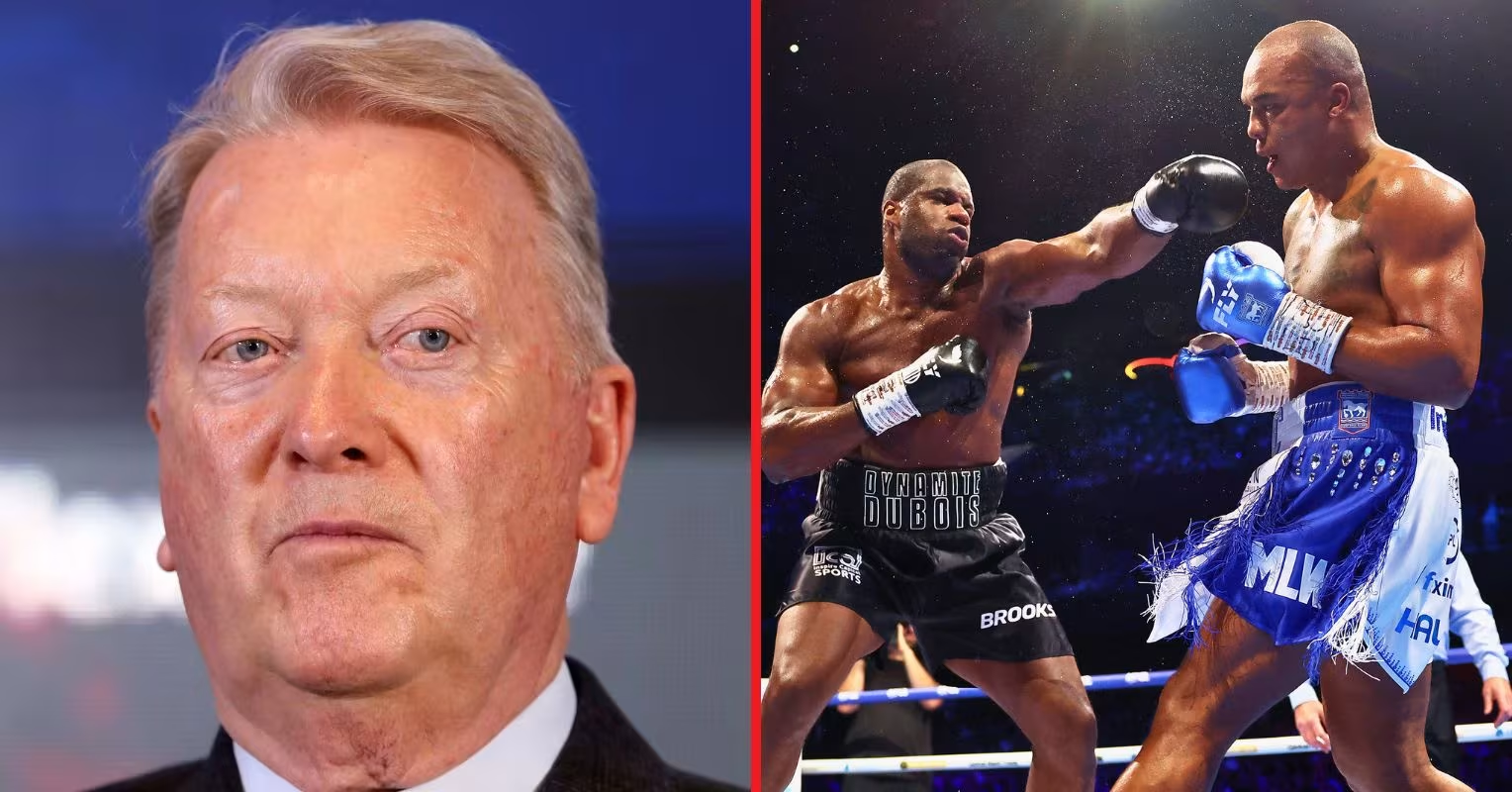
After an instant classic on Saturday where Daniel Dubois became a two-time world champion against Fabio Wardley, one of the key talking points is whether the fight should have been stopper sooner, and now promoter Frank Warren has shared his honest thoughts on the matter.
Dubois was sent to the canvas twice by WBO ruler Wardley within the first three rounds, but those two knockdown-containing rounds were arguably the only two that were won by the reigning champion and after round eight, the contest became more unsavoury.
Having emptied the tank looking for the big finish, a damaged Wardley looked extremely vulnerable in the latter part of the fight and the writing appeared to be on the wall, with the bloodied Ipswich fan-favourite inevitably on the verge of a brutal knockout.
“I have got to be honest with you and I will speak the truth on it – I think that it did [go on too long]. But, I know what the full process behind him was, because of the fact of what he did from behind in fights both with Huni and Parker and how he pulled it out of the bag.
“It was the 10th round wasn’t it, against Parker? He pulled it out and knocked him over and as you could see, he was trying to throw that [same] punch, but he didn’t take the punishment in the Parker or Huni fight, as he did against Daniel and Daniel is a phenomenal puncher. He is a big puncher as a heavyweight.
“Having said that, you know, Ben and the team are seasoned trainers and cornerman. They feel that they know what they’re doing, but me, I would have pulled my man out.”
Advertisement
Despite being battered and bruised, it has been confirmed that Wardley suffered no major injuries in the fight. After being examined and told that a hospital visit was not required, the 31-year-old attended a private hospital as a precaution and got the all-clear, suffering no concussion, breaks or fractures.
Vikings rookie running back Demond Claiborne participates in rookie minicamp during May 2026 at the TCO Performance Center in Eagan. Minnesota selected Claiborne in the sixth round of the 2026 NFL Draft after an accomplished college career at Wake Forest, where he earned attention for his burst, vision, and ability to contribute in multiple offensive situations. Mandatory Credit: YouTube.
The Minnesota Vikings hosted rookie minicamp last week, the first get-together of the year for all new youngsters and a couple of veteran invitees. Along the way, here’s what we learned about the club from that event.
Minnesota’s first post-draft event delivered more than rookie jersey numbers.
The next step for Minnesota is organized team activity workouts on May 26th.
Advertisement
The Clues from Eagan Are Taking Shape
Ranked in ascending order of importance, these are the takeaways.
Dallas Cowboys quarterback Cooper Rush looks to throw while Minnesota Vikings defensive tackle Dalvin Tomlinson pressures the pocket on Oct. 31, 2021, at U.S. Bank Stadium in Minneapolis. Rush later developed into one of the NFL’s more dependable reserve quarterbacks, earning repeated opportunities because of his experience, calm pocket presence, and ability to manage offenses in relief situations. Mandatory Credit: Jeffrey Becker-USA TODAY Sports.
7. Cooper Rush “for Later”
The name of the event is “rookie” minicamp, but NFL teams send invitations to all comers, including Rush for the Vikings this time.
Head coach Kevin O’Connell mentioned Rush’s attendance, “As I told Cooper, it’s almost like a free agent visit. He gets to know us, we get to know him. He’s played a lot of football over the years in the National Football League.”
Advertisement
“I think it can open up that world to him, or if there’s an opportunity in the future, he can make that a really positive situation for himself and become our first phone call.”
So, if quarterback injuries ravage the Vikings’ season — like last year — it probably won’t be Desmond Ridder and John Wolford on speed dial. O’Connell has Rush in mind.
6. Two New Contracts: DL Smith Vilbert and ILB Bangally Kamara
While Minnesota has added about 30 new rookies since the start of the draft — nine in the draft, nineteen from undrafted free agency — an extra pair wiggled their way in as a result of rookie minicamp tryouts.
Advertisement
Smith Vilbert from the University of North Carolina evidently got a Bill Belichick-endorsed stamp of approval for Brian Flores. He’s the new DT-OLB hybrid in the mix. The Vikings also signed off-ball linebacker Bangally Kamara from Kansas.
Both will fight for roster spots or practice squad placement this summer.
5. Demond Claiborne Looked the Part
Remember DeWayne McBride? The Vikings’ 7th-Round rookie from 2023 who looked so terrible in his first preseason that he never saw an NFL roster ever again? Yeah, Claiborne doesn’t bring that vibe.
Advertisement
Claiborne looked explosive and fast at minicamp — the opposite of McBride three years ago.
The Athletic‘s Alec Lewis on Claiborne: “The more consistency the Vikings can get out of sixth-round running back Demond Claiborne early on, the better chance he’ll have to contribute this fall. Beyond running backs coach Curtis Modkins, many of the Vikings’ coaches and personnel staffers present were attentive to the running backs drills.”
4. Adrian Peterson to the Ring of Honor
Until Monday, the Vikings had 28 players in the Ring of Honor. Peterson will make it 29.
Advertisement
The franchise surprised the future Hall of Famer, baiting him to Eagan and then springing the ROH news on him, courtesy of John Randle’s revelation.
Peterson getting the ROH love was a total no-brainer; now, it’s official.
3. GM Search Ongoing
Nolan Teasley from the Seattle Seahawks and Terrance Gray of the Buffalo Bills are said to be external frontrunners for the Vikings’ vacant general manager job. Meanwhile, the interim boss, Rob Brzezinski, is strongly in the mix and expressed formal interest in the position last week.
Advertisement
Minnesota Vikings executive Rob Brzezinski speaks during a panel discussion on Feb. 25, 2026, at the NFL Scouting Combine in Indianapolis alongside KFAN host Paul Allen and analyst Pete Bercich. Brzezinski has become one of the NFL’s most respected contract and salary-cap minds, helping shape Minnesota’s long-term roster construction strategy for more than two decades. Mandatory Credit: YouTube.
SI.com‘s Will Ragazt on Teasley, “It might not be a bad idea for the Vikings to poach their GM from the reigning Super Bowl champions. Teasley has been with Seattle for 12 years, working his way up from an internship to director of pro personnel and then assistant GM under John Schneider.”
No matter who is picked from the search — the decision should be announced in about a week — Brzezinski figures to remain a meaningful role in the front office.
2. A True-Blue QB Competition Ahead
NFL Network‘s Tom Pelissero said last week, “They envision it being a true competition: Kyler Murray versus J.J. McCarthy. And both these guys are going to go into this believing they’re gonna win this job.”
“I don’t know, frankly, how friendly that quarterback room is going to be. It’s going to be a very competitive quarterback room. From everything that I’ve understood, it is truly wide open; they’re keeping an open mind as a coaching staff.”
Advertisement
Most have assumed that Murray didn’t sign with the Vikings to be a backup quarterback, but the club apparently insists that he will battle for the QB1 job. It’ll be Murray v. McCarthy in July and August.
1. Caleb Banks Tentatively Expected for Training Camp
O’Connell gave a Banks update last week: “Caleb is doing great. Got some more positive information here as he reported to Eagan in the last couple days, and very much looking forward to him establishing a great plan with our medical staff and the coaching staff.”
“On the coaching staff side, how can we push Caleb from an above-the-neck standpoint to be that much more comfortable when he does get healthy? He gets a great chance this spring and summer to get strong and build himself up.”
Advertisement
Mississippi quarterback Jaxson Dart throws over Florida defensive lineman Caleb Banks on Nov. 23, 2024, during second-half action at Ben Hill Griffin Stadium in Gainesville. Banks entered the NFL Draft process as one of the SEC’s more intriguing defensive tackle prospects, drawing attention because of his size, athletic movement skills, and interior pass-rushing upside. Mandatory Credit: Matt Pendleton-Imagn Images.
Drafting Banks came with considerable injury risk, so this spring’s monitoring of his progress was inevitable.
O’Connell continued, “With Caleb, he doesn’t necessarily have to worry about the physical side of it right now, other than just getting healthy. So we can hopefully challenge him to learn multiple spots that coincide with his versatility to align in different impactful spots along the D-line.”
“I just think we’re happy with where he’s at, all things considered. We want to have our eyes on that end-of-July date so he can hopefully have a seamless transition into training camp.”
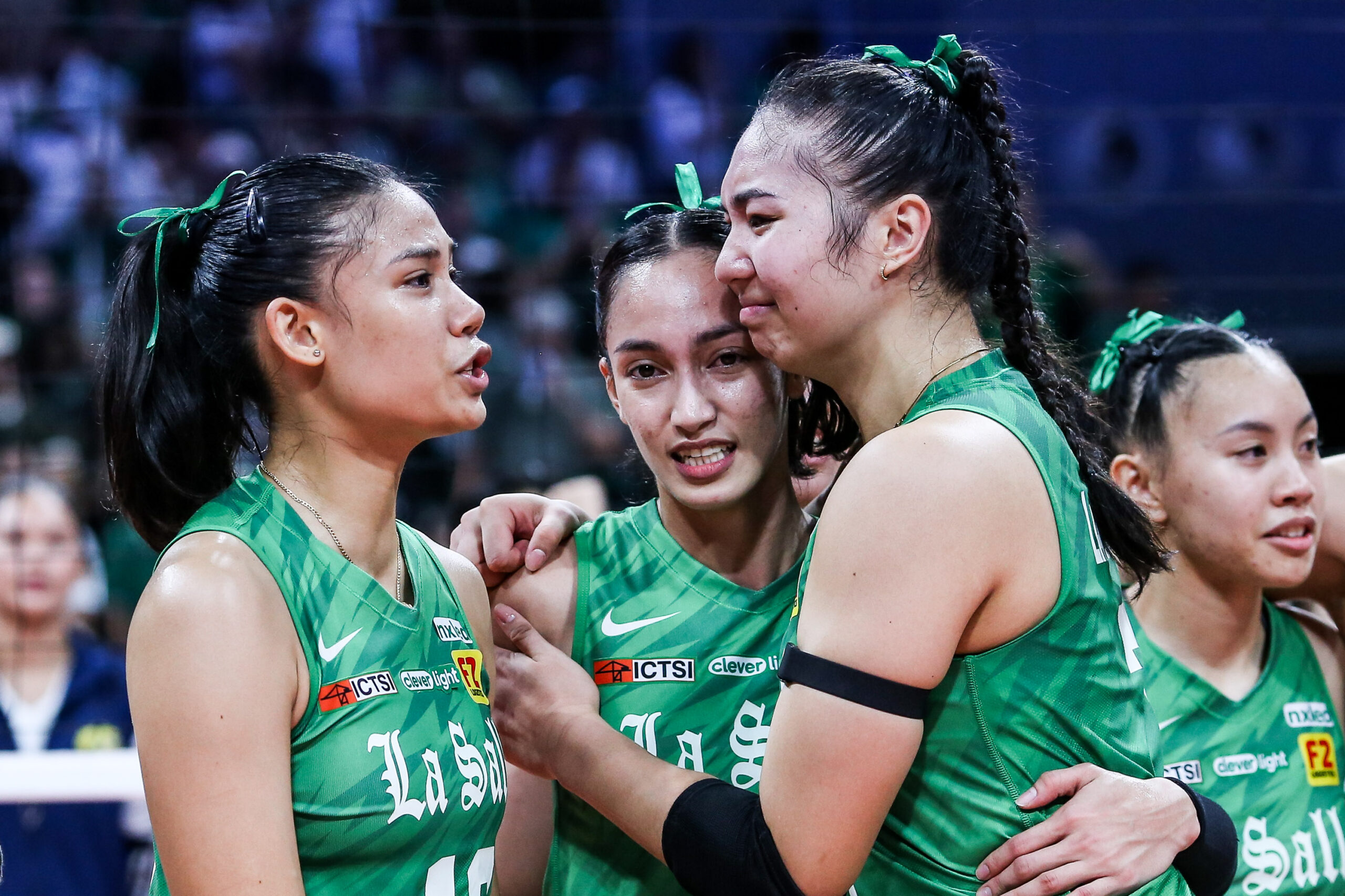
La Salle Lady Spikers’ Angel Canino, Amie Provido and Shevana Laput after winning the championship in the UAAP Season 88 women’s volleyball tournament. –MARLO CUETO/INQUIRER.net
During a courtesy call with University president Br. Bernie Oca, FSC, on Tuesday, Stars Angel Canino, Shevana Laput, Amie Provido and Lyka De Leon formally committed to exhaust their final playing year with the Lady Spikers.
Article continues after this advertisement
Advertisement
“Us four, we wish to continue this legacy and we want to stay for one more year,” Laput said, as quoted from a video uploaded by Archer’s Network.
After the championship-clinching win on Saturday over National University, no La Salle player stood in the middle during the school’s “Arrows Up” tradition, usually reserved for graduating players receiving their sendoff.
For Season 89, the Lady Spikers will still have Laput, who won the Finals MVP award, and Canino, who played a pivotal role in the title run en route to her third Best Outside Spiker plum.
Provido and De Leon will also continue to bolster the squad alongside rising stars Shane Reterta, Lilay Del Castillo and Eshana Nunag.
Advertisement
Your subscription could not be saved. Please try again.
Jynxzi’s first-ever League of Legends tournament turned into one of the biggest Twitch events of the year. The massive creator event aired on May 11, 2026, bringing together 40 streamers and content creators for a full day of matches, chaotic moments, and huge reactions from the community. By the end of the stream, Team xQc walked away as the winners after completely dominating the finals against Team Zoil.
The event was also a huge moment for Jynxzi himself. During the livestream, the Twitch star crossed 10 million followers on the platform and shattered his personal live viewership record with more than 400,000 concurrent viewers tuning in. The stream lasted for hours, but fans stayed locked in the entire time, especially during the finals where xQc’s squad took over the game in convincing fashion. After everything wrapped up, Jynxzi called it “the best stream” he has ever done and said he wants to host another tournament again someday.
Team xQc wins Jynxzi’s League of Legends tournament in dominant fashion
At around the eight-hour mark of the livestream, Team xQc faced Team Zoil in the grand finals. Team xQc included Félix “xQc” Lengyel, Kingsman, Ray, also known as “rayasianboy,” Sapnap, and AloisNL. On the other side, Team Zoil featured Zoil, Ludwig, ArrowCS, Pokelawls, and former pro player Sneaky.
Advertisement
The final game ended up being extremely one-sided. Team xQc crushed Team Zoil with a 28-4 scoreline in just 27 minutes. xQc played Malphite in the top lane, while Kingsman stood out as one of the strongest players during the match while playing Samira as the ADC.
Jynxzi hits 10 million Twitch followers during the massive livestream
While the tournament itself was already huge, the stream became even bigger after Jynxzi noticed he had crossed 10 million followers on Twitch during the broadcast. The creator looked genuinely shocked while reacting live on stream and thanked viewers for supporting the event.
Jynxzi also revealed that the tournament broke his all-time viewership record by around 170,000 viewers. At one point, the stream reportedly crossed more than 400,000 live viewers, making it one of the biggest creator events on Twitch this year.
Meanwhile, fans are already asking Jynxzi to organize another creator tournament because of how successful the first one turned out.
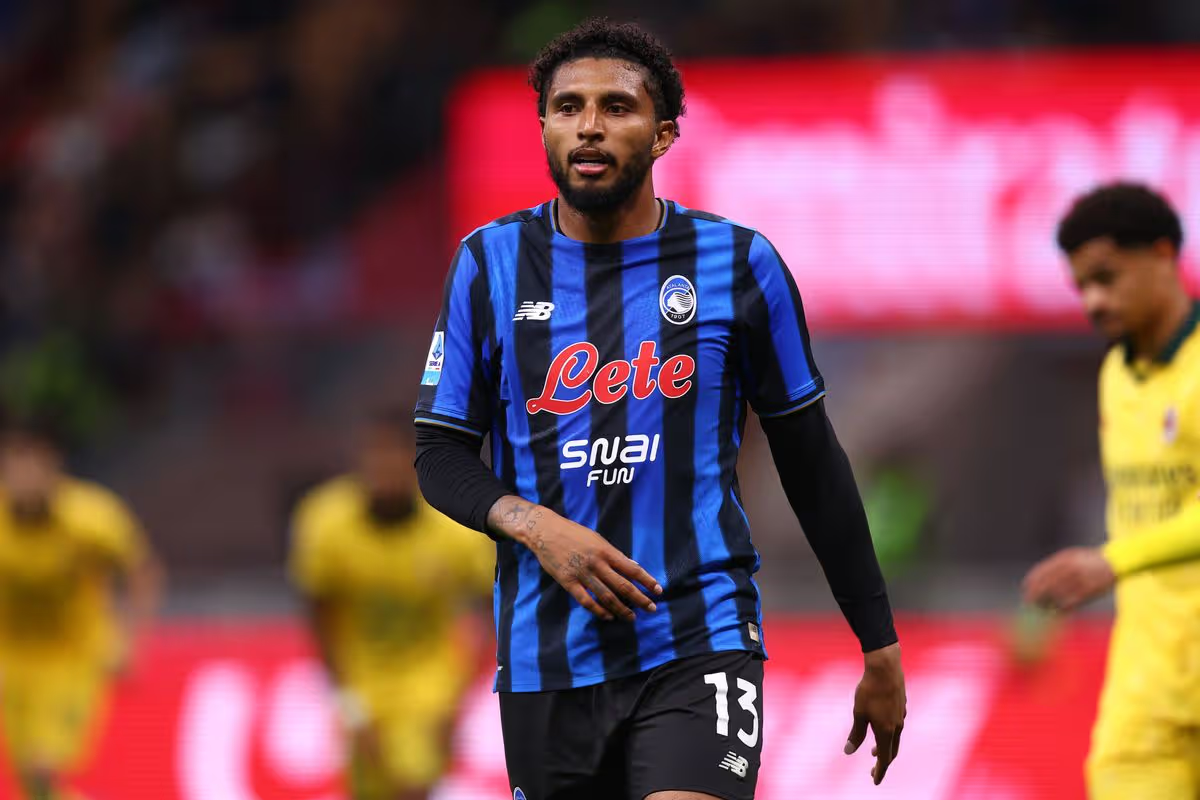
Manchester United have been heavily linked with Atalanta defensive midfielder Ederson as they aim to reshape their midfield
Atalanta CEO Luca Percassi has denied Manchester United have made a formal approach for Ederson amid heavy transfer links with the Brazil international. The 26-year-old has impressed for the Serie A club this season making 40 appearances in all competitions, scoring three goals and providing two assists.
Ederson has operated alongside Atalanta captain Marten de Roon in the centre of a 3-4-2-1 system. On Sunday, he picked up the man of the match award as his team beat AC Milan 3-2 at the San Siro in a game where the midfielder scored the opener for his side. United are on the hunt for at least two central midfielders this summer.
Advertisement
Casemiro’s will depart and Manuel Ugarte is expected to be offered to other clubs. Kobbie Mainoo signed a new five-year deal recently so any new addition must compliment the academy graduate. With Ederson’s contract expiring in 2027, he has attracted interest.
Click here to find out the latest Manchester United news in our daily newsletter
Atletico Madrid were believed to have agreed personal terms with Ederson in January but were unable to strike an arrangement on his wages, opening the door for a possible United move.
This week, Percassi was asked whether Ederson had been approached to which he told Tuttomercatoweb: “We have no official offers, only interest from other teams.”
Advertisement
He added: “I think it’s unlikely that teams will make a move before the end of the season. Interest in our players is normal, but we’ll evaluate them at the right time with great serenity and calm.”
MEN Sport has previously reported that United want to target Premier League proven players this summer. Nottingham Forest’s Elliot Anderson is a key target for the Reds but is attracting strong interest from Manchester City. West Ham’s Matheus Fernandes, Brighton’s Carlos Baleba and Crystal Palace’s Adam Wharton are all on United’s watchlist as they look to strengthen.
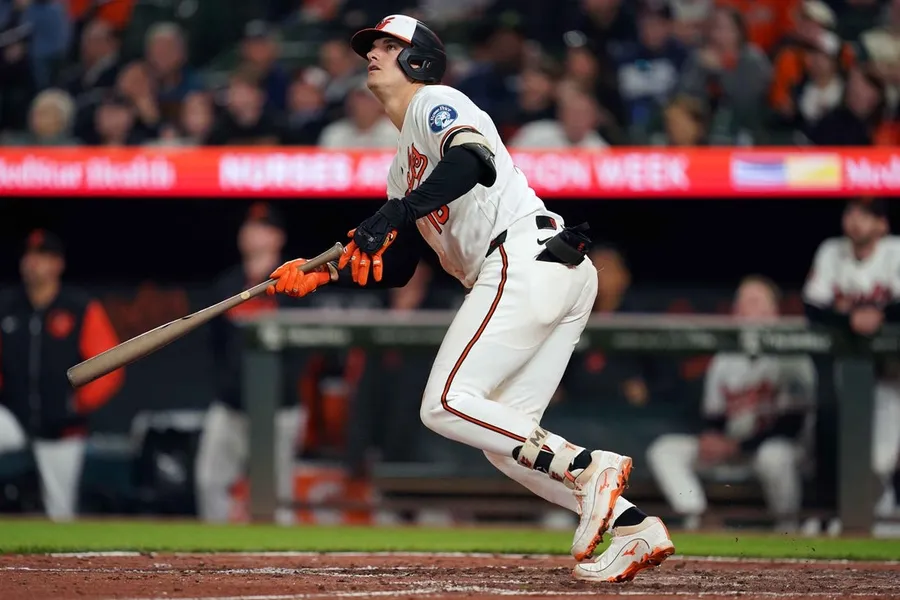
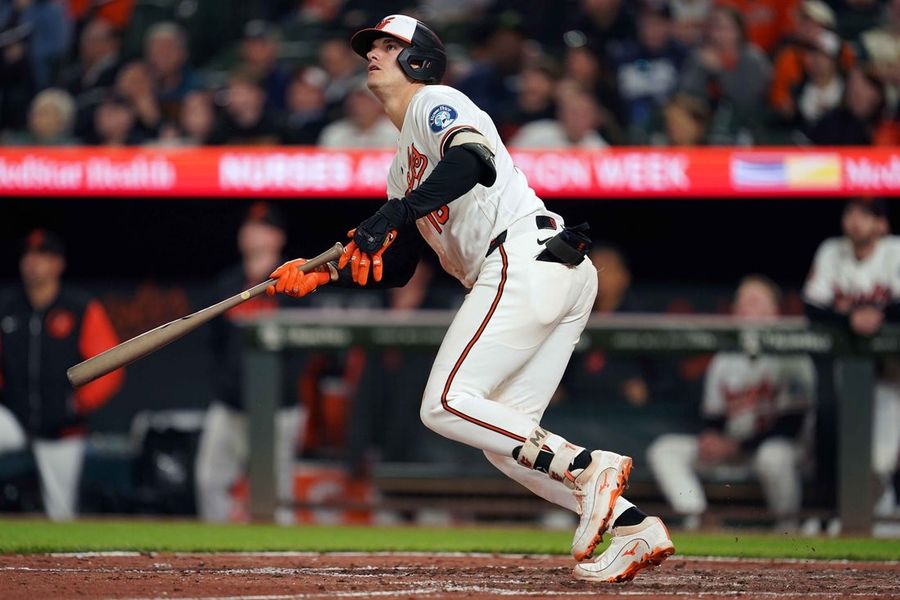
May 11, 2026; Baltimore, Maryland, USA; Baltimore Orioles designated hitter Coby Mayo (16) connects on a three-run home run during the seventh inning against the New York Yankees at Oriole Park at Camden Yards. Mandatory Credit: Mitch Stringer-Imagn Images
The Baltimore Orioles want to make more out of the current three-game series after winning the opener against the visiting New York Yankees.
Maybe there will be more drama Tuesday night.
The Orioles won for just the fourth time in 12 games when Coby Mayo’s three-run homer in the seventh inning sparked a 3-2 victory on Monday. The blast completed a surprising turnaround, as Baltimore trailed 2-0 and didn’t have a hit until that inning.
New York took its fourth straight loss. The Yankees fell for the fifth time in six games since beginning May with a five-game winning streak that included a four-game wipeout of Baltimore.
Now the Orioles are feeling better.
Advertisement
“It feels like I’ve been in that spot a lot over the last three seasons since I’ve been up here and haven’t come through much, as much as I wanted to,” Mayo said. “That was a spot where when I did come through, all that emotion came out and it just felt really good.”
The outcome provided the Orioles with a jolt of confidence. They were stymied by Ryan Weathers, but he exited after a single, a groundout and a walk in the seventh, and reliever Brent Headrick was taken deep by Mayo, the first batter he faced.
If the Yankees fall on Tuesday, they would match their longest losing streak of the season, a five-game skid from April 8-12.
“We’ve got to get some guys unlocked,” New York manager Aaron Boone said. “We’ve got a handful of guys that are scuffling. We’ve got to get a little bit more competitive up and down the lineup as we hit this little rough patch.”
Advertisement
Will Warren (4-1, 3.46 ERA) will start for the Yankees on Tuesday. He held the Orioles to two runs, one earned, in 6 1/3 innings for a home victory on May 1, striking out nine and walking one. Pete Alonso tagged him for a solo homer. Warren’s only outing since then resulted in a loss to the Texas Rangers, when he allowed six runs in four innings on Wednesday.
The right-hander has struck out 53 and walked 11 in 41 2/3 innings this season.
Warren went 1-2 with 4.95 ERA in four matchups with Baltimore last year, giving up four home runs in those outings.
Advertisement
The Orioles hadn’t announced their Tuesday pitching plans, but they are expected to have left-hander Trevor Rogers (2-3, 4.75 ERA) back from the injured list and available for a start any day now. Rogers hasn’t pitched in the majors since April 25. In four career outings vs. the Yankees, he is 1-1 with a 4.60 ERA.
Baltimore catcher Samuel Basallo was scratched from the lineup on Monday, when he was set to be the designated hitter, because of a sore left knee. A day earlier, he was involved in a collision at home plate but held onto the ball for an out against the Athletics.
The Orioles made a move involving the pitching staff on Monday, calling up left-hander Josh Walker from Triple-A Norfolk and optioning right-hander Trey Gibson to Norfolk.
New York slugger Aaron Judge has reached base against the Orioles in 27 consecutive games after hitting a sixth-inning double in the series opener.
Advertisement
The Yankees didn’t have shortstop Jose Caballero, who is batting .259 with 13 stolen bases, in the starting lineup on Monday because of a finger injury sustained a day earlier in Milwaukee. The plan was to have him evaluated by a specialist Tuesday in New York, though he was used as a ninth-inning pinch runner and caught stealing to end the Monday game.
“He’s as tough as they come, but he had a little hard time when he went to throw (on Monday),” Boone said. “He’s been such a good performer for us here to start the year, both sides of the ball. He’s been a key part of our team to this point.”
Max Schuemann was New York’s shortstop in Caballero’s absence.
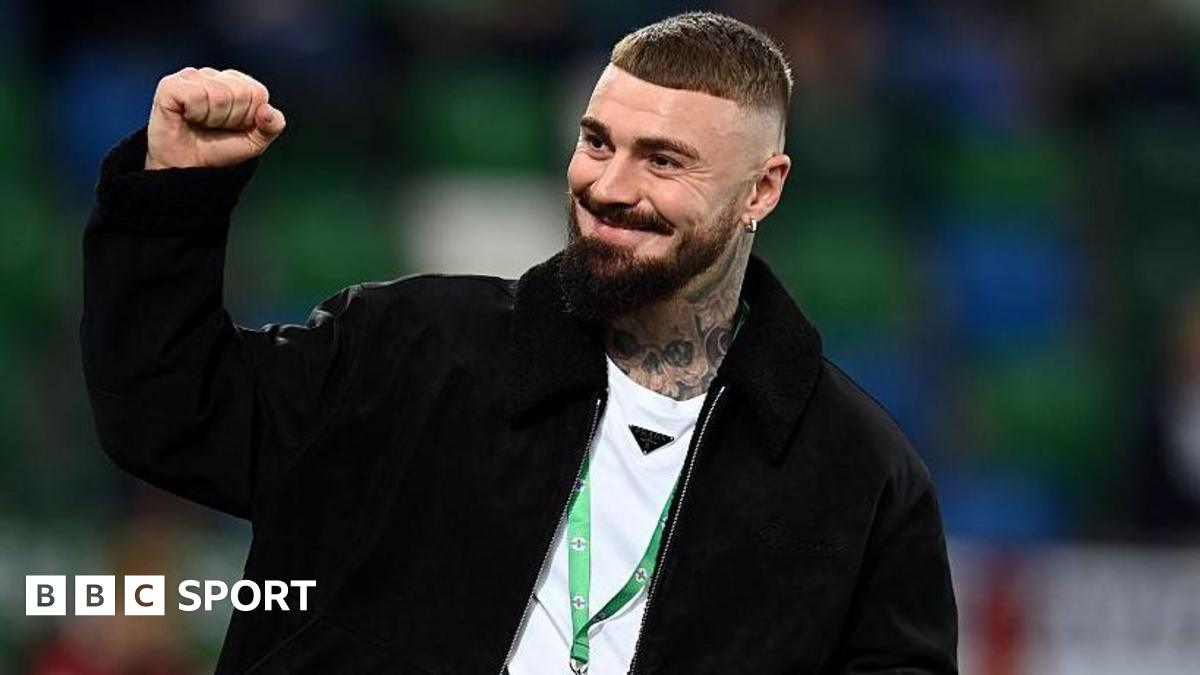
Belfast’s Lewis Crocker will defend his IBF world welterweight title against Australian Liam Paro in Brisbane on 24 June.
The contest will take place at the Pat Rafter Arena, with the date and venue having been confirmed on Wednesday.
Crocker hopes that a victory over Paro would help open the door to a unification bout with another belt-holder in the division.
The 29-year-old won the title with a split decision verdict over Paddy Donovan at Belfast’s Windsor Park in September and his team had hoped to stage the defence against mandatory challenger Paro in his home city.
Advertisement
However, with no agreement reached between the parties, the matter was resolved by a purse bid with No Limit outbidding Crocker’s promoter Matchroom by $27,000 (£20,000).
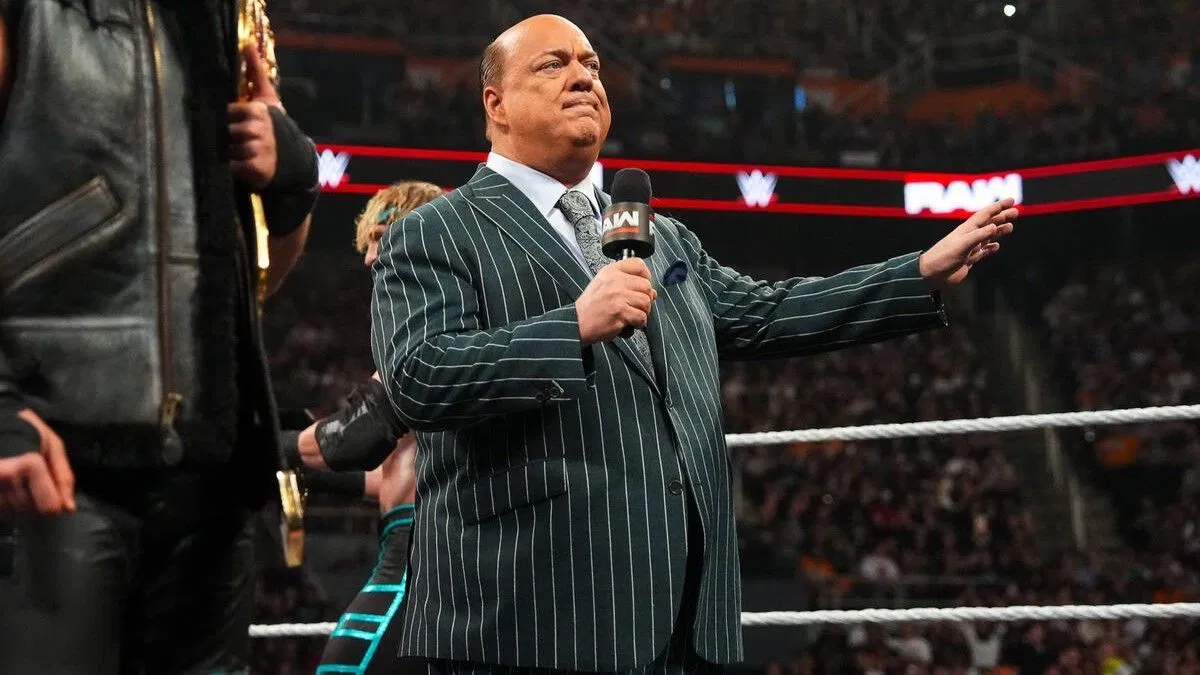
Paul Heyman appeared on the latest edition of WWE RAW alongside Austin Theory, Bron Breakker, and Logan Paul of The Vision. He kicked off the show and was at ringside for their six-man tag team match against Joe Hendry and the Street Profits.
Heyman, unfortunately, watched his clients lose the match after interference from Seth Rollins. After the show, he uploaded a picture of the Empire State Building on his X/Twitter account, claiming that the building was lit up dark green in his honor, since he was wearing a suit of the same color on RAW.
Thanks for the submission!
Advertisement
“Just landed back home a moment ago. The rumors are true. The Empire State Building is lit up dark green tonight in honor of my custom green suit on WWE RAW tonight. King of New York ( … and everywhere else)!” he wrote.
Real Reason why Jacob Fatu lost at Backlash – Check Here!
Advertisement
It seems clear that Paul Heyman will have his hands full throughout the summer, as the feud between the two sides will continue following the tag team match on RAW.
Paul Heyman’s clients were booked in a title match for an upcoming WWE event
Angelo Dawkins rolled Austin Theory up for the pinfall during the six-man tag team match on RAW this past week. However, it wasn’t without shenanigans as Paul Heyman’s former client, Seth Rollins, interfered in the match, distracting Theory enough for Dawkins to get the victory for his side.
After pinning one-half of the World Tag Team Champions, the Street Profits will finally get a shot at the championship at an upcoming WWE special event.
Saturday Night’s Main Event XLIV is just two weeks away, and one of the first matches added to the card is a World Tag Team Championship match where Logan Paul and Austin Theory will defend their titles against Montez Ford and Angelo Dawkins.
Advertisement
The Street Profits have been featured regularly on RAW since their return, and have given Paul and Theory a tough time. Now, it remains to be seen whether they can end their title reign to send them on the back foot and gain a strong footing in the tag team division on RAW.
Why did you not like this content?
Advertisement
Was this article helpful?
Thank You for feedback
Get all the hottest wrestling news FIRST by clicking here



;)
;)
;)
;)
;)













































You must be logged in to post a comment Login