“I love heights, man!” shouts the man next to me as we awkwardly stuff our limbs into fire-engine-red jumpsuits and tighten the straps. “I’ve wanted to do this for ages.”
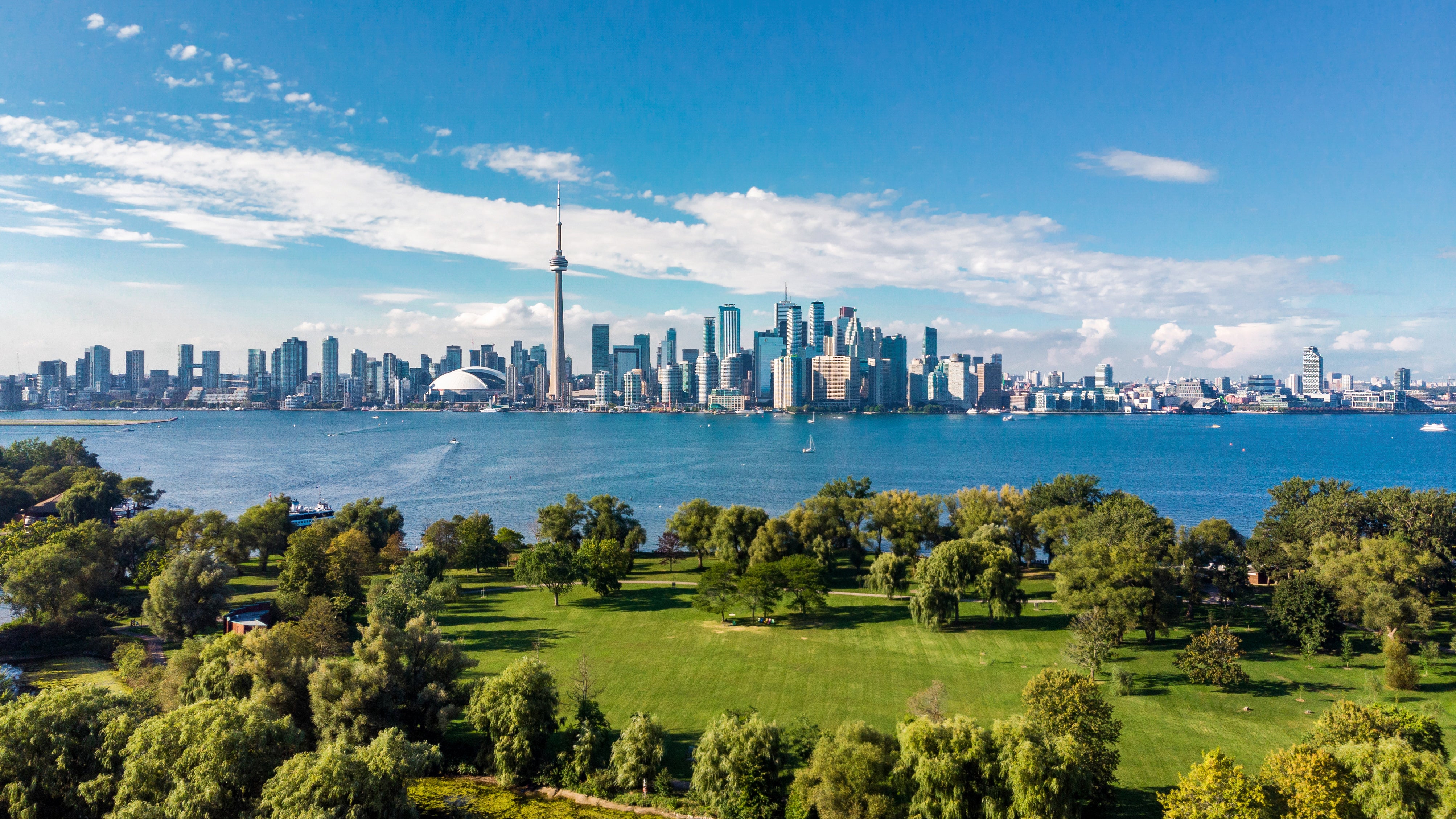
This golden retriever enthusiasm should be infectious, but any chutzpah I once had has fluttered away like a maple leaf in Canada’s crisp autumnal breeze. I’m at “basecamp” for Edgewalk, a toe-curling 30-minute creep around the edge of Toronto’s CN Tower, attached only by a black harness. A short lift ride later, and our group of six is gingerly stepping out into the elements at 356 metres (1,168 feet) above ground.
Coal-black rainclouds swell ominously over Lake Ontario, and the tourists below look like shuffling grains of sand. My hands clam up, clutching the harness cord as we attempt our “leaning forward” exercise. Yet, suspended above it all, watching the city I once called home fan out below me is oddly comforting.
My first summer in Toronto was a balmy haze of riding carnation-red streetcars, sinking happy hour beers on downtown terraces, bouncing around busy hostels, learning the rules of ice hockey and savouring fleeting friendships with fellow travellers from around the globe. That was 2011. Now, 15 years later, Canada’s biggest city is hosting six matches at the 2026 Fifa World Cup.
Toronto is the perfect city to host the Fifa World Cup 2026, says writer James March (Getty/iStock)
I stayed for two years, and the place still feels like home. Toronto’s international character was intoxicating to me when I first arrived, with over half of its three million population born outside Canada and over 180 languages spoken. While I eventually got around to attractions like the Royal Ontario Museum and the Norman Foster-designed Art Gallery of Ontario, it was the city’s diverse neighbourhoods that captivated me most.
“There’s definitely a neighbourhood mentality here,” says Saro Yacoubian, one of the three brothers who run Taline, a Lebanese-influenced Armenian restaurant in Toronto’s leafy Summerhill neighbourhood. It’s the first time I’ve been to this corner of the city, a few blocks north of the bustling Yonge and Bloor intersection, and it’s the first time I’ve eaten Armenian food.
“In the 1960s, this space here was a tailor’s, and upstairs was where the tailor lived. Funnily enough, he was an Armenian too. Total coincidence!” laughs Yacoubian, before he explains what I’m going to be eating tonight. I’ve no idea where to find Armenian food back in Britain, but in a city like this, with its global bazaar of cultures and cuisine, it’s just another Wednesday night.
Taline is the name of the brothers’ late mother, and I tuck into refined versions of the hearty Armenian-Lebanese cuisine she once cooked for them, like unctuous boat-shaped meat dumplings called manti,or tender, well-seasoned vochkhar lamb chops.
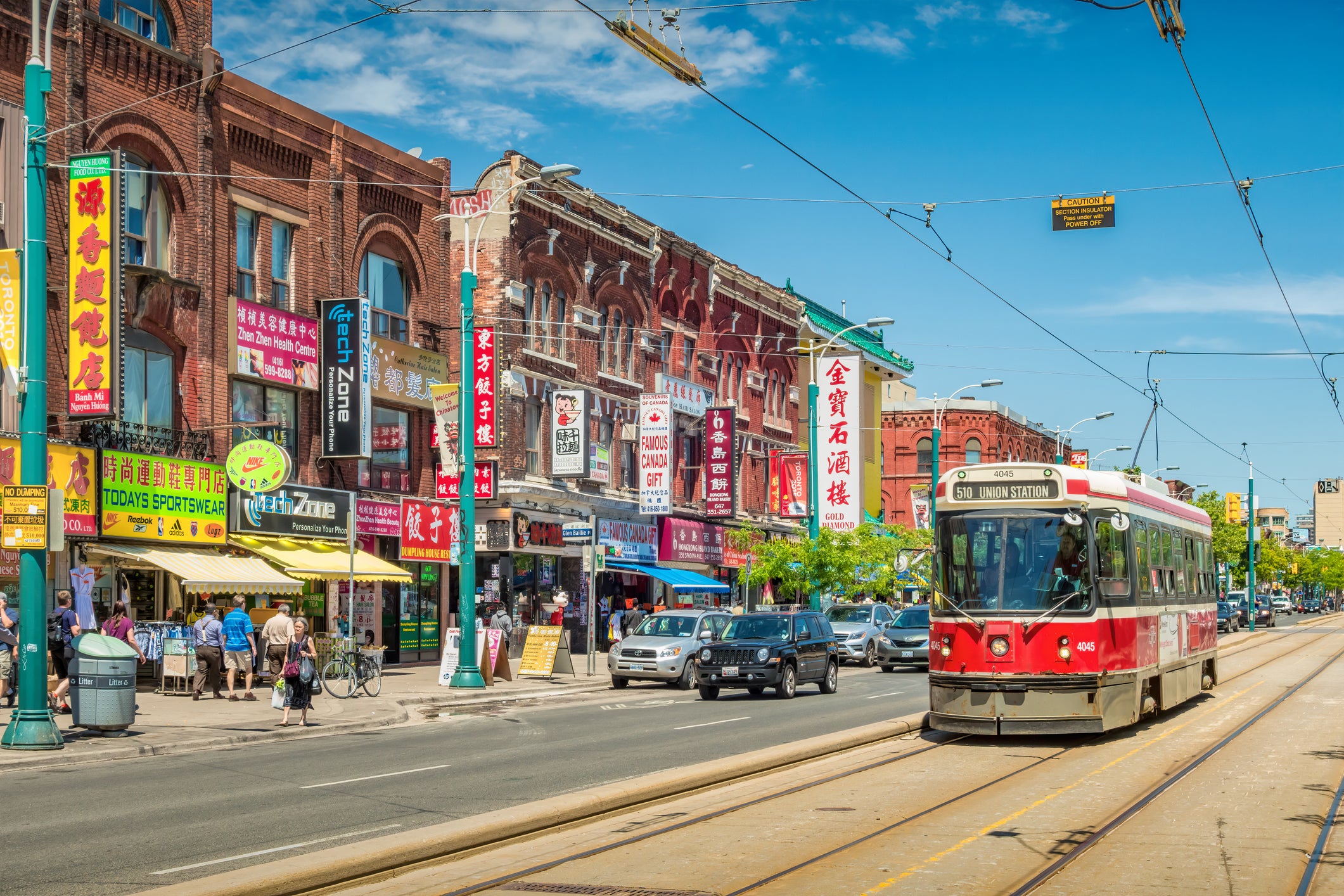
The dishes are excellent, but Summerhill is far from the only neighbourhood for sublime food. There is Portuguesebacalhau on Dundas St West, Polish dumplings on Roncesvalles, Korean BBQ on Bloor St West or Peking duck in Spadina’s historic Chinatown. My salvation, though, was always Kensington Market.
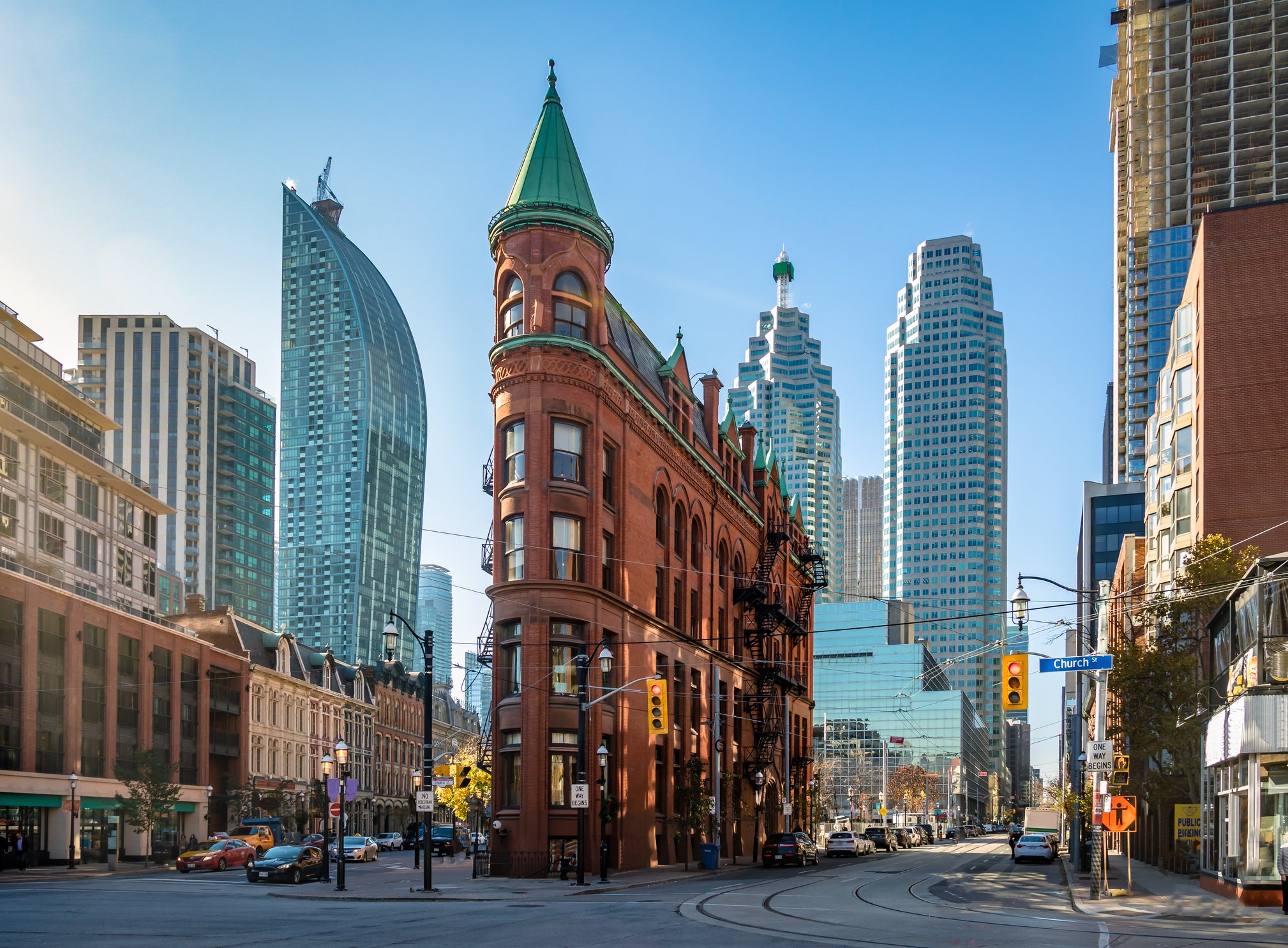
Spending my first night back at the glittering Bisha Hotel, I feel like an interloper. This wasn’t my world 15 years ago; I could barely pay rent and became something of an authority on happy hour pints and cheap poutine. Toronto’s skyline may be taller and glassier, but Kensington Market’s edgy, multicultural spirit is as beguiling as ever.
Downtown Toronto is where you’ll find Toronto Stadium, host of six football matches during the FIFA World Cup 2026 (Getty/iStock)
“Kensington Market is a microcosm that represents everything Toronto is about,” says my guide CJ, as she leads a busy food tour from Chinatown into Kensington’s art-splashed streets. Incense hangs in the air, pro-Palestine flyers are handed out and Pride flags flutter above the houses. The vintage stores and shabby dive bars I used to frequent are still here, while the revolving cast of affordable bites brings new surprises, with fiery Jamaican beef patties, generously filled tacos and dense fried chicken providing an agonising array of choice.
“The diversity, the multiculturalism. That means everyone is welcomed, recognised, and respected,” CJ adds, before leading our group into a meandering mobile brunch.
If food and football are to go hand in hand, the World Cup is an opportunity to showcase Toronto’s other famous sports. A staunch football fan, I was initially dismissive of ice hockey, basketball and baseball when I arrived, but by the end of my first summer, I was a full-blown Toronto Blue Jays fan. They’re the local baseball team that came within a whisker of winning the World Series championship last October. Ticket prices for games at the hulking Rogers Centre stadium (conveniently located downtown next to the CN Tower) in summer are always affordable, and on a warm evening, with a beer in hand, the games are great fun, even if the rules seem as complicated as a Russian novel to the uninitiated.
Ride a streetcar through Chinatown in downtown Toronto (Getty/iStock)
The six World Cup games will be played at Toronto Stadium, near the waterfront. Usually home to Major League Soccer’s Toronto FC, its 28,000 capacity is being expanded to 45,000 for the tournament, with two new grandstands and a host of plush new suites. The Bentway, normally a concrete underpass, is being transformed into a vibrant arts, music and events space, and will host the official Fifa fan zone. I’d also recommend wandering into nearby Liberty Village for more drinks and fun. It was where I landed my first job in Toronto, though the less said about that, the better (I was never cut out for manual labour).
One place I was cut out for was the Loose Moose, a cartoonishly named favourite from my time here – a downtown pub with almost as many screens as pints on tap. With the Blue Jays on TV and a cold Canadian pint in hand, my last night in the city is a good one.
“It always makes me happy, because it reminds me of being happy,” wrote the great food critic and raconteur AA Gill about his old home, New York. I feel the same way about Toronto. Though next time, I’ll probably just stick to the CN Tower’s indoor viewing deck.
Advertisement
How to get there
Heathrow, Gatwick, Manchester and Edinburgh all offer direct flights to Toronto. The airlines that fly there include Air Transat, Air Canada, British Airways and Virgin Atlantic, with an average flight time of around seven hours.
Where to stay
Stay at The Drake Hotel on Queen St West. Prices from $370 CAD (£200) per night.
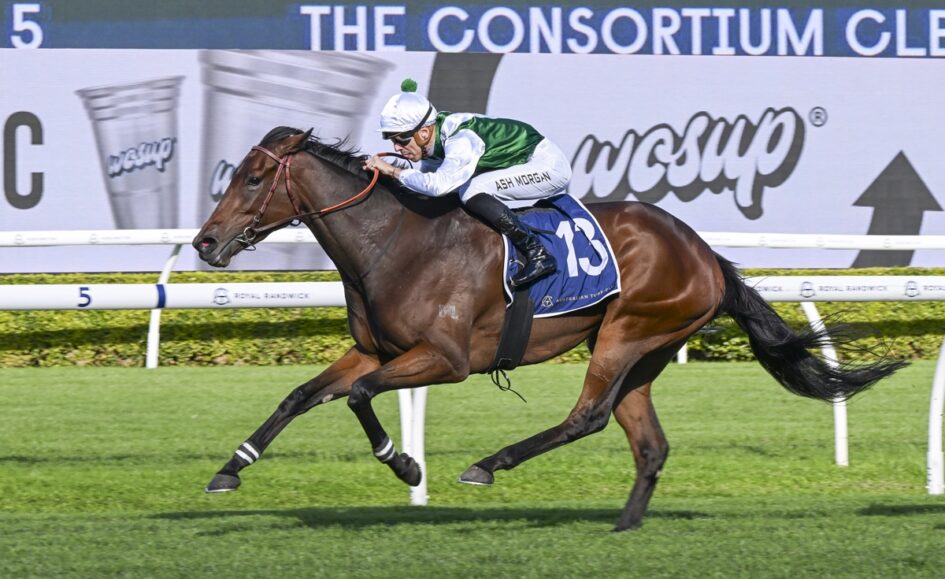
Trainer Matt Smith is adopting a patient approach with Millie De Lune, hopeful the talented mare can put a frustrating injury setback behind her when she resumes at Rosehill on Saturday.
The daughter of Puissance De Lune returns in the Congratulations Chris Waller Handicap (1400m), her first start since suffering a tendon injury that interrupted what had promised to be an exciting staying career.
Millie De Lune showcased her potential with a middle-distance victory at Randwick in June 2025 before earning a start in the Winx Guineas, where she finished midfield.
While Smith isn’t expecting her to be winning first-up, he believes the mare has the ability to make her mark once she gets over longer distances later in the preparation.
Advertisement
“It’s just a starting point,” Smith said. “She had a tendon injury. It was very minor, but it took ages to heal. Everything has been good so far, so touch wood. “She is a really nice mare and when she gets up over a trip to 2000, 2400 (metres), she will be good.”
Jay Ford has been booked to ride Millie De Lune, who is one of up to five Rosehill runners for the stable.
Smith will also saddle Anythink Goes in the Congratulations Siena Grima Handicap (2000m), while Astero and World Alliance contest the NSW Jockeys Association Handicap (1300m).
Winston Hills is currently an emergency and requires one more scratching to gain a start.
Advertisement
Smith’s confidence around Astero has been tempered by a wide barrier draw and the prospect of a drying track, despite being pleased with the veteran’s recent work.
He is more optimistic about World Alliance, who has had little luck this campaign but is capable of producing a strong finish if the race is run to suit.
The gelding was unlucky in the Ramornie Handicap at Grafton and had previously produced two encouraging Sydney performances, including a third behind Istolea Merc at Canterbury.
“He’s one of those horses that’s always going to be a bit unlucky because he gets back and runs on,” Smith said. “He has been unlucky a couple of runs this prep. He probably should have won at Canterbury. But if the speed is there, he can be finishing over the top of them.”
Advertisement
Compare the latest Rosehill markets with Australia’s leading Top 10 Betting Apps.
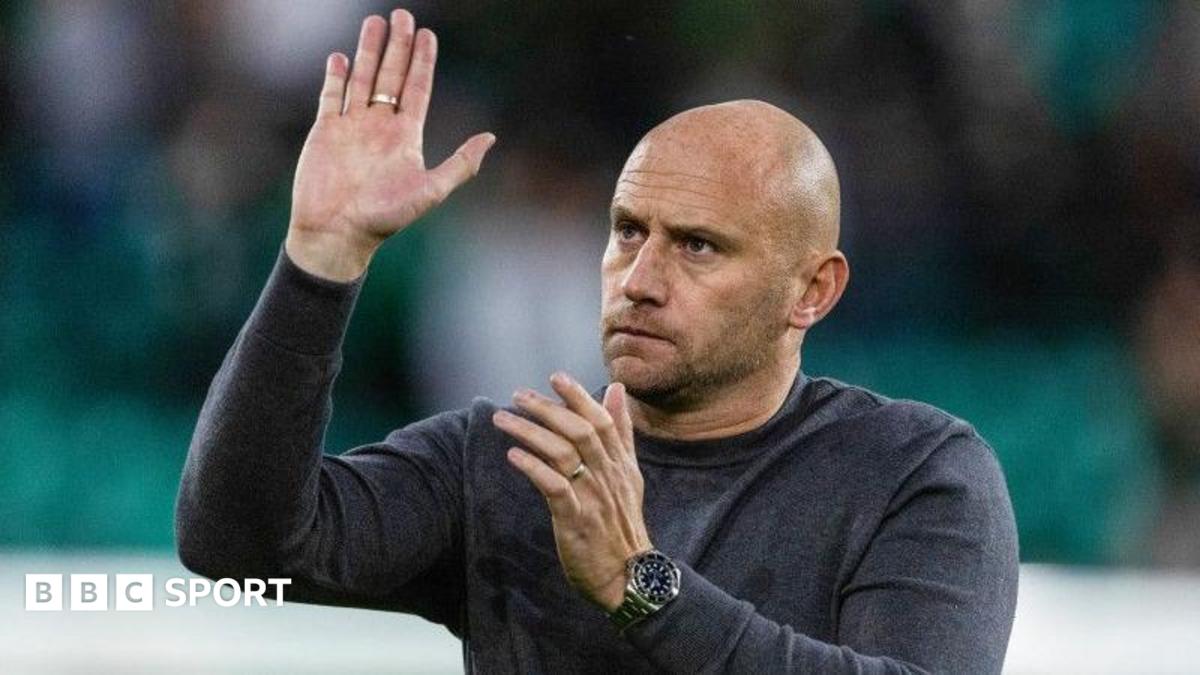
David Gray has gone from being slated to serenaded by Hibernian fans in the space of seven days.
Make no mistake, the head coach was under pressure after his side’s torrid display in Kosovo last week.
Supporters who had travelled to eastern Europe made it abundantly clear what they thought of their team’s 2-0 first-leg defeat by Malisheva with their Conference League hopes on the brink.
The head coach stressed the result – and the manner of it – were unacceptable, but the only way to answer doubters is on the park.
Advertisement
In the second half at Easter Road on Thursday, with Hibs four goals to the good on the night and on their way to an aggregate victory, Gray’s name was sung to the rafters.
His iconic status is untouchable. That’s what a winning goal in a Scottish Cup final win does, but these chants were not for his Hampden heroics as a player, rather for the way his team had responded to adversity.
They flew out of the blocks, led by the evergreen Martin Boyle, and had wiped out the two-goal deficit within 15 minutes.
By the time Boyle danced past several bewildered defenders and made it 4-0, it seemed as though Hibs could do no wrong.
Advertisement
Yes, there was a drop-off in the last 20 minutes and Malisheva got a goal back, but Gray wanted to focus on the positives post-match.
“We spoke about the intensity we want to play at, the intent from the start to play forward, run forward and get the crowd behind us,” he said.
“I saw it in training and they fully deserved to win tonight. We should have been out of sight, we hit the woodwork a couple of times and missed three or four big chances.
“That goal at the end made it a little bit edgy but at the same time, the players deserved what they got tonight. Delighted for them.”
Advertisement
Gray was asked if there was a sense of relief after last week and he admitted the enjoyment he takes from winning is only fleeting.
“It’s different for a coach winning games to being a player,” he said. “Relief kicks in and then it’s the next game.
“You enjoy it for two minutes and then on to the next one.”
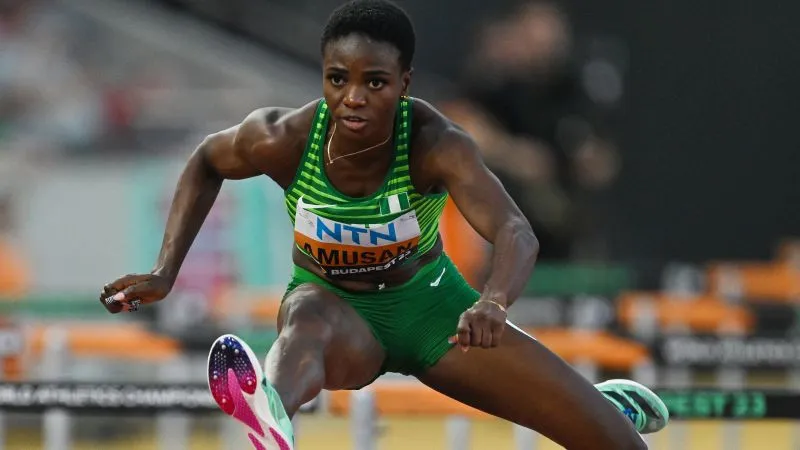
Nigeria’s Tobi Amusan narrowly missed out on making history after winning the bronze medal in the women’s 100m hurdles at the 2026 Commonwealth Games.
The Nigerian sprint hurdler crossed the finish line in 12.60 seconds to place third, ending her quest for a third consecutive Commonwealth Games gold medal in the event.
The gold medal went to Devynne Charlton of The Bahamas, who delivered an outstanding performance to win the race in 12.33 seconds. Jamaica’s Megan Simmonds finished second to claim the silver medal with a time of 12.41 seconds.
Advertisement
Amusan had looked set for another title after producing a brilliant display in the heats, where she clocked a wind-assisted 12.19 seconds. The time was the fastest ever recorded in Commonwealth Games history under any conditions and made her one of the favourites for the final.
However, she could not reproduce that speed in the medal race and had to settle for bronze.
Although she fell short of retaining her title, Amusan’s latest podium finish adds another major international medal to her impressive career and boosts Nigeria’s medal count at the Games.
Advertisement
The African champion remains one of the continent’s finest athletes, with consistent performances on the global stage. Her bronze medal once again highlights her ability to compete among the world’s best, even as her bid for a historic third straight Commonwealth Games crown came to an end.
Jul 30, 2026; Chicago, Illinois, USA; Chicago Sky center Kamilla Cardoso (10) shoots a free throw against the Connecticut Sun during a second half of a WNBA game at Wintrust Arena. Mandatory Credit: Kamil Krzaczynski-Imagn Images
Kamilla Cardoso scored 26 points and Sydney Taylor added 14 as the host Chicago Sky defeated the Connecticut Sun 94-88 on Thursday to stop a two-game skid.
Connecticut (7-22) outrebounded Chicago (10-18) 34-28 and had all five starters score in double figures. But it wasn’t enough to stop the Sky, who outscored the Sun 54-39 after halftime to hand them their fourth straight loss.
Aneesah Morrow remained on a tear for Connecticut. Two nights after scoring a career-best 21 points in a 92-84 loss at Washington, the second-year forward matched that total despite contributing just four points after halftime.
Olivia Nelson-Ododa posted a double-double of 16 points and 11 rebounds for the Sun. Diamond Miller (14 points), Leila Lacan (12) and Charlisse Leger-Walker (10) followed.
Remaining steady after a strong start to the third quarter was the key for Chicago. After a Taylor trey brought the Sky within three at the 6:59 mark, Connecticut pushed the advantage back to 12 just over two minutes later after leading by 14 late in the first half.
Advertisement
Cardoso hit two free throws to give the Sky a 74-72 lead with 6:35 remaining in the fourth quarter. She split a pair to push the lead to seven points with 3:20 left. She went 10-for-11 from the foul line with a team-high six rebounds to help the Sky lead by 10 in the final minute.
Natasha Cloud scored 11 points for Chicago, and DiJonai Carrington contributed nine points in her team and season debut.
Carrington missed the first half of the season with a sprained left foot. Carrington hadn’t played since September, when she sustained the injury during the Minnesota Lynx’s playoff run.
Advertisement
Connecticut took a 49-40 lead into halftime. Long-range effectiveness helped the Sun create a cushion. They shot 4-for-8 from deep in the first 20 minutes compared to 2-for-14 for the Sky.
Morrow (17 points) and Nelson-Ododa (12) led all scorers at intermission. Cloud paced Chicago with seven first-half points.
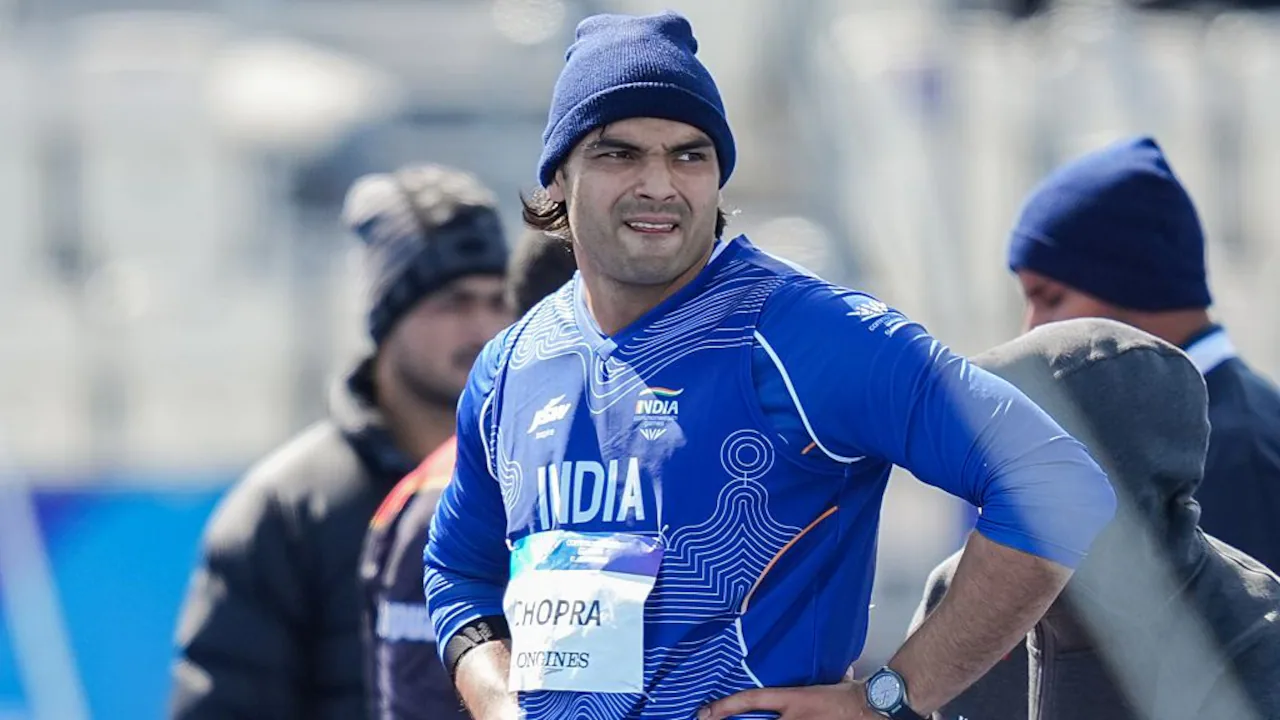
It was quite surprising to see champion athletes like Neeraj Chopra, Arshad Nadeem, Anderson Peters, and even Rumesh Pathirage fail to hit the automatic qualification mark in the men’s javelin throw qualifier at the Commonwealth Games 2026 on Thursday. For these athletes, who have sometimes cleared 90-metre distances, struggling to even cross the 80-metre mark was unexpected. While it is common for athletes to hold back in qualifiers, Neeraj, Arshad, and several others were expected to at least breach the automatic qualification mark of 84 metres. However, not a single athlete managed to do so.
For Chopra, who won a gold medal at the 2020 Tokyo Olympics and silver in Paris four years later, his first attempt was just 76.28 metres. He improved in his second attempt to eventually finish fifth with a throw of 79.61m, meaning a third attempt was not needed.
Arshad, Neeraj’s long-term rival, could only manage a maximum distance of 78.63 metres-which came in his first attempt-finishing seventh overall.
Advertisement
Sri Lanka’s Rumesh Tharanga Pathirage, Grenada’s Anderson Peters, South Africa’s Douw Smit, and England’s Ben East were the only four athletes to breach the 80-metre mark in the qualifier.
Why Could No Athlete Breach the 84-Metre Automatic Qualification Mark?
One of the main reasons for the athletes’ inability to secure automatic qualification for the final was the presence of strong winds at the venue. The conditions in Glasgow were treacherous for the throwers; crosswinds disturbed the flight of the spears, making it difficult for athletes to hit their desired distances.
Speaking on his effort in the qualifier, Neeraj said: “Conditions were not the best for javelin throwers-not only cold, but windy. And the wind was not from the front. It’s very hard to process. Sometimes I thought I’d throw a certain way, but the wind would come from another side. A lot of throwers were struggling. Nobody hit the automatic qualification,” he said.
Advertisement
VIDEO | Glasgow, Scotland: Indian javelin thrower Neeraj Chopra speaks to the media after making it to the men’s javelin final at the Commonwealth Games after finishing fifth in the qualification round.
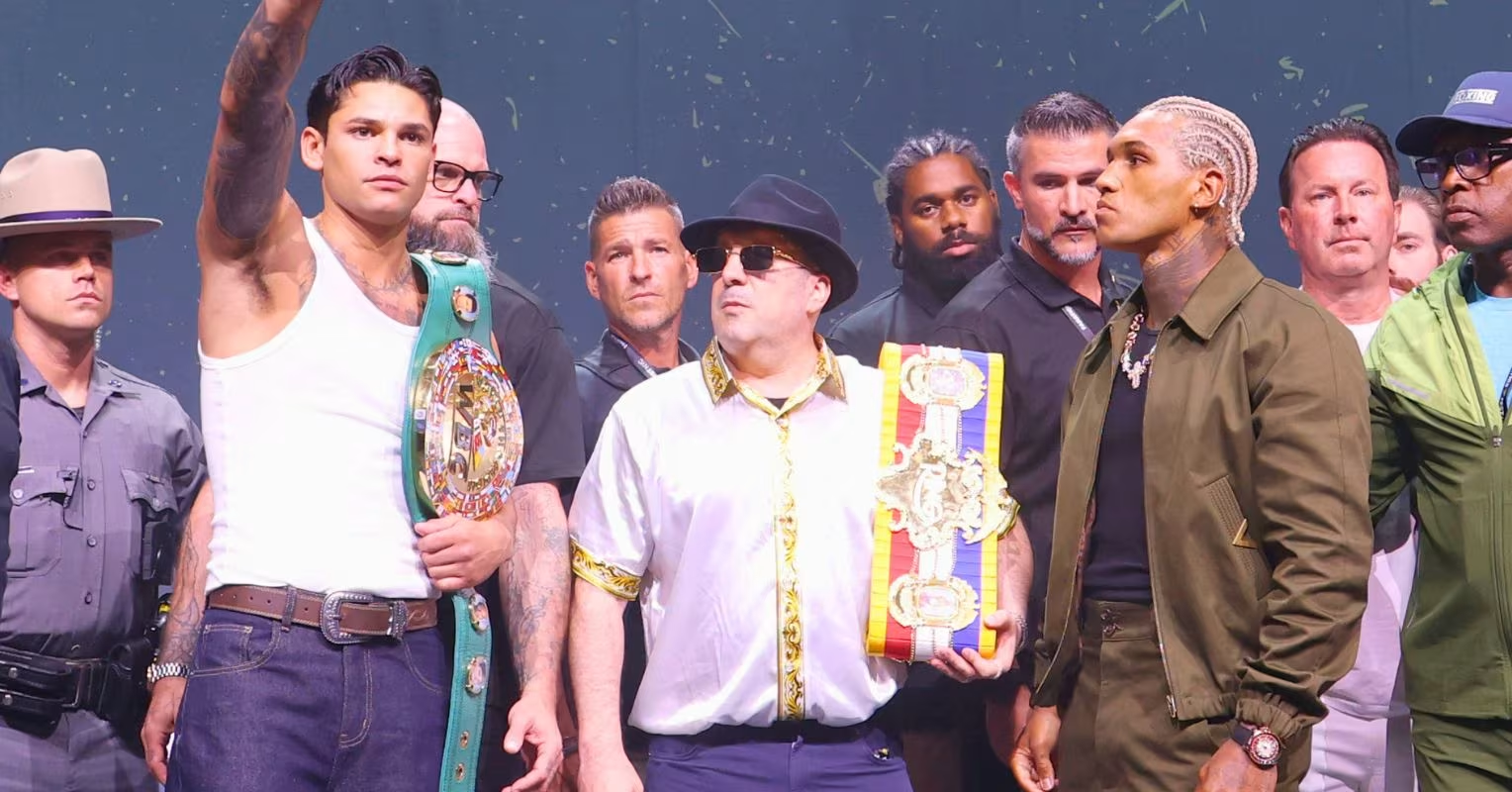
Legendary trainer Teddy Atlas has predicted an upset victory when Ryan Garcia and Conor Benn go head to head.
The two welterweights will collide at Las Vegas’ T-Mobile Arena on September 12, with ‘King Ry’ making a first defence of his WBC world title.
Garcia claimed his belt by dethroning Mario Barrios with a unanimous decision victory in February, which followed his unexpected points defeat to Rolando Romero in May 2025.
Advertisement
Back then, Garcia seemed a shadow of his former self after returning from a year-long doping ban, courtesy of him testing positive for ostarine following his encounter with Devin Haney.
A lack of confidence appeared to be the main problem here, with the American’s passive approach throughout the build-up being matched by his lacklustre performance against Romero.
But while Garcia is now coming off a far more assured display against Barrios, Atlas remains unconvinced that the 27-year-old can maintain this mindset.
Speaking with Canada Casino, the Hall of Fame trainer highlighted the champion’s inconsistency as the reason for him siding with Benn.
Advertisement
“Garcia has always been influenced on a mental and emotional basis. He is very talented, but unless he is right mentally and emotionally, that talent doesn’t really equate into anything special.
“Garcia is probably in a better place now, mentally, than he has been for a while. But does he stay in that place? At the end of the day, I usually go towards consistency. Garcia fights in spurts. Benn is not as flashy or spectacular in those spurts, but he is more consistent with his offence.
“In the mental area, Benn probably gets a bit of an edge. I might possibly be on the side of Benn.”
While ‘King Ry’ has previously tested positive for ostarine, Benn’s failed a doping test for clomifene came ahead of his cancelled encounter with Chris Eubank Jr in 2022.
Reports have gone back and forth regarding the current status of the ‘Protect College Sports Act’ in Congress.
Will there be enough changes made to get the Big Ten and SEC on board?
On today’s episode of Locked On College Football, I make my 2026 record prediction for the USC Trojans.
Will they win enough games to keep Lincoln Riley off the hot seat?
Iowa has been one of the steadiest members of the Big Ten, and last year they were closer to making the 12-team Playoff than folks might realize.
Will they be in the running for that mark again?
Advertisement
00:00 NCAA revenue sharing discussions 03:39 Concerns about college sports salary cap 06:49 Debating college sports financial caps 12:20 USC football schedule strategy 14:34 USC football expectations debate 17:33 USC’s 2026 team prospects 19:43 USC’s playoff chances and challenges 25:36 Iowa’s path to an 8-4 season
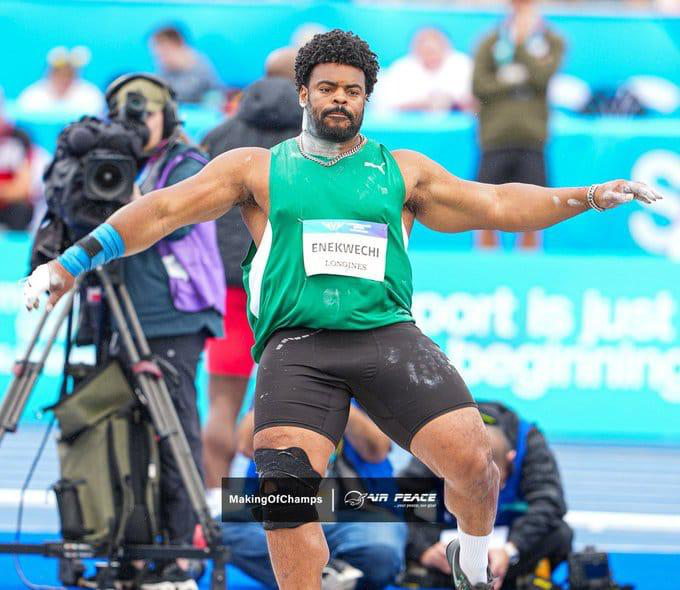
As expected, Nigeria’s Chukwuebuka Enekwechi lived up to his billing by winning the men’s shot put gold medal at the 2026 Commonwealth Games in Glasgow.
The Nigerian star produced a brilliant throw of 21.07 metres in the fifth round to secure the Commonwealth title after a closely contested final.
Enekwechi finished ahead of New Zealand’s Tom Walsh, who settled for the silver medal with a best throw of 21.03m, while England’s Scott Lincoln claimed bronze after recording 20.99m.
Advertisement
The gold medal is another major milestone in Enekwechi’s career and further confirms his status as one of Africa’s leading field athletes.
His victory also adds to Nigeria’s growing medal haul at the Commonwealth Games, with the country’s athletes continuing to impress across different events.
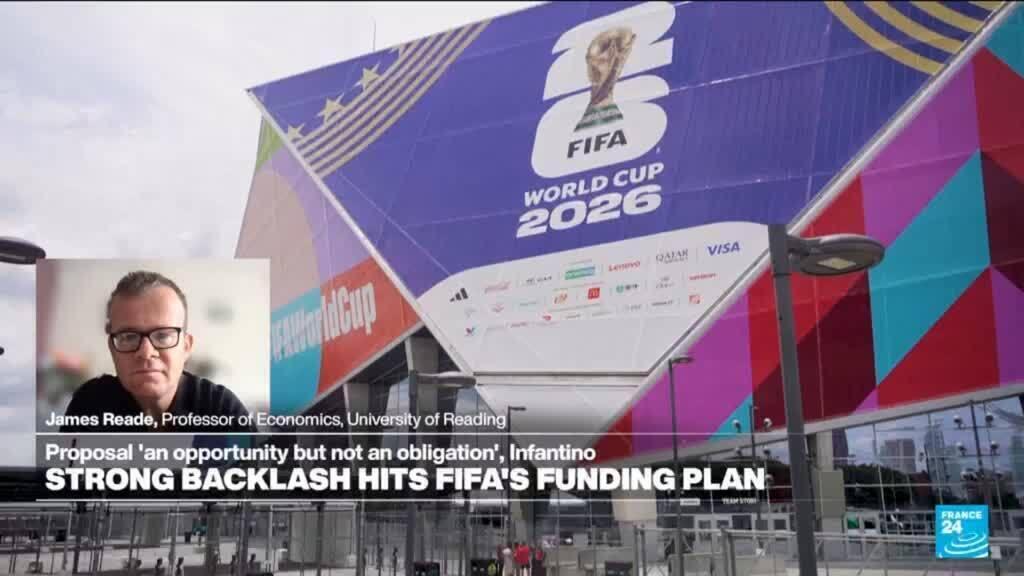
Oliver Farry is pleased to welcome James Reade, Professor of Economics at the University of Reading. He argues that FIFA’s reported proposal of private equity involvement in the FIFA World Cup represents far more than a financial restructuring. It raises fundamental questions about ownership, governance, and the very purpose of football’s most iconic competition. Reade suggests that introducing private investors risks crossing a red line: Private equity would completely reframe the World Cup as a commercial asset focused on generating returns for investors.
Bengaluru: Indian hockey has changed its colours. In place of the legacy blue, a norm since 1926 and a shade instantly identified with the country’s stickmen and women, is saffron, starting from the FIH World Cup in Belgium and the Netherlands in a fortnight. The new kits arrived at the national camps here last week.It is a pass from the deep that has sparked outrage from former players, hockey lovers and people across society. As the visuals of the new jerseys were released earlier this week, it blew up social media. Hockey India (HI) scampered into damage control mode, claiming that the blue was being discarded since it clashed with the colour of the turf and hampered visibility. Blue-coloured turfs have been in practice for 14 years now.“The decision was taken collectively by the players and coaches after we felt the blue jersey blended with the blue turf, making visibility difficult at times. We used the new jersey in training on Thursday, and it made it easier to identify teammates and communicate on the field,” men’s team skipper Harmanpreet Singh told TOI.Meanwhile, a few players TOI spoke to said there was no team meeting held to discuss the colour of the jersey, and they realised the colour change only when their kits arrived.Past masters who have donned the blue with pride, are hurt by the decision.Vasudevan Baskaran, the captain of the 1980 Moscow Olympics gold-winning team, questioned, “This entire generation has grown up playing on blue turf; have they suddenly gone colour blind? We have played in blue clothing since 1928; it is a colour we identify with when we say an India jersey. Why change it now? It is shameful.”Former India captain Viren Rasquinha was among the first to react, posting, “… This is embarrassing. The legacy and identity of the Indian team has always been blue. I wore the Blue jersey with pride for many years. Fans want to see our Indian team in blue. What is the logic of orange?”Defending the change of colour, HI president Dilip Tirkey — a former India captain who played most of his 412 internationals in blue — told TOI, “I don’t understand why people are reacting negatively to the change in jersey colour. This is not the first time that we are playing in non-blue jerseys. The players and support staff felt a striking colour would ensure better visibility of the ball on the blue pitch.”On the colour that was eventually chosen, Dilip explained, “We had a choice of two colours, yellow and orange; we collectively went with the latter because orange is a part of the tricolour. Also, we haven’t said the team won’t wear blue ever again.”India have in the past worn different colours at various tournaments. They went with yellow and light blue jerseys at the World Cups in 2014 and 2018 respectively, while white with orange has been used as well in the past, including at the Olympics.The issue of ball visibility on a blue turf is rather subjective, given that the blue surface was introduced in 2012 and the citing and the colour of the jersey were not discussed.Outlining the importance of the blue jersey, Baskaran added, “In 1960, as a school boy, I watched Harbinder Singh and team play and told myself, ‘One day I want to wear the India blue.’ The colour is identified as the national sporting colour, and it is being taken away from the national sport.”A former hockey Olympic medallist, who did not want to be named, pointed out, “For 14 years, the team has been playing on blue turfs wearing the same colour jersey. If it was such a big problem, why wasn’t this discussed or implemented before? Also, the men’s team won two Olympic bronze medals wearing blue, and the women’s team’s best performance at the Olympics came in the same colours too. What’s changed now?”Harmanpreet urged people to focus on supporting the team. “We are always looking for ways to improve, and if a change benefits the team, we will make it. There is no politics behind this—it’s purely a sporting decision. I hope the focus remains on supporting the team as we prepare for the World Cup and aim to get the coveted trophy home,” the drag flick ace stated.









 Iowa has been one of the steadiest members of the Big Ten, and last year they were closer to making the 12-team Playoff than folks might realize.












































You must be logged in to post a comment Login