

If President Donald Trump had his way, the Republican Party would be top-to-bottom the party of AI — or, in his preferred branding, “super intelligence.”
Tech & AI
Amazon Ditches Fire Branding for Alexa Tablets — and May Be Building Toward a Phone

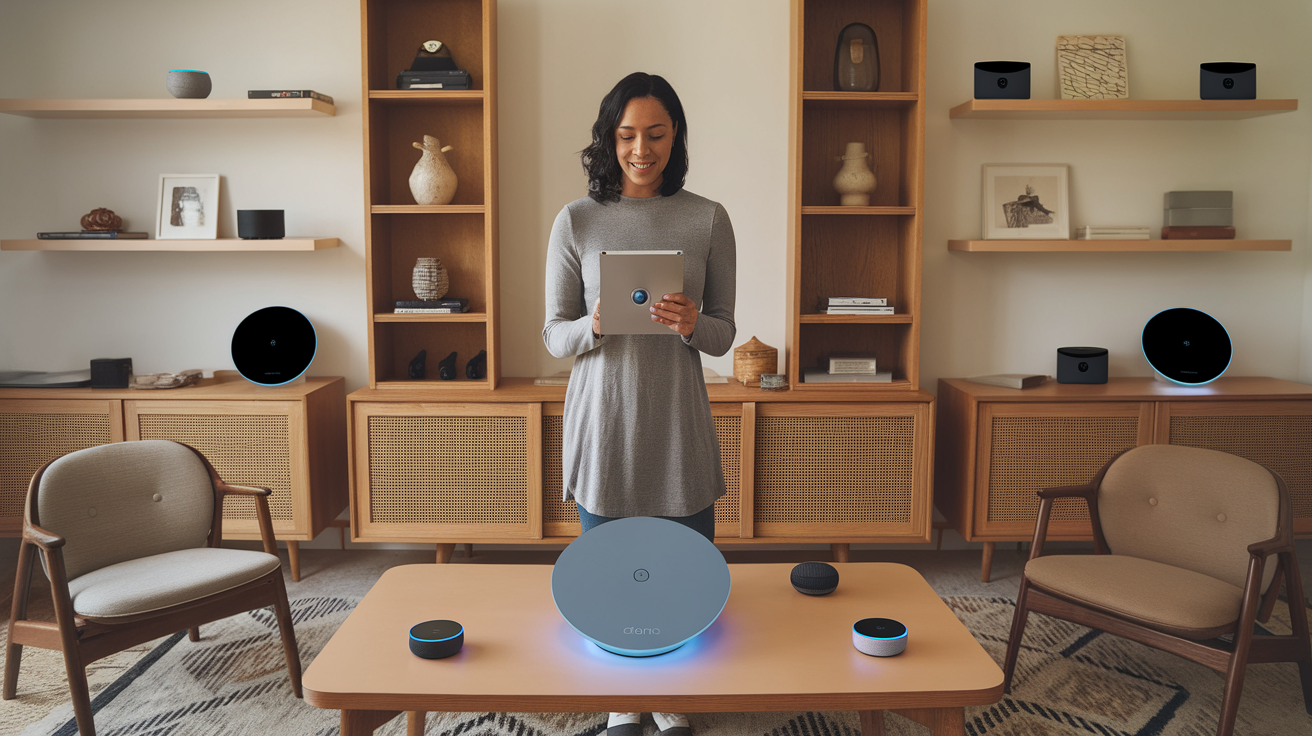
TITLE: Amazon Ditches Fire Branding for Alexa Tablets — and May Be Building Toward a Phone
KEYWORD: alexa tablets
DESCRIPTION: Amazon’s new Alexa Tablets drop Fire branding, embrace Android and Google Play, and hint at a long-rumored Amazon smartphone powered by Alexa+.
Amazon has quietly closed the book on 15 years of Fire tablets, replacing the familiar budget lineup with a trio of premium devices called Alexa Tablets. The rebrand, announced this week, is more than cosmetic. For the first time, Amazon’s tablets run full, Google-certified versions of Android complete with the Play Store — a dramatic reversal for a company that spent over a decade insisting its forked software and walled-off Appstore were good enough.
The shift comes months after Amazon shut down its own app store, effectively admitting that Fire OS’s limited app selection had become a liability rather than a point of differentiation. Now, with the Alexa Tablets, Amazon is betting that access to Google’s full app ecosystem, paired with a much deeper integration of its Alexa+ assistant, will make its hardware competitive again against Apple’s iPad lineup and other Android slates.
What’s Inside the New Alexa Tablets
The lineup consists of three aluminum-bodied devices. The Alexa Tablet 8 starts at $230, while the Alexa Tablet 11 runs $330; both use the budget MediaTek 8189 chip and feature 16:10 displays suited for video streaming. The flagship, the Alexa Tablet 12 Pro, starts at $500 and takes a different approach with a 3:2 aspect ratio better suited to multitasking, a sharper 2800×1840 display with a 120Hz refresh rate, and a more capable MediaTek Dimensity 8400 processor paired with 8GB of RAM and 128GB of storage. Amazon also sells an optional keyboard and stylus for the Pro model, along with a matte display upgrade, pushing it firmly into productivity-tablet territory once reserved for iPads and Surface devices.

That premium push isn’t new for Amazon. Panos Panay, the former Microsoft Surface chief who joined Amazon’s devices division in 2023, has been steering the company toward higher-end hardware, from redesigned Echo speakers to slimmer aluminum Kindles. The Alexa Tablets fit squarely into that strategy, trading Fire’s cut-rate plastic for a look and feel much closer to Apple’s own tablets.
Alexa+ Takes Center Stage
While the hardware upgrades are notable, the bigger story may be how central Alexa+ has become to the experience. A persistent “Ask Alexa” widget sits on the home screen, and the assistant now supports “On-Screen Intelligence” — the ability to read whatever is on the display and answer contextual questions, similar to Google’s Gemini or Apple’s Siri. Users can ask Alexa to summarize a webpage, check whether a product seen in a YouTube video is available on Amazon, or find restaurants mentioned in an article that are closest to their office.
Alexa+ also now supports free-flowing “live sessions” for back-and-forth conversation, akin to Gemini Live or ChatGPT’s Voice Mode, and visual intelligence that lets the tablet’s camera identify objects and offer advice — point it at a leaking pipe, for instance, and ask how to fix it. Amazon says anyone who buys an Alexa Tablet gets Alexa+ included at no extra cost, a notable perk given the assistant normally requires a subscription or Amazon Prime membership.
Amazon’s vice president of devices, Kevin Keith, told Wired that the company previously “didn’t really have the right product” to showcase these AI capabilities — something the new tablets are meant to fix.
A Blueprint for an Amazon Phone?
The redesign has fueled speculation that Amazon is laying groundwork for something bigger: a smartphone. Reuters reported earlier this year that Amazon is developing a device codenamed Transformer, built around Alexa+ and reportedly featuring a generative, AI-driven interface that could reduce reliance on traditional apps. When asked directly whether the Alexa Tablets represented a dry run for a phone, Keith demurred, calling it “an interesting idea” while declining to confirm anything.
The caution is understandable. Amazon’s last foray into phones, the 2014 Fire Phone, was a well-documented disaster — plagued by a thin app ecosystem, gimmicky 3D-display features, and dismal sales that led to its quick discontinuation. By retiring the Fire name entirely and building genuine Android compatibility into its tablets first, Amazon appears to be hedging against a repeat failure, ensuring any future phone wouldn’t launch into the same app-starved environment that doomed its predecessor.
Whether or not a phone materializes, the Alexa Tablets signal a clear strategic pivot: Amazon is leaning harder into AI-driven shopping assistance delivered through premium hardware, rather than cheap devices subsidized by content sales. With smartphones already driving the majority of US online purchases, giving Alexa+ a foothold on more personal, always-with-you devices would give Amazon tighter control over how people shop — and make its AI assistant impossible to ignore along the way.
The new Alexa Tablets are available for preorder now and begin shipping October 14. Given Amazon’s marketing reach and its own retail platform, they are likely to become some of the most widely used Android tablets on the market almost overnight — Fire branding or not.
Sources:
Explore more on this topic with Vexel Search.
Continue Reading
Urban VPN gives you unusually easy access to a free VPN on Windows and in supported browsers, but the trade-off is more complicated than the price suggests. Its current privacy disclosures, inconsistent feature information, and mixed independent test results make it a poor fit if strong privacy assurance is your main reason for using a VPN.
Quick Take
Urban VPN can make sense for casual, non-sensitive location changing when free access matters more than strong privacy evidence. It is harder to recommend for privacy-focused use because its policy permits substantial browsing-data processing, its own pages disagree on some Premium terms and platform features, and recent independent testing found inconsistent performance and protection.
Urban VPN at a Glance
Urban VPN’s strongest appeal is simple: you can use its Windows app and browser extensions without paying, while Android also has a limited free option. That is more generous than many VPN services that reserve most functionality for subscribers.
The problem is that a VPN should be judged by more than how quickly you can connect. Your traffic is deliberately routed through infrastructure operated by the VPN provider, so its privacy practices, connection protection, and clarity about what the software does deserve as much attention as server count or price.
Pros
- Free Windows and browser-extension access without a normal subscription requirement.
- Android has a free option, although it has tighter limits.
- Premium supports multiple devices and adds dedicated servers and additional locations.
- Urban documents features such as WireGuard, Double VPN, and a kill switch on supported products.
Cons
- The current privacy policy allows substantial browsing and activity data processing for analytics and market-intelligence purposes.
- Urban’s official pages currently disagree about its money-back guarantee.
- Its kill-switch and some platform-availability documentation is not fully consistent.
- Recent third-party testing found large speed differences, streaming failures, a DNS leak on one server, and unprotected traffic in a disconnect test.
That combination makes Urban VPN difficult to classify as simply good or bad. It offers genuine convenience, but the more sensitive your browsing is, the more important its limitations become.
How We Evaluated Urban VPN
This is a research-based review. Blog The Tech did not install Urban VPN, run original speed tests, attempt streaming access, or perform leak testing for this article.
This distinction matters because a provider page can confirm what Urban claims to offer, but it cannot independently prove that a feature works reliably in every situation. Independent testing can add useful evidence, but one test environment still cannot establish universal performance.
What Urban VPN Offers for Free
“Free Urban VPN” does not mean one identical product on every device. Urban’s free-service page says the browser extension and Windows app can be used without bandwidth limits and gives Android users a 100 MB daily free allowance. Its separate Premium comparison also distinguishes free and paid access by platform.
A browser extension and a full VPN app are not interchangeable. A browser extension operates within the browser, while a full-device VPN application can protect traffic from other applications when the operating system routes that traffic through the VPN.
| Feature | Free | Premium |
|---|---|---|
| Windows | Free app available; Urban describes Windows access as free and unlimited | Current pricing markets Premium service, but Urban’s separate Premium comparison still labels Windows as “Coming soon” in one platform table |
| Browser extensions | Free Chrome, Edge, and Firefox options | Premium is not required for basic browser-extension access |
| Android | Free option with restricted access; Urban’s free-service page states a 100 MB daily allowance | More locations and Premium server access |
| iOS | Urban’s current pages conflict: its free-service page says iOS is Premium-only, while another product page advertises a free iOS product | Premium iOS service is documented |
| Devices | Depends on the individual free product | Up to 8 devices under the current Premium offer |
| Server access | Smaller or platform-dependent selection | Dedicated Premium servers and a larger location pool |
Urban’s own pages do not always use the same server and country totals either. Current pages variously describe 87 or 89 countries and different server counts. Treat those figures as changeable product information rather than a permanent specification.
The iOS and Windows conflicts are more consequential than a server-count mismatch because they can affect whether the product you expect to buy is actually available on your device. Check the current app-store or checkout offer for your platform before paying.
Privacy and Data Collection: The Main Concern
A VPN can hide your normal public IP address from the websites you visit, but it also introduces a new party into the connection path. That makes the provider’s data practices especially important.
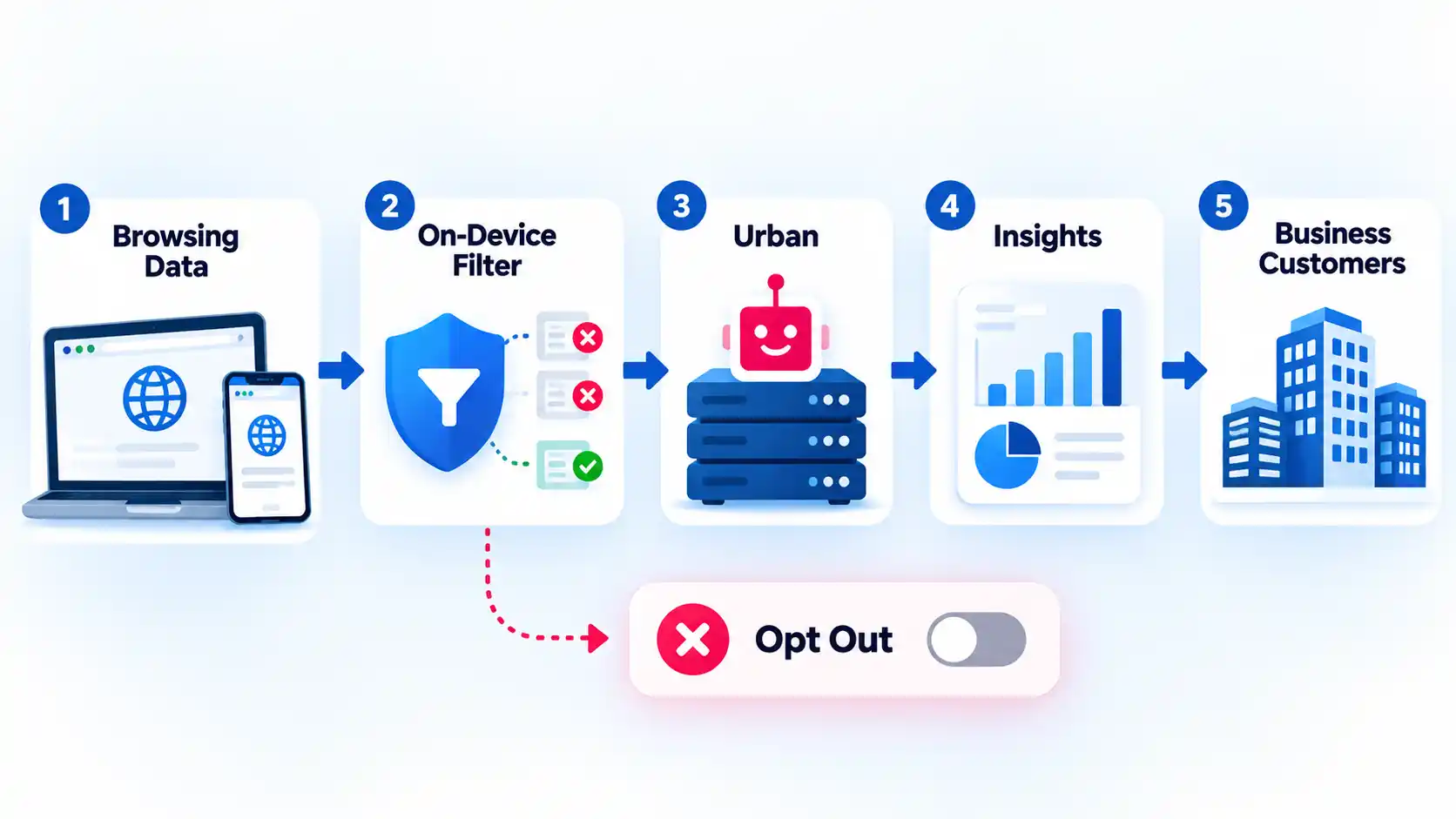
Urban VPN’s privacy policy updated September 4, 2026 says Browsing and Activity Data can include URL referrers, visited URLs, ad interactions, and search-result information. The policy says this information is cleaned on the device before being sent to Urban’s servers to remove or filter identifying information.
Urban says the data is used to provide the service and analyze traffic and engagement. It also says de-identified, filtered, anonymized, and aggregated browsing data may be used and disclosed for market-intelligence or analytics purposes, with consent where applicable law requires it.
That distinction matters. It would be inaccurate to reduce the policy to the claim that Urban simply records every named user’s full browsing history. It would also be inaccurate to describe the service as collecting no meaningful browsing information.
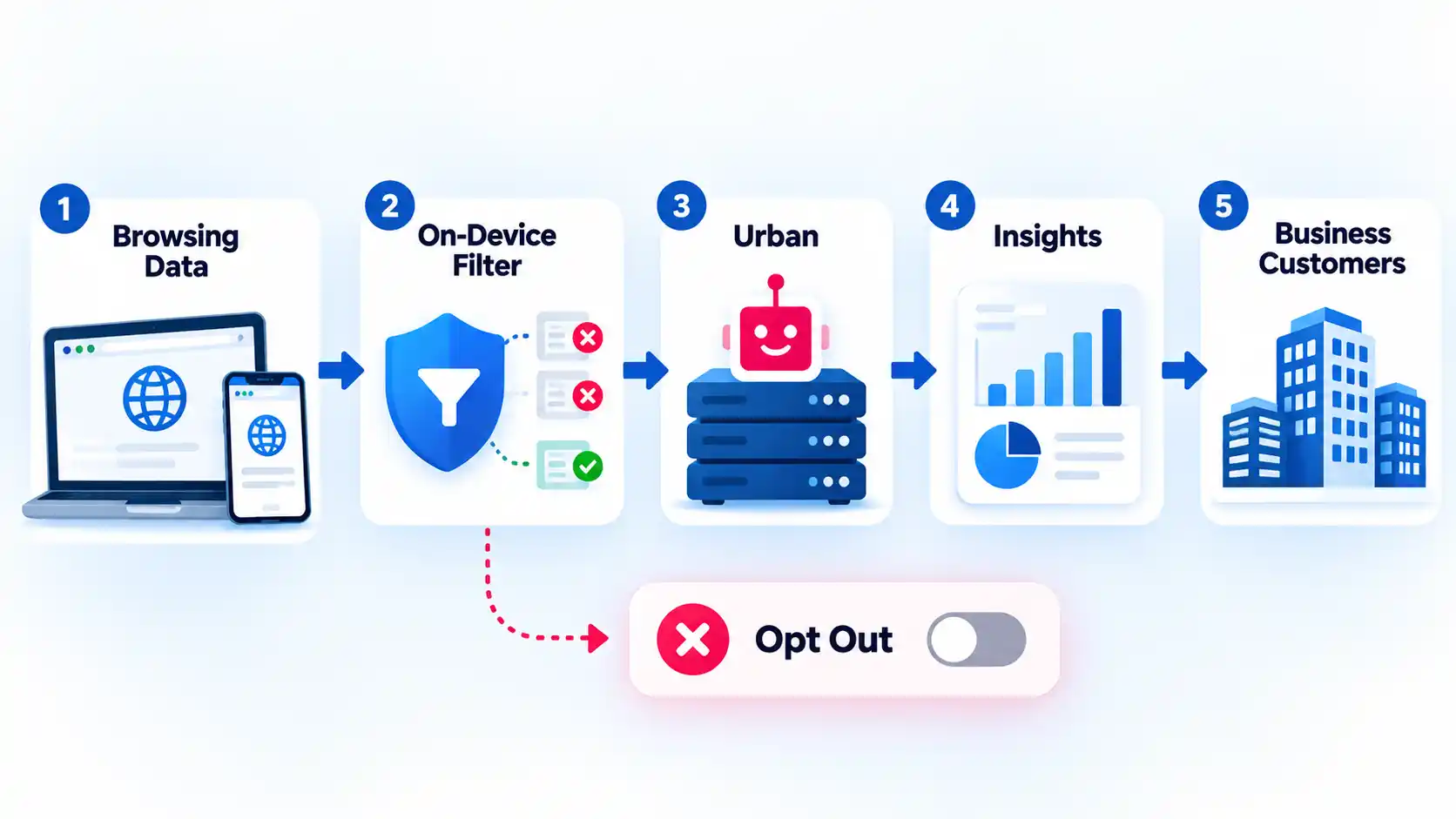
The commercial-use provisions go further. Urban says its parent company is a data broker and that marketing insights and behavior segments are sold largely from aggregated, non-identifying browsing data. The policy also says raw Personal Information may in some cases be disclosed to affiliates or the parent company for aggregation, anonymization, and de-identification.
Under its California disclosures, Urban says an insight sold with a unique identifier can qualify as a “sale” under the California Consumer Privacy Act definition. Its broader U.S. disclosures also say categories that may be sold include identifiers, commercial information, internet or network activity, profiles and inferences, and sensitive data as defined under applicable state laws.
Urban provides opt-out routes through product settings, an email request, and its “Do Not Sell or Share My Personal Information” link. The policy also says Global Privacy Control signals can be used for some browser or device opt-outs.
The browser extension deserves its own attention. The Chrome Web Store disclosure lists location, web history, and website content among the data the extension handles. Its optional Advanced VPN Protection description says visited URLs, ad interactions, clickstream data, IP addresses, and related web activity are sent to Urban’s servers for security analysis.
Urban’s terminology also makes a blanket “no logs” description hard to defend. Its own published VPN logs glossary states that UrbanVPN keeps logs for statistical analysis and periodically deletes them.
For a privacy-focused user, the practical question is not whether Urban can legally call some information aggregated or de-identified. It is whether you are comfortable routing your browsing through a service whose documented model includes this level of browsing-derived analytics and commercial data use. Choosing a VPN for privacy requires looking at the provider’s data practices, independent assurance, software transparency, and retention rules together rather than trusting one “no logs” phrase.
Security Features and Platform Gaps
Urban advertises modern security features, but their availability matters more than their names. A feature that exists on Android, for example, does not automatically protect a Windows session.
The current Premium pricing page advertises WireGuard, AES-256 encryption, Double VPN, and a kill switch. WireGuard is a VPN protocol, meaning a set of rules that controls how the encrypted VPN connection is created and maintained. A kill switch serves a different job: it blocks ordinary internet traffic if the VPN connection unexpectedly drops.
Urban’s current kill-switch feature page says the feature is available on mobile and that desktop support is “coming soon.” Its FAQ, however, describes a kill switch more generally and says it can be enabled or disabled from the settings menu. Because those statements do not fully align, verify the control in the specific app and version you intend to use instead of assuming universal availability.
Recent independent testing gives that limitation a practical consequence. In a September 2026 test, Gizmodo reported unprotected traffic after the free Windows VPN connection was interrupted in a cable-pull test. The same review reported a DNS leak on one tested U.S. server.
A DNS leak happens when the requests used to translate website names into network addresses travel outside the expected VPN path. That can reveal information about the sites being requested even when the main browser connection appears to use the VPN.
One test does not prove that every Urban VPN server or app version will leak. It does show why a feature list should not replace verification. Testing a VPN for DNS, IPv6, and WebRTC leaks can reveal whether traffic is escaping the protected route on your actual device and network.
Performance and Streaming: What Independent Tests Found
VPN speed is highly dependent on the server, protocol, distance, local connection, congestion, and device. That makes a single headline speed number a weak way to judge any VPN.
Gizmodo’s September 2026 testing illustrates that variation clearly. Its LinkX test on one U.K. server measured 185.11 Mbps, while another U.K. test using the default Auto setting measured only 1.12 Mbps. Those figures belong to Gizmodo’s test setup, not to Blog The Tech, but the large difference is useful evidence that Urban’s performance can vary sharply by connection method and server.
Streaming results were also mixed. The same test reported that five of eight tested streaming services blocked Urban VPN, while some services remained accessible. That makes Urban a risky choice if reliable streaming access is your main reason for subscribing.
It is better to interpret those results as evidence of inconsistency than as a permanent list of services that will or will not work. Streaming platforms regularly change their VPN-detection systems, while VPN providers change server addresses and routing.
The performance evidence therefore does not justify calling Urban universally slow. It does justify caution about assuming that a fast result on one protocol, server, or marketing page will carry over to your connection.
Urban VPN Premium: Pricing, Features, and Conflicting Terms
Premium changes Urban VPN mainly by adding more server access, multi-device use, dedicated Premium infrastructure, and additional features. It does not automatically resolve the privacy questions discussed earlier.
At the October 8, 2026 research point, Urban’s official pricing page advertised a one-month plan at $12.99, a six-month plan billed at $41.88, and a one-year plan billed at $59.40. Prices can change, so those figures should be treated as a dated snapshot rather than permanent rates.
The same page advertises up to eight devices, WireGuard, AES-256 encryption, Double VPN, a kill switch, and dedicated Premium servers. Urban’s separate Premium page describes a larger paid server pool and support for up to eight devices.
Urban’s Windows documentation is not fully aligned. The pricing page markets Premium alongside Windows-focused offers, while the separate Premium comparison page still marks Windows as “Coming soon” in one platform table even though surrounding text also refers to Windows. If Windows Premium is the reason you are paying, verify that the paid option and required features are available in your current Windows app before purchase.
If you are deciding whether to upgrade, compare the type of VPN client you actually need as well as the server list. Paying for more locations is not useful if your main need is protection for traffic outside the browser and you are only using an extension.
More broadly, what paying for a VPN actually changes usually includes capacity, server choice, support, simultaneous devices, or extra controls. A subscription by itself does not prove stronger privacy or better security.
Warning
Urban’s official refund information currently conflicts. Its pricing page advertises a 30-day money-back guarantee, while both its FAQ and Premium comparison say Premium does not currently offer a money-back guarantee. Verify the terms shown at checkout before paying and do not assume a refund is available.
The contradiction is not a minor wording difference. Refund eligibility can directly affect whether you are comfortable trying a long-term plan. Until Urban publishes consistent terms across its current pages, the terms attached to the exact purchase route deserve more weight than a general marketing statement elsewhere on the site.
Who Urban VPN Suits and Who Should Avoid It
Urban VPN is easiest to justify when your expectations are modest. Someone who wants occasional, non-sensitive IP-location changing on a Windows PC or supported browser may value the free access enough to accept its documented data practices and feature limitations.
It is a much weaker fit when the VPN itself is part of your privacy strategy. Consider another provider if any of the following are priorities:
- You want a provider with stronger public independent assurance around logging practices.
- You do not want browsing-derived information used for market-intelligence or analytics purposes.
- You need clearly documented kill-switch protection on your exact desktop platform.
- You need predictable streaming performance across several services.
- You want product, platform, pricing, and refund documentation that agrees across the provider’s current pages.
There is also a middle ground. You might decide that Urban is acceptable for low-risk browsing but not for work accounts, sensitive research, financial activity, confidential communication, or situations where VPN failure would create a serious privacy consequence.
That is a fit decision, not a claim that the service is malicious. Urban publishes substantial detail about its data practices and opt-out controls. The concern is whether those practices align with the reason you want a VPN in the first place.
Better Alternatives to Urban VPN
If privacy evidence matters more to you than unrestricted free access on Windows, compare providers that publish stronger assurance, clearer free-tier limits, or more narrowly defined data practices.
A comparison of safer free VPN options covers Proton VPN Free, Windscribe Free, hide.me, PrivadoVPN Free, and TunnelBear Free by factors such as data caps, registration requirements, device limits, server access, and privacy evidence.
For example, a free plan with a smaller server pool can still be the better choice if the provider publishes recurring independent audits or has a clearer policy about browsing destinations. Server count is useful only after the trust question is answered.
Bottom Line
Urban VPN’s free Windows and browser access is genuinely attractive, but free availability should not be the deciding factor when privacy is the reason you want a VPN. Its current privacy disclosures allow meaningful browsing-derived data processing, recent independent testing found protection and performance problems in specific test conditions, and Urban’s own pages still disagree about important details such as refunds, platform availability, and desktop kill-switch support.
If you only need occasional, low-risk location changing and understand those trade-offs, the free service may be sufficient. If you expect the VPN provider itself to minimize data collection, offer stronger independent assurance, and document security protections consistently across platforms, choose a provider that meets those requirements before sending your traffic through it.
Our Verdict
Urban VPN is a cautious fit for casual users who prioritize free access and convenience over strong privacy assurance. Privacy-focused users should look elsewhere, while anyone considering Premium should verify the exact platform features and refund terms before purchase because Urban’s current official pages do not fully agree.

But down in the very state where Trump has his “winter White House,” two Republicans have put forth a very different vision for the party’s future — and have been far more eager to take on the artificial intelligence industry.
- Gov. Ron DeSantis and his attorney general, James Uthmeier, have become vocal critics of the AI industry over the past year, warning of the technology’s dangers to children and to humanity as a whole.
- This sets them apart from Trump, who has championed the industry and downplayed its dangers.
- DeSantis tried to pass an “AI bill of rights” with child safety restrictions, but his effort was foiled by other Florida Republicans with close White House ties.
- Uthmeier has filed a wide-ranging lawsuit against OpenAI and the company’s CEO, Sam Altman.
- The two are betting that public backlash against AI will grow deeper, including among Republicans — and they’re hoping they’ll be able to steer the party in a post-Trump world.
Most notable is the term-limited Gov. Ron DeSantis, who devoted much of his final year in office to a failed effort to pass an “AI bill of rights,” which would have imposed tougher restrictions regarding child safety and other topics. He’s warned that AI could “set off an age of darkness and deceit,” blasted “tech oligarchs” for putting people at risk, and called Anthropic “very creepy” for exploring whether AI could be conscious.
“He clearly understands what the risks are, and I find he’s also very good at calling bullshit on disingenuous arguments from the Silicon Valley lobby,” Max Tegmark, an MIT physicist who co-founded the Future of Life Institute, an AI safety nonprofit, told me. (DeSantis hosted Tegmark at two events in Florida this year.)
The other is DeSantis’s handpicked attorney general, James Uthmeier, a longtime close ally who is now trying to win the AG’s office in his own right — and who filed a high-profile lawsuit against OpenAI in June. Last week, Uthmeier asked the judge in the case to block OpenAI from developing new models unless they had “independent third-party guardrails and approval.”
“The danger of these AI systems is real and growing,” Forrest Saunders, a spokesperson for Uthmeier, told me. “Florida and the nation have seen case after case of violence, child exploitation, and models that operate beyond their developer’s control.” He added that Uthmeier “welcomes innovation, but Floridians will not be the test subjects.”
With AI cresting as a national anxiety — or a national opportunity, depending who you talk to — both major parties are still finding their footing on the issue. And though Trump is clearly trying to get Republicans in lockstep behind the industry, a very strong current is pulling the other way, responding to populist concerns and parents’ complaints to stake out a much more skeptical position. Florida has emerged as a bellwether for what Republican policies might look like if conservative America turns decisively against AI, especially as Trump’s political clock runs out.
DeSantis and Uthmeier aren’t unique in the GOP for having concerns about AI — a handful of House members and senators want further action, and populist opposition to data centers has bubbled up in races around the country.
But the two have gone furthest in taking on the industry directly — and they’ve done so even though it puts them on the wrong side of Trump.
In recent days, I spoke to several Florida political observers and advocates on the AI issue. Most believe that DeSantis and Uthmeier are affirmatively trying to stake out what the GOP’s position on AI should be in a post-Trump future, and to better align with an electorate that’s turning sharply against the industry, despite what the president may say.
“He’s trying to skate where the puck is going,” Jeff Brandes, a former Republican state senator, told me. (DeSantis’s office did not respond to a request for comment.)
Beyond the quest for political advantage, the stakes are very real. Will there actually be a significant and influential force on the right that takes the concerns about advanced AI’s harms seriously — and is willing to act to try and rein them in, before they do great damage?
DeSantis and Uthmeier are hoping the answer is yes — and that they will be the ones leading that charge.
Ron DeSantis’s quest for an AI bill of rights
In this case, the politics and the personal are intertwined. DeSantis occupies a unique place within the party at this particular moment that’s given him an incentive to buck the national consensus on the right, especially when it comes to Trump, and explore an independent approach.
In his first decade in politics, DeSantis had a charmed rise. In 2012, he embraced the Tea Party to win a seat in Congress; in 2017, he bear-hugged Trump to get his endorsement for governor. He then became a national conservative star for opposing pandemic-era public health restrictions and waging war on “wokeness,” winning his 2022 reelection in a nearly 20-point landslide.
“He is always out front, even ahead of other Republicans, on issues that he makes more important,” Peter Schorsch, editor of Florida Politics, told me. “I would joke with people that I didn’t know how to spell ESG or DEI before he brought these to the forefront.”
But what followed was a failed presidential primary campaign that put DeSantis on the wrong side of Trump and then sent him back to Florida with an uncertain political future.

Early last year, just weeks after a report that DeSantis’s wife Casey was considering running to succeed him as governor, Trump publicly urged Rep. Byron Donalds to enter the race, promising his “Complete and Total Endorsement.”
Also early last year, DeSantis, who had long run roughshod over Republican legislators, was faced with a new thorn in his side: an ambitious new state house speaker, Daniel Perez, who was more interested in cultivating the Trump White House than the governor. Perez took a far more assertive stance in shaping legislation and rejecting some of the governor’s demands than his predecessors; he also publicly blessed an investigation into a charity tied to Casey DeSantis. A bitterly personal feud between Perez and DeSantis ensued.
In the midst of all this, last summer, DeSantis got AI-pilled.
In July 2025, DeSantis announced that he was going to develop a state plan to deal with the rise of artificial intelligence. “We can’t just turn the reins over to a bunch of tech overlords,” he said. (DeSantis had long been a critic of major tech and social media companies on the grounds that they are too “woke” or politically hostile to conservatives and their ideas.)
At another event that month, DeSantis said: “I think this is, like, the biggest issue that’s facing our society.” He mentioned AI’s potential impacts on the economy, on jobs, on students, and on the spread of “false narratives” as troubling to him.
“I welcome technologies that will enhance the human experience. I do not welcome things that are going to supplant the human experience,” DeSantis said in September.
His interest in state action put him on the opposite side of the Trump administration, which was advocating for a 10-year moratorium on state regulation of AI — arguing that forcing the industry to abide by a patchwork of state regulations would slow its growth. (David Sacks, a key Trump adviser on AI, championed this argument.)
Last December, at the Florida mega-retirement community the Villages, DeSantis rolled out his proposed “AI bill of rights.” It did not focus on existential or civilizational risks, but instead more practical concerns around child safety. Megan Garcia, a Florida mother whose 14-year-old son died by suicide after conversing with a chatbot “companion,” appeared at the press conference.
As introduced in the Florida state senate, the bill would have required that parents consent to minors speaking to companion chatbots and forced companies to disclose when users weren’t speaking to a human, among other provisions. The state senate passed it in March.
But it was dead on arrival in the Florida House of Representatives — where Perez had aligned himself closely with the White House. “We do believe that the federal government should take care of AI, and whatever legislation or policy has to pass on a national level,” Perez said.
Brendan Steinhauser, who heads the AI safety advocacy group Alliance for Secure AI, told me that he saw Perez at a Mar-a-Lago fundraiser around this time, and asked him about safety risks. “He leaned to me and whispered, ‘We’re with you, but the president has made it clear not to move forward on this stuff,’” Steinhauser said. “So, the White House basically put the kibosh on that effort.”
DeSantis complained publicly that Perez was pursuing a “personal agenda” and thwarting badly needed legislation. It was to no avail — the bill didn’t move. But Perez did — Trump nominated him as ambassador to Brazil in June, and he was confirmed in August. (A request for comment from Perez, submitted to the State Department, received no response.)
James Uthmeier’s lawsuit against OpenAI
Though DeSantis hit a wall in the legislature, his attorney general was soon waging his own battle against OpenAI in court.
The attorney general is an elected position in Florida, but when Marco Rubio vacated his Senate seat to become secretary of state, DeSantis filled the seat with the state AG, Ashley Moody.
Then, to fill the newly vacant AG job, DeSantis chose one of his closest aides, who had served as his general counsel, chief of staff, presidential campaign manager, and chief of staff again — Uthmeier.

Uthmeier is a Florida native who had worked in Rubio’s Senate office; he graduated from Georgetown Law School in 2014. After that he joined the firm Jones Day and worked with Don McGahn; when McGahn was named White House counsel in Trump’s first term, Uthmeier went with him to the new administration, ending up at the Commerce Department. Then, in 2019, he headed back to his home state to work for the new governor, DeSantis, and has been close by his side ever since.
Now, though, DeSantis is term-limited, and Uthmeier is trying to get Florida voters to elect him for a full term as AG on his own. (Trump’s allies had reportedly urged then-Speaker Perez to challenge Uthmeier in the GOP primary, hoping to supplant a DeSantis ally; Perez demurred, and Uthmeier won the nomination unopposed.)
To make his mark, Uthmeier has filed several high-profile and politically charged lawsuits — for instance, he sued Starbucks over its corporate diversity politics (the company recently settled), and Pfizer about the safety of its Covid-19 vaccine. He’s also subpoenaed the NFL over its “Rooney Rule,” which requires teams to interview minority candidates for top coaching and operations jobs.
He’s also become the face of the administration’s challenge to the AI industry. In April, Uthmeier stood in front of a podium with an “Investigating OpenAI” sign, announcing he’d opened a criminal investigation into the company.
The impetus was a shooting at Florida State University last year that killed two people and injured six others; the accused shooter had consulted ChatGPT about various topics related to his plans hours before the attack.
“If ChatGPT were a person, it would be facing charges for murder,” Uthmeier said then. “This criminal investigation will determine whether OpenAI bears criminal responsibility for ChatGPT’s actions.”
There have been no criminal charges yet. But in June, Uthmeier filed a wide-ranging civil lawsuit against OpenAI, alleging deceptive business practices, negligence, fraudulent misrepresentation, and other legal violations, because the company marketed ChatGPT as safe when they knew it could be quite dangerous. The suit also named OpenAI CEO Sam Altman personally as a defendant. (Disclosure: Vox Media is one of several publishers that have signed partnership agreements with OpenAI. Our reporting remains editorially independent.)
Like DeSantis’s AI bill of rights, Uthmeier’s lawsuit originally focused on practical concerns and real-world harms that have already occurred, like the shooting. “Since its release in 2022, ChatGPT has advised teenagers on how to kill themselves, mix unsafe combinations of drugs, become anorexic, helped plan one mass shooting and one multiple homicide in Florida alone,” one filing in the lawsuit reads.
But after the summer’s ominous parade of AI headlines — such as OpenAI agents autonomously hacking the company Hugging Face, and new statements from current and former AI lab employees warning the technology could cause human extinction — Uthmeier turned up the heat, asking the judge in the suit for an injunction blocking OpenAI from developing new models without independent third-party safety evaluation.
“Defendants claim they cannot stop barreling forward with their potentially civilization-ending endeavors unless they are forced to do so by the government. They have asked the government to tie them to the mast” he wrote in a filing last week. “Plaintiff brings good news to the Defendants: The Florida Attorney General is answering your cry for help with a motion to enjoin you from harming Floridians with your reckless, unacceptably risky product.”
“Though a reasonable person would say there is no amount of money worth a 10% chance of the extinction of the human race, Defendants see it differently. They are intent on growing their $1 trillion valuation,” the filing continues. “It is only by the grace of the Almighty that one of Defendants’ AI agents hasn’t compromised a water supply or shut down a power grid — yet.”
OpenAI has not yet filed a response on the merits in this suit, but a company spokesperson has previously said that, in the case of the Florida State University shooter, ChatGPT “provided factual responses to questions with information that could be found broadly across public sources on the internet, and it did not encourage or promote illegal or harmful activity.”
Uthmeier, age 38, is viewed in the state as a potential rising star with a talent for getting headlines, who could well have a long career in state GOP politics — if he wins in November, that is.
While DeSantis has been credited for changing Florida from a swing state to a solidly Republican one, some recent polls have raised the possibility it might swing back. A September survey by St. Pete Polls found Uthmeier ahead of his Democratic challenger, Miami attorney and former state Rep. José Javier Rodríguez, by just a single-point margin.
And though DeSantis and Uthmeier have become major AI critics, the Floridian topping this year’s GOP ticket, Rep. Byron Donalds, is currently being hammered with attacks about his statement last year that the state needs to “embrace” data centers. He’s been nicknamed “Data Center Donalds” by his Democratic opponent, former Rep. David Jolly, who has also been close in some recent polls.
As for DeSantis, few expect the 48-year old to go quietly into retirement. When asked over the spring whether he’d run for president in 2028, he told reporters, “You never know.”
Brandes, the former Florida state senator, told me that he thinks DeSantis’s AI push is about “looking for wedge issues where he can have a different opinion from Trump’s successors as he prepares for whatever future ’28 or ’32 provides for him.”
That is: The Republican Party of 2026 might still be too influenced by Trump to go fully anti-AI. But if Trump’s influence ebbs, if the populist backlash against AI spreads further, and especially if there are more worrying AI-related reports or incidents with real-world harms, perhaps there could be an opening on the right for a leader who’s taken the problem seriously, even when it meant going against powerful figures in his party.
Tech & AI
Your digital photos and posts are scattered everywhere: This startup ties them all together



Eluum is taking aim at a problem created by the explosion of digital life: We chronicle our lives everywhere, but a single home for our most meaningful memories is hard to come by.
The Seattle startup’s new app brings together photos, videos, social posts, locations and other personal moments from across the digital landscape, using AI to help organize them into an evolving record of a person’s life, a feature it calls MyLifeStory.
The bootstrapped company, founded by former Microsoft and Avalara manager Bilkay Rose, former Microsoft software engineer Dale Rector and former investor relations exec Jennifer Gianola, sees an opportunity to create what it calls a user-controlled “memory layer” for social media.
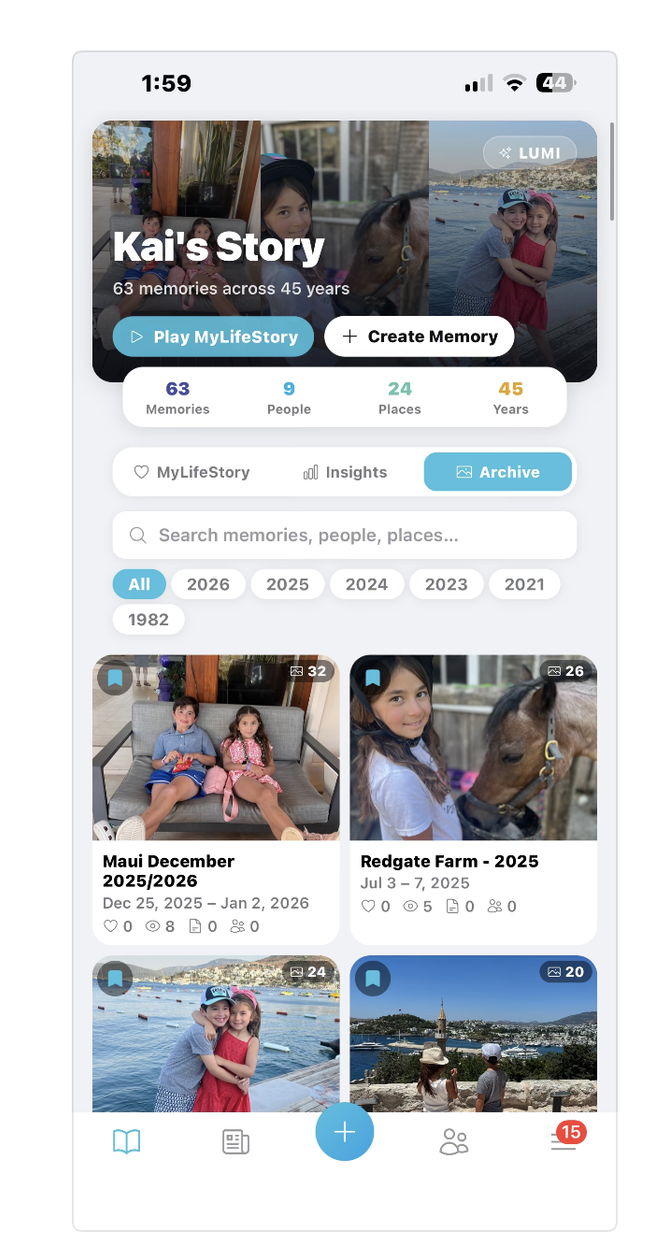
The idea grew out of Rose’s own struggle to piece together years of family memories across a variety of platforms and devices. The app is available for iOS, Android and the web.
We caught up with Rose, who is part of the CoMotion entrepreneurial community at the University of Washington, for the latest installment of GeekWire’s Startup Spotlight.
In 50 words or less, give us your elevator pitch:
Eluum is building the future of social around people’s stories. MyLifeStory brings scattered photos, videos, social posts, places, and personal context into one evolving life story, helped by Lumi, our artificial intelligence memory companion, and controlled by the person whose life it represents.
What problem are you obsessed with solving?
Each of us creates thousands of digital artifacts, but they are scattered across camera rolls, social platforms, devices, and feeds. Nothing brings them together as the evolving story of a person’s life. Every person I know deals with this issue, but it seems too big to solve for most. We believe technology has finally reached the point where MyLifeStory can become real: a living story built across time, not another temporary feed built around advertising and engagement.
What surprised you after talking to customers?
People do not need another place to post. They want help making sense of what they have already created, and continue to create on a daily basis. What surprised us was how consistently people described feeling overwhelmed by their digital lives. They have the photos and posts, but the meaning — the people they actually create memories with, places they visit, experiences, and stories connecting everything — is being lost every single day.
How has artificial intelligence changed the way you build your company?
Artificial intelligence gives a small, determined team extraordinary leverage. It allows Dale, our CTO, and our broader team to build, design, test, and learn faster without requiring a massive organization or budget. More importantly, it makes our product possible.
Lumi helps users organize disconnected moments, add context, and gradually shape them into meaningful life stories. Artificial intelligence is the helper; the person remains the author. We have a bold vision for what technology can do for the average person, and we believe the first problem to solve is our memories. The most important thing in everyone’s lives is their journey through life.
@media (max-width: 600px) {
.gw-founder-box { float:none !important; max-width:100% !important; margin:20px 0 !important; padding:16px 18px !important; }
.gw-founder-box .gw-label { font-size:12px !important; margin-bottom:8px !important; }
.gw-founder-box .gw-hero { font-size:19px !important; }
.gw-founder-box .gw-byline { font-size:15px !important; }
.gw-founder-box .gw-meta { font-size:12px !important; margin-bottom:14px !important; }
.gw-founder-box .gw-facts { padding-top:14px !important; }
.gw-founder-box .gw-facts li { margin-bottom:12px !important; }
.gw-founder-box .gw-facts li:last-child { margin-bottom:0 !important; }
.gw-founder-box .gw-value { font-size:15px !important; line-height:1.45 !important; }
}
What’s one thing people misunderstand about your startup?
People sometimes assume Eluum is another social network or photo-storage application. It is neither. Eluum is building a human memory layer for social.
Our integrated social tools help people manage and share content, but MyLifeStory is the destination: a private, user-controlled story of their life that becomes more valuable over time. As a female founder, my mission is to build a company that can solve real problems. Our mission is to solve problems and make our users’ lives better.
What’s the toughest decision you’ve made in the past year?
Our founding team had to decide whether Eluum was primarily a life-memory platform or an integrated social platform. We see two enormous problems: social media needs a new, human-centered model decoupling our social lives from ad and algorithmic platforms, and people need a way to preserve their fragmented digital lives.
We ultimately realized these ideas are connected. Integrated social is how moments flow into Eluum; MyLifeStory is what gives those moments lasting meaning. Balancing that product vision with limited resources — while continually asking what users truly want, need, and would think is genuinely exciting — remains our hardest discipline.
What’s the one piece of advice you give to other entrepreneurs?
Do not confuse limited resources with an inability to make progress. A determined small team, the right technology, and a meaningful problem can accomplish far more than most people expect.
Listen closely to users, but maintain enough conviction to build what they cannot yet describe. Think big and don’t get easily discouraged early on. Prove your idea.
We’ll know our company has made it when…
I cannot imagine declaring that we have “made it.” That would be naive because trust must continually be earned. Success would mean Eluum becomes a trusted brand people rely on to build and preserve their life stories, knowing our products were designed to work for them, protect what matters, and become more meaningful with time.
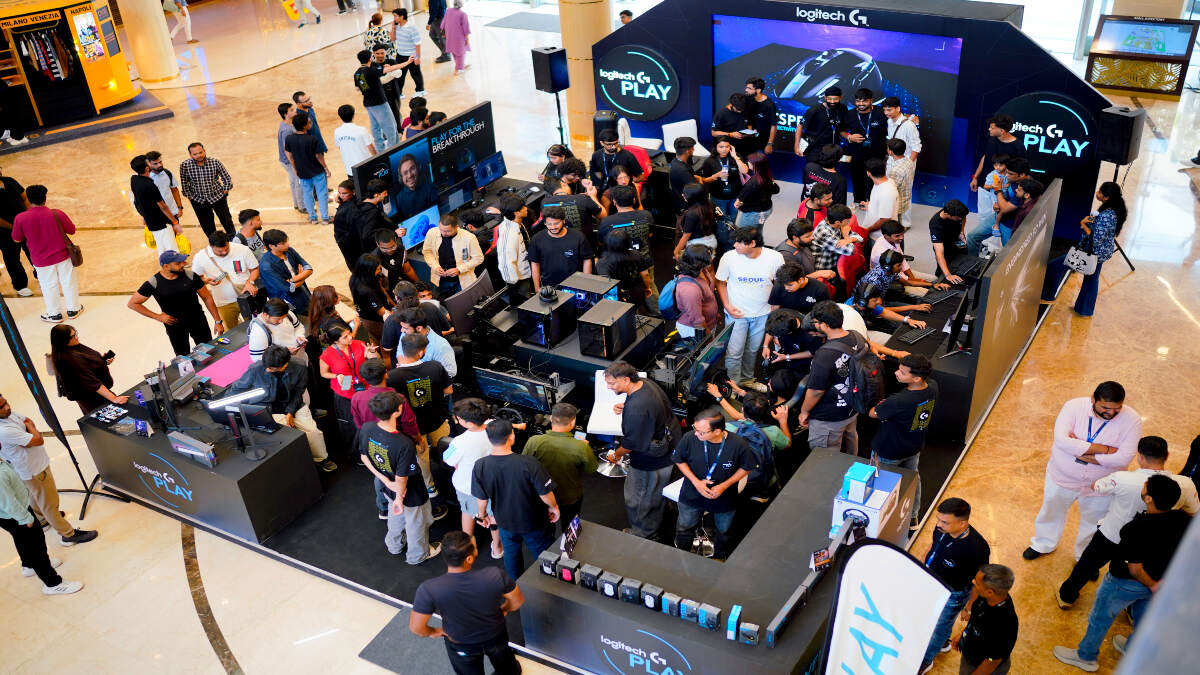
India’s gaming community got to experience Logitech G PLAY for the first time in Mumbai. The global gaming event brought more than 27 creators, esports players, and racing personalities to R City Mall, Ghatkopar. The event focused on gaming, competition, and the community around it under the “Play for the Breakthrough” theme.
The first India edition of Logitech G PLAY brought together several names from the gaming community. Popular creators including Hydraflick, Sikhwarrior, Ankit Panth and The Indian Budget Gamer attended. Professional esports players Casper, Meow 16K and Rite2Ace also joined the event. Racing creators and other gaming community members took part as well. The event celebrated the passion and communities shaping gaming culture across India.
Fans Take Part in Gaming, Racing and Creator Challenges
Logitech G PLAY offered fans an interactive gaming experience beyond a regular showcase. The event featured a 2v2 Valorant Creator Showdown in Skirmish Mode. It brought gaming creators and competitive players together for a live match. Fans also took part in Audience vs Creator challenges. Other activities included the Fastest Lap Challenge and Aim Labs challenges. The event also featured sim racing and Cosplay Showdowns. Fans could meet creators, take part in giveaways, and collect exclusive merchandise.
This event brought Logitech G’s global gaming celebration to India’s gaming community. Fans got the chance to meet creators they follow and compete with them in person. The event also followed Logitech G PLAY 2026’s global theme, “Play for the Breakthrough.” The theme highlights the perseverance behind every breakthrough in gaming and esports. It celebrates the dedication, resilience, and passion behind gaming, streaming, and competitive play.
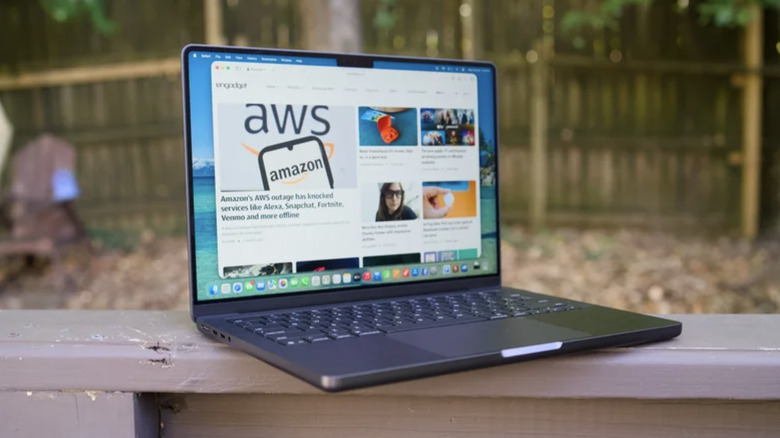
The wait to (literally) get your hands on the tech may almost be over.
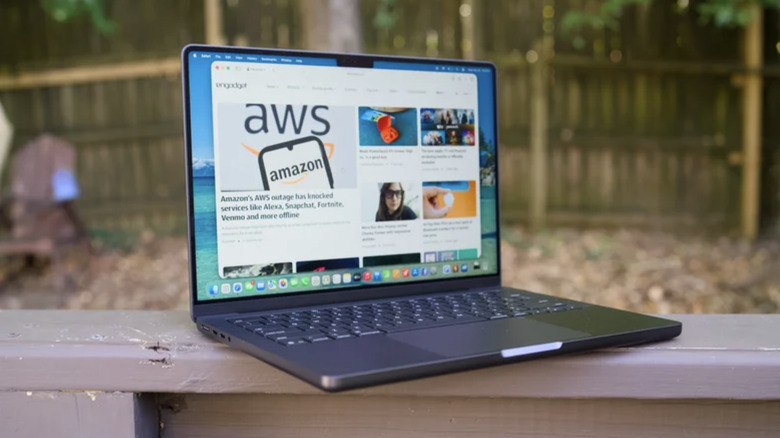
2026 is turning into a big year for Apple hardware news. According to Bloomberg‘s Mark Gurman, the company’s first touchscreen laptop is expected to debut “on or around” October 27. So, not a 100-percent solid date for a product announcement, but still a more concrete time frame than we’ve ever had about Apple’s long-awaited touchscreen laptop debut.
Rumors about a touchscreen edition of Apple’s high-end laptop date back to 2023. The more recent chatter about this device, largely driven by Gurman’s reports, is that it will have a dynamic interface that adapts to the different modes of input. We’re expecting the new touchscreen MacBook, potentially called MacBook Ultra, to run on the same M5 Pro and Max chips as the current high-end MacBook Pro models, as an earlier report suggested there won’t be pro-level versions of the new M6 chip.
In addition to touchscreen laptops, the anonymous Bloomberg sources said to expect Apple’s presentation to include a redesigned iPad Mini with an OLED display, and smaller updates to the entry level 14-inch MacBook Pro and iMac to add the new M6 chip that debuted with the Mac mini refresh. The entry-level MacBook Pro currently runs an M5 chip, while the iMac is stuck on an M4 chip. And that won’t be Apple’s only set of reveals this month; it’s also slated to introduce a new collection of smart home gadgets on October 13. This packed event schedule follows the summertime debut of Apple’s first foldable in the iPhone Duo.

As the Trump administration has carried out a nonstop effort to undermine the midterm elections this year, the Department of Homeland Security appears to have looked into whether it could use a Palantir-supported tool to track people it believes have voted illegally.
The revelation is found in a tranche of documents obtained through a Freedom of Information Act request and published this week by Democracy Forward, a legal advocacy group. As well as revealing that DHS officials have investigated over 150 nonprofit groups in search of evidence they’re helping noncitizens register to vote, the documents show how Immigration and Customs Enforcement is now central to federal voter fraud investigations.
More specifically, Homeland Security Investigations (HSI)—one of ICE’s two major components—is spearheading the effort to uncover voter fraud, with its Innovation Lab (known internally as iLab) developing tools for agents.
ICE, it seems, wants to build “a system that is going to get good at determining how to find people to investigate and potentially bring action against,” Chinmayi Sharma, an associate professor at Fordham Law School who has closely tracked the Palantir-supported tool called ELITE, tells WIRED.
“You would want to build off of what already exists, what might already have the infrastructure and data sources that you would want,” says Sharma.
“iLab’s processing focuses on DOJ voting rolls and [US Citizenship and Immigration Services] data; criminal histories are currently excluded, with efforts underway to address this,” a worker in HSI’s Countering Transnational Organized Crime unit wrote on May 26 in an email with “Voter Fraud” in the subject line. (Like other workers, their name was redacted in the records released to Democracy Forward.)
“Coordination with iLab continues,” they wrote, “particularly on ingesting processed voter roll data into the ELITE enforcement system to enhance lead management, analytical review, and investigative tracking.”
The existence of ELITE, which stands for Enhanced Leads Identification & Targeting for Enforcement, was first reported in January by 404 Media, which revealed that ICE agents using the tool can create maps featuring potential deportation targets, pull up files on each target, and see a “confidence score” on the person’s current address.
“Voter roll data has never been integrated into ELITE,” a Palantir spokesman tells WIRED.
ELITE was again mentioned in a July 7 email with an attachment named “Fraud WAR”—WAR typically refers to a weekly activity report—from a DHS worker who shared an update on the agency’s “election integrity investigations,” including the news that Connecticut, Georgia, Kentucky, Missouri, Michigan, and New Mexico had “been enriched by the iLab and are pending Palantir entry into ELITE.”
What specifically was enriched and pending Palantir entry is unclear from the records, but in another email in the same chain, a DHS official said that someone from the agency would send the update to the White House.


This article is crossposted from IEEE Spectrum’s careers newsletter. Sign up now to get insider tips, expert advice, and practical strategies, written in partnership with tech career development company Parsity and delivered to your inbox for free!
When I changed careers at 30 to become a software engineer, I expected it to be hard. I expected to struggle to fit in, and I expected to bomb a lot of interviews (I did). What I didn’t expect was how few people would support me.
As a parent, I get it now.
A career change is a risk, and the people who care about you tend to project their fears onto you. They don’t want to watch you struggle or fail, so they discourage you or just don’t offer much enthusiasm.
Right now is a strange time to be in engineering, or knowledge work in general. Plenty of us are excited about what AI means for our jobs. More of us are nervous, and I think that fear is justified. Employment for entry-level software developers has fallen nearly 20 percent since late 2022, according to Stanford’s 2026 AI Index, and it can feel like the knowledge we spent our careers building is being commoditized.
Lately I’ve seen a flood of social media content telling software developers to go into the trades. YouTubers are telling you to become a plumber or a goat herder.
But before you do that, I want to warn you, there is no EASY path. Even if you want to become a goat herder.
I’ve changed careers once so far, but my business has forced me through several pivots that felt a lot like career changes—new audiences, new skills, new identity. Here’s what I’d tell anyone considering a change, whether you’re moving into engineering, leaving it, or finding a new speciality.
Find someone who’s done it and ask how
This is exactly what I told my oldest son, who’s getting ready to enter the job market full-time. Outside of the primary social media feeds, the internet is full of free and paid communities on Facebook, LinkedIn, and other sites. Reddit works, too, if you can stomach the trolls, because there’s valuable information buried in there.
Many of these spaces are flooded with people trying to break in, so look for the ones full of people who already do the work and talk openly about what is and isn’t going well. Then find one or two people in your own circle who’ve done it and ask what the job takes.
You’ll often find the degree matters less than you assumed. Indeed Hiring Lab found the share of U.S. postings requiring a bachelor’s degree fell from 20.4 percent in 2019 to 17.8 percent in early 2024, and more than half listed no education requirement at all.
Build proof of work, even if it’s unpaid
Yes, you’ll probably need to do some work for free, or at least far cheaper than you’re used to. I’ve had to do this in my business over and over. Nobody cares that I’ve been a software engineer for 12 years. They want to know whether I can do the thing they need.
When I started pitching businesses, I offered to build something for free as a case study, then used it to land clients who paid well. You can copy this in most fields. Say you want to get into marketing: Learn how Facebook ads work, find a friend or small business that needs help, and run the campaigns at a low price. Now you’ve picked up the jargon, and you have something concrete to show a hiring manager.
Stability is a myth
It may be corny, but change is the only constant. If you’re a software engineer, you could argue you’re in the middle of a career change already, whether you opted in or not. Programmers in the 1990s had the same experience when the web showed up and they had to quickly learn new tools just to stay relevant.
If you’re looking for stability, you’re in the wrong place, and I think it will get scarcer as AI and other forces reshape work. The best move is to build a strong foundation so you can adapt when the ground shifts. I wrote about the foundational skills to focus on if you’re interested.
—Brian
Roboticist Barbara Mazzolai is a prime example of someone who advanced her career by switching fields—and now, she’s helping to create a new one. Learn how her background in biology led her to co-author a manifesto on “sustainability robotics.”
Read more here.
The transition from a technical role to a leadership position can be challenging. To help seasoned professionals navigate the shift, IEEE is hosting its first International Leadership Conference in Budapest.
Read more here.
Every year, IEEE recognizes engineers whose technical achievements and leadership have made a lasting impact with its Technical Field Awards. See who’s on the 2027 list of awardees, which was announced in late September.
Read more here.
From Your Site Articles
Related Articles Around the Web
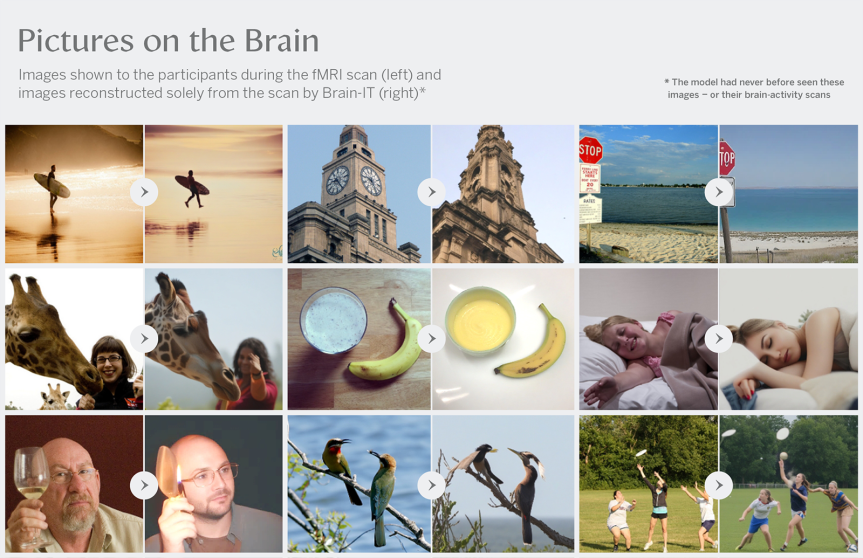
Israeli scientists have devised an AI model that can reconstruct and even predict what people are seeing with startling accuracy, likening the results to mind reading.
Their work still exists largely in lab settings, though the researchers are hopeful that advances down the line could be extended even as far as reading people’s dreams. More immediately, the technology could have potential for medical purposes, like helping people communicate who otherwise can’t due to injury or disability.
The AI model, called Brain-IT, was developed by professor Michal Irani and fellow researchers at the Weizmann Institute of Science in Israel. They’ve documented their work on GitHub and in a paper presented at a scientific conference earlier this year.
Brain-IT takes advantage of the thing that AI is best at, which is pattern recognition. It takes in data from functional MRI brain scans, which track changes in blood flow and oxygen in the brain to measure brain activity, and then uses that data to recreate the images the person was thinking about when the scans took place.
It also works in reverse, predicting what a brain scan would look like if shown a specific image.
According to Irani, other AI models can translate brain activity into images and preserve the general vibe of an image.
“However, they tend to make mistakes in basic features such as composition and color,” Irani said in a statement. “The new model we developed outperforms them in reconstructing both the content of the image and its details.”
Brain-IT is also substantially faster. The researchers say that it needs only 1 hour of fMRI data from a new subject to match the results achieved by other methods trained on 40 hours of recording.

How does the Brain-IT AI model work?
The Weizmann Institute researchers trained the AI model on thousands of brain scans from the publicly available Natural Scenes Dataset that came from eight volunteers who were told to look at specific images while they were being scanned. This allowed the AI to identify patterns in brain activity.
The researchers noted that different regions of the brain light up on scans when people think about specific things and identified 128 “functional regions.” For example, Irani said, some regions light up in scans when someone looks at food and others when a person views sports. These patterns helped the AI figure out what the person being scanned was witnessing.
Some of these regions were already known by neuroscientists. Research has shown that dogs’ brains light up like Christmas trees in the presence of their owners and that dogs can differentiate between a human’s facial expressions. It’s also been observed that humans use the same neurons in recalling an image as they do looking at them.
As impressive as Brain-IT is, it’s also quite limited. It can currently only generate images from fMRI brain scans. This takes time and requires a person to willingly put themselves into an MRI machine.
Irani and other scientists are also looking into whether a simpler EEG device could deliver similar results more easily, according to MIT Technology Review.
So is it mind reading? Not really — nothing in this technology is capturing thoughts, memory or language. What the Weizmann Institute researchers have built is essentially a more efficient and reliable method of reconstructing a scene based on the brain activity of the person viewing it.
In an interview with MIT Technology Review, Irani acknowledged that “mind-reading” is a “cute, jazzy name.”
Irani and her team now want to see if they can achieve similar results with auditory information.
Beyond that lies a more mysterious realm: dreams. That, Irani said in a statement, would require conquering the challenges of decoding video.
“Dozens of images change every second while an fMRI scan takes about two minutes,” she said. “If we overcome all these obstacles, it’s possible that in the future, we may even be able to read dreams.”

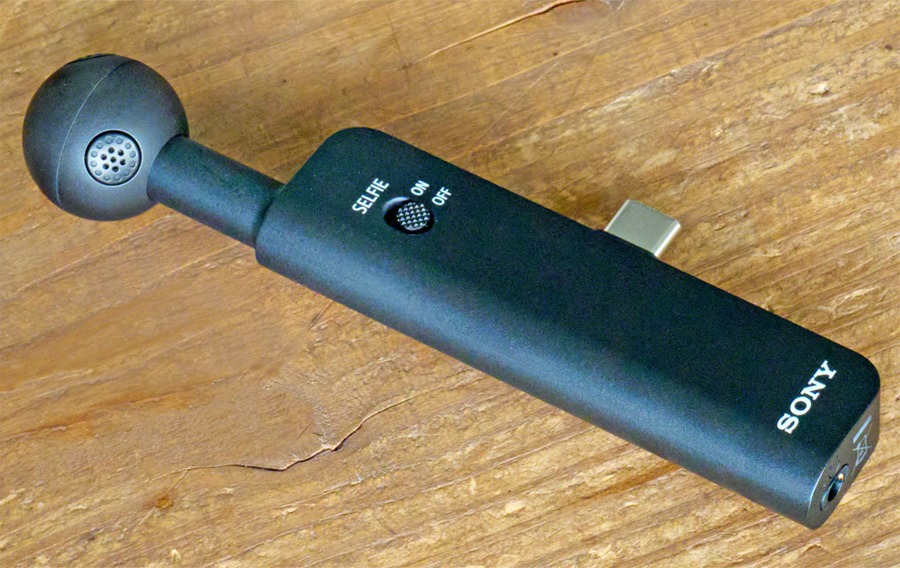
Sony might be best known to consumers for BRAVIA TVs, headphones and home theater gear, but pro audio has been part of the company’s DNA for decades. In 2026 alone, Sony expanded that side of the business with products including the affordable IER-M500 professional IEMs, and it is now turning its attention toward something potentially more consequential: making spatial audio easier to capture at the source.
The new Sony ECM-AX10 Spatial Audio Microphone is aimed at professional and hobbyist content creators, but its ability to capture first-order Ambisonics for use in Eclipsa Audio production workflows makes this more than another microphone announcement. Eclipsa Audio is built on the open, royalty-free IAMF spatial-audio format developed through the Alliance for Open Media and backed heavily by Google and Samsung. YouTube already accepts Eclipsa Audio content, while compatible TVs and soundbars can reproduce it at home.
So where is Sony going with this? The ECM-AX10 suggests the company wants a larger role in the entire immersive-audio workflow, from recording and production to distribution and playback. Sony already describes its professional strategy in terms of supporting creators from acquisition through delivery, and its growing emphasis on spatial-audio production makes the AX10 look less like a one-off microphone and more like another piece of that puzzle.
Related Reading: Watch Out, Dolby Atmos: Google’s Eclipsa Audio Is Coming For You
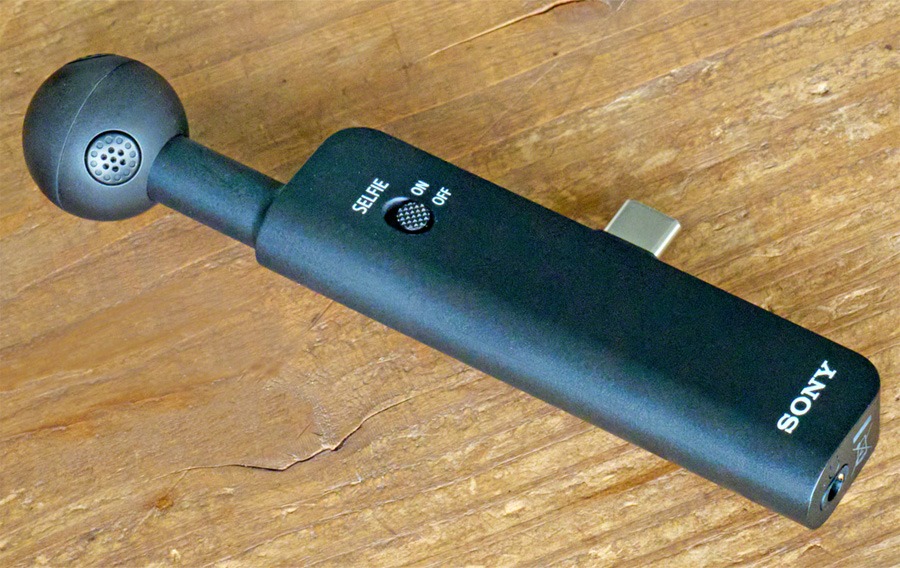
Why the Sony ECM-AX10 Matters for Smartphone Content Creators
Smartphones have come a long way, and an increasing number of creators now use them to record both video and audio.
However, while many smartphones can capture surprisingly high-quality video, their built-in audio recording often falls short. That is hardly surprising, considering those microphones also have to handle phone calls, meetings and everyday voice communication.
To expand the live audio recording capabilities of smartphones and other compatible devices, Sony has introduced the ECM-AX10, a very compact microphone that plugs directly into the USB Type-C port of a smartphone.
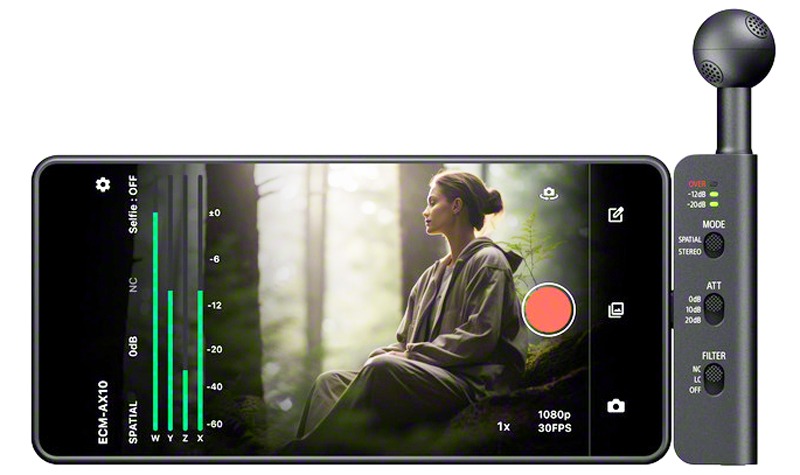
Once plugged in, the ECM-AX10 elevates a smartphone’s live recording capabilities with professional-quality spatial audio. Users can capture audio and video simultaneously without the need for separate synchronization.
ECM-AX10 use examples include:
- Travel, city walks and food experiences
- Music performances and live events
- Sports, motorsports and enthusiast content
- Family events, personal archiving and 360° video
- Capturing natural sounds, sound effects and ambience for post-production
With its built-in technology and flexible recording options, the ECM-AX10, when paired with a smartphone, can support a range of spatial and immersive audio workflows, including Eclipsa Audio, Ambisonic, binaural and stereo audio.
As a result of its built-in technology and flexible use possibilities, the ECM-AX10 in combination with a smartphone becomes a tool for supporting Eclipsa and Ambisonic, Binaural and stereo Audio workflows
Ambisonics: This is a four-channel, scene-based capture method used for immersive audio production. Ambisonics B-format is a full-sphere, speaker-independent spatial audio format that captures sound from all directions, including horizontal azimuth and vertical elevation.
Pro Tip: Sony’s spatial-audio processing converts audio captured with the ECM-AX10 into first-order Ambisonics, preserving direction, ambience and low-frequency detail.
Binaural: This supports two-channel spatial listening over headphones and is compatible with many existing apps.
Stereo: The ECM-AX10 also supports high-quality, atmospheric two-channel recording for broad compatibility with speakers, devices and apps.
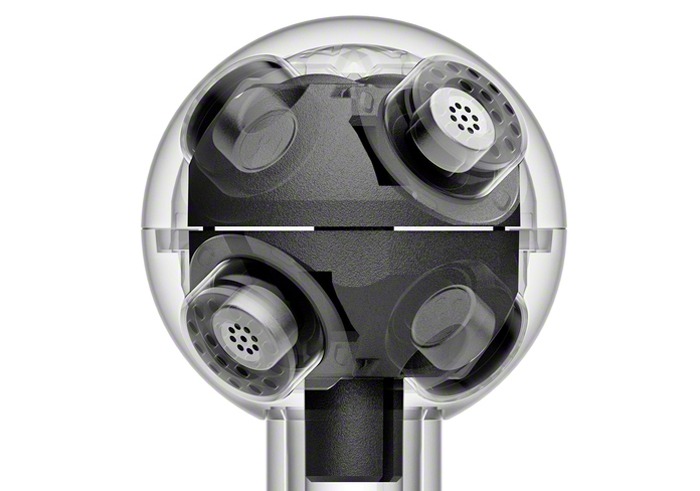
Eclipsa Audio: The ECM-AX10 captures first-order Ambisonics spatial audio, which can then be used to create Eclipsa Audio content based on the IAMF (Immersive Audio Model and Format) standard. Sony is also a licensed Eclipsa Audio adopter.
For the ECM-AX10’s mobile workflow, Eclipsa Audio output for YouTube requires Sony’s free editing app. The app processes the Ambisonics recording and prepares it for Eclipsa Audio distribution. Without that additional Eclipsa processing step, content can be exported for conventional stereo or binaural playback.
Similar to Dolby Atmos, Auro-3D, DTS and Sony 360 Reality Audio, Eclipsa Audio extends beyond traditional surround sound by incorporating height information. Sounds can be positioned around and above the listener to create a more immersive three-dimensional presentation.
Eclipsa Audio is based on the open IAMF standard and is designed to adapt immersive content to different playback environments and compatible devices, including TVs and soundbars. For ECM-AX10 users, the important distinction is that the microphone provides the spatial Ambisonics capture; Eclipsa Audio is created during post-production rather than recorded directly by the microphone.
Publishing Destinations: Stereo and binaural versions can be prepared for broad distribution through platforms such as Instagram, X, Facebook and other compatible services. For immersive Eclipsa Audio playback, the ECM-AX10 workflow can create an IAMF/Eclipsa Audio version for YouTube using Sony’s free editing app. Actual Eclipsa Audio playback also requires a compatible device.
ECM-AX10 Features
- Microphone Type: Spatial audio microphone for smartphones.
- Microphone Array: Four omnidirectional microphone capsules are arranged around a newly developed spherical module.
- Mode Selection Switch: Switches between Spatial Audio and Stereo modes.
- Peak Level Meter: Provides an indication of the strength of the incoming audio signal. If the input level is too high, attenuation may be necessary to prevent clipping.
- ATT (Attenuation): If an input signal is too strong, it can overload the system, resulting in clipping and harsh digital distortion. ATT reduces the input level to keep the recorded audio clean and within safe operating limits.
- Noise Control: Noise Cut and Low Cut settings help reduce unwanted noise.
- Selfie Mode: A Front alignment selector makes it easier to maintain proper sound orientation when recording selfies or front-facing video with a smartphone.
- Accelerometer: A built-in accelerometer automatically detects the microphone’s tilt angle, helping keep recorded spatial audio aligned with the video based on the smartphone’s orientation.
- Audio Recording Format Support: First-order Ambisonics, binaural and stereo.
- Audio Post-Production Format Support: Ambisonics (48 kHz, 32-bit float, four-channel AmbiX, Eclipsa Audio) and binaural/stereo (48 kHz, 16-, 24- or 32-bit). Audio editing can also be performed directly on the same smartphone used for recording.
- Input: USB Type-C direct connection for smartphones and other compatible recording devices.
- Output: 3.5 mm headphone monitoring output, compatible with the Sony IER-M500 IEMs and other wired IEMs and headphones.
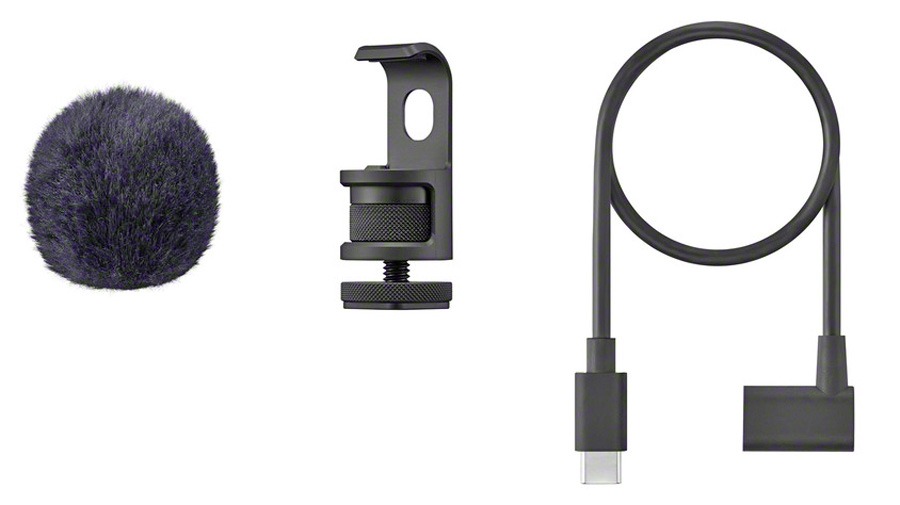
- Included in the Package
- Windscreen
- USB Type-C extension cable
- Cold-shoe microphone holder
- Spacer sheet
The Bottom Line
At $249, the Sony ECM-AX10 packs an unusual amount of recording capability into a microphone small enough to plug directly into a smartphone. Its real advantage is not simply better audio quality, but the ability to capture both conventional stereo and spatial audio without requiring a separate recorder, microphone array or complicated synchronization workflow.
That makes the ECM-AX10 particularly interesting for creators who want to move beyond basic smartphone audio. Its four-capsule design supports first-order Ambisonics capture, binaural and stereo production, while Eclipsa Audio support provides another path for creating and distributing immersive content. Editing can also remain within a mobile workflow, depending on the software being used.
What makes the ECM-AX10 genuinely different is how much of the immersive audio production chain Sony has condensed into one compact device. A creator can capture spatial audio alongside video on a smartphone, monitor the recording through wired headphones or IEMs, and then move that material into an Ambisonics or Eclipsa Audio post-production workflow without hauling around a conventional field-recording rig.
For monitoring, Sony’s $119 IER-M500 professional IEMs could also make a logical companion to the ECM-AX10, providing a relatively affordable Sony-based recording and monitoring setup for creators who want to keep the entire kit portable.
Price & Availability
The Sony ECM-AX10 Spatial Audio Microphone is priced at $249.99 USD (CAN $349.99) and is available through Sony.
Related Reading:

The closures come as receivers Kroll prepare Crystal Jade for sale
Crystal Jade has closed another four outlets in Singapore, leaving nine restaurants in operation. No further closures are expected, Channel News Asia reported.
Three of the four outlets were Crystal Jade La Mian Xiao Long Bao locations, at Bugis Junction, Toa Payoh and i12 Katong. The fourth was a Crystal Jade GO at Punggol Oasis Terrace. All ceased operations on Tuesday, Oct 6.
About 120 workers across the affected outlets and some corporate functions were issued termination notices.
The closures are part of a reorganisation of Crystal Jade’s Singapore business ahead of a proposed sale, financial and risk advisory firm Kroll said in a media release on Wednesday, Oct 7.
Kroll representatives were appointed receivers of the holding companies for Crystal Jade’s Singapore and Hong Kong operations on Sep 29. In a receivership, an appointed receiver takes control of certain assets of a company, typically to protect or recover their value.
Kroll said the restaurant premises would be handed back to landlords.
“All affected employees have been informed directly and will receive salary payments up to their final date of employment. Restaurant staff will continue to serve their applicable notice periods and will be compensated in accordance with their employment contracts,” the firm added.
Employees who need help with final pay or benefits may continue to contact the HR team.
About 210 employees will remain at Crystal Jade’s Singapore holding company after the reorganisation, Kroll said.

Kroll said it intends to market the business for sale as a going concern, aiming to preserve the brands, operations and value Crystal Jade has built over more than 30 years.
The proposed sale is intended to support the business’s continuity and future growth and is not expected to result in further operational restructuring. The nine remaining restaurants in Singapore will continue operating as usual.
Separately, Crystal Jade Food Manufacturing, the group’s central kitchen, ceased operations on Monday, Oct 5. It falls outside the receivership, and Kroll said management decided to close it as part of the group’s wider restructuring.
To support affected employees, Kroll said that it and Crystal Jade have been engaging the Food, Drinks and Allied Workers Union (FDAWU) and other associations since Sept 30.
FDAWU, an affiliate of the National Trades Union Congress (NTUC), said in a media statement on Oct 7 that Crystal Jade is not unionised, but that it had been approached by the appointed receivers to support affected union members and workers.
2026 has been a rough year for Crystal Jade. Prior to this, it had already shuttered five Singapore outlets at Hillion Mall, Suntec City, The Clementi Mall, Jurong Point and Great World.
It is also facing a court charge for failing to submit its complete income tax return for FY2025 on time, where it could be fined up to S$5,000.
Founded in Singapore in 1991, Crystal Jade was one of the country’s fastest-growing Chinese restaurant groups, reaching 120 restaurants worldwide in 2015.
However, that footprint is closer to 100 restaurants across 25 cities now.
- Read other articles we’ve written on Singaporean businesses here.
Featured Image Credit: Ricky Tho via Google Reviews

Tech & AI10 minutes ago
Privacy, Free Plan, and Premium Limits

Business & Hustles10 minutes ago
Oil Jumps 5% to $105 a Barrel as Iran Fears and Hurricane Threat Rattle Markets

Tech & AI51 minutes ago
Amazon Ditches Fire Branding for Alexa Tablets — and May Be Building Toward a Phone


-

 Sports22 hours ago
Saracens’ Venter Brands Premiership Rugby ‘Autocratic’ Over £5,000 Media Fine
-

 Fashion6 days ago
Weekend Open Thread: Veronica Beard
-

 Sports17 hours ago
Enzo Maresca all smiles as Man City return to training after guilty verdict
-

 Sports16 hours ago
Southampton’s Eckert Spared Ban as FA Suspends Six-Week Sentence Over Spygate
-
 Sports10 hours ago
Asiad selection row: Para-shooters allege corruption; PCI denies claims | Asian Games 2026
-

 Crypto20 hours ago
Crypto.com Teams Up With Insilico Terminal to Give Traders Free Pro-Level Tools
-
 Crypto16 hours ago
ESMA gives EU crypto platforms 3 months to drop non-MiCA stablecoins such as USDT
-

 Tech & AI3 days ago
Common Mistakes You Should Avoid When Using Foldable Phones
-
 Tech & AI7 days ago
Fireflies.ai Launches Fireflies Talk for Free, Unlimited Voice Dictation
-

 Tech & AI7 days ago
Excellent hardware badly hampered by too-small SSD
-

 Tech & AI7 hours ago
ICE Emails Discuss Using Palantir-Supported Tool to Investigate Voter Fraud
-

 Sports2 days ago
Harry Kane Ties Peter Shilton’s 125-Cap England Record in Wembley Win Over Czech Republic
-
 Entertainment11 hours ago
10 Flawless Movies With the Cleverest Protagonists
-

 Tech & AI7 days ago
Mystery AMD Chip “Gainsborough” Fuels Steam Deck 2 Speculation — But Don’t Get Too Excited Yet
-

 Sports23 hours ago
Internationals make history with emphatic Bridges Cup win at Trump Turnberry | News
-

 Crypto24 hours ago
Bitcoin ETF Outflows Hit $485M, Erasing October Inflows
-

 Gaming7 days ago
Reigns Studio Nerial Shuts Down as Founders Step Back “To Our Roots”
-

 Tech & AI6 days ago
Sony’s new PS5 Pro lottery requires 60 hours of playtime just to apply
-
 Crypto7 days ago
Bitcoin edges higher ahead of U.S. jobs report as global bond yields surge
-
 Sports4 hours ago
Arsenal statement adds to Man City misery after guilty 115 verdict
You must be logged in to post a comment Login